A vacation looked very different when boomers were growing up. Road trips could begin without a hotel reservation, kids piled into station wagons without screens to entertain them, and getting lost meant unfolding a paper map or asking a stranger for directions. AAA still offers printed maps and its TripTik route-planning service, a reminder of how travelers once navigated long trips without GPS. Some of these old vacation habits sound wonderfully spontaneous now, while others are hard to imagine families accepting today.
Leaving Home Without Any Hotel Reservations
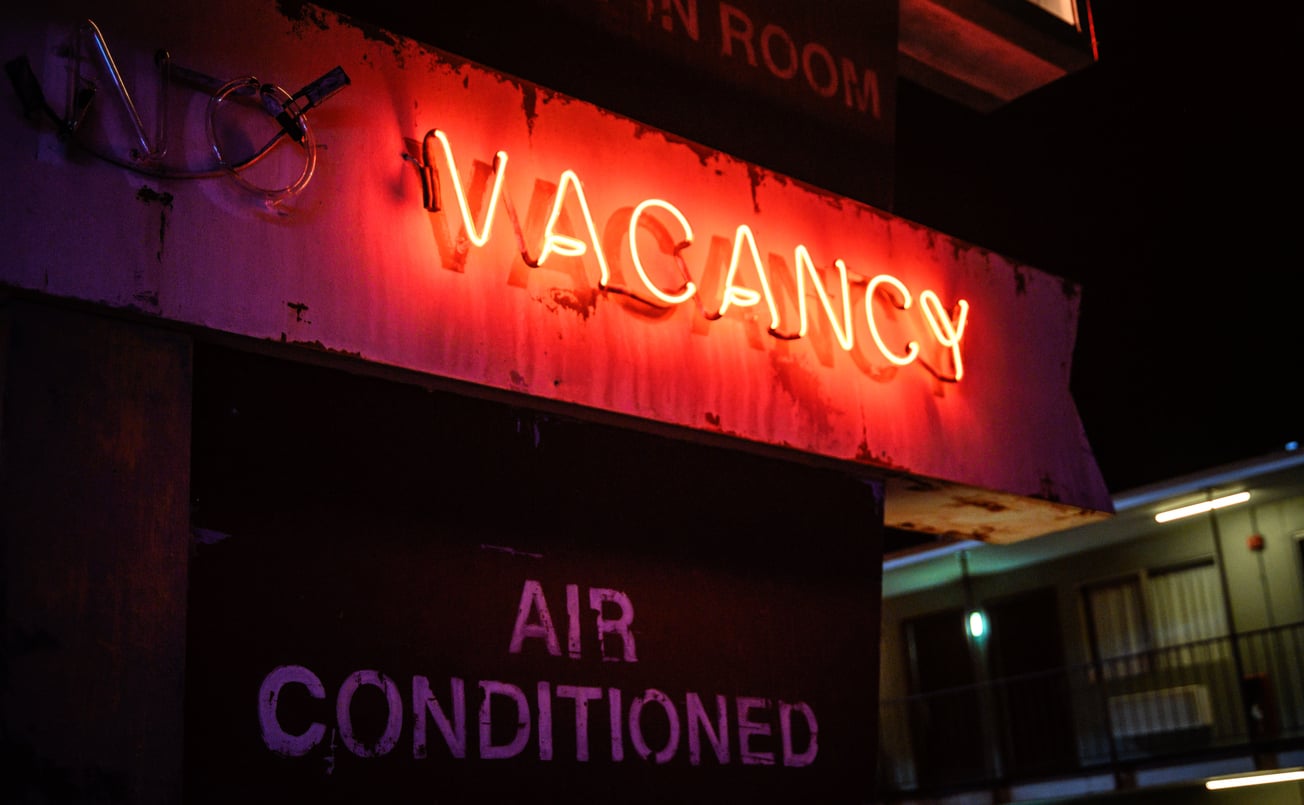
For some road-tripping families, finding a room was part of the trip rather than something completed weeks beforehand. Parents could drive until everyone had had enough, then start watching for roadside motels advertising “VACANCY”. The obvious drawback appeared when those signs said “NO VACANCY” instead. Today, travelers can compare prices, photos, reviews, and availability before leaving home. Back then, spontaneous motel hunting could mean continuing down the highway until somebody finally had a room.
Navigating Entire Trips With Paper Maps
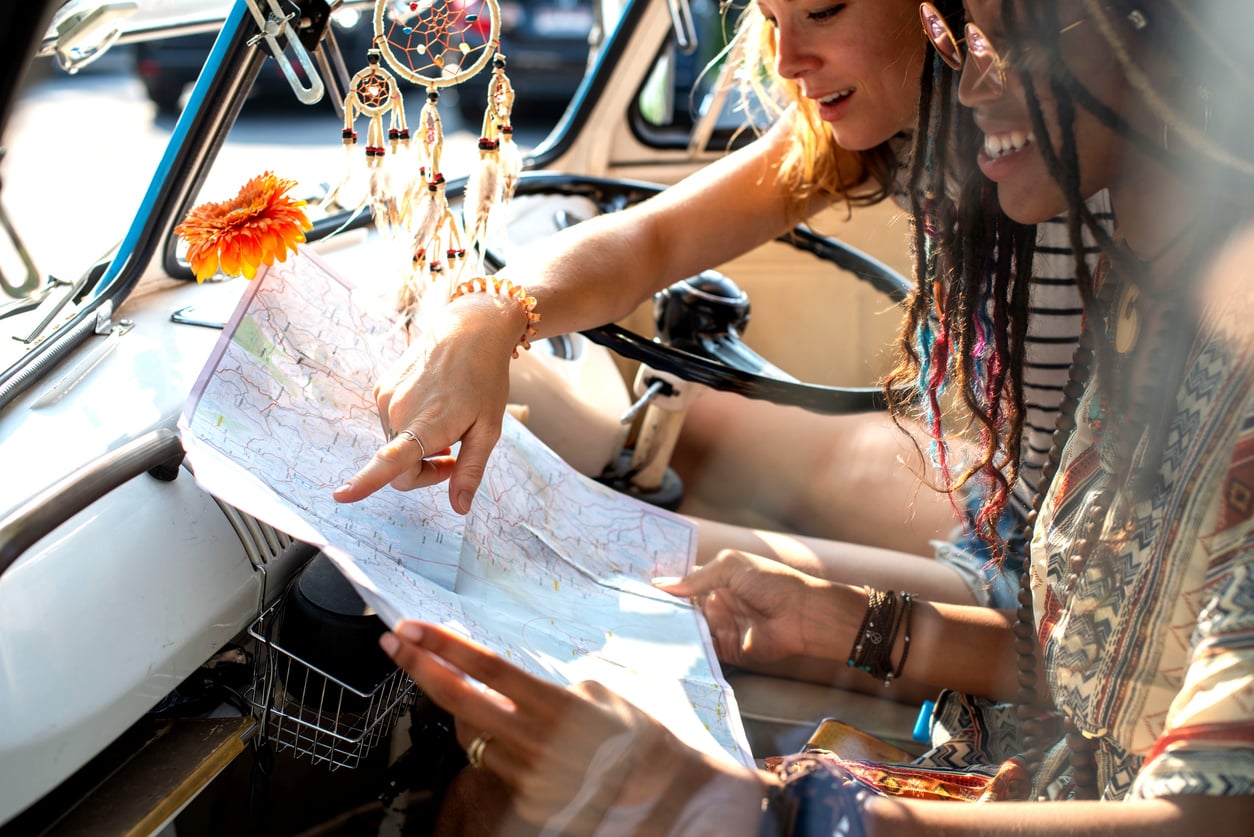
Long before a pleasant voice announced “recalculating”, someone in the passenger seat had to figure out where the family was going. Fold-out highway maps, road atlases, handwritten directions, and AAA TripTiks guided generations of motorists. AAA’s modern TripTik traces its roots to 1937, and agents once highlighted routes across a series of maps for members. Miss an exit, though, and there was no instant rerouting. Sometimes the first clue that something had gone wrong was realizing the expected town hadn’t appeared.
Letting Kids Ride Loose in the Back of a Station Wagon
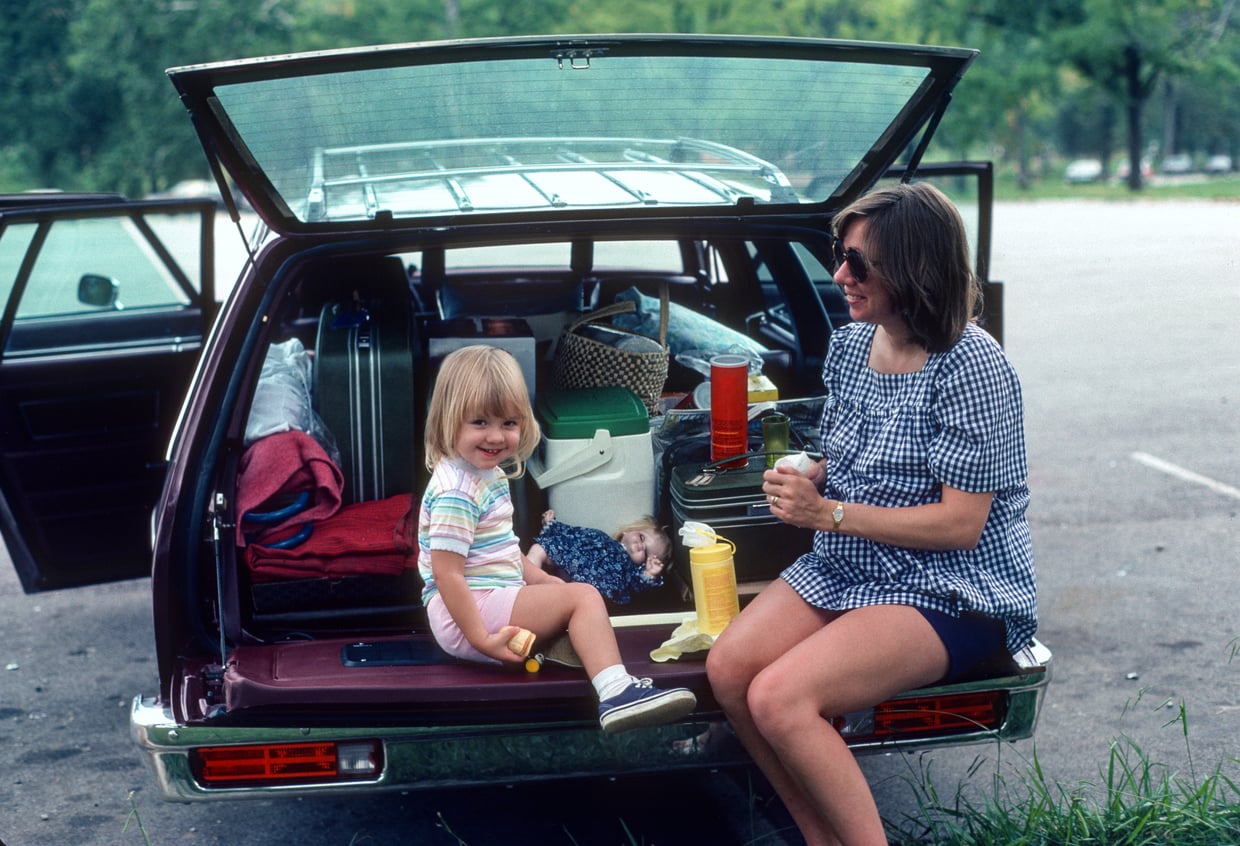
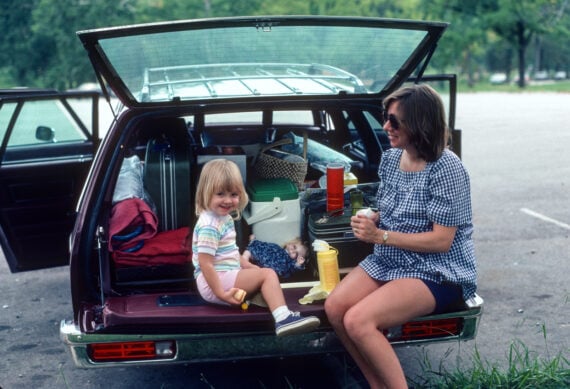
For plenty of children, the “way-back” of a station wagon doubled as a playroom, nap space, and observation deck. Kids might stretch out with pillows, move between seats, or ride in rear-facing cargo-area seats. Federal safety requirements and state laws were dramatically different then: NHTSA says all new passenger cars had lap belts beginning in 1964, while the first statewide seat-belt-use law didn’t arrive until New York’s in 1984. Every state and Washington, D.C., adopted young-child restraint laws between 1978 and 1985.
Going Hours Without Anyone Knowing Where They Were
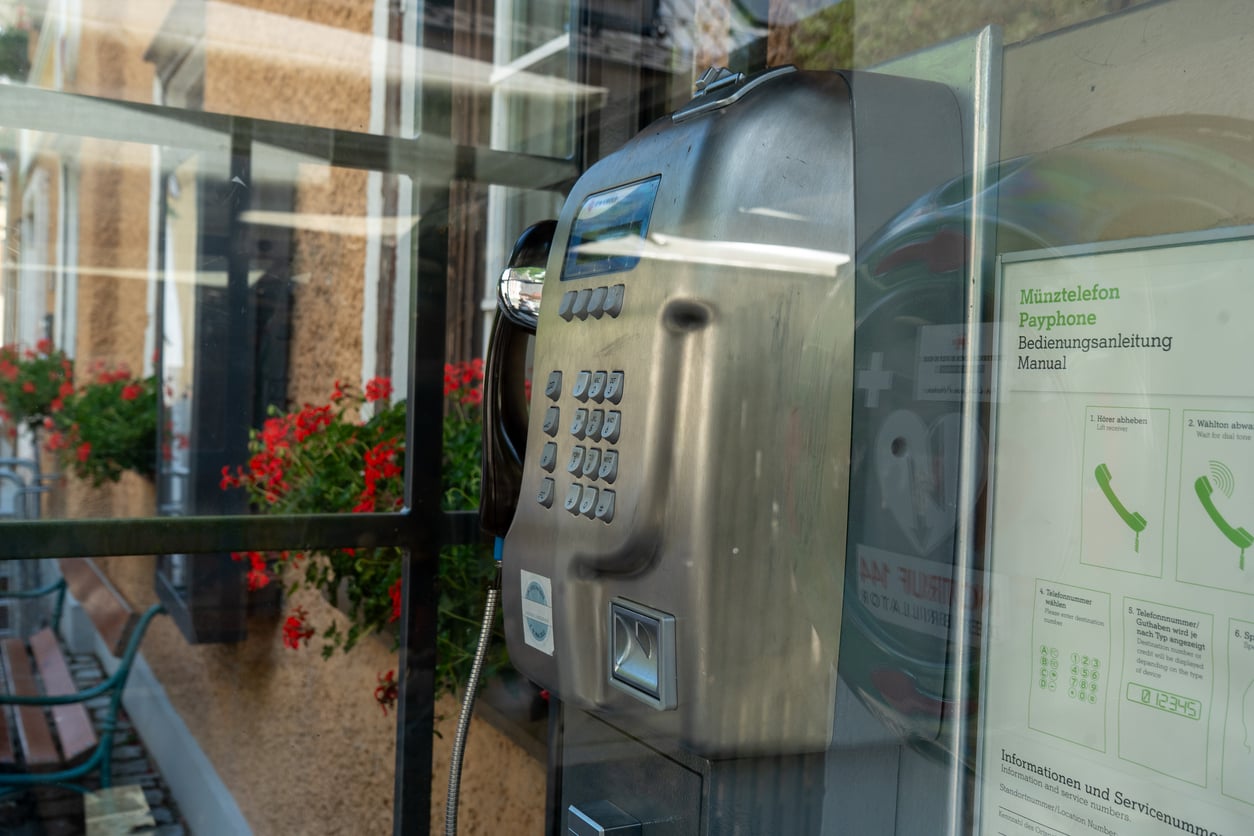
There was no location sharing, “Find My” feature, or quick text from the interstate. Once a family pulled out of the driveway, relatives might hear nothing until someone reached a motel, restaurant, or pay phone. Being unreachable wasn’t necessarily considered an emergency; it was simply what leaving home meant. The contrast is striking today, when 91% of American adults own smartphones. Modern families can provide updates from virtually every stop, while yesterday’s travelers could disappear from everyone’s radar for an entire day.
Asking Complete Strangers for Directions
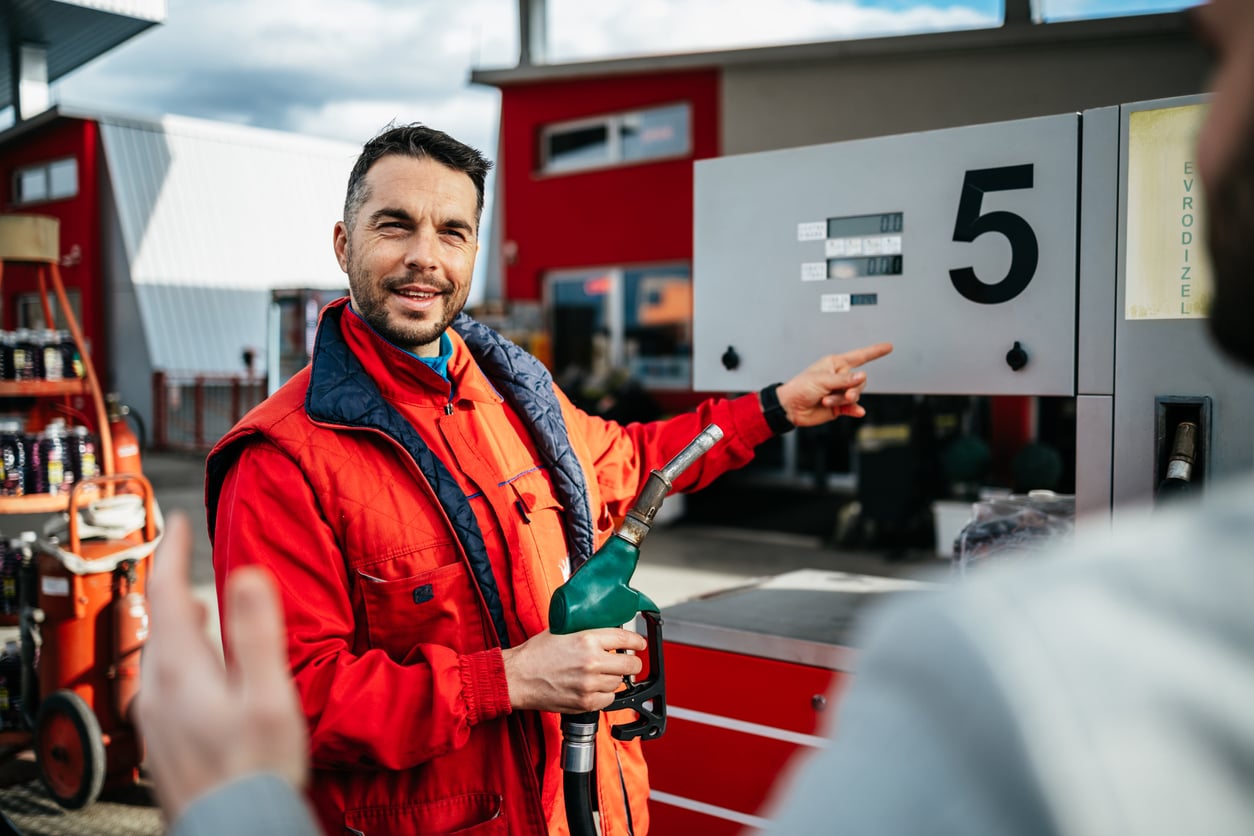
Getting lost once involved talking to people. A driver might pull into a gas station and ask the attendant which road led back to the highway, or stop at a diner for directions to the nearest motel. Instructions weren’t always especially precise, either: turn after the church, keep going past the water tower, and you’ve gone too far if you see the railroad tracks. By 2015, Pew found that 67% of smartphone owners were already using their phones at least occasionally for turn-by-turn driving directions. Today, asking a stranger can feel like the backup plan.
Trending on Cheapism


Choosing Restaurants With Almost No Information

A crowded parking lot, a memorable billboard, or an orange roof could be enough to decide where the family ate. Travelers weren’t completely without guidance: Duncan Hines began publishing restaurant recommendations in the 1930s, and recognizable chains offered reassurance on unfamiliar roads. Howard Johnson’s, for instance, expanded nationwide by the 1960s, with its distinctive orange roofs signaling a familiar place to eat and sleep. What travelers didn’t have was instant access to hundreds of recent reviews, menu photos, prices, and ratings before ordering dinner.
Driving for Hours Without Screens for the Kids
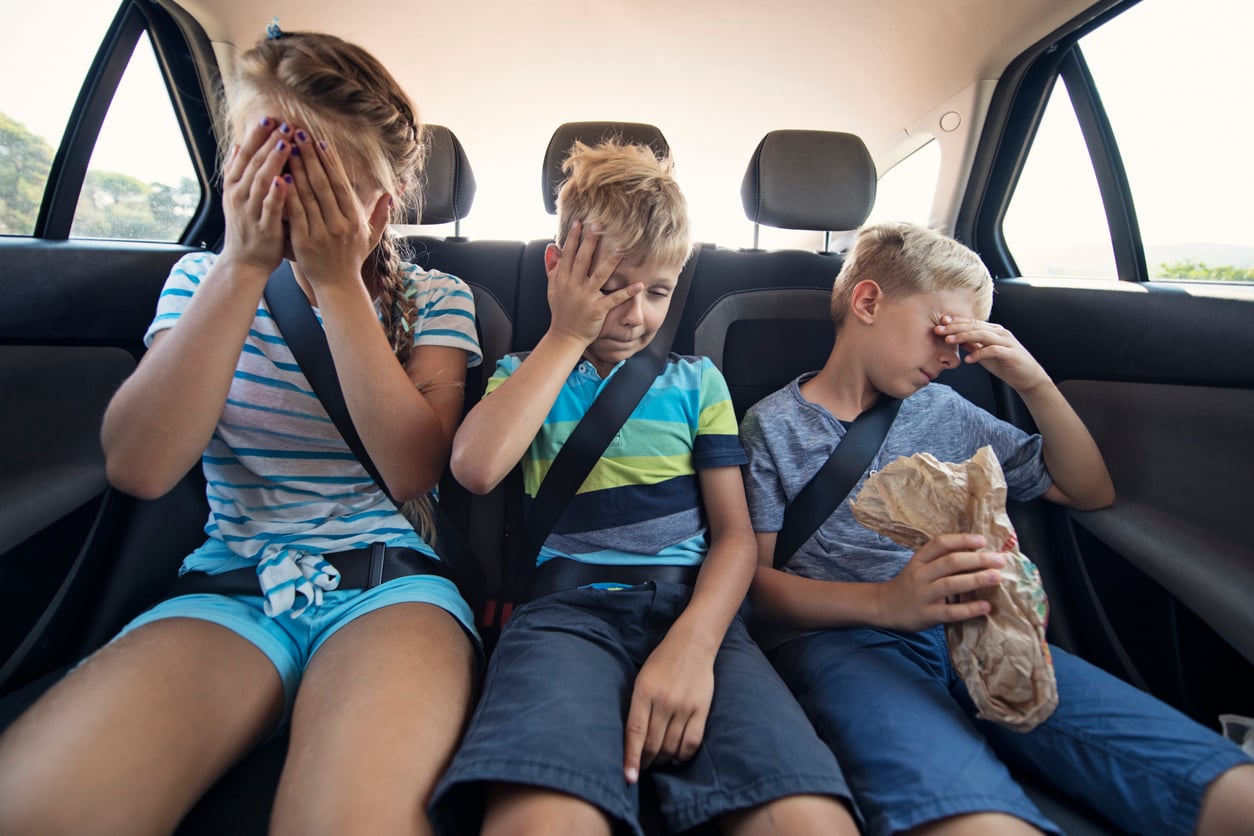
There was always the radio, assuming everyone agreed on the station. Otherwise, young passengers had comic books, coloring books, travel games, toys, the scenery, and each other. “I Spy” and the license-plate game could consume remarkable stretches of highway. So could repeatedly asking whether the family was there yet. Today’s children can spend a road trip switching among tablets, phones, headphones, games, and downloaded movies. Earlier generations were sometimes forced to master another travel skill: being bored without anybody immediately fixing it.
Carrying Traveler’s Checks Instead of Relying on Cards
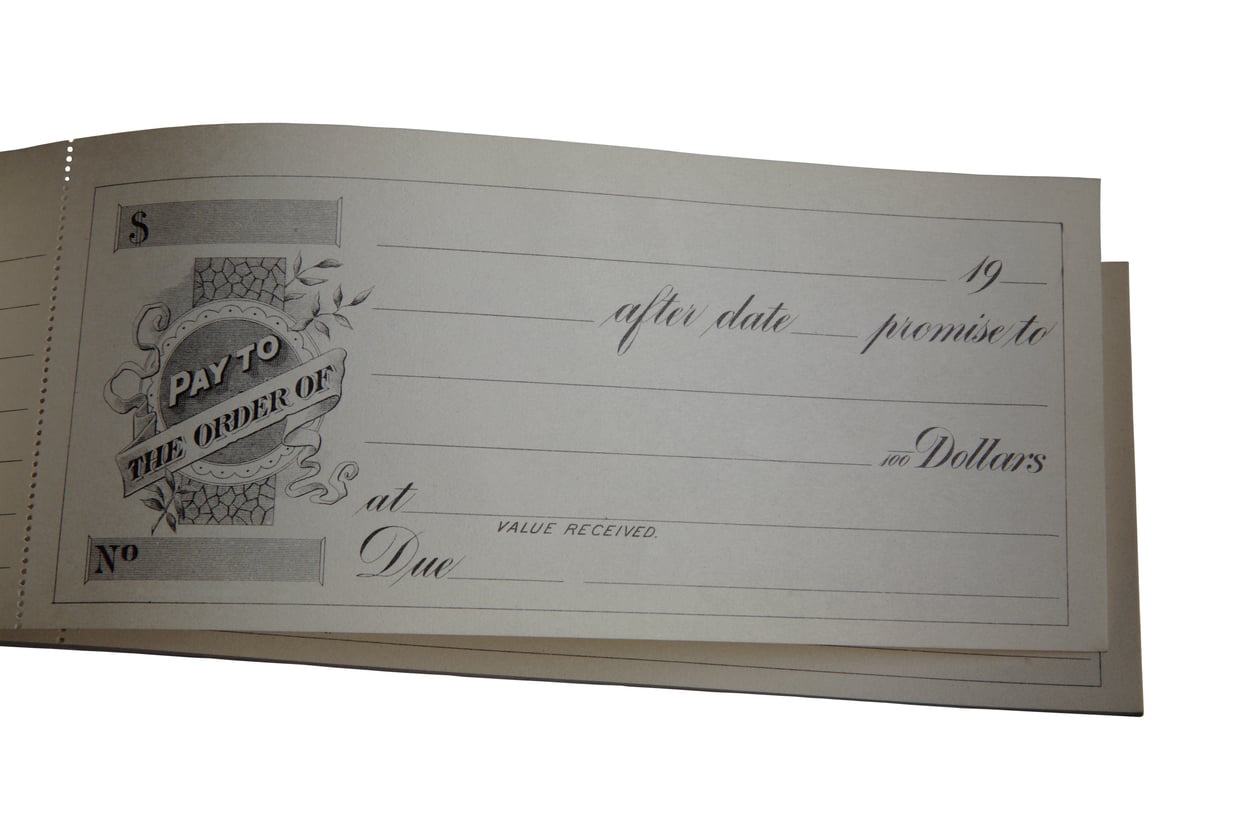
Vacation money once required its own planning strategy. Traveler’s checks offered a way to carry funds without stuffing an entire vacation budget into a wallet, and American Express had been issuing them since 1891. Their role in travel was significant enough that the Smithsonian staged an exhibition about the history of the traveler’s check in 1964, and its collections include an American Express traveler’s-check dispenser dating to around 1972. For travelers accustomed to tapping a phone or credit card today, signing and countersigning paper checks can feel like another financial era.
Sign up for our newsletter
Picking a Motel Because the Sign Looked Trustworthy
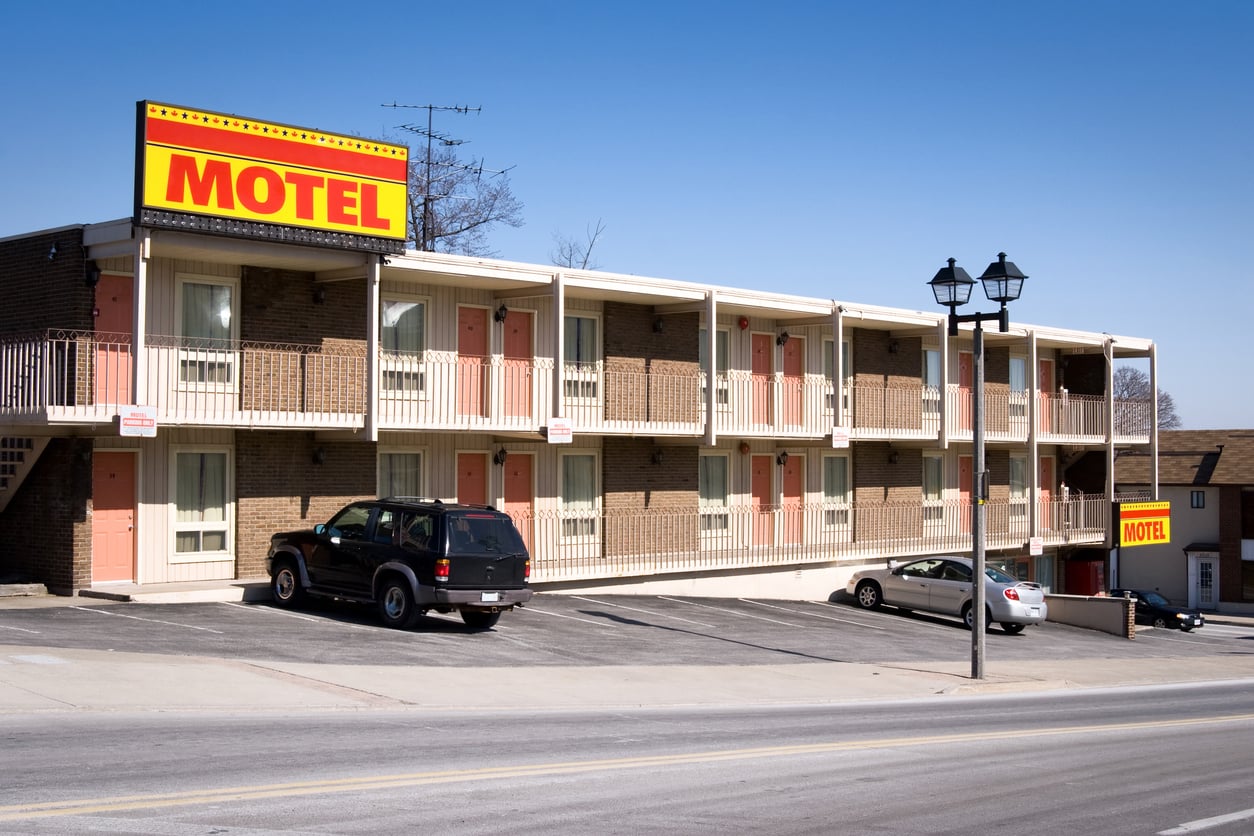
Before scrolling through dozens of guest photos, travelers often had to judge lodging from the road. A tidy exterior, familiar chain name, AAA material, or bright “VACANCY” sign might be most of the information available before checking in. The growth of recognizable roadside chains partly answered that uncertainty: Howard Johnson’s had expanded nationwide by the 1960s, offering travelers a familiar name and appearance. The gamble, of course, was discovering what the room actually looked like only after somebody at the front desk handed over the key.
Smoking Almost Everywhere

Cigarette smoke was once part of the travel environment in ways that can be startling now. Smoking occurred in cars, restaurants, hotel spaces, and airplane cabins, including around children and nonsmokers. Restrictions came gradually. Congress prohibited smoking on U.S. domestic commercial flights of two hours or less in 1988, and in 1990 the prohibition expanded to virtually all scheduled domestic flights. The change reflected mounting evidence about secondhand smoke; the Surgeon General had begun formally addressing its risks during this period. A smoke-filled family road trip was once far less unusual than it would be today.
Letting Kids Roam Around Motels and Campgrounds

A motel pool or campground could become its own little world for children. They might head off with siblings or newly made vacation friends and return when they were hungry, tired, or reminded that dinner was approaching. Experiences obviously differed by family, age, and destination, so it’s difficult to quantify how widespread this freedom was. Still, many adults who grew up in the era remember considerably less direct supervision than families commonly expect today, especially before mobile phones made checking on a child’s whereabouts as easy as sending a message.
Taking Vacation Photos Without Knowing Whether They Turned Out

Taking the picture was only half the process. Film still had to be developed before anyone discovered whether Dad’s thumb covered the Grand Canyon, somebody blinked, or the family portrait was hopelessly out of focus. A roll also provided a finite number of exposures, encouraging travelers to be more selective than someone carrying a smartphone capable of storing thousands of pictures. Today, a bad shot can be deleted and retaken seconds later. Back then, the disappointing evidence might not arrive until the vacation itself was already over.