Cruising today looks very different from the vacations many longtime passengers remember. Cruise Critic has documented how traditions such as elaborate midnight buffets and strict formal nights have gradually given way to more flexible dining and a more casual atmosphere. Along the way, plenty of things cruise lines used to offer faded from everyday sailings, from twice-daily cabin service and free galley tours to a few activities that would be almost unimaginable today.
Elaborate Midnight Buffets
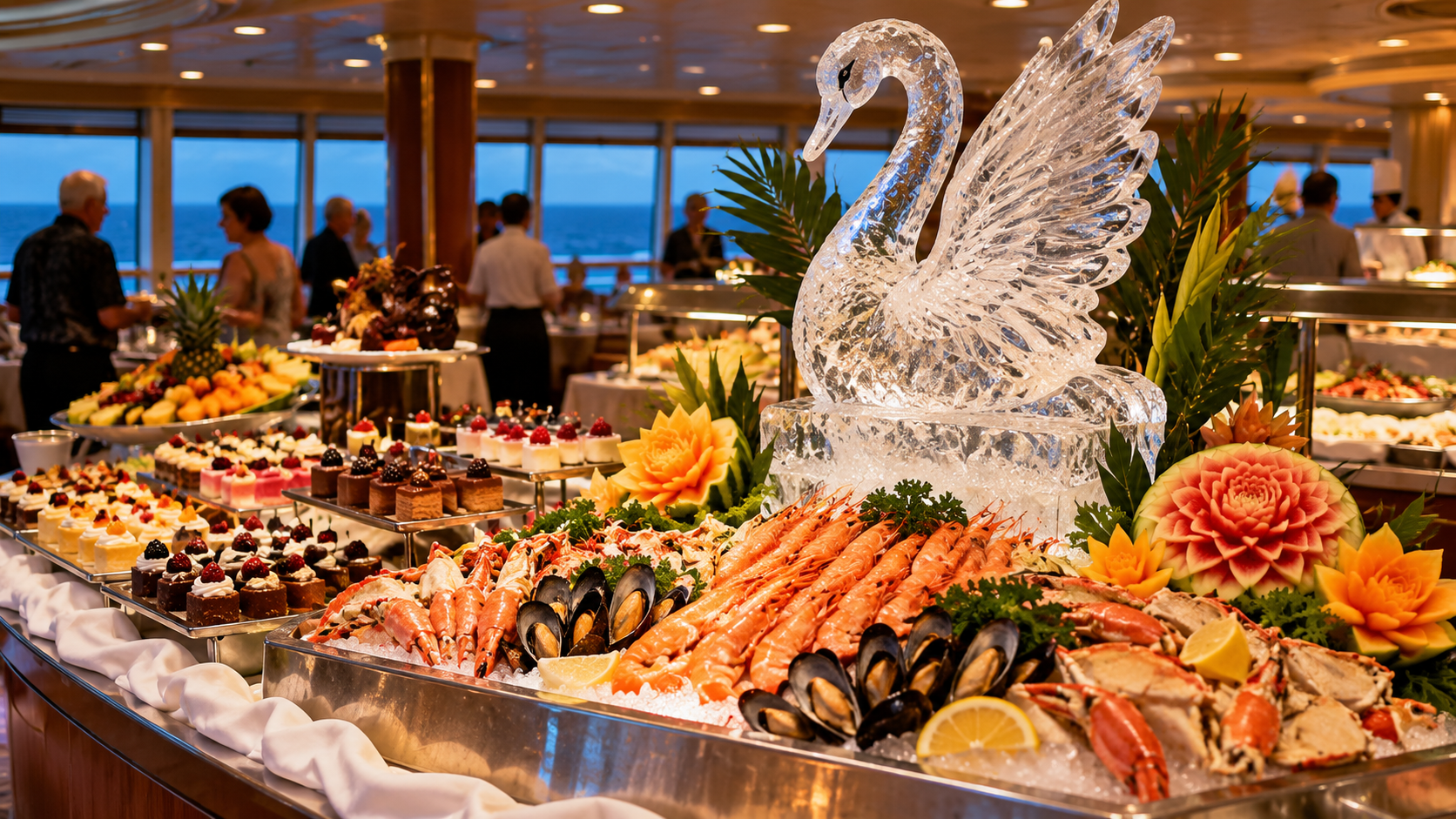
Midnight buffets weren’t simply somewhere to grab food after a show. On many cruises in the 1980s, 1990s, and early 2000s, they became events themselves, with elaborate desserts, fruit carvings, seafood, and ice sculptures that passengers sometimes photographed before anyone was allowed to eat. Longtime cruisers still reminisce about the spectacle as much as the food. Traditional versions have largely given way to pizza, late-night snacks, and other casual options, although occasional themed buffets and late-night spreads survive.
Free Room Service Around the Clock
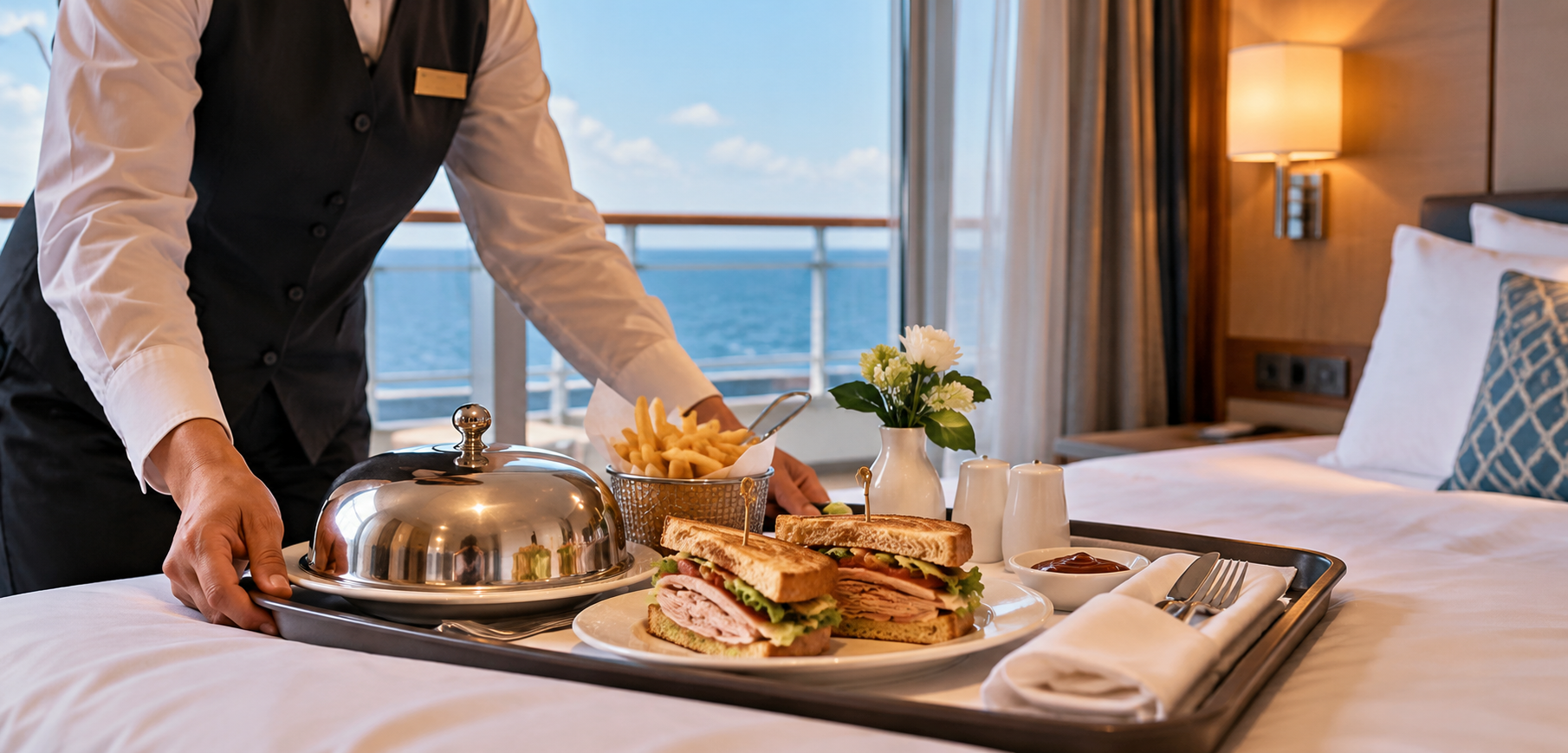
There was something wonderfully indulgent about ordering a sandwich or late-night snack to your cabin without worrying about another charge. Complimentary room service was once a familiar perk on several mainstream lines, but the service has increasingly moved outside the basic fare. Royal Caribbean, for example, still offers 24-hour room service but charges for most orders, while continental breakfast remains complimentary. Policies vary considerably, and some premium and luxury lines still include the service. For many mainstream passengers, though, “free food” no longer necessarily means free delivery.
Twice-a-Day Cabin Service
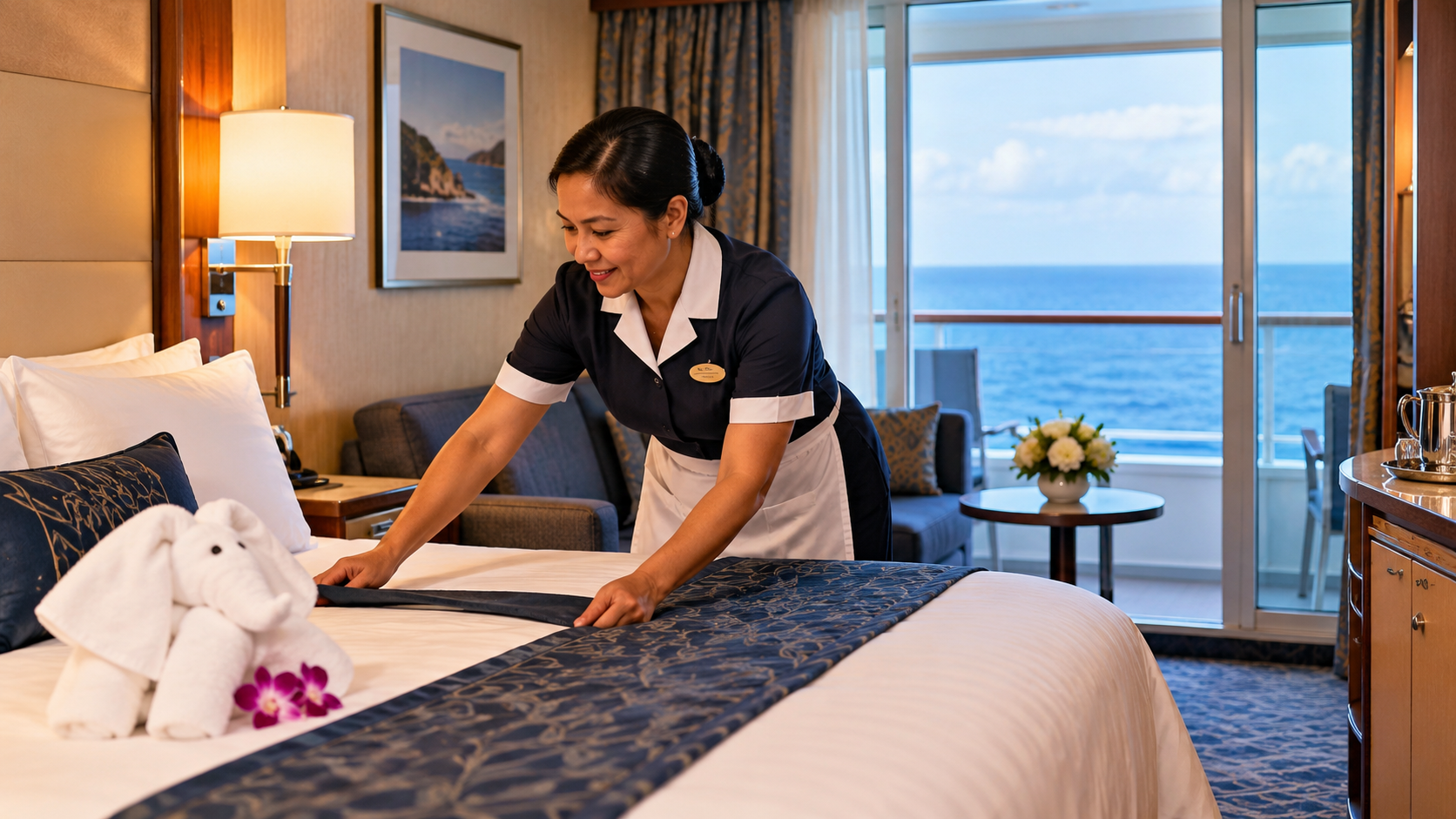
For decades, one thing that made a cruise cabin feel different from an ordinary hotel room was how often the attendant appeared. A room might be cleaned in the morning and refreshed again in the evening, with the bed turned down and fresh towels waiting. Royal Caribbean, Carnival, and Norwegian have since moved many standard cabins to once-daily housekeeping, although suites and some other lines may retain more frequent service. It’s a relatively small change, but longtime cruisers frequently mention it when talking about how mainstream cruise service has evolved.
Formal Nights That Were Actually Formal
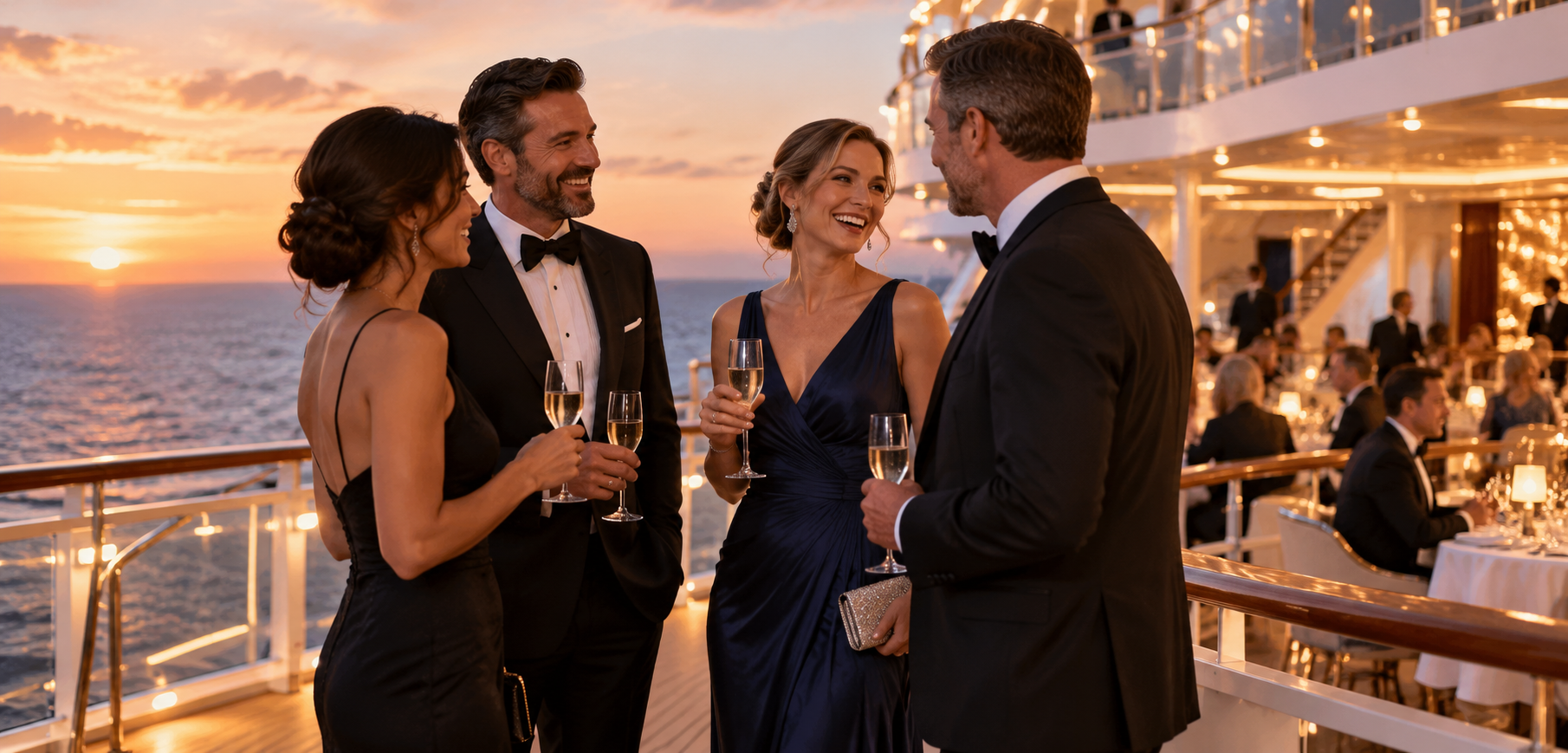
Cruise lines haven’t eliminated dress-up nights, but the definition of “formal” has become considerably more flexible. Tuxedos, suits, evening gowns, and cocktail dresses were once much more closely associated with formal-night dining. Today, Carnival’s Cruise Elegant guidance allows dress jeans and makes sport coats optional, while Royal Caribbean mixes casual, smart-casual, and “Dress Your Best” evenings. Passengers who enjoy old-school glamour can still find it, particularly on Cunard, where Gala Evenings continue to encourage tuxedos and evening gowns. On mainstream ships, however, the atmosphere is noticeably more relaxed.
Skeet Shooting Off the Back of the Ship
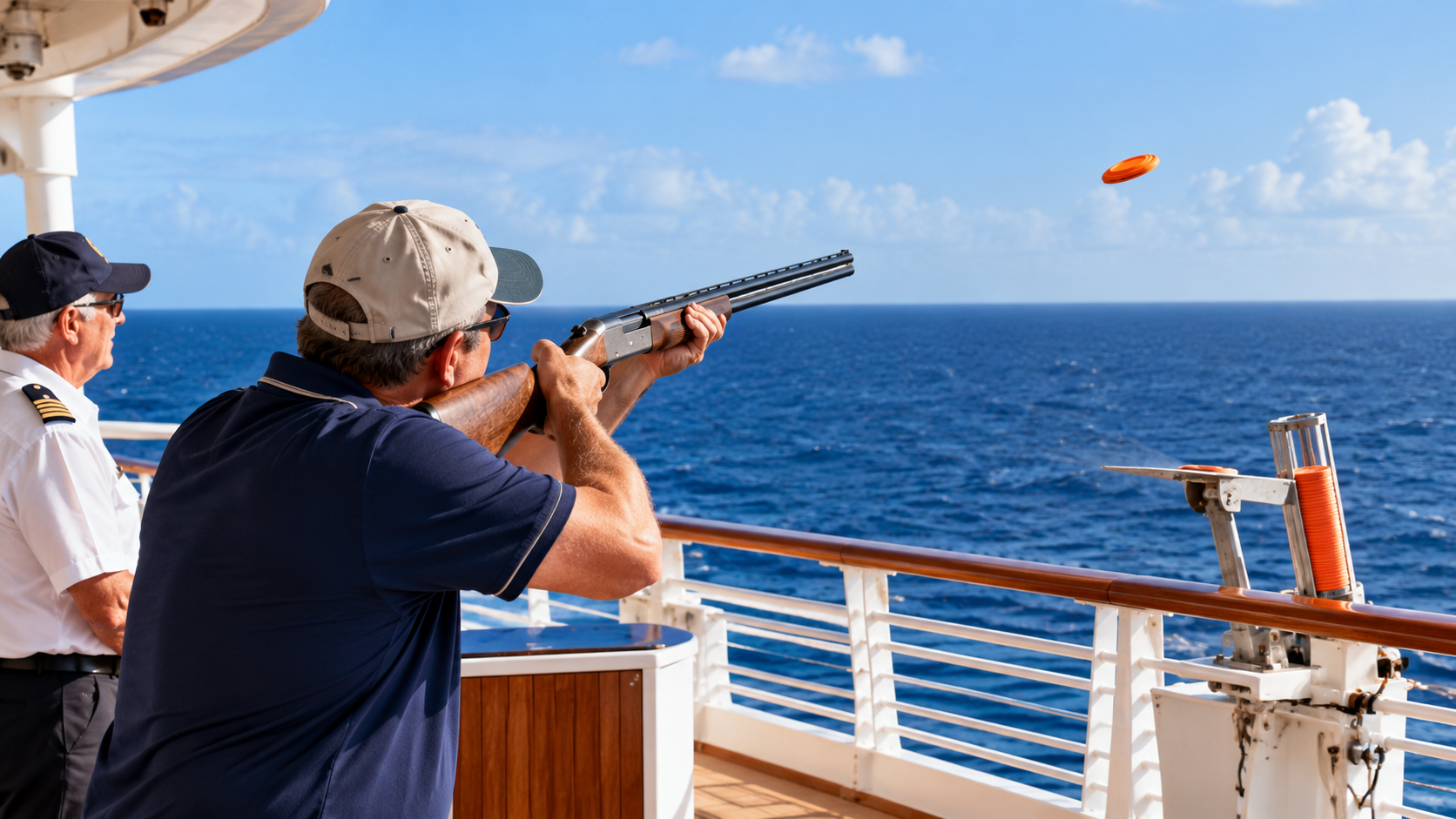
This sounds invented until you find photographs of people actually doing it. Some mainstream cruise ships once let passengers stand at the stern and fire shotguns at clay targets launched over the ocean. Royal Caribbean passengers remember the activity in the 1990s, and it was still being offered aboard Norwegian ships late in that decade. Safety and environmental concerns eventually made the activity an obvious candidate for retirement. Modern ships offer everything from water slides to laser tag, but handing vacationers a shotgun on deck is one piece of cruise nostalgia unlikely to return.
Trending on Cheapism

Hitting Golf Balls Into the Ocean
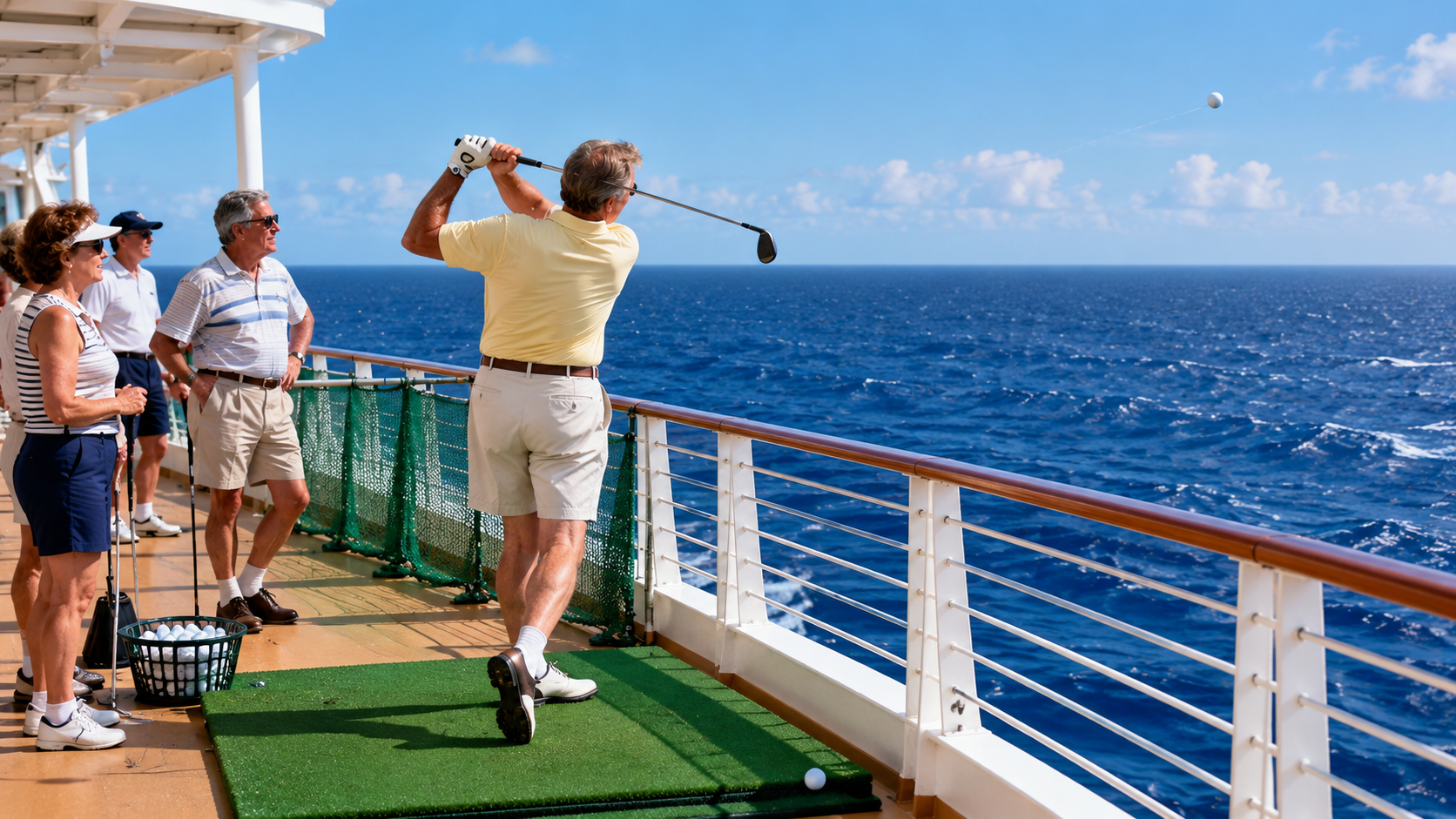
Golfers once had a particularly extravagant way to practice their swing at sea: hitting balls directly off the ship. Some cruise ships offered driving ranges where passengers could send golf balls sailing into the ocean, a practice that looks considerably less charming through a modern environmental lens. Environmental concerns eventually helped consign the activity to cruise history. Golf itself hasn’t disappeared from cruising. Some ships now have miniature-golf courses, simulators, or netted practice areas where the ball stays safely onboard instead of becoming part of the marine environment.
Free Galley Tours
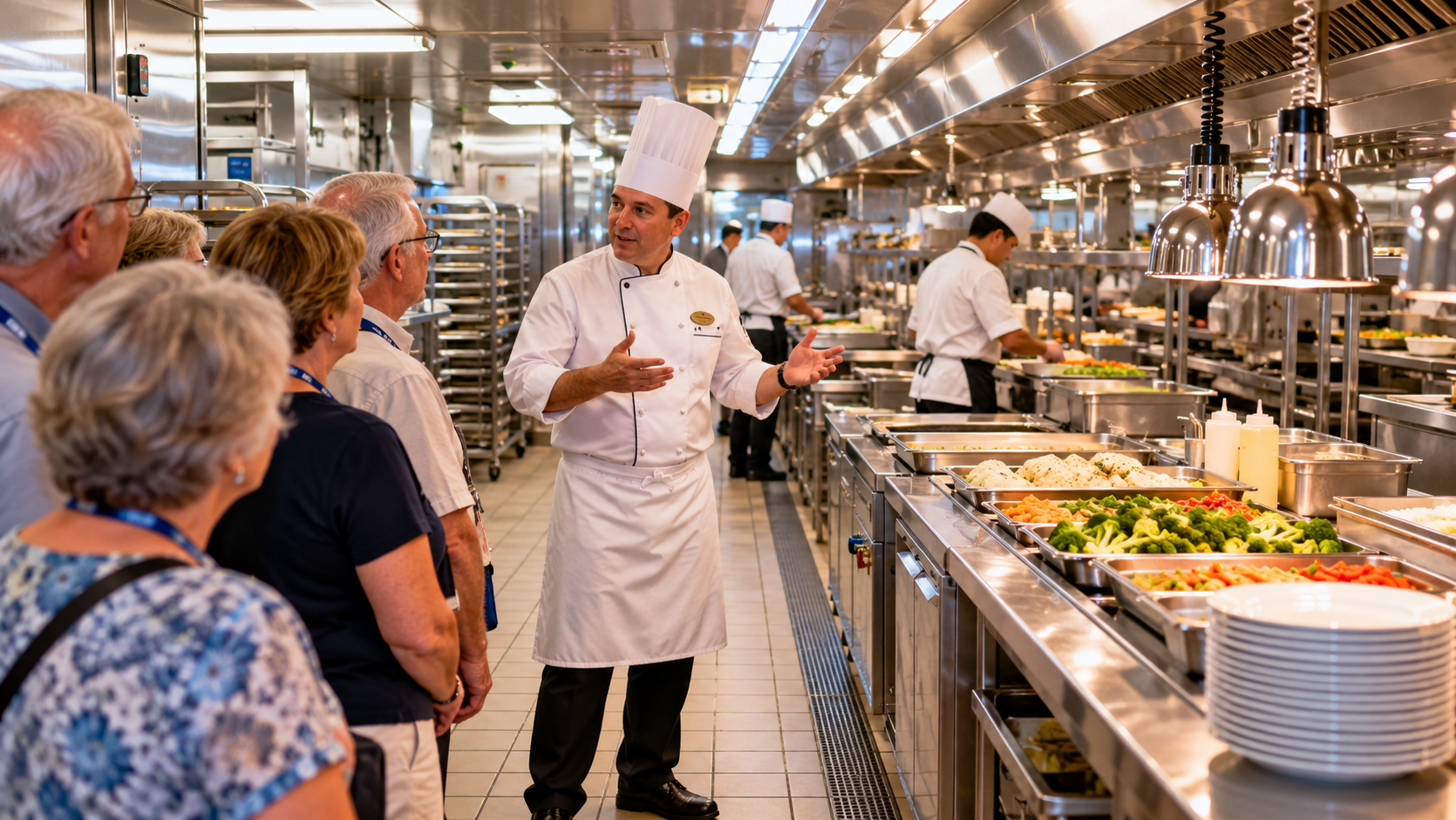
Seeing where thousands of cruise meals came from used to be a surprisingly accessible part of the vacation. Some ships offered complimentary galley tours, allowing passengers to walk through enormous kitchens and see how meals were prepared on an industrial scale. Free versions haven’t completely disappeared, but access is far less predictable. Behind-the-scenes areas are increasingly incorporated into paid experiences. Royal Caribbean’s current All Access Tour, for example, includes the main galley, provision areas, laundry facilities, engine control room, crew corridor, and bridge, with prices varying by ship.
Casual Visits to the Bridge

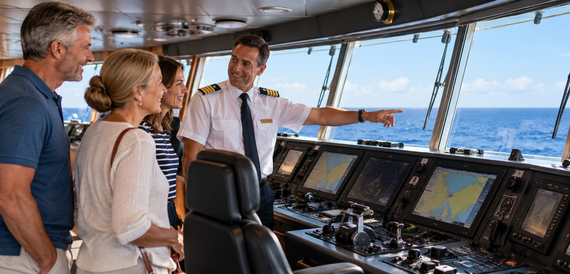
The bridge was once easier for curious passengers to see, whether through scheduled visits or relatively informal tours. Modern ship security has made that kind of access much less routine. Most cruise-ship bridges are now off-limits during ordinary passenger activities, although some smaller and expedition ships remain more open. Mainstream lines may instead include bridge access in a paid behind-the-scenes tour. Royal Caribbean’s All Access Tour, for example, includes an “exclusive” bridge visit. The view hasn’t disappeared, but spontaneous access to the nerve center of the ship largely has.
Sign up for our newsletter
Free Postcards and Ship Stationery
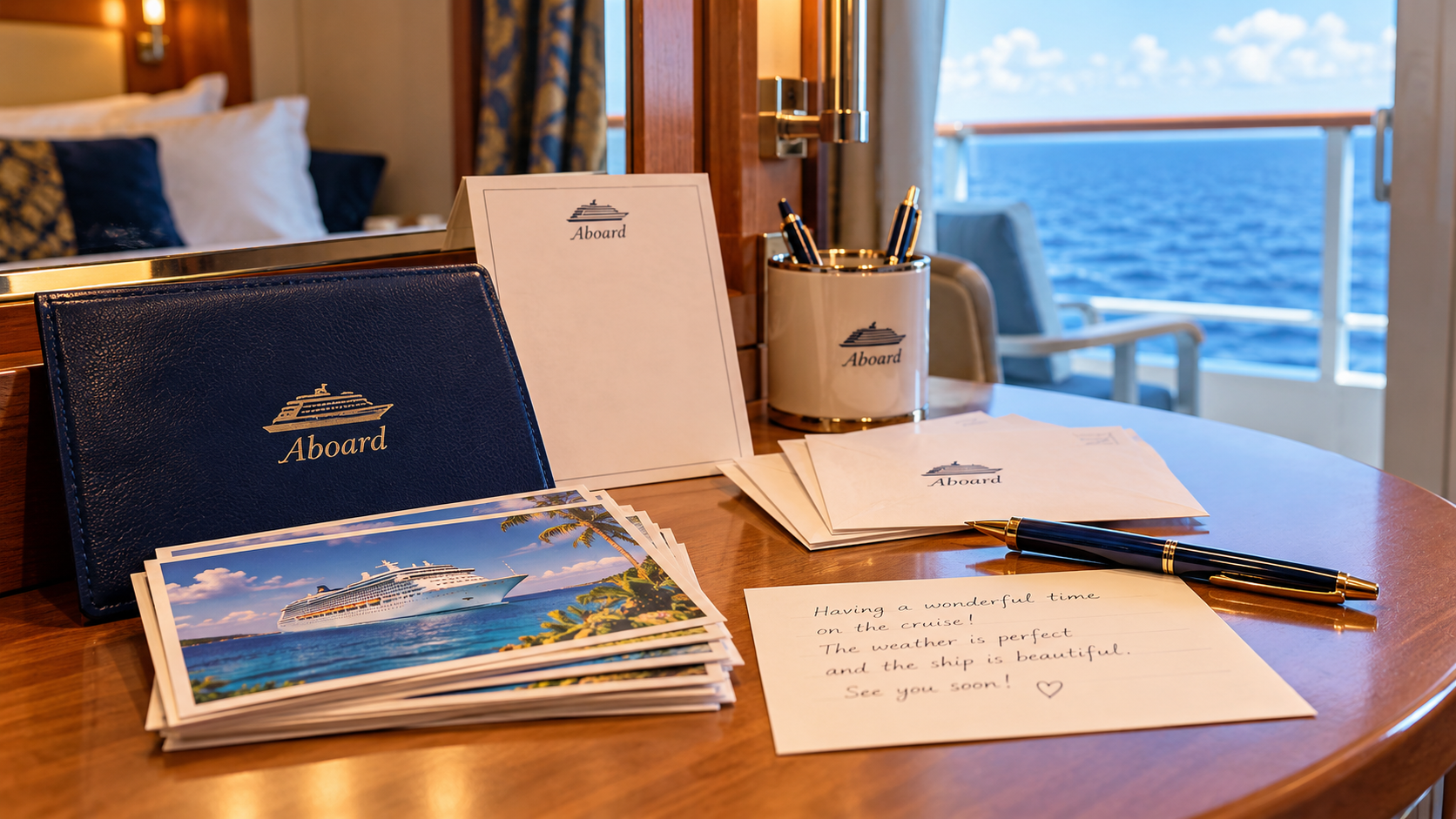
Before passengers could instantly send a sunset photo from the middle of the Caribbean, ships supplied decidedly slower ways to tell everyone back home about the trip. Branded postcards, envelopes, writing paper, and pens were familiar cabin keepsakes on various lines, and surviving cruise memorabilia shows how seriously companies once treated ship stationery. Some operators still preserve the tradition, particularly smaller or heritage-minded lines, but it is hardly an expected mainstream cabin amenity anymore. Smartphones and ship Wi-Fi have largely replaced the ritual of sitting down to write home from sea.
Visitors Coming Aboard Before Departure

Cruise departures once had a more social send-off. In earlier decades, visitors could sometimes board a ship before sailing to see friends or relatives off, look around the vessel, or join them briefly before departure. Today’s security procedures make casual visitors aboard mainstream cruise ships extremely unusual. Passengers now pass through controlled terminals with identification and boarding credentials before entering the ship. The modern system is considerably more secure, but it also means the farewell happens at home or outside the secure area rather than over drinks aboard the ship before it sails.
One Main Dining Room Instead of a Maze of Upcharges
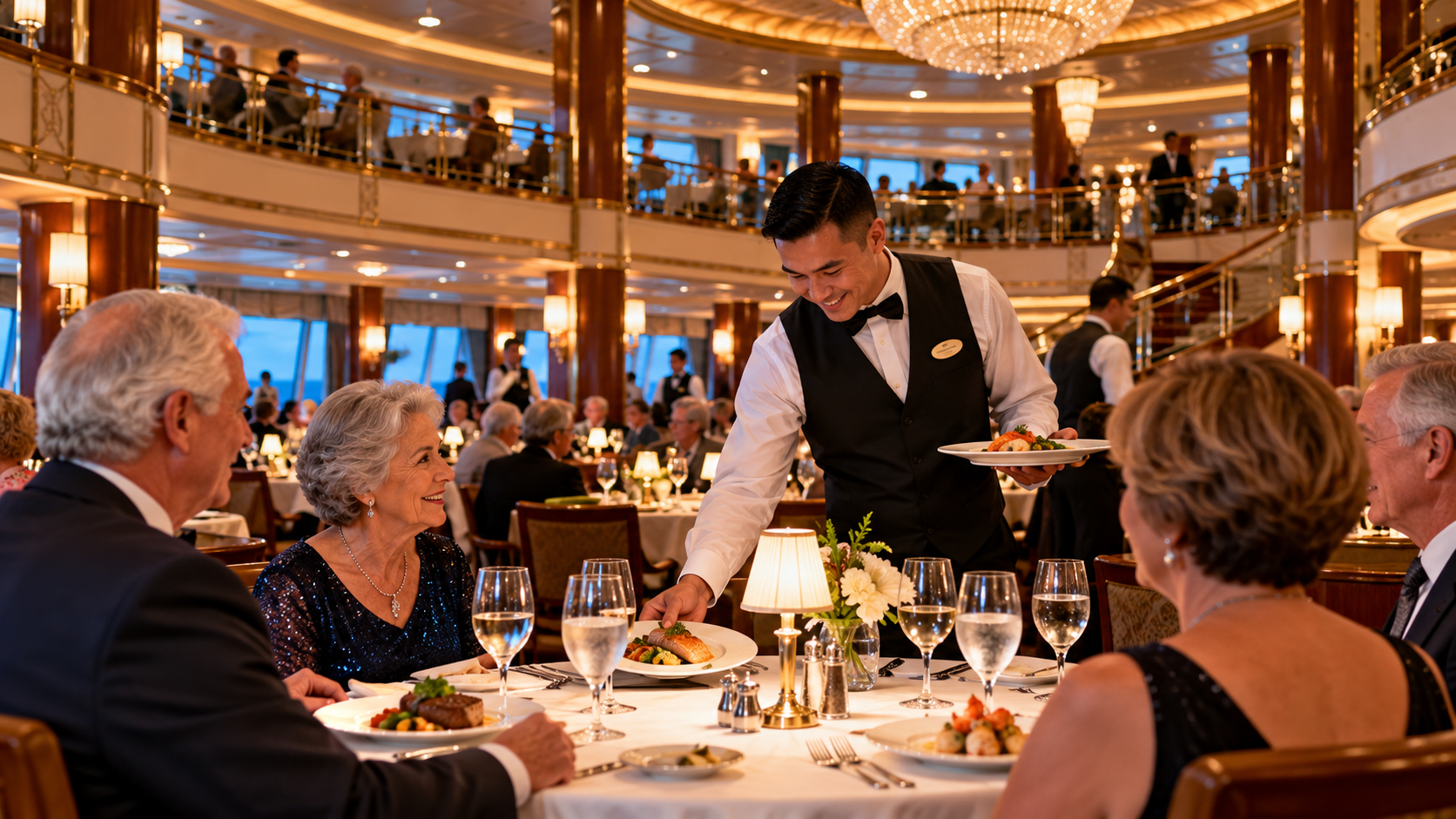
Older mainstream cruises weren’t necessarily culinary wonderlands, but the dining structure was simpler. The main dining room carried much more of the burden of making dinner feel special, while today’s large ships can contain steakhouses, sushi restaurants, chef’s tables, seafood venues, dessert shops, and other extra-charge choices. Included dining certainly hasn’t disappeared, and modern passengers get far more variety. But some of the most elaborate meals now sit behind an additional charge. Carnival, for example, currently charges $52 for its onboard steakhouse and $95 to $124 for its Chef’s Table experience.
Little Nightly Touches in Your Cabin
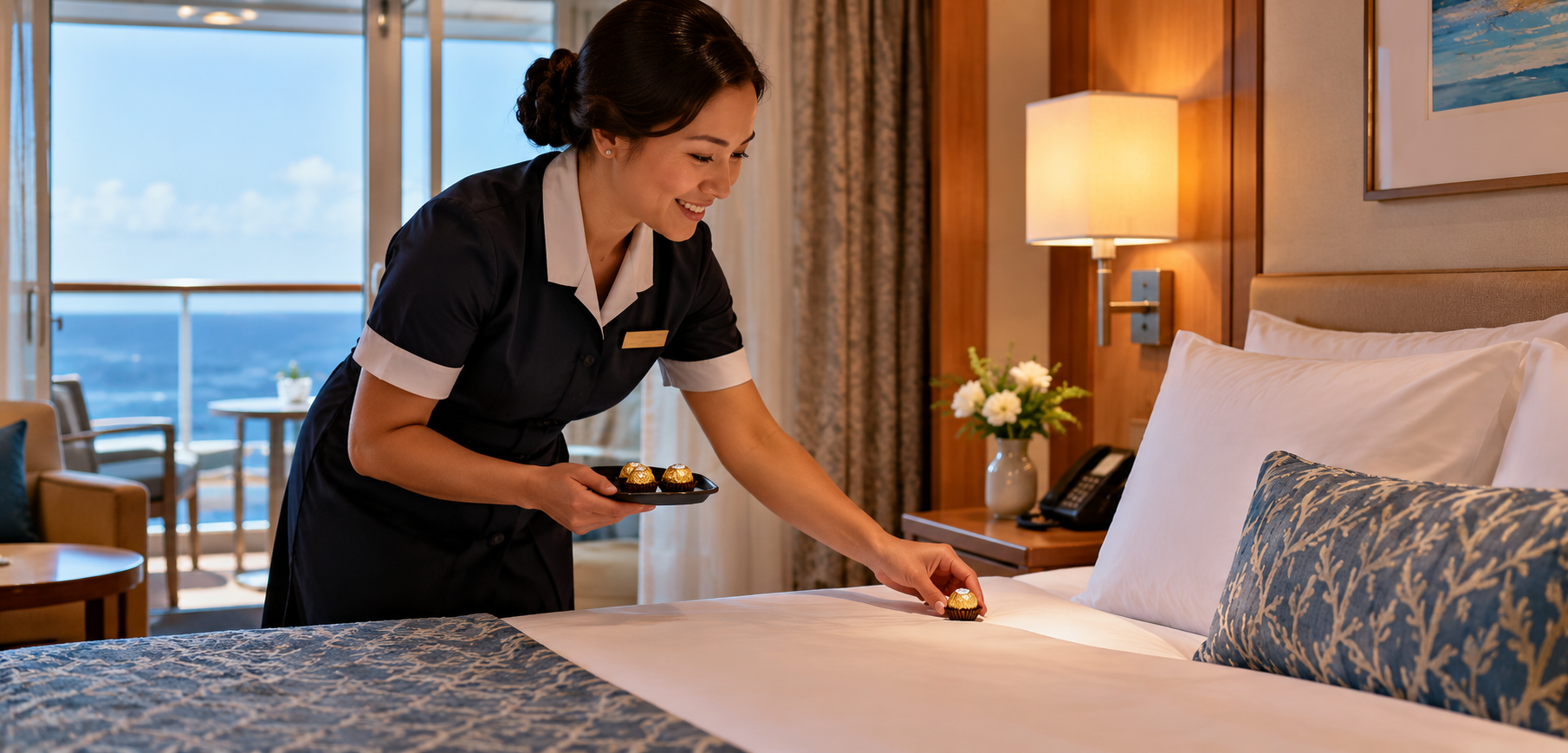
For some longtime cruisers, the things they miss aren’t grand buffets or formal dinners but the tiny rituals that appeared while they were out for the evening. Chocolates on pillows, freshly filled ice buckets, towel animals, and a second cabin refresh helped make returning to the room feel special. These touches haven’t universally vanished, and some lines and cabin categories still offer versions of them. But as several mainstream operators have reduced standard housekeeping to once daily, the nightly ritual is less dependable than it once was. Sometimes nostalgia really does come down to a chocolate on a pillow.