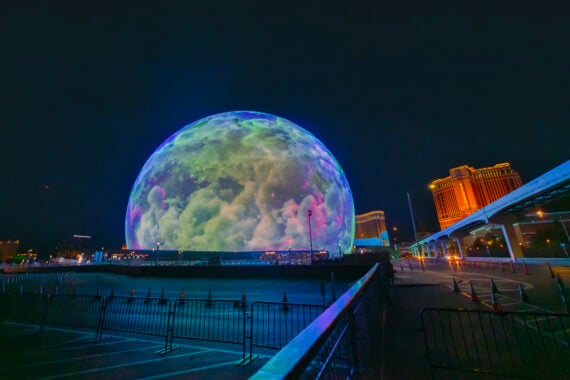
A trip to Las Vegas can still be spontaneous, but a little planning goes much further in 2026. Between resort fees, paid parking, extreme summer heat, major events, and new attractions, some of the old Vegas assumptions no longer hold up. According to the Las Vegas Convention and Visitors Authority, the city continues to draw travelers for everything from casinos and shows to sports and dining. Before heading to Las Vegas, these practical tips can help you avoid unnecessary costs, wasted time, and a few common surprises.
Don’t Plan Your Entire Vacation Around Walking the Strip
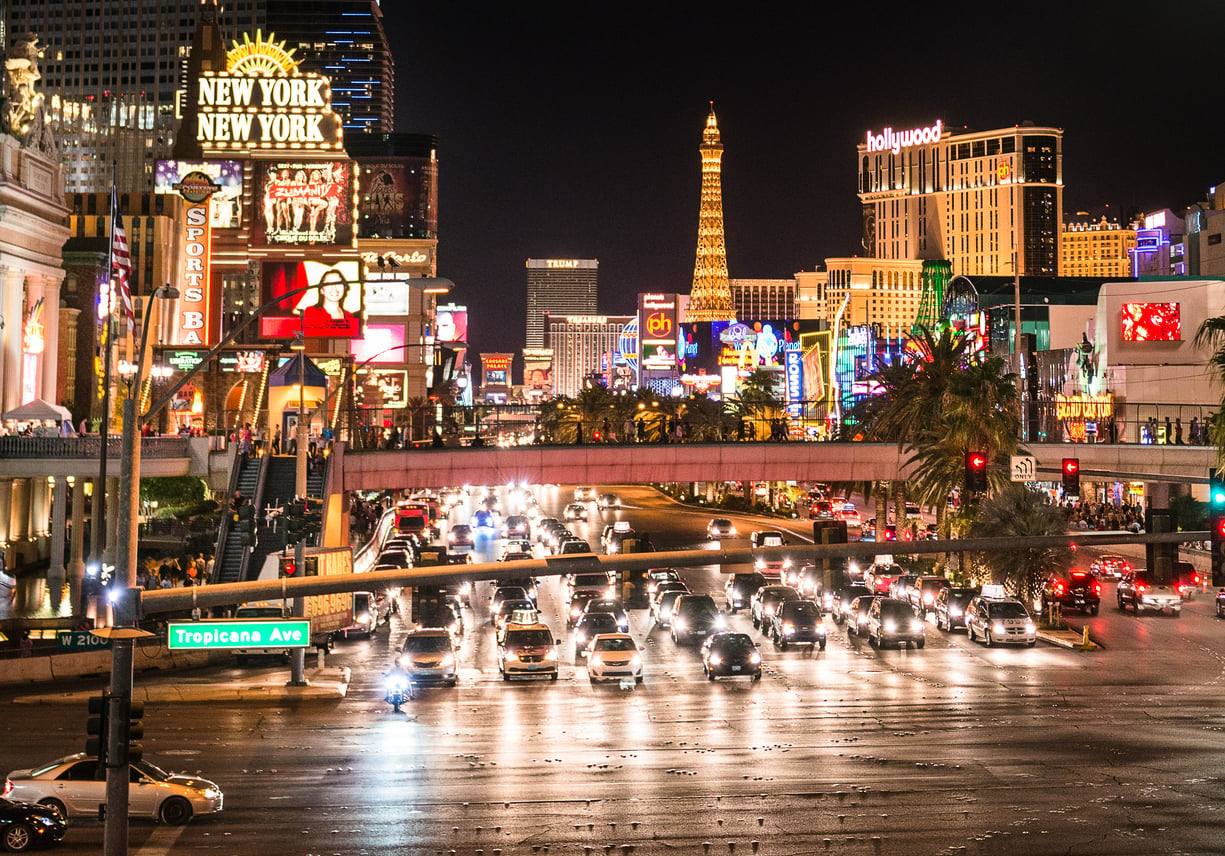
The Strip looks deceptively manageable on a map. In reality, enormous resorts, pedestrian bridges, casino interiors, intersections, and summer heat can turn a seemingly short walk into an exhausting one. Instead of zigzagging across Las Vegas Boulevard all day, group restaurants, shows, and attractions by neighborhood. This is especially useful for older travelers or anyone with mobility concerns. Downtown should also be treated as a separate destination rather than something you casually walk to from the Strip.
Resort Fees Didn’t Disappear – They’re Just More Visible
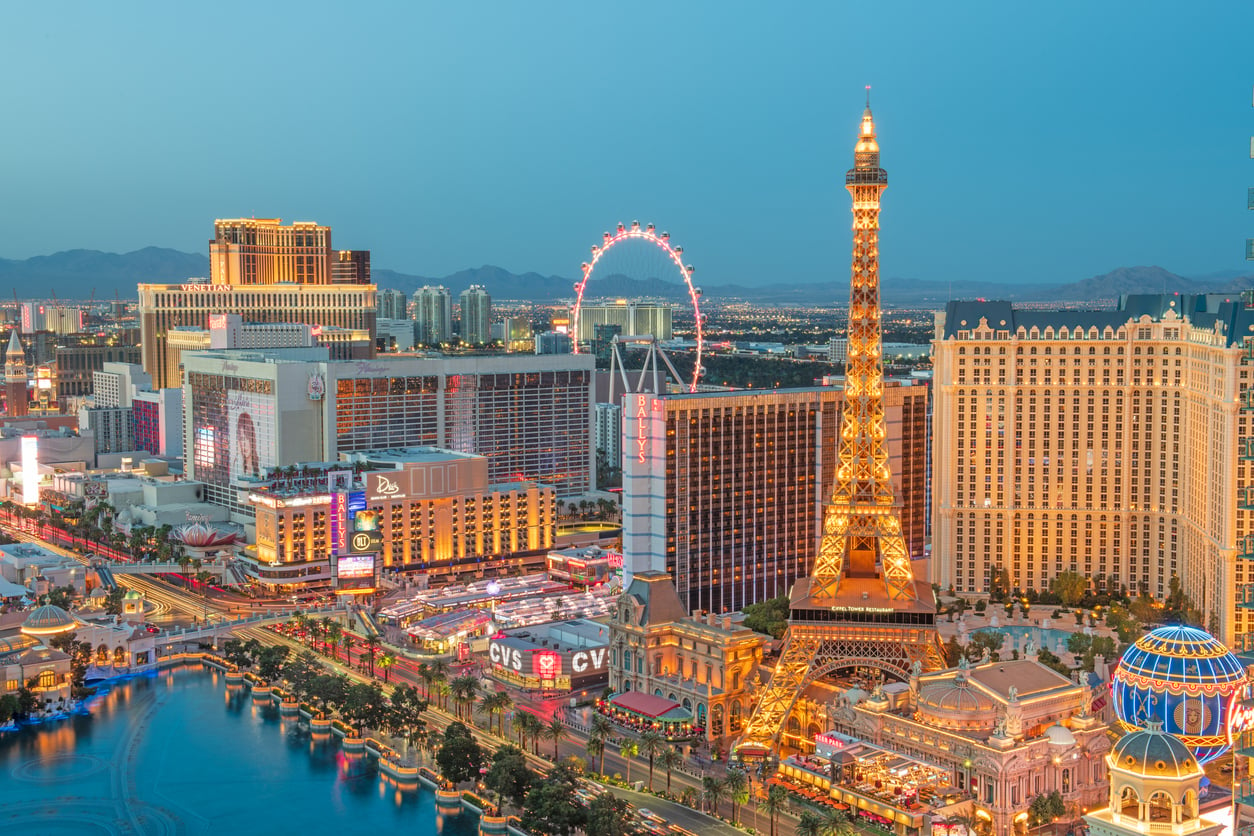
Travelers may notice that hotel prices look different from previous Vegas trips. A federal rule that took effect in May 2025 requires hotels and booking sites advertising prices to prominently display the total price including mandatory charges such as resort fees. That does not mean resort fees disappeared. Taxes and optional extras may still be added separately. The safest comparison is the total cost of the entire stay, not the large nightly rate displayed at the beginning of a search.
Don’t Assume Your Hotel Includes Free Parking
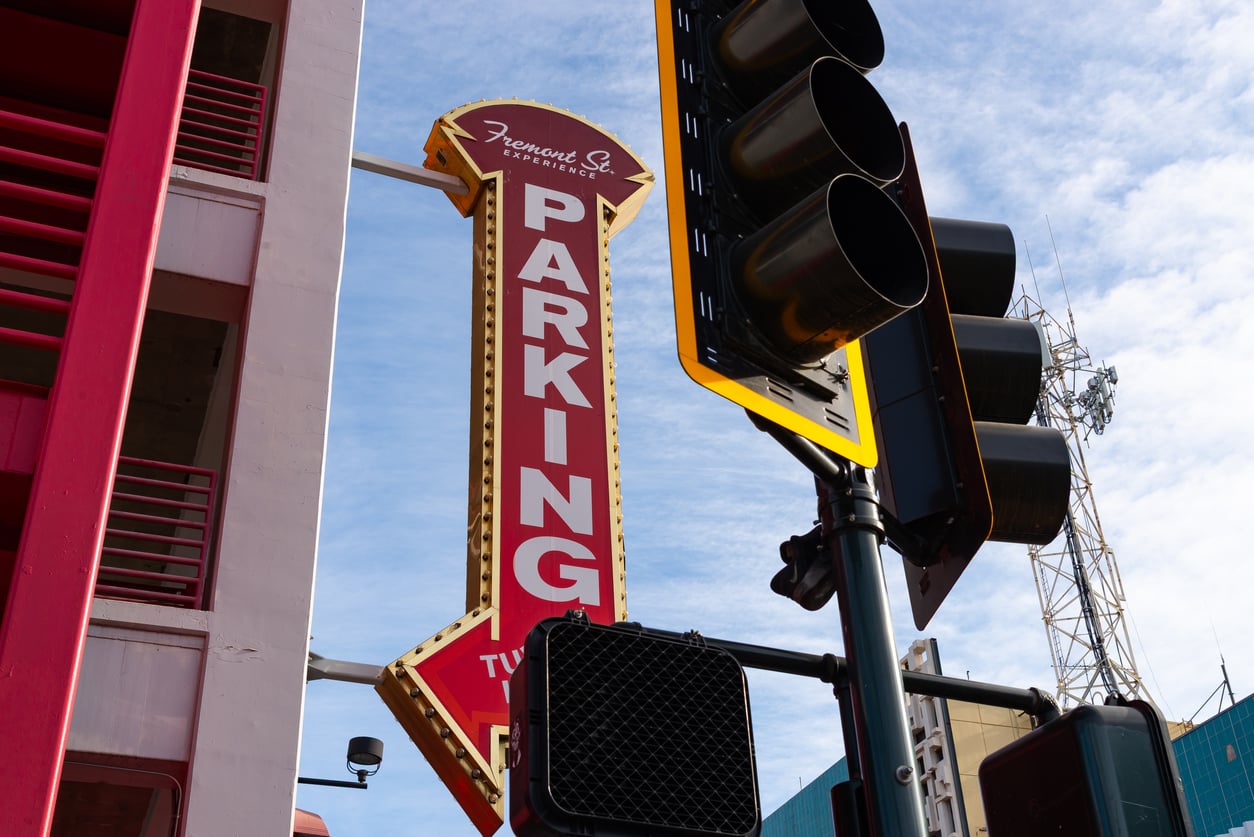
Free parking was once practically part of the Vegas experience, but many major Strip resorts now charge for it. MGM currently charges registered hotel guests $20 per day for self-parking at its Las Vegas properties. Non-hotel guests generally pay $20 Monday through Thursday and $25 Friday through Sunday, while valet parking is $40. Special events can push prices higher. If you’re mostly staying on the Strip, compare those costs with the price of buses, the Monorail, taxis, or rideshares before renting a car.
Airport Rideshare Pickup Isn’t Right Outside Baggage Claim
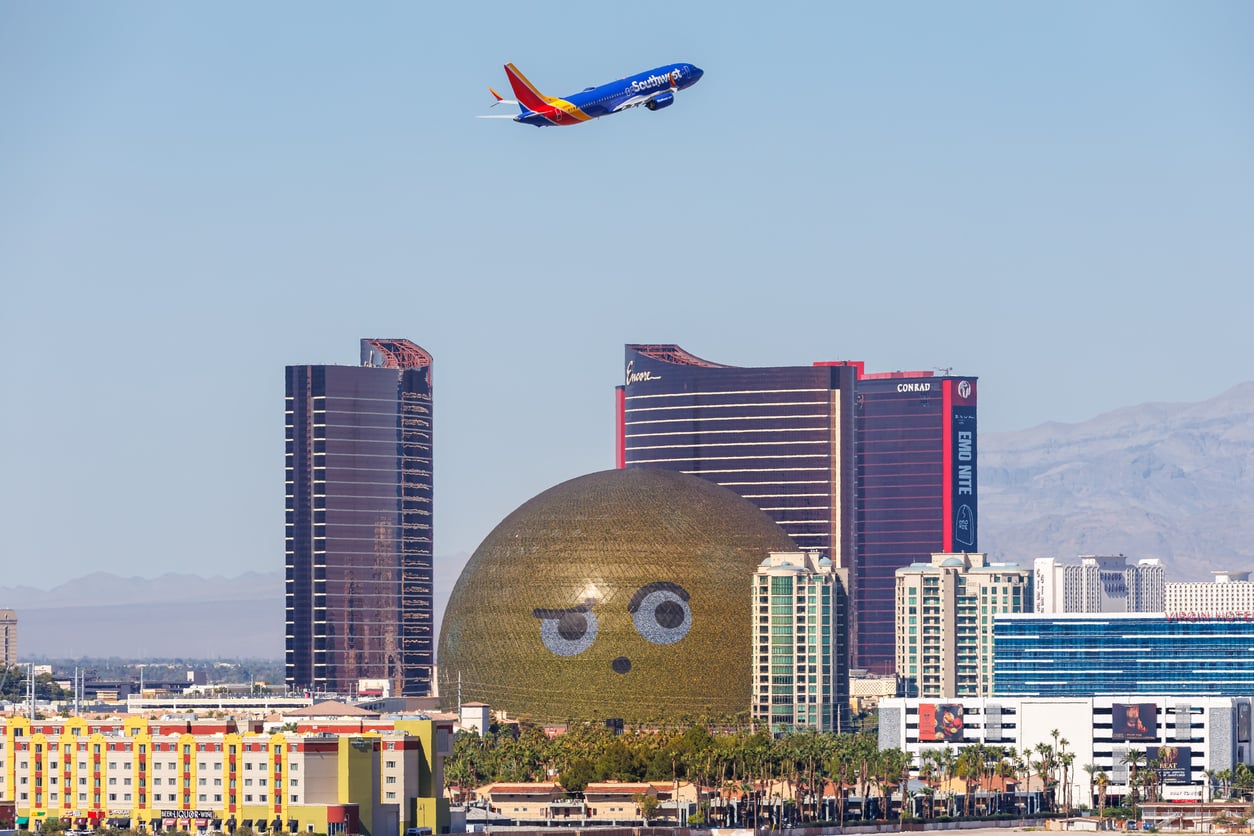
Uber and Lyft work perfectly well at Harry Reid International Airport, but don’t walk outside baggage claim expecting your driver at the curb. Terminal 1 rideshare pickup is on Level 2 of the parking garage, while Terminal 3 uses the garage’s Valet Level. Taxis, by contrast, wait outside baggage claim. There is another reason to allow extra time in 2026: repaving is causing lane closures in both directions of the airport connector tunnels through December, which can slow airport trips.
The Monorail and Deuce Can Save a Lot of Rideshare Trips
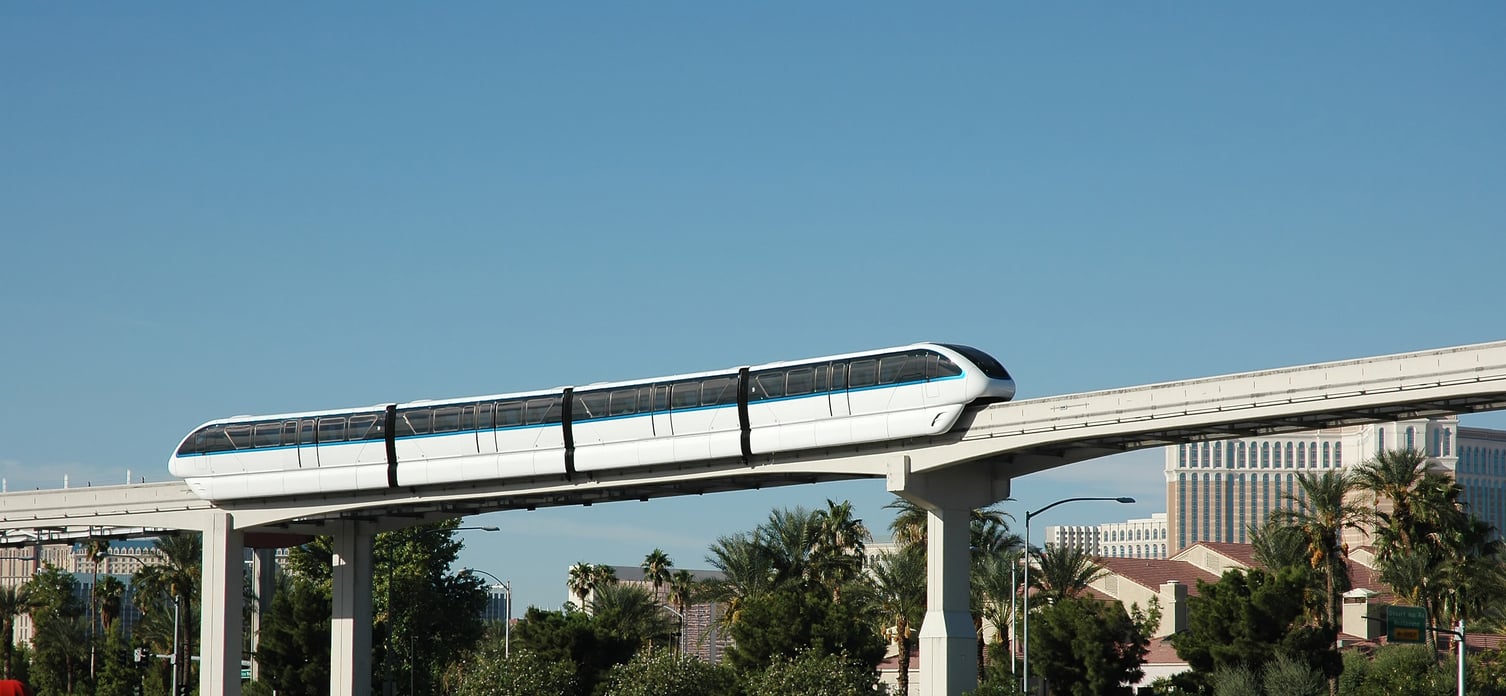
Travelers who don’t want to pay for a car every time they change casinos have two useful alternatives. The Las Vegas Monorail runs between seven stations on the east side of the Strip, with online tickets currently starting at $5.50 and a three-day unlimited pass costing $29.95. RTC’s Deuce bus runs along the Strip and Downtown, with a $4 single ride, $8 24-hour pass, or $20 three-day visitor pass. Just check where your hotel sits before automatically buying either one.
Trending on Cheapism

Summer Heat Can Completely Rearrange Your Day
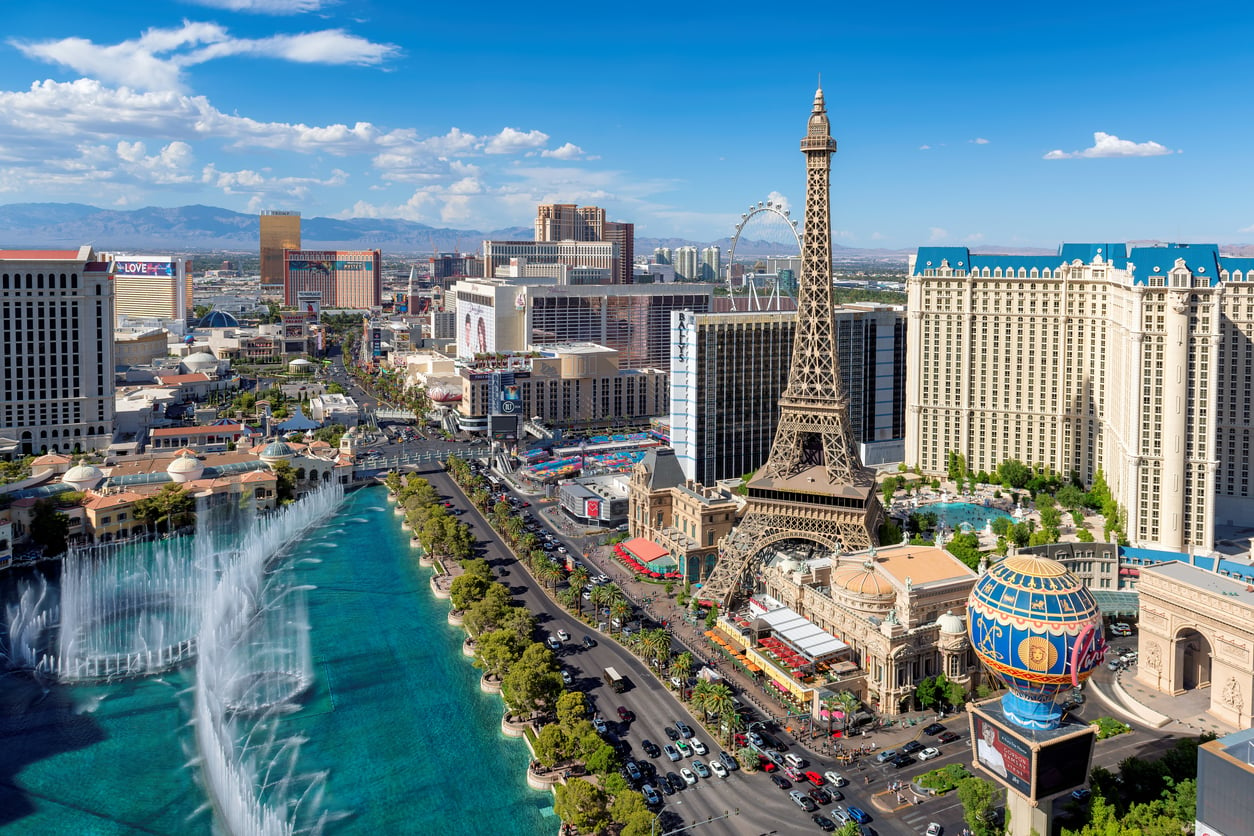
Las Vegas heat is not something to shrug off because it is “dry.” Normal July highs reach roughly 103 to 105 degrees, while normal nighttime lows stay around 80 degrees or higher. That can make a long afternoon walk between resorts unpleasant or risky, particularly for older visitors. During the hottest months, schedule the Welcome sign, outdoor sightseeing, and longer walks for morning or evening. Save the afternoon for restaurants, museums, casinos, shopping, shows, or other air-conditioned stops.
Check the Event Calendar Before You Book Anything
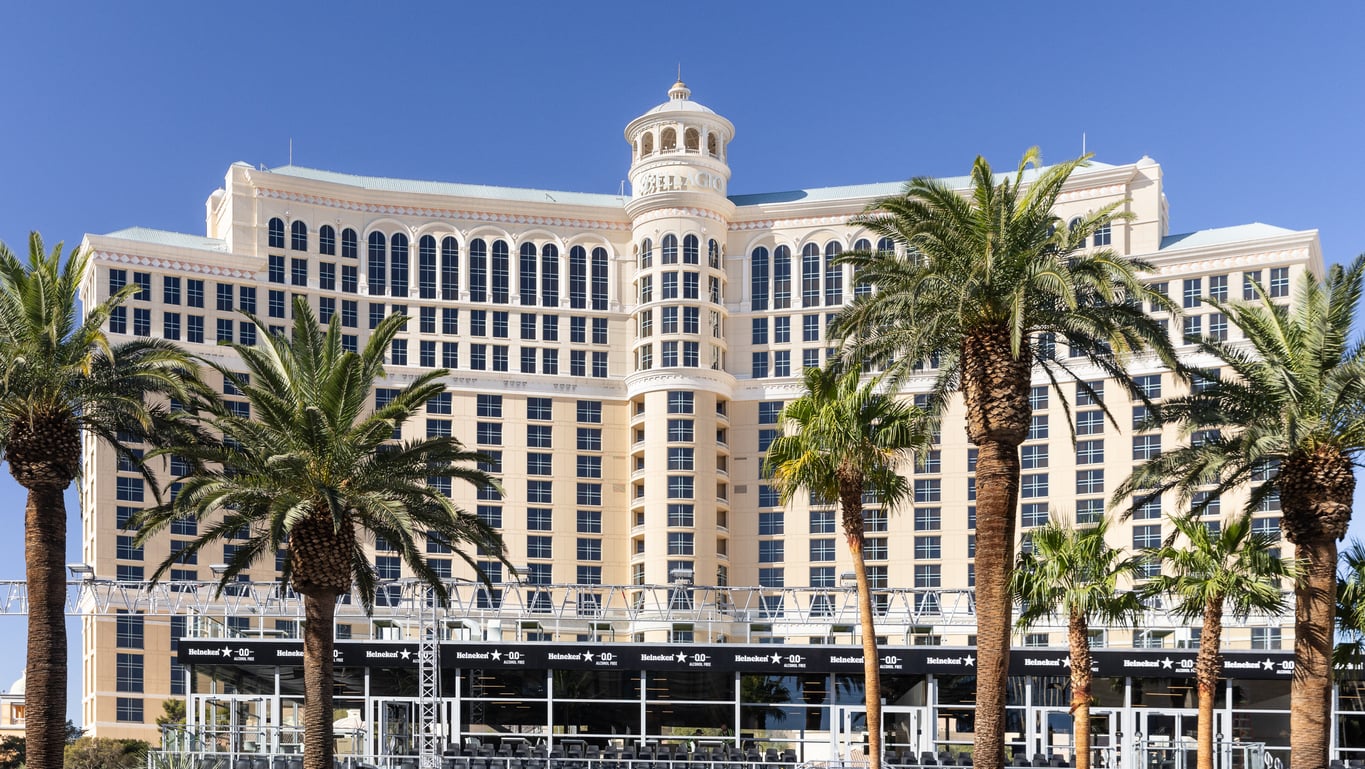
Las Vegas hotel demand can change dramatically when a huge convention, concert, sporting event, or race comes to town. The biggest 2026 example is the Formula 1 Las Vegas Grand Prix, scheduled for November 19 through 21. The 6.2-kilometer street circuit runs through the heart of the Strip, so the event affects much more than race fans. If you have no interest in F1, compare nearby dates before booking. If you’re attending, location and transportation may be worth paying more for.
Don’t Count on Buying Sphere Tickets at the Last Minute
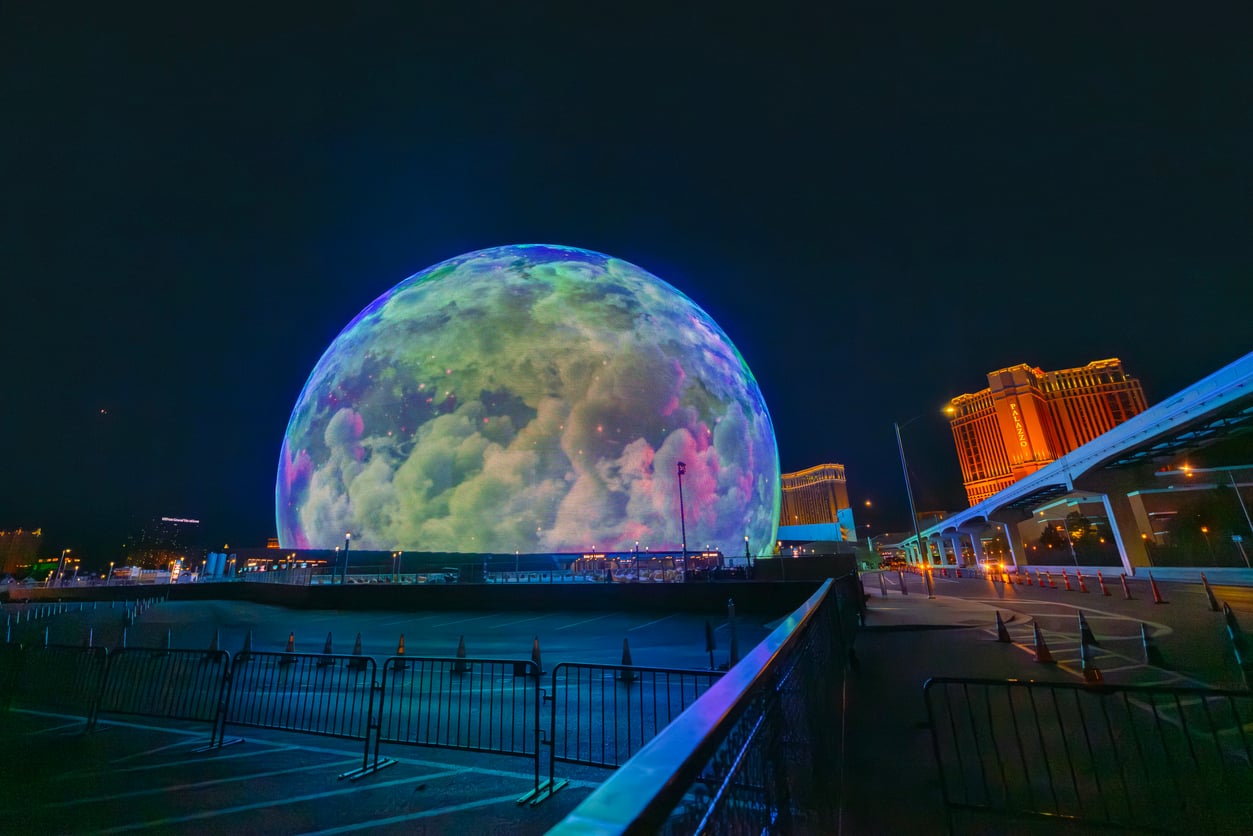
Sphere has moved firmly into the category of attractions people plan Vegas trips around. If a particular concert or immersive show is important to you, buy that ticket before building the rest of the evening. There are practical details to know, too: Sphere encourages guests to arrive early, parking should be planned ahead, and it operates essentially as a no-bag venue. Only small bags around 6 by 6 by 2 inches are normally permitted, with exceptions for medical and diaper bags.
Sign up for our newsletter
Give Downtown Las Vegas Its Own Afternoon or Evening
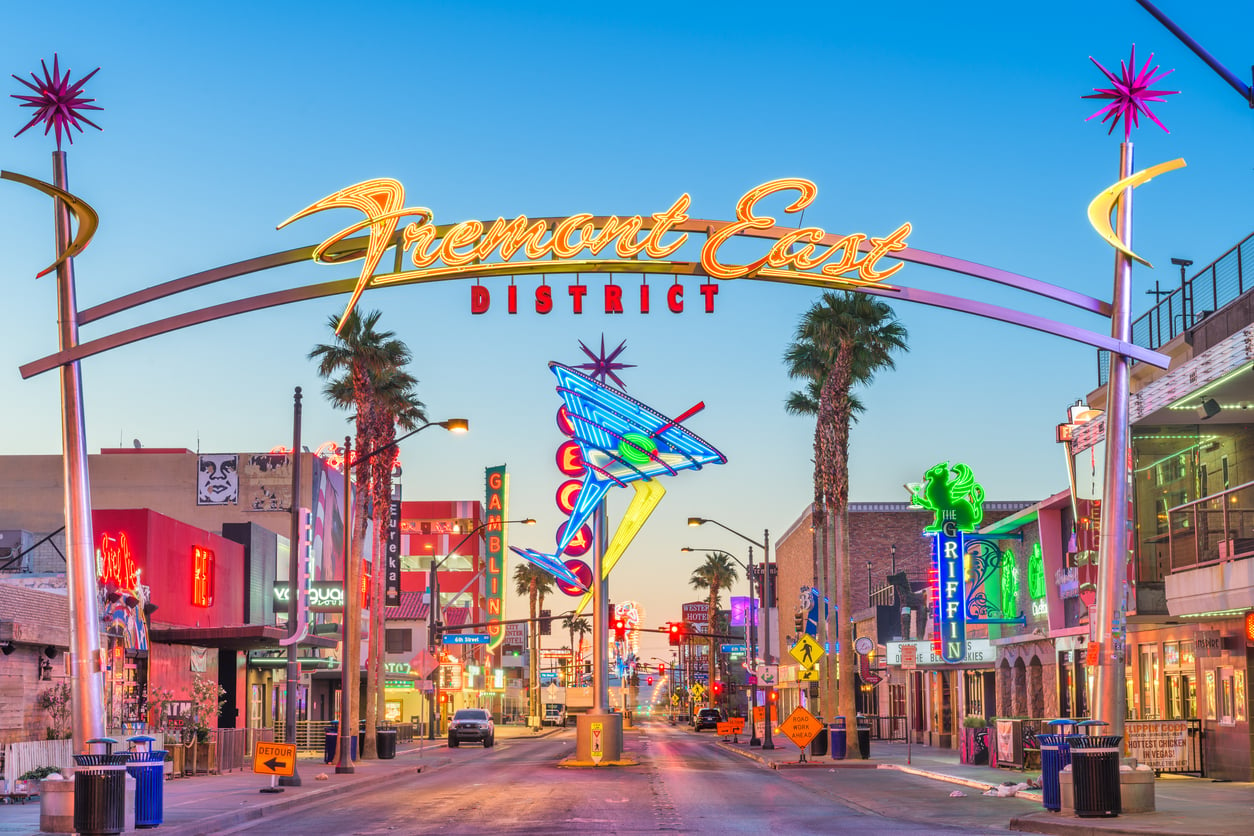
Fremont Street isn’t simply the older end of the Strip. Downtown combines vintage casinos, Fremont East, museums, restaurants, bars, the Arts District, and the Fremont Street Experience in a comparatively compact part of town. It also has the free Downtown Loop shuttle, which connects attractions including Fremont Street, the Arts District, Mob Museum, North Premium Outlets, and The STRAT. Current operating hours vary by day, and construction has temporarily moved the Fremont Street stop, so check the route before setting out.
Legal Cannabis Doesn’t Mean You Can Use It on the Strip
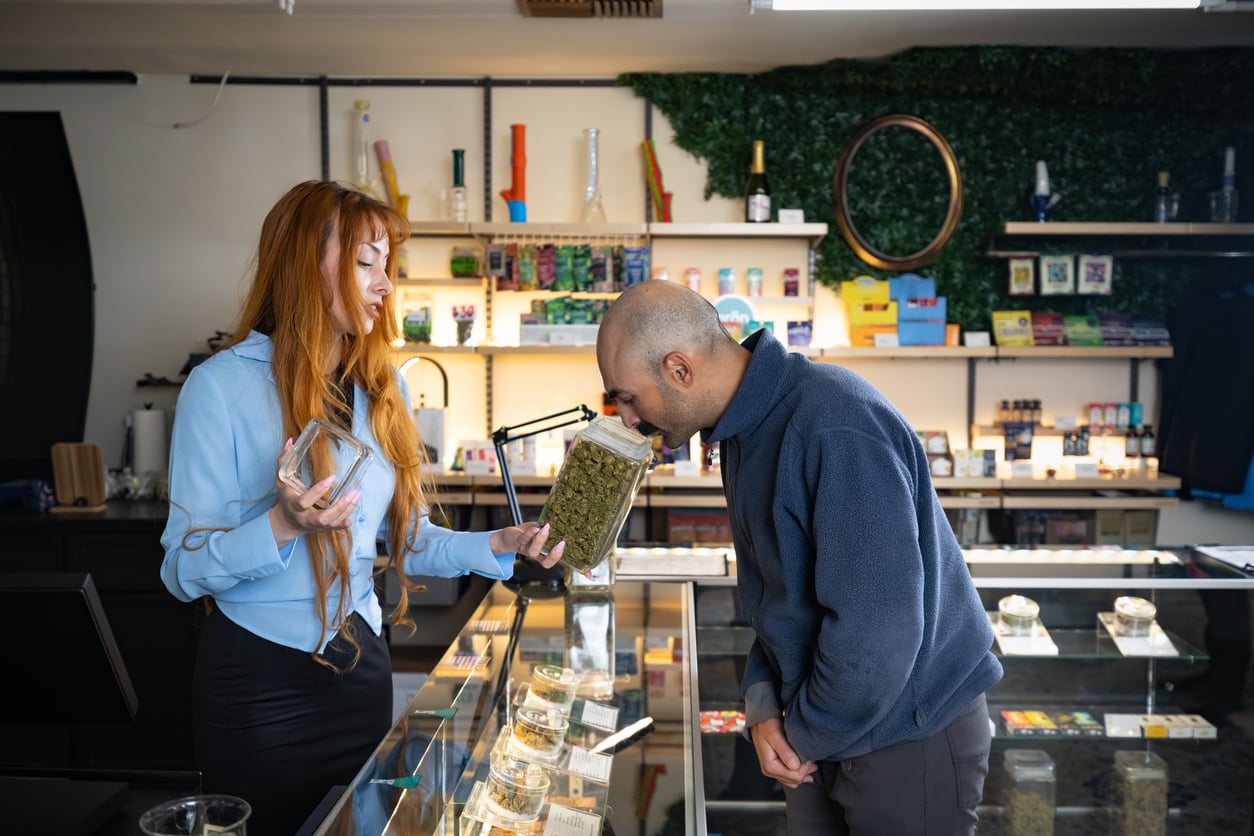
Nevada’s legal cannabis laws can be confusing for visitors because buying it legally and consuming it legally are two different things. Adults 21 and older may legally use cannabis, but Nevada prohibits consumption in public places and in moving vehicles, even for passengers. Private-property owners can also prohibit its use, so a hotel room is not automatically fair game. For visitors without access to private property where consumption is permitted, licensed cannabis consumption lounges provide a legal option.
Casino Floors Can Still Be Smoky
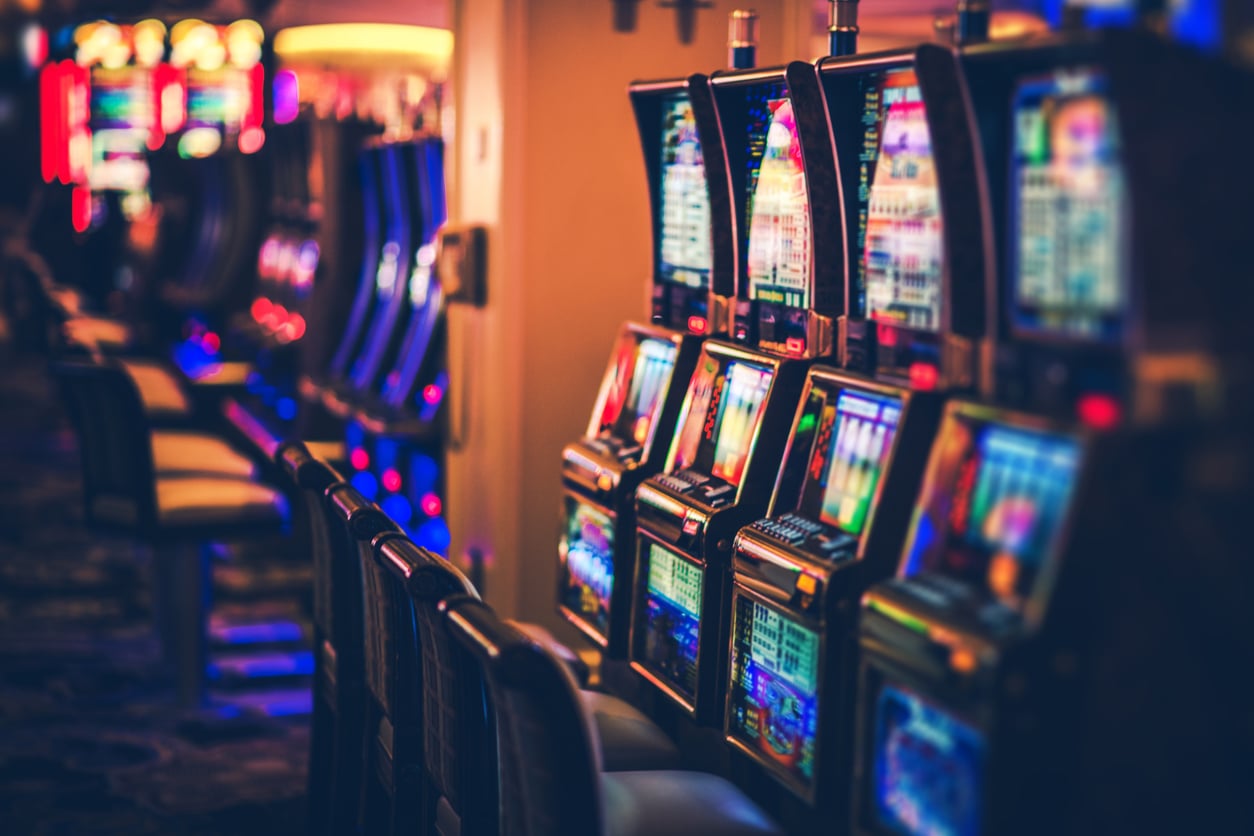
Visitors accustomed to smoke-free restaurants, airports, and hotels are sometimes caught off guard by casino floors. Nevada’s indoor-air law specifically exempts casino gaming areas where minors are prohibited, so smoking and vaping may still be allowed. Individual resorts can impose stricter rules, however. Park MGM is the standout example: its casino, hotel rooms, restaurants, bars, pools, and common areas are smoke-free, with tobacco smoking limited to designated outdoor locations. Smoke-sensitive travelers should check the casino policy before choosing a hotel, not just request a nonsmoking room.
You Don’t Have to Pay for Every Hour of Your Vacation
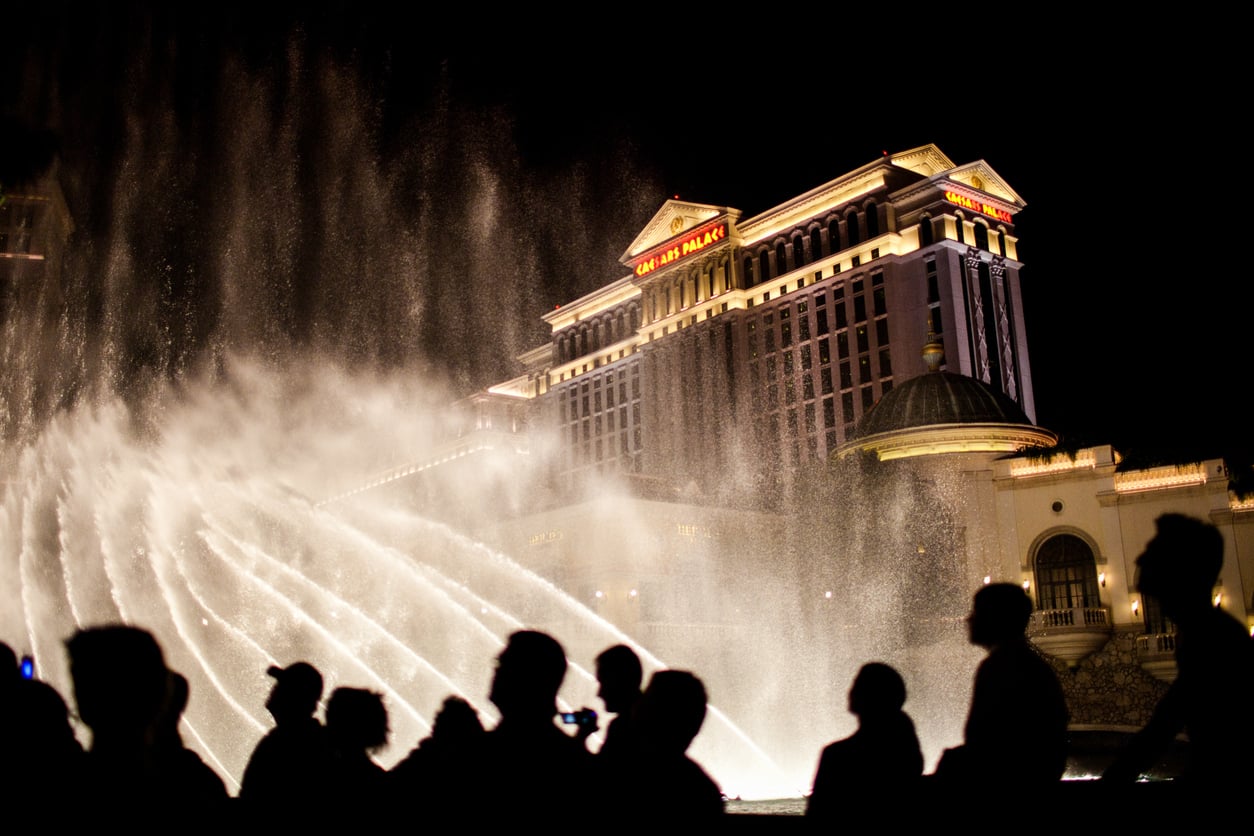
Vegas can burn through money remarkably fast, but some of its classic experiences still cost nothing. The Fountains of Bellagio, Bellagio Conservatory & Botanical Gardens, Fremont Street Experience, and Welcome to Fabulous Las Vegas sign remain free attractions in 2026. They are particularly useful between expensive meals and shows or on arrival and departure days when you don’t want another timed reservation. Building a trip around one or two splurges per day instead of paying for every activity can make a surprisingly large difference.