

Booking a flight involves more than choosing the lowest fare. Baggage charges, awkward departure times, airport transfers, and restrictive ticket rules can quickly make a cheap option less appealing. Tools such as Google Flights make it easier to compare dates, airports, and fare changes, but travelers still need to examine the details themselves. Before booking a flight, these 12 practical checks can help prevent costly mistakes and make the journey considerably less stressful.
Compare the Real Cost, Not Just the Fare
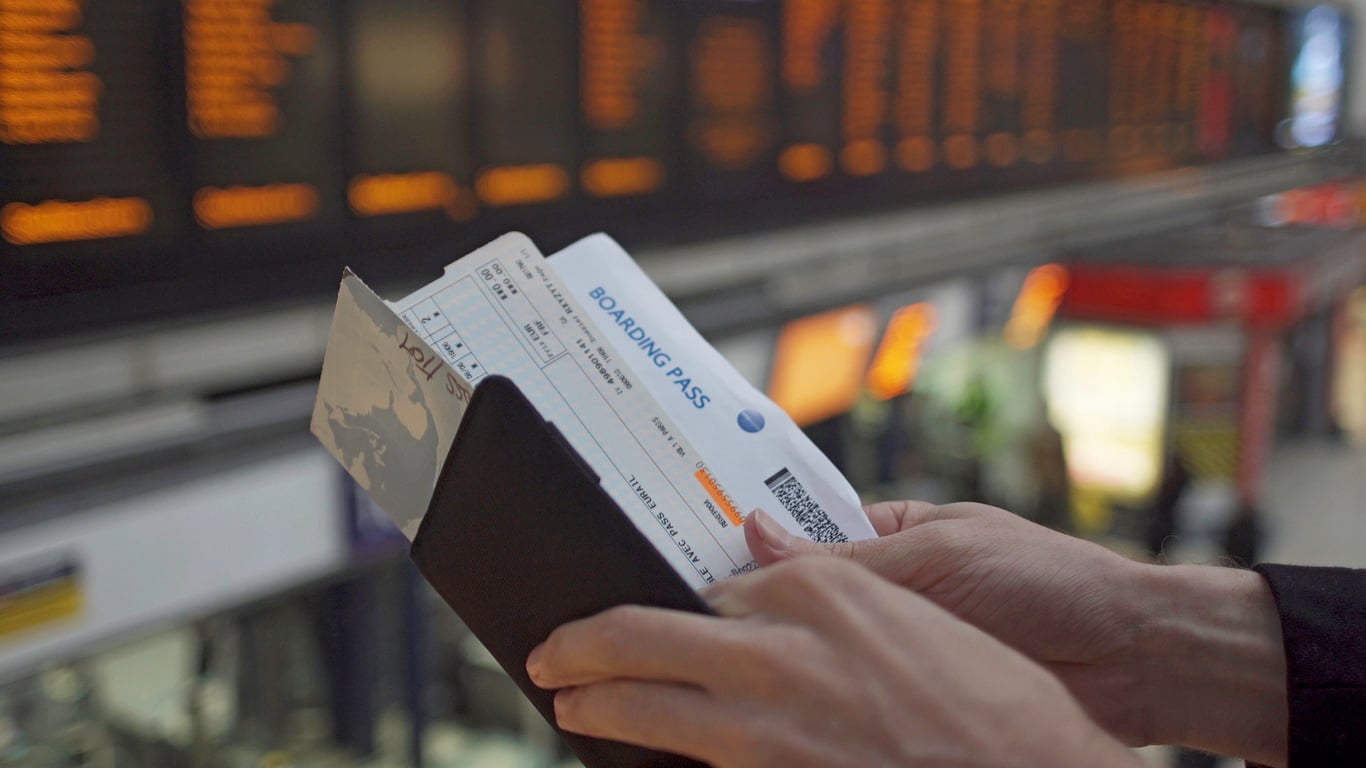
The lowest airfare may come with charges for carry-on bags, checked luggage, seats, meals, or changes. Add those costs before deciding which flight is actually less expensive. Then include airport parking, tolls, taxis, and any hotel night required by the schedule. Google Flights can compare nearby airports and different dates, but a cheaper departure airport may not save money after a long drive and several days of parking are added.
Read the Baggage Rules for That Exact Fare

Do not assume that “economy” includes the same luggage on every airline. Basic or light fares may exclude a full-size carry-on, while personal-item dimensions and checked-bag limits differ among carriers. Connecting itineraries can become especially confusing when more than one airline is involved. Check the operating airline’s rules, measure bags at home, and calculate charges for both directions. Optional fees can quickly erase the savings attached to a stripped-down ticket.
Judge the Schedule Like a Door-to-Door Trip

A 6 a.m. departure may mean leaving home at 2 or 3 in the morning. A late arrival could leave travelers paying for a taxi after public transportation stops running. Look beyond the flight duration and calculate when the trip truly begins and ends. Older travelers, families, and anyone driving a long distance to the airport may reasonably pay more for humane hours. Losing most of the first vacation day can be costlier than choosing a slightly higher fare.
Investigate the Airport, Not Just the City

Airport names can be misleading. A secondary airport marketed as serving a major city may be many miles away, with limited trains or expensive transfers. Before paying, check the airport’s official transportation page, map the trip to the hotel, and compare taxi, shuttle, transit, and rental-car costs. Also investigate terminal construction, parking prices, and accessibility services. The cheaper flight may still work, but only when the ground transportation is practical for everyone in the group.
Understand the Change and Cancellation Rules
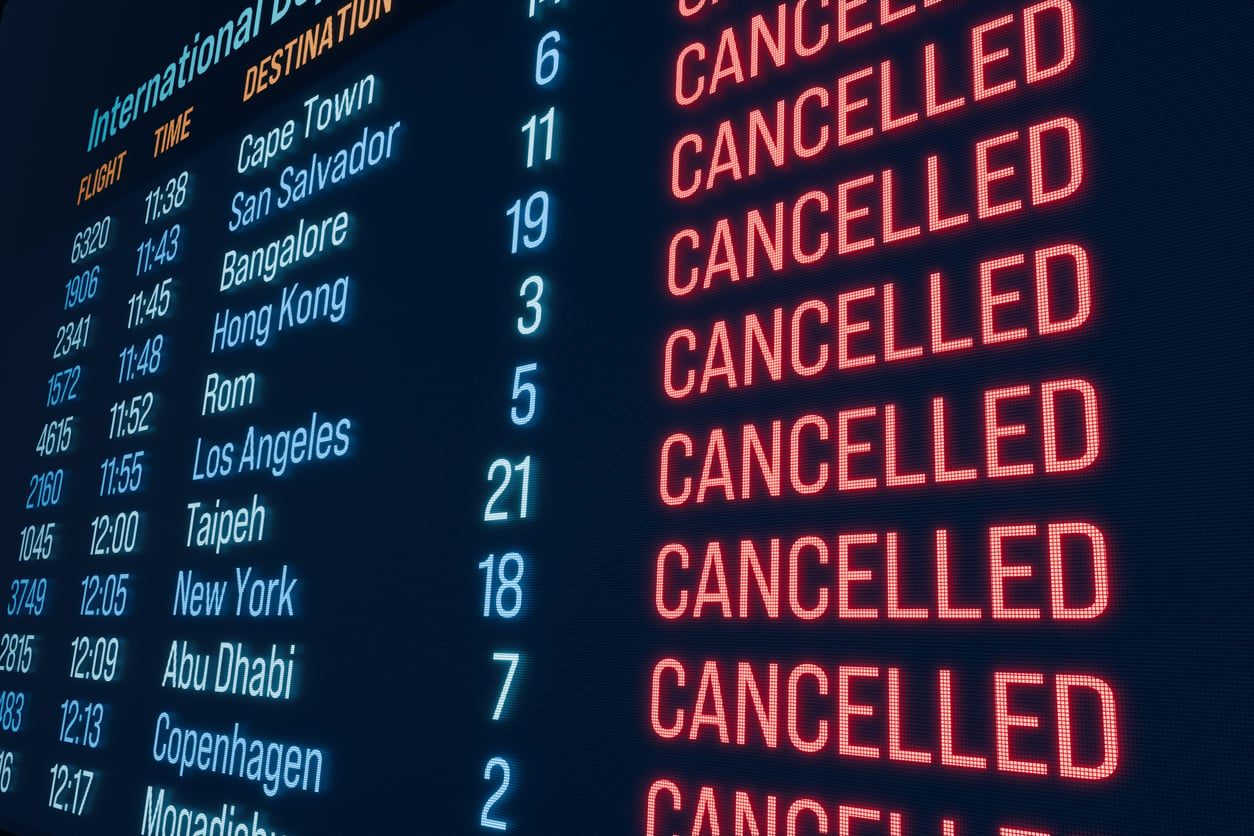
A low fare becomes risky when the traveler may need to change dates. Read whether the ticket can be changed, whether a credit expires, and whether Basic Economy has additional restrictions. For flights covered by U.S. rules and booked at least seven days before departure, airlines must generally offer either a 24-hour penalty-free cancellation option or a 24-hour fare hold. That protection does not mean airlines must correct every date or name mistake without charge.
Trending on Cheapism


Leave a Realistic Amount of Connection Time

An itinerary may be technically bookable without being comfortable. Allow for a late first flight, a distant terminal, mobility needs, security screening, and immigration. Travelers entering the United States from abroad generally clear customs at their first U.S. arrival point and may need to collect and recheck luggage, although preclearance airports and limited baggage-screening programs are exceptions. Avoid combining separately purchased tickets unless the savings justify the risk of buying a replacement flight.
Search Widely, Then Check the Airline Directly

Comparison tools are useful for discovering routes, flexible dates, nearby airports, and price trends. Google Flights also allows travelers to track a route or specific flight and receive notifications when prices change. Once a promising itinerary appears, compare the same fare on the airline’s website. Third-party agencies can sometimes offer lower prices, but changes may require dealing with the agency rather than the carrier. Read the seller’s rules carefully before accepting modest savings.
Examine the Aircraft and Seat Map
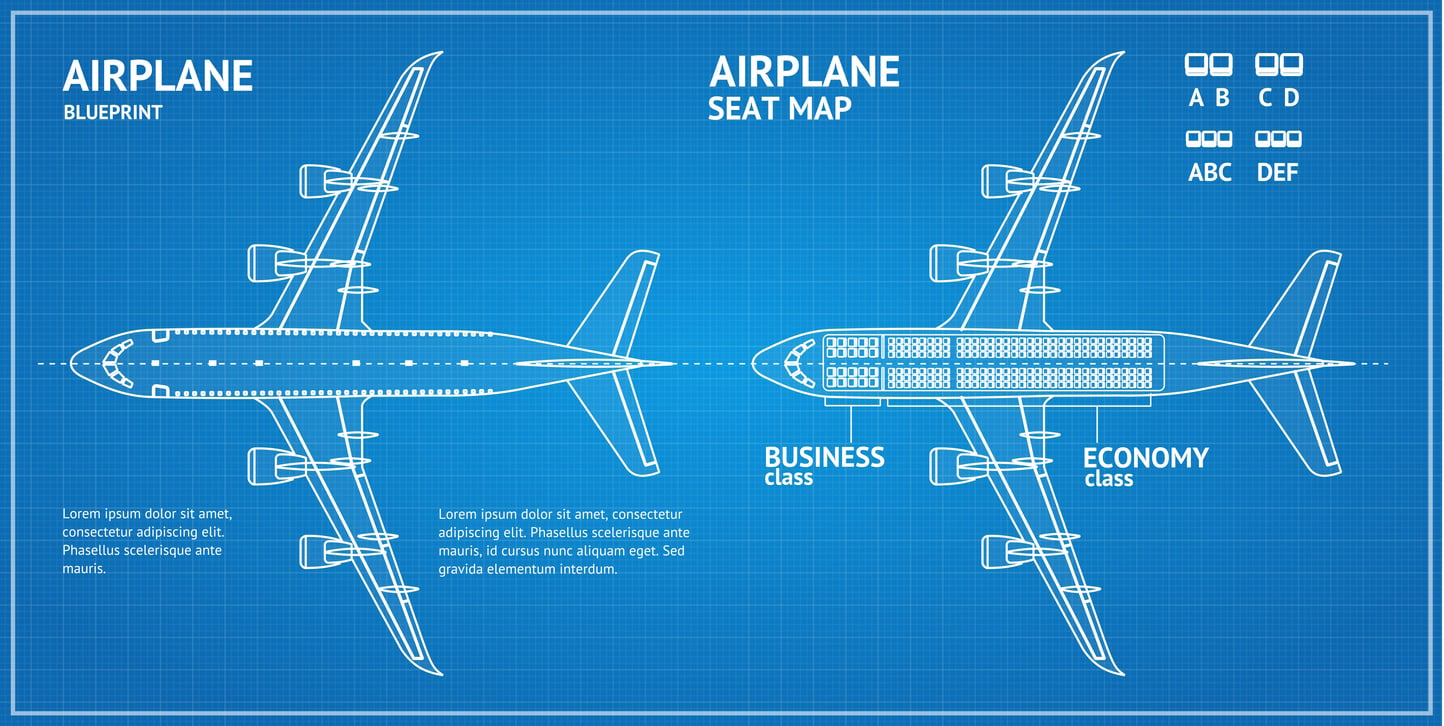
The same airline can use several aircraft layouts on one route. Check the scheduled aircraft, seat arrangement, bathroom locations, exit rows, and rows that may have limited recline. AeroLOPA provides detailed aircraft layouts, while the airline’s own booking map shows which seats are currently selectable and whether a fee applies. Remember that aircraft substitutions happen, so no seat map is a guarantee. The goal is to avoid obvious problems, not to treat a particular seat as permanently secured.
Sign up for our newsletter
Confirm Passport, Visa, and Entry Requirements
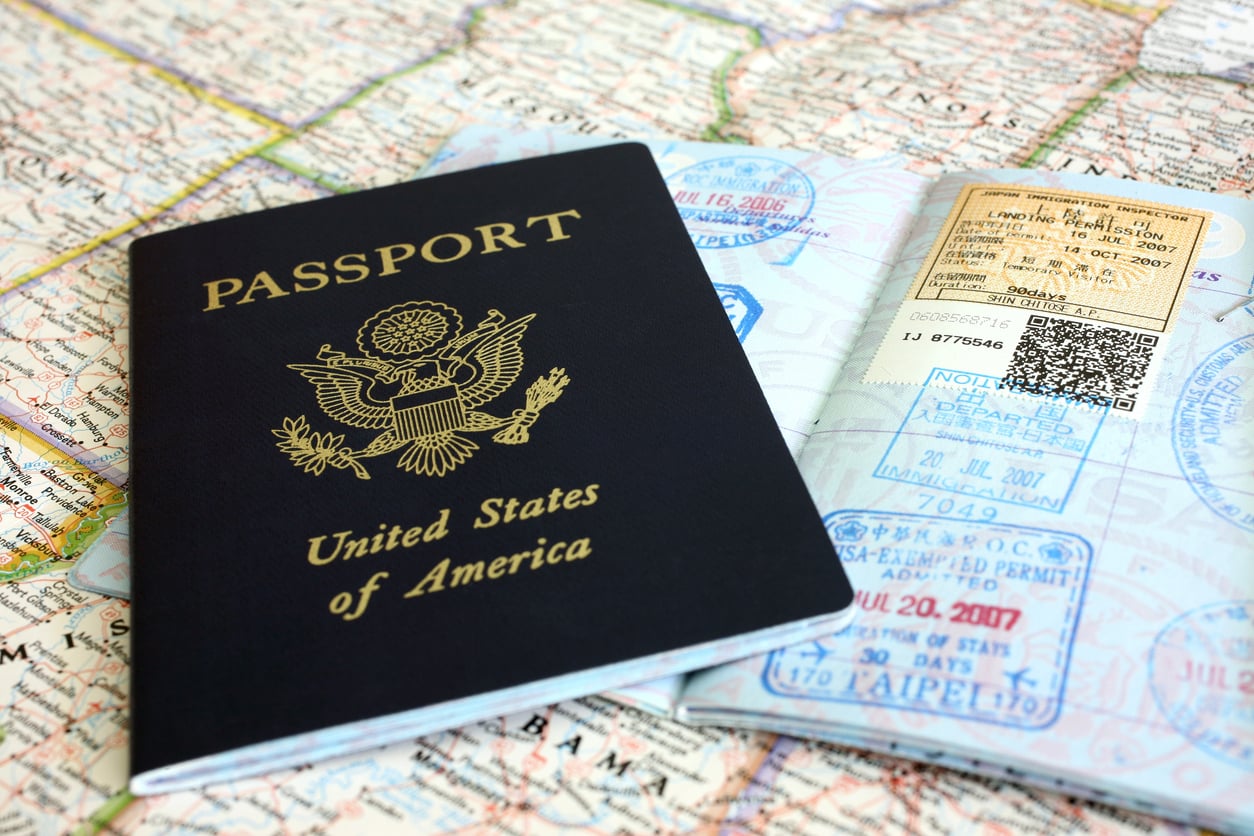
Check documents before buying an international ticket, not several days before departure. Passport-validity rules vary: some countries require six months, while parts of Europe may require three months beyond the planned departure date. Travelers may also need a visa, electronic authorization, blank passport pages, proof of onward travel, or health documentation. IATA’s Travel Centre uses itinerary and traveler details to provide current requirements, but destination government and embassy pages should also be reviewed.
Decide Whether Travel Insurance Adds Value

Insurance is not automatically worthwhile for every inexpensive domestic ticket. First calculate how much prepaid money would actually be lost and review the refund policies for flights, hotels, tours, and rentals. Then check whether a credit card already provides cancellation, delay, baggage, or rental-car protection. Coverage, limits, and exclusions vary widely, and standard health insurance or Medicare may offer limited protection abroad. Expensive international trips with several nonrefundable bookings generally create more financial exposure.
Check Seasonal Risks, Not a Daily Forecast

A forecast cannot predict conditions months in advance, but seasonal research still matters. Look into hurricane periods, winter storms, extreme heat, wildfire seasons, heavy rainfall, and local holidays that affect prices or transportation. The official Atlantic hurricane season, for example, runs from June 1 through November 30, although storms can occur outside those dates. This does not mean avoiding an entire region for months; it means considering flexible reservations and appropriate insurance when disruption risks are higher.
Proofread Every Passenger Detail

Before pressing the final payment button, compare each passenger’s name with the identification that person will use. Recheck birth dates, travel dates, airports, directions, flight numbers, and the operating carrier, especially on codeshare itineraries. A small spelling error or accidentally reversed trip can require a phone call, fee, or new ticket because airlines are not generally required to correct booking mistakes for free. Save the confirmation and review it again while the 24-hour protection may still apply.