
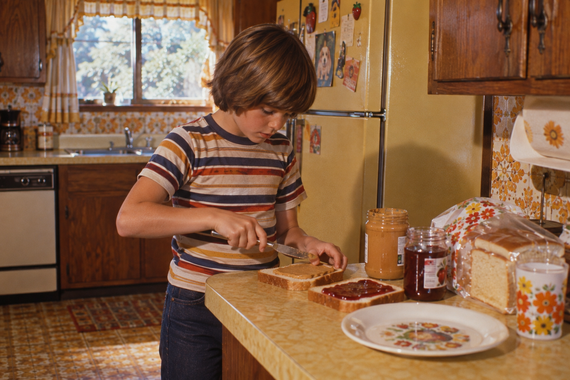
Growing up in the 1970s often came with a surprising amount of independence. Kids walked or biked around the neighborhood, came home from school before their parents, ran small errands, and found ways to entertain themselves without an adult planning every minute.
Of course, not every child had the same experience. Where you lived, how old you were, and what your family was like made a huge difference. But everyday life often required kids to figure things out without being able to immediately call or text a parent for help.
Most of these weren’t extraordinary survival skills, either. They were ordinary tasks that became second nature, and 1970s childhood independence gave kids plenty of opportunities to practice them. From keeping track of the house key to counting change at the corner store, here are 12 things many kids in the 1970s were expected to know how to do on their own.
Get Home From School and Let Themselves In
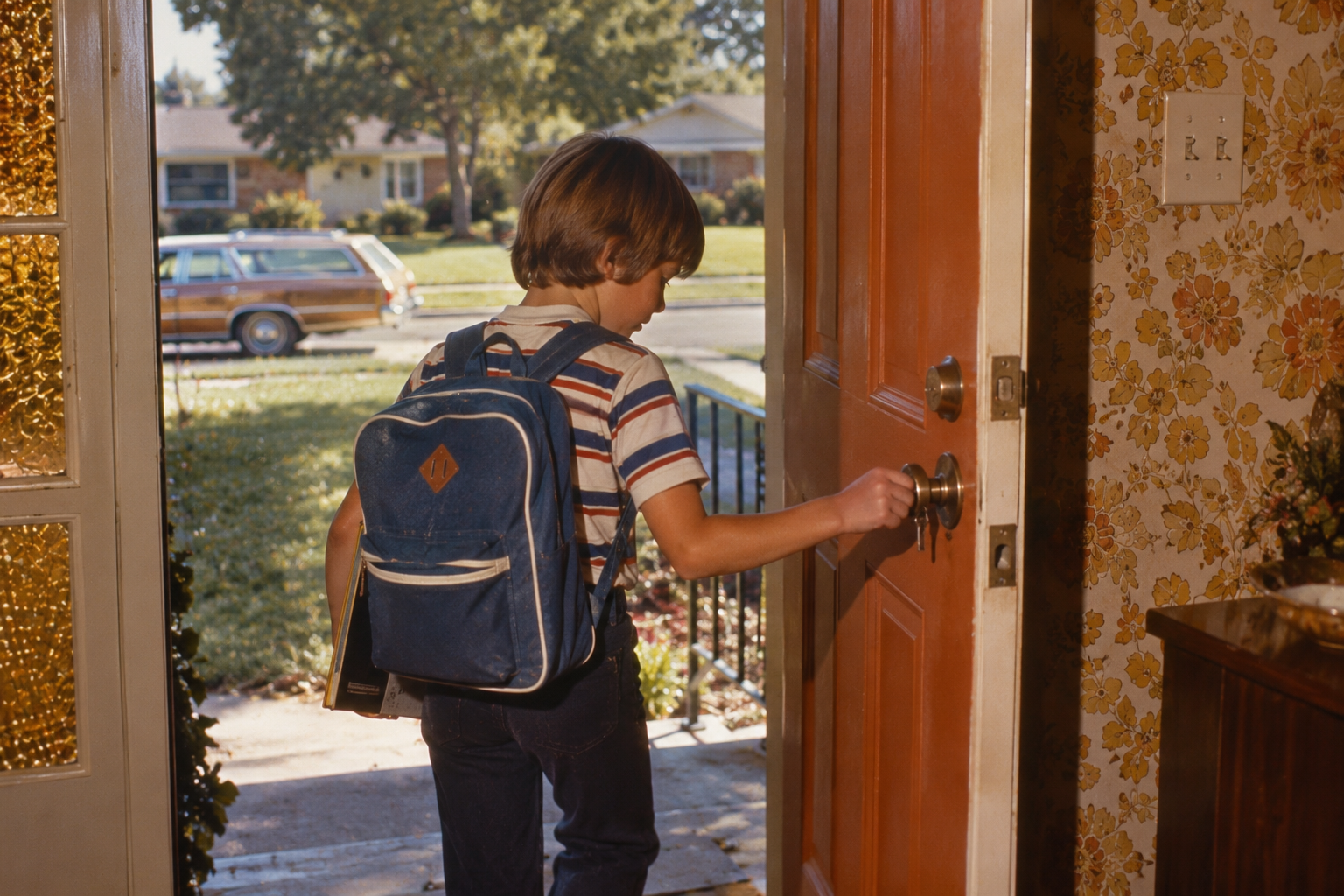
For plenty of kids, the end of the school day didn’t mean a parent was waiting at home. As more mothers entered the workforce and after-school care remained limited, some school-age children returned to an empty house and took care of themselves until an adult got home. The term “latchkey child” became increasingly familiar during the 1970s and 1980s, and the house key itself became something of a symbol of childhood independence. Kids had to remember where that key was, lock the door behind them, follow the house rules, and know what to do if something went wrong.
Walk or Bike to School Without a Parent
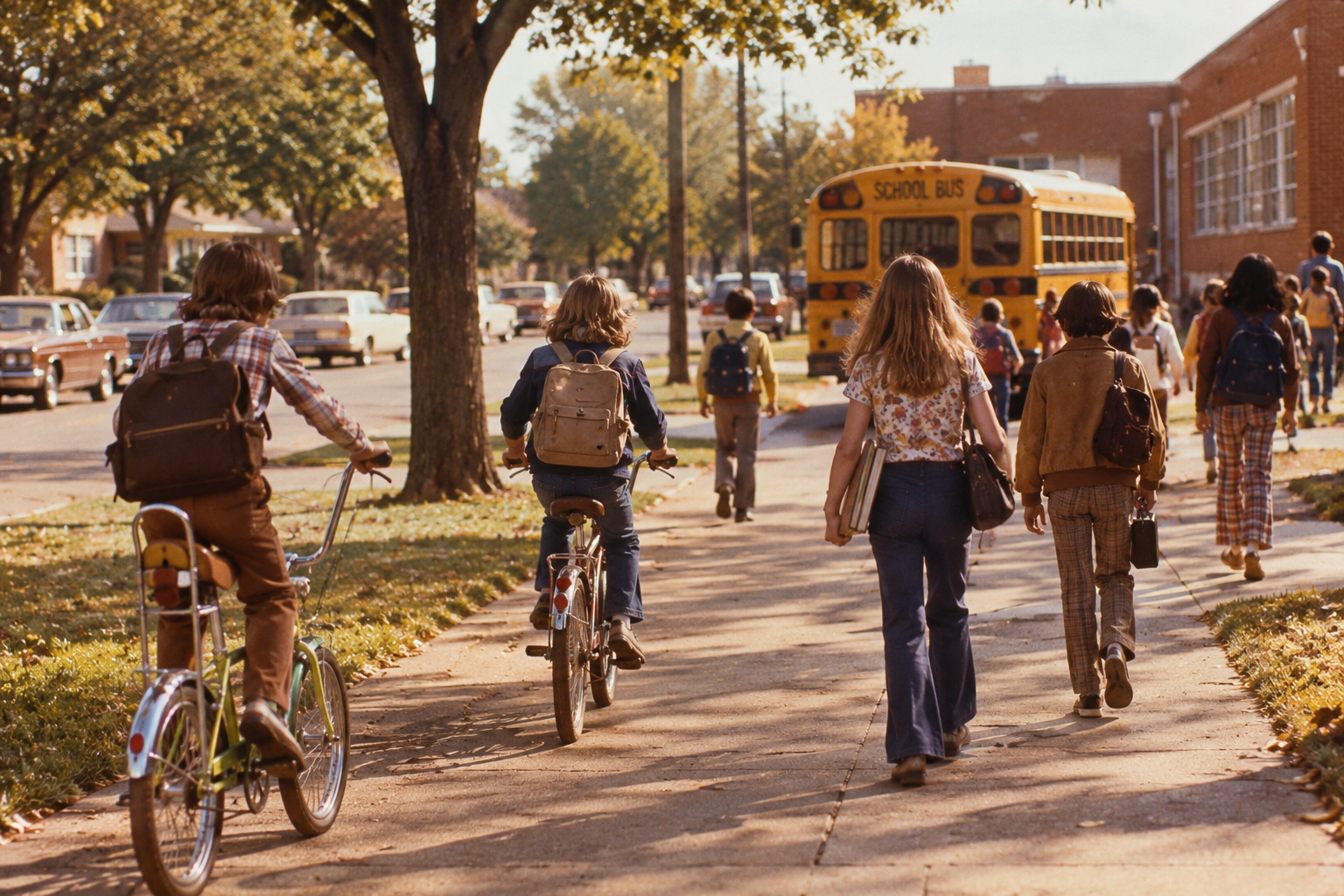
The morning school run could look very different in the 1970s. Historical transportation data shows that 48% of students walked or biked to school in 1969, meaning independent travel was a normal part of everyday life for many children. That required more than remembering which direction school was in. Kids had to navigate intersections, watch traffic, know shortcuts, leave early enough to arrive on time, and figure out what to do if their usual route was blocked. Mom or Dad wasn’t necessarily following a few feet behind.
Make Themselves a Basic Snack or Meal
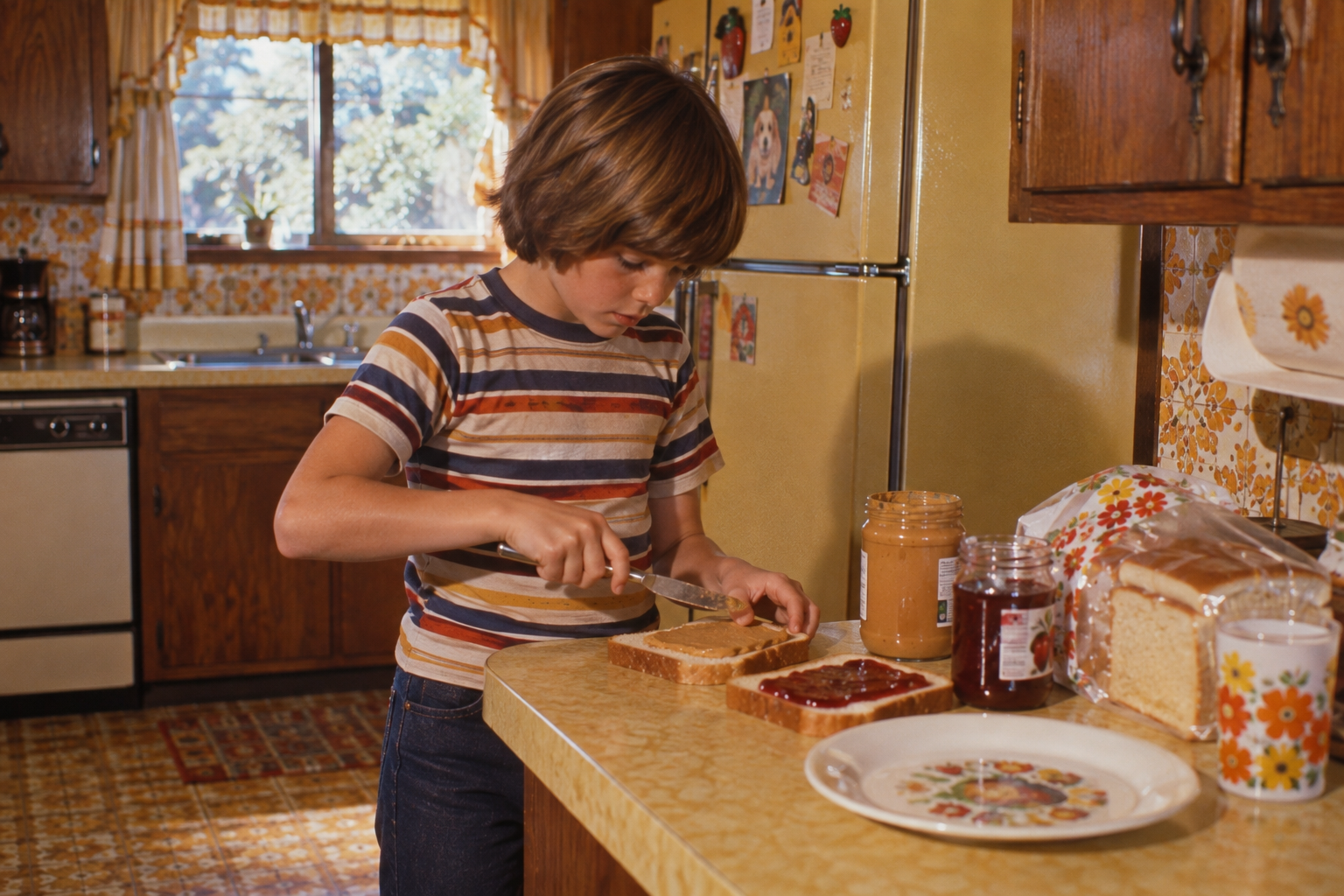
Coming home to an empty house also meant there wasn’t always someone available to make an afternoon snack. Kids might pour themselves a bowl of cereal, make a sandwich, heat up soup, or pop bread into the toaster — and, ideally, clean up whatever mess they made afterward. Youth programs such as 4-H also emphasized hands-on food preparation and nutrition during the era. That doesn’t mean every 7-year-old was left alone frying pork chops, but basic kitchen independence could start surprisingly early.
Use the Family Telephone Properly
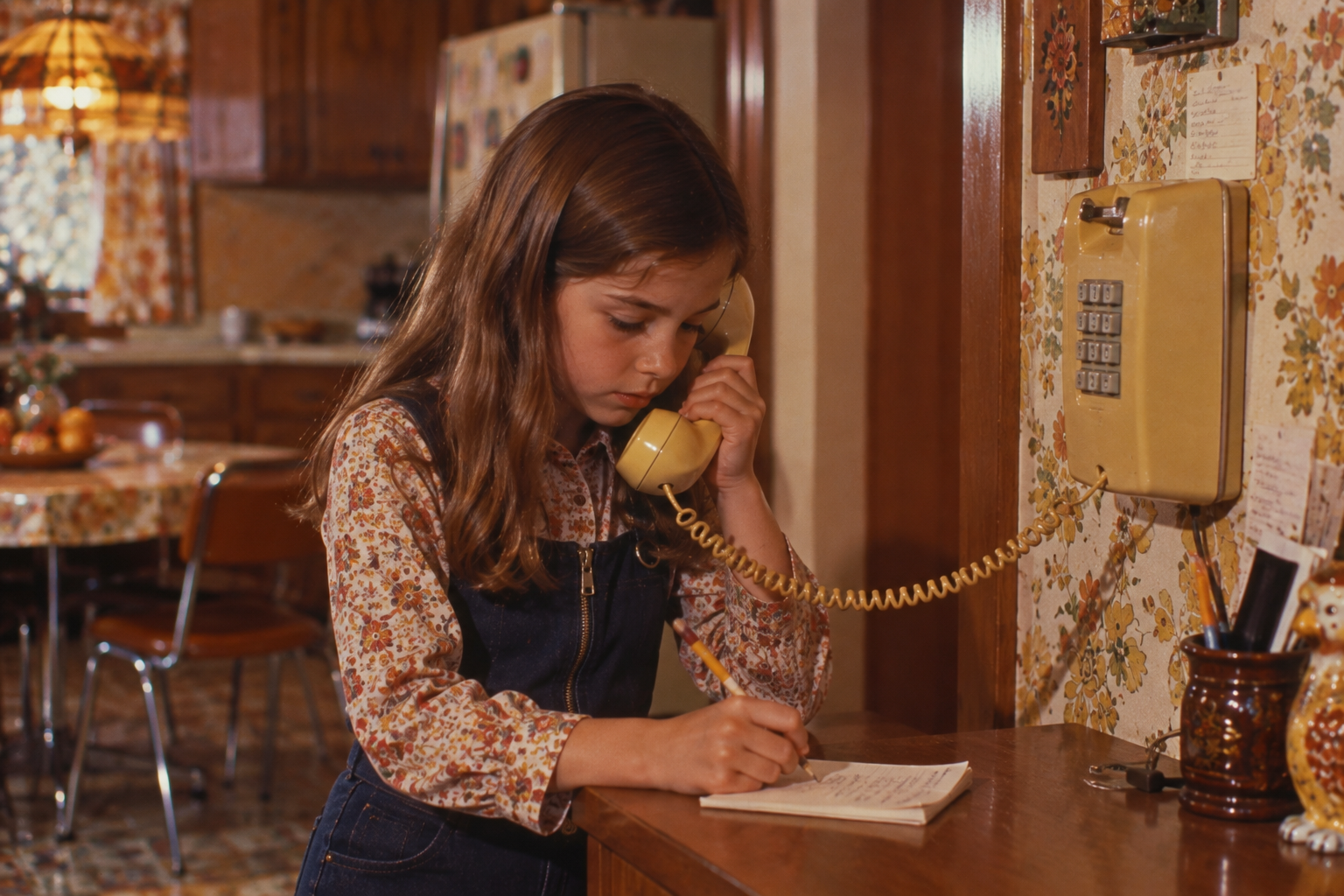
The family telephone was an important piece of household equipment, and kids needed to know how to use it. That meant answering politely, taking a message, placing a call, and memorizing important numbers such as home and a parent’s workplace. Even 911 wasn’t universally available throughout the entire country at the beginning of the decade; the emergency number was still being rolled out. And if Mom didn’t answer at work, there was no text message, Find My Friends, or second device to try. Sometimes you simply had to wait.
Buy Something and Make Sure the Change Was Right
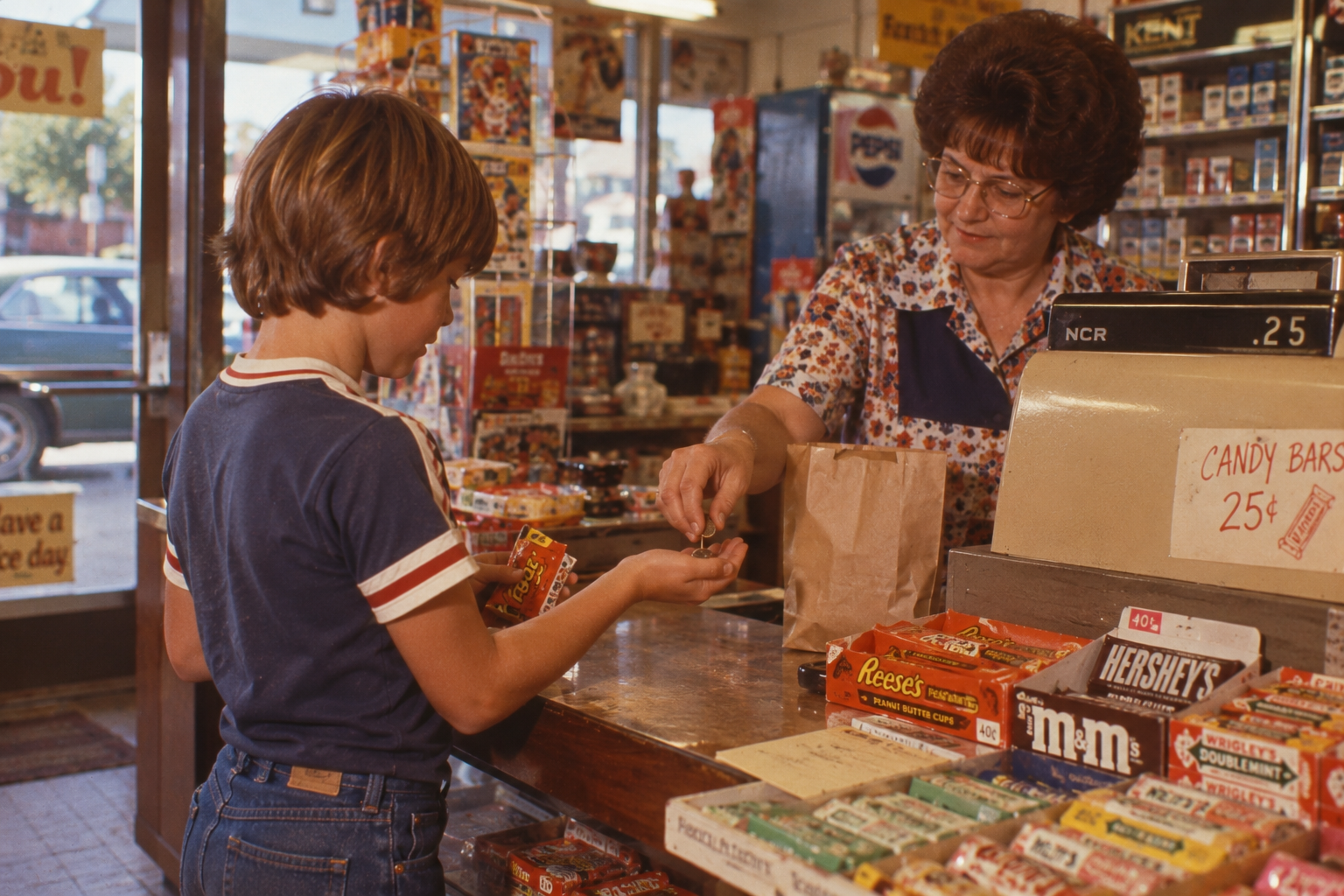
A couple of dollars could send a kid into a corner store for candy, a comic book, or something a parent needed for dinner. But there was no tap-to-pay or phone calculator to handle the transaction. Kids needed to understand dollars and cents, keep track of what they could afford, hand over the right bills, and make sure the change they got back made sense. Handling cash was an ordinary part of growing up, whether the money came from an allowance, a birthday card, or a handful of coins dug out of a piggy bank.
Trending on Cheapism


Find Their Way Around Without GPS
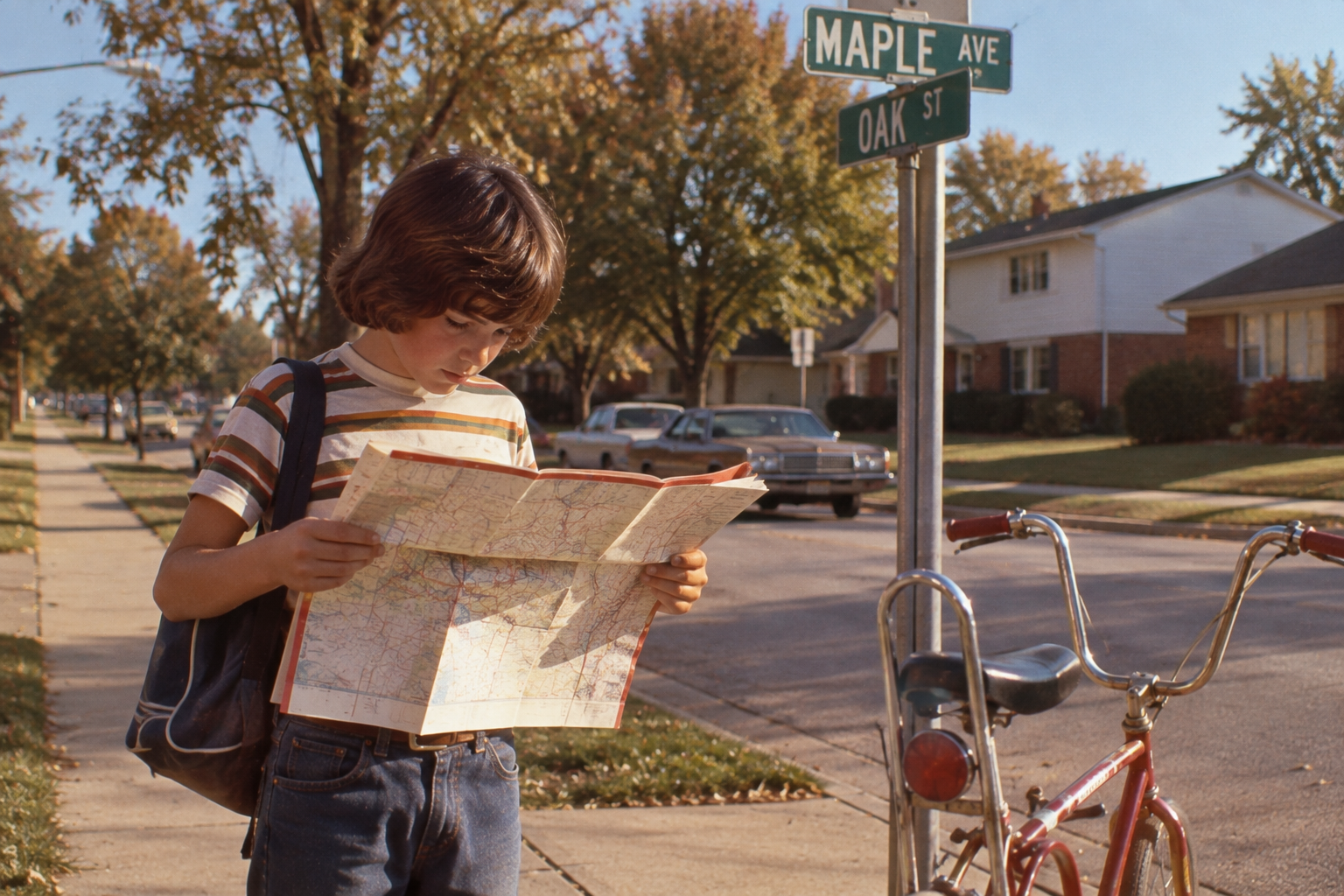
Taking a wrong turn on your bike couldn’t be fixed by pulling a phone out of your pocket and following a glowing blue dot home. Kids who traveled around their neighborhoods independently needed to actually know where they were. Street names, landmarks, shortcuts, bus stops, and familiar houses became the navigation system. At minimum, knowing your own address and a reliable route home mattered. For longer trips, families relied on printed maps and road atlases — another skill that has become much less essential in the GPS era.
Take Care of Younger Brothers or Sisters for a While
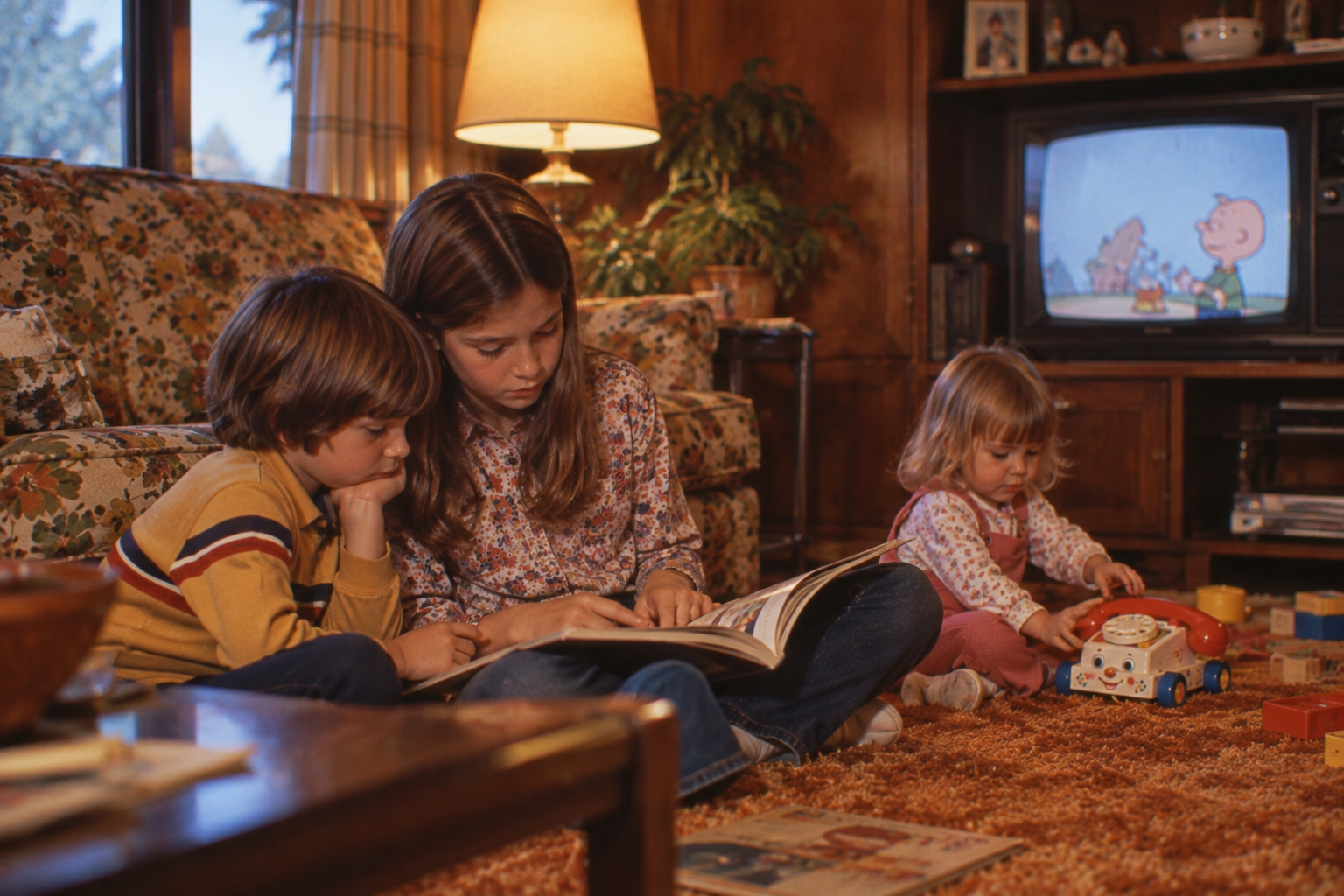
Being the oldest sibling could come with responsibilities. Research on latchkey children from the era noted that some children were responsible for younger siblings, particularly in families dealing with work schedules and limited childcare options. That might mean making a snack, keeping a younger brother or sister nearby, settling an argument, or knowing when a situation was serious enough to call an adult. It wasn’t necessarily full-fledged babysitting, but “keep an eye on your brother” could carry considerably more weight than it sounds like.
Do Regular Household Chores Without Detailed Instructions
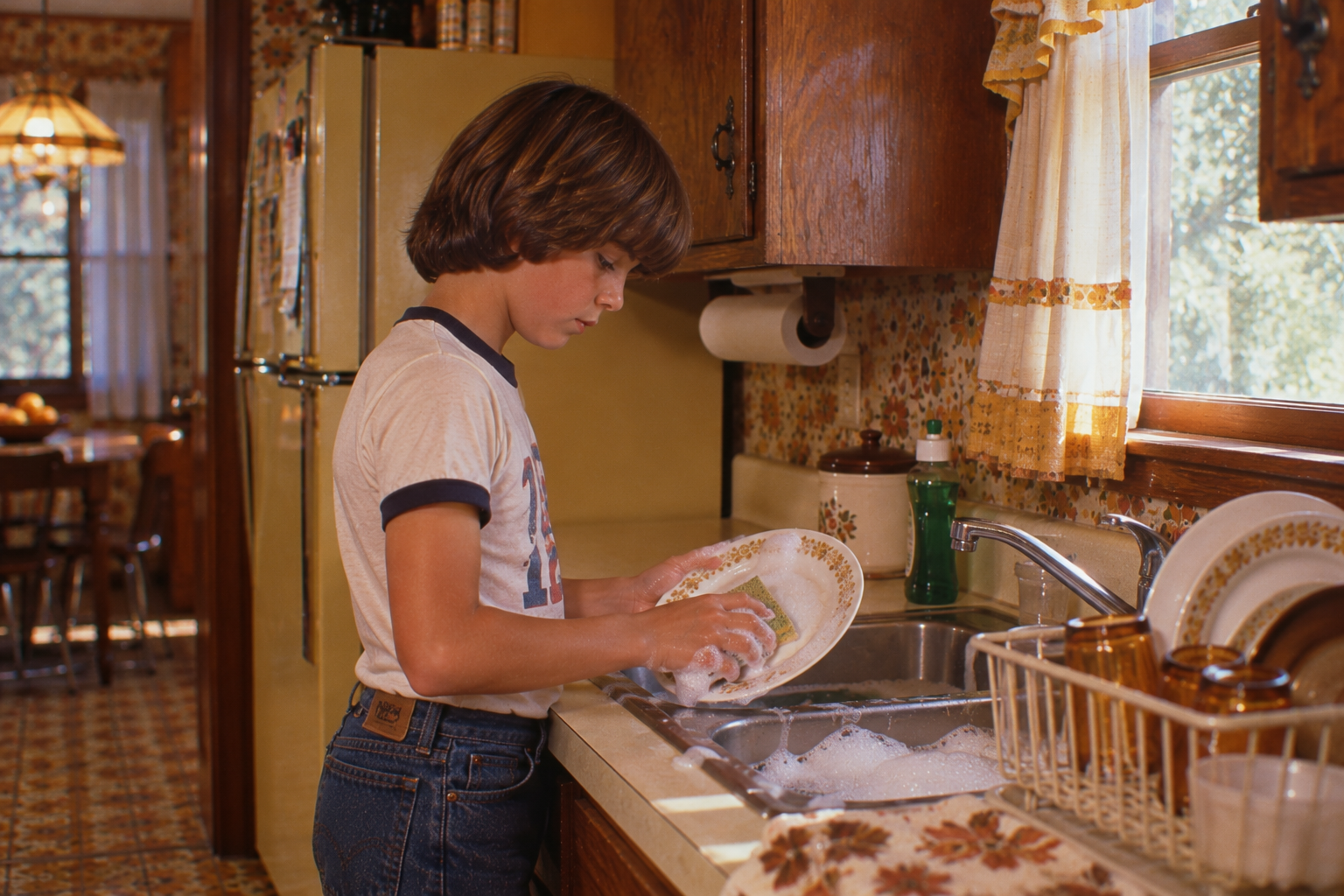
Chores weren’t necessarily an elaborate system involving color-coded charts and rewards. For many kids, there were simply jobs they were expected to do because they lived in the house. Depending on the family, that could mean making the bed, washing dishes, sweeping floors, taking out the trash, folding clothes, or helping with dinner. Youth organizations such as 4-H similarly emphasized practical, learn-by-doing skills during the era. Once a kid knew how to do a job, the expectation was often that it would get done without an adult demonstrating it again every Saturday.
Sign up for our newsletter
Handle Basic Yard Work
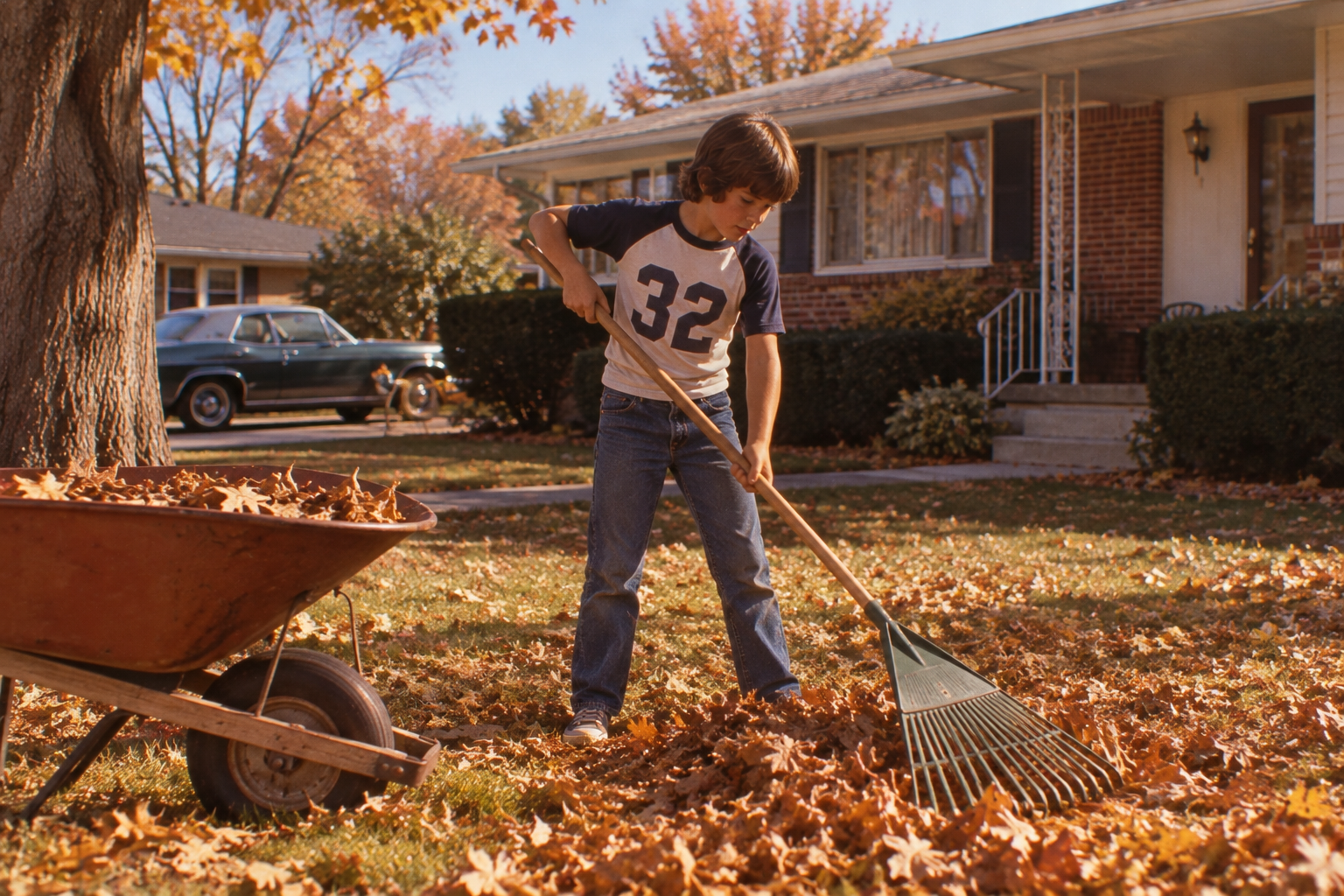
The chores didn’t stop at the front door. Particularly in suburban and rural households, kids could be expected to rake leaves, pull weeds, water plants, sweep the walkway, or help with a garden. Older kids might eventually graduate to bigger jobs, including mowing the lawn. The point wasn’t that every child was operating power equipment unsupervised. It was that outdoor work could be treated as another routine contribution to the household rather than something adults automatically handled themselves.
Research a School Assignment Without Asking an Adult to Google It
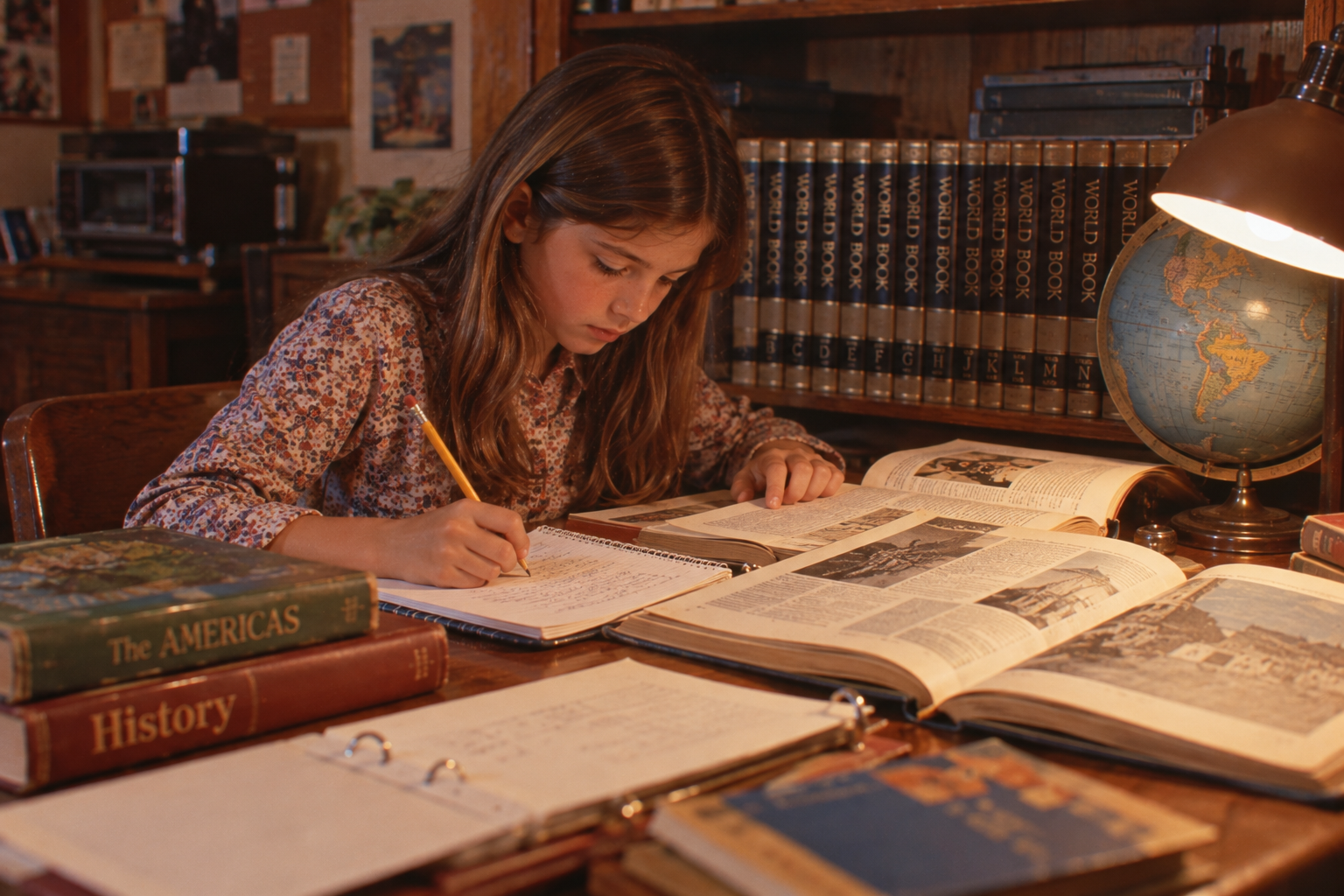
“I can’t find anything about it” was a harder excuse to make when research itself was part of the assignment. A homework question might send a kid to the family’s encyclopedia set or require a trip to the library, where finding information meant using indexes, reference books, and the card catalog. Students learned to search by author, title, or subject, locate the correct book, and pull useful information from it. There was no search bar waiting to produce 10 million results in half a second — and certainly no AI offering to explain the assignment.
Entertain Themselves Without an Adult Organizing It
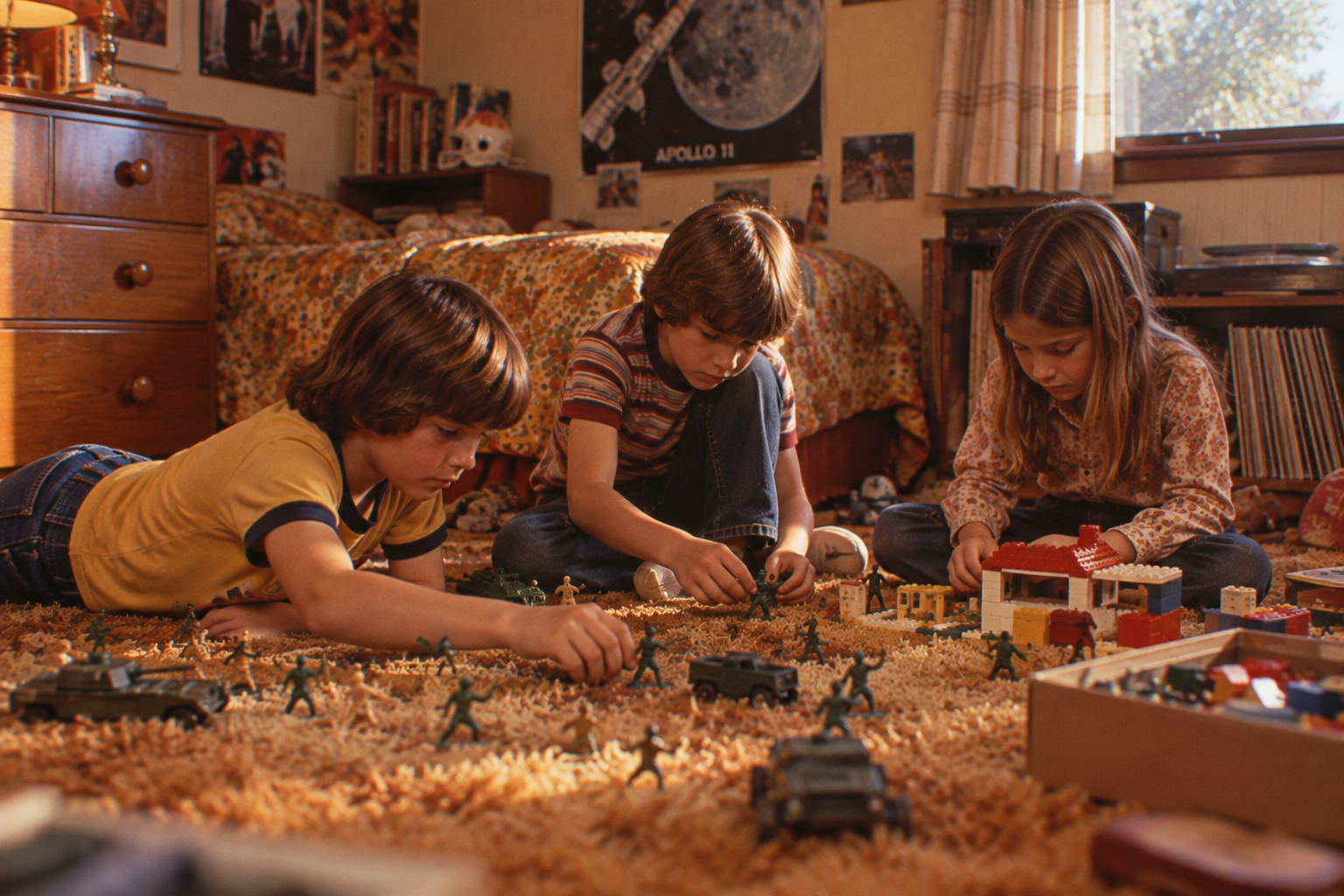
Perhaps the biggest skill was simply figuring out what to do. Kids rode bikes, knocked on friends’ doors, made up games, built forts, played outside, pulled out board games, or organized pickup sports without an adult scheduling an official “playdate.” That freedom came with responsibilities of its own. Kids had to find their friends, agree on rules, settle minor disputes, keep track of time, and remember when they were supposed to be home. Sometimes boredom wasn’t a problem for a parent to solve. It was the beginning of whatever you came up with next.
Make a Simple Meal Without Help
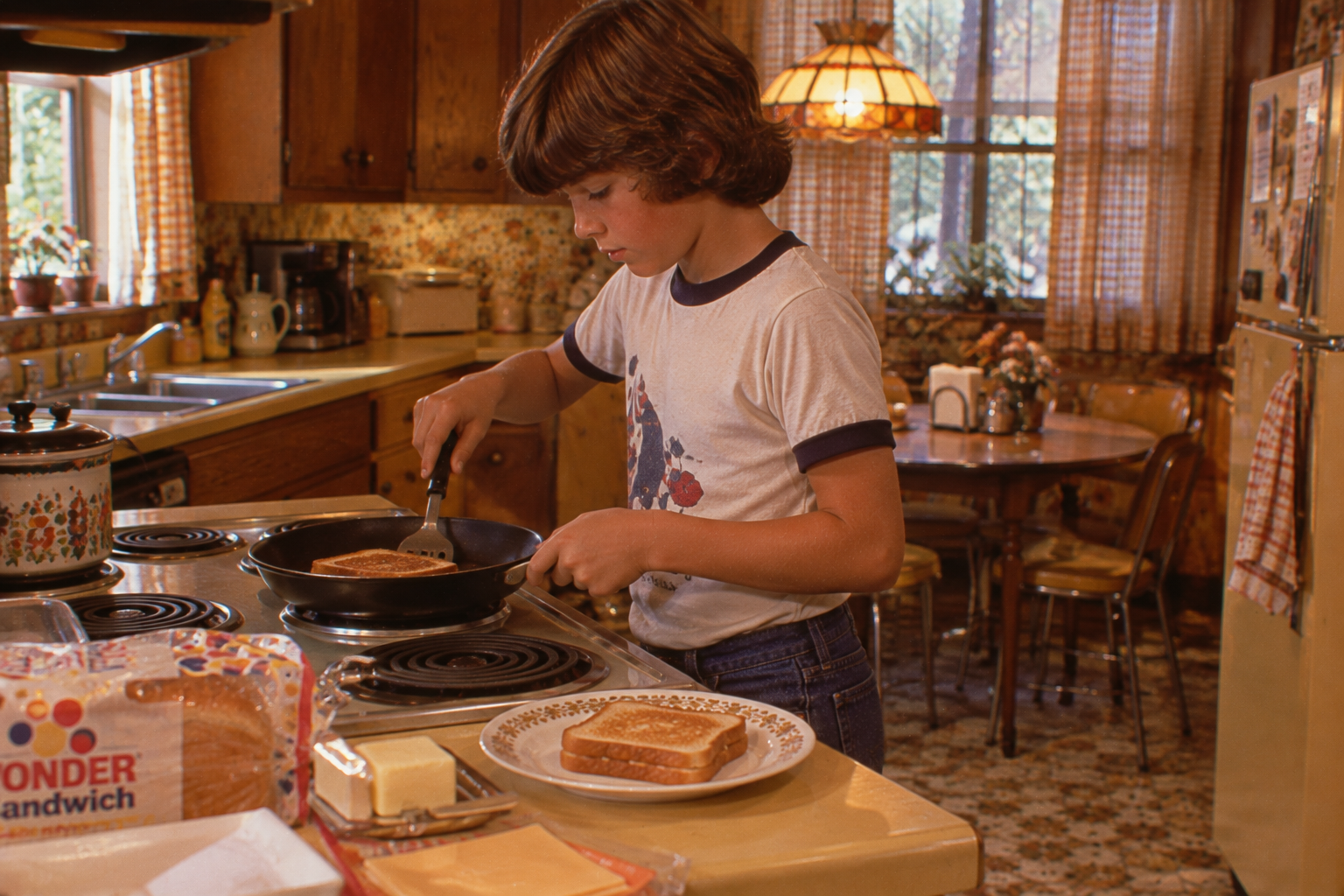
Coming home from school before a parent didn’t necessarily mean waiting around for someone else to make a snack. Many kids learned how to put together something simple on their own, whether that meant making a sandwich, heating up soup on the stove, scrambling an egg, or pouring a bowl of cereal. Older kids might even have been expected to start dinner before their parents got home from work. Knowing your way around the kitchen was often just another part of being able to take care of yourself for a few hours.
Independence Was Part of the Routine
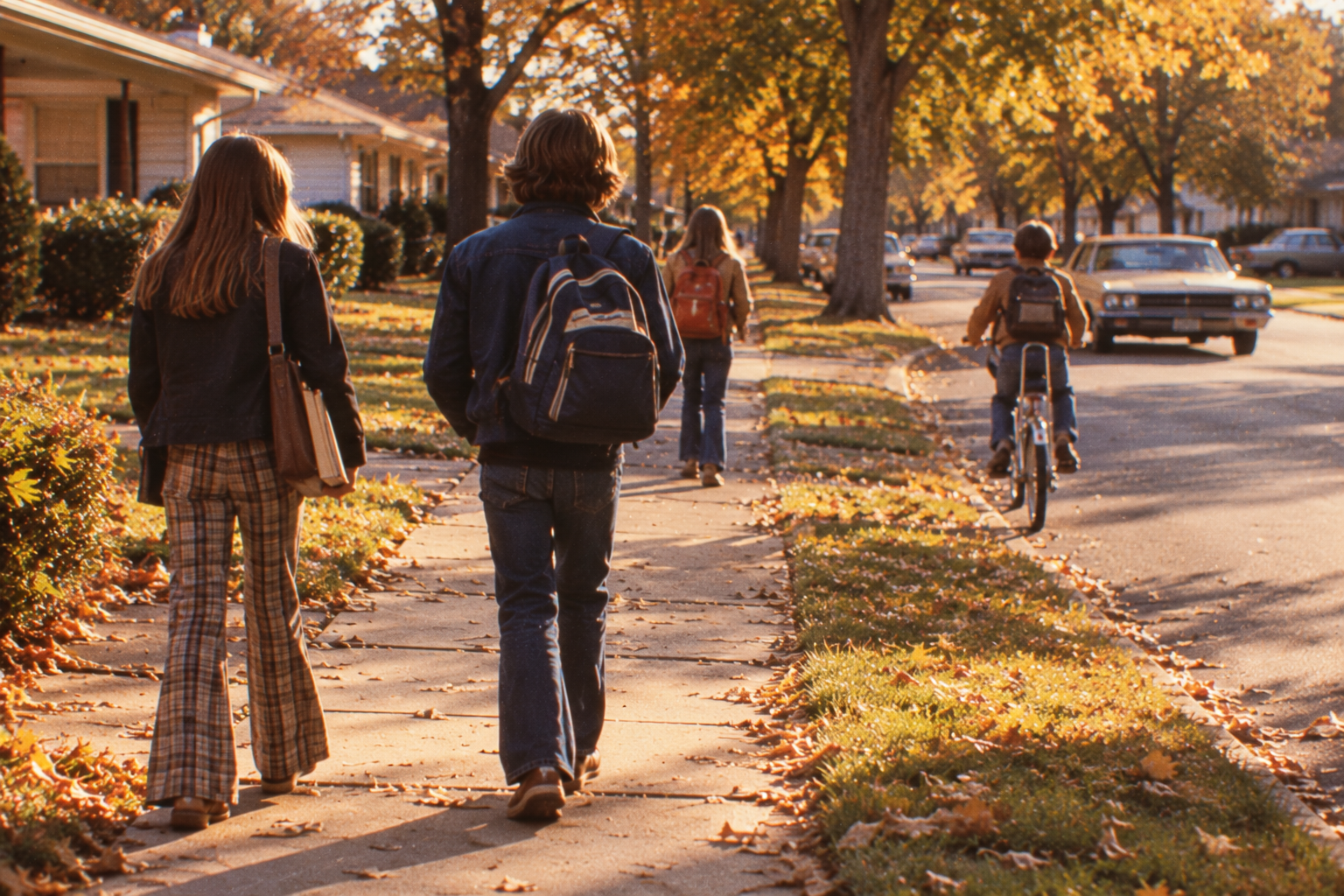
The striking thing about these skills isn’t that kids in the 1970s knew how to do anything mysterious. Most were incredibly ordinary: make a sandwich, count some change, get home from school, look something up, or find a way to spend the afternoon.
What has changed is how often children had opportunities to practice those things without an adult immediately available to take over. Independence could develop almost accidentally, one walk home, household chore, corner-store errand, or unsupervised afternoon at a time.
That doesn’t mean childhood was universally better or safer in the 1970s. It simply meant that for many kids, figuring things out for themselves wasn’t treated as a special lesson in independence. It was just part of growing up.