Las Vegas used to have a reputation for giving visitors plenty of reasons to stick around without constantly reaching for their wallets. As PBS’s American Experience explains, casinos once relied heavily on gambling revenue, making complimentary rooms, meals, drinks, shows, and other perks worthwhile ways to keep players happy. Many things Las Vegas hotels used to give guests for free haven’t disappeared entirely, but today they are more likely to come with loyalty requirements, gambling thresholds, or an extra charge.
Free Self-Parking
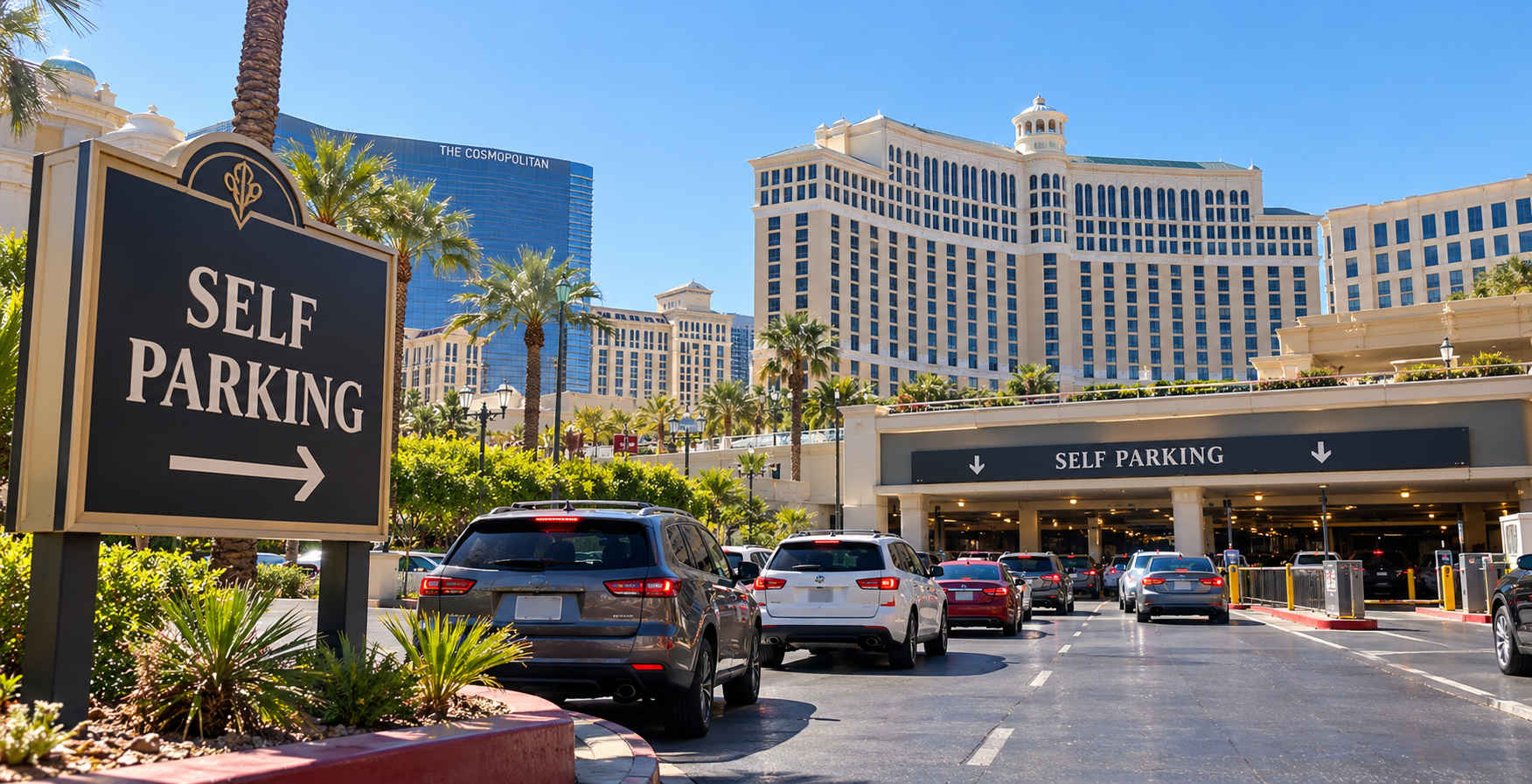
For decades, paying to leave your car in a Strip casino garage would have seemed distinctly un-Vegas. Resorts wanted people to come inside, whether they were sleeping there, eating dinner, seeing a show, or gambling. That changed dramatically in 2016, when MGM Resorts introduced parking charges and other major operators followed. Free parking hasn’t vanished from Las Vegas, particularly downtown and off the Strip, and loyalty status can sometimes erase the charge. But at many major Strip resorts, parking is now another expense to put in the vacation budget.
Complimentary Valet Parking
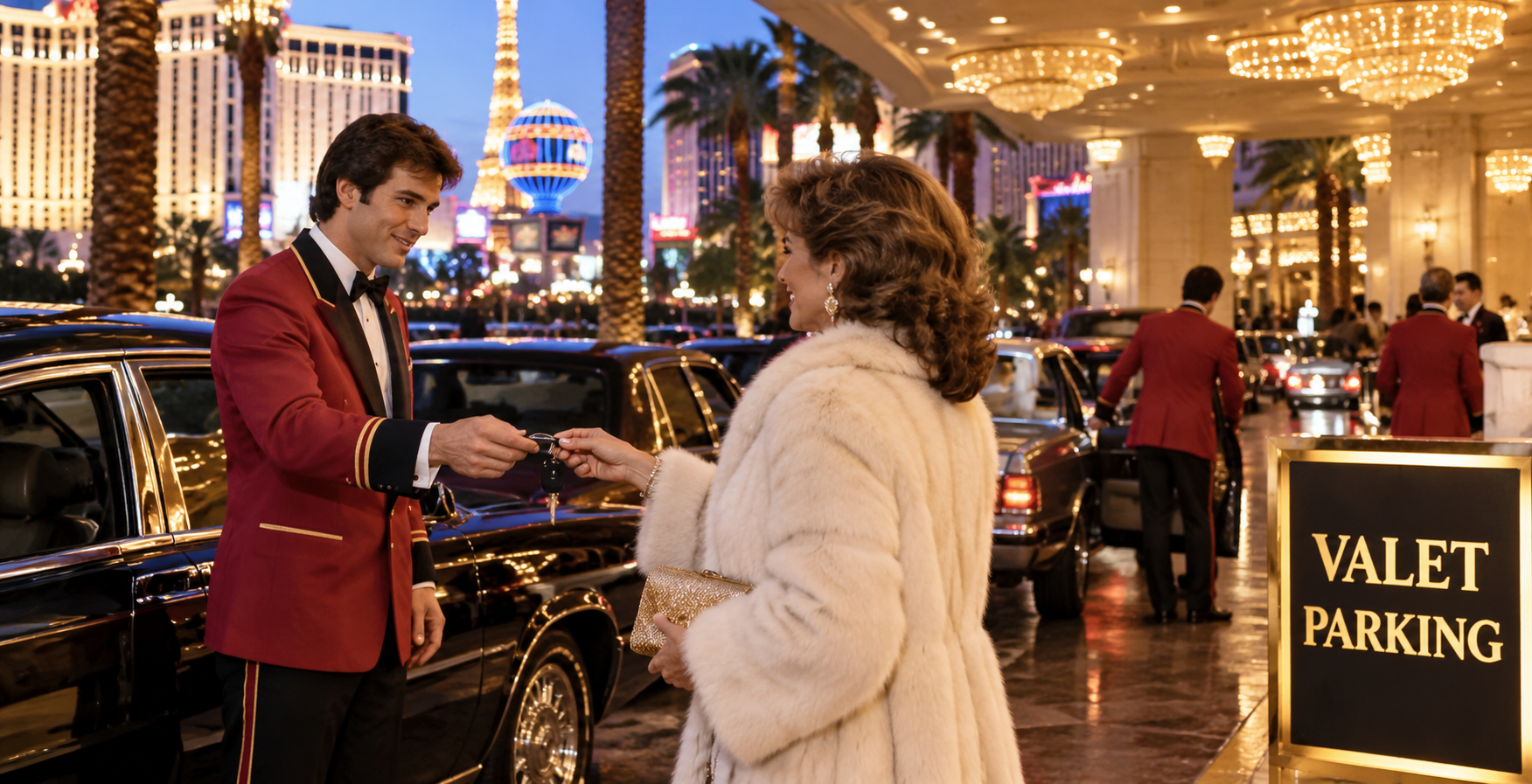
Free self-parking was convenient, but complimentary valet made Las Vegas feel downright extravagant. Guests could once pull up to many major resorts, hand an attendant the keys, and owe nothing beyond the customary tip. That perk began disappearing as the big Strip operators introduced parking charges in the 2010s. Some loyalty members can still get valet fees waived, but ordinary visitors shouldn’t assume it is included. At MGM’s Las Vegas properties, for example, standard valet parking currently costs $40 per day, with prices potentially higher during special events.
Drinks While You Gambled
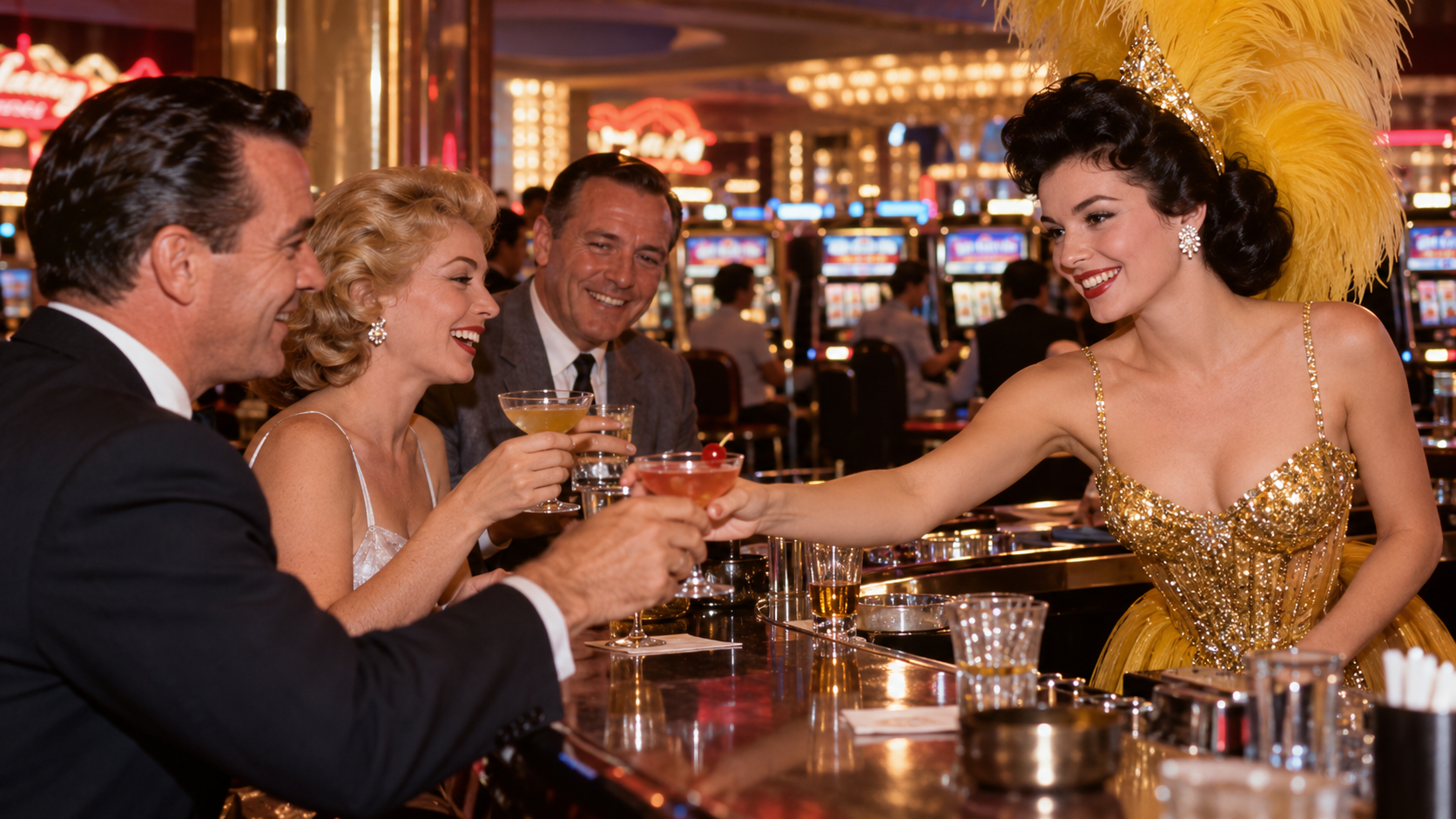
The cocktail waitress weaving between slot machines and blackjack tables with complimentary drinks became part of the classic casino experience for a reason: casinos figured a modest bar tab was worthwhile if it kept customers gambling. This tradition isn’t dead. Many Las Vegas casinos still provide drinks to active gamblers, and tipping the server remains customary. What has changed is how carefully casinos can measure customer value. Today’s sophisticated player-tracking systems make the old image of drinks flowing freely with little attention to exactly how much someone was playing feel increasingly nostalgic.
Show Tickets for Gamblers
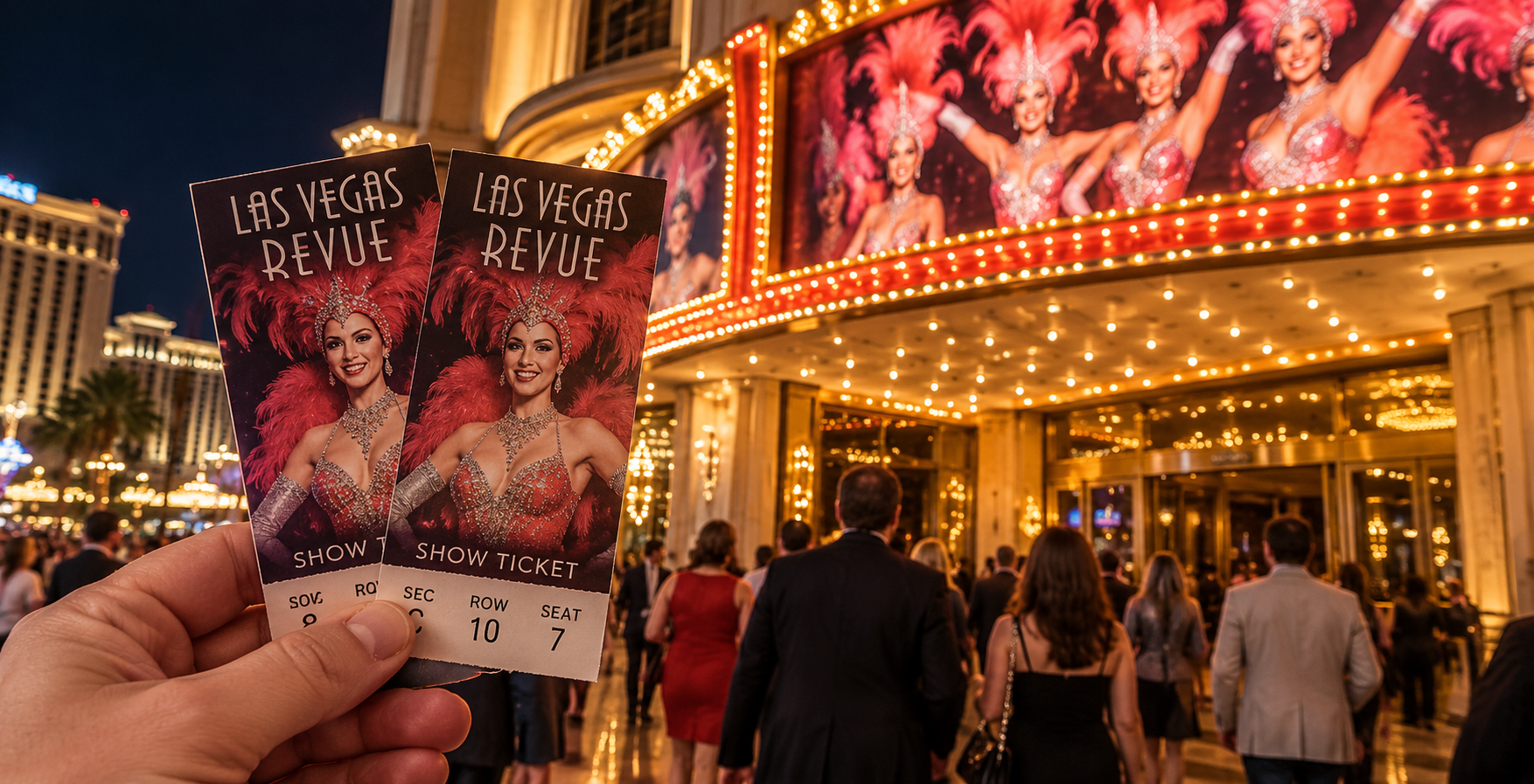
Entertainment wasn’t always a completely separate vacation expense. During old Vegas’ gambling-first era, casinos could give show tickets to players they considered worth keeping happy. The economics made sense because the showroom helped draw people to the casino, where the real money was made. Complimentary entertainment still turns up in casino offers, particularly for valuable customers, but the modern Strip has turned shows into a major business of its own. Tickets to residencies, production shows, comedy acts, and concerts can now consume a sizable piece of a travel budget.
Meals for Surprisingly Modest Gambling
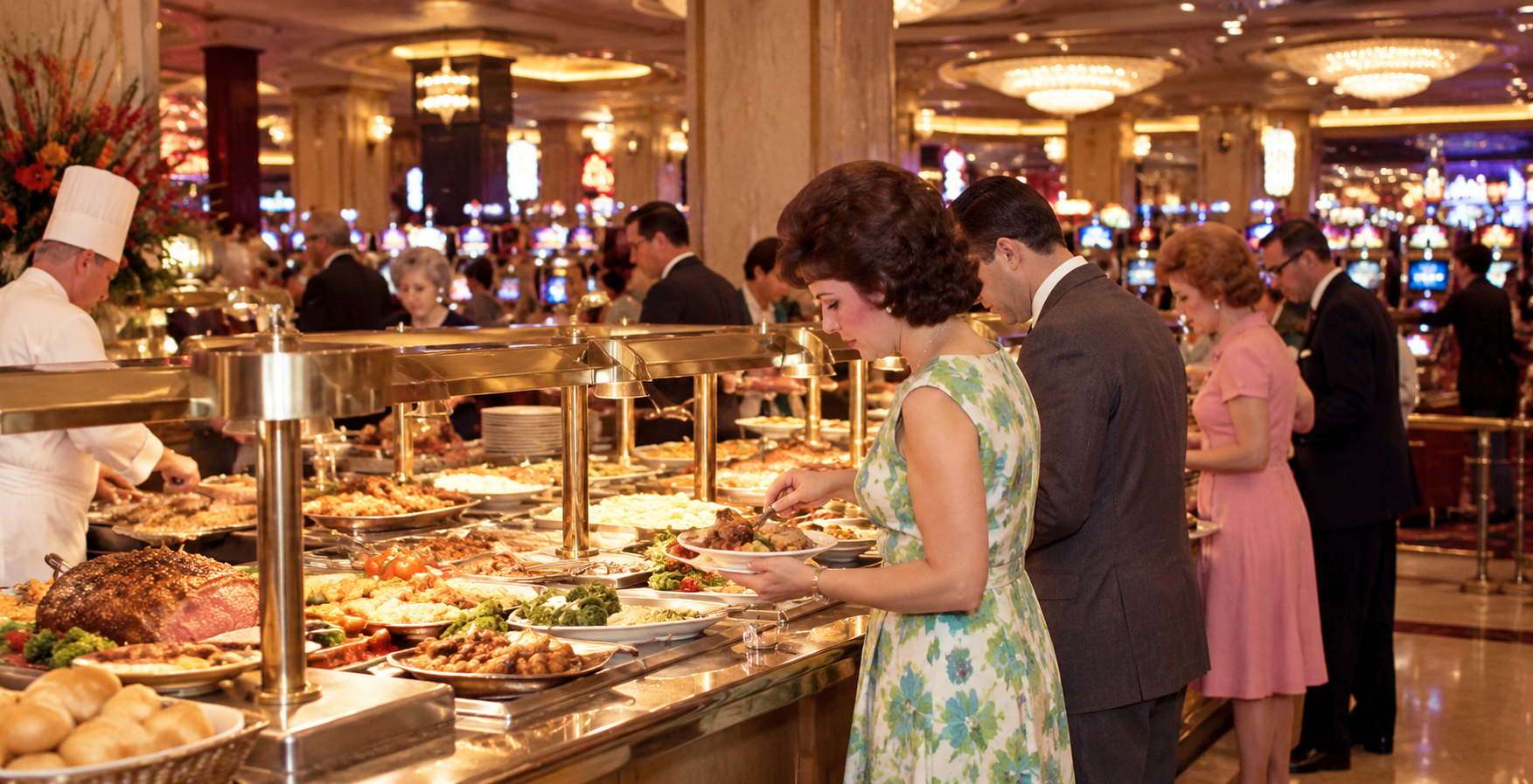
Food was one of old Vegas’ great weapons for getting people through the casino doors. Cheap buffets are legendary, but genuinely complimentary meals were also an important part of the comp system. A pit boss could once exercise considerable discretion over who deserved dinner on the house. Casino dining comps certainly haven’t disappeared, but computers now make it much easier to calculate precisely what a customer’s gambling is worth. That takes some of the spontaneity out of an era when a meal could seemingly materialize because somebody at the tables decided you had played enough.
Trending on Cheapism


Hotel Rooms for Regular Players
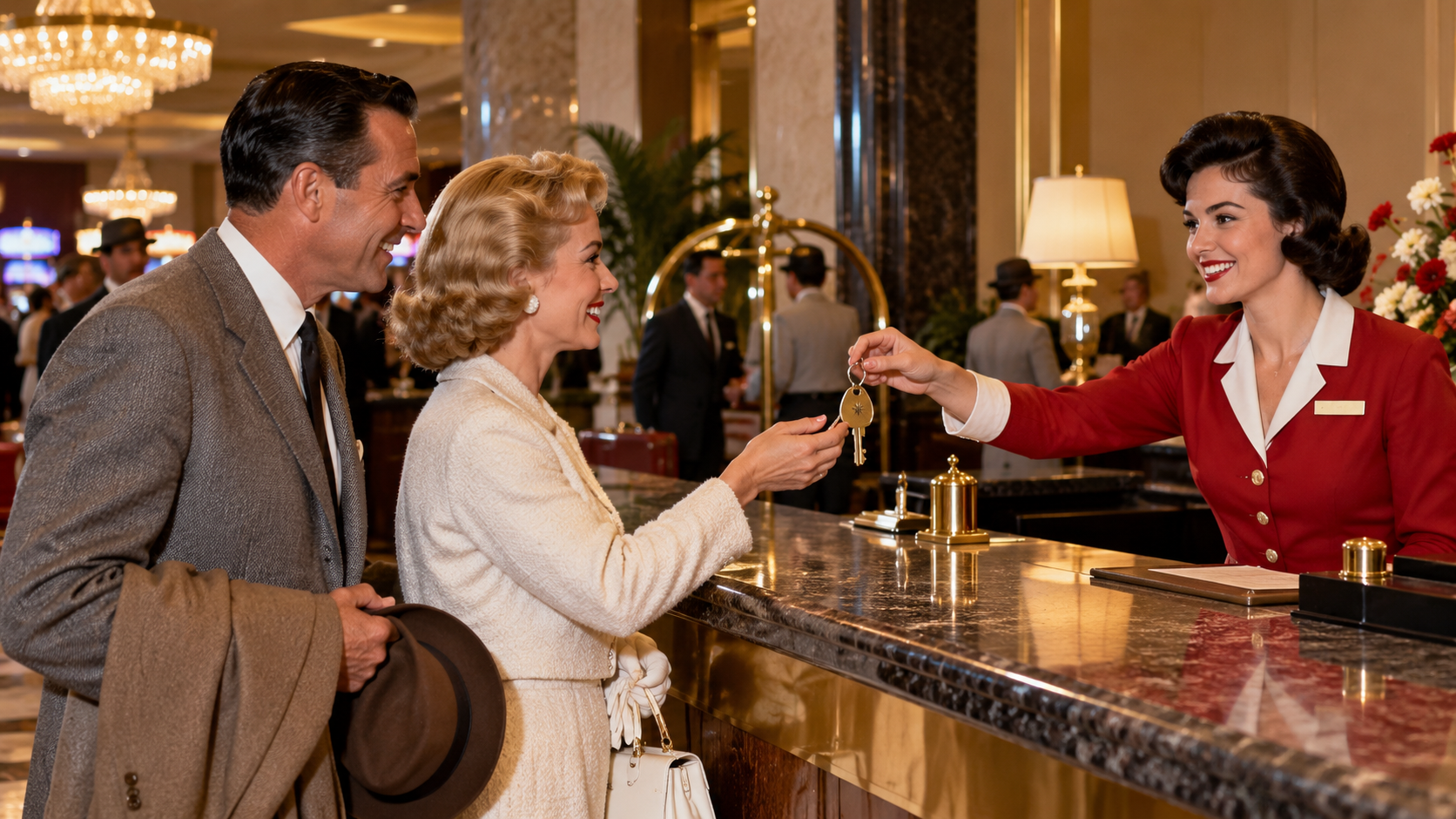
One of the strangest differences between old and modern Las Vegas is how the hotel room itself was viewed. In the gambling-dominated era, giving a worthwhile player somewhere to sleep could be a perfectly sensible cost of getting that person into the casino. Complimentary rooms remain a major Vegas marketing tool, so this perk isn’t extinct. The difference is that offers are now highly targeted and tied to recorded customer behavior. And even a “comped” modern room can sometimes come with mandatory fees, so travelers should always check what the offer actually includes.
Amenities Without a Resort Fee
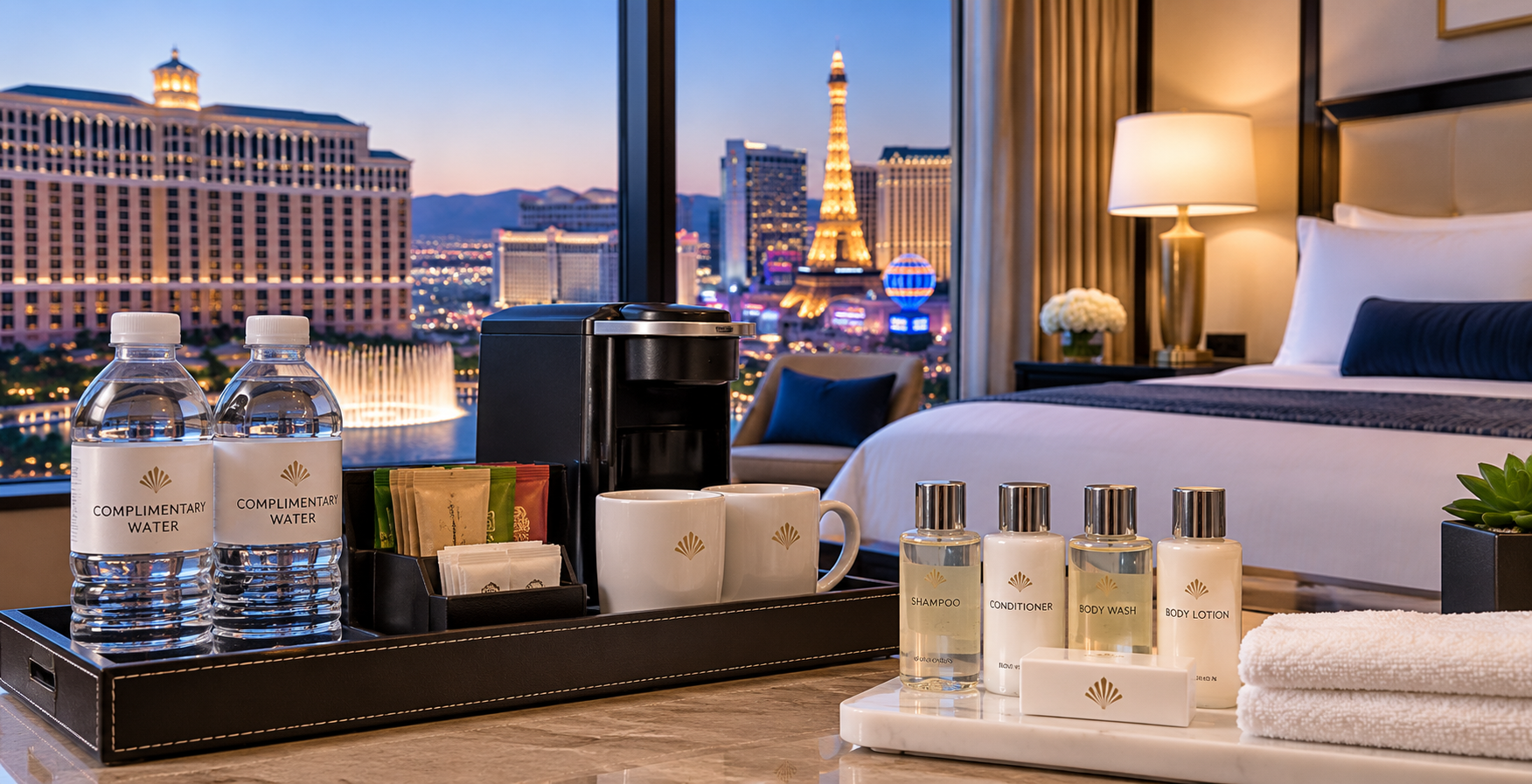
For most of Las Vegas history, there wasn’t a separate mandatory daily charge labeled a resort fee sitting on top of the room rate. Such fees began spreading in the early 2000s and eventually became standard at many major resorts, bundling amenities such as Wi-Fi and fitness-center access into a required charge. The rules around advertising have improved: federal regulations now require mandatory lodging fees to be included in the upfront displayed total. That makes comparison shopping easier, but it doesn’t bring back the days when those hotel amenities simply felt like part of the room.
Lounge Entertainment
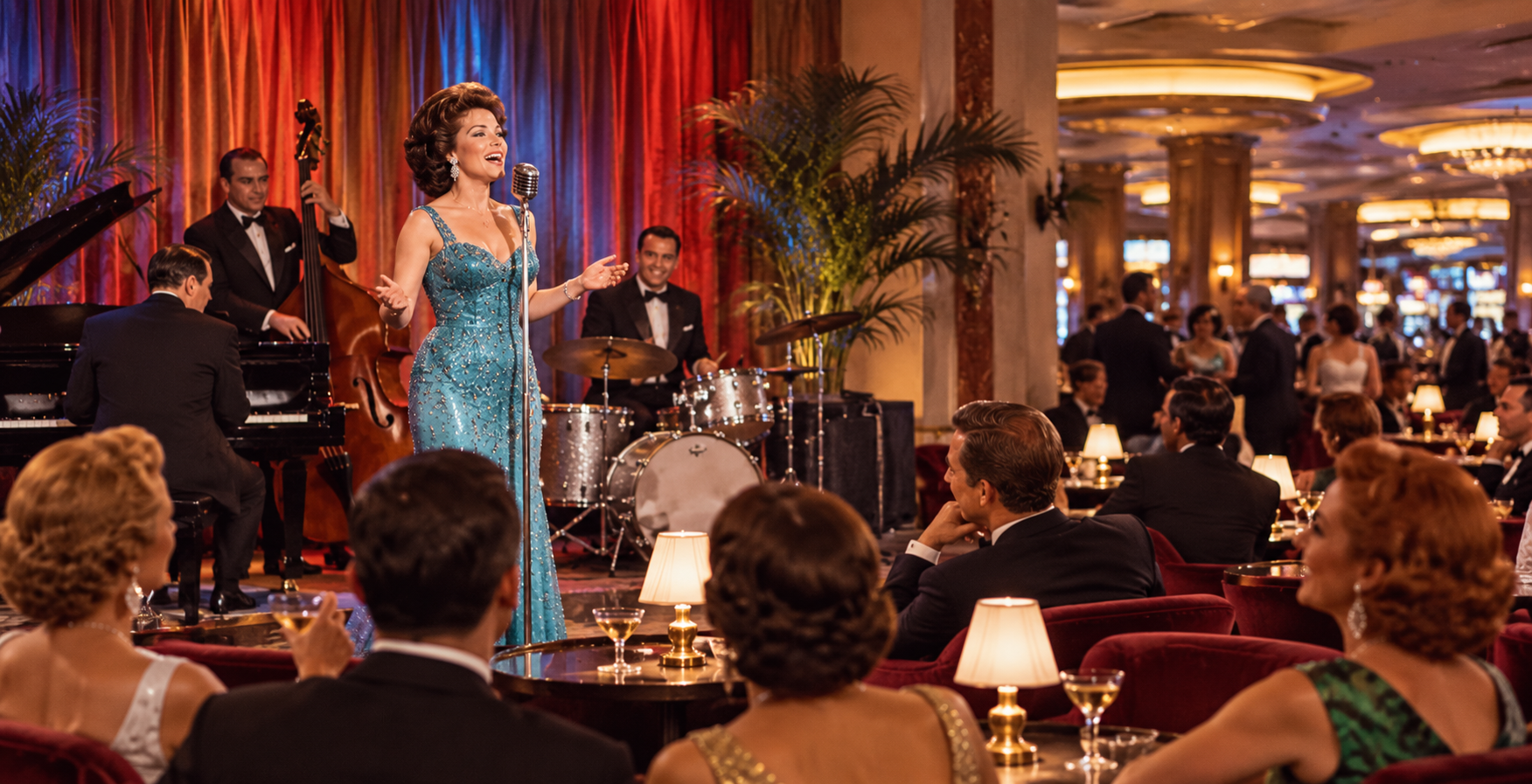
Older Vegas visitors didn’t always need an expensive ticket to stumble onto terrific entertainment. Casino lounges were once an essential part of Strip nightlife, hosting musicians and singers in intimate rooms, sometimes for free and sometimes for little more than the price of a drink. In the 1950s and ’60s, stars could even turn up for impromptu late-night performances. Free live music still exists around Las Vegas today, so the tradition hasn’t completely disappeared. What is rarer is the combination of major talent, tiny room, low cost, and unpredictable late-night atmosphere.
Sign up for our newsletter
Transportation for Valuable Gamblers
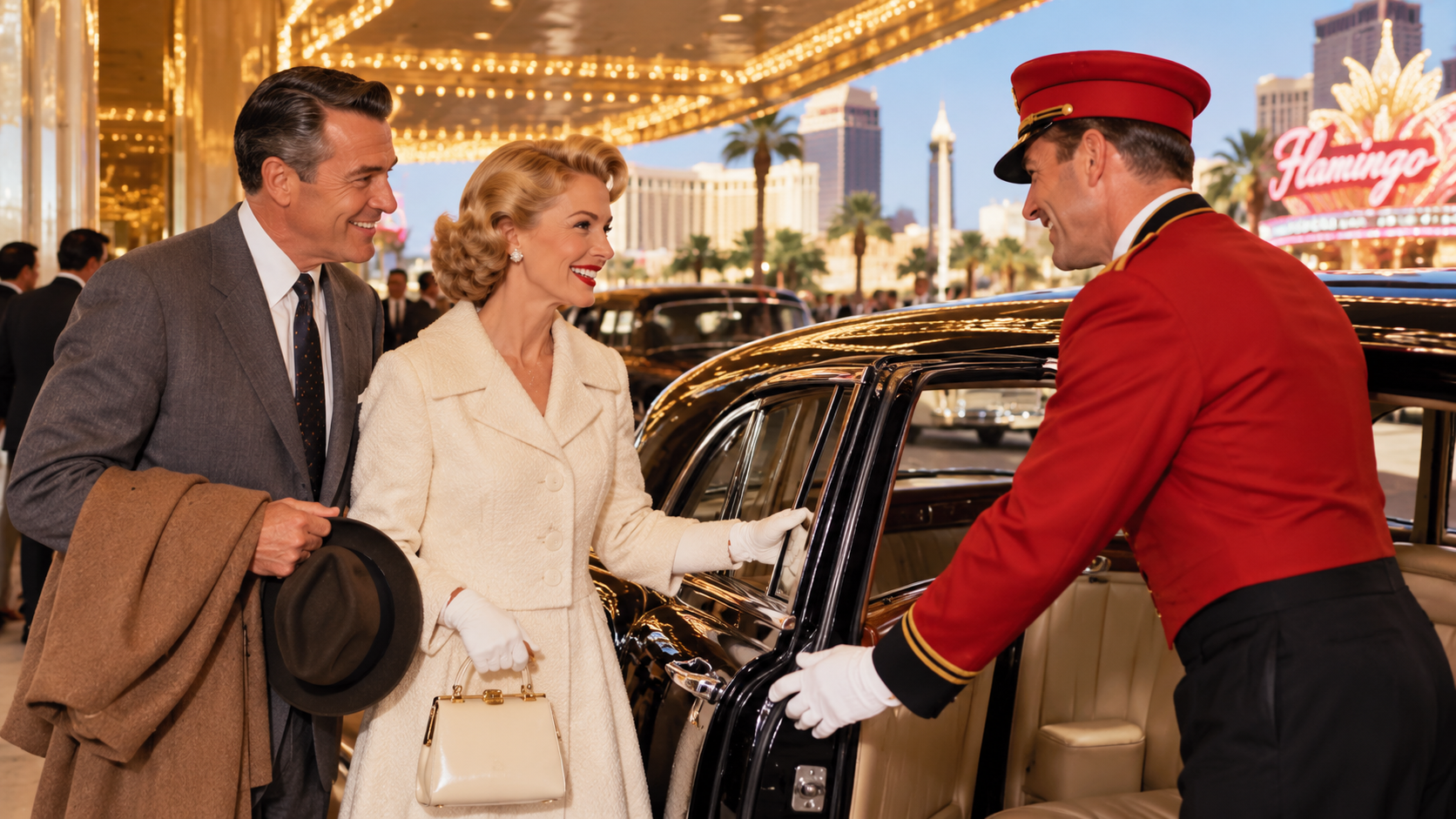
Old casino operators sometimes started taking care of valuable customers before they even reached the hotel. Nevada’s comp culture grew partly out of gambling junkets that provided transportation to known players, and complimentary or reimbursed travel eventually became another tool for attracting desirable gamblers. Casino hosts and organized junkets still exist, but free travel isn’t something the typical vacationer should expect simply because they plan to gamble. The old system is a reminder of just how far casinos were prepared to go when virtually everything revolved around getting profitable players through the door.
Free Outdoor Spectacles
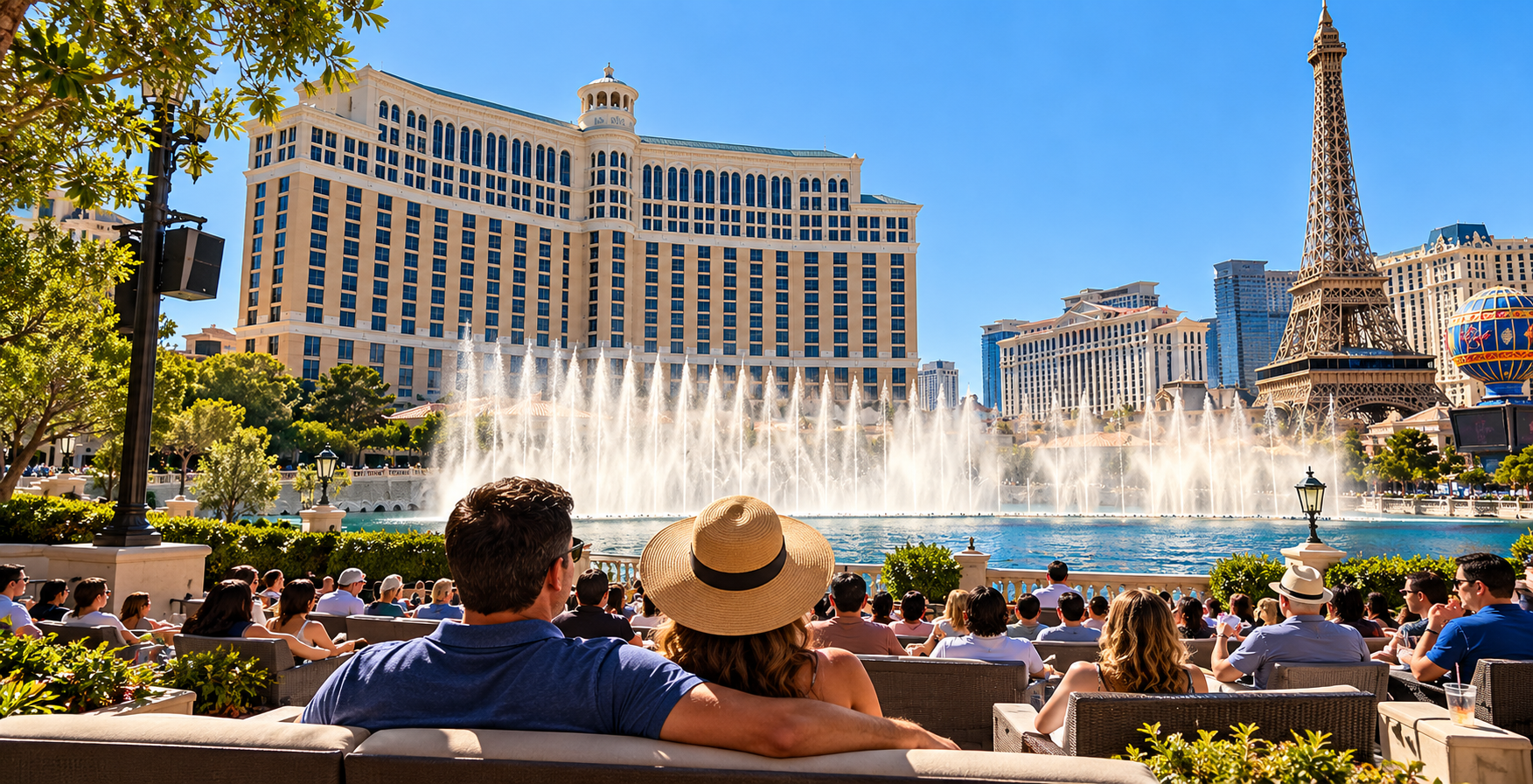
The 1990s brought a different kind of Vegas freebie: giant spectacles designed for anybody walking past. Treasure Island staged elaborate pirate battles outside the hotel, while the Mirage erupted a volcano along Las Vegas Boulevard. Both eventually disappeared; the pirate show ended in 2013, and the Mirage and its volcano closed in 2024. Not everything has gone behind a paywall. Bellagio’s fountains remain free, as do the Fremont Street Experience’s light shows. Still, visitors who remember hopping between multiple extravagant free Strip productions have fewer of them to choose from today.
Golf and Other High-End Comps
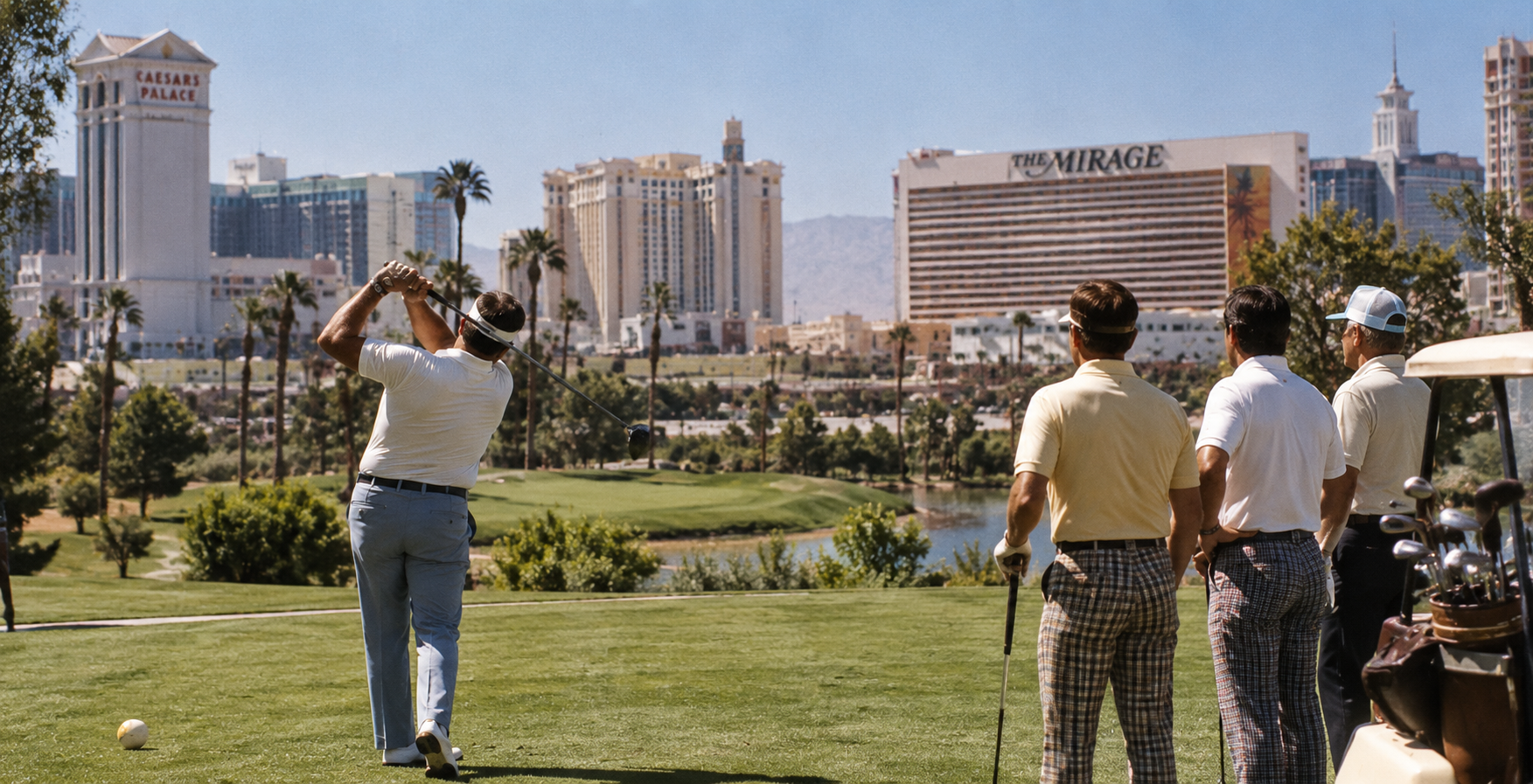
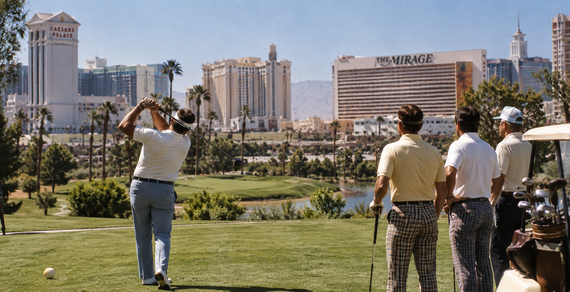
Vegas casinos weren’t only handing out inexpensive cocktails. Good customers could receive surprisingly lavish treatment. Historian Hal Rothman recalled that a valued 1950s gambler might be offered a room, food, drinks, shows, golf, and even a massage among the amenities used to keep that person happy. High rollers can still receive extraordinary perks, so luxury comping certainly isn’t gone. What has changed is the precision behind it. Modern casinos track gambling closely and calculate a customer’s value, making those perks feel less like spontaneous generosity and more like a carefully managed business transaction.
Free Casino Matchbooks
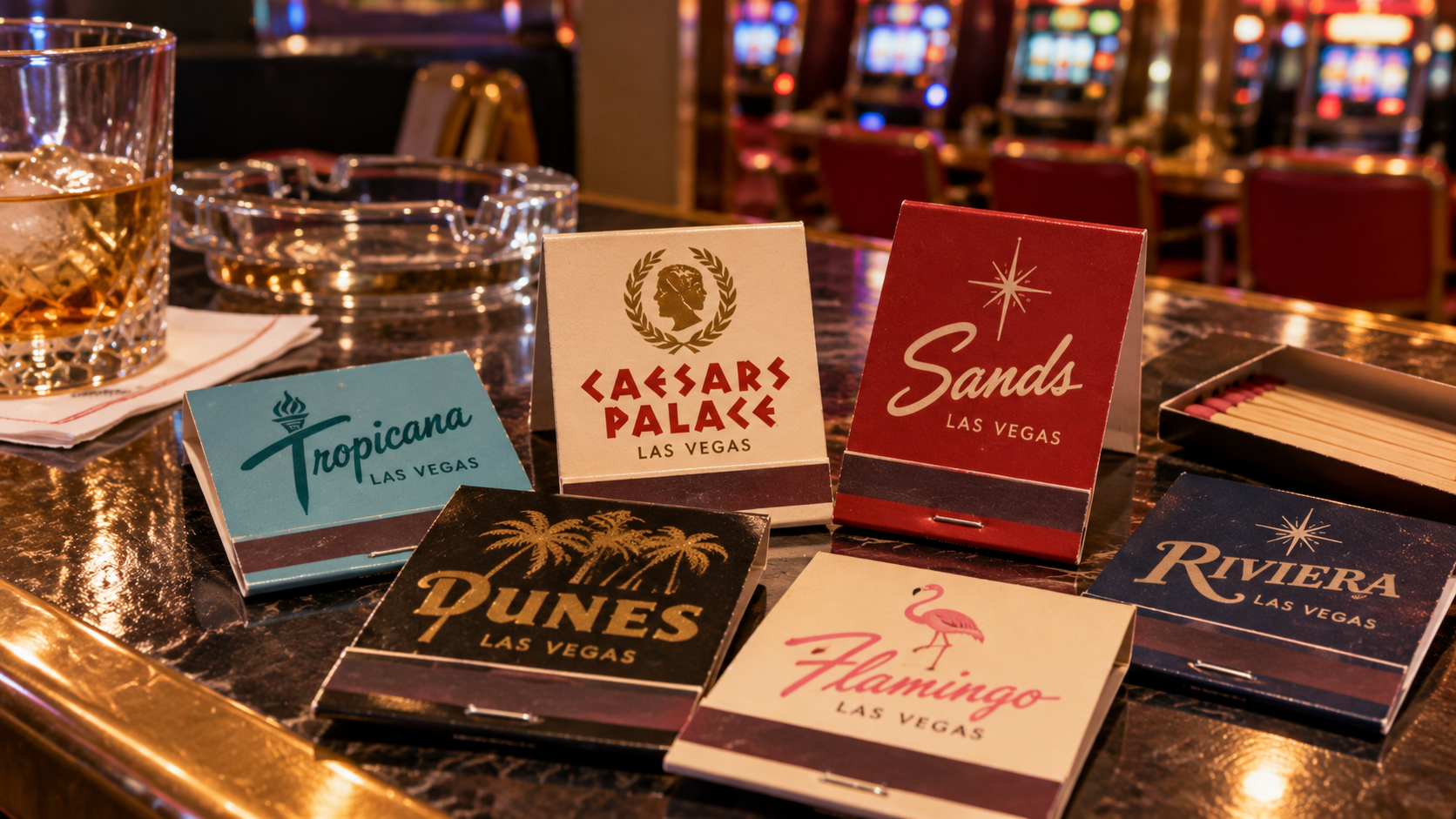
Here’s a giveaway small enough to slip into a pocket but nostalgic enough to become a collectible. Las Vegas casinos and hotels once handed out branded matchbooks as inexpensive advertising, and visitors brought them home as souvenirs from places such as the Sands, Tropicana, Caesars Palace, and other famous properties. The Neon Museum notes that matchbooks were popular free promotional items around Vegas. They haven’t entirely vanished, Caesars Palace was still distributing them by the thousands in the 2010s, but they’re no longer the ubiquitous casino souvenir they were when smoking was far more commonplace.