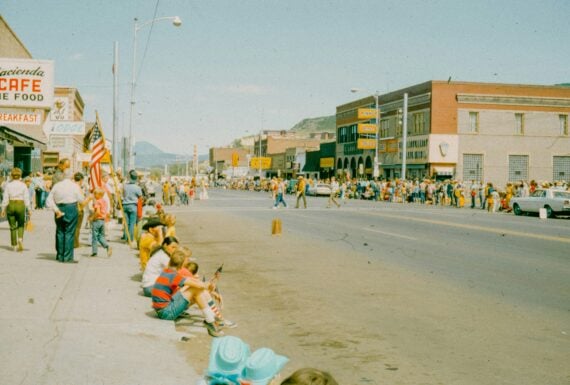
The value of money has changed so much that few remember just how much you could get for a mere $20 in the 1990s. That amount wasn’t just loose change; it could buy you entertainment, plenty of gas, and various other things according to the National Association of Theatre Owners, the U.S. Energy Information Administration and more. We reveal 12 scenarios where you could do a lot with just $20 back in the 90s!
Take Two People to a Movie and Still Have Money Left
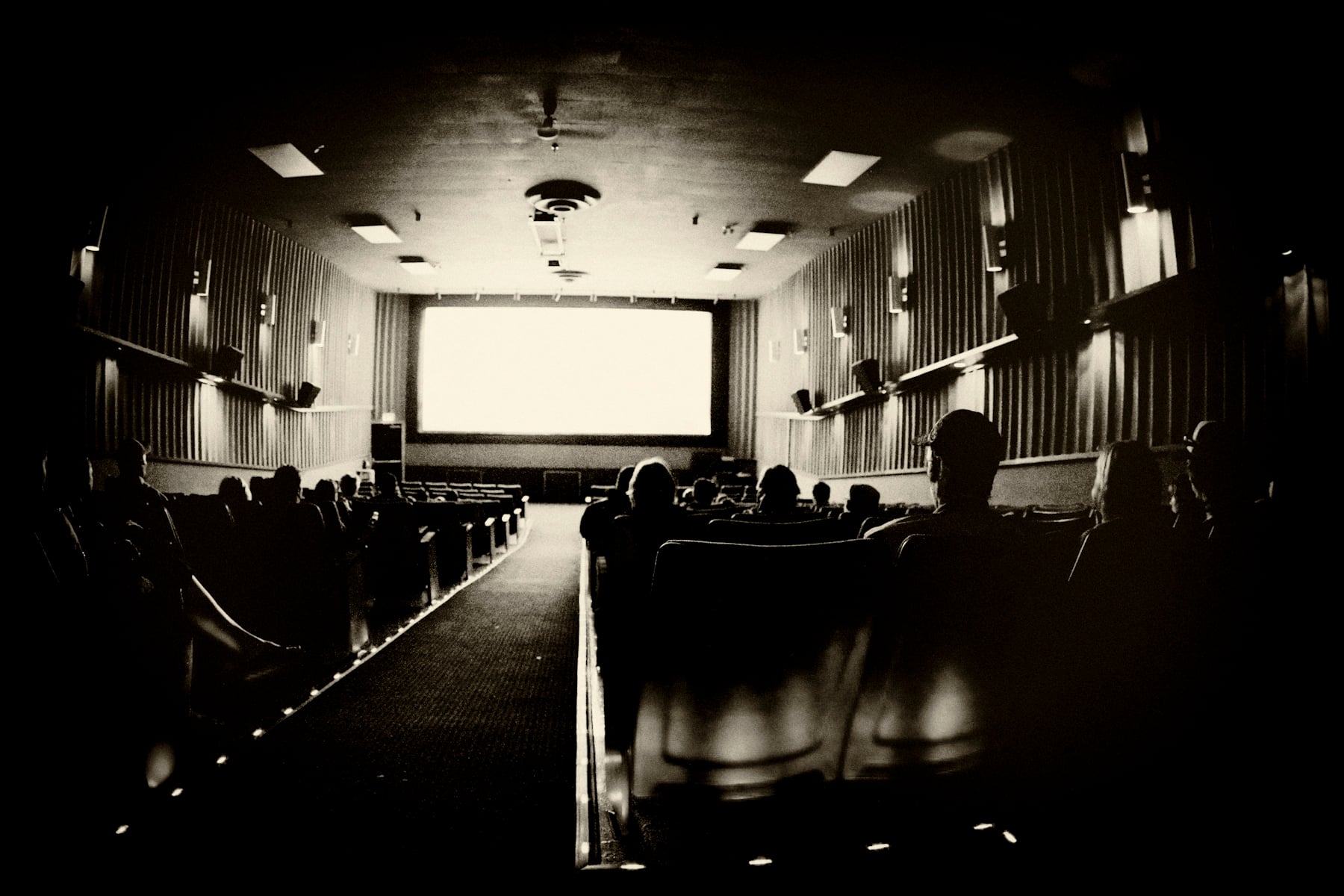
According to the National Association of Theatre Owners, the cost of a movie ticket in 1995 was $4.35. Consequently, two tickets came to $8.70, leaving you with $11.30 to spare for popcorn, drinks, candy, or to the trip home. Back in 1995, you could have spent that money to see movies like ‘Toy Story’, ‘Apollo 13’ or ‘Clueless’. Even considering the 1999 average theatre ticket price of $5.06, you could get two movie tickets for just over $10.
Put Around 17 Gallons of Gas in the Car
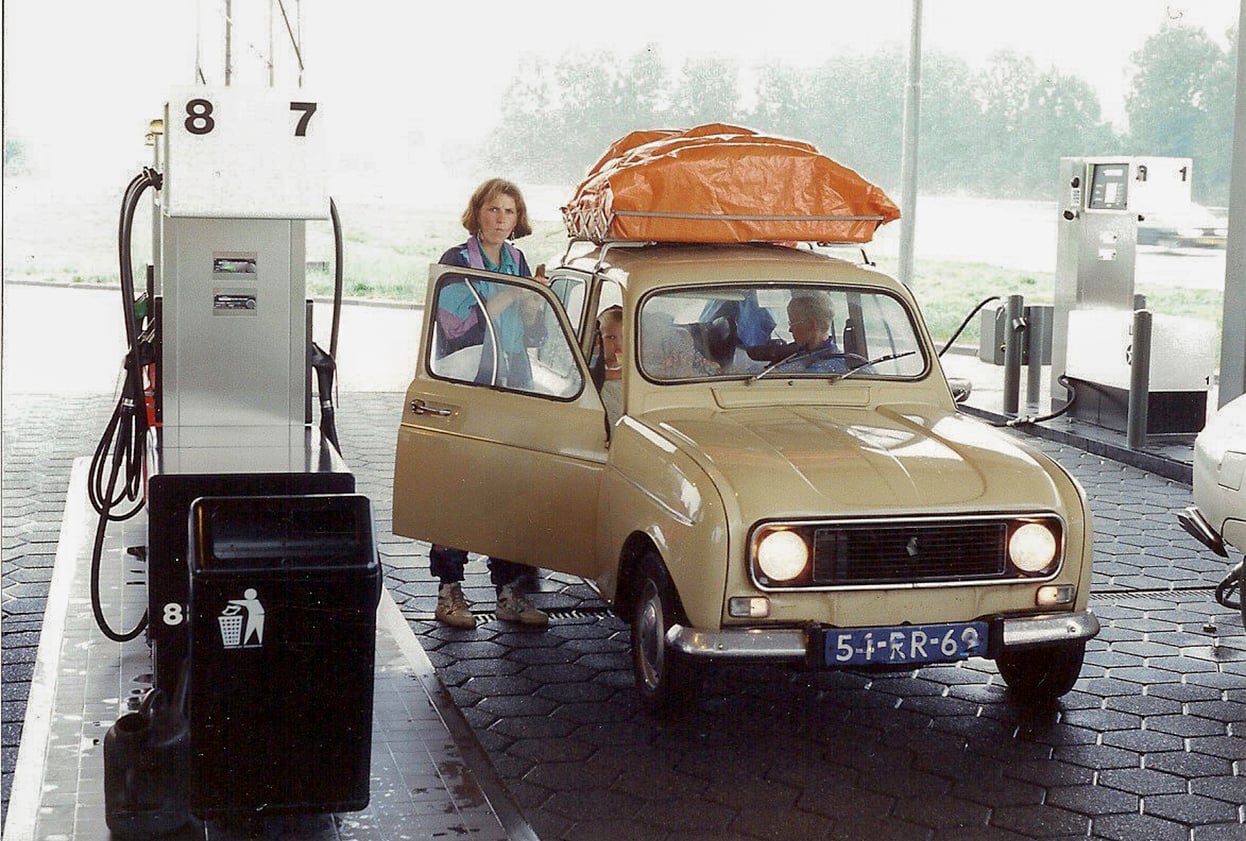
Regular gasoline cost around $1 per gallon for much of the 1990s. And while it reached as high as $1.17 per gallon during part of 1995, that’s about 17 gallons. For most sedans of that era, 17 gallons was a full tank. The U.S. Energy Information Administration data show regular retail gasoline around $1.07 to $1.19 per gallon during much of 1995. Therefore, $20 could fund almost a whole week of driving.
Walk Into a Record Store and Buy a Brand-New CD
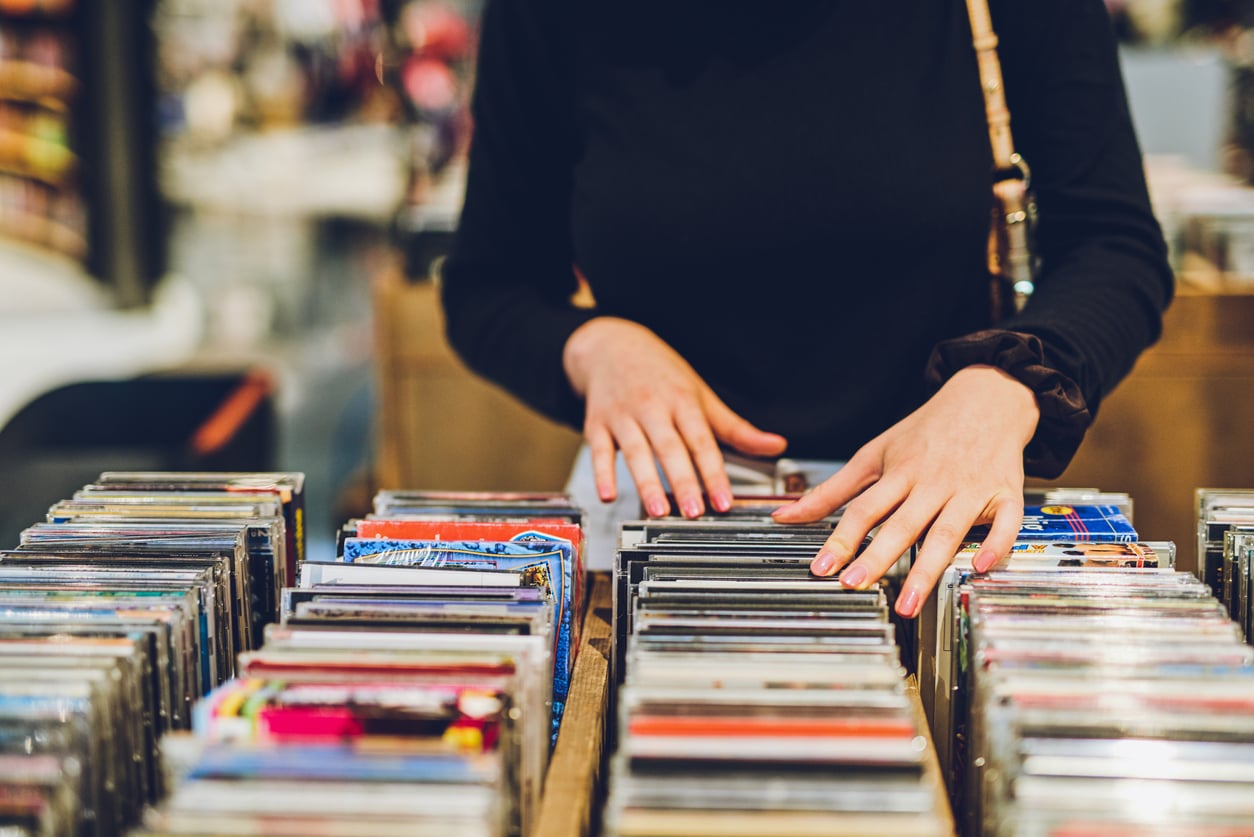
According to The New York Times Archives, a pre-recorded music CD could cost around $16.98 in 1995; consequently, a $20 bill was enough to buy a newly released album at many retail outlets. Back then, there were no music-streaming subscription services offering instant access to millions of songs, so people would often spend weeks listening to the same album over and over while reading the lyrics included in the CD case.
Rent Enough VHS Movies for an Entire Weekend
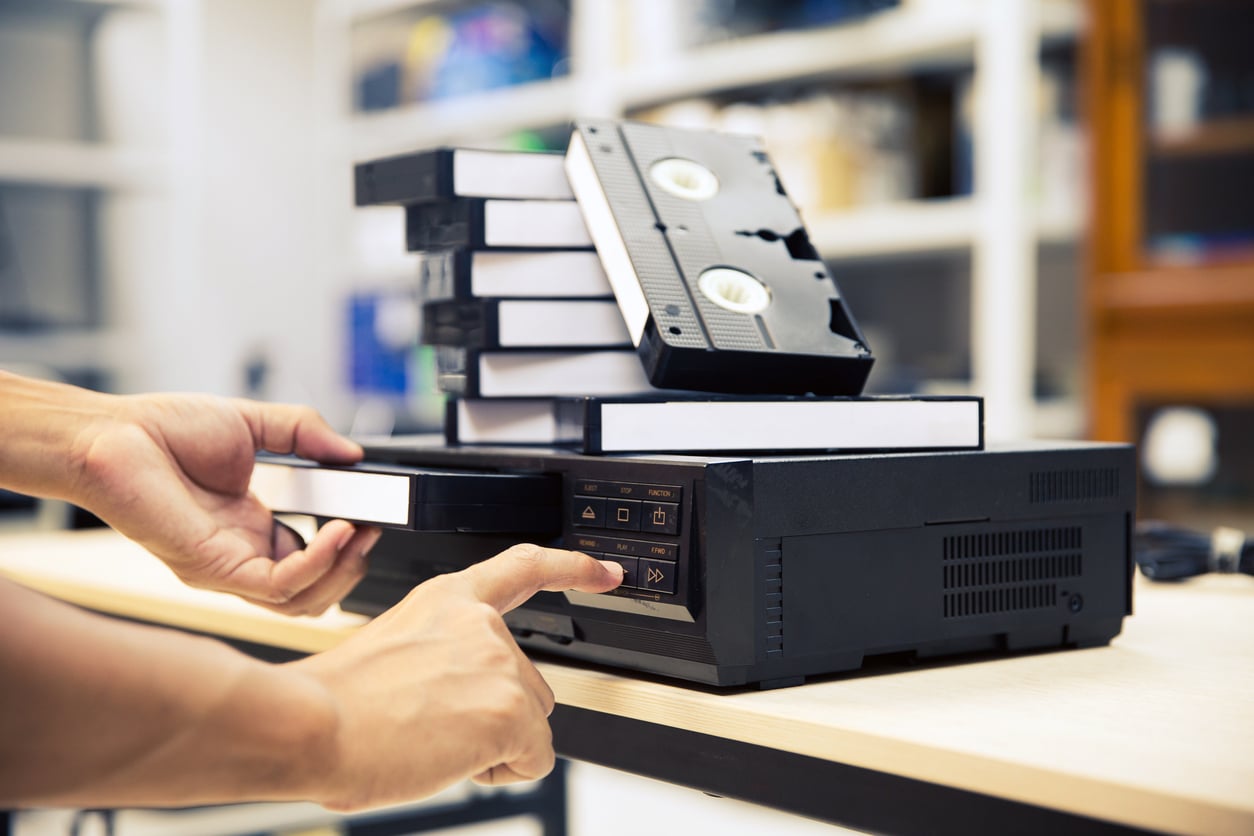
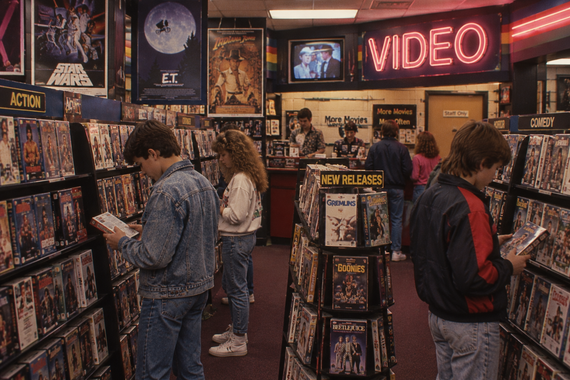
The competition among video stores in the 1990s drove VHS rental prices down to between $2 and $4. Consequently, a $20 bill could cover the cost of several movies, especially with the store’s multi-rental specials, where the price was $2. By 1993, there were nearly 2,000 Blockbuster stores, making it a go-to spot for renting movies for Friday nights.
Feed Four People Big Mac Values Meals
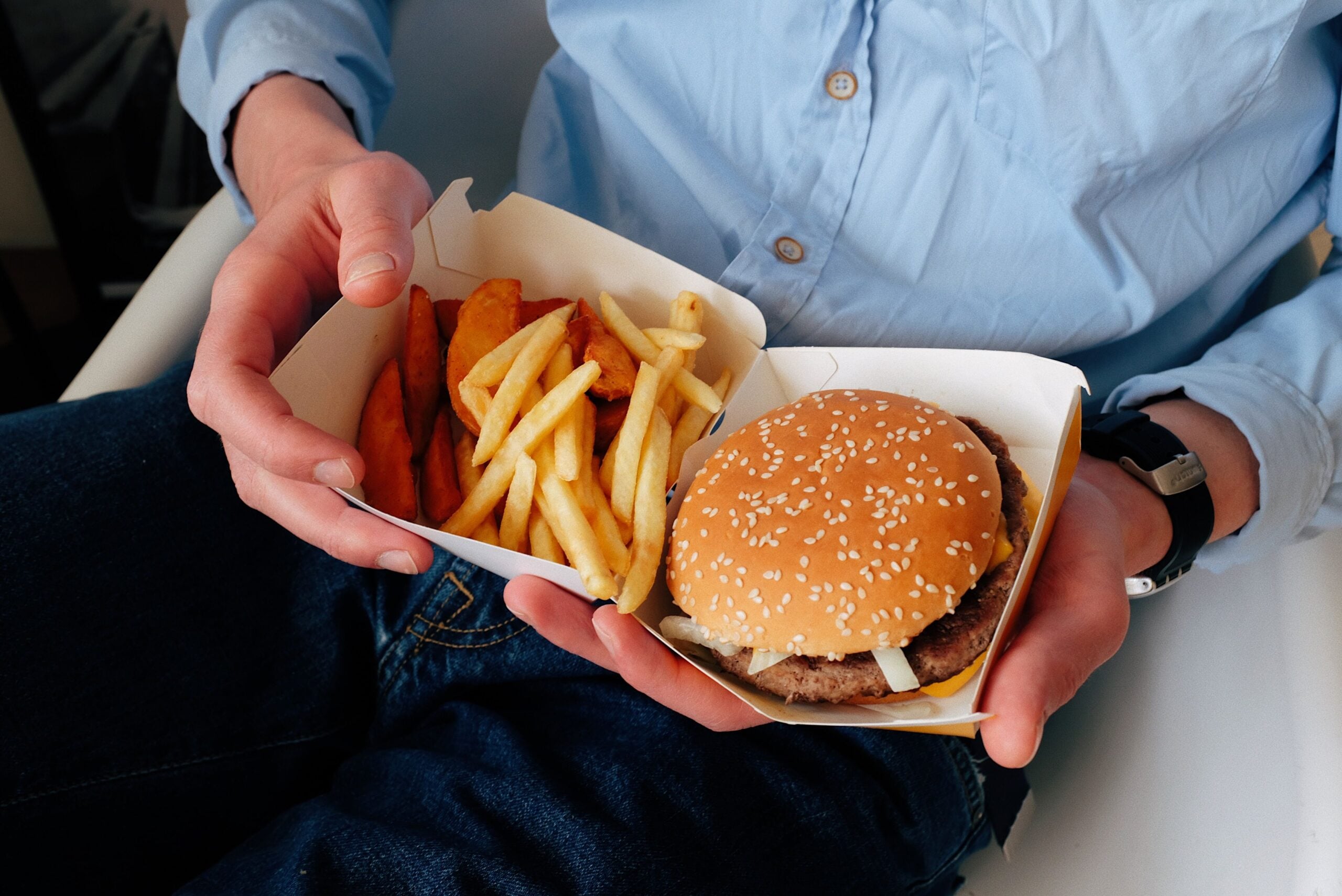
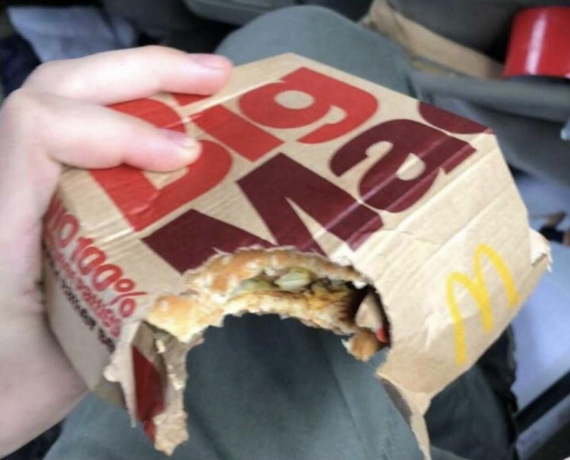
In 1994, a Big Mac cost $4.59 according to a surviving menu from a McDonald’s restaurant that would later close, and that price was for the full meal, including fries and a soda. Therefore, with $20, you could buy up to four of them, totaling $18.36, and still have some money left over. If you want to know the price of the Big Mac itself, it was $2.45 on the menu.
Trending on Cheapism
Order Enough Pizza for a Small Group
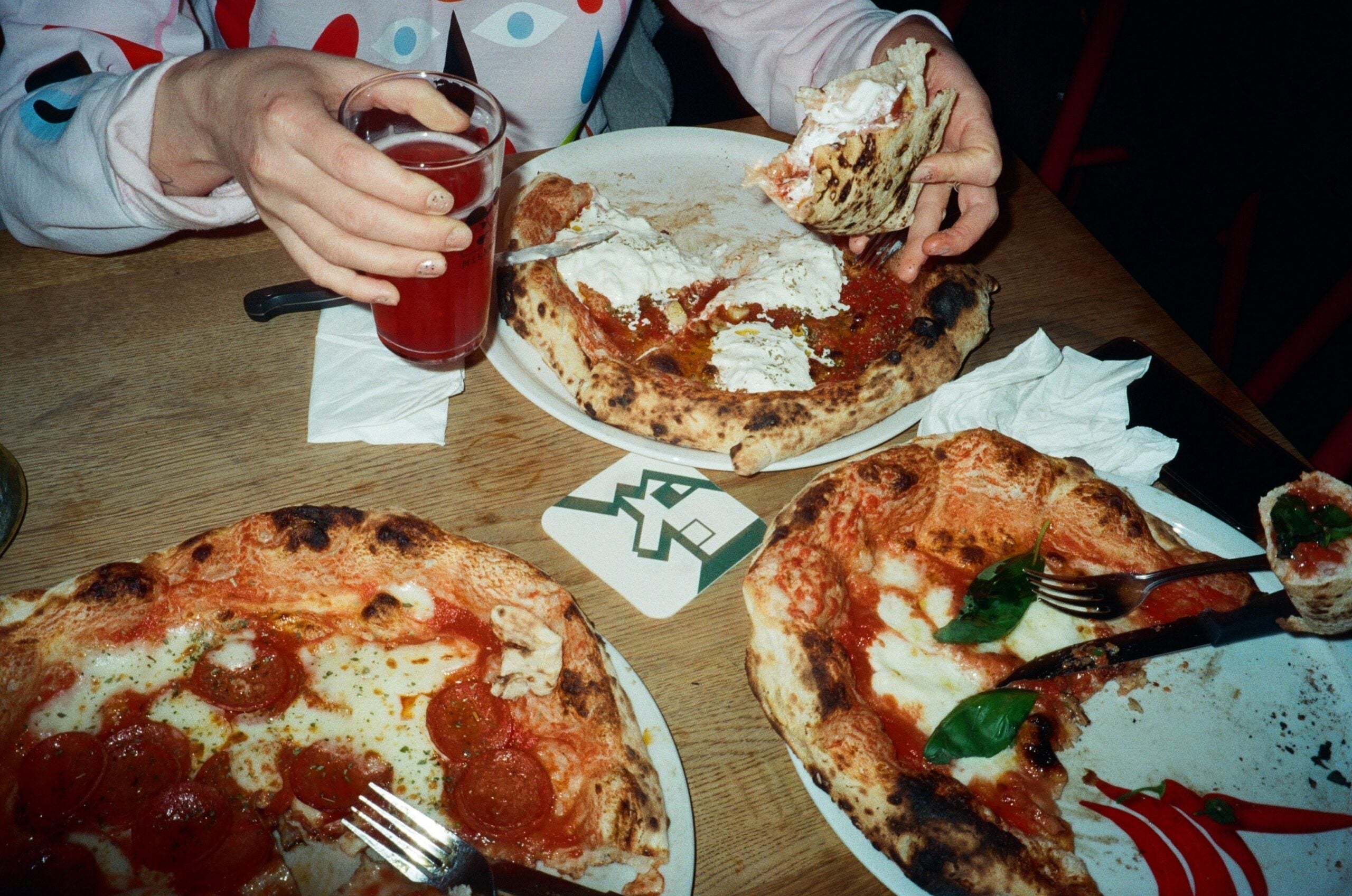
A 1995 Pizza Hut advertisement showcased several “Pizza Night” deals: a large stuffed-crust pizza cost $10.99, while a promotion for a medium specialty pizza plus a medium one-topping pizza was priced at $13.99. Additionally, for exactly $20, you could get a pair of large pizzas. For that price, you could feed several friends and still have money left over for sodas, a good example of 1990s food prices.
Go to a Major League Baseball Game
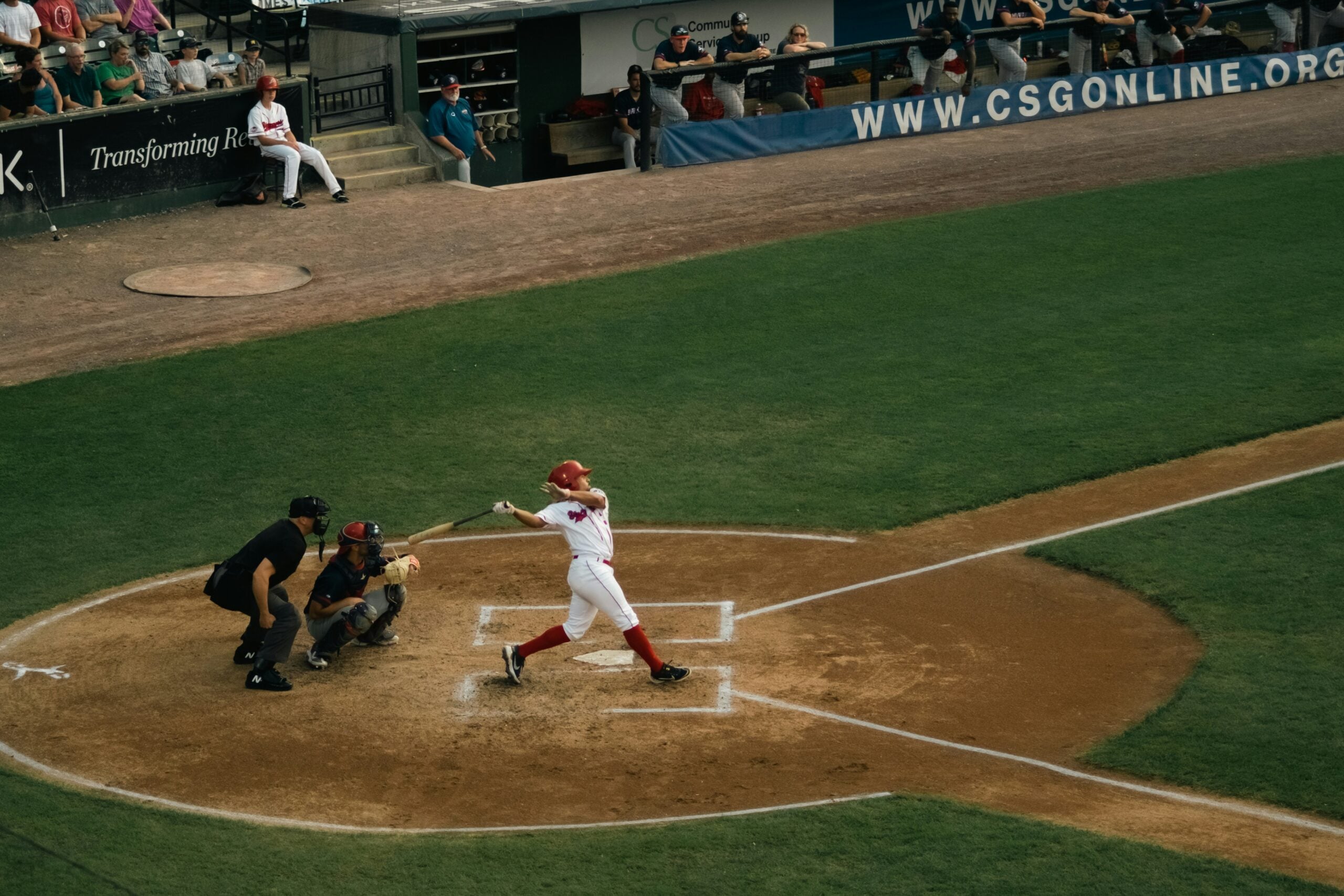
According to the Society for American Baseball Research, the average price of a Major League Baseball ticket was around $10.65 in 1995. Consequently, you had more than $9 left over for a hot dog, a drink, a program, or the trip home, depending on the ballpark. However, prices varied by team; Cincinnati offered tickets for as little as $7.95 on average that season, while the New York Yankees were the most expensive, averaging $15.01. These 1990s baseball prices made a game relatively affordable.
Take a Whole Carload Into Yellowstone or the Grand Canyon
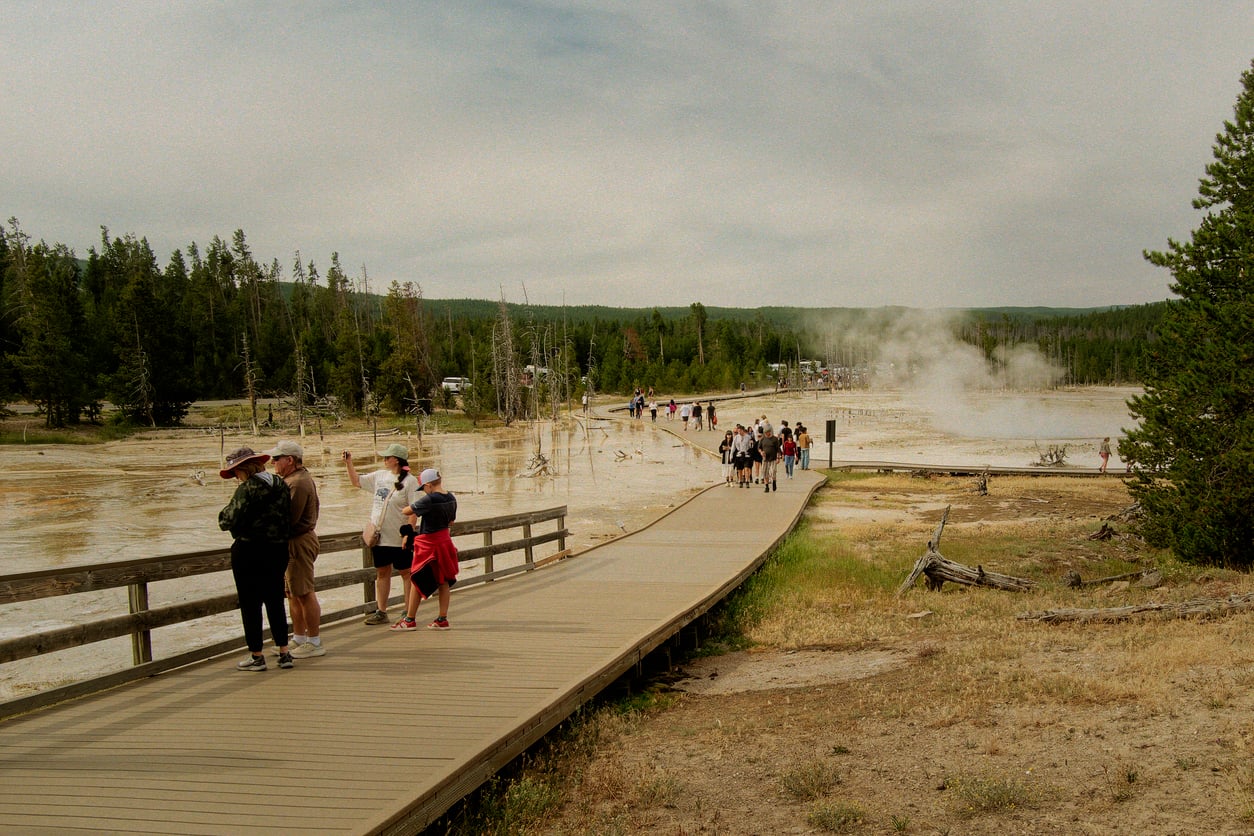
A single private visit to major parks like Yellowstone, Grand Canyon and Grand Teton cost $10 per vehicle in the early 1990s before The National Park Service was created. That covered the entire vehicle and its passengers, rather than the per-person fee charged today. Over time, Yellowstone’s fees increased as the National Park Service experimented with retaining more entrance-fee revenue to improve the park.
Sign up for our newsletter
Spend Hours Feeding Quarters Into an Arcade
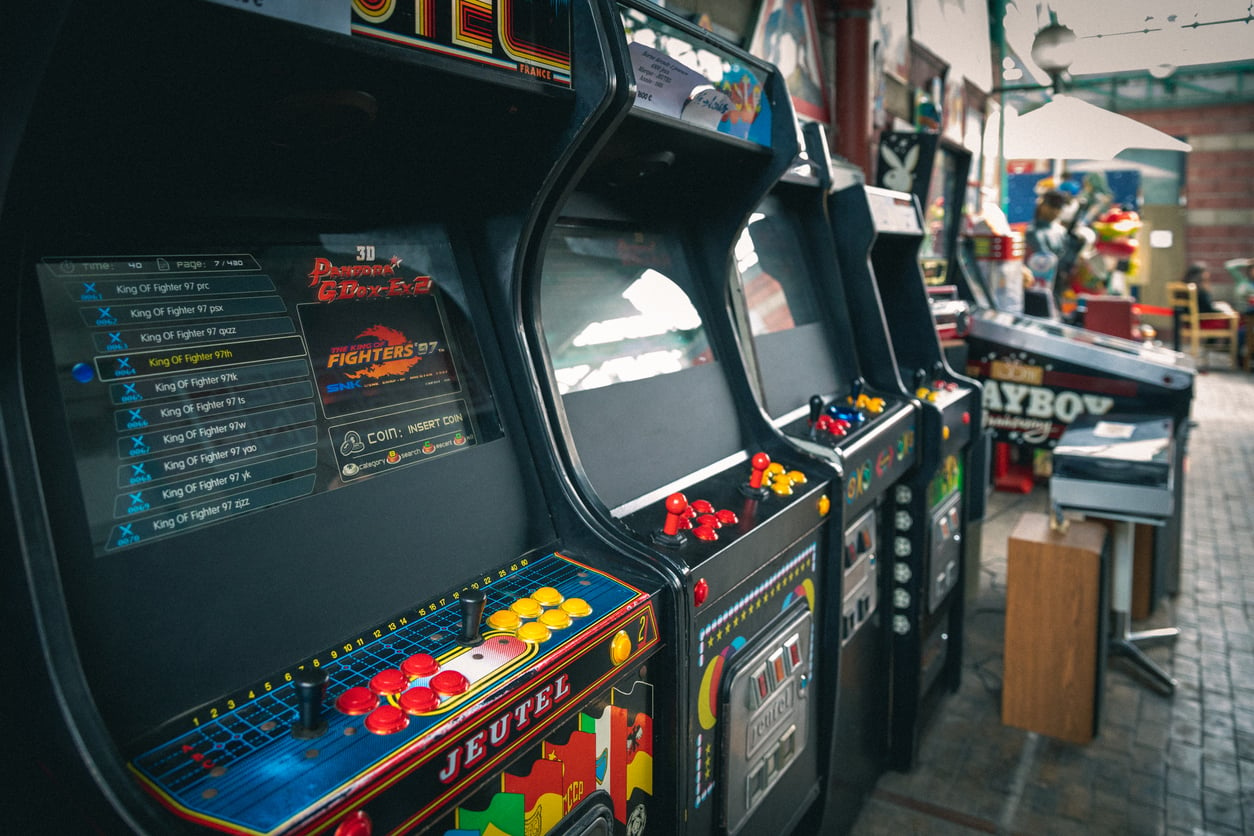
In the 1990s, arcades packed with games were a trend, and playing the machines cost just 25 cents, though some more elaborate ones might go up to 50 cents. A 1996 arcade guide documented that nearly all games cost 25 cents, with the exception of a few that ran up to 50 cents. With $20, you could get 80 plays on the $0.25 machines. Games like ‘Mortal Kombat’, ‘NBA Jam’, ‘Street Fighter’, and more could drain your money.
Pay for a Month of Dial-Up Internet
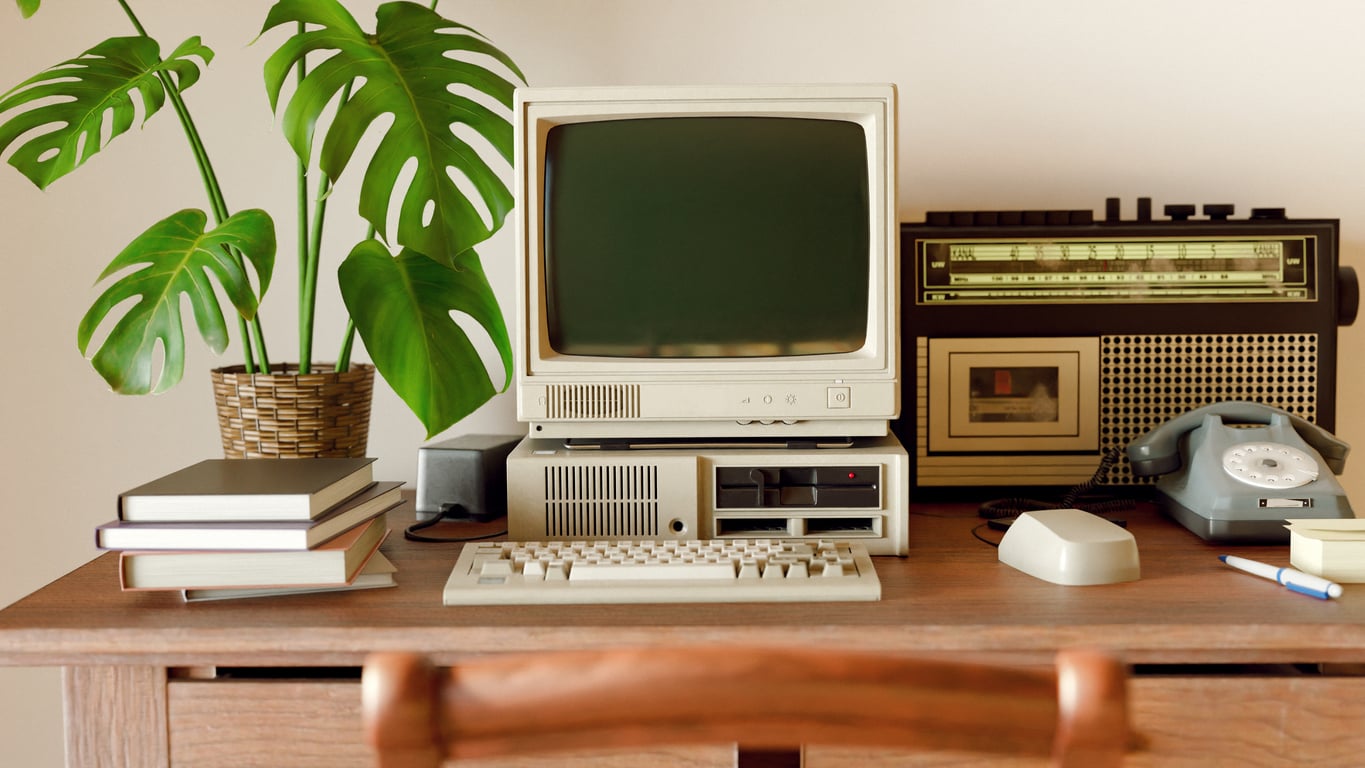
Internet access could cost less than $20 during the 1990s. In 1996, AOL offered a plan for $9.95 that provided five hours of Internet access per month; any time used beyond that was billed separately according to some of AOL commercials. One of the larger plans offered 20 hours of Internet access for $19.95 a month. At that time, unlimited plans, like those available today, did not exist, and Internet access was tied to the home landline.
Shoot and Develop an Entire Roll of Vacation Photos
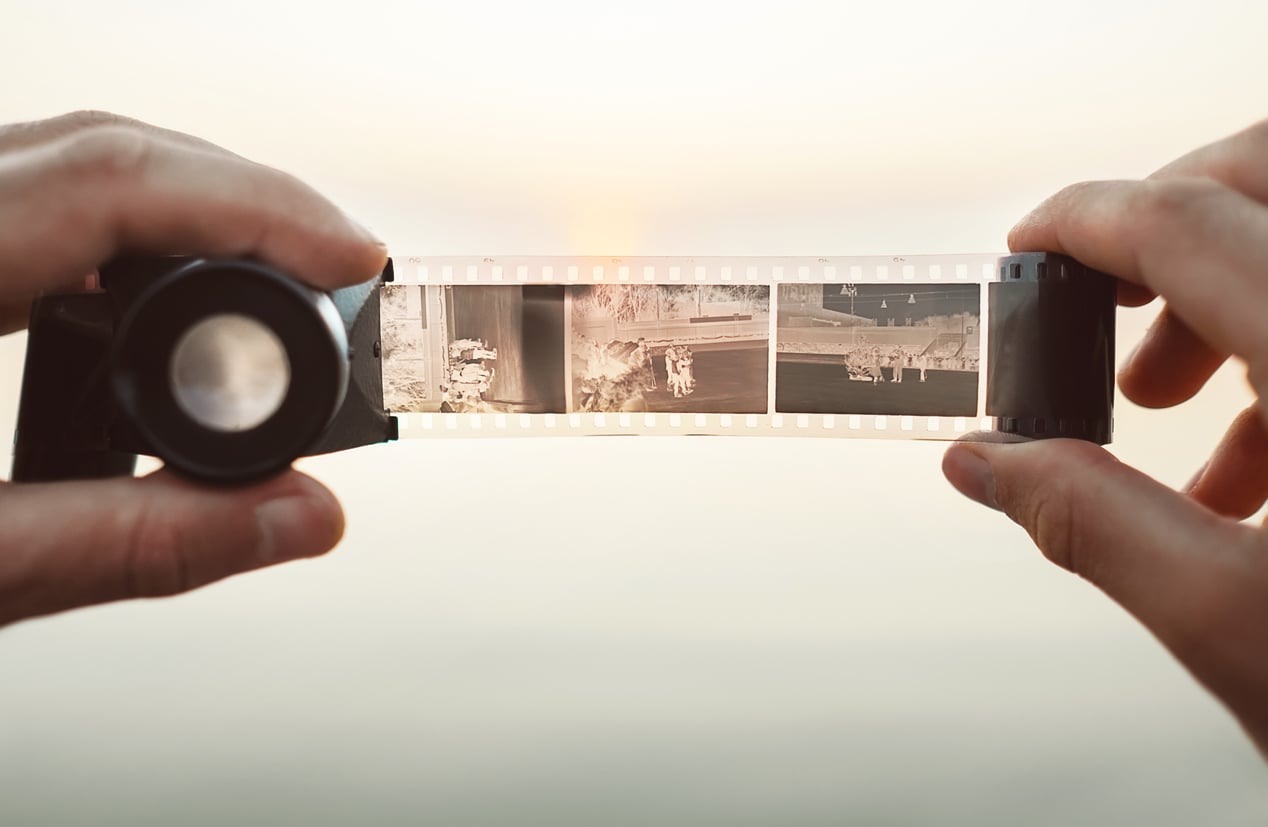
In the 1990s, digital cameras, let alone camera phones, had not yet appeared, so taking photos meant buying a roll of film and then having the pictures developed. A 1995 pharmacy advertisement showed that processing images cost $5.99 for a 24-hour service that included a free second set of prints. However, we also found some photo processors charging less than $3 per roll. The exciting thing about those years was that you wouldn’t know what the photo looked like until days later, when you received the printed image.
Buy a Paperback, Magazine, and Still Have Money for Coffee

According to the Morris County Library, people commonly carried paperbacks in the 1990s, and they cost around $5. The first ‘Magic Tree House’ paperbacks were released in 1992 with a price of $5.99, while paperbacks published between 1994 and 1995 ranged from $4.99 to $5.99. To pass time, people used to walk to a bookstore or newsstand and borrow or buy a book. Even with the money for a paperback and a magazine, you could buy yourself a coffee.
Conclusion
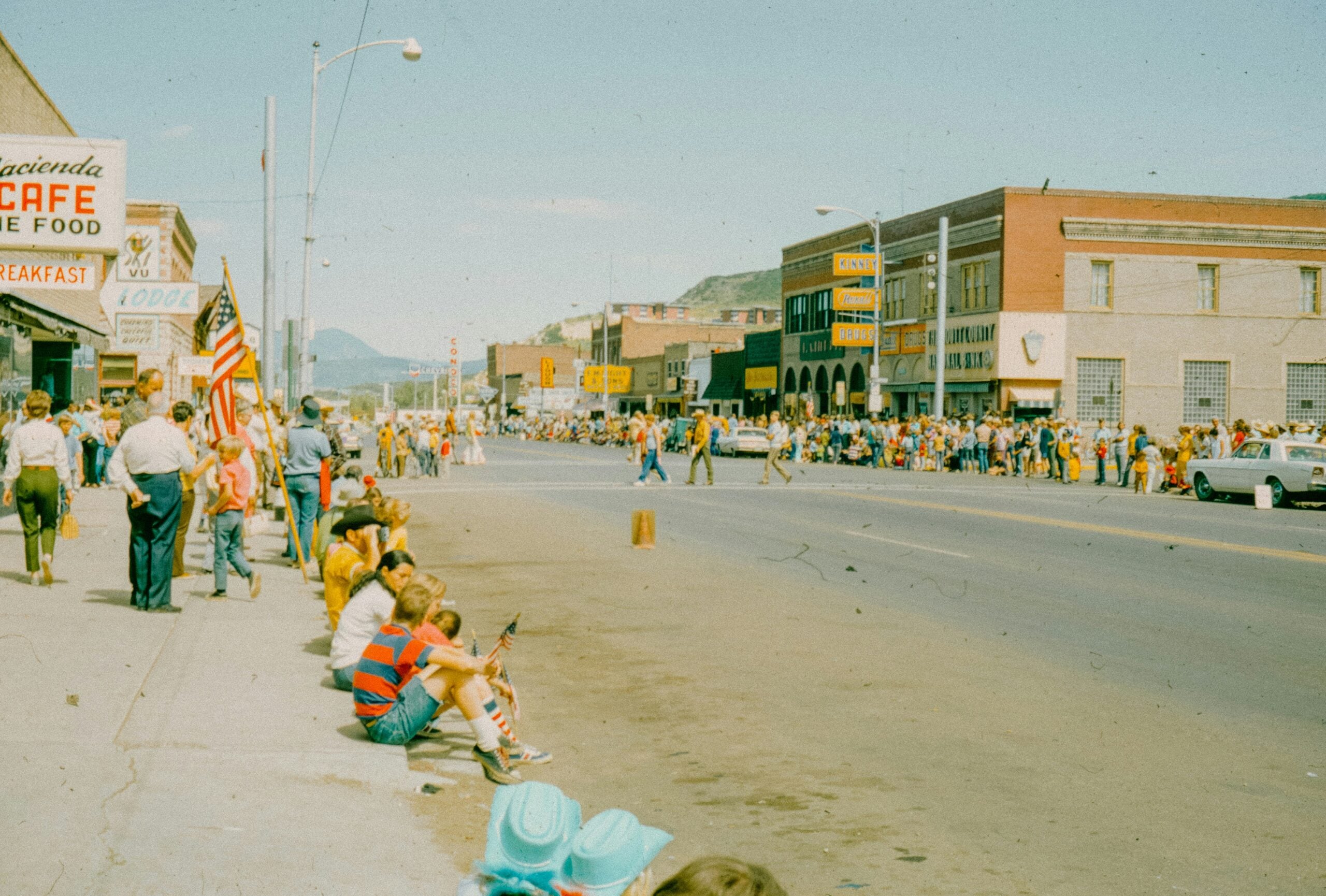
Given all these factors, a $20 bill could cover a wide range of activities in the 1990s, from attending an MLB game or visiting famous national parks, to buying the latest hit CD, and you would still have money left over! The recreational activities people engaged in back then differ vastly from what interests people today, yet many everyday activities now cost considerably more than they did in the 1990s.