
When traveling, people often look for the cheapest options that still offer the best value. For this reason, some choose to add a few hours to their journey just to save some money, without considering the extra travel time involved. Drawing on information from the AAA and the FTC, we shed light on certain travel choices that can lead to hidden costs, including additional transportation, meals, and parking fees, that end up costing you hours of your free time, all to save just a small amount of money!
Booking a Connecting Flight to Save $40

Many people choose to book a connecting flight, which might cost a little less than a nonstop ticket but adds several hours of travel time through layovers, additional boarding, and potential delays. You should compare total travel time with the fare to determine whether the savings are worth the extra time. The U.S. Department of Transportation specifically recommends nonstop flights when possible because connections increase the risk of disruptions.
Flying Into a Distant Airport Because the Ticket Is Cheaper

A secondary airport may offer lower fares that save you money, but you will also have to factor in a long drive to your destination, often in an area with less public transportation than you would find near a primary airport. Since cheaper flights might land you at these secondary airports, compare the costs in both money and travel time of reaching your hotel before deciding whether the savings are worthwhile.
Booking Two Separate Flight Tickets Instead of One Itinerary

Google Flights recommends avoiding self-transfer itineraries with tight layovers, especially when checking bags or traveling internationally. While purchasing two separate airline tickets might seem like a way to save money, you would also need to collect your luggage, recheck it, and go through security again between flights. If your first flight is delayed, allow enough travel time between flights to reduce the risk of missing your second departure.
Choosing the Last Flight of the Day Because It’s Cheaper
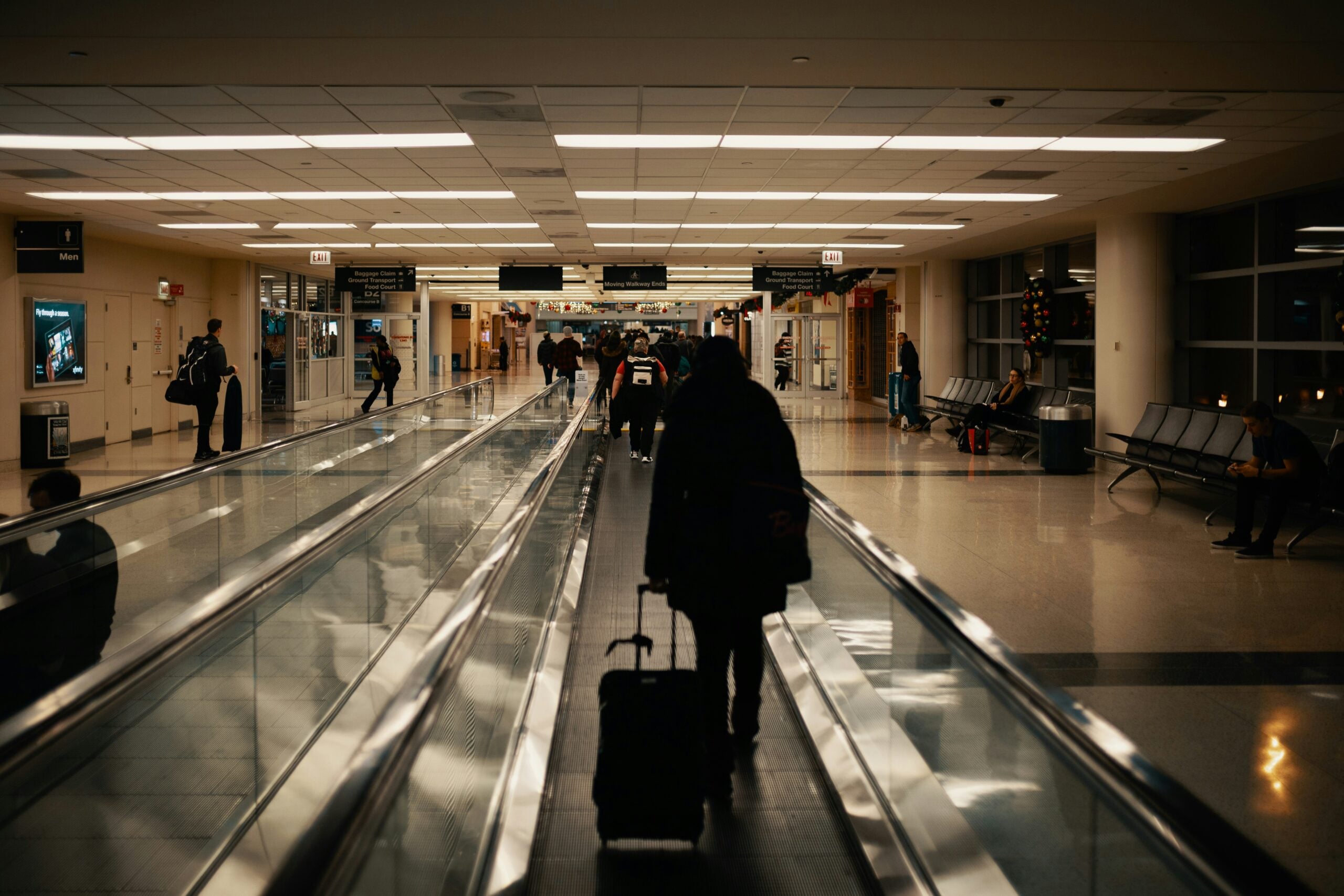
When you book a flight late in the day, your options may be very limited if, for any reason, the flight is canceled, potentially leaving you waiting hours for another one. Furthermore, delays can accumulate throughout the day, potentially affecting later departures. The U.S. Department of Transportation provides guidance on flight planning, and choosing an earlier departure may give you more travel time flexibility and additional opportunities for same-day rebooking if disruptions occur.
Staying Far Outside the City to Save on a Hotel

You could save $20 to $30, depending on the city, by staying at a hotel on the outskirts of a major city. However, traveling into the city for sightseeing, meals, and entertainment could eat up hours of your vacation and might even involve public transportation costs. Compare hotel prices and factor in these often-overlooked expenses, along with the travel time required to reach attractions, to determine the best place to book.
Trending on Cheapism


Booking a Hotel with a Free Airport Shuttle That Runs Infrequently

An airport that offers a shuttle to your destination might seem like a way to save money. However, some shuttles operate on limited schedules, require advance reservations, and may even make stops at multiple locations before reaching yours. The U.S. DOT recommends asking your hotel about its shuttle frequency, operating hours and factor the expected travel time before making your decision.
Renting a Car From an Off-Airport Location to Avoid Airport Fees

To avoid airport fees at larger airports, some people choose to rent a car from an off-airport location. However, keep in mind that while these lower rental rates might be attractive, returning the vehicle may require an additional trip to the off-airport rental location, that requires extra travel time. Furthermore, limited operating hours can complicate matters for early flights or late arrivals, potentially leading to additional charges when you drop off the car.
Taking Several Public-Transit Transfers to Avoid a Modest Taxi Fare

Many travelers choose to take public transportation to avoid paying a taxi fare, but you should weigh the fact that changing between buses or trains while carrying suitcases can make your journey more difficult. Compare the travel time from your starting point to your destination with the total cost of the fares. If you are traveling with other adults, splitting the cost of a taxi might actually be a more attractive option.
Sign up for our newsletter
Driving Far Out of the Way for Cheaper Gas

AAA offers a fuel-cost calculator that helps drivers estimate their gasoline expenses based on mileage and vehicle efficiency. Driving to a distant area for cheaper gas is not always worth it, as the additional travel time and fuel consumption can outweigh the savings. Use the calculator to estimate fuel costs and compare them with the potential savings from the detour.
Avoid Every Toll Road on a Long Drive

Opting for routes that avoid tolls can reduce travel expenses, but these paths may involve slower local roads, traffic lights, congestion, or significantly longer distances. The best approach is to compare estimated travel times, toll costs, and fuel consumption before automatically choosing a route that avoids tolls.
Choosing a Much Slower Bus or Train for a Small Saving

Choosing a slower bus or train to save some money isn’t always the best decision. These options often involve multiple stops, inconvenient departure times, or connections that extend the total travel time. In short, while you might save some money, you end up sacrificing your precious free time. Choosing a slower bus or train to save money isn’t always worthwhile.
Booking an Overnight Flight with a Long Layover to Save a Little

While an overnight itinerary with a long airport layover might be inexpensive, the combination of poor sleep, closed airport facilities, and hours spent waiting could leave you more exhausted than the savings may not justify the exhaustion. You should compare arrival times and the amount of usable time you’ll have at your destination. A cheaper flight might leave you too tired to make the most of your first day there.
Conclusion

In conclusion, when making decisions for your trip, you should evaluate the total cost alongside the time gained or lost during the days you take off. A lower price does not always equate to a better experience. Connections, transfers, remote accommodations, and inconvenient schedules can consume hours of your trip, time that would be better spent sightseeing or enjoying local cuisine.