
A family vacation can look very different depending on whether you are traveling with children, leaving them with a relative while you enjoy your time off, or traveling after they have grown up. Children influence many decisions, from where you go and where you stay to what activities you prioritize. We’ve gathered some information from AARP, and therefore we’ll reveal the habits that shift and fall into place when you are traveling without kids!
Traveling While School Is in Session
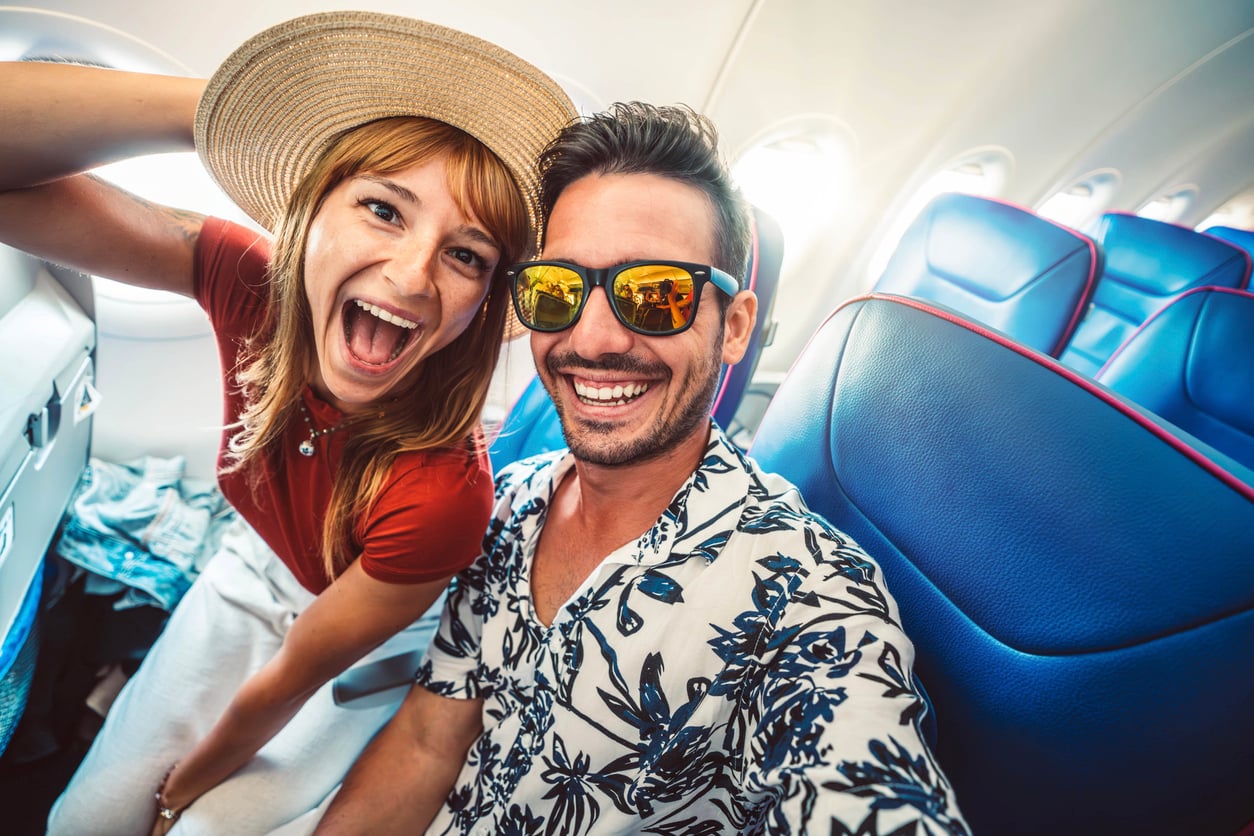
Once a person’s children reach school age, going on vacation for extended periods becomes impossible for years, as travel must be restricted to school breaks. However, traveling without kids gives you more flexibility around these schedules. Traveling outside of peak seasons can lead to lighter crowds and lower prices for hotels and airfare. Visiting the same destinations during off-peak times rather than during school holidays can save you money. The AARP notes that solo traveling brings growing opportunities.
Choosing a Great Location Instead of a Hotel With Everything

When traveling with children, you might want a hotel with pools, multiple beds, adjoining rooms, and specific amenities. Conversely, traveling without kids, you could find a small hotel in a great neighborhood, perhaps one better situated for getting to the city’s attractions, and prioritize restaurants and points of interest over the hotel itself. AARP has a tool that allows you to search for adult-only resorts, ensuring a quiet atmosphere.
Take the First Flight of the Day

Many families rule out early morning trips because waking the kids before dawn, organizing multiple suitcases, and tending to the whole family right after waking up can be a lot of work. However, if you are traveling without kids, an early-morning trip is much more manageable. Plus, upon arrival, you could have part of the day at your disposal to start exploring the new city.
Eating Dinner Much Later

Part of the stress of a family vacation involves dealing with your children when you want to relax, and simply feeding them can turn into a crisis. That is why, when traveling without kids, adults can dine much later, enjoy a few drinks, and not even think about bedtime until they actually feel sleepy. This more flexible evening schedule makes it possible to visit popular restaurants that are difficult to book during standard dining hours.
Spending Several Nights in One Neighborhood

Traveling to a vacation destination with children means having to consider attractions they will enjoy to keep them from getting bored. On trips for adults only, or when traveling without kids, travelers can prioritize neighborhoods with appealing cafés, unique restaurants, specialty shops, and parks, exploring them at their own pace without worrying about what comes next.
Trending on Cheapism

Taking Longer Trips with Fewer Stops

The AARP notes that people can plan fulfilling, unhurried vacations with fewer stops by choosing slow travel itineraries, and that can be achieved if you don’t go with children. When many people travel to the same place, it is more likely that each person will want to devote their time to a specific attraction. Whereas when traveling alone, you will change hotels less often, drive less, and won’t have to move around as much while hauling luggage.
Visiting Attractions at the Very Beginning or End of the Day

When a family is on vacation, schedules are often dictated by the children’s needs, so the afternoon is usually spent sightseeing. However, traveling without kids offers a major advantage, you can visit attractions in the morning to dusk. In addition, you can structure your entire day to avoid crowds without having to consider naps, your children’s energy levels, or meal times.
Booking Adults-Only Hotels and Cruises

There are cruises and hotels designed for traveling without kids, neither your own nor anyone else’s. You won’t find water parks nearby, but you will find adults enjoying themes and activities tailored to that crowd. AARP mentions that river cruises offer a calmer, more intimate environment that appeals heavily to solo travelers and adults seeking quiet enrichment.
Sign up for our newsletter
Planning a Trip Around One Great Restaurant

When traveling with children, food is a central part of the experience. Children need to eat, so your restaurant choices must accommodate their needs and tastes. However, when traveling without kids, you might choose a specific destination just to visit a restaurant you’ve long wanted to try. In that case, mealtime becomes something to be enjoyed rather than an ordeal you simply have to survive without a tantrum.
Taking Trips During the Middle of the Week
Family vacations, or simply taking a break from the daily routine, often have to align with the children’s school breaks, weekends, or public holidays. However, traveling without kids, makes your schedule more flexible, and you only need to coordinate your time off work with your partner’s. This added flexibility significantly increases your chances of finding cheaper hotel rates and flight tickets.
Packing Much Lighter

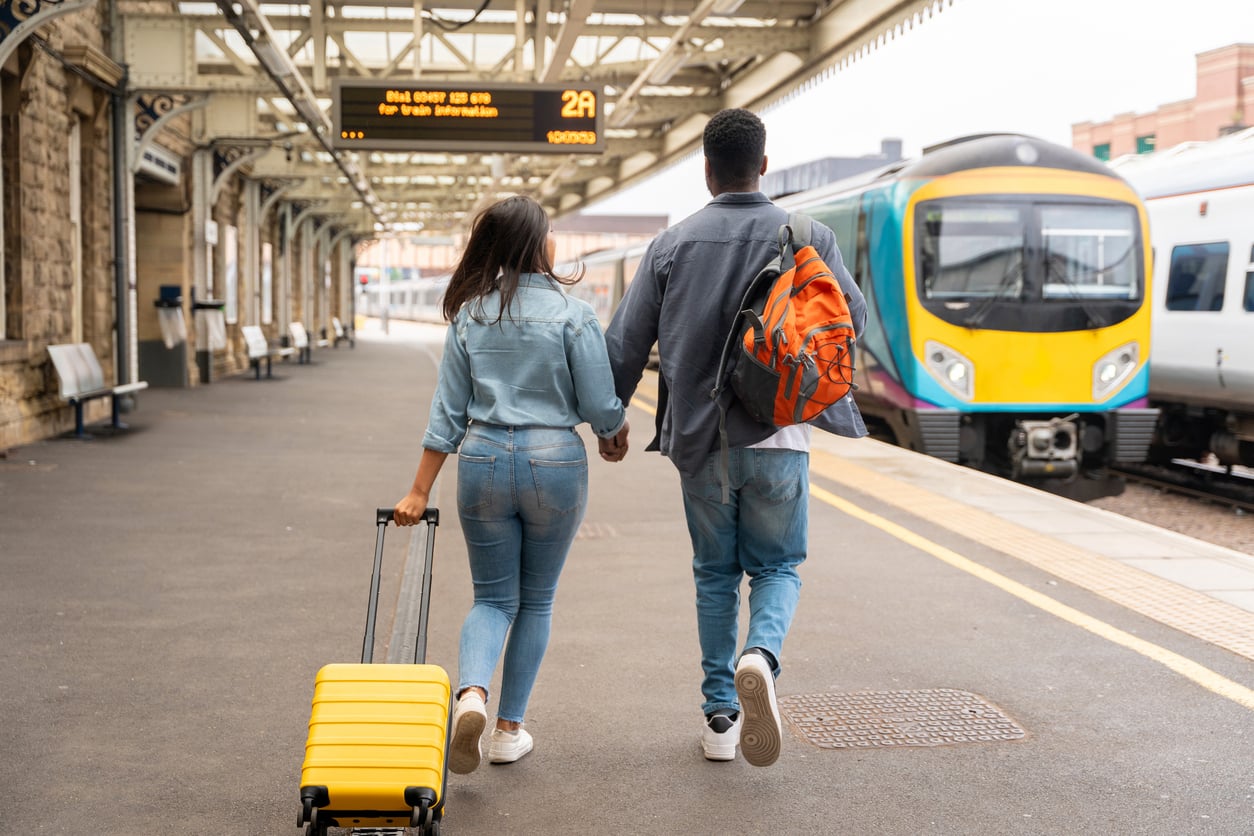
When traveling to another city or country with children in your care, you will need to bring more luggage for their clothing, snacks, entertainment, medication, electronics, car seats, and other items, including those needed for a potential emergency. Two adults traveling without kids, on the other hand, can travel much lighter, making train journeys, the use of public transportation, and even hotel changes far easier to manage.
Leaving Part of the Vacation Completely Unplanned

Family trips usually require a structured plan covering meals, transportation, and tickets, all while trying to align with the children’s expectations. On the other hand, when traveling without kids, you can leave an afternoon, a morning, or even a whole day free to spend however you wish. This gives you the freedom to visit a nearby city or simply dedicate your time to an experience you genuinely enjoy.
Conclusion
One of the biggest advantages of traveling without kids isn’t necessarily spending less money, but rather having the flexibility to do whatever you want at any moment. You can travel during the off-season, keep your itinerary less packed, and choose locations closer to the activities or places you want to visit. Keeping two people entertained is often easier than entertaining an entire family group.