When the kids finally move out, the house can suddenly feel a lot bigger. Bedrooms that were once overflowing with toys, clothes, and school supplies sit empty, the dining table no longer doubles as a homework station, and there’s nobody arguing over who gets to use the television. For many empty nesters, this new chapter comes with an unexpected opportunity: finally making their homes work for themselves.
And while downsizing might seem like the obvious next step, not everyone is eager to leave a house they’ve spent decades turning into a home. Instead, some homeowners are finding creative ways to repurpose the spaces they already have. From transforming childhood bedrooms into home offices to turning backyards into peaceful retreats, today’s empty nesters have more options than they might have imagined 20 years ago.
Of course, not every transformation requires an expensive renovation or a complete redesign. Sometimes, all it takes is moving a few pieces of furniture and deciding that a room no longer needs to serve its original purpose. From home offices to cozy reading retreats, here are 12 ways empty nesters are using their homes differently now that the kids have flown the coop.
Turning Their Kids’ Old Bedrooms Into Home Offices
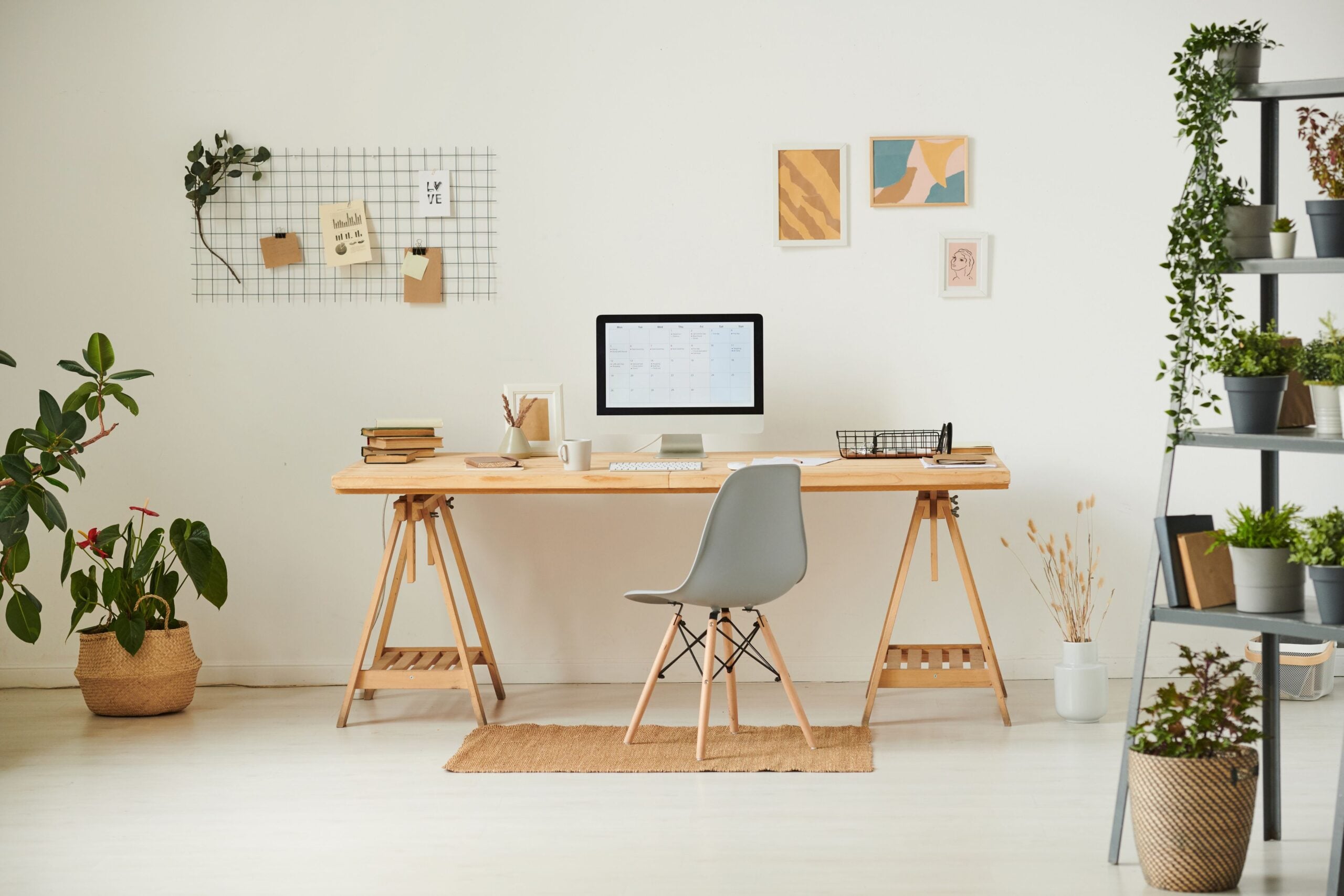
Remember when your child’s bedroom was covered in band posters, dirty laundry, and textbooks? These days, that same space might be home to a desk, an ergonomic chair, and a perfectly positioned webcam. With remote and hybrid work becoming more common, empty nesters are finding that a dedicated home office can be far more useful than a bedroom nobody sleeps in.
And it’s not just for people working full-time. Whether you’re consulting, running a small business, or simply managing household finances, having a quiet place to concentrate can make a difference. According to a 2025 YouGov survey, 18% of Americans with spare bedrooms use their first extra bedroom as a home office. A sleeper sofa can help keep the room ready for occasional family visits.
Creating Hobby Rooms for Activities They Finally Have Time For

For years, hobbies might have meant spreading sewing supplies across the dining table or packing away a half-finished puzzle every time dinner was ready. But once the kids move out, some empty nesters are claiming an entire room for the activities they love.
Whether it’s painting, quilting, building model trains, or working on elaborate craft projects, a dedicated hobby room means there’s no need to constantly clean everything up. YouGov found that 8% of Americans with spare bedrooms use their first extra bedroom primarily for hobbies. And there’s no need to spend a fortune setting one up. An old table, a few shelves, and some repurposed storage containers might be all you need.
Transforming Basements Into Home Theaters

Twenty years ago, the basement might have been where the kids played video games, stored their toys, or left piles of sports equipment. Today, some empty nesters are turning those same spaces into cozy home theaters, complete with oversized televisions, comfortable recliners, and surround-sound systems.
With streaming services offering thousands of movies and television shows, recreating the movie theater experience at home is easier than it used to be. And while a fancy sound system can certainly enhance the experience, it isn’t essential. A decent television, comfortable seating, and good lighting can make movie nights feel special without spending thousands of dollars. Plus, staying home can be considerably cheaper than buying movie tickets and concessions every weekend, provided you keep those streaming subscriptions under control.
Giving Formal Dining Rooms an Entirely New Purpose

Remember those formal dining rooms that only seemed to get used on Thanksgiving and Christmas? With fewer people gathering around the table every evening, some empty nesters are realizing they don’t really need a room dedicated to meals they host a handful of times a year.
Instead, they’re transforming those spaces into reading rooms, small offices, craft areas, or casual sitting rooms. The shift isn’t limited to American households, either. A 2026 Aviva survey in the U.K. found that 23% of respondents who had repurposed rooms had changed the use of a dining room. If you’re worried about accommodating everyone during the holidays, an extendable table can offer the best of both worlds.
Turning Spare Bedrooms Into Home Gyms
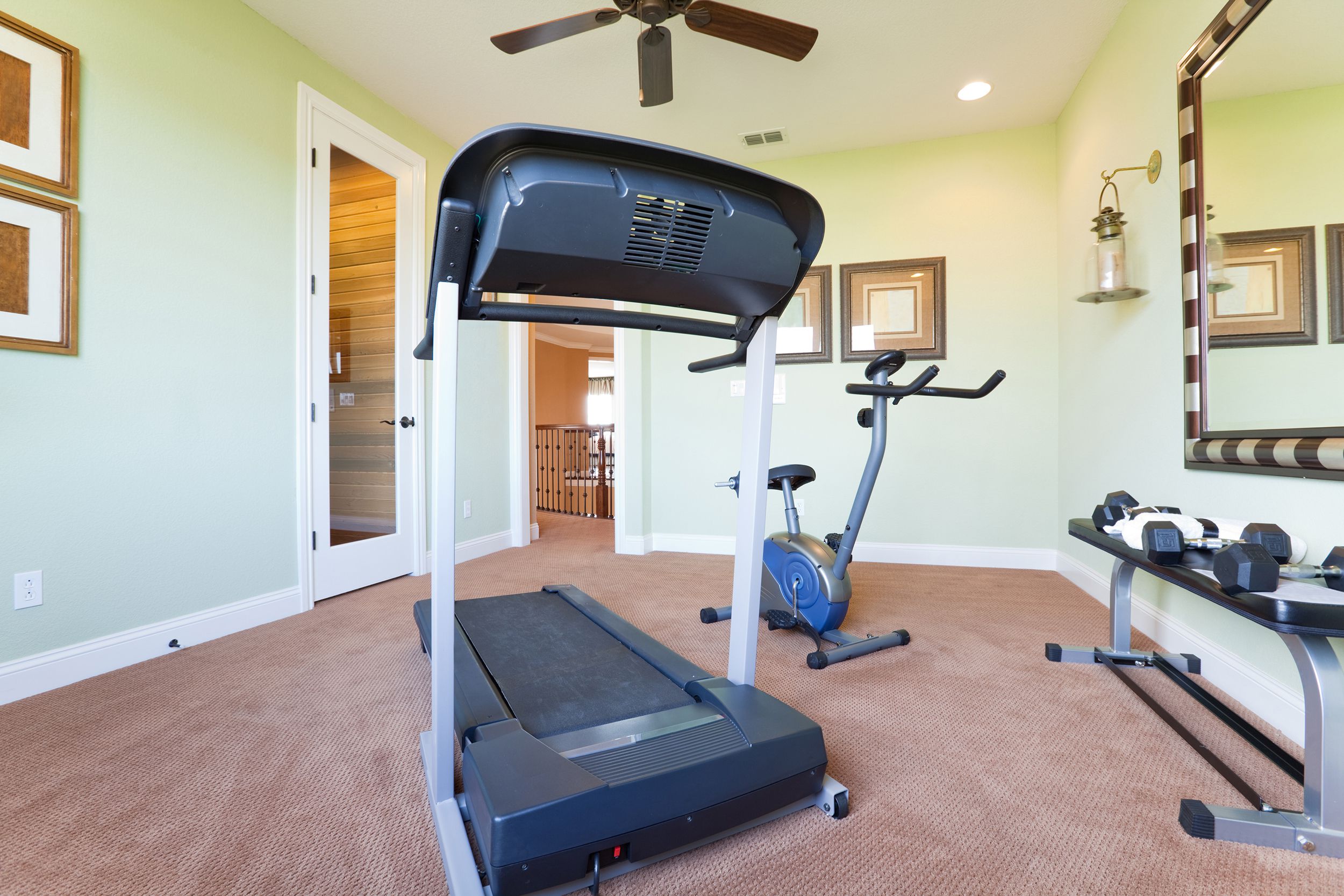
Who needs to drive across town to exercise when there’s an entire unused bedroom upstairs? Some empty nesters are swapping bunk beds and childhood furniture for yoga mats, stationary bikes, treadmills, and weight racks.
Home workouts have become more accessible thanks to online fitness classes and equipment designed for smaller spaces. In a 2025 Hippo survey, 32% of homeowners identified a home gym or wellness room as a desired flexible space. Of course, creating one doesn’t have to mean investing in an expensive treadmill that eventually becomes a clothes rack. Resistance bands, a yoga mat, and a few adjustable weights can provide plenty of workout options without taking over the entire room.
Trending on Cheapism
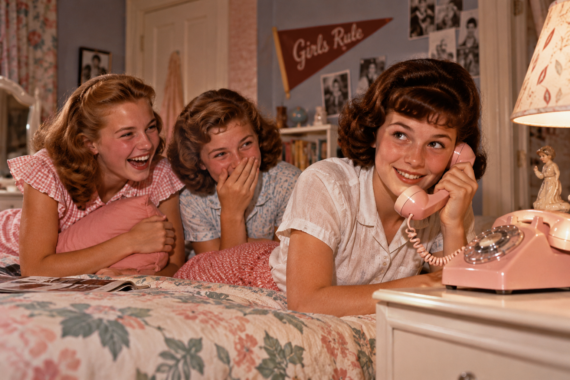

Converting Old Bedrooms Into Walk-In Closets
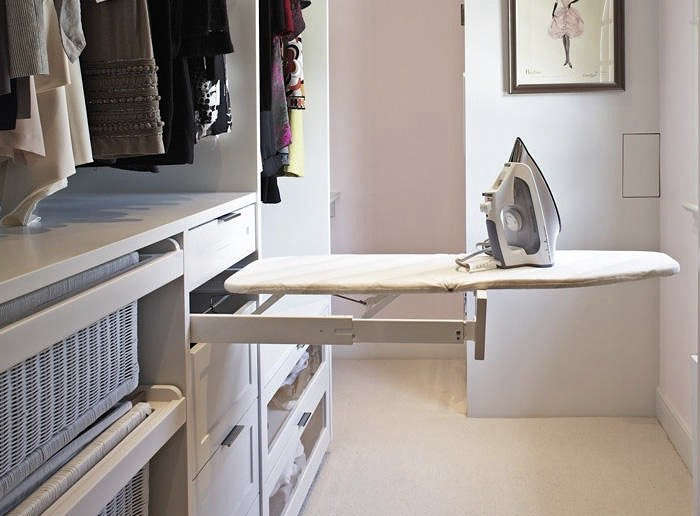
For some empty nesters, the dream isn’t a home office or a gym. It’s finally having enough closet space. Instead of keeping a former child’s bedroom furnished with a bed and dresser, homeowners are turning these rooms into walk-in closets and dressing areas.
Think organized shoe racks, shelves for handbags, full-length mirrors, and enough hanging space to actually see what’s in the wardrobe. It’s a luxury that might have seemed completely impractical when every bedroom was occupied. And the good news is that you don’t necessarily need custom cabinetry or an expensive renovation to pull it off. Freestanding wardrobes and modular shelving can transform a spare room while making it relatively easy to convert back into a bedroom later.
Making Room for the Grandkids Instead

Just because the kids have moved out doesn’t mean children’s toys have disappeared from the house forever. For empty nesters who have become grandparents, a former bedroom might get a second life as a space for visiting grandchildren.
But rather than recreating a full-time nursery, many families can make do with a flexible setup that includes a convertible bed, a small collection of toys, children’s books, and a few storage baskets. That way, the room can serve another purpose when the grandkids aren’t visiting. It’s also worth remembering that a home designed for adults may need some childproofing before little visitors arrive, particularly when it comes to medications, cleaning products, and potentially dangerous tools.
Turning Garages Into Workshops
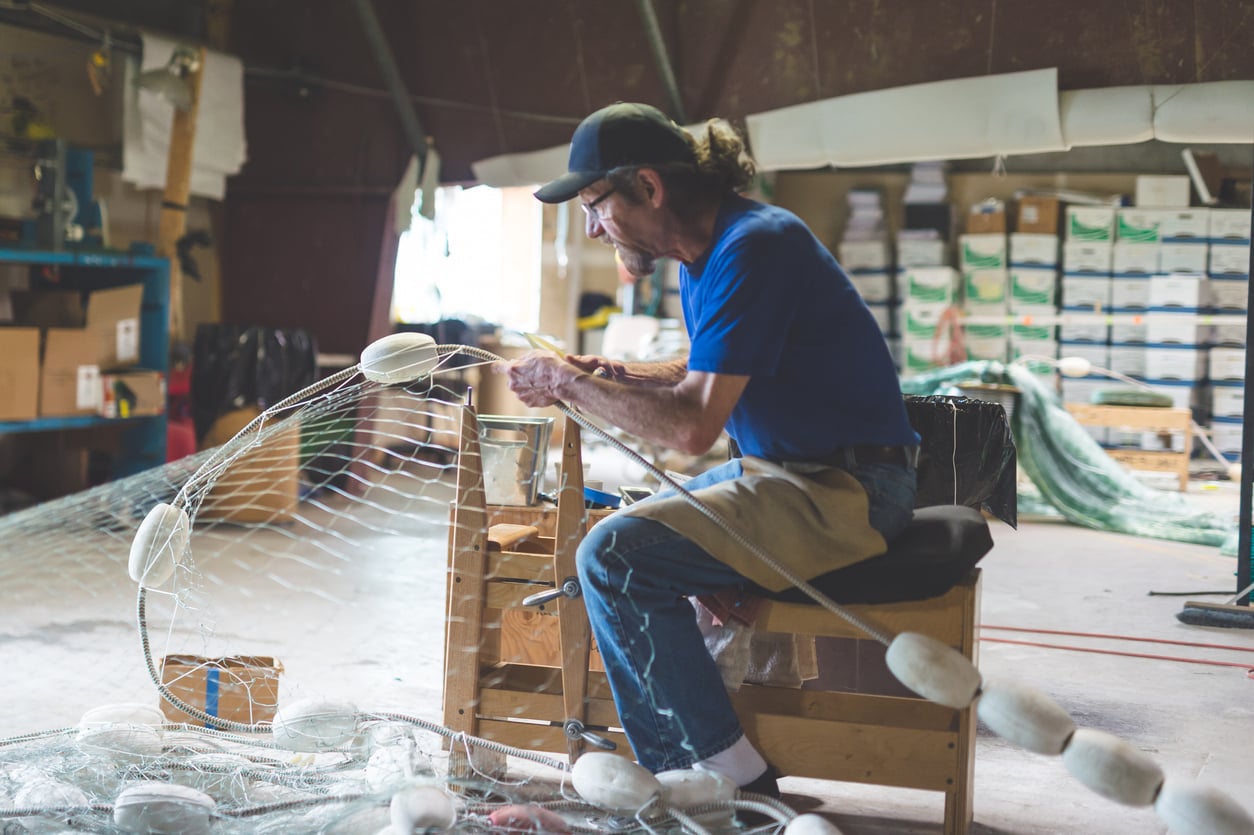
Back when the kids lived at home, the garage might have been overflowing with bicycles, sports equipment, holiday decorations, and boxes of things nobody wanted to throw away. Once some of that clutter disappears, empty nesters may finally have room for the workshop they’ve always wanted.
Whether it’s woodworking, restoring old furniture, repairing bicycles, or tackling DIY projects, a dedicated workspace makes it easier to work without taking over the kitchen or living room. And there’s a potential money-saving benefit, too: Learning to repair household items or refinish furniture can sometimes cost less than replacing them. Just remember that a proper workshop needs adequate ventilation, safe electrical outlets, and secure tool storage before the fun projects begin.
Sign up for our newsletter
Creating Quiet Reading Rooms

When the kids were growing up, the family room might have been the loudest place in the house, with televisions blaring, video games running, and toys scattered across the floor. Now, some empty nesters are turning those once-busy spaces into peaceful reading rooms.
A comfortable armchair, a well-stocked bookshelf, a reading lamp, and perhaps a small table for coffee can transform an ordinary room into a personal retreat. And unlike a major home renovation, creating a reading nook doesn’t have to cost much. You might already own everything you need. The biggest luxury isn’t necessarily the furniture, either. It’s having a quiet place to enjoy a book without somebody interrupting every five minutes to ask where their shoes are.
Updating Bathrooms for Comfort and Accessibility
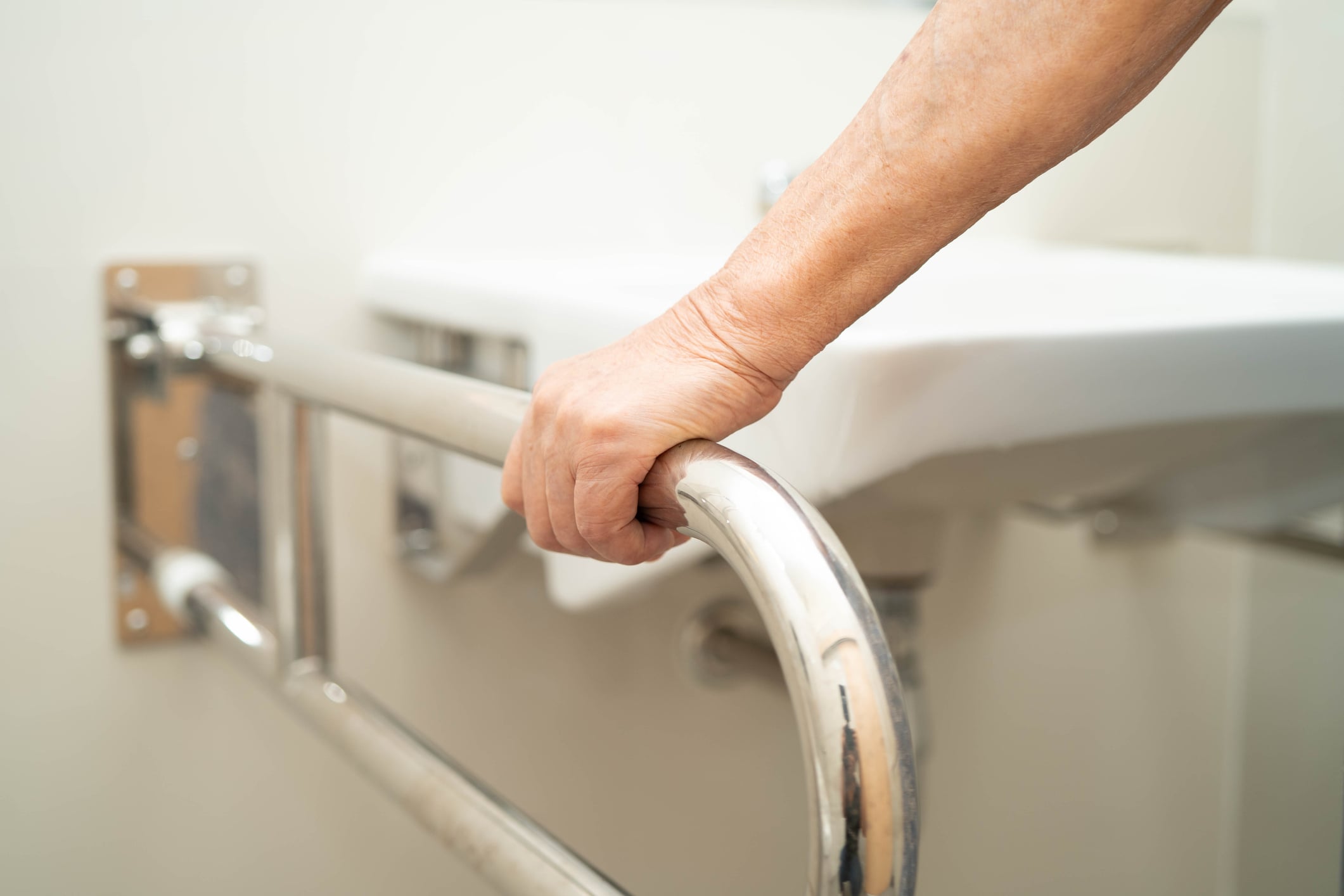
Not every empty-nest home transformation is about finding a new hobby or creating an entertainment space. Some homeowners are using this stage of life to make practical improvements that could help them remain comfortable and independent as they get older.
Bathrooms are a common place to start. Replacing a difficult-to-enter bathtub with a walk-in shower, improving lighting, installing grab bars, and choosing slip-resistant flooring can make everyday routines safer and easier. AARP’s aging-in-place guidance highlights how thoughtful home modifications can support long-term independence. And while some upgrades require a substantial investment, smaller improvements can still make a meaningful difference without remodeling the entire bathroom.
Reimagining Backyards as Peaceful Retreats

Remember when the backyard was dominated by swing sets, trampolines, inflatable pools, and soccer balls that somehow always ended up in the neighbor’s yard? Once the kids move out, empty nesters have an opportunity to rethink how they use their outdoor spaces.
Some are replacing play equipment with flower gardens, comfortable patio furniture, shaded seating areas, or outdoor dining spaces designed for entertaining friends. Others are simply creating a quiet corner where they can enjoy their morning coffee. And there’s no need to hire a professional landscaper to transform the entire yard overnight. Reusing existing furniture, planting low-maintenance perennials, and making gradual improvements can help keep costs manageable. The goal is to create an outdoor space that’s enjoyable without becoming another full-time chore.
Making Guest Rooms More Flexible
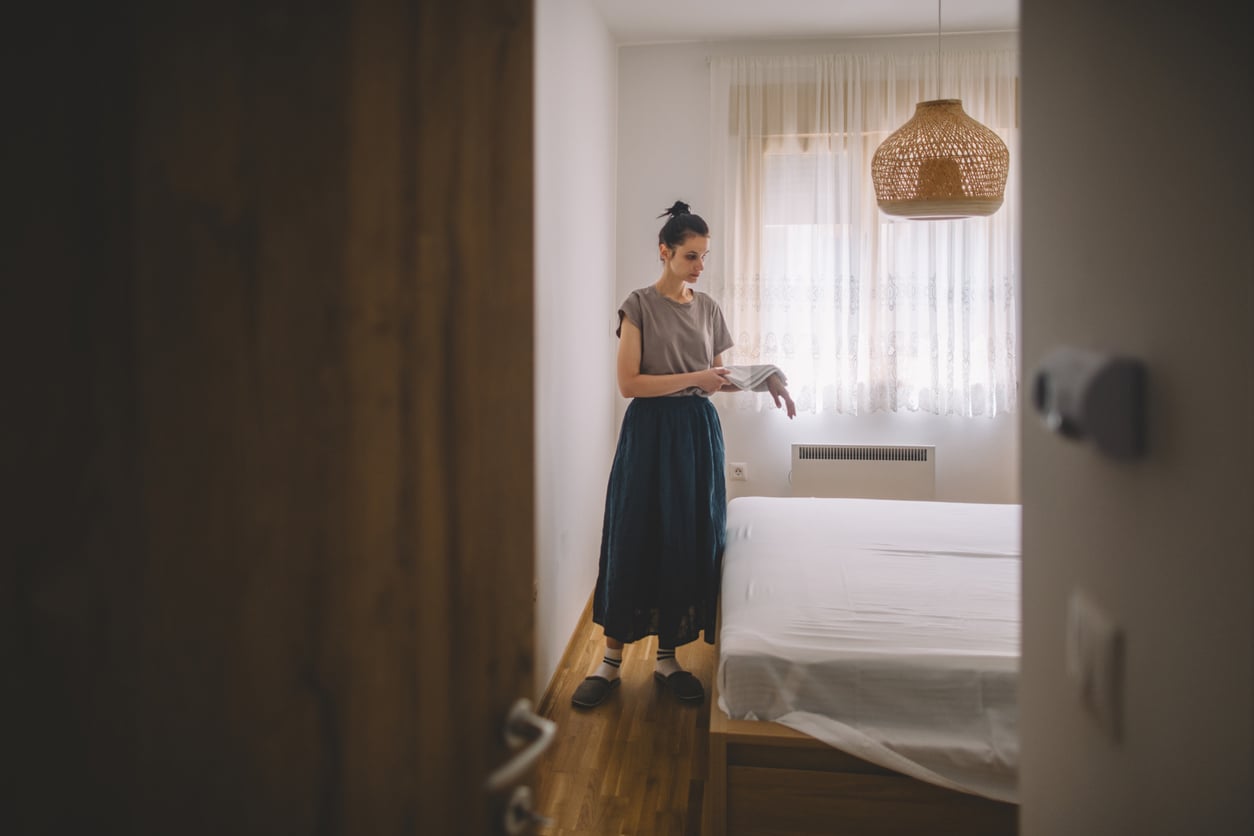
Twenty years ago, keeping a spare bedroom ready for visitors might have meant dedicating an entire room to a bed that rarely got used. Today, empty nesters have more ways to make those spaces useful throughout the year without sacrificing the ability to host overnight guests.
Murphy beds, sleeper sofas, folding desks, and multipurpose furniture can turn a guest bedroom into a home office, exercise space, or hobby room when nobody is visiting. And guest accommodations remain popular: According to YouGov, 31% of Americans with spare bedrooms use their first extra bedroom primarily for guests. The difference is that a guest room doesn’t necessarily have to sit untouched for months between visits. With a little planning, the same space can serve several purposes without requiring an expensive renovation.
Ultimately, becoming an empty nester doesn’t have to mean leaving the family home behind. Sometimes, it simply means discovering that the house you’ve lived in for decades has room for an entirely new chapter.