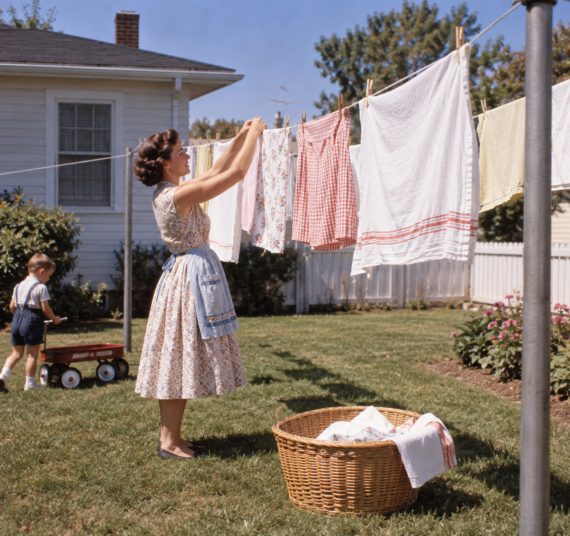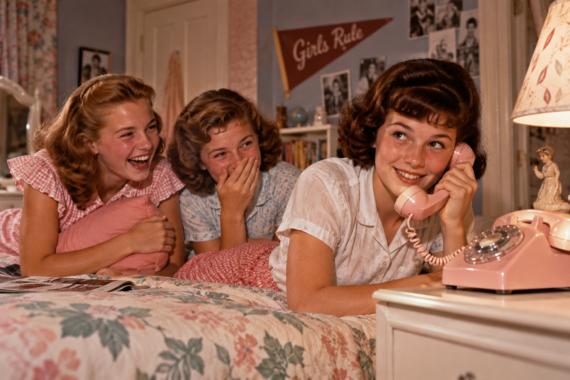
Things kids did in the 1950s and 60s often required little more than a bicycle, a few neighborhood friends, and enough imagination to fill an afternoon. Children spent more time outdoors, roamed farther from home, and relied less on organized activities than many kids do today. The National Park Service notes that postwar children’s play was often spontaneous, social, and largely unsupervised, which helps explain why so many everyday childhood rituals from that era now feel almost foreign.
Walking to School Without an Adult
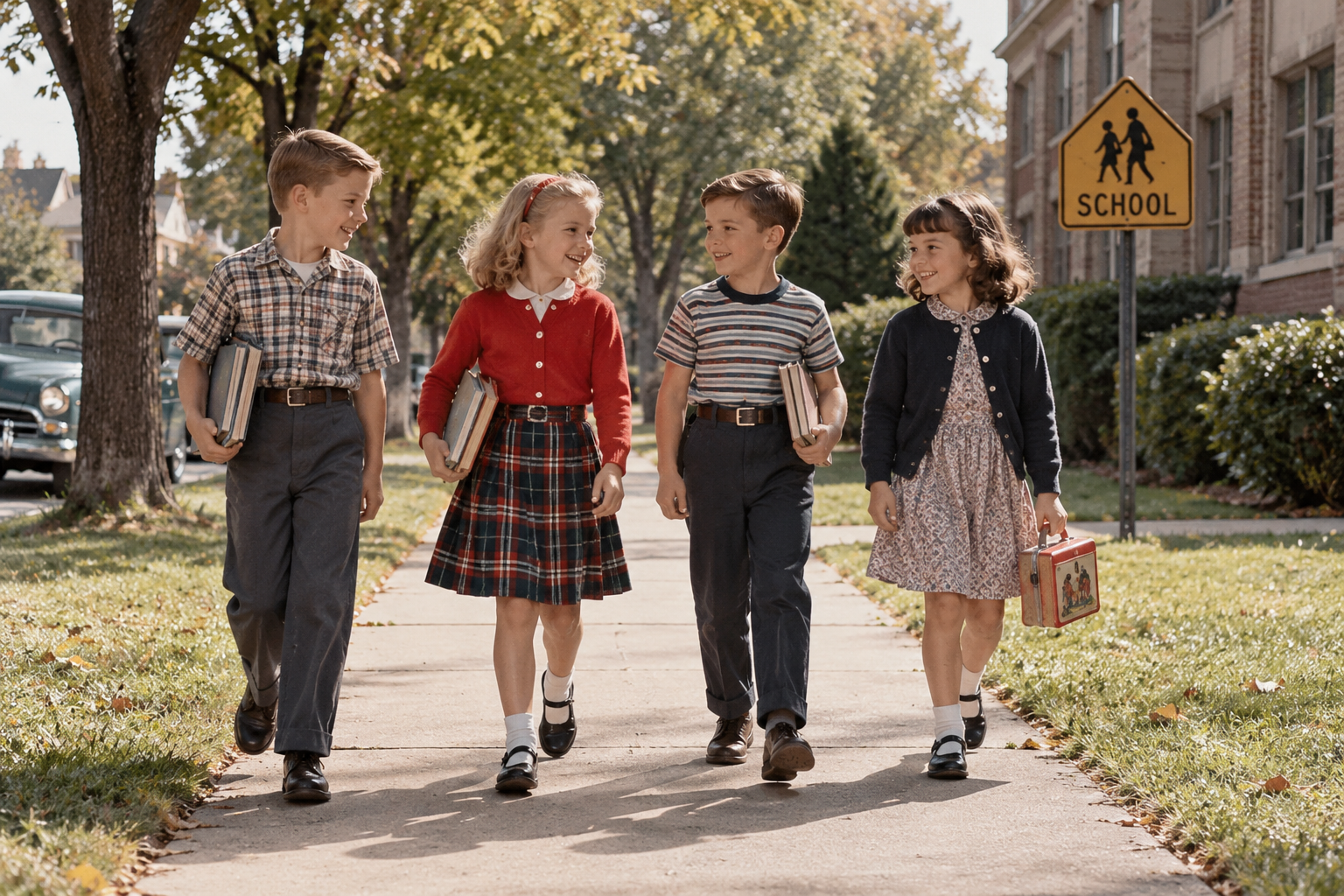
The morning school run looked very different before long lines of family SUVs became commonplace. In 1969, roughly 48% of American children ages 5 to 14 walked or biked to school, and the share was far higher among those living within a mile. Kids often picked up siblings and neighborhood friends along the way, sometimes encountering crossing guards or student safety patrols near school. Longer distances between homes and schools, traffic concerns, and changing family routines have since helped make independent walks much less common.
Delivering Newspapers Before School
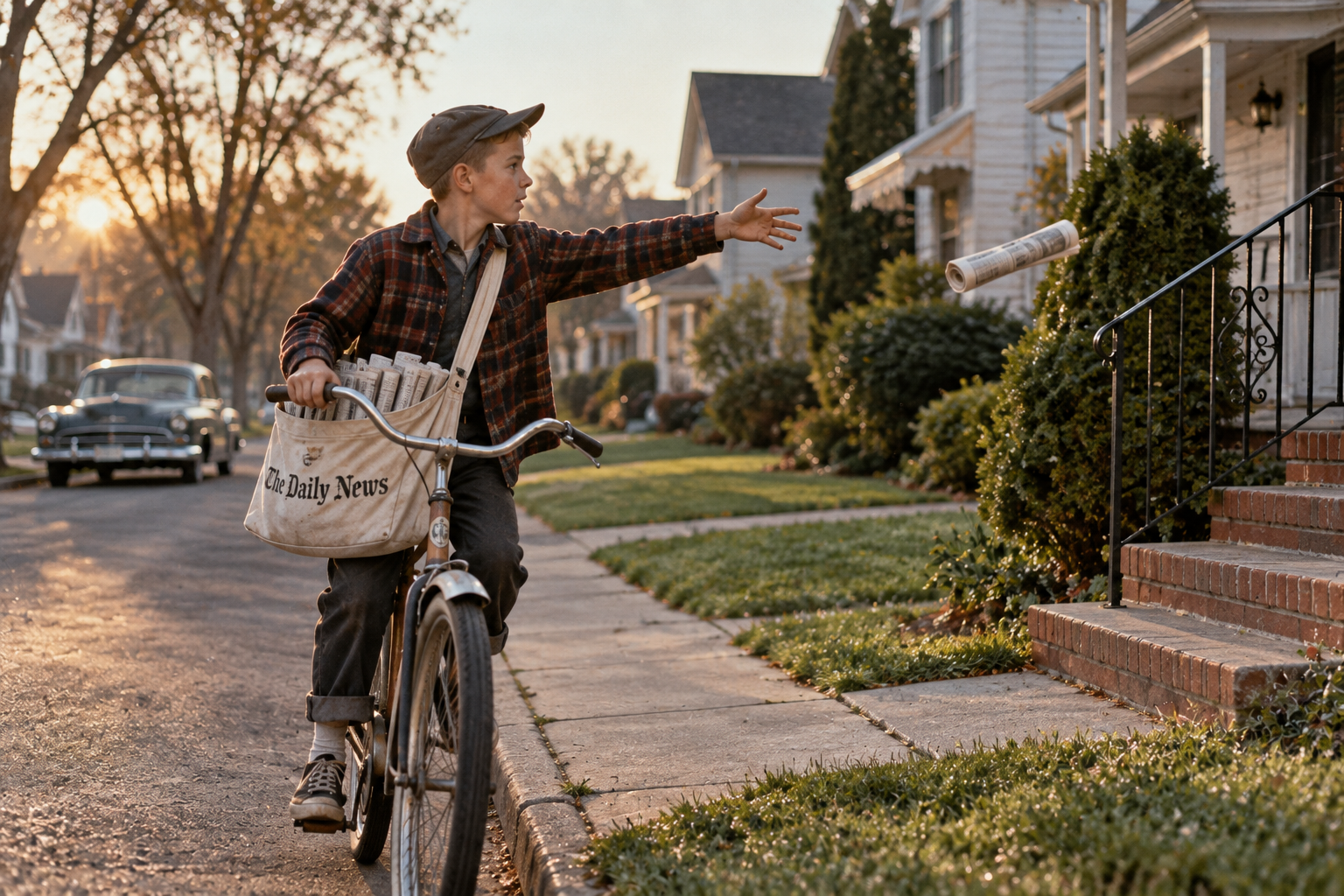
For generations of young Americans, a paper route was an early lesson in employment. The job expanded among teenagers and younger kids during the postwar suburban boom, when newspapers needed carriers to deliver directly to thousands of new homes. Routes could mean getting up early, loading a canvas bag or bicycle, delivering papers in lousy weather, and sometimes returning later to collect subscription money from customers. Home newspaper circulation has fallen dramatically since then, and many remaining routes are handled by adults driving cars.
Returning Soda Bottles for Pocket Money
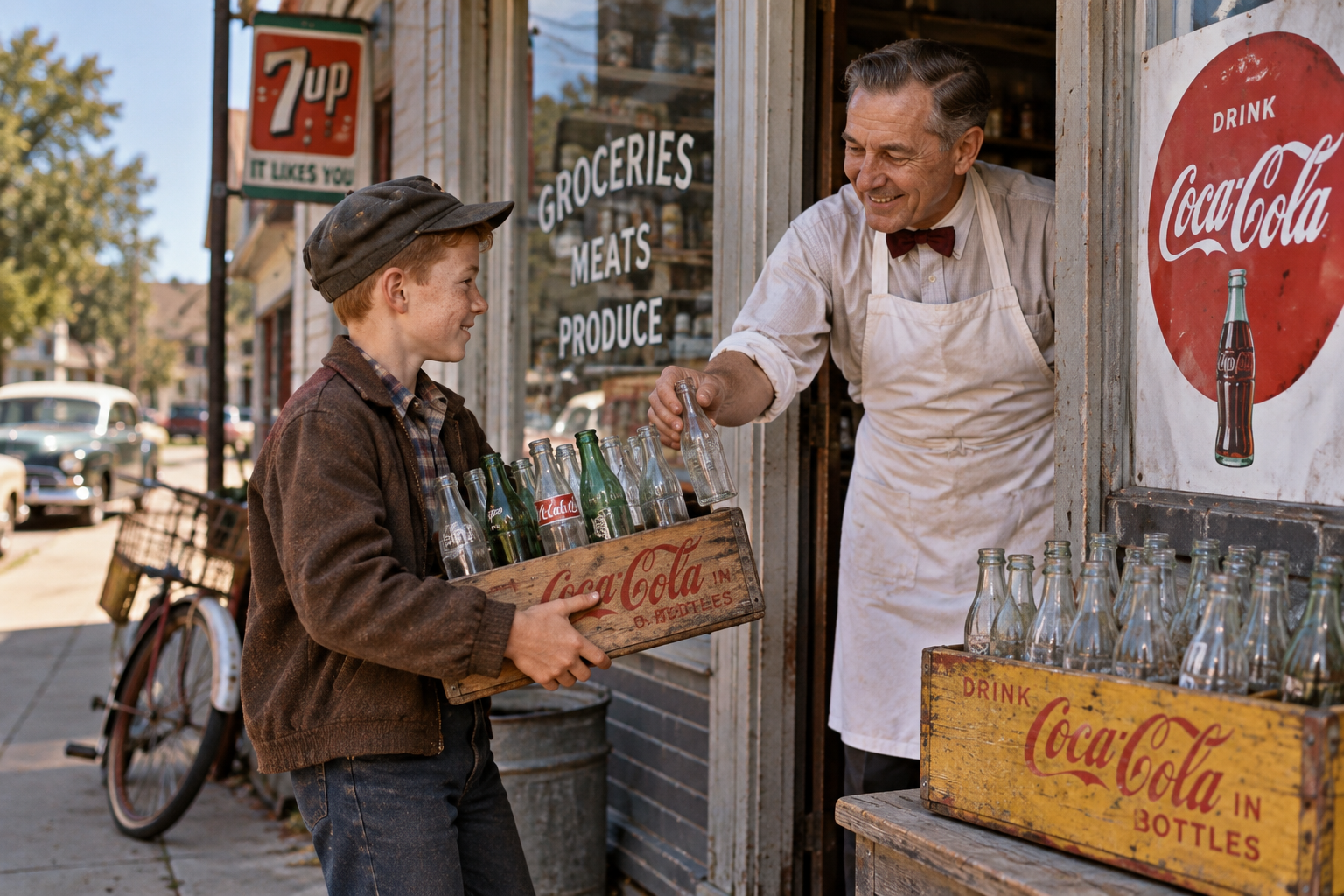
An empty Coke or Pepsi bottle could actually be worth something. In the early 1950s, soft drinks were predominantly packaged in refillable bottles, according to historical EPA research, and manufacturers used deposits to encourage customers to bring the glass back. Kids quickly understood the economics. Finding abandoned bottles and returning them to the store could produce a few cents for candy or another soda. Nonreturnable bottles and cans expanded rapidly afterward, gradually making the familiar clink of empties being hauled back to the neighborhood grocer less common.
Building Homemade Go-Karts and Soapbox Cars
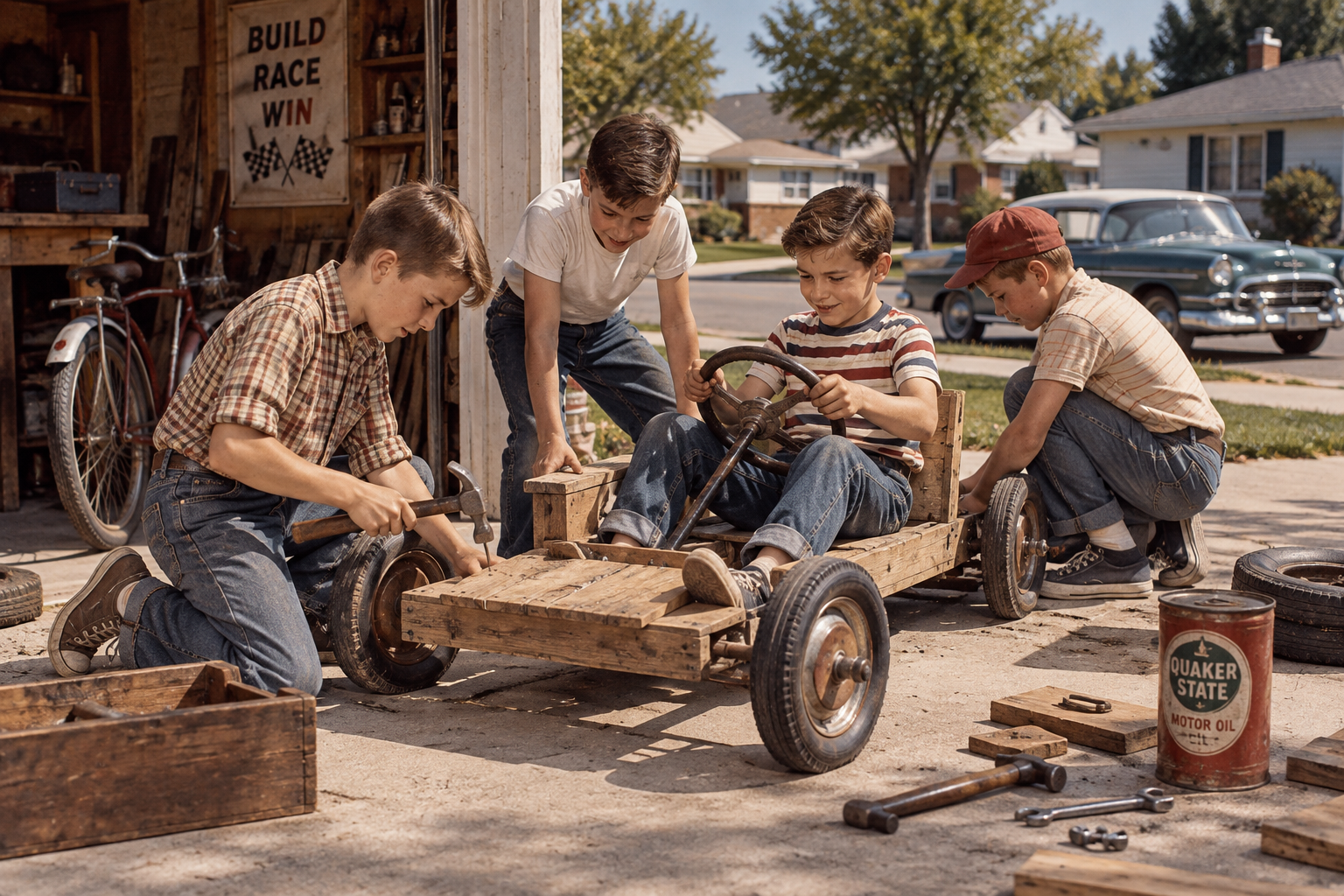
Long before every children’s vehicle came in a box with instructions, scrap lumber and discarded wheels could become transportation. Kids cobbled together gravity-powered cars and sent them down driveways and neighborhood hills, sometimes with steering and braking systems that would make today’s parents nervous. This wasn’t merely backyard improvisation. The Soap Box Derby became a national institution beginning in the 1930s, and organized races flourished in communities during the ’50s and ’60s. Modern Derby cars are much more standardized, but the organization still races today.
Playing in Vacant Lots
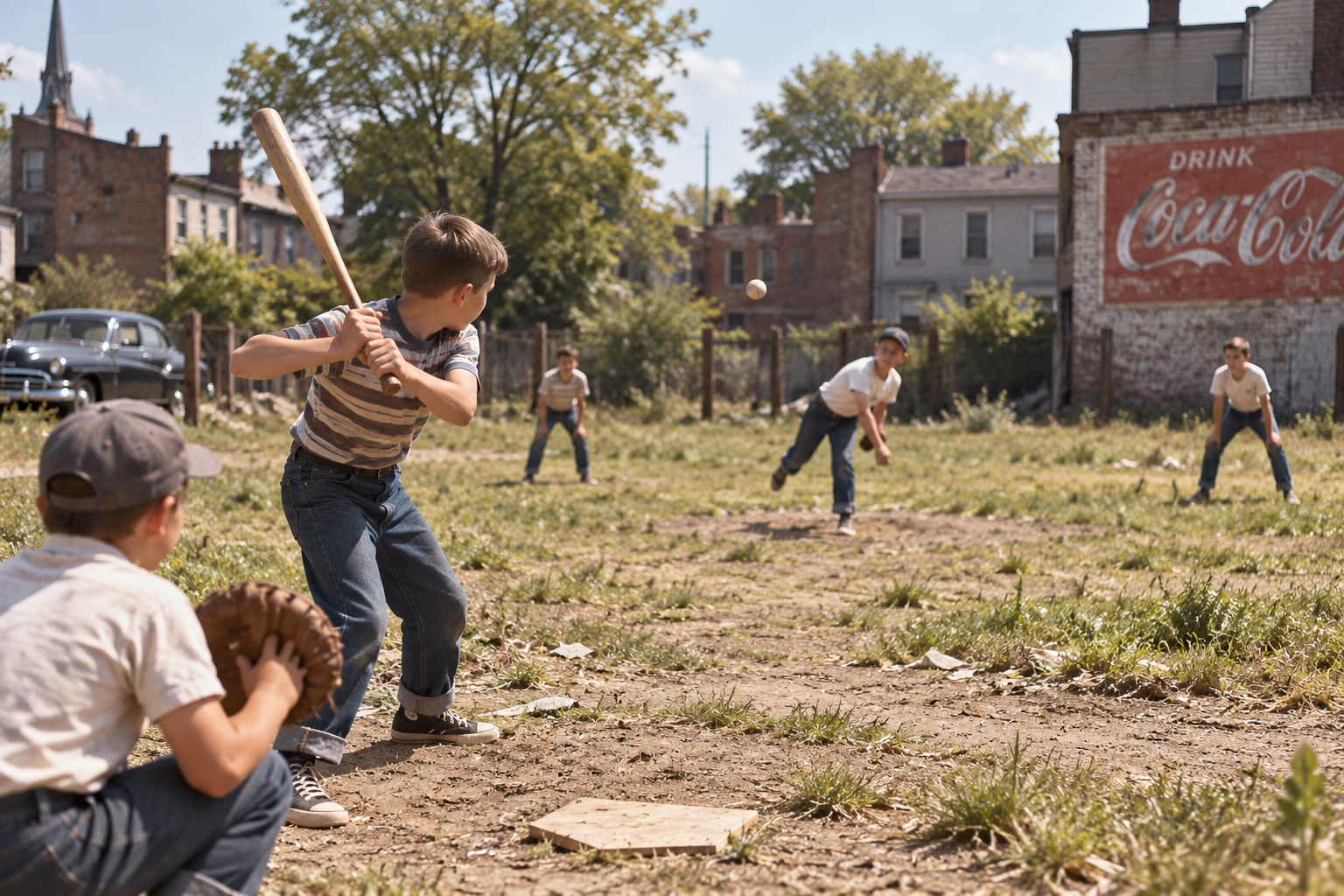
An empty lot didn’t look empty to a kid. It could become a baseball diamond in the morning, a fort after lunch, and an imaginary battlefield by dinner. The National Park Service notes that postwar city children commonly played spontaneously on streets, sidewalks, and vacant lots, while rural children roamed fields and forests. Kids didn’t necessarily need playground equipment or adults organizing the rules. Many of those informal spaces eventually disappeared under development, while children’s recreation increasingly shifted toward designated playgrounds, organized sports, and supervised activities.
Trending on Cheapism

Calling a Friend’s House and Talking to Their Parents First
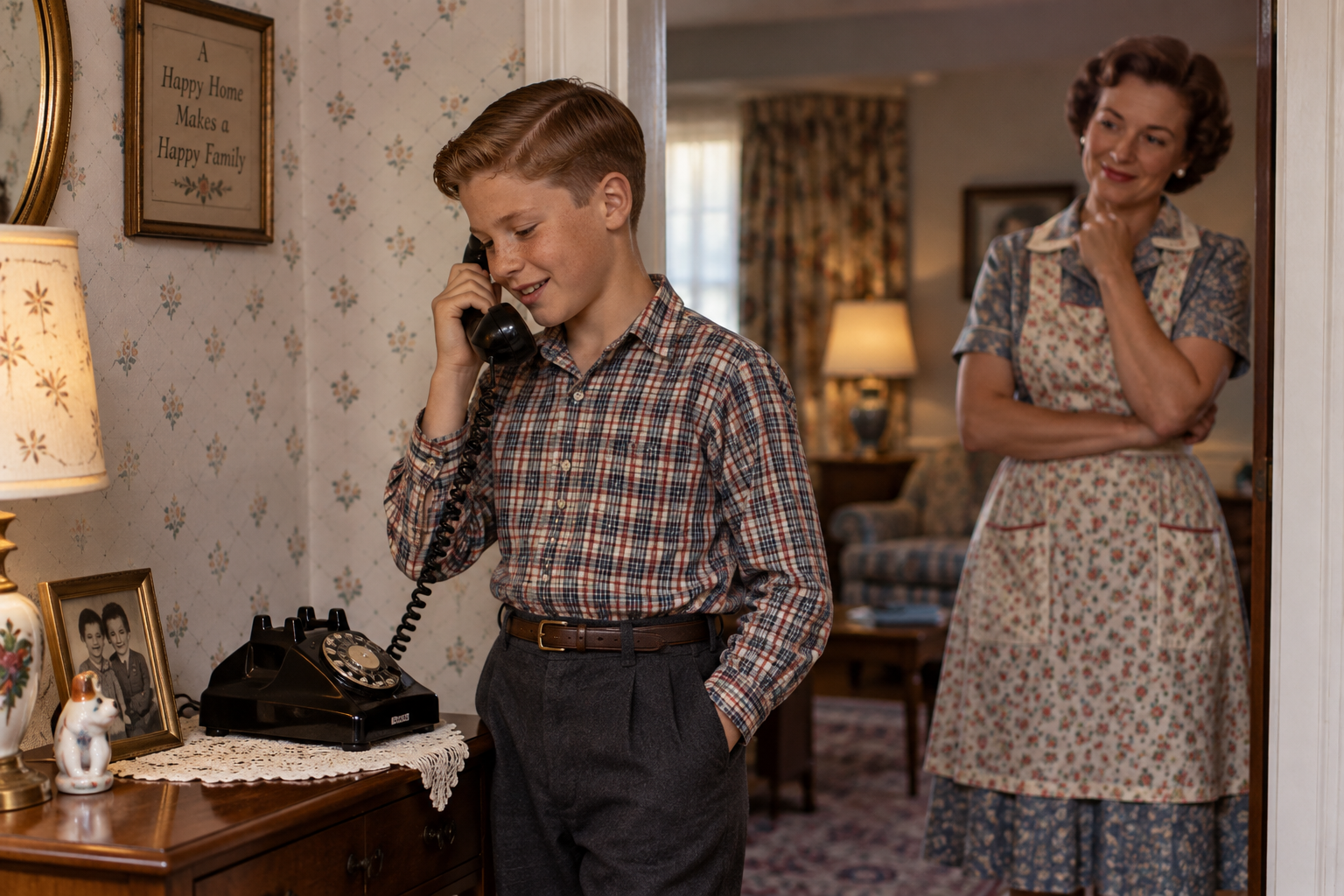
Calling Tommy meant calling Tommy’s entire family. With one household telephone, you never knew whether your friend, his mother, his father, or an older sibling would answer. The polite opening: “Hello, Mrs. Johnson. Is Tommy there?” was practically part of the ritual. Rotary phones were still widespread, and some households, particularly in rural areas, even shared party lines with neighbors. There were no personal contact lists or texts announcing your arrival. Calling a friend required a brief social encounter with whoever happened to pick up.
Playing Baseball Wherever There Was Room
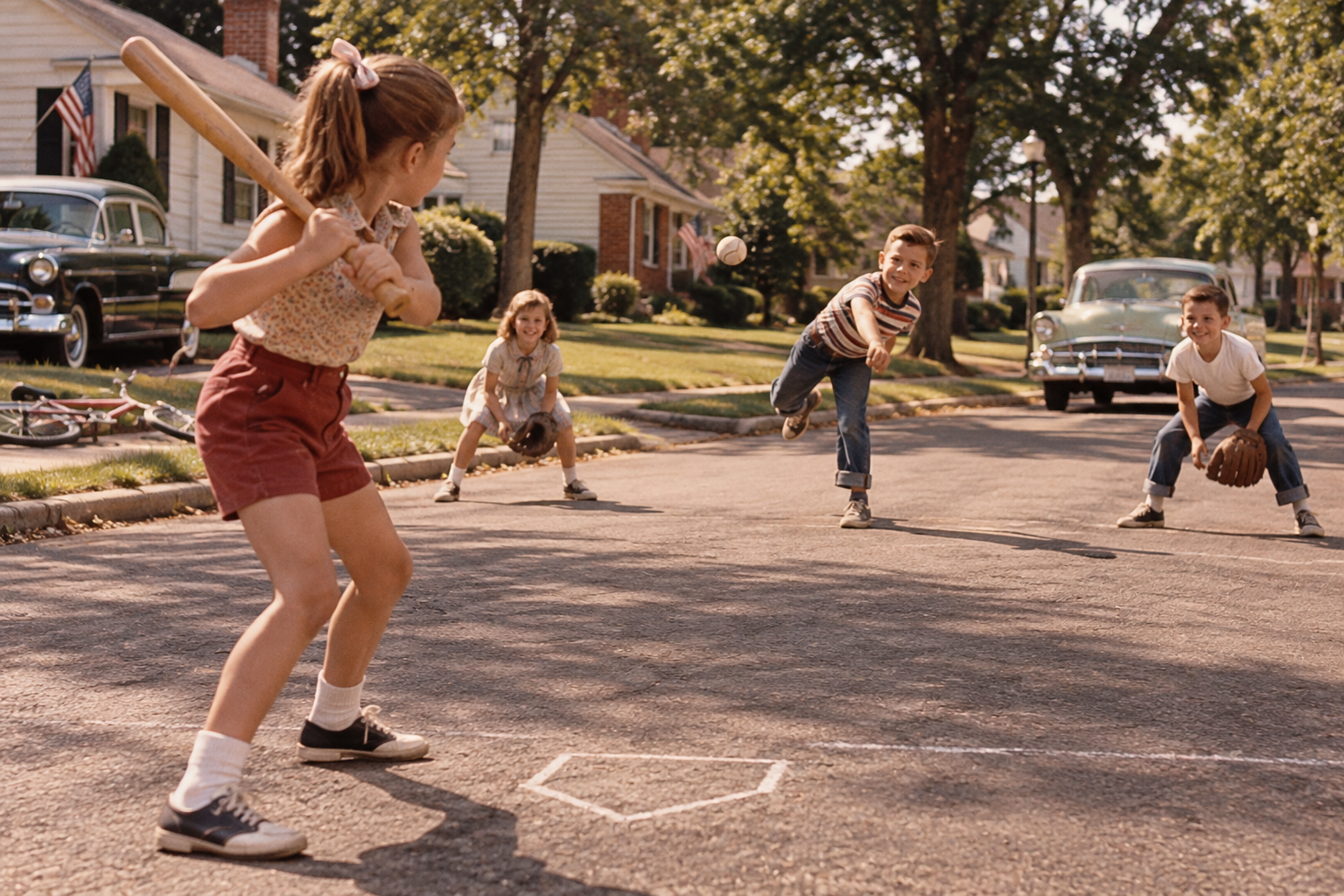
A regulation diamond was nice, but hardly necessary. Kids adapted baseball to whatever the neighborhood offered: alleys, schoolyards, streets, driveways, and vacant lots. In cities, variations such as stickball turned buildings, cars, sewer covers, and other landmarks into parts of the field. The rules changed with the geography, one wall might be a home run while a manhole cover became second base. And if the game occupied the street, there was one rule everyone understood: when a car appeared, move everything out of the way.
Riding in the Back of a Station Wagon
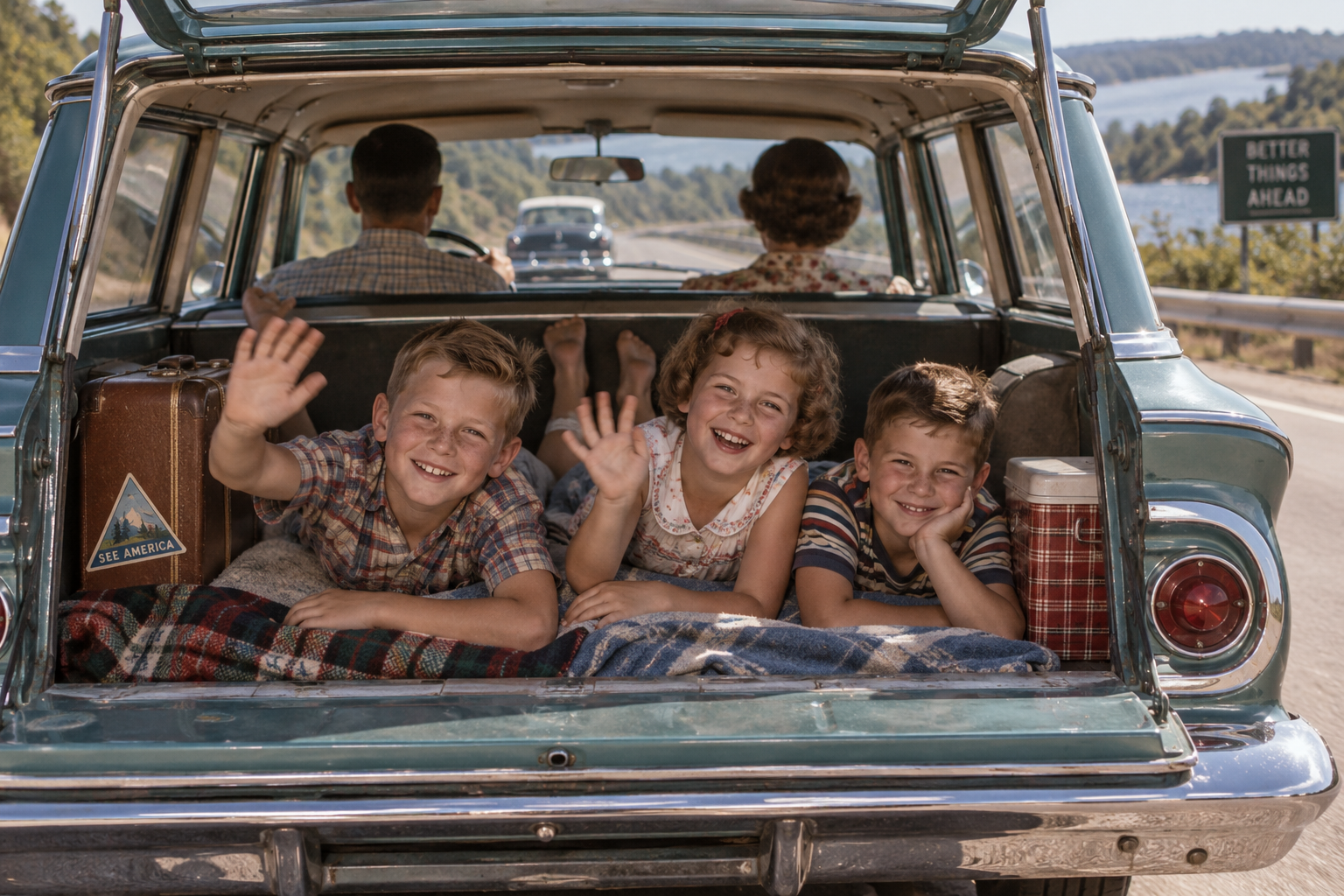
The “way-back” of a station wagon could feel like a private clubhouse on wheels. Children sat on rear-facing seats, sprawled across cargo areas, or made nests out of pillows and blankets during long drives. By today’s standards, much of it was extraordinarily unsafe. Seat belts did not become standard equipment in new passenger cars until the 1960s, and comprehensive child-restraint laws arrived much later. Facing backward and waving at the driver behind you may inspire nostalgia, but modern car seats and seat-belt rules are one childhood change worth keeping.
Sign up for our newsletter
Going to the Corner Store Alone
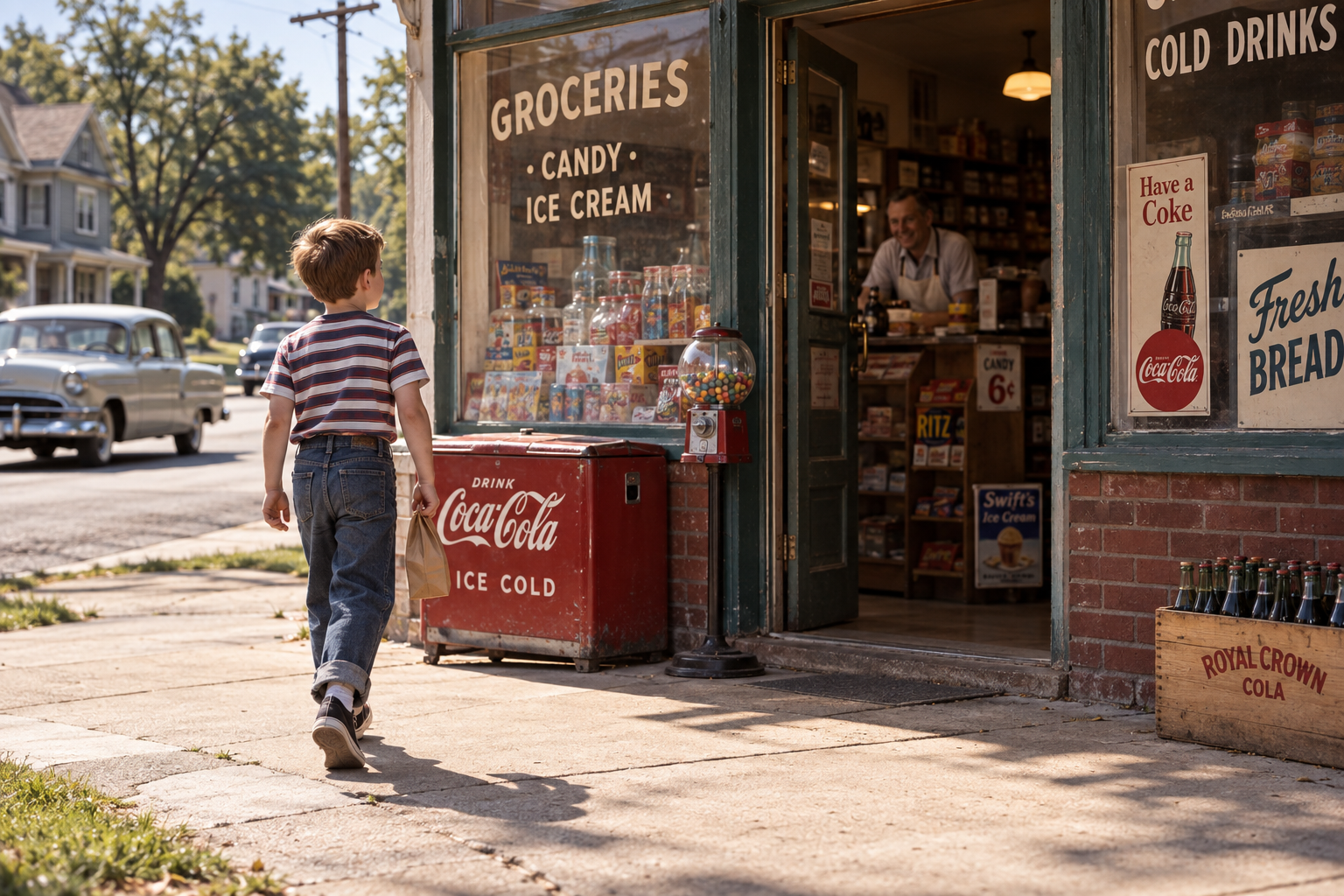
A parent needed milk; a kid needed candy. Both problems could be solved with one quick trip to the neighborhood store. Children were routinely trusted with small errands and a handful of coins, sometimes walking or biking there without an adult. The reward was often the candy counter, where pennies, nickels, and dimes required careful budgeting. Small independent groceries and candy counters have become less prominent as supermarkets, convenience stores, and car-oriented shopping expanded, making the solo neighborhood errand less central to childhood than it once was.
Catching Fireflies in a Jar
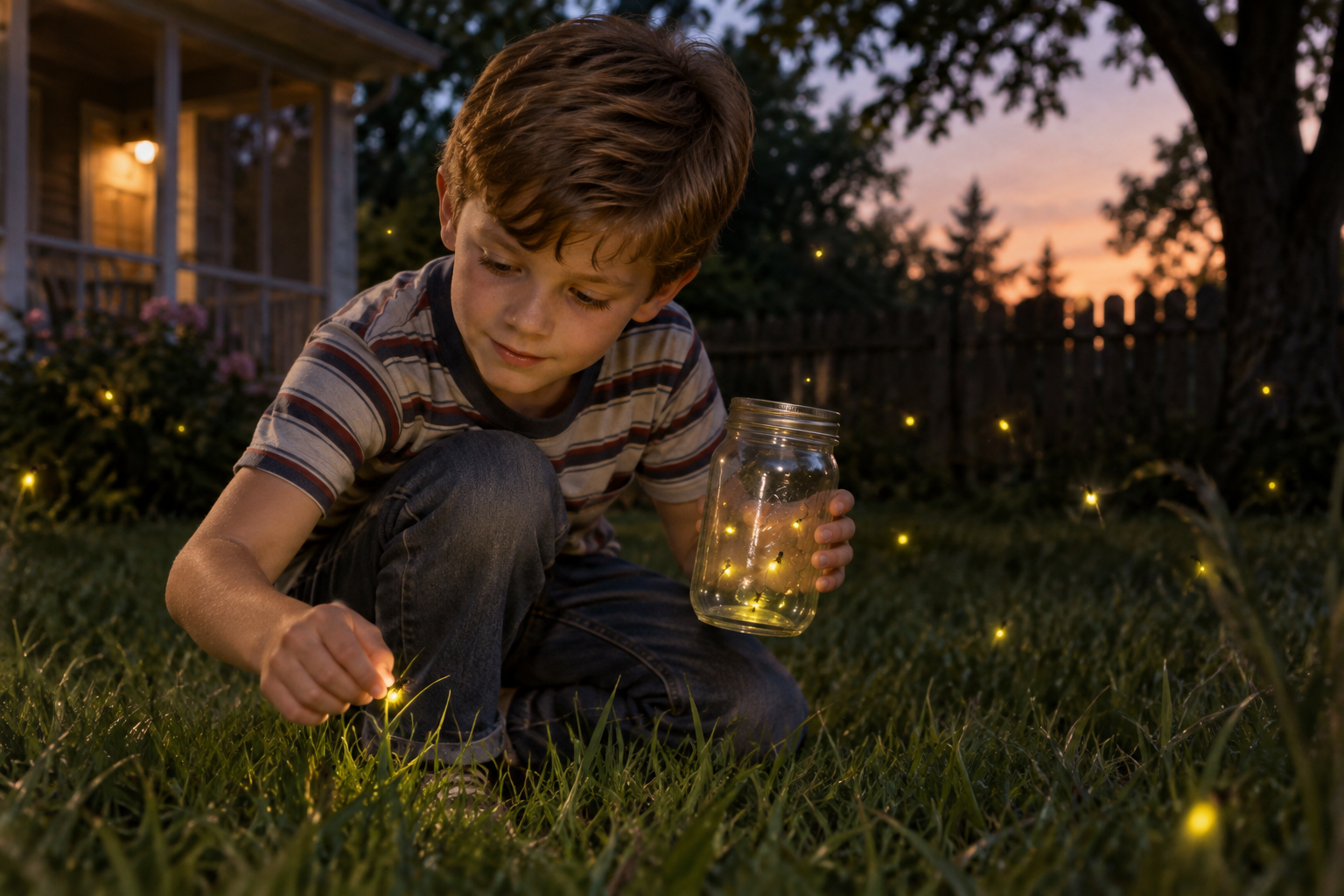
On summer evenings, entertainment sometimes arrived blinking across the lawn. Kids chased fireflies, and temporarily collected them in jars before letting them go. The tradition hasn’t disappeared, but the insects themselves face pressures including habitat loss, pesticides, and light pollution. Conservationists at the Xerces Society recommend releasing captured fireflies as soon as possible, preferably in less than 24 hours and where they were found. The glowing jar remains a powerful memory, but it’s one best enjoyed briefly.
Making Prank Calls Before Caller ID
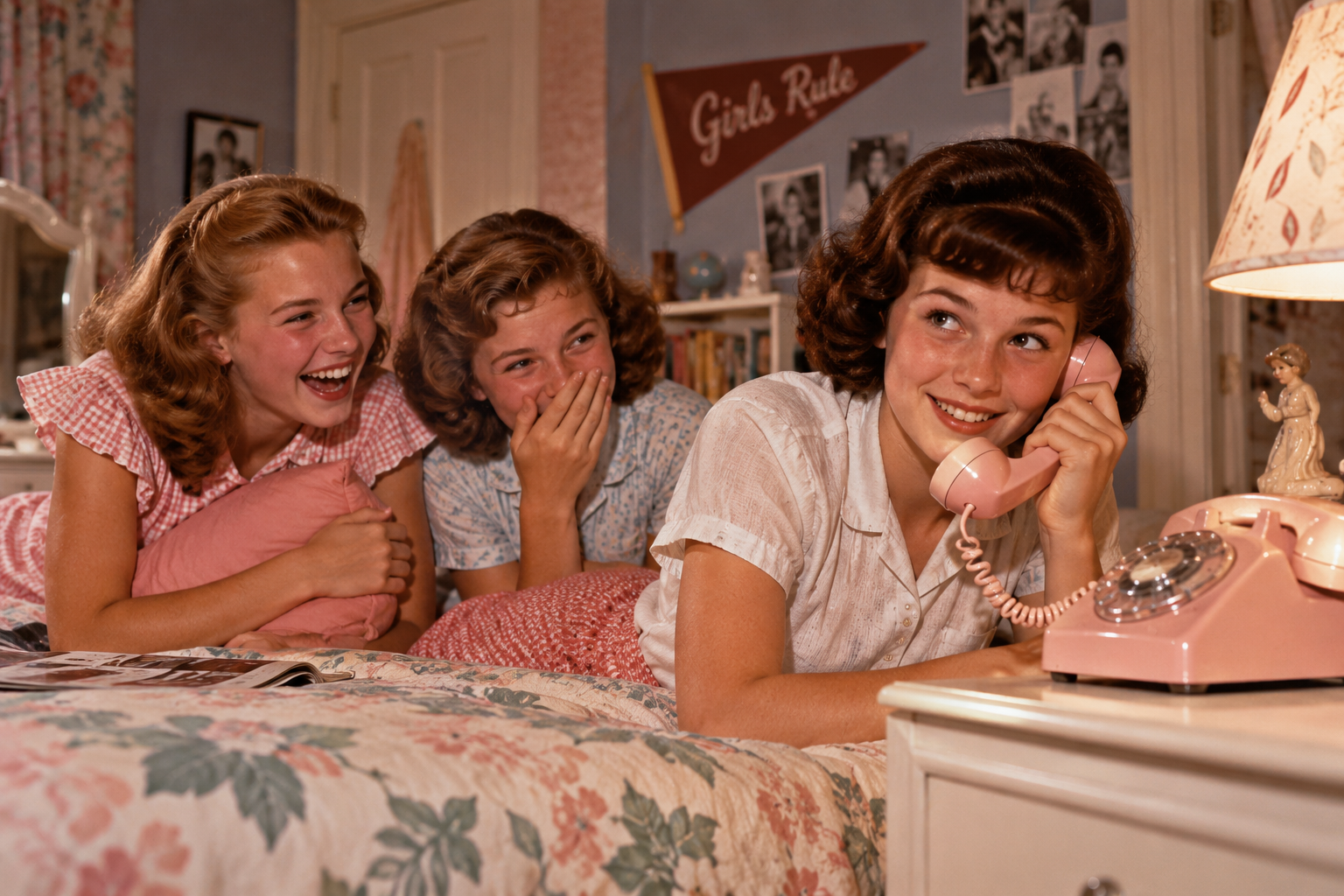
Anonymous telephone mischief was considerably easier when the person receiving the call had no screen displaying who was on the other end. Kids passed silly scripts around school, dialed a number, delivered the setup, and tried not to burst out laughing before the punchline. Most of it was juvenile rather than malicious, though it could certainly annoy whoever answered. Caller ID began appearing decades later, followed by cellphones and digital call records, making the classic anonymous prank call much harder to pull off, probably to the relief of countless former victims.
Buying Comics From a Spinning Rack
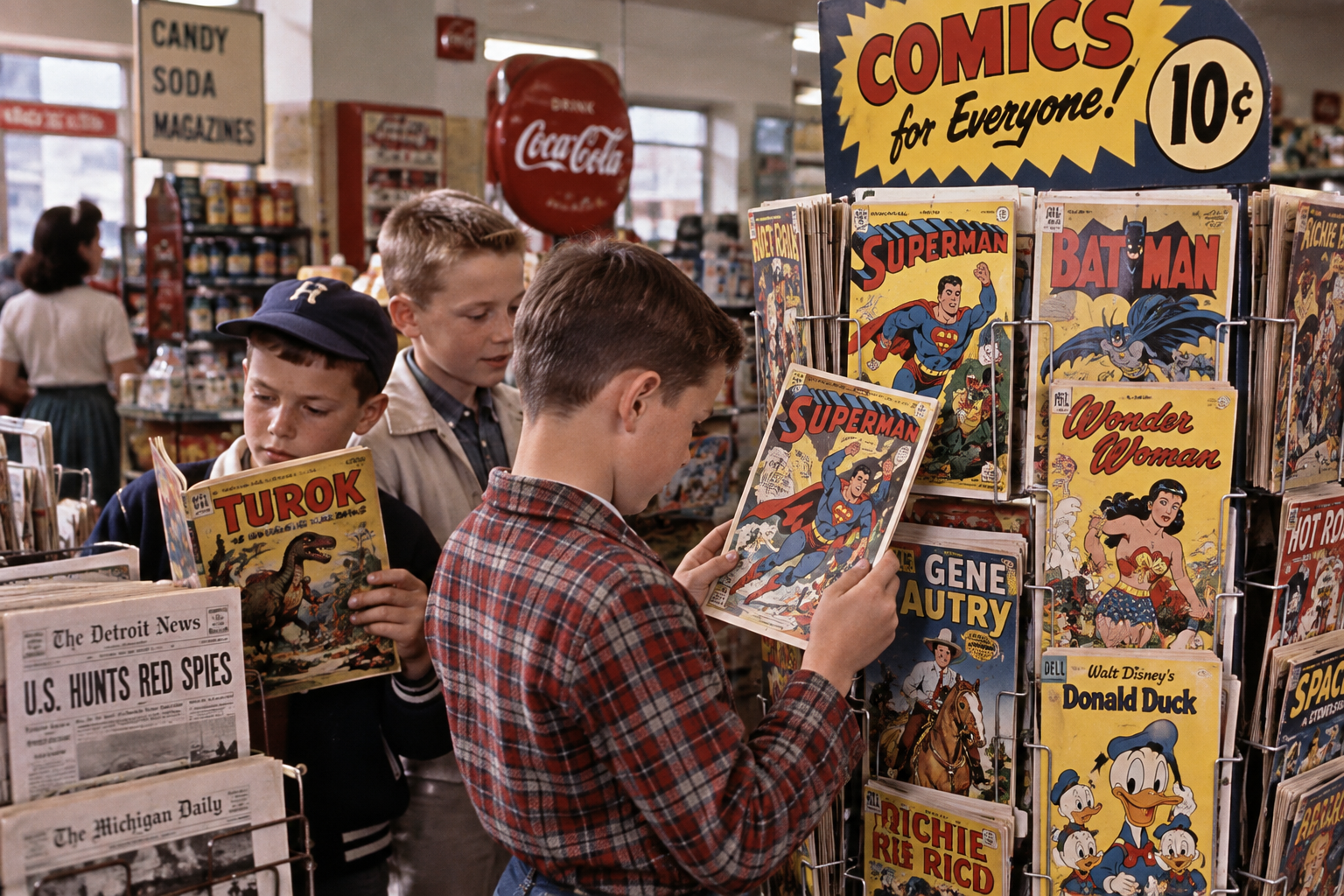
Before comic shops and digital subscriptions, kids could encounter Batman, Superman, westerns, humor titles, and monsters while their parents shopped for groceries or prescriptions. Wire spinner racks displayed comics in drugstores, newsstands, and other neighborhood shops. And they really were inexpensive: the Library of Congress notes that comic books cost about 10 cents each in 1954, when American publishers were selling roughly 1.2 billion copies annually. Limited allowance money made choosing one serious business. You could spin that rack several times before finally committing your dime.
Making Toys Out of Household Junk
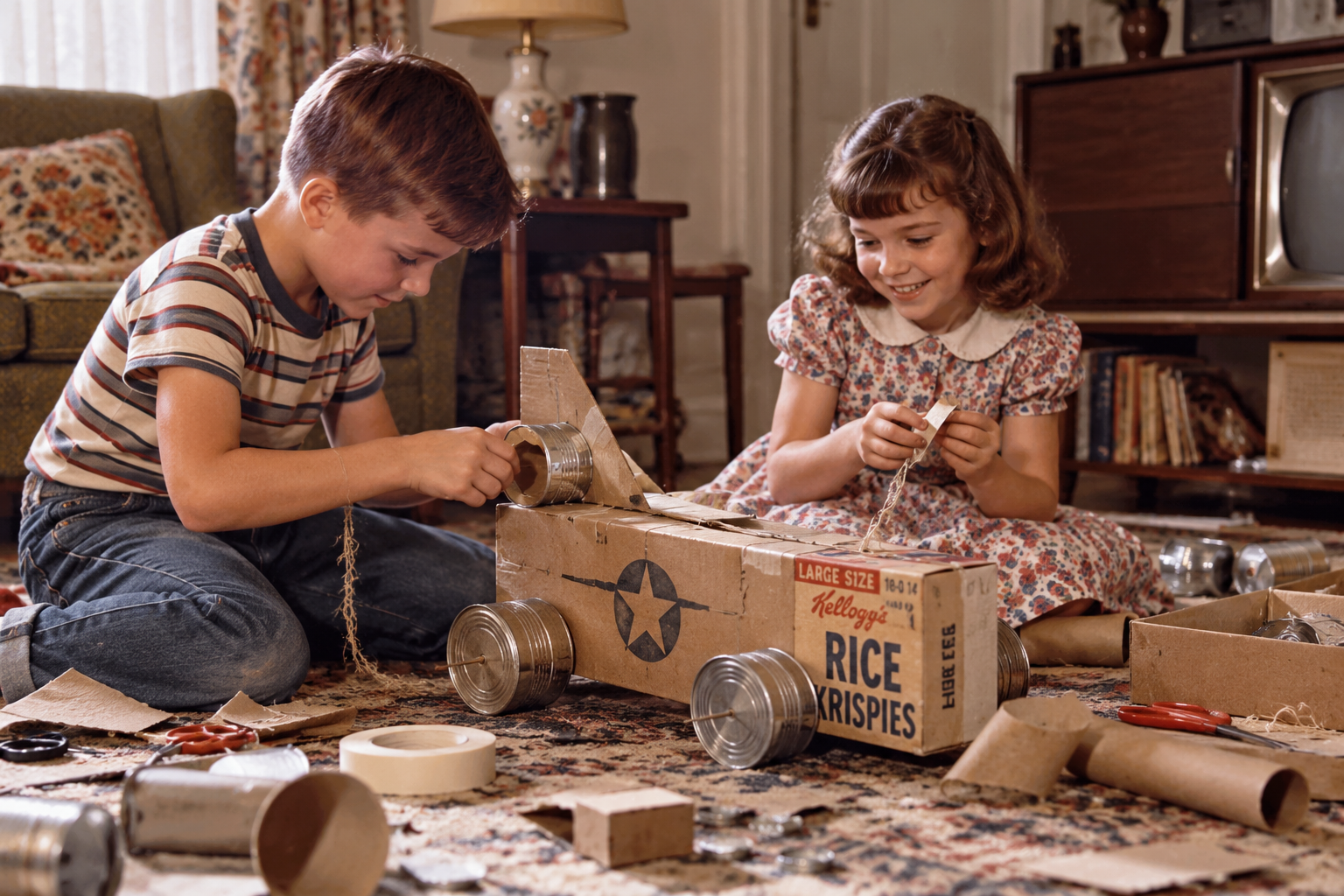
A cardboard box didn’t remain a cardboard box for long. It became a fort, spaceship, store, race car, or clubhouse. Tin cans and string became telephones; scrap lumber could become scooters, stilts, or ramps. The National Park Service notes that children’s play in earlier decades was less commercialized, with youngsters frequently improvising toys from materials they had around them. Mass-marketed toys expanded dramatically during the 1950s and ’60s, but homemade entertainment remained part of childhood. The big advantage was obvious: imagination didn’t require much of an allowance.
Spending Saturday Afternoon at the Movies
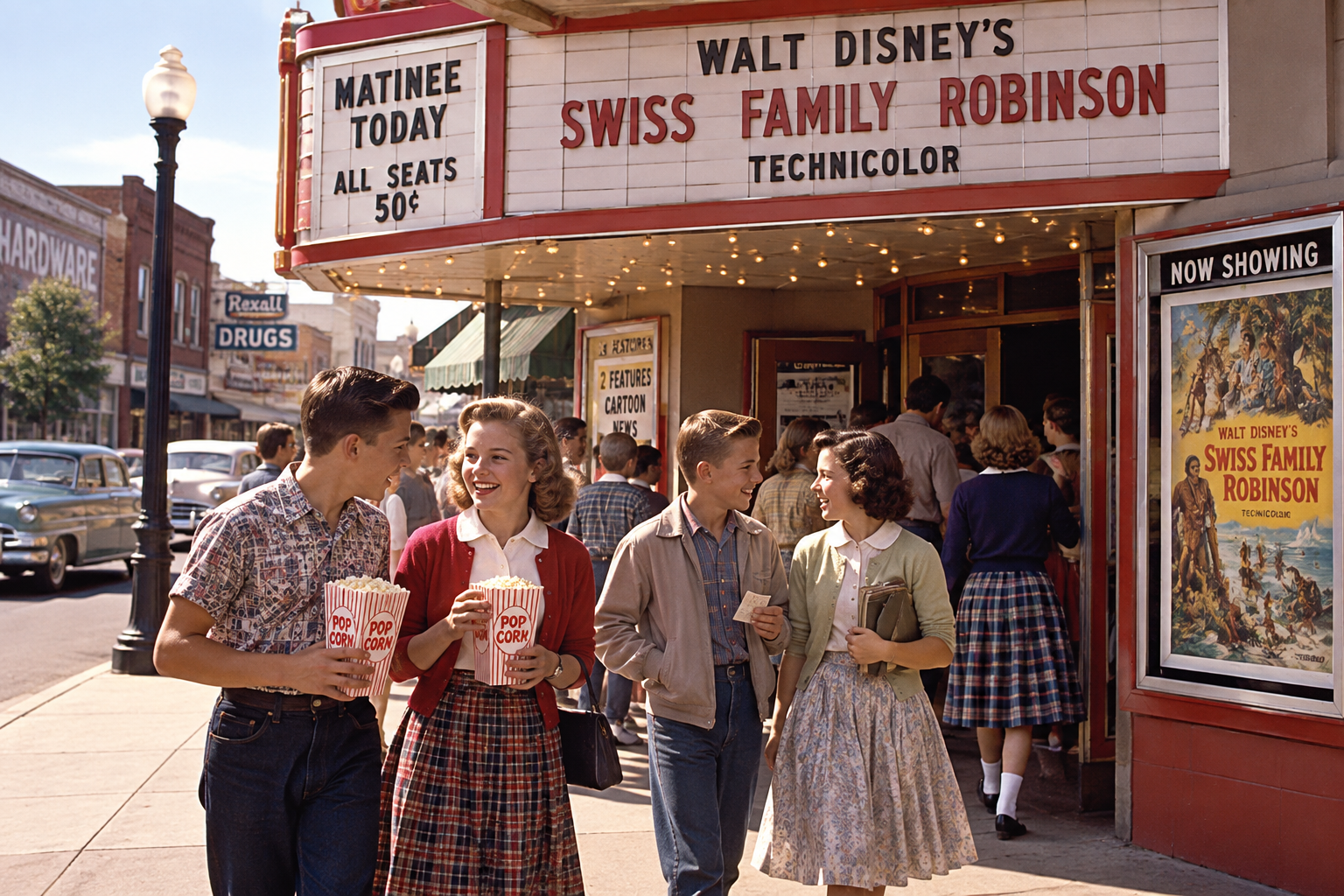
For some kids, Saturday meant disappearing into a neighborhood theater for hours. Children’s matinees could bundle cartoons with serials, double features, and other programming, giving youngsters an inexpensive afternoon away from their parents. A 1950 study of Omaha schoolchildren specifically examined neighborhood Saturday matinee attendance, showing how established the ritual had become. Contemporary memories also describe theaters packed with unsupervised children, uniformed ushers, popcorn, and inexpensive admission. Multiplexes still hold children’s screenings, of course, but the all-afternoon neighborhood matinee is largely a relic.
Staying Outside Until the Streetlights Came On
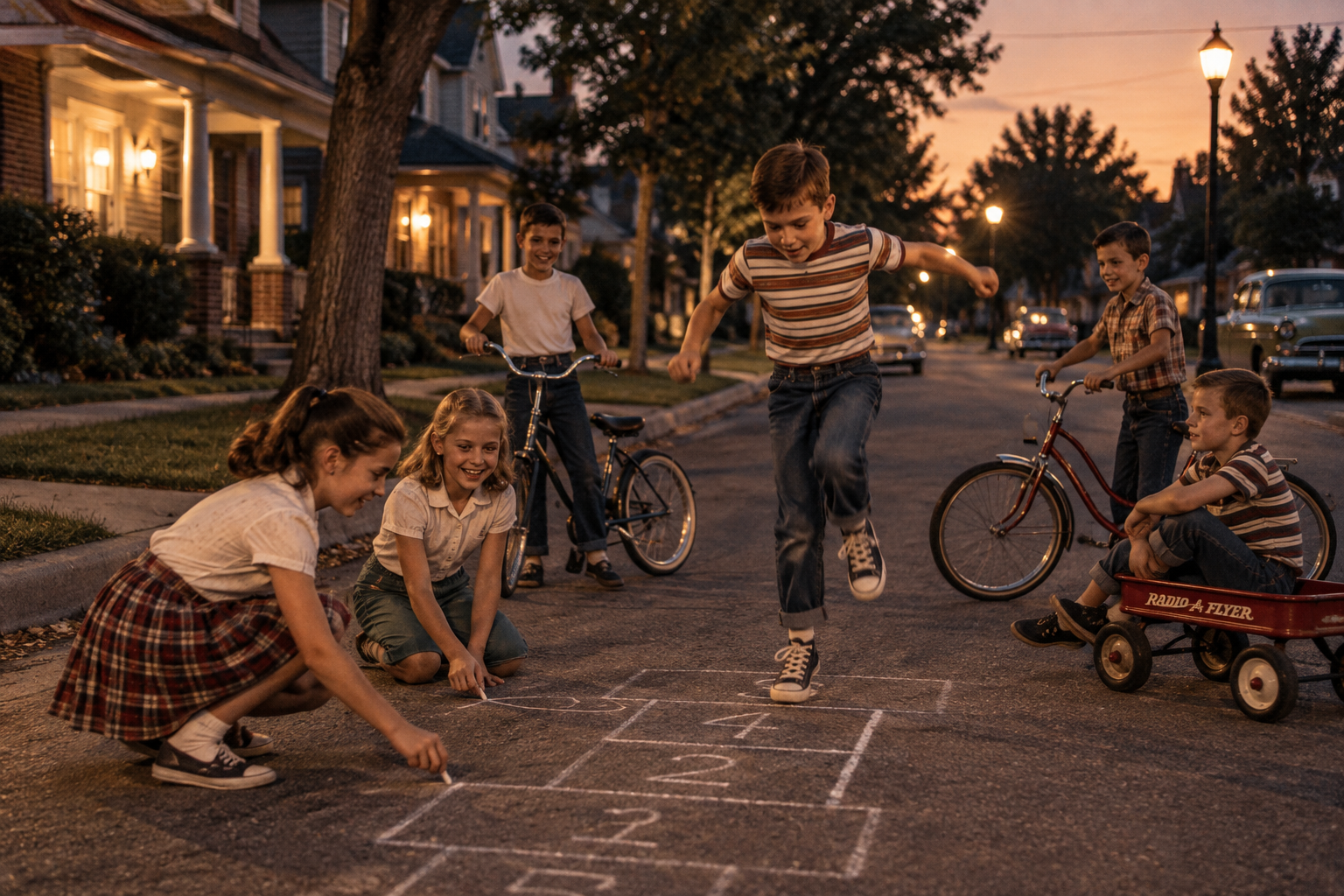
For many people who grew up in this era, “come home when the streetlights come on” still sounds like a perfectly reasonable parental instruction. Children might spend hours bouncing between friends’ houses, vacant lots, parks, woods, and neighborhood streets while adults had only a general idea where they were. Postwar childhood research confirms that outdoor group play was considerably more spontaneous and less adult-directed than it is today. Smartphones, organized activities, traffic concerns, and changing expectations have altered that freedom, making the streetlight curfew one of midcentury childhood’s most enduring symbols.