Not every famous landmark started out as a tourist attraction. Some became popular thanks to Hollywood, others through unexpected events, and a few simply caught the public’s imagination. From a wall covered in chewing gum to a staircase made famous by a boxing movie, these places have stories that are just as interesting as the attractions themselves. As the National Park Service’s history of Route 66 shows, even an old highway can become a nostalgic destination. These 12 U.S. tourist attractions prove that sometimes the most memorable places become famous for reasons nobody planned.
Sand Cave, Kentucky – A Tragic Rescue That Captivated the Country
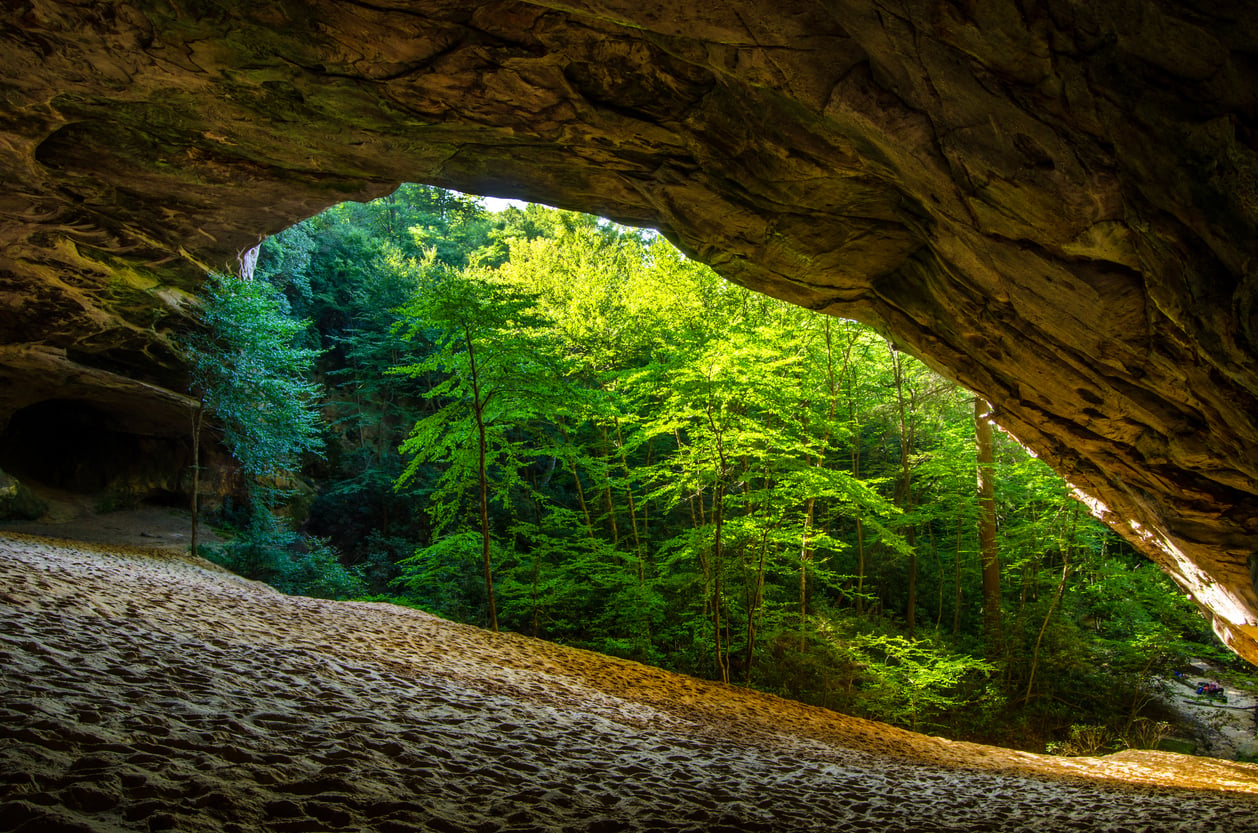
In 1925, cave explorer Floyd Collins became trapped in Sand Cave while searching for a location that could attract more tourists. His desperate rescue turned into a national news story, with reporters and thousands of spectators descending on rural Kentucky. Collins died before rescuers could reach him, but the publicity drew attention to the region’s caves and helped accelerate efforts to establish Mammoth Cave National Park. Today, visitors can learn about the tragedy through park history and exhibits, although Sand Cave itself isn’t a regular tourist cave open for exploration.
Devils Tower, Wyoming – A Science Fiction Movie Changed Everything
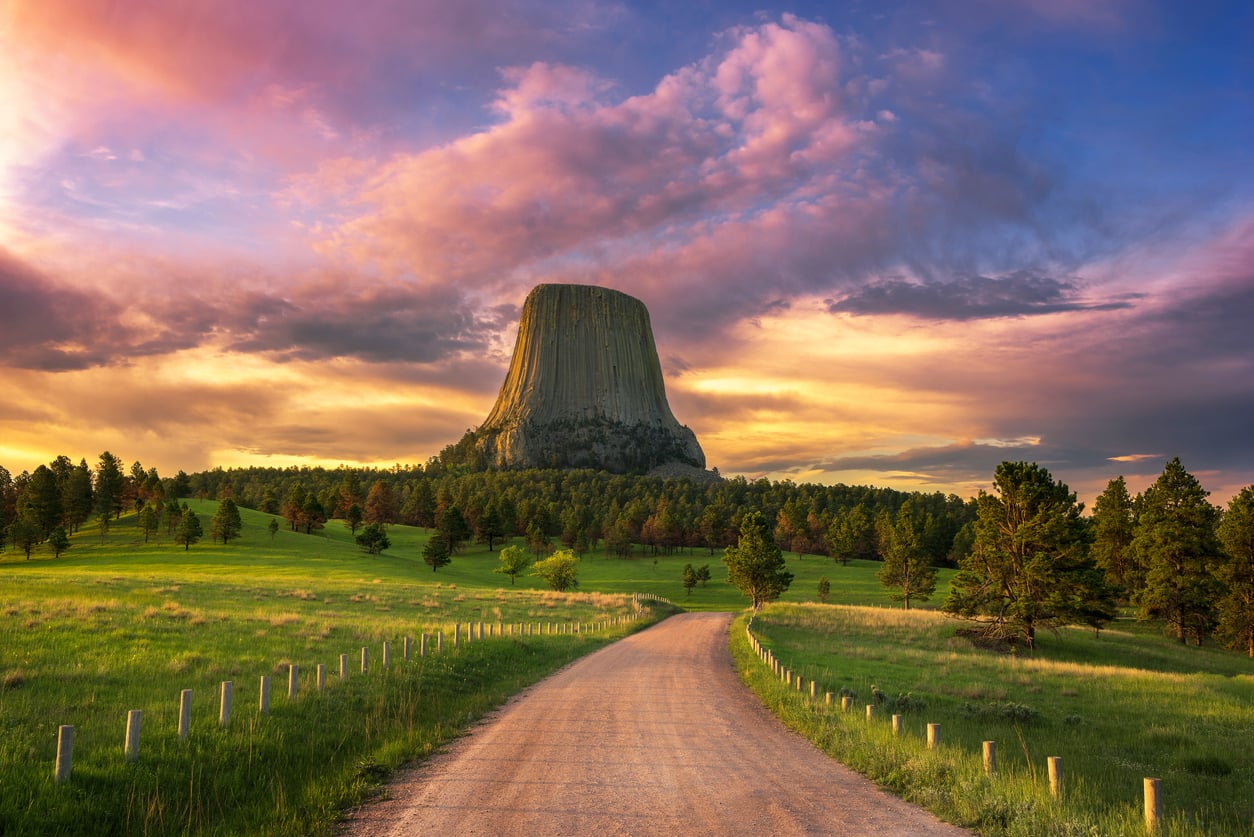
Devils Tower was already a protected national monument when Steven Spielberg’s “Close Encounters of the Third Kind” arrived in theaters in 1977. But its appearance as an alien landing site introduced the striking rock formation to an entirely new audience. Visitation increased sharply after the film, and some travelers still recognize the monument from its science fiction connection. Today, visitors can walk around its base and admire the unusual geology. The tower also holds deep spiritual significance for Indigenous peoples, something that long predates its Hollywood fame.
Monument Valley, Arizona and Utah – Hollywood Made the Landscape Famous
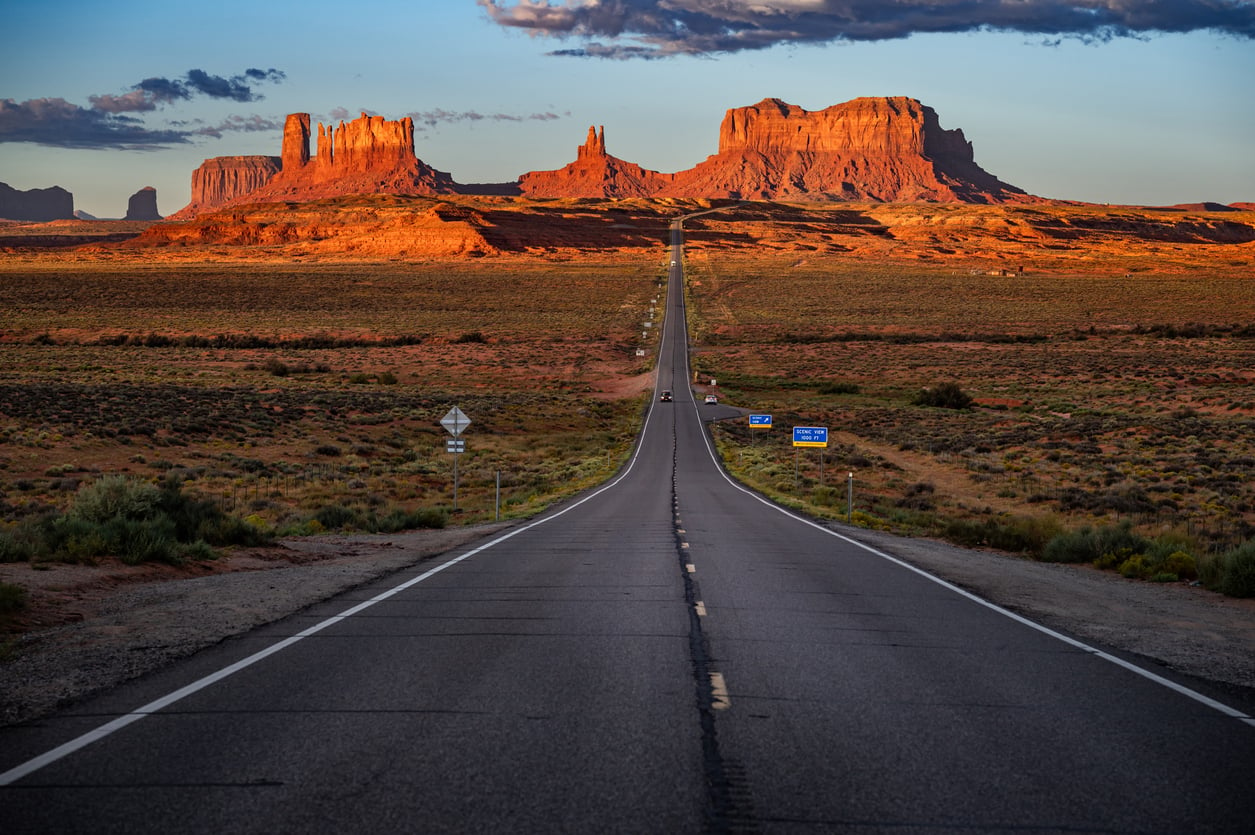
The towering sandstone formations of Monument Valley became familiar to moviegoers through director John Ford’s Westerns, beginning with “Stagecoach” in 1939. The dramatic landscape soon became a recognizable symbol of the American West, appearing in films and photographs for generations. Yet the valley was never simply a movie set. It is part of the Navajo Nation, with a cultural history extending far beyond Hollywood. Visitors can explore designated viewpoints and take guided tours with Navajo operators. Some areas require a guide, and entry fees apply.
Niagara Falls, New York – Daredevils Added Another Kind of Spectacle
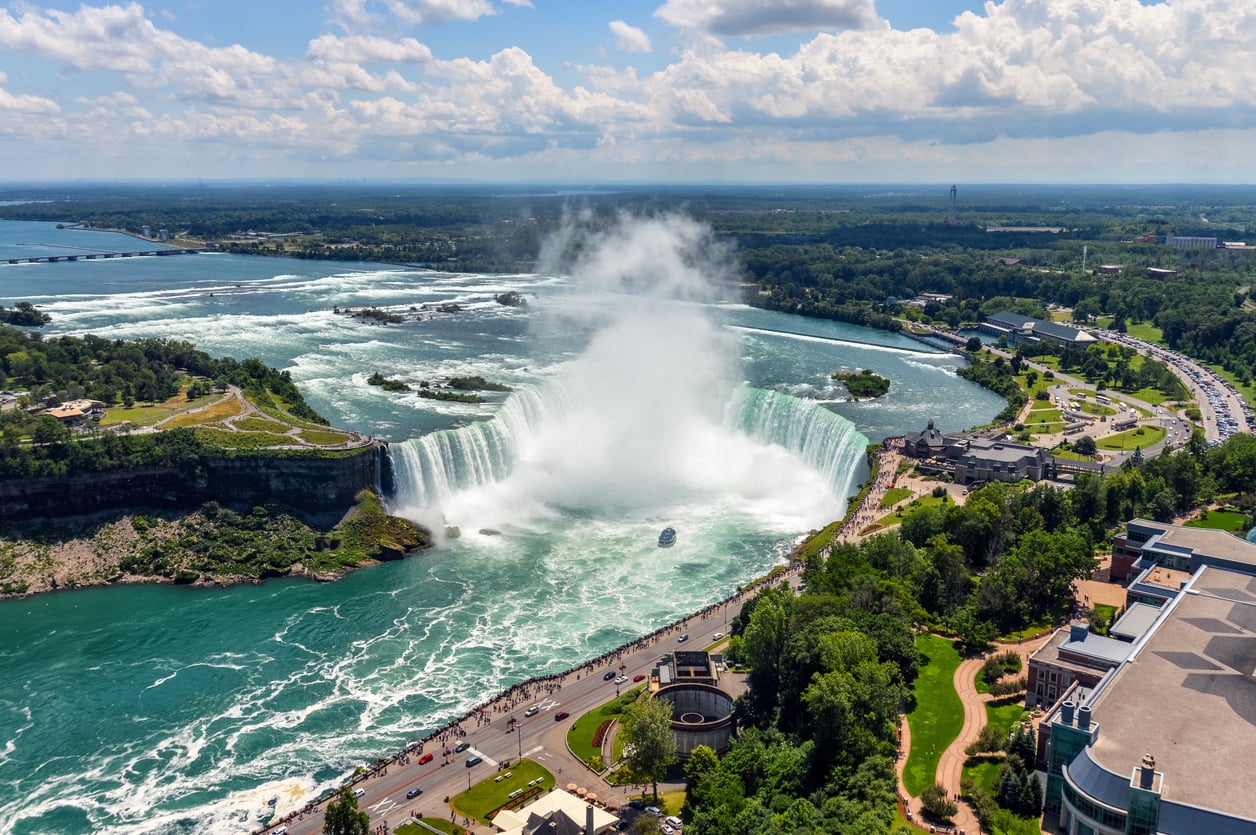
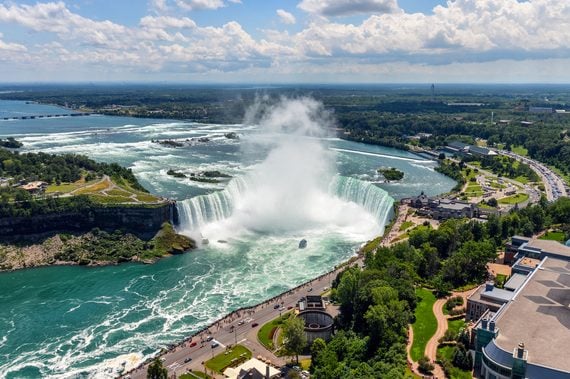
Niagara Falls was already drawing sightseers when daredevils began using its powerful waters for increasingly dangerous stunts. One of the most memorable came in 1901, when 63-year-old schoolteacher Annie Edson Taylor survived a plunge over Horseshoe Falls inside a specially built barrel. Her attempt attracted enormous attention, although it didn’t bring the financial success she had hoped for. The stunt became part of Niagara’s history alongside tightrope walkers and other risk-takers. Today, visitors can enjoy the falls from designated viewpoints without attempting anything nearly as dangerous.
St. Augustine, Florida – A Fountain of Youth Legend Became an Attraction
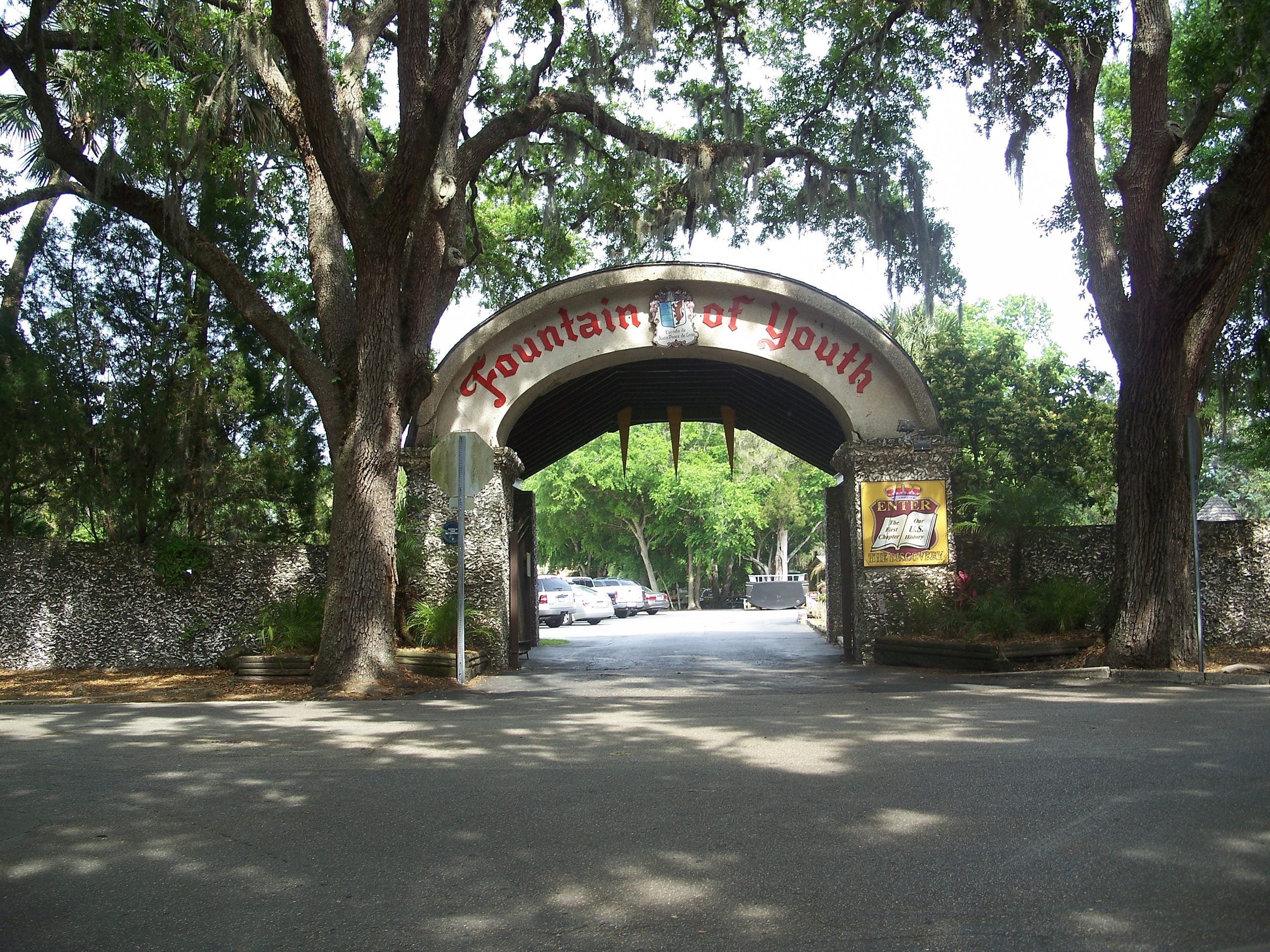
The Fountain of Youth Archaeological Park owes much of its fame to a story historians don’t believe. For centuries, popular accounts claimed that Spanish explorer Juan Ponce de Leon traveled to Florida searching for magical waters that could restore youth. Historical evidence doesn’t support that explanation for his expedition, but the legend proved irresistible to tourists. Today, visitors can sample spring water and explore exhibits about early colonial history and the Indigenous Timucua people. Admission isn’t free, and the real historical exhibits offer considerably more substance than the promise of eternal youth.
Trending on Cheapism


Amarillo, Texas – Visitors Turned Cadillac Ranch Into a Graffiti Landmark
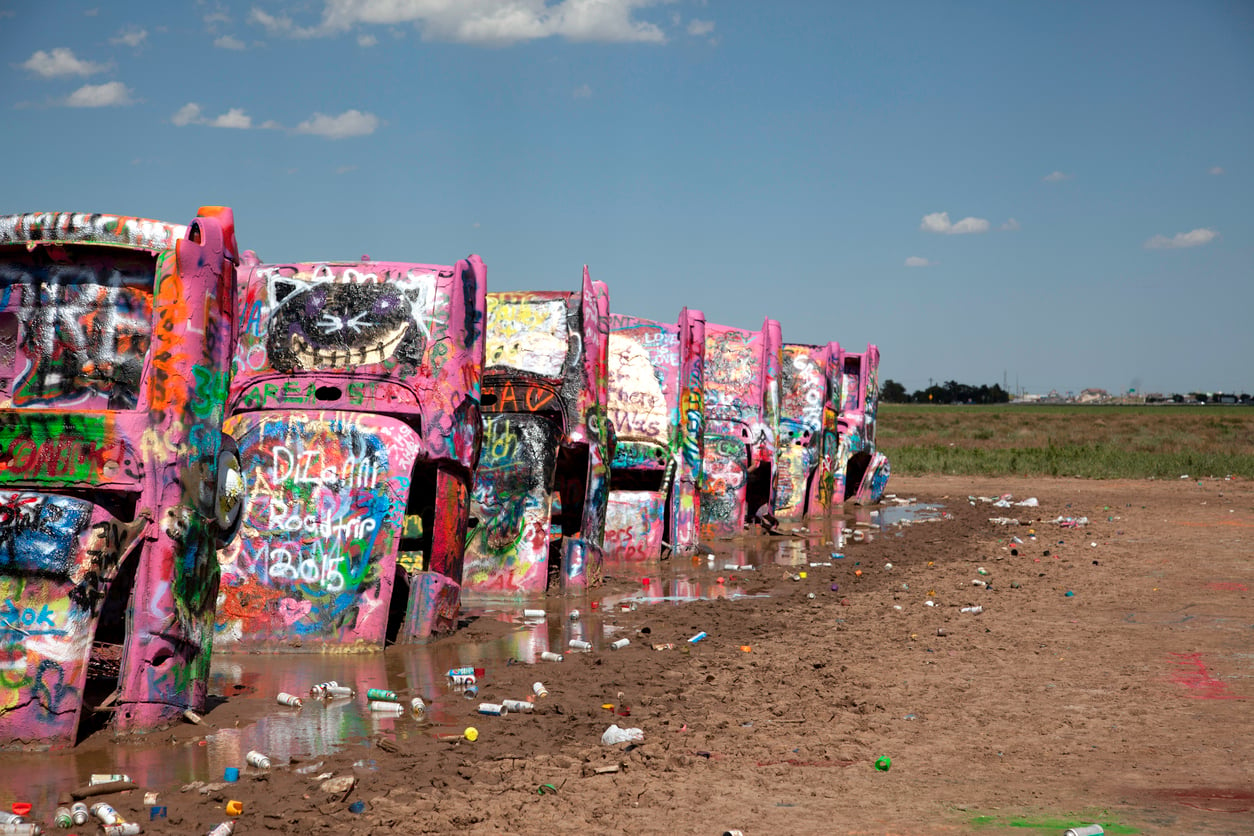
Cadillac Ranch began in 1974 as an unusual art installation, with 10 vintage Cadillacs buried nose-first in a Texas field. Created by the Ant Farm art collective, the sculpture was originally a statement about American car culture. Over time, visitors began covering the vehicles in spray paint, transforming the artwork into something that constantly changes. Today, adding graffiti is part of the experience, and the cars rarely look the same for long. The attraction is free, although reaching it involves walking across an exposed field that can become muddy.
Petrified Forest, Arizona – An Abandoned Highway Became a Nostalgia Stop
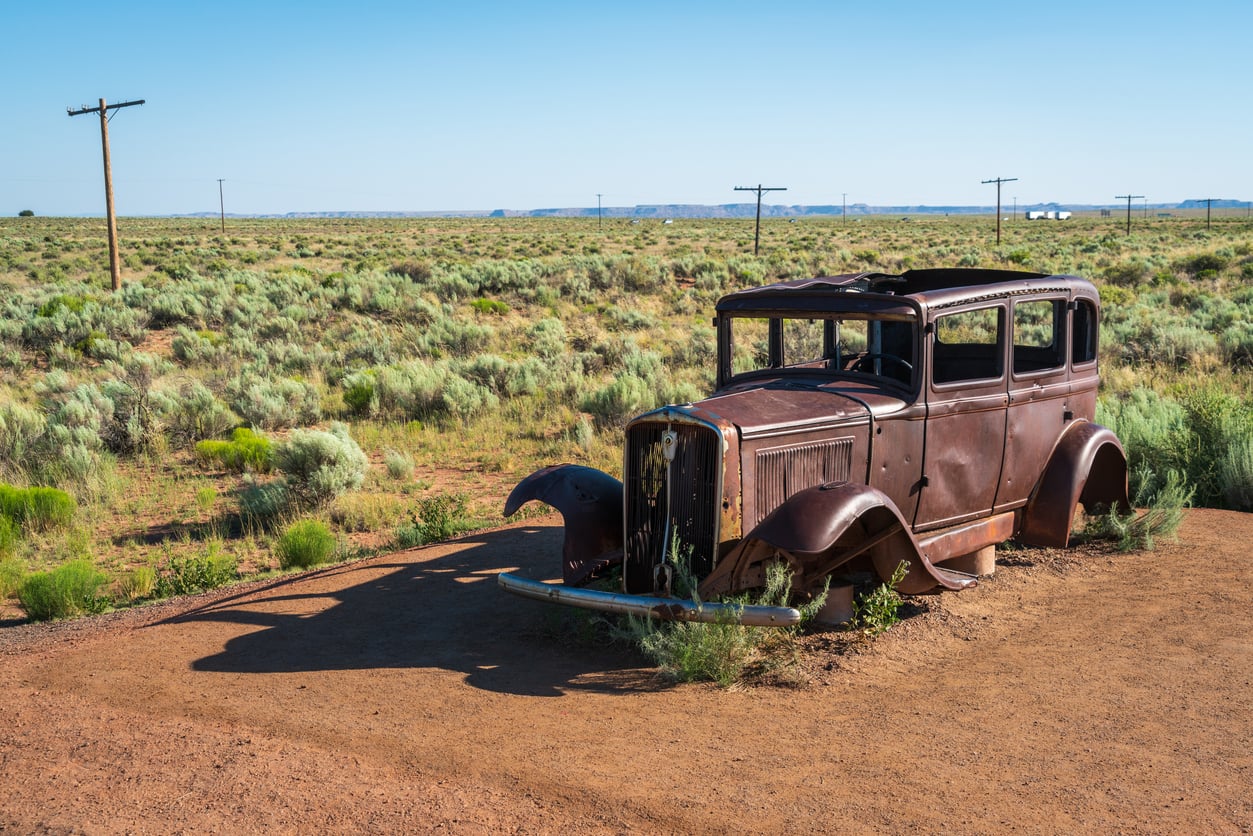
Route 66 was built for transportation, not sightseeing. But after faster interstate highways replaced much of its original purpose, surviving stretches became destinations for travelers interested in old-fashioned American road trips. Petrified Forest National Park preserves traces of the former highway, including an old roadbed and telephone poles marking its route. A rusting vintage car helps visitors imagine the days when motorists crossed the Southwest along the famous road. You can’t drive this abandoned section, but the roadside exhibit offers a glimpse of transportation history alongside the park’s natural scenery.
New York City, New York – An Unauthorized Sculpture Became a Wall Street Icon
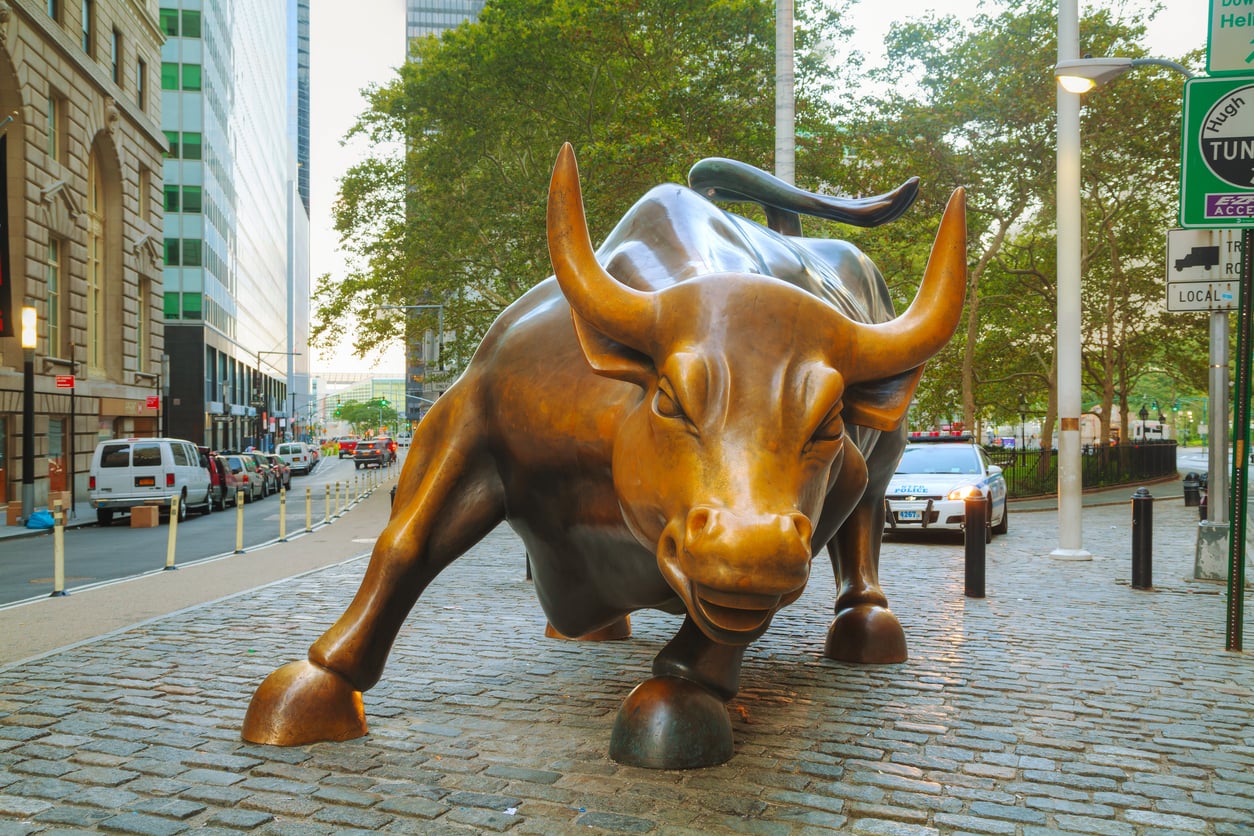
The Charging Bull wasn’t originally installed through a conventional public art commission. In December 1989, artist Arturo Di Modica placed the enormous bronze sculpture near the New York Stock Exchange without permission, hoping to symbolize American resilience after the 1987 stock market crash. Authorities removed it, but public interest helped secure its relocation to Bowling Green, where it became a permanent fixture of the Financial District. Today, tourists gather around the bull for photographs. Seeing it is free, although getting a picture without other visitors can require patience.
Sign up for our newsletter
Seattle, Washington – Chewed Gum Turned an Alley Into a Tourist Attraction

Seattle’s famous Gum Wall began with an ordinary annoyance outside the Market Theater near Pike Place Market. In the early 1990s, people waiting for performances started sticking chewed gum to the brick wall, sometimes attaching coins. The habit spread, and despite attempts to remove the mess, it eventually became a colorful local curiosity. Today, visitors stop to photograph the wall or contribute their own gum. It’s free to see and conveniently located near the market, although anyone who dislikes sticky surfaces may prefer to admire it from a distance.
Philadelphia, Pennsylvania – A Movie Turned Museum Steps Into a Landmark
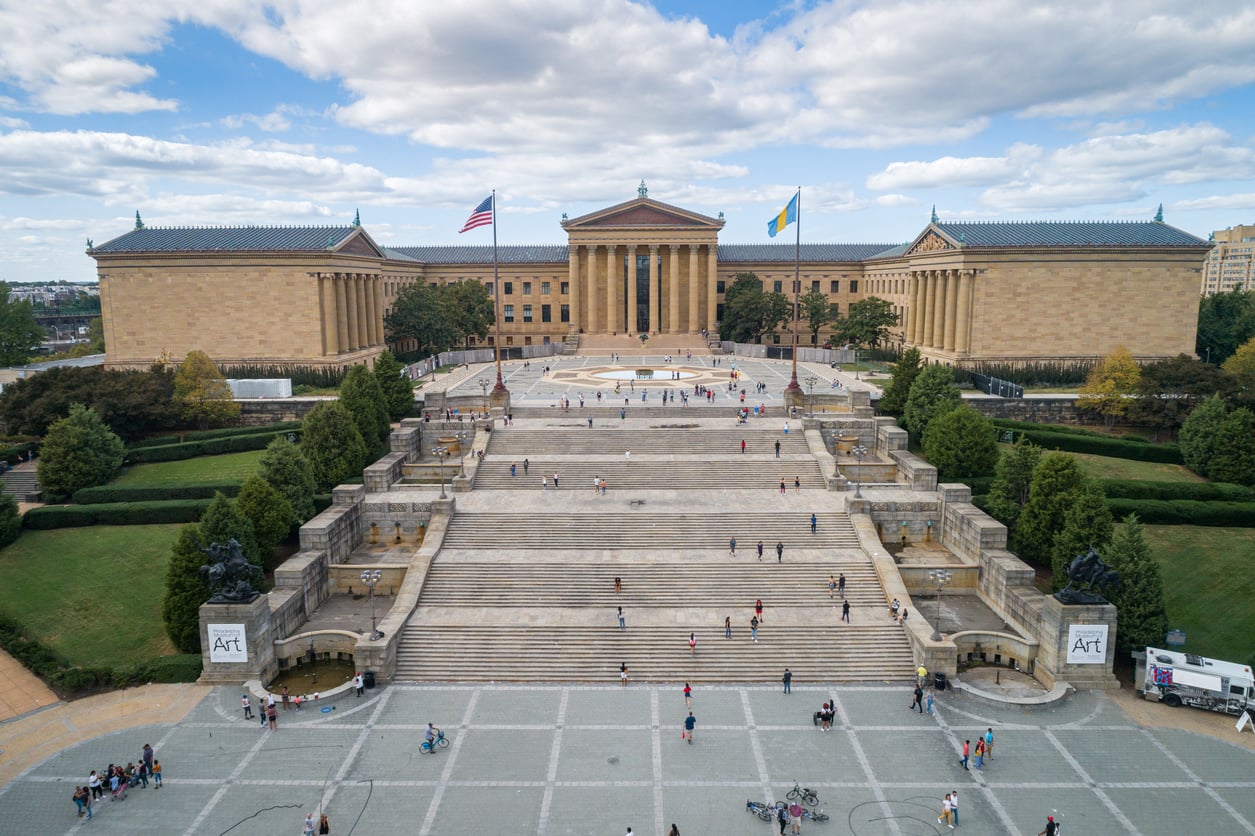
The steps outside the Philadelphia Museum of Art were designed to welcome museum visitors, not aspiring boxers. That changed after the 1976 film “Rocky,” when Sylvester Stallone’s character famously ran up the staircase and celebrated at the top. The scene became so recognizable that visitors began recreating it themselves. Today, the steps are widely known as the Rocky Steps, and a nearby statue adds another photo opportunity. Climbing the staircase is free, and the view of Philadelphia is worth enjoying even if you’ve never seen the movie.
Bethel, New York – A Music Festival Made a Farm Field Historic
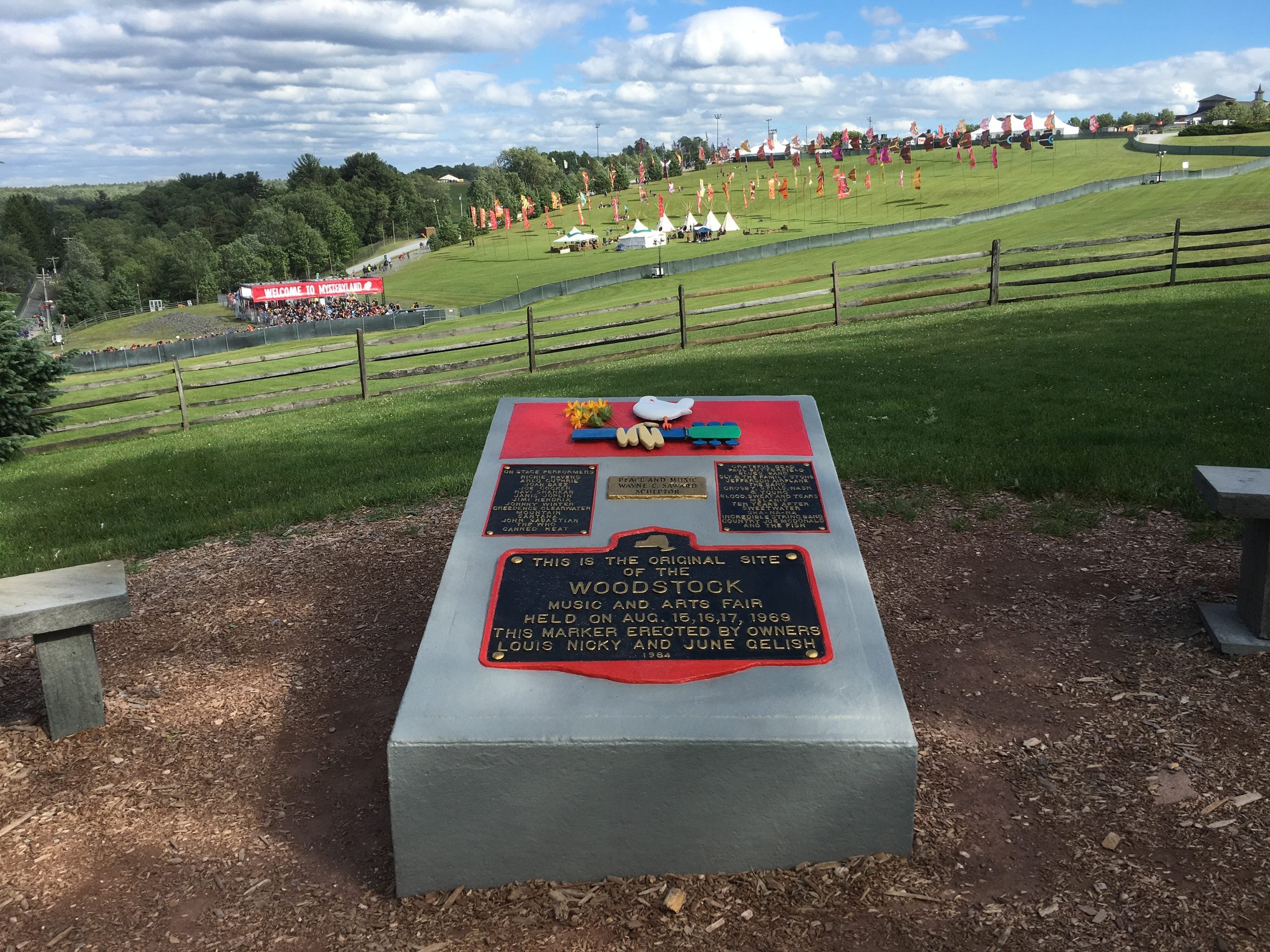
The 1969 Woodstock festival was supposed to be a large outdoor concert, but few could have predicted its lasting cultural impact. Held on a dairy farm in Bethel, New York, the event drew enormous crowds and became associated with the music, social movements, and counterculture of the era. Decades later, the former festival grounds are a historic destination. Visitors can explore the Museum at Bethel Woods, which preserves photographs, recordings, and memorabilia from the event. Museum admission costs extra, but the surrounding site offers a chance to reflect on a defining moment in American music history.
Forks, Washington – A Vampire Romance Changed a Logging Town’s Identity
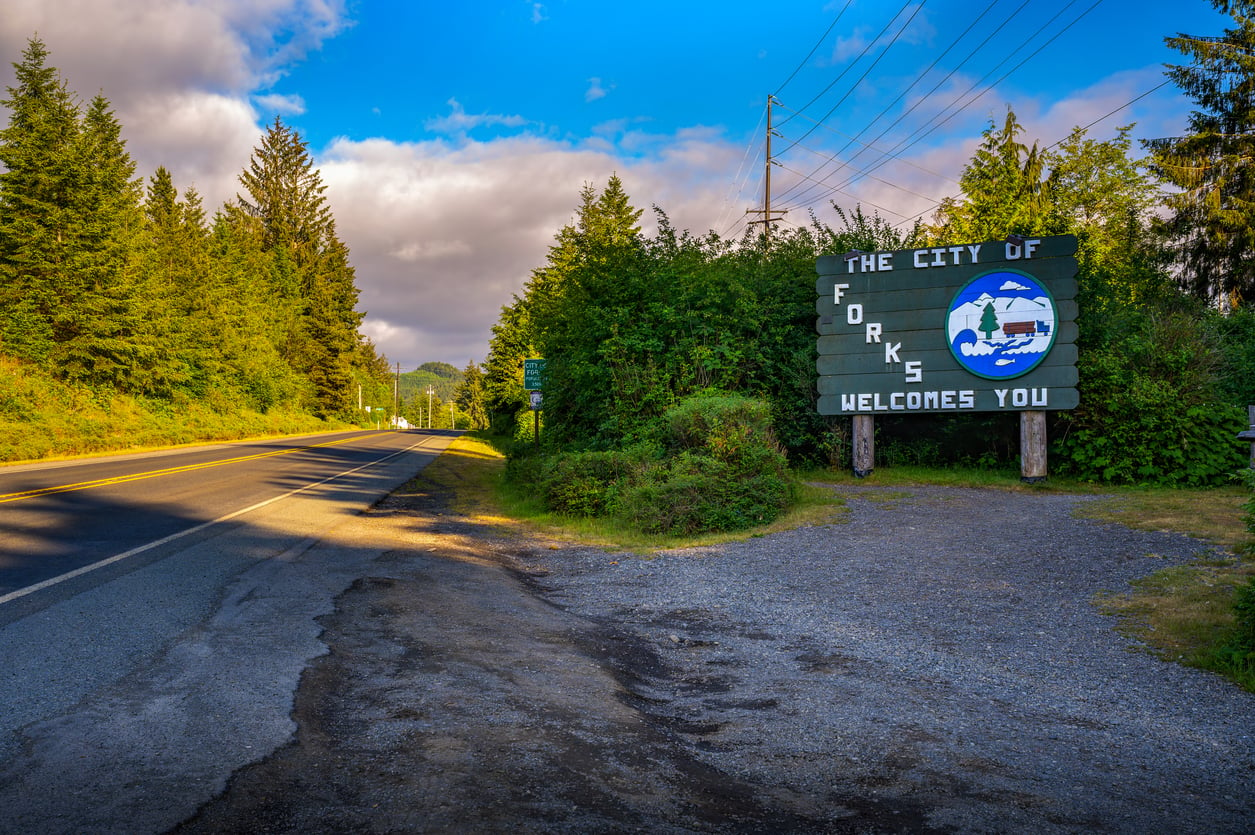
For much of its history, Forks was better known for timber, fishing, and the rainy forests of Washington’s Olympic Peninsula. Then Stephenie Meyer’s “Twilight” novels made the small town the fictional home of vampires and teenage romance. Fans began traveling to see the real setting behind the books, creating an unexpected tourism industry. Today, visitors can explore Twilight-themed stops, photograph Bella’s trucks, and visit a free collection of movie costumes and props. The town remains a gateway to nearby beaches and forests, making it appealing even to travelers unfamiliar with the series.