

Some parts of a trip are worth planning well in advance, but leaving a little breathing room can make travel feel less like a checklist. The National Park Service even recommends having a backup plan when visiting parks, since weather, crowds, and unexpected closures can quickly change the day. The same thinking can work elsewhere: leave time to follow a local recommendation, linger somewhere you love, or take an unexpected detour. These 12 vacation experiences are often better when you plan the essentials but leave the details open.
Wandering Through a Historic Downtown

Historic districts reward travelers who occasionally put away the checklist and look around. Savannah’s Historic Landmark District, for example, contains 23 squares along with museums, monuments, historic homes, boutiques, restaurants, and side streets that are easy to explore on foot. Rather than scheduling every stop, pick two or three places you genuinely want to see and wander between them. Just check museum and attraction hours beforehand. Spontaneity is considerably less charming when the one historic house you wanted to tour closed an hour ago.
Exploring a Farmers Market

A farmers market is almost designed for changing plans. What is available depends on the season and the vendors who show up, so deciding weeks beforehand exactly what you’ll eat misses much of the point. USDA’s National Farmers Market Directory includes operating times, locations, products, and payment information, making it useful for checking the practical details first. Once there, walk the market before buying. You may discover local fruit, bread, cheese, preserves, or a prepared dish you wouldn’t have known to search for in advance.
Taking a Scenic Drive

A scenic drive needs a route, but it doesn’t necessarily need a schedule. AAA offers hundreds of mapped scenic drives and lets travelers locate fuel, restaurants, attractions, and other stops along the way. That makes it possible to know where you’re going while still stopping when an overlook, farm stand, diner, antique store, or small town catches your attention. Build extra time into the day rather than adding random detours. In rural areas, keep an eye on fuel, weather, daylight, road conditions, and the distance to your overnight stop.
Trying Local Restaurants

Booking every breakfast, lunch, and dinner before leaving home can make eating feel like another appointment. Reserve the restaurant you would genuinely be disappointed to miss, then leave a few meals open for recommendations and discoveries. Travelers frequently describe keeping a shortlist or saved map of promising restaurants and choosing among them based on where they happen to be that day. That provides flexibility without spending an hour searching for dinner while hungry. Popular restaurants can still fill up, so check reservations before assuming you can simply walk in.
Spending a Day at the Beach

A beach that sounds perfect three months before vacation may be windy, crowded, rough, or unpleasantly hot on the morning you planned to visit. Keep the general beach day on your itinerary, but choose the exact spot closer to the day when you can check conditions. Weather, surf, rip-current risk, water quality, parking, and local access rules are more useful than an old “must-see beaches” list. Some beaches require permits or reservations, however, so confirm access requirements before adopting a completely spontaneous approach.
Trending on Cheapism


Visiting Small Towns
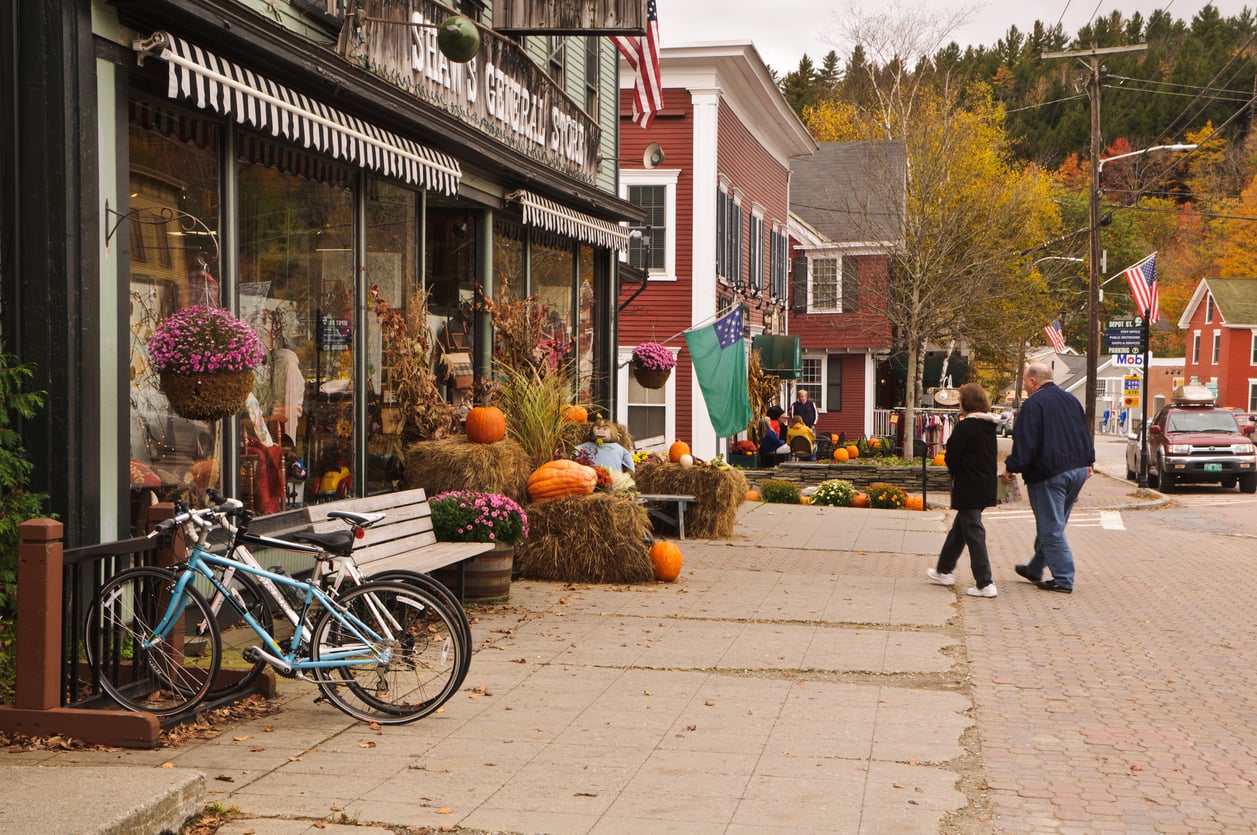
Small towns don’t always need an attraction-by-attraction itinerary. Sometimes the appeal is simply having coffee, walking around the main street, browsing an antique shop or bookstore, seeing the courthouse square, and deciding whether you want to stay for lunch. Give yourself a window of a few hours rather than assigning a time to every stop. Check opening days first, especially outside peak season. Independent shops, museums, and restaurants in smaller communities may close earlier or operate fewer days than businesses in major tourist destinations.
Eating Your Way Through a Food Neighborhood

Chinatown, Koreatown, Little Italy, and other food-heavy neighborhoods are good places to arrive with knowledge rather than a rigid eating schedule. Research the regional specialties you want to try and save a few promising restaurants, bakeries, markets, and snack shops. Then see what looks good once you’re walking around. Sharing smaller dishes can also make it easier to try several places. The exception is a famous restaurant you absolutely want to experience; if it takes reservations and routinely fills up, book that one and improvise around it.
Exploring a National Park Between Major Plans

National parks are a good example of where selective planning works better than either extreme. Reserve whatever your particular park requires, then keep some surrounding time flexible for viewpoints, shorter walks, wildlife sightings, or changing conditions. The National Park Service specifically recommends having both a plan and a backup plan because weather and road closures can alter a day quickly. Flexibility doesn’t mean wandering into unfamiliar backcountry on impulse. Check park alerts, carry appropriate supplies, respect wildlife distances, and stay within your experience level.
Sign up for our newsletter
Going to a Local Festival or Street Fair

A street fair can become exhausting when you’re determined to see every band, demonstration, vendor, and performance listed on the schedule. Instead, choose the one event you’d hate to miss and let the rest of the day unfold around it. You might spend longer listening to an unexpectedly good musician or discover that one food vendor has become the highlight of the afternoon. Do research transportation, admission requirements, and parking beforehand. Being spontaneous inside the festival is much easier when you aren’t circling downtown looking for a parking space.
Choosing a Day Trip After You Arrive

You may arrive in a city expecting to spend every day visiting museums and discover after three days that what you really want is trees, ocean air, or a quiet lunch somewhere smaller. Research two or three realistic day trips before leaving home, but don’t necessarily choose among them yet. Weather and energy levels can make the decision easier once you’re there. This works best for destinations reachable without scarce tickets. If the train, ferry, tour, or attraction routinely sells out, waiting until the last minute can mean higher prices or no trip at all.
Exploring an Unfamiliar Neighborhood

Not every afternoon needs a landmark. Pick an interesting neighborhood, identify a sensible starting point and perhaps a cafe or lunch spot, then give yourself time to wander. Residential architecture, public gardens, bookstores, record shops, bakeries, parks, and neighborhood bars can reveal a side of a city that’s difficult to experience while racing between major attractions. Do a little homework first: understand transportation, basic safety considerations, and how you’ll get back. This approach is especially easy in cities where reliable public transit lets you change direction without needing the car.
Watching the Sunset Somewhere New

The famous sunset viewpoint isn’t automatically the most enjoyable one, particularly if reaching it means fighting traffic and competing for a parking space. Check the weather, note roughly when the sun sets, and ask a local where they like to watch it. A neighborhood park, waterfront bench, quiet beach, rooftop, or ordinary overlook may be more relaxing than the place appearing on every travel list. Leave enough time to arrive safely, and don’t stop illegally on roads, cross barriers, or enter closed areas just for a photograph.