

Some vacation mistakes don’t seem like mistakes at all until you’re already there. Booking the bargain hotel across town, packing every hour with activities, or assuming your phone will work everywhere can all seem perfectly reasonable from home. The U.S. Department of State’s international travel checklist recommends researching your destination and sorting out important travel details before departure. A little extra checking before you leave can save money, time, and plenty of frustration once the vacation actually begins.
Booking the Cheapest Hotel Without Checking the Neighborhood

A low room rate loses some of its appeal when you have to pay for rideshares twice a day. Before booking, map the hotel to the attractions, restaurants, or neighborhoods where you expect to spend most of your time. Look beyond the mileage, too: a short distance can mean a surprisingly long trip when transit connections are poor. Recent traveler discussions repeatedly emphasize location as one of the most important considerations when choosing a hotel. Saving $30 a night isn’t much of a bargain if getting around eats up the difference.
Assuming “Downtown” Means You Can Walk Everywhere

“Downtown” sounds convenient, but the word tells you surprisingly little about how you’ll actually get around. A city’s central district may cover a large area, have attractions scattered in different directions, or include hills, highways, and streets that aren’t especially pleasant for walking. Instead of relying on the neighborhood name, drop pins on a map for the places you actually want to see. This is particularly worthwhile for travelers with limited mobility: a centrally located hotel isn’t necessarily an accessible one.
Renting a Car Without Adding Up Parking and Tolls
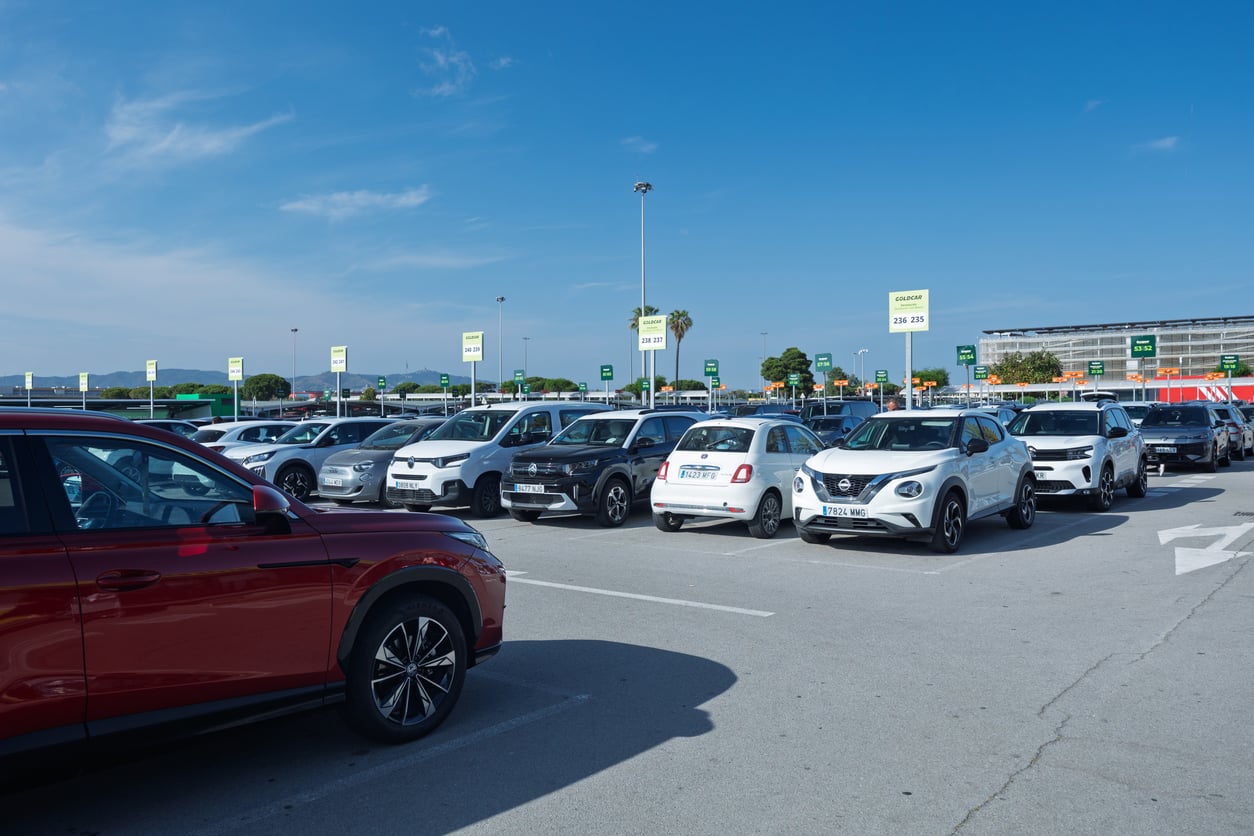
That $40-a-day rental isn’t really $40 if you’re also paying for hotel parking, garages, fuel, tolls, and other charges. Rental-car toll programs deserve particular attention. AAA notes that companies may charge convenience or administrative fees in addition to the toll itself, and the policies vary among rental companies and locations. Before reserving, compare the full cost of driving with public transportation, taxis, or rideshares. In a compact city, leaving the car at the rental counter can sometimes be the more convenient choice.
Trying to Fit Too Much Into Every Day

An itinerary can look wonderfully efficient when every hour is arranged in a spreadsheet. Then reality introduces a long museum line, a delayed train, a two-hour lunch, or simply tired feet. Travelers discussing itinerary planning frequently recommend building a day around one important activity and treating other stops as optional. That’s a useful approach at any age, but especially on trips involving lots of walking. Leave breathing room between major reservations so one delay doesn’t turn the rest of the day into a race against the clock.
Waiting Until You Arrive to Buy Important Tickets

Showing up and buying a ticket at the door still works in plenty of places, but it isn’t something to assume. Popular museums, tours, parks, and attractions may use timed admission or have limited capacity. Rocky Mountain National Park, for example, requires timed-entry reservations during certain hours in its 2026 season. Rules can also change from one year to another, so old travel advice may be wrong. Reserve the two or three experiences you’d be genuinely disappointed to miss, then leave enough unscheduled time for spontaneous discoveries.
Trending on Cheapism


Assuming You’ll Find Dinner Whenever You Want It

Arriving at 9 p.m. and figuring out dinner afterward sounds perfectly reasonable, until the nearby kitchens are closing. This problem comes up especially after late flights, train journeys, and drives into smaller towns. Travelers have shared stories of reaching a new destination exhausted only to discover that their limited nearby options were closing or required reservations. Before a late arrival, check what’s actually open near your hotel and when kitchens stop serving. Packing a snack isn’t glamorous, but neither is turning crackers from the minibar into dinner.
Staying Far From the Airport Before an Early Flight

Saving money on the final night’s hotel can backfire if your flight leaves before sunrise. A property 40 minutes from the airport may require an expensive taxi if public transportation hasn’t started running, and the trip becomes even less appealing when check-in and security time are added. For U.S. flights, airports commonly advise allowing roughly two hours before domestic departures and three hours for international ones. Compare the total cost of the distant hotel and early transportation with an airport hotel before deciding which is really cheaper.
Packing for the Photos Instead of the Actual Weather

Travel advertising has an understandable preference for blue skies. Real destinations come with fog, rain, humidity, wind, cool evenings, and sudden temperature swings. Historical climate information is more useful for packing than a collection of vacation photos: NOAA’s Climate Normals, for example, use 30-year data to describe typical conditions by location and season. Then check the short-range forecast shortly before departure. Layers are particularly useful when temperatures change sharply between daytime and evening, or when a trip combines cities, mountains, and coastlines.
Sign up for our newsletter
Assuming the Hotel Has Amenities You Consider Standard

A refrigerator, complimentary breakfast, self-service laundry, airport shuttle, or even certain accessibility features can feel so ordinary that travelers forget to verify them. There is no guarantee that a particular hotel offers what your last one did. If an amenity matters, check the property’s current listing or contact it directly. This is especially important for medication that needs refrigeration or mobility requirements. One useful change for U.S. travelers: mandatory resort fees must now be included in the advertised total price, though optional services, parking, and government taxes can still affect the final cost.
Underestimating Just How Much Walking You’ll Do

Three attractions that look close together on a map can turn into miles of walking once museums, train stations, shopping streets, stairs, and wrong turns are included. Historic centers can add cobblestones and hills to the equation. Comfortable, supportive shoes matter more than fashionable new ones, particularly for older travelers; CDC fall-prevention guidance warns against slippery or worn soles and poorly secured footwear. Check walking routes before the trip, build in places to sit, and don’t make vacation the first week you break in a brand-new pair of shoes.
Relying Completely on Your Phone for Directions
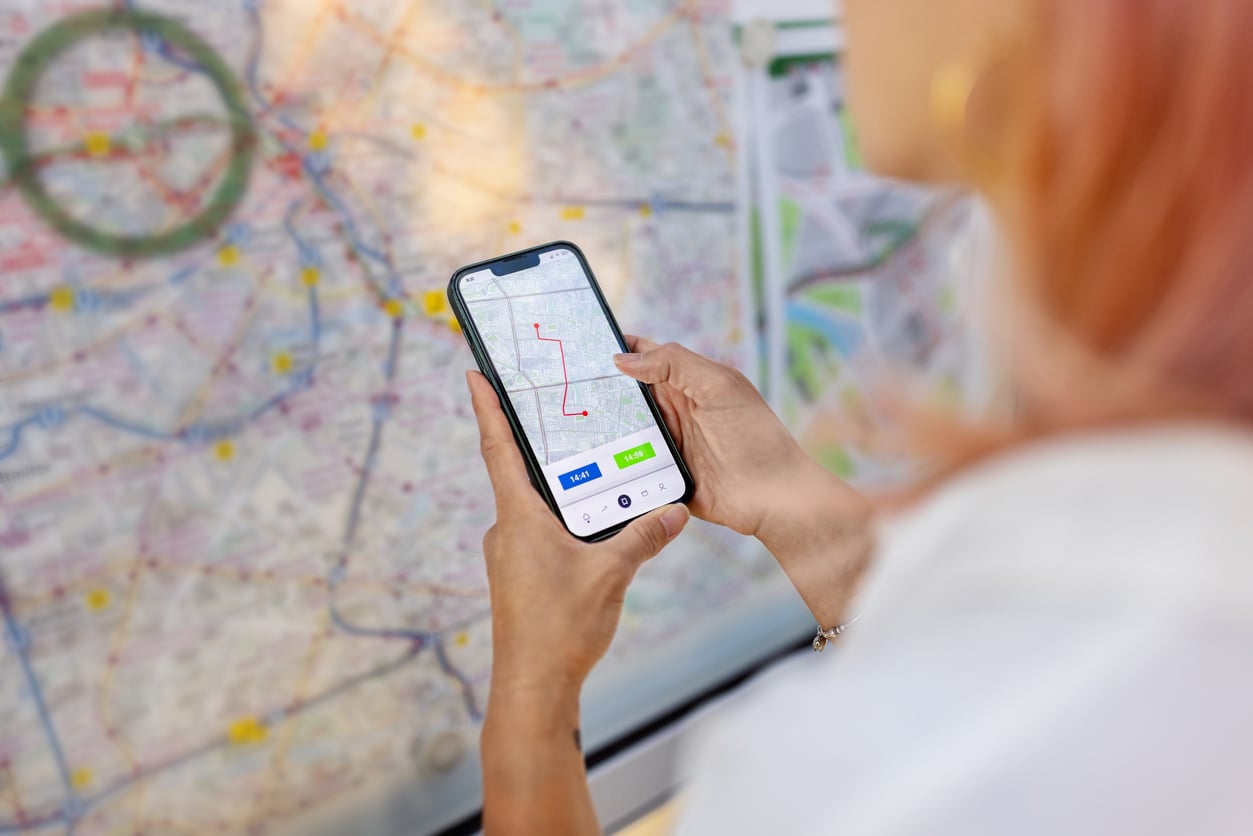
A phone can replace a map, phrasebook, boarding pass, guidebook, and transit schedule, right up until its battery dies or the signal disappears. Google Maps allows travelers to download selected areas for offline use, although the feature isn’t available everywhere. Download the destination before leaving reliable Wi-Fi, screenshot important reservations, and save the hotel’s address somewhere you can reach without internet service. A small portable battery can also be useful on long sightseeing days. Technology makes travel easier, but having one offline backup keeps a minor problem from becoming a major detour.
Reserving Every Single Meal Before You Arrive

Reservations are valuable when there’s a restaurant you’ve been looking forward to or a place that’s genuinely difficult to book. Scheduling breakfast, lunch, and dinner for an entire vacation is another matter. Once you’re there, you may find a neighborhood restaurant that looks more inviting, spend longer than expected sightseeing, or simply be too tired to cross town for a reservation made months earlier. Book the meals that matter most and leave some openings. Flexibility costs nothing, and stumbling across an unplanned favorite can be one of the pleasures of traveling.