Some trips get better when you stop treating every day like a sightseeing challenge. Instead of racing between landmarks, a slower itinerary leaves more time for long meals, scenic walks, beaches, and the unexpected places you find along the way. AARP offers similar advice for travelers who want more relaxed and manageable trips. These vacations that get better when you do less prove that sometimes the attraction you skip is what gives you time to actually enjoy the destination.
Savannah, Georgia
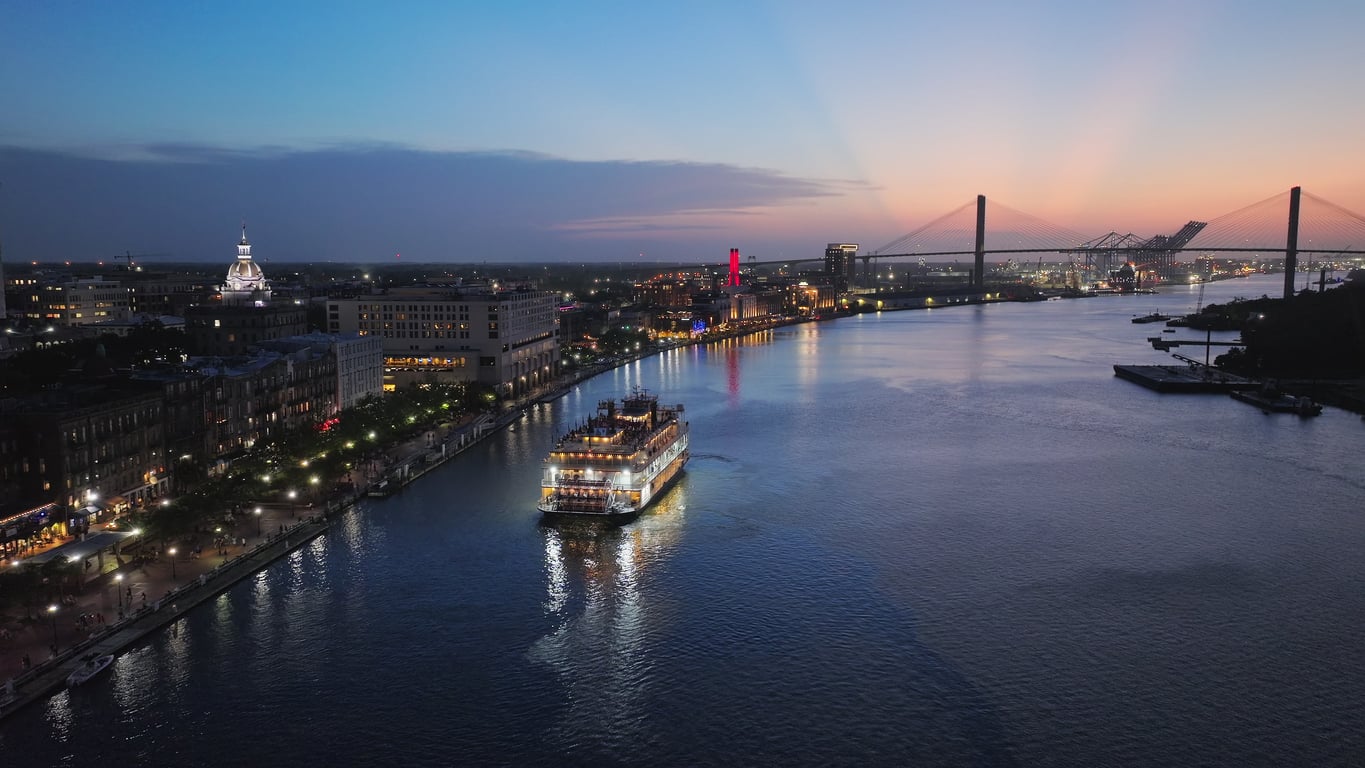
Savannah practically invites you to abandon the checklist. Its Historic Landmark District contains 23 leafy squares, historic homes, shops, museums, and more than 100 restaurants, all in an area designed for exploring on foot. Instead of marching through every square and historic house, spend a morning wandering one section of town, have a long lunch, and claim a bench beneath the live oaks. Even Visit Savannah encourages travelers to park the car and explore at a leisurely pace.
Mackinac Island, Michigan
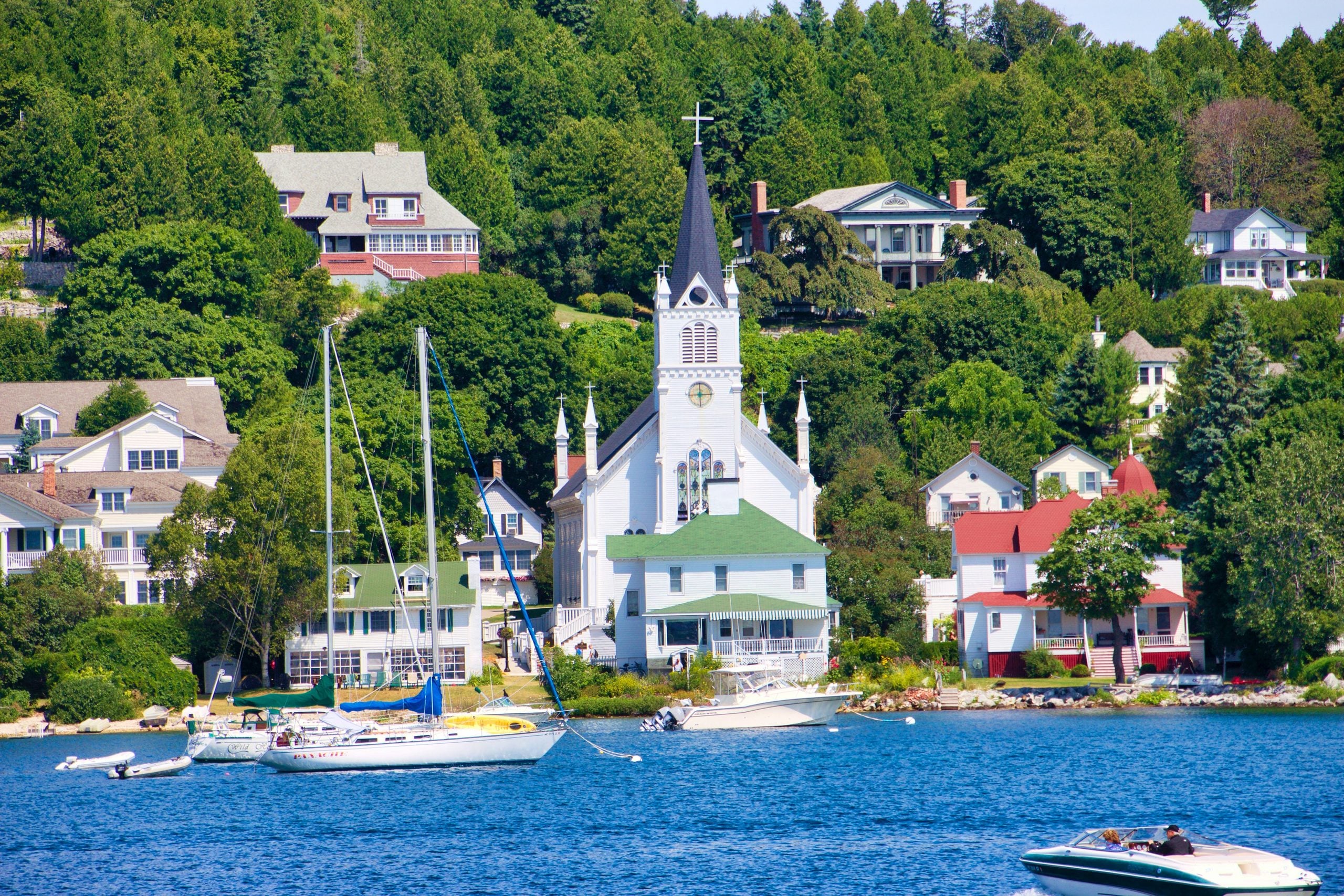
Few American destinations make slowing down quite as unavoidable as Mackinac Island. Cars are largely absent, leaving bicycles, horses, and your own two feet to set the pace. More than 80% of the island is state park, while the famous paved route around its shoreline is just 8.2 miles. Bike the loop, stop whenever the lake view gets good, buy some fudge, and call it a day. One downside: downtown can still get busy during peak summer periods, even without automobile traffic.
Key West, Florida
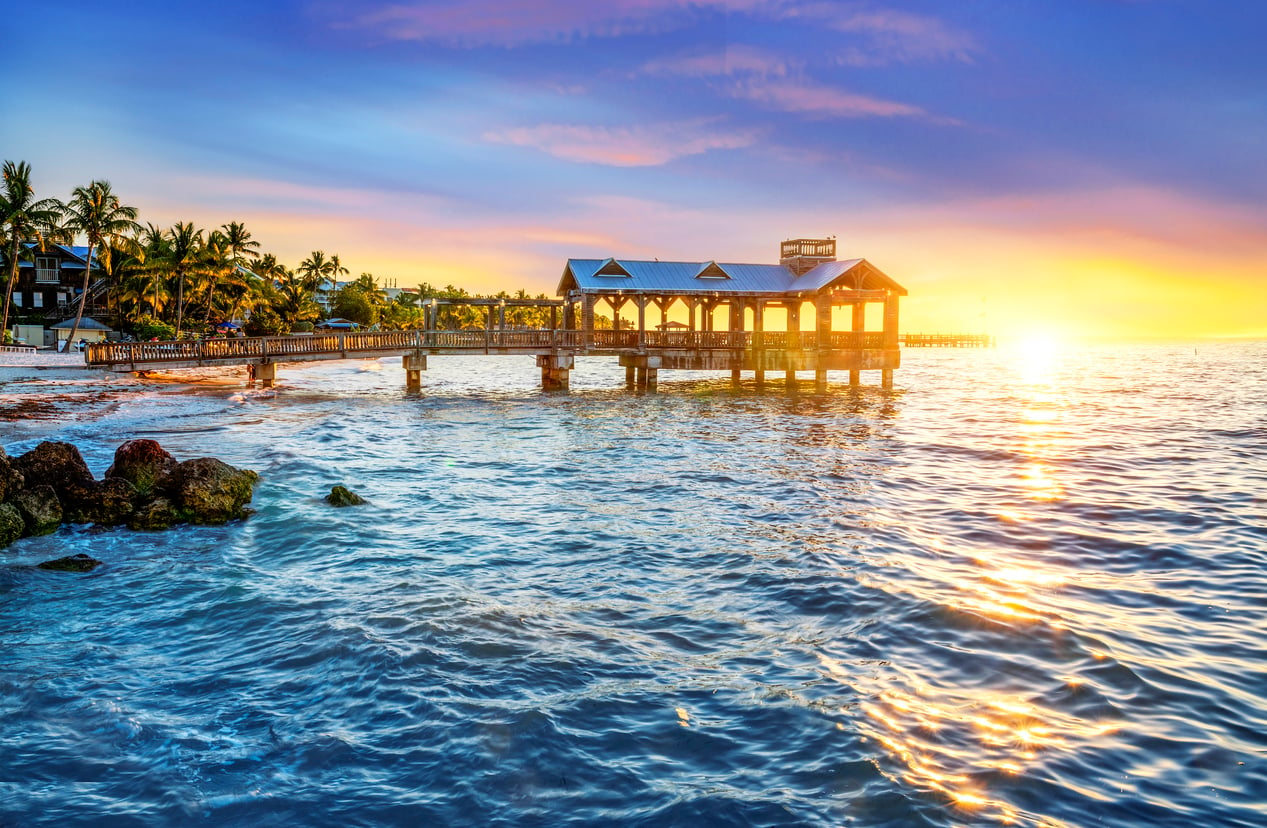
Key West has enough famous stops to produce a formidable itinerary, but racing between them misses much of the island’s appeal. Instead of cramming Hemingway’s house, museums, watersports, restaurants, and landmarks into the same day, pick one major activity and leave the rest loose. Walk or bike through Old Town, stop somewhere that looks interesting, and save time for sunset. This approach also cuts down on unnecessary driving and parking in the compact historic center. The trade-off is that Key West can be expensive, so lingering over paid attractions and drinks can still add up.
Santa Fe, New Mexico

Canyon Road alone could wreck an overambitious Santa Fe itinerary: more than 100 galleries occupy a pedestrian-friendly stretch of just half a mile. Tourism Santa Fe describes the city as a “walking city,” particularly around the Plaza and Canyon Road. Rather than treating every gallery like an assignment, step into the ones that actually catch your eye. Spend the saved time over lunch, wandering adobe-lined streets, or doing one hike; Santa Fe County has more than 300 miles of trails.
Sedona, Arizona

Sedona’s red-rock landscape creates a particular kind of travel FOMO: another trail, another overlook, another sunrise spot. Resist it. Pick one hike that suits your fitness level, take your time, and leave enough energy to appreciate the scenery afterward. Nighttime deserves room on the schedule too. Sedona has been an International Dark Sky Community since 2014, and the tourism bureau recommends several trailheads and overlooks specifically for sitting beneath the stars. Popular trailheads can get crowded, making an early start more useful than trying to squeeze in additional hikes.
Trending on Cheapism

Napa Valley, California
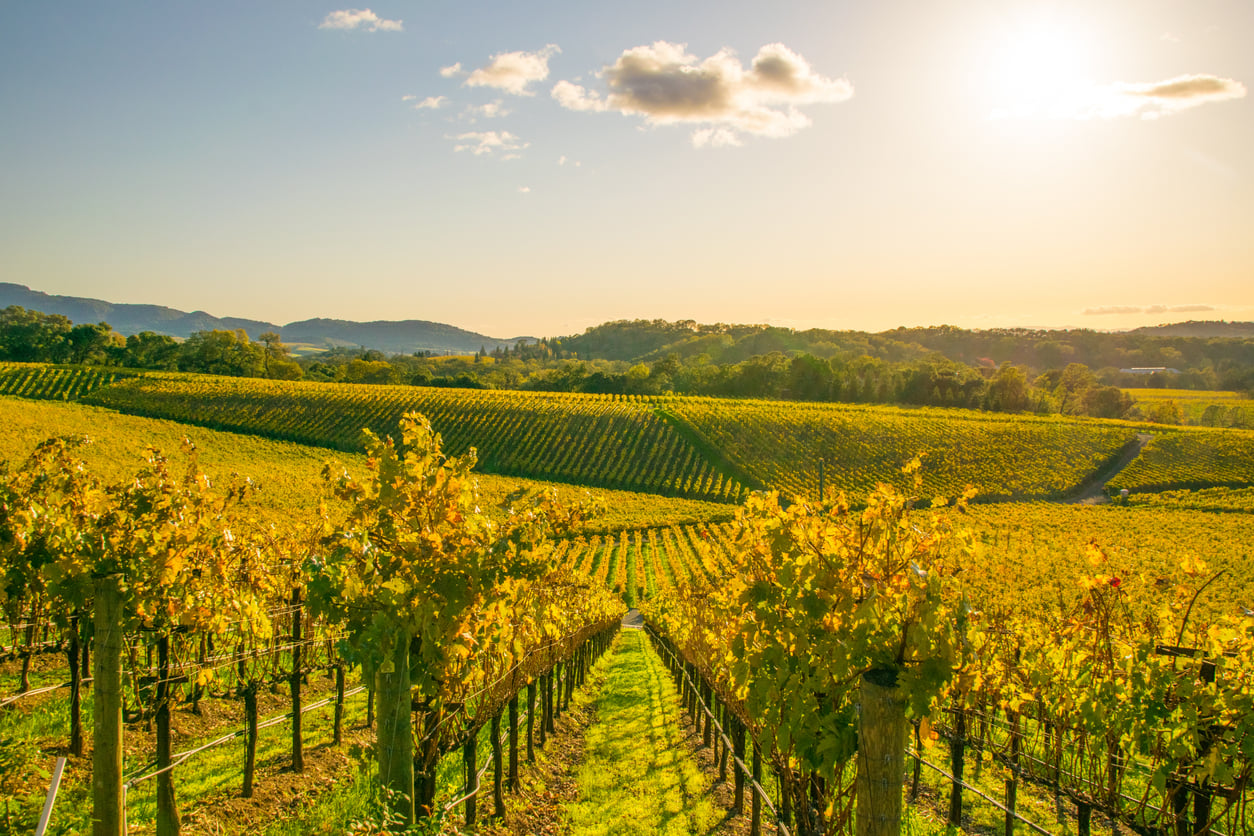
Trying to “get your money’s worth” by packing Napa with tastings can backfire, particularly when the tastings themselves aren’t cheap. Napa Valley has hundreds of wineries, and many experiences now last around 90 minutes. Visit Napa Valley recommends only two or three winery visits in a day, with travel time between them. Two reservations followed by a leisurely lunch, a stroll through St. Helena, or a spa afternoon can be plenty. Book ahead, since many wineries require or strongly recommend reservations.
New Orleans, Louisiana

New Orleans is particularly easy to overplan because food, music, history, nightlife, architecture, and famous attractions all compete for attention. Give yourself permission to stay in one neighborhood. The French Quarter covers roughly 85 square blocks and is easily explored on foot, while the St. Charles streetcar connects the Quarter with the Garden District in about 20 minutes. Spend a day walking, eating, listening to music, and riding the streetcar rather than zigzagging across town. Just remember that summer heat and humidity can make even leisurely walking tiring.
Old San Juan, Puerto Rico
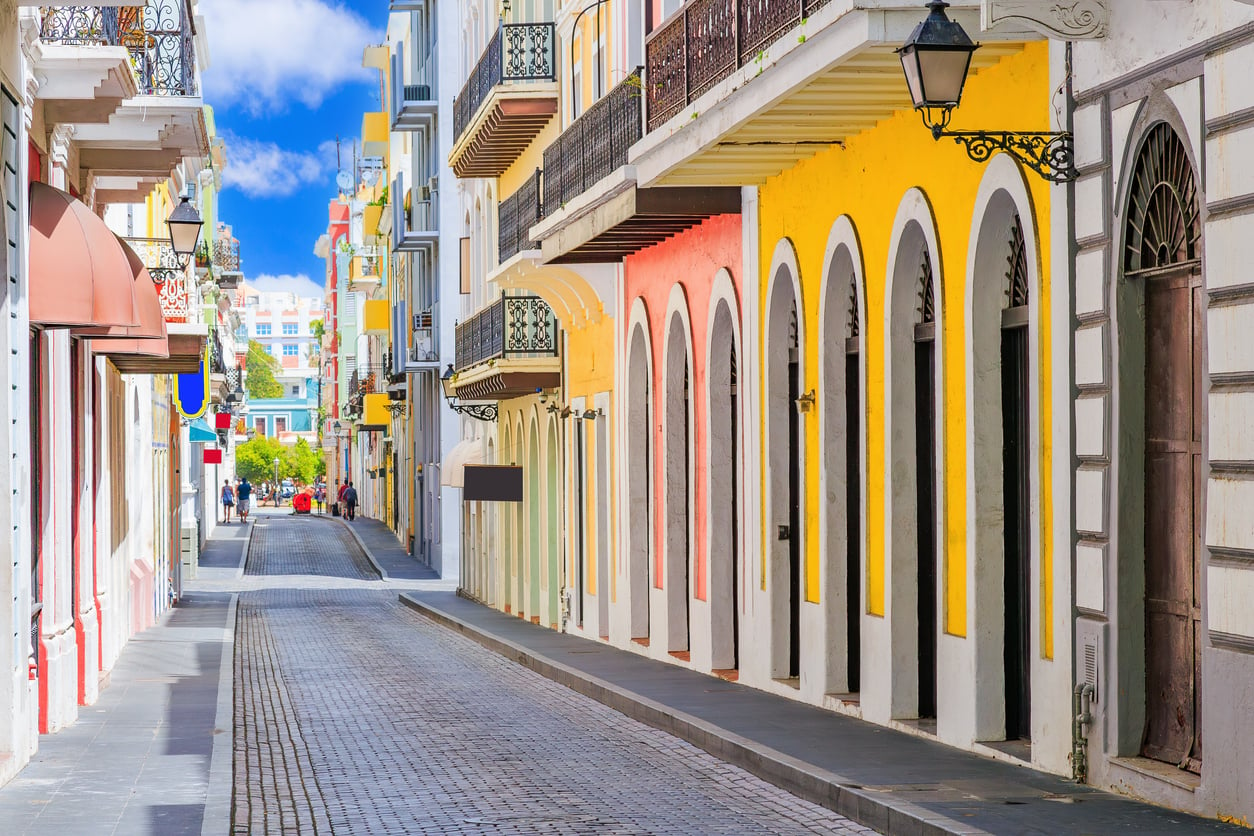
Old San Juan rewards travelers who occasionally forget where they were supposed to be going. The historic walled city dates to 1521, with centuries-old streets leading between plazas, restaurants, shops, forts, and waterfront views. Choose one major fort or museum for the day, then wander. Paseo de la Princesa, a pedestrian promenade running alongside the old city walls, is particularly suited to an unhurried stroll. Comfortable shoes matter, though: Old San Juan’s cobblestones and hills can be tougher on feet and knees than the distances suggest.
Sign up for our newsletter
San Juan Islands, Washington
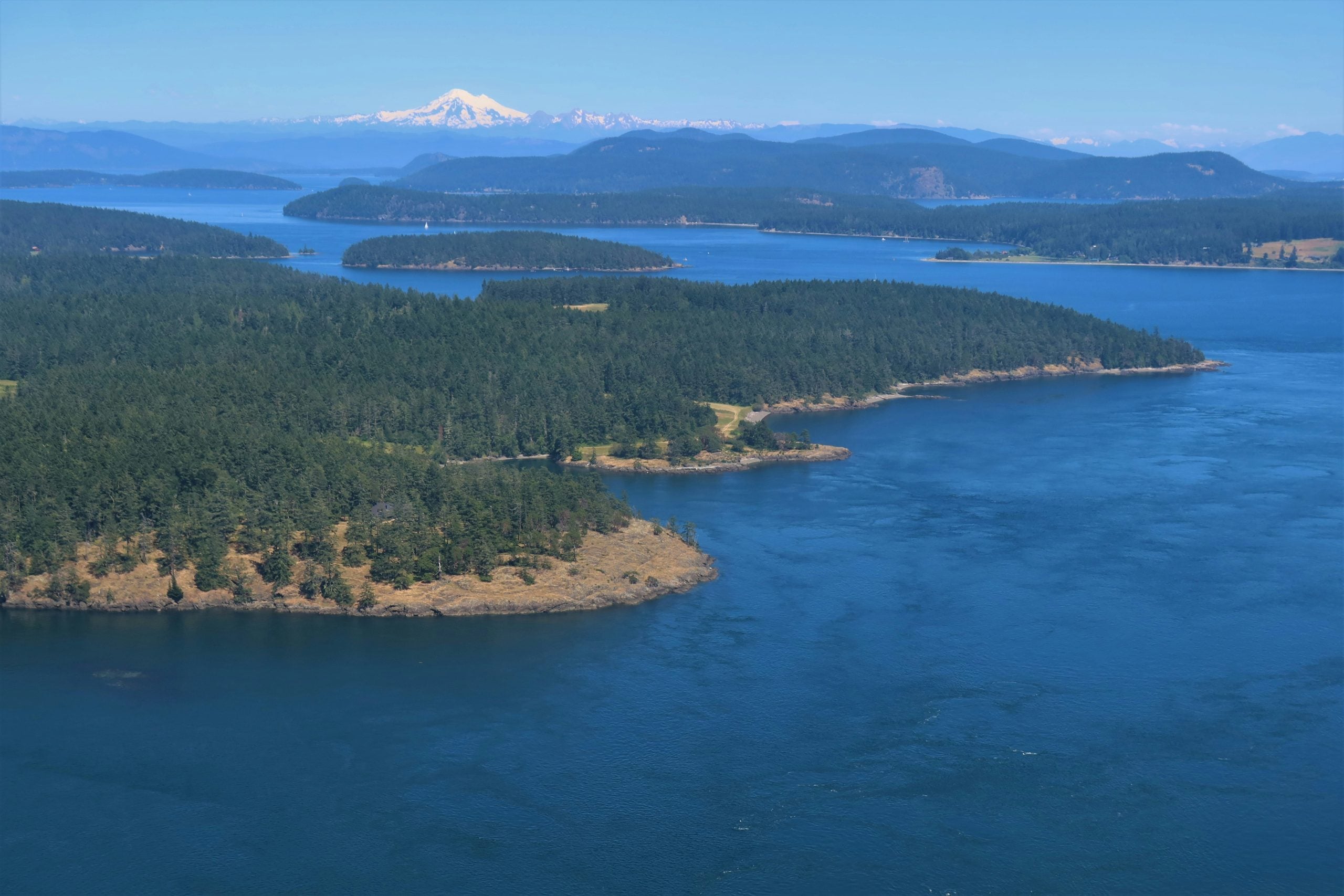
The San Juan Islands tourism bureau doesn’t hide the appeal: it literally encourages visitors to “slow down to island time.” Pebble beaches, forest walks, wildlife watching, kayaking, and small communities make staying put part of the vacation rather than wasted time. Instead of trying to hop among several islands, choose one as your primary base and get to know it. Ferry logistics are another reason to keep the schedule loose. This is one destination where missing a ferry or lingering at a beach shouldn’t have to ruin the entire day’s plan.
Carmel-by-the-Sea, California
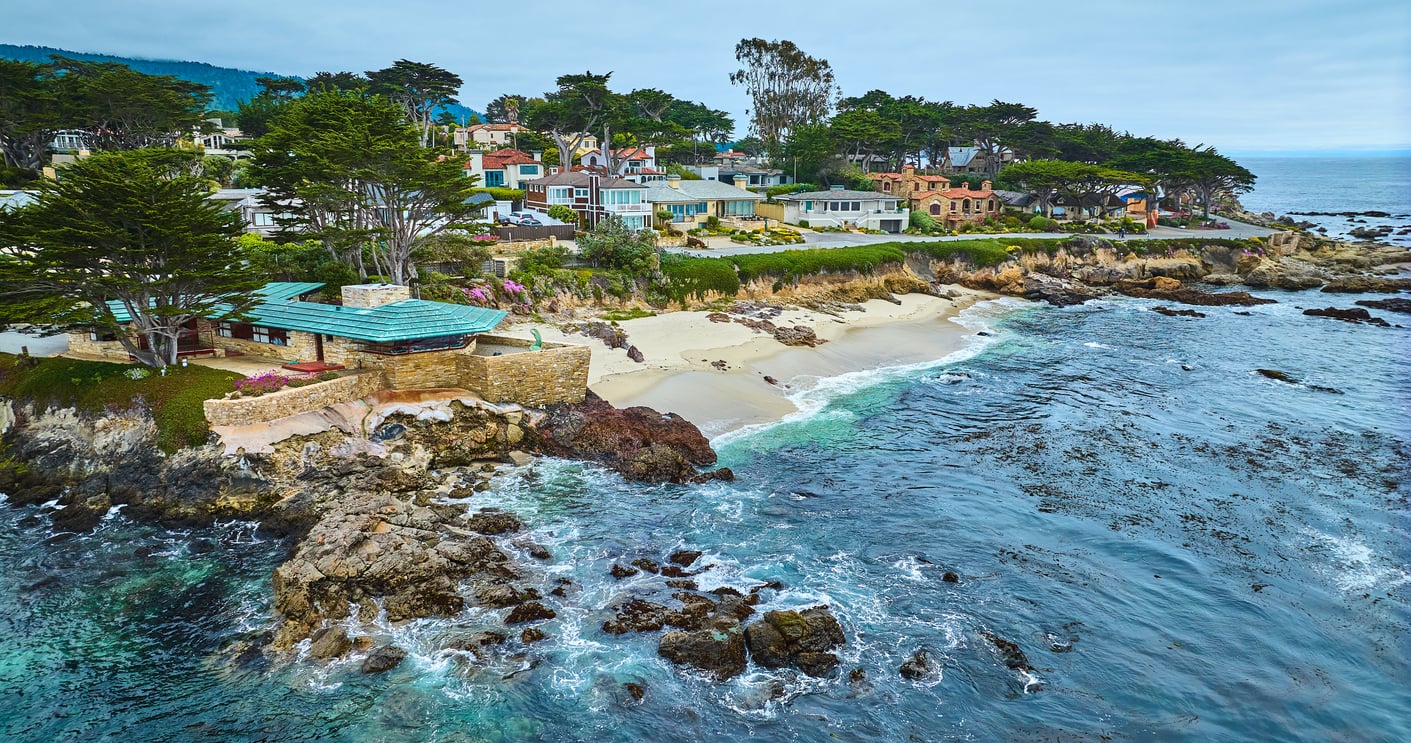
Carmel packs an impressive amount into one square mile: more than 50 galleries, tasting rooms, restaurants, hidden passageways, whimsical cottages, and a white-sand beach. That’s exactly why it doesn’t need a minute-by-minute itinerary. Wander through whichever courtyard catches your attention, browse a couple of galleries, walk down to the ocean, and stop for lunch when you’re hungry. The village’s compact size also makes walking a practical way to spend the day. The catch is cost: Carmel lodging, dining, and shopping can make a leisurely getaway surprisingly expensive.
Cape Cod, Massachusetts
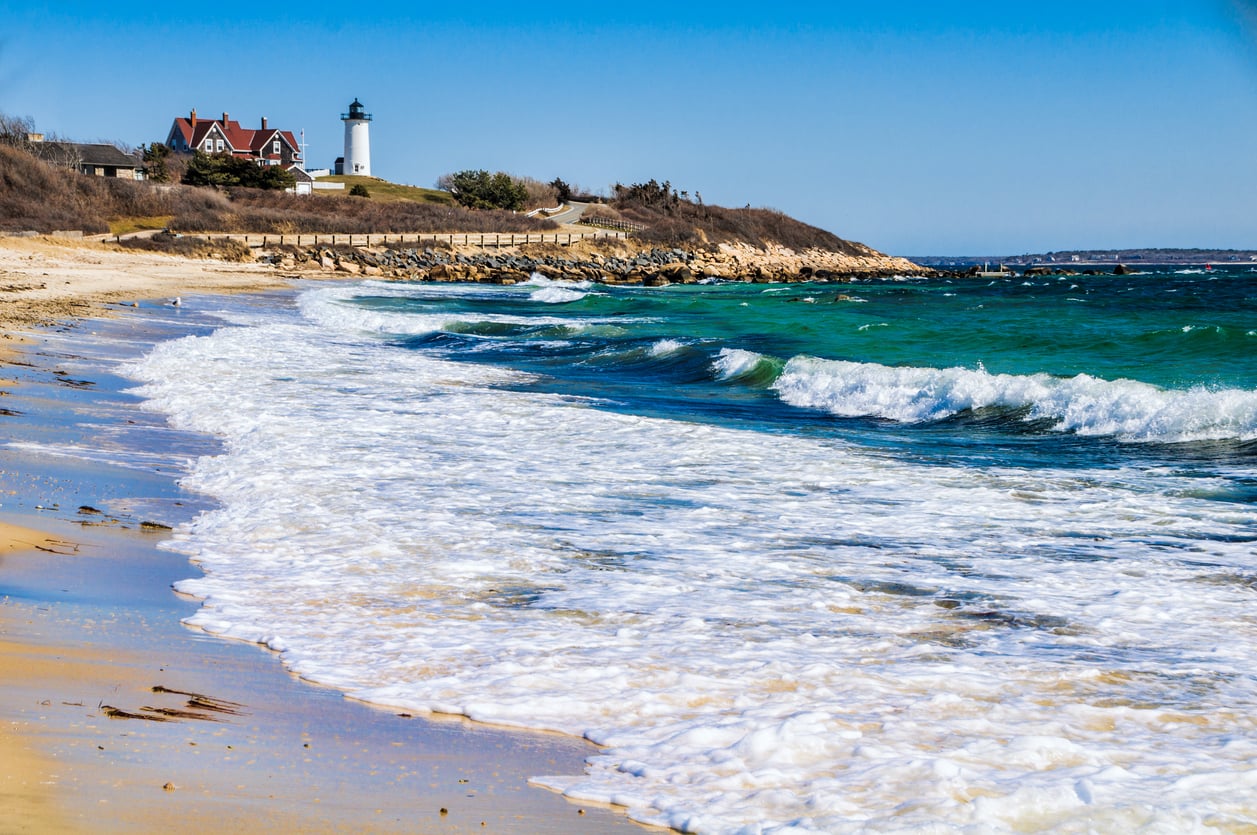
Cape Cod looks manageable on a map until you start trying to visit every town, lighthouse, beach, seafood shack, and bike trail. The Cape Cod National Seashore alone stretches for 40 miles, while the region offers more than 110 miles of scenic bike trails. Choose one section of the Cape and stay close to it. A bike ride, seafood lunch, and afternoon on the beach can legitimately be the whole day. That’s especially sensible in summer, when traffic can turn an ambitious cross-Cape itinerary into hours behind the wheel.
Door County, Wisconsin
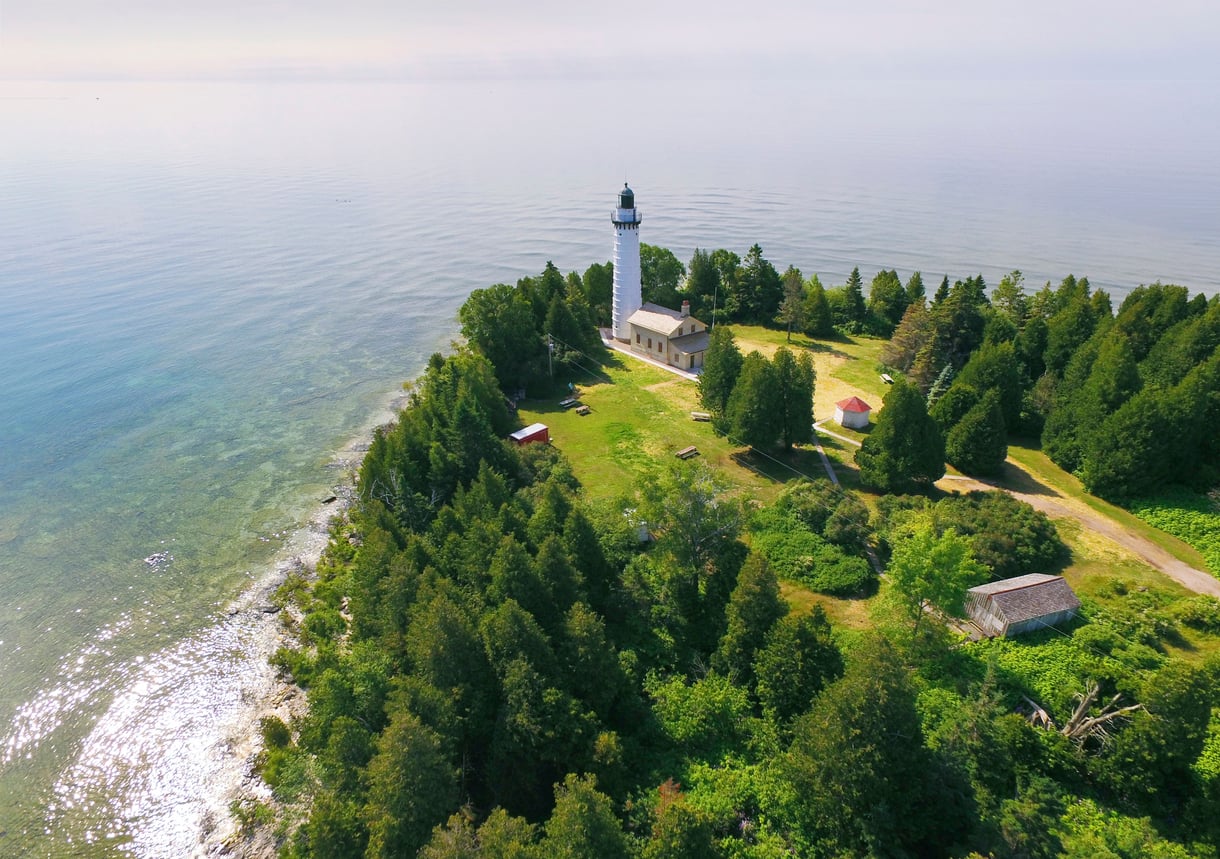
Door County may be the clearest argument for doing less. The peninsula is about 70 miles long with roughly 300 miles of shoreline, so even a week doesn’t require trying to cover all of it. DDC actually advises visitors to prioritize quality over quantity and suggests spending an entire trip getting to know a single community. Pick a town as your base, spend an afternoon at one park or harbor, and stop counting attractions. The destination isn’t something to finish; having nowhere else you need to be is part of the appeal.