Some vacations practically beg for an oceanfront balcony and sprawling resort pool. On others, paying extra for the room feels unnecessary when you leave after breakfast and don’t return until bedtime. The National Park Service recommends planning trips around the places and activities you actually want to experience, from hiking and sightseeing to ranger programs and scenic drives. These vacations where the hotel barely matters are packed with reasons to stay out all day, making a clean room, comfortable bed, and convenient location more important than luxury extras.
Yellowstone National Park
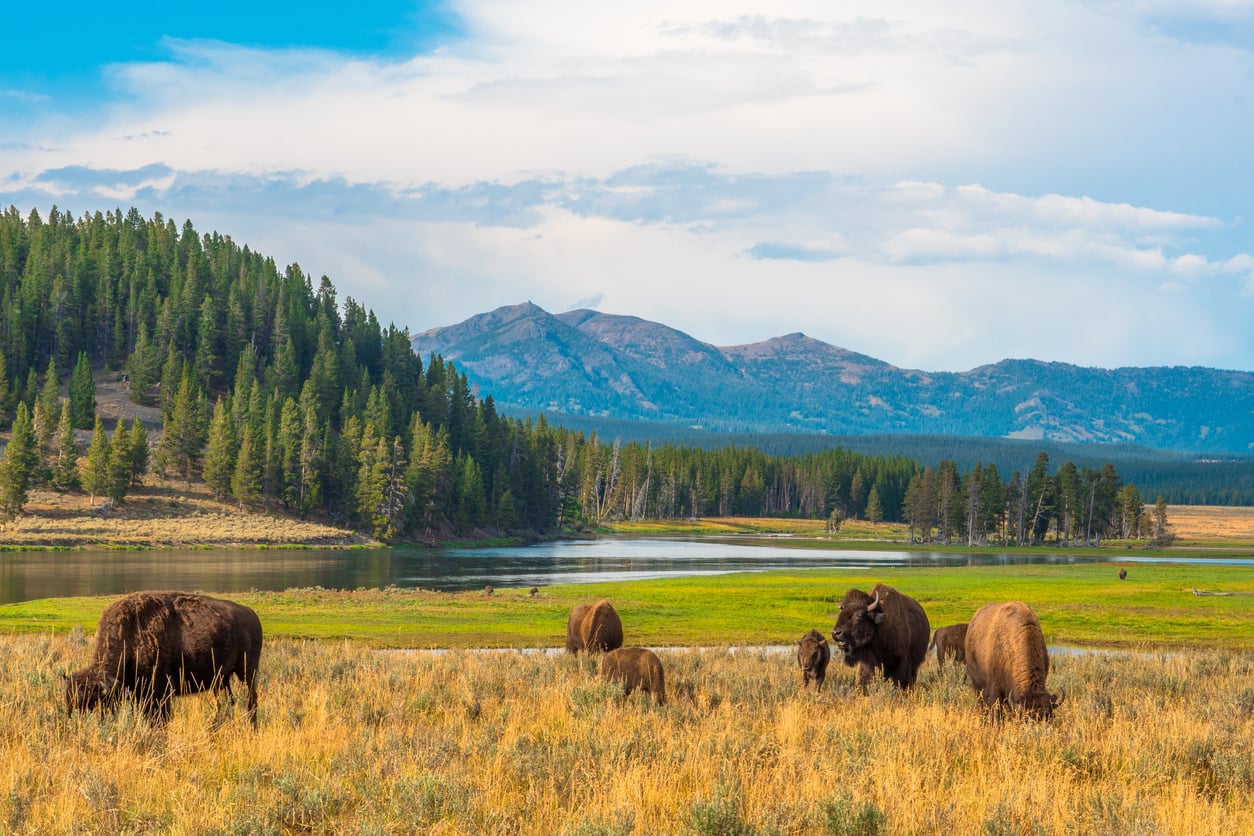
Yellowstone covers more than 2.2 million acres, so this is not a vacation built around lounging in your room. Wildlife watching, geothermal areas, waterfalls, scenic drives, and more than 1,100 miles of trails can keep visitors out from early morning until evening. A basic room in the right location can therefore be more useful than a luxurious one that adds another hour of driving. Yellowstone doesn’t require vehicle reservations in 2026, but lodging fills well ahead, so book for location before worrying about fancy extras.
New York City

A giant hotel room sounds nice until you realize how little time you’re likely to spend in it. New York can fill days with museums, Broadway shows, Central Park, restaurants, observation decks, shopping, and neighborhood wandering. For an active sightseeing trip, a smaller room near a useful subway station can be a smarter purchase than extra square footage or an elaborate lobby. Put the difference toward theater tickets or dinner. The exception is a slower luxury weekend, when the hotel itself may be part of what you’re paying to enjoy.
Washington, D.C.
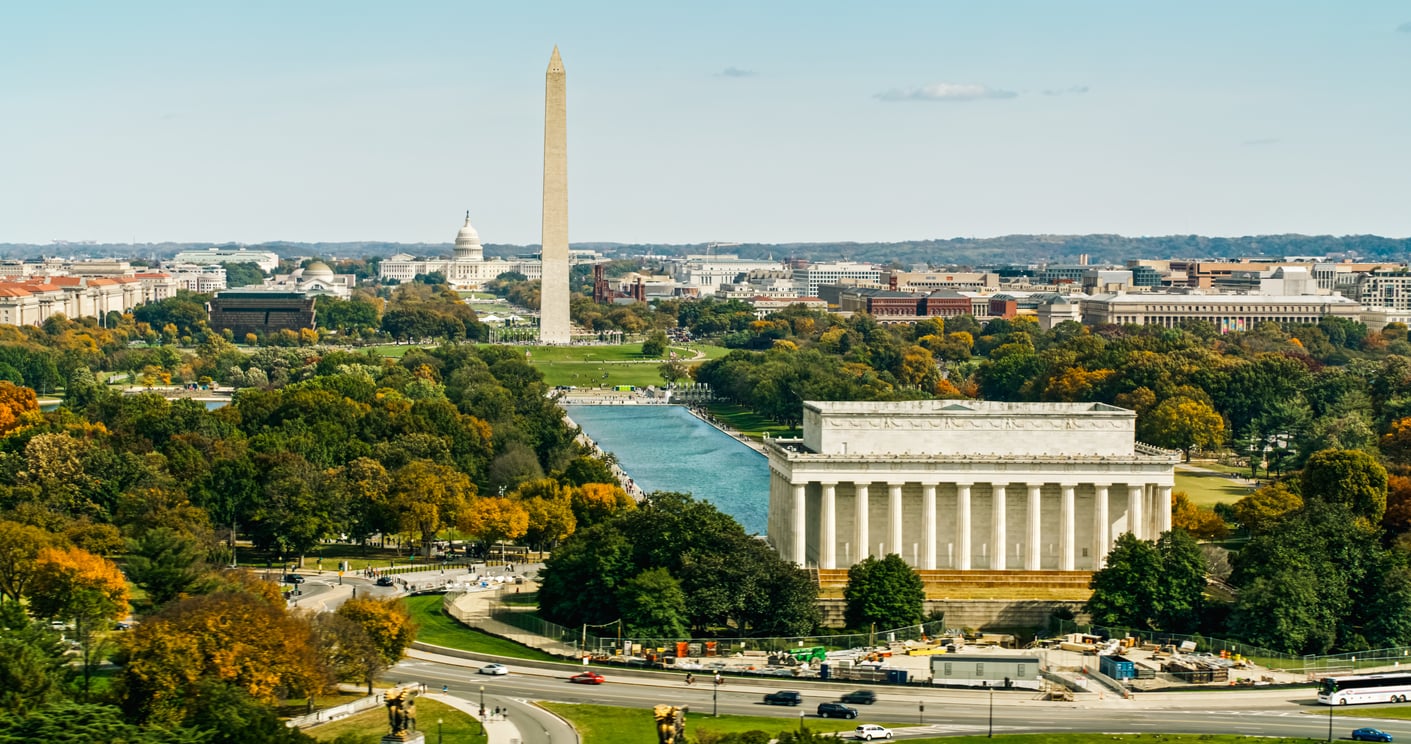
Washington makes a particularly convincing case for spending less on the room because so much sightseeing costs nothing. The Smithsonian offers 17 free museums in the Washington area plus the National Zoo, while monuments and memorials provide hours more exploring outdoors. Some popular Smithsonian attractions require free timed passes, so a little advance planning helps. For lodging, being convenient to Metro is often more useful than having resort-style amenities. You’ll probably remember the museums and monuments much longer than whether your hotel had an impressive rooftop lounge.
Moab, Utah

Moab is essentially a place to sleep between outdoor adventures. Arches National Park has more than 2,000 documented natural stone arches, while Canyonlands, Dead Horse Point, rafting, mountain biking, off-roading, stargazing, and scenic drives provide plenty more reasons to leave town. Arches dropped its timed-entry requirement for 2026, although crowded parking lots and temporary entrance diversions remain possible. A straightforward motel with air conditioning and parking can do the job nicely. Save the extra money for a rafting trip, 4×4 excursion, or another day outside.
New Orleans, Louisiana
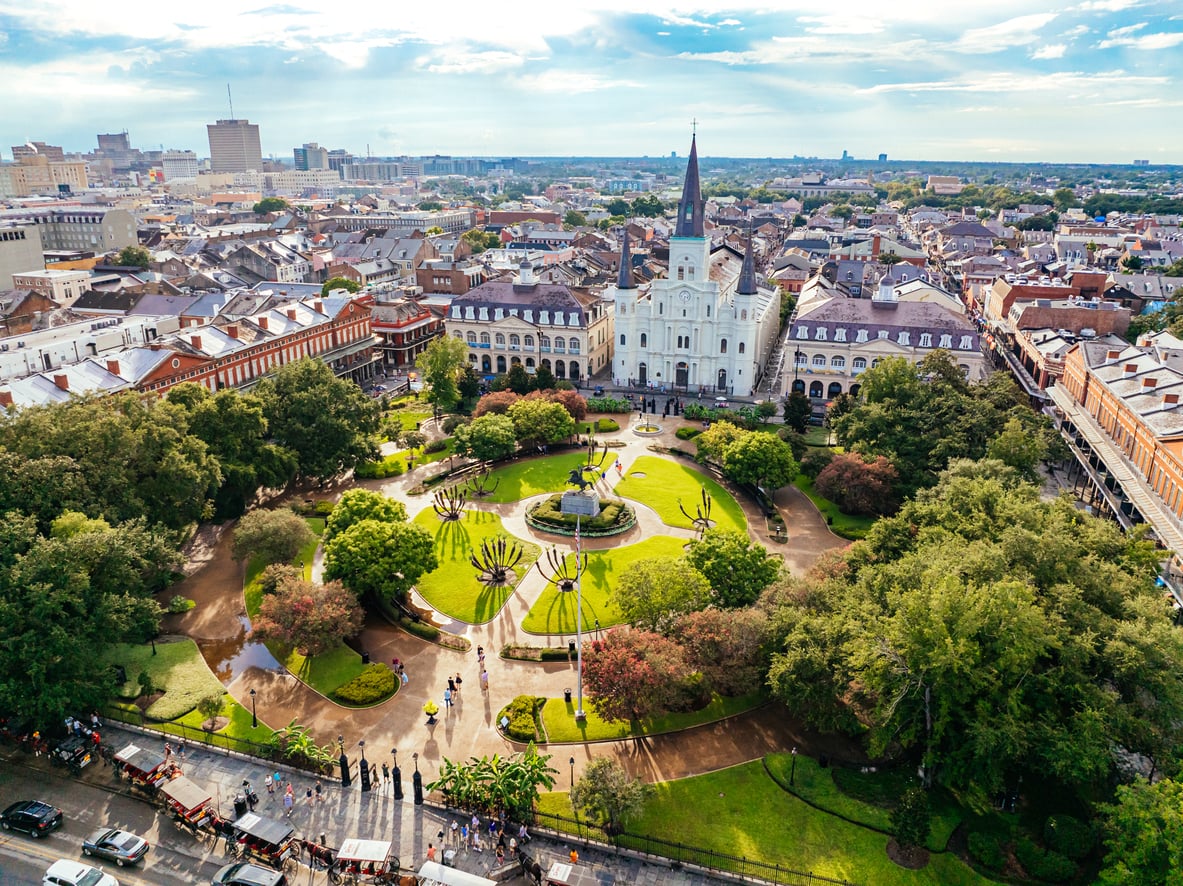
New Orleans is a terrible place to spend your vacation admiring the hotel carpet. Between meals alone, you can wander the French Quarter, ride a streetcar, explore the Garden District, visit museums, walk through City Park, and listen to live music around Frenchmen Street. That makes location and nighttime noise more important considerations than room size. A less elaborate hotel can leave more money for restaurants and music. Just don’t automatically choose the absolute cheapest option far outside the areas you plan to explore; repeated rideshares can erase the savings quickly.
Trending on Cheapism

Bar Harbor and Acadia National Park, Maine
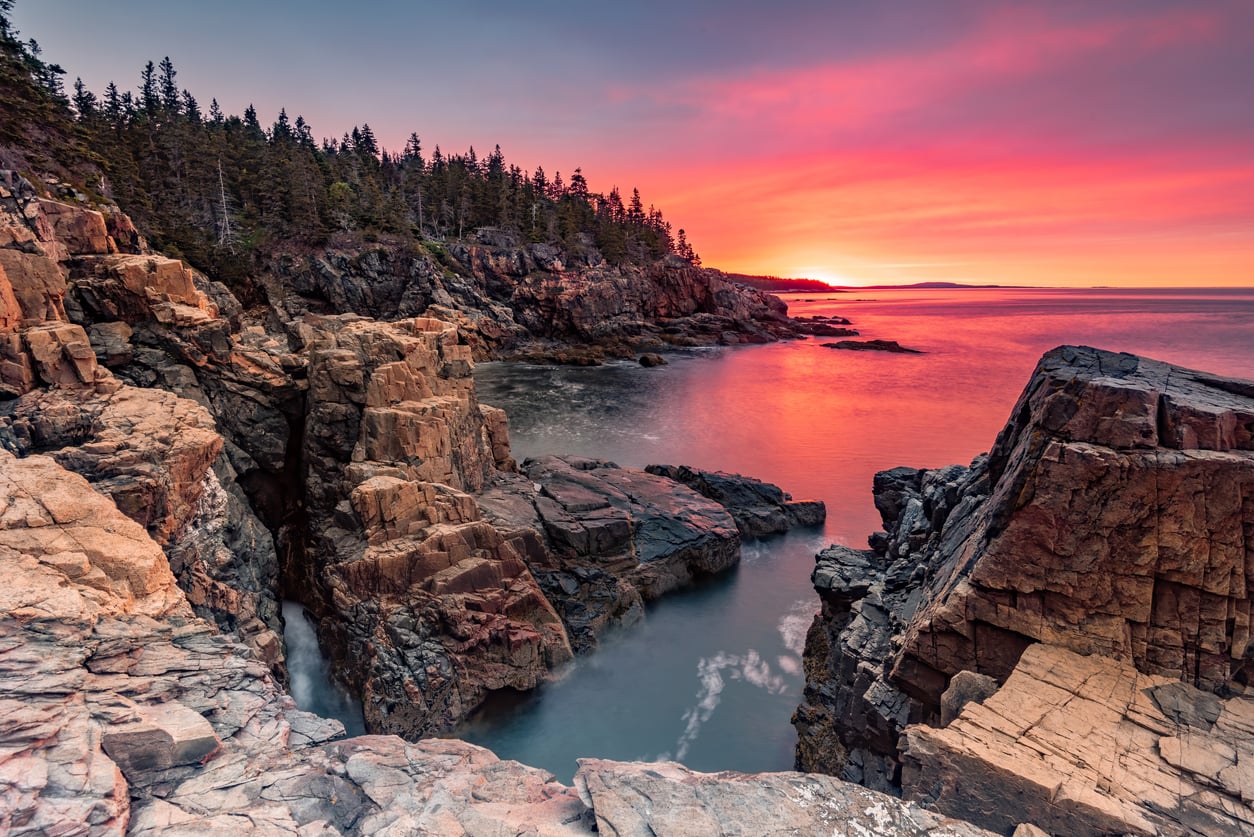
Acadia can easily keep you outside from sunrise through dinner, with hiking, rocky coastline, boating, swimming, birdwatching, stargazing, and 45 miles of historic carriage roads. That makes a simple Bar Harbor-area room perfectly reasonable if you’re primarily using it to shower and sleep. Access matters more than decorative extras, especially during crowded summer months. One bit of 2026 planning is essential: driving Cadillac Summit Road requires a $6 vehicle reservation from May 20 through October 25. Spend the hotel savings on lobster, a boat trip, or another night in Maine.
Las Vegas, Nevada
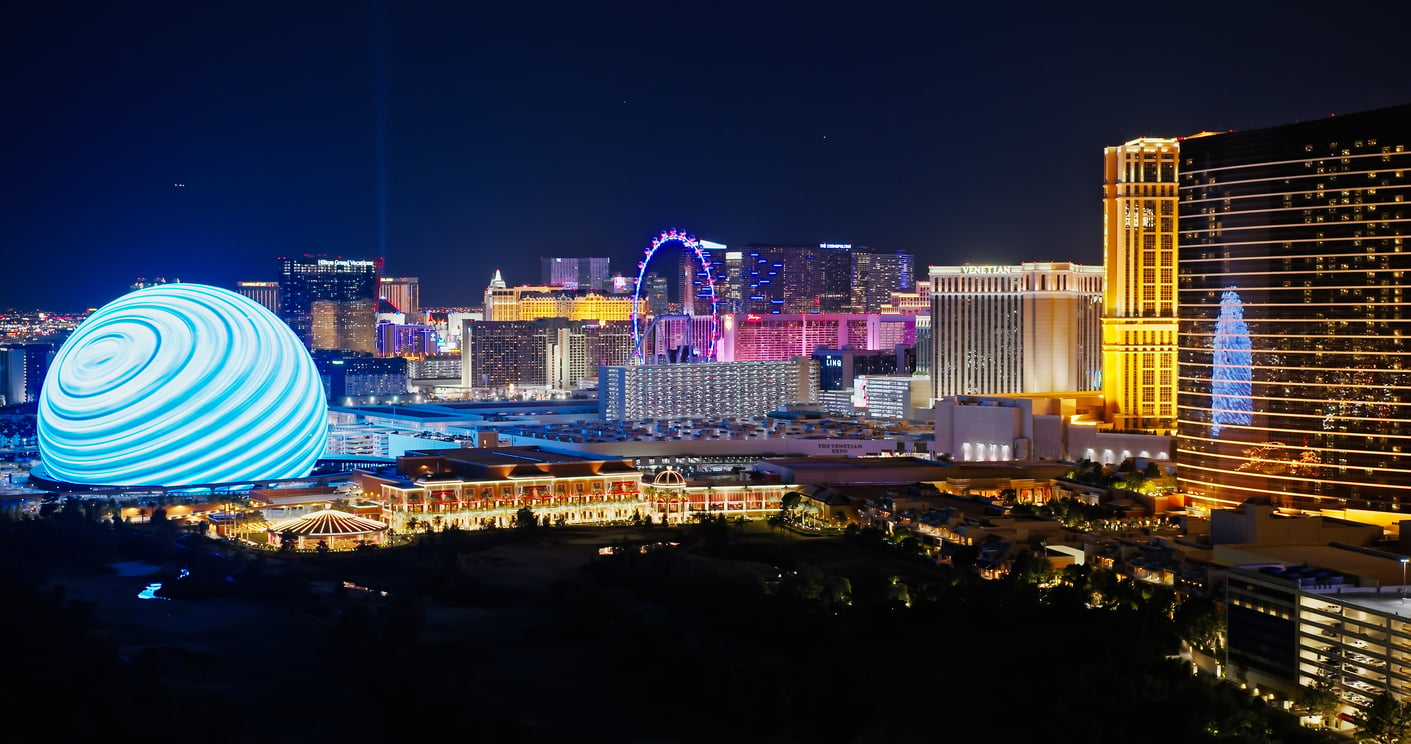
Calling the hotel unimportant in Las Vegas sounds ridiculous until you consider how some people actually use their rooms. If your itinerary revolves around restaurants, casinos, shows, sports, Sphere, Fremont Street, and late nights, an expensive suite may sit empty for most of the trip. Compare the total lodging cost and location rather than being seduced by a bigger room you’ll barely see. This advice has a major exception: if lounging at an elaborate pool or enjoying a resort is the point of your Vegas trip, this is exactly where upgrading can make sense.
San Diego, California
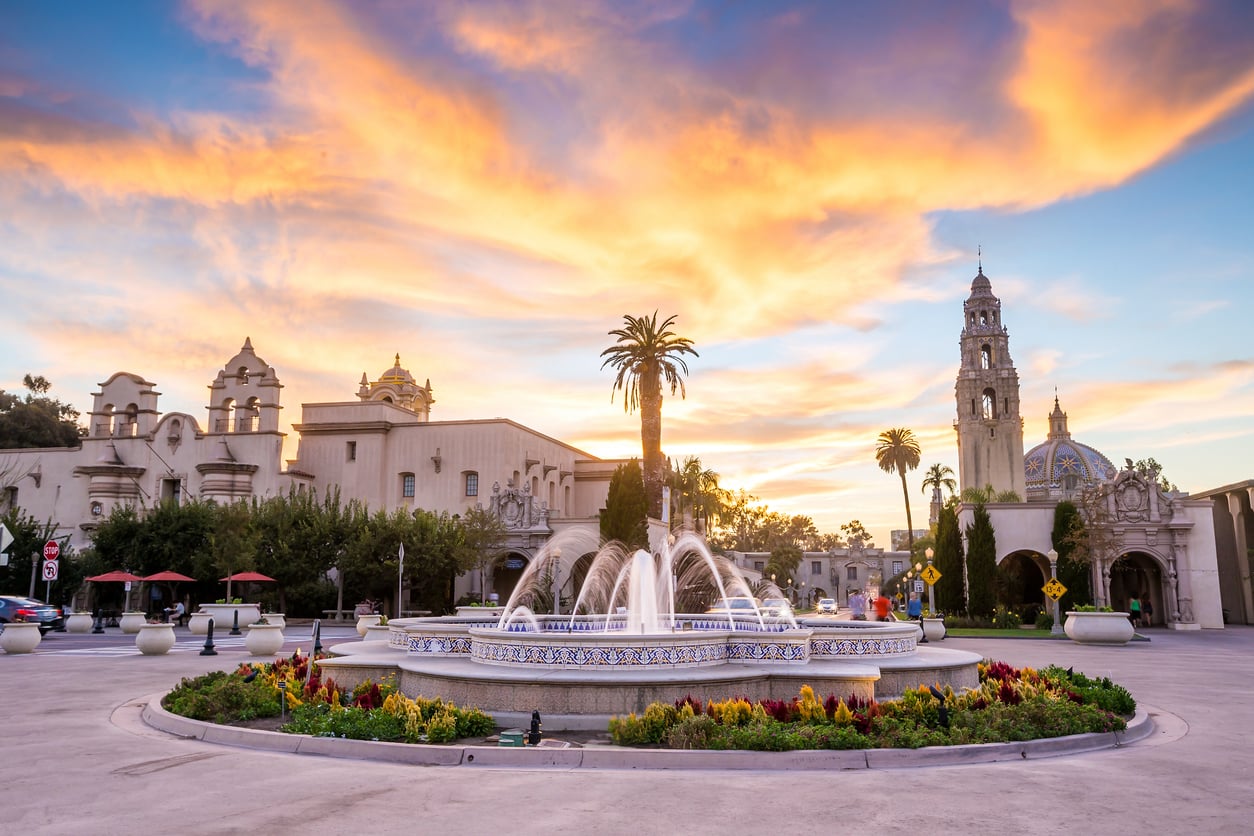
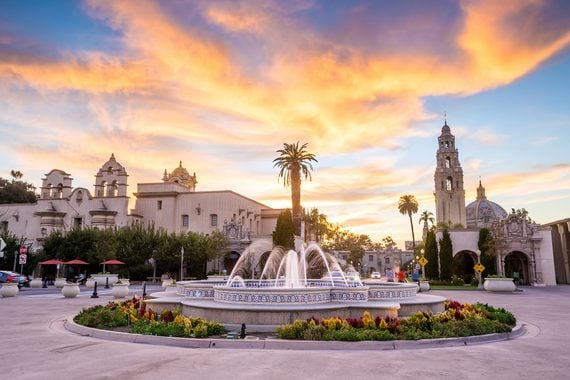
San Diego gives travelers plenty of reasons to leave the hotel early. Beaches can take up entire days, while Balboa Park alone has 18 museums plus gardens, cultural attractions, and the San Diego Zoo nearby. Add waterfront walks, neighborhoods, restaurants, surfing, and harbor activities, and a fancy room can become an expensive place to store your suitcase. Choose lodging based on the parts of San Diego you actually plan to explore. The city is spread out enough that saving a little on the room isn’t worthwhile if you’re constantly paying to cross town.
Sign up for our newsletter
Boston, Massachusetts
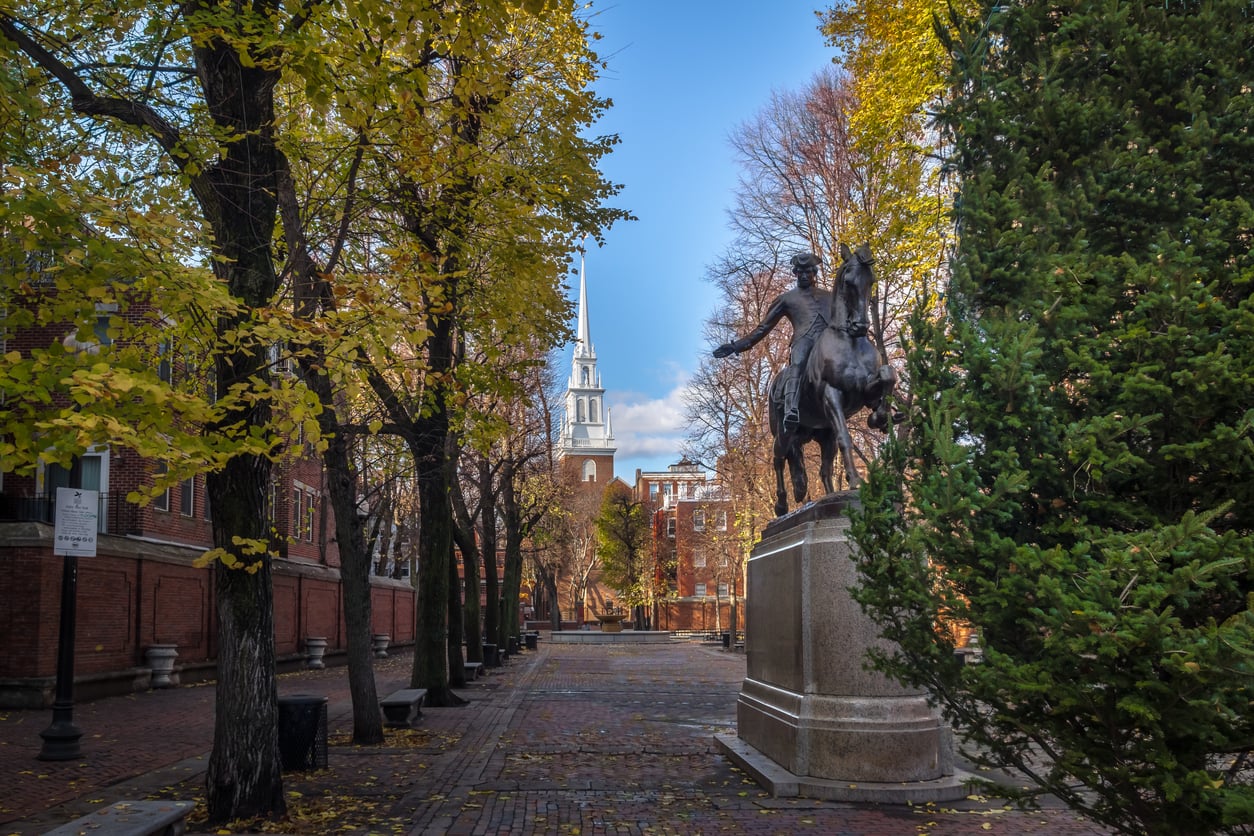
Boston rewards travelers who are happy to walk. The Freedom Trail, North End, Beacon Hill, Boston Common, waterfront, museums, Fenway, and neighborhoods connected by the MBTA can keep a first-time visitor moving from breakfast until evening. Hotel rates can be painful, so this is a particularly good city for asking whether that room upgrade will actually improve your vacation. A smaller, clean room near useful transit may be enough. Put the difference toward seafood, Red Sox tickets, a harbor cruise, or even a day trip to Salem.
Chicago, Illinois
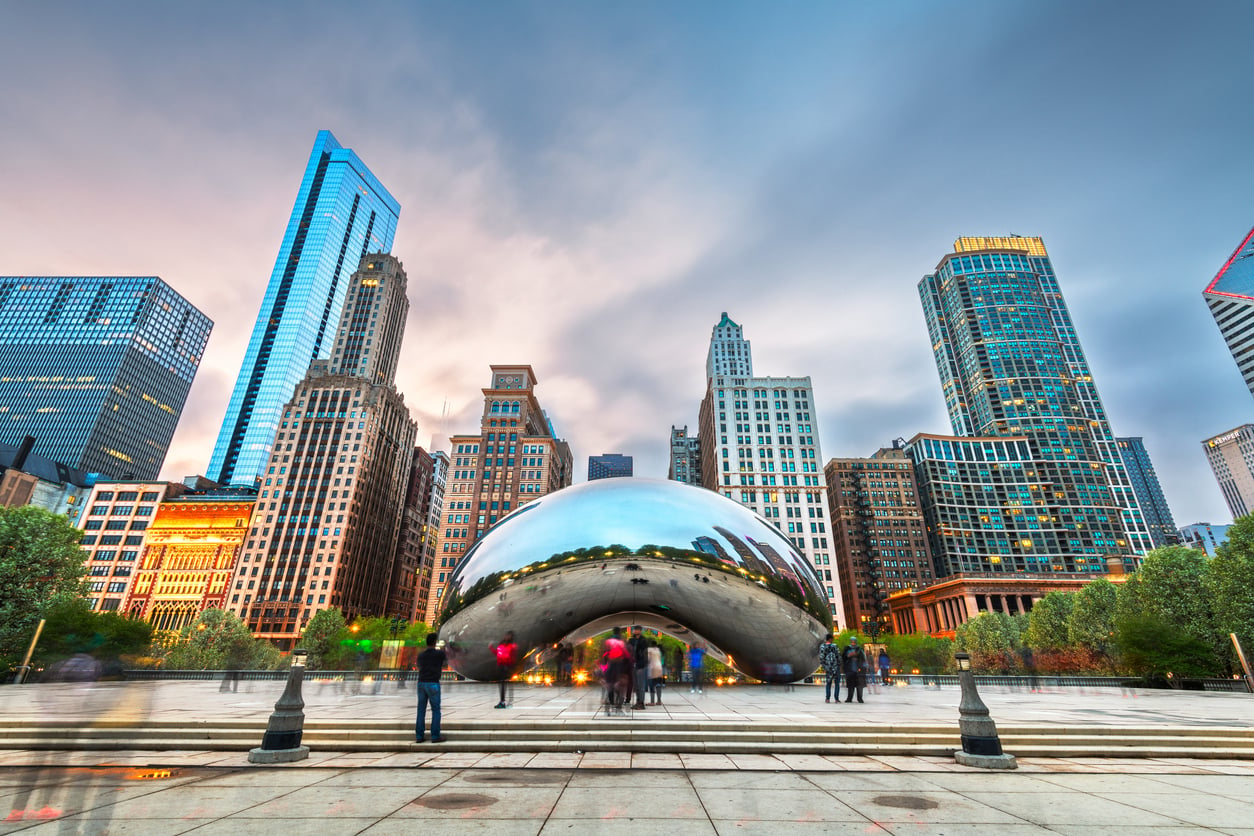
Chicago is another city where your entertainment is waiting outside the hotel. You can start with an architecture cruise, spend hours at the Art Institute, walk through Millennium Park, eat your way through a neighborhood, and still have theater, sports, or live music waiting that evening. Staying near an “L” station can therefore be more valuable than paying for a junior suite. If the choice is between an upgraded room and a distinctly Chicago experience, spending the money on the city usually makes more sense for travelers planning full sightseeing days.
Savannah, Georgia
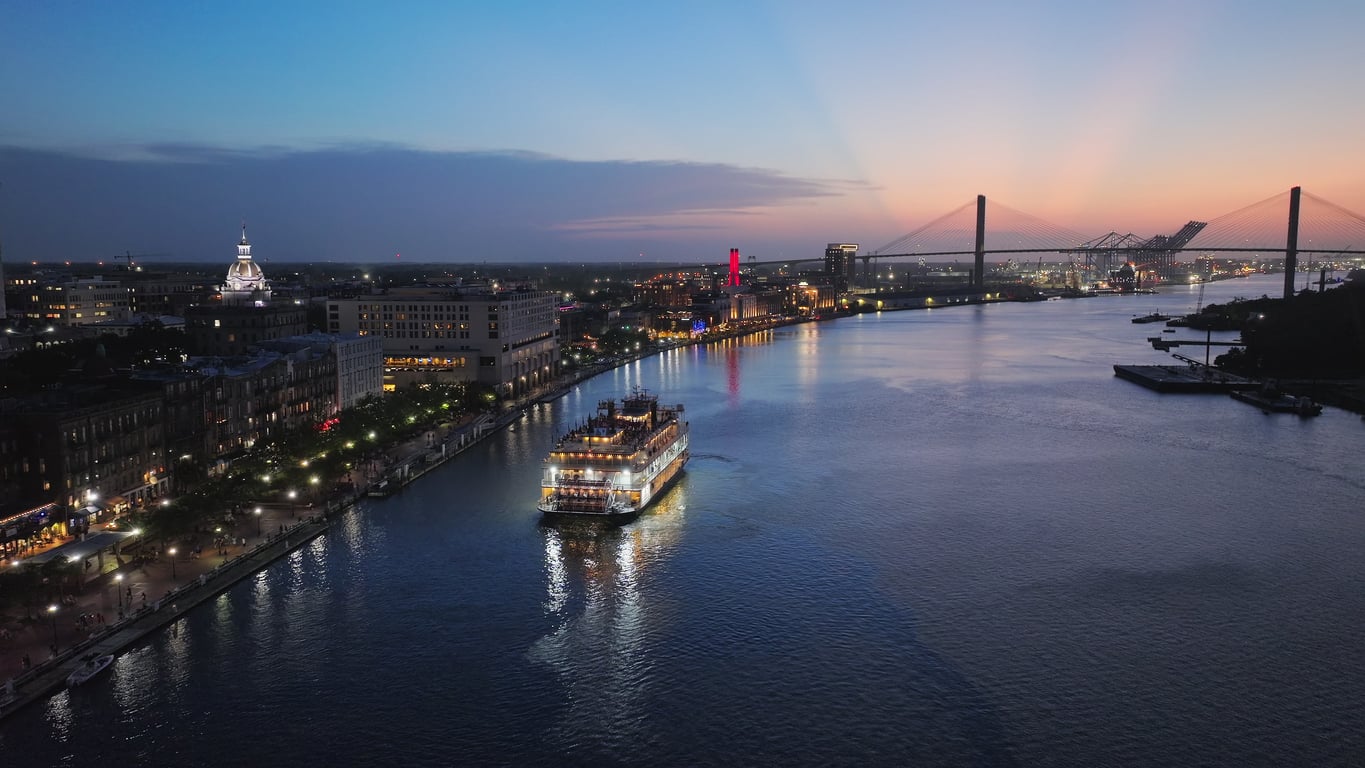
Much of Savannah’s appeal comes from simply being out in it. The Historic District is filled with squares, parks, old architecture, restaurants, riverfront walks, and streets that reward wandering without much of an itinerary. That makes location particularly valuable: a simple room within walking distance of the places you want to see may serve you better than a prettier hotel requiring repeated drives or rideshares. Historic inns are an understandable splurge for travelers who love atmosphere, but they’re hardly necessary if you’ll spend most of your waking hours exploring.
The Florida Keys Road Trip
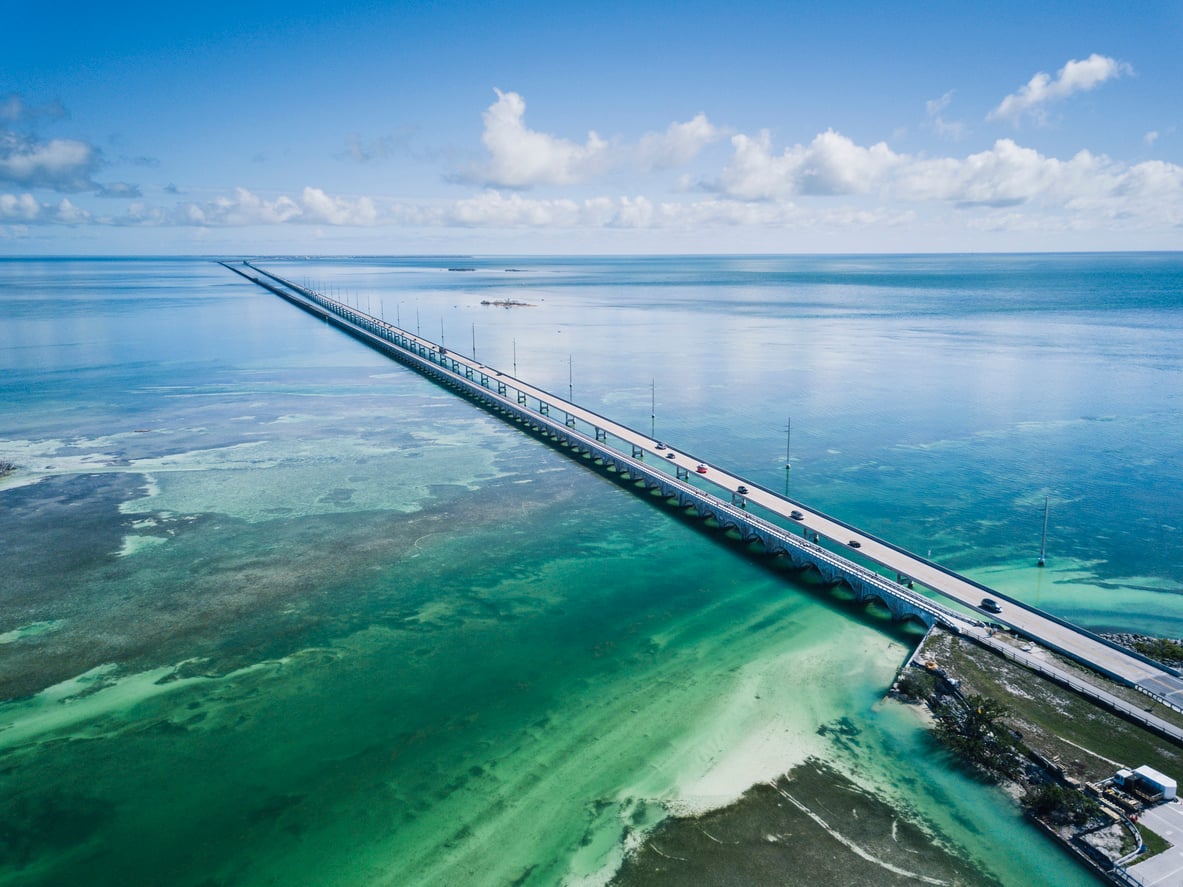
A Florida Keys road trip shifts the emphasis from where you sleep to what happens between check-ins. The memorable parts are likely to be the Overseas Highway, snorkeling, kayaking, fishing, state parks, seafood stops, and wandering around the islands on the way from Key Largo toward Key West. Clean, strategically located accommodations can work perfectly well when you’re moving frequently. Save the waterfront-resort money for getting out on the water instead. But if your plan is three days beside a private beach or pool, reverse this advice – the hotel suddenly matters quite a lot.