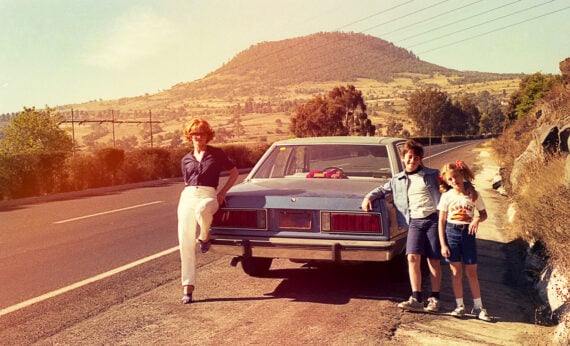
Family vacations looked very different before GPS, smartphones, online hotel booking, and backseat screens. As Federal Highway Administration records show, car ownership rose sharply in the postwar decades, helping make the family road trip a defining part of American life. Travel in the 60s and 70s meant paper maps, roadside motels, coolers, pay phones, postcards, and plenty of improvising along the way.
Planning the Whole Trip With Paper Maps and AAA TripTiks
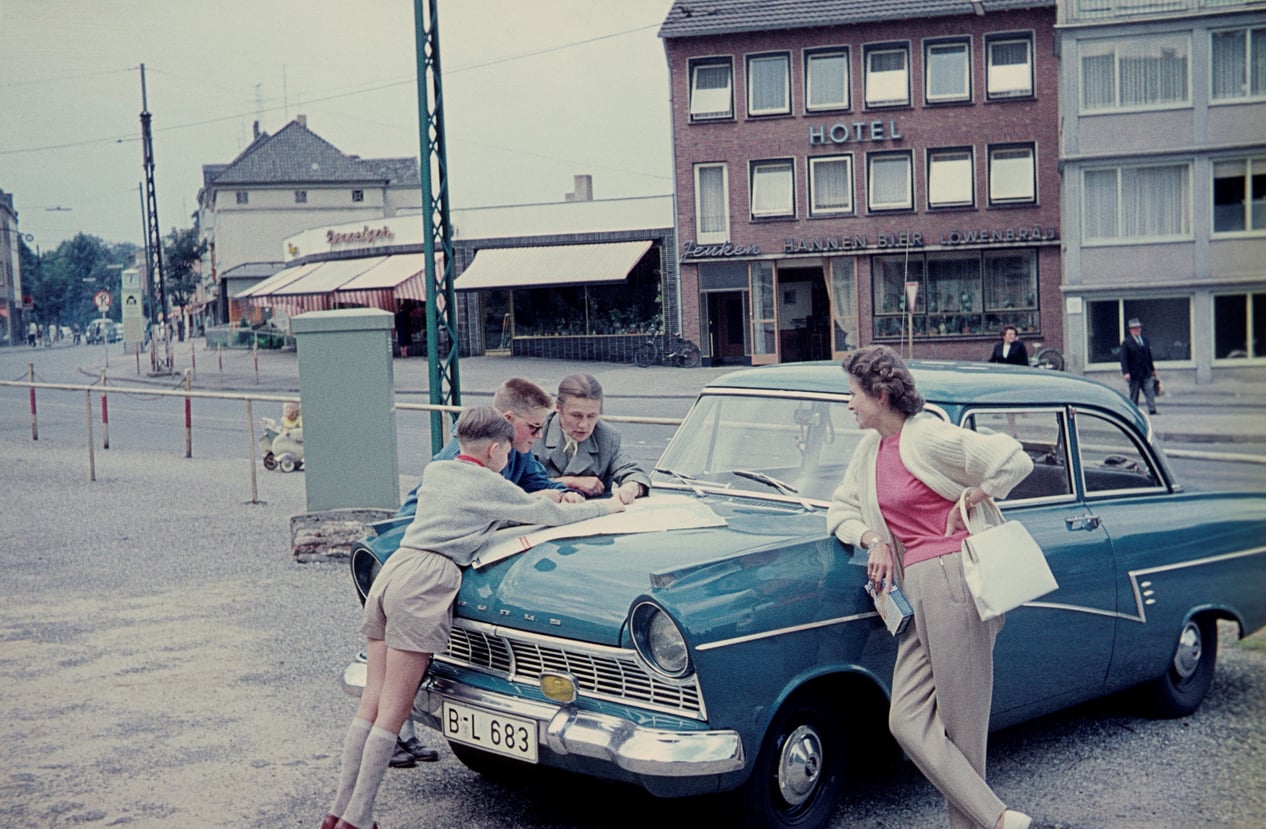
Long before a phone announced the next turn, families unfolded road maps across laps, dashboards, and motel beds. AAA’s TripTik became an especially recognizable road-trip tool: travelers gave an agent their origin and destination, and the route was highlighted across a spiral-bound series of maps. Someone in the passenger seat usually became the unofficial navigator. Missing a turn couldn’t be fixed by tapping “reroute,” either. Interestingly, AAA still makes paper TripTiks today, although GPS has made them much less essential.
Packing the Family Into a Giant Station Wagon
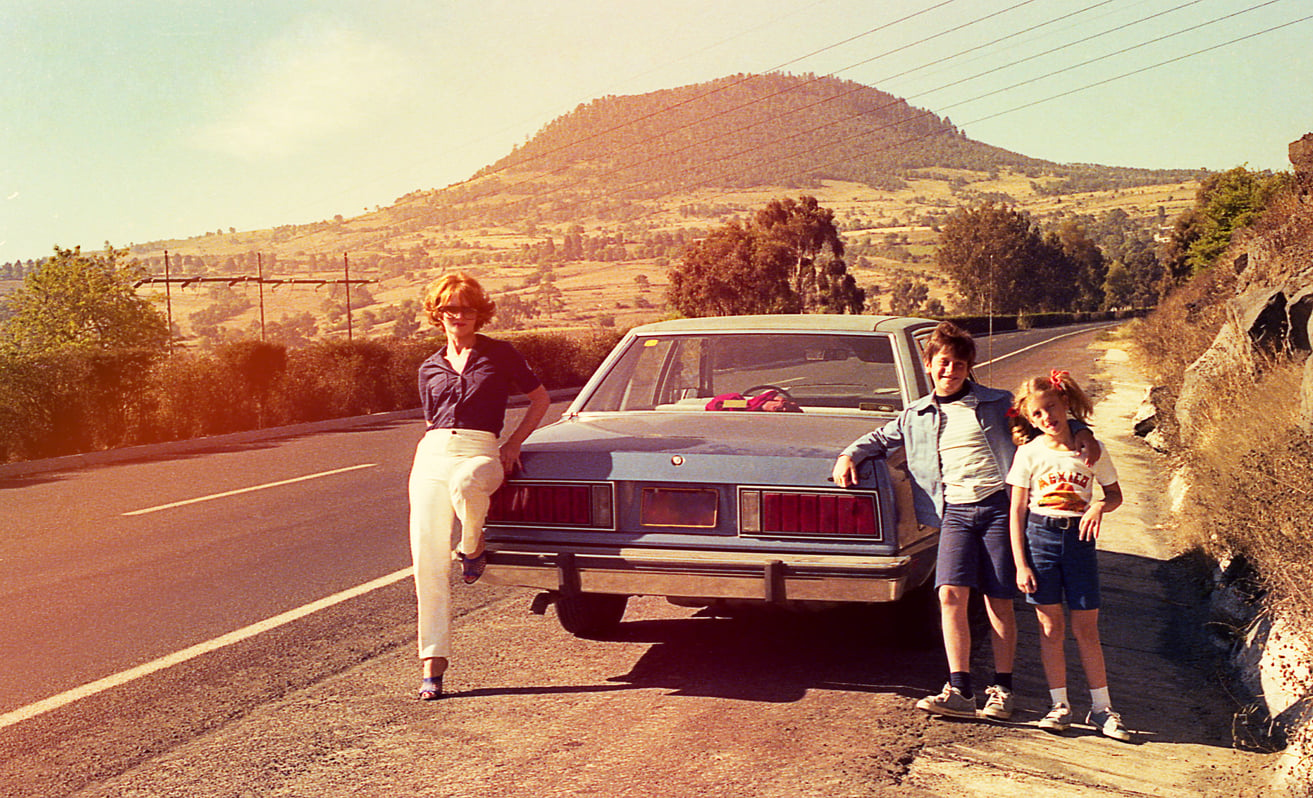
Before minivans and three-row SUVs dominated family driveways, the station wagon was practically built for vacation duty. Smithsonian describes the wagon as a “mobile living room”, “mobile dining room”, and even a home on wheels during camping trips. Families filled the cargo space with coolers, picnic baskets, beach equipment, toys, radios, and luggage, sometimes under faux-wood exterior paneling that became synonymous with the era. Some wagons even offered extra seating in back, creating the famous childhood territory known as the “way back.”
Letting the Kids Stretch Out in the Back
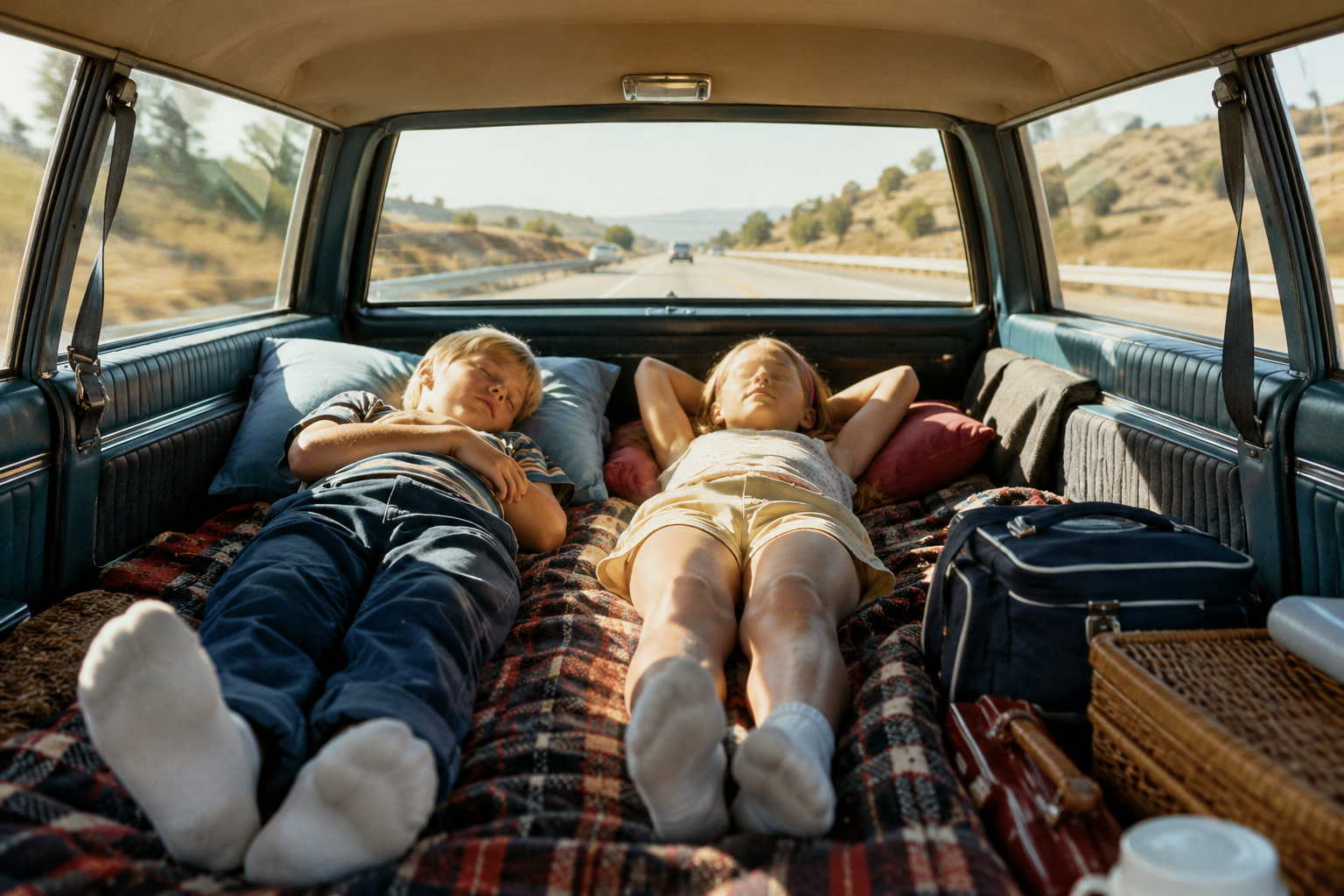
One nostalgic road-trip memory is better left in old family photographs. Children could spend long drives lying across seats or occupying cargo areas with little or no restraint. Modern car-seat culture was still developing: NHTSA says new passenger cars received lap belts beginning in 1964, shoulder belts in 1968, and integrated lap-and-shoulder belts in 1974. Even in 1979, estimated restraint use among children through age 4 was only 15%. Today’s child seats and seat-belt rules make road travel considerably safer.
Driving Until a Motel’s VACANCY Sign Lit Up
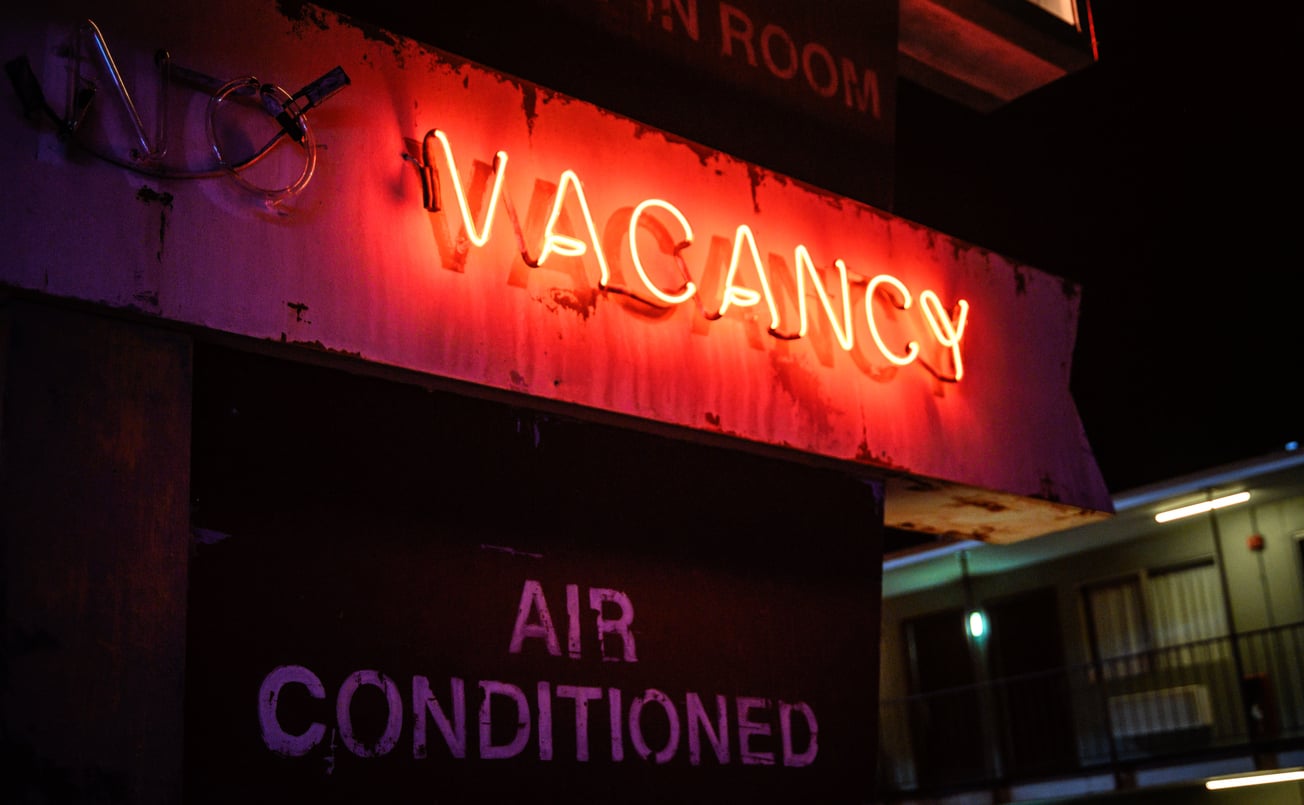
Many families didn’t have every overnight stop locked in months ahead. They simply drove until it was time to quit for the day and started watching roadside motel signs. America’s highways were packed with motor courts and locally owned motels built specifically for motorists, often with parking close to the room, a pool, neon signage, and sometimes a restaurant or souvenir shop. The National Park Service estimates that roughly 30,000 motor courts or motels were operating along American highways by 1948, setting up the roadside lodging culture later generations inherited.
Pulling Out the Cooler at a Roadside Picnic Table
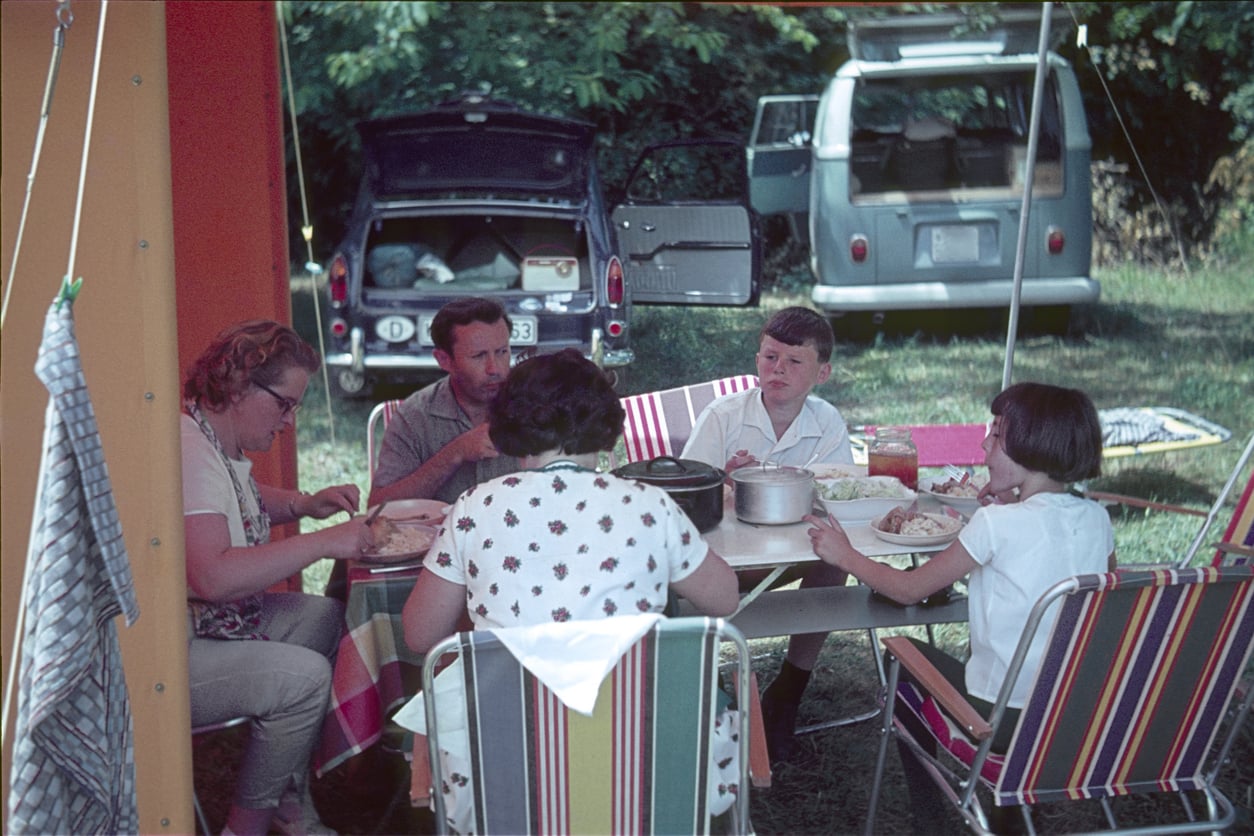
A family lunch didn’t necessarily require finding the next restaurant exit. Sandwiches, fruit, chips, drinks, and thermoses could be packed at home and hauled along in a cooler. Interstate rest areas were designed partly around this kind of stop. A 1967 Federal Highway Administration photograph of an Idaho rest area, for example, documents tables, toilets, shade, running water, and grassy areas for travelers. Families could eat, let the kids stretch their legs, use the restroom, and be back on the highway without turning lunch into another major vacation expense.
Trending on Cheapism
Carrying Traveler’s Checks Along With the Vacation Cash
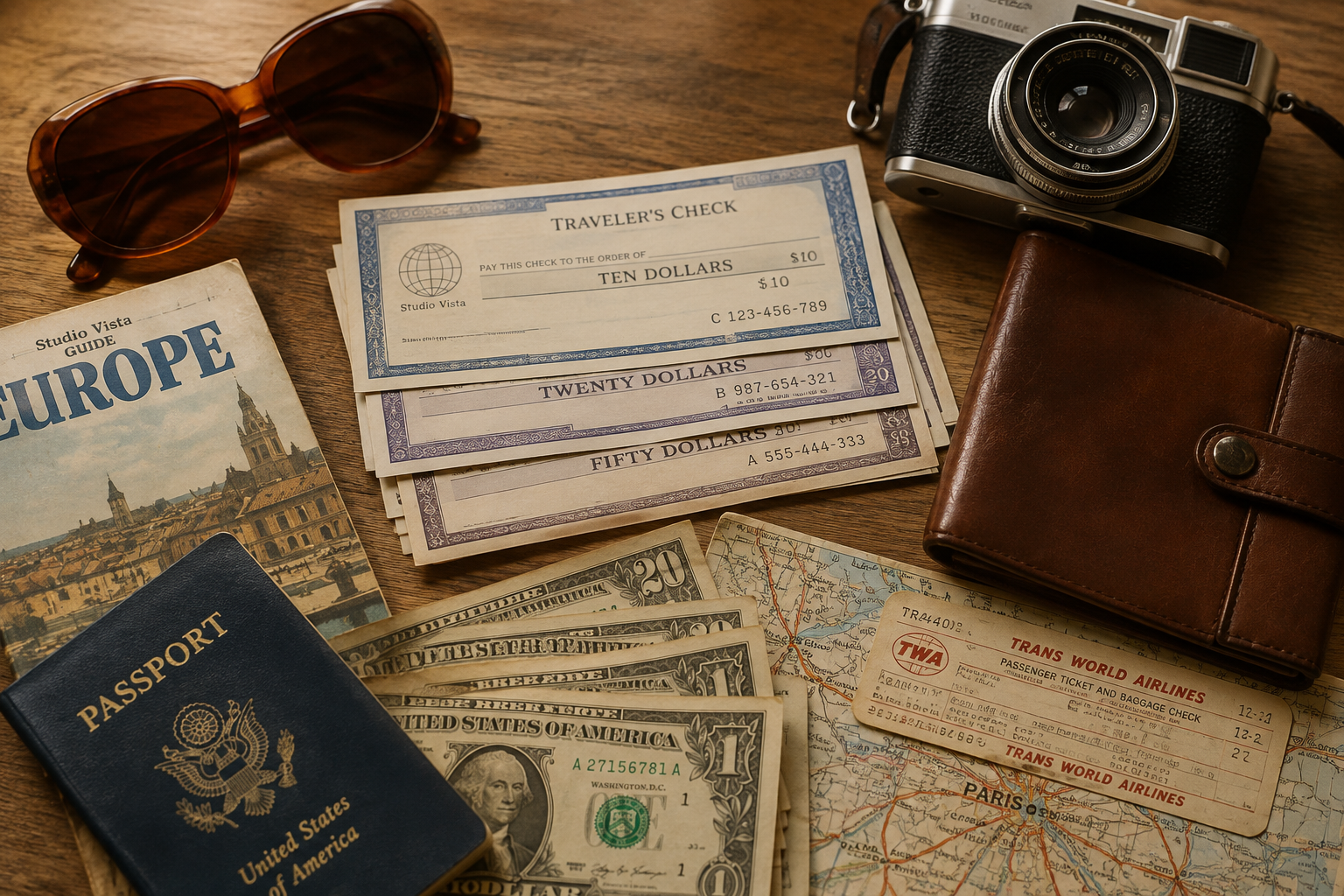
Tap-to-pay would have sounded like science fiction. Families often traveled with some combination of cash, credit cards, and traveler’s checks, which provided a more secure alternative to carrying the whole vacation budget in bills. A traveler signed a check when obtaining it and countersigned it when spending or cashing it. They remained a familiar travel product for decades as payment cards gradually became easier to use. American Express has since stopped issuing new Travelers Cheques, although previously issued valid checks remain redeemable and do not expire.
Finding a Pay Phone to Tell Everyone You Arrived
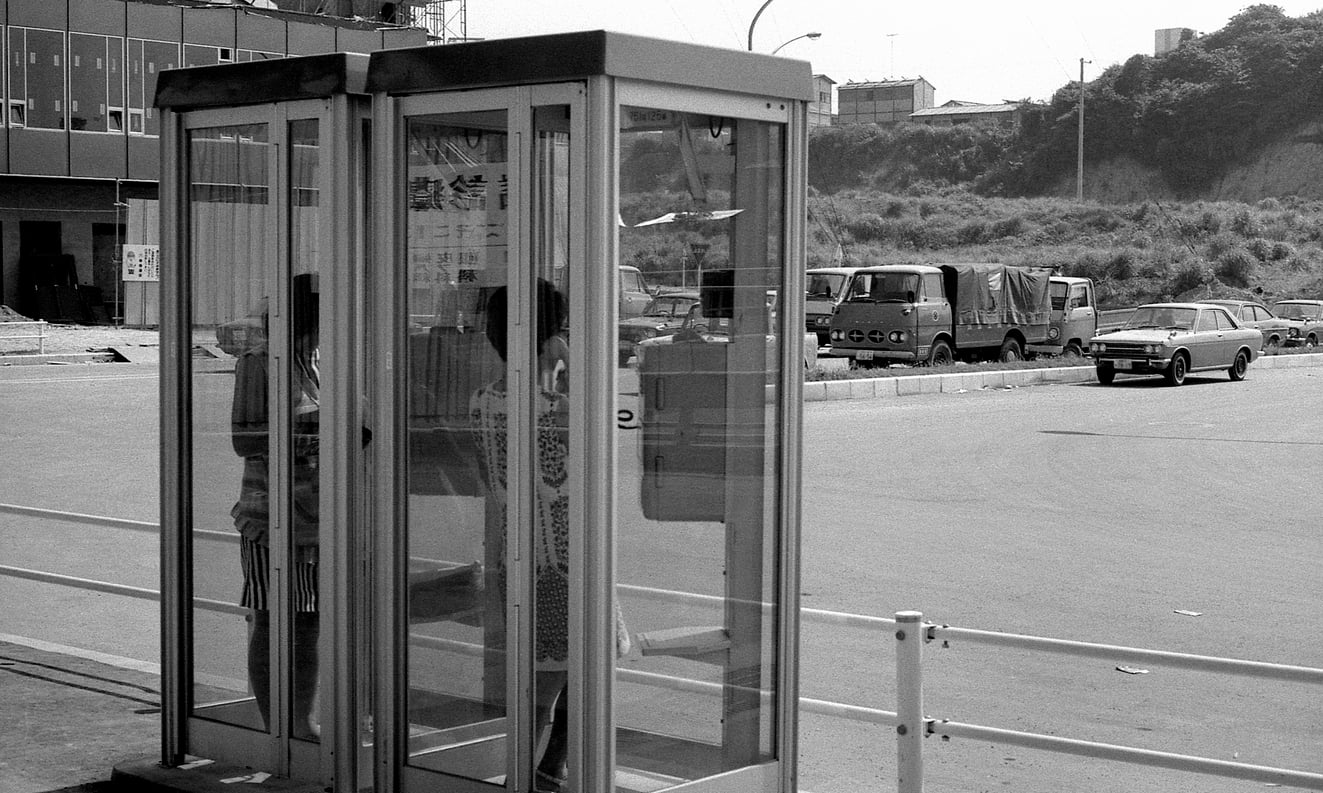
There was no family group chat waiting for an “We made it!” update. Travelers called relatives from motel rooms or hunted down public phones at gas stations, restaurants, airports, and roadside stops. That meant remembering or carrying telephone numbers and, depending on the call, having coins handy or asking the person on the other end to accept a collect call. Families often told relatives beforehand approximately when they expected to arrive. Being unreachable for several hours while driving wasn’t an emergency; it was simply what traveling looked like before mobile phones.
Mailing Postcards Before the Vacation Was Over
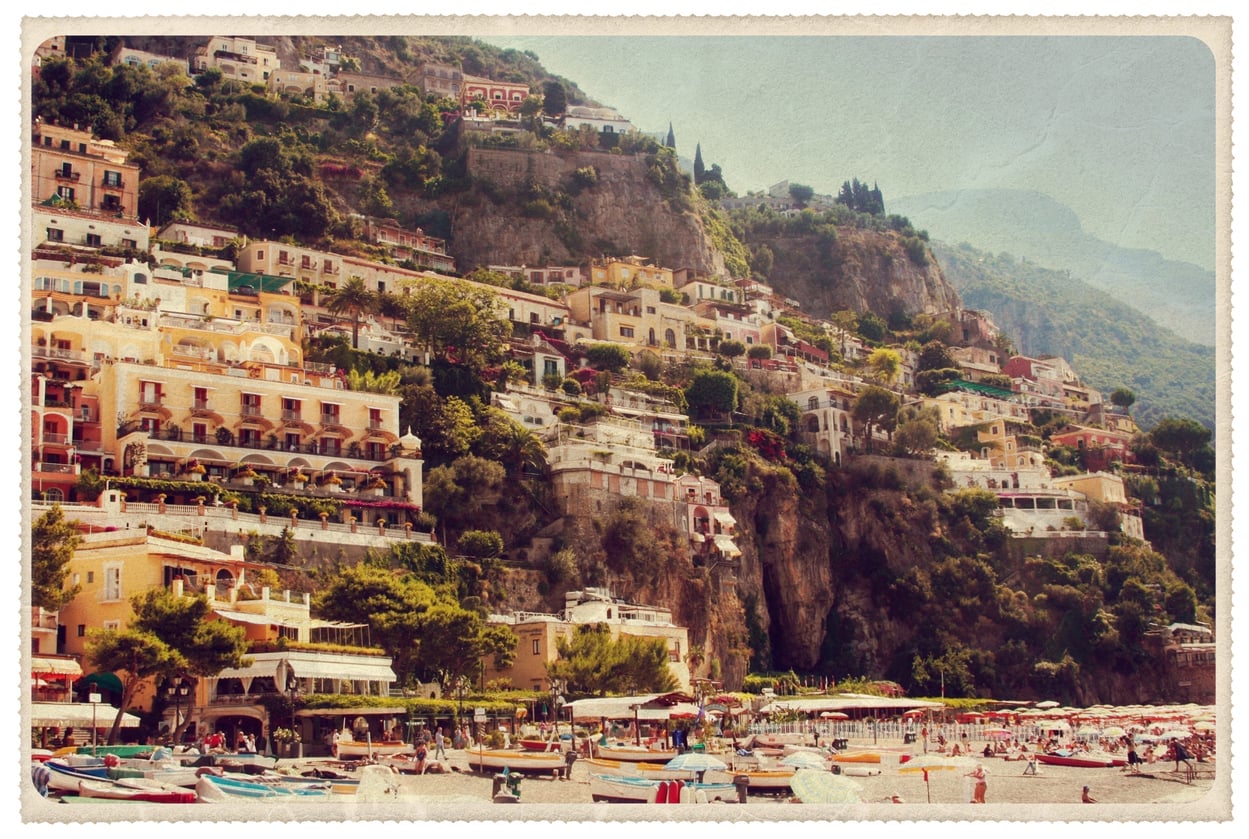
Vacation photos once traveled home considerably more slowly than the people taking them. Families picked scenic or wonderfully tacky postcards from motel lobbies and roadside gift shops, scribbled a few sentences on the back, bought stamps, and dropped them in the mail. Smithsonian notes that reporting from a vacation with a quick “wish you were here” message became one of the postcard’s classic uses. Email and electronic communication began eroding postcard popularity during the 1990s, and today they’re more likely to be bought as souvenirs than travel updates.
Sign up for our newsletter
Playing I Spy Instead of Handing Everyone a Screen
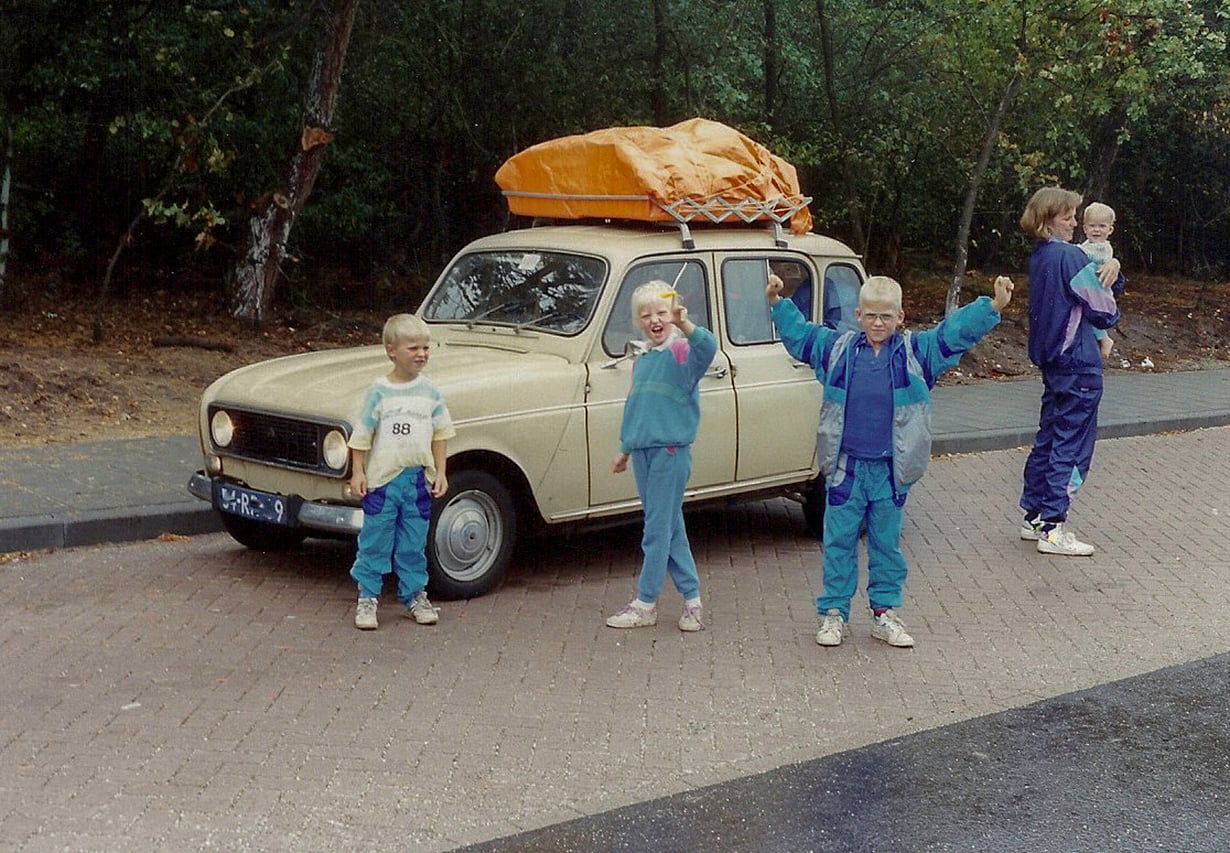
Keeping children occupied for eight hours required creativity. Families played I Spy, the License Plate Game, the Alphabet Game, Punch Buggy, and other diversions based largely on whatever happened to be outside the windows. Mad Libs, coloring books, cards, and an Etch A Sketch could provide backup when the scenery got boring. HISTORY notes that these kinds of games flourished during the postwar road-trip boom. Unlike today’s tablets and headphones, many of them required everyone in the car to participate, for better or occasionally much worse.
Joining the 1970s CB Radio Craze
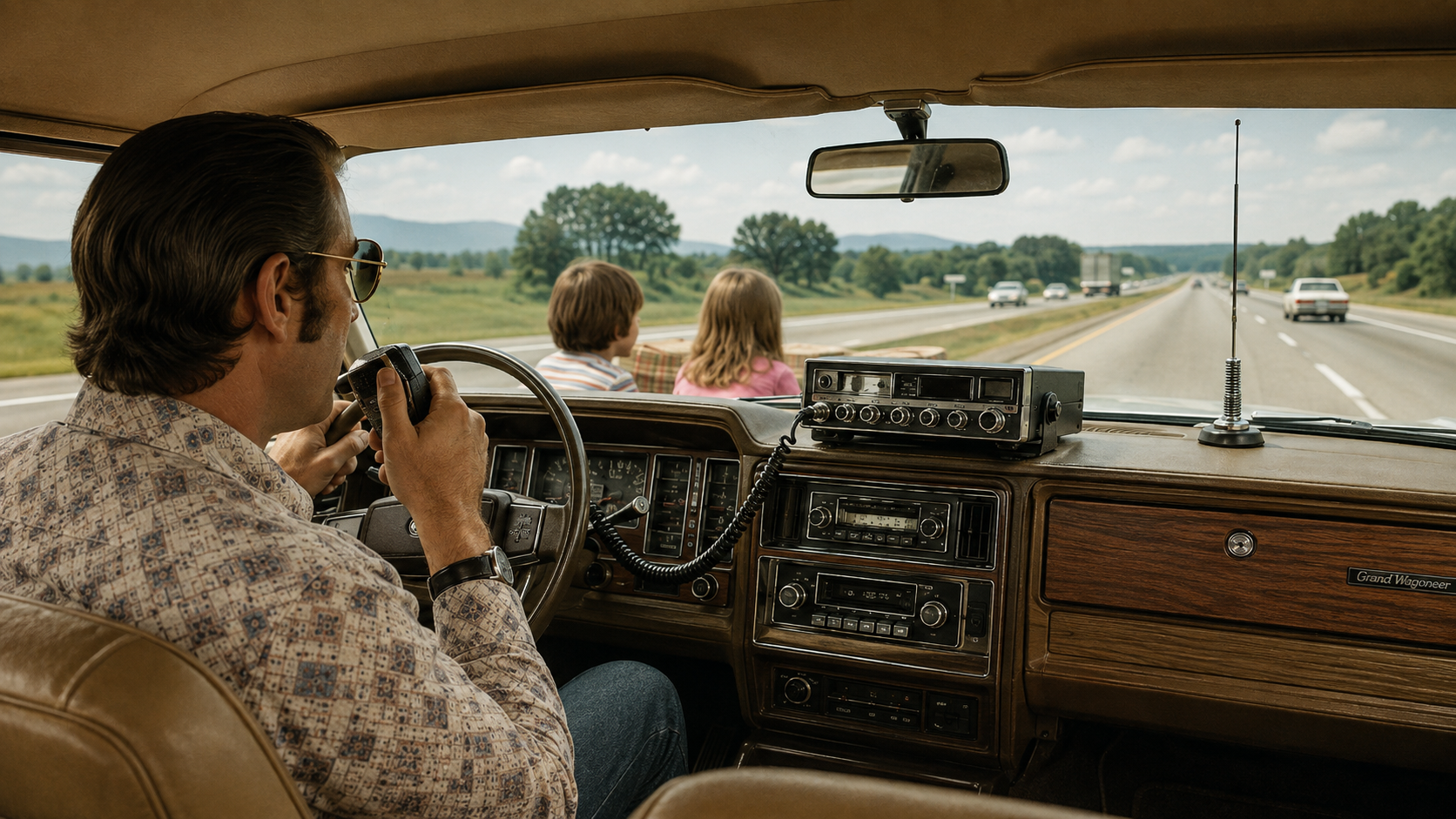
Not every family had one, but few gadgets scream late-1970s highway culture quite like a CB radio and a long antenna. CBs were especially important among truck drivers, who exchanged traffic information, fuel availability, and warnings about police while communicating under colorful nicknames known as “handles.” The 1973 oil crisis helped fuel their popularity, and CB slang later spilled into mainstream culture through songs and movies. A vacationing family joining the chatter wasn’t universal, but hearing “10-4” over a dashboard radio became unmistakably associated with the era.
Choosing Stops Because a Billboard Said So
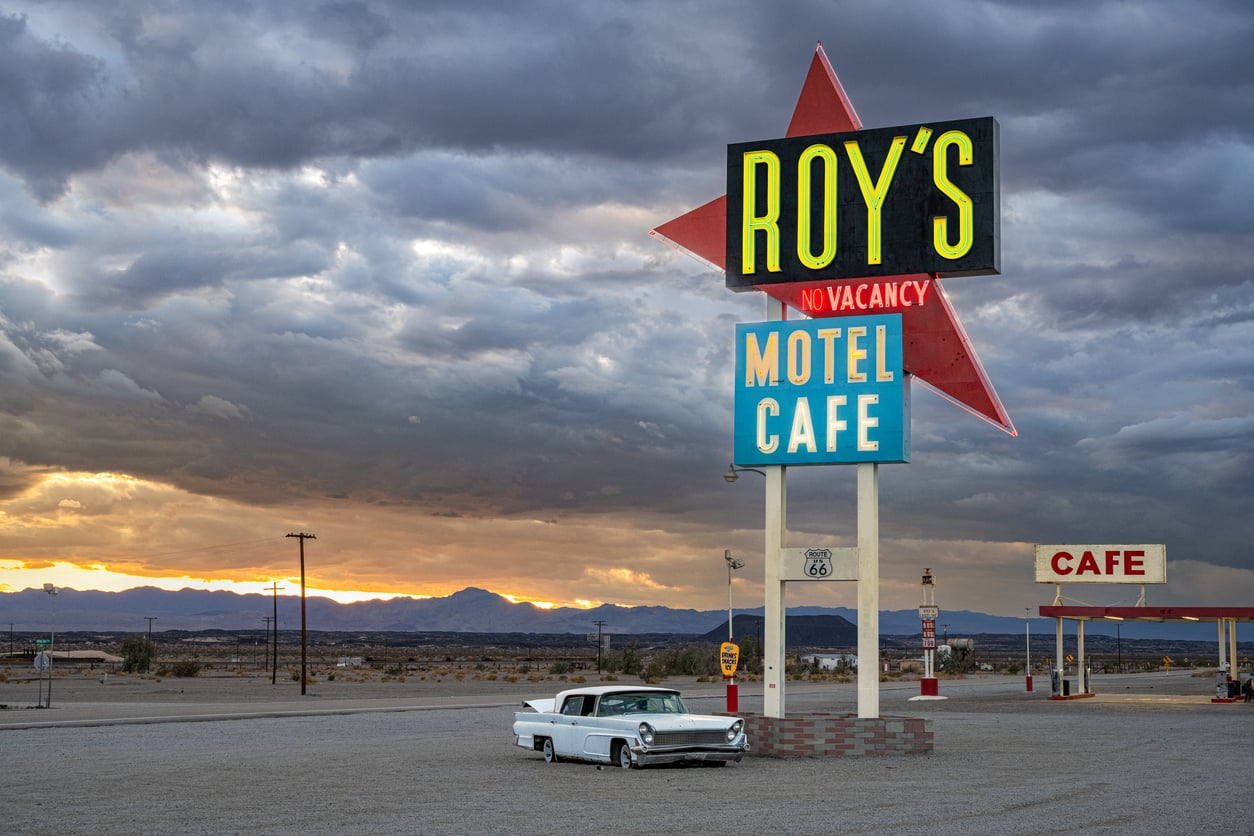
Before Google reviews could tell you whether the giant reptile museum was worth seven dollars and a detour, roadside advertising had to do the persuading. Motorists passed billboards promoting diners, motels, curio shops, caves, souvenir stands, and increasingly bizarre attractions farther down the road. Route 66 became especially famous for businesses designed to capture passing drivers’ attention. As the interstate system bypassed older roads and small-town commercial strips, many of those businesses lost traffic, helping change the spontaneous “that sign looks interesting” style of family travel.
Black Families Had to Plan for Places That Would Actually Welcome Them
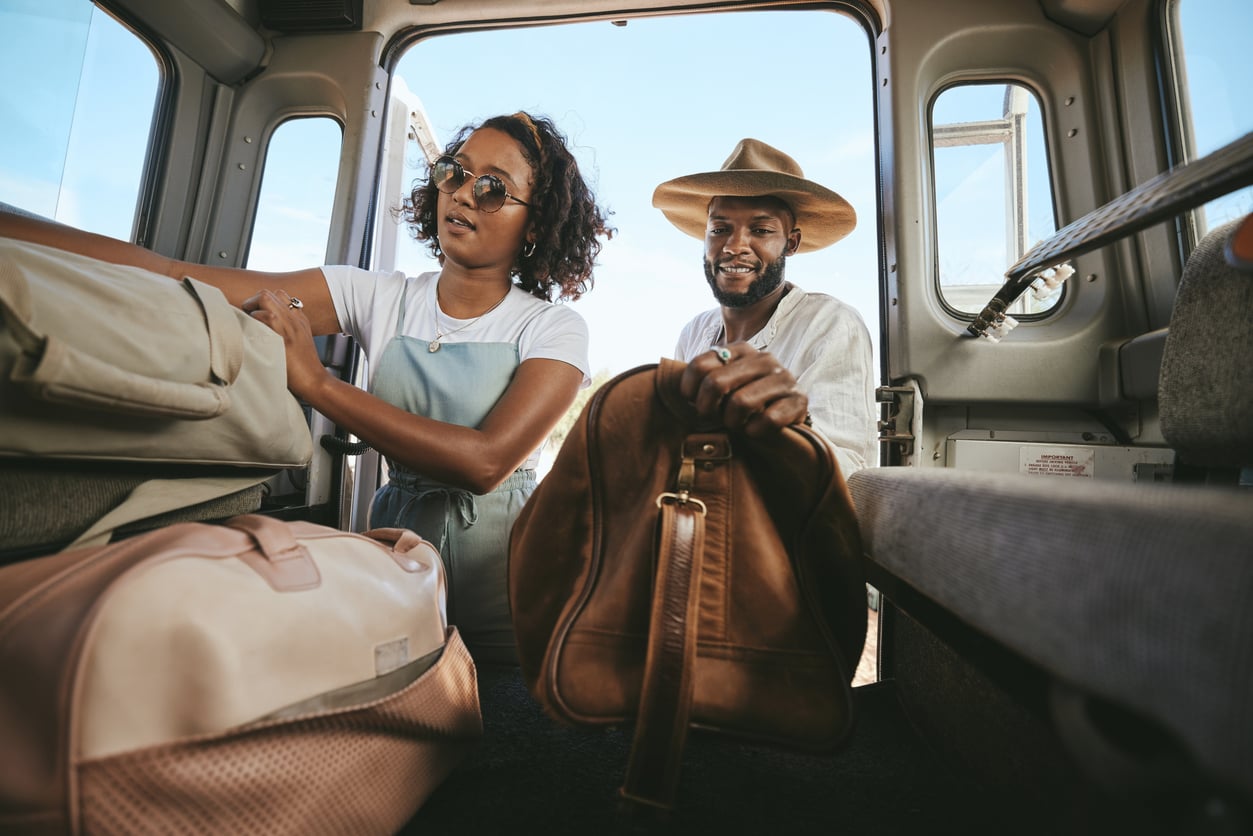
The carefree American road trip was never equally carefree for everyone. In the early 1960s, Black families could still encounter hotels, restaurants, gas stations, and other businesses that refused them service or treated them dangerously. The Negro Motorist Green Book helped travelers locate welcoming businesses and safer places to stop. The Civil Rights Act of 1964 prohibited racial segregation in public accommodations, but discrimination did not disappear overnight; the Green Book continued publishing through 1966. Remembering that reality keeps nostalgia for midcentury family travel from erasing who faced very different roads.