Retiring somewhere affordable can require looking beyond the places that usually dominate “best places to retire” lists. Beach towns and popular Sun Belt destinations may sound appealing, but smaller communities can offer something increasingly difficult to find: housing costs that don’t consume most of a fixed retirement income.
Of course, cheap housing isn’t enough to make a town a good place to spend your retirement. Access to healthcare, shopping, recreation, transportation, and nearby cities can matter just as much, especially as you get older. And a town that’s affordable for one retiree may be impractical for another.
With that in mind, we looked at small communities where housing and everyday expenses remain relatively manageable by current U.S. standards. Some come with cold winters, others with extreme heat or a long drive to the nearest major airport. But if keeping costs under control is one of your biggest retirement priorities, these 14 affordable small towns for retirement are worth putting on your radar.
Corning, Iowa
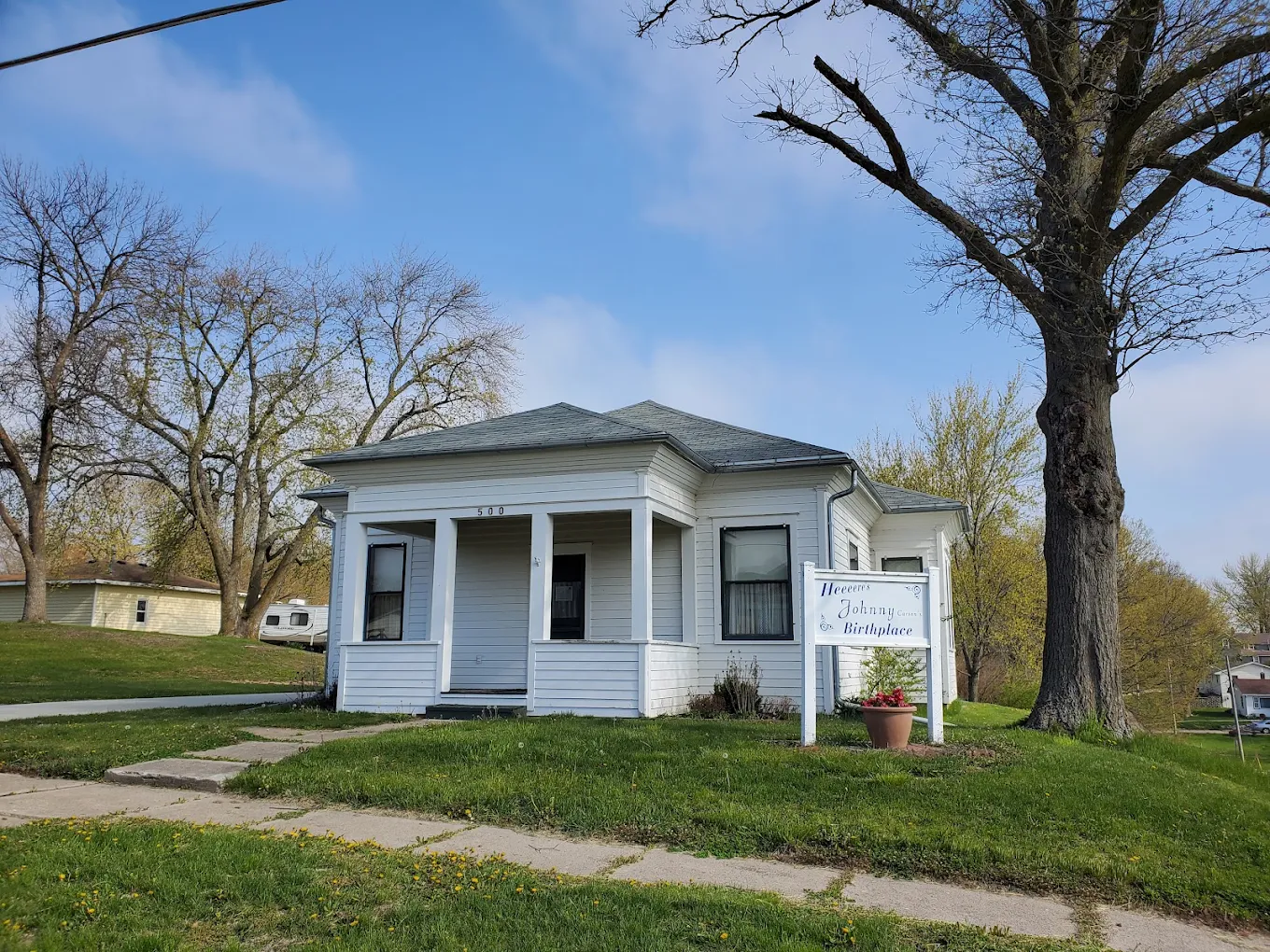
With only around 1,500 residents, Corning is genuinely small — and its housing prices match. The average home value recently sat around $150,600, while average rent was roughly $810 a month and overall living costs were estimated to be about 25% below the national average. Despite its size, Corning has a hospital, parks, a historic downtown, and nearby outdoor recreation. Iowa also excludes qualifying retirement income for residents age 55 and older, among other eligible taxpayers. The trade-off is a cold Iowa winter and limited big-city amenities, so this is a better fit for retirees comfortable with small-town life.
Gregory, South Dakota
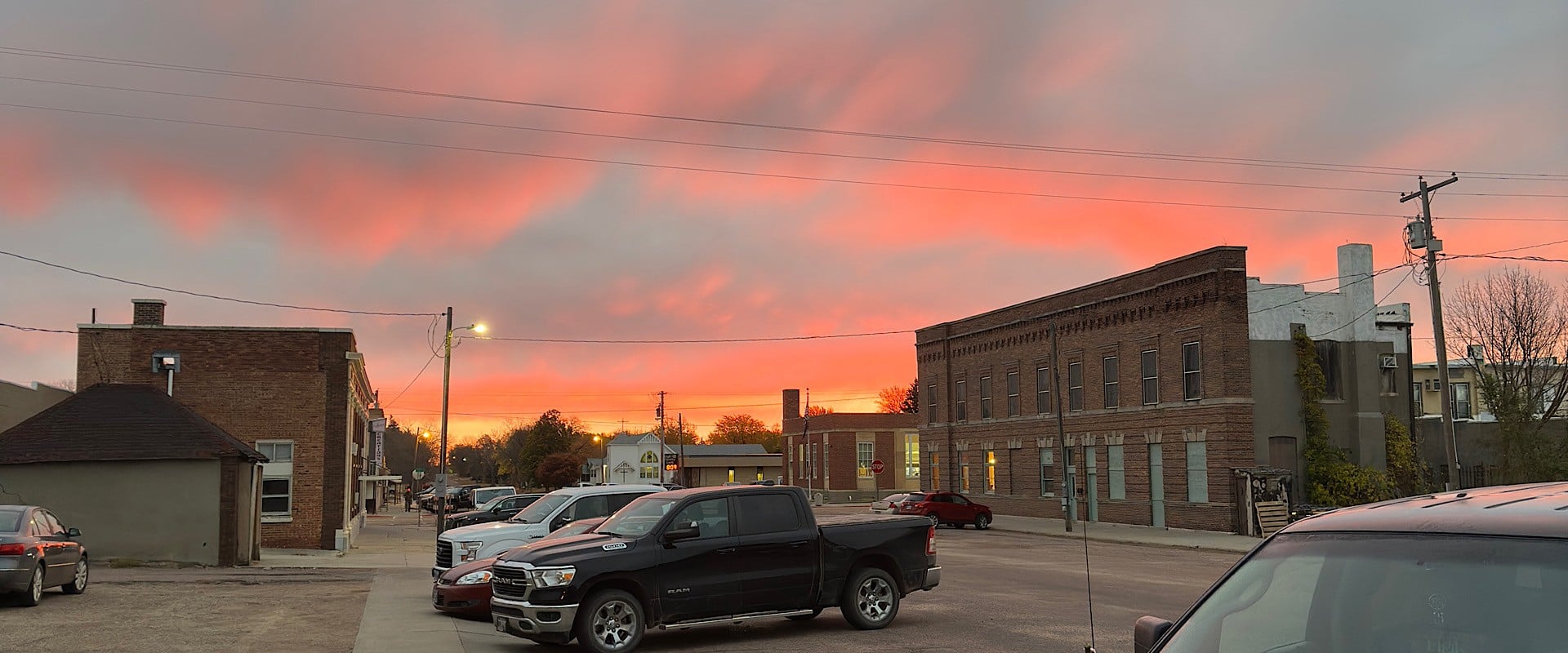
Gregory has only around 1,200 residents, but that’s part of the appeal for retirees who really do want to get away from it all. Housing costs in the area are exceptionally low, and South Dakota doesn’t impose an individual state income tax, making the state particularly interesting for retirees drawing income from pensions and retirement accounts. Just don’t mistake inexpensive for convenient. Gregory is remote, and reaching a major airport or the wider range of medical specialists available in a large city can require a substantial drive.
Santa Rosa, New Mexico

For retirees who want Western scenery without Santa Fe prices, Santa Rosa offers an interesting alternative. Recent figures put the median home value in surrounding Guadalupe County at about $215,000, with median monthly housing costs around $510. The town itself has roughly 2,700 residents, along with Route 66 history, lakes, fishing, hiking, and local healthcare services. New Mexico does tax some retirement income, however, so it’s worth calculating your individual tax situation rather than assuming the low housing costs tell the entire affordability story.
Parker, Arizona

Plenty of Arizona retirement destinations have become anything but cheap, but Parker remains relatively attainable. Recent county-level figures cited in retirement research put median home values below $200,000 and median monthly housing costs at roughly $539. Retirees also have access to a senior center and plenty of outdoor recreation along the Colorado River. There’s one expense you shouldn’t overlook, though: air conditioning. Parker summers can be brutally hot, making both heat tolerance and cooling costs important considerations before moving.
Irwin, Pennsylvania
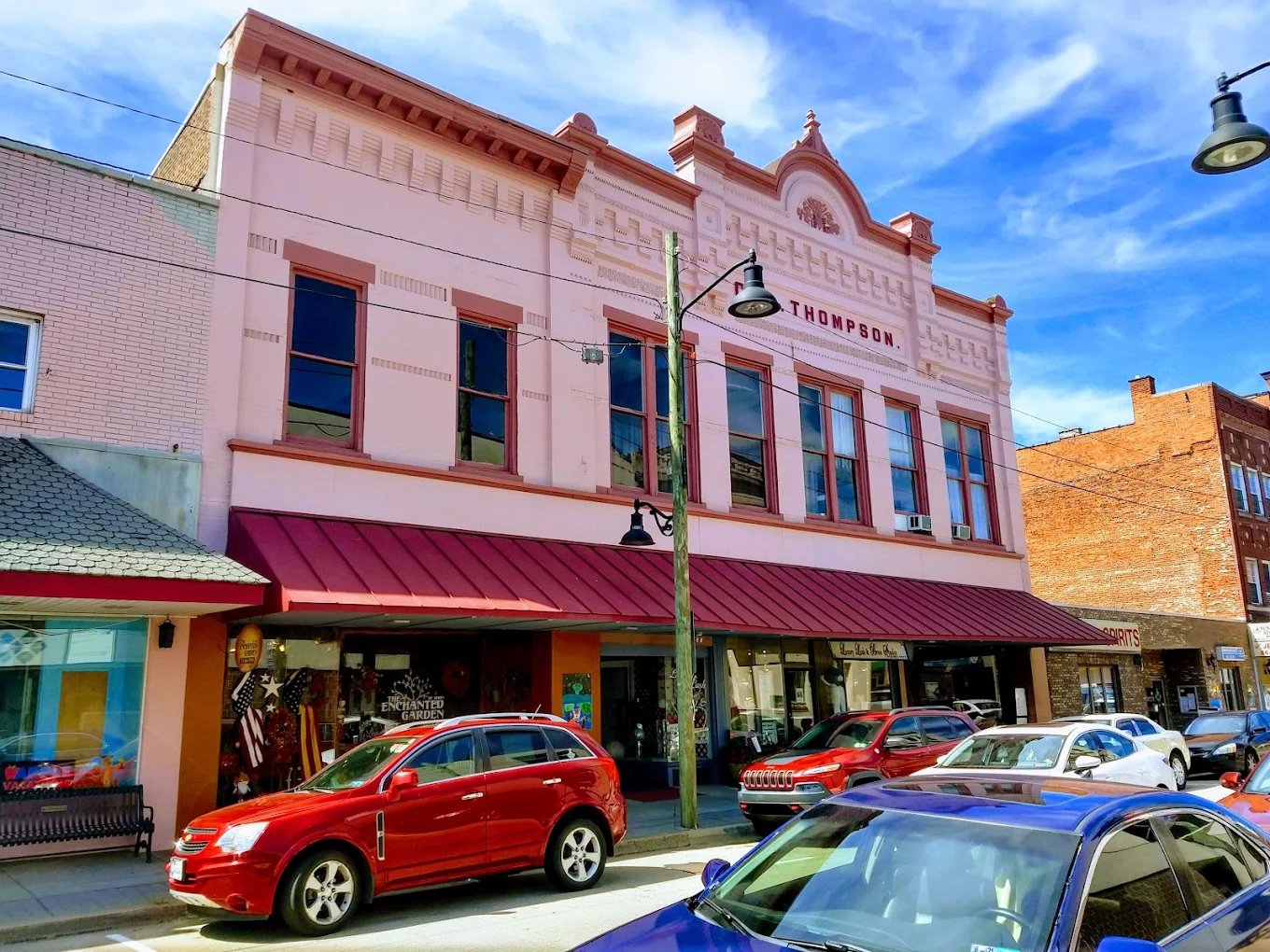
Irwin offers something many inexpensive retirement towns can’t: easy access to a major metropolitan area. The borough has fewer than 4,000 residents, and a 2026 GOBankingRates analysis put average rent at about $1,245 per month, with estimated monthly expenditures beyond rent at roughly $1,802. Pittsburgh is close enough for major hospitals, specialists, an international airport, restaurants, sports, and cultural attractions, giving retirees many of the benefits of a city without requiring them to pay city housing prices.
Trending on Cheapism

Grand Blanc, Michigan
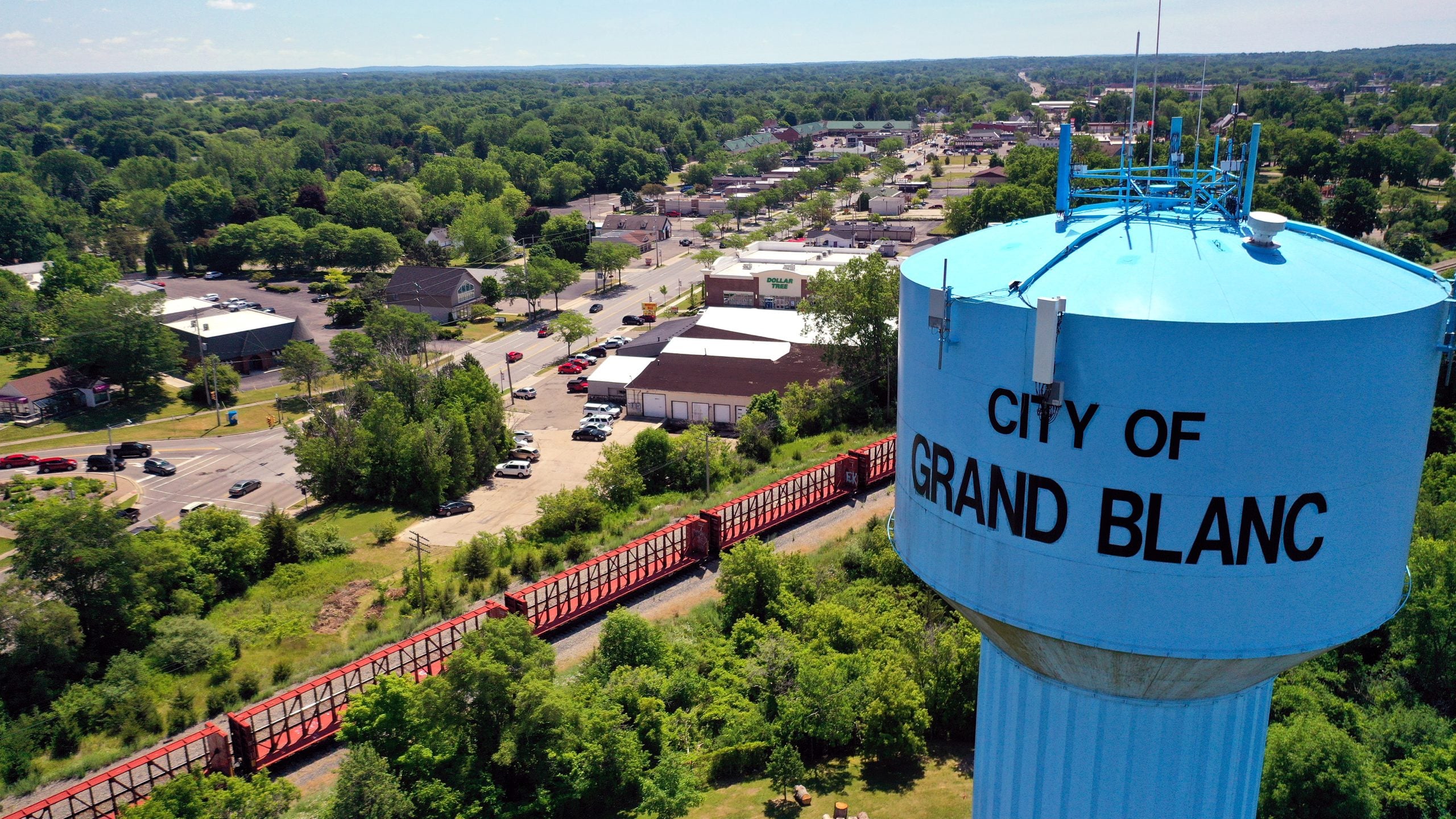
Grand Blanc manages to keep a small-town feel while sitting close enough to Flint to give retirees access to more shopping, medical care, and everyday services. A 2026 retirement analysis put the town’s population just under 8,000, average monthly rent at approximately $1,293, and other estimated monthly expenditures at about $1,802. That can make it an appealing compromise between affordability and convenience. The obvious catch is Michigan weather: Anyone hoping to spend retirement avoiding snow shovels and icy roads should probably keep looking.
Beaver Falls, Pennsylvania
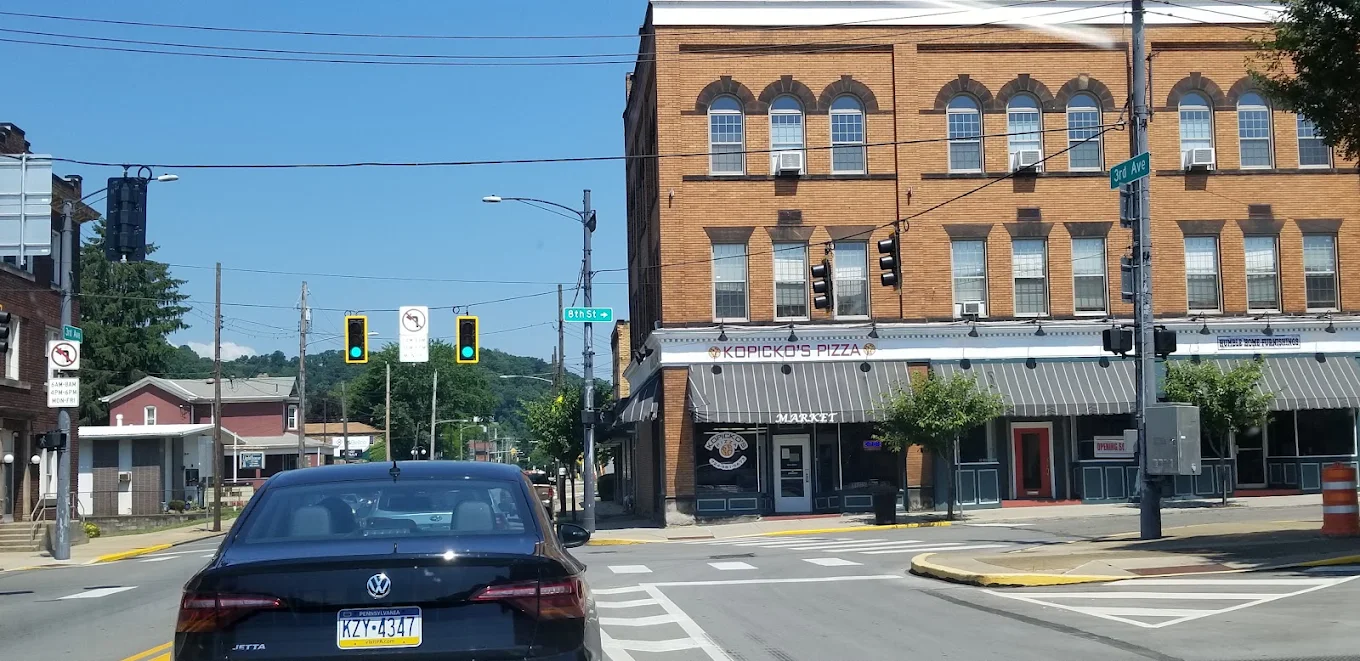
If housing costs are your biggest concern, Beaver Falls deserves attention. Average rent came in at just $971 per month in a 2026 analysis, notably lower than many of the other small towns studied. The city has fewer than 9,000 residents and remains within reach of Pittsburgh, which helps with access to major healthcare and other services. As with many older Rust Belt communities, though, affordability can vary considerably from neighborhood to neighborhood, so this isn’t somewhere you’d want to choose based on a town-wide average alone.
Southgate, Kentucky
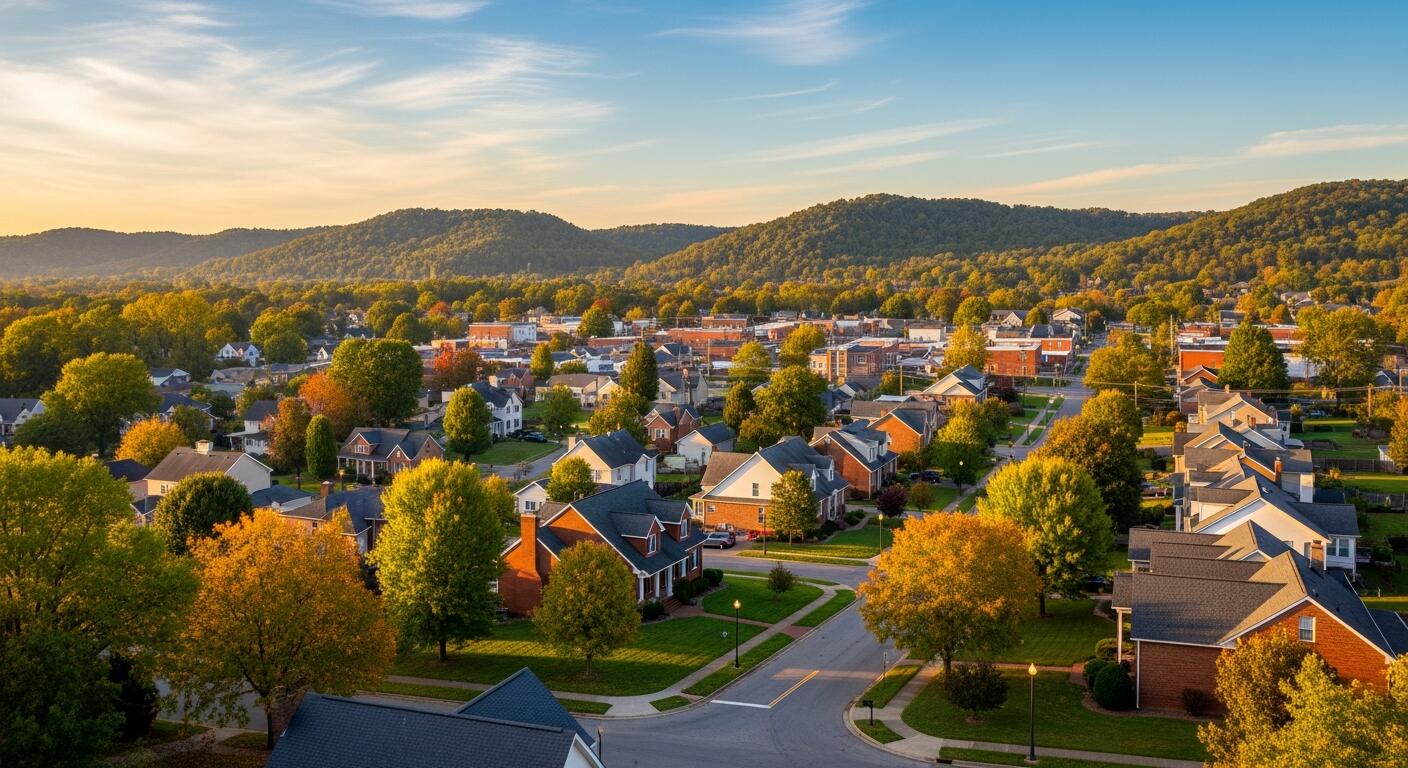
Southgate may be small, with fewer than 4,000 residents, but Cincinnati is practically next door. That puts major hospitals, an airport, entertainment, shopping, and other city amenities within easy reach while allowing retirees to live outside the city itself. Recent research put average rent at about $1,415 per month and other estimated monthly retiree expenditures around $1,875. Kentucky also doesn’t tax Social Security benefits and allows an exclusion for qualifying pension and retirement income, which can further change the math for some retirees.
Sign up for our newsletter
College Place, Washington
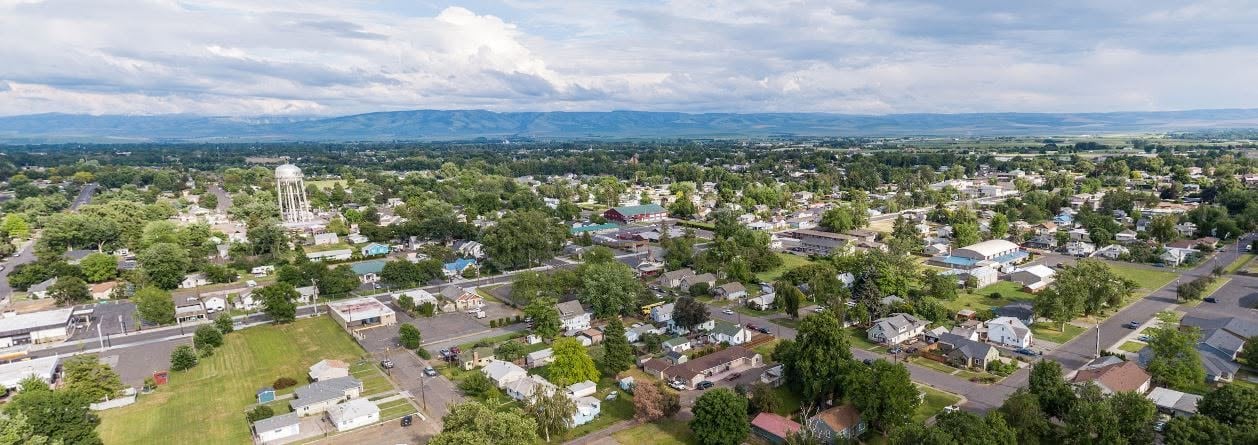
Affordable and Washington don’t always appear in the same sentence, particularly if you’re thinking about Seattle-area prices. College Place is different. The small city had an average rent of approximately $1,457 and estimated monthly expenditures of around $1,677 in a 2026 retirement analysis. Nearby Walla Walla provides additional healthcare, restaurants, shopping, and entertainment. Washington also currently has no individual income tax, although a new tax affecting annual adjusted gross income above $1 million is scheduled to take effect in 2028.
Crafton, Pennsylvania
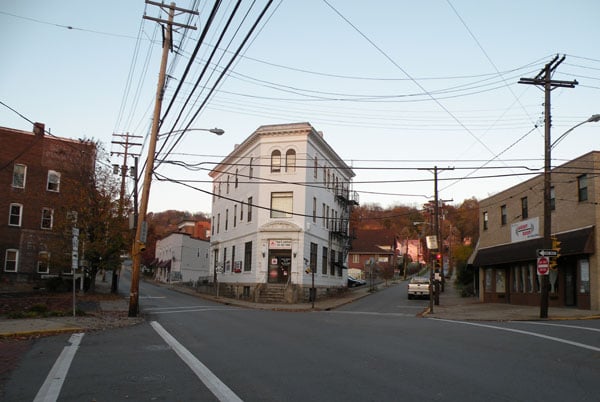
Crafton had the lowest average rent among the 50 small retirement towns examined by GOBankingRates in 2026: just $888 per month. Even better for retirees worried about becoming isolated, Crafton sits immediately west of Pittsburgh. That means hospitals, specialists, an airport, shopping, and entertainment are close by. It feels more like a small borough tucked into a larger metropolitan area than a remote country town, which could actually be an advantage for retirees who want to keep housing costs low without giving up easy access to essential services.
Sandwich, Illinois
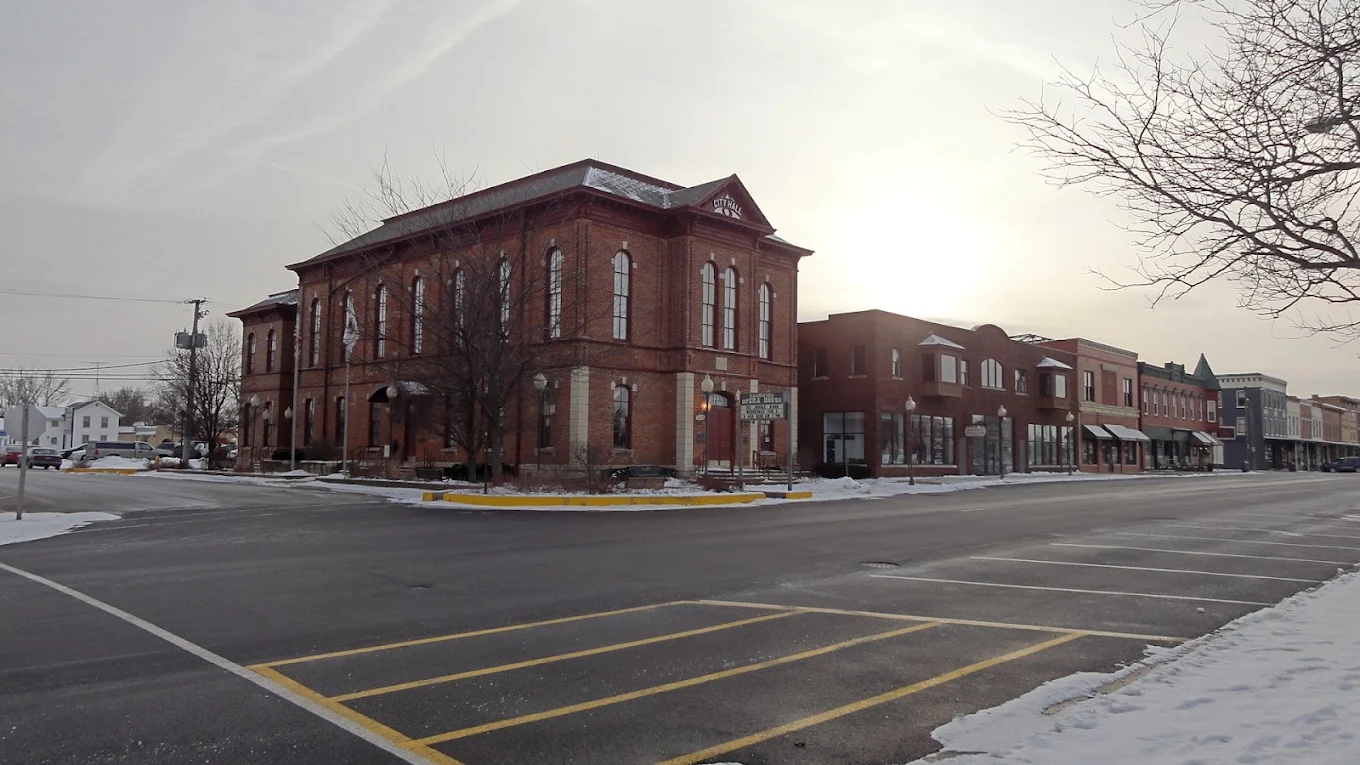
Aside from having a name that’s impossible to forget, Sandwich offers a genuinely small-town setting without putting retirees completely out in the middle of nowhere. The community has roughly 7,100 residents, and average rent was about $1,300 in the housing data used for a 2026 retirement analysis. It’s within driving distance of larger northern Illinois communities and the outer Chicago region, making it easier to reach services that aren’t available locally. Illinois’ treatment of qualifying retirement income can also be an important consideration for retirees comparing states.
Brentwood, Pennsylvania
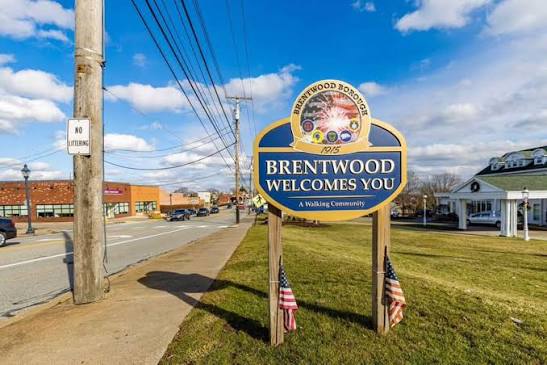
Brentwood sits just outside Pittsburgh, making it another option for retirees who like the idea of small-community living but don’t want to sacrifice access to a major healthcare system. The borough had fewer than 10,000 residents and an average monthly rent of roughly $1,285 in the data used for GOBankingRates’ 2026 analysis. Its biggest selling point isn’t that it’s the absolute cheapest town on this list. It’s that retirees can potentially save on housing while keeping the hospitals, airport, shopping, restaurants, and entertainment of Pittsburgh close at hand.
Pomeroy, Washington
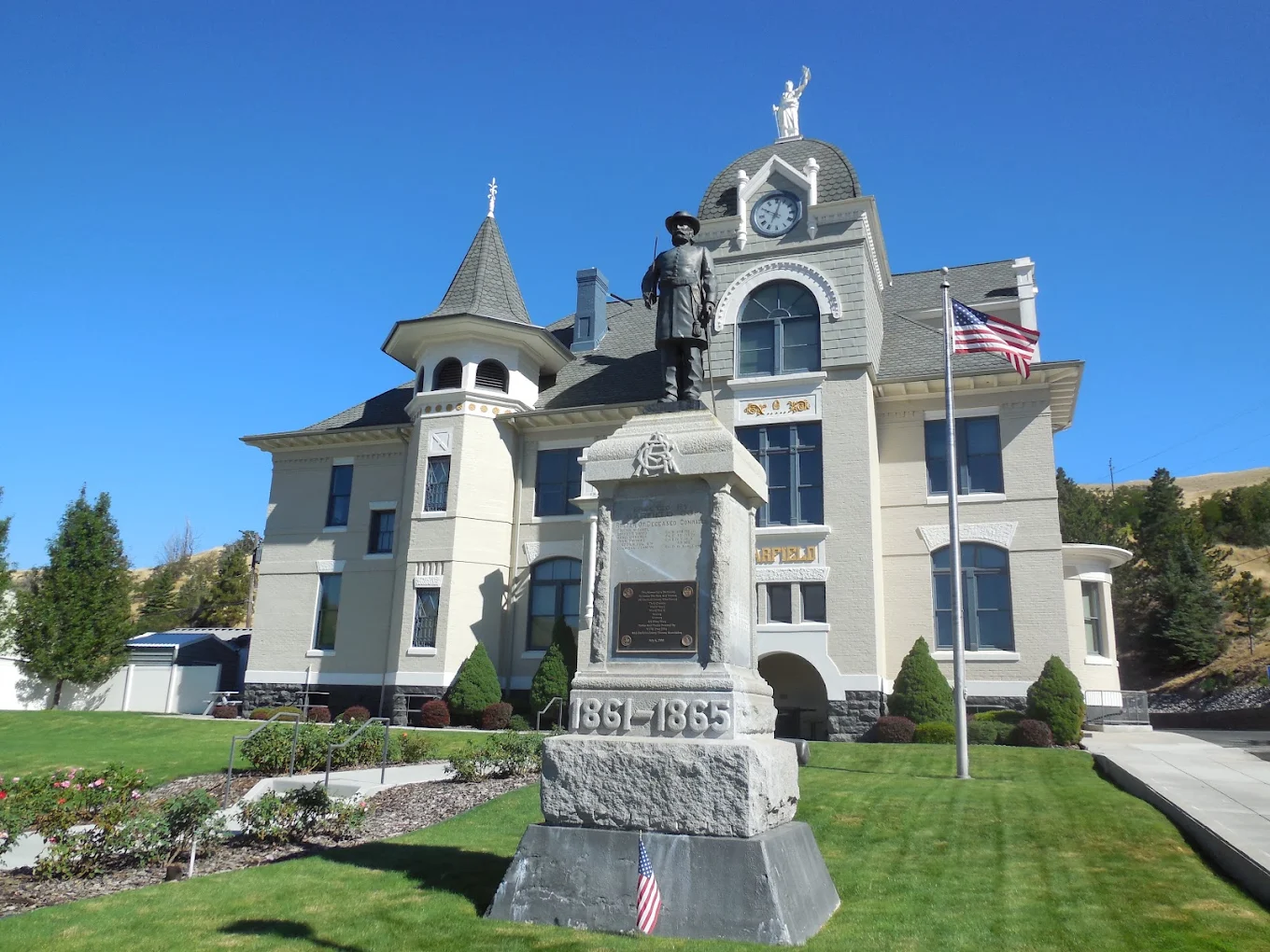
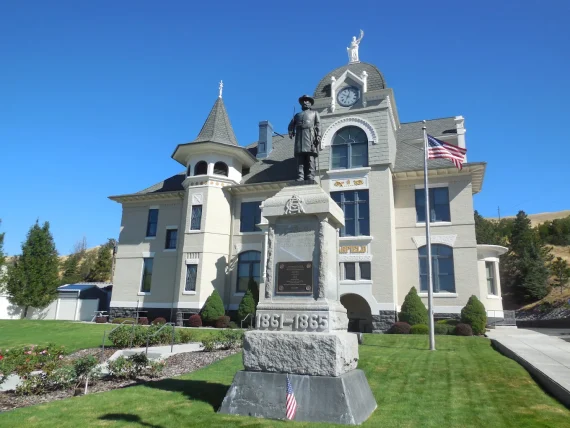
Pomeroy takes “small town” seriously. With only around 1,400 residents, it offers a dramatically quieter — and less expensive — version of Washington life than you’d find around Seattle. The surrounding county has been highlighted as one of the country’s more affordable tiny-town options for retirees, and Washington currently has no individual state income tax. But Pomeroy also comes with perhaps the biggest isolation warning on this list. Healthcare and entertainment options are limited, and reaching a major airport can require traveling more than 200 miles. For the right retiree, that’s peaceful. For someone else, it’s a dealbreaker.
Affordable Doesn’t Mean Right for Everyone

One pattern becomes pretty obvious when looking at affordable retirement towns: The lowest prices often come with a compromise. You might have to tolerate snowy winters, scorching summers, fewer restaurants, longer drives, or limited access to specialized healthcare.
For many retirees, the sweet spot may be a small community near a larger city. Places such as Irwin, Crafton, Brentwood, and Southgate can offer lower housing costs while keeping hospitals, airports, shopping, and entertainment within reach.
Before packing the moving truck, however, price out your own version of retirement. Housing is only part of the equation. Property taxes, homeowners insurance, healthcare, transportation, utilities, and state taxes can quickly change which supposedly “affordable” town actually fits your budget.