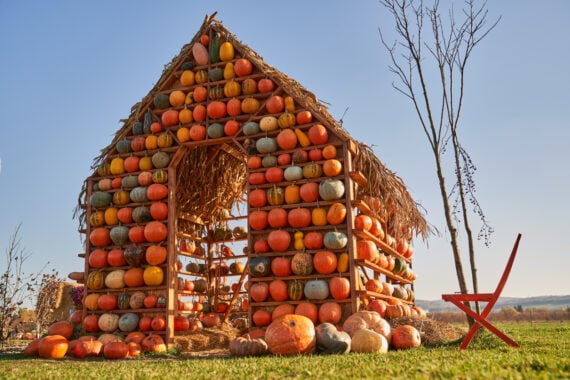
Halloween looks very different in places where the entire community joins the celebration. From glowing pumpkin displays and costumed parades to movie-inspired downtowns and unusual local traditions, these American towns that transform for Halloween turn an ordinary fall visit into something memorable. Many of these celebrations build on customs that developed over centuries, as explained in this Smithsonian history of trick-or-treating.
Salem, Massachusetts
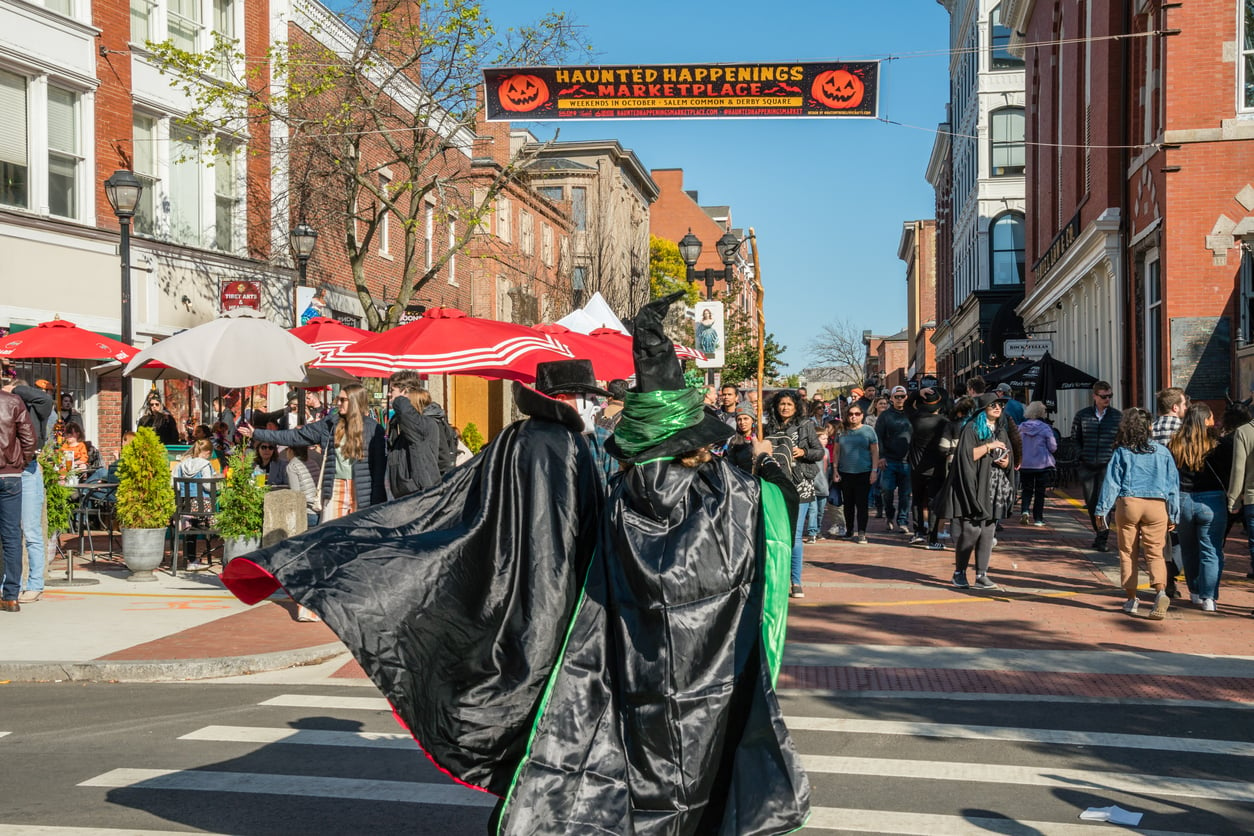
Salem’s Haunted Happenings occupies nearly all of October, filling downtown with costumed visitors, street performers, vendors, tours, parties, museums, and seasonal attractions. The opening-night Grand Parade is scheduled for October 1 in 2026, while the crowds generally become much heavier near Halloween. Travelers interested in history should separate serious witch-trial sites from entertainment-based ghost tours. Parking can be difficult and expensive.
Sleepy Hollow, New York
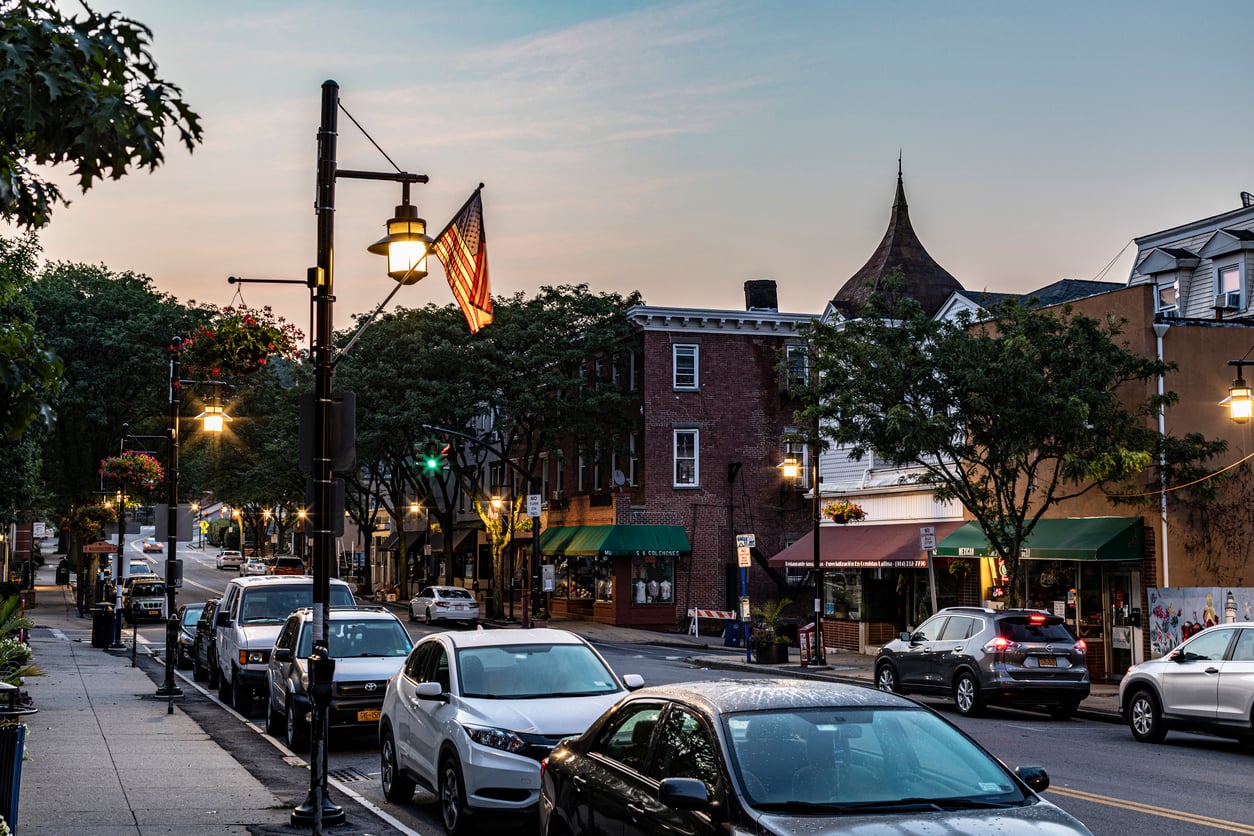
Washington Irving’s Headless Horseman is difficult to escape in Sleepy Hollow during October. The village and neighboring Tarrytown host parades, markets, cemetery tours, dramatic performances, historic-house programs, and costumed appearances connected to “The Legend of Sleepy Hollow.” Most major evening attractions use timed tickets, and organizers warn that popular October weekends frequently sell out.
St. Helens, Oregon
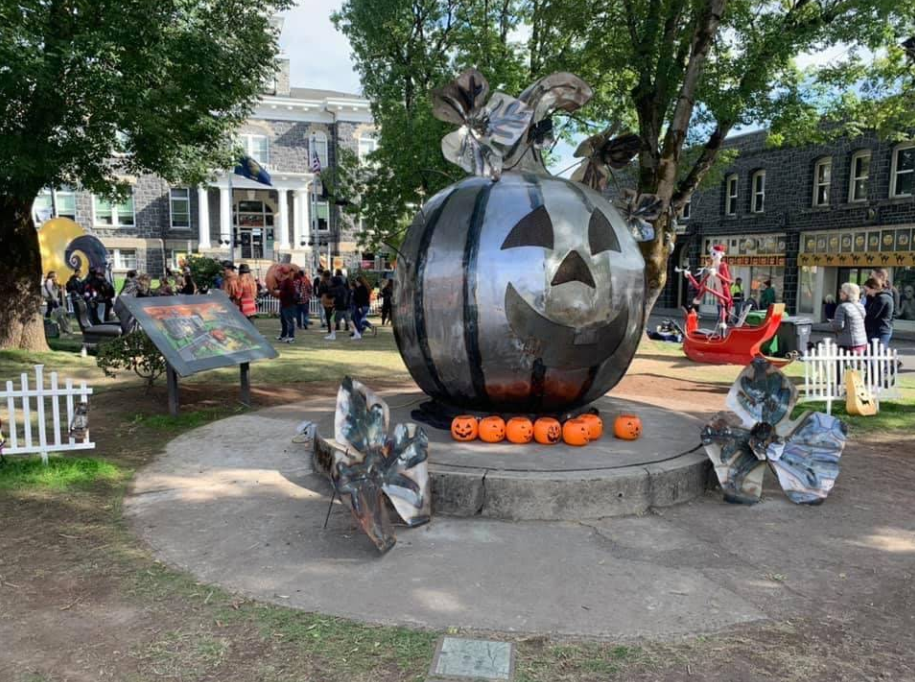
St. Helens played the fictional town in Disney’s 1998 movie “Halloweentown” and its riverfront district now recreates that atmosphere every fall. The 2026 Spirit of Halloweentown is scheduled on select days from September 26 through November 1, with themed decorations, performances, markets, costume events, haunted experiences, and special guests. Visitors can usually see the courthouse plaza and oversized pumpkin without purchasing every attraction, although much of the organized programming is ticketed.
Anoka, Minnesota
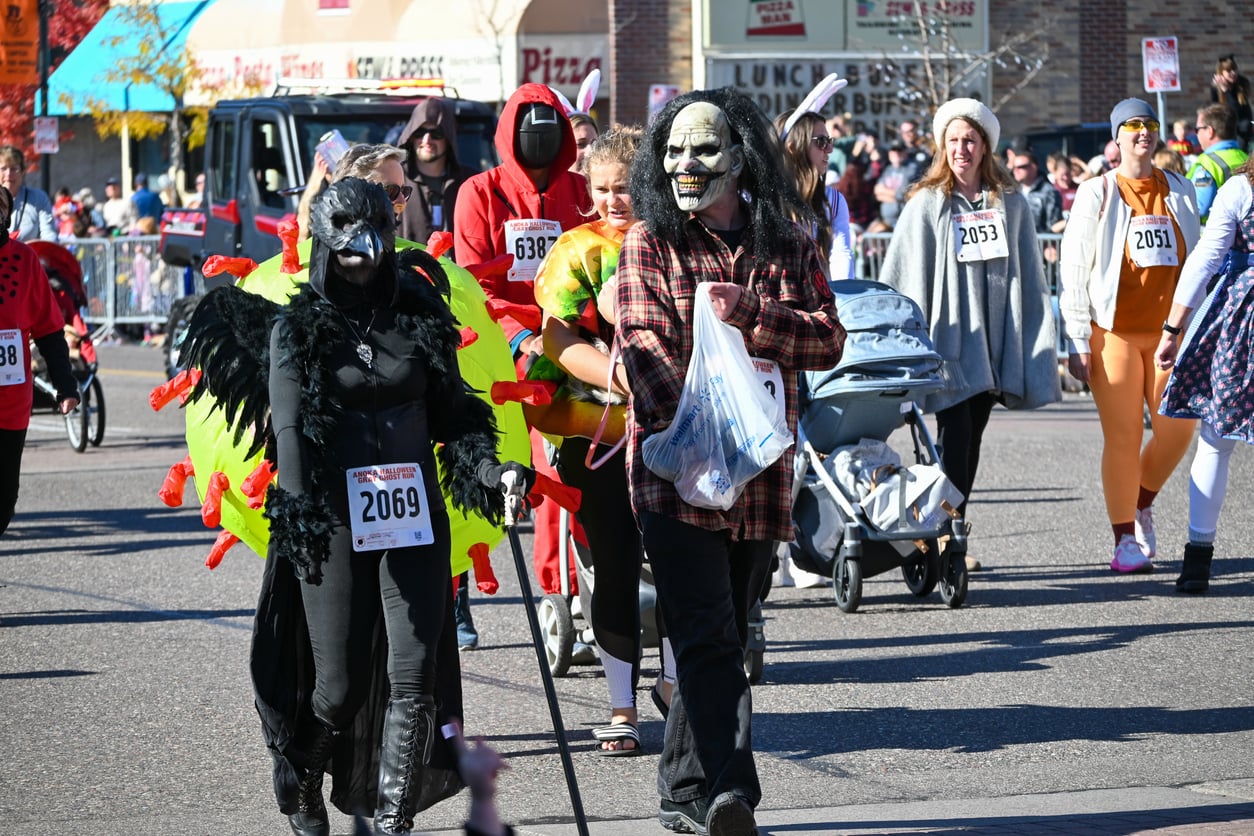
Anoka has promoted itself as the “Halloween Capital of the World” for generations, tracing its organized celebration to 1920, when community leaders arranged activities to reduce Halloween vandalism. The tradition has expanded into weeks of parades, contests, house decorating, family events, races, and community fundraisers. Schools, volunteers, civic groups, and local businesses remain central to the festivities, making Anoka feel less like a commercial attraction than a town-wide tradition.
Independence, Kansas
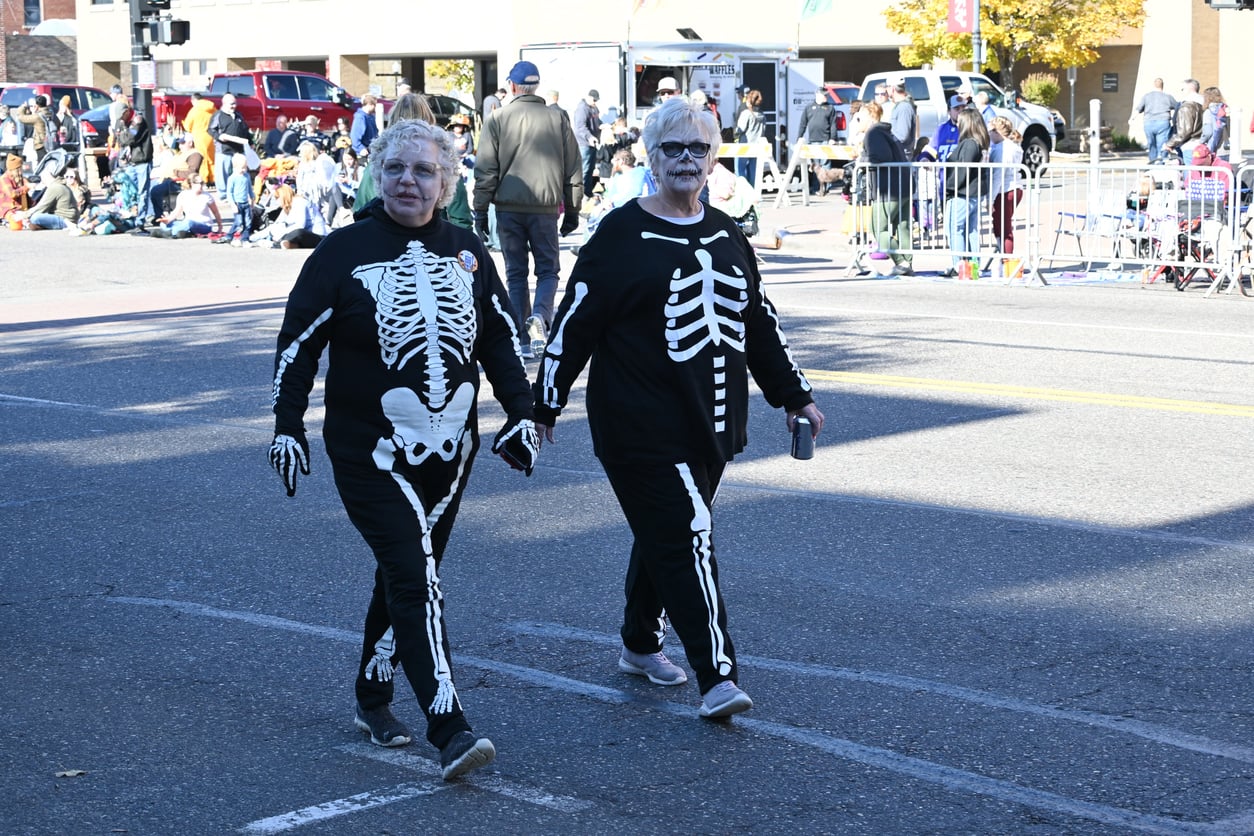
Halloween becomes Neewollah in Independence, where the holiday’s name is spelled backward and pronounced “nee-wah-lah”. The long-running festival began in 1919 as a constructive alternative to seasonal pranks. It now includes a carnival, musical productions, food stands, craft vendors, marching bands, pageants, competitions, and several parades. The 2026 Grand Parade is scheduled for October 31. Many street activities offer inexpensive entertainment, but carnival rides, meals, and popular performances can quickly raise the cost of a family outing.
Trending on Cheapism

Manitou Springs, Colorado
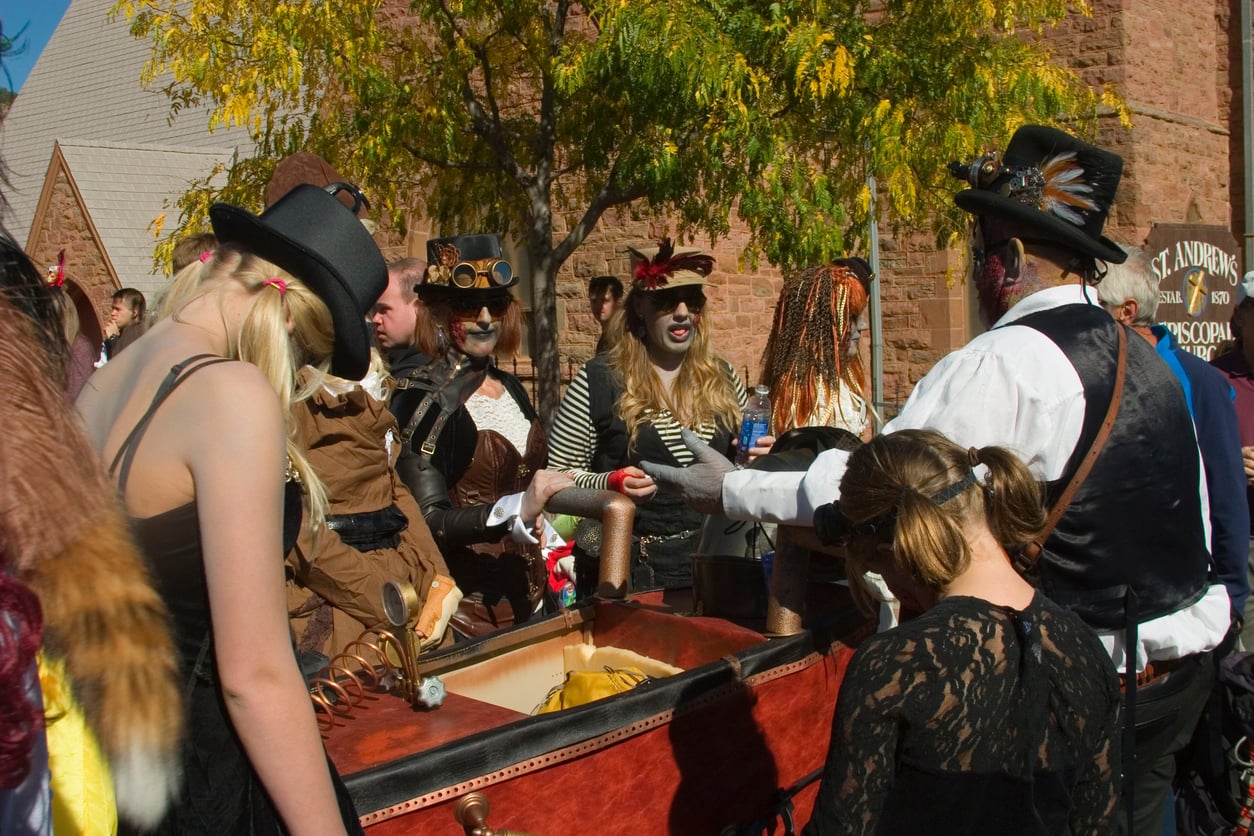
Manitou Springs’ compact mountain downtown becomes a racetrack for the Emma Crawford Coffin Races. Costumed teams push elaborate wheeled coffins along Manitou Avenue while spectators line the route for the parade and competition. The tradition refers to Emma Crawford, whose coffin reportedly slid down the mountain years after she was buried there. The 32nd annual event is scheduled for October 24, 2026. More than 10,000 spectators may attend, and parking is scarce, so organizers provide an off-site shuttle.
Kenova, West Virginia
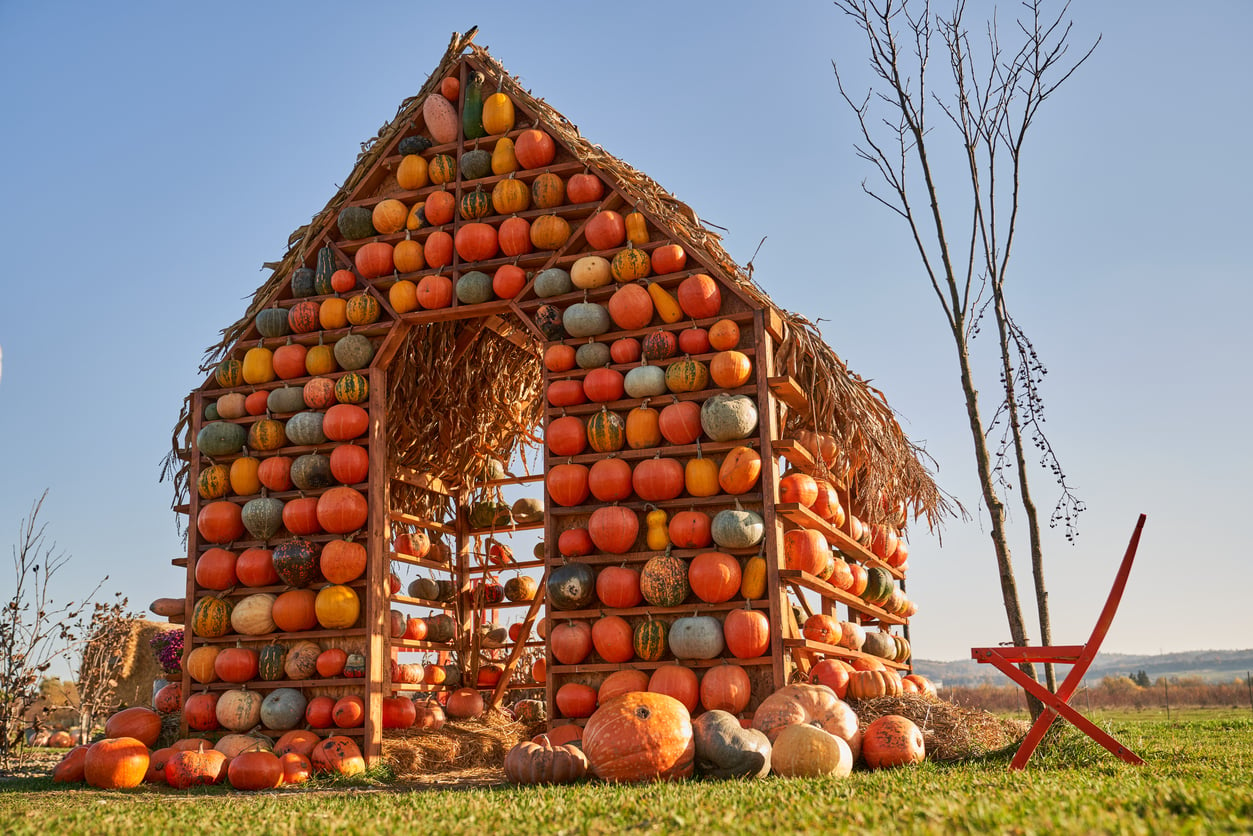
The Pumpkin House turns a Victorian home in Kenova into a glowing wall of jack o’lanterns during the final portion of October. What began with five pumpkins in 1978 has grown into the centerpiece of C-K AutumnFest, supported by local volunteers who carve, arrange, light, and replace pumpkins around the property. Related decorating contests and community activities spread into Kenova and neighboring Ceredo. Viewing the house is traditionally one of the more affordable experiences on this list.
Romeo, Michigan
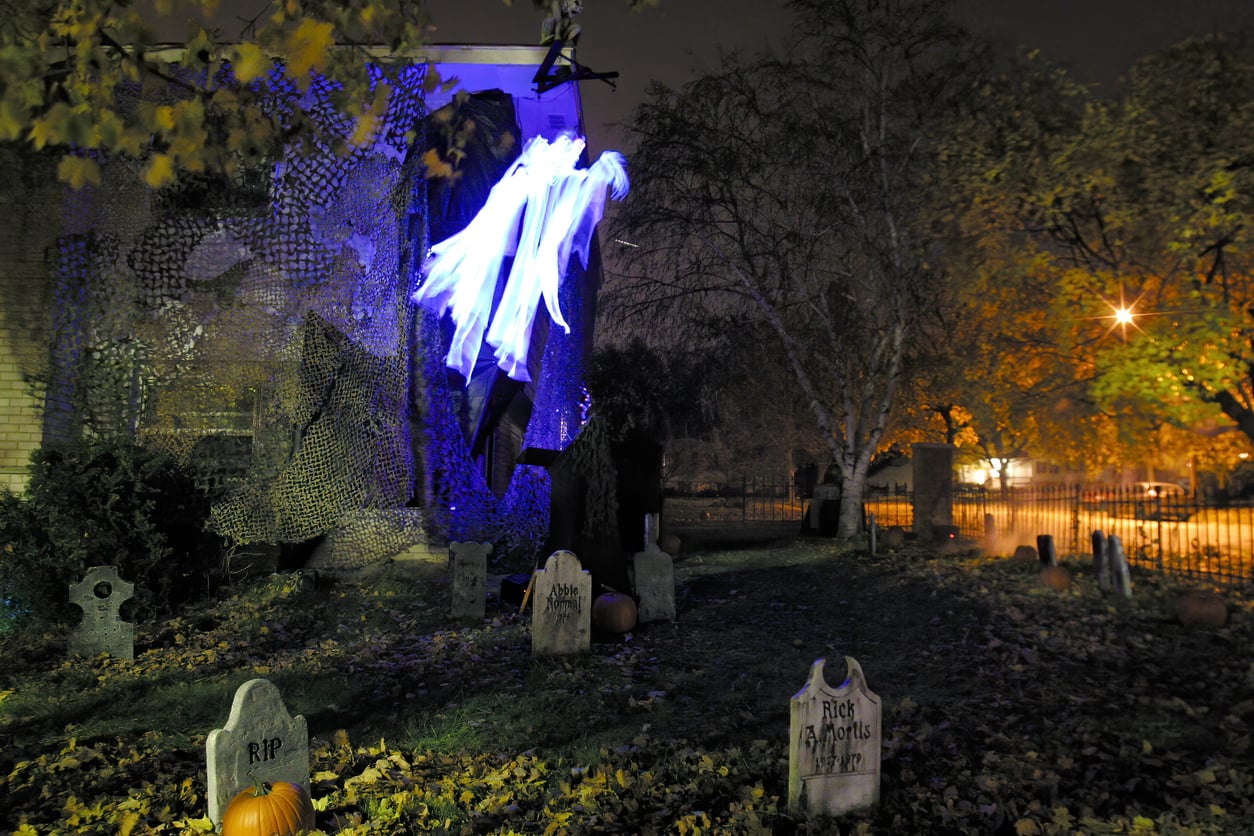
Tillson Street in Romeo becomes a free, resident-built Halloween attraction known as Terror on Tillson. Homeowners create separate displays using skeletons, graveyards, lighting, monsters, oversized props, and detailed handmade scenery. There is no admission booth because this remains a residential neighborhood rather than a commercial haunted house. Recent visitors say most decorations are in place by the middle of October, while Halloween night is especially crowded. Going earlier provides more time to study the displays.
Sign up for our newsletter
Rutland, Vermont
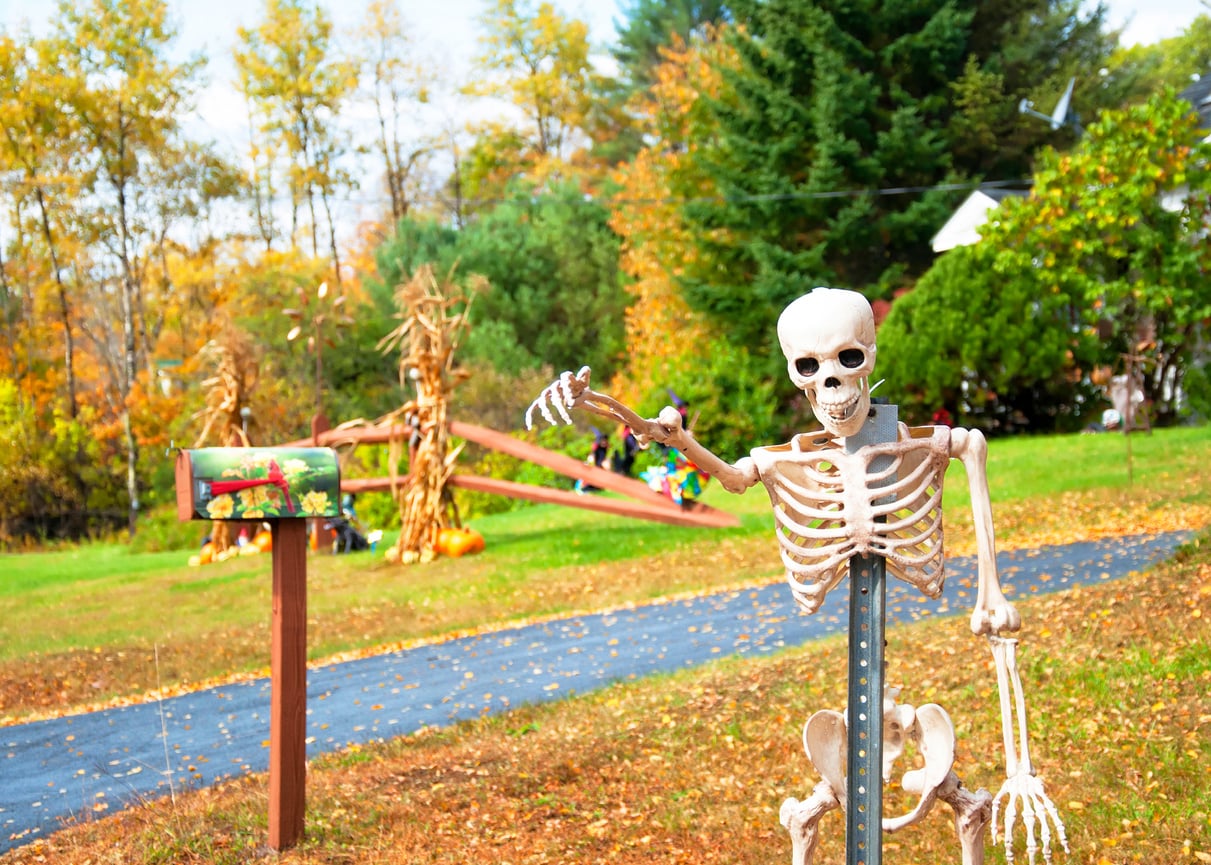
Rutland’s Halloween identity centers on a downtown parade that has continued for more than six decades. Community groups, businesses, schools, musicians, and families build decorated vehicles and floats designed specifically for the occasion. Unlike destinations dominated by haunted houses or ticketed tours, Rutland offers a traditional civic spectacle that can be enjoyed from the sidewalk without paying admission. The parade is still being organized for 2026. Arriving early is sensible because downtown roads fill quickly.
Portsmouth, New Hampshire
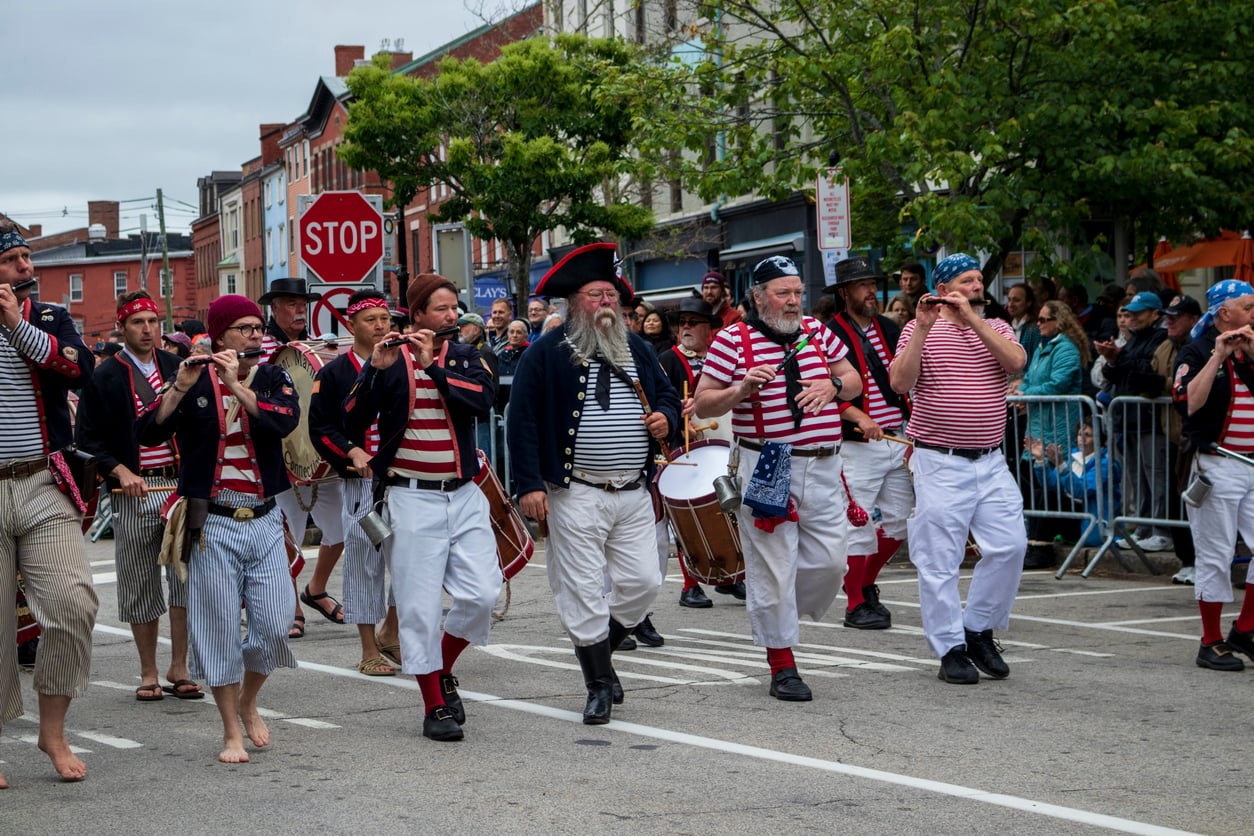
On Halloween night, Portsmouth’s historic downtown becomes the route for an independent, community-supported parade. Marchers gather in costume and move through the city with musicians, dancers, puppets, homemade creations, and loosely organized groups. Registration is not required for ordinary participants, so the crowd itself provides much of the entertainment. Portsmouth also has 2026 family programming at Strawbery Banke Museum on select October evenings. The main parade is free.
Deadwood, South Dakota
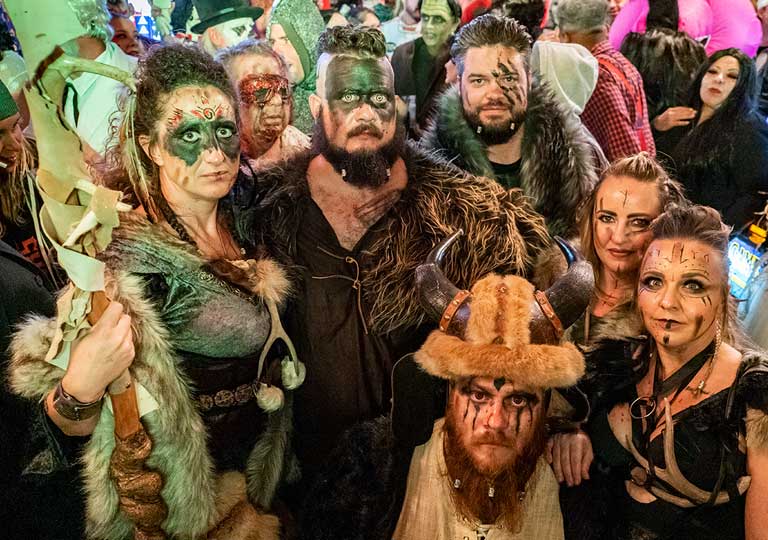
Deadwood trades some of its usual Old West atmosphere for costumes, dancing, and nightlife during Deadweird. The main celebration is aimed at adults 21 and older, with bars, casinos, live entertainment, a Monster Ball, and a competitive costume contest spread across the historic downtown. Families should not assume that every activity is suitable for children. KidWeird, scheduled for October 31 in 2026, provides a separate family event at the Deadwood Gulch Convention Center.
Laconia, New Hampshire
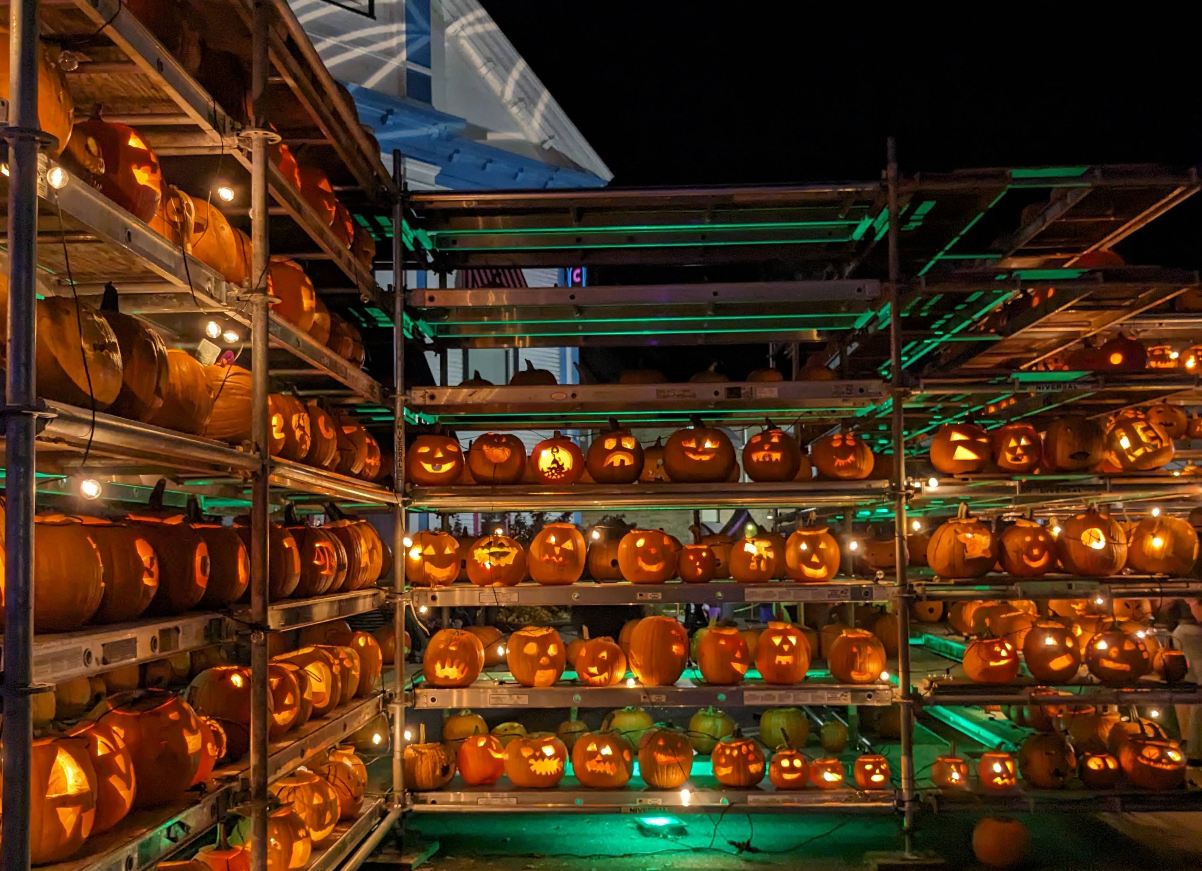
Laconia’s Pumpkin Festival is scheduled for October 23 and 24 in 2026, bringing illuminated pumpkins, vendors, entertainment, food, crafts, and family activities into the historic downtown. The celebration continues a New Hampshire pumpkin-festival tradition that moved from Keene to Laconia in 2015. Grouped jack o’ lantern displays become especially effective after sunset, when ordinary streets take on a distinctly Halloween appearance. The main festival provides plenty to see without purchasing a separate attraction.
Sycamore, Illinois
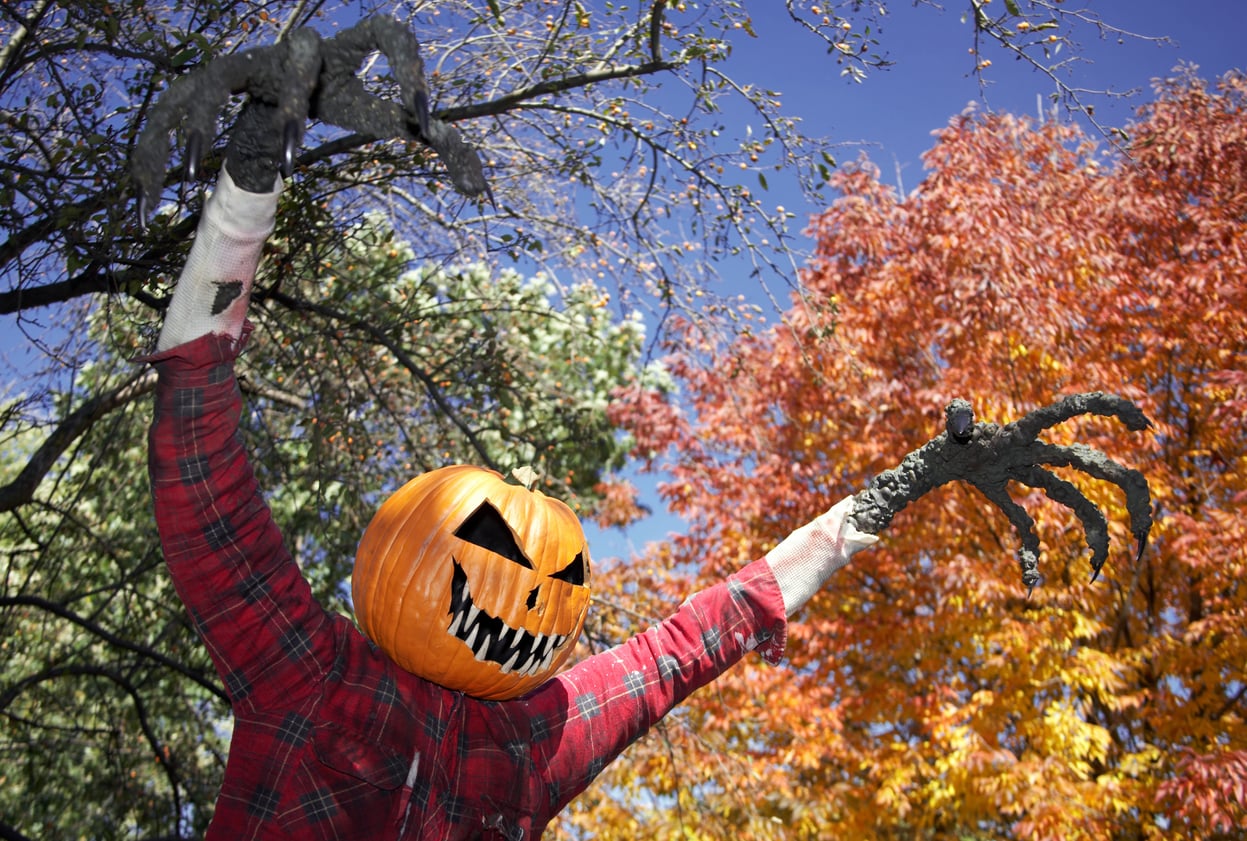
During the Sycamore Pumpkin Festival, decorated pumpkins cover the courthouse lawn while carnival rides, food stands, crafts, races, entertainment, and a large parade fill the surrounding downtown. Many pumpkins are created by local children and families according to an annually selected theme, giving the display more personality than rows of professionally carved decorations. Community organizations also use festival activities to raise money. Much of the spectacle can be viewed without admission.
Chatham, Massachusetts
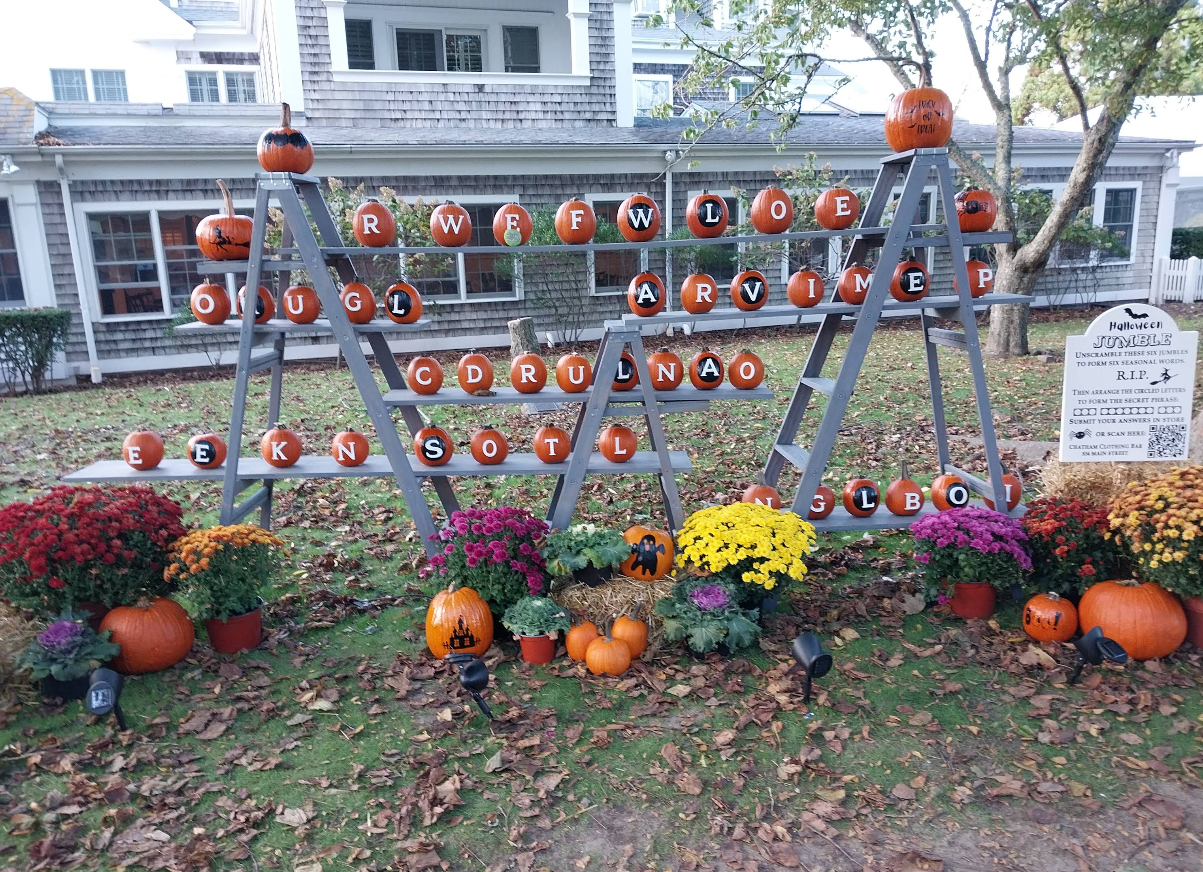
Chatham’s Halloween transformation is quieter and more artistic than Salem’s. Pumpkin People in the Park fills Kate Gould Park with life-size characters built by businesses, nonprofits, and community groups. Instead of conventional jack o’ lanterns, participants create complete scenes using pumpkins, clothing, props, and seasonal materials. The outdoor display is free and usually remains in place long enough for visitors to explore without committing to one crowded evening. However, the effect is concentrated around the park and Main Street.
Estes Park, Colorado
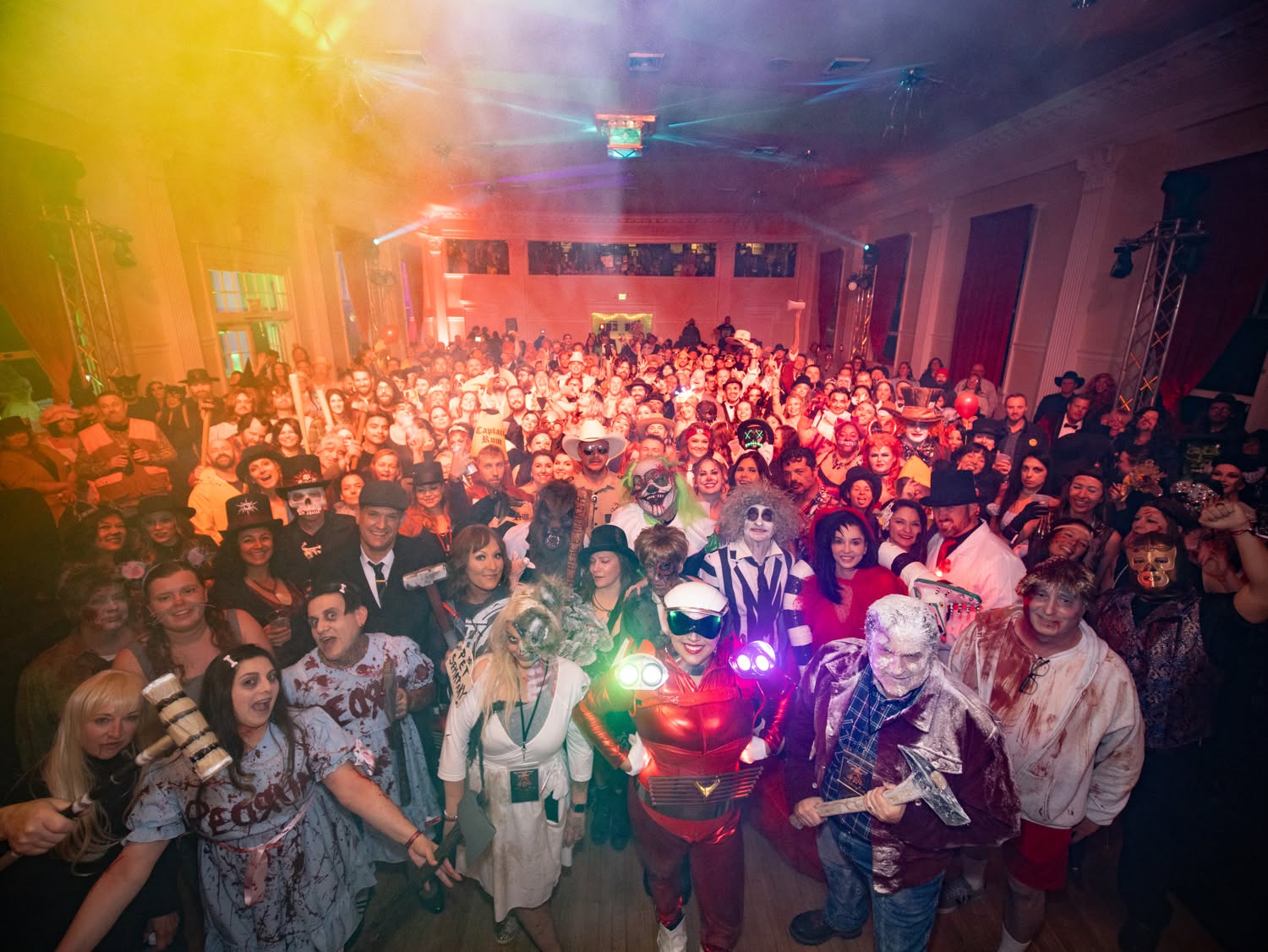
Estes Park’s Halloween reputation is driven largely by the Stanley Hotel, the historic property that helped inspire Stephen King’s novel “The Shining.” Its seasonal calendar includes the 2026 Shining Ball and other hotel entertainment, while tours and horror-themed programming attract visitors throughout October. This is also less of a complete town-wide takeover than Salem or Anoka, and hotel rooms, tours, dining, and ticketed events can be expensive.