Some meals are worth ordering out because they take special equipment, hard-to-find ingredients, or skills most of us haven’t mastered. Others can leave you wondering why you paid restaurant prices for something you prefer from your own kitchen. From steak cooked exactly how you like it to lasagna with the perfect amount of sauce and cheese, many better homemade foods have one big advantage: you control the ingredients, portions, and flavor. And cooking at home can make financial sense, too. USDA data on food spending shows just how much Americans spend on food away from home. Here are 15 dishes home cooks often say they’d rather make themselves.
Steak
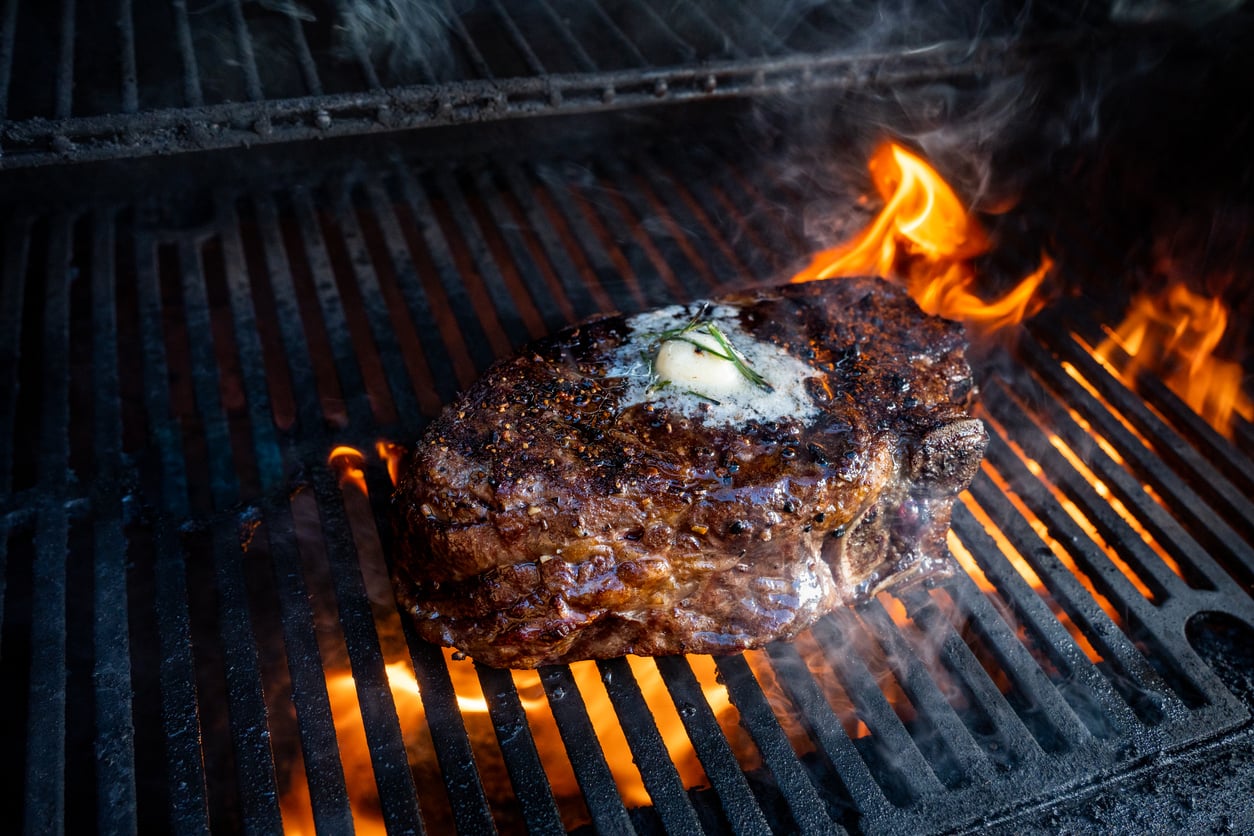
Steak may be the ultimate example of a restaurant splurge that some home cooks eventually stop splurging on. In a large cooking discussion about dishes people no longer order out, steak kicked off the conversation, with the poster pointing to the ability to buy a quality cut and cook it to an exact temperature at home. The advantage isn’t that home kitchens have better equipment; it’s control. Once you’ve found a reliable skillet, grill, or reverse-sear method, restaurant prices can become harder to swallow. A high-end steakhouse, of course, can still offer aging, sourcing, and equipment that aren’t easily replicated at home.
Lasagna
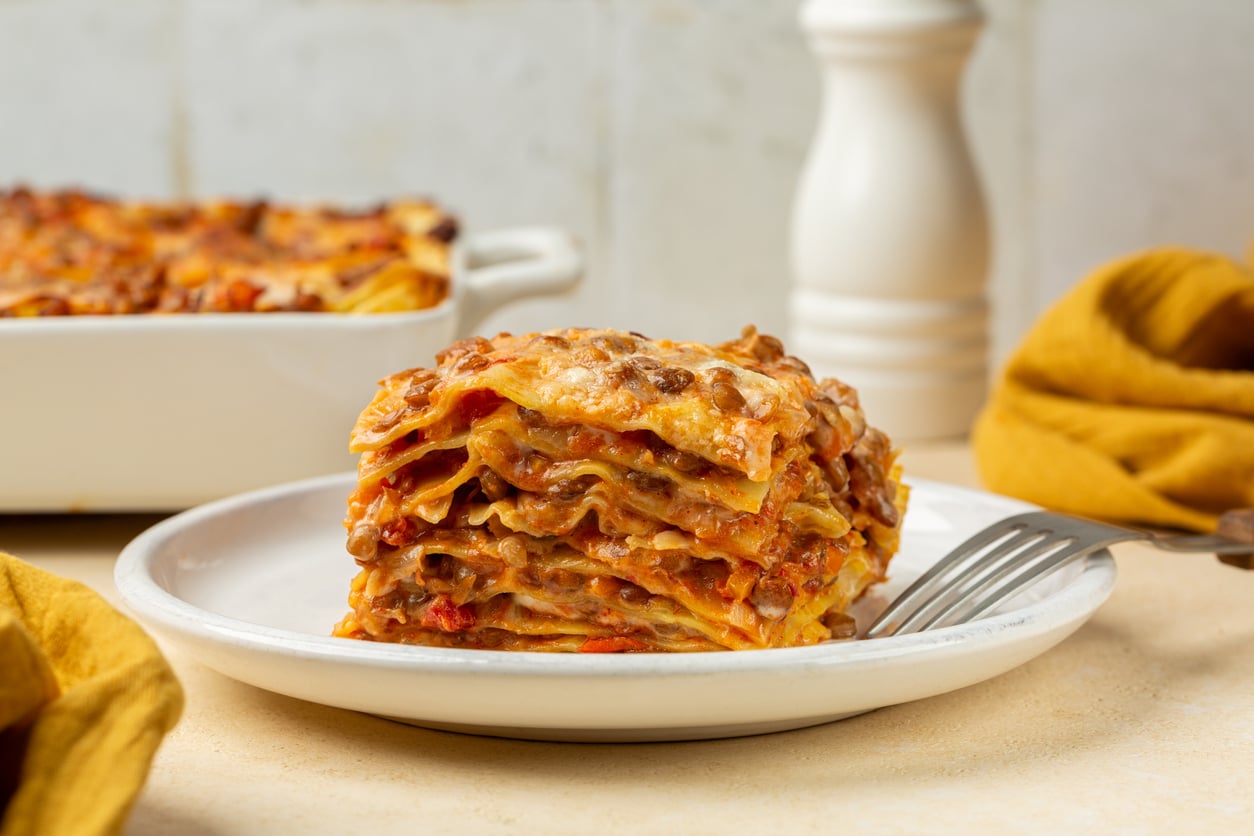
Lasagna takes some work, but that’s also part of its appeal at home. You decide how saucy it should be, how much cheese goes between the layers, whether to add meat, and, importantly, how browned and crisp you want those coveted corner pieces. It’s also an economical dish for feeding several people compared with buying individual restaurant portions. The catch is time: assembling a lasagna isn’t exactly a 20-minute weeknight project. The payoff comes in leftovers, since a large pan can provide several meals and portions can be frozen for later.
Biscuits and Sausage Gravy
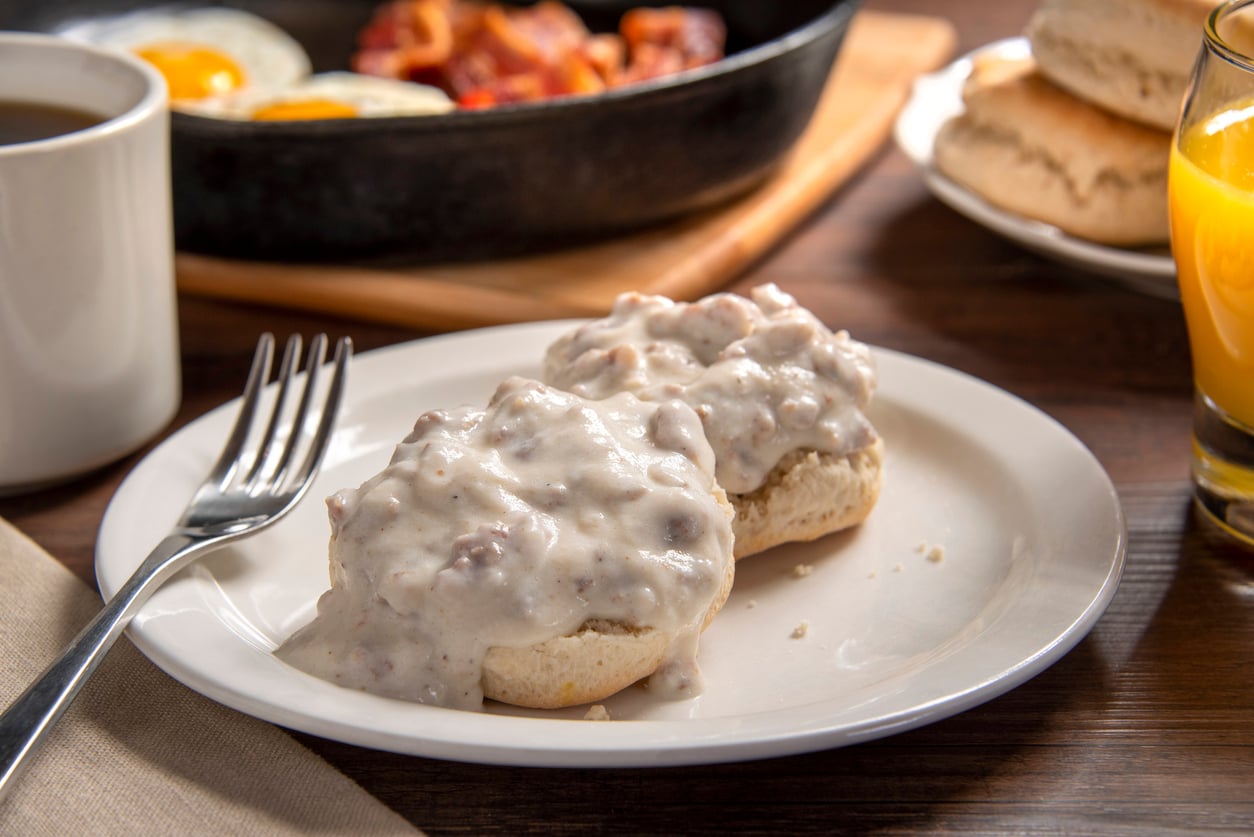
Few breakfasts depend on timing quite like biscuits and gravy. Biscuits are particularly appealing straight from the oven, while sausage gravy can be seasoned and thickened exactly to taste at home. The combination has inspired particularly strong opinions among home cooks. One popular cooking discussion started with someone who had spent weeks trying highly rated restaurants but still preferred their homemade biscuits and gravy. Another commenter summed up the value argument simply: they couldn’t bring themselves to pay restaurant prices for something they found easy to make themselves.
Roast Chicken
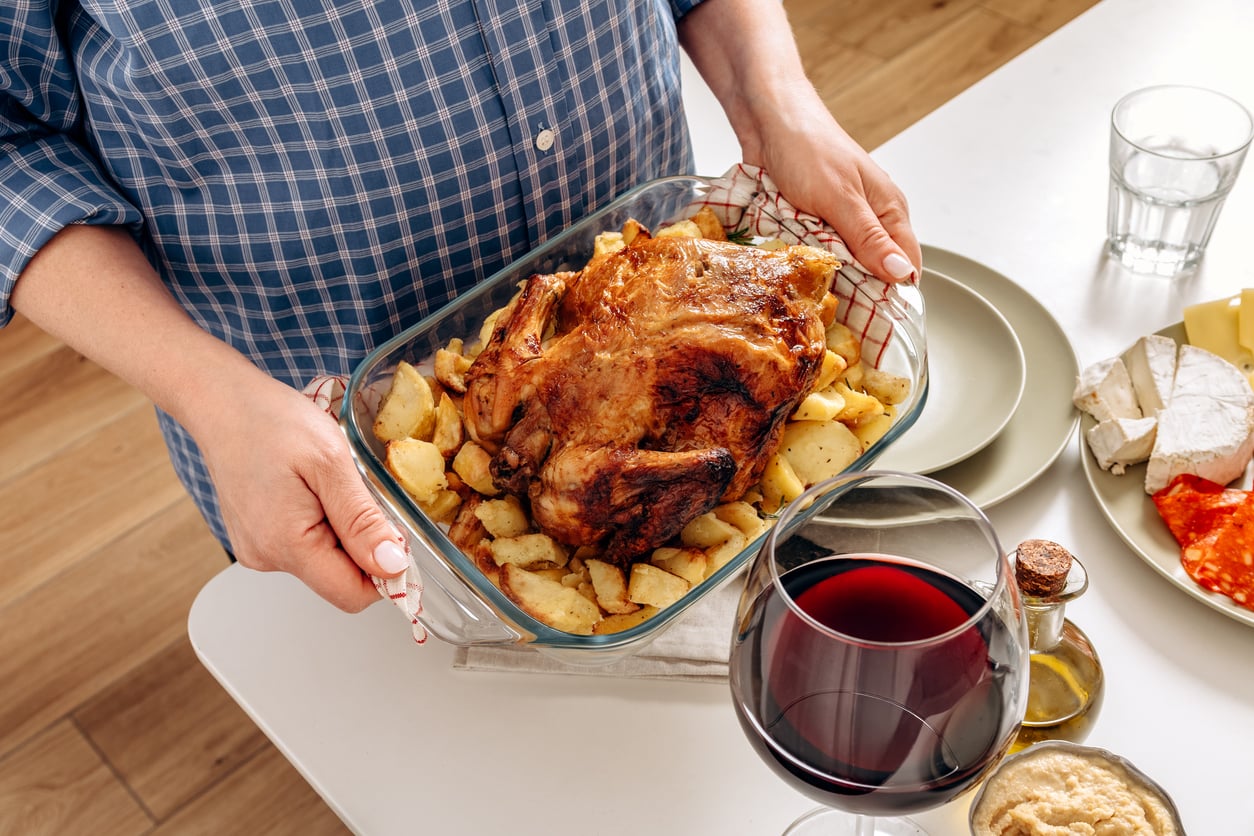
A whole roast chicken is old-fashioned home cooking that still makes a compelling case for itself. You can season it however you like, bring it directly from oven to table, and decide whether you prefer deeply browned skin or gentler roasting. Roast chicken was also one of the prominent answers in a large discussion about foods people believed they made better than restaurants, particularly because crisp skin can be difficult to maintain once cooked chicken sits. Then there’s the value: leftover meat can become sandwiches, salads, tacos, or soup, while the carcass can be saved for stock.
Chicken Soup
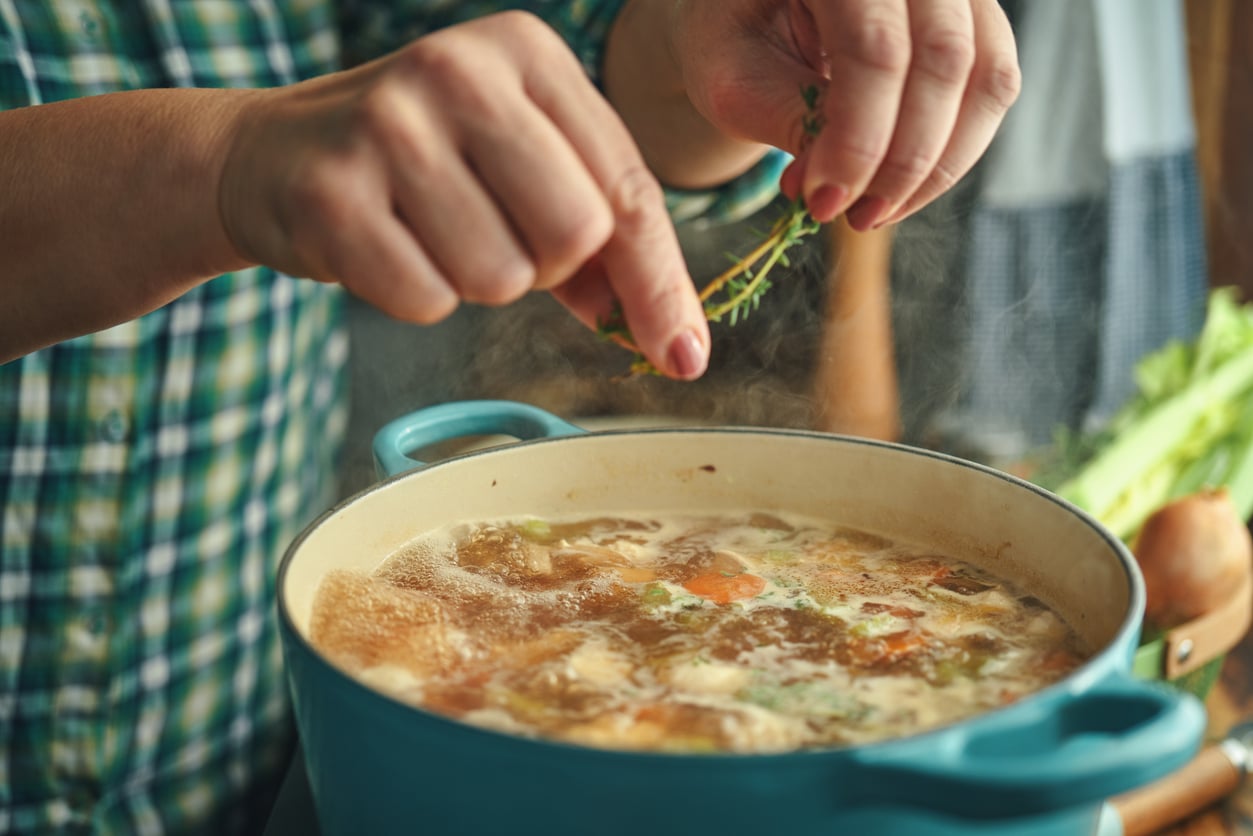
Restaurant chicken soup has convenience on its side, but a pot made at home offers something harder to put a price on: complete control. Want more chicken than noodles? Extra carrots? Almost no celery? A broth heavy on garlic and herbs? It’s your pot. Soup also works especially well for batch cooking. Make enough for several meals, cool what you aren’t eating promptly, and freeze portions for days when cooking sounds miserable. USDA guidance recommends dividing large amounts of soup into smaller, shallow containers so they cool quickly and safely.
Trending on Cheapism

Mac and Cheese
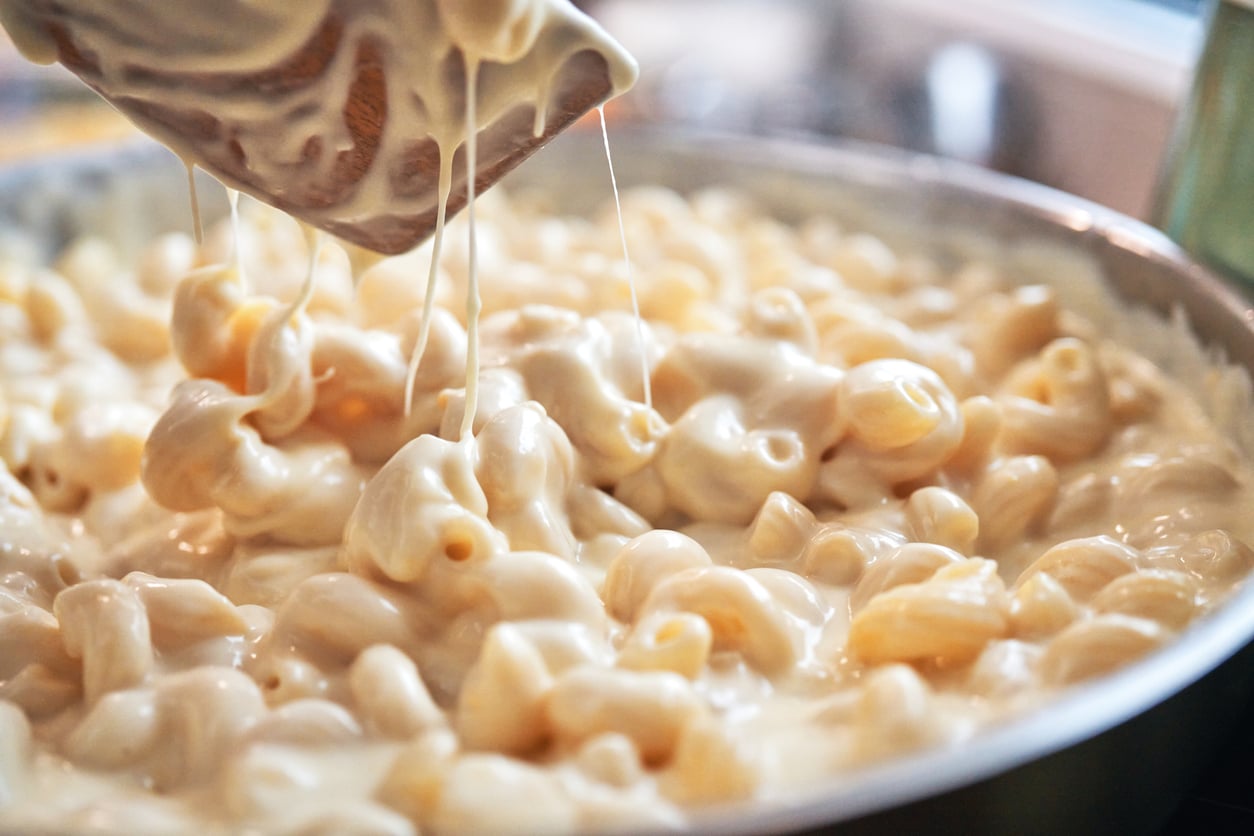
Mac and cheese can be almost comically customizable at home. Some people want a silky stovetop version; others want a baked casserole with browned cheese and crunchy breadcrumbs across the top. Making it yourself also lets you experiment with sharp cheddar, Gruyere, Monterey Jack, or whatever odds and ends are waiting in the cheese drawer. More importantly for value-conscious diners, pasta and cheese can feed several people without requiring a restaurant-sized bill. The downside is that homemade versions aren’t automatically better: an improperly made cheese sauce can turn grainy, greasy, or dry surprisingly quickly.
Burgers
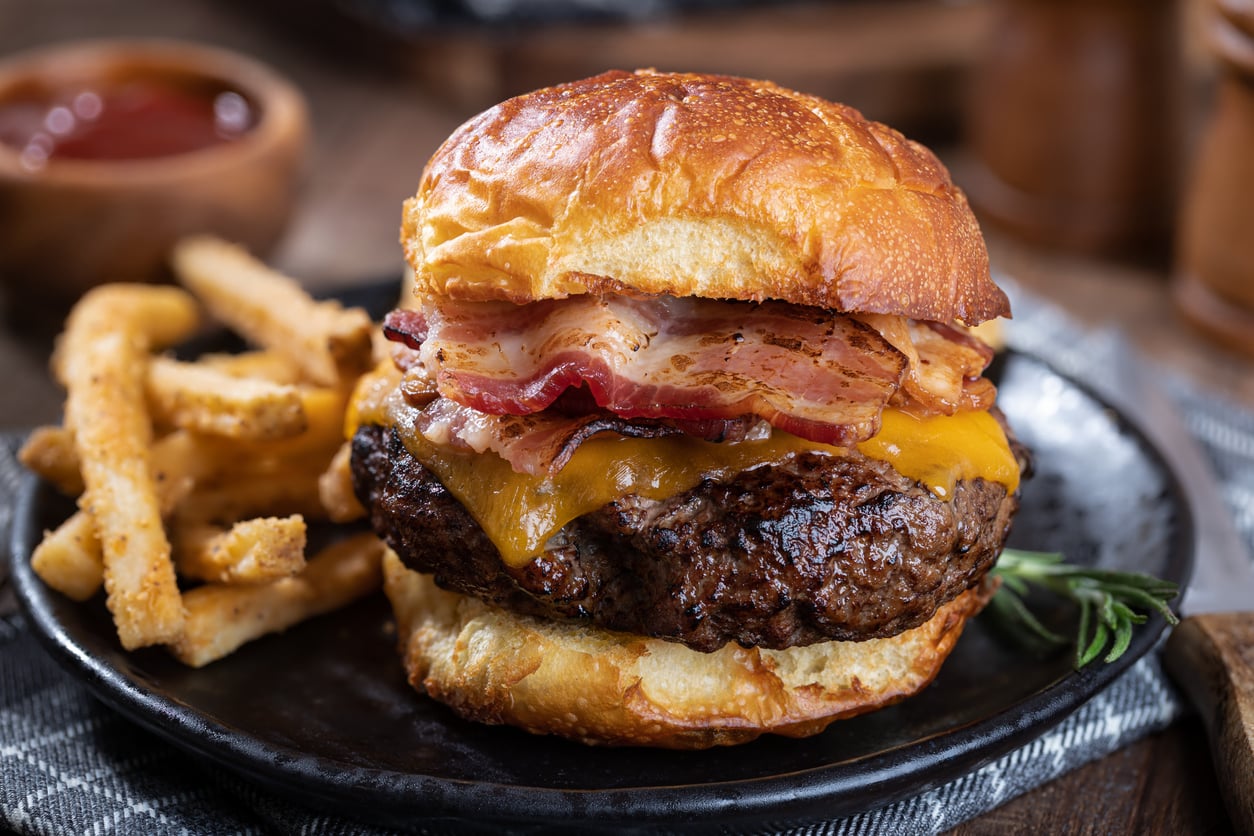
Burgers are one of those restaurant foods whose price can climb rapidly once cheese, bacon, avocado, and other extras enter the picture. At home, almost every detail is negotiable. Make a thin smashburger with crisp edges or a thick backyard-style patty; toast the bun or don’t; pile on onions or keep things wonderfully plain. Ground beef does require careful handling, though: USDA guidance calls for cooking ground meats to a minimum internal temperature of 160 degrees Fahrenheit.
Mashed Potatoes
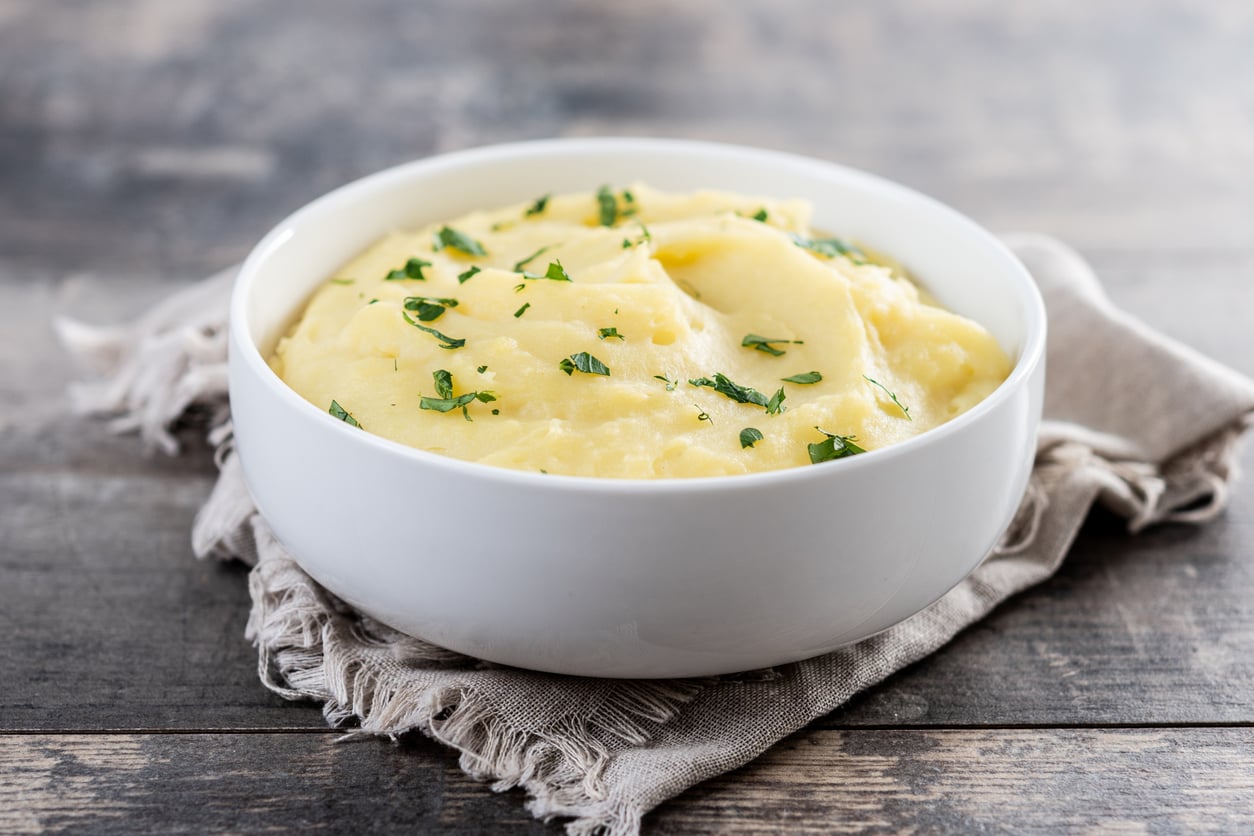
Mashed potatoes are simple enough to make at home but surprisingly easy to personalize. Russets can produce a particularly fluffy mash, while Yukon Golds bring a naturally creamy character and richer flavor. Then there are the additions: butter, roasted garlic, cream, sour cream, herbs, cheese, or nothing more than milk and salt. The main danger is getting overenthusiastic with the mixer. Excessive working can turn potatoes gluey rather than fluffy, a texture problem that is difficult to reverse once it happens.
Sign up for our newsletter
Pancakes
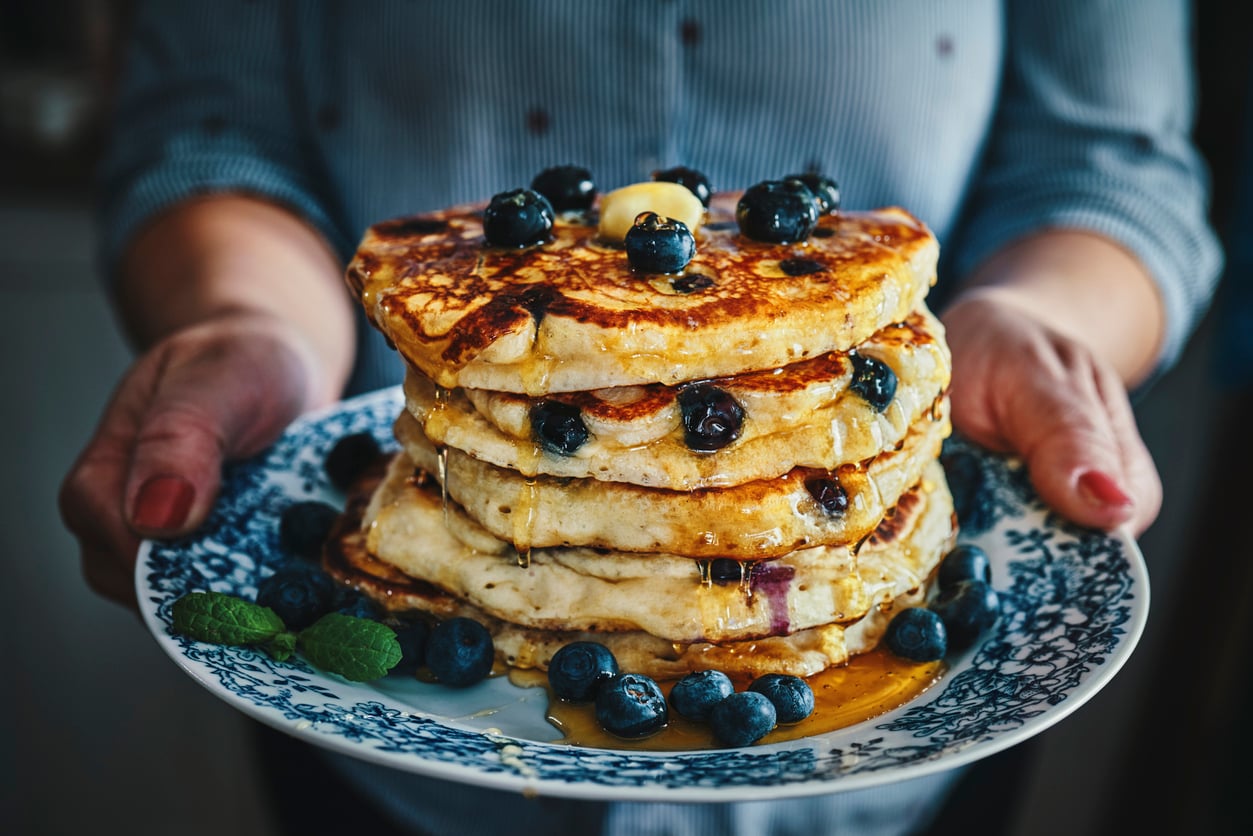
Pancakes make an especially convincing case on price and freshness. Flour, eggs, milk, baking powder, and a little butter can produce a stack for a fraction of what a sit-down breakfast may cost, and the pancakes can go from griddle to plate within seconds. At home, there’s also no upcharge for tossing blueberries, bananas, chocolate chips, or nuts into the batter. The trick is cooking only what people are ready to eat. Pancakes lose much of their charm after sitting around, while the next hot one coming off your own griddle costs practically nothing extra.
Pasta With a Simple Sauce
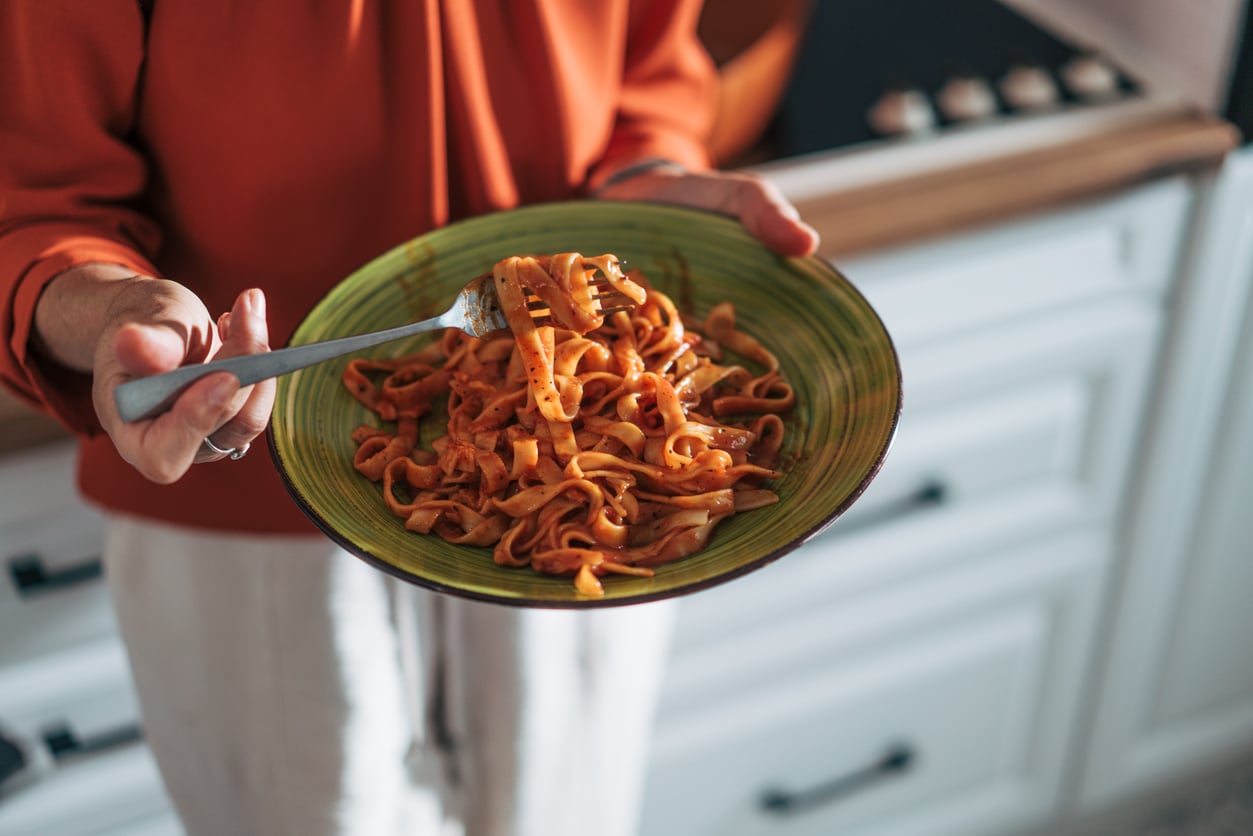
An elaborate handmade pasta dish can absolutely justify restaurant prices. A basic plate of spaghetti with tomato sauce, butter and Parmesan, or garlic and oil is a different calculation. These dishes rely on relatively inexpensive pantry staples and don’t require specialized restaurant equipment. At home, you can make the sauce as spicy, garlicky, cheesy, or light as you please and cook the noodles to your preferred texture. The value argument gets especially strong when feeding a family: one package of dried pasta can produce several portions for less than the price of a single restaurant entree.
Chili
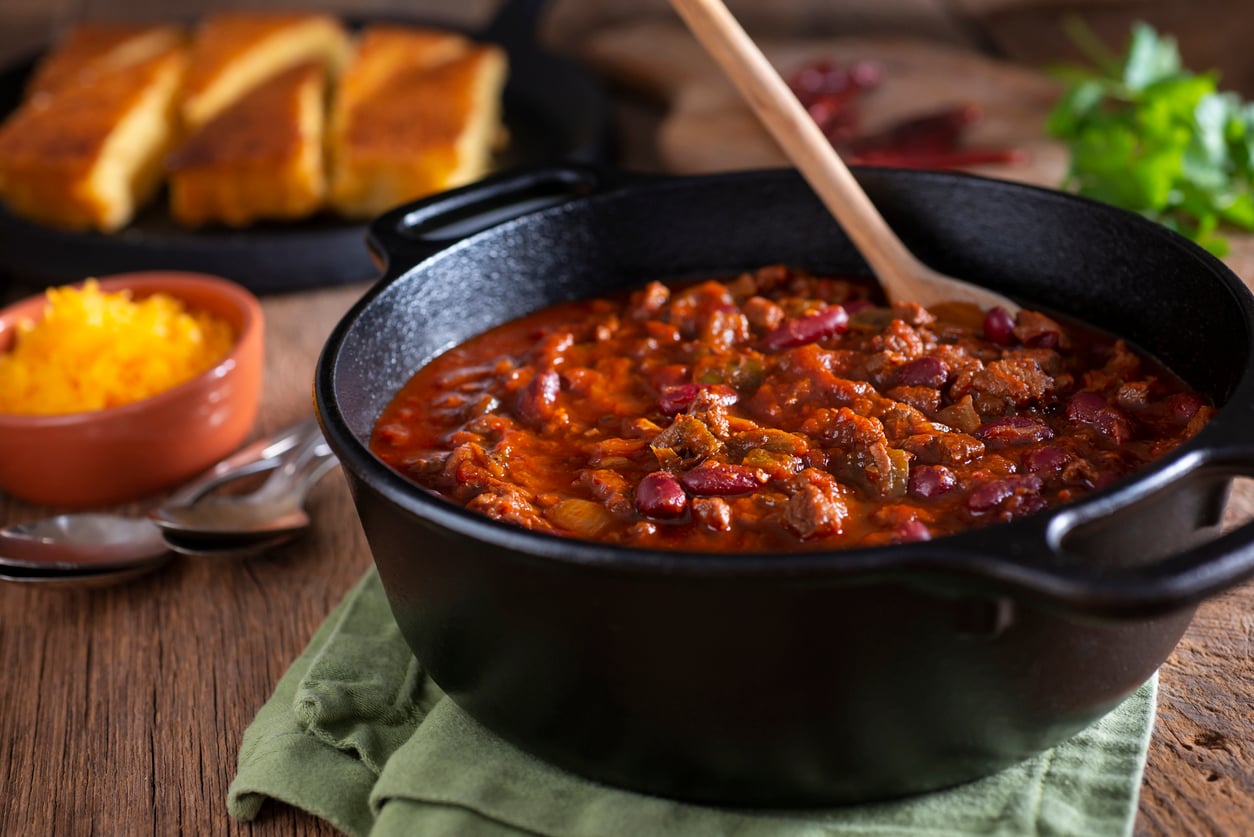
Chili seems designed for the home kitchen. There is no universally agreed-upon formula, which means the cook gets to decide practically everything: beans or no beans, ground beef or chunks, mild or fiery, tomato-heavy or meat-forward. It also rewards making a big batch, since leftovers can cover several lunches or dinners. Better yet, chili is well suited to freezing. USDA says properly handled cooked leftovers can generally be frozen for three to four months, although quality may decline over time. The only downside is that a truly slow-simmered batch isn’t instant gratification.
Gumbo
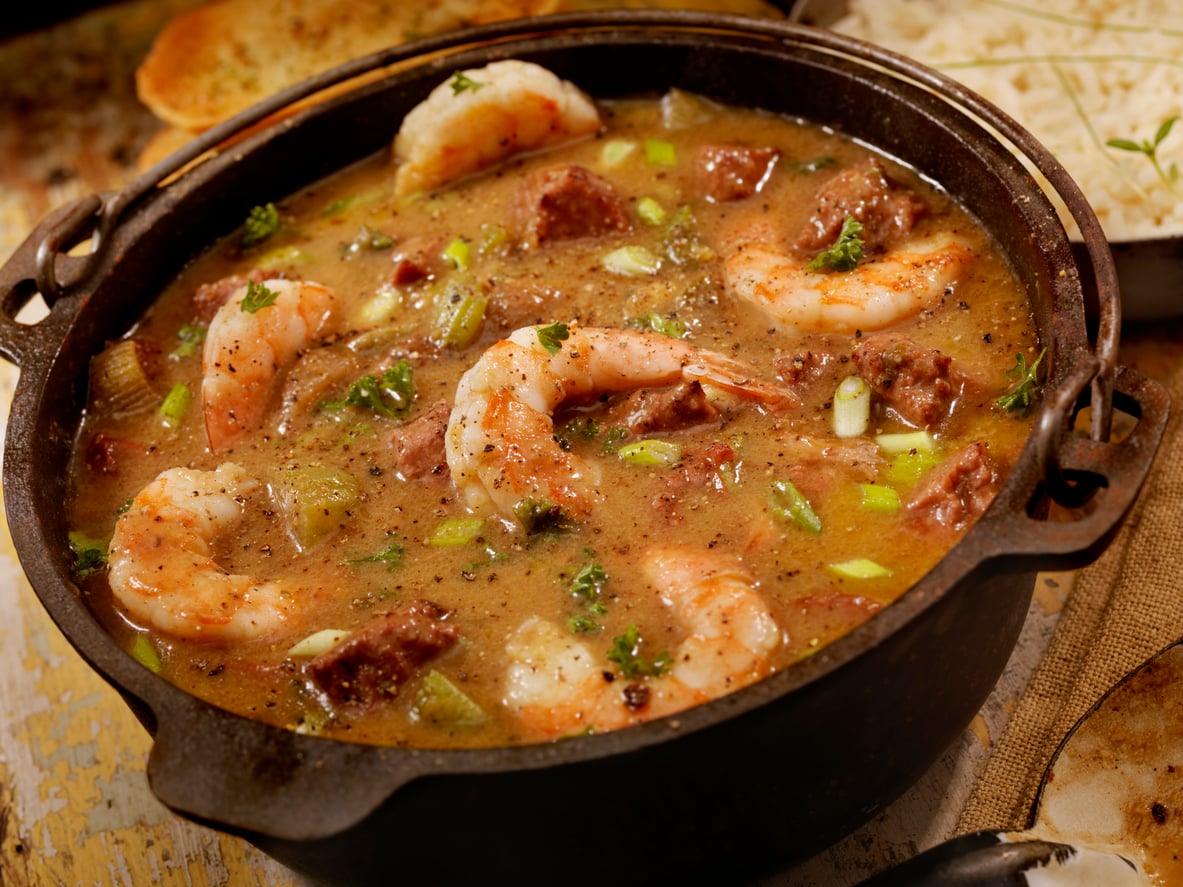
Gumbo may be one of the more ambitious dishes on this list, but for people who grew up with a particular family version, that’s exactly why restaurant gumbo can be a tough sell. Recipes vary substantially, and cooks can have strong opinions about roux color, seafood, sausage, chicken, okra, and consistency. A homemade pot lets those preferences take over. The dark roux used in many versions requires patience and close attention, however, so this isn’t necessarily the economical choice if you count your time. It’s better suited to an unhurried afternoon than a rushed Tuesday night.
Grilled Cheese
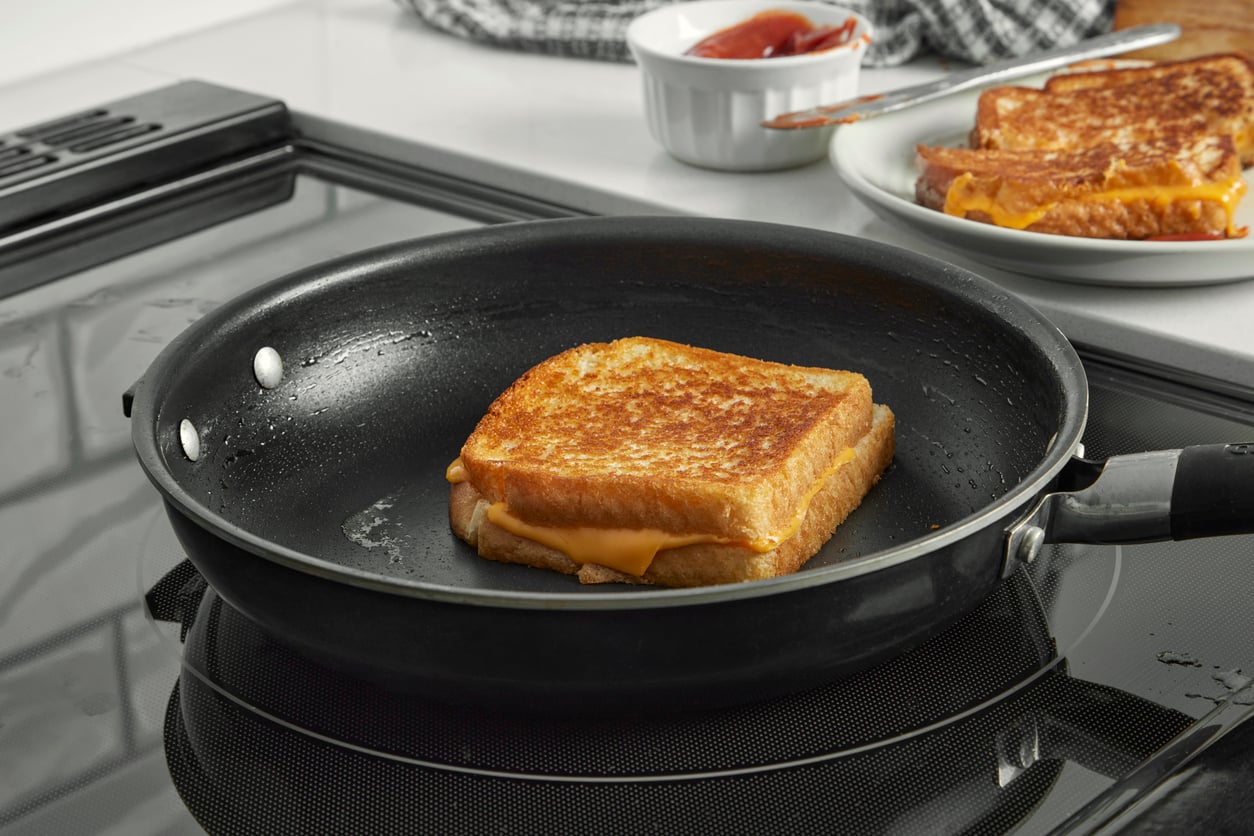
A grilled cheese sandwich is at its peak during a very short window: the bread is browned and crisp, the cheese is molten, and the whole thing is still hot enough to demand some caution. Making one at home means eating it during exactly that window. It also doesn’t need the tower of add-ons that can turn a humble sandwich into an expensive restaurant entree. Choose bread you actually like, use your favorite cheese, add tomato or mustard if that’s your tradition, and call it lunch. Sometimes the simplest version is the one people miss most.
French Onion Soup
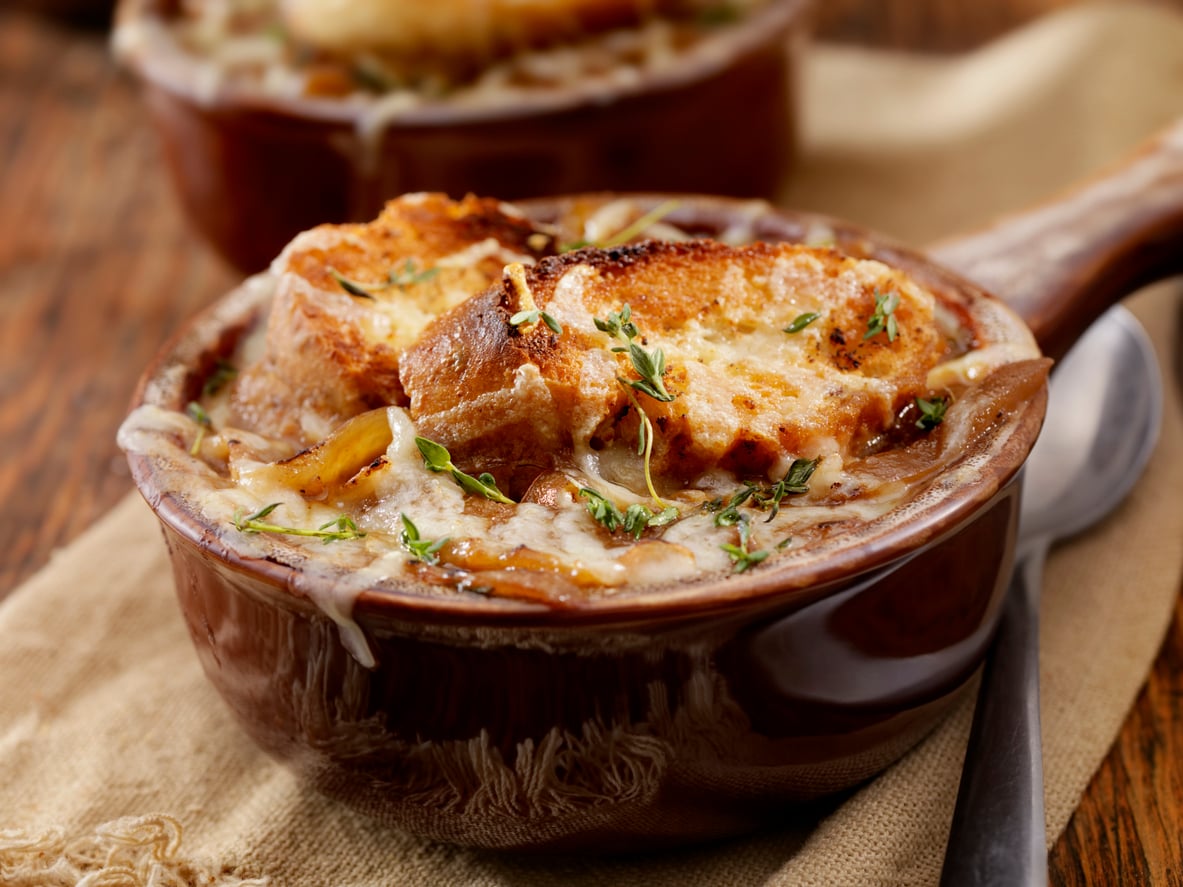
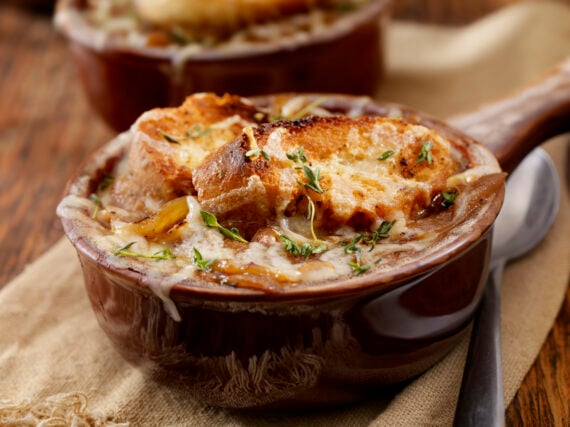
French onion soup is proof that inexpensive ingredients don’t necessarily mean quick cooking. The defining job is slowly cooking down a substantial pile of onions until their flavor becomes deep, sweet, and savory. Home cooks who take the project seriously sometimes spend hours on the onions alone, and online discussions contain people who say mastering the dish has made restaurant versions less appealing. The downside is obvious: this isn’t fast food. Between the onions, broth, toasted bread, cheese, and final broiling, homemade French onion soup earns its flavor through patience.
Fresh-Baked Muffins and Quick Breads
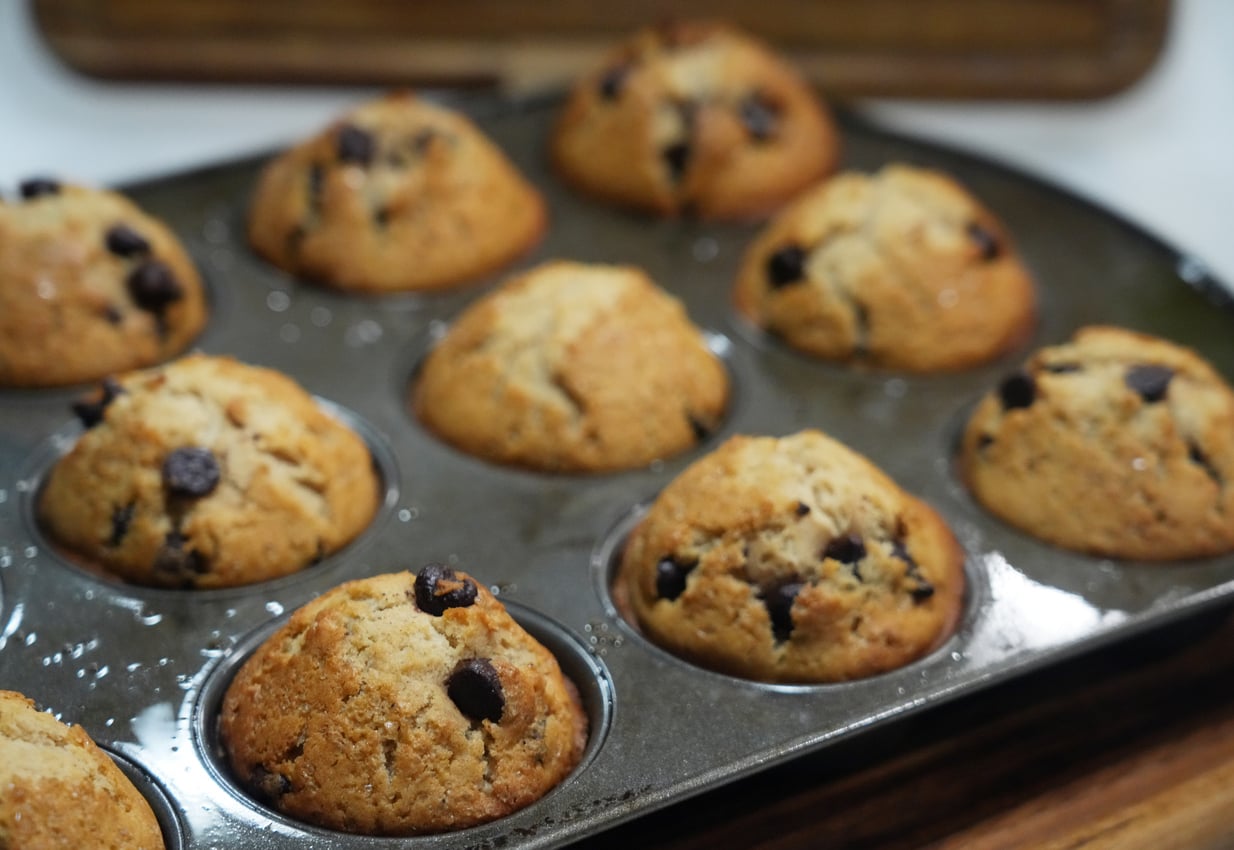
The greatest advantage homemade muffins have may simply be timing. A blueberry, banana, or chocolate-chip muffin eaten slightly warm from the oven is a different experience from one that’s been waiting around for hours. Baking at home also lets you control sweetness and load the batter with as much fruit, nuts, spice, or chocolate as you like. There’s a practical money-saving bonus, too: make a full batch rather than buying pastries one at a time. King Arthur Baking recommends storing leftover muffins airtight for several days or freezing them for longer storage.