Some restaurant dishes can hide behind fancy sauces, expensive ingredients, and elaborate presentation. Others have nowhere to run.
The simplest foods are often the most revealing because we already know exactly how they’re supposed to taste and feel. When scrambled eggs arrive rubbery, fries are limp and greasy, or pasta is swimming in watery sauce, you don’t need to be a professional chef to know something went wrong.
Of course, you wouldn’t judge a steakhouse by its pancakes or a pizza joint by its guacamole. But within the right kind of restaurant, certain basic dishes can tell you a surprising amount about how seriously the kitchen takes seasoning, timing, ingredients, and technique.
Here are 15 foods that reveal a good restaurant and can give you a quick read on whether the kitchen has the fundamentals down.
Scrambled Eggs
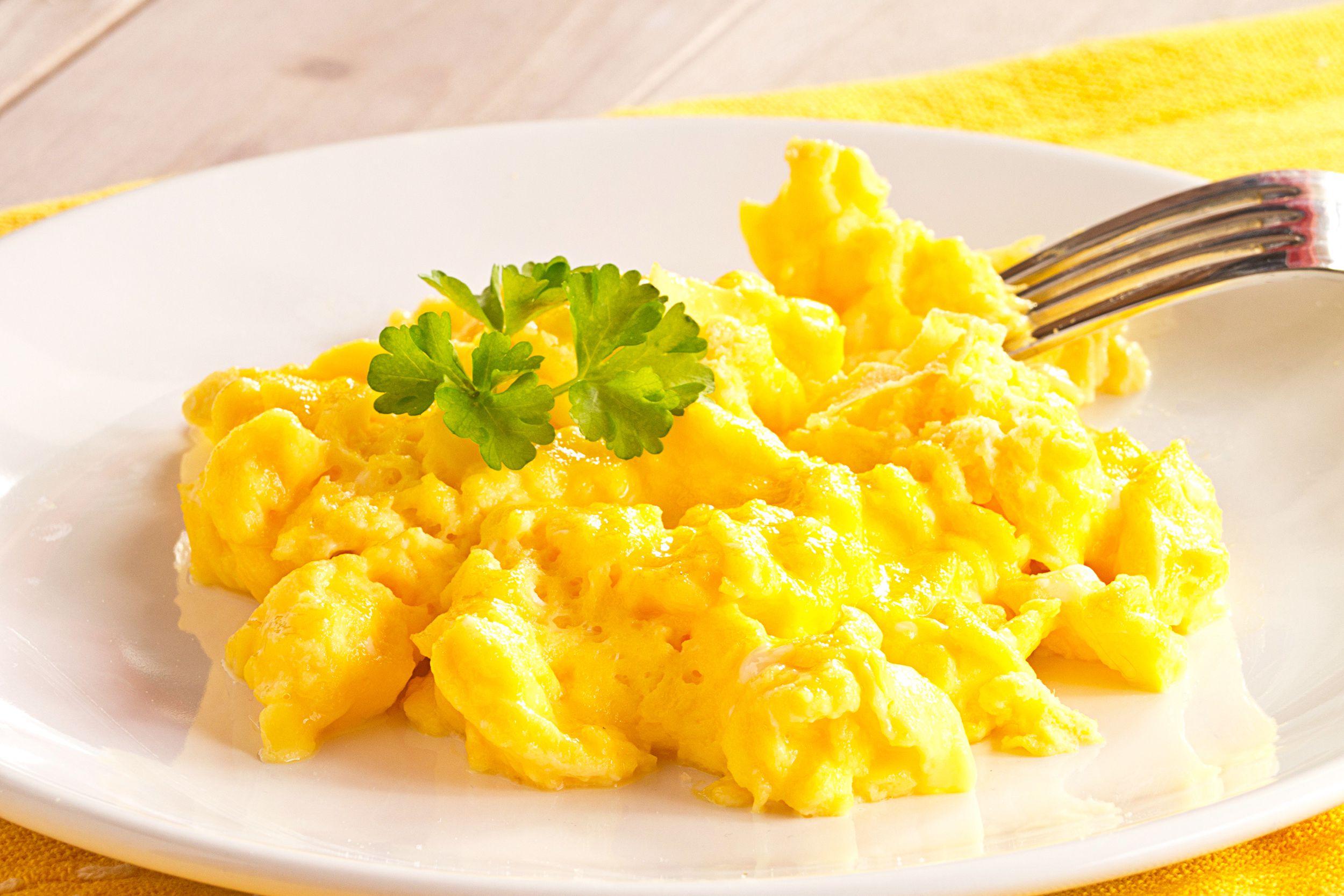
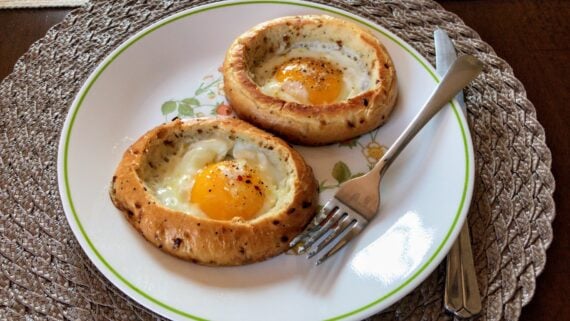
Scrambled eggs might be one of the cheapest items on a breakfast menu, but they’re also one of the easiest to mess up. Too much heat or a few extra minutes on the griddle can turn soft eggs into dry, rubbery curds. A good plate should be tender and moist without being watery or noticeably browned. At a diner or breakfast spot, eggs cooked with care are a promising sign that the kitchen understands temperature and timing — even when dealing with the most basic ingredients.
French Fries
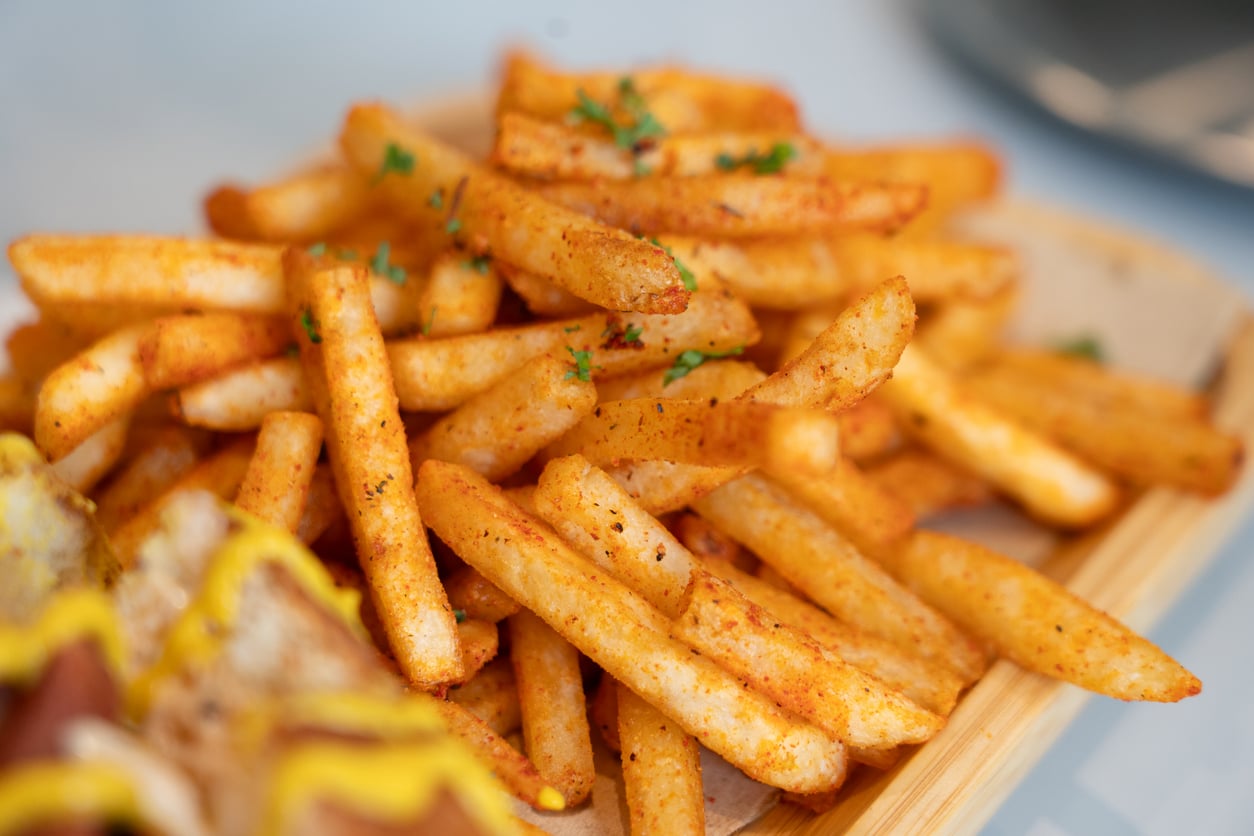
There’s a big difference between fries that make you keep reaching across the table for another and fries you abandon after three bites. Good ones should have a crisp exterior, fluffy interior, enough salt, and no lingering taste of stale fryer oil. Limp, greasy fries can mean the oil wasn’t hot enough, the fryer was overcrowded, or the finished fries sat around waiting to be served. For the fairest test, try a couple before drowning the basket in ketchup.
A Plain Cheese Pizza
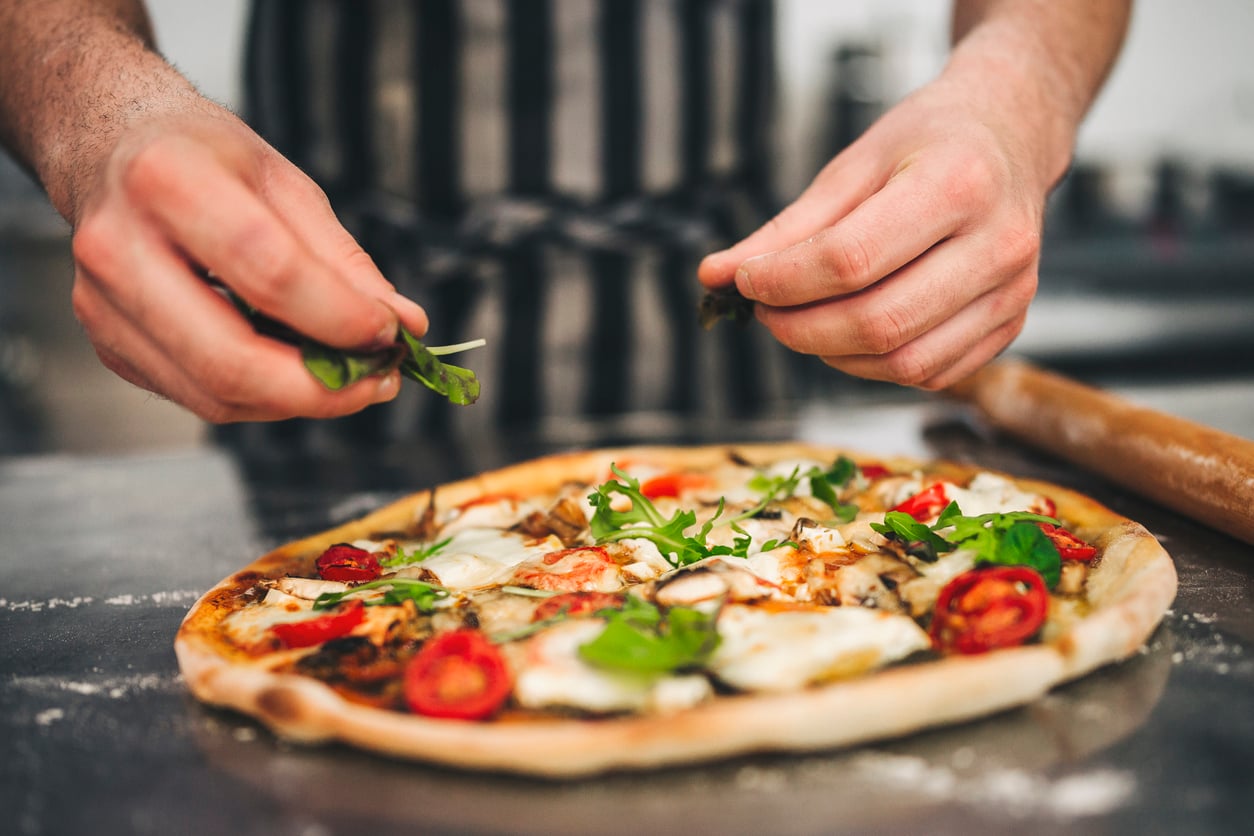
Anyone can pile pepperoni, hot honey, sausage, burrata, and a handful of other toppings onto a pizza. A plain cheese pie leaves the basics exposed. The dough, tomato sauce, cheese, seasoning, and bake all have to pull their weight, and problems like a soggy crust or bland sauce become immediately obvious. If a pizza place can make its simplest pie something you’d happily order again, chances are it knows its dough and oven pretty well.
Roast Chicken
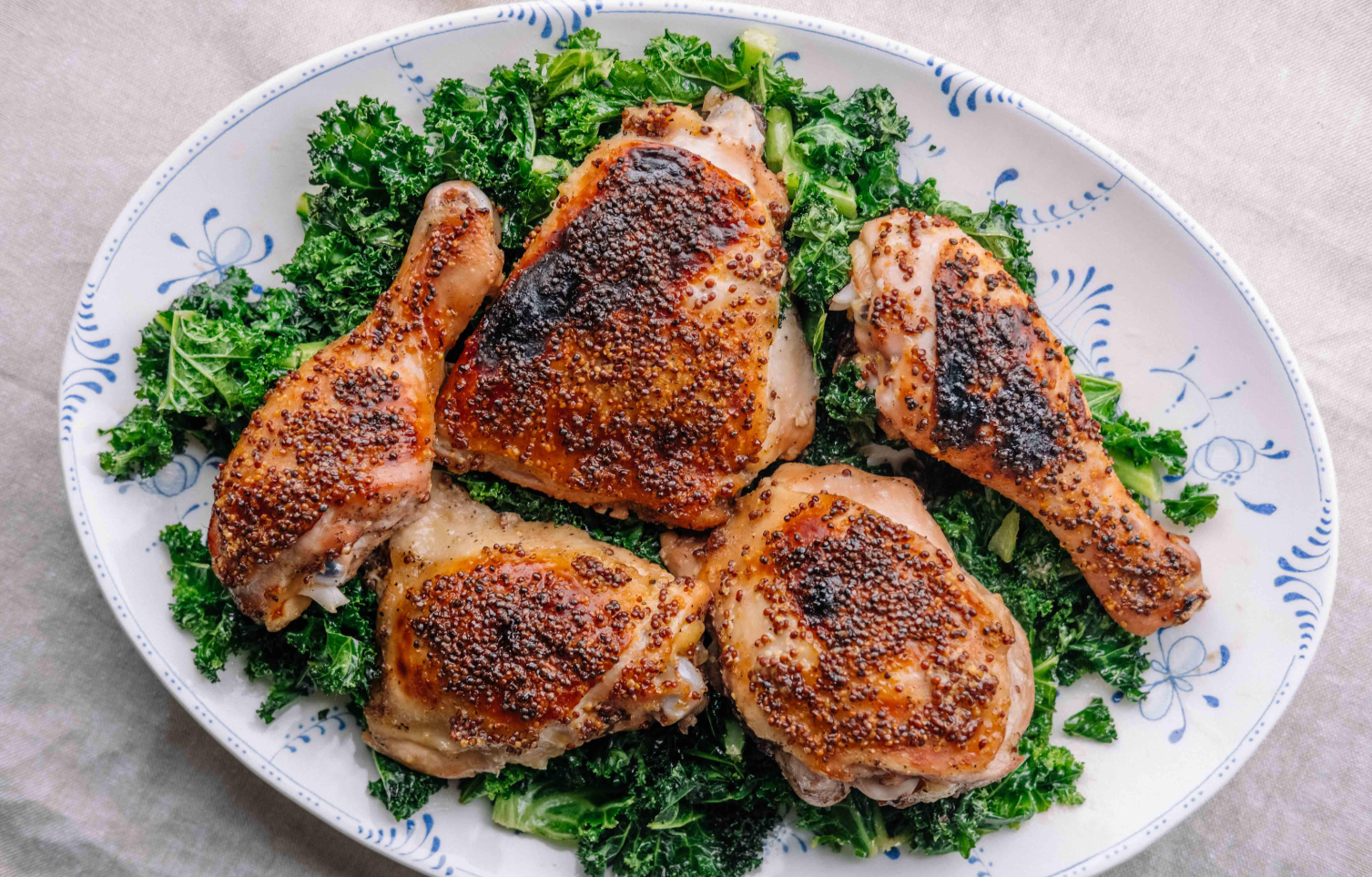
Chicken is easy enough to cook, but making a genuinely memorable roast chicken is another story. The breast can dry out before the darker meat is properly cooked, while poorly handled skin can end up pale and rubbery instead of crisp and flavorful. Look for juicy, well-seasoned meat and skin that’s actually worth eating. When a restaurant manages to make something as ordinary as chicken feel special, that’s a pretty convincing display of solid kitchen fundamentals.
Caesar Salad
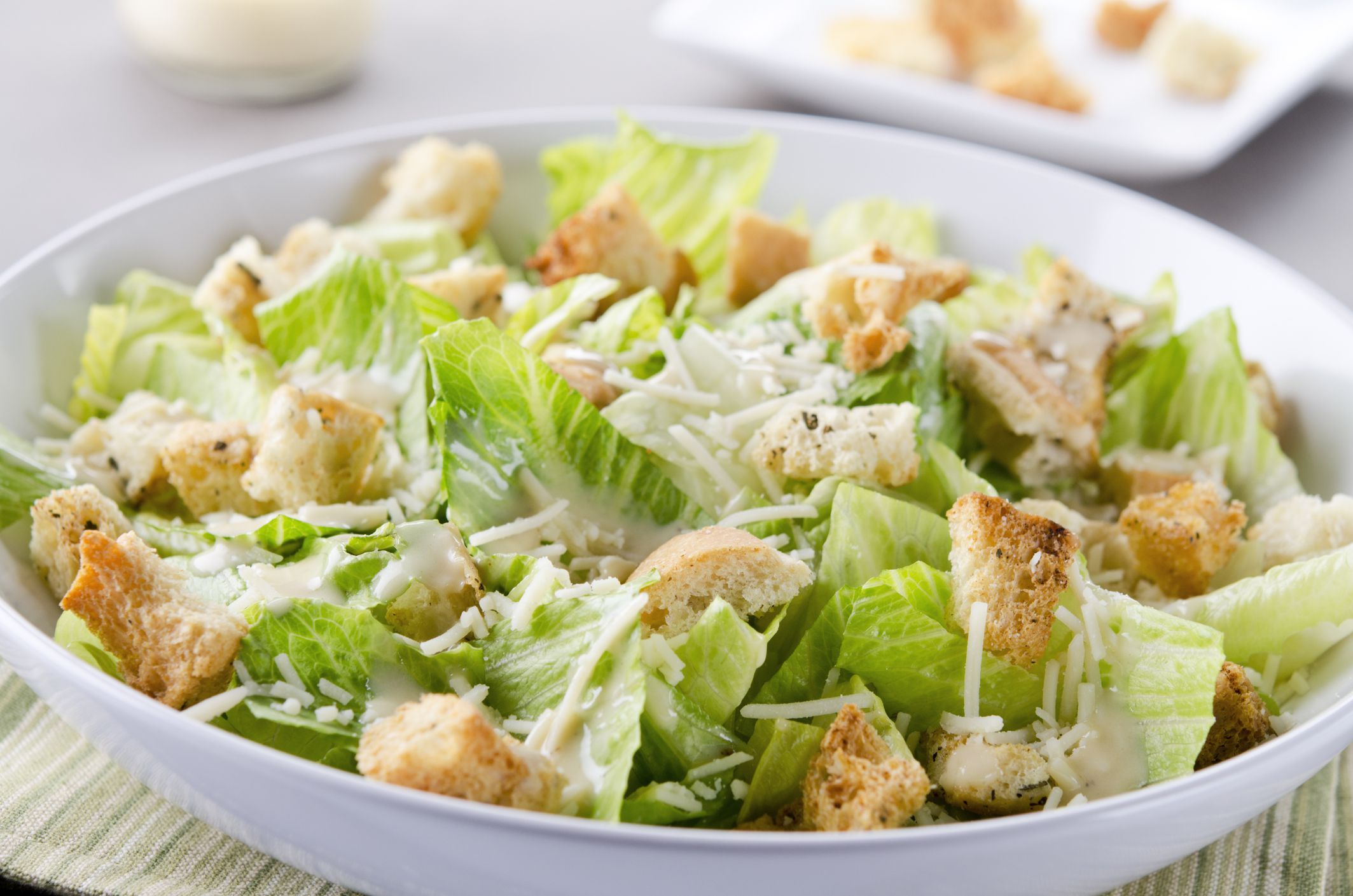
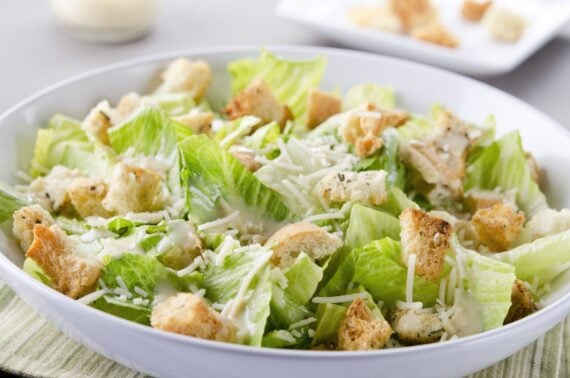
A Caesar salad doesn’t give a restaurant many places to hide shortcuts. The romaine should be crisp, the dressing should have enough acidity and savory flavor, the Parmesan should contribute more than decoration, and the croutons shouldn’t taste like they’ve been sitting around for weeks. A watery salad coated in bland, bottled-tasting dressing can be a clue that the kitchen views its sides as an afterthought. A great Caesar, meanwhile, shows that even the lettuce is getting some attention.
Trending on Cheapism

Pancakes
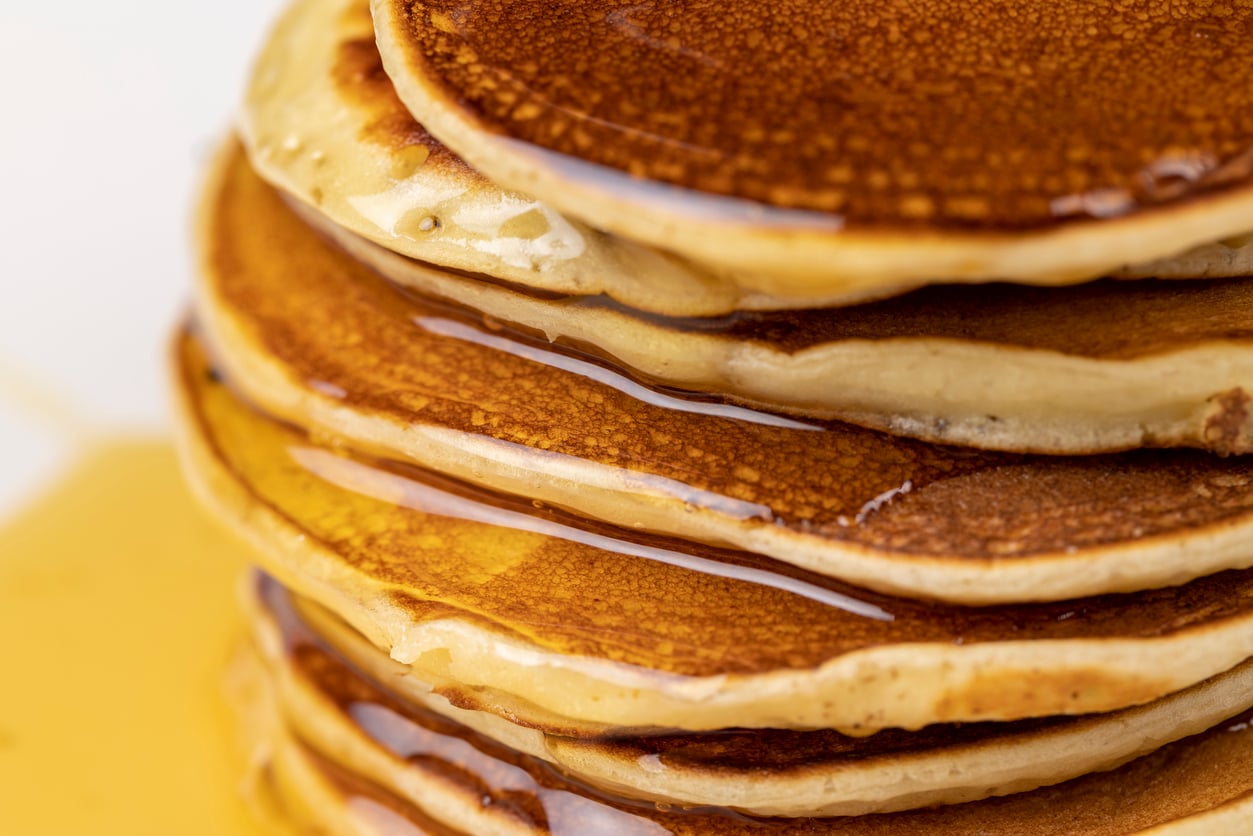
Pancakes are particularly useful for sizing up a diner or breakfast restaurant because they test both the batter and whoever is working the griddle. Bad pancakes can be dense, dry, overly sweet, burned on the outside, or still gummy in the middle. Good ones should be light inside with even browning and enough flavor that maple syrup feels like an addition rather than a rescue operation. If the kitchen can’t get its pancakes right, ordering another stack probably isn’t going to fix the problem.
Biscuits
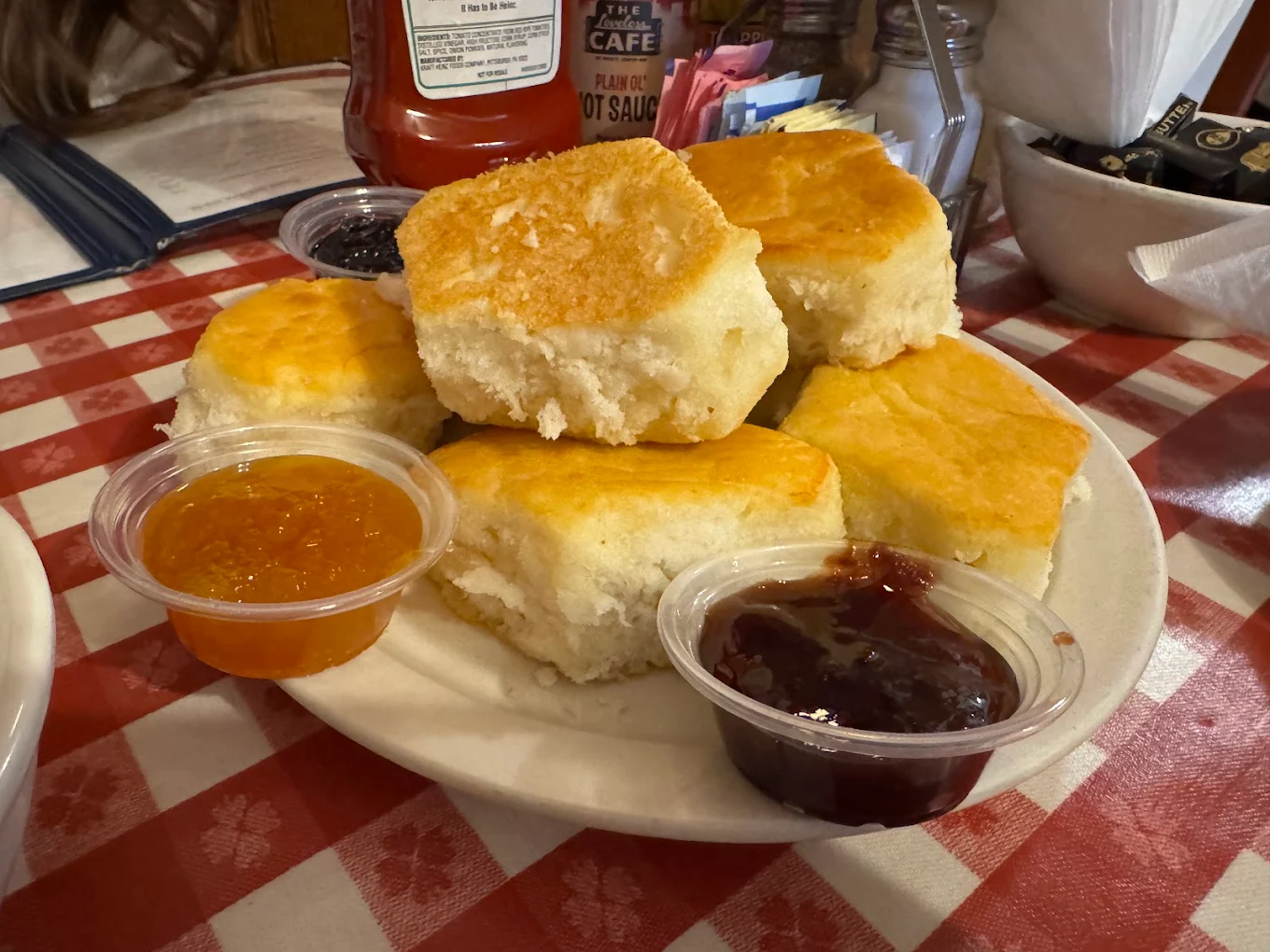
At a Southern restaurant, the biscuits can tell you plenty before the main course even arrives. A good biscuit needs enough fat and moisture to be tender while still developing those flaky layers people want to pull apart. Dense, dry, rock-hard versions aren’t easily rescued by a slab of butter or a ladle of gravy. When a restaurant takes pride in a regional staple this simple, it’s usually a good indication that the kitchen respects the traditional basics.
Fried Chicken
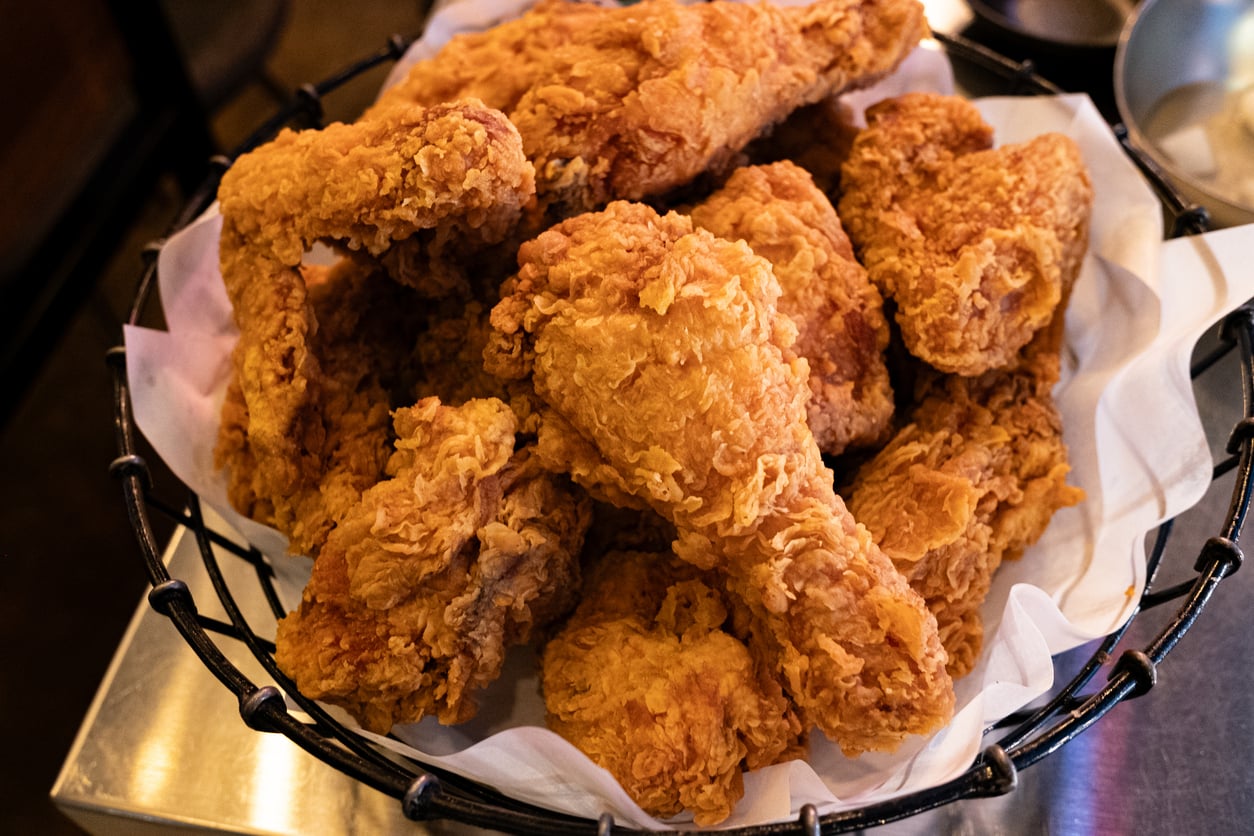
Great fried chicken requires two very different things to happen at once: The coating needs to become deeply crisp while the meat underneath stays juicy. It should also be seasoned beyond the surface. A flavorful crust surrounding completely bland chicken suggests the seasoning didn’t make it much farther than the breading. Greasy coating, rubbery skin, or breading that falls off with the first bite can also expose problems with frying technique. When everything works, though, there’s little need for sauce to save it.
Sign up for our newsletter
A Burger Ordered Medium
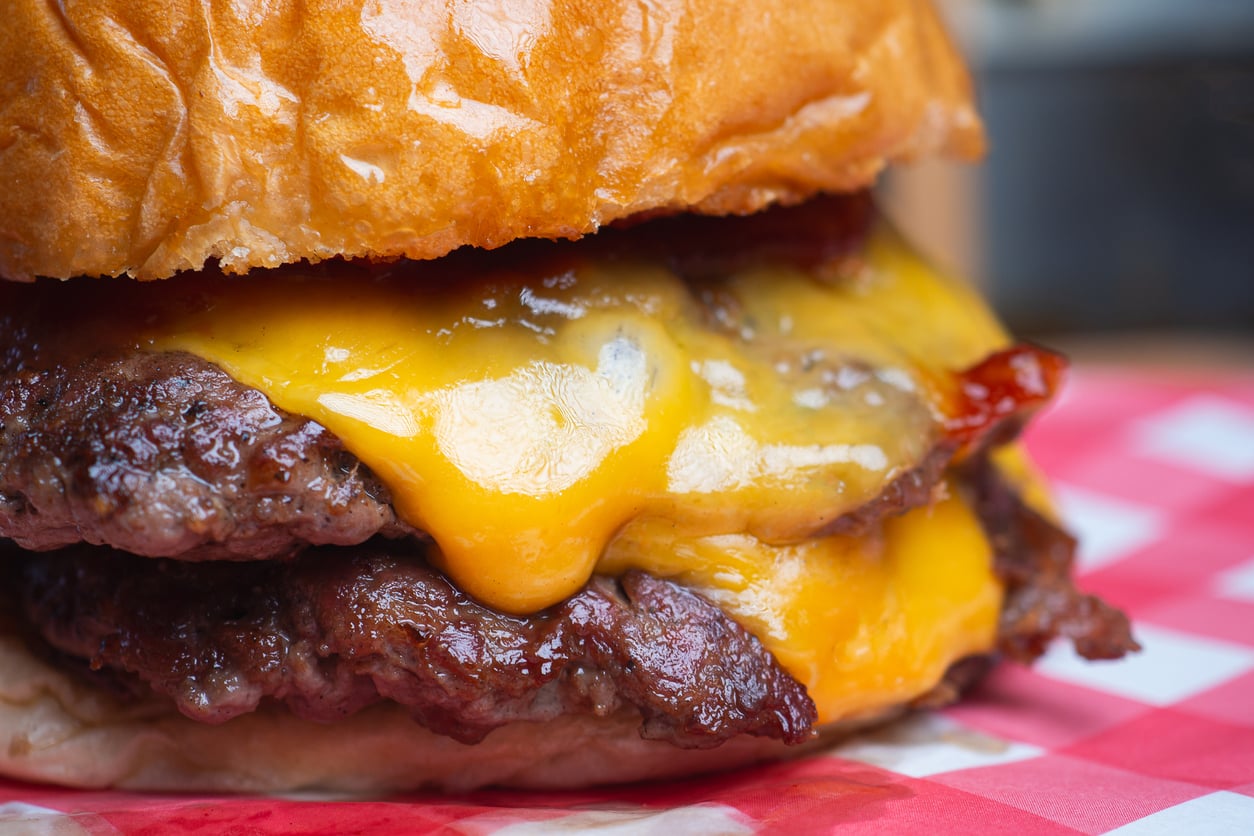
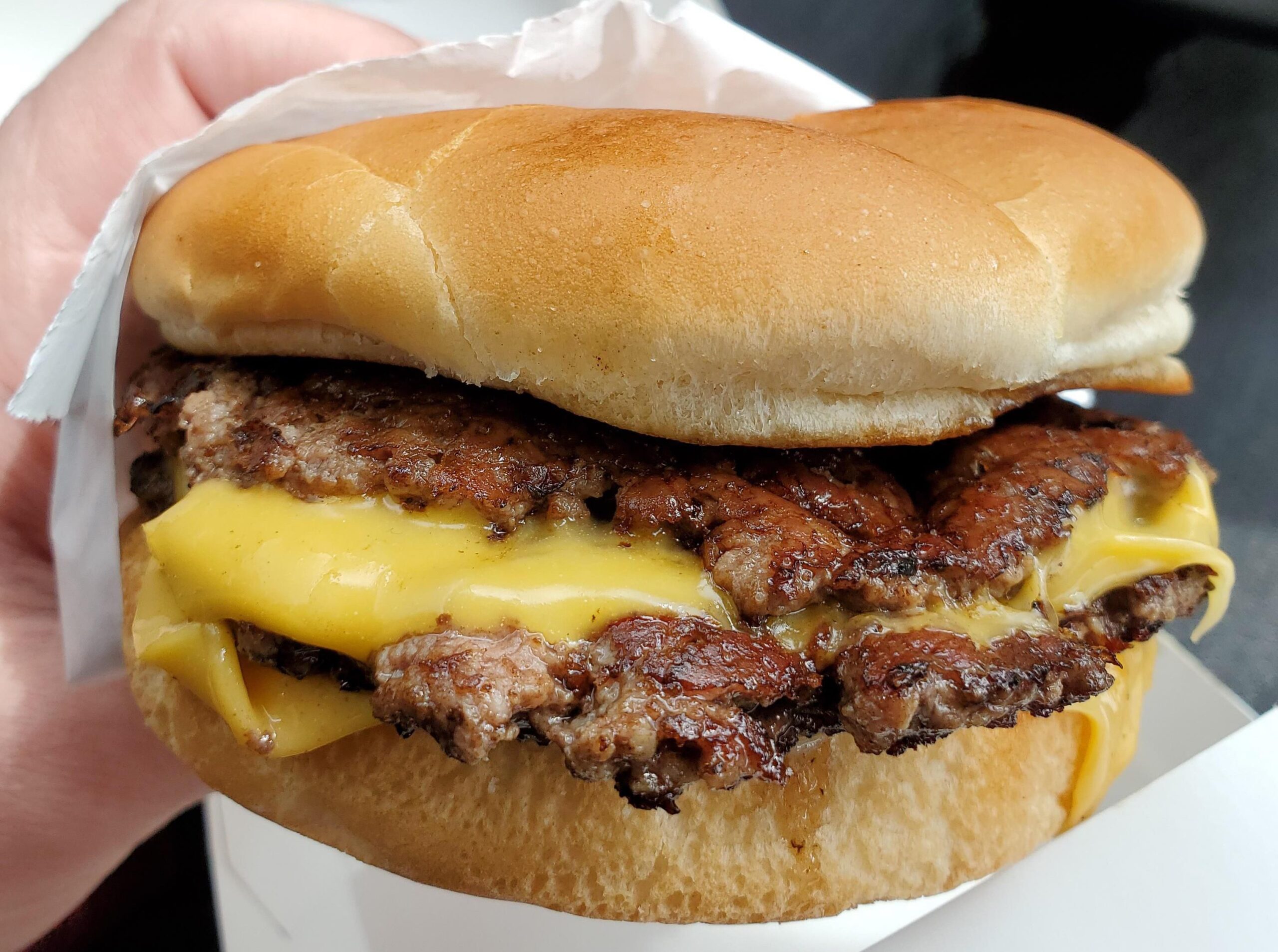
A burger puts several parts of a kitchen to work at once, from meat quality and seasoning to grill control, bun selection, and timing. Ordering one to a specific temperature can make it particularly revealing: If you ask for medium and repeatedly receive something resembling a hockey puck, the grill station may not exactly be running like a well-oiled machine. Restaurants do sometimes have policies about how thoroughly they’ll cook burgers for food-safety reasons, so check before ordering. But when a busy kitchen consistently nails the requested doneness, that’s a good sign.
Spaghetti With Tomato Sauce
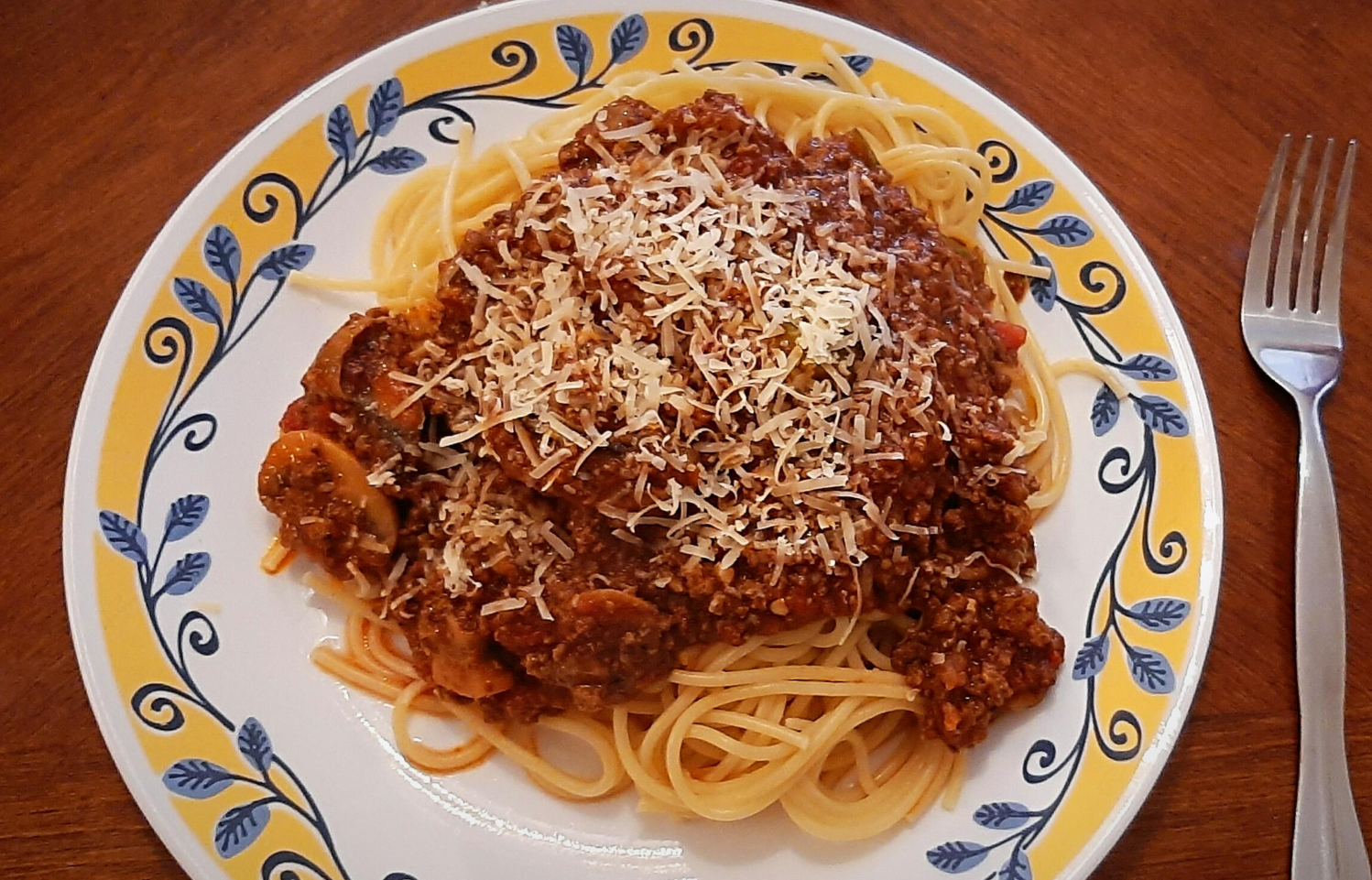
An Italian restaurant can distract you with truffles, seafood, piles of cheese, and complicated sauces. Spaghetti with tomato sauce doesn’t have those luxuries. The pasta should retain some bite, the sauce needs enough acidity and seasoning, and — most importantly — the two should taste like they belong together. Pasta that seems to have been dumped onto a plate and covered with sauce at the last second is easy to spot. A beautifully executed bowl of simple tomato pasta can say more about the kitchen than something twice the price.
Guacamole
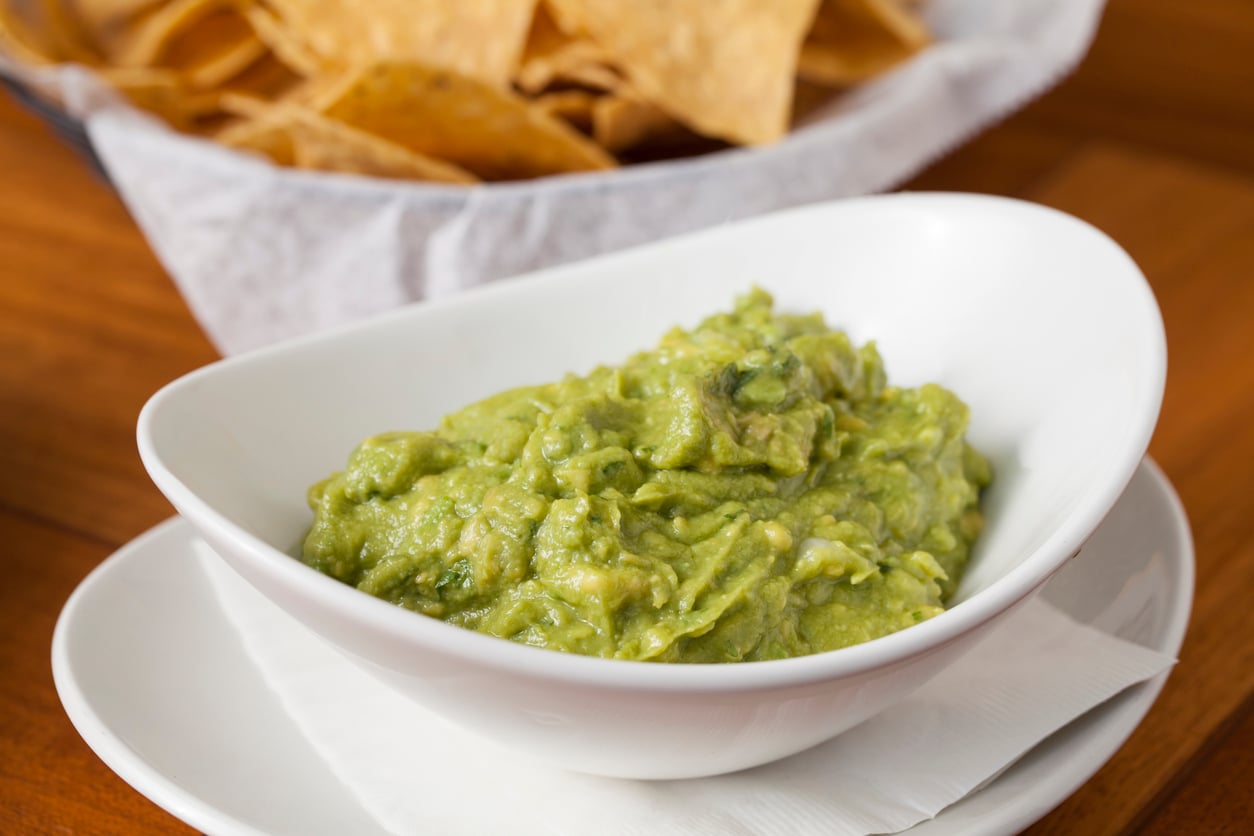
There aren’t many ingredients standing between great guacamole and disappointing guacamole. It starts with ripe avocados, then needs enough salt and acid to make them taste like something. Depending on the restaurant, onions, chiles, cilantro, tomatoes, or other additions might join the party, but none can fully disguise underripe avocados. Guacamole that’s watery, heavily browned, or refrigerator-cold can also suggest it was prepared well before it reached your table. Freshness is hard to fake here.
Fish and Chips
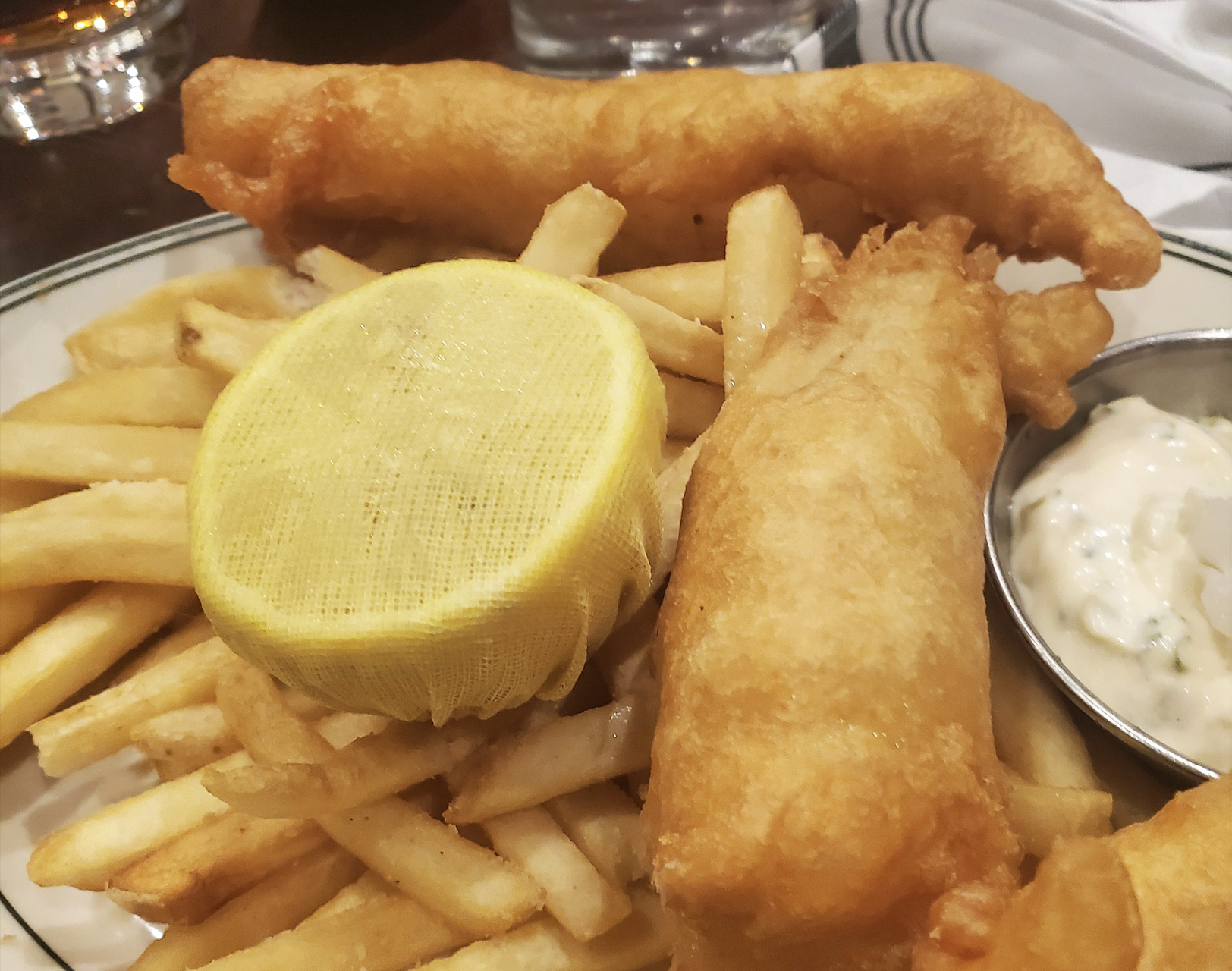
If you want to know what’s going on with a restaurant’s fryer, fish and chips can provide a pretty quick answer. The batter should be crisp and relatively light while the fish inside remains moist and flaky. A heavy, oil-soaked shell can point to poor temperature control, while an unpleasant flavor may suggest the frying oil has seen better days. Get this dish right, and there’s a decent chance the kitchen knows how to handle the rest of its fried menu, too.
Mashed Potatoes
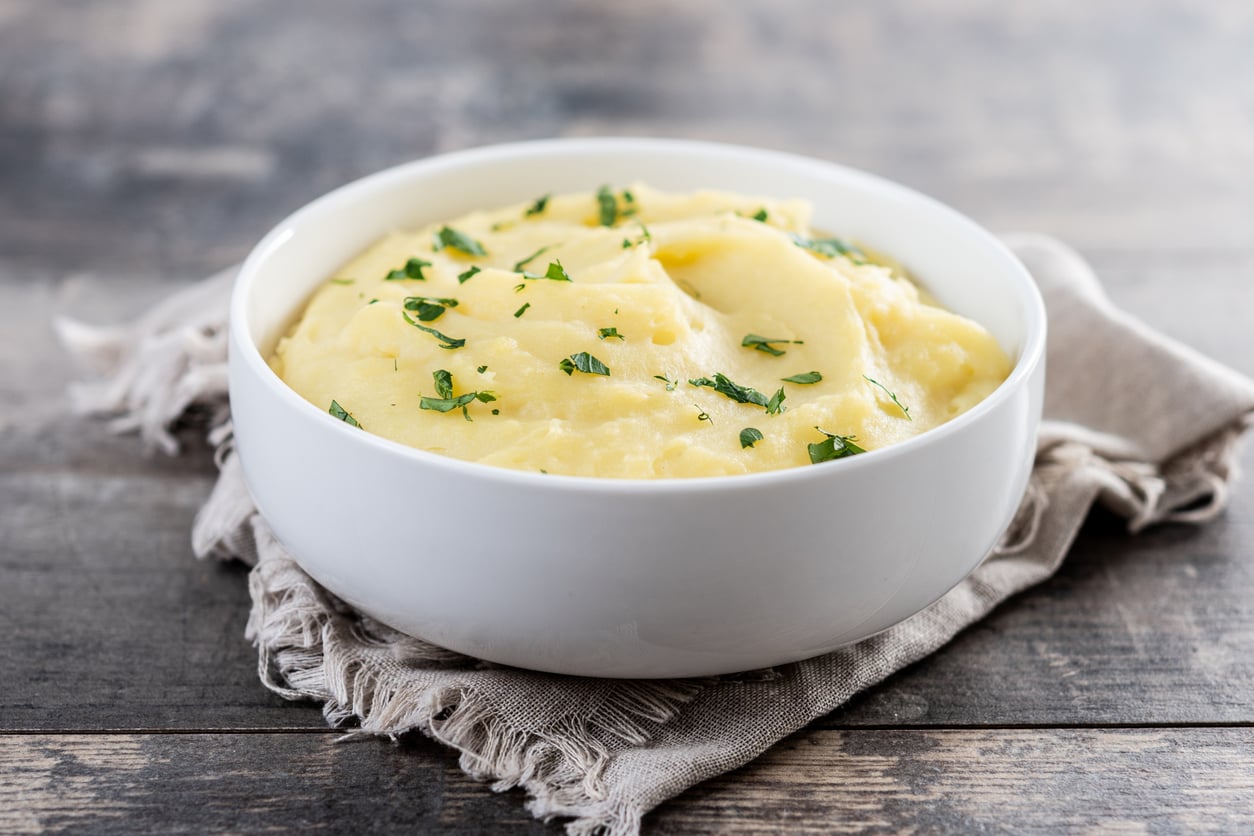
Mashed potatoes sound almost impossible to ruin until a restaurant serves you a scoop with the consistency of wallpaper paste. Potato variety, mixing technique, added fat, seasoning, and holding time can all dramatically change the finished product. Some restaurants go silky and creamy while others deliberately leave their potatoes rustic and chunky; either approach can work. What you don’t want is something watery, gluey, or tasting more like a steam table than butter, cream, and potatoes.
Soup
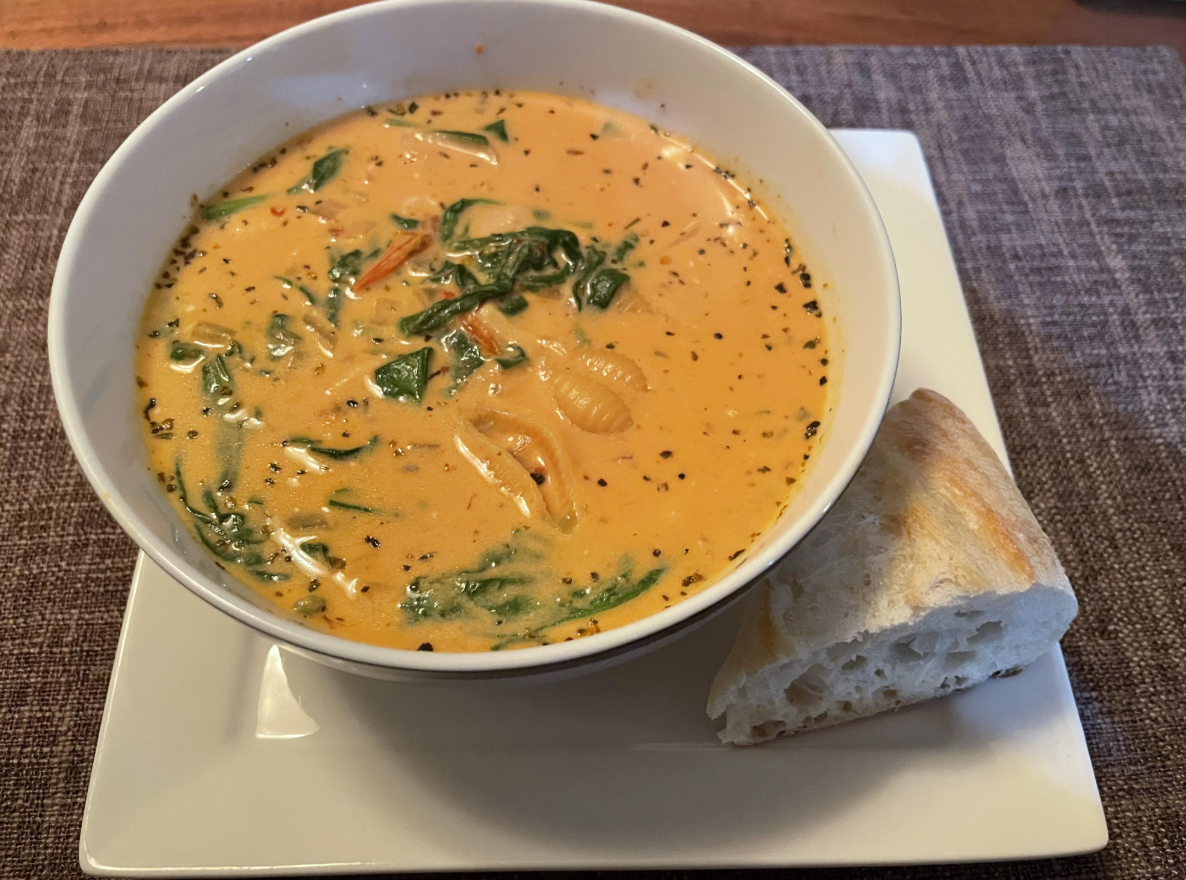
Soup can reveal whether a kitchen actually builds flavor or simply combines a bunch of ingredients in a pot. Broth-based soups are especially unforgiving because there’s no heavy cream or mountain of cheese to cover up watery stock or weak seasoning. Vegetables should still have some texture rather than dissolving into mush, and the broth should taste like more than hot water with salt. If there’s a house-made soup on the menu, that can be a better kitchen test than automatically choosing the most elaborate option.
Bread and Butter
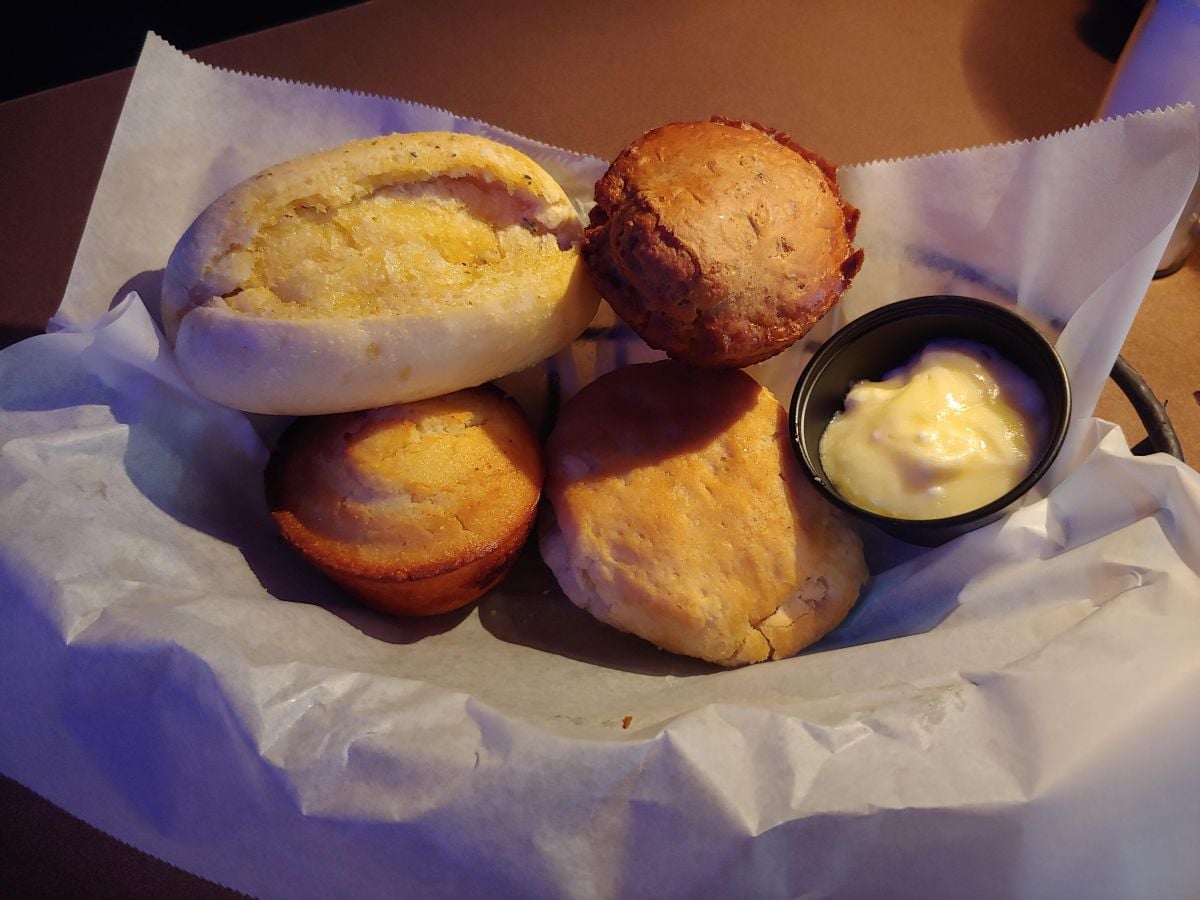
Not every restaurant serves complimentary bread, so there’s no reason to hold its absence against one. But when a restaurant deliberately puts a bread basket on the table, that first bite can set expectations for everything that follows. Stale bread and butter that’s practically frozen can make the meal feel careless before you’ve even ordered an entrée. Warm, fresh bread with thoughtfully served butter, on the other hand, shows attention to a detail diners aren’t necessarily paying extra for — and that’s often a very encouraging sign.
Simple Food Is Hard to Fake

The most revealing restaurant dishes are often the least complicated. With fewer sauces, garnishes, and expensive ingredients to distract you, weak execution becomes much harder to conceal. Soggy fries, rubbery eggs, dry chicken, gummy pasta, and greasy batter tend to announce themselves immediately.
Context matters, of course. Judge a pizza restaurant by its pizza, a diner by its eggs or pancakes, and a seafood spot by its fish rather than expecting every kitchen to excel at the same handful of foods.
And don’t underestimate a restaurant that makes an ordinary dish unusually good. Pulling off something simple requires technique rather than novelty. When even the most basic item on the menu feels carefully made, there’s a good chance the rest of the kitchen is in capable hands.