American homes underwent a colorful transformation during the 1960s. As suburbs expanded and consumer culture flourished, household staples in the 1960s increasingly included new plastics, electric gadgets, portable electronics, and appliances designed to make everyday life easier.
Of course, not every household had every item on this list. Still, these familiar objects help paint a remarkably vivid picture of middle-class life during the decade. From patterned Pyrex bowls and pastel Tupperware to console televisions and bubbling coffee percolators, here are 15 household staples that helped define American homes in the ’60s.
Formica Kitchen Counters and Tables
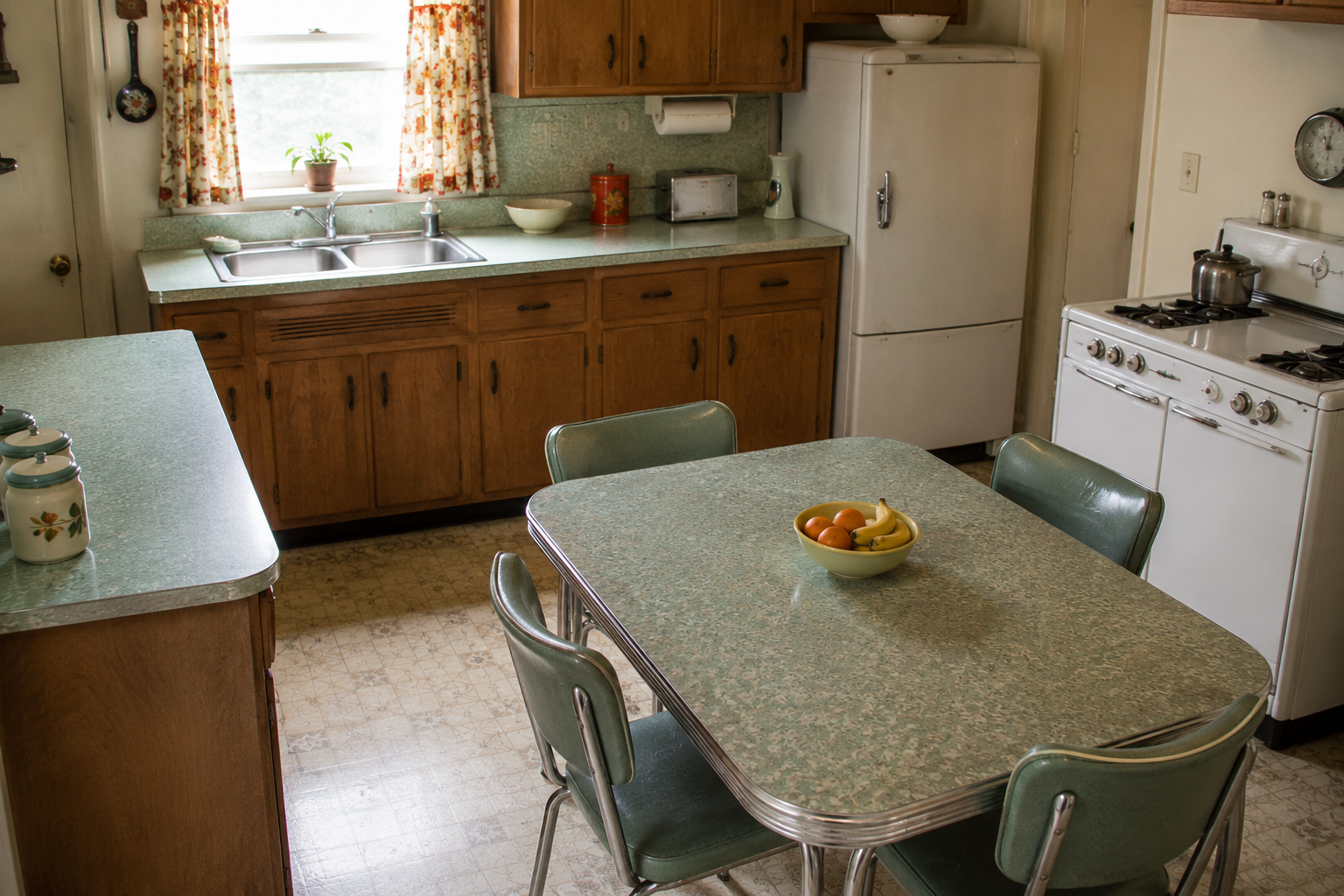
Formica laminate was affordable, durable, and easy to clean, making it a natural fit for the rapidly expanding suburban kitchen. Countertops and chrome-edged dining tables came in speckled finishes, boomerang patterns, and cheerful colors that instantly brightened a room. Formica considers the 1950s and 1960s a golden era for laminate, when young families furnishing new homes embraced the material as a stylishly modern alternative to more expensive surfaces.
Patterned Pyrex Bowls and Casserole Dishes
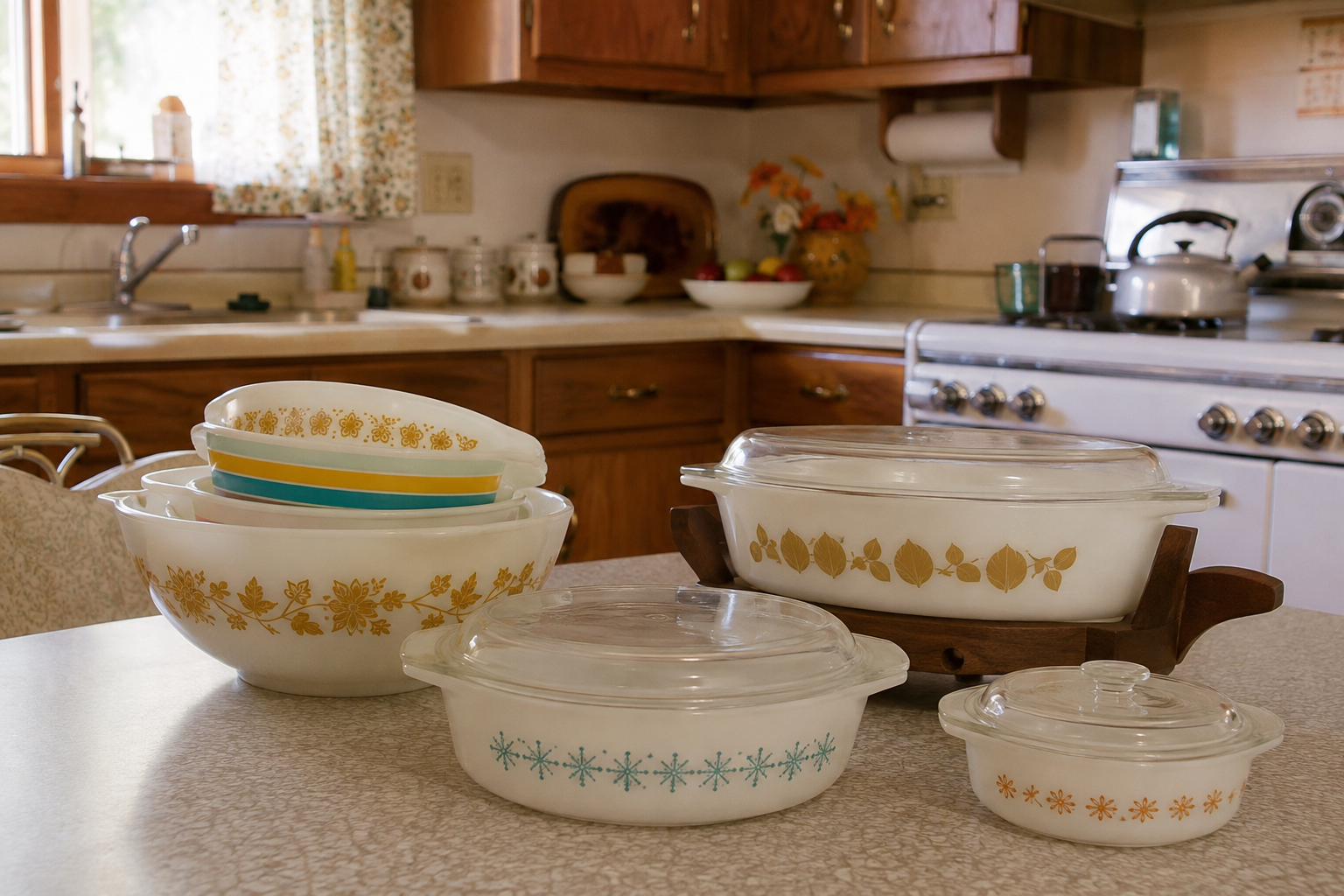
Pyrex wasn’t limited to plain glass bakeware in the 1960s. Kitchens were filled with colorful mixing bowls and casserole dishes decorated with patterns such as Golden Acorn, Early American, and Rainbow Stripes. Corning introduced dozens of new Pyrex patterns during the decade, including casseroles that could be placed on walnut serving trays and carried directly from the oven to the table. Many families also owned nesting bowl sets that were used so frequently their patterns remain instantly recognizable today.
Tupperware Bowls With Those Famous Lids
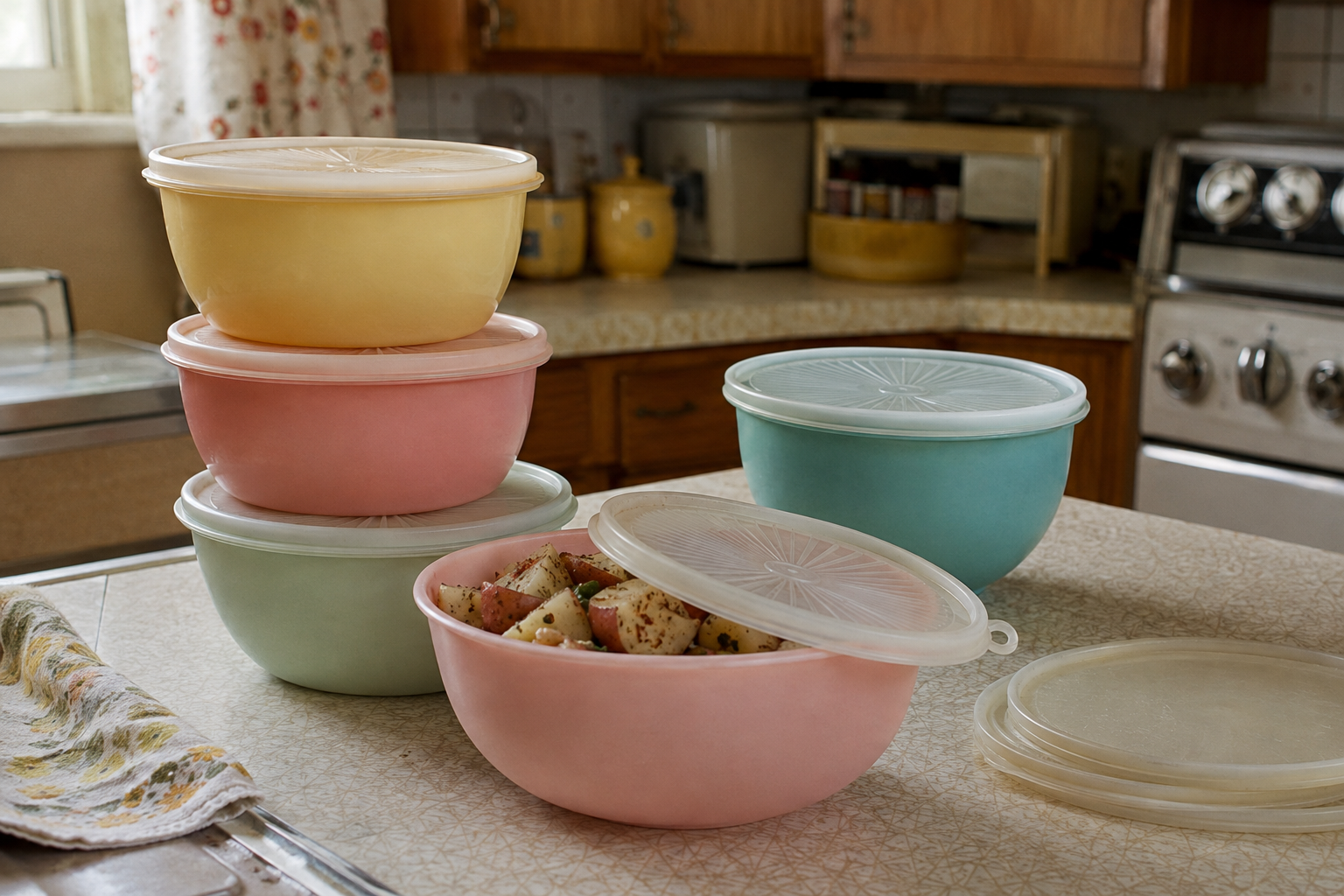
Stacks of pastel Tupperware became a common sight as plastic containers gradually replaced glass bowls covered with wax paper or aluminum foil. The airtight lids were designed to be “burped” by pressing down on the center while lifting one edge, releasing excess air before sealing the container. Tupperware parties also became a fixture of suburban social life, giving women an opportunity to demonstrate, sell, and buy the latest products inside one another’s homes.
Colorful Melmac Dinnerware
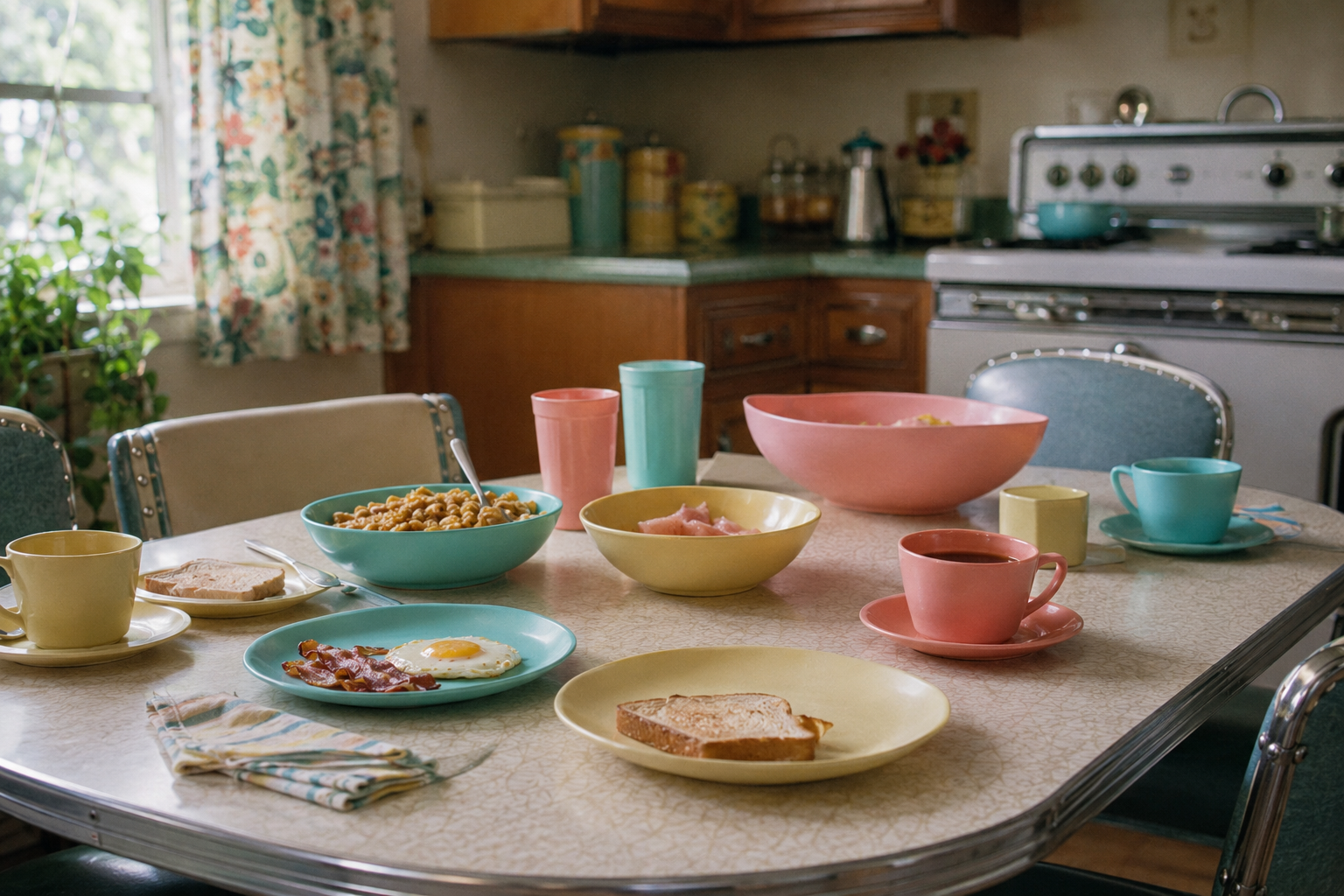
Lightweight, break-resistant Melmac dishes were practically made for busy families, backyard meals, and children who couldn’t always be trusted with the good china. The melamine dinnerware came in turquoise, pink, yellow, and other colors that fit right into a midcentury kitchen. Some sets featured sleek Atomic Age shapes or abstract patterns, while others were deliberately simple. Either way, those seemingly indestructible plates and cups survived countless breakfasts, dinners, and trips to the patio.
Kitchens Full of Matching Colored Appliances
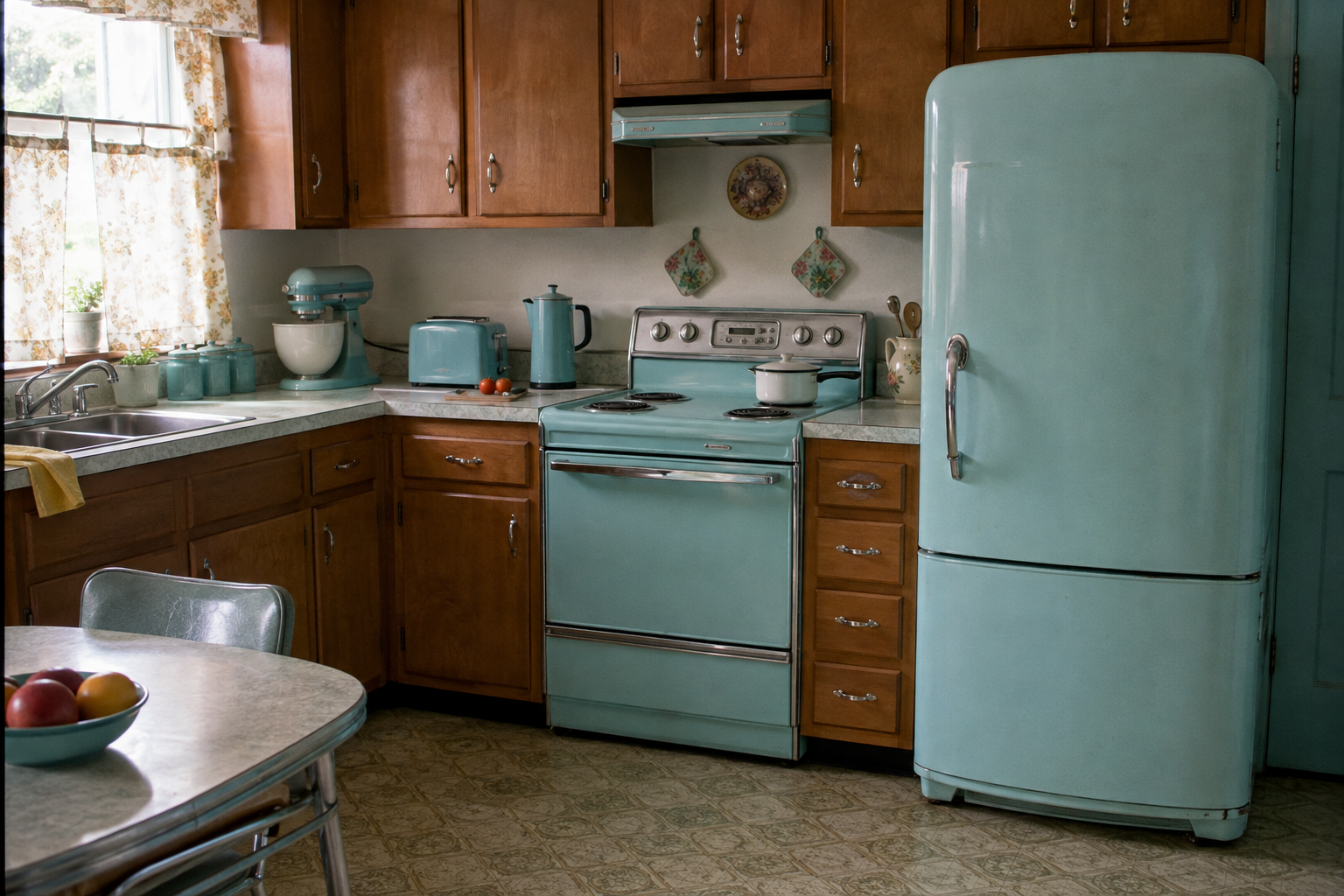
White appliances were no longer the only option once manufacturers began marketing refrigerators and ranges as part of a kitchen’s overall design. Pink, turquoise, yellow, copper, and other eye-catching colors appeared alongside matching countertops, cabinets, and dishes. As the decade progressed, warmer and earthier shades began gaining ground. Large refrigerators with roomy freezer compartments also became symbols of postwar prosperity, suggesting that a family could afford to keep plenty of fresh and frozen food on hand.
Trending on Cheapism
The Electric Carving Knife
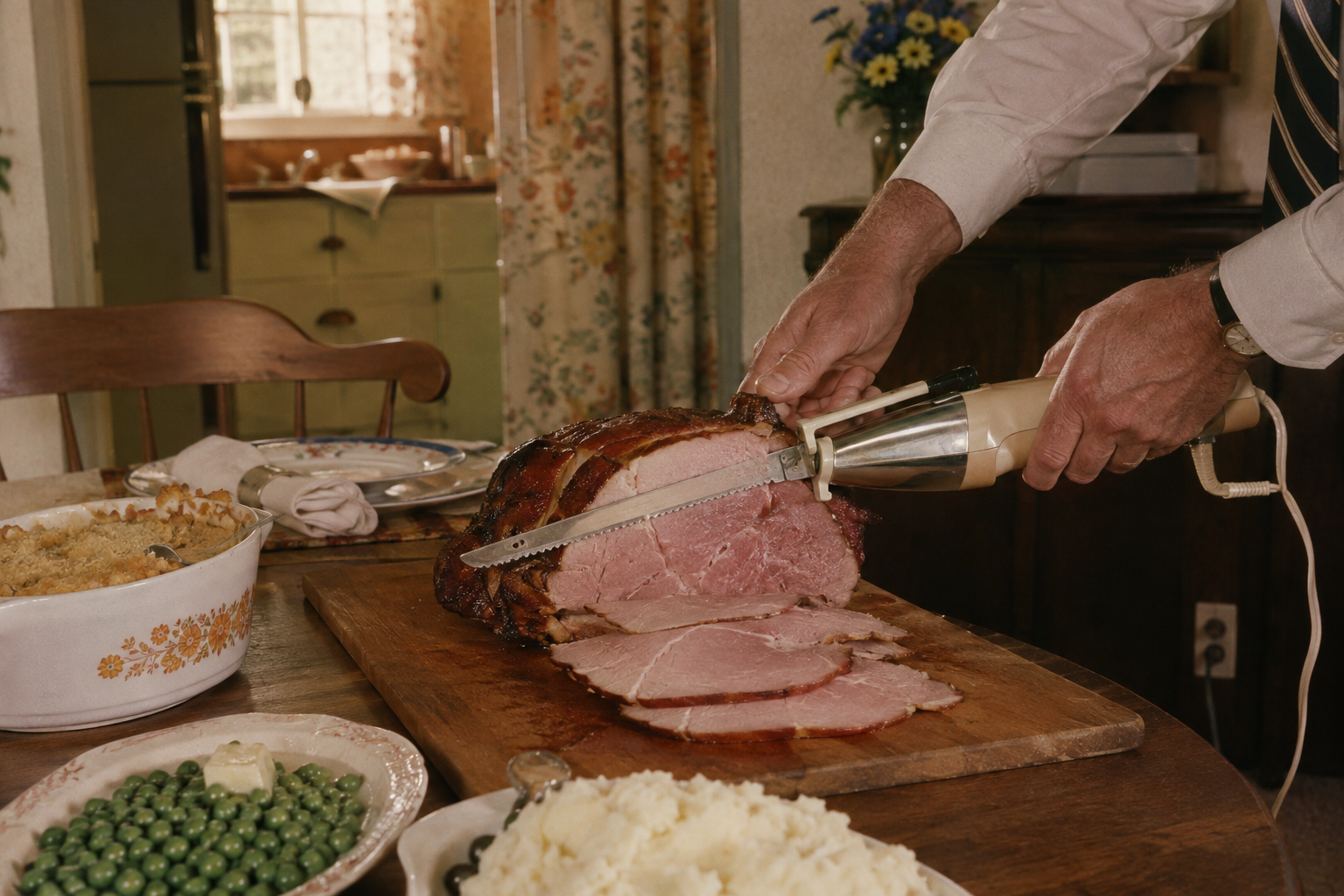
The 1960s enthusiasm for labor-saving technology extended all the way to slicing the Sunday roast. Electric carving knives promised cleaner, more even cuts with less effort and quickly became popular gifts. Hamilton Beach was promoting “the electric knife way to better carving” by 1967, encouraging families to bring out the buzzing appliance for turkey, ham, and roast beef. Although the knife didn’t eliminate much work, it certainly made carving dinner feel impressively modern.
Folding TV Tray Tables
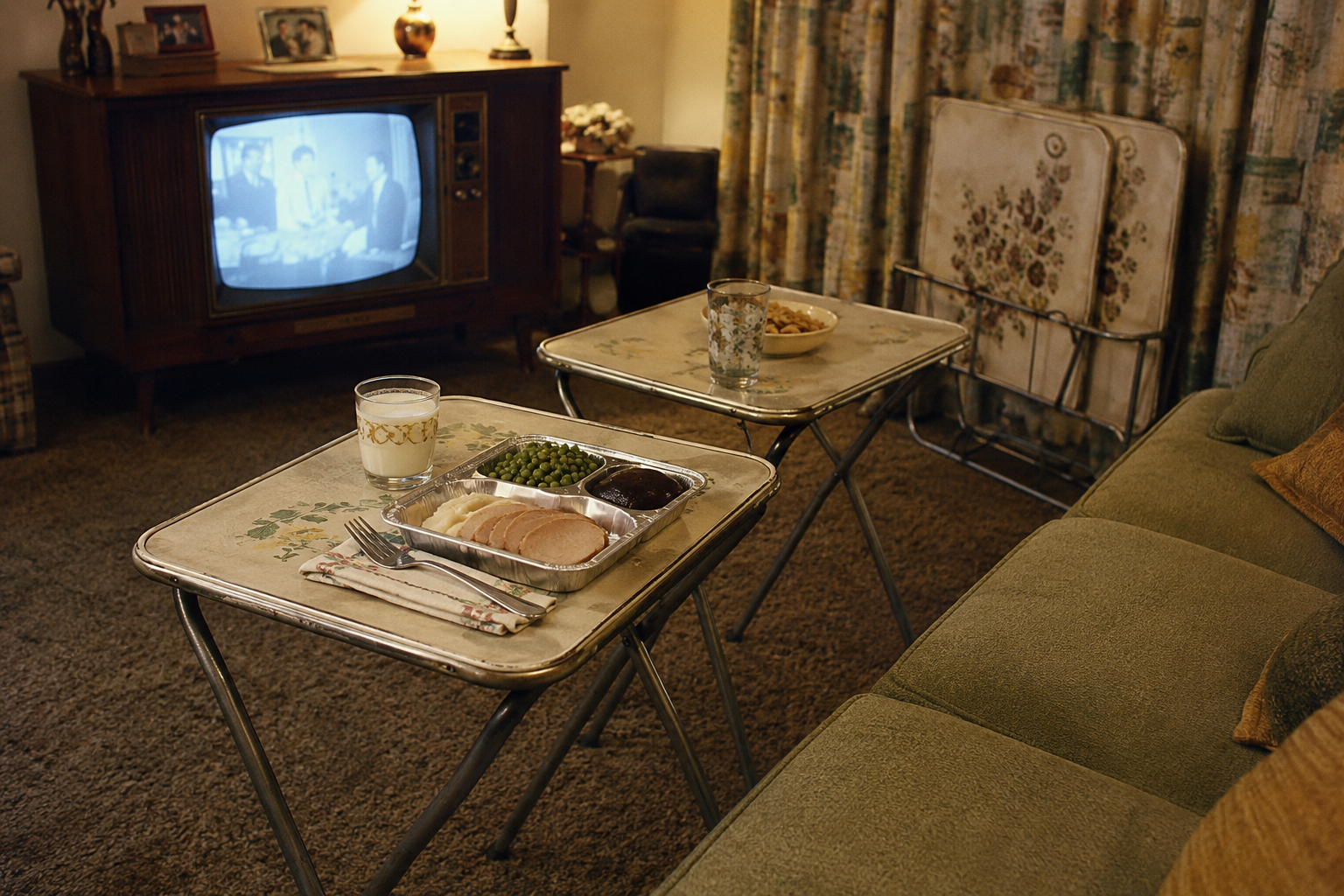
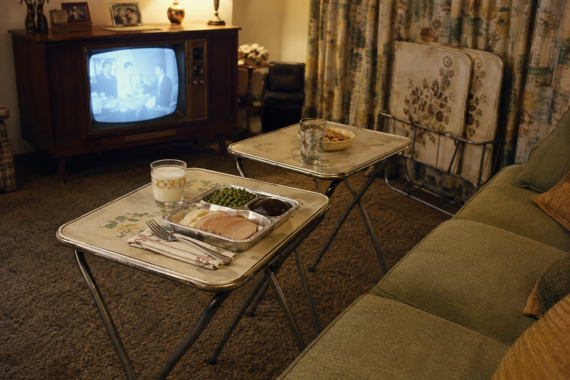
As television took over the American living room, meals increasingly followed. Folding TV trays allowed families to eat frozen dinners, snacks, and even full meals without looking away from their favorite programs. The metal trays often featured floral or geometric designs and were sold in matching sets with a narrow storage rack. They could be slightly wobbly and awkward to unfold, but they became indispensable whenever dinner was served in front of the television.
A Huge Console Television in the Living Room
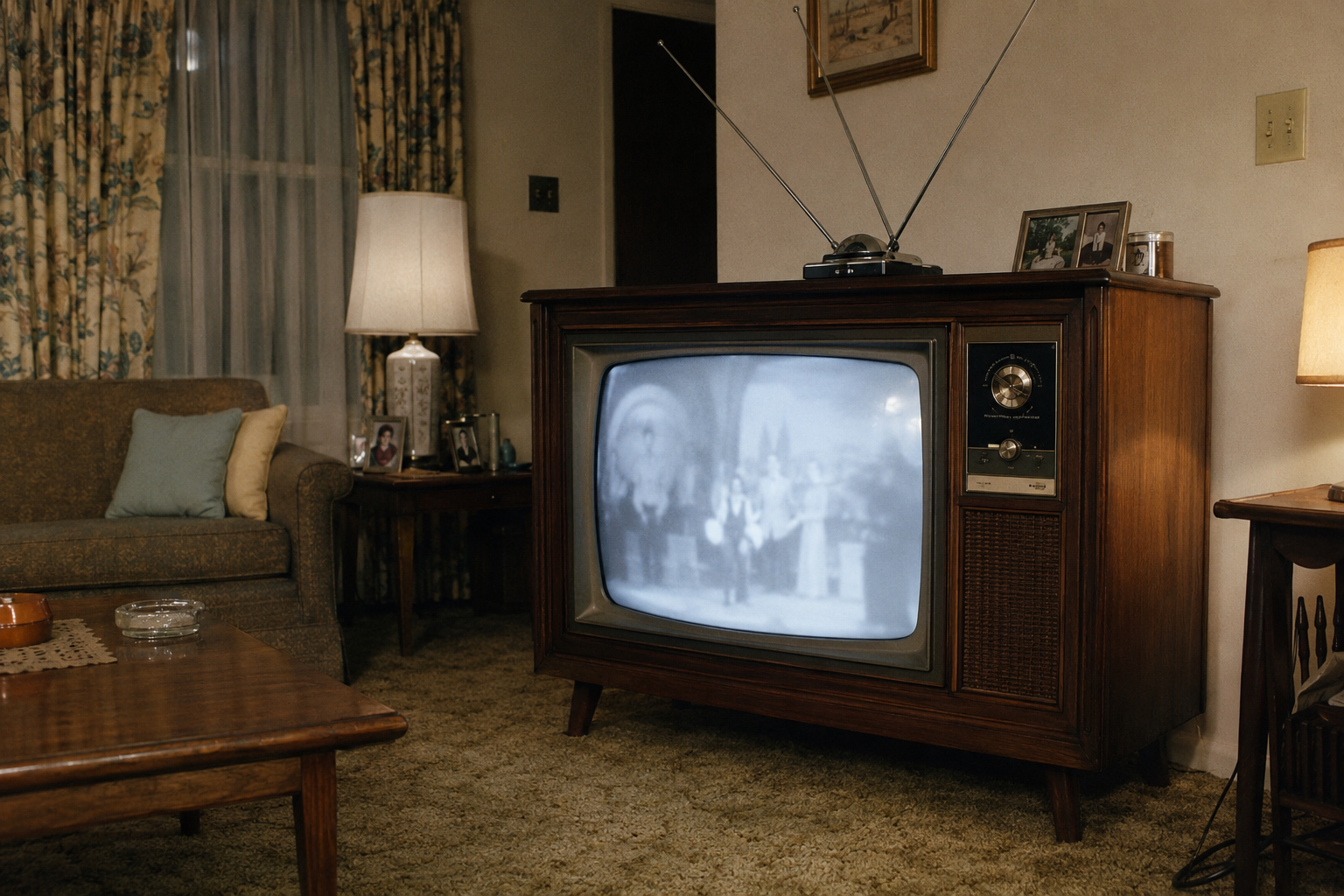
Televisions were frequently housed inside enormous wooden cabinets designed to resemble respectable pieces of furniture. By 1960, the vast majority of American households owned a TV, making the set a natural focal point for the living room or family room. Watching it still required some effort: Someone had to turn the physical dial, adjust the rabbit-ear antenna, and occasionally smack or fiddle with the set until the picture settled. Color television grew more common during the decade, although black-and-white sets remained widespread.
Sign up for our newsletter
A Transistor Radio Somewhere in the House
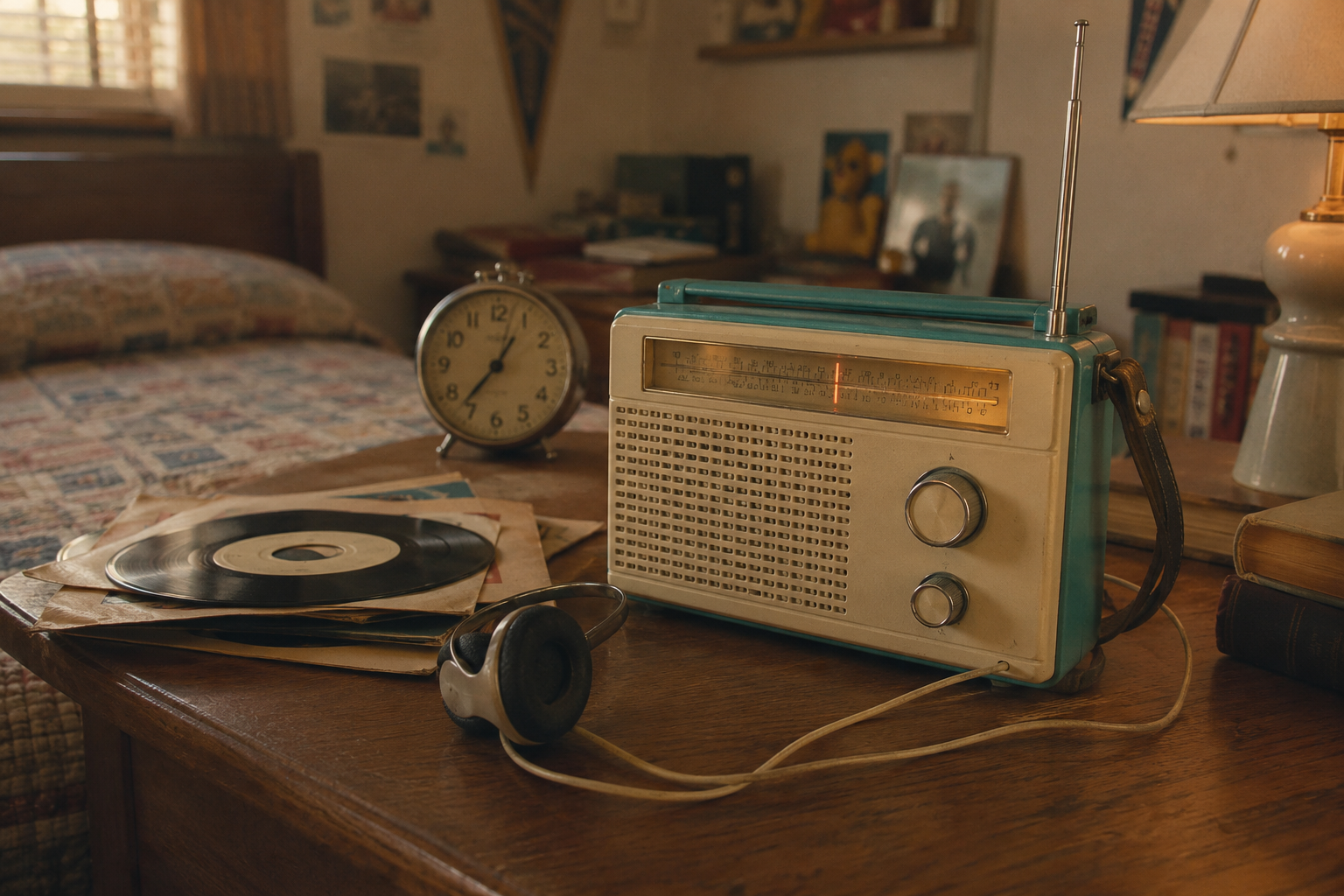
Small battery-powered transistor radios gave people—and teenagers in particular—the freedom to carry music beyond the family living room. Falling prices and the popularity of Top 40 stations helped sales soar during the 1960s. A radio might be playing AM hits in a bedroom, kitchen, garage, or backyard, sometimes through a single-earpiece headphone. Compared with today’s portable technology, the sound was limited, but the ability to take your favorite station almost anywhere felt revolutionary.
A Stereo Console That Was Practically Furniture
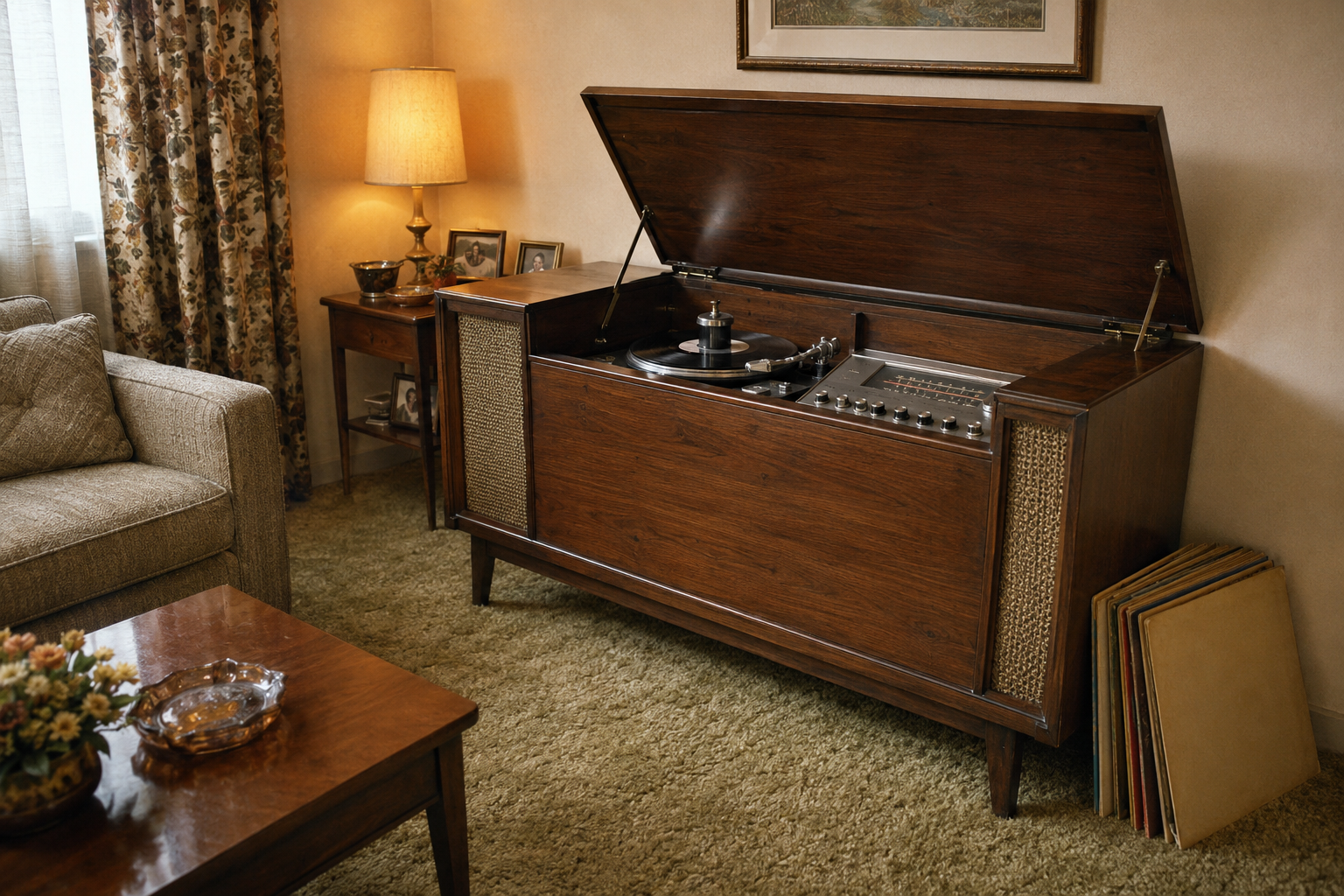
Record players and radios were often hidden inside long, polished wooden cabinets intended to complement the living-room furniture. Lift the heavy lid and you might find an AM/FM radio, turntable, and automatic record changer capable of playing several albums in succession. Speakers were built into the cabinet on either side. These substantial stereo consoles occupied plenty of floor space, but they also transformed listening to records into a family activity—and made the entertainment system look appropriately sophisticated when it wasn’t in use.
Wall-to-Wall Carpet
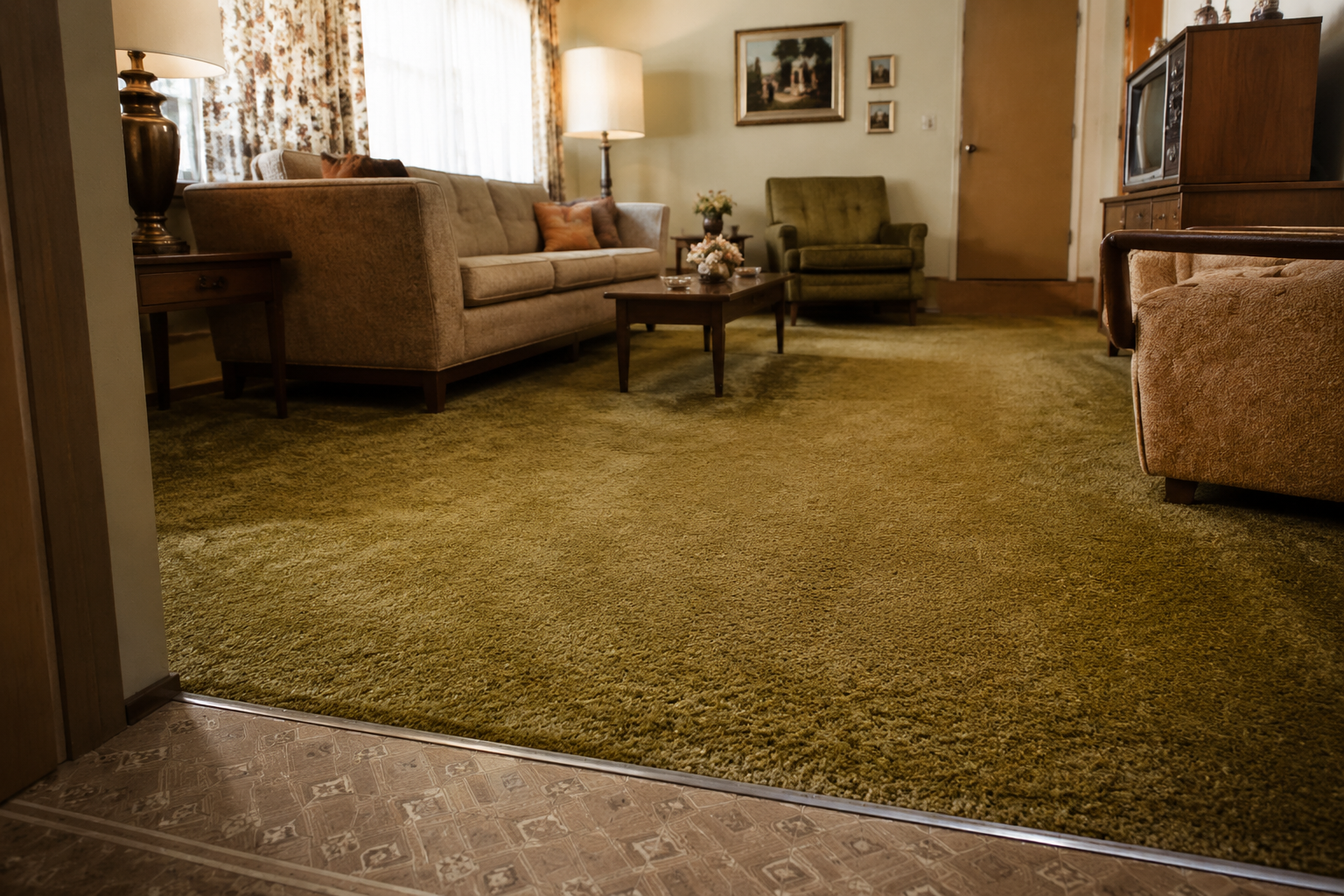
Wall-to-wall carpeting brought warmth, softness, and a sense of luxury to living rooms and bedrooms. Earlier in the decade, families often chose relatively restrained colors and shorter piles. By the late 1960s, carpeting was becoming thicker, brighter, and bolder, setting the stage for the shag-filled interiors of the following decade. Paired with wood paneling, patterned curtains, and low furniture, it created the cozy, unmistakably midcentury rooms preserved in countless family photographs.
Pole Lamps and Multi-Head Floor Lamps
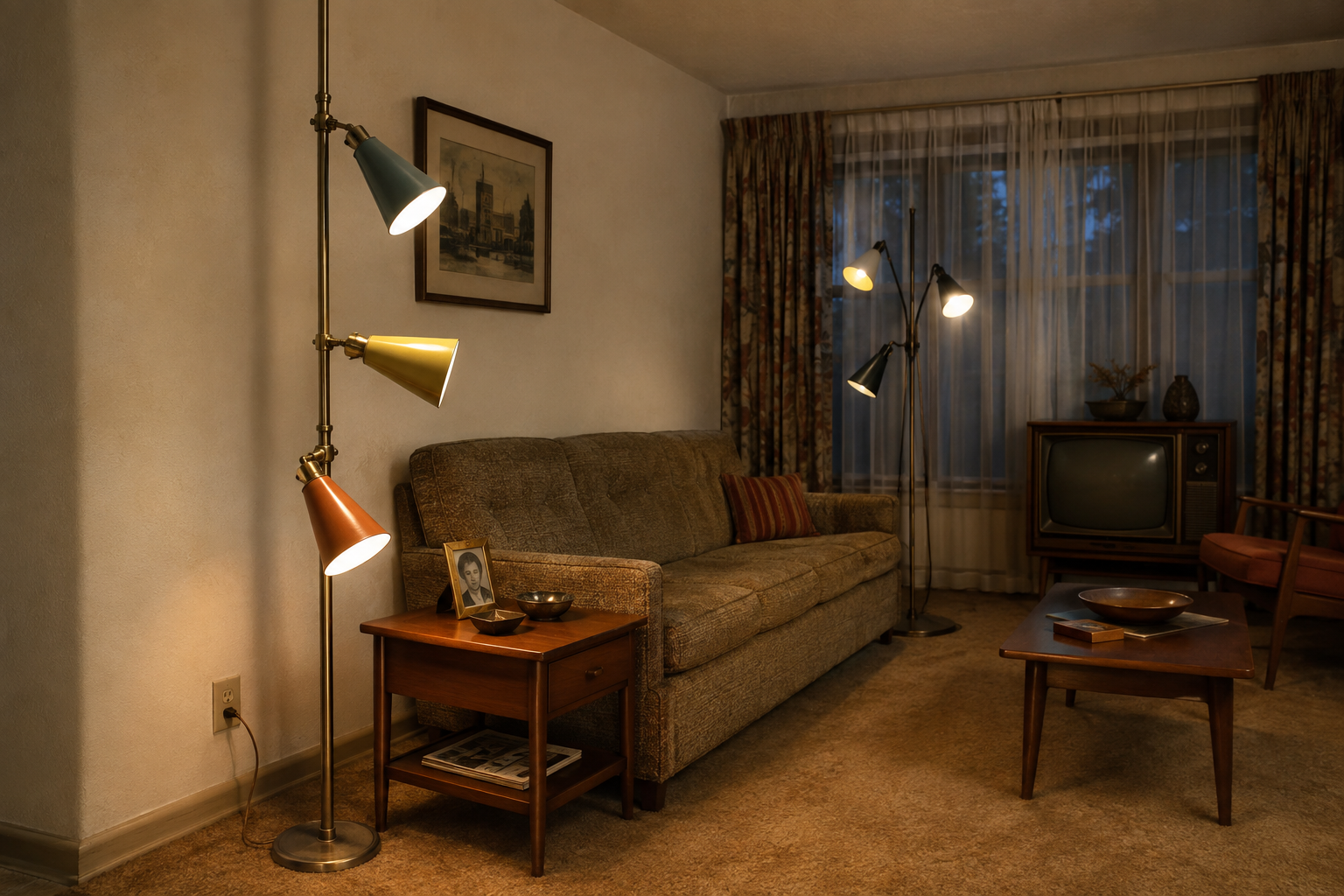
Why settle for one light when a lamp could have three? Tension-pole lamps stretched from floor to ceiling and commonly featured multiple cone-shaped shades that could be pointed in different directions. Other models stood on a conventional base but offered the same adjustable, multi-head design. Available in bright colors and metallic finishes, these lamps provided flexible lighting beside sofas, recliners, and television sets while becoming striking pieces of decor in their own right.
A Sewing Machine Hidden Inside a Furniture Cabinet
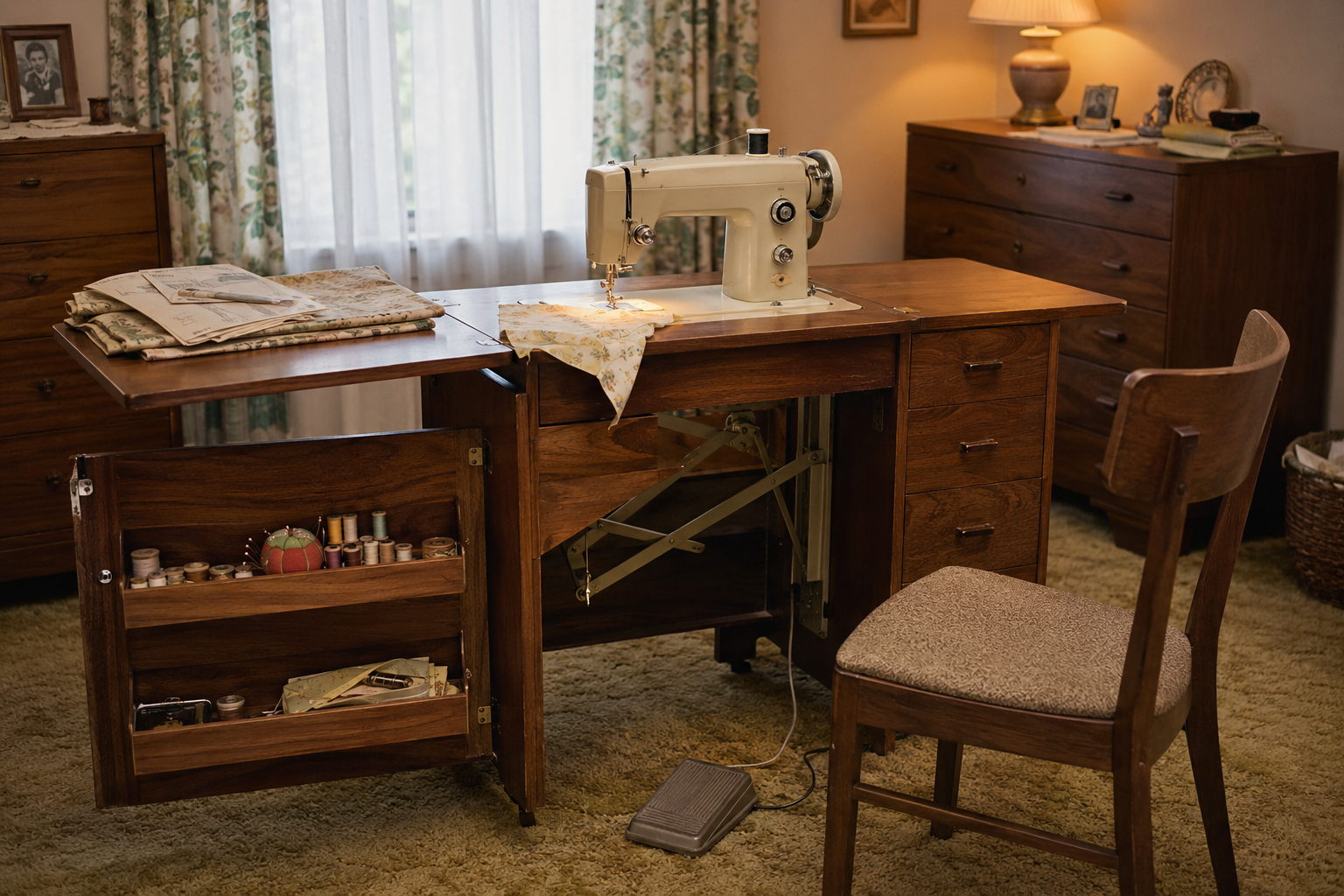
Home sewing remained an ordinary part of household life, whether someone was repairing clothes, following a store-bought pattern, or making an outfit from scratch. Sewing machines were often built into substantial wooden cabinets that looked like small tables when closed. To use the machine, someone would open the cabinet and flip it upward into place. Unlike today’s lightweight portable models, these heavy machines could claim a permanent spot in a bedroom, hallway, or dedicated sewing area.
A Full Encyclopedia Set on the Bookshelf
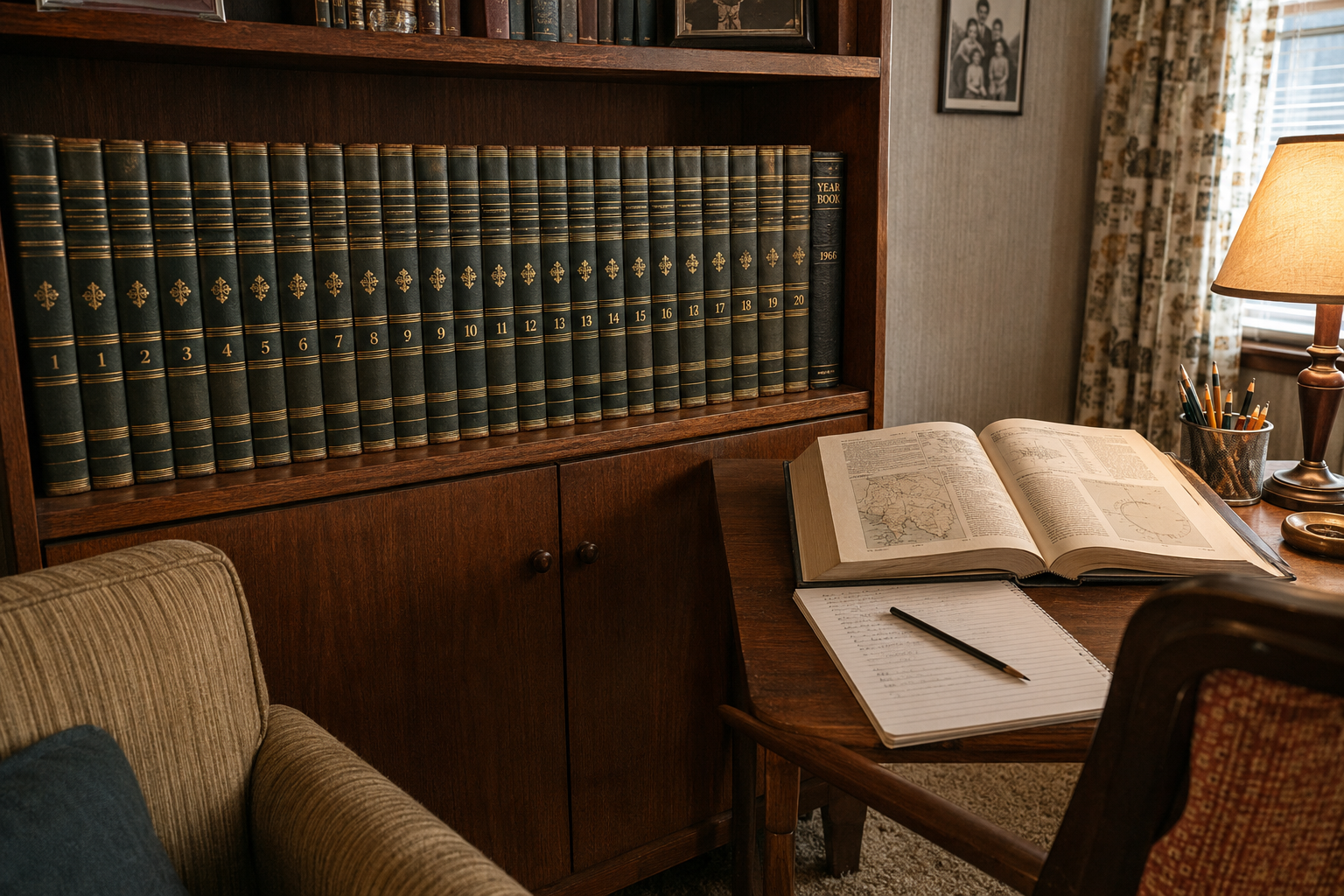
Before an online search could settle a question in seconds, families turned to rows of nearly identical encyclopedia volumes. A complete set represented a serious investment and might occupy half a bookcase, but parents viewed it as a valuable educational resource. World Book expanded to 20 volumes in 1960 and was written to be accessible to students as well as adults. Salespeople frequently sold encyclopedia sets door to door, while annual yearbooks offered families a way to keep their information relatively current.
The Electric Percolator
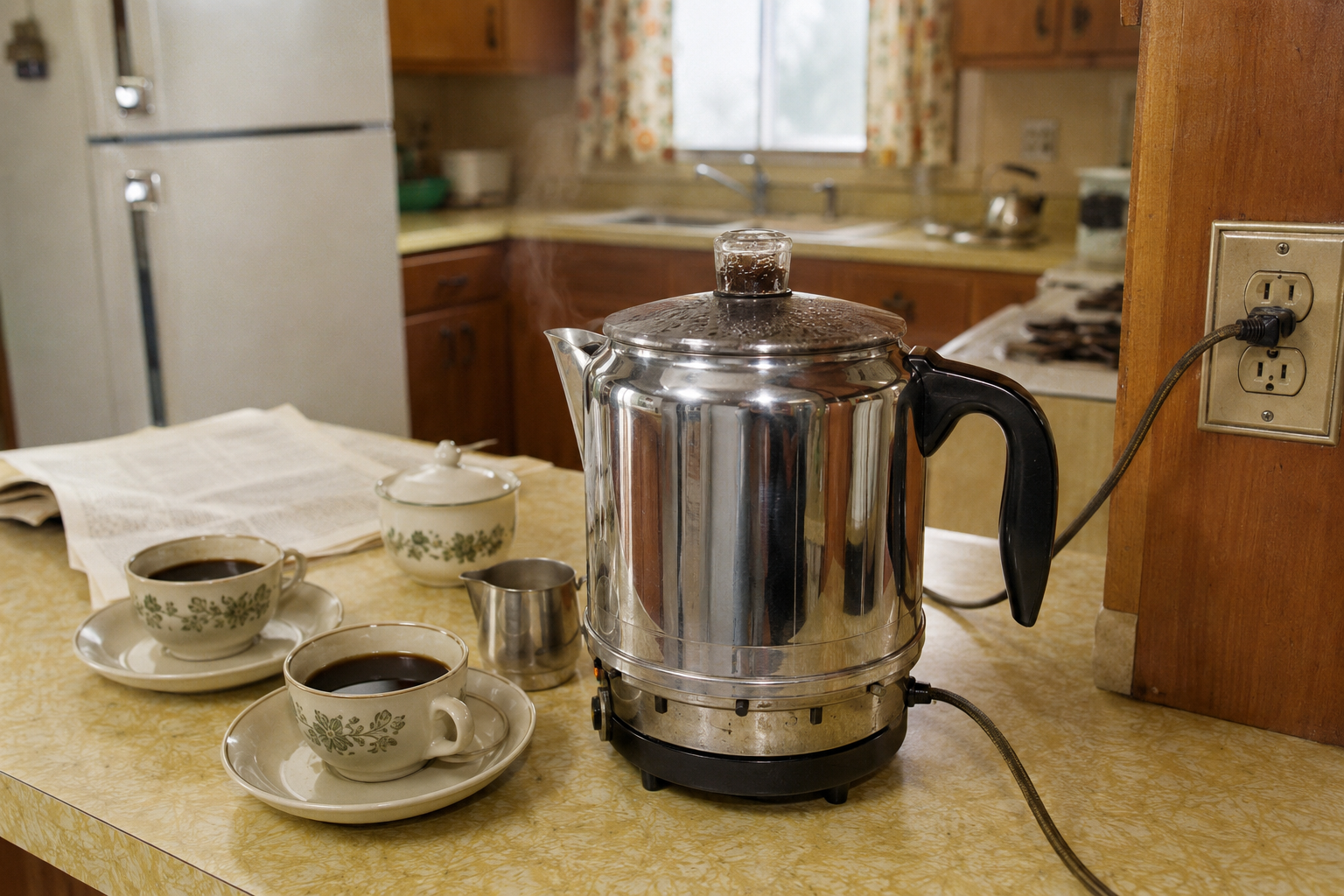
Long before programmable drip machines and single-serve coffee pods, electric percolators filled kitchens with the sound and smell of brewing coffee. As water heated, it repeatedly circulated through the grounds, becoming stronger with every cycle. A glass knob on top allowed coffee drinkers to watch the liquid grow darker as it bubbled. Shiny metal percolators fit perfectly with the era’s promise of convenient “electric living,” even if making a good pot still required careful timing to prevent overbrewing.