Some destinations seem to save their most memorable moments for after sunset. A vacation after dark might mean watching a bioluminescent bay glow in Puerto Rico, listening to live jazz in New Orleans, stargazing beneath Utah’s famously dark skies, or simply seeing a familiar skyline illuminated at night. As the National Park Service explains, natural darkness has become increasingly rare, which makes nighttime experiences worth seeking out when you travel. Here are 15 places where heading back to the hotel after dinner could mean missing one of the best parts of the trip.
Las Vegas, Nevada
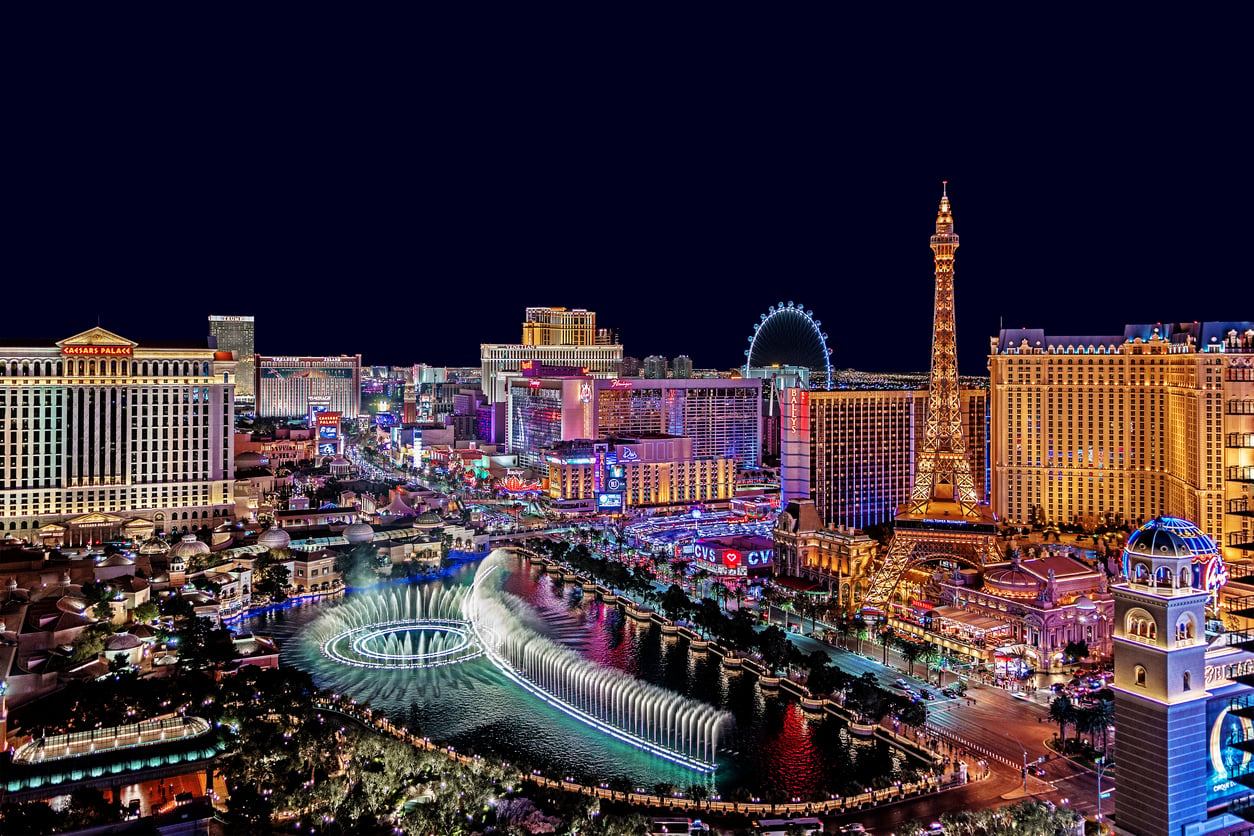
Las Vegas in daylight can look surprisingly ordinary in places. Then the lights come on. The Strip’s marquees, casino facades, and Bellagio fountains all gain considerably more drama after sunset. Bellagio currently schedules fountain performances every 15 minutes from 8 p.m. to midnight, while downtown’s enormous Viva Vision canopy runs free music-and-light shows hourly from 6 p.m. through 2 a.m. Walking between the spectacles costs nothing, although Vegas distances are longer than they appear and summer evenings can remain extremely hot.
New Orleans, Louisiana
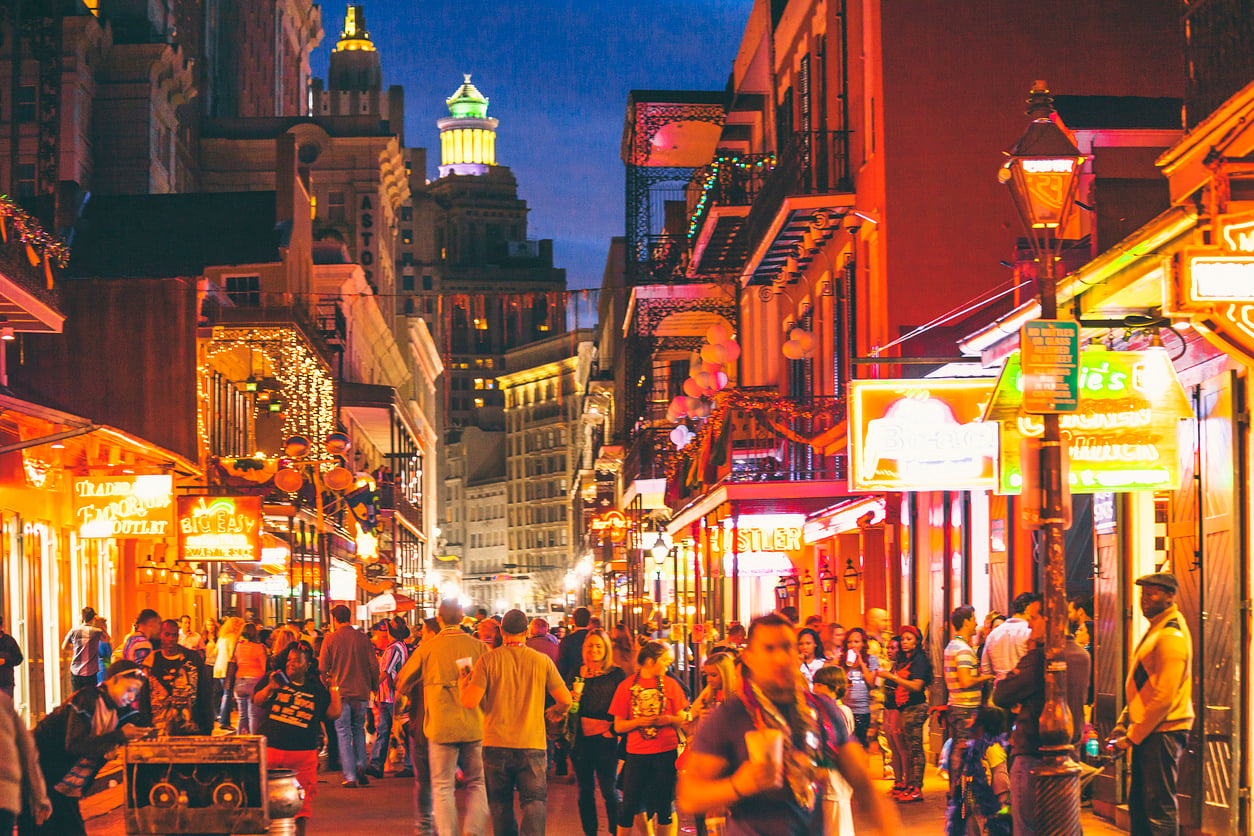
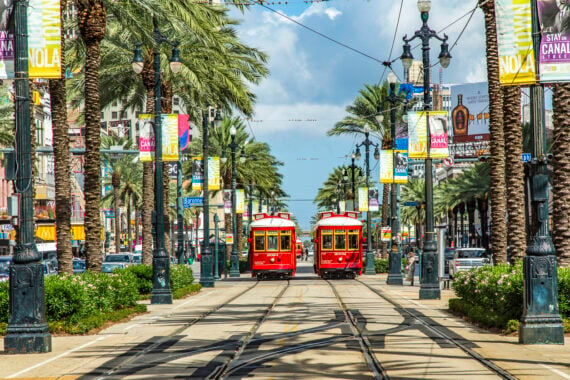
New Orleans gives travelers a good reason not to schedule an early bedtime. Frenchmen Street, between the French Quarter and Marigny, remains one of the city’s most dependable areas for hearing jazz, blues, reggae, and other live music within a relatively small area. For travelers who find Bourbon Street overwhelming, Frenchmen can provide a more music-focused evening, though it is hardly an undiscovered secret anymore. Check individual venue schedules and cover charges rather than assuming every performance is free.
Vieques, Puerto Rico
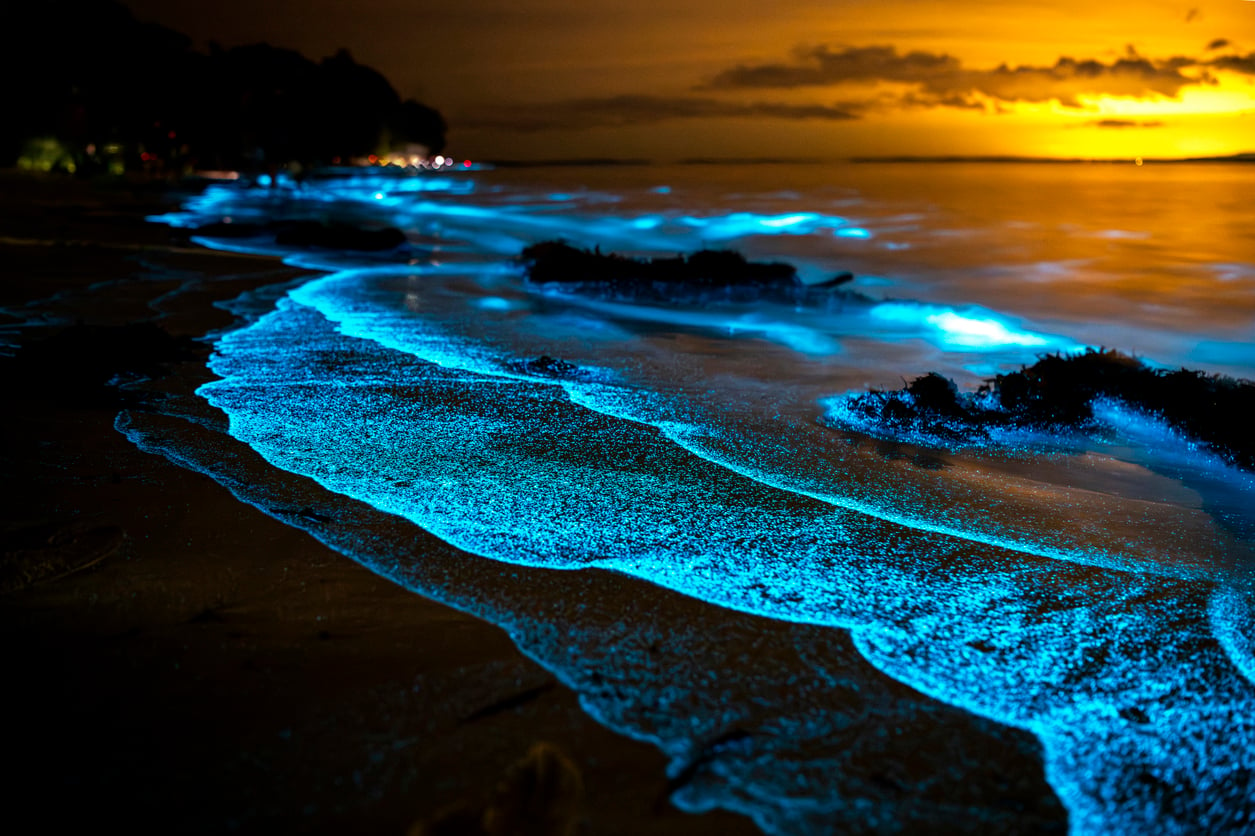
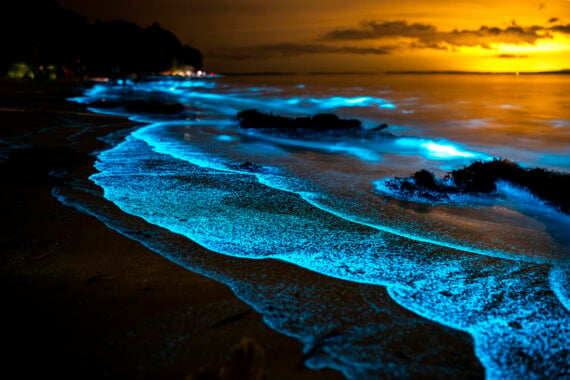
Mosquito Bay provides the rare vacation experience that literally requires darkness. Microscopic organisms called dinoflagellates produce flashes of blue-green light when the water is disturbed, creating Vieques’ famous bioluminescence. Puerto Rico has three recognized bioluminescent bays, and tourism officials recommend choosing a night with little or no moonlight when possible. Conditions vary naturally, so photographs online can set unrealistic expectations. Staying overnight on Vieques also requires more planning than simply taking a day trip from mainland Puerto Rico.
Bryce Canyon National Park, Utah
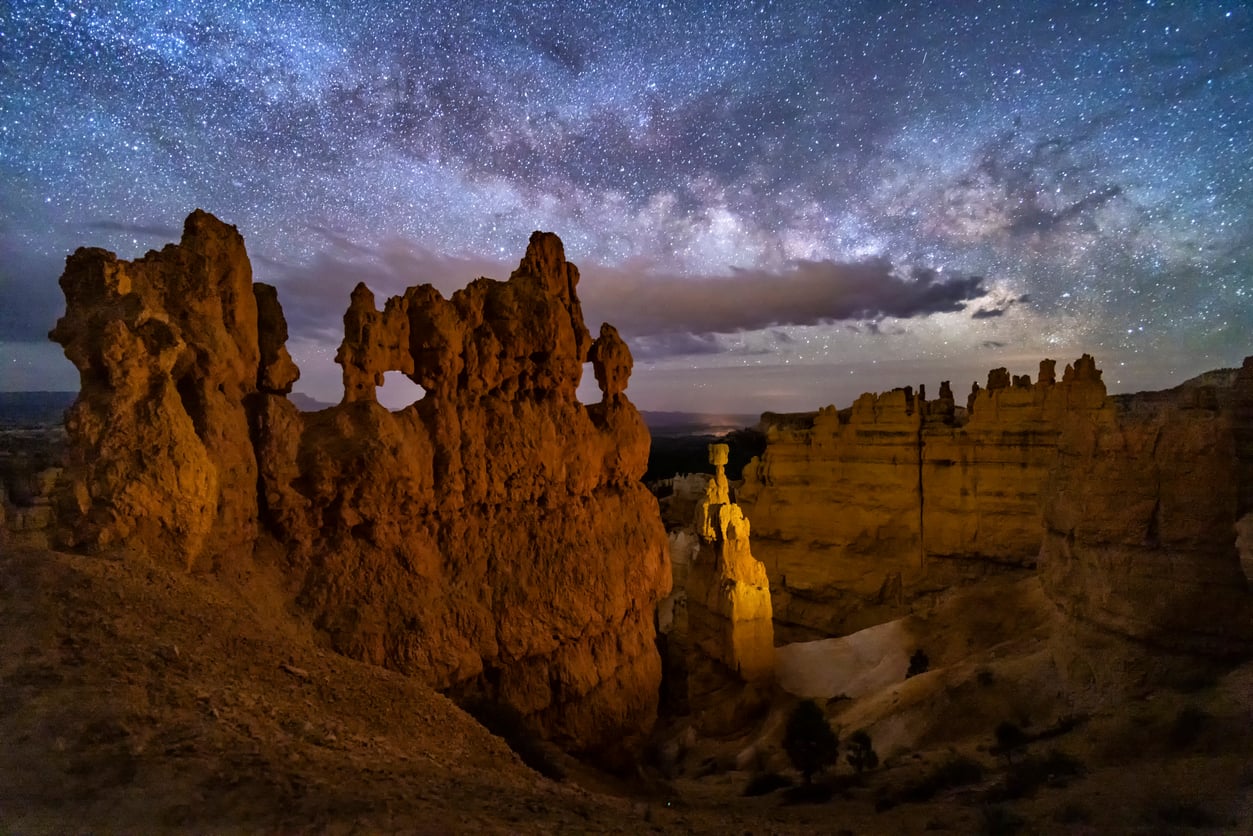
The hoodoos get most of the attention at Bryce Canyon, but leaving immediately after sunset means missing half the scenery. Bryce became an International Dark Sky Park in 2019, and on clear, moonless nights visitors can see thousands of stars and the Milky Way. The park also runs astronomy programs seasonally; in 2026, telescope programs were generally offered during summer evenings. Stargazing itself costs nothing beyond park admission, making an overnight stay especially worthwhile. Bring warm layers because temperatures can fall quickly after sunset.
Nashville, Tennessee
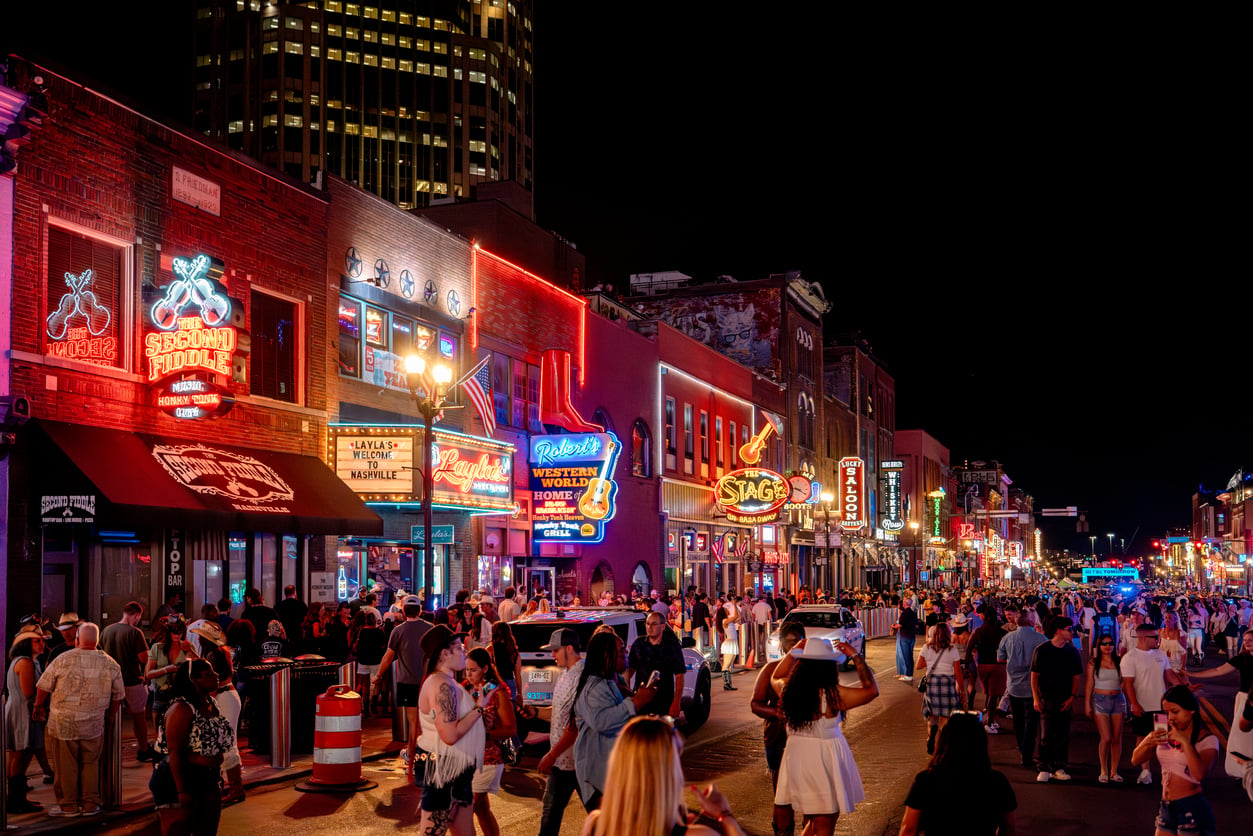
Lower Broadway is loud, crowded, and unapologetically touristy, but it also offers an unusually economical way to hear a lot of live music. Many honky-tonks have no regular cover charge, and music can run from morning until as late as 3 a.m. That makes it possible to sample several bands without buying a concert ticket, though tipping musicians is expected. Travelers who dislike shoulder-to-shoulder crowds should go earlier or seek songwriter rooms and smaller venues away from Broadway; recent visitors have documented just how packed downtown can become during major events.
Trending on Cheapism
New York City, New York
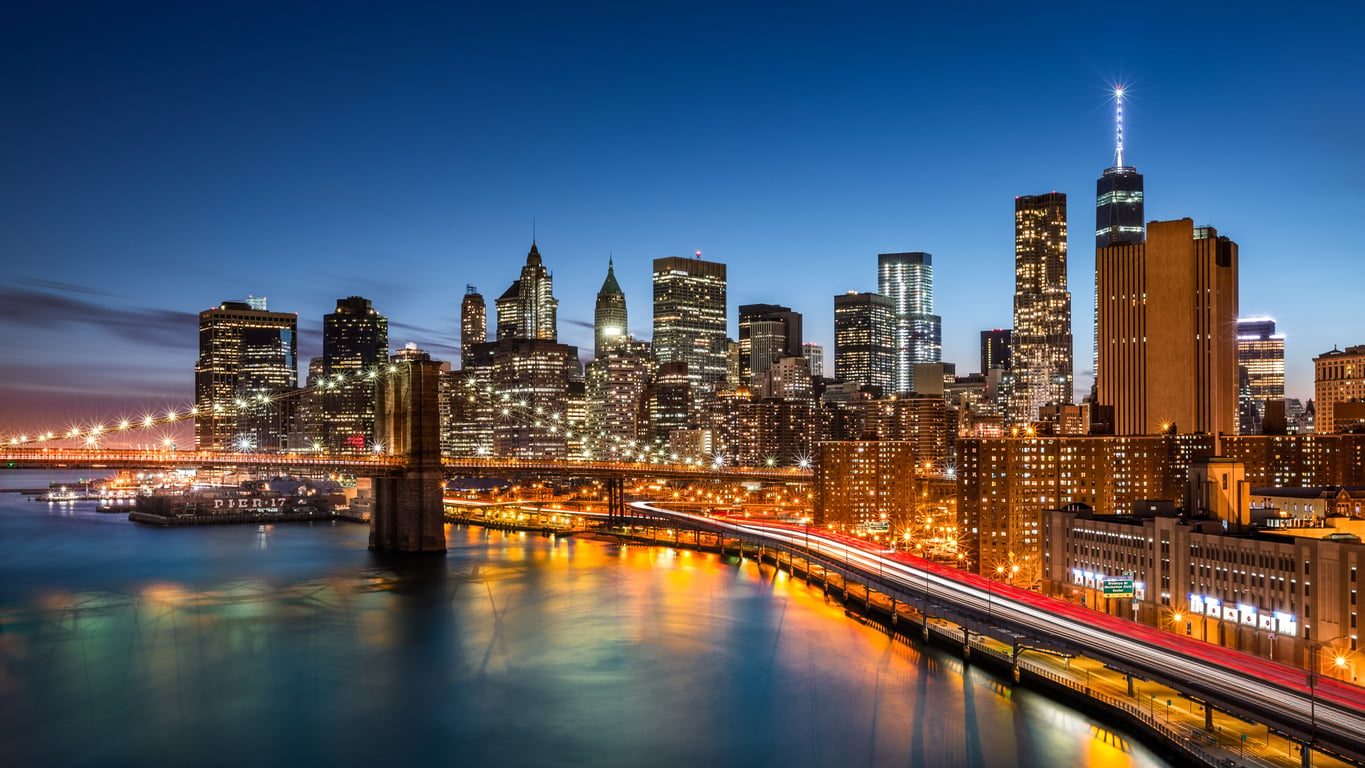
New York offers almost enough nighttime sightseeing for a second itinerary. Broadway shows, Times Square, illuminated bridges, neighborhood restaurants, and skyline views can easily fill the hours after museums close. One particularly budget-friendly option is the Staten Island Ferry. The roughly 25-minute trip between Lower Manhattan and Staten Island is free and operates every day, providing harbor and skyline views without paying for a sightseeing cruise. Pair it with an evening walk rather than trying to squeeze every attraction into daylight hours.
Key West, Florida
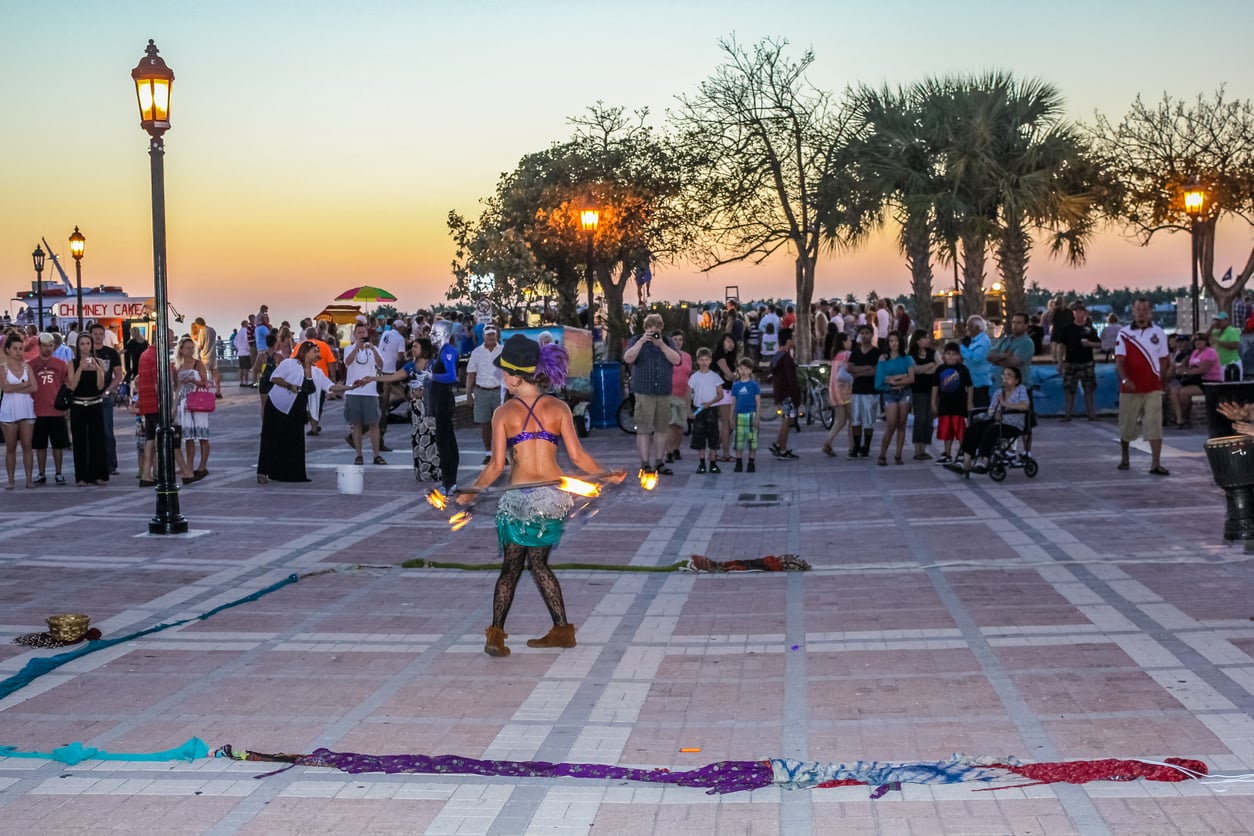
In Key West, evening begins before the sun has actually disappeared. Mallory Square’s Sunset Celebration starts roughly two hours before sunset and brings together musicians, performers, artists, food vendors, and visitors along the waterfront. It is free and easy to combine with dinner and an Old Town walk afterward. The drawback is popularity: travelers regularly recommend Fort Zachary Taylor or Truman Waterfront when someone wants a quieter sunset without the Mallory Square crowd.
Savannah, Georgia
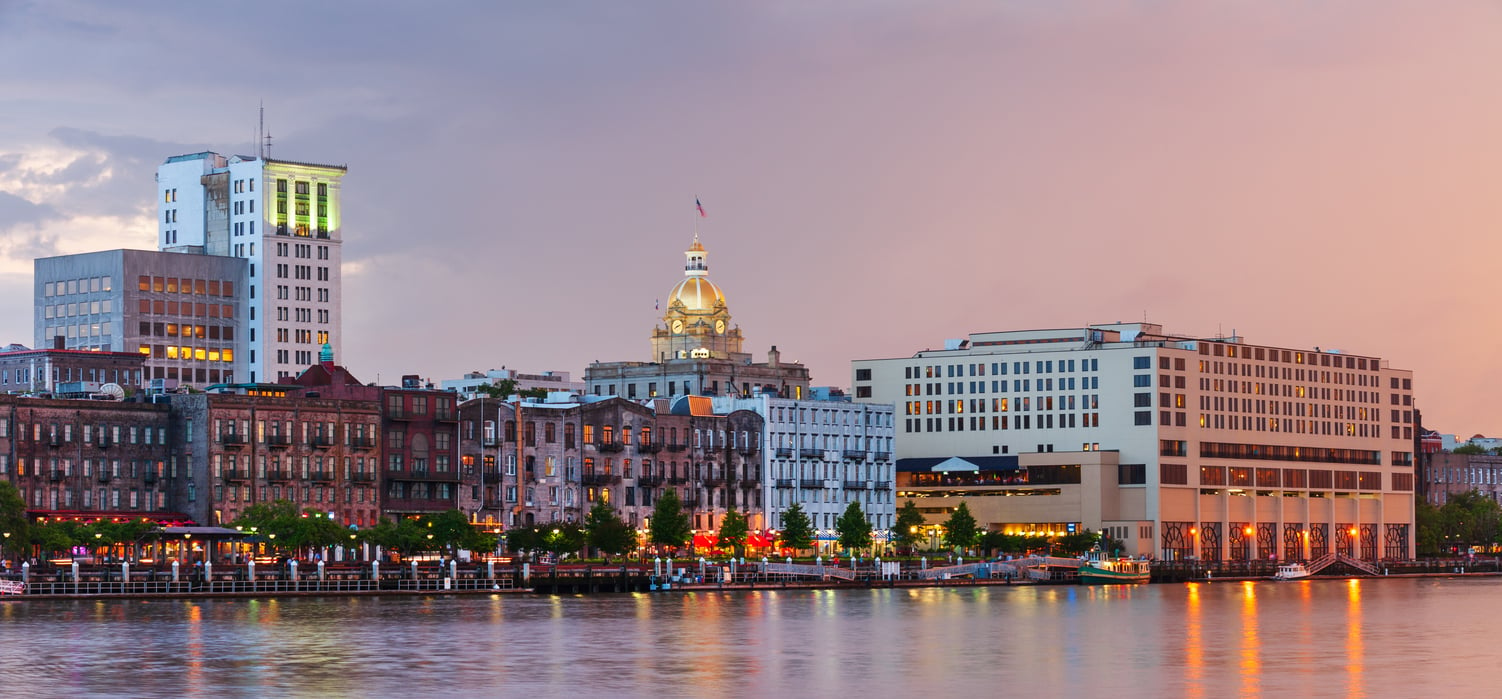
Savannah’s historic district takes on a different personality when the sun goes down. The live oaks, old squares, brick streets, and 18th and 19th century buildings provide an atmospheric setting for an evening walk, and ghost tours have become a substantial part of the city’s nighttime tourism scene. Visit Savannah lists numerous operators offering evening walks and trolley tours through the Historic District. You do not need to believe the ghost stories to enjoy the architecture after dark, although uneven sidewalks and cobblestones make comfortable shoes a smart idea.
Sign up for our newsletter
San Antonio, Texas
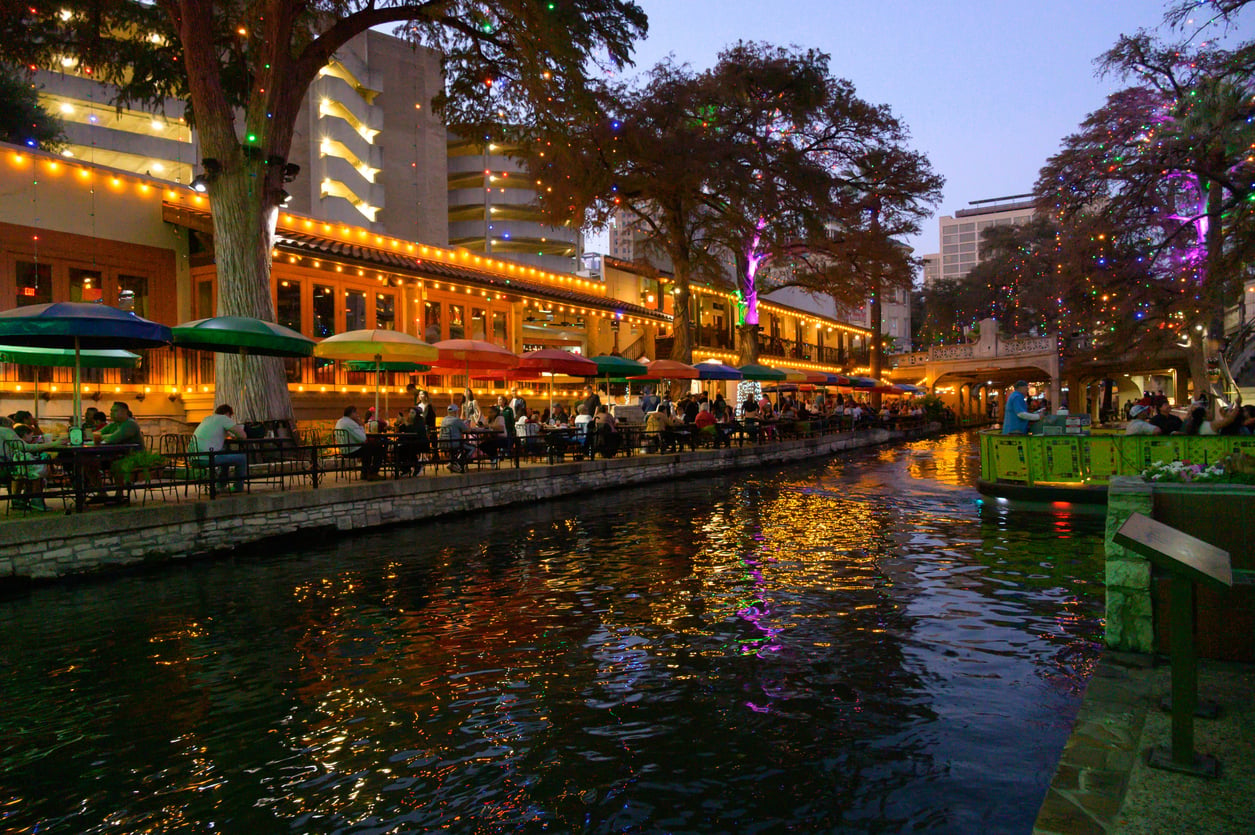
San Antonio’s River Walk is useful sightseeing during the day, but its bridges, restaurants, trees, and reflections become much more atmospheric under evening lights. Warm-weather visitors also get the practical benefit of avoiding some of the afternoon Texas heat. Nighttime boat trips are available as well; for example, the River Walk offered special 8 p.m. cruises during summer 2026. You can skip the boat entirely and simply walk for free. Popular downtown stretches can become crowded, so wandering beyond the busiest restaurant cluster often makes for a calmer evening.
Washington, D.C.
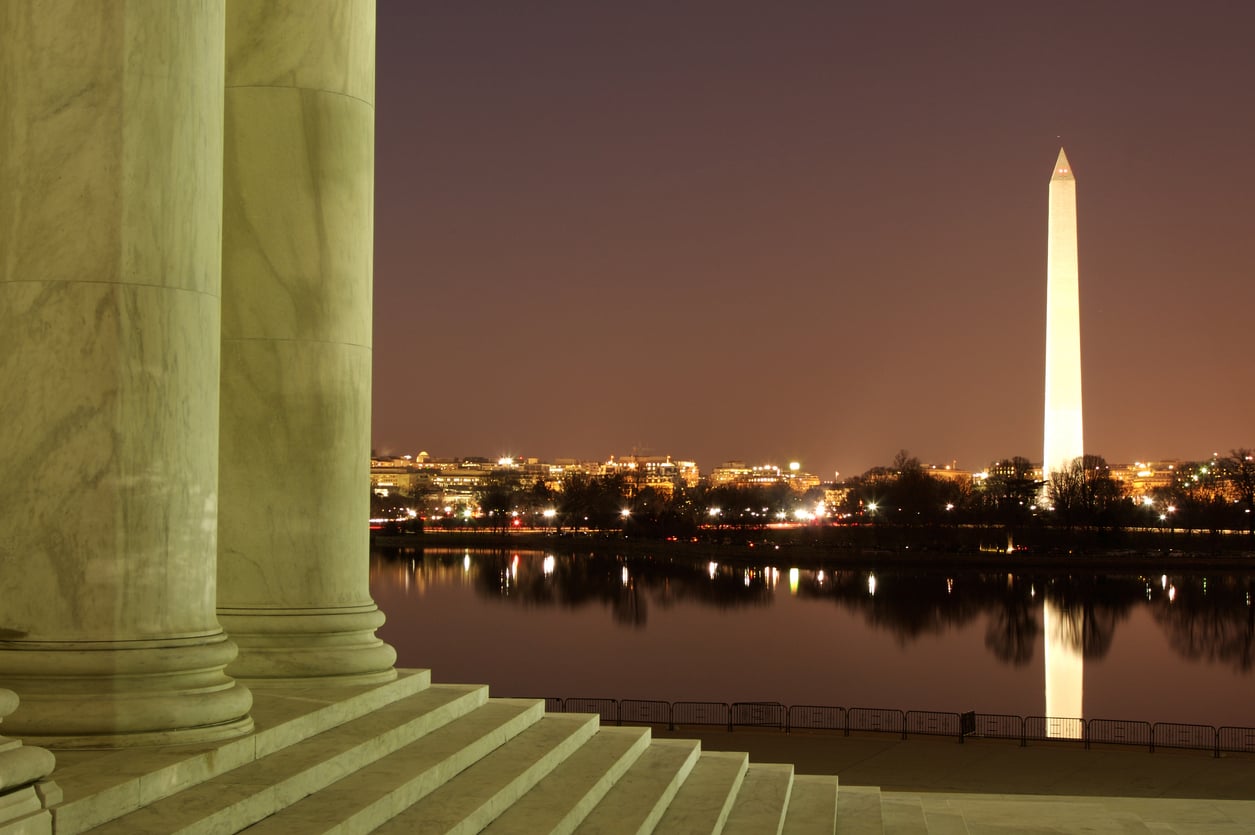
Washington is one of the easiest places to turn nighttime sightseeing into a genuinely free activity. The Lincoln, Jefferson, Martin Luther King Jr., and World War II memorials are particularly striking once illuminated, and most outdoor sites within National Mall and Memorial Parks remain open 24 hours a day. The Washington Monument interior has separate hours, so do not assume every attraction remains accessible inside. Still, an evening monument walk can cover some of the capital’s most famous sights without another admission charge, and summer temperatures are often more tolerable after sunset.
Fairbanks, Alaska
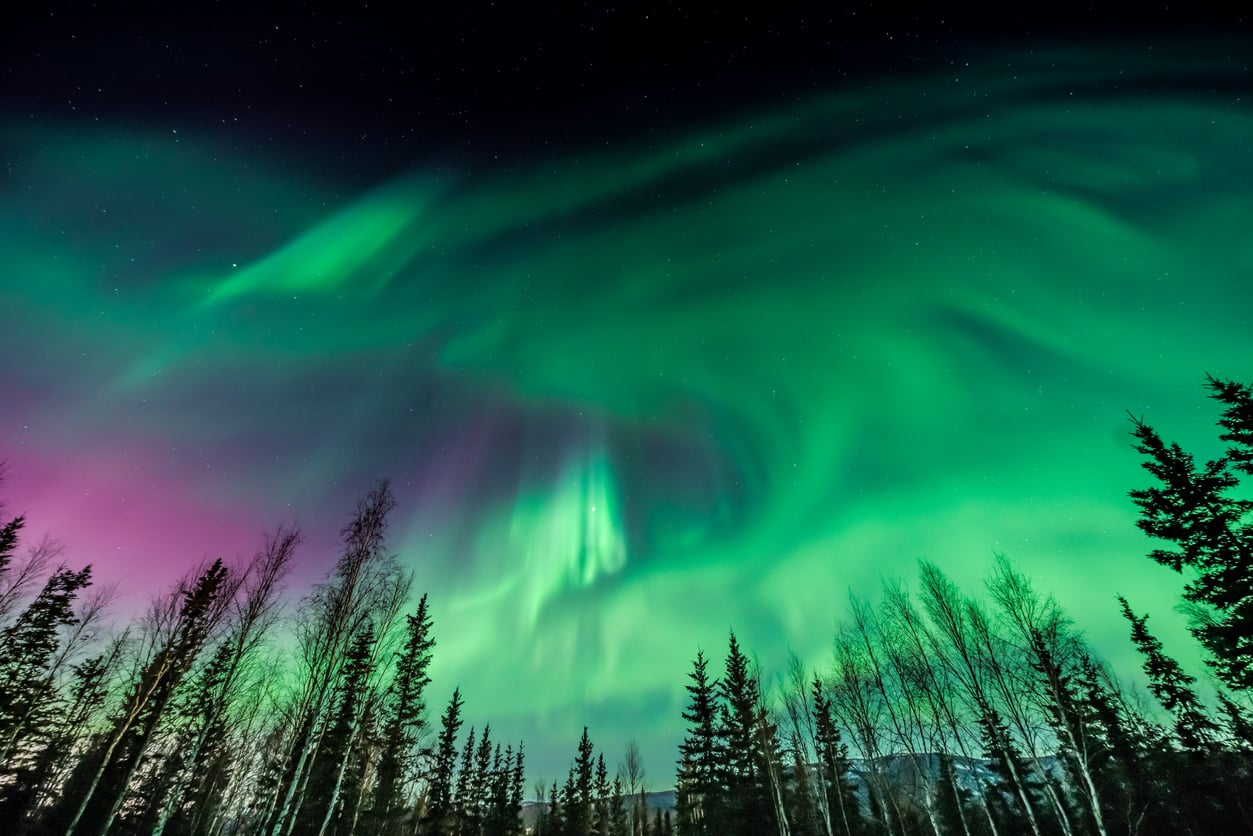
Fairbanks is the one destination on this list where going to bed early could mean sleeping through the main event. Its location beneath the auroral oval makes it one of America’s major bases for seeing the northern lights. The local tourism bureau defines aurora season as roughly August 21 through April 21 and says longer stays substantially improve the odds of catching a display. There are no guarantees: clouds and auroral activity still matter. Visitors also need to be prepared for late hours and, especially in winter, serious cold.
Miami Beach, Florida
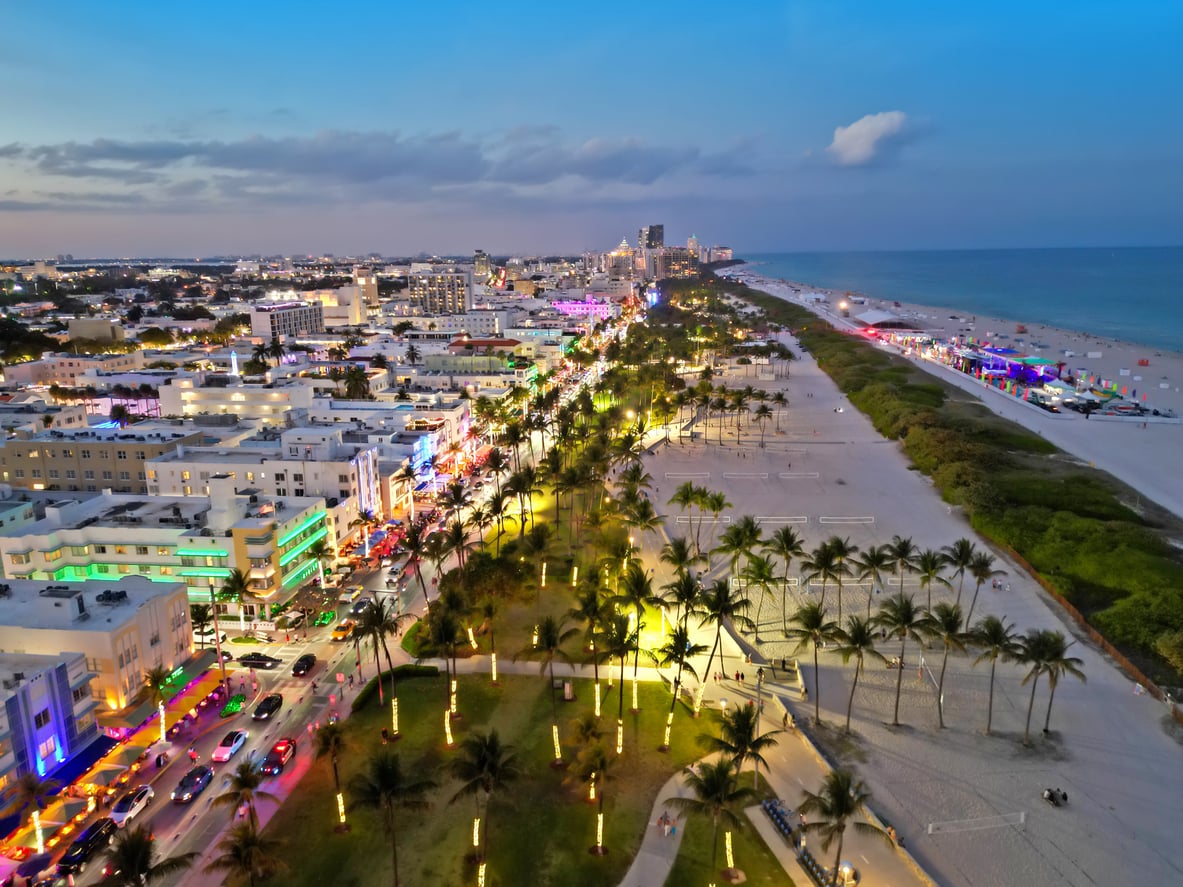
South Beach’s Art Deco district is interesting by day, but darkness restores one of its defining visual features: neon. Miami Beach has more than 800 Art Deco properties dating largely from 1923 to 1943, with marquees, geometric details, glass block, and neon lighting forming part of the area’s architectural character. A walk along Ocean Drive lets visitors enjoy that atmosphere without paying nightclub prices. Restaurants and bars here can be expensive, however, so budget-minded travelers may want to admire the architecture first and eat away from the most heavily touristed blocks.
Chicago, Illinois
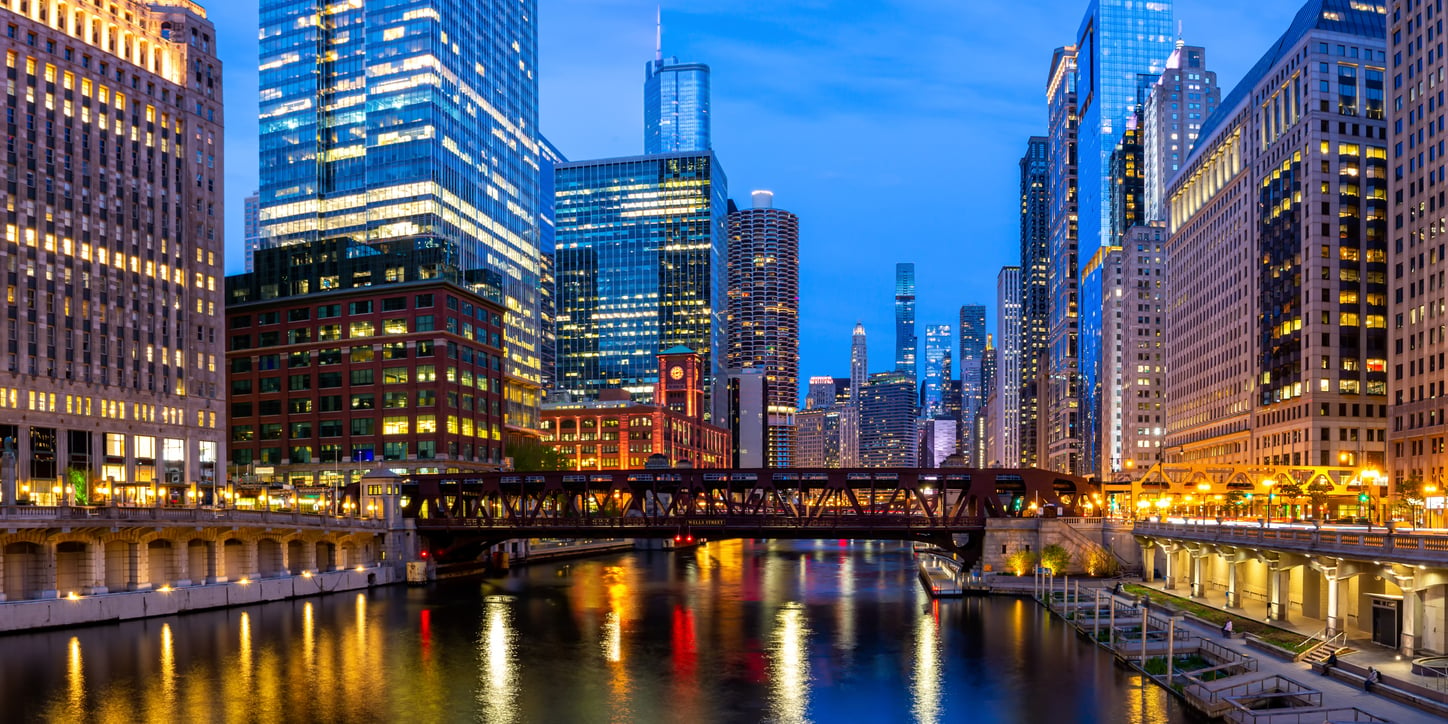
Chicago’s skyscrapers are impressive from street level, but the river provides one of the city’s most memorable perspectives, particularly around sunset. The Chicago Architecture Center operates evening architecture cruises after 5 p.m., with 2026 tickets starting around $57. That is not a bargain-basement activity, but the tour combines transportation, architecture, history, and nighttime skyline viewing into one outing. Recent Chicago residents and visitors continue to praise the architecture cruises, including people who have lived in the city for years. Bring another layer; conditions on the water can feel cooler after sunset.
Sedona, Arizona
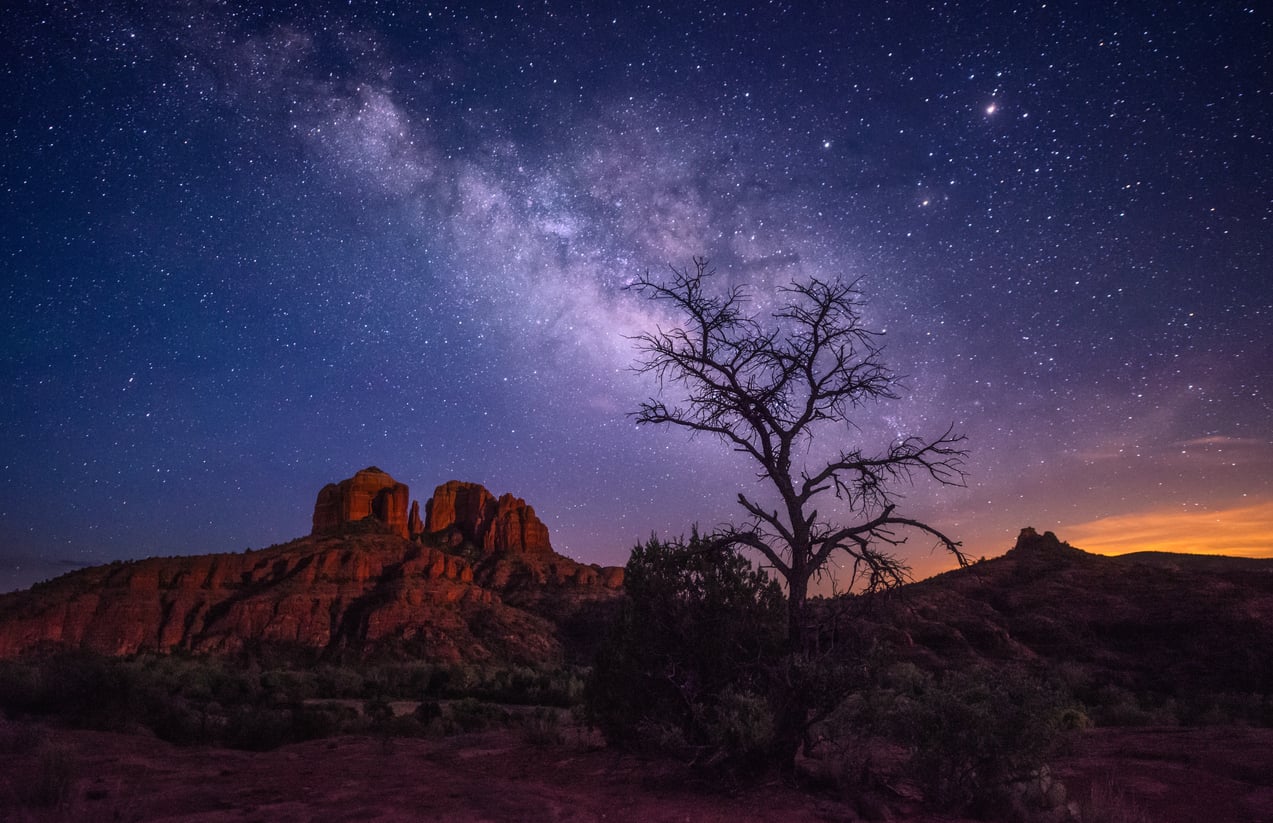
Once Sedona’s famous red rocks fade into silhouettes, the sky becomes the attraction. The city has been an International Dark Sky Community since 2014 and deliberately limits outdoor lighting to help protect nighttime visibility. Visitors do not necessarily need an expensive astronomy tour, either. The local tourism bureau identifies several stargazing locations, including Aerie, Baldwin, Centennial, and Thunder Mountain trailheads. Arrive before dark so you know your surroundings, bring a flashlight, and remember that some parking areas require a Red Rock Pass.
Honolulu, Hawaii
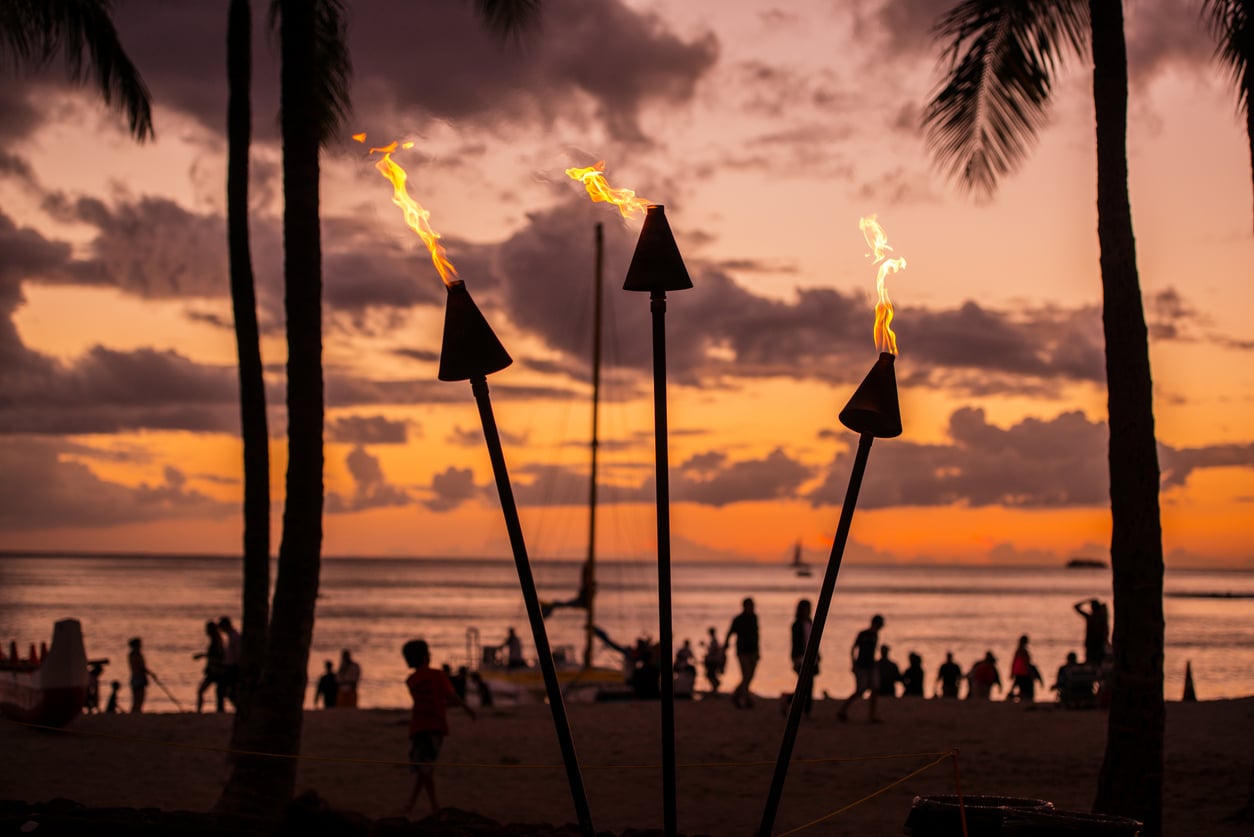
Waikiki becomes easier to appreciate after the strongest daytime heat subsides. Beach walks, sunset views, restaurants, and live music keep the neighborhood active without requiring a nightclub itinerary. Travelers staying through Friday get an additional free attraction: Hilton Hawaiian Village continues to stage its Friday Night Fireworks off Waikiki Beach, with the resort’s current schedule listing a 7:45 p.m. show. The fireworks are brief and schedules can change, so they should be treated as a bonus rather than the sole reason to plan an evening around Waikiki.