As people age, their tastes, their way of thinking, and how they perceive the world change. Many Baby Boomers become less tolerant of situations that barely bothered them when they were younger. Discomforts may arise and certain experiences may be viewed less favorably. We’ll reveal the situations and elements regarding which Baby Boomers have become pickier over time based on Consumer Reports data!
Shoes
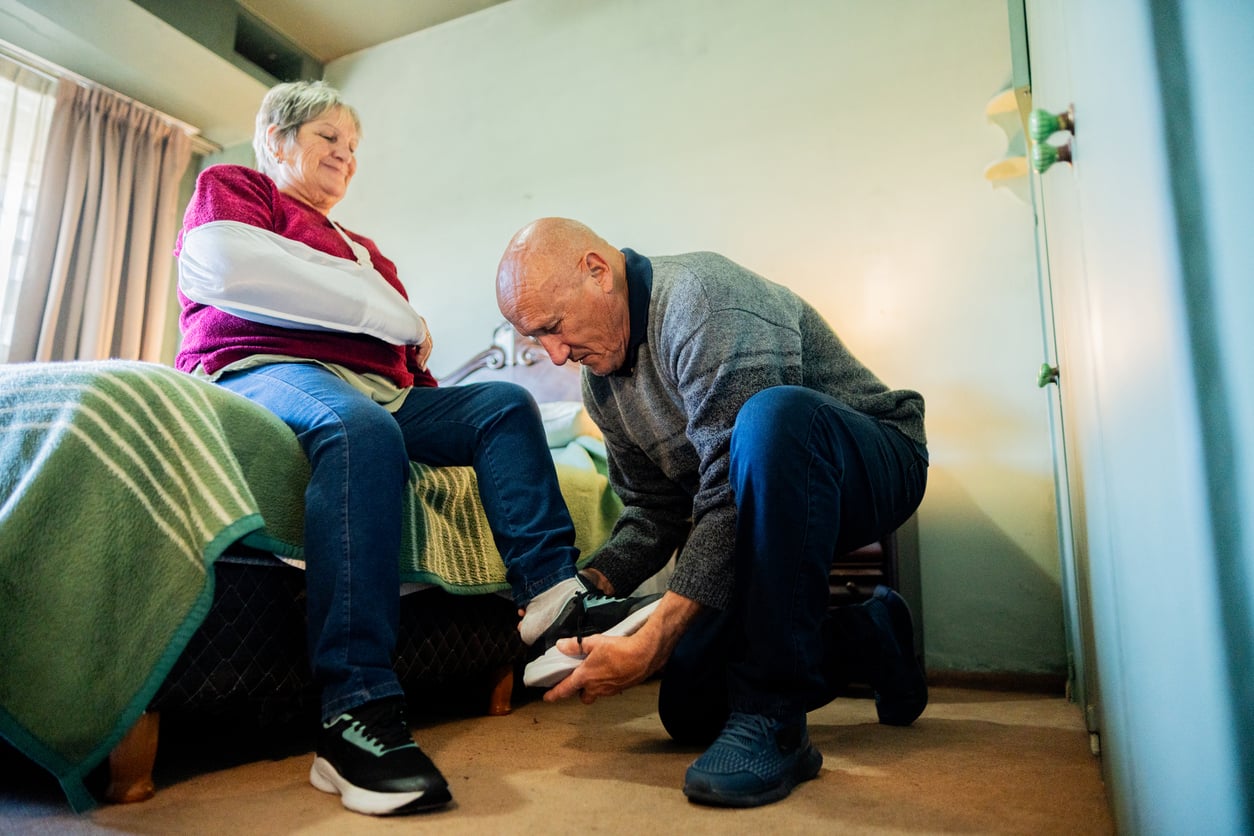
Shoes are one of the items Baby Boomers are becoming pickier about because they are less tolerant of foot pain. A foot problem could ruin the rest of their day, so they choose shoes with arch support, a more cushioned fit, and that are easy to walk in. Consumer Reports indicate that Baby Boomers look for comfort, stability, and proper support when choosing everyday and walking shoes because they lose natural cushioning on their feet.
Mattresses and Pillows

When people are young, a poor night’s sleep affects your day, but can still manage to get through it. However, as you get older, it can have a much greater impact. That is why Baby Boomers are less likely to tolerate sagging mattresses, flat pillows, or hotel beds that leave them feeling stiff. Baby Boomers prioritize comfort and support over brand prestige when it comes to mattresses and pillows. Consumer Reports indicates that worn-out mattresses can lose comfort and support, while bodies can become more sensitive to pressure points as people age.
Hotel Rooms
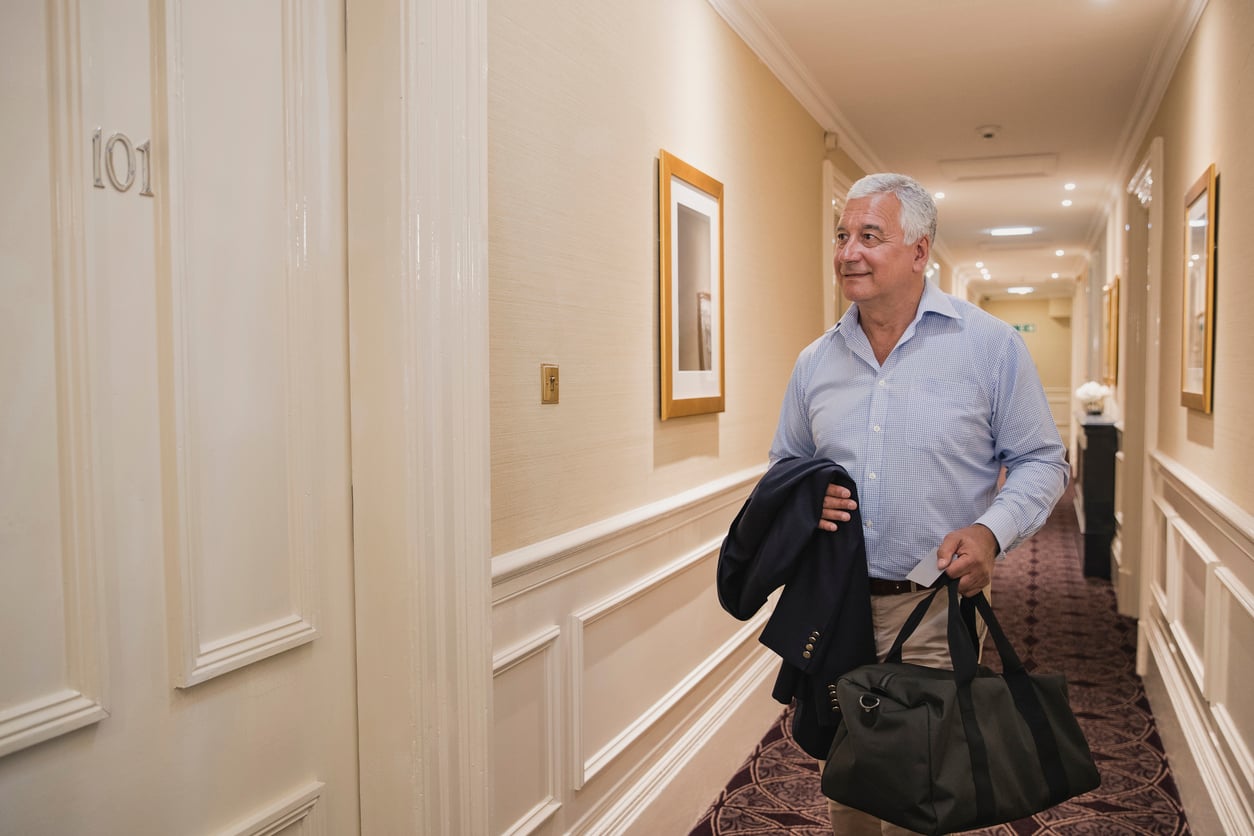
Baby Boomers are not accustomed to the various noises found in hotel rooms. Furthermore, when staying away from home, they may encounter uncomfortable beds, poor showers, and inadequate lighting. As a result, they might choose to spend a little more for a cleaner, quieter room while prioritizing proximity to the destinations that they wish to visit. At the same time, they are more particular about selecting hotels that offer amenities such as elevators, parking, and convenient breakfast options.
Restaurants
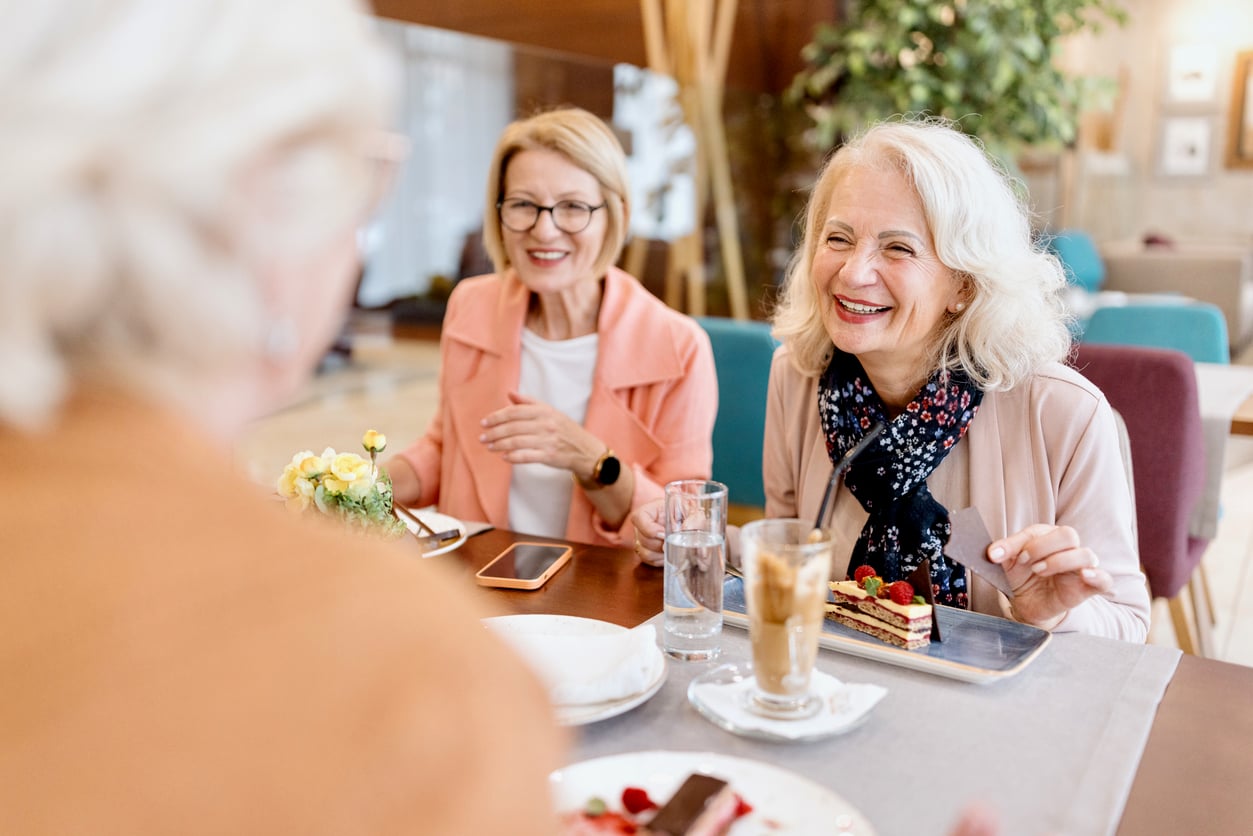
Another change some Baby Boomers experience as they age is a preference for restaurants that aren’t too noisy and don’t serve small portions, have uncomfortable seating, or offer slow service. For these older adults, consistency, service, and the ability to hear their dining companion across the table are what matter. It’s about prioritizing value over price. Consumer Reports indicate Baby Boomers prefer traditional casual-dining chains where they prioritize food quality, cleanliness, and value.
Coffee

The experience gained over the years allows Baby Boomers to make better choices than they did in their youth, and this applies to the world of coffee. They know exactly how strong, hot, smooth, or bitter they want their drink. Consequently, once they find a place where the brewing method matches their preferences, they are unlikely to switch shops just to save a few dollars. Moreover, they aren’t swayed by marketing, fancy embellishments, or the vessel the coffee is served in.
Trending on Cheapism

Towels and Bedding
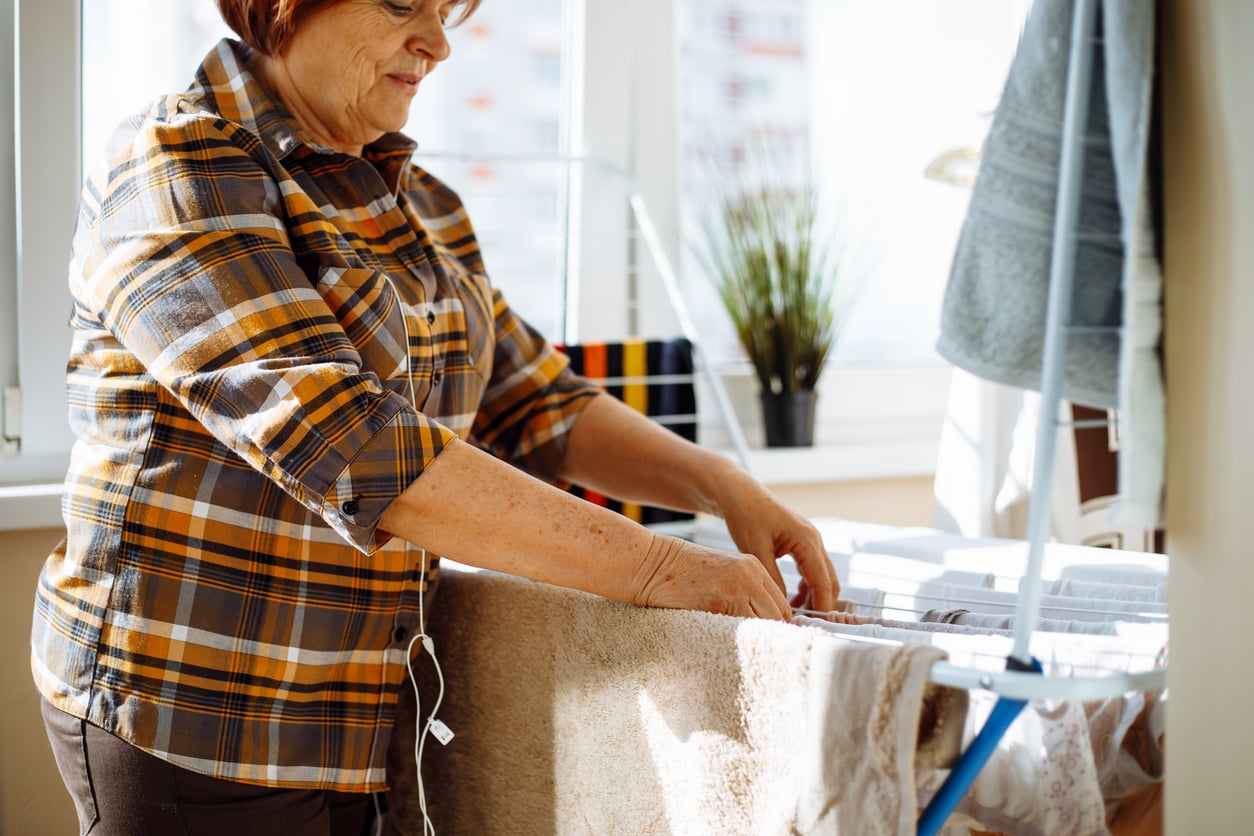
Baby Boomers do not want to deal with towels that fail to absorb water after a shower or a bed where they do not feel comfortable. Instead, they seek softness and durability. This type of consumer pays attention to sheets that fit their bed properly and towels that effectively dry the skin, rather than being swayed by flashy brands.
Seating

A chair suited to a Baby Boomer’s needs is one that does not cause pain after about twenty minutes of sitting. Supportive sofas, recliners, and dining chairs become increasingly important in their lives as the years go by. The same applies to restaurant seating. They might choose where to eat based on which place offers more comfortable seats.
Noise
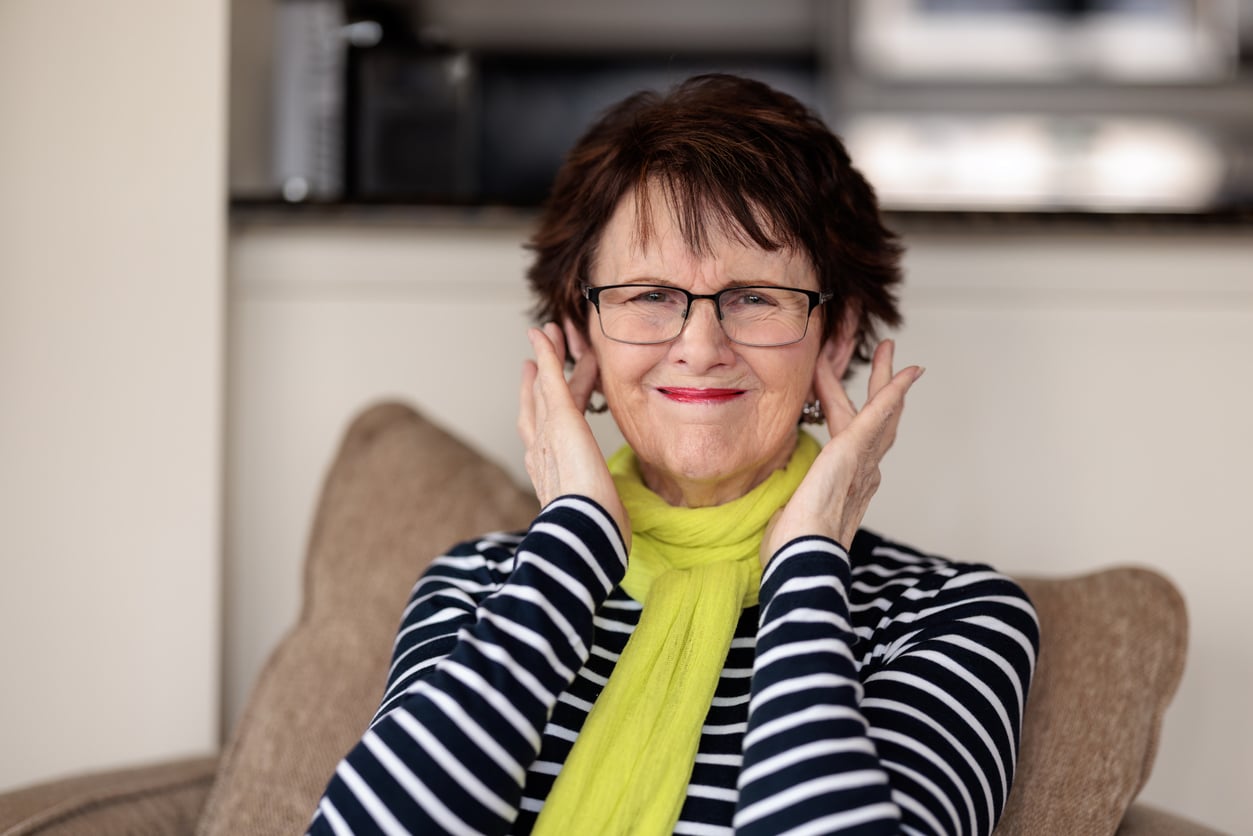
If a location is subject to loud noise, such as music, a TV, nearby barking dogs, or constant noise, this could be grounds for a Baby Boomer to completely decline the service or visit. Peace and quiet is a luxury they tend to guard jealously when frequenting restaurants, neighborhoods and hotels. Consumer Reports notes that hearing loss becomes more common with age and that noisy environments, including restaurants, can make communication particularly difficult for people with hearing loss.
Sign up for our newsletter
Who They Spend Time With

Baby Boomers choose to spend time with people who make them feel good, people with whom they have a good time and don’t drain them. This differs from one’s younger years, when drama or unenjoyable social obligations didn’t have as much of an impact. As you get older, time becomes far more precious, and this changes how you approach relationships, rather than simply going along with habit.
Vacations
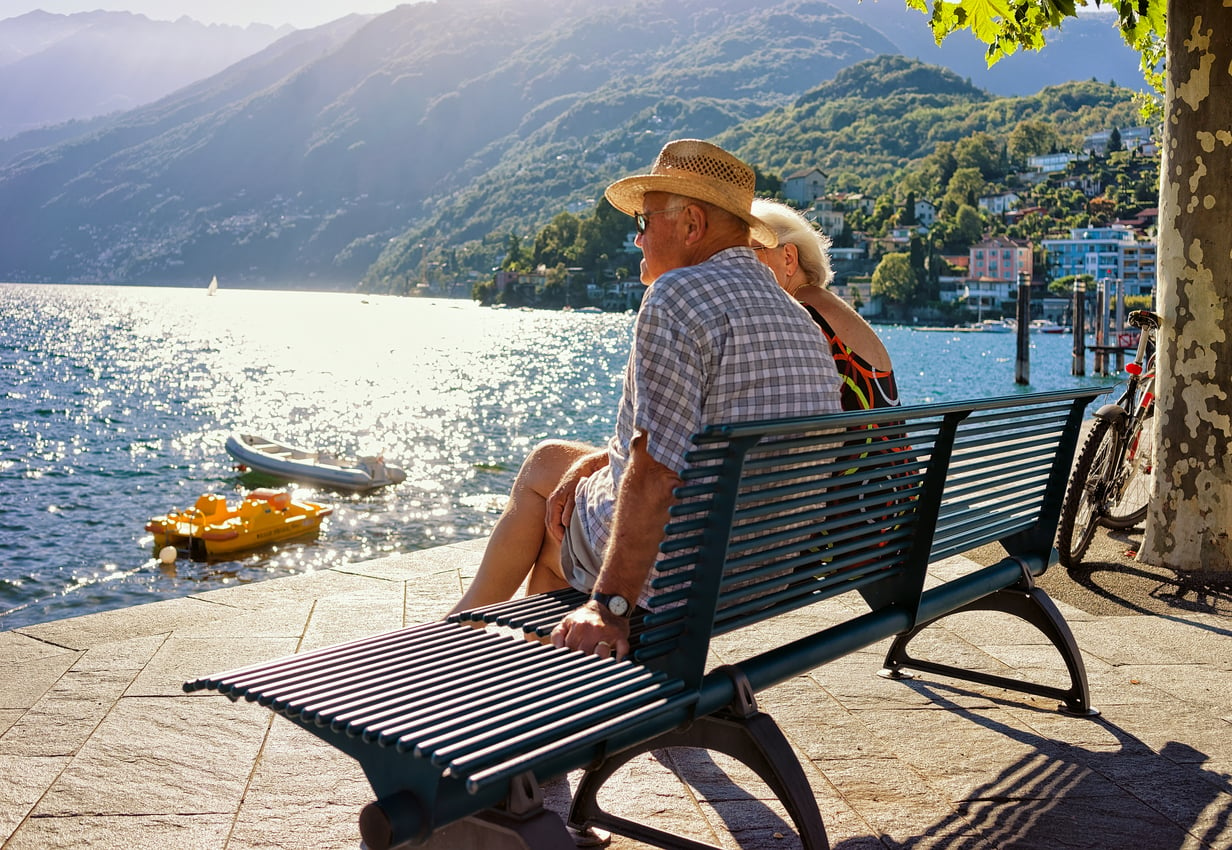
Situations such as complex airport connections, uncomfortable beds, and overcrowded itineraries can cause Baby Boomers to lose interest in vacations. Their mindset shifts toward a more relaxed pace, convenient locations, and a hassle-free experience. They are willing to pay extra for quieter destinations and non-stop flights to avoid inconveniences.
Groceries

As experienced shoppers, Baby Boomers know which products will taste better, last longer, or result in less waste, so they do not simply prioritize the lowest price. This demographic tends to choose staples, such as coffee, bread, meat, and pantry items, and stick with the same products for years. They are brand-loyal and focus on taste and waste rather than status.
Customer Service
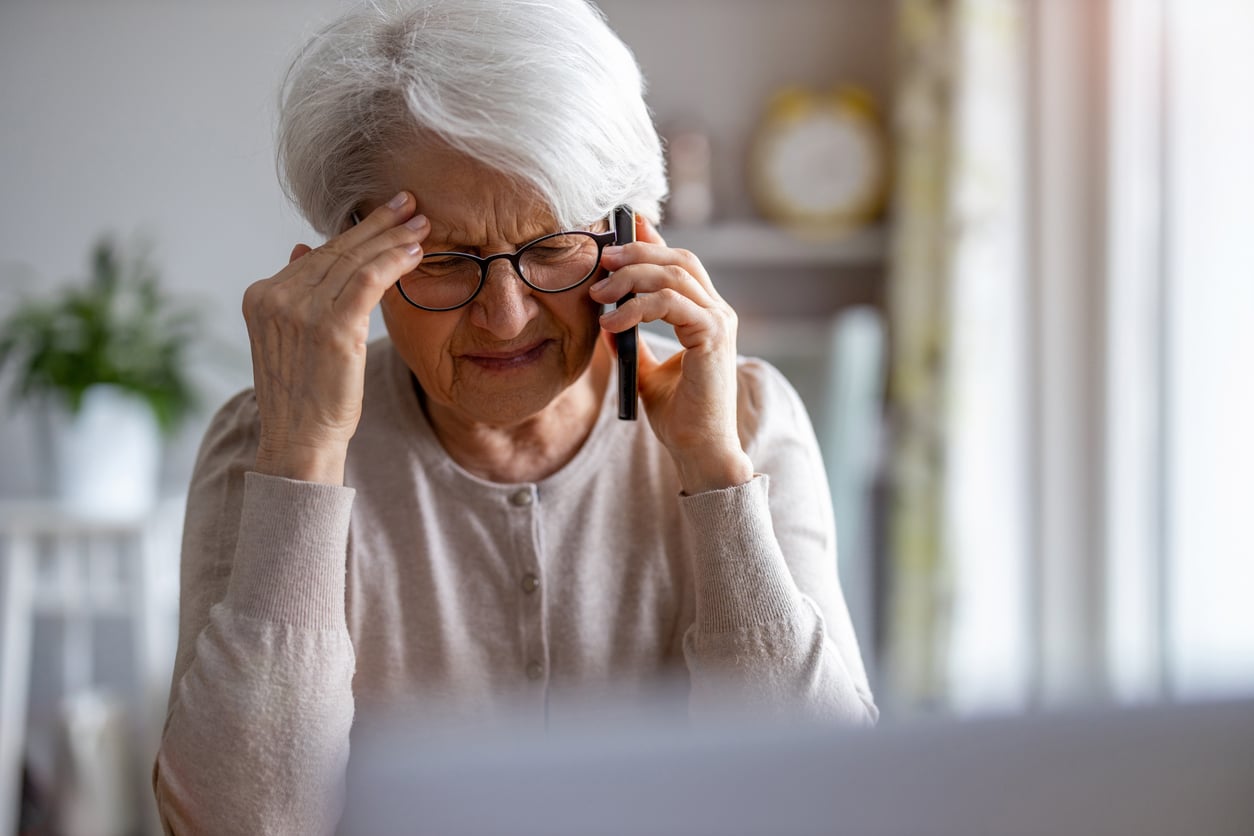
Unwilling to waste time, Baby Boomers prefer short hold times, simple applications, truly helpful staff, and companies that resolve complex problems in a straightforward manner. Whether dealing with banks, airlines, utility companies, or retailers, Baby Boomers demand rapid solutions, even prioritizing speed over the cost of the service.
Home Repairs
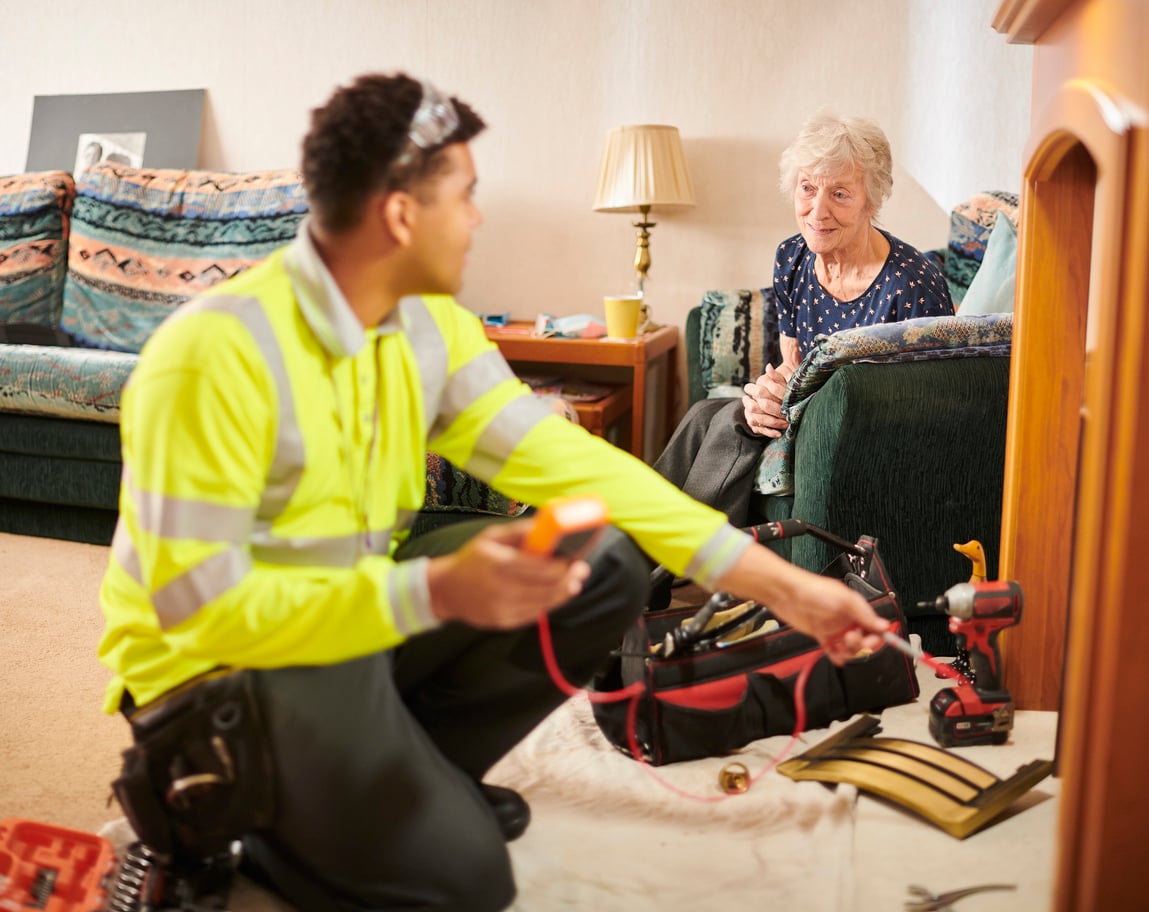
Thanks to life experience, Baby Boomers know that a proper, professional repair after a home issue arises is far more important than hiring the cheapest worker. Good communication, reliability, and exceptional workmanship matter more than saving a little money upfront. After all, if the job is done poorly, you will end up facing additional expenses just a few months later.
Clothing
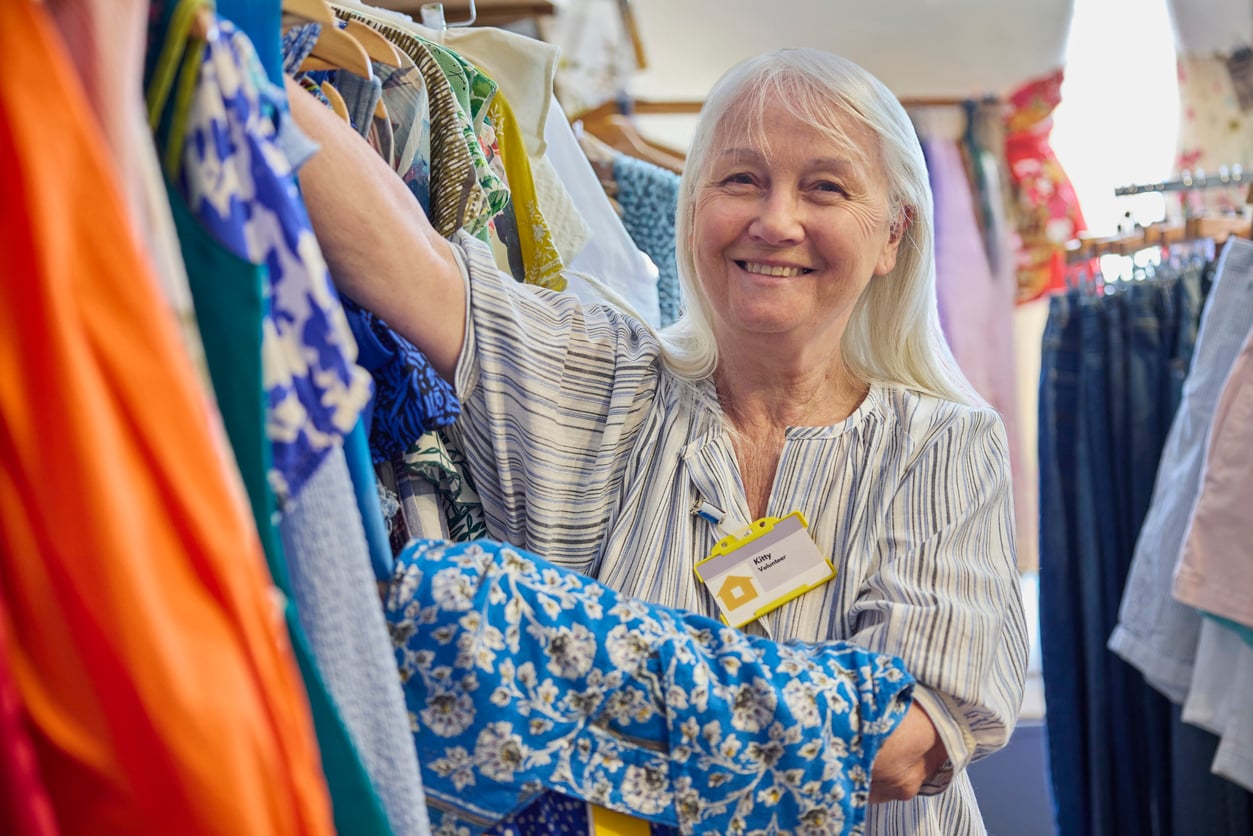
If clothing isn’t comfortable, a Baby Boomer won’t prioritize style or design over comfort. Whether dealing with scratchy fabrics, tight waistbands, or uncomfortable shoes, adults in this age group prefer to repeat outfits rather than follow fashion trends. Novelty garments don’t appeal to them, and they usually keep a specific outfit in their closet for special occasions, one that they rarely wear.
How They Spend Their Time
Just as with the people they spend their time with, what they do during that time is more important to a Baby Boomer than to a young person. They may not be prone to impulse buying during their free time, as some younger people are, but they want to avoid long lines, events they do not enjoy, and errands that could be skipped. Baby Boomers view time as a resource and truly dedicate their hours to what they consider worthwhile.
Conclusion
Baby Boomers aren’t chasing luxury; they are looking for experiences that don’t cause discomfort, or frustration, or waste their time. They may be willing to spend more to avoid future hassles, but they are paying for reliability, peace of mind, and time, not because an item is the latest novelty or has superior décor. They are pickier, but in a smart way. This doesn’t always mean spending more money. In the long run, they might actually save some.