Americans over 50 are increasingly putting travel toward something more meaningful than another round of presents: time together. AARP’s 2026 travel research found that spending time with loved ones is a major reason older Americans travel, with more than a quarter of their family trips involving multiple generations. These trips older travelers are taking with their kids and grandkids range from laid-back beach-house stays to bucket-list adventures, all offering something that is hard to wrap in a box: shared experiences the family can keep talking about long after the trip ends.
A National Park Road Trip
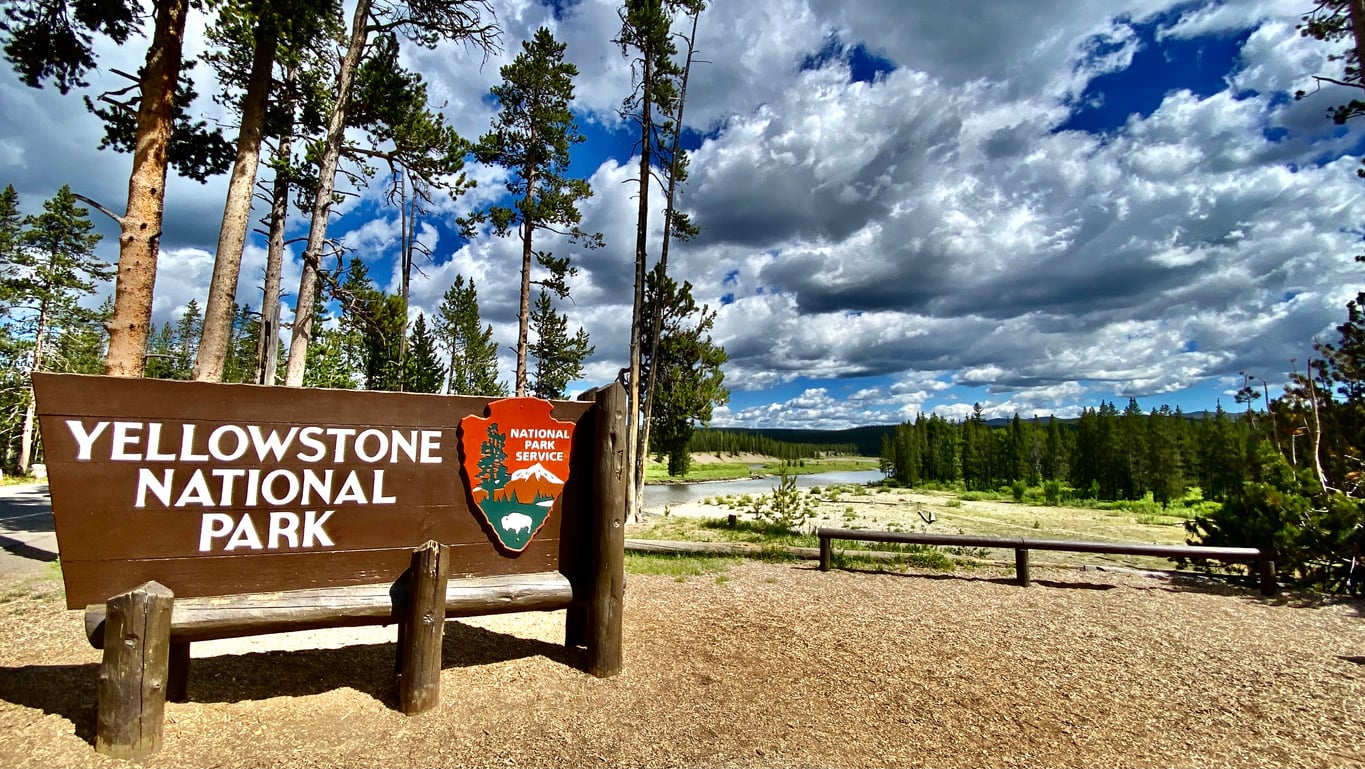
Yellowstone, Grand Teton, Yosemite, Acadia, and Great Smoky Mountains can accommodate a surprisingly wide range of energy levels. Grandkids can tackle trails and Junior Ranger activities while grandparents choose scenic drives, overlooks, visitor centers, or shorter walks. Renting one cabin or vacation home can also turn evenings into part of the trip. Just budget carefully: major parks can be crowded, some require additional reservations, and in 2026 several popular parks introduced an additional $100 entrance fee for non-U.S. residents 16 and older.
An Alaska Cruise
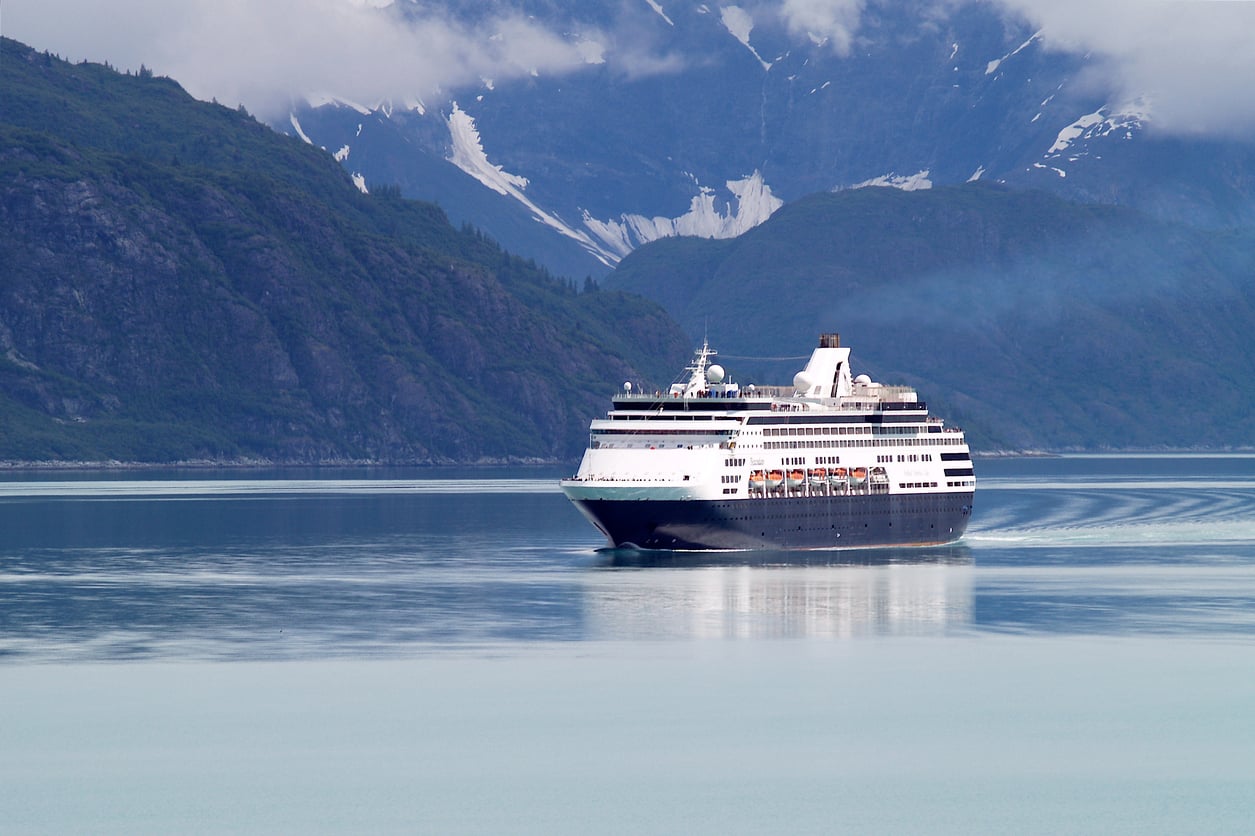
An Alaska cruise solves a common multigenerational problem: nobody has to agree on the same activity all day. Grandparents can watch glaciers from the ship while younger relatives kayak, hike, take wildlife excursions, or use children’s programs before everyone meets for dinner. Recent reviews from families spanning children through travelers in their 70s and 80s frequently praise that flexibility. The trade-off is price. Excursions can add hundreds of dollars per person, and Alaska’s famously unpredictable weather can obscure the scenery families traveled so far to see.
Walt Disney World

Disney can be exhausting and expensive, but it has one advantage that’s hard to put a price on: grandchildren won’t stay little forever. Rather than attempting 12-hour park marathons, multigenerational families can split up, schedule pool breaks, reserve sit-down meals, and let grandparents skip attractions that are too demanding. Ticket prices remain substantial, although Disney periodically runs multiday promotions. The real trick is resisting the urge to “get your money’s worth” by doing everything. A slower trip may leave everyone considerably happier.
A Family Beach House

A beach-house week doesn’t require matching interests or matching stamina. Grandparents can read on the porch, kids can spend hours in the water, and adult children can cook, fish, shop, or disappear for an afternoon without disrupting everybody else’s plans. Places such as North Carolina’s Outer Banks and Alabama’s Gulf Coast are especially practical for families within driving distance. The house matters, though. Enough bathrooms, laundry, a usable kitchen, separate sleeping areas, and minimal stairs can be more valuable to three generations than an impressive ocean view.
Italy With the Whole Family
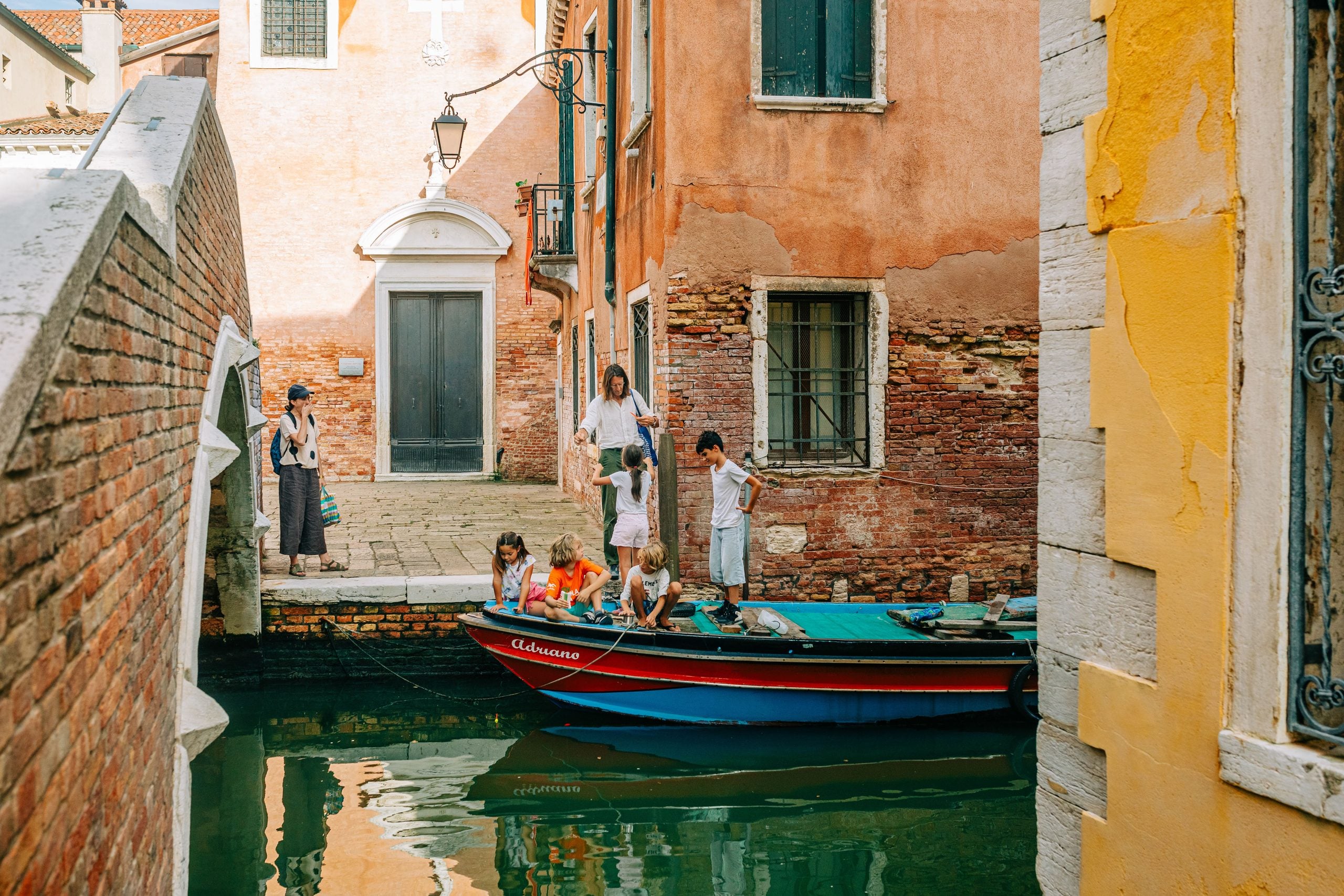
Italy works unusually well for a family whose ages and interests are all over the map. Rome offers ancient history, Florence has art and walkable streets, while pizza, pasta and gelato generally require little persuasion from younger travelers. The mistake is trying to see half the country in a week. Two bases are far more manageable than constant packing, trains, and hotel changes. Older travelers should also be realistic about cobblestones, stairs, summer heat, and long sightseeing days. Slowing down usually makes Italy better, not less ambitious.
Trending on Cheapism

A Dude Ranch Vacation

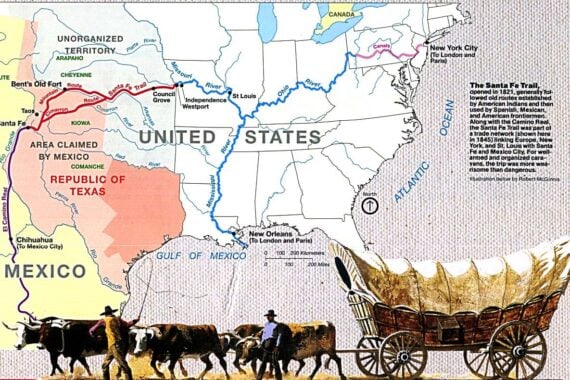
A dude ranch sounds like a horseback-riding vacation, but many have become much broader family resorts. The Dude Ranchers’ Association says its member ranches commonly combine lodging and meals with riding, fishing, hiking, swimming, children’s activities, cookouts, and other recreation. That gives a grandparent who doesn’t want a three-hour trail ride an easy way to participate without sitting out the vacation. The catch is cost: all-inclusive ranch stays can be expensive, so families should compare exactly what’s included before assuming the package represents a bargain.
A Trip Back to the Family’s Roots

This is one vacation where the grandparents themselves can become part of the attraction. A family might visit the town where a great-grandparent grew up, find an old church or cemetery, eat regional dishes they remember hearing about as children, or simply show younger relatives where the family story began. Doing genealogical research beforehand gives the trip more purpose than showing up and hoping to discover something. It also helps to temper expectations: old homes disappear, records can be incomplete, and family stories don’t always match the historical evidence.
A Great American Train Trip
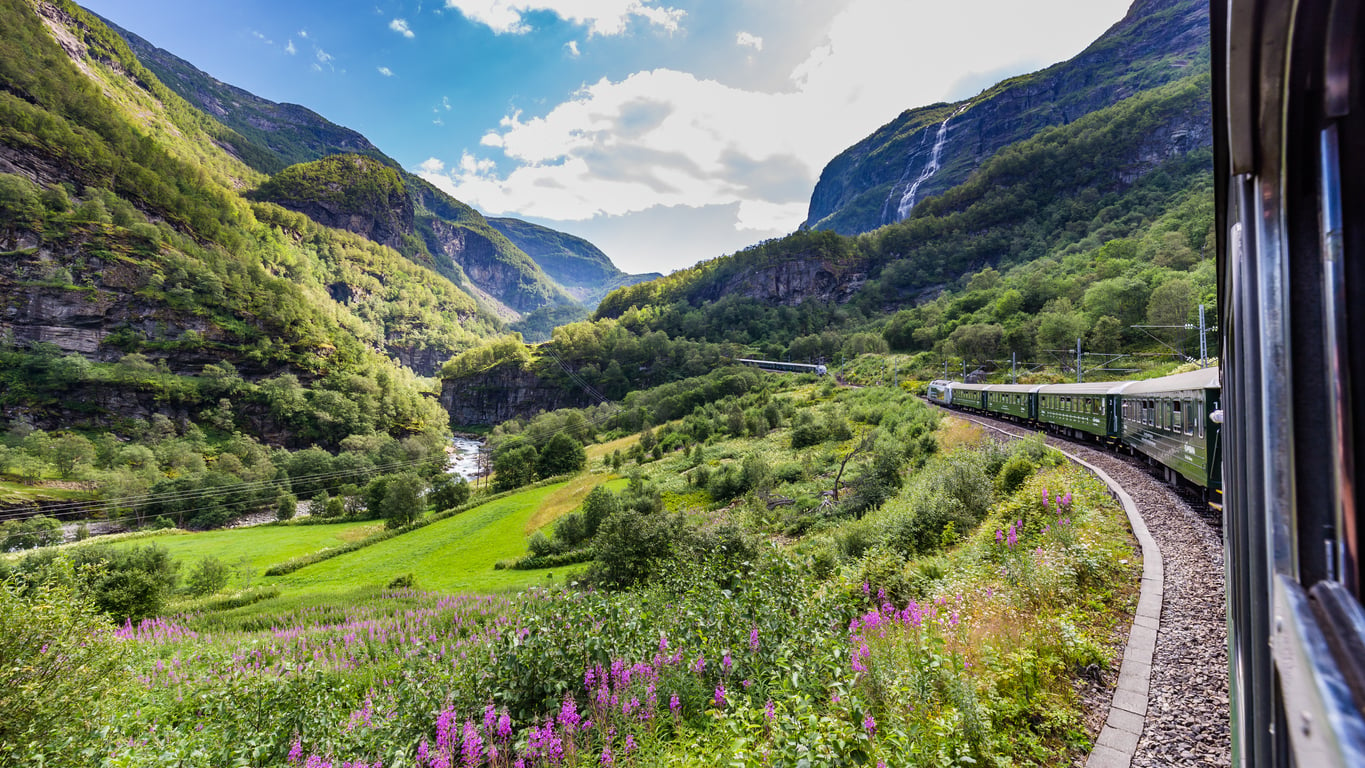
A scenic train lets everybody look out the window instead of asking one family member to drive all day. Amtrak’s California Zephyr crosses the Rockies and Sierra Nevada, while the Alaska Railroad offers routes between Anchorage, Denali, Fairbanks, Seward, and other destinations. Alaska’s 2026 summer fares, for example, start at $133 for an adult traveling one way between Anchorage and Seward in Adventure Class. Trains aren’t automatically cheap or punctual, however. For families mainly interested in the experience, choosing one spectacular segment can make more sense than crossing an entire continent.
Sign up for our newsletter
A Major-League Baseball Road Trip

If baseball already connects two or three generations, game tickets make a much more interesting present than another team sweatshirt. A family could build a trip around Fenway Park, Wrigley Field, Yankee Stadium, or combine several ballparks on a summer road trip. Grandparents get nostalgia, kids get the spectacle of their first major-league game, and everyone gets a city break around it. Just don’t schedule baseball every day unless the entire family is obsessed. One museum, neighborhood, food stop, or free day can keep non-fans from feeling trapped.
A Hawaiian Family Vacation

Hawaii gives three generations permission to have completely different vacations in the same place. One person can snorkel, another can take a surf lesson, and somebody else can spend half the afternoon under an umbrella before everyone meets for dinner. Staying mostly on one island keeps the trip from becoming a parade of airports and packing. Families should still budget realistically: flights, accommodations, rental cars, food, and paid activities add up quickly, and some popular attractions require advance reservations. This is a splurge trip, not an automatic value vacation.
An RV Trip With the Grandkids
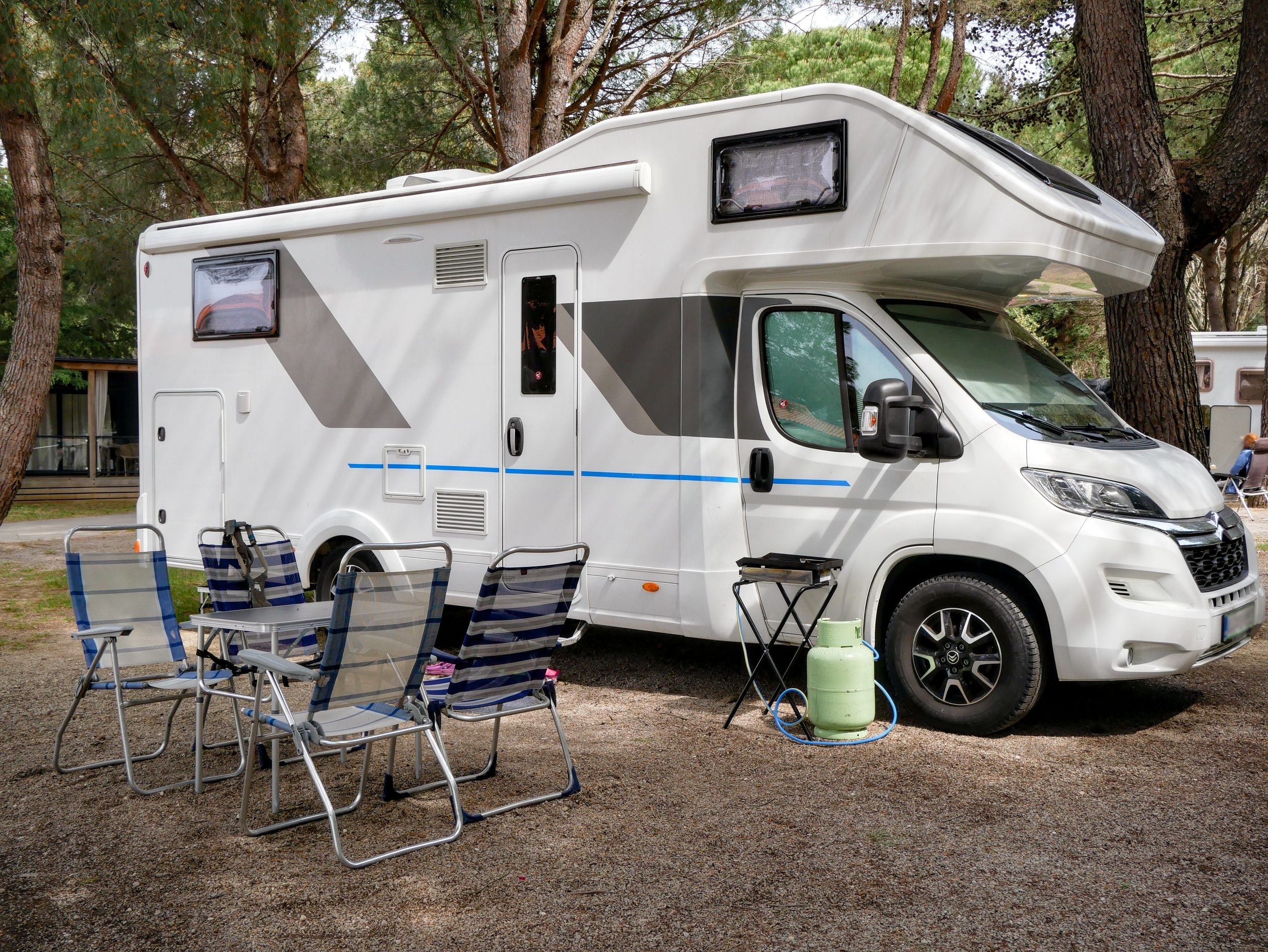
For children who’ve never camped, an RV can make the transportation part of the adventure. Breakfast at a campground, evenings around a fire, and waking up near a national park may stick in their memories as much as the headline attractions. Grandparents also get more control over stops, meals, and pacing than they would on a tightly scheduled tour. But RV travel isn’t necessarily cheap. Rental fees, campground charges, fuel, insurance, and mileage can pile up, and maneuvering a large vehicle can be stressful. Shorter driving days make the experience much more enjoyable.
A New York City Weekend

New York works because nobody needs to agree on one definition of fun. Grandparents might choose Broadway or the Metropolitan Museum of Art, teenagers can lobby for shopping and observation decks, and sports fans can head to Yankee Stadium. Even pizza or a subway ride can feel like an event to a child visiting for the first time. The challenge is pacing. Manhattan can involve an enormous amount of walking, stairs, noise, and standing in lines, so limiting each day to a couple of major plans can save the family from vacation burnout.
A Costa Rica Adventure
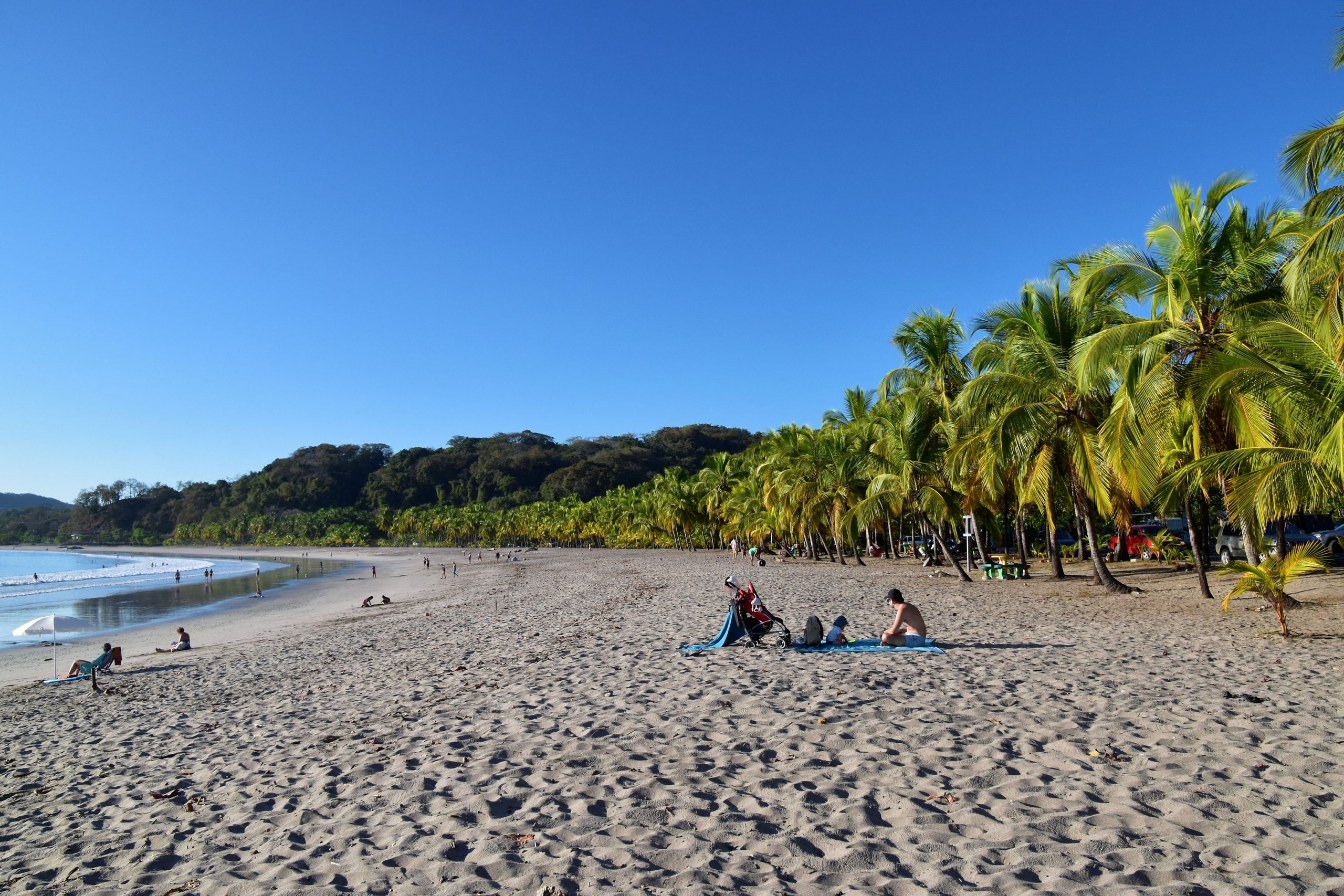
Costa Rica is particularly useful when “adventure” means something different to every generation. Teenagers can zipline or raft while grandparents take a guided wildlife walk, soak near hot springs, or look for sloths and monkeys at a gentler pace. Families can still share the rainforest, volcanoes, and beaches without doing every activity together. Avoid turning the trip into a hotel-hopping marathon. Choosing two regions gives everyone more downtime. Long road transfers, humid weather, uneven terrain, and adventurous activities also make careful itinerary planning worthwhile for mixed-age groups.
A Cabin in the Smoky Mountains
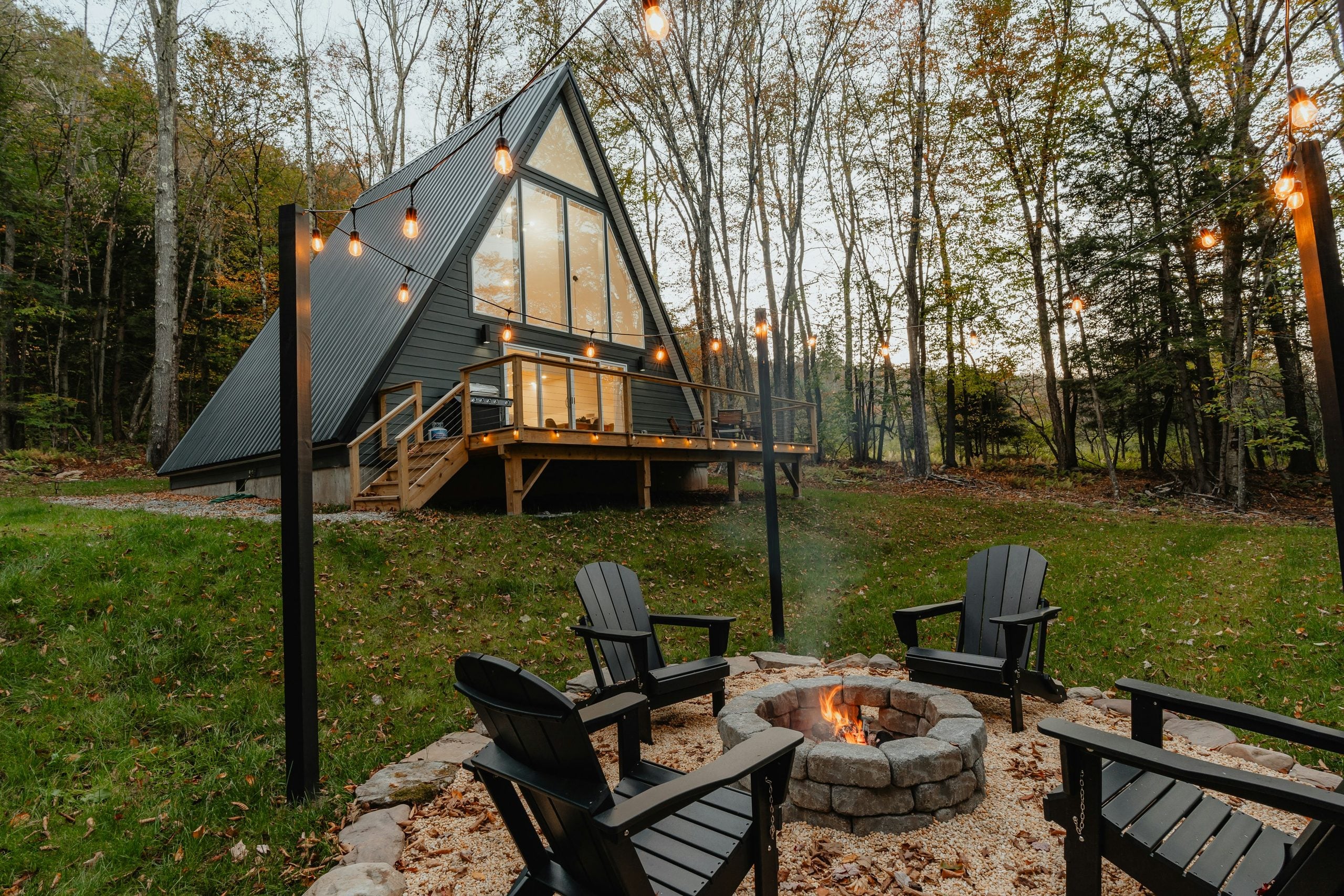
A big cabin near Great Smoky Mountains National Park can deliver the multigenerational experience without international airfare or a complicated itinerary. The park offers scenic drives, historic buildings, waterfalls, picnic areas, wildlife watching, and walks ranging from easy to genuinely strenuous. It was the country’s most visited national park in 2025, with more than 11.5 million recreation visits, so crowds are the obvious downside. A cabin with a porch, large table, game room, and separate sleeping areas gives the family somewhere enjoyable to retreat when the park gets busy.
A Once-in-a-Lifetime African Safari
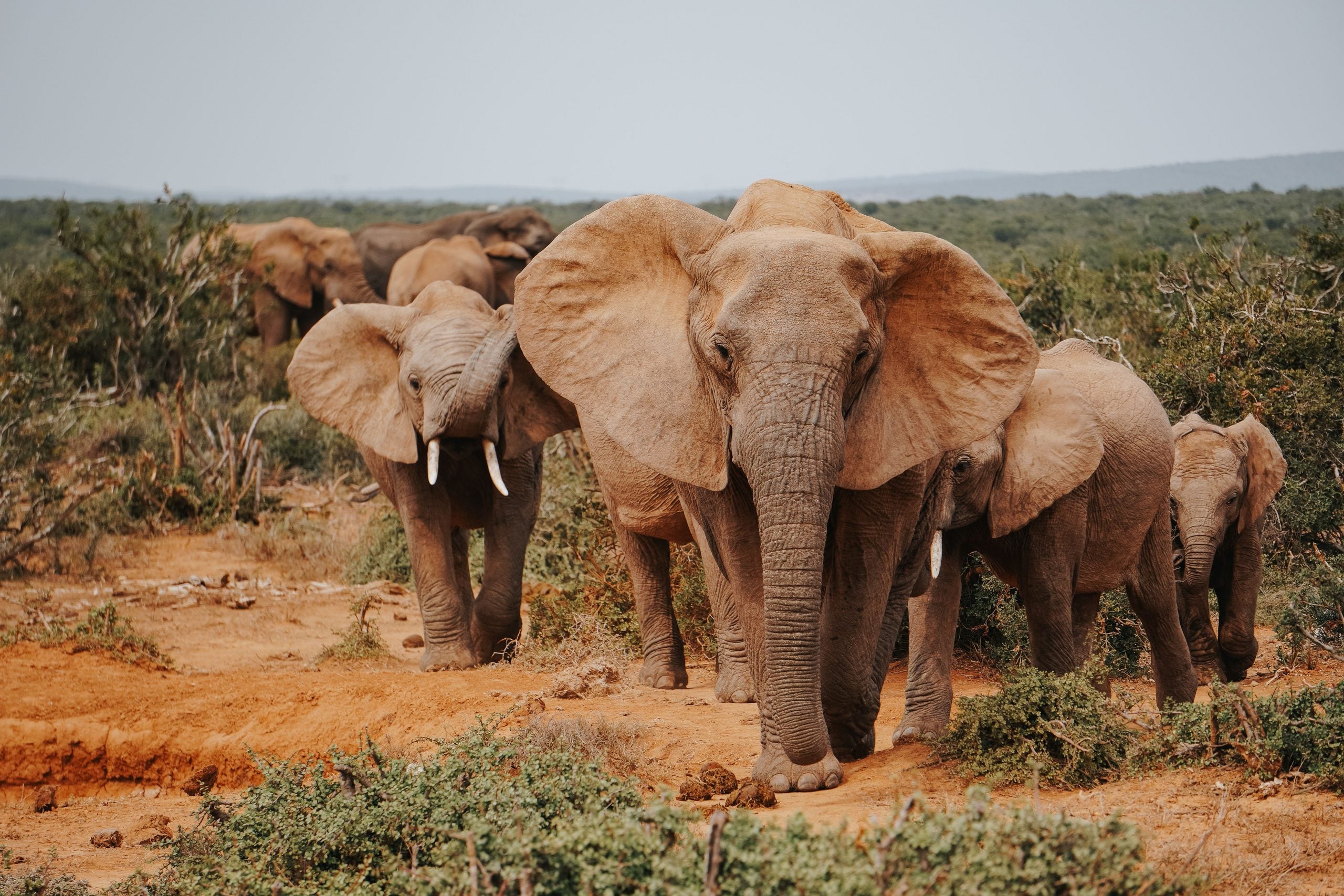
At the expensive end of family travel, a safari turns money that might eventually have become possessions into something three generations experience at the same time. A well-planned itinerary can accommodate mixed ages through comfortable game drives, lodge downtime, and shorter excursions rather than constant physical activity. Seeing elephants, giraffes, or lions together certainly creates a story bigger than another birthday present. But this is a major financial commitment, and long flights, health preparations, age restrictions at some lodges, and demanding travel days require more planning than the average family vacation.