Peak season may get the postcard weather, but it also brings packed beaches, traffic, restaurant waits, and higher hotel demand. Some vacation spots are actually easier and more enjoyable once the crowds thin out, especially for travelers who care more about comfort and value than perfect weather. As the National Park Service notes across many destinations, seasonal conditions can dramatically change crowd levels, access, and the overall visitor experience. These 15 places make a strong case for traveling outside the busiest months.
Cape Cod, Massachusetts
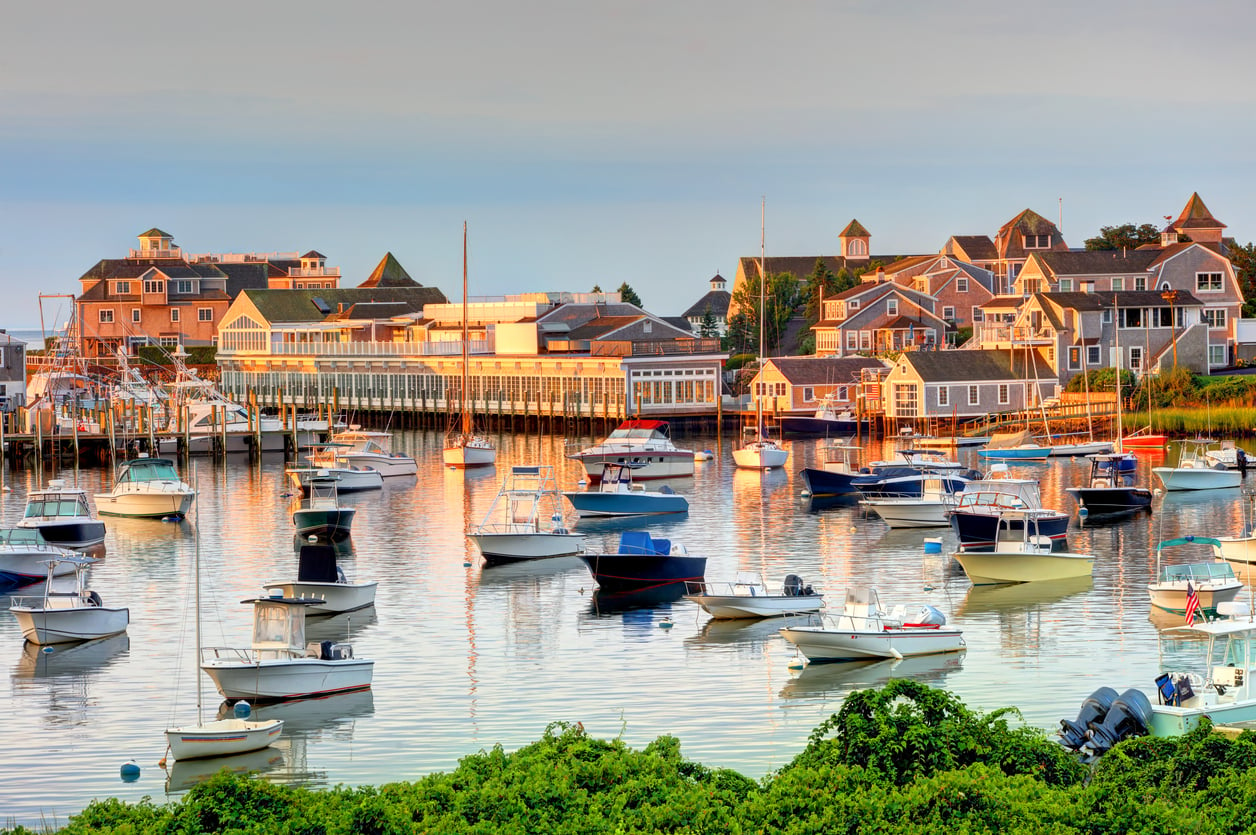
Cape Cod calls fall its “Second Summer”, and the nickname makes sense. After Labor Day, crowds thin, restaurants become easier to navigate, and the Cape Cod Chamber specifically points to off-season lodging rates. September can still bring surprisingly warm beach weather, while October adds foliage, cranberry season, hiking, and comfortable cycling temperatures. It is especially appealing for travelers more interested in seafood dinners and long shoreline walks than packed beaches. The catch is that seasonal businesses increasingly shorten their hours as autumn progresses.
The Outer Banks, North Carolina
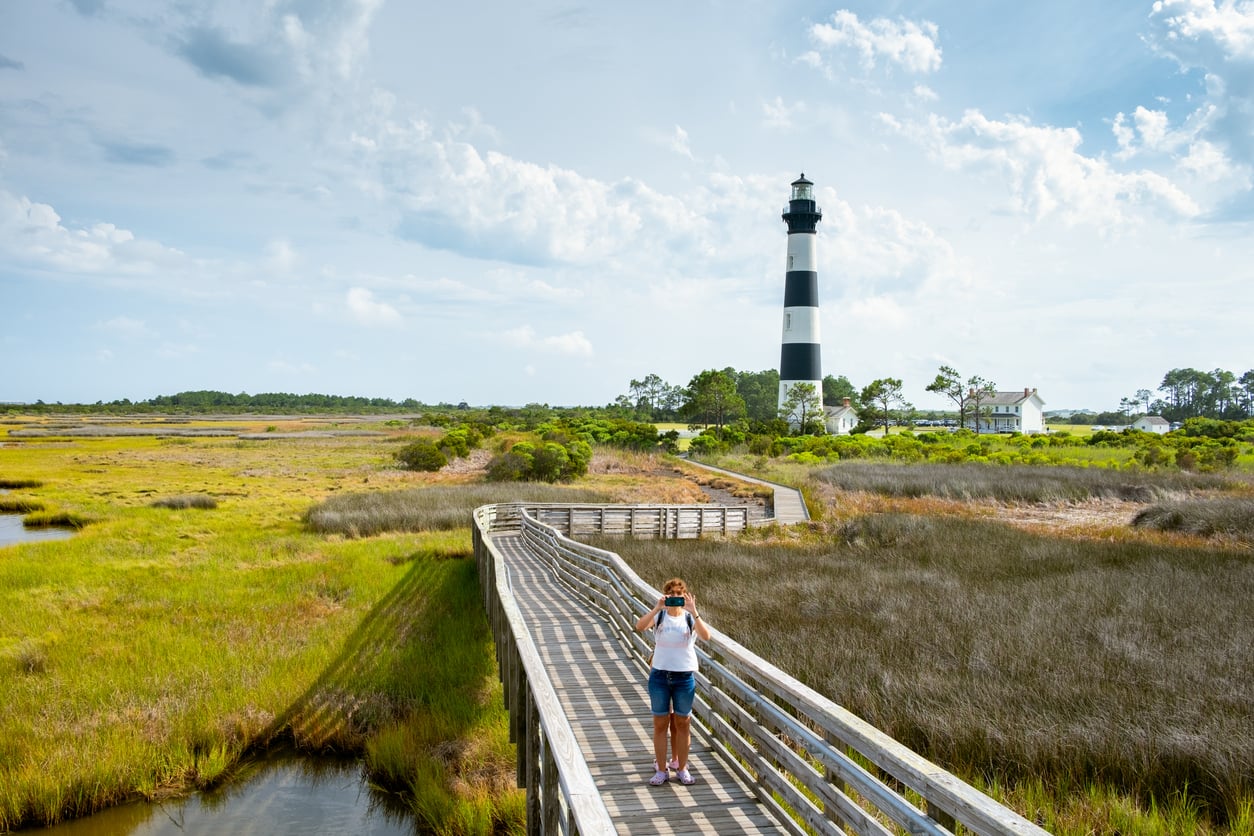
The Outer Banks can feel like a different place once the summer rental turnover rush subsides. September often retains warm ocean water while beaches become calmer and fishing, surfing, lighthouse visits, and seafood dinners take center stage. It is a good compromise for travelers who still want a beach vacation but could happily live without peak-season traffic and crowded sand. The major risk is weather: Atlantic hurricane season continues through fall, and some seasonal businesses begin reducing hours as visitor numbers decline.
Myrtle Beach, South Carolina
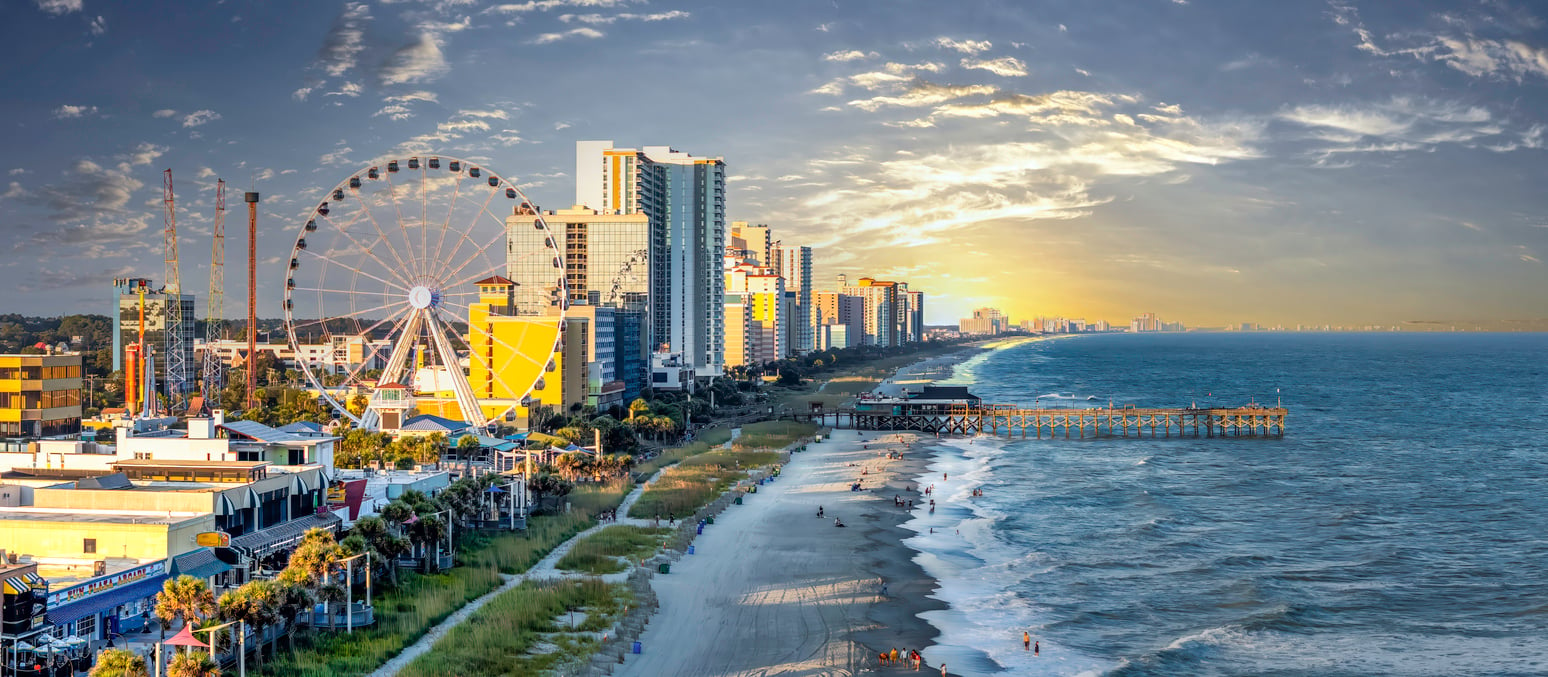
Myrtle Beach’s tourism office calls fall its “secret season”, with good reason. The ocean can remain warm well into September, while shorter lines, easier parking, festivals, golf, restaurants, and live entertainment keep the trip from depending entirely on beach weather. Visit Myrtle Beach also promotes fall as one of the area’s better-value periods, with lighter crowds and seasonal lodging deals. Tropical storms remain possible, however, and visitors should expect some summer-oriented attractions to gradually reduce their schedules later in fall.
Hilton Head Island, South Carolina
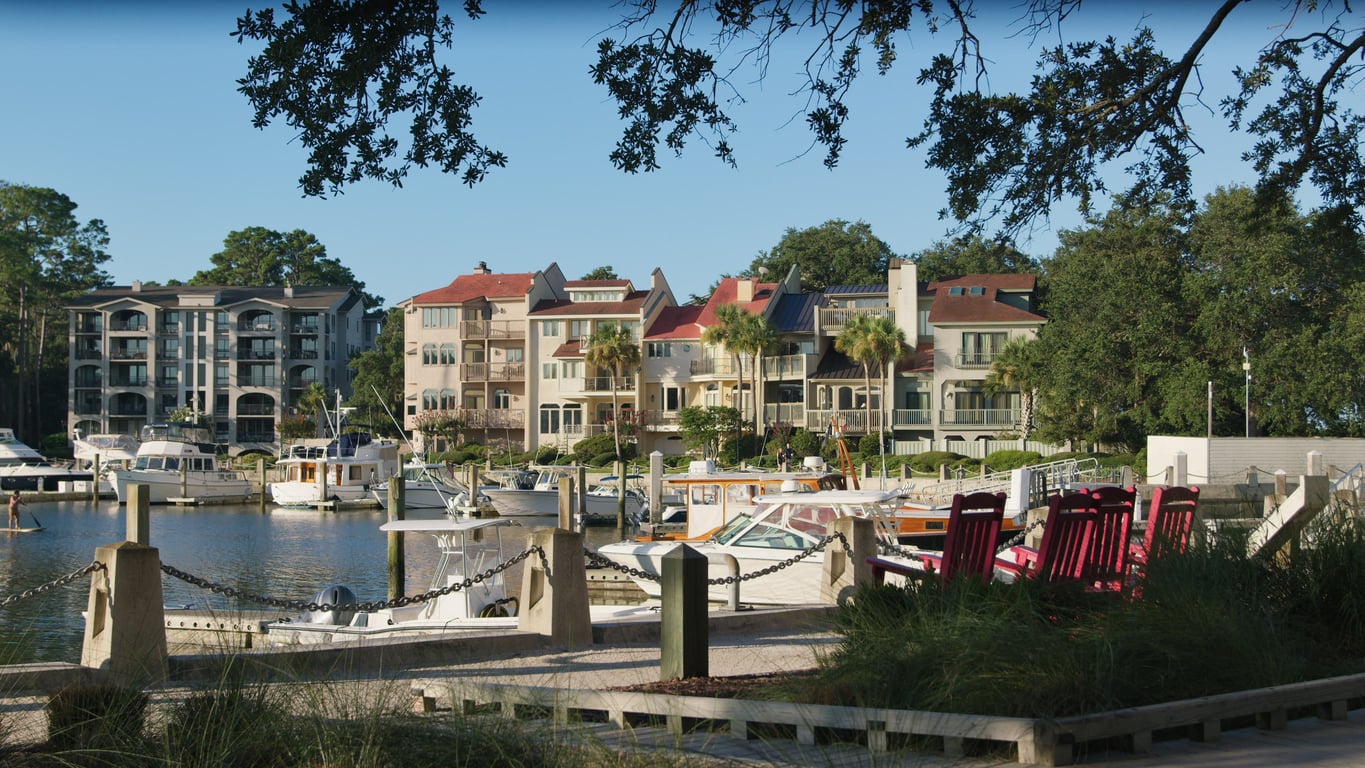
Hilton Head is not a swimming destination in January, but that is precisely why winter works for some travelers. The island’s tourism organization says the season brings quieter beaches, easier restaurant reservations, and greater flexibility with golf tee times. The firm sand remains excellent for walking and biking, and winter is also a fine time for Lowcountry oysters, nature outings, and leisurely meals. Pack layers, though. Ocean temperatures are chilly, and cool or windy days can make kayaking less inviting.
Mackinac Island, Michigan
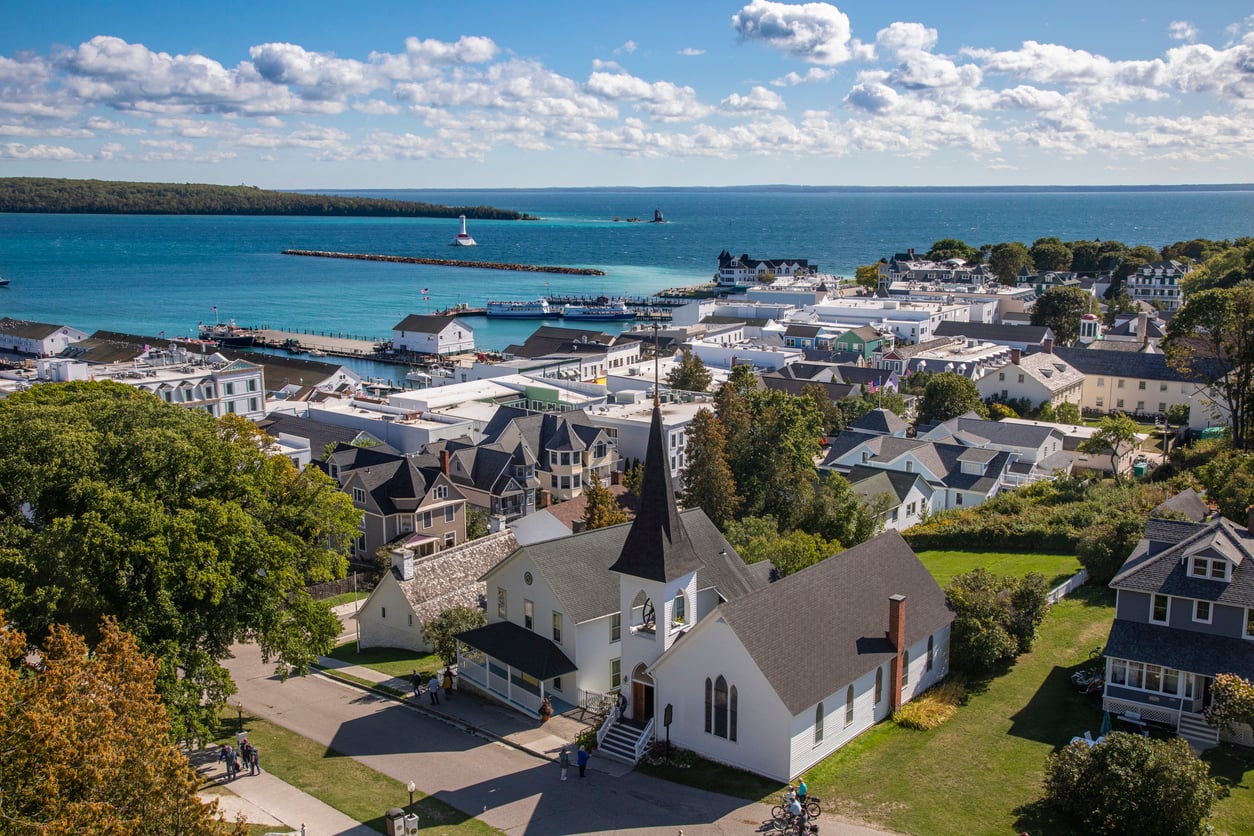
Mackinac Island does not immediately shut down when Labor Day passes. Tourism officials say nearly all businesses remain open during September, including major historic sites, carriage tours, fudge shops, and outdoor activities, while family crowds begin to thin. That makes it an attractive month for leisurely bike rides and strolling the famously car-free streets. Weekdays can also bring better lodging availability. A handful of outdoor businesses close after Labor Day, however, and ferry and attraction schedules gradually become less frequent as fall advances.
Trending on Cheapism
Napa Valley, California
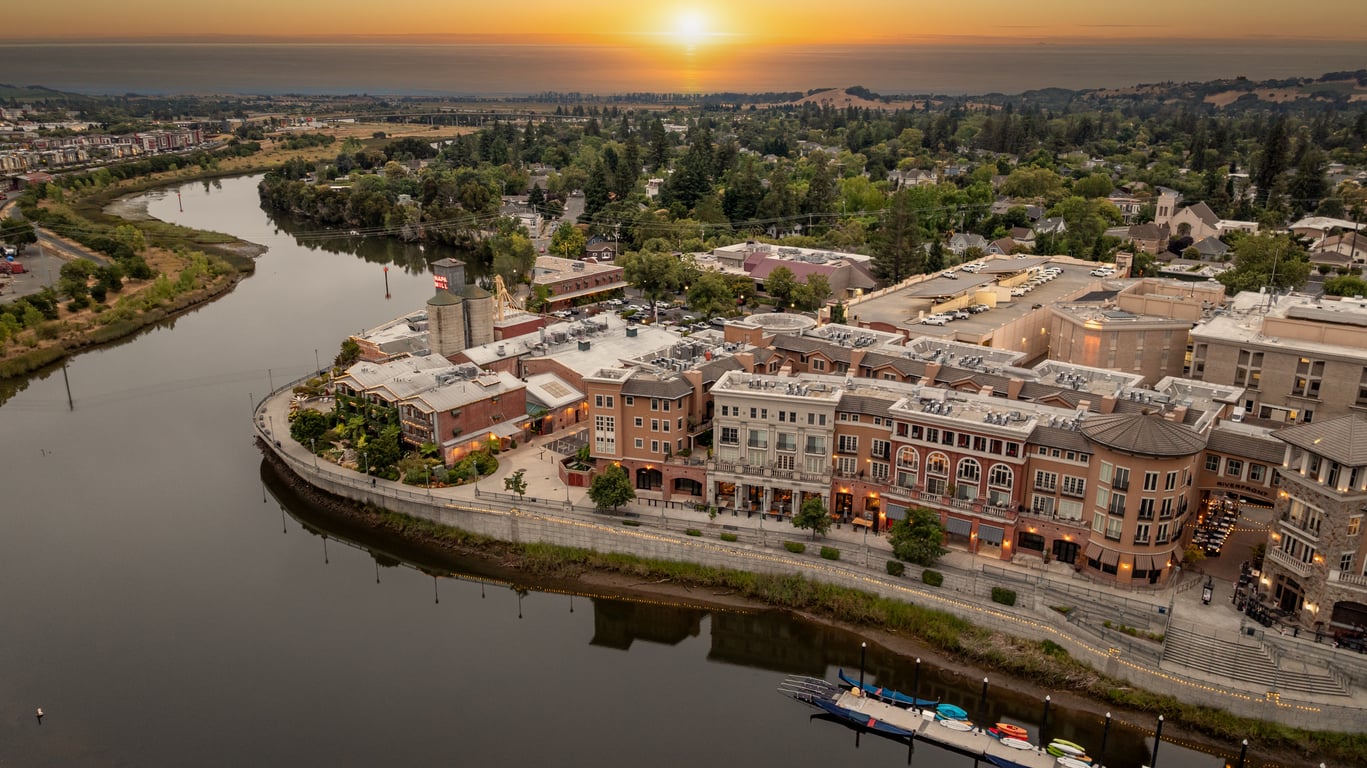
Harvest season gets much of the attention, but winter can be better for travelers who primarily care about wine and food. Visit Napa Valley says December through February brings fewer crowds at popular wineries and restaurants, while its broader “Cabernet Season” stretches from mid-fall into spring. Tastings can feel less hurried, fireplaces replace crowded patios, and winter menus lean into heartier food. The trade-off is scenery and weather: vines are largely dormant, and winter is Napa’s coolest and rainiest season.
Sedona, Arizona
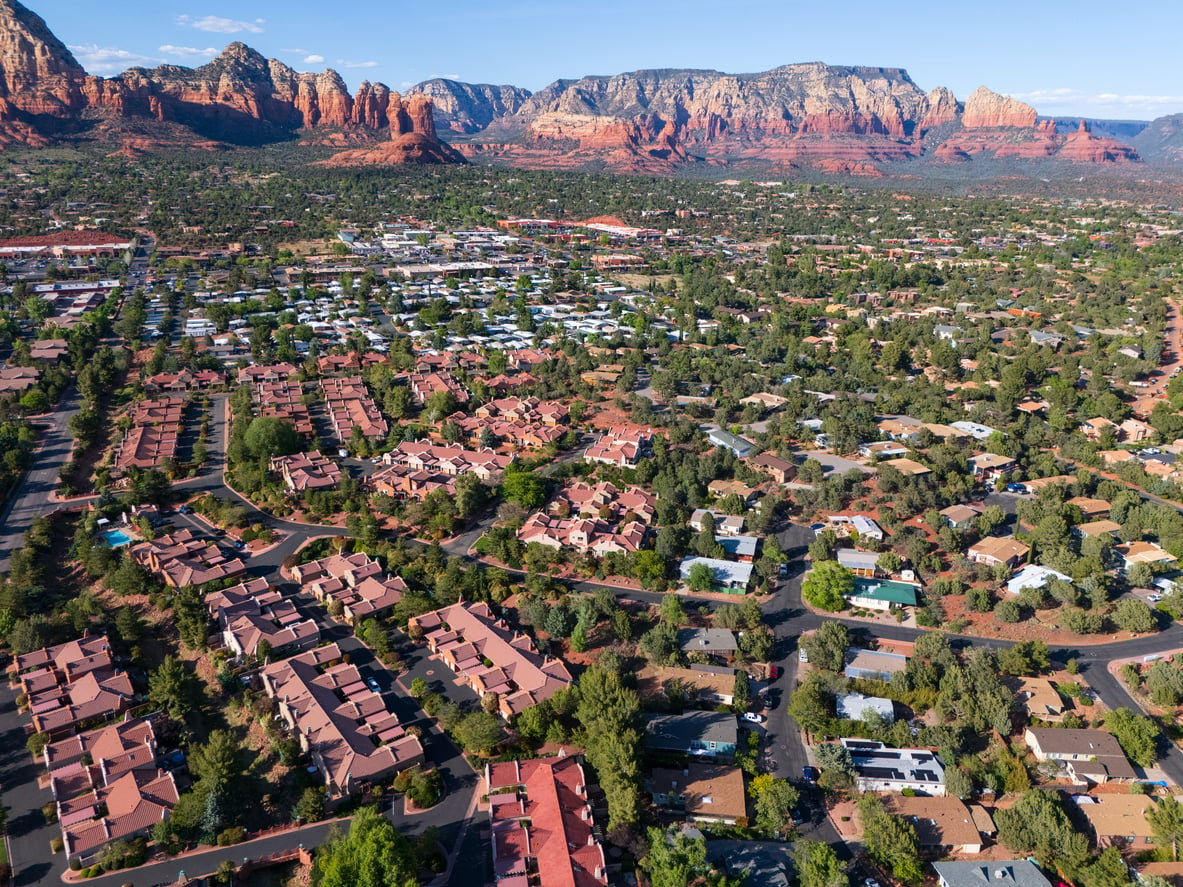
Winter is officially Sedona’s slow season, and the local tourism organization specifically points to fewer crowds, lower hotel rates, better restaurant availability, and more openings on guided tours. For hikers, the cooler daytime temperatures can be far more comfortable than intense desert heat, and occasional snow makes the red rocks particularly striking. The quieter season is not foolproof, especially around holidays. Snow and ice can temporarily complicate roads and trails, while temperatures drop quickly once the sun disappears.
Santa Fe, New Mexico
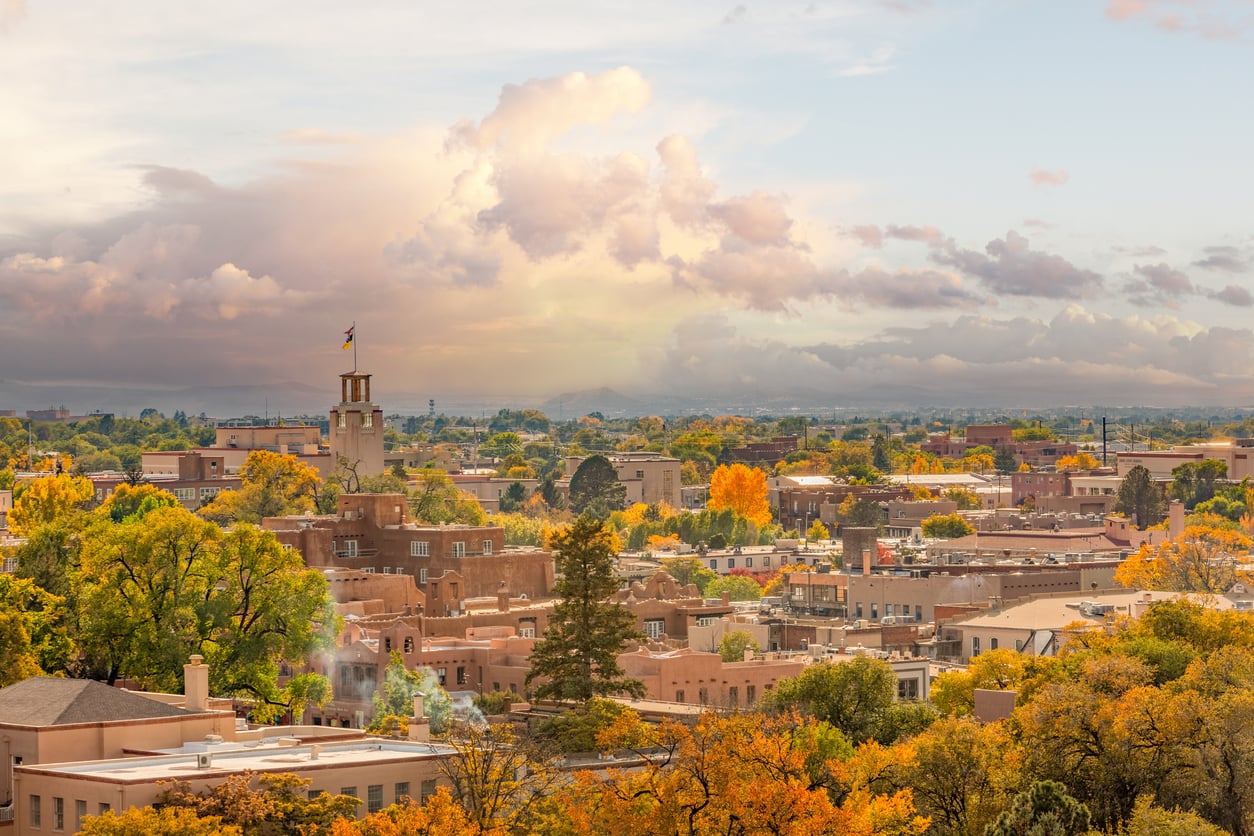
Santa Fe’s galleries, museums, restaurants, adobe architecture, and historic center do not depend on summer weather. Tourism Santa Fe says the city moves at a noticeably slower pace in winter outside busy holiday periods, which can make Canyon Road and downtown considerably more pleasant to explore. Ski Santa Fe and other mountain activities add an optional outdoor component. Travelers do need to respect the conditions: the city sits around 7,000 feet above sea level, winter snow is normal, and some visitors need time to adjust to the altitude.
Sign up for our newsletter
Lake Tahoe, California and Nevada
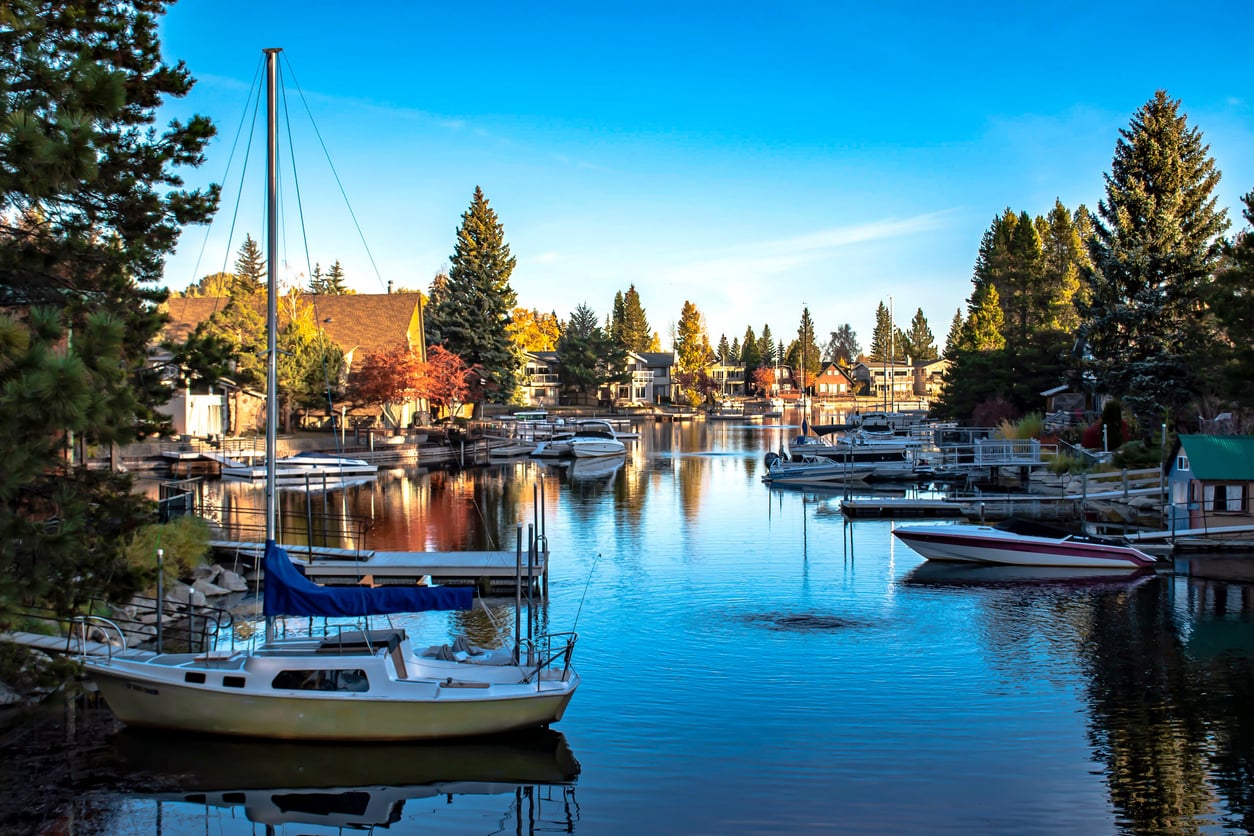
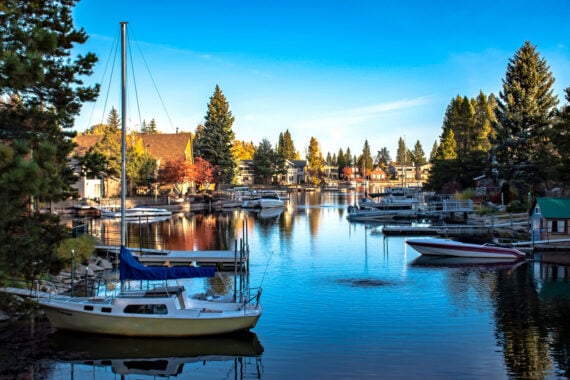
Locals sometimes call autumn at Lake Tahoe “Local’s Summer”. After Labor Day, crowds begin thinning while sunny days, hiking, scenic drives, biking, fall foliage, and lakeside views remain. September can even remain warm enough for some water activities, with better parking availability than peak summer. October adds brilliant aspen color but also greater unpredictability. This is a genuine shoulder season: summer concessions begin closing before ski operations get underway, and an early mountain snowstorm can quickly change driving or hiking plans.
San Antonio, Texas
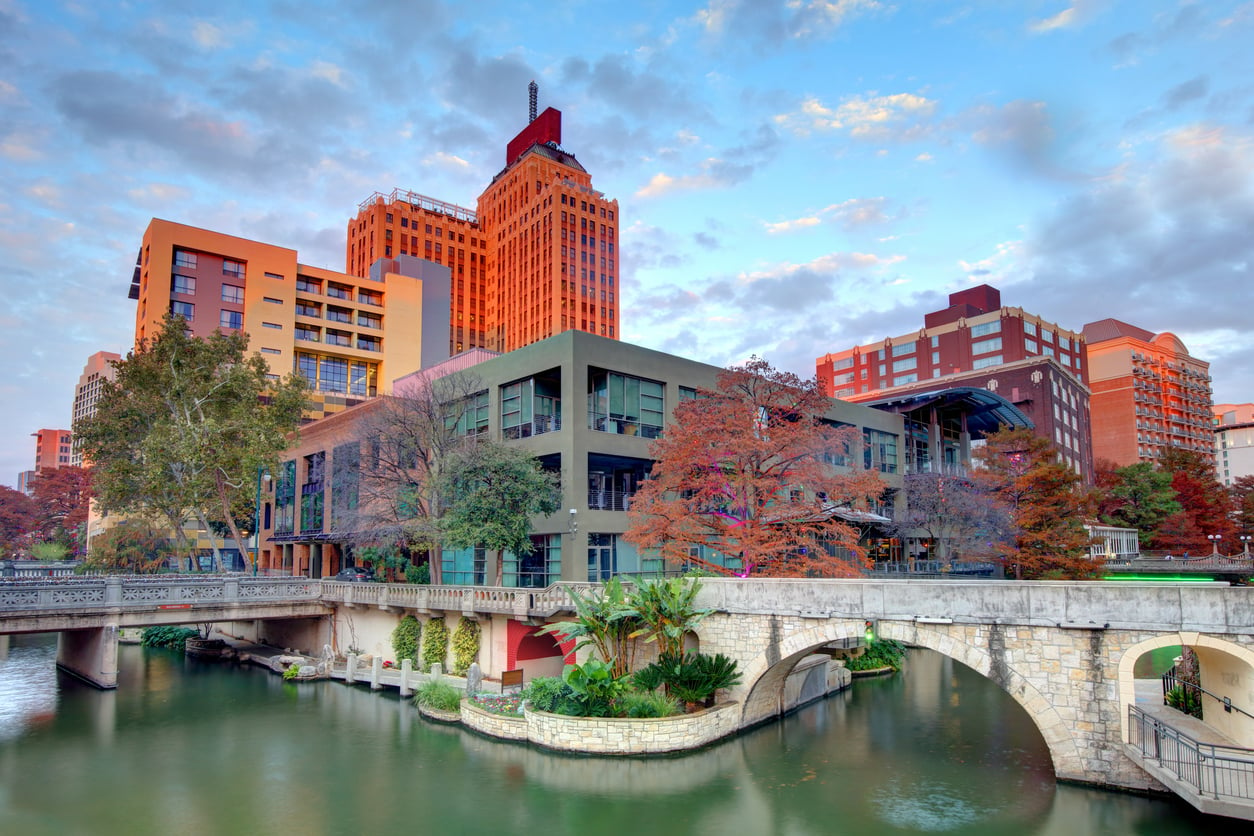
Summer sightseeing in San Antonio can become an exercise in finding air conditioning. Winter reverses the problem. Visit San Antonio promotes January and early February for milder weather, smaller crowds, and lower seasonal hotel rates, making long walks along the River Walk and visits to the missions more comfortable. Museums and restaurants keep the city lively even on cool days. Timing matters, though: the San Antonio Stock Show and Rodeo can increase February demand, and Texas cold fronts occasionally produce surprisingly chilly weather.
Newport, Rhode Island
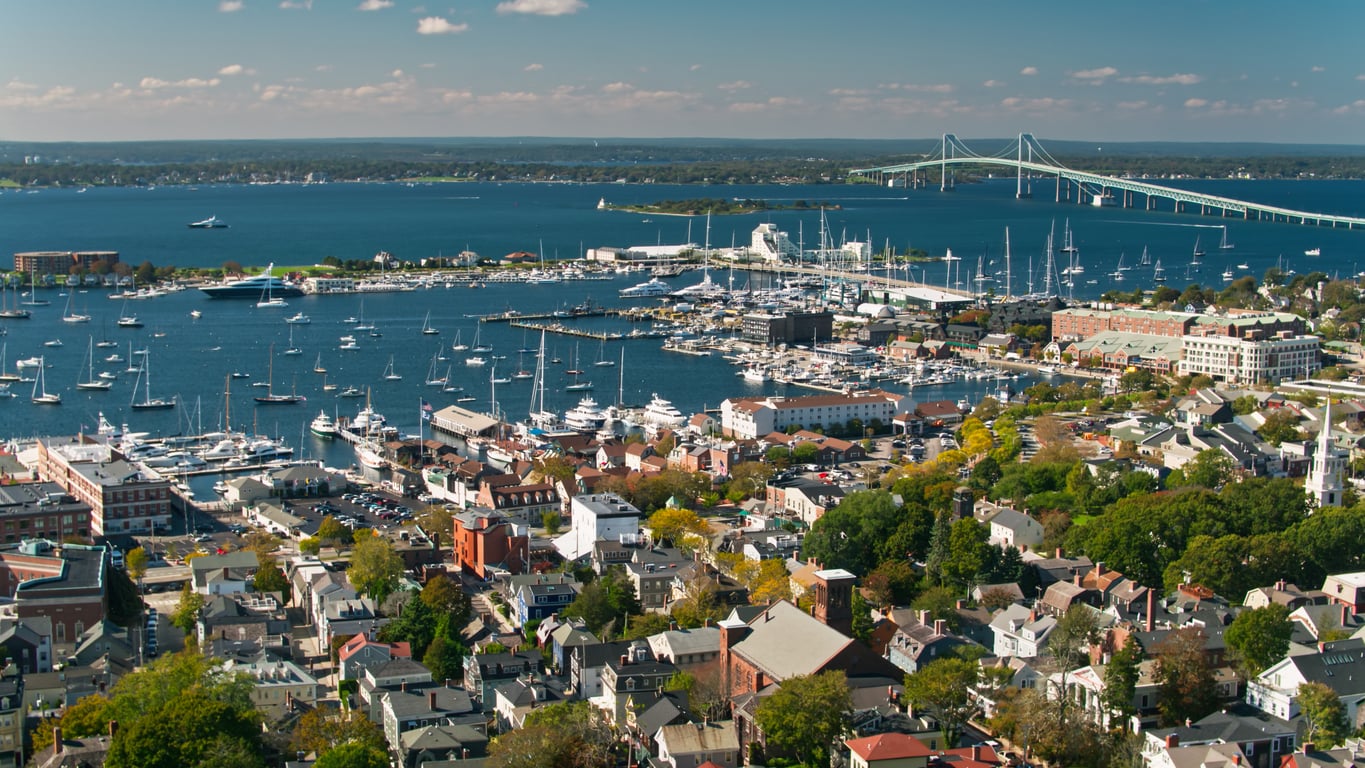
Newport in winter loses the yacht-club atmosphere but gains something quieter and, for history lovers, arguably more interesting. The Gilded Age mansions, restaurants, historic streets, harbor views, and portions of the Cliff Walk remain reasons to visit, while winter lodging promotions can make overnight stays more approachable than prime summer weekends. Snow-covered mansions certainly add atmosphere. The obvious downside is the weather: coastal wind, snow, and ice are real possibilities, and mansion schedules and boat excursions are more limited than in summer.
Chicago, Illinois
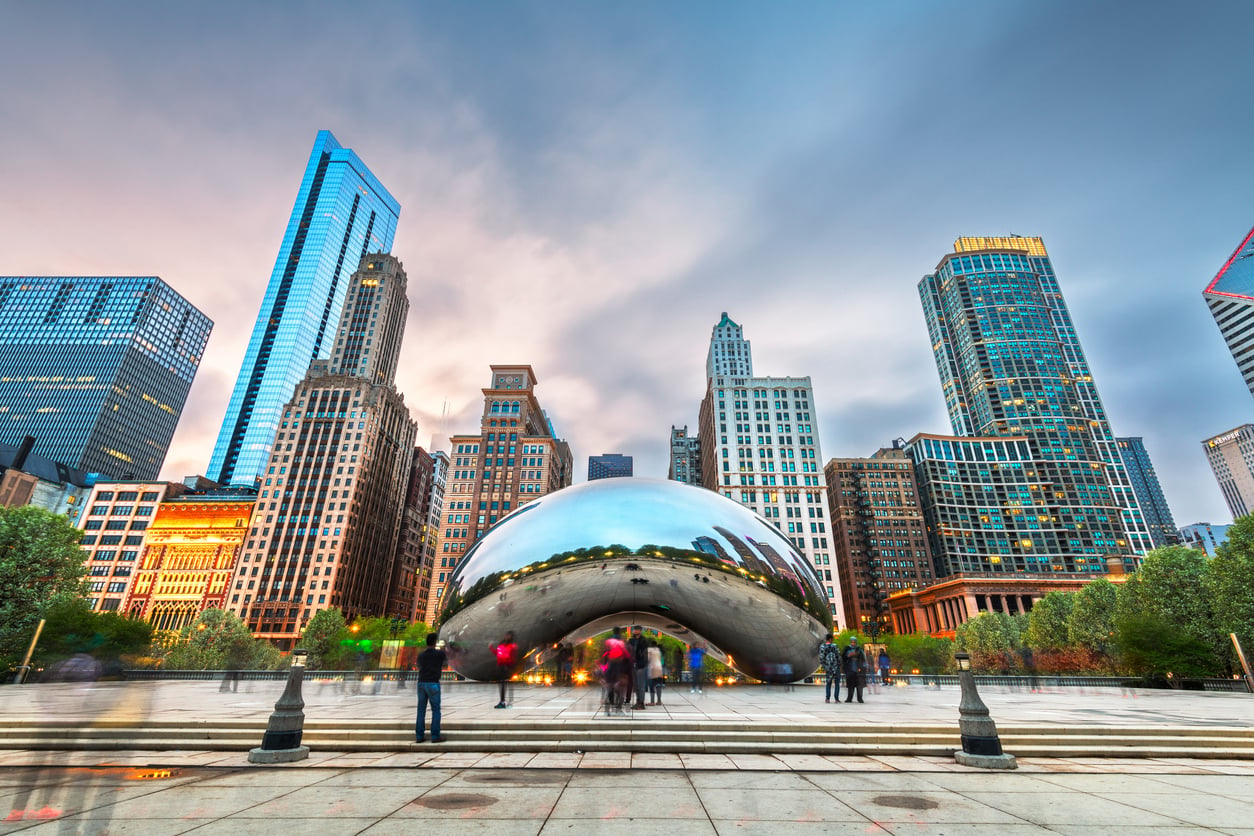
Nobody books Chicago in February for balmy weather. The value lies indoors. Museums, comedy clubs, theaters, restaurants, and music venues remain active while the tourist calendar quiets considerably. In 2026, Chicago Restaurant Week offered prix-fixe deals at more than 550 restaurants from January 23 through February 8, while Chicago Theatre Week followed from February 5 through 15 with discounted tickets. The obvious warning is the cold: snow, wind, and flight disruptions can turn carefully planned outdoor sightseeing into an indoor museum day.
Zion National Park, Utah
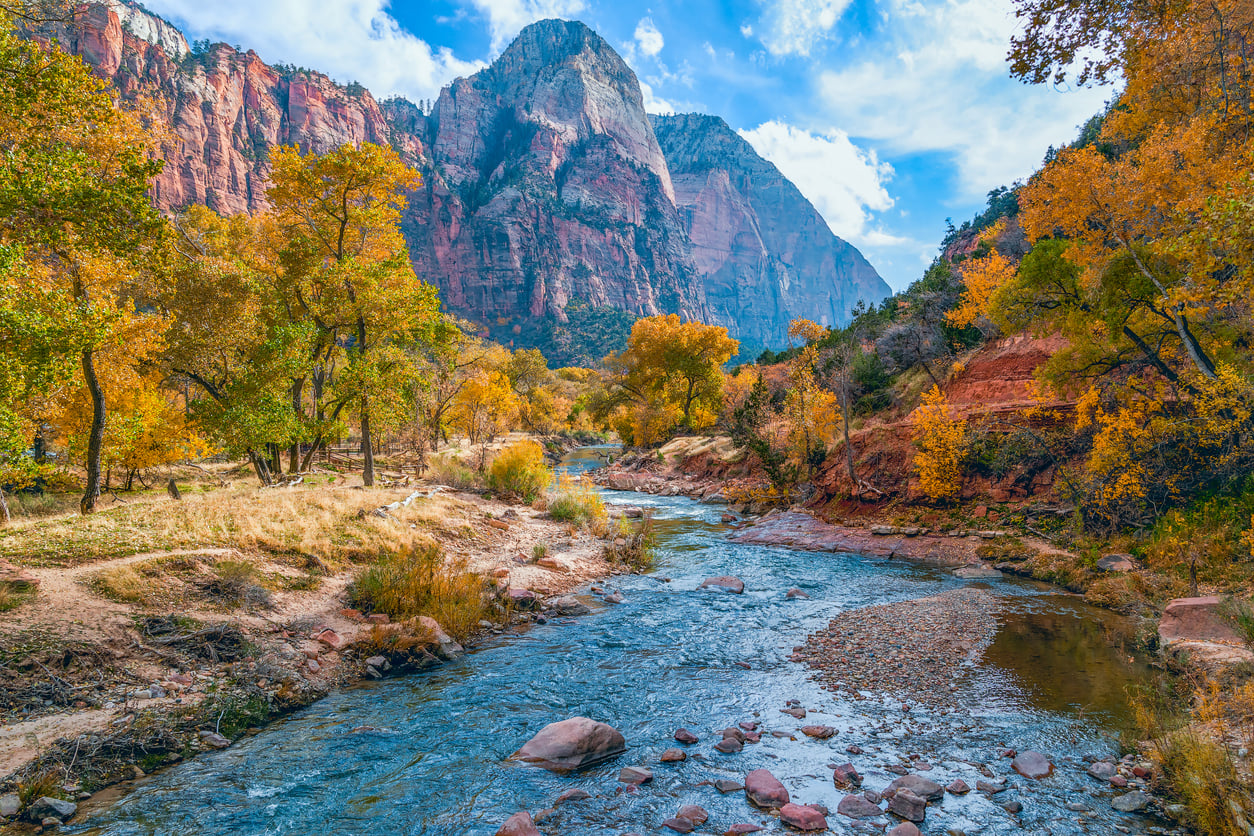
November provides one of Zion’s more useful compromises between crowds and access. The National Park Service says visitation drops significantly during the month, with average visitation well below summer levels, while cooler temperatures make hiking more comfortable. In 2026, Zion Canyon shuttles are scheduled to continue through November 28, although service ends earlier in the evening than during summer. Shorter daylight, freezing nights, possible snow or ice, and changing trail conditions mean visitors still need to check park updates carefully.
Yellowstone National Park, Wyoming, Montana, and Idaho
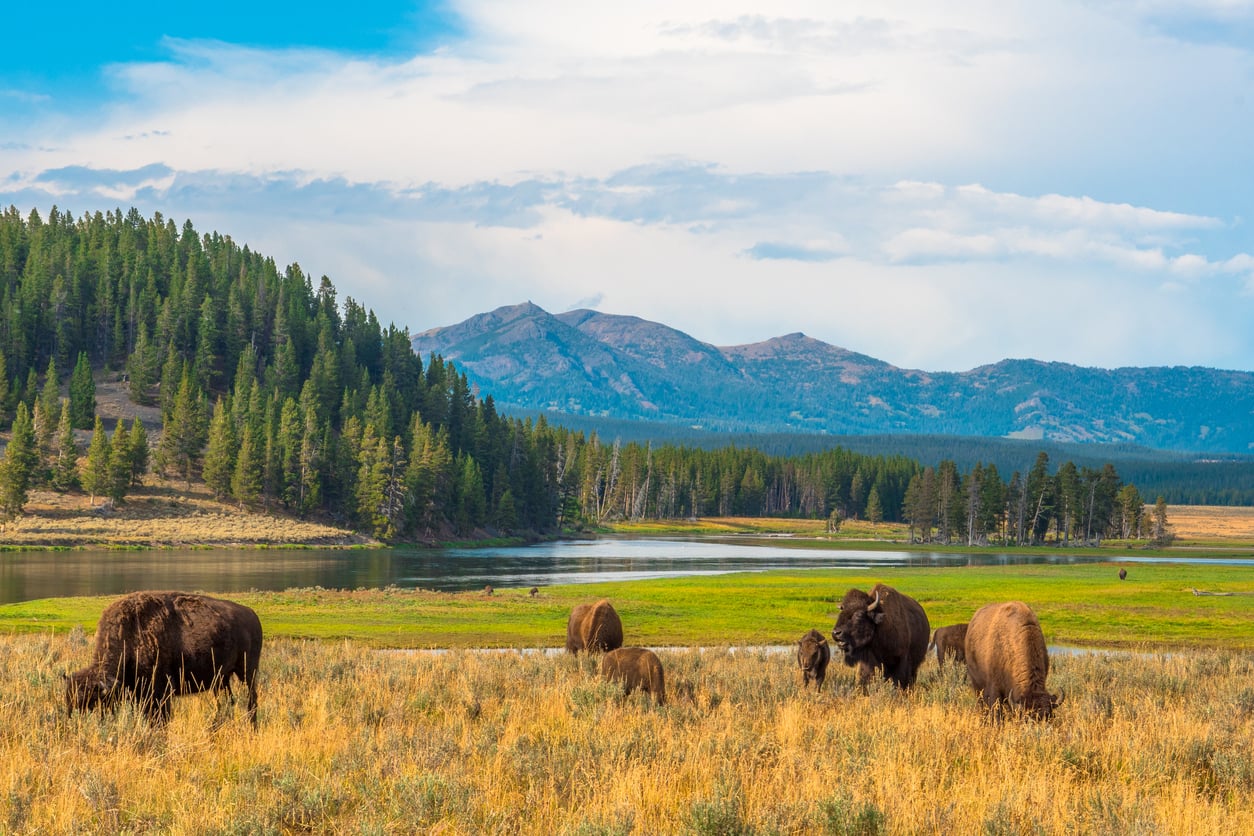
September sounds like shoulder season, but NPS still classifies it among Yellowstone’s busiest months. Early October is the stronger bet for travelers seeking more space without immediately surrendering normal vehicle access. October is categorized as moderately busy, with wildlife watching, fall color, hiking, and cooler weather still possible. Most regular roads are scheduled to remain open through October 31 in 2026, although Dunraven Pass and Beartooth Highway close October 12. Snow can arrive early, and lodging and dining options shrink quickly.
Acadia National Park and Bar Harbor, Maine
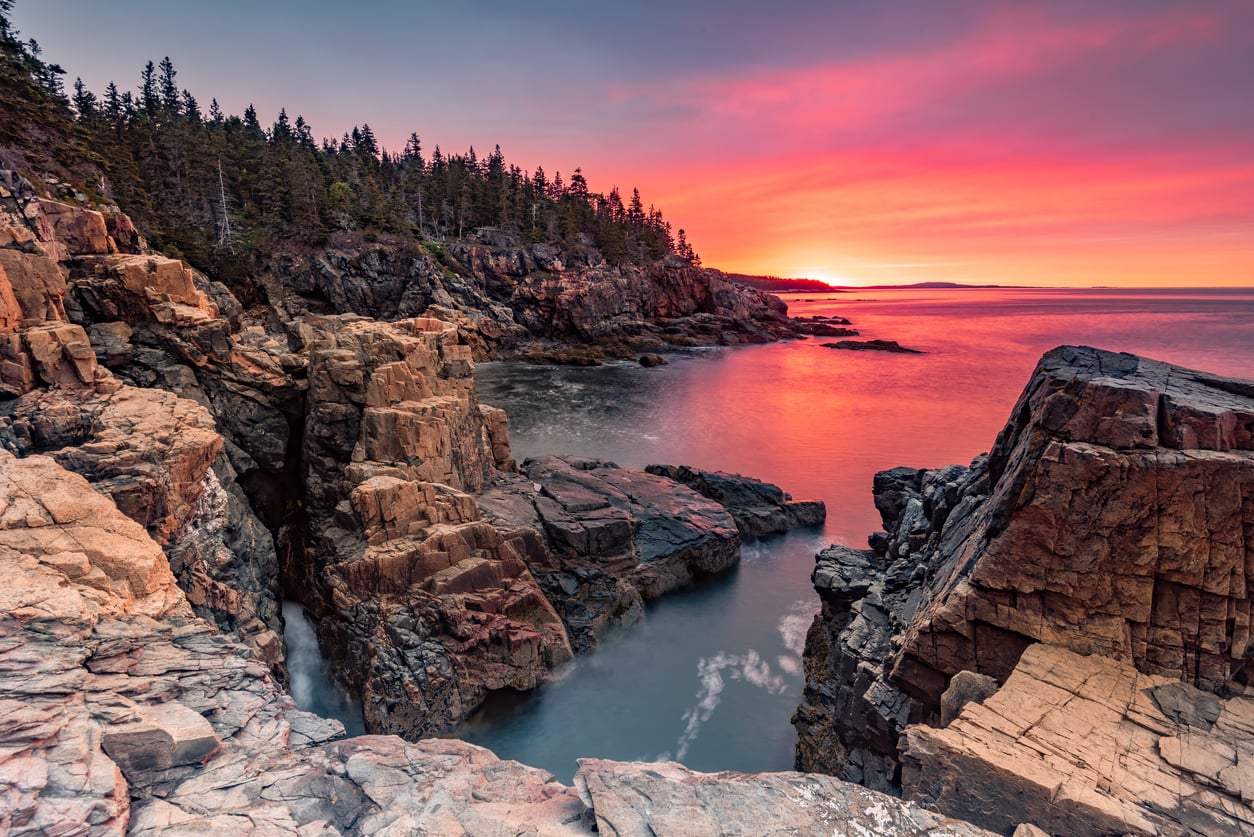
Acadia requires careful timing because October foliage weekends can be anything but quiet. Later in fall, however, parking pressure eases and Ocean Path, carriage roads, rocky overlooks, and Bar Harbor can feel considerably calmer than in midsummer. The sweet spot comes before winter access restrictions begin. Starting December 1, most of Park Loop Road, including the Cadillac Mountain road, closes to regular vehicles until mid-April. Travelers should also expect restaurants, lodging, and other seasonal businesses around Bar Harbor to gradually close or shorten hours.