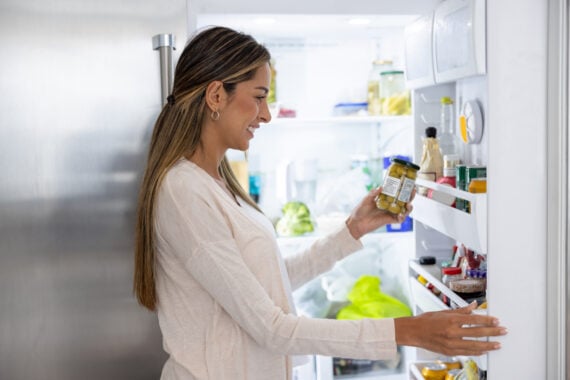
“Stretching” your groceries isn’t just about buying cheaper food. It’s also about preventing the items you’ve already paid for from spoiling and reducing food waste by keeping track of expiration dates in the fridge. The U.S. Department of Agriculture reports that the average American family of four loses about $1,500 a year on uneaten food, which is why we’re sharing some ways to make your food last as long as possible!
Plan Meals Around What You Already Have

Before heading to the grocery store, you could take a look at what’s in your fridge and pantry so you can use up that food. You might need to buy an extra ingredient or two to turn it into a proper meal, but try to avoid throwing away what you already have in the fridge unused. The USDA recommends planning ahead as a way to prevent food waste and make household grocery spending go further.
Use a First-In, First-Out System
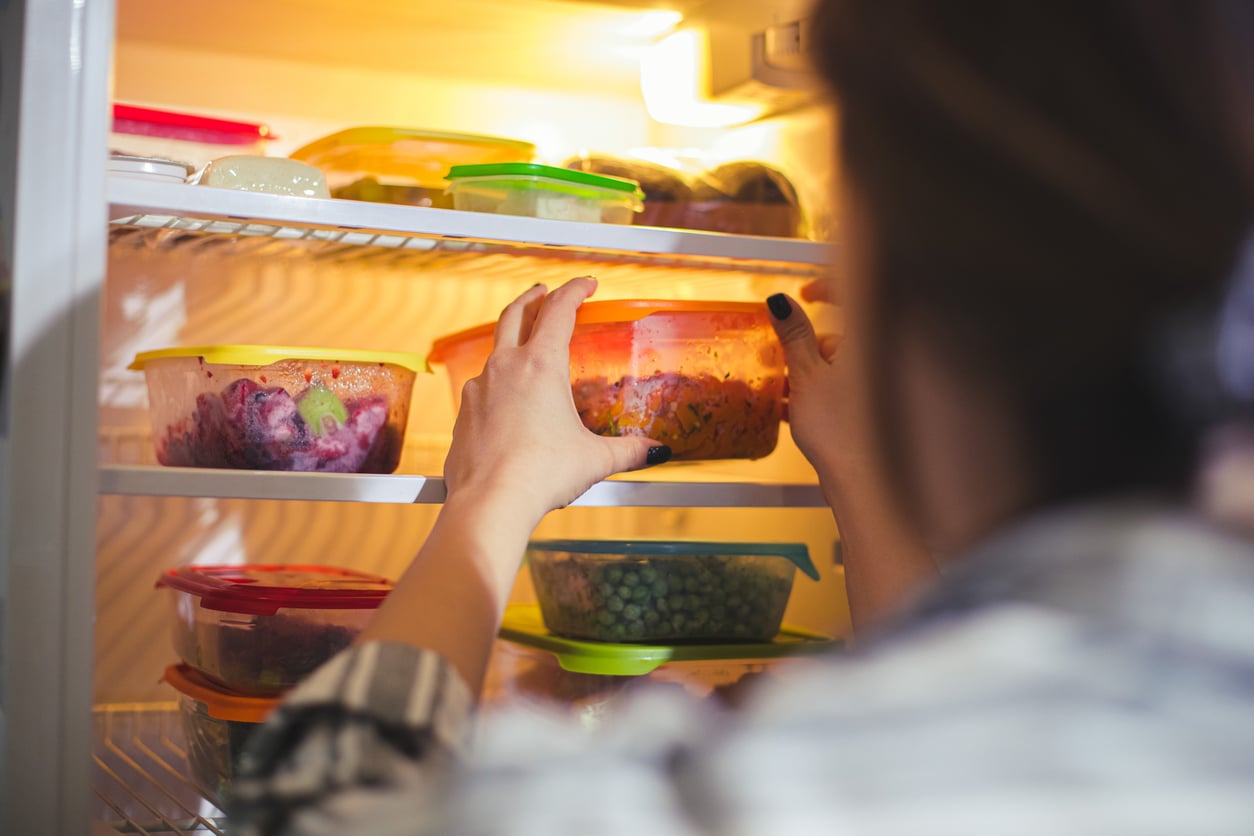
The USDA recommends organizing your refrigerator and pantry by placing newly purchased groceries at the back and moving items closer to their best-by-date to the front. You can apply the “First-In, First-Out” method to items such as yogurt, canned goods, condiments, leftovers, and produce. It is a habit you should adopt as soon as you get home with your new groceries.
Freeze Food Before It Becomes a Problem
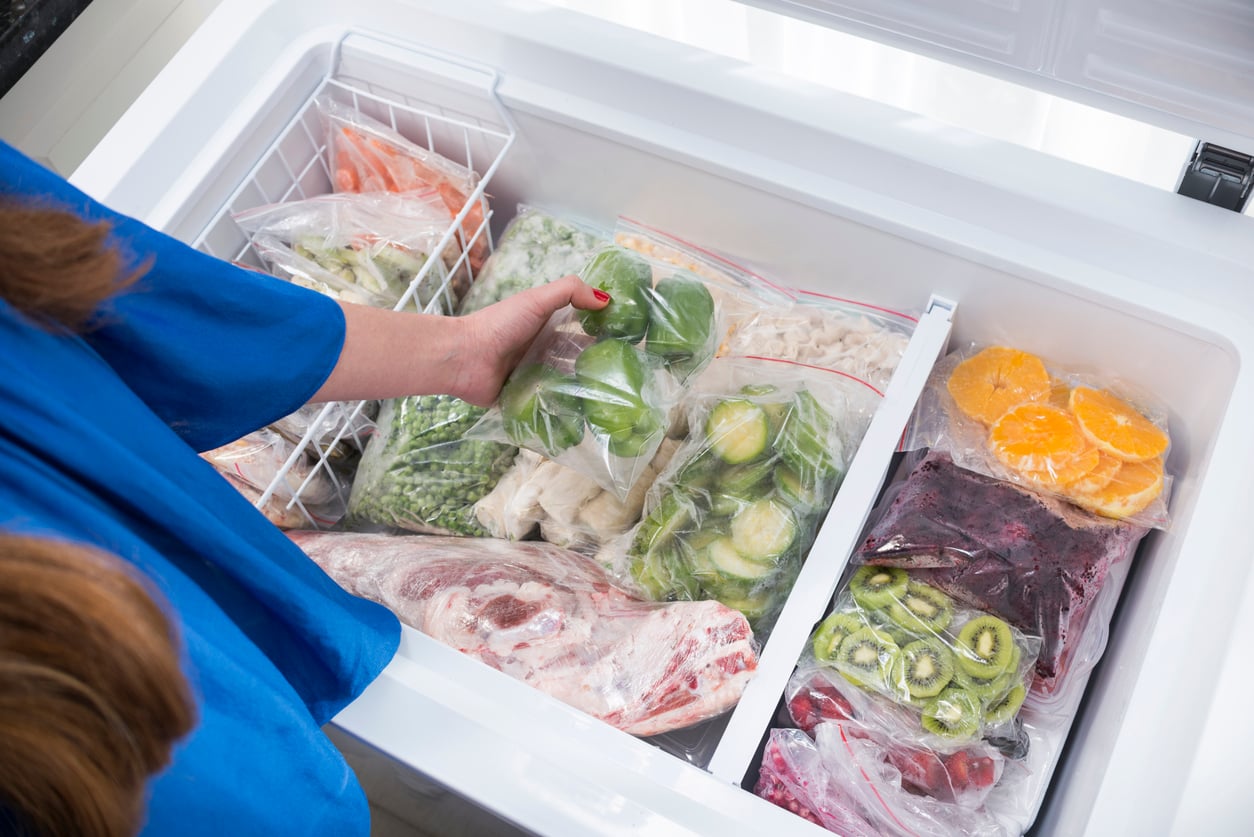
Food kept in the freezer at 0°F or below remains safe indefinitely, although its quality may decline, according to the USDA. This method preserves food for extended periods because it prevents the growth of microorganisms that cause spoilage. Before items like bread, cooked rice, meat, soups, casseroles, shredded cheese, baked goods, and many leftovers spoil and end up in the trash, freeze them for later use.
Stop Treating Every Date on a Package as an Expiration Date
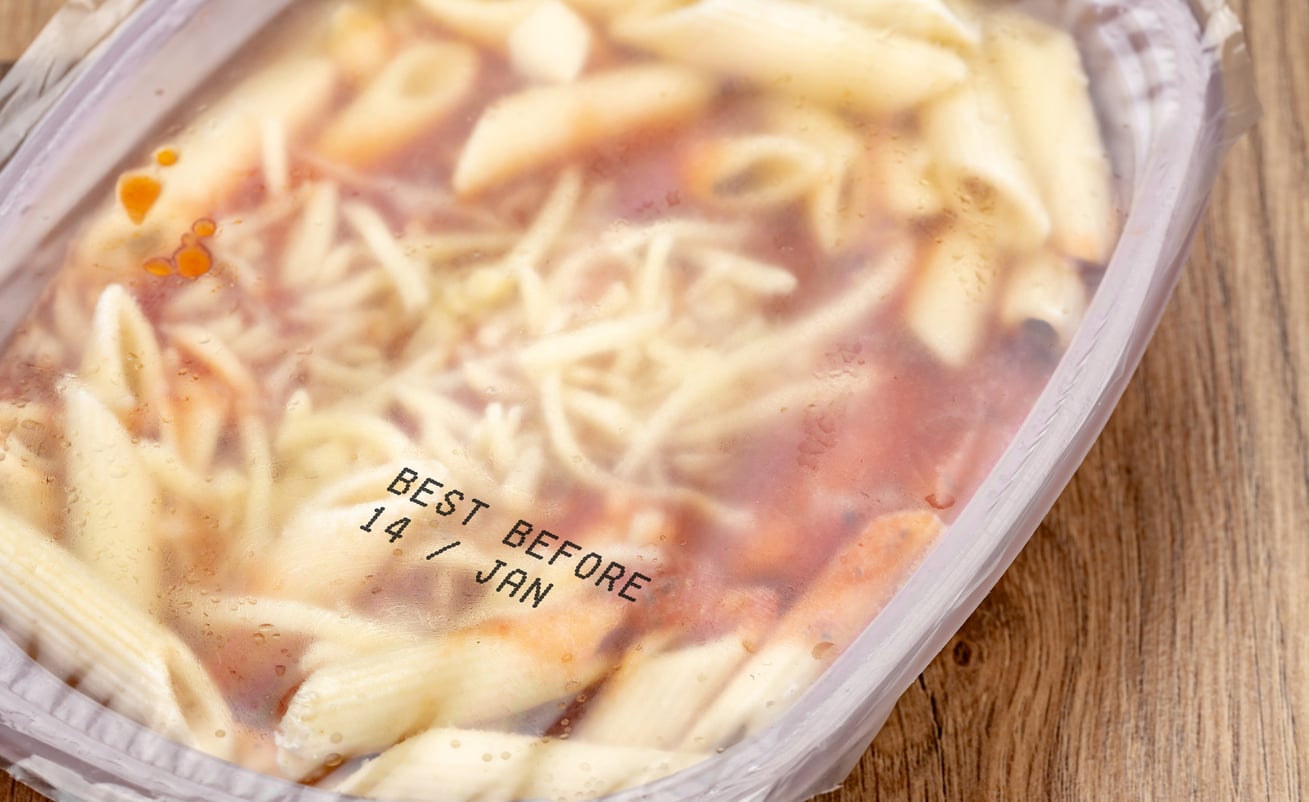
Many people throw away food once it passes the “best if used by” date. The USDA notes that, with the exception of infant formula, food date labels generally refer to quality rather than safety and are not required by federal law. Understanding these labels can help reduce food waste when food has been handled properly, although consumers should follow appropriate food-safety guidance.
Keep Perishable Foods Out of the Refrigerator Door
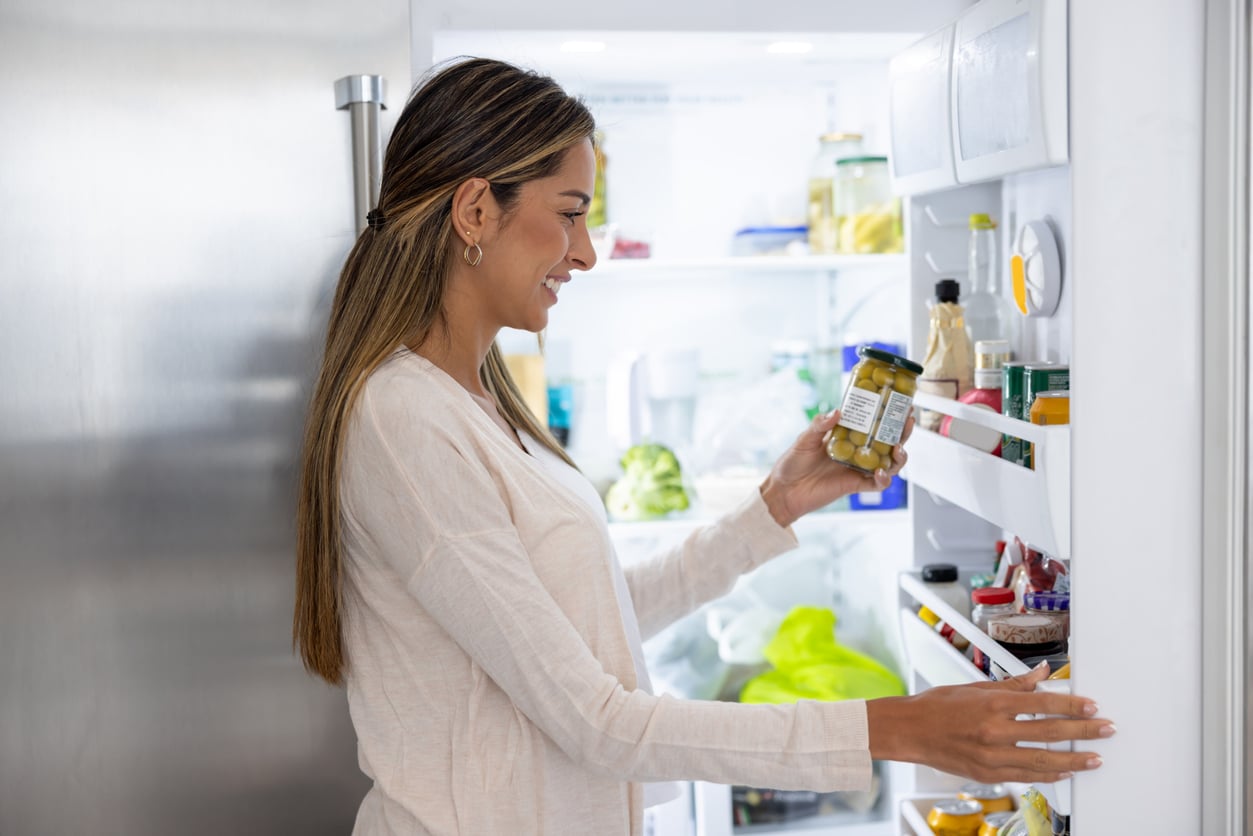
When placing food in the refrigerator door, be careful about which products you choose; avoid perishables. This is because the temperature of items in the door fluctuates every time the appliance is opened. The USDA specifically recommends avoiding the door for perishables when you want to extend their freshness. Furthermore, it is better to store sensitive items, such as milk, inside the main compartment.
Trending on Cheapism

Turn Leftovers Into Ingredients, Not Repeat Meals
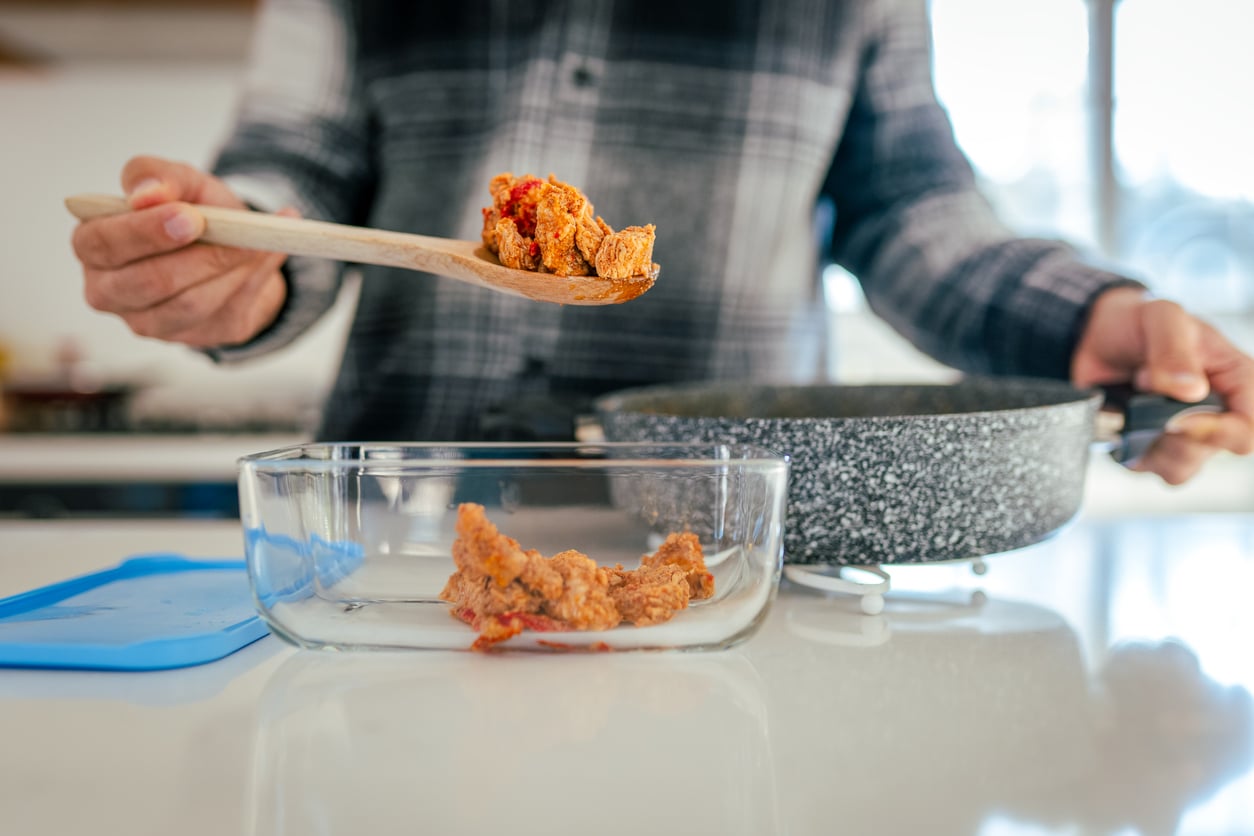
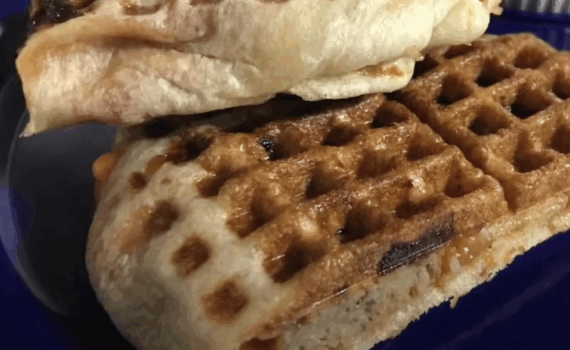
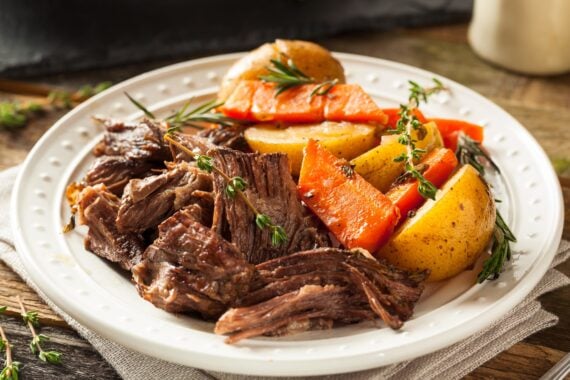
You might occasionally have leftovers in your fridge, but they often aren’t very appealing since you already ate them at a previous meal or the day before. According to the USDA, one way to make use of these leftovers is to separate the ingredients and give them a makeover, helping reduce food waste by repurposing vegetables for a new dish, for instance. Leftover roasted chicken can be transformed into tacos or soup, while cooked vegetables can become a frittata filling.
Refrigerate Leftover Quickly
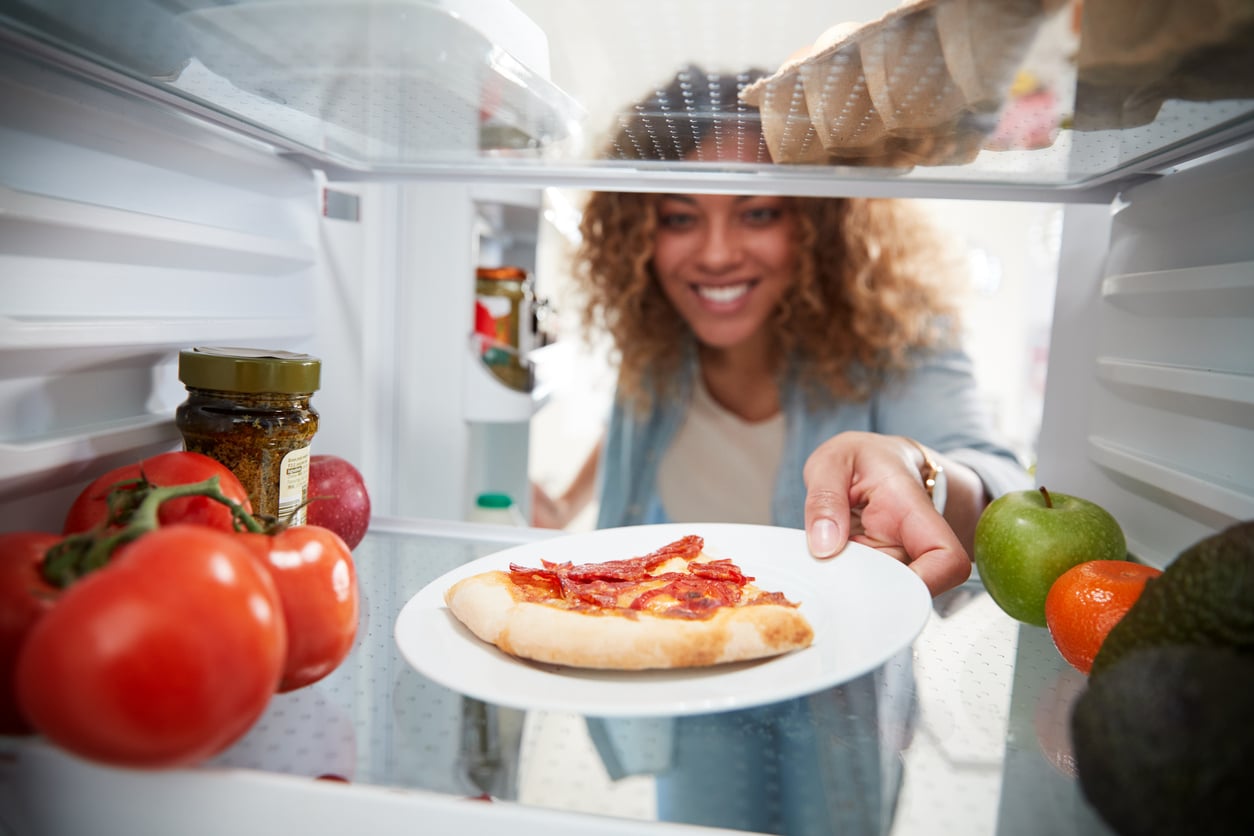
Using your refrigerator wisely can extend the shelf life of your food. The USDA states that perishable leftovers should be refrigerated within two hours, or within one hour if temperatures are above 90°F. Adopting this habit will save you money and prevent food waste. If you have food that is still hot, divide it into shallow containers before placing it in the refrigerator.
Portion Meat Before Freezing It

When freezing meat, you should portion it out beforehand. Whether it’s chicken, ground beef, chops, or fish, the best approach is to divide it into meal-sized packages to reduce food waste. The USDA recommends wrapping food tightly in moisture-proof materials to prevent freezer burn, cool hot foods before freezing, and place items close together to maintain chill. That way, when you’re ready to thaw it, you won’t have to deal with one huge piece but can simply take out the right amount for a single meal.
Sign up for our newsletter
Freeze Bread and Baked Goods in Small Portions
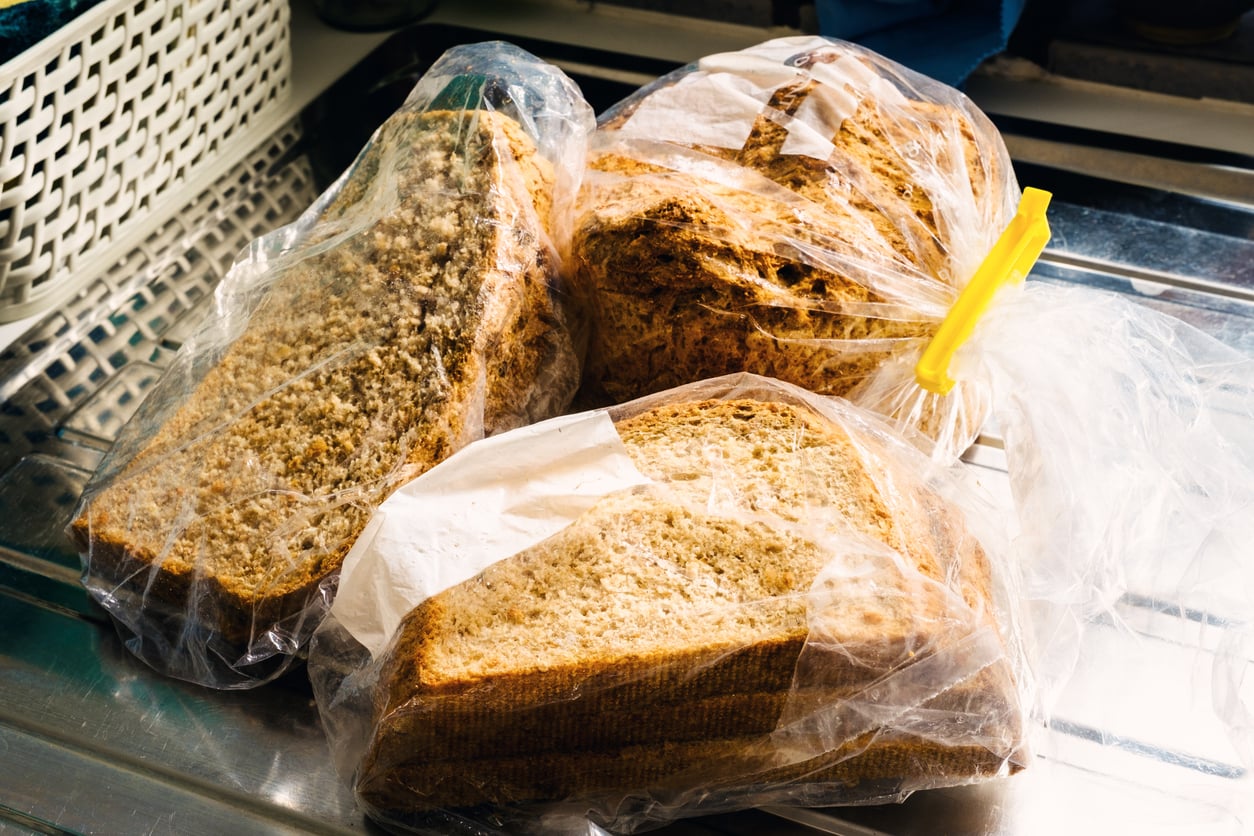
Bread is one of those grocery items that can go moldy or stale, as it can take a long time to finish a whole loaf. That is why freezing half the loaf allows you to consume it over a longer period and reduce food waste without it spoiling. Alternatively, you can slice it and freeze the individual slices, thawing them out gradually whenever you feel like having some. The USDA recommends eating frozen bread within 2 to 3 months for the best taste and quality.
Build a Weekly “Use-It-Up” Meal
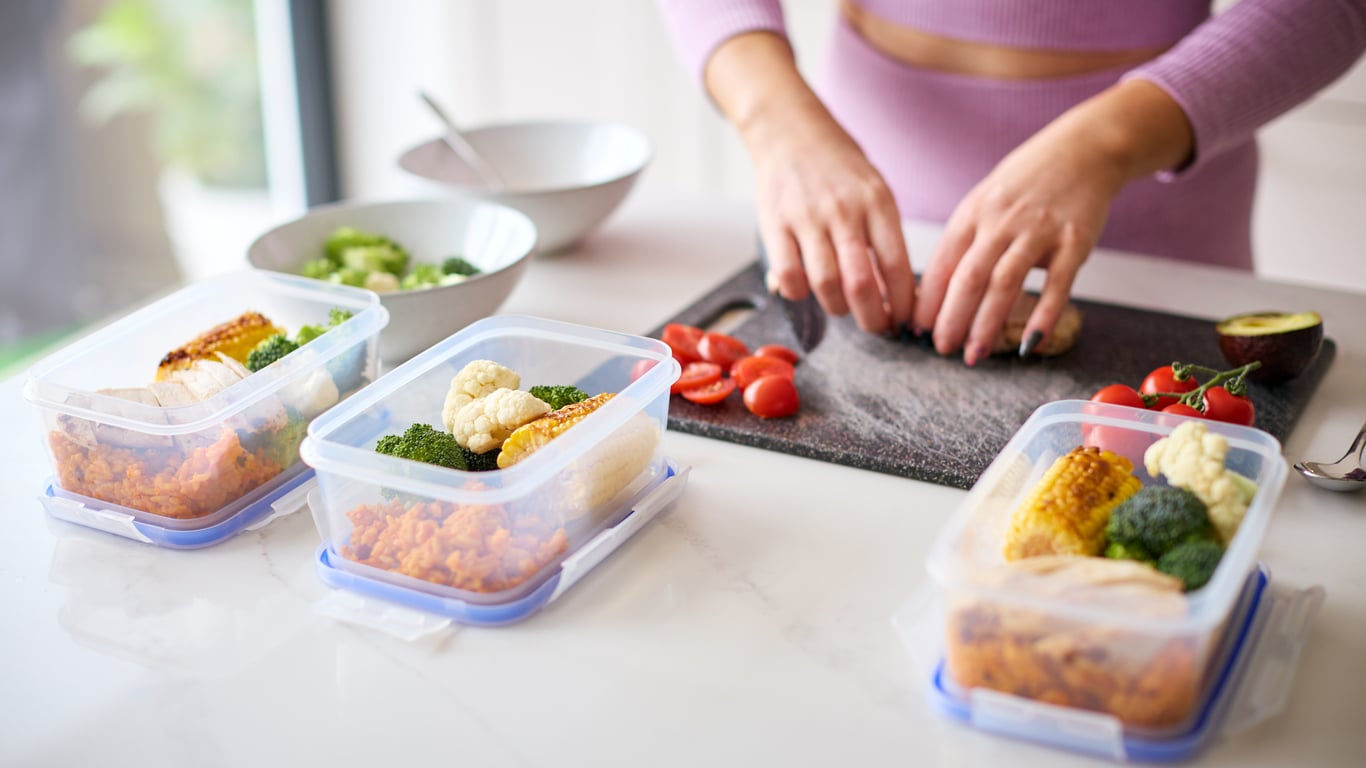
If you dedicate one day of the week to using up food leftovers from other days, you can make use of food that would otherwise go to waste. You can incorporate these remnants into dishes such as soups, omelets, tacos, pasta, grain bowls, and pizza. The USDA encourages consumers to reuse leftovers and organize food around what needs to be eaten first, reducing food waste so the food won’t end up in the trash.
Buy Frozen Produce When Fresh Usually Goes Bad
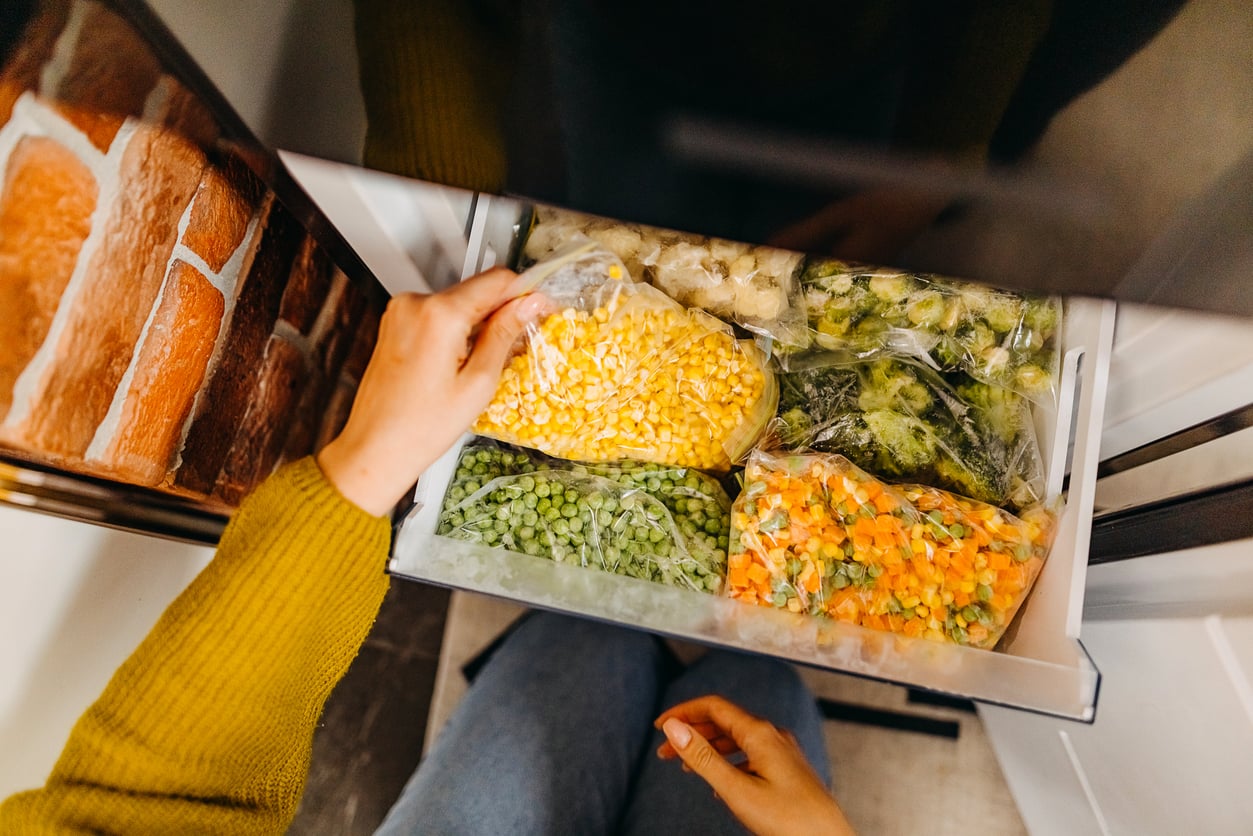
When preparing meals, fresh ingredients are best. However, if they tend to spoil quickly in your kitchen, using frozen vegetables can be a better option for reducing food waste. You simply take what you need and put the rest back in the freezer. This works well for items you might not use right away, such as berries, smoothie ingredients, spinach for pasta, or mixed vegetables for soups.
Stop Buying Aspirational Groceries
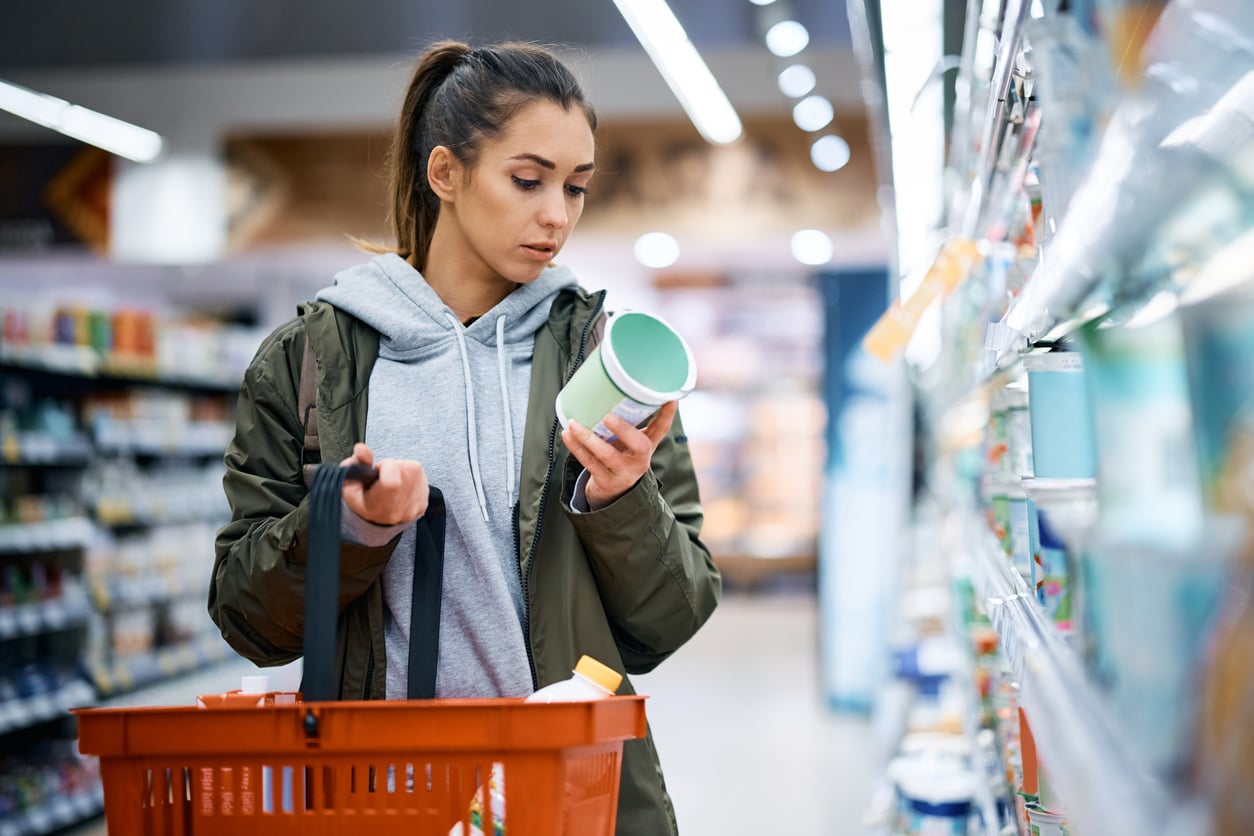
You should buy groceries based on your weekly consumption rather than making aspirational choices. For example, you might think a giant tub of spinach is a bargain, but if few people in the household actually eat it, it will take up refrigerator space for a long time and might even end up in the trash. The USDA recommends planning your shopping around the actual needs of the household members to help reduce food waste.
Store Produce According to the Produce, Not One Universal Rule
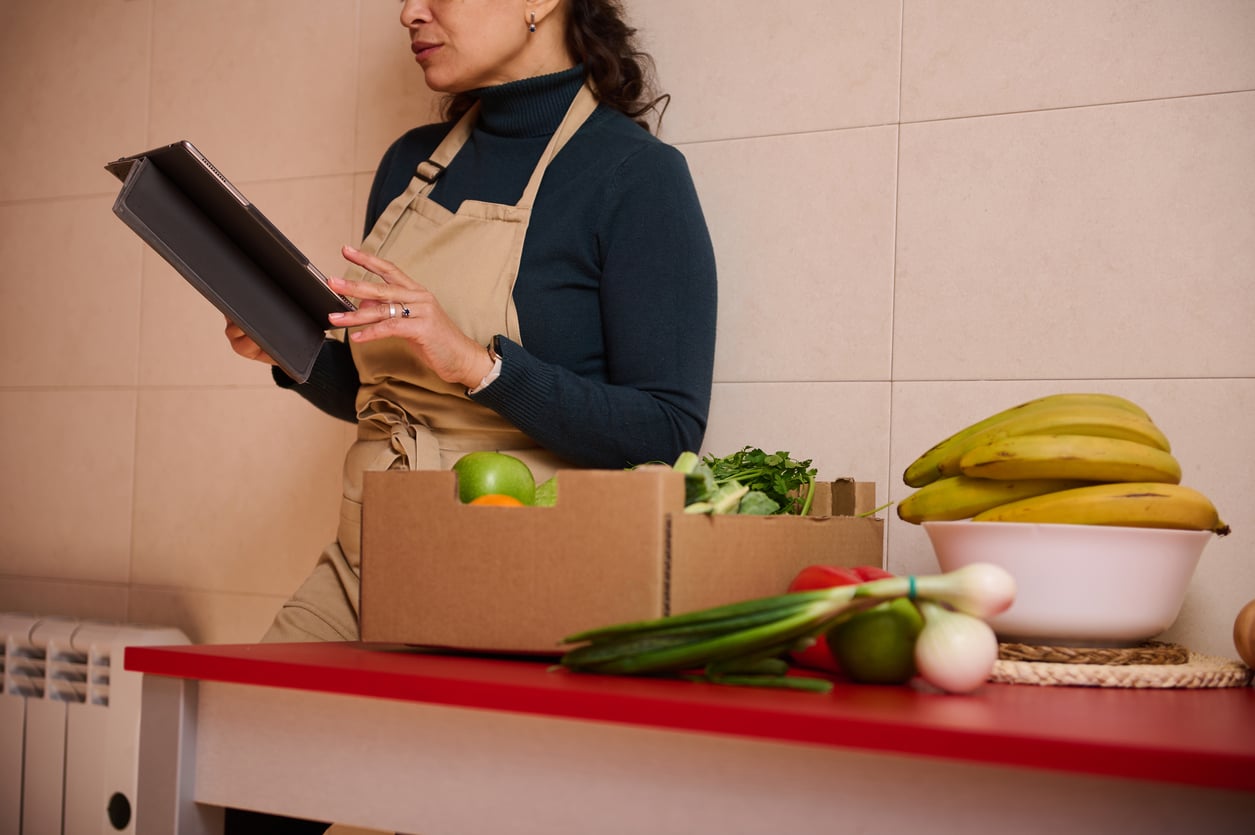
Storing all your produce in the same place, such as a single drawer or the refrigerator, can shorten the shelf life of many items. Fruits and vegetables require different storage conditions; resources like FoodKeeper provide specific guidelines for each type of produce, rather than treating them all the same way. Also, some fruits and vegetables should not be stored together due to ethylene production. Proper storage helps reduce food waste and allows you to get the most out of the food you already paid for.
Keep an Inventory of the Freezer
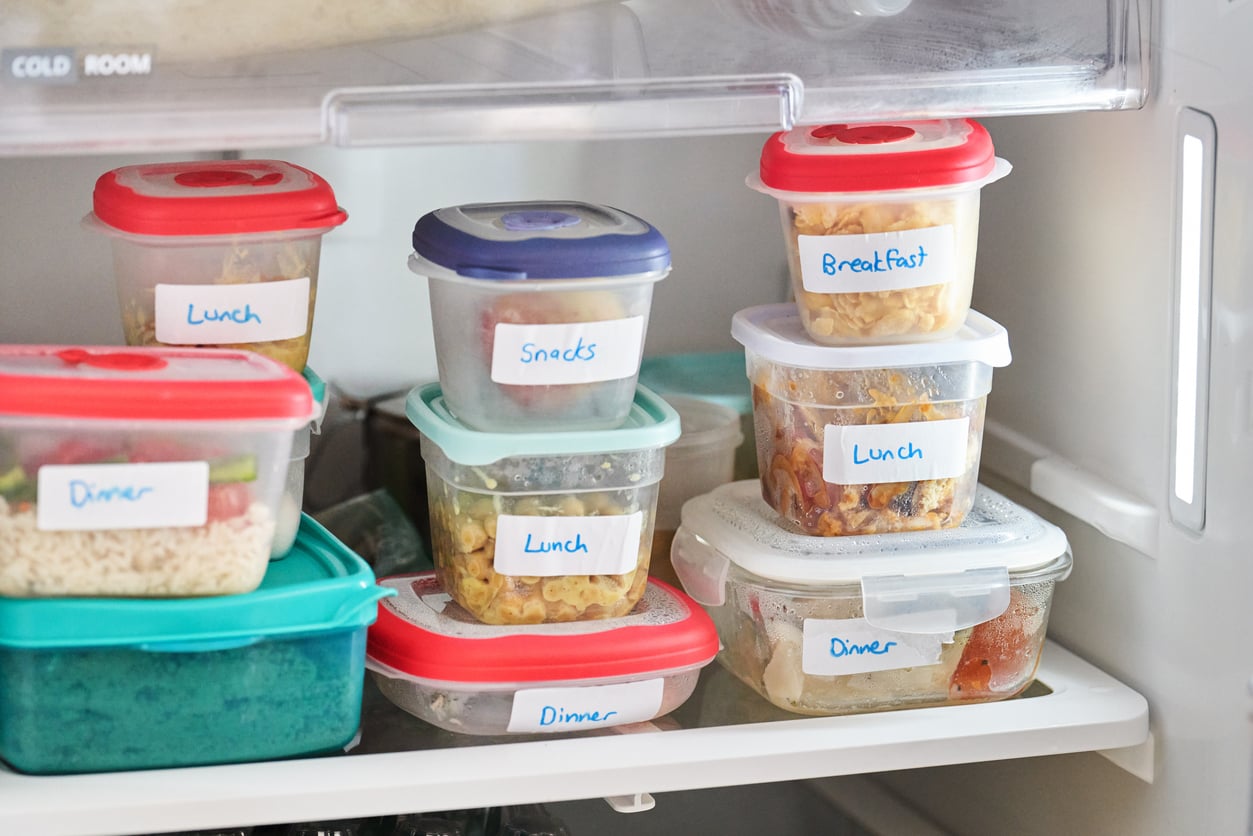
The freezer is a great ally for saving money, as freezing food prevents it from spoiling quickly. However, you need to keep track of what is inside by labeling containers so you don’t forget what they hold. The USDA emphasizes that organizing food to consume older items first, while keeping newer ones for later, is an efficient strategy for reducing food waste.
Serve Smaller Portions and Offer Seconds

Another way to make the most of your food is to serve small portions while keeping the option open for second helpings. Serving smaller amounts allows leftovers remaining in the pot or cooking vessel to be stored in the refrigerator, whereas food left on an individual’s plate usually ends up in the trash. The USDA recommends serving food intelligently, providing portions you are confident will be eaten, to reduce food waste.
Use FoodKeeper Instead of Guessing

The way you store food is very important, and you may have received advice from family members, social media, or online forums. However, you should check out the FoodKeeper website, which offers a database with guidance on how to store and handle more than 650 food and beverage items. By using this reliable reference, you can reduce food waste and avoid situations where you are unsure whether food is still safe to eat.
Conclusion

For all these reasons, extending the shelf life of the food you buy requires proper preservation methods to prevent it from becoming food waste. Americans need to plan ahead, using up food that has been in the fridge for a while before turning to recent purchases and serving smaller portions to avoid waste, among other tips. Do your best to keep food from spoiling, because doing so means losing money.