Grocery items have become much more expensive over the past few years, even as overall inflation has started to cool down. Some of our most common daily foods remain much more expensive than they were just a few years ago. While inflation has affected almost everything, specific issues like bad weather, crop diseases, animal sickness, and rising labor costs have hit certain items much harder than others. Many of these products have gone from being weekly staples to expensive treats.
To help make sense of your receipt, here is a look at 16 grocery items that have gone up in price more than others, and the real reasons why they still cause major sticker shock at the checkout lane.
Eggs
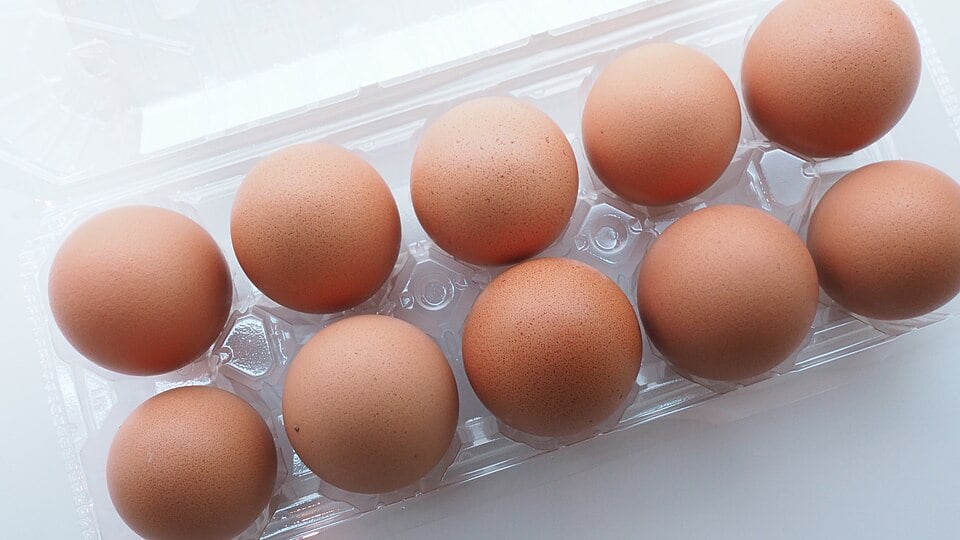
Few grocery items have frustrated shoppers more than eggs. A bad outbreak of bird flu meant farmers had to get rid of millions of chickens, which caused a big shortage and made prices jump. Even though farmers are trying to get more chickens now, high feed costs and the risk of more sickness keep egg prices unstable.
Olive Oil
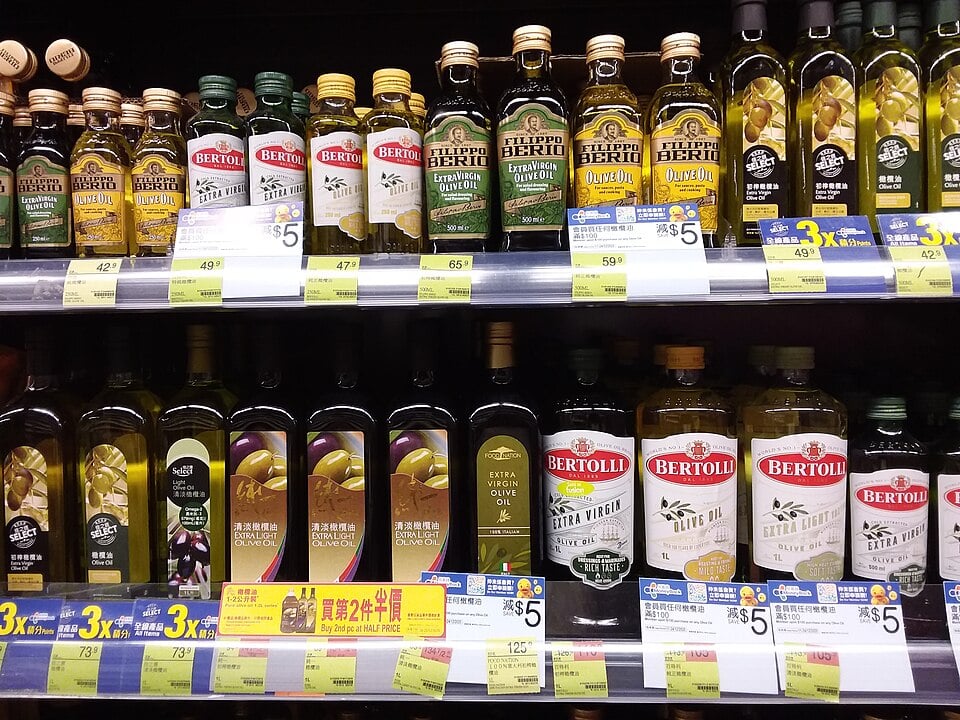
Olive oil has gotten very expensive lately. Bad droughts in Spain and other Mediterranean countries ruined the olive harvests, so there is not enough olive oil to go around. Since everyone still wants to buy it, prices have gone up a lot, and it is hard to find a bottle at a reasonable price.
Ground Beef
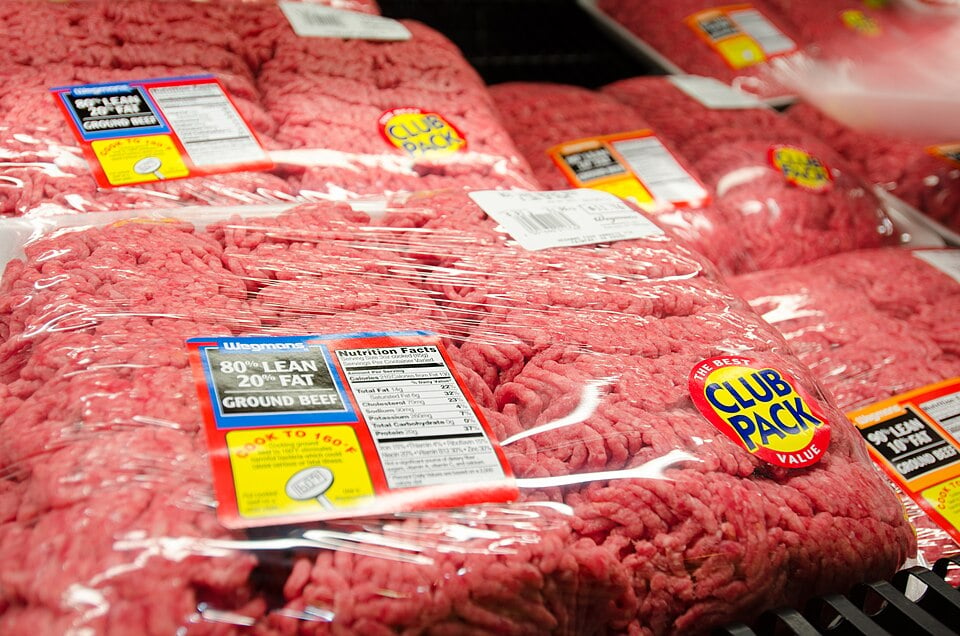
Ground beef is another of the grocery items whose prices are still very high. Long droughts and high feed costs forced farmers to reduce the number of cows they keep, leading to the smallest cattle supply in decades. Because of this, the price per pound of basic beef remains a major strain on family food budgets.
Steak
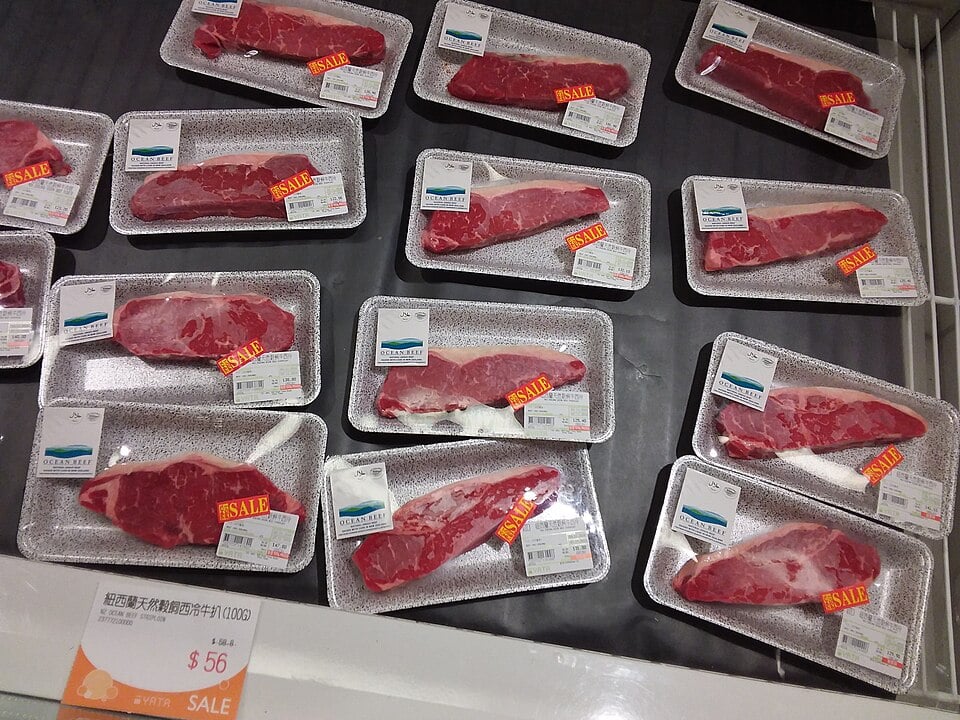
Steak has become a luxury. Premium cuts of beef have gone up in price even faster than regular ground beef. High processing costs and demand from restaurants keep these prices high, meaning many shoppers now skip the steak night altogether.
Coffee
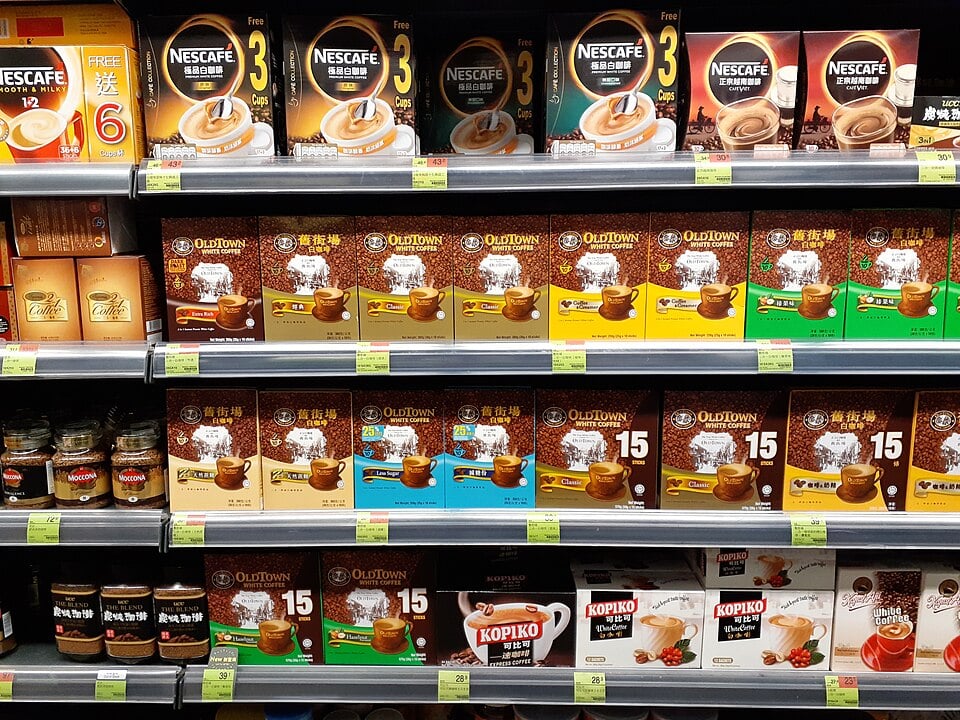
Your morning cup of coffee is costing more. Bad weather and poor harvests in Brazil and Vietnam hurt the global supply of coffee beans. These climate issues, along with high shipping costs, mean coffee is no longer cheap.
Trending on Cheapism
Chocolate
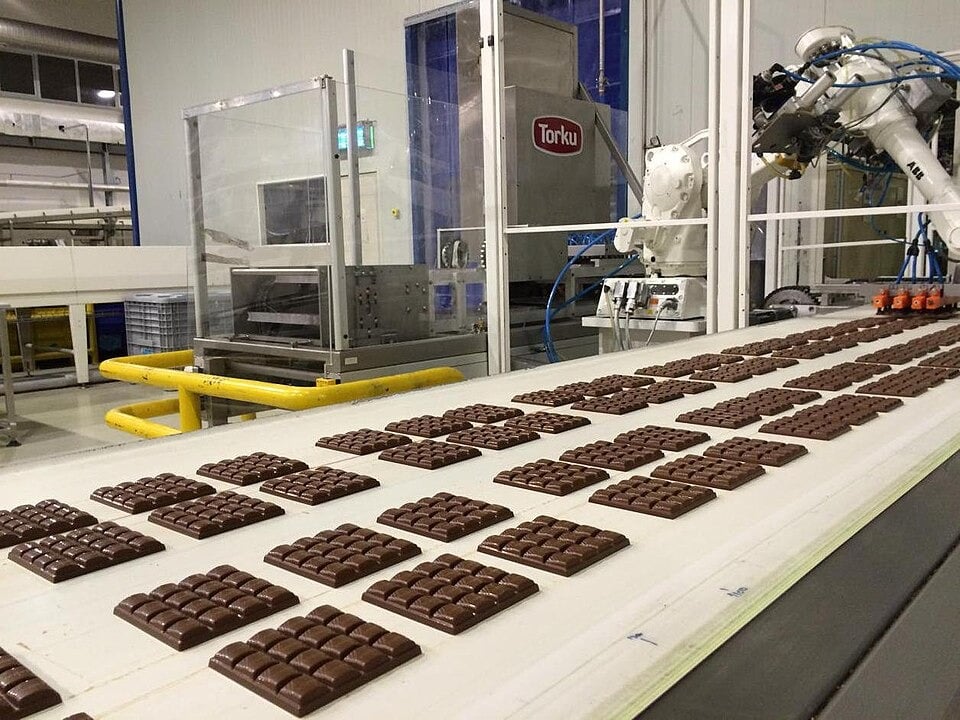
The price of chocolate isn’t as sweet as we would like. Bad weather and plant diseases in West Africa, where most of the world’s cocoa is grown, caused cocoa prices to hit record highs. This shortage has made basic chocolate bars cost more in every store.
Orange Juice
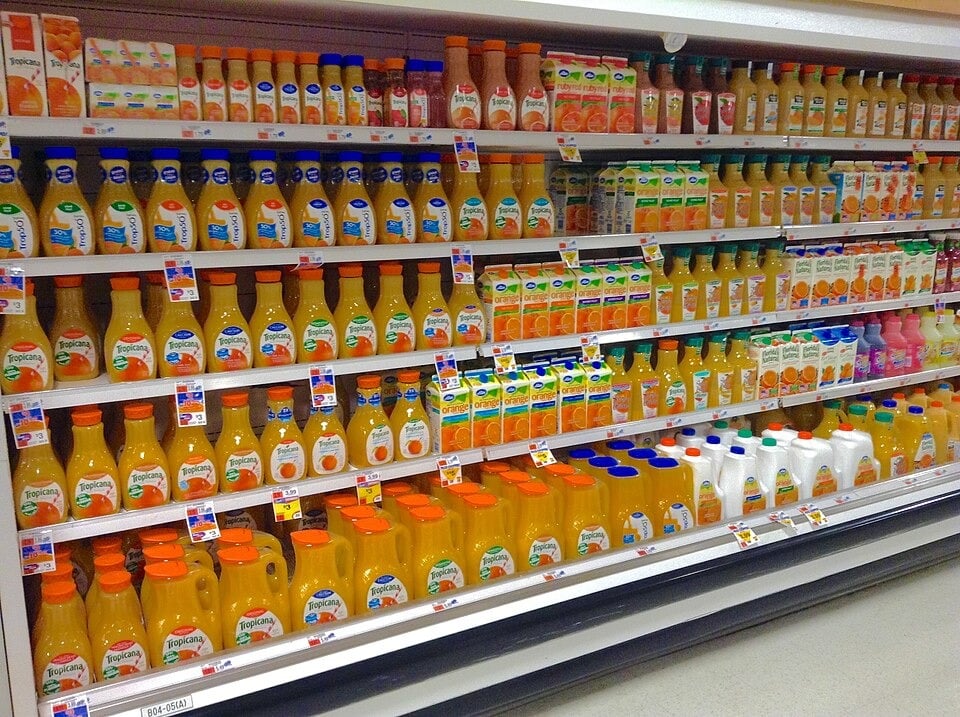
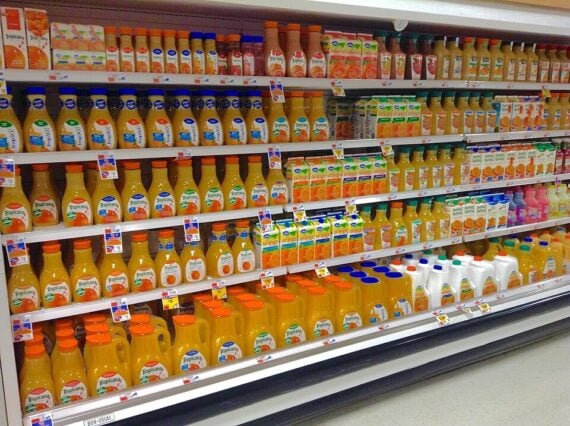
Breakfast has become noticeably more expensive. A disease called “citrus greening” has been hurting Florida’s orange trees for years, and recent hurricanes made the damage even worse. With fewer oranges available, juice prices have gone up significantly.
Butter
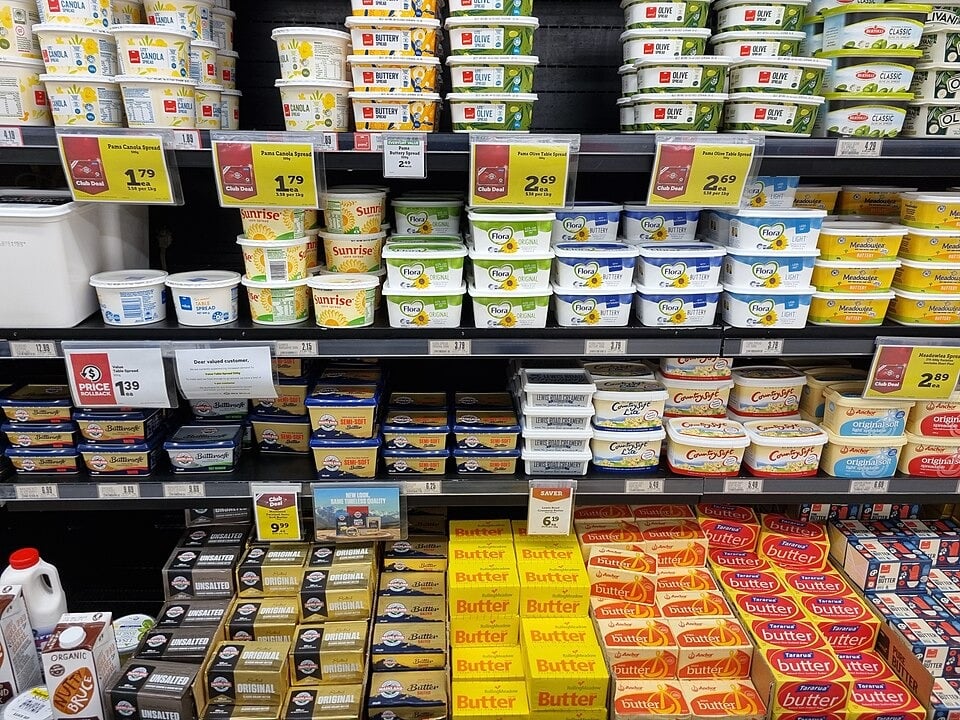
Butter remains expensive because dairy farming costs a lot of money. Higher milk prices, farm labor costs, and expensive animal feed keep the price of butter high. Because butter remains a staple ingredient for baking and cooking, demand has stayed strong despite the increased prices.
Sign up for our newsletter
Bacon
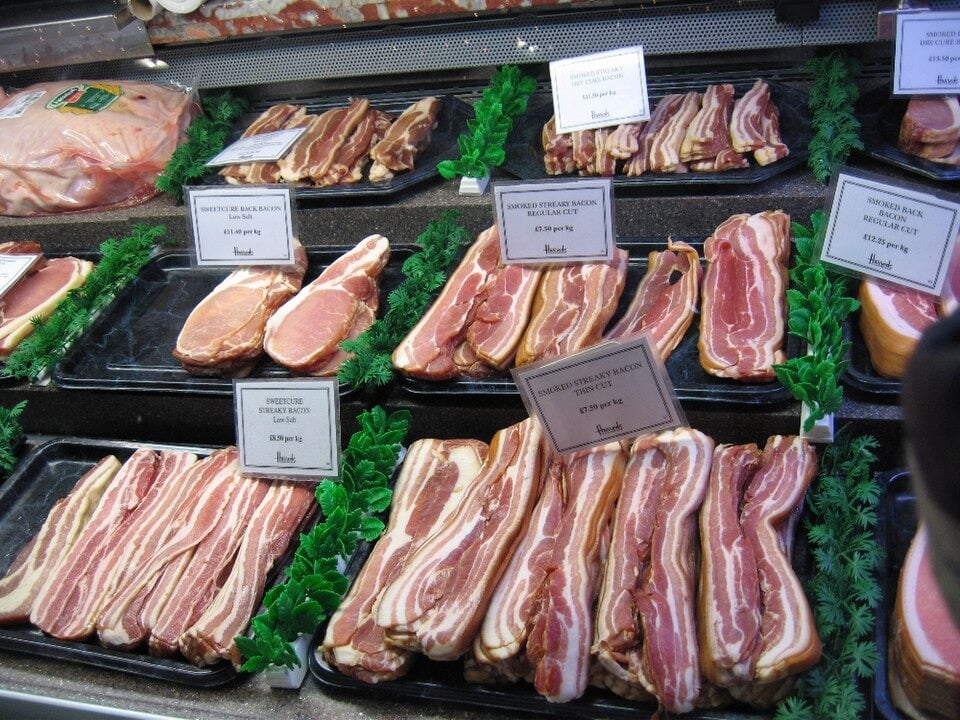
Bacon is another item that has gotten very expensive. High feed costs for pigs, more expensive labor, and transport costs have pushed pork prices up, making it a major source of sticker shock. Even value packs that once felt affordable now cost noticeably more than they did just a few years ago.
Shrimp
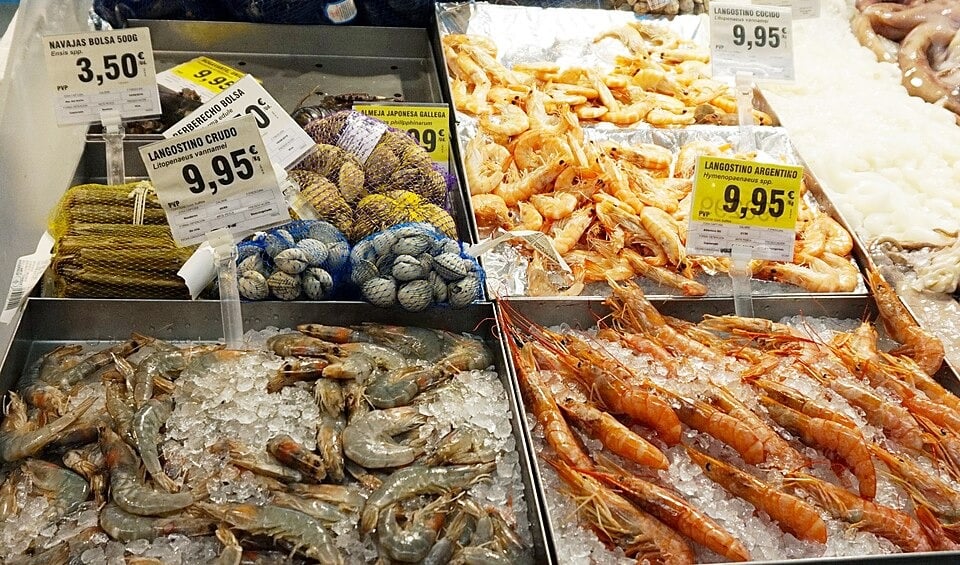
Shrimp prices change a lot. Imported seafood also depends on global supply chains, meaning delays at ports or rising fuel prices can quickly affect what shoppers pay at the freezer aisle. Also, high demand from restaurants keeps wholesale prices up.
Cheese
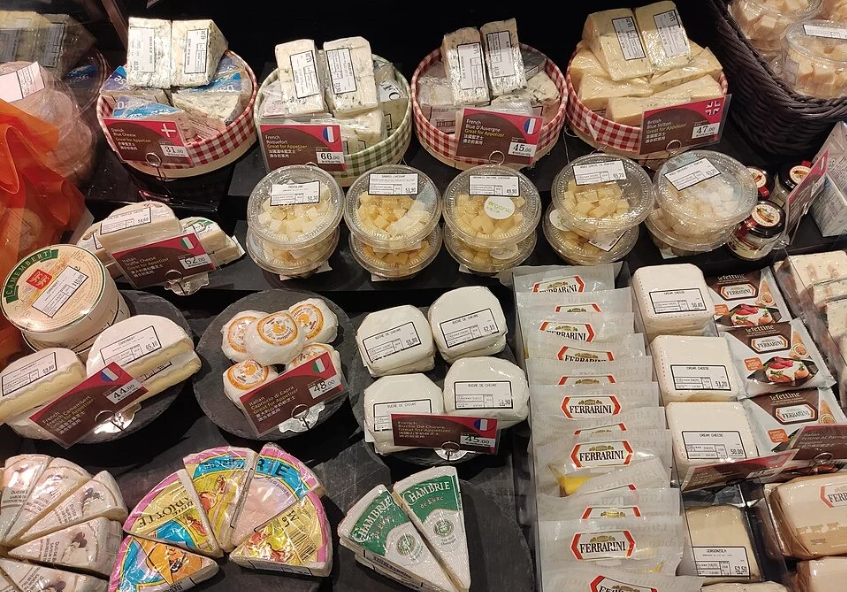
Cheese lovers have probably noticed the difference at the checkout. Rising milk costs and higher expenses at processing plants have pushed up prices for both block and shredded cheese, making dairy purchases much heavier on the wallet.
Breakfast Cereal
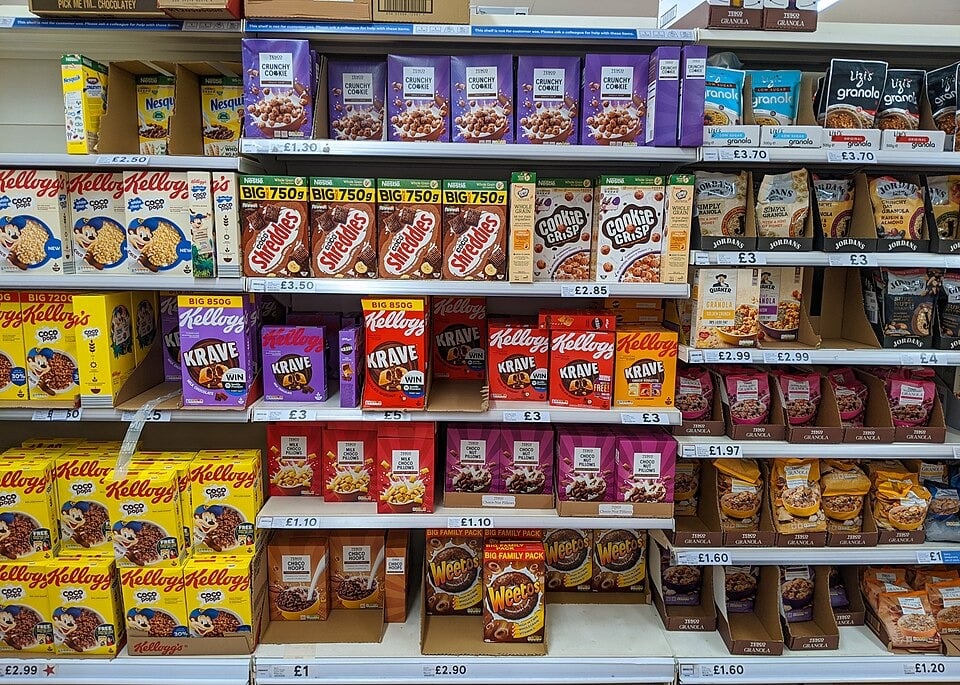
Cereal has gotten very expensive. Everything from the grains used to make the cereal to the cardboard and plastic used for packaging has gone up in price. Plus, many boxes have gotten smaller while the price stayed the same, so is one of the grocery items most affected by “shrinkflation”.
Frozen Pizza
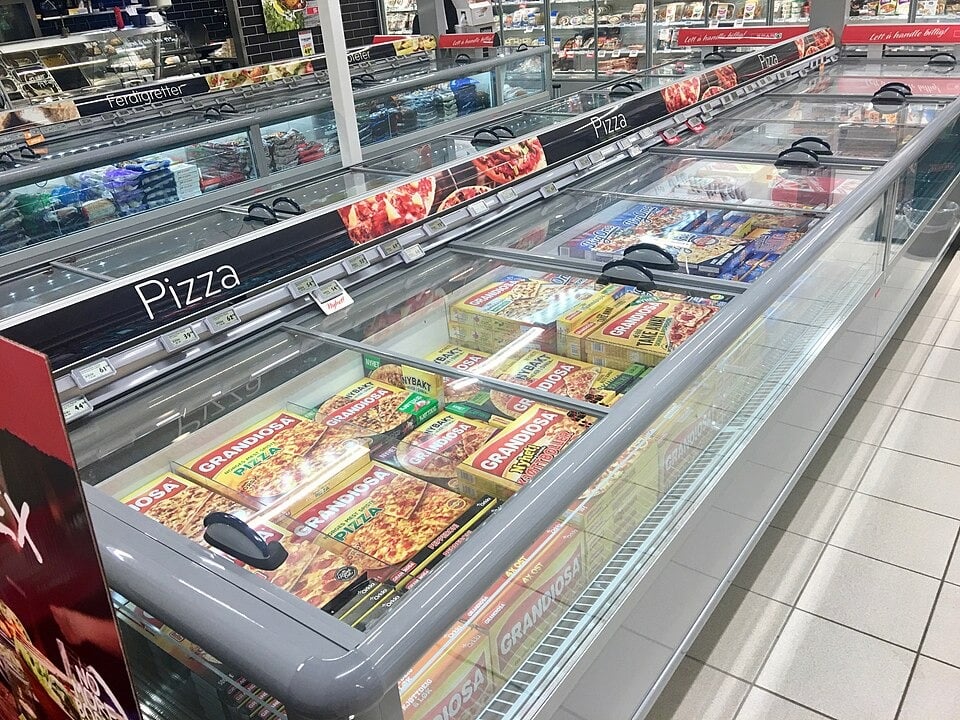
Frozen pizza is no longer the cheap and easy meal it used to be. The prices of wheat, cheese, meat, and factory labor all went up at the same time, making premium brands especially expensive.
Potato Chips
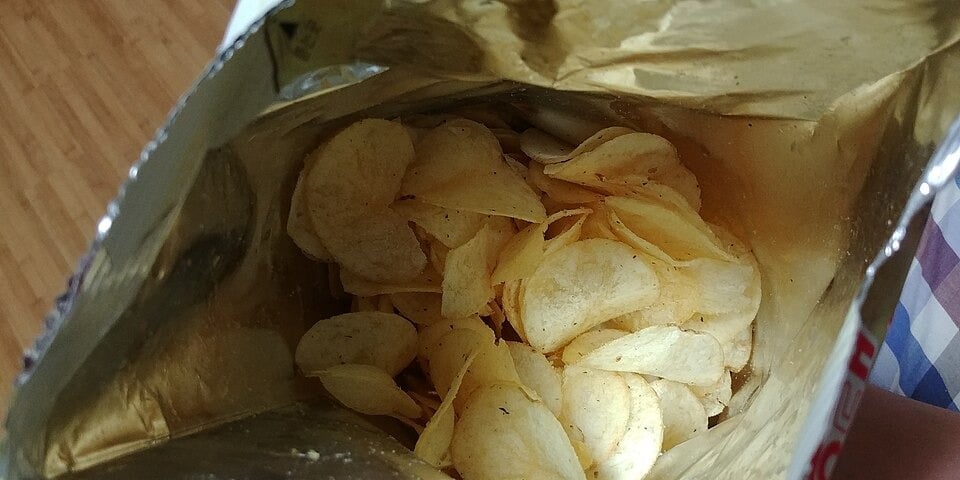
Potato chips have gotten very pricey. The cost of potatoes, cooking oils, and plastic packaging has gone up. Many chip fans have also pointed out that bags seem to contain more air and fewer chips than ever before.
Ice Cream
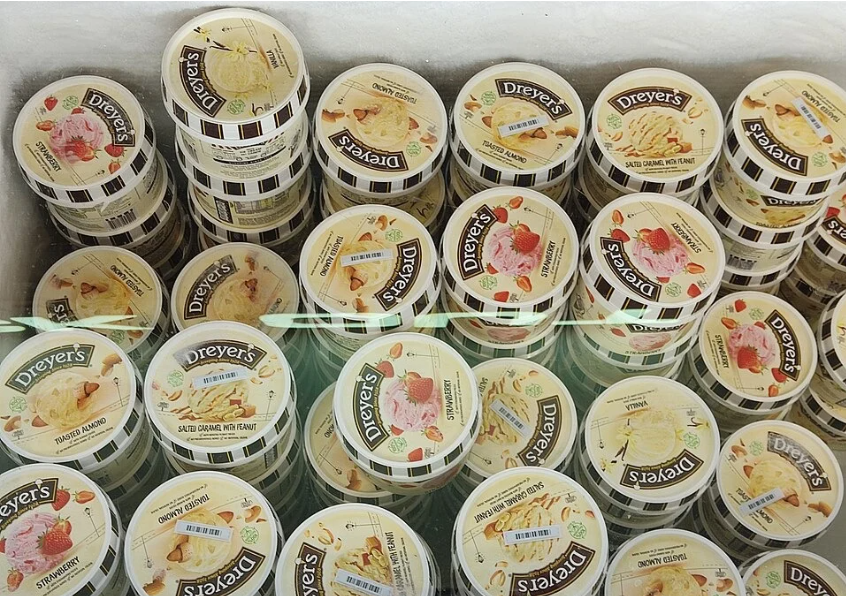
Your favorite frozen dessert has not escaped high prices. Ingredients like milk, cream, and sugar are expensive. Also, shipping frozen food requires special cold trucks, which adds to the final shelf cost.
Frozen Chicken Nuggets
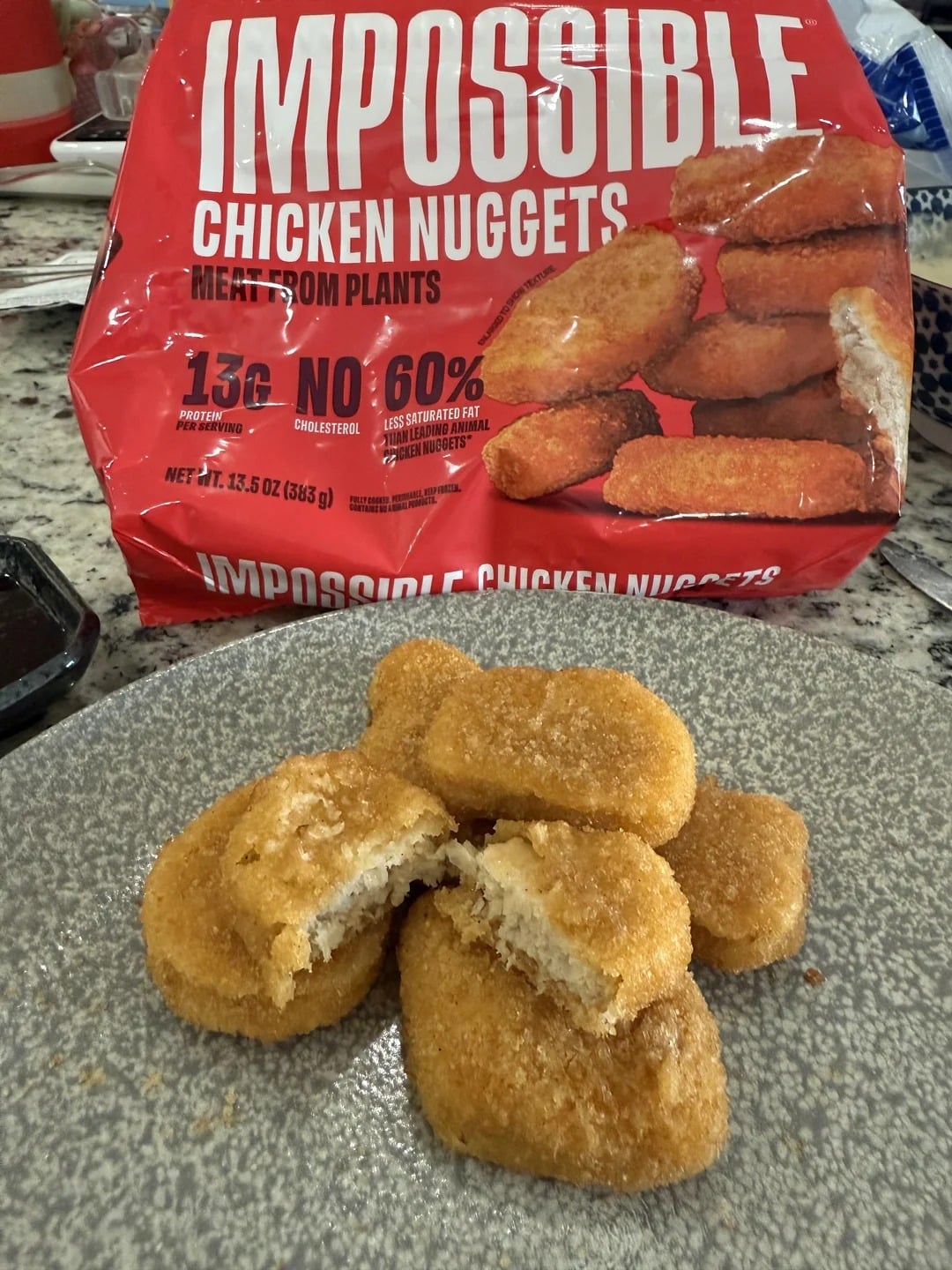
Even though raw chicken prices have leveled out a bit, frozen chicken nuggets and other prepared meals are still expensive. Because these foods are already made, they reflect higher factory labor, processing, and packaging costs.