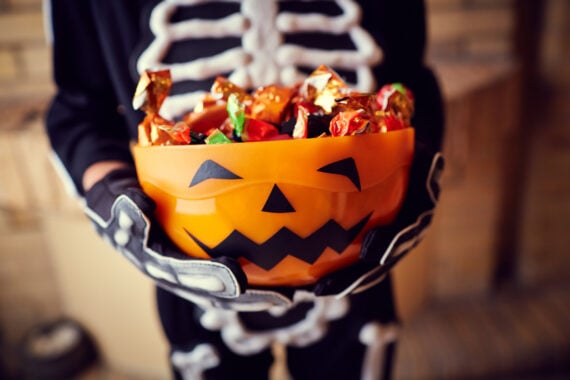
Halloween candy can quickly become a major seasonal expense, especially for households expecting a steady stream of trick-or-treaters. Chocolate makers have continued raising prices in response to costly cocoa supplies, making it even more important to compare quantities, promotions, and retailers. As Reuters recently reported, some chocolate companies are still relying on substantial price increases. These practical strategies can help shoppers find bulk Halloween candy for less without leaving the treat bowl looking disappointing.
Wait for a Real Warehouse Promotion
Costco and Sam’s Club carry enormous candy assortments, but the everyday warehouse price is not automatically the lowest. Check the monthly savings booklet, club app, and local warehouse price before purchasing. Costco currently lists 90-ounce chocolate assortments, while Sam’s Club carries bags containing hundreds of pieces, demonstrating how large these packages can be. Warehouse assortments may sell out, however, so waiting for a final-week markdown is risky in a busy neighborhood.
Calculate the Cost Per Piece
A bag marked “family size” or “party size” says little about its actual value. Divide the final price after discounts by the stated number of pieces. A $24 bag containing 200 pieces costs 12 cents per treat, while an $18 bag containing 120 costs 15 cents. Also examine the weight because one assortment may contain tiny hard candies while another includes larger chocolate bars. Some manufacturers warn that the number of each variety can differ from bag to bag.
Check CVS and Walgreens Weekly Deals

Drugstores can be expensive at regular price, but promotional weeks are different. CVS ExtraCare members receive weekly offers, personalised coupons, ExtraBucks and 2% back on qualifying purchases. Walgreens lets myWalgreens members clip digital coupons that apply at checkout, and some purchases earn Walgreens Cash for later use. Compare the amount you must spend with the reward received; earning $5 for spending $20 is useful only when the candy itself is competitively priced.
Check Aldi, but Compare Before Buying
Aldi’s seasonal aisle is worth checking for chocolate, gummies and smaller bags that suit homes expecting modest crowds. Its limited-time products may also help shoppers avoid purchasing an oversized warehouse package. Still, do not assume every Aldi bag beats Walmart, Target or a supermarket sale. Selection varies by location, and popular seasonal products may disappear without being restocked. Photograph the shelf label or note the weight and piece count, then compare the same information at your next stop.
Start Looking in September
Buying early does not necessarily mean buying at the first price you see. It means beginning comparisons while stores still have enough inventory to give you choices. Halloween candy is already appearing unusually early in 2026 as manufacturers stretch the holiday into a longer selling season. Use September to track normal prices, save digital offers and identify the assortments your household prefers. Purchase when a convincing promotion appears rather than gambling on a better sale during the final few days.
Trending on Cheapism
Search Cash-Back Apps Before Checkout
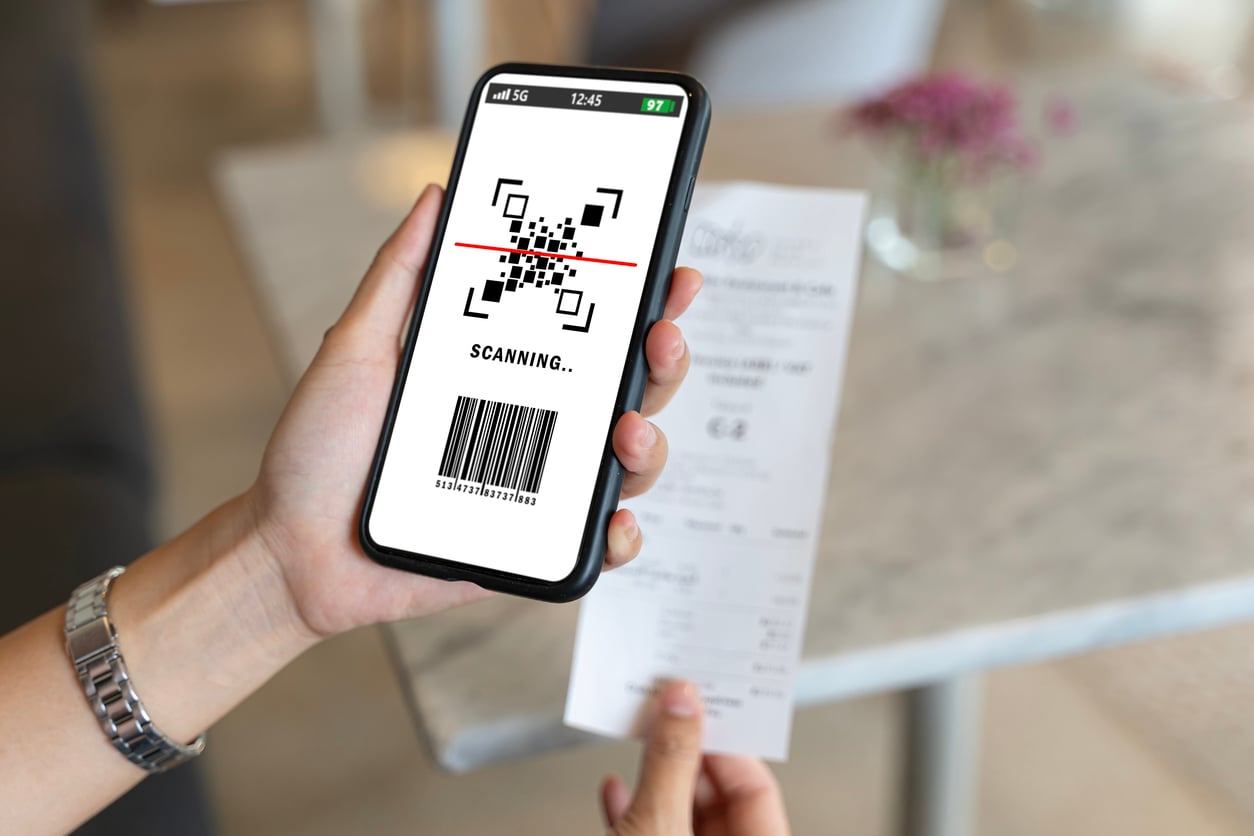
Ibotta may offer cash back on specific candy brands or retailers, while Fetch awards points for eligible receipts and promoted products. Check the apps before shopping because offers can have purchase limits, expiration dates or particular package requirements. Ibotta generally requires shoppers to add an offer and submit or link a receipt, although the exact process varies by retailer. A rebate is most valuable when it applies to candy that is already on sale, not when it encourages an unnecessary purchase.
Avoid Paying Extra for Novelty Packaging
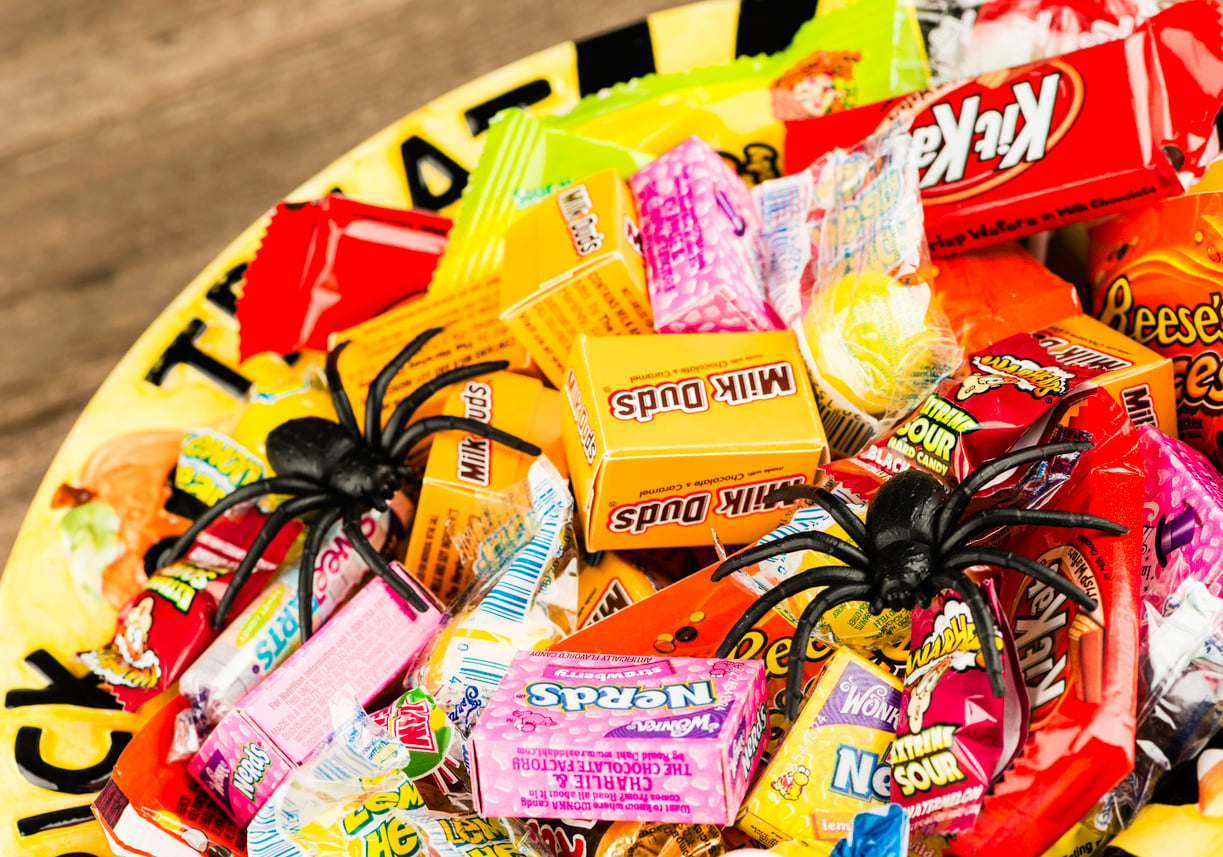
Pumpkin-shaped chocolates, licensed characters and elaborate Halloween packages can be fun, but they may provide fewer servings for the money. For a large crowd, compare them with ordinary fun-size assortments containing the same familiar brands. Novelty candy makes more sense as a small addition than as the foundation of the bowl. Children still receive recognizable treats, while the homeowner avoids paying a premium for wrappers and shapes that disappear within seconds.
Split a Warehouse Bag With Someone Else

A 400- or 500-piece assortment is practical for a crowded street but excessive for a quiet apartment building. Ask a relative, neighbour or friend whether they would like to divide one before purchasing it. Agree on how to split the varieties so one person is not left with nearly all the least popular pieces. Sharing the package preserves the lower unit price, reduces leftovers and helps people without warehouse memberships benefit from a bulk purchase.
Sign up for our newsletter
Choose Variety Packs Strategically

A mixed bag is usually simpler than purchasing separate packages of several brands, but read the assortment list carefully. Some packs lean heavily towards one small candy even when the package displays several favourites. One Sam’s Club reviewer complained that a 150-piece fruity assortment included far more small Lifesavers than Skittles. Consider buying one chocolate mixture and one fruity mixture instead. That provides choice while making it easier to keep peanut-containing candy in a separate bowl.
Use Dollar Stores for Small Top-Ups

Dollar Tree, Dollar General and similar stores can be convenient when the main supply looks slightly too small. Their packages may also work for homes expecting only a few visitors. The danger is comparing bag prices instead of quantities: a low-priced bag containing only a handful of pieces can cost more per ounce or piece than a larger supermarket bag. Use dollar stores to fill a specific shortage, such as lollipops or gummies, rather than assuming every small package is a bargain.
Mix Chocolate With Less Expensive Candy

Chocolate remains a Halloween favourite, but it generally costs more per pound than gummies, lollipops and other non-chocolate treats. In 2025, the average price cited for chocolate Halloween candy was about $8.02 per pound, compared with $5.77 for non-chocolate candy. A bowl containing both can stretch the budget without looking skimpy. Start with a chocolate assortment, then add Starburst, Skittles, Dum Dums or another individually wrapped option that your household will use if leftovers remain.
Stack Discounts in the Right Order
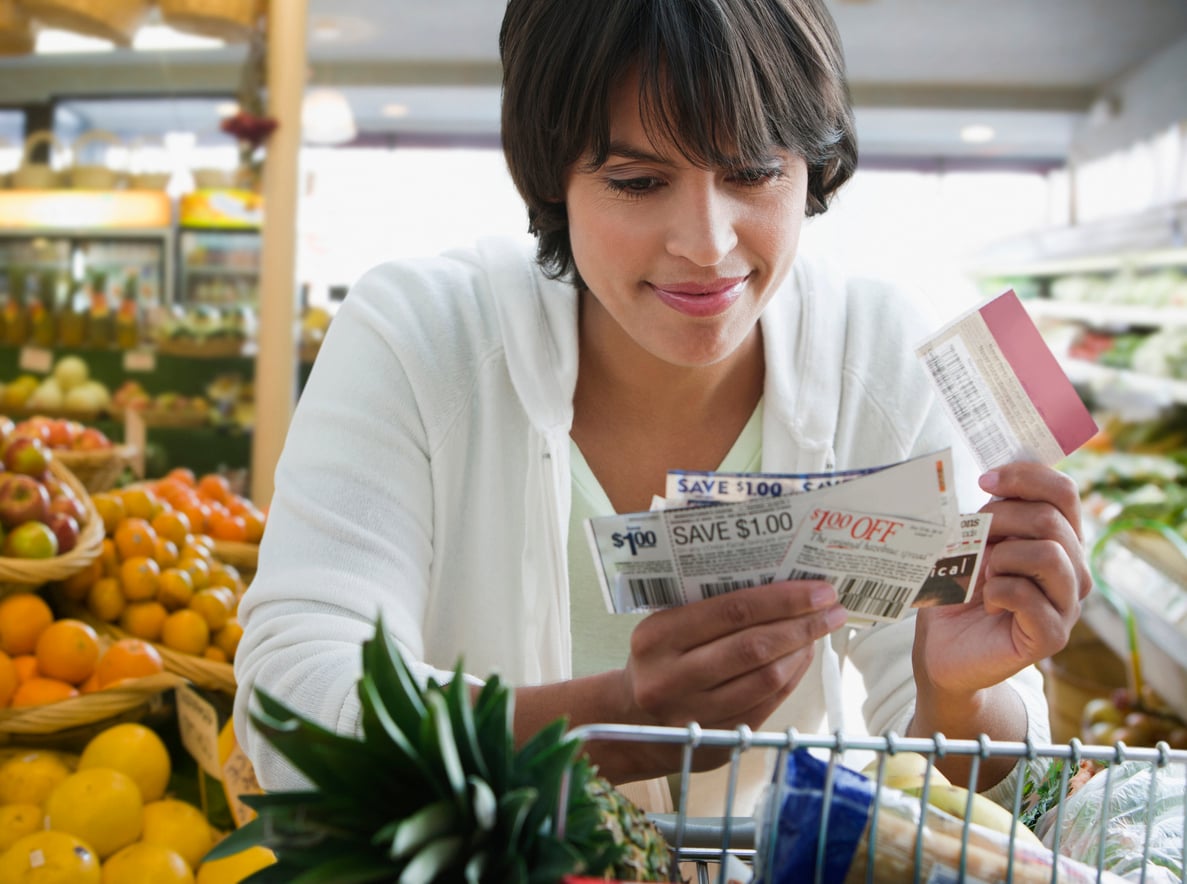
The strongest deal may combine a sale price, loyalty coupon, manufacturer coupon and store reward. Read each offer before building the transaction because not every promotion can be combined. Walgreens, for example, says clipped digital coupons apply through a myWalgreens account, but multiple promotional codes may be rejected when they target the same item. Take a screenshot of offers before checkout and inspect the receipt immediately so mistakes can be corrected while you are still at the store.
Treat Amazon Prices as Temporary

Amazon can be useful for shoppers without easy access to large stores, but online candy prices can move quickly. Check the seller, delivery date, recent reviews, package weight and number of individually wrapped pieces. Subscribe & Save may discount eligible products, but eligibility and discount levels can change, and a subscription should be cancelled if the item is not needed again. Compare the delivered price with local pickup, especially during warm weather when chocolate can soften in transit.
Reserve Premium Chocolate for a Smaller Group

Lindt truffles and other premium chocolates can turn a large neighbourhood giveaway into an expensive undertaking. Lindt reported substantial price increases in the first half of 2026, illustrating the continued pressure on upscale chocolate. Use premium pieces for a family gathering, adult candy dish or a few close neighbours, and rely on conventional fun-size assortments for general trick-or-treating. This keeps the bowl generous without spending premium-chocolate prices on every visitor.
Shop November 1 for Other Occasions
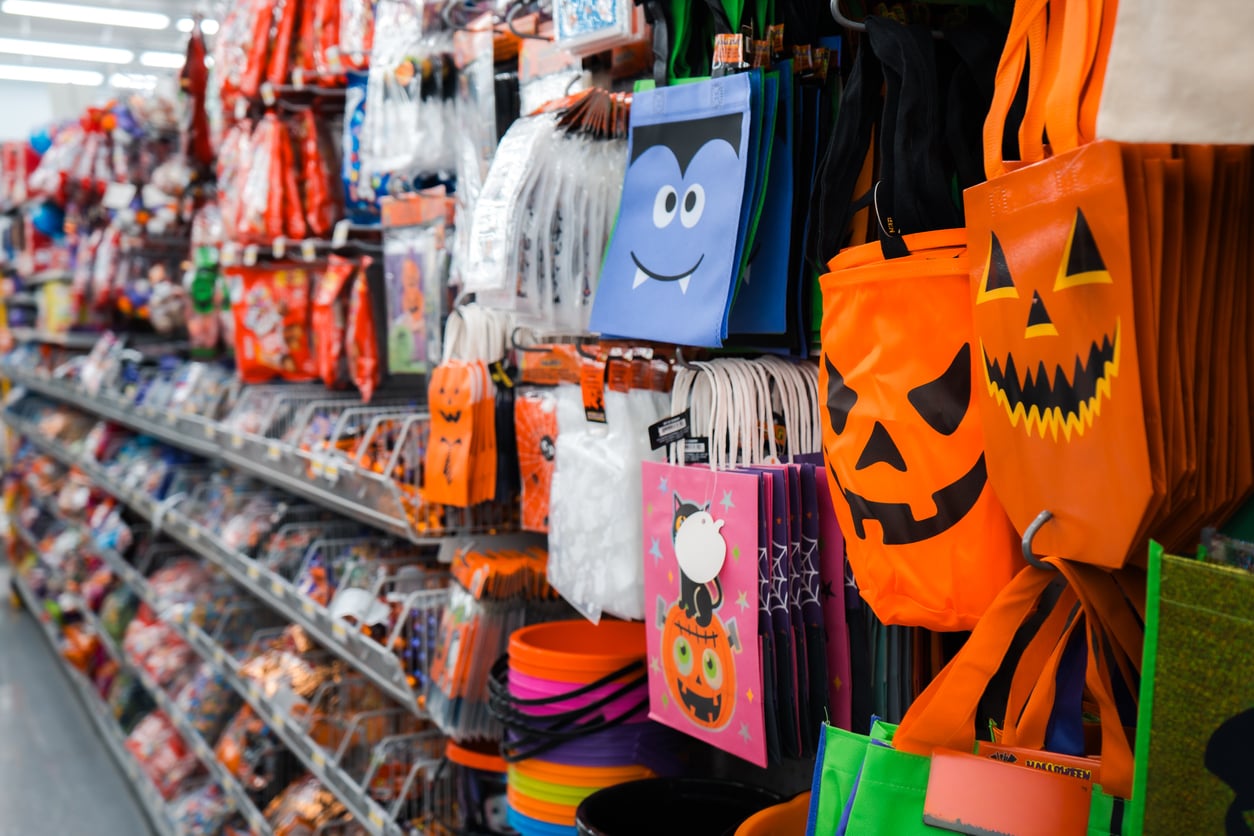
Post-Halloween clearance will not solve this year’s trick-or-treat bill, but it can provide inexpensive candy for baking, lunch treats, office bowls and holiday stockings. Retailers frequently begin reductions immediately, then deepen them if inventory remains. Check dates and packaging before buying, and choose candy your household will genuinely use. USDA guidance lists chocolate candy and other confections as capable of lasting about a year under suitable storage.
Decide How Many Pieces Each Visitor Gets

Set the budget before entering a store filled with seasonal displays. Review last year’s visitor count, ask neighbours whether traffic has changed and decide whether each child receives one, two or three pieces. A household expecting 150 visitors and handing out two treats needs about 300 pieces, plus a modest backup supply. Keep that number on the shopping list and stop once it is covered. Buying four discounted bags when only two are needed is still overspending.