There are certain iconic food brands that have withstood the test of time, surviving shifting consumer habits and tastes, as well as rising prices that often cause products to be cast aside. These companies, like General Mills, Lay’s, Oreo, and many others, have successfully established their products and solidified their identities. Find out which ones they are!
Morton Salt
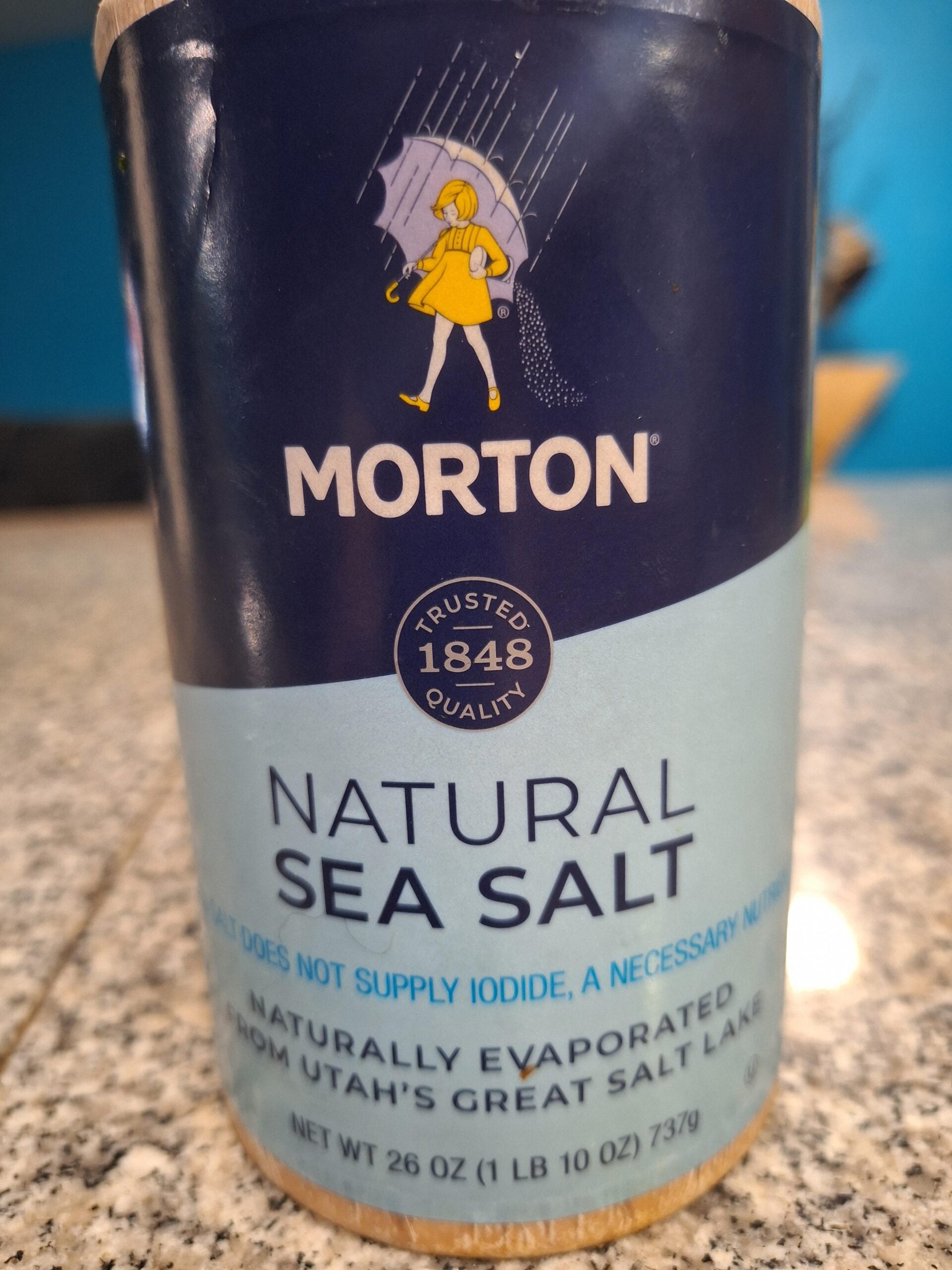
Salt is a staple ingredient in any kitchen, but the Morton brand, which originated in Chicago in 1848, is one of the oldest on the market. Due to its high production and consumption, it has become a true icon in supermarkets, as has the “Morton Salt Girl,” who appears on the packaging carrying an umbrella.
Tabasco
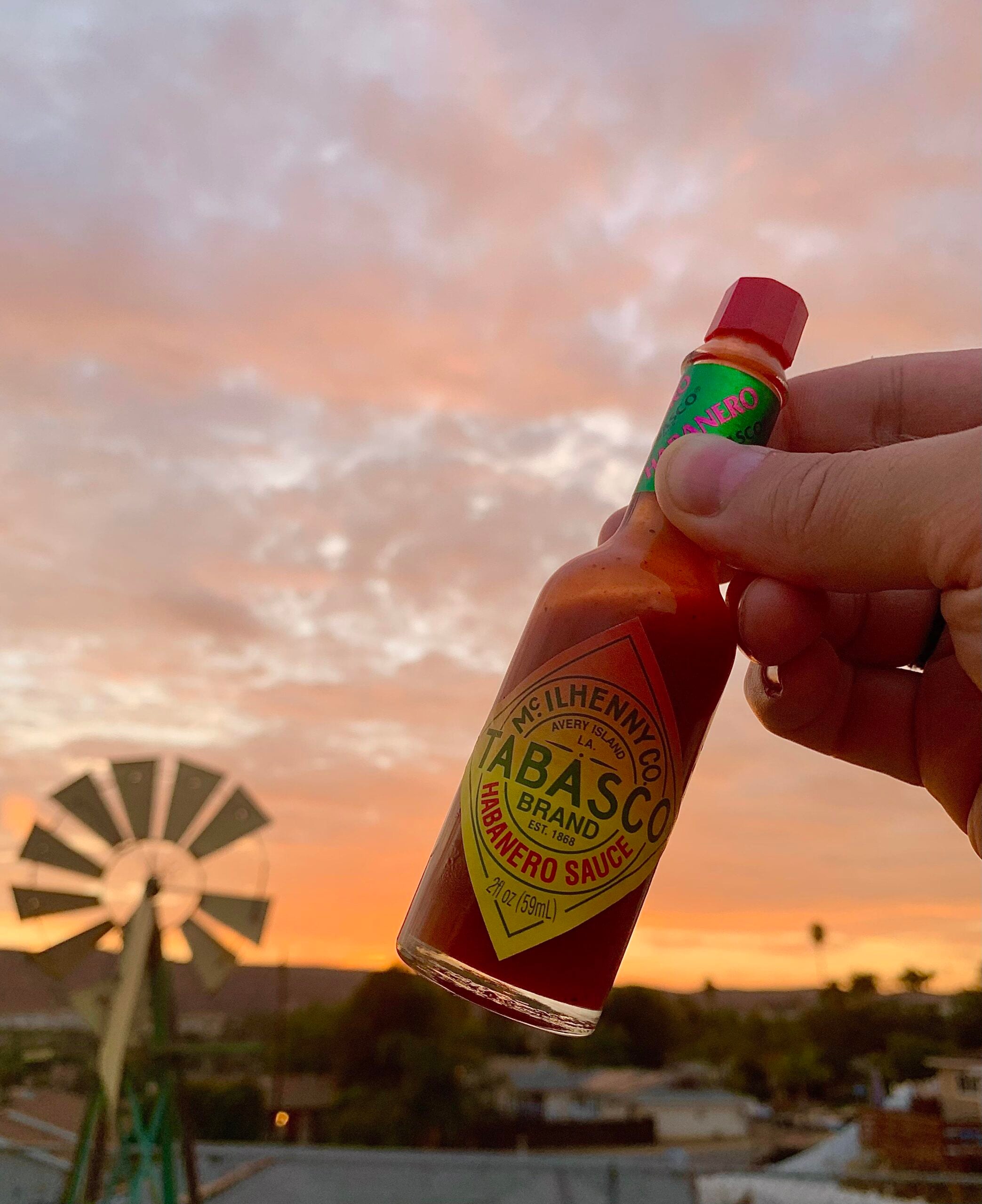
In 1868, in Louisiana, Edmund McIlhenny, the creator of Tabasco sauce, developed a sauce based on red peppers, salt, and distilled vinegar. Although that recipe underwent slight modifications, the McIlhenny Company has maintained that the original red sauce is still prepared just as it was in the 19th century. While the Tabasco brand has since diversified into other varieties, it has always kept its original red sauce as its flagship product.
Heinz
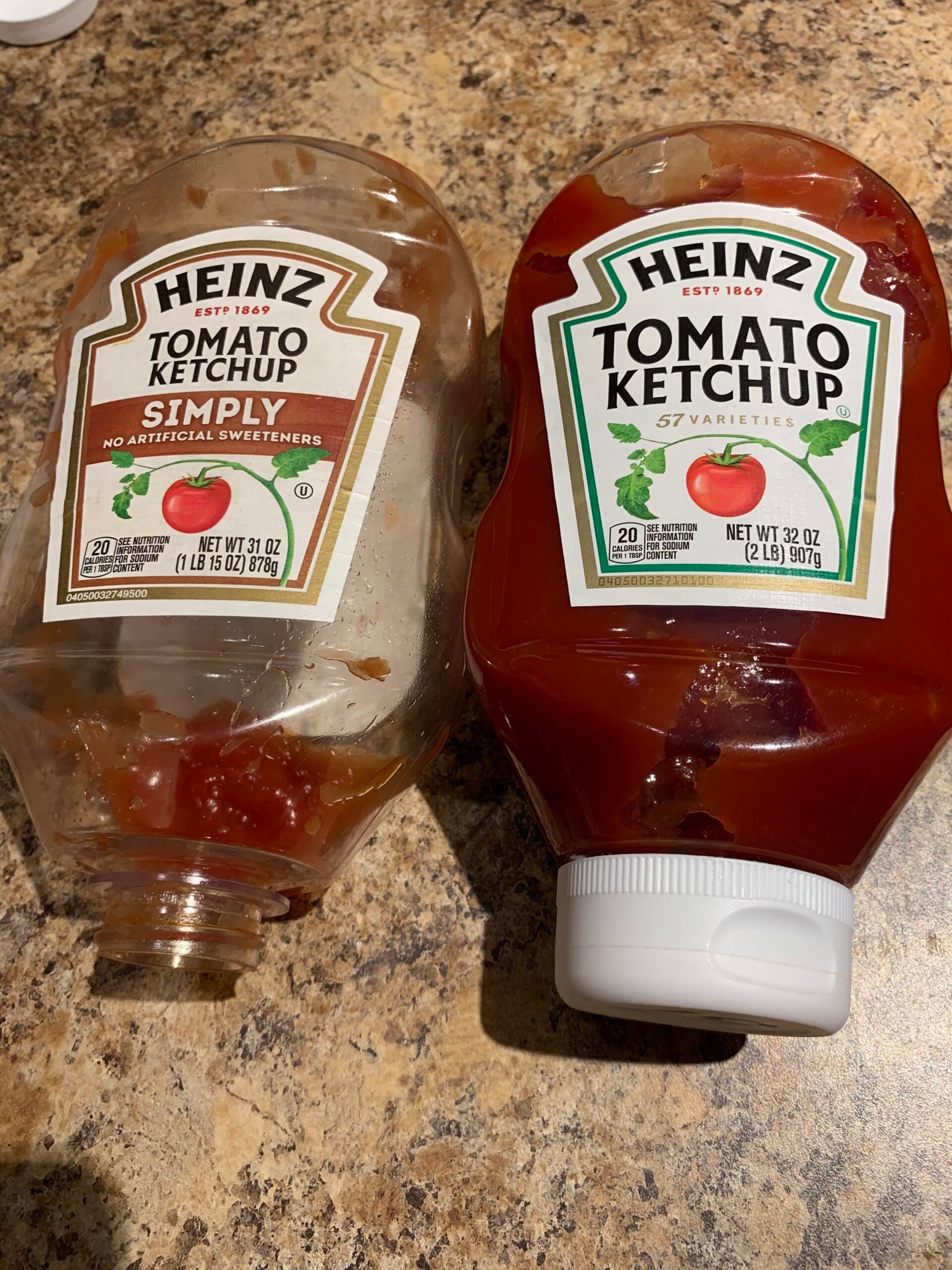
The Heinz brand has become synonymous with ketchup in many countries, a position it has held since its market launch in 1869, when it originally sold products such as horseradish. It was not until 1876 that Heinz tomato ketchup was sold in supermarkets. Its distinctive bottle, red color, and the Heinz name helped make Heinz one of the most recognized iconic food brands in the United States. To this day, Heinz remains one of the world’s largest food companies.
Welch’s
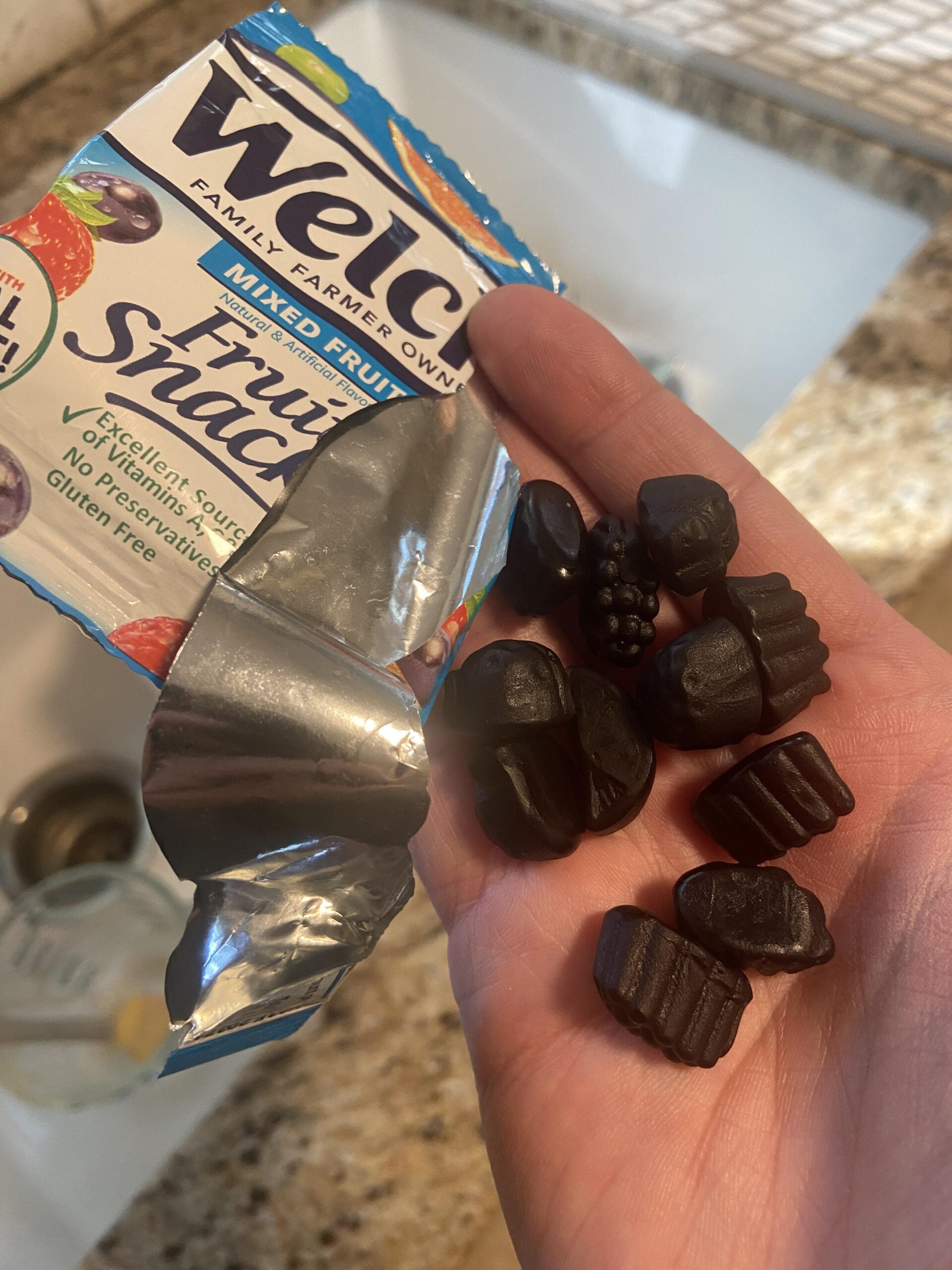
Welch’s burst onto the market in 1869, when Dr. Thomas Bramwell Welch developed a method to preserve Concord grape juice without fermentation. This is how the company established itself. More than 150 years later, Welch’s remains closely linked to grape products. The company operates by partnering with a grower-owned cooperative that supplies its raw materials, securing its place among iconic food brands.
Quaker Oats
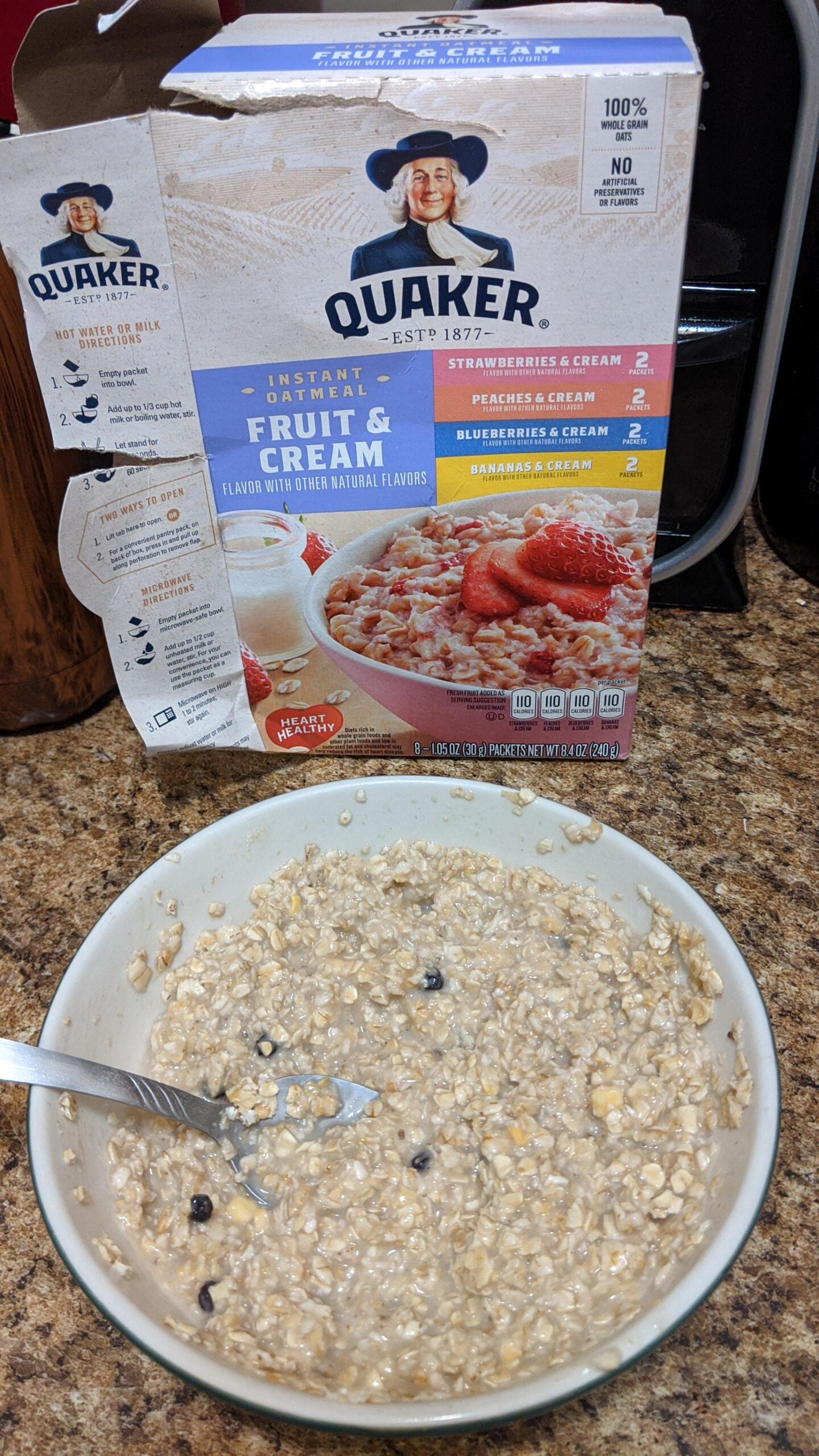
Since 1877, Quaker Oats has developed a nationally recognized oatmeal package, a staple breakfast choice in millions of homes. Company executives noted that the first recipe on a food package that revealed all their ingredients appeared on a Quaker packaged in 1886. Even today, one of these iconic food brands sell products like Old Fashioned Oats, Quick Oats, and instant oatmeal remain central parts of the brand.
Trending on Cheapism
Barilla
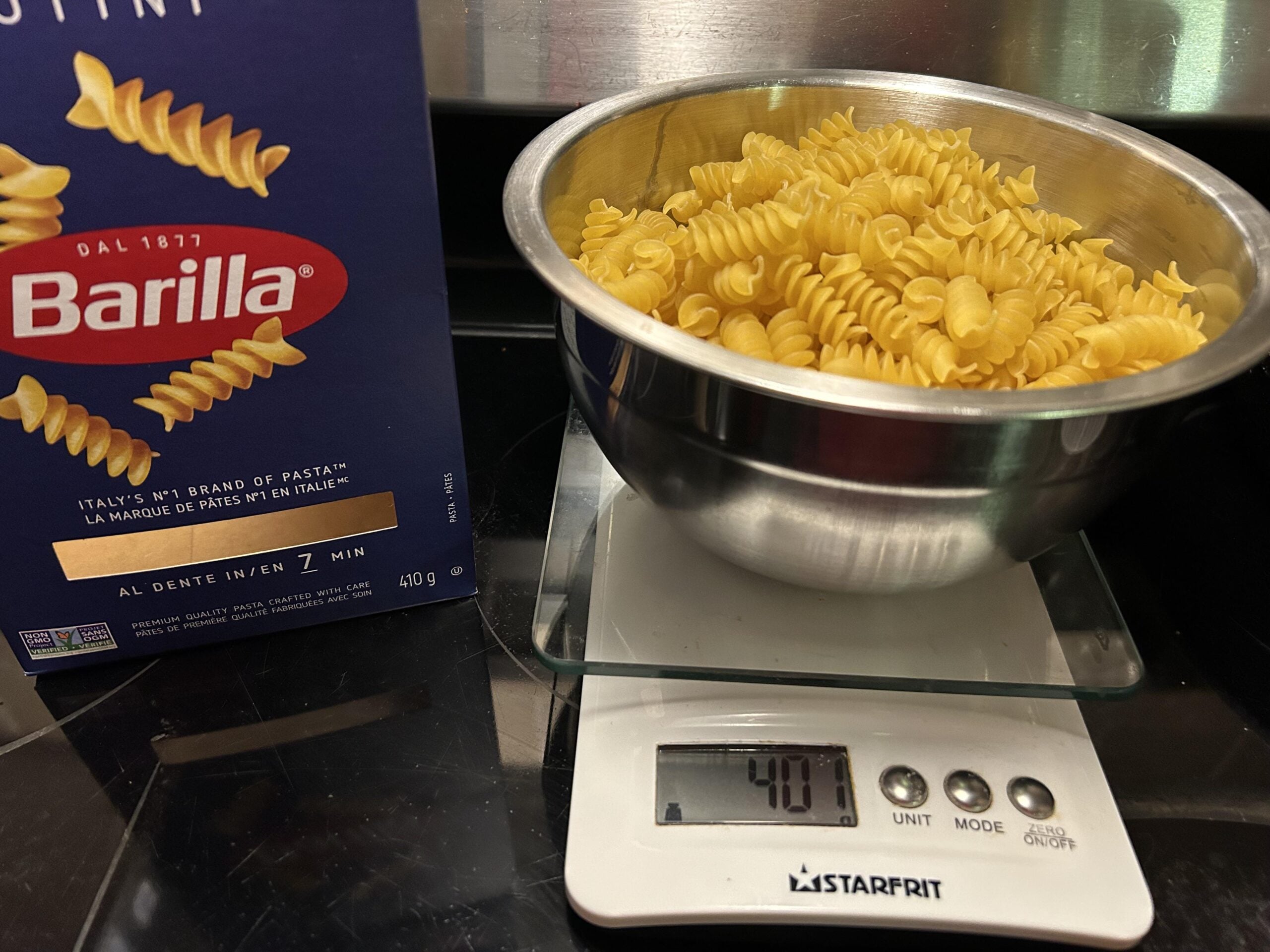
Little could Pietro Barilla have imagined, when he opened a small bread and pasta shop in Parma, Italy, in 1877, that his products would still be consumed today and distributed across hundreds of countries. Barilla has become one of the world’s iconic food brands, primarily associated with dry pasta on an international level, even though it later expanded its market to include sauces and other products.
Hershey’s

Hershey’s has managed to remain a player in the chocolate industry since 1894, despite the sector being highly competitive. Its goal is to make milk chocolate accessible, ensuring it is not viewed as a luxury item available only to a few due to high costs. From its early days in the Pennsylvania town that bears the chocolate’s name, the company has diversified by producing KISSES, baking products, and other confections.
Smucker’s
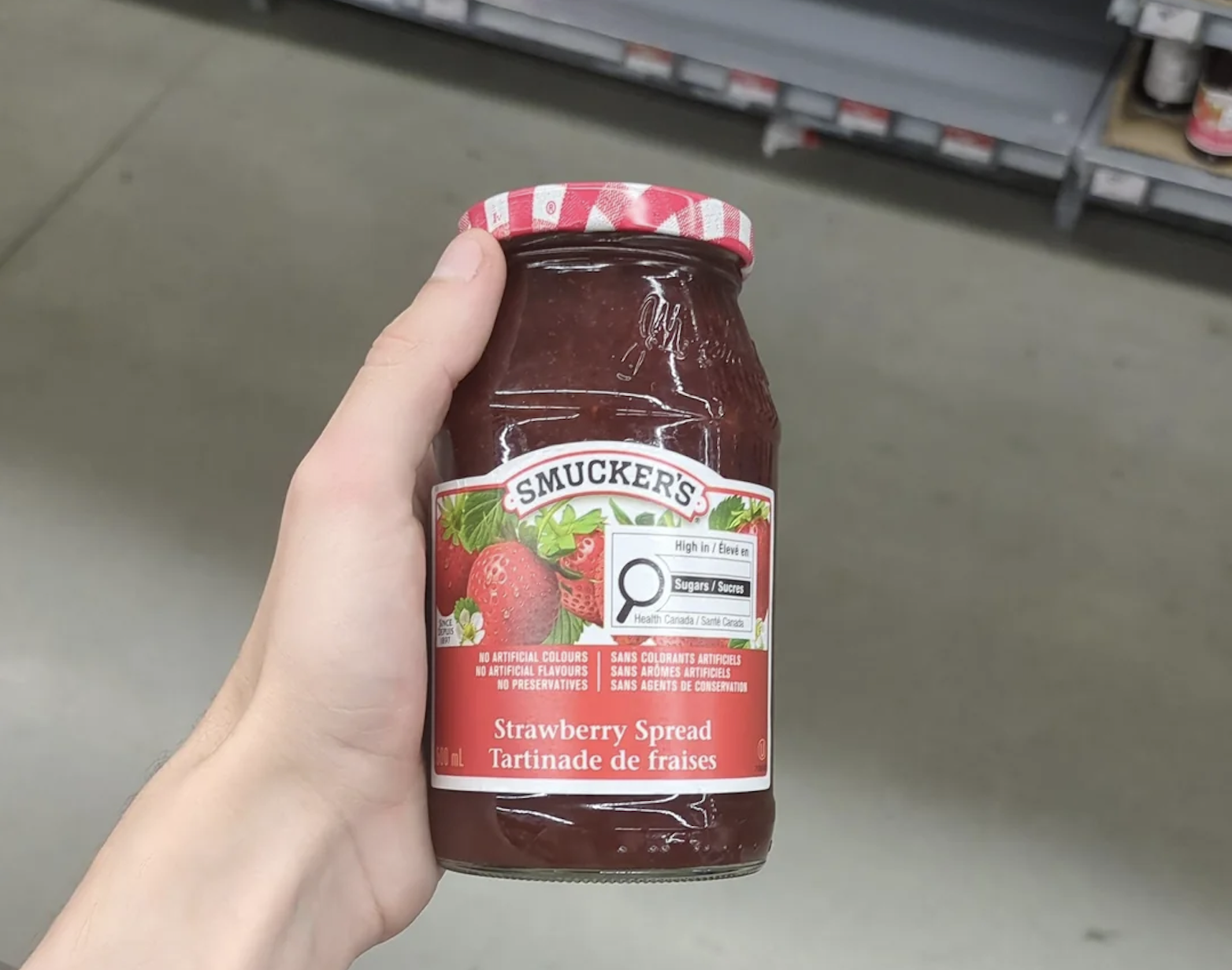
Jerome Monroe Smucker is the man behind the brand of jams, jellies, and preserves we now know as Smucker’s. In 1897, Smucker’s began selling apple butter from a horse-drawn wagon, eventually evolving into the mechanized, high-tech, operations the company employs today. These fruit-packed jellies make up one of the iconic food brands out there and are commonly enjoyed with peanut butter and other fruits.
Sign up for our newsletter
Jelly-O
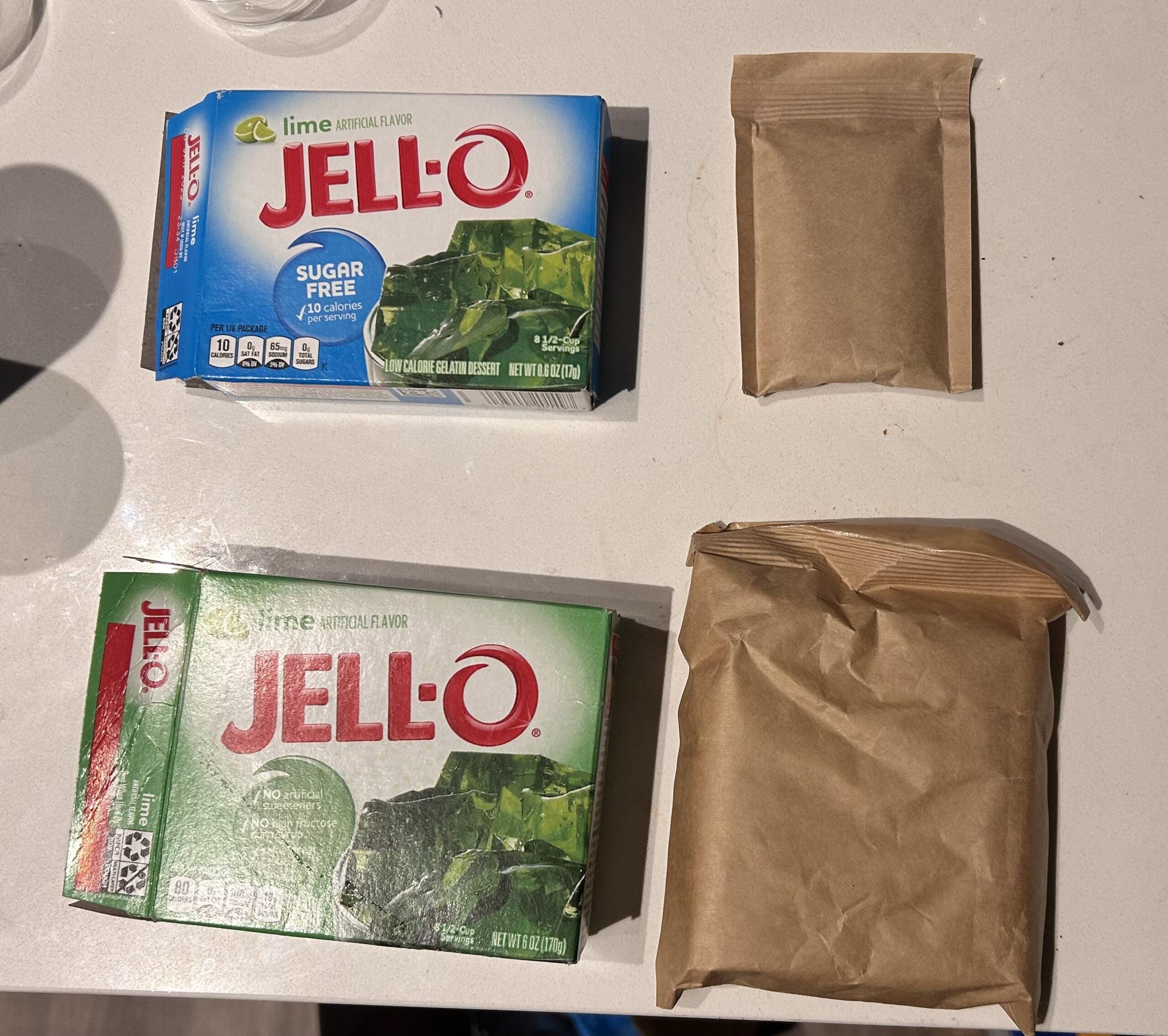
Jelly-O is the brightly colored gelatin that has been around for 125 years and it’s often associated with the elaborate dishes of the 20th century. One of these iconic food brands has expanded its product line thanks to the success of the original gelatin. Nowadays, the brand which originated in 1897 offers pudding and convenient ready-made desserts too. Before it hit the market, preparing gelatin desserts involved a long, complex, and costly process because you had to cook animal bones to naturally extract collagen, then strain the liquid to create a base for sweet dishes, that was only accessible for the wealthy.
Planters
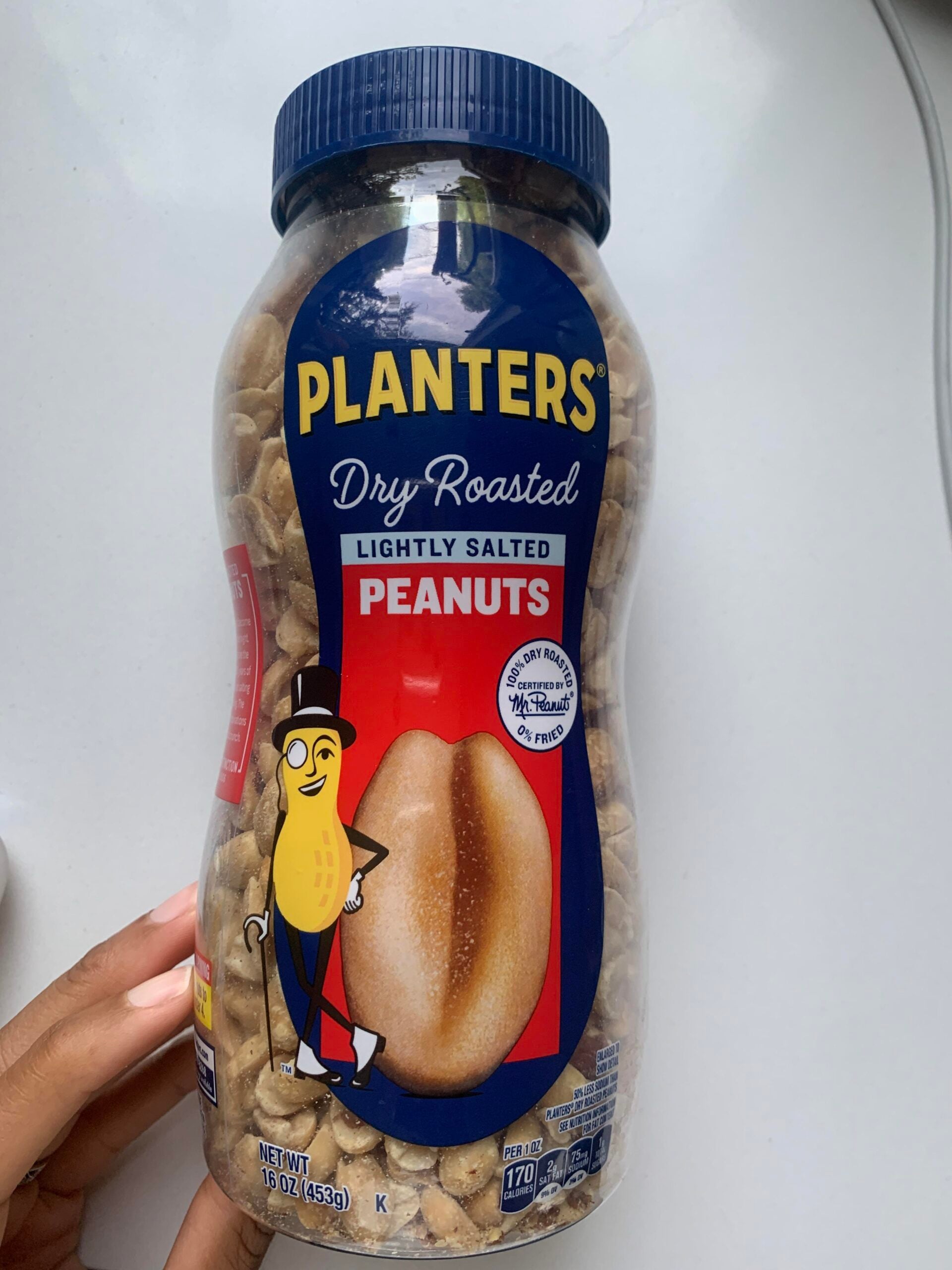
When Italian Amadeo Obici moved to Pennsylvania, he decided to found Planters. That is how, in 1906, roasted peanuts went from being a cheap street-sold snack to a quality product, helping Planters become one of the most iconic food brands. The debut of ‘Mr. Peanut’, with his top hat, monocle, and cane in 1916, has turned him into an icon of American food, reflecting the product’s success over the years. Today, Planters sells peanuts, mixed nuts, cashews, snack mixes, and other products as well.
Crisco
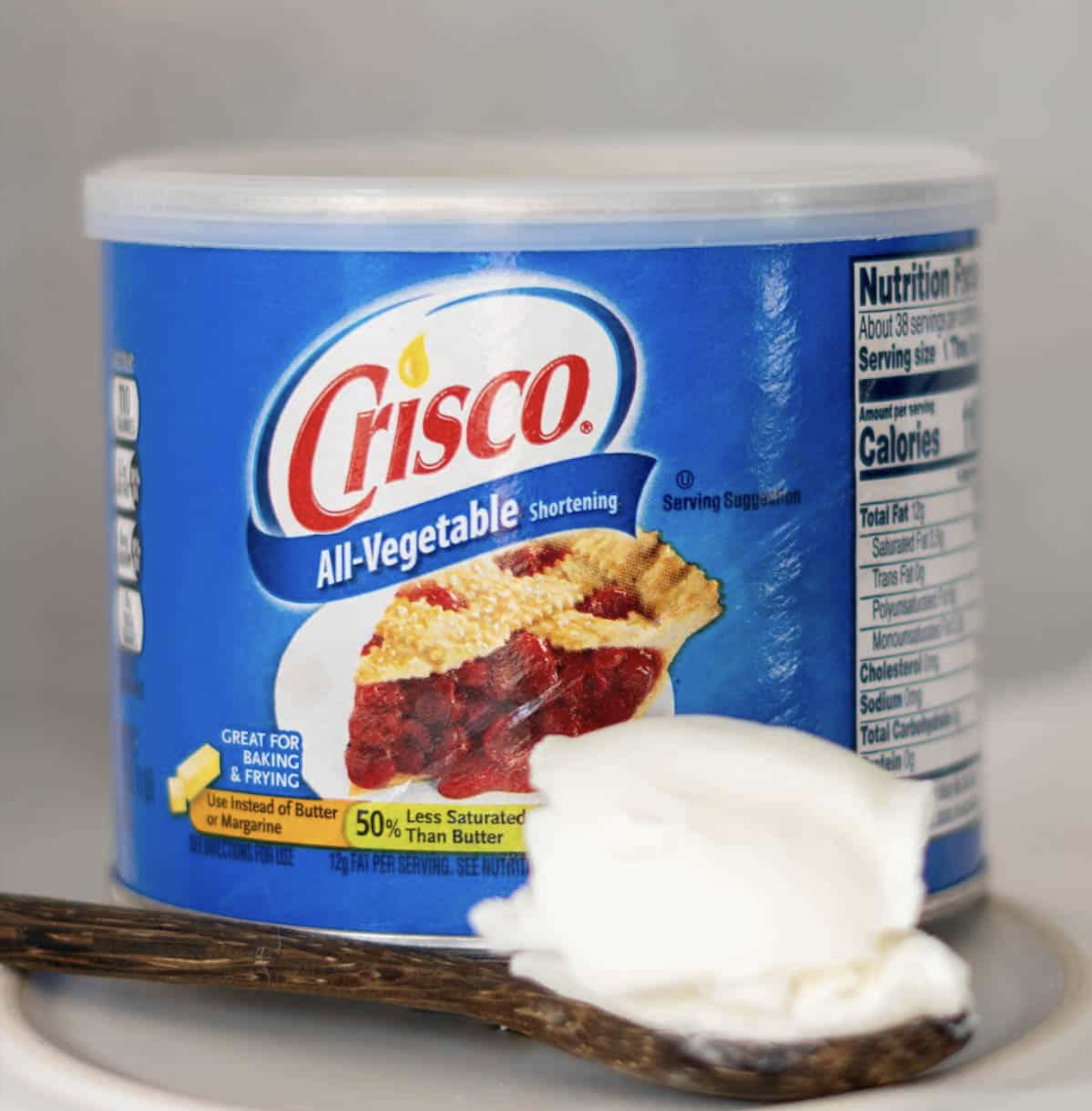
Crisco was innovative in 1911 for being the first shortening made entirely from vegetable oil. There were no other advanced vegetable shortenings because liquid plant oils could not yet be turned into a solid fat. It quickly became a non-perishable alternative to animal fats for baking and frying in the kitchen. That blue can became a staple in many American homes, and over time, Crisco has sold shortening, oils, and cooking sprays while retaining its original baking identity.
Oreo
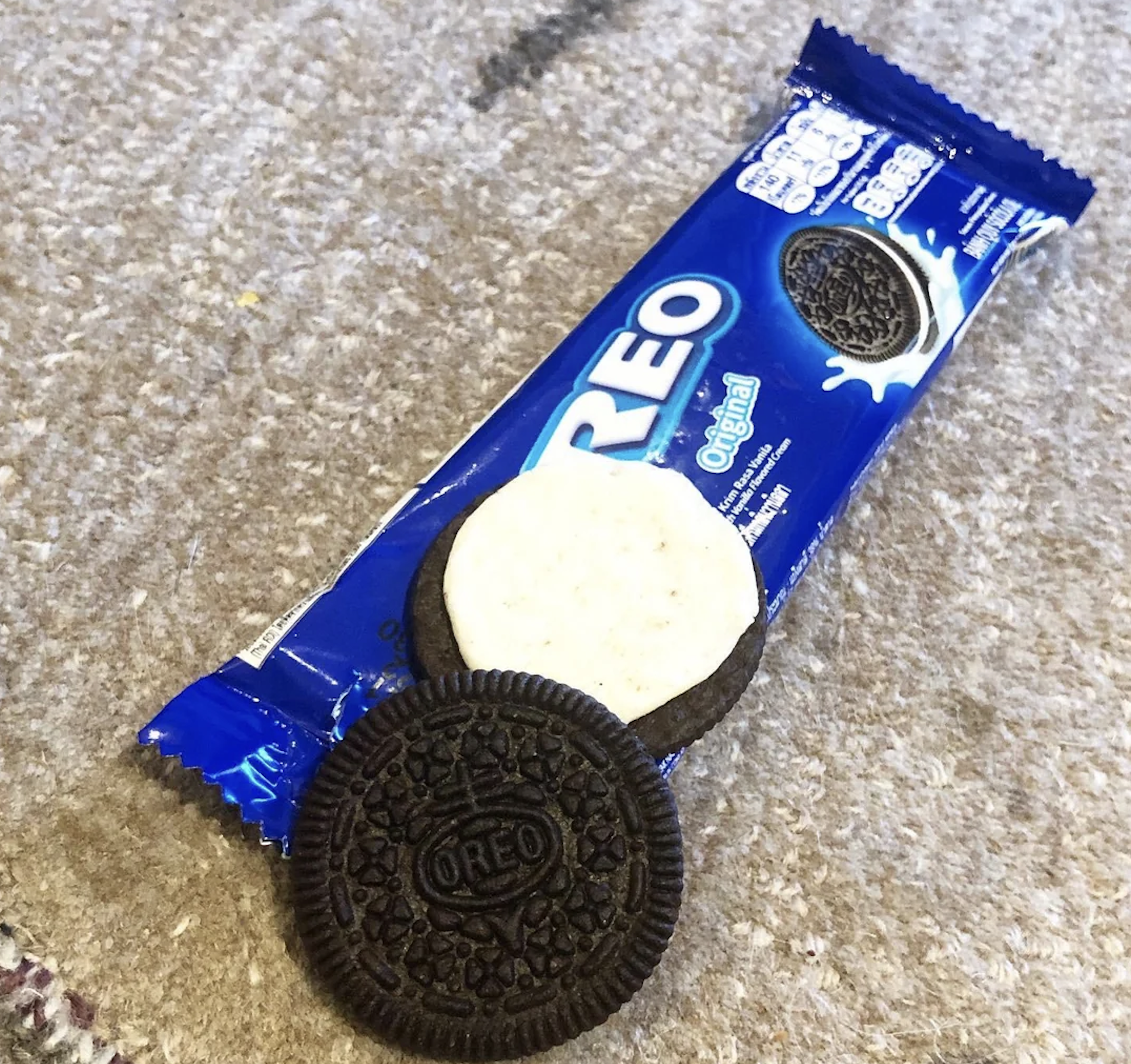
Since Oreo introduction on March 6, 1912, snack time has never been the same for millions of Americans and people around the world. As a chocolate sandwich cookie, Oreo rose to become one of the world’s iconic food brands, now reaching over 100 countries. The variety of countless flavors, including some unusual ones like wasabi or jalapeño, has led to many limited editions being even more coveted than the original chocolate flavor.
Hellmann’s
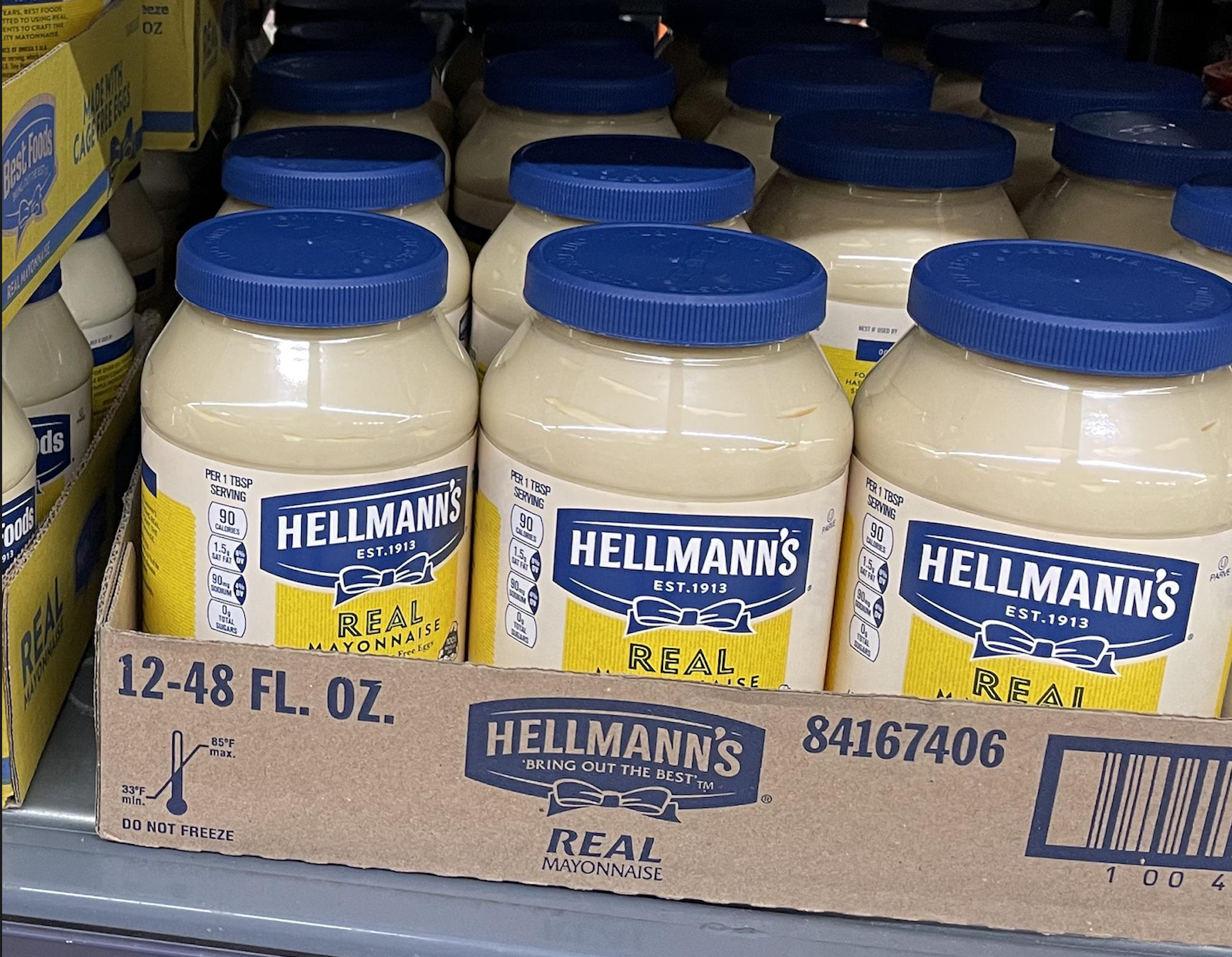
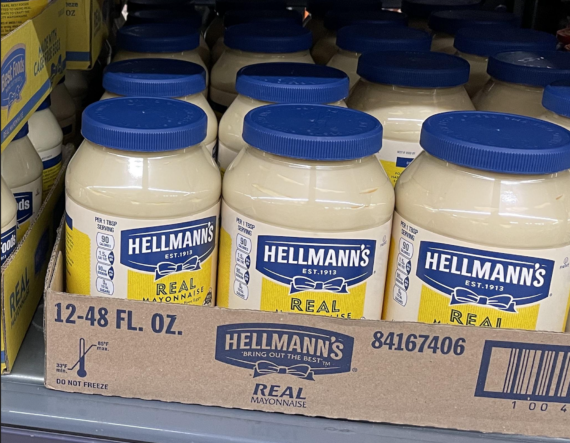
Much like what happened with Heinz and ketchup, Hellmann’s has experienced a similar trajectory with mayonnaise in many nations. It was Richard and Margaret Hellmann who opened the first ‘Hellmann’s Delicatessen’ in 1913, transforming their mayonnaise from a deli-counter item into one of the iconic food brands sold in millions of jars distributed worldwide. Almost everyone recognizes the blue-ribbon imagery on the packaging, a key part of the Hellmann’s identity, that has graced supermarket shelves for over a century.
Betty Crocker
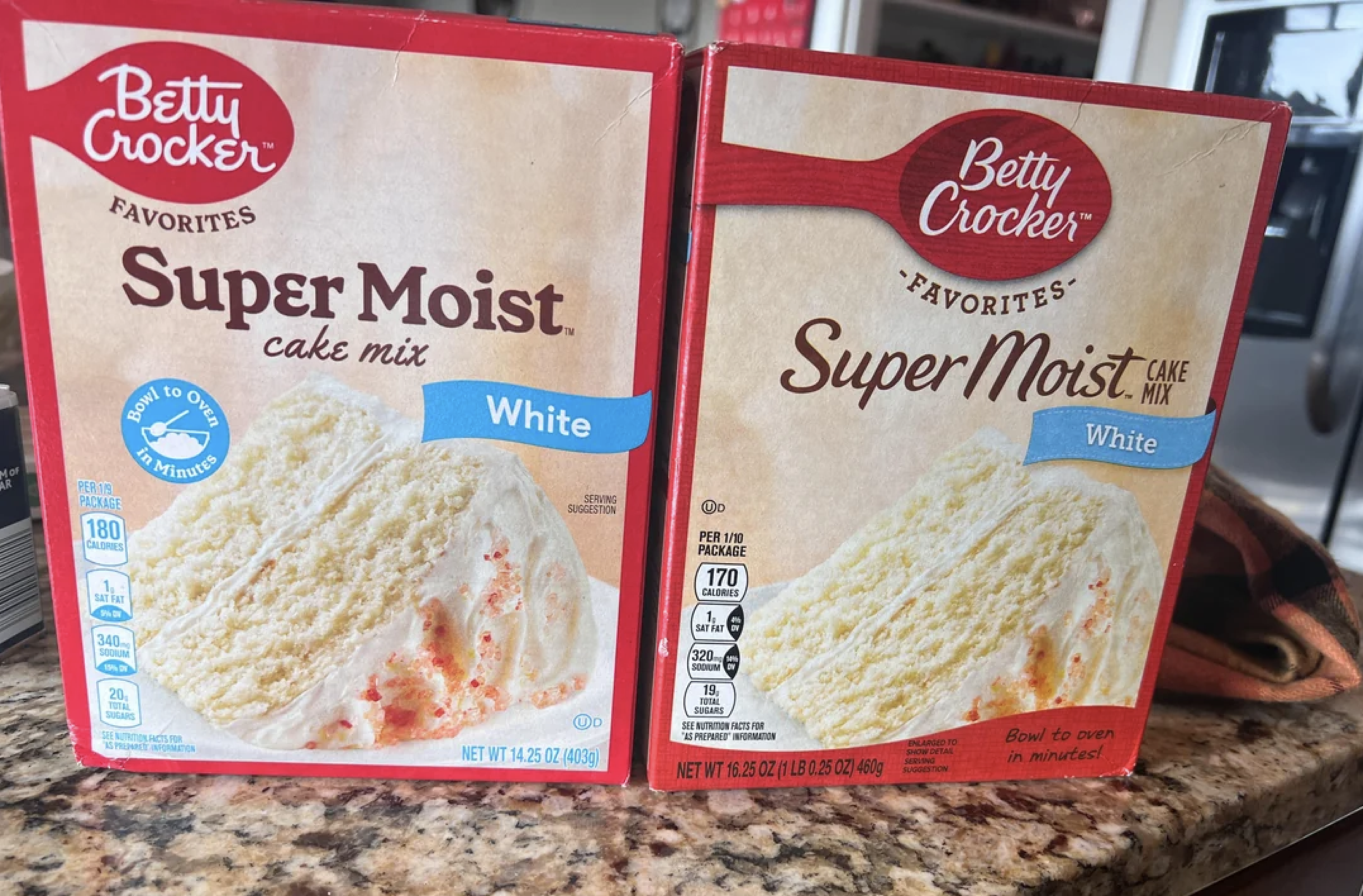
Betty Crocker was launched in 1921. Many people believed she was a real person rather than a fictional character created to allow customers to associate the voice from the advertisements with a persona, helping turn Betty Crocker into one of America’s most iconic food brands. Whether on cake mixes, baking products, cookbooks, packaged meals, or countless recipes, the image of Betty Crocker was a common sight. General Mills still sells products under that name today.
Chef Boyardee
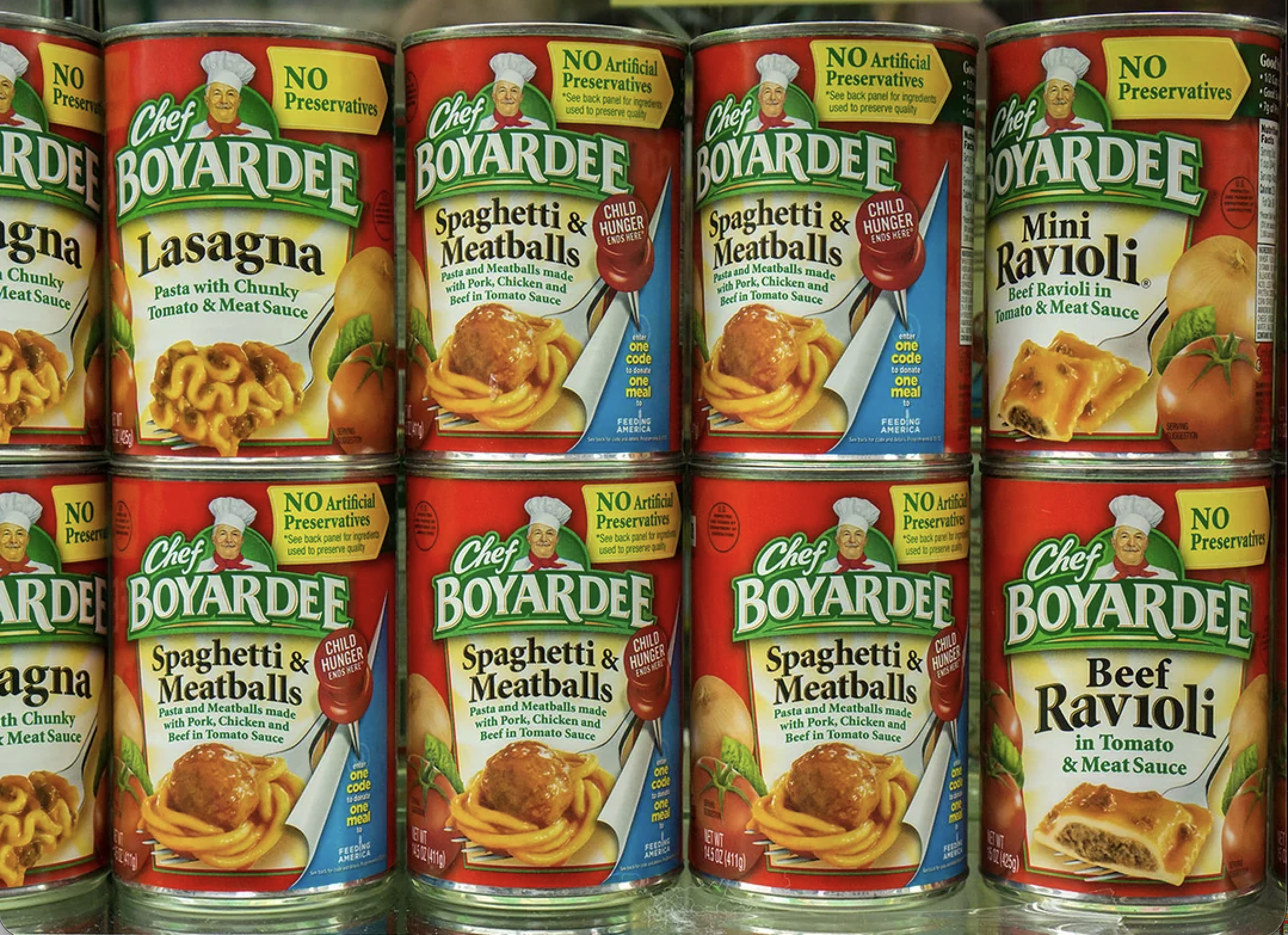
Chef Hector Boiardi founded his business under the name Chef Boyardee in 1928 after several customers asked to take his restaurant sauce home with them. The transformation of the chef’s surname into the well-known sauce brand stemmed from a study showing that ‘Boyardee’ was easier for Americans to pronounce than ‘Boiardi.’ The company eventually produced canned ravioli, spaghetti, and other pasta meals, making Chef Boyardee one of the iconic food brands.
Lay’s
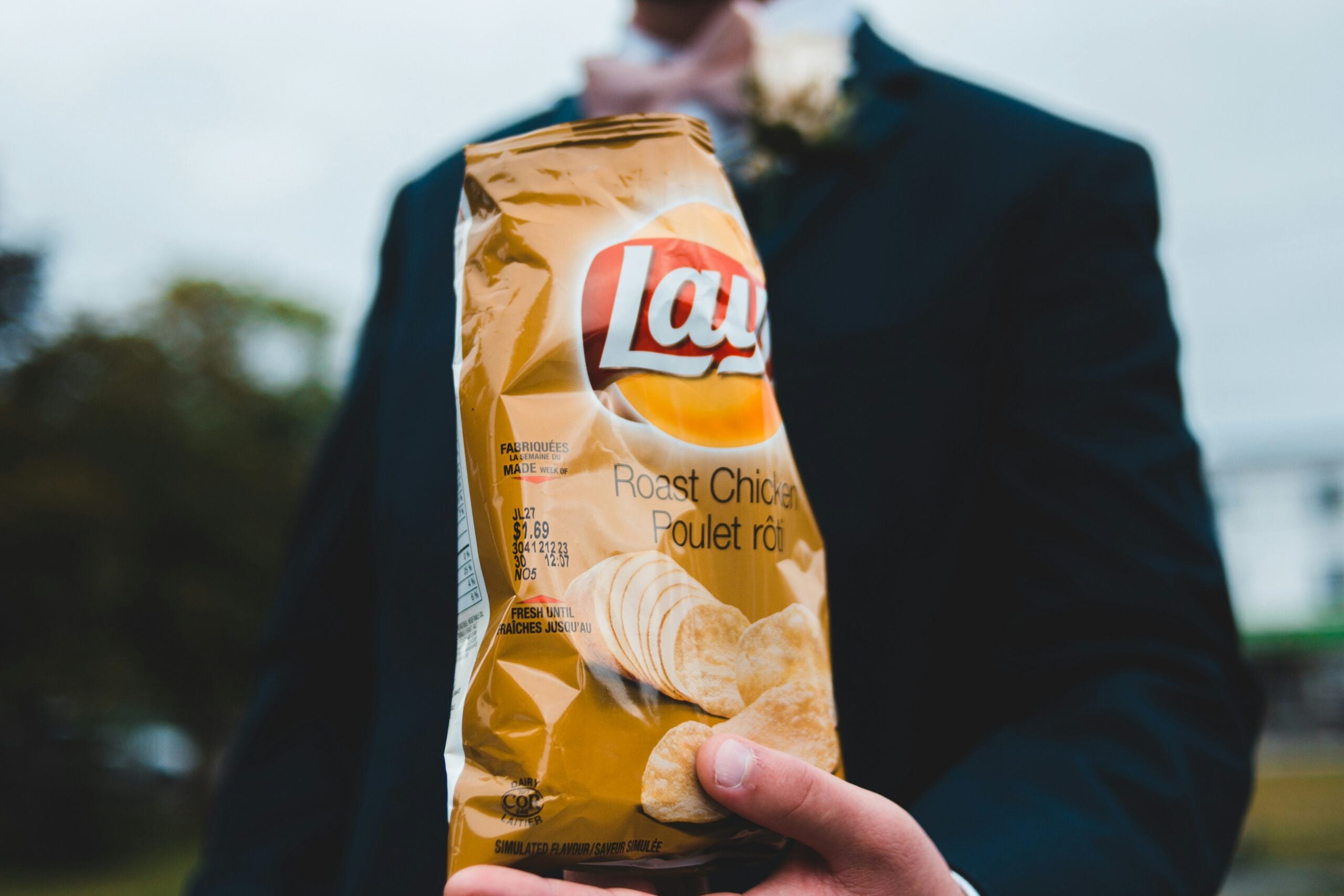
Herman W. Lay built his potato chip business in 1932. In those early days, the company distributed Lay’s chips via individuals traveling in Ford Model A vehicles. This is how the brand gained regional recognition. Decades later, it merged with the Frito Company. Today, millions of people know Lay’s as one of PepsiCo’s most renowned and successful iconic food brands, and it continues to experiment with new flavors and formulas.
Conclusion

The pantry in your home exhibits memorable experiences, something you might only have realized while looking back at these iconic food brands. From Morton and Welch’s to Lay’s, these companies are defined by their packaging, mascots, and memorable experience. While some recipes may have changed, the legacy each brand endures. Without customers recognition, it would have been impossible for these companies to remain successful for more than 50 or even 100 years after their debut.