Las Vegas has plenty of ways to spend money, but a little planning can keep surprisingly large chunks of it in your wallet. These Las Vegas secret hacks can help you cut costs on everything from hotel fees and transportation to meals and entertainment without stripping the fun out of the trip. And with Visit Las Vegas highlighting plenty of free things to do around the city, you don’t necessarily need a packed schedule of expensive attractions. Here are 16 practical ways to make your Vegas budget stretch further.
Compare the All-In Hotel Price, Not Just the Room Rate
Resort fees haven’t disappeared, but the way they’re advertised has changed. Federal rules now require hotels to display mandatory charges, including resort fees, as part of the upfront total price, although taxes can still be shown separately. That makes comparison shopping easier, but it doesn’t make every apparent bargain a bargain. Compare the total for your entire stay, then look at what’s included. A slightly higher-priced hotel with free parking, breakfast or other perks you will actually use can still beat the property with the lower-looking base rate.
Search for Packages That Waive the Resort Fee
Before booking the regular rate, check the hotel’s offers page. Vegas resorts have been experimenting with packages that bundle rooms with waived resort fees, parking, meals and attractions. In 2026, official Las Vegas tourism listings have featured packages advertising resort-fee savings of roughly $30 to $55 per night. The catch is that bundles only save money when you use what’s included. A package with breakfast and show tickets isn’t much of a bargain if you wanted neither. Compare the package against the ordinary all-in rate before booking.
Make Free Parking Part of Your Hotel Search
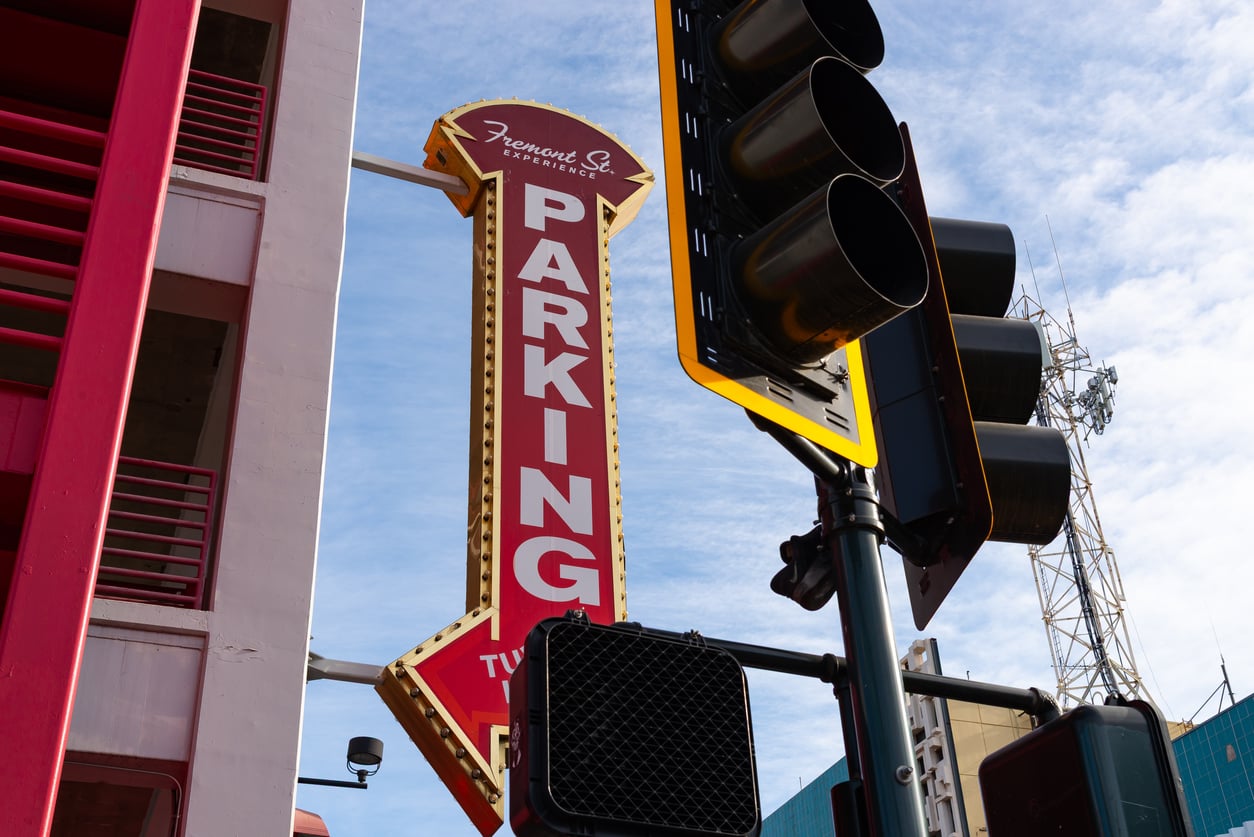
Bringing a car to Vegas can add another daily charge to an already expensive hotel stay. Several properties still offer complimentary parking under current policies, including Treasure Island and Circus Circus on the Strip, with additional options such as SAHARA, Virgin Hotels, Palace Station and Rio. If you’re keeping a rental car for four or five days, that perk can meaningfully change which hotel is cheaper overall. Always confirm the current policy before arriving, though, because Vegas parking rules and special-event pricing have a habit of changing.
Don’t Assume You Need a Rental Car
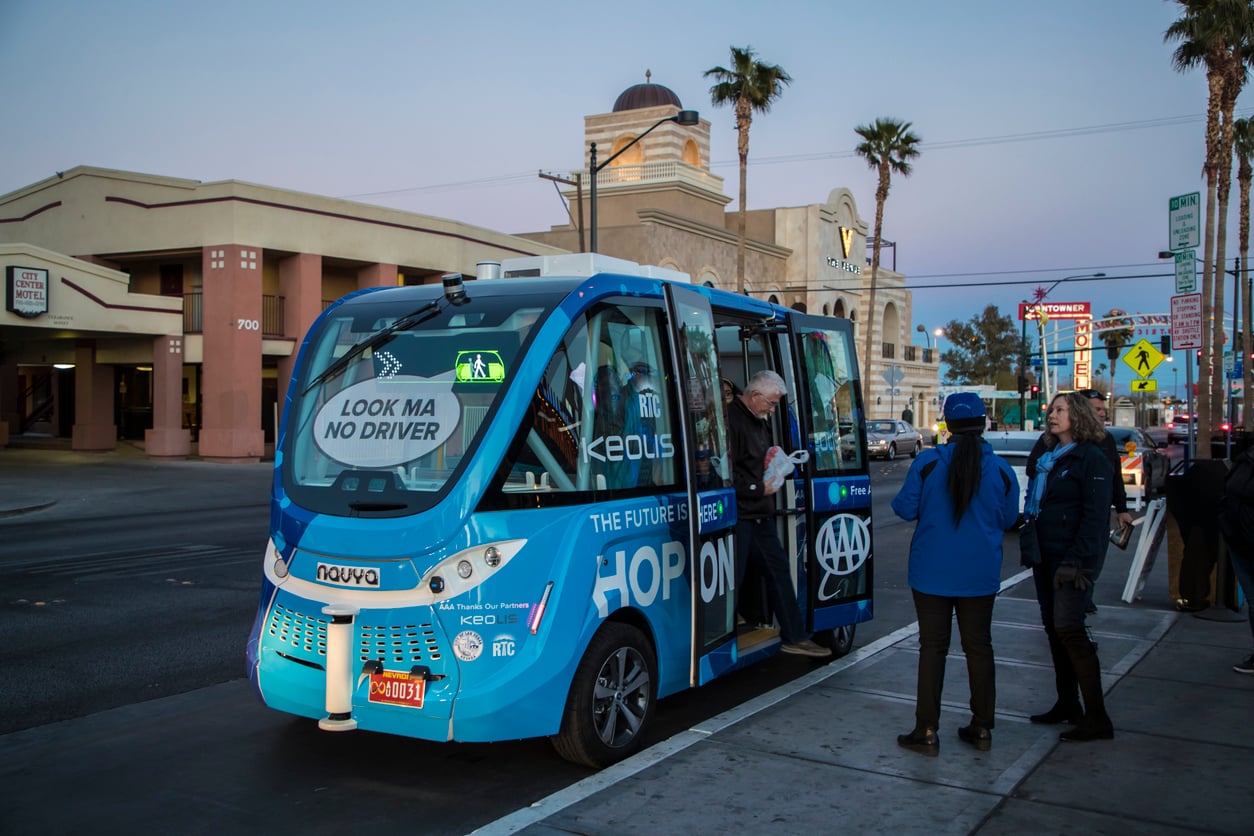
A cheap rental-car quote doesn’t include the whole story. Add taxes, gasoline and potentially several days of hotel parking, and that bargain can become considerably less appealing. Travelers concentrating on the Strip and Downtown can often combine walking, public transportation and an occasional rideshare instead. The Deuce bus currently costs $8 for a 24-hour visitor pass or $20 for three days. A car still makes sense for destinations well beyond the tourist corridor, but don’t rent one simply because that is how you normally travel elsewhere.
Use the Deuce for Routine Trips Up and Down the Strip
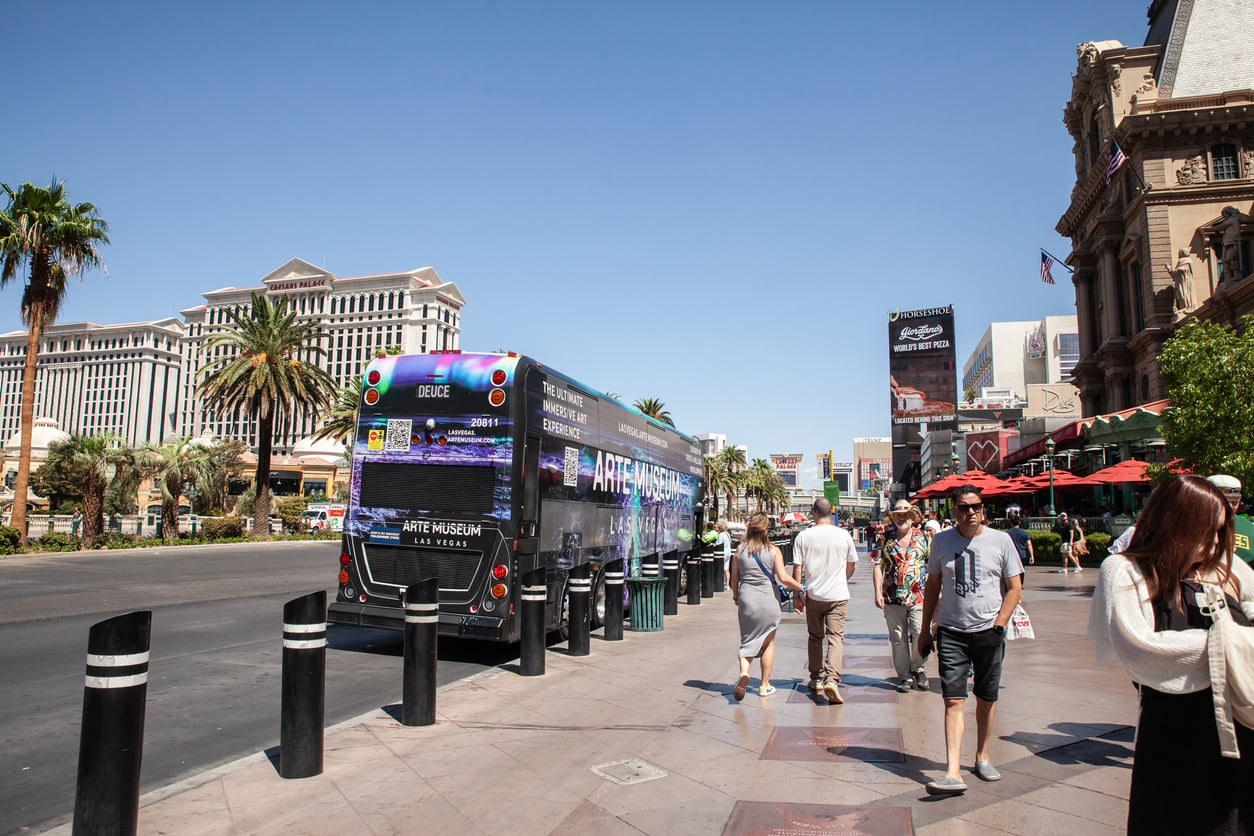
Rideshares are convenient, but using one every time your feet get tired can quietly eat through the vacation budget. The Deuce runs along the Strip and into Downtown, with service generally scheduled about every 15 minutes. The current $20 three-day visitor pass allows unlimited travel during that period and works on other RTC routes as well. It won’t always be the fastest option, particularly in Strip traffic, but it can handle routine sightseeing trips while you reserve Uber, Lyft or a taxi for late nights and harder-to-reach destinations.
Trending on Cheapism
Buy Monorail Tickets Electronically
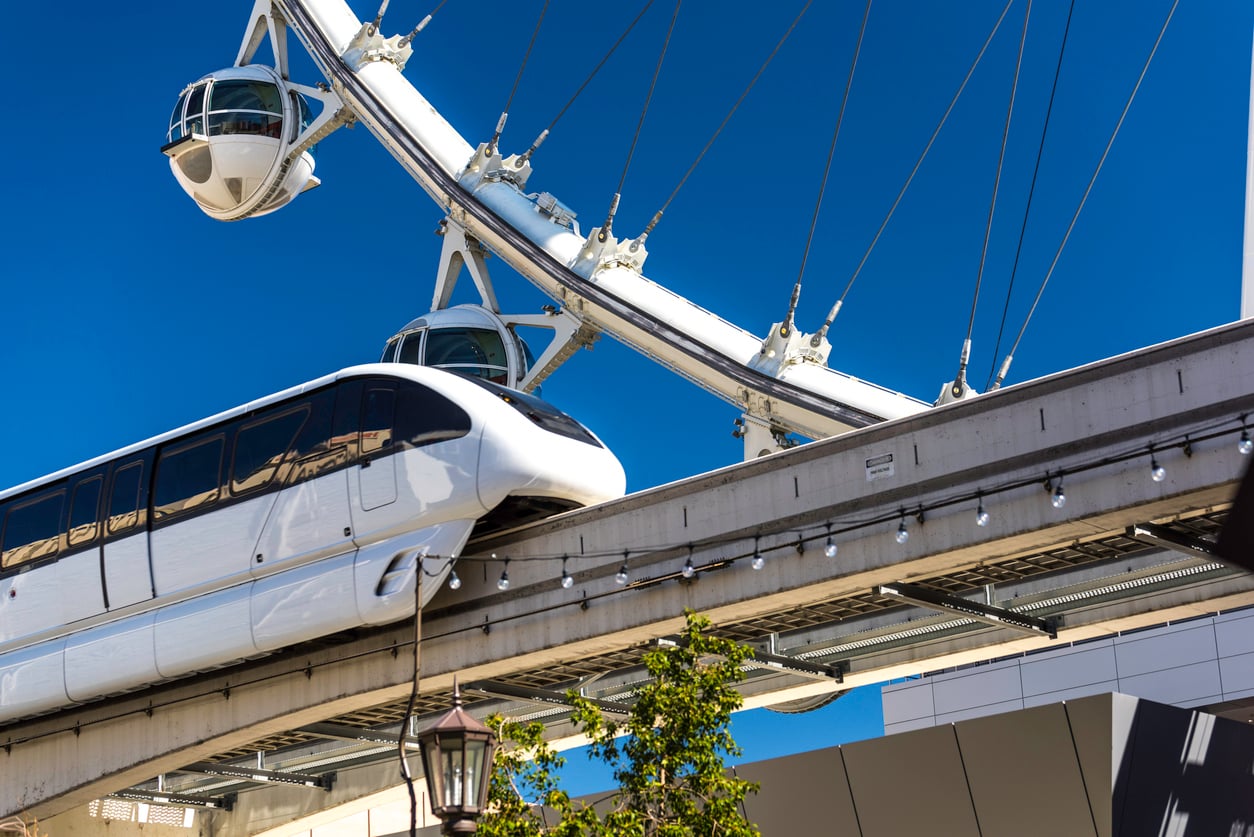
If the Monorail fits your itinerary, don’t automatically walk up to a machine and pay full fare. Current electronic pricing is $13.45 for a one-day unlimited pass versus $15 at full fare, while a three-day e-ticket costs $29.95 instead of $32. Even a single ride is slightly cheaper electronically. The savings aren’t vacation-changing, but this is one of those rare Vegas hacks with almost no downside. One limitation: the Monorail runs along the east side of the Strip, so check its seven station locations before buying a multi-day pass.
Make Fremont Street Your Free Night Out
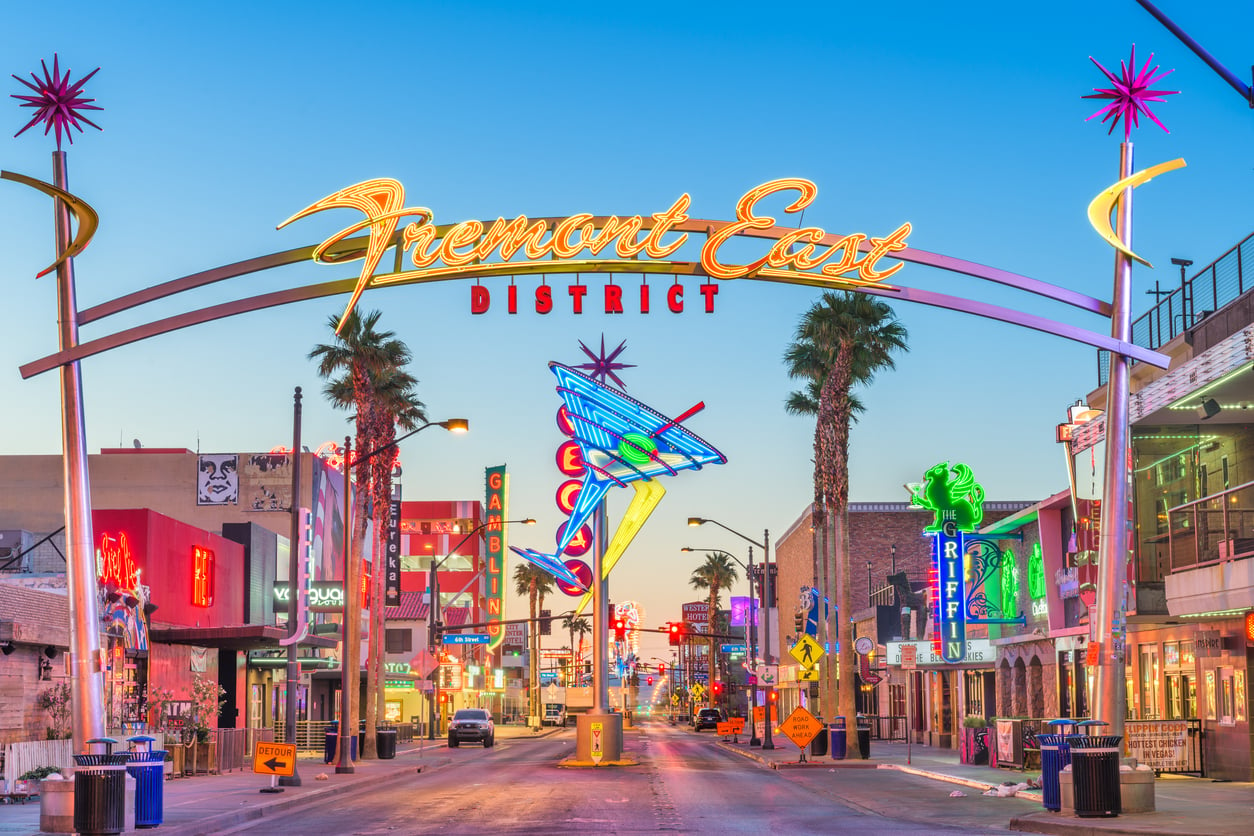
Not every Vegas evening needs a $100-plus ticket. Fremont Street Experience offers free Viva Vision canopy shows, and its entertainment calendar includes free live music. Viva Vision currently begins nightly at 6 p.m. That makes Downtown an easy place to build an evening around wandering, people-watching and catching performances without purchasing admission to the main attraction. You’ll still have plenty of opportunities to spend money on drinks, food, gambling and SlotZilla, of course. The money-saving part depends on treating the free entertainment as the event rather than merely the warm-up.
String Several Free Strip Attractions Together
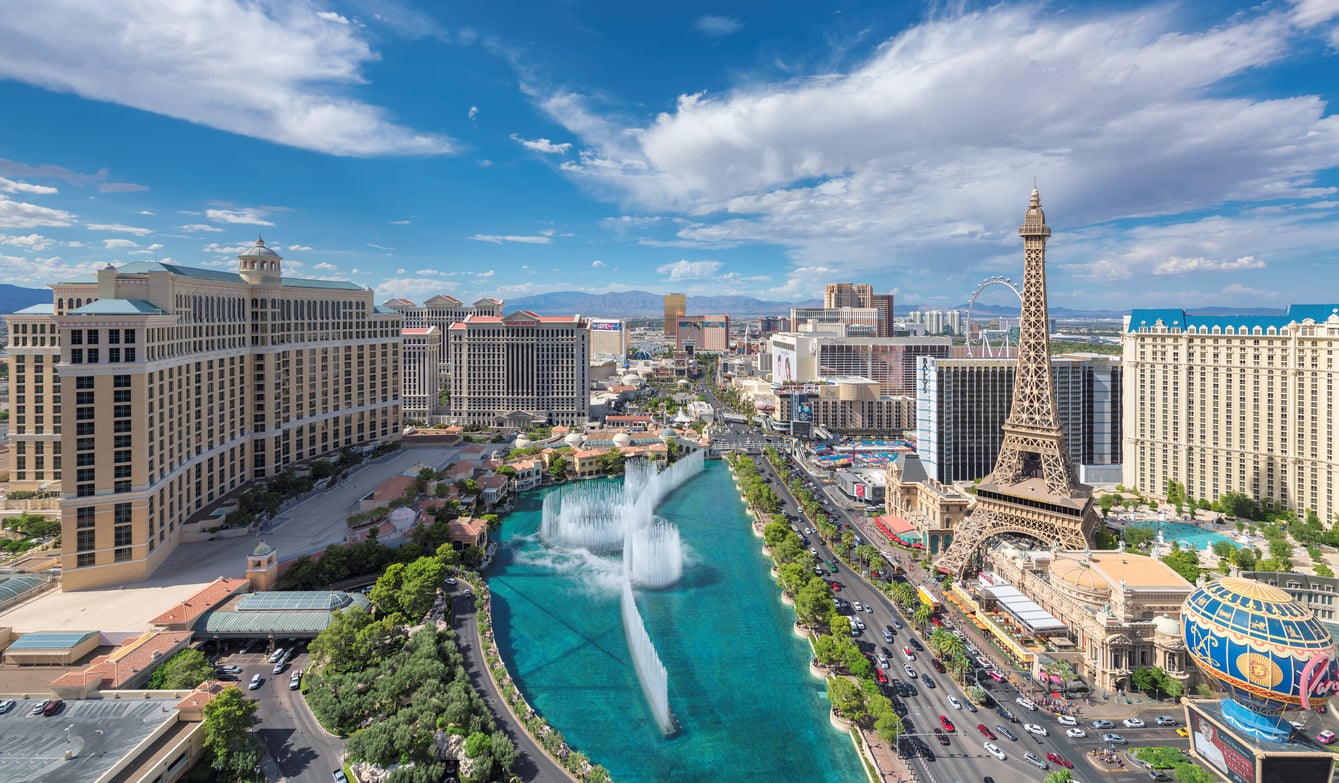
Instead of fitting free attractions between expensive ones, make them the itinerary. The Bellagio Conservatory and Fountains of Bellagio remain free, as does the Flamingo Wildlife Habitat. Other possibilities include the Welcome to Fabulous Las Vegas sign, Wynn’s Lake of Dreams and the free circus acts at Circus Circus. Grouping several nearby attractions into the same outing can fill a surprising amount of time without another admission charge. Comfortable shoes matter, though: Strip properties that look practically next door on a map can involve a lot more walking than expected.
Sign up for our newsletter
Join the Rewards Program Before Paying Full Price
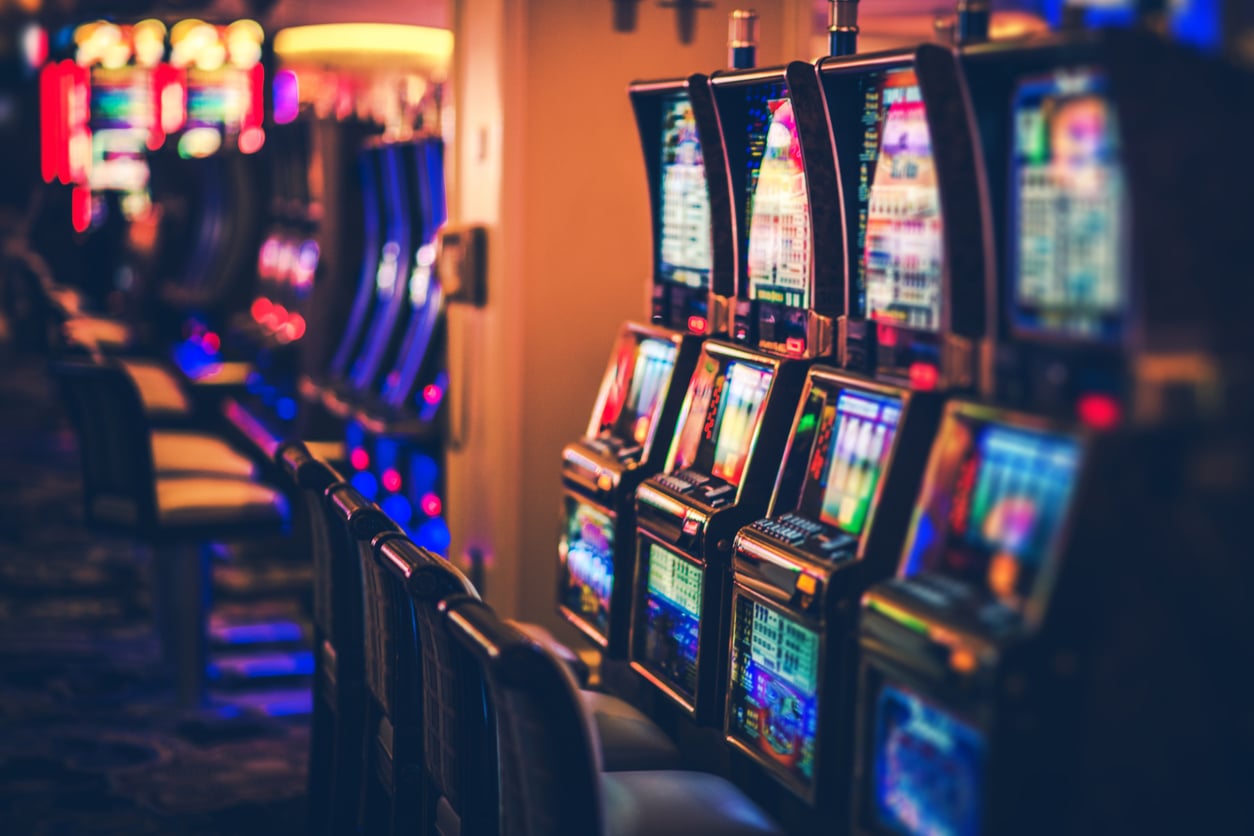
You don’t necessarily have to be a high roller to get something from a casino loyalty program. MGM Rewards, for example, currently advertises member-only hotel savings of up to 15% off its flexible rate, while other benefits and offers vary by tier and spending. Joining is free, so compare the member rate before booking a room or paying for participating entertainment. Just keep the math straight: gambling extra to earn a discount isn’t a savings strategy. Use the program to collect benefits from money you already intended to spend, not as an excuse to spend more.
Look for Early Dining and Prix-Fixe Deals

The old advice to simply “eat lunch instead of dinner” doesn’t work everywhere anymore, but the underlying idea is still useful. Vegas restaurants frequently offer happy hours, prix-fixe menus and limited-time dining specials at particular times. ARIA currently lists happy hours at several venues, while Caesars properties have recently offered early dining and fixed-price menus. Before booking an expensive dinner, check the restaurant’s current specials page and menu. Moving the same meal an hour or two earlier can occasionally produce a better deal without changing restaurants.
Turn Happy Hour Into the Meal

Happy hour doesn’t have to mean buying drinks before going somewhere else for dinner. Plenty of Vegas restaurants discount small plates, appetizers or shareable dishes alongside cocktails and beer. Harvest at Bellagio, for example, currently offers specially priced shareables during its bar-and-lounge happy hour, while The Crack Shack at Park MGM advertises discounted drinks and bites on weekday afternoons. Two people who like sharing dishes may be able to assemble dinner this way. Check the fine print first, since some offers are bar-only, weekday-only or limited to specific hours.
Stock Up on Water and Snacks Before You Get Hungry

A bottle of water bought because you’re thirsty on a casino floor is rarely the economical option. Make a pharmacy, supermarket or ordinary convenience-store stop early in the trip and pick up water, snacks and easy breakfast foods. The savings seem trivial one purchase at a time, but repeated convenience spending adds up quickly over four or five days. This works especially well for travelers who like coffee and a small breakfast rather than a full restaurant meal every morning. Just check your hotel’s rules before bringing coolers or outside alcohol into certain areas.
Find Out Whether Your Room Has a Real Refrigerator
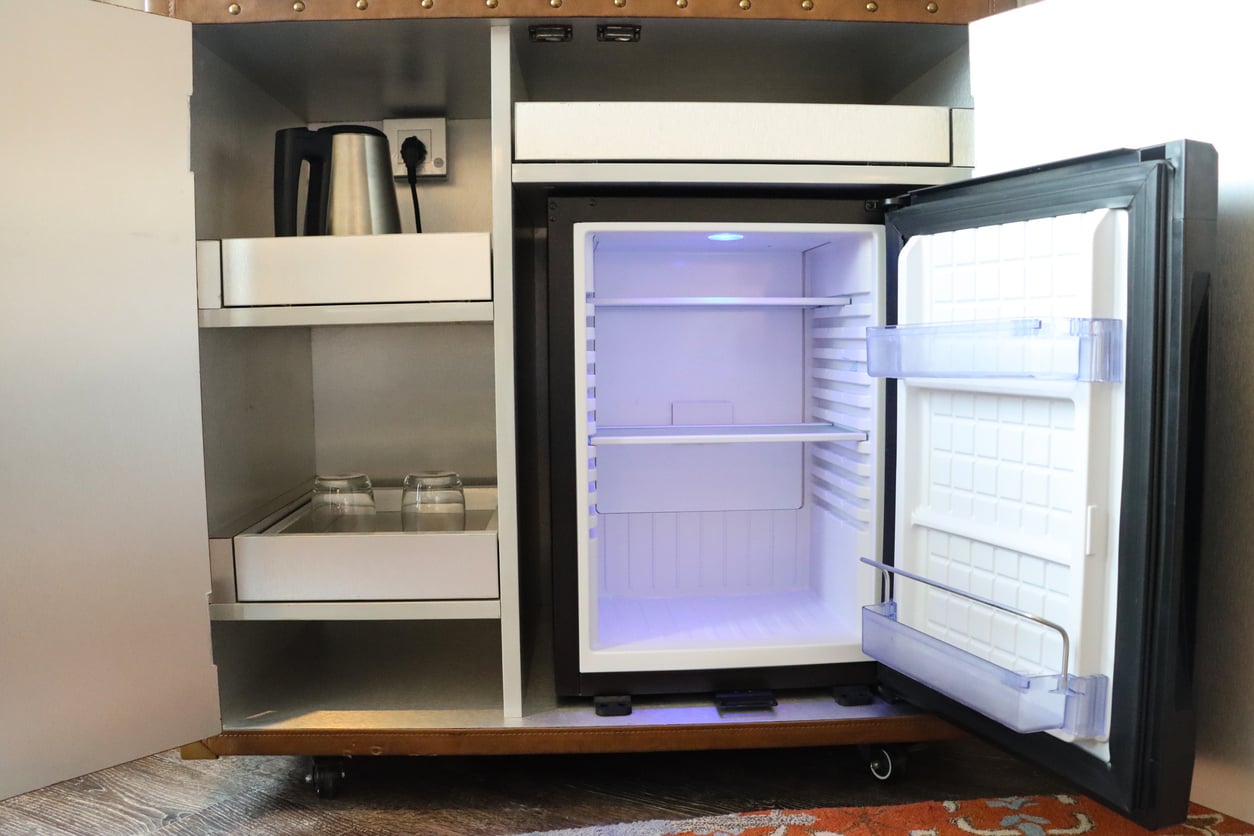
Don’t buy yogurt, leftovers and breakfast supplies until you know where you’re putting them. Vegas hotel rooms vary considerably: some provide an empty refrigerator, while others may have a stocked minibar or no useful cold storage at all. Check the room description or contact the hotel before your grocery stop. If you do have a usable refrigerator, keeping breakfast foods, drinks and restaurant leftovers can reduce food waste and replace a few restaurant purchases. It is a small detail that matters much more on a four or five-night stay.
Check the Walking Route Before Calling a Rideshare
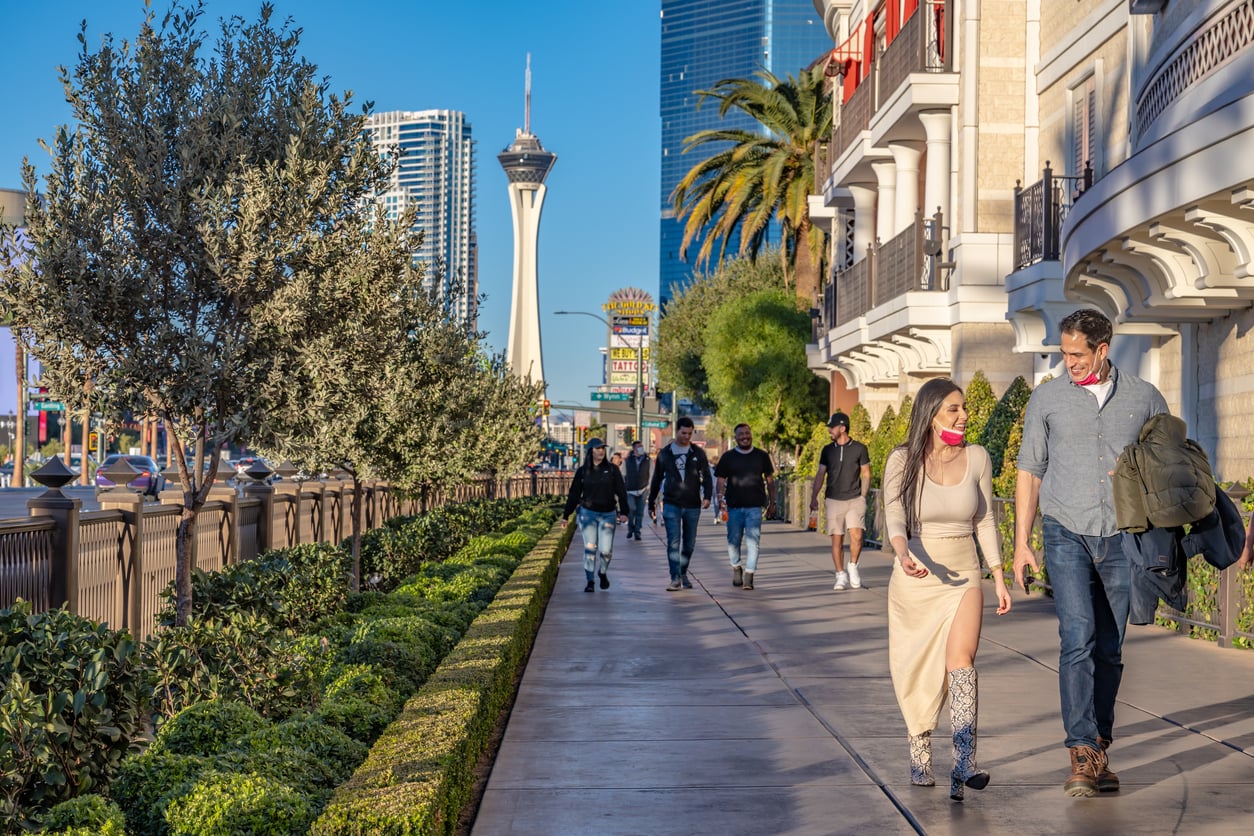
Vegas distances are deceptive, and nobody should turn a vacation into an endurance event just to save $12. But travelers also sometimes request rides for trips that can be handled by a pedestrian bridge, free resort tram, Monorail or reasonable walk. Before opening the rideshare app, pull up the route and see what connects the two properties. This works particularly well when visiting neighboring resorts. One warning for older travelers and anyone with mobility concerns: Las Vegas heat and enormous resort footprints can make even relatively short distances tiring, so saving money isn’t always worth the walk.
Consider Summer Rates, but Take the Heat Seriously
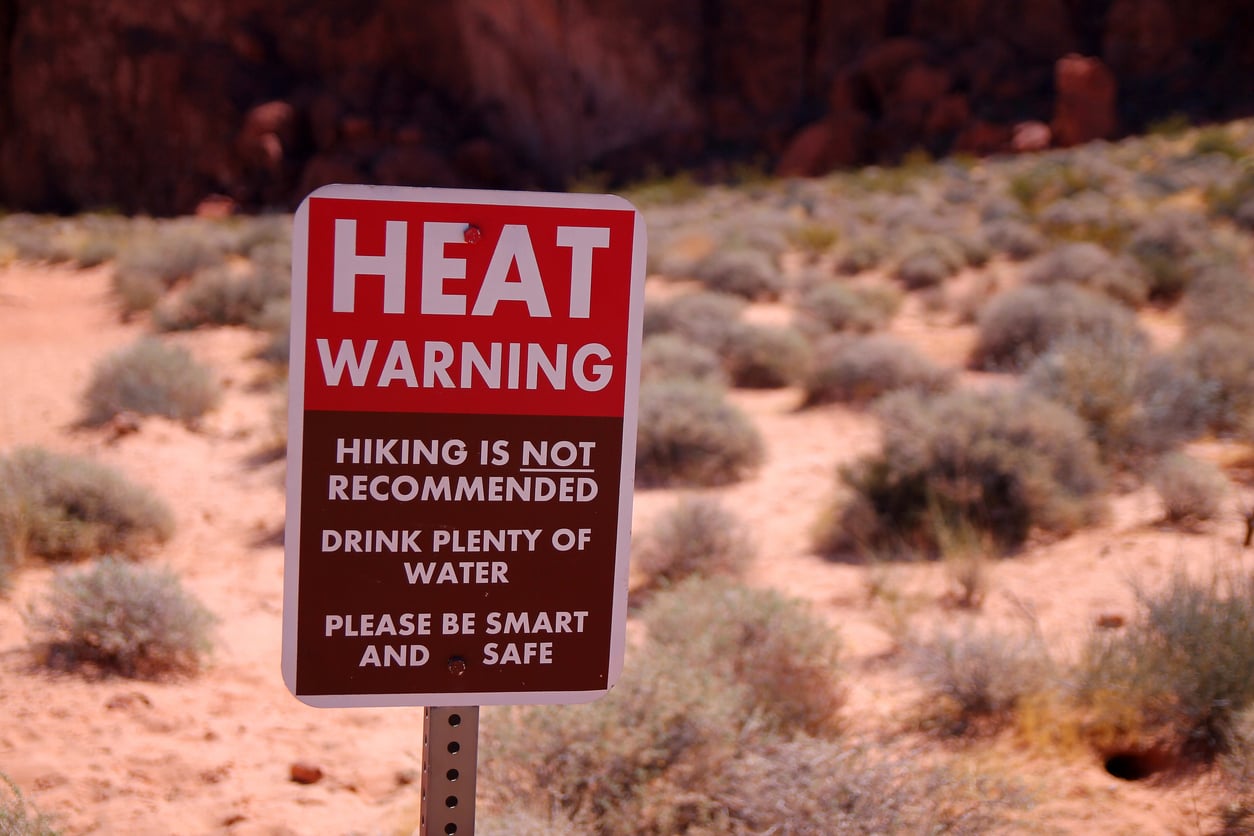
Travelers who tolerate extreme heat may find better deals during the hottest part of the year. Current Visit Las Vegas guidance notes that airfare is often lower from July through September, and resorts frequently roll out summer promotions to encourage visits. This strategy makes the most sense for travelers planning indoor-heavy trips built around restaurants, casinos, shows, spas and pools. It isn’t a clever bargain if you’re miserable outside. Summer temperatures can be dangerous, particularly for older adults, so long Strip walks and outdoor sightseeing shouldn’t be treated casually just to save on a hotel.
Stop Assuming Every Night Needs a Ticket
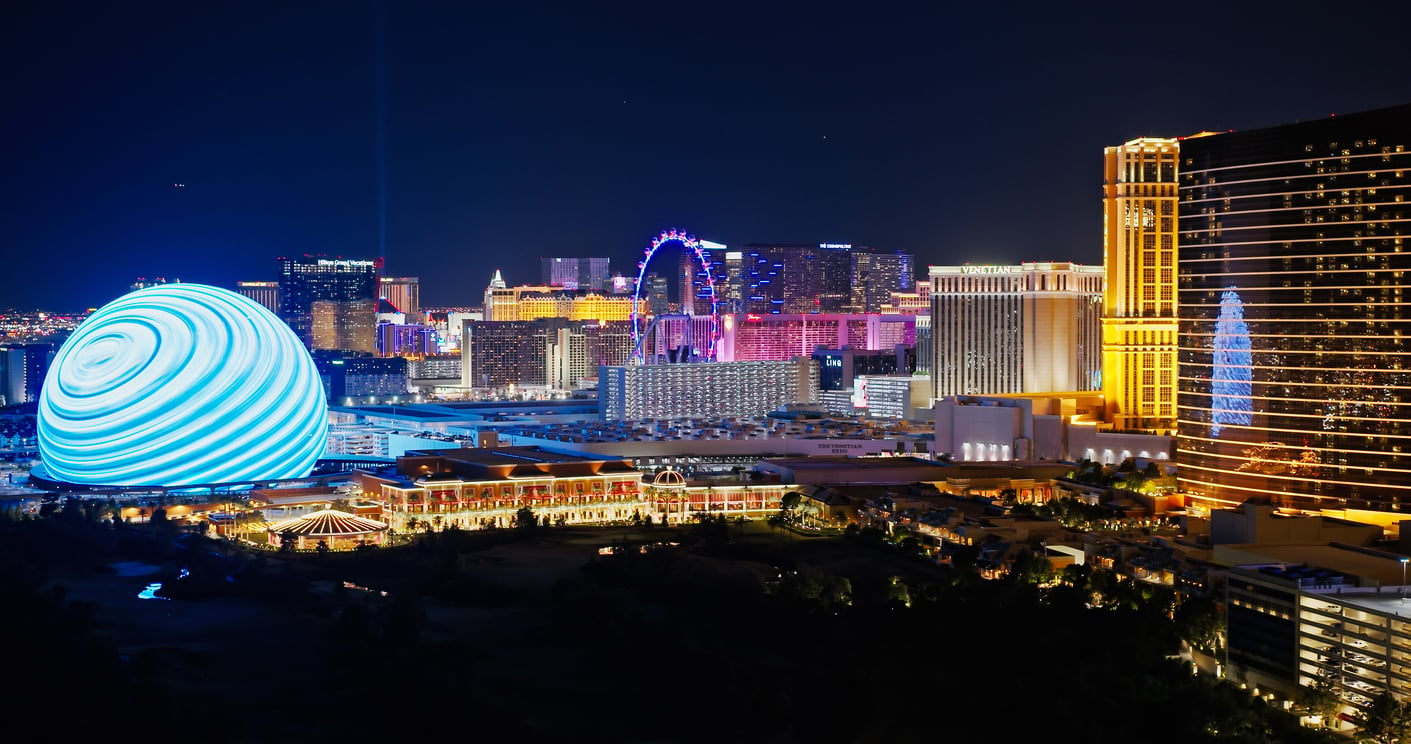
One of the easiest ways to overspend in Vegas is scheduling a major paid attraction every evening simply because you’re in Vegas. Pick the show, concert or experience you genuinely care about, then leave some evenings open for the city’s free attractions. Fremont Street’s Viva Vision, the Bellagio fountains and conservatory, Circus Circus performances and Wynn’s Lake of Dreams can all provide entertainment without another ticket purchase. You may find that one deliberate splurge feels more special than four expensive reservations squeezed into four consecutive nights.