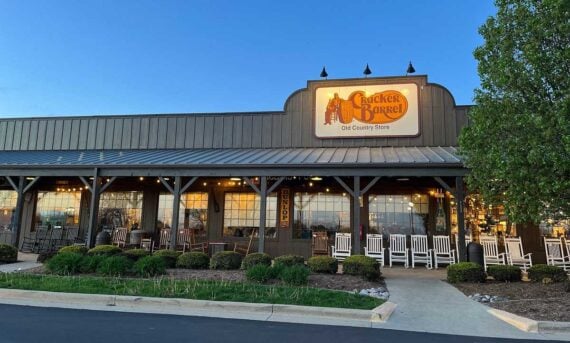
Restaurant trends come and go, but some chains have a knack for keeping customers hooked decade after decade. While plenty of once-popular restaurants have disappeared, some long-running restaurant chains have survived for 50, 70, or even more than 100 years.
Often, there’s one food that keeps people coming back: White Castle’s tiny sliders, Dairy Queen’s soft serve, Waffle House’s customizable hash browns, or Skyline’s very particular take on chili. For other chains, nostalgia is just as important. Generations of customers have memories tied to Pizza Hut’s red-roof restaurants, Sonic carhops, and Cracker Barrel road-trip stops.
Some of these restaurants have grown into nationwide giants, while others remain fiercely regional. But all 16 have managed to build the kind of loyal following that can keep a restaurant chain going for generations.
White Castle
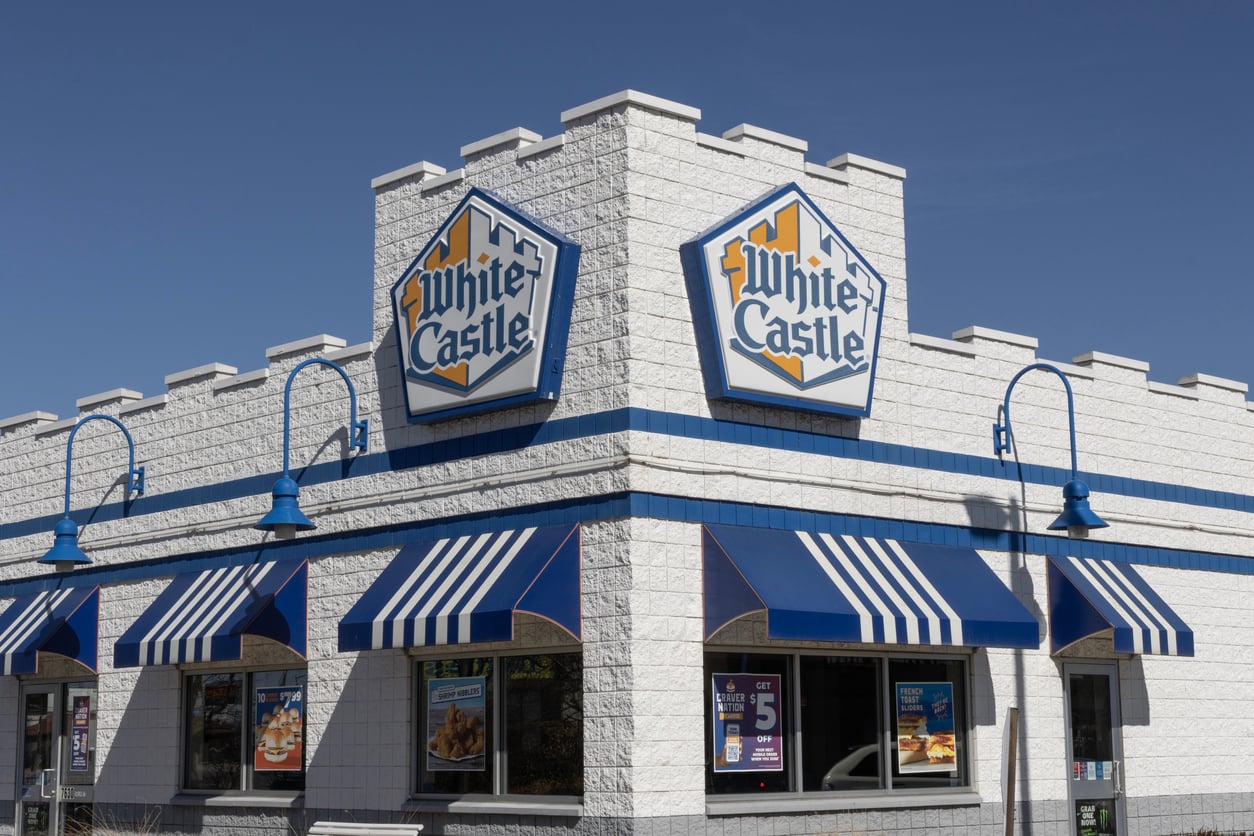
Founded: 1921 | Wichita, Kansas
Long before McDonald’s became synonymous with fast food, White Castle was selling five-cent hamburgers. Billy Ingram launched the business in Wichita in 1921 with $700, and the chain helped introduce Americans to an increasingly standardized approach to hamburger restaurants.
More than a century later, the Original Slider is still unmistakably White Castle: a small square beef patty served with onions and a pickle. Customers don’t just buy one, either. Ordering sliders by the sack has become part of the experience. The company has even built its marketing around “The Crave,” a fitting description for the very specific hankering its burgers inspire. And unlike most restaurant chains of its age and size, White Castle remains family-owned.
Krystal
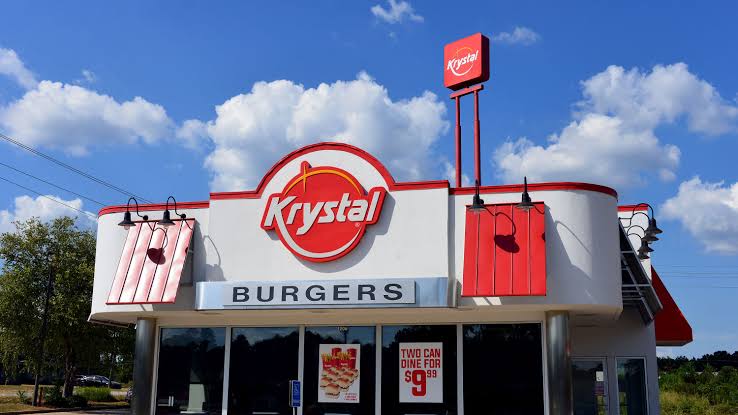
Founded: 1932 | Chattanooga, Tennessee
If you’ve ever tried to settle a White Castle-versus-Krystal debate, you already know how loyal fans of tiny square burgers can be. Rody Davenport Jr. and J. Glenn Sherrill founded Krystal in Chattanooga in 1932, and the chain went on to develop a particularly strong following throughout the Southeast.
Even the name reflects an early fast-food obsession with cleanliness. According to the company, Davenport’s wife suggested “Krystal” after seeing a crystal-ball lawn ornament and associating the word with something clean and pristine. Today, longtime fans aren’t likely to mistake a sack of Krystals for an ordinary burger order — or for White Castle, for that matter.
Dairy Queen
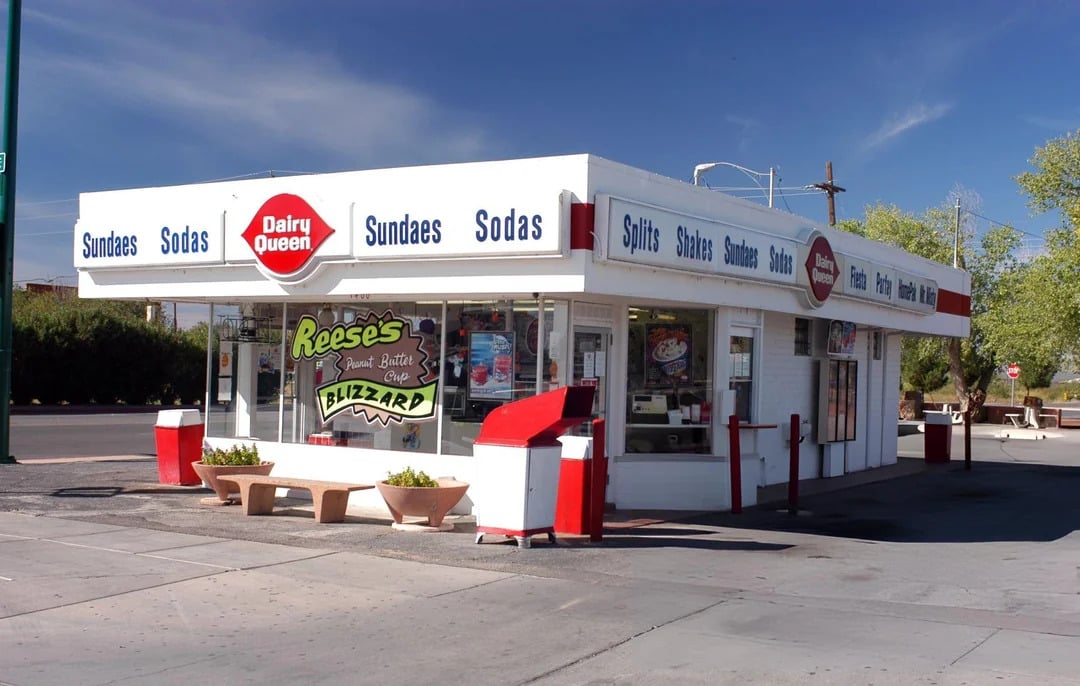
Founded: 1940 | Joliet, Illinois
Dairy Queen started with soft serve, and more than eight decades later, frozen treats remain the heart of its identity. The first DQ opened in Joliet, Illinois, on June 22, 1940. By 1955, the company had grown to a staggering 2,600 locations.
The menu expanded considerably along the way, but dipped cones, sundaes, shakes, and soft serve remained essential. Then came the Blizzard in 1985, creating another signature treat for a new generation. In many smaller communities, a trip to Dairy Queen remains as much a warm-weather ritual as it is a craving for ice cream.
In-N-Out Burger
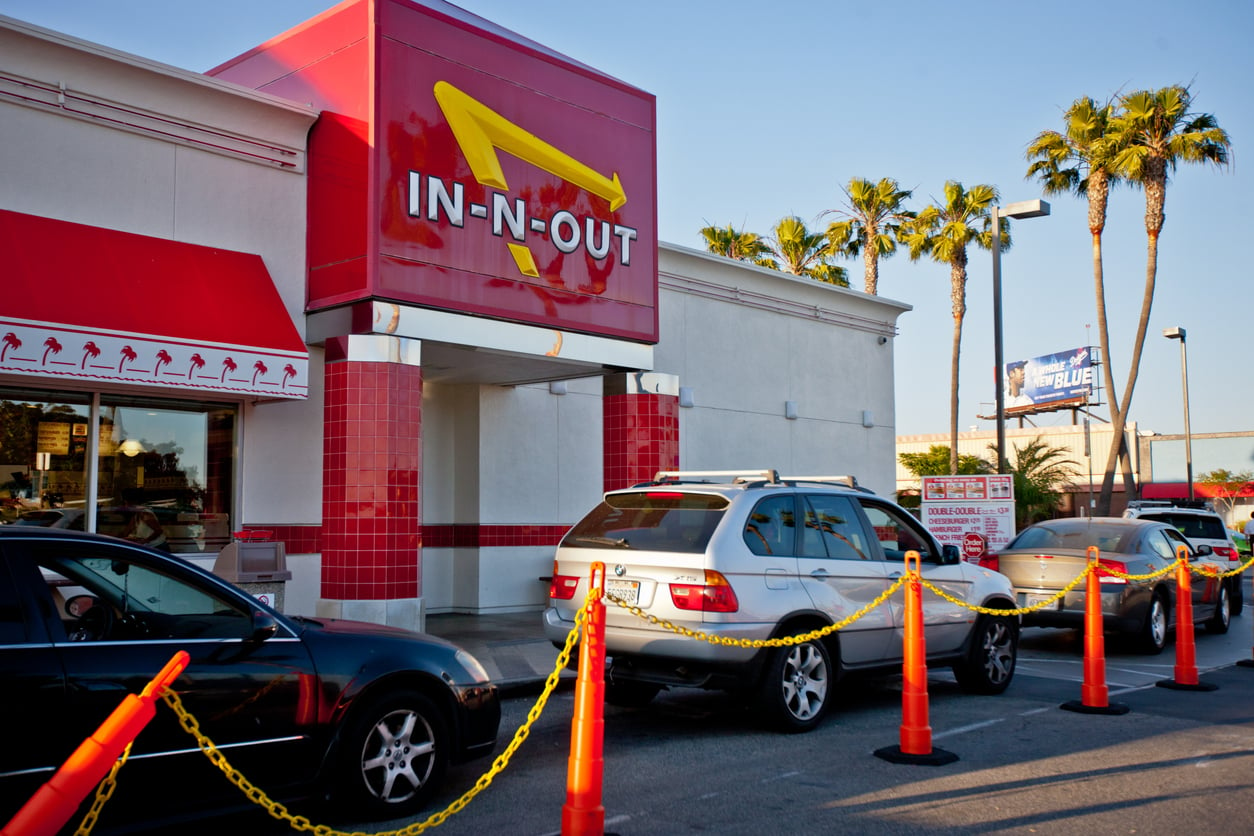
Founded: 1948 | Baldwin Park, California
Harry and Esther Snyder opened the first In-N-Out in 1948 from a tiny 10-by-10-foot stand in Baldwin Park, California. Harry’s two-way speaker system helped pioneer the drive-thru hamburger stand, but In-N-Out’s longevity might be just as closely connected to what the company hasn’t done.
Its menu remains remarkably limited compared with those of its fast-food competitors. Burgers, fries, and shakes still dominate, while familiar customizations such as Animal Style give regulars their own vocabulary. Even expansion has been relatively restrained, which helps explain why new In-N-Out locations can still generate huge crowds. More than 75 years after opening, the company also remains a family business.
Skyline Chili
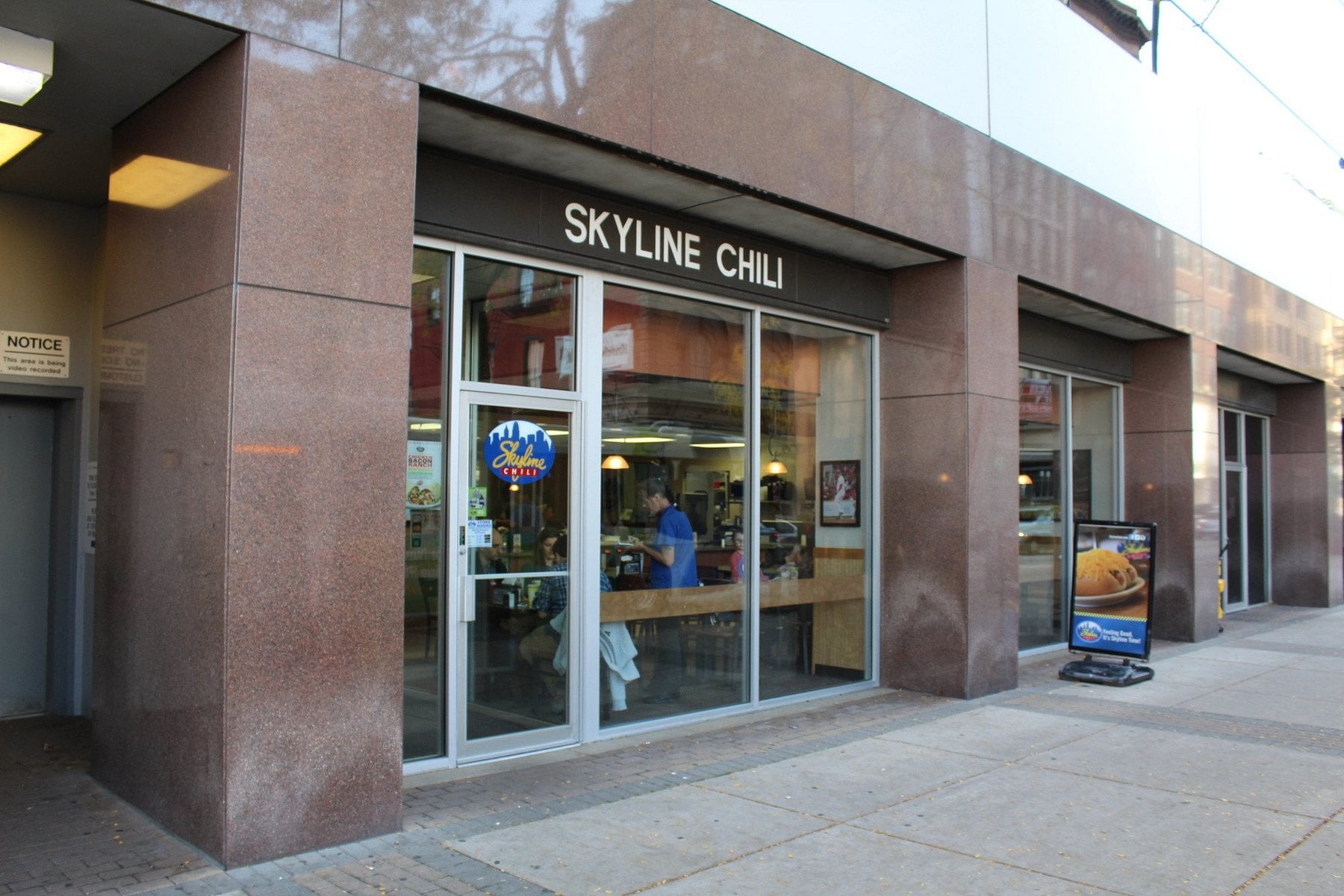
Founded: 1949 | Cincinnati, Ohio
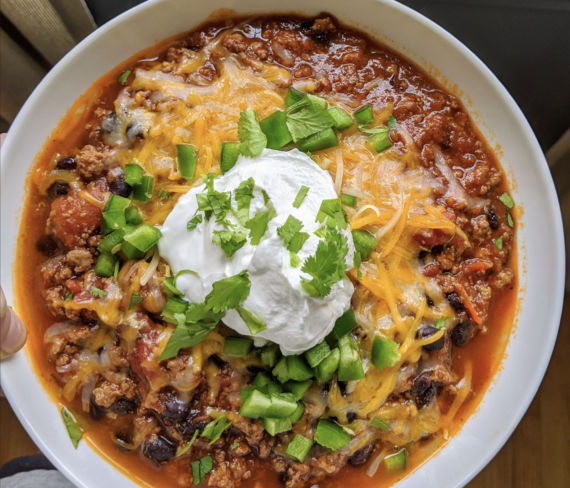
People who didn’t grow up around Cincinnati may be surprised the first time someone hands them a plate of Skyline Chili. This isn’t a bowl of thick Texas-style chili. Skyline’s signature sauce is served over spaghetti or hot dogs and buried under finely shredded cheese.
Nicholas Lambrinides opened Skyline in Cincinnati in 1949, drawing on family recipes and flavors from his childhood. Since then, ordering a 3-Way, 4-Way, or 5-Way has practically become its own Cincinnati dialect. The unusual style tends to provoke strong reactions from outsiders, but for people who grew up eating it, that’s part of the point. Skyline isn’t trying to taste like everybody else’s chili.
Trending on Cheapism

Whataburger
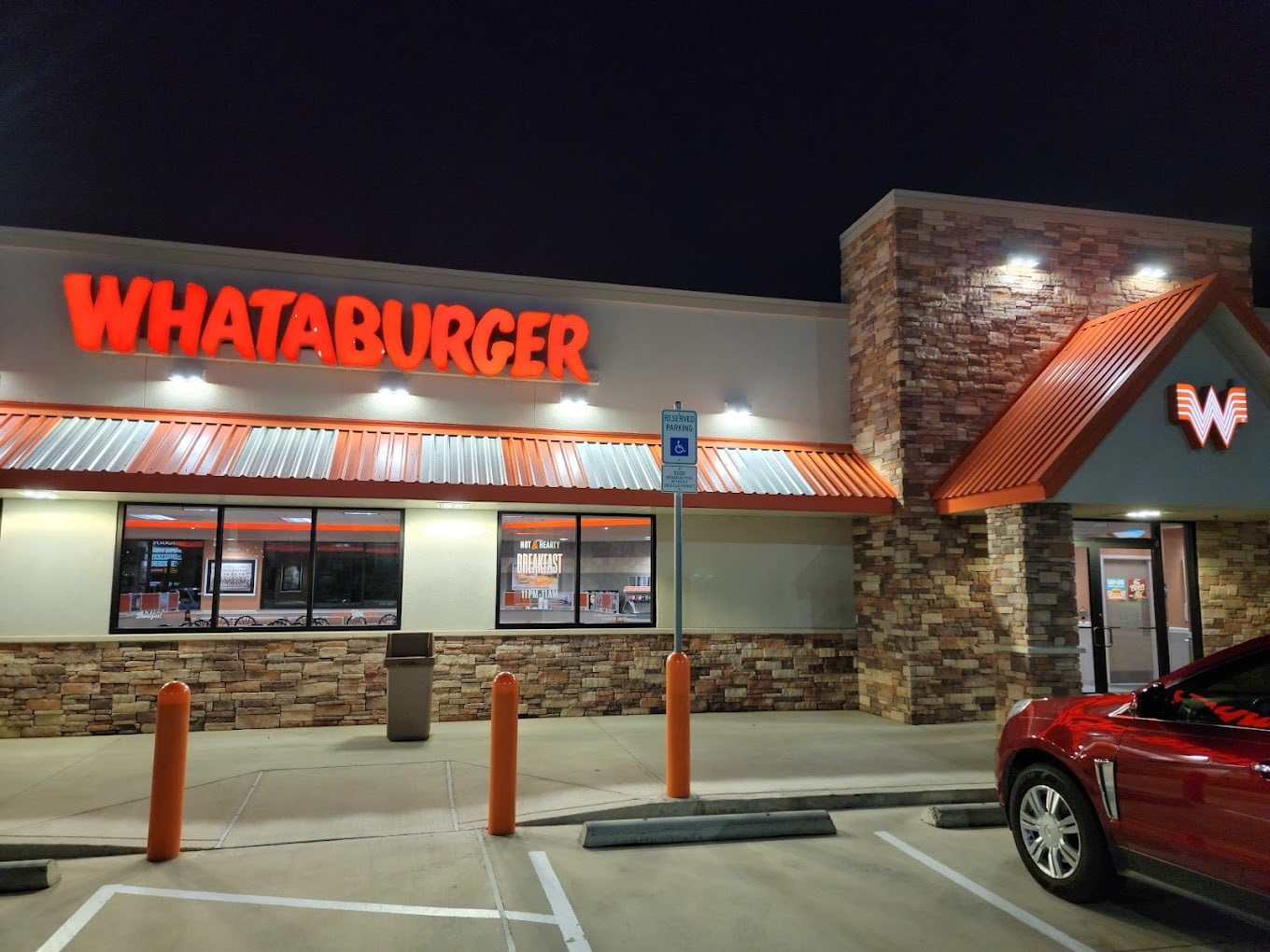
Founded: 1950 | Corpus Christi, Texas
Harmon Dobson opened the first Whataburger in Corpus Christi on Aug. 8, 1950, with a straightforward goal: Make a hamburger so big customers would need two hands to hold it and exclaim, “What a burger!”
The oversized burger was only the beginning of the chain’s distinctive identity. Orange-and-white A-frame restaurants gave Whataburger an unmistakable look beginning in the 1960s, while products like Fancy Ketchup developed followings of their own. Add breakfast taquitos and the Honey Butter Chicken Biscuit, and it’s easy to see why Whataburger has become more than a fast-food chain to many Texans. It’s a piece of regional identity.
Denny’s
Founded: 1953 | Lakewood, California
Denny’s didn’t start out as the diner chain we know today. It began in Lakewood, California, in 1953 as Danny’s Donuts before evolving into a full-service restaurant and eventually adopting the Denny’s name.
Over the decades, the chain became synonymous with breakfast at virtually any hour. The Grand Slam gave Denny’s a signature meal, while its traditionally round-the-clock schedule made its restaurants dependable destinations for road trippers, night owls, holiday diners, and anyone who wanted pancakes at an unconventional time. Not every location operates 24 hours today, but the all-day-breakfast diner identity remains.
Sonic Drive-In
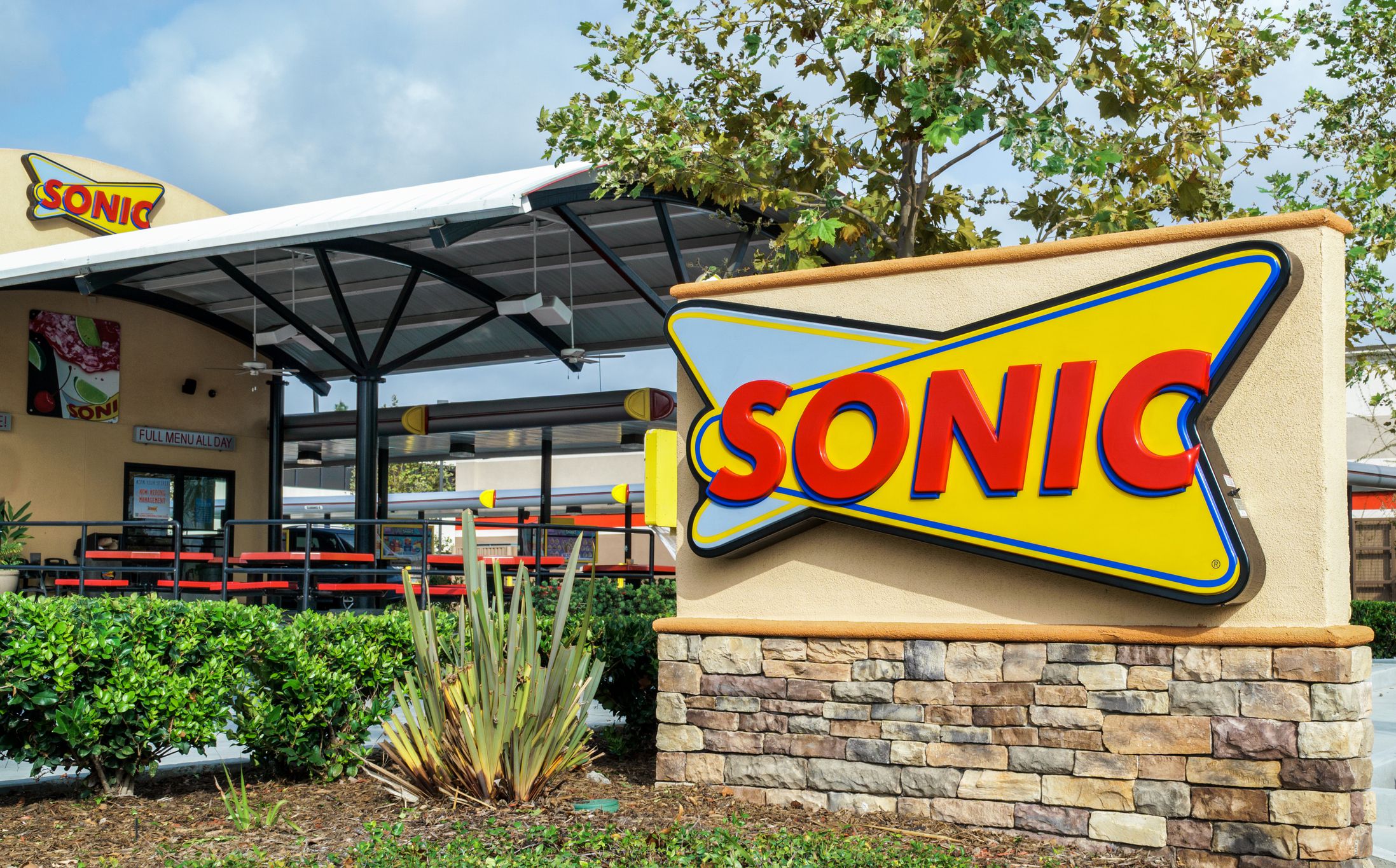
Founded: 1953 | Shawnee, Oklahoma
Sonic’s roots stretch back to a small Oklahoma root beer stand called Top Hat, which opened in 1953. The concept eventually evolved into something far more distinctive: a drive-in where customers could order from their parking spaces and have their food delivered by carhops.
That format preserved a slice of midcentury American car culture even as countless other drive-ins disappeared. But Sonic’s food and drinks developed loyal followings of their own. Tater tots offer an alternative to the usual fast-food fries, while cherry limeades, slushes, shakes, and seemingly endless drink customizations give customers plenty of reasons to visit without ordering a burger.
Sign up for our newsletter
Waffle House
Founded: 1955 | Avondale Estates, Georgia
Neighbors Joe Rogers Sr. and Tom Forkner opened the first Waffle House in Avondale Estates, Georgia, in 1955. They built the chain around uncomplicated diner food served quickly in small restaurants with open kitchens — a formula that remains immediately recognizable today.
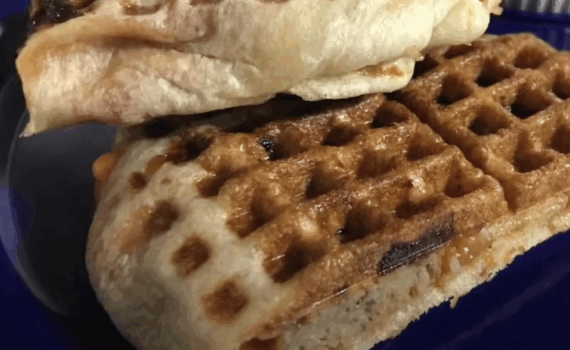
Then there are the hash browns. Waffle House regulars can order them scattered, smothered, covered, chunked, diced, peppered, capped, topped, or in various combinations that sound baffling until you’ve spent enough time at the counter. The chain’s reputation for staying open through almost anything is so strong that the unofficial “Waffle House Index” has become shorthand for assessing how badly a community has been disrupted by severe weather.
IHOP
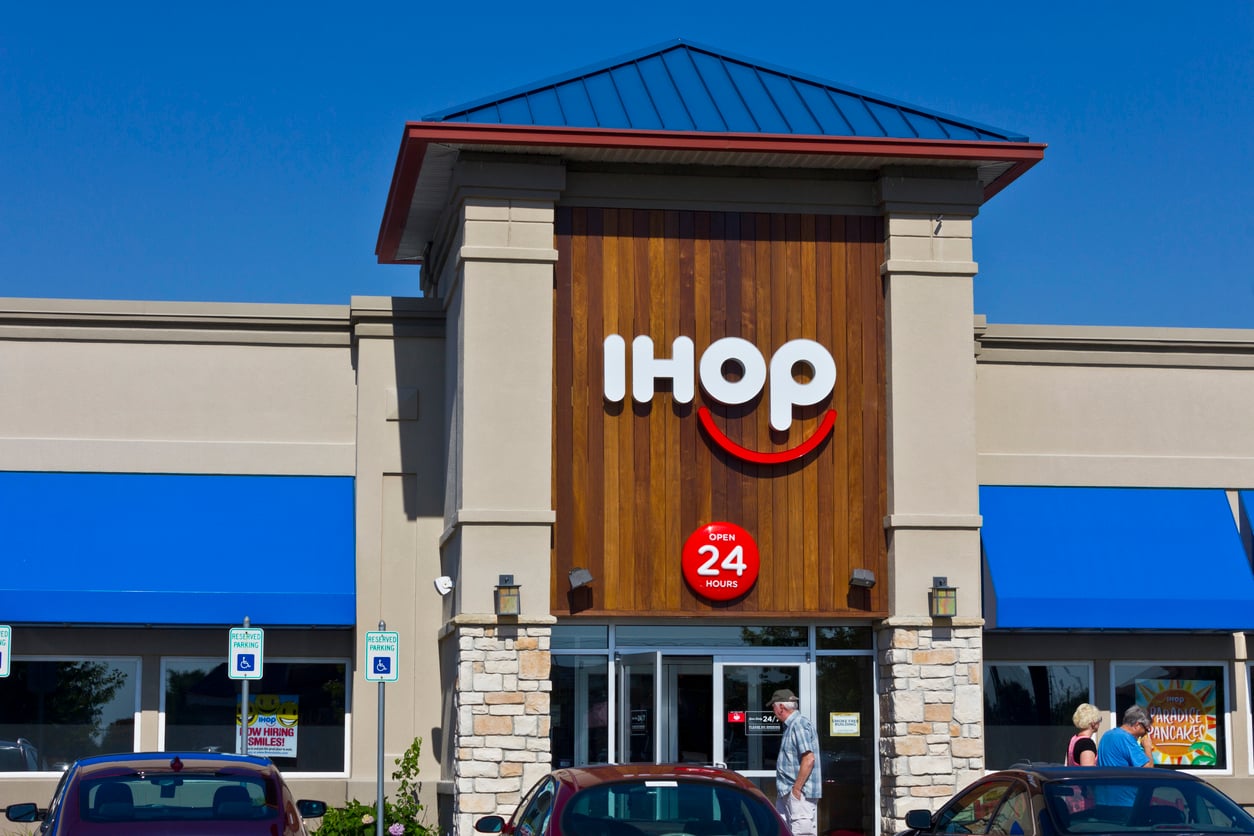
Founded: 1958 | Toluca Lake, California
The first International House of Pancakes opened in Toluca Lake, California, on July 7, 1958. Eventually, that rather lengthy name was shortened to the much catchier IHOP, but pancakes never stopped being the star attraction.
The menu has grown to include omelets, French toast, burgers, and other diner staples, yet a stack of Original Buttermilk Pancakes remains quintessential IHOP. Limited-time and seasonal pancake varieties give regulars something new to try without displacing the classics. The result is a restaurant that works equally well for a family breakfast, late-night meal, or road-trip pit stop.
Pizza Hut
Founded: 1958 | Wichita, Kansas
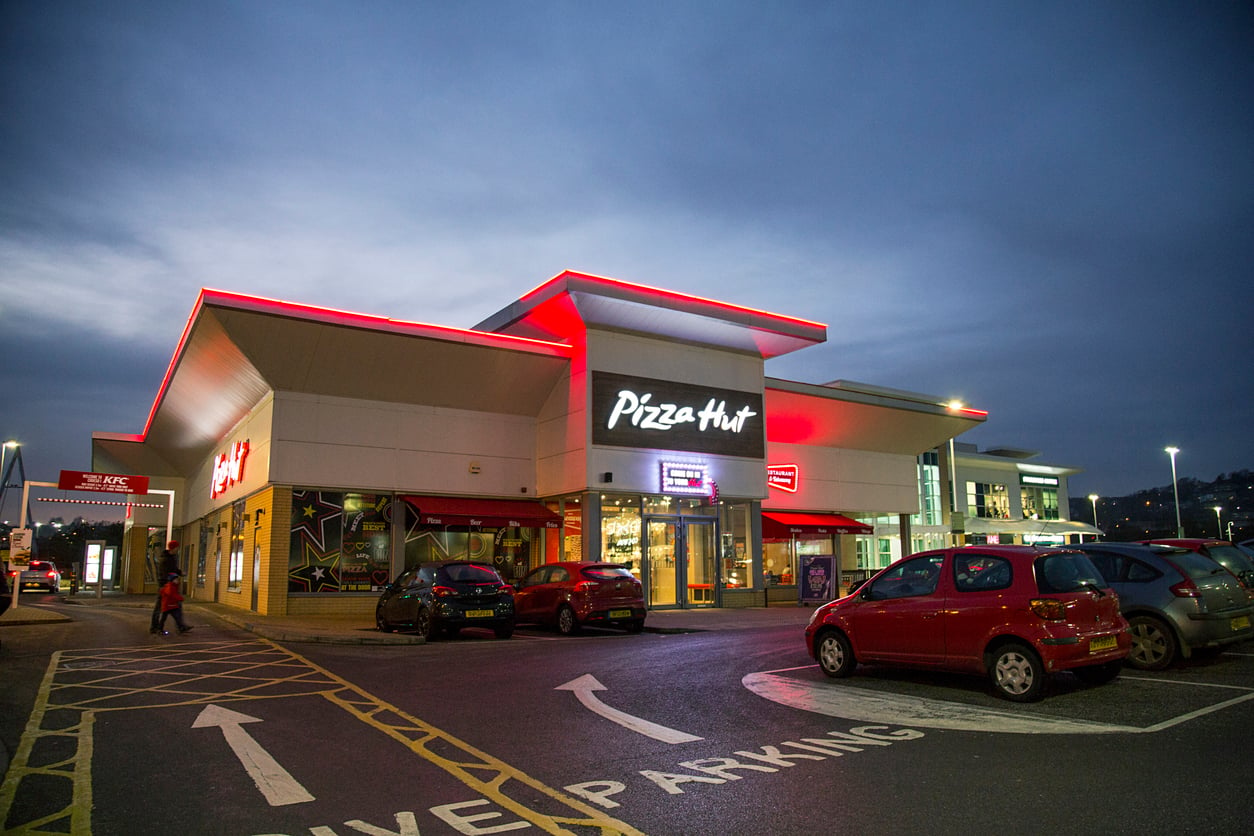
Brothers Dan and Frank Carney borrowed $600 from their mother and opened the first Pizza Hut in Wichita in 1958. What followed was one of America’s most recognizable restaurant chains, complete with red-roof buildings that became landmarks in communities across the country.
Pizza Hut has changed enormously since then, but nostalgia for its dine-in heyday remains surprisingly strong. Generations remember salad bars, Personal Pan Pizzas, Original Pan Pizza, and eventually Stuffed Crust. The BOOK IT! reading program added another connection to childhood, rewarding young readers with pizza and ensuring that plenty of customers developed Pizza Hut memories before they were old enough to drive themselves there.
Taco Bell
Founded: 1962 | Downey, California
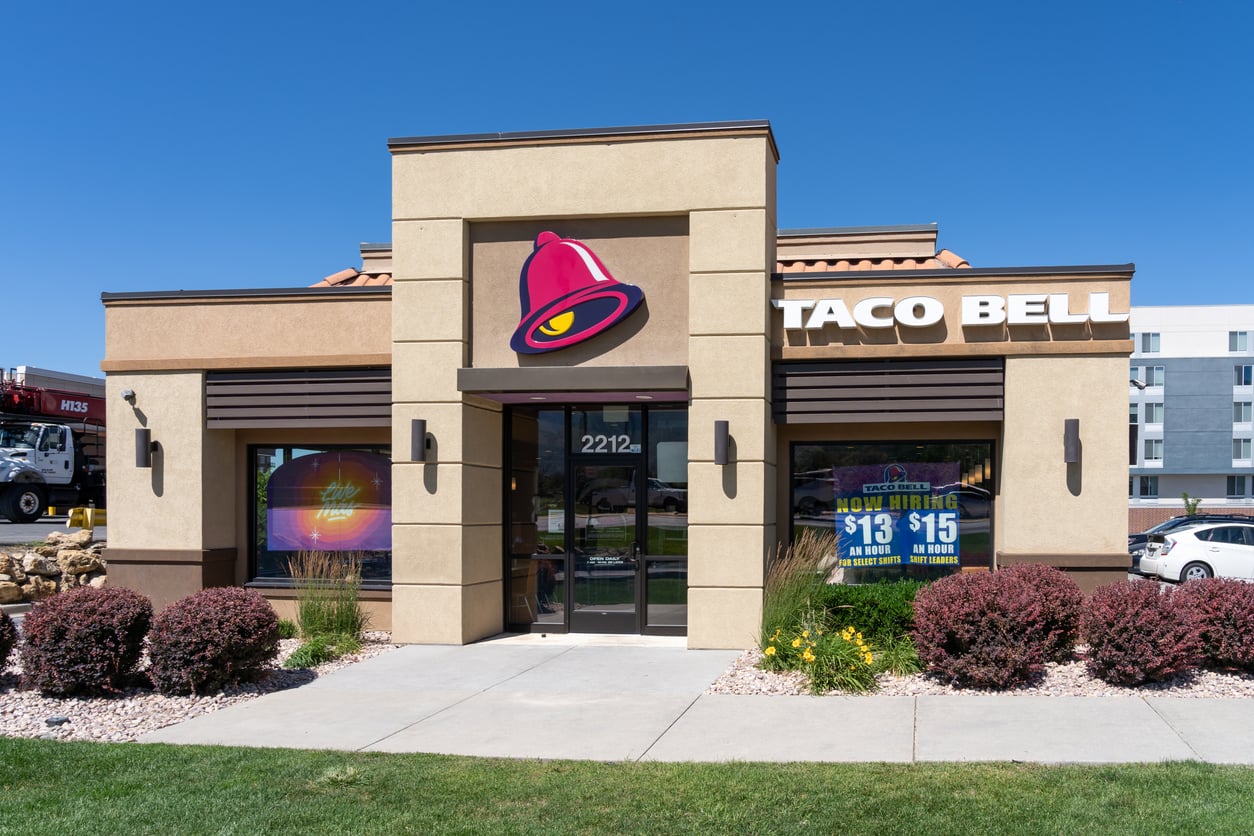
Glen Bell opened the first Taco Bell in Downey, California, in 1962, offering something different in a fast-food landscape filled with hamburger stands. More than six decades later, the chain still relies on a familiar collection of crunchy shells, seasoned beef, beans, cheese, sauces, tortillas, and other ingredients — it just keeps finding new ways to rearrange them.
That constant tinkering has created an unusual kind of loyalty. Taco Bell customers don’t just have favorite menu items; they mourn them when they’re discontinued. The Mexican Pizza, Enchirito, Quesarito, and other disappearing favorites have inspired online campaigns and pleas for their return. Few chains have managed to make taking food off the menu such an effective way of creating nostalgia for it.
Portillo’s
Founded: 1963 | Villa Park, Illinois
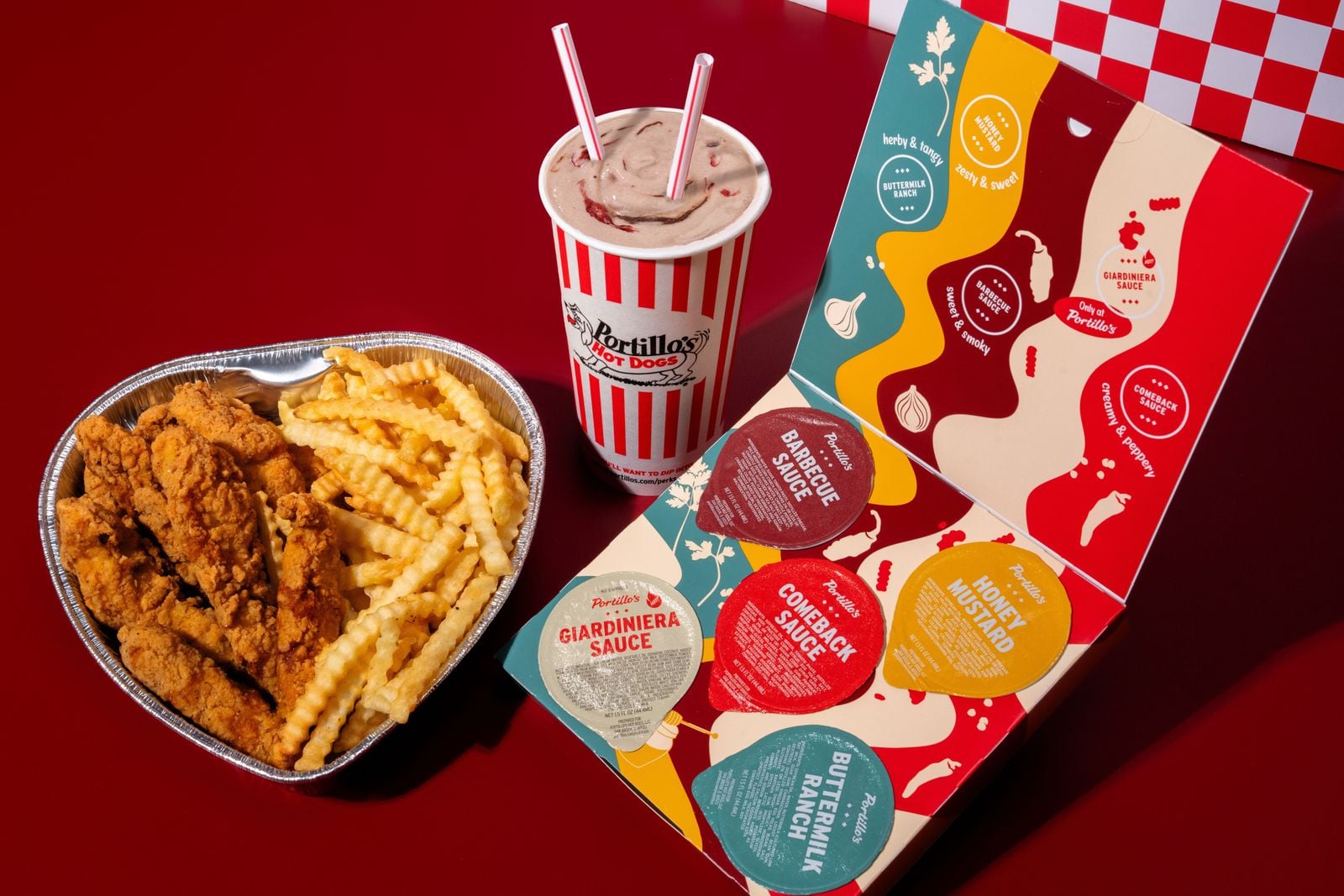
Dick Portillo invested $1,100 in a tiny 6-by-12-foot trailer called The Dog House in Villa Park, Illinois, in 1963. From that modest beginning came a chain synonymous with some of Chicago’s most recognizable foods.
Chicago-style hot dogs and Italian beef remain central to Portillo’s identity, while its chocolate cake and Cake Shake have earned dedicated followings of their own. Although Portillo’s has expanded well beyond Chicagoland — reaching more than 100 restaurants by the end of fiscal 2025 — the chain still trades heavily on its Chicago roots. For former Chicagoans living elsewhere, a new Portillo’s can feel less like another chain opening and more like a taste of home arriving.
Arby’s
Founded: 1964 | Boardman, Ohio
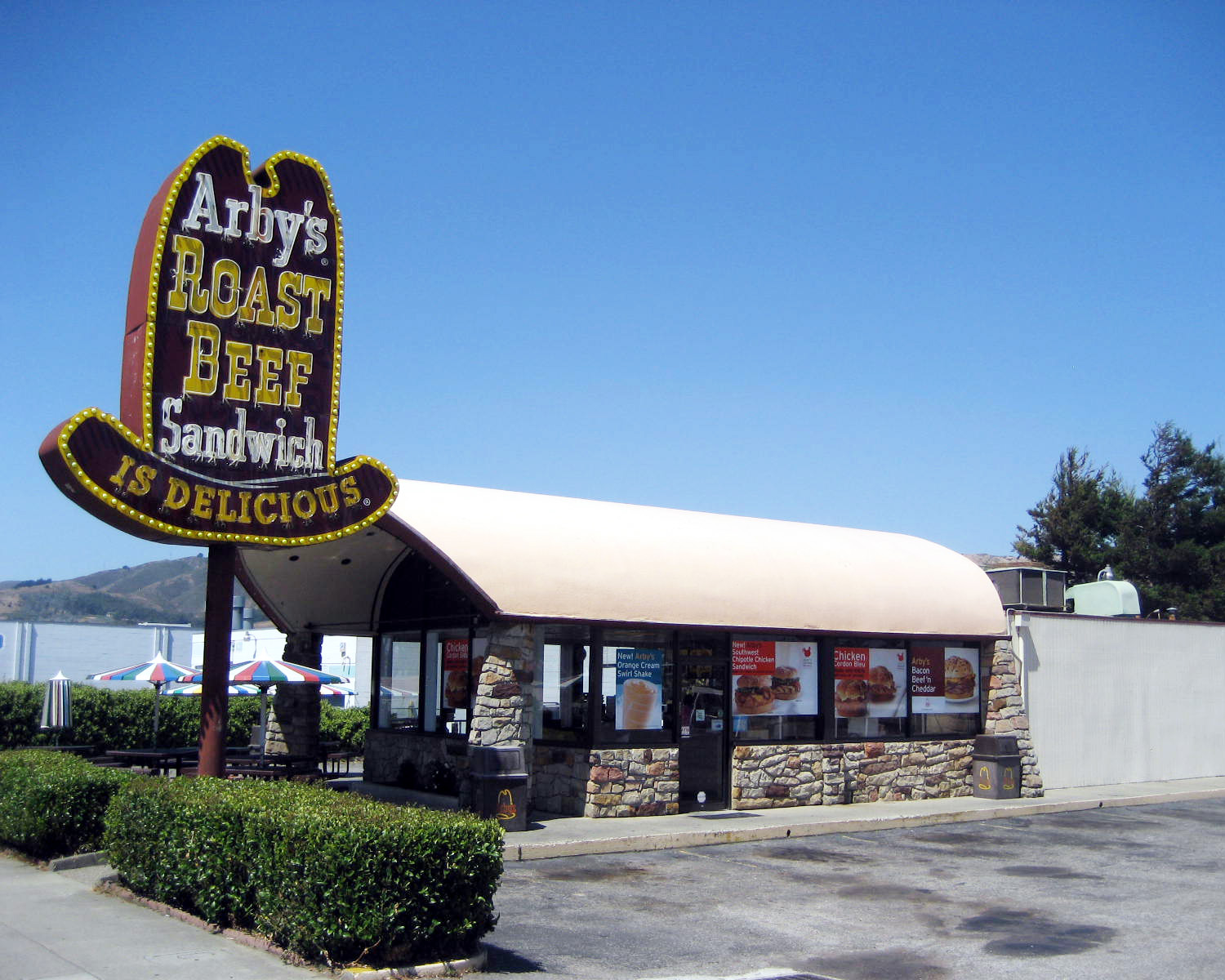
When seemingly every fast-food competitor was focused on hamburgers, Arby’s took a different route. Founded by the Raffel brothers in 1964, the chain built its identity around roast beef sandwiches.
That distinction still defines Arby’s decades later. Thinly sliced roast beef, the Beef ‘N Cheddar, Arby’s Sauce, Horsey Sauce, curly fries, and Jamocha shakes form a combination that’s difficult to replicate at another major fast-food chain. And despite a persistent myth, the name Arby’s doesn’t stand for “roast beef.” It’s connected to the Raffel brothers — the “R.B.s” behind the business.
Chick-fil-A
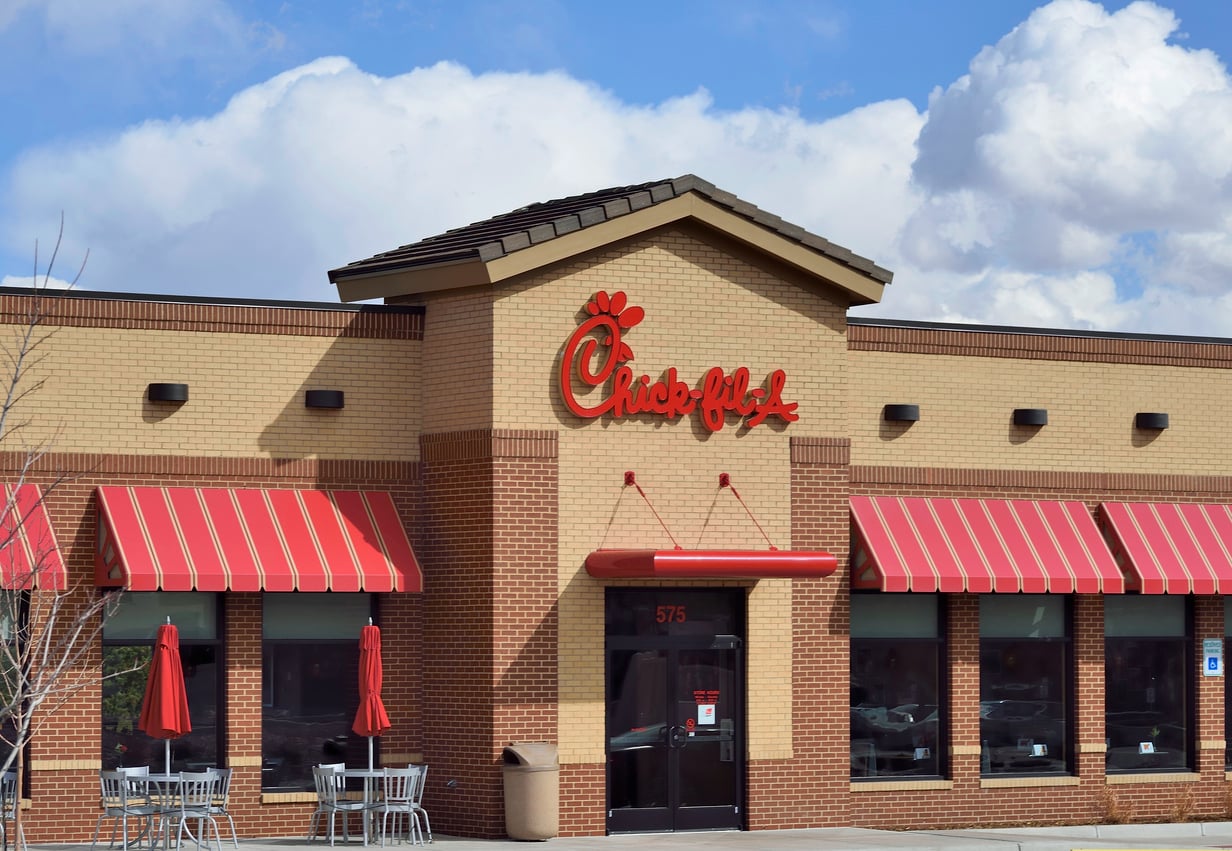
Founded as Chick-fil-A: 1967 | Atlanta, Georgia
Chick-fil-A’s history technically begins before Chick-fil-A itself. S. Truett Cathy opened the Dwarf Grill, later known as the Dwarf House, in 1946. The first restaurant carrying the Chick-fil-A name didn’t open until 1967, when Cathy launched the concept inside Atlanta’s Greenbriar Mall.
The original chicken sandwich became the foundation of a relatively focused menu that eventually expanded to include nuggets, waffle fries, biscuits, salads, and breakfast. Chick-fil-A Sauce and lemonade have developed their own followings, too. Despite growing into one of America’s biggest restaurant brands, Chick-fil-A remains privately held and family-owned.
Cracker Barrel Old Country Store
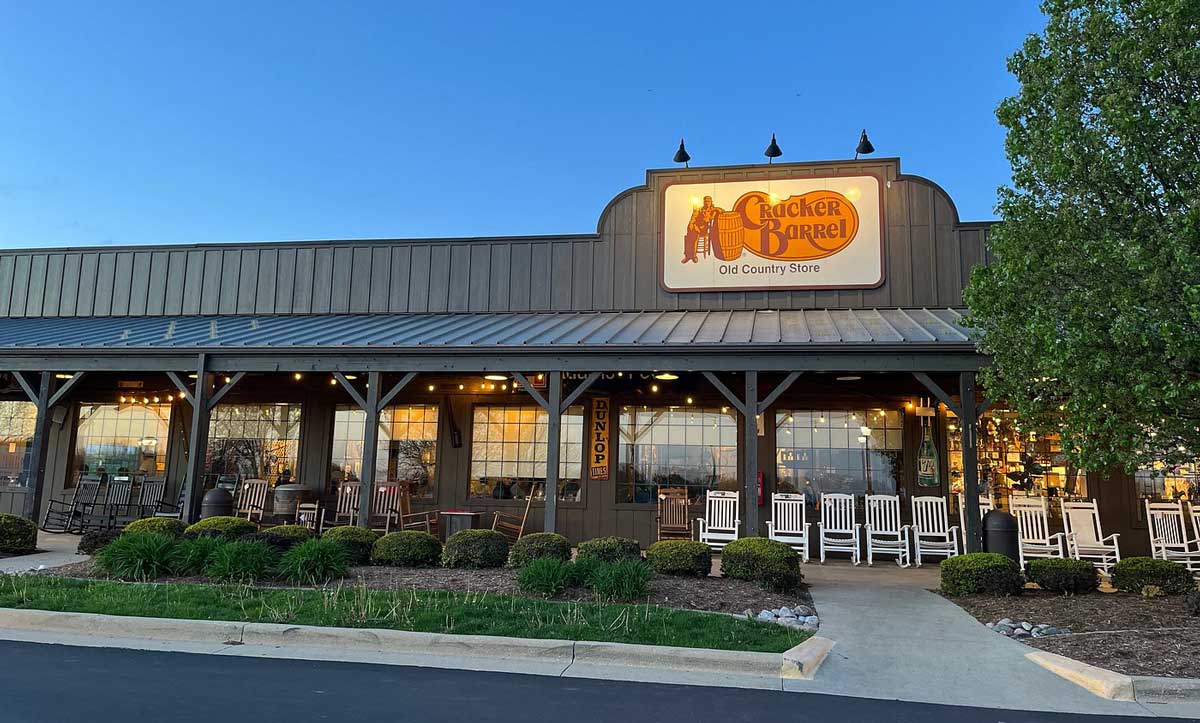
Founded: 1969 | Lebanon, Tennessee
Dan Evins opened the first Cracker Barrel in Lebanon, Tennessee, in 1969 after thinking about how restaurants could better serve the growing number of Americans traveling the interstate highway system. His solution wasn’t merely a restaurant. It was a restaurant, country store, front porch, rocking-chair showroom, and road-trip attraction rolled into one.
That unusual experience remains central to Cracker Barrel’s appeal. Biscuits, country breakfasts, chicken and dumplings, hashbrown casserole, tabletop peg games, rocking chairs, and the retail store all contribute to a ritual generations of families recognize. For many customers, seeing a Cracker Barrel sign from the highway still means exactly what it did decades ago: It’s time to pull over and eat.
After half a century or more, these chains prove that longevity doesn’t require staying frozen in time. Taco Bell has made constant menu changes part of its personality, Pizza Hut has repeatedly reinvented its pizza lineup, and Dairy Queen managed to introduce the Blizzard decades after opening and turn it into an icon.