

From 2016 to 2026, Americans still had to pay bills, save, shop, and invest their money, but their money habits have changed significantly, according to the Federal Reserve, Vanguard and Deloitte. Smartphones have transformed people’s lives, though not all the changes are positive. We’ll reveal how Americans handle their money differently today, compared to ten years ago!
They Bank From Their Phones Instead of Going to a Branch
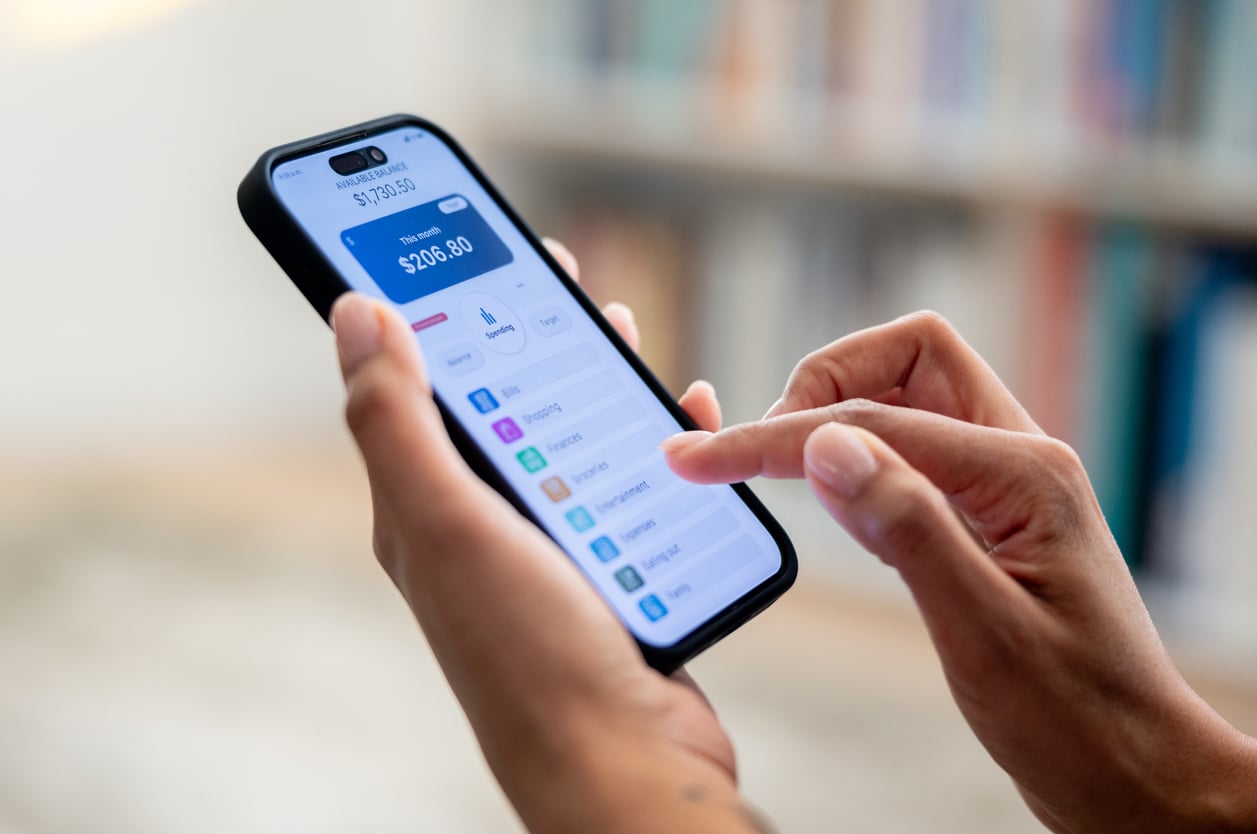
By the end of 2015, 9.2% of banked households used mobile banking as their primary method of accessing their accounts. By 2023, that figure had risen to 48.3%. Consequently, tasks such as depositing checks, transferring money, checking balances, and paying bills no longer require people to visit the bank in person. Instead, they handle these money habits via their smartphones.
Their Phone Is Becoming Their Wallet

Another significant shift in society is the evolution of mobile payments apps, while they were a novelty ten years ago, their usage has steadily grown over time. In 2024, Americans made an average of 11 payments per month with a mobile phone, up from 4 per month in 2018. The Federal Reserve also reported that 23% of consumer purchases and peer-to-peer payments were made remotely that year, in another money habits that changed.
They Venmo Friends Instead of Handing Them Cash

A decade ago, splitting the cost of a dinner meant the other person had to hand you cash, write an IOU, or give you a check. That is a thing of the past; by 2023, mobile apps had taken over peer-to-peer payments. These apps, such as Venmo, Cash App, PayPal, and similar electronic services, made it easy for friends and family to split costs for rent, gifts, and other shared expenses, changing everyday money habits.
They Reach for Cards More Often Than Cash

Nowadays, people use cards more than cash: cash accounted for 14% of consumer payments in 2024, compared with 35% for credit cards and 30% for debit cards. Consumer preferences have shifted toward rewards cards, contactless payments, online shopping, and other cashless methods. However, older Americans still favor cash more than young adults do, showing a generational divide in money habits.
They Buy Far More Things Without Entering a Store

The rise of online shopping has been a reality for years, though it accounted for only a small fraction of the market a decade ago. The second quarter of 2026 Census data show e-commerce at 17.1% of total purchases in the United States, with online shopping continuing to grow much faster than the retail sector as a whole. Activities such as comparing prices, buying groceries, and making impulse purchases are now part of everyday money habits, often carried out from home using a mobile phone.
Trending on Cheapism

They Split Ordinary Purchases Into Four Payments
A CFPB study found that 21.2% of consumers with a credit record used a buy now, pay later loan in 2022. More than 60% of BNPL borrowers originated multiple simultaneous loans at some point during the year, adding a new dimension to money habits. Whether buying clothing, electronics, travel services, or other items that are not typically high-cost, people are increasingly choosing to split payments into installments.
They Pay More Things as Monthly Subscriptions
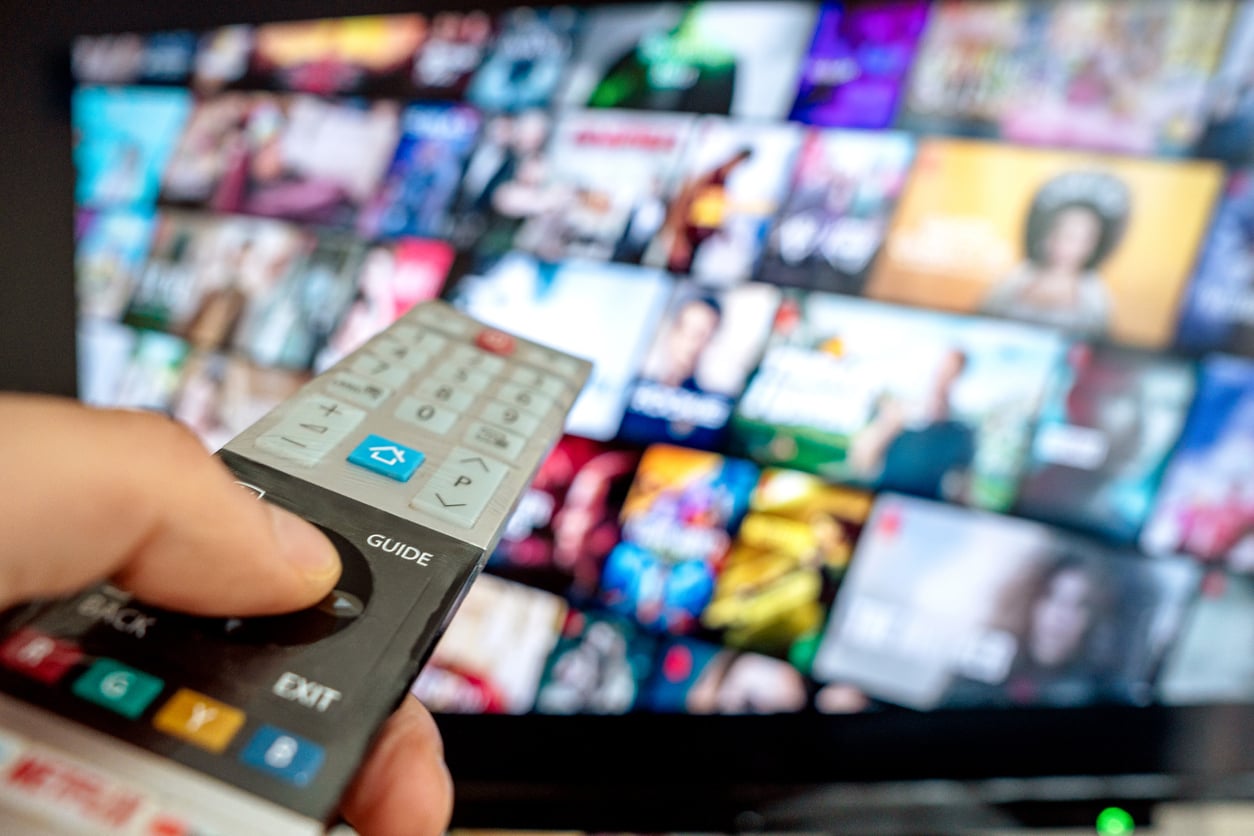
One of the trends influencing payment methods, specifically the shift away from cash, over the last decade has been the rise of streaming services. People make monthly payments for entertainment, software, shopping perks, fitness, food, and other services. Consumers are comfortable paying for individual products through small, recurring charges rather than a single, one-time lump-sum payment, changing their money habits. Deloitte indicates that the typical streaming household now pays for about four paid video services.
They Cancel and Restart Services to Control Costs

The way consumers currently choose to pay for subscription services involves subscribing for only part of the year, often to access specific shows or seasons available on one app but not another, and then switching to a different service. The practice of paying for a service year-round is being replaced; consumers sign up for a service, cancel it to switch to another, and so on, in order to keep costs down. Deloitte found that 39% of consumers had canceled at least one paid streaming service during the previous six months, showing how subscription-based money habits are changing.
Sign up for our newsletter
They Invest From an App

Ten years ago, if you wanted to invest, you had to contact a financial advisor, visit brokerage websites, or place trades over the phone. Today, people use mobile apps to execute trades and buy or sell investments in a matter of seconds. This shift toward digital interaction has transformed society, allowing social media and investment apps to play a pivotal role in the financial world and modern money habits.
They Can Invest $10 Without Buying a While Share

Fractional shares have existed for years, but they were previously reserved for special situations and were not widely available to individual investors. Nowadays, you can invest as little as a single dollar without having to buy a whole share. Small investors also have a place in the market and have helped popularize this form of micro-investing through fractional shares part of modern money habits.
Retirement Savings Happens More Automatically

You can start saving for retirement as soon as you receive your first paycheck, no need to go through a process with financial advisors. Employers now automatically enroll their workers in retirement plans rather than waiting for them to sign up on their own. Some of these plans can automatically increase contribution rates, helping you better prepare for the day you stop working. Vanguard mentioned that 61% of plans it tracks used automatic enrollment in 2024, making automated saving an increasingly common part of money habits.
More Retirement Money Is Put on Autopilot

In recent years, individuals have increasingly allowed target-date funds or managed accounts to handle their asset allocation decisions. Rather than directly controlling their funds, they are choosing investment options designed to adjust automatically. Vanguard reported that 67% of its participants were invested in professionally managed allocations at the end of 2024, showing how money habits are becoming more automated. By the end of 2025, assets in target-date funds in the United States had reached $4.9 trillion according to the ICI Investment Company Institute.
Roth 401(k) Are Becoming Much More Normal
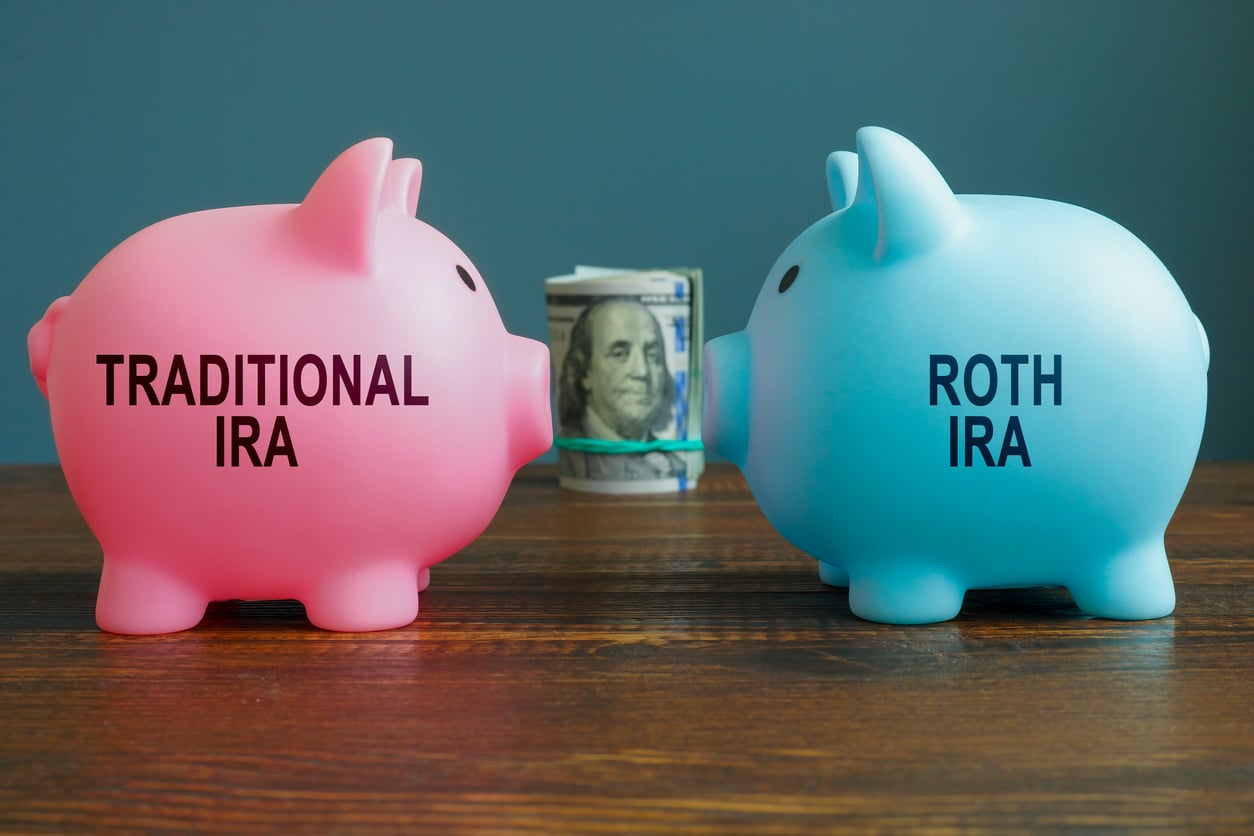
The concept behind a retirement plan is to provide workers with options for both traditional pre-tax contributions and Roth contributions. An increasing number of workers are actively considering whether to pay taxes on their retirement funds now or defer them until later. Vanguard reports that, as of late 2024, 86% of its plans offer a Roth option, giving workers more flexibility in their retirement money habits.
More Workers Have More Than One Source of Earned Income

The number of Americans holding multiple jobs has grown over the past decade. In 2025, 8.8 million Americans held multiple jobs, up from approximately 7.5 million in 2016. The additional work many of them undertake is often facilitated by apps and online platforms, enabling them to handle deliveries, drive passengers, freelance, or sell goods, creating new money habits around earning income.
They Change Their Shopping Habits Faster When Prices Rise

Due to the surge in inflation during the mid-2020s, price comparison became a common practice, and product substitution played a key role in aligning household budgets with workers’ incomes. Store brands gained ground, shoppers delayed purchases, switched to cheaper retailers, and actively sought out promotions as part of changing money habits.
They Manage Money in Real Time Instead of Waiting for a Statement
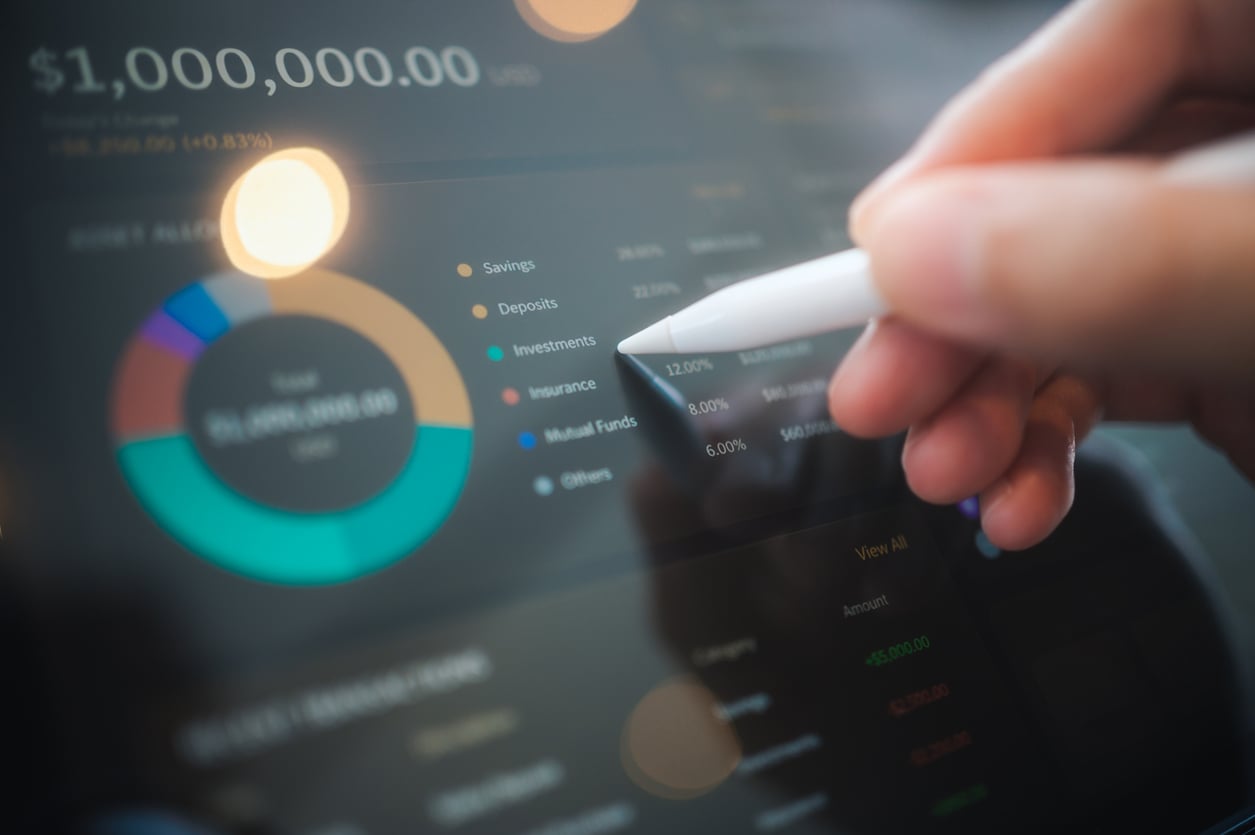
Nowadays, the movement of a person’s money is monitored in real time, rather than relying on information provided by one’s bank. A decade ago, bank branches issued monthly statements, and you had to visit an ATM to check your balance mid-month. Today, many transactions and balance alerts can appear almost immediately, while automatic payments and account transfers can also be scheduled and processed electronically. This shift may well be the most significant changes in money habits over the past decade.
Conclusion

One conclusion drawn from comparing how money was handled ten years ago with current practices is that far fewer steps are now required to invest, transfer, spend, or lend money. These changes have benefited both banks and customers. Meanwhile, certain money habits remain unchanged, such as that of Americans, who continue to focus on saving money as they earn it, setting funds aside, spending responsibly, and monitoring their finances on a daily basis.