Food can reveal how people lived through war, political change, migration, economic hardship, and scientific progress. The Smithsonians National Museum of American History explains how food reflects major social and cultural changes. These photos of meals with historical significance capture everything from Depression era soup kitchens and wartime rationing to diplomatic banquets, civil rights protests, and meals eaten in space.
The Apollo 11 Crew Ate Breakfast Before Making History
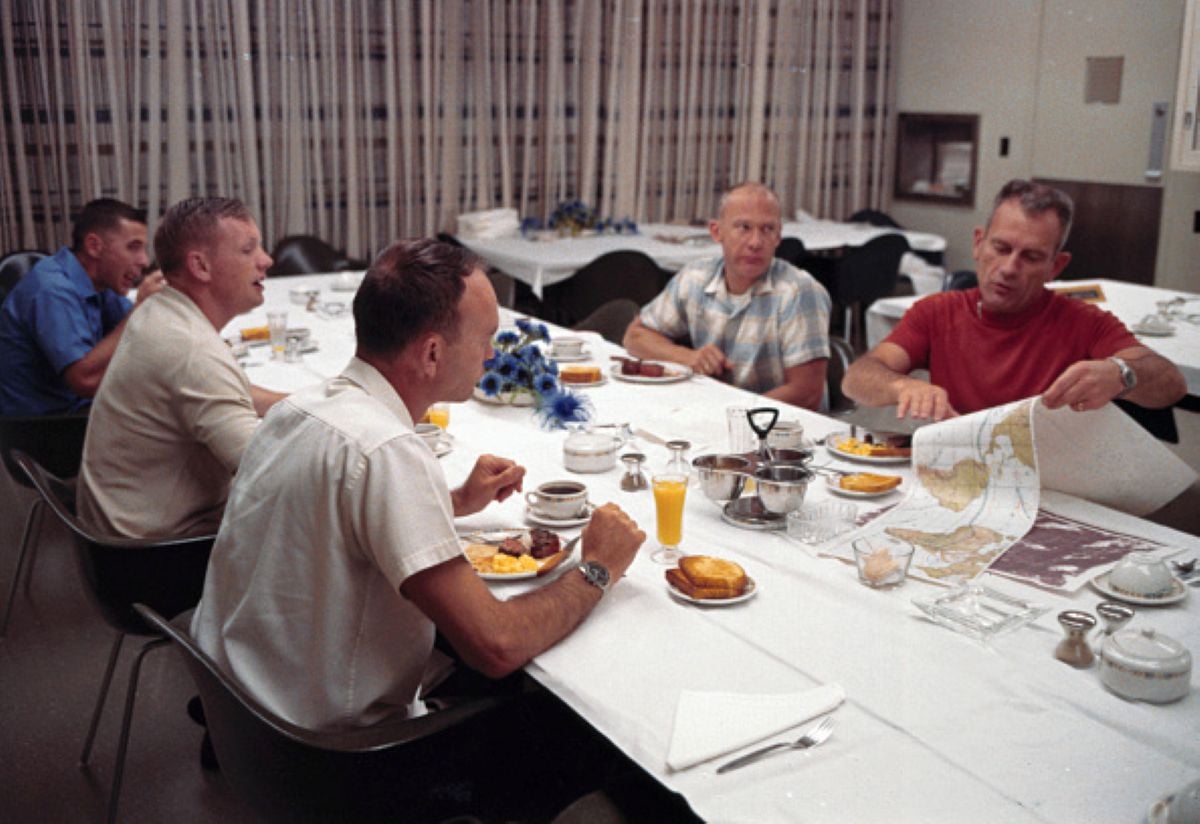
Neil Armstrong, Buzz Aldrin, and Michael Collins ate breakfast before launching on the Apollo 11 mission in July 1969. The meal was a final quiet moment on Earth before the astronauts began the journey that would lead to the first human steps on the moon.
Gemini Astronauts Took Cookie Cubes Into Space
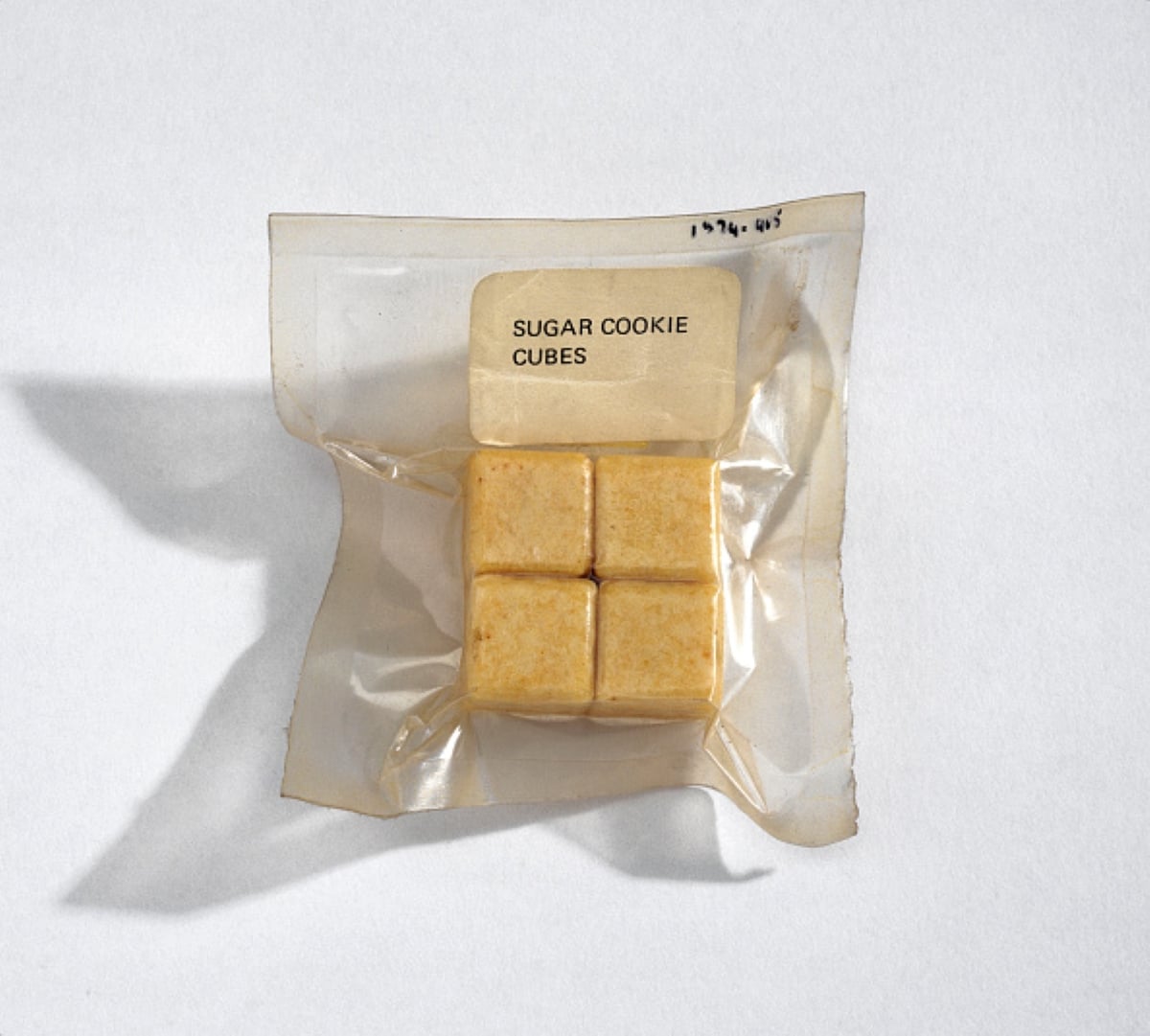
These compact sugar cookie cubes were created for NASA astronauts during the Gemini missions of the 1960s. Space food needed to be lightweight, easy to store, and unlikely to create crumbs that could float into equipment inside the spacecraft.
An Astronaut Ate Dinner Aboard Endeavour
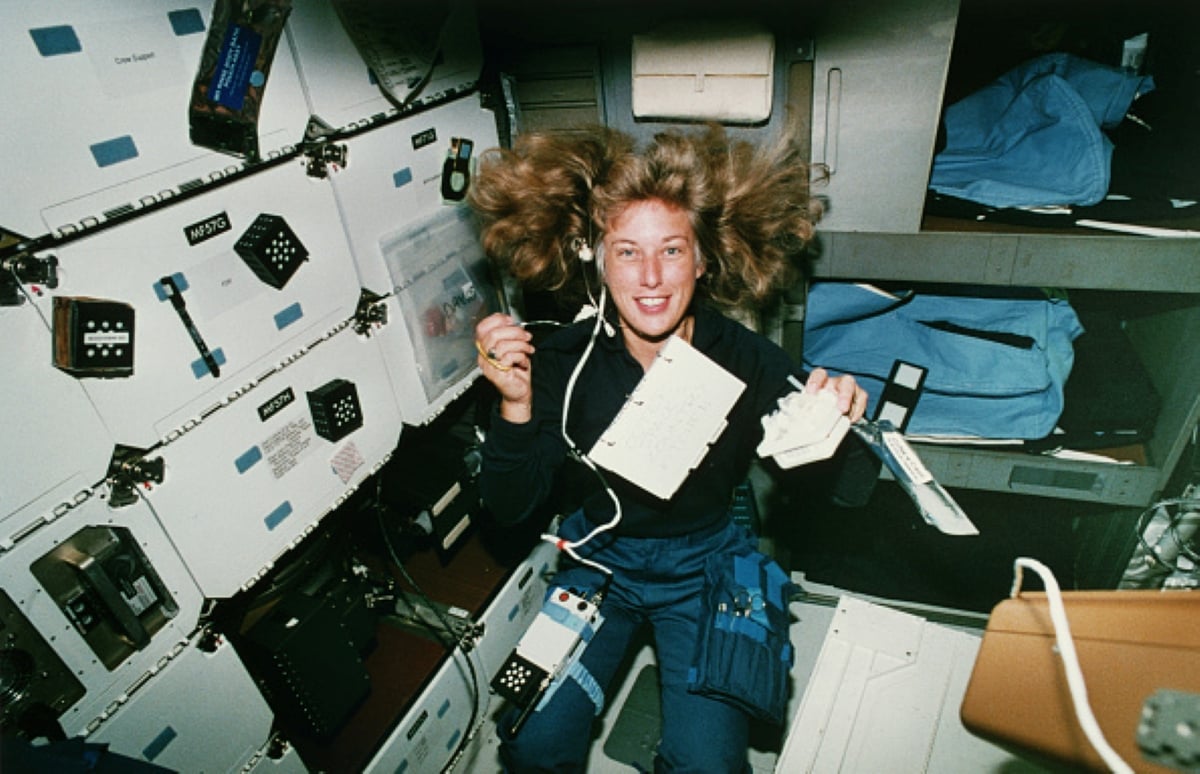
Astronaut Jan Davis ate aboard the Space Shuttle Endeavour beneath a playful Outer Space Country Kitchen sign. The picture shows how ordinary routines such as eating continued in orbit, even while crews carried out complex scientific and technical missions.
Momofuku Ando Helped Bring Noodles Into Space
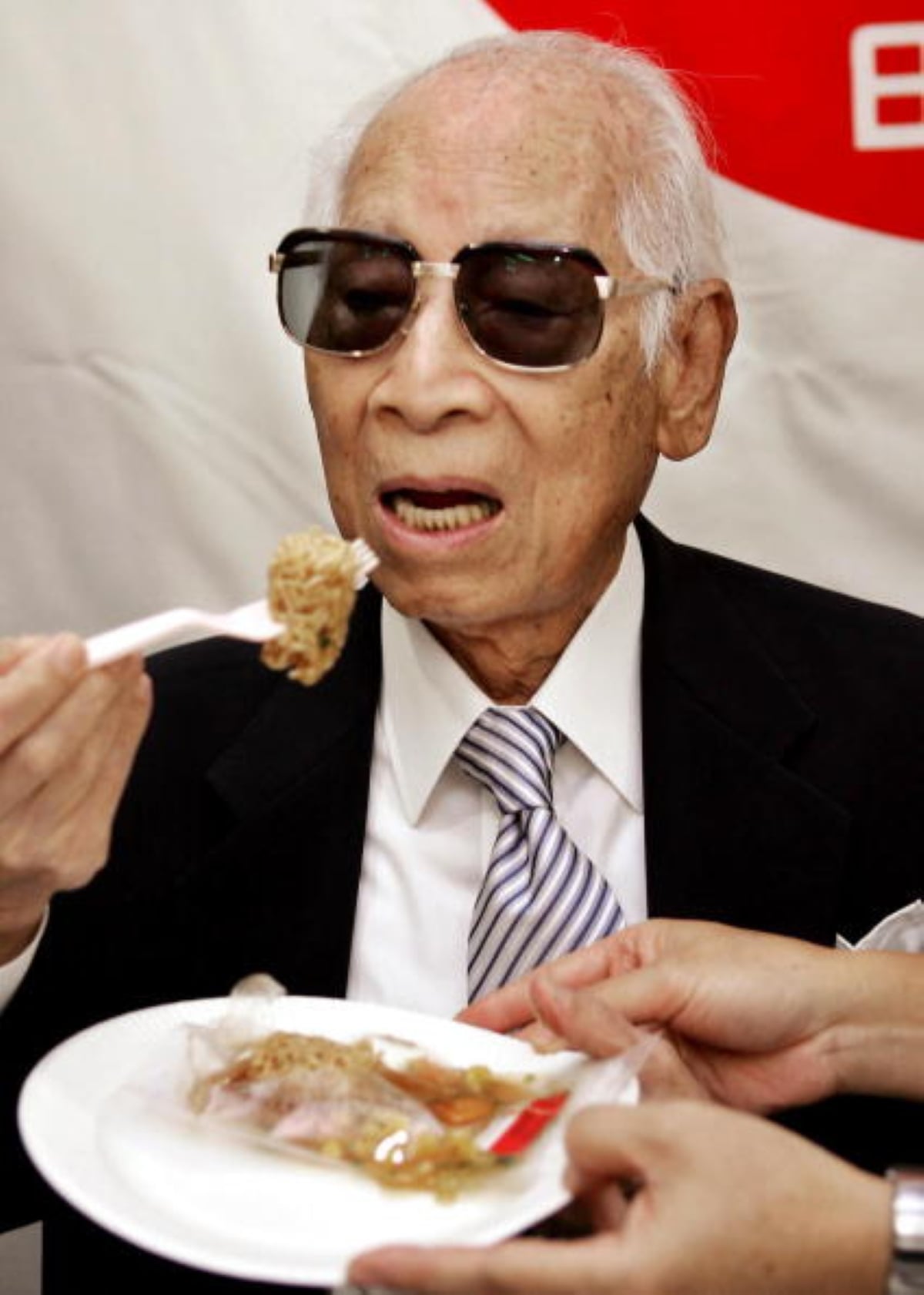
Instant noodle inventor Momofuku Ando sampled noodles designed for astronauts in 2005. The meal reflected years of work to create familiar food that could be safely prepared and eaten in microgravity during missions aboard the International Space Station.
Nixon Shared a Historic Banquet With Zhou Enlai
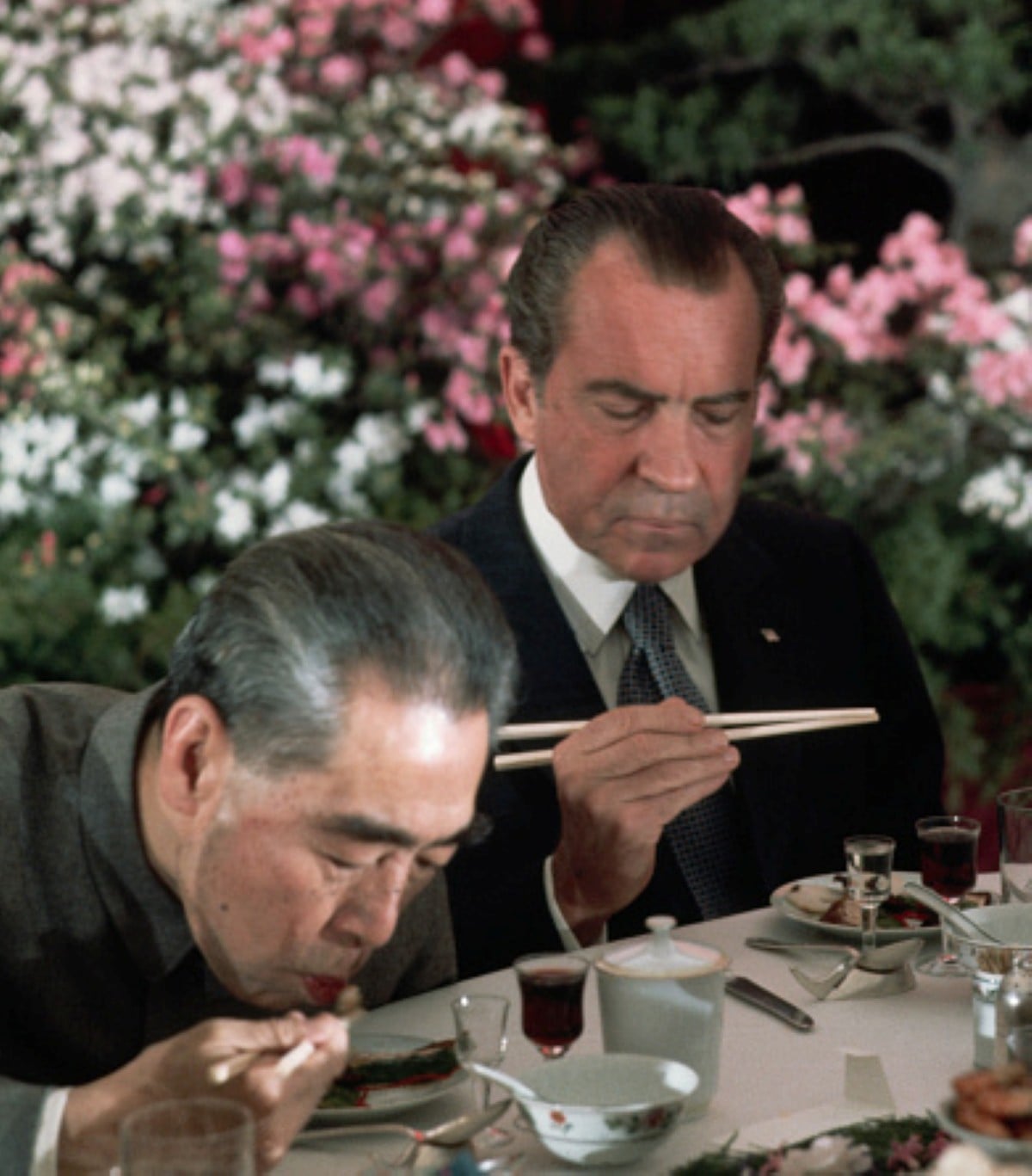
President Richard Nixon dined with Chinese Premier Zhou Enlai during his 1972 visit to China. The carefully arranged banquet became part of a major diplomatic breakthrough that helped reopen official relations between the United States and the Peoples Republic of China.
Trending on Cheapism
Immigrants Shared Meals at Ellis Island
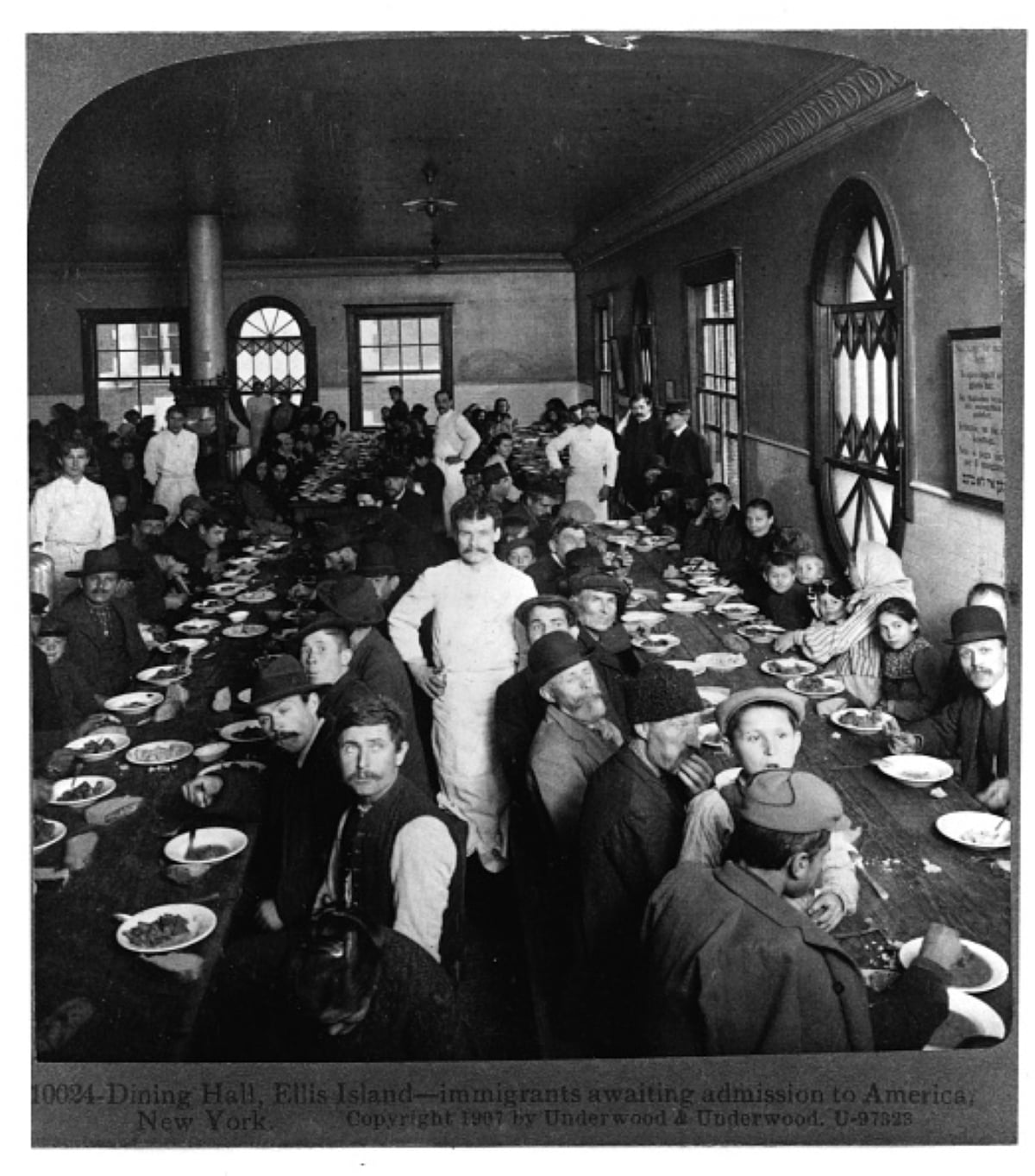
Immigrants sat together in the dining hall at Ellis Island while waiting to complete medical and legal inspections. For millions of new arrivals, these simple meals were among their first experiences in the United States before beginning new lives across the country.
Workers Ate at Al Capones Soup Kitchen
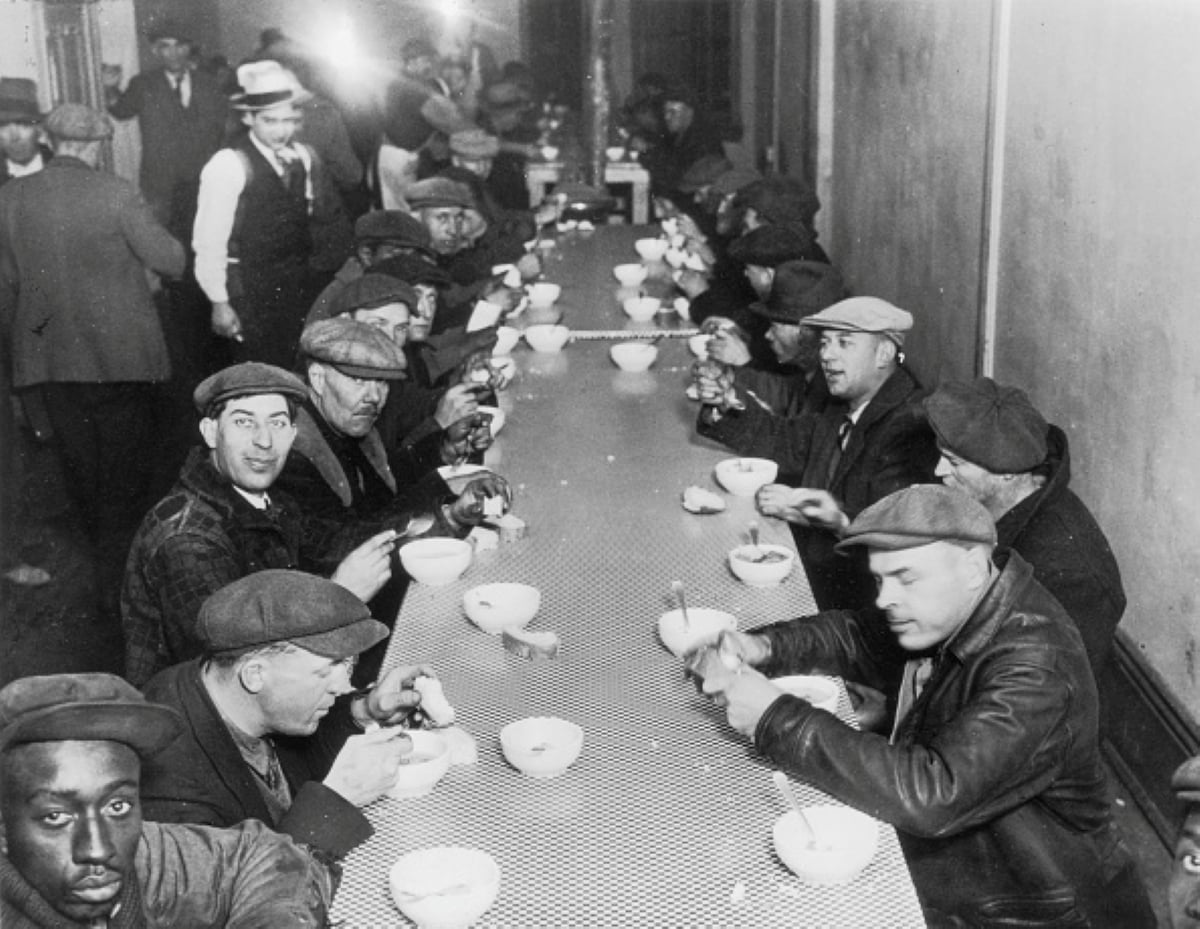
Unemployed workers ate free meals at a Chicago soup kitchen funded by Al Capone during the Great Depression. The kitchen served people struggling with hunger and job loss, while also helping Capone improve his public image during a period of widespread economic hardship.
Nixon Used Chopsticks at His Final China Banquet
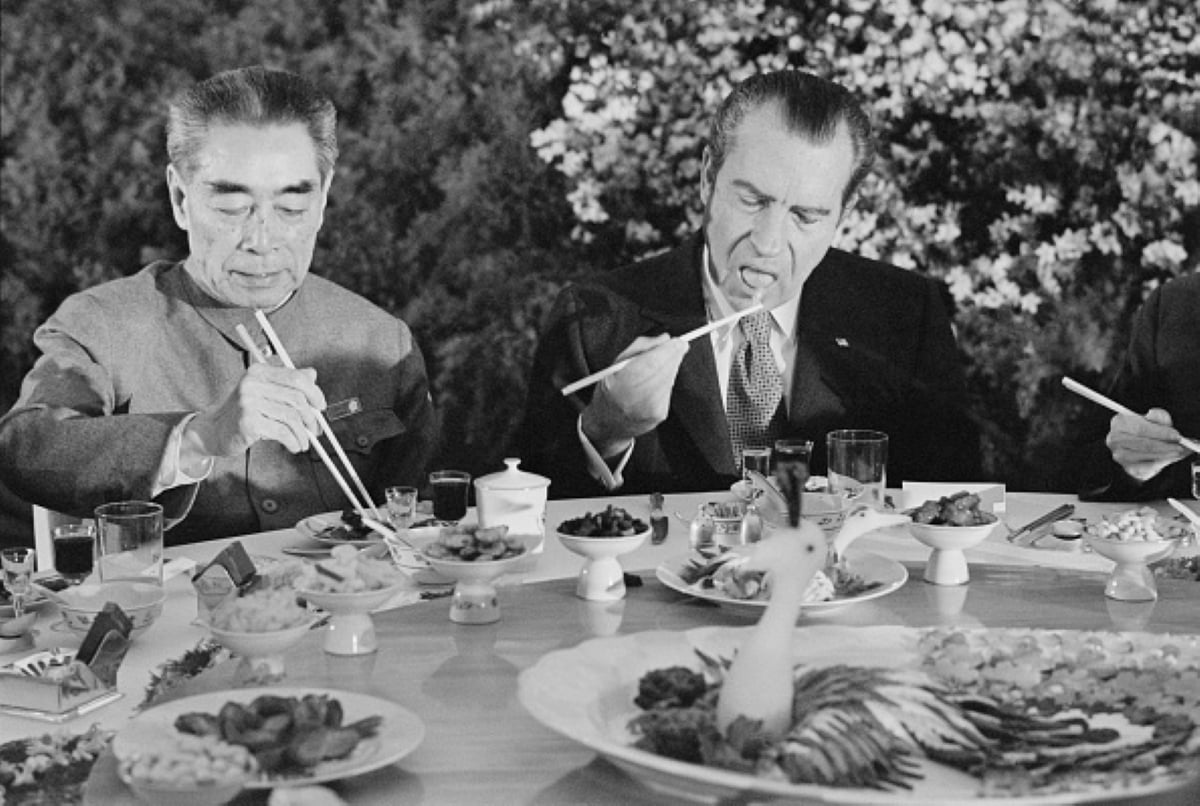
President Nixon used chopsticks while seated beside Zhou Enlai during a farewell banquet in 1972. The meal marked the end of a visit that changed international diplomacy and showed how formal dining can become part of political negotiation and public symbolism.
Sign up for our newsletter
Soup Was Prepared for Struggling New Yorkers
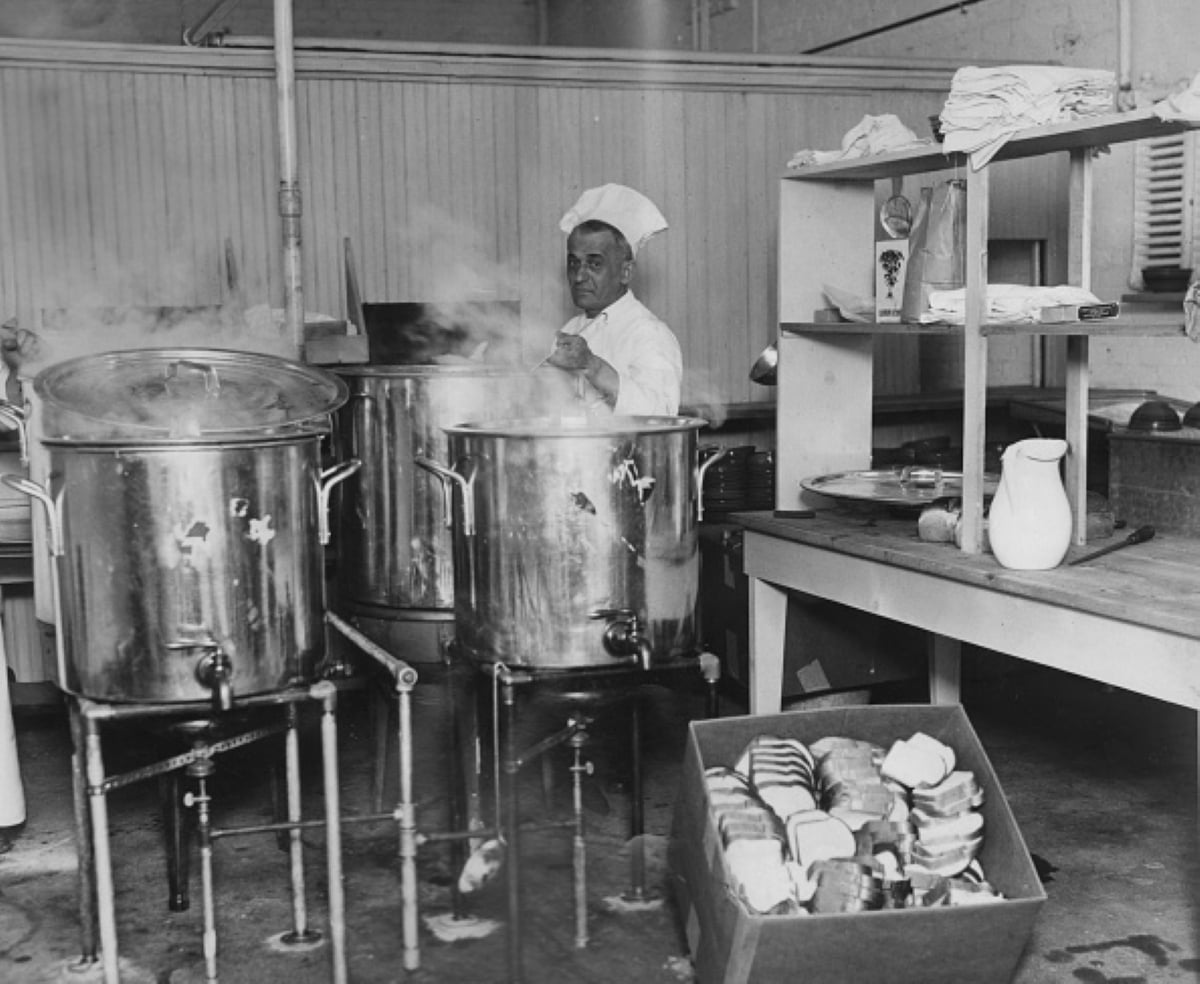
A cook prepared large containers of soup for people in need during the Great Depression. Mass meal programs became essential as unemployment and homelessness increased, providing basic food to families and individuals who had lost their incomes.
The Salvation Army Served Meals During the Depression
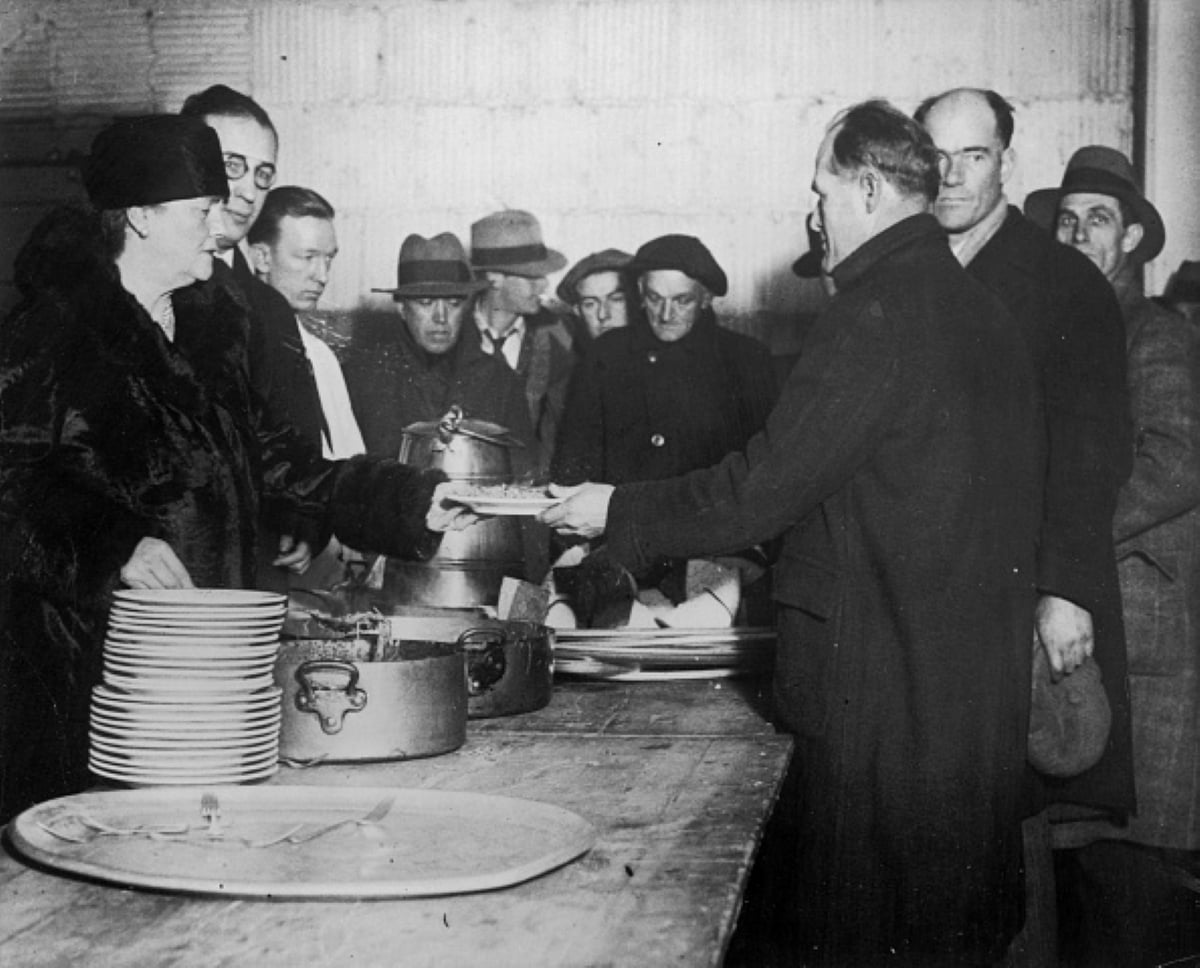
Dolly Gann helped serve food at a Salvation Army soup kitchen in 1930. Free meal programs offered immediate support to people affected by unemployment and poverty, while volunteers prepared and distributed large quantities of basic, filling food.
Men Waited for a Free Depression Era Dinner
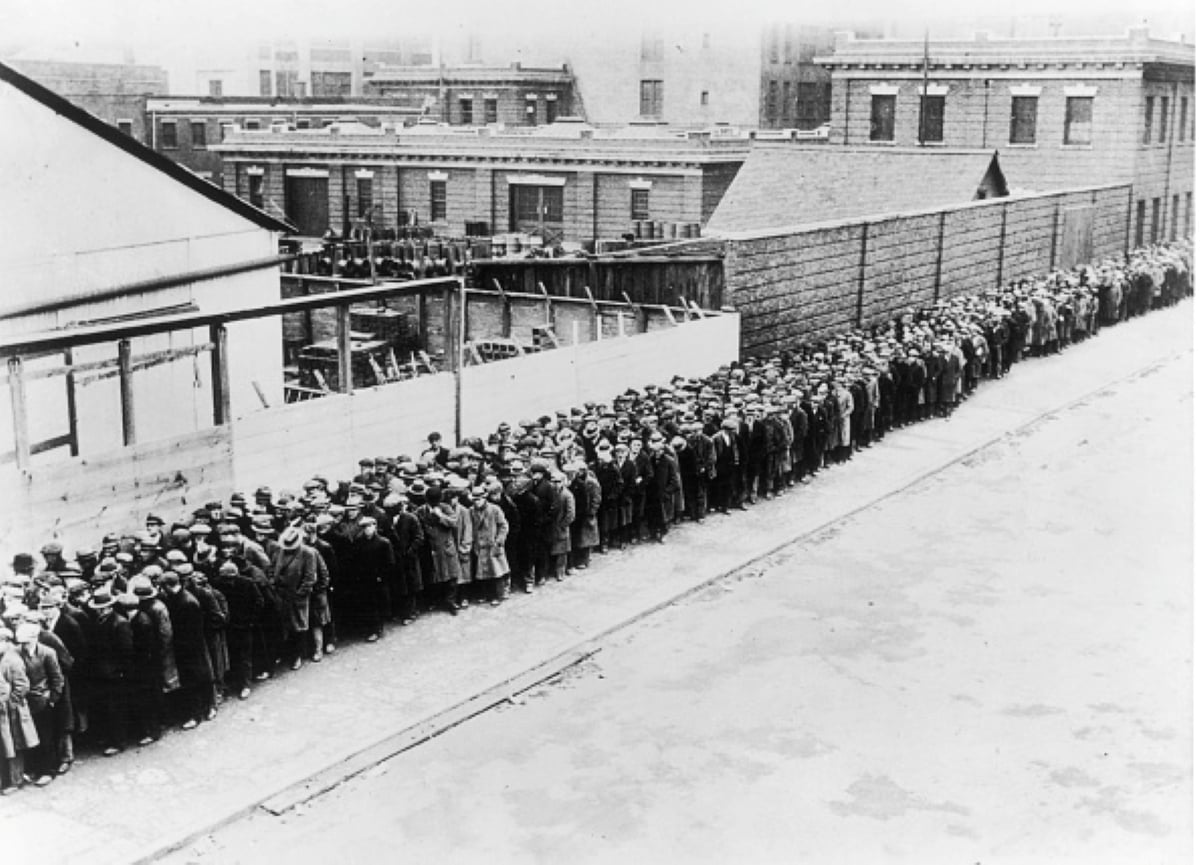
A long line of unemployed and homeless men waited outside a New York lodging house for a free dinner. The image captures the scale of hunger during the Great Depression, when charitable groups and public agencies struggled to feed growing numbers of people.
Meat Rationing Changed British Family Meals
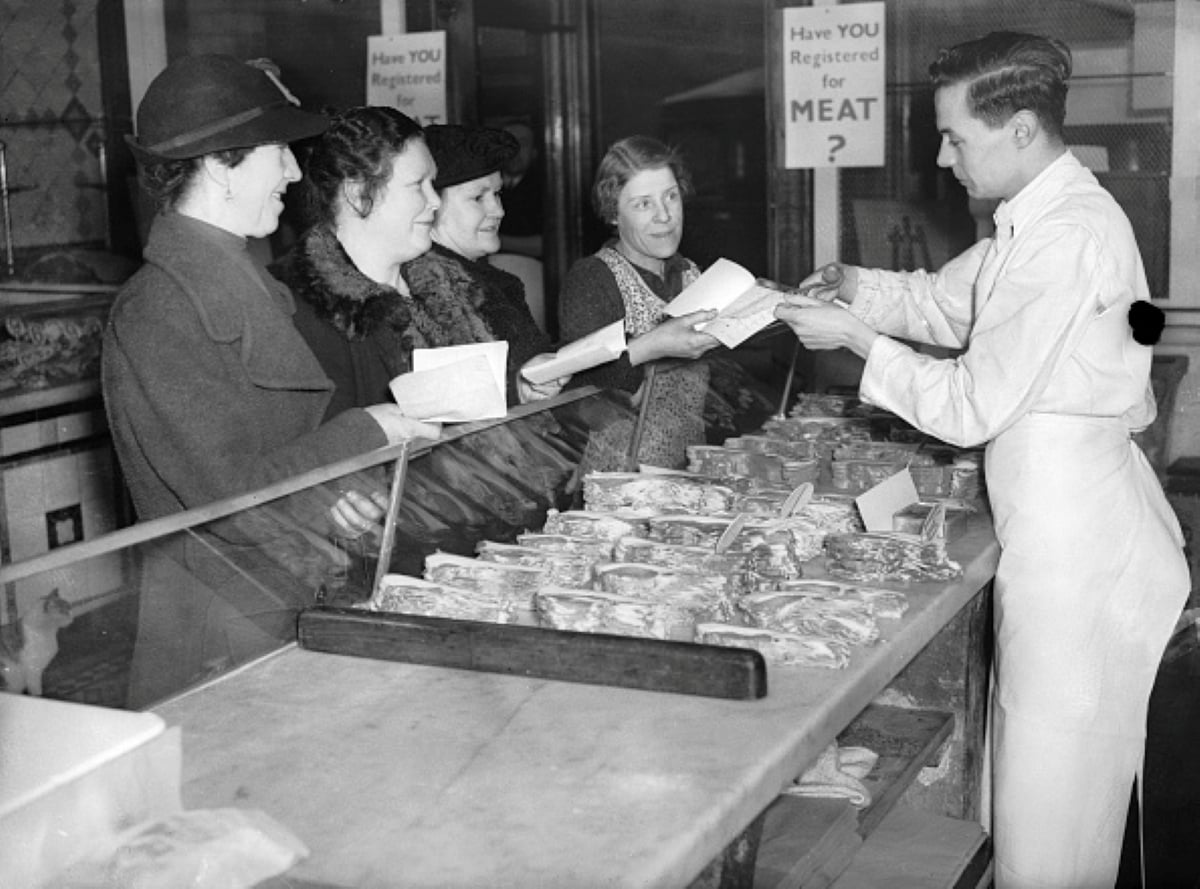
A butcher removed a coupon from a customers ration book on the first day of meat rationing in Britain in 1940. Wartime shortages limited how much food families could purchase and forced households to plan meals around carefully controlled supplies.
A Lunch Counter Became a Place of Protest
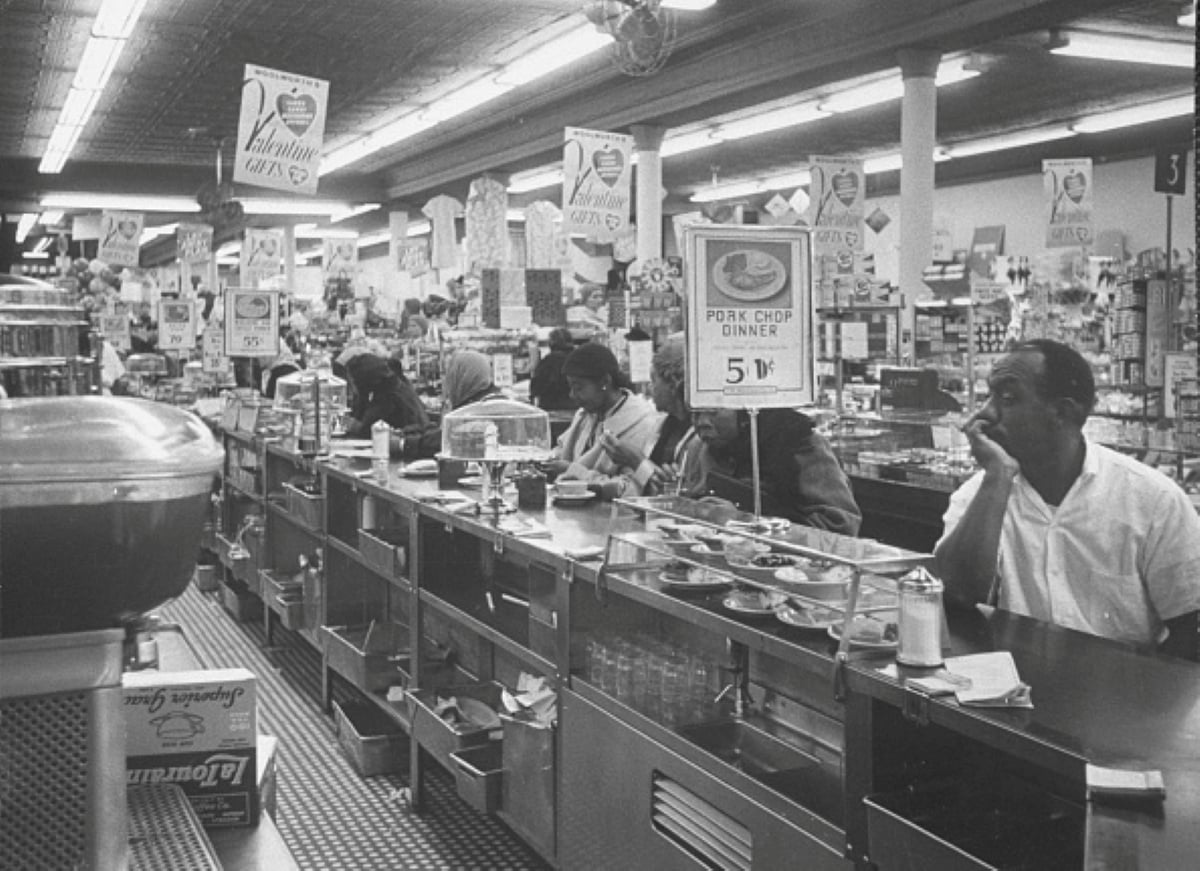
Customers occupied a Woolworth lunch counter during a boycott connected to segregation in the American South. Lunch counters became important civil rights protest sites as activists challenged businesses that refused equal service to Black customers.
A Penny Restaurant Offered Extremely Cheap Meals
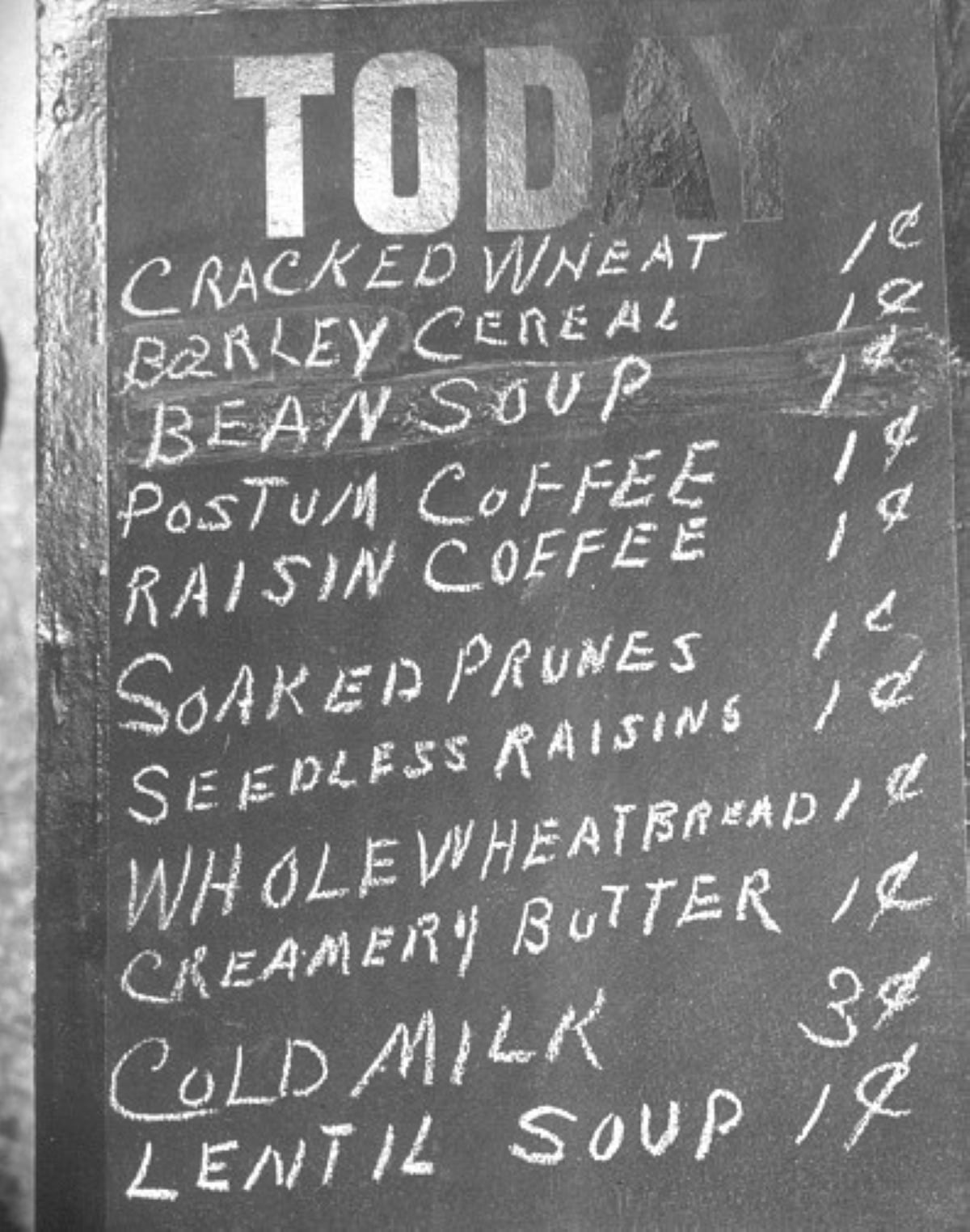
This menu came from one of New Yorks early penny restaurants, where customers could buy simple food for only a few cents. Such restaurants were created to help low income residents obtain affordable meals without relying entirely on charity.
Neighbors Shared Food on Coronation Day
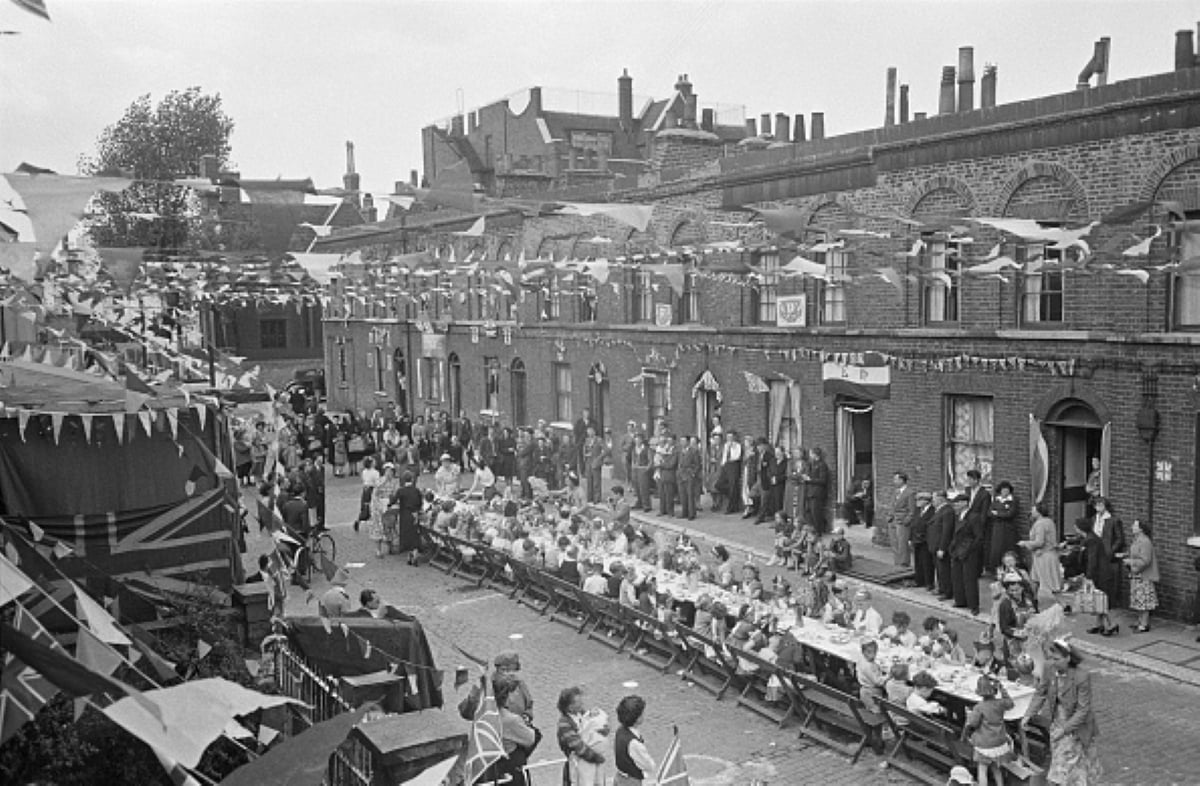
London residents gathered around tables for a street party celebrating the coronation of Queen Elizabeth II in 1953. Homemade dishes, sandwiches, cakes, and tea helped turn the national event into a neighborhood celebration after years of wartime shortages.
Ronald Reagan Ate Fried Chicken at a NASCAR Race
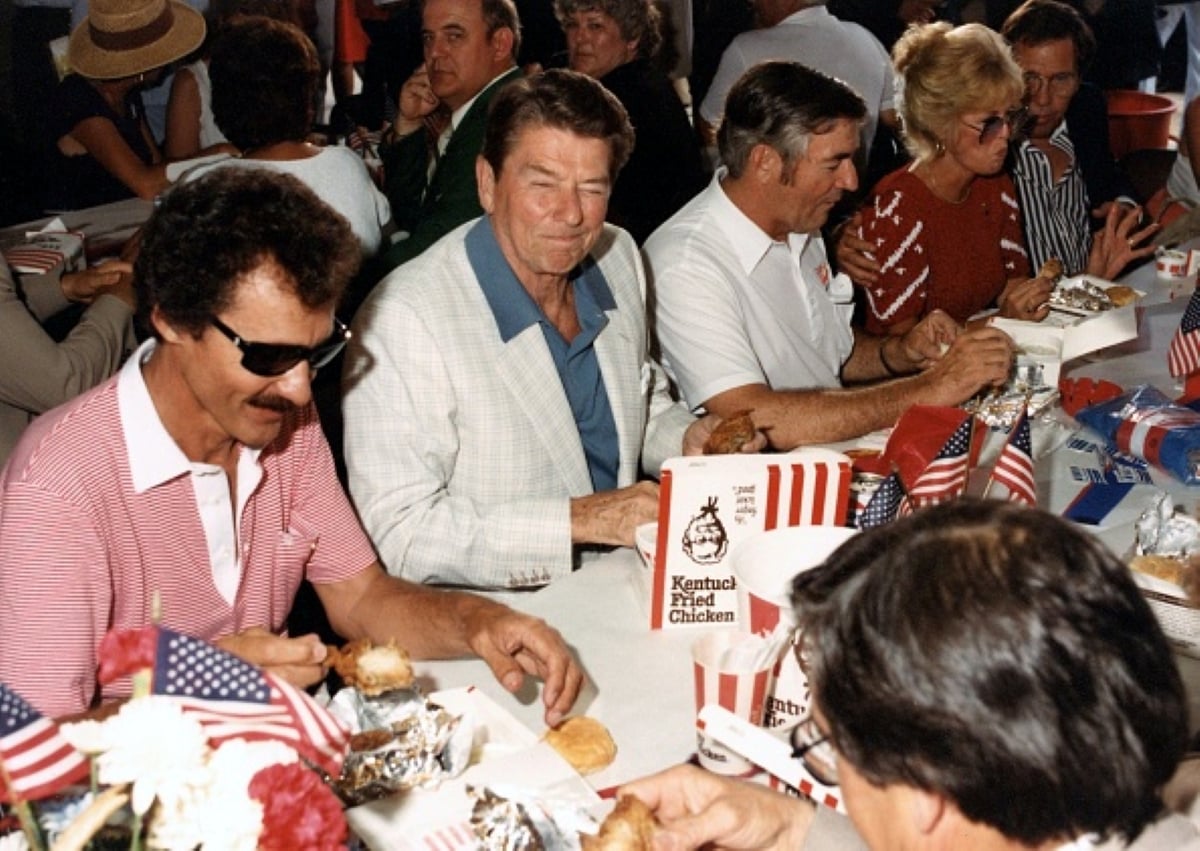
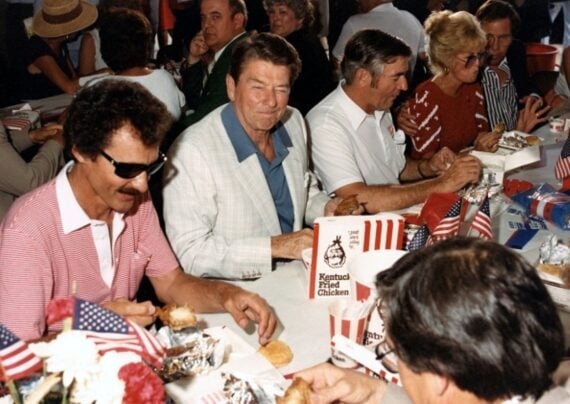
President Ronald Reagan shared fried chicken with drivers Richard Petty and Bobby Allison at a NASCAR race on July 4, 1984. The casual meal helped connect the president with American racing culture during a highly visible Independence Day appearance.