

A vacation can get expensive without a single extravagant splurge. Baggage fees, hotel parking, rental car extras, roaming charges, and poor exchange rates can quietly push the total far beyond what you expected. The Federal Trade Commission now requires covered hotels and short term lodging businesses to display certain mandatory fees more clearly upfront, but travelers still need to watch the full cost. A little comparison before booking can leave more money for the experiences that actually make the trip worthwhile.
Choosing the Cheapest Flight Before Adding All the Extras
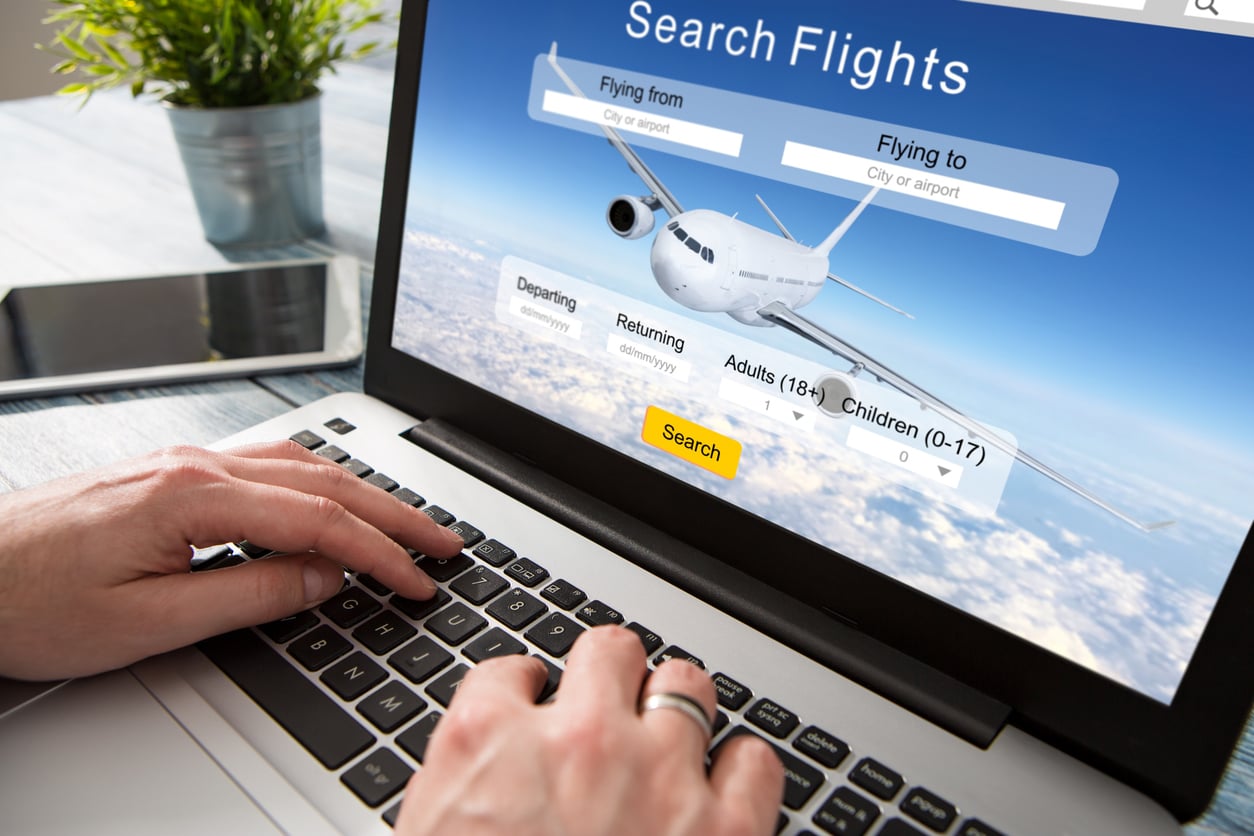
The lowest airfare on the screen is not always the cheapest trip. Airlines can charge separately for checked bags, carry on bags, advance seat selection, food, WiFi, and other optional services. Before booking, add everything you realistically expect to buy. A ticket that costs 30 dollars more but includes a checked bag might end up costing less than the bargain fare once the extras are added. Families should calculate the full round trip cost for every passenger rather than focusing on the advertised base fare.
Packing Without Checking the Airline’s Bag Rules
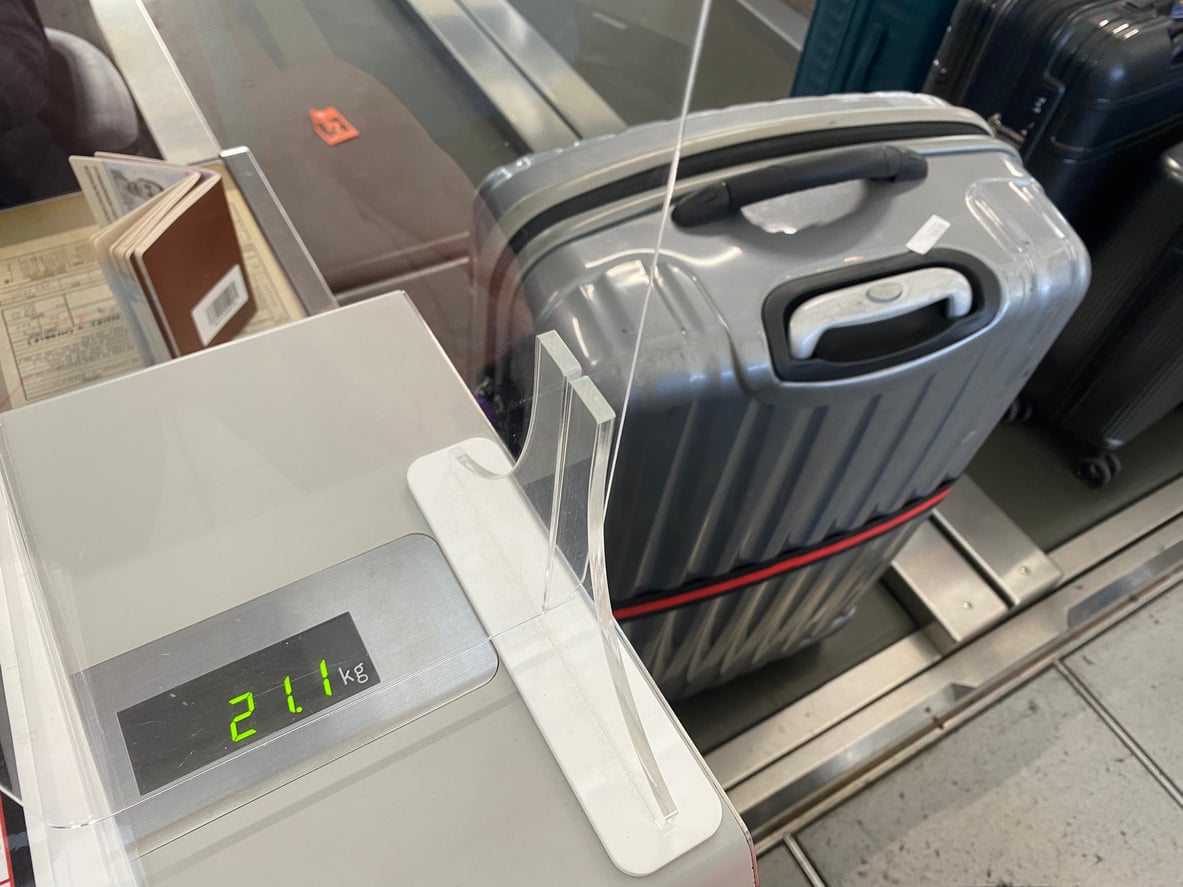
A suitcase that flew free on your last vacation might cost extra on the next one. Baggage policies vary between airlines, routes, fare types, sizes, and weight limits. That makes relying on what another carrier allowed a risky habit. Check the baggage rules before packing, measure your suitcase, and weigh it at home if you are close to the limit. Travelers using several airlines on the same trip should check each carrier separately. Remember to calculate baggage charges for the return journey too.
Paying to Pick a Seat When You Do Not Care Where You Sit

Airline seat maps can make paying extra feel like a required part of buying a ticket, but many travelers do not actually need to choose a specific seat. If you are traveling alone and genuinely do not care whether you sit by the window, aisle, or farther back, paying extra may offer little value. A 25 dollar charge each way becomes 200 dollars round trip for a family of four. Families traveling with young children should check the airline’s family seating policy before deciding to skip selection fees.
Traveling During the Most Expensive Weeks of the Year

School holidays, major festivals, summer weekends, and Christmas week can bring much higher demand for flights, hotels, rental cars, and attractions. Travelers with flexible schedules can often uncover lower prices by moving a vacation a few weeks earlier or later. Shoulder season can also mean smaller crowds. The tradeoff is that cheaper periods may bring cooler weather, more rain, shortened opening hours, or seasonal closures. Compare both the price and the experience before shifting dates just to save money.
Looking at the Hotel Nightly Rate Instead of the Total

A hotel advertised at 159 dollars per night is not automatically cheaper than one listed at 179 dollars. Parking, breakfast, taxes, and other costs can quickly change the calculation. Since May 2025, an FTC rule generally requires covered hotels and short term lodging sellers to include mandatory fees they know and can calculate in the prominent upfront price. That does not mean every expense is included. Compare the cost of the complete stay and check what useful extras, such as breakfast or parking, actually come with the room.
Trending on Cheapism


Forgetting What the Hotel Charges for Parking

Hotel parking can quietly add hundreds of dollars to a longer vacation. A 35 dollar nightly charge adds 175 dollars to a five night stay, and downtown hotels in major cities can charge considerably more. Check whether the quoted rate is for self parking or valet service, since the two can differ. Nearby public garages may sometimes cost less. If you plan to leave the car parked most of the trip, compare the cost of skipping the rental entirely and using public transportation, taxis, or rideshares instead.
Automatically Renting a Car at the Airport

Picking up a rental car at the airport is convenient, but airport locations can include concession, facility, or location related charges. A neighborhood rental branch may sometimes offer a lower total price. Compare the same vehicle class for the same dates at airport and non airport locations before booking. Then add the cost and inconvenience of reaching the alternative branch. Saving 15 dollars probably is not worth a long taxi ride, but a significant difference over a weeklong rental may justify the extra effort.
Returning the Rental Car Without Filling the Tank

Bringing a rental car back with less fuel than required can trigger a refueling or service charge. Prepaid fuel can remove the stress of finding a gas station before a flight, but it has its own drawback. Travelers who return the vehicle with fuel still in the tank generally do not receive money back for the unused portion. Check the specific rental agreement rather than assuming every company works the same way. If you need to refill, locate a convenient gas station near the return point before departure day.
Sign up for our newsletter
Paying Airport Parking Rates for a Long Vacation

Airport parking may not seem expensive when you look at the daily rate, but two weeks can turn it into a substantial part of the travel budget. Before driving, multiply the rate by the full length of your trip. Compare terminal garages with economy lots, nearby private parking, public transportation, taxis, rideshares, and hotel park and fly packages. Include gas and tolls too. Driving may still make sense for a short family trip, but paying for transportation both ways can be cheaper than leaving a car for 10 or 14 days.
Buying Every Breakfast, Coffee, and Bottle of Water Separately

Small food purchases add up surprisingly fast when they happen every morning. A couple buying two breakfasts, coffees, and bottled drinks daily can spend a significant amount before lunch even begins. That does not mean travelers should avoid local restaurants or memorable meals. Instead, spend intentionally. A hotel that costs 10 dollars more but includes a breakfast you will actually eat may offer better value. A refrigerator or kitchenette can also make it easier to keep fruit, drinks, yogurt, leftovers, and other simple snacks.
Paying for Every Attraction One at a Time

Museum tickets, historic houses, observation decks, aquariums, tours, and other admissions can become a major expense when purchased separately. Some cities offer attraction passes that reduce the cost, but buying a pass automatically is not a bargain either. List the places you genuinely want to visit, total their individual admission prices, and compare that figure with the pass. Look for free museum days and discounted hours too. A city pass only saves money when you use enough of the included attractions to justify the price.
Using a Credit Card With a Foreign Transaction Fee

A small percentage fee can become noticeable when it is added to nearly every purchase on an international vacation. A 3 percent foreign transaction fee on 2,000 dollars of spending adds another 60 dollars without providing anything extra. Before traveling, check your credit card agreement or fee schedule to see whether international purchases carry a charge. If you already have a suitable card without foreign transaction fees, using it may save money. Debit and prepaid cards should be checked separately because their international and ATM fees can differ.
Letting the Card Machine Convert the Purchase Into Dollars

A card terminal overseas may ask whether you want to pay in the local currency or in US dollars. Choosing dollars activates a service known as dynamic currency conversion. The displayed rate can include additional conversion costs or markup. Travelers can generally decline that option and choose the local currency instead, allowing their card network and issuer to perform the conversion. The same choice can appear at foreign ATMs. Read the screen carefully and make sure the transaction remains in the local currency before approving it.
Changing Money at the First Airport Currency Counter You See
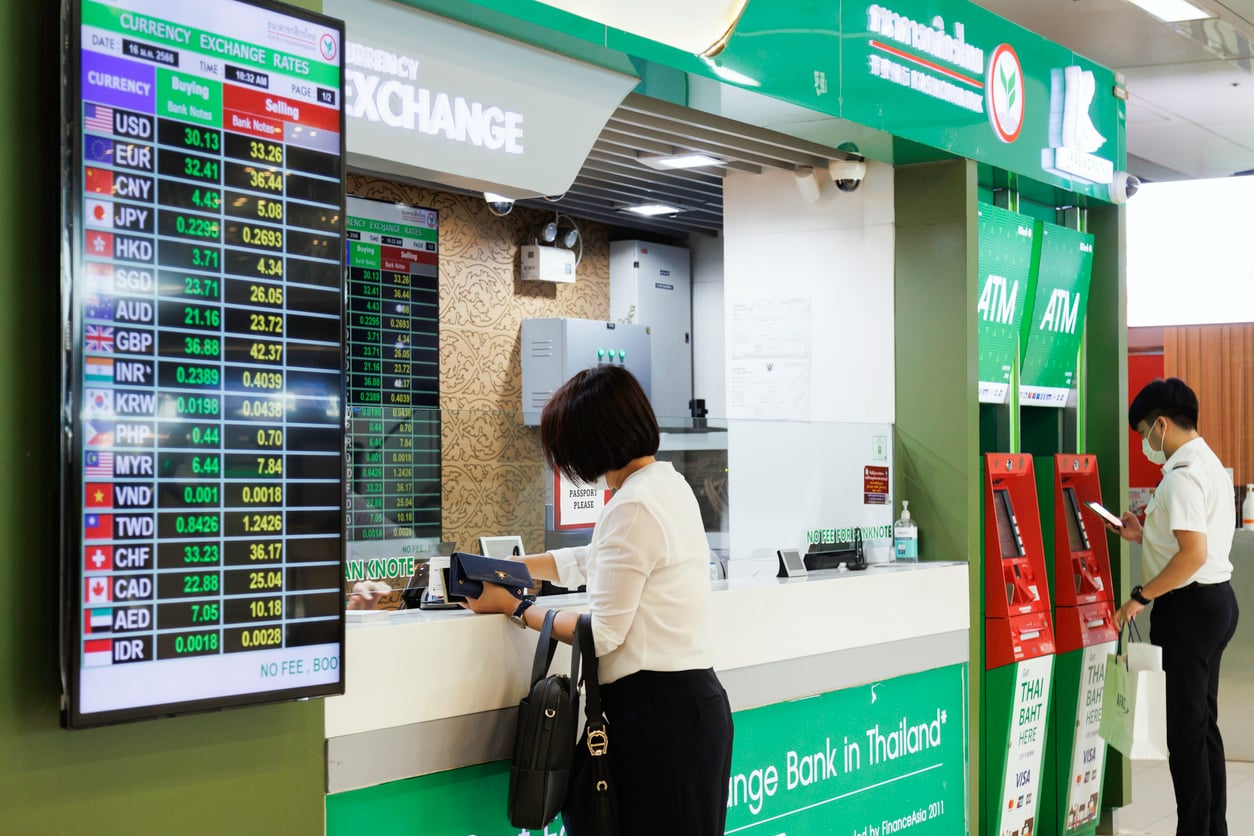
Airport exchange counters are convenient, especially when you have just landed and need cash immediately, but convenience can come with unfavorable exchange rates or fees. A sign advertising zero commission does not automatically mean the deal is good because the business may earn money through the exchange rate itself. Bank ATMs can sometimes offer better value, although ATM and bank charges still need to be considered. Compare how much local currency you actually receive after every fee instead of judging an exchange service by the advertised commission alone.
Letting Your Phone Roam Without Checking the Plan

Your phone may work normally the moment you land abroad, which makes it easy to forget that international roaming charges may be accumulating. Calls, texts, voicemail, internet use, and background data can all create charges depending on your carrier and plan. Before leaving home, check international options and compare a carrier travel package with a local SIM or eSIM. Make sure the phone is unlocked before relying on another SIM. Downloading maps and other useful information over WiFi before heading out can also reduce unnecessary mobile data use.
Paying for Convenience Every Single Time

Convenience is not automatically a waste of money. A taxi after an exhausting overnight flight might be worth every dollar. The problem begins when travelers pay a premium for everything without deciding which conveniences actually improve the trip. A rental car sitting unused in a paid hotel garage for five days is a very different purchase from an airport transfer that saves hours of frustration. Pick a few things you are happy to spend extra on, then save elsewhere. A good vacation budget should protect enjoyable spending, not eliminate it.