Travel is getting more expensive, but that does not mean travelers have to keep paying premium prices for the same familiar destinations. According to AARP’s 2026 travel research, cost remains one of the biggest concerns for Americans 50 and older, pushing many to look harder for places that offer more for the money. These travel spots boomers are learning to love deliver history, scenery, beaches, food, and culture without always carrying the price tag of better-known vacation hotspots.
Albuquerque, New Mexico
Santa Fe gets plenty of attention, but Albuquerque delivers a satisfying Southwestern trip of its own. Historic Old Town dates to the city’s founding in 1706, while Route 66 nostalgia, Pueblo culture, New Mexican food, and Sandia Mountain scenery provide enough variety for several days. Albuquerque has also appeared in current value-oriented travel recommendations. The catch is timing: October’s Albuquerque International Balloon Fiesta produces enormous demand, so travelers interested mainly in museums, food, and scenery should look at other months.
Myrtle Beach, South Carolina
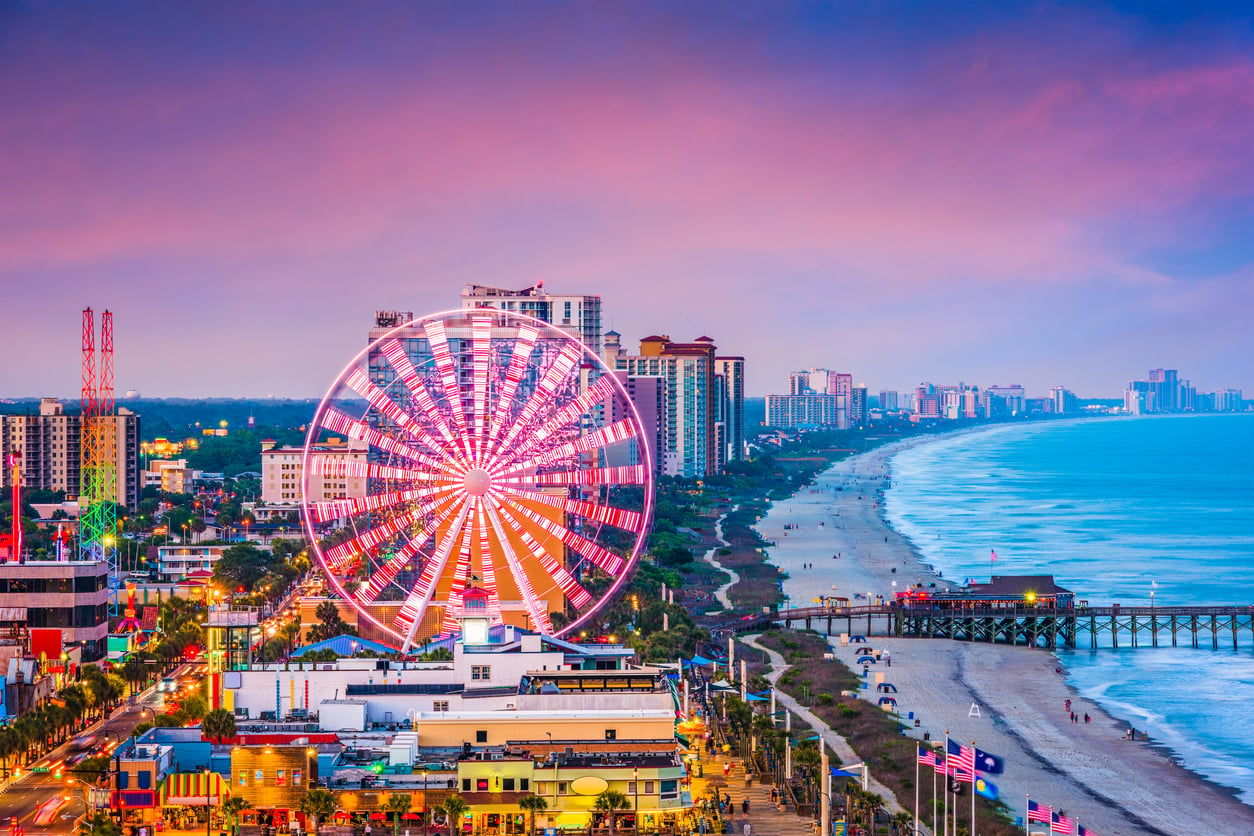
For travelers who mainly want an old-fashioned beach vacation, Myrtle Beach remains appealing because so much of the experience does not require an admission ticket. Its oceanfront boardwalk runs roughly 1.2 miles, and the area combines beaches with golf, restaurants, live shows, and fishing. Accessibility is another advantage: the Grand Strand has numerous ramped beach access points and some free beach-wheelchair programs. Summer can be crowded and expensive, making spring and fall particularly worth comparing.
San Antonio, Texas
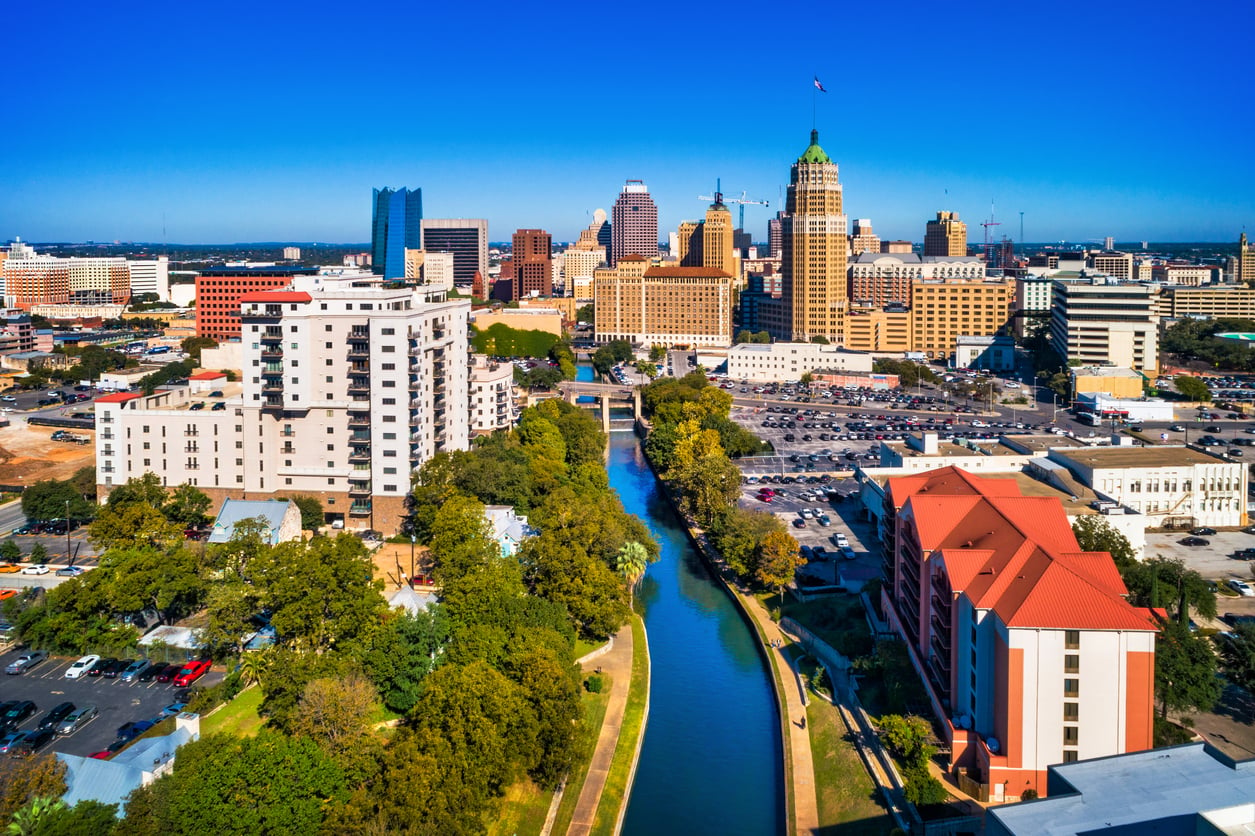
San Antonio works especially well for travelers who want history without spending every day racing across a giant city. The River Walk concentrates restaurants and sightseeing downtown, while four Spanish colonial missions south of the center are connected by the eight-mile Mission Reach. Together with the Alamo, they form Texas’ UNESCO World Heritage site. Much of the historical sightseeing is free, including ranger tours at Mission San Jose. The trade-off is weather: a July afternoon here can make spring or fall look much more attractive.
Pittsburgh, Pennsylvania

Pittsburgh has enough major museums, architecture, sports history, and neighborhood character for a proper city vacation, but it still tends to be overlooked beside New York, Boston, and Philadelphia. One of its most memorable attractions is also inexpensive: the historic inclines up Mount Washington provide wide skyline views for only a few dollars. Pittsburgh Regional Transit also connects buses, light rail, and the inclines, with free light-rail travel between Downtown and the North Shore. Be prepared for hills, though; the city is famously uneven.
Branson, Missouri
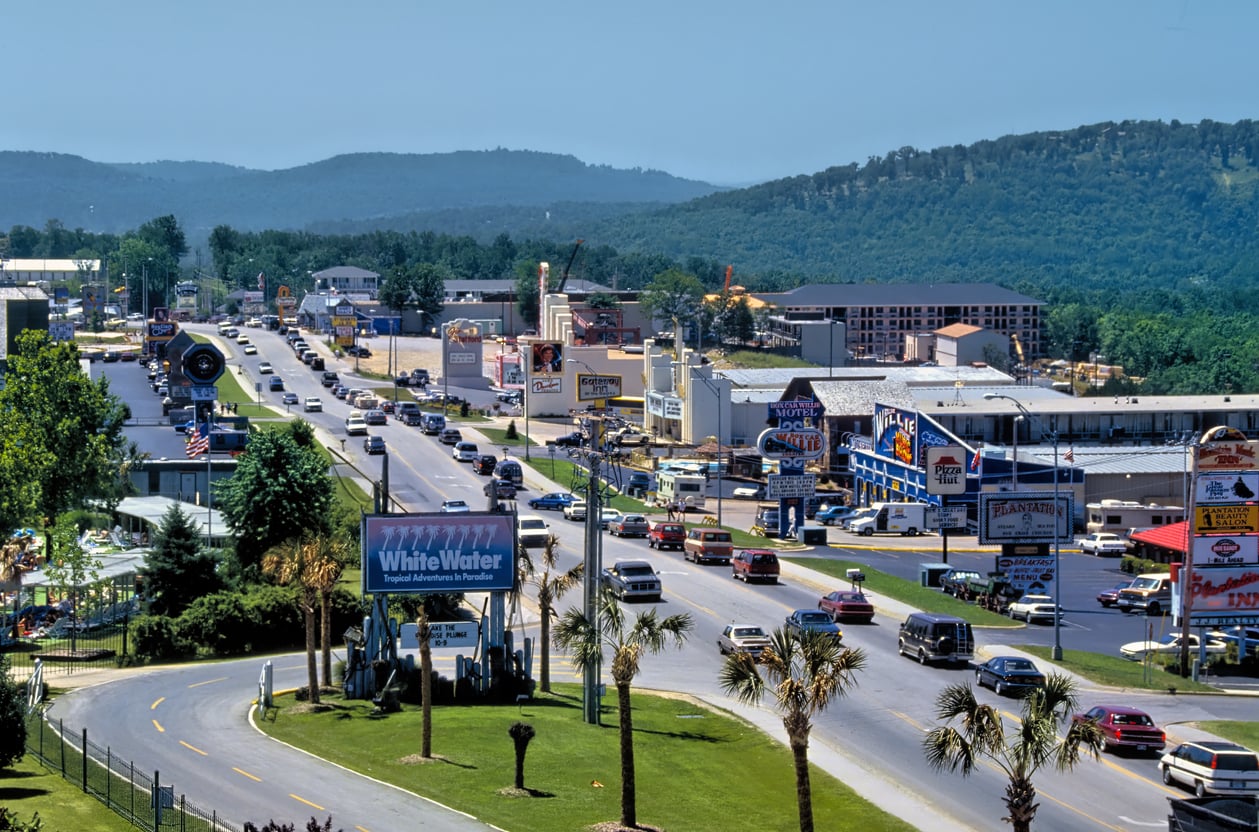
Branson makes the most sense for travelers who miss the kind of vacation built around live music, scenic drives, lakes, and an evening show rather than trendy restaurants and nightlife. The Missouri Ozarks destination has theaters, Table Rock Lake, museums, fishing, and Silver Dollar City, so couples can mix seated entertainment with outdoor excursions. It is particularly practical as a driving destination for much of the Midwest. Still, show tickets add up quickly, so a supposedly inexpensive Branson getaway needs some advance budgeting.
Trending on Cheapism


Gatlinburg, Tennessee
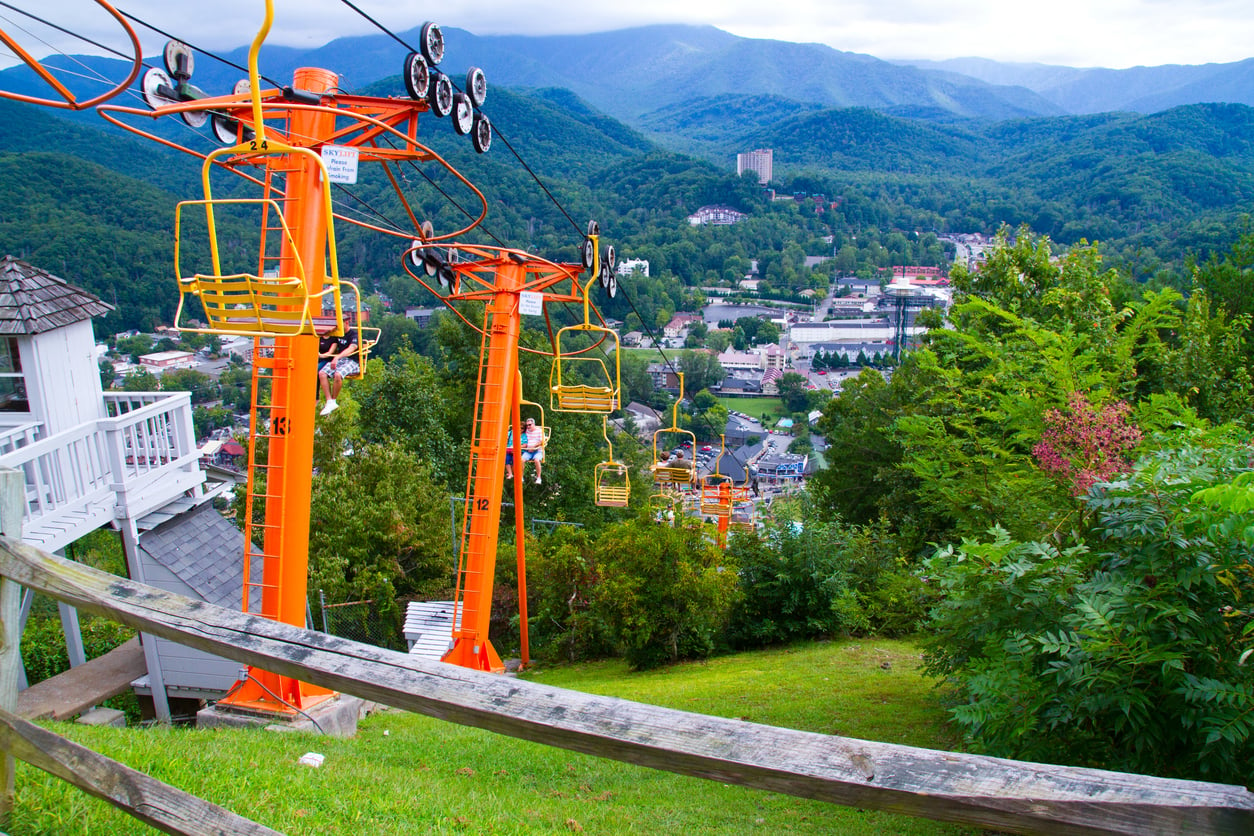
A mountain vacation can become surprisingly expensive once lodging near a national park is involved, but Gatlinburg still has one enormous advantage: Great Smoky Mountains National Park charges no general entrance fee. Scenic drives, overlooks, historic structures, and wildlife viewing also make the park enjoyable without committing to strenuous hikes. There is one expense visitors sometimes miss: vehicles parked for more than 15 minutes generally need a $5 daily or $15 weekly parking tag. Fall-color weekends can also send Gatlinburg room prices soaring.
Tucson, Arizona
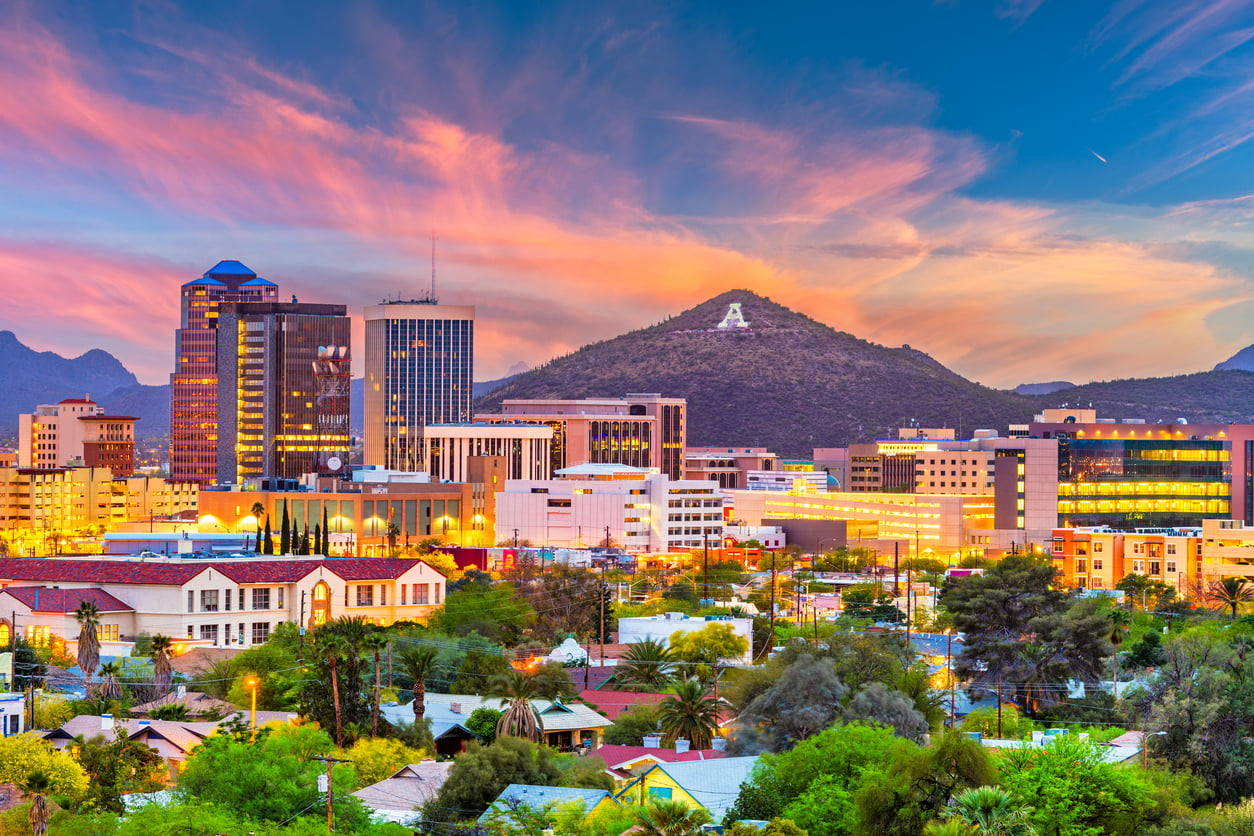
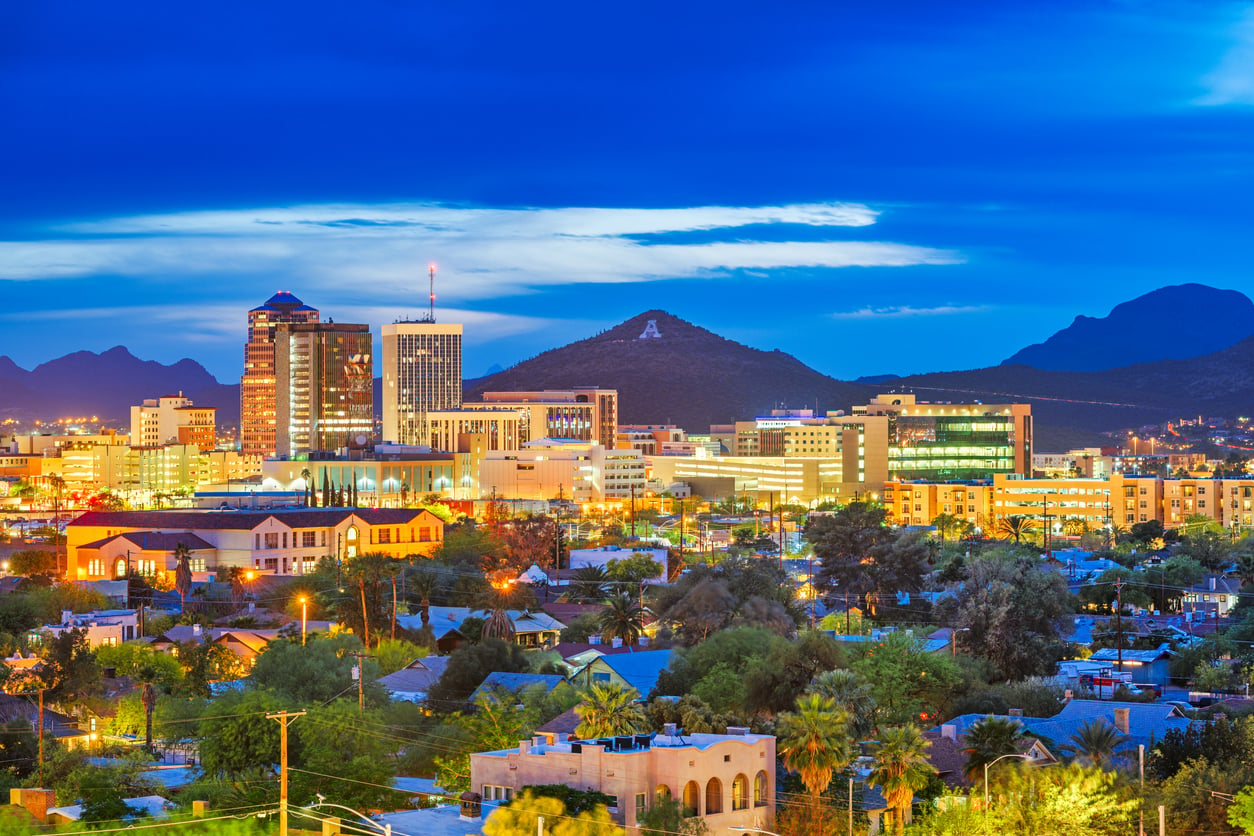
Travelers who love the Southwest but do not need a polished resort scene may find Tucson a better fit than Arizona’s more glamorous vacation hubs. The city has Mexican and Sonoran food, museums, historic neighborhoods, and Saguaro National Park essentially wrapped around it in two districts. Better yet for travelers who do not want serious hiking, both park districts have scenic driving loops with overlooks and pullouts. Tucson’s major limitation is obvious: summer heat can be punishing, so winter and the shoulder seasons are much more comfortable.
Louisville, Kentucky

Louisville offers several pieces of a pricier Nashville-style getaway – live entertainment, Southern food, historic neighborhoods, and plenty of nightlife – but adds its own bourbon and horse-racing identity. The Louisville Slugger Museum, Muhammad Ali Center, Churchill Downs, riverfront, and nearby distilleries make it easy to build a varied long weekend. Bourbon tourism can become expensive once multiple tours and tastings enter the itinerary, however. And anyone expecting ordinary hotel prices during Kentucky Derby week will be in for an unpleasant surprise.
Sign up for our newsletter
Riga, Latvia
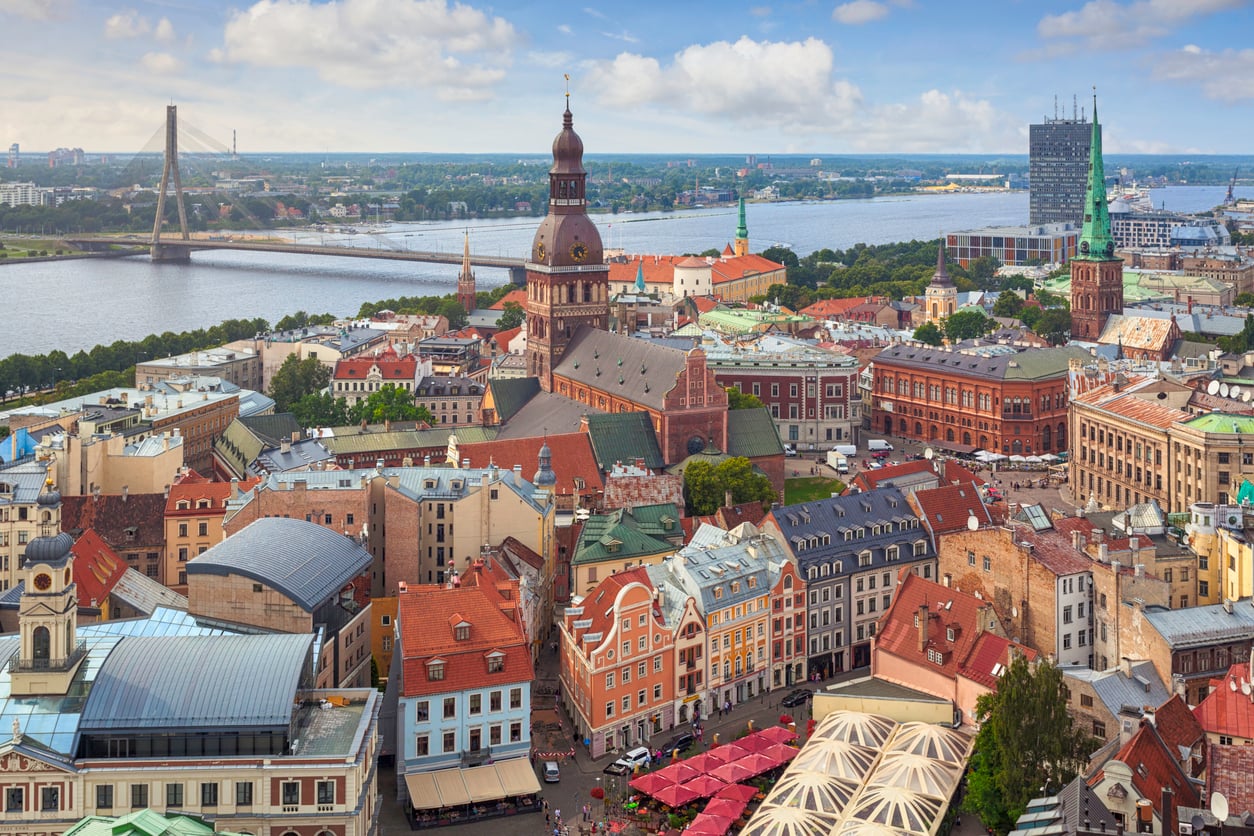
Riga is the kind of European capital that can surprise travelers who automatically start planning with Paris, London, or Copenhagen. Its historic center is UNESCO-listed, and the city is particularly famous for an enormous collection of Art Nouveau facades. Riga Central Market, cafes, parks, museums, and the compact Old Town provide plenty to do without stacking up high admission costs. The main drawback comes outside the warmer months: northern latitude means very short winter days, so bargain airfare in December comes with considerably less daylight.
Vilnius, Lithuania
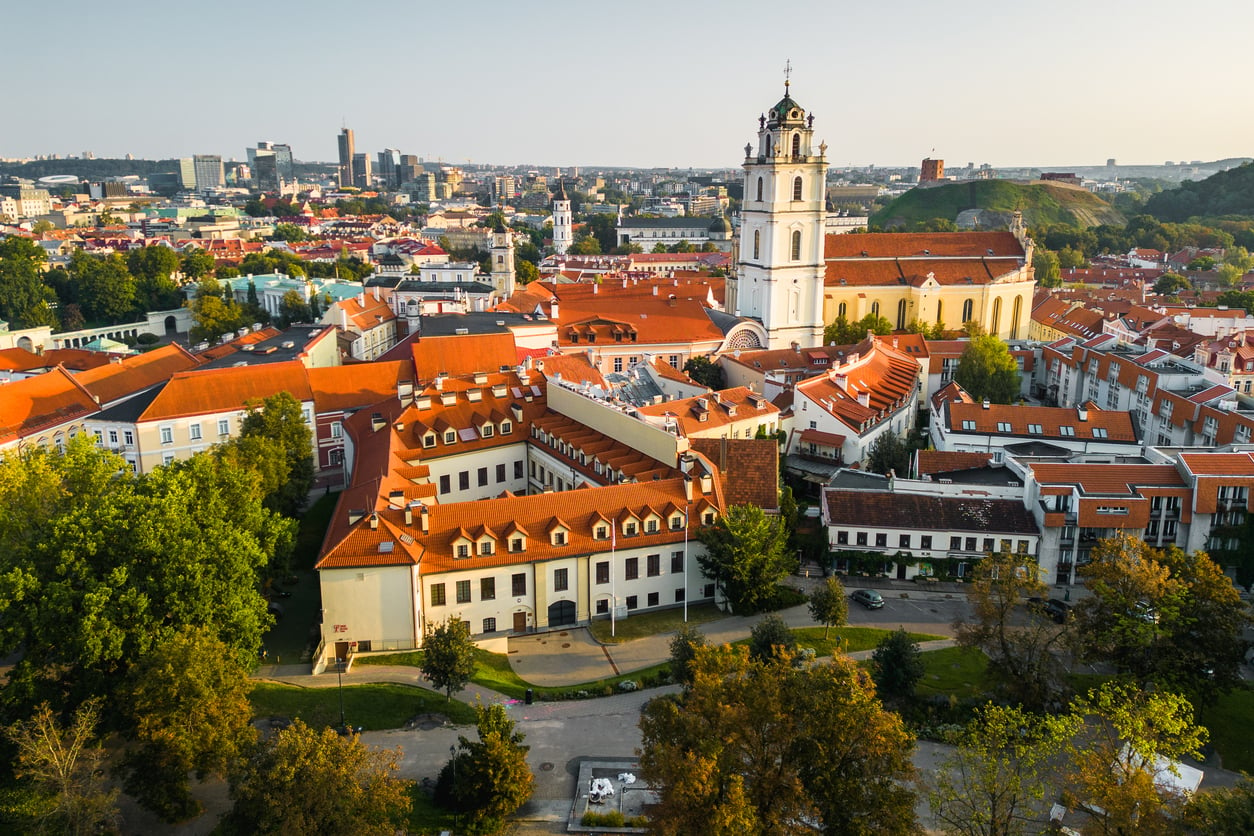
Vilnius gives travelers much of what they want from a classic European city break – churches, cobblestone lanes, cafes, historic architecture, and a UNESCO-listed center – without the fame-driven pricing of Europe’s biggest capitals. It also rewards a slower trip rather than frantic attraction hopping, since simply exploring the Old Town can occupy a good part of the day. Trakai and its island castle make an easy excursion. Lithuania currently sits at Level 1, “Exercise Normal Precautions,” in the U.S. State Department advisory system.
Prague, Czech Republic
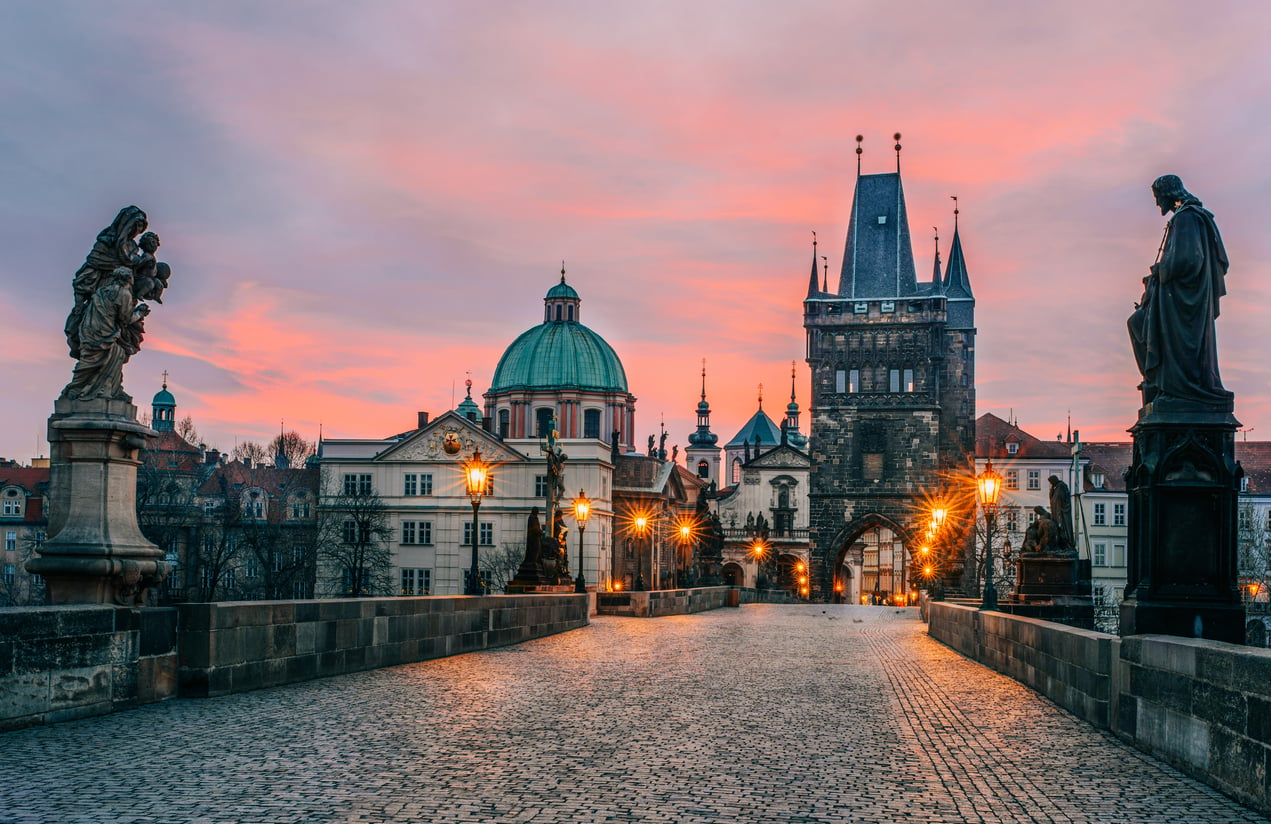
Older travelers who remember Prague as one of Europe’s great bargains may be startled by today’s prices, especially around Old Town Square. Still, the city can offer better value than many famous Western European capitals if visitors resist eating and shopping exclusively in the tourist core. Charles Bridge, riverfront walks, parks, and several historic gardens cost nothing, and Prague Castle’s gardens have free admission during their seasonal opening period. Prague remains heavily visited, so early mornings and neighborhoods outside Old Town can make the experience considerably calmer.
Porto, Portugal
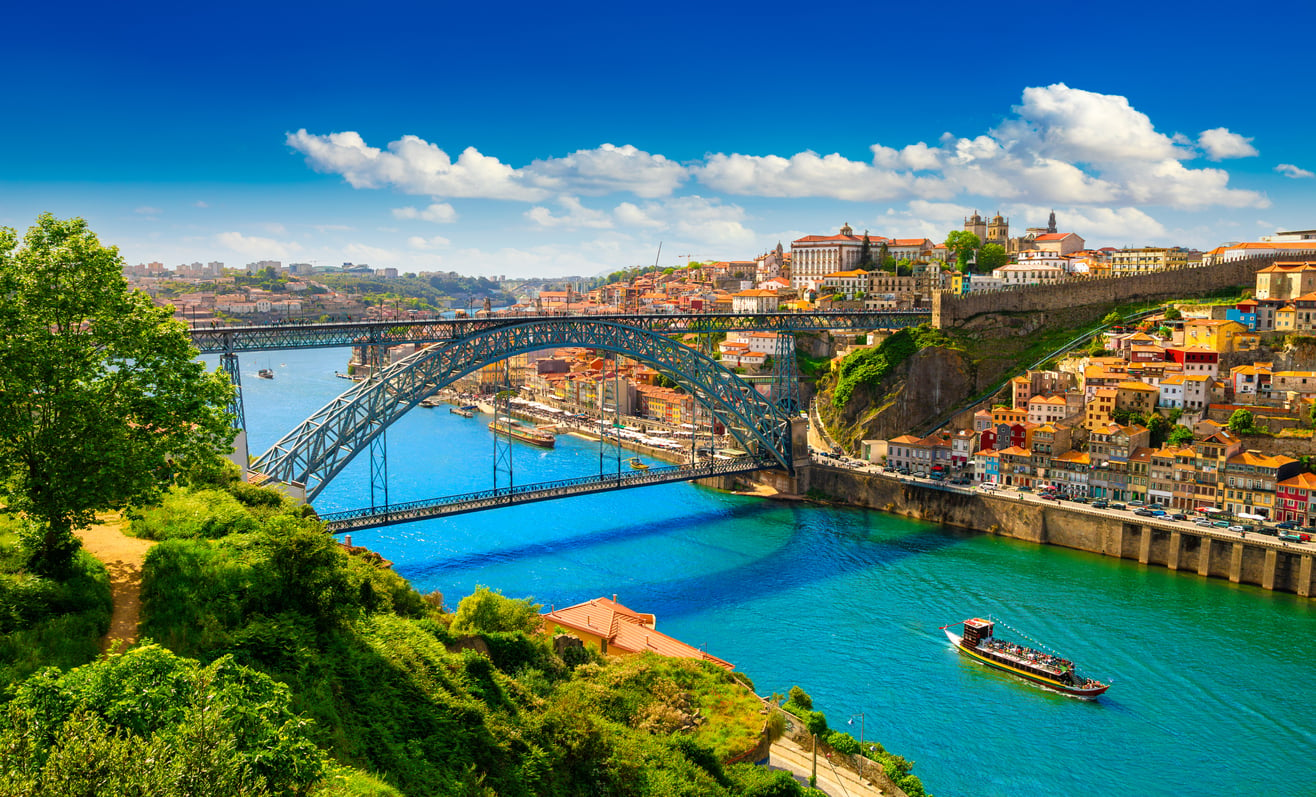
Portugal’s tourism boom has made its famous cities noticeably less bargain-basement than they once were, but Porto still offers a compelling combination of tiled churches, historic streets, markets, wine culture, and Douro River scenery. Crossing into Vila Nova de Gaia puts the city’s port-wine cellars within easy reach, while cruises and the funicular provide alternatives to constant walking. That last point matters: Porto is compact, but certainly not flat. Portugal’s own accessible-tour guidance specifically warns that steep Old Town streets can be difficult for travelers with limited mobility.
Hoi An, Vietnam

The airfare may be higher than a European getaway, but day-to-day spending can make Vietnam attractive once travelers arrive. Hoi An combines an atmospheric historic center with markets, tailoring shops, cooking experiences, countryside cycling, and nearby An Bang Beach, about a 10-minute drive from the Ancient Town. Vietnam Tourism also highlights nearby My Son Sanctuary for travelers interested in Cham history. Weather deserves serious consideration: central Vietnam experiences heavy seasonal rain and flooding, and Hoi An suffered significant floods in late 2025.
Chiang Mai, Thailand

Chiang Mai is a strong alternative for travelers interested in Thailand but less interested in paying resort-island prices. Temples, markets, northern Thai food, cooking classes, crafts, and mountain excursions make it possible to stay for a week without running out of things to do. Kiplinger included Chiang Mai among its 2026 value destinations for retirees, citing comparatively low accommodation and food costs. One important warning is seasonal air pollution and heat in northern Thailand, making travel dates worth researching carefully rather than simply chasing the lowest hotel rate.
Brasov and Transylvania, Romania
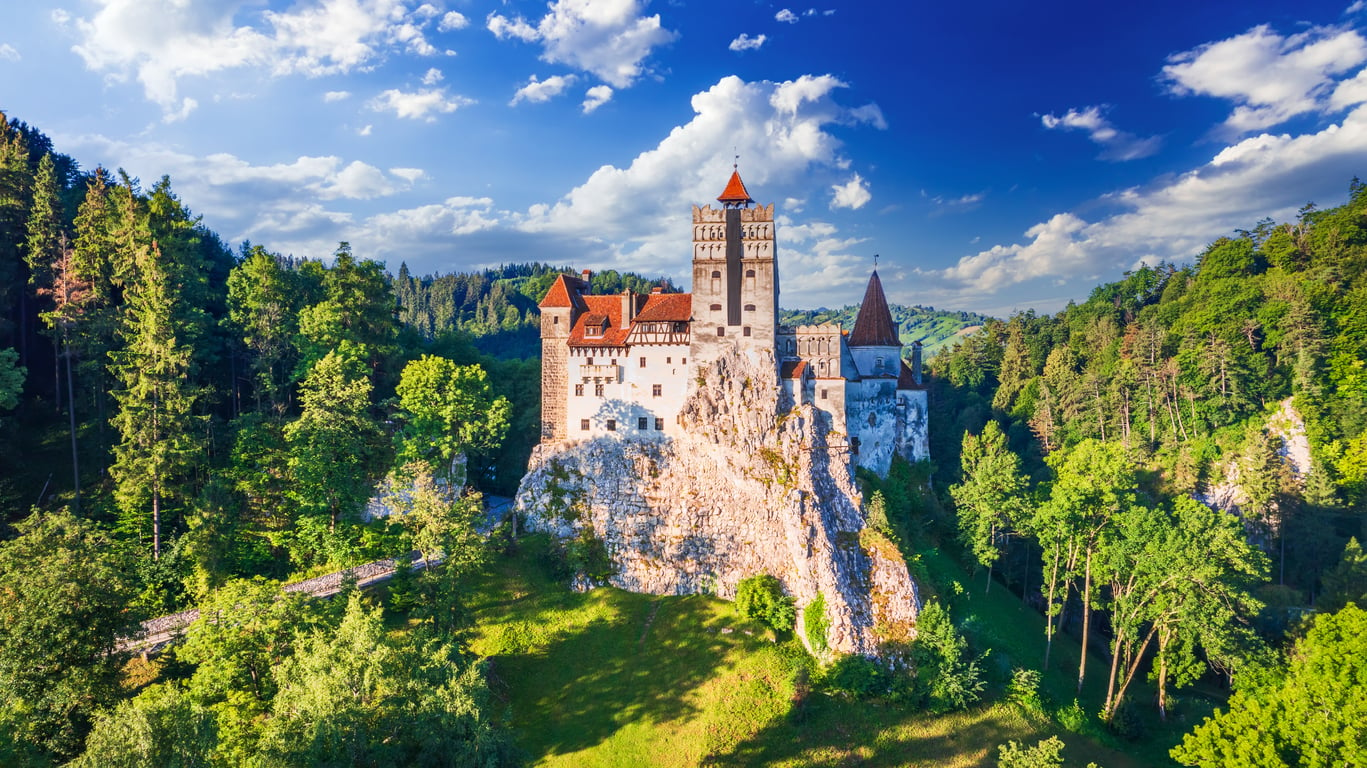
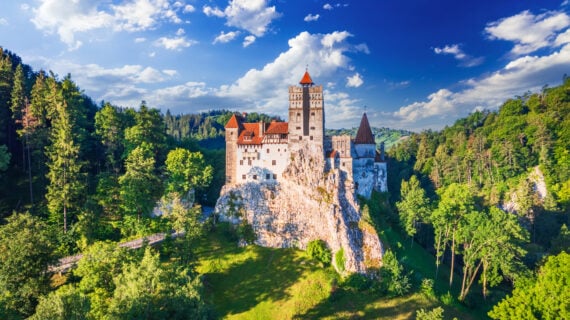
For travelers drawn to Alpine scenery, castles, and old European towns but discouraged by Swiss or Austrian prices, Transylvania offers a very different option. Brasov makes a useful base with its historic center and Carpathian setting, while regional trips can take in Peles Castle, Bran Castle, fortified churches, and Saxon villages. It is worth looking beyond the Dracula marketing, which can reduce a fascinating region to a fictional connection. Romania currently carries a Level 1 U.S. travel advisory, meaning travelers are advised to exercise normal precautions.
Himare and the Albanian Riviera
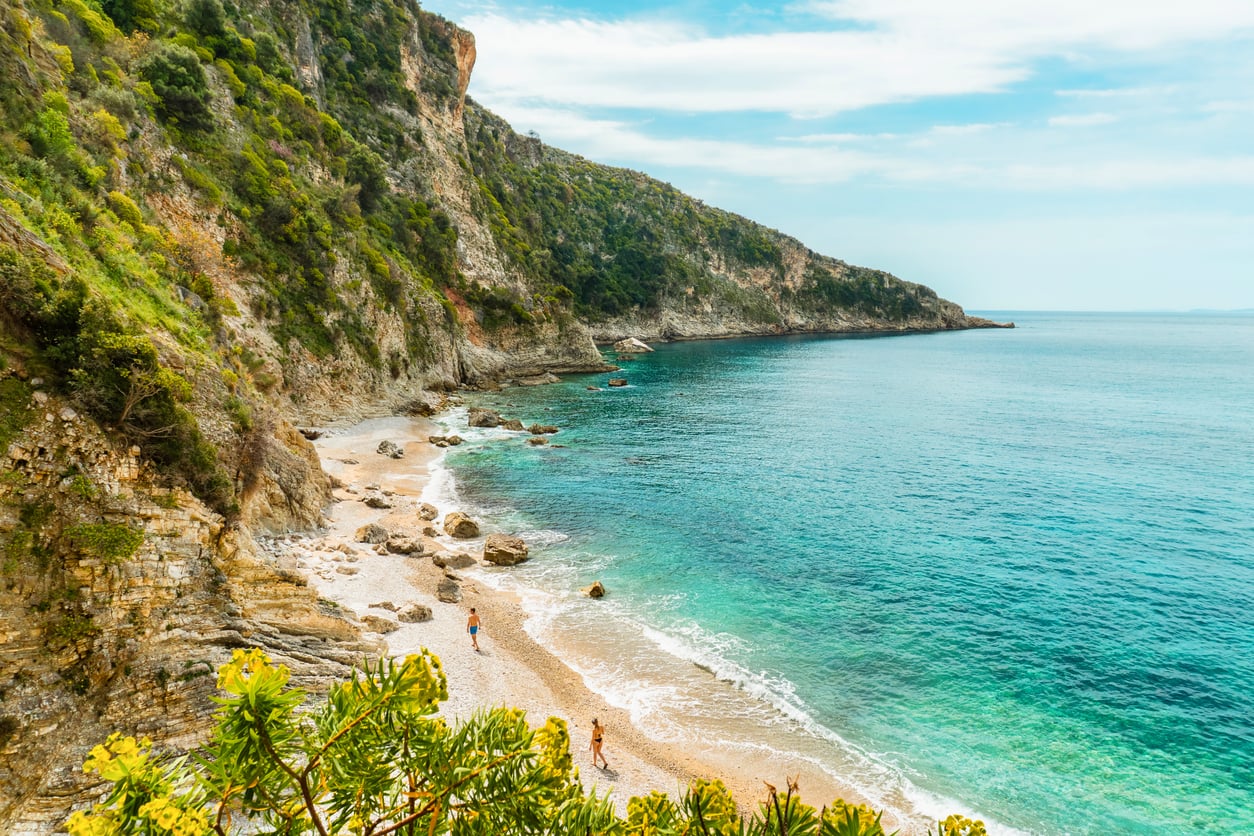
Albania’s coast is no longer the secret bargain it was a decade ago, particularly around heavily visited Ksamil and Sarande. Farther north, Himare and nearby Borsh can still offer a more relaxed version of the Mediterranean beach trip, with mountains dropping toward clear Ionian water, small beaches, seafood restaurants, and historic villages. Travelers should temper comparisons with Greece or Croatia, since summer prices change rapidly. Transportation and accessibility are also less seamless than in mature resort destinations.