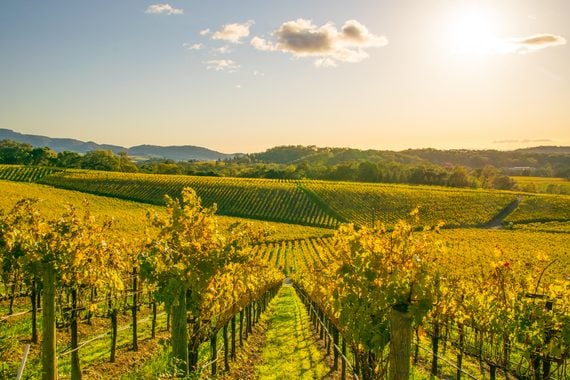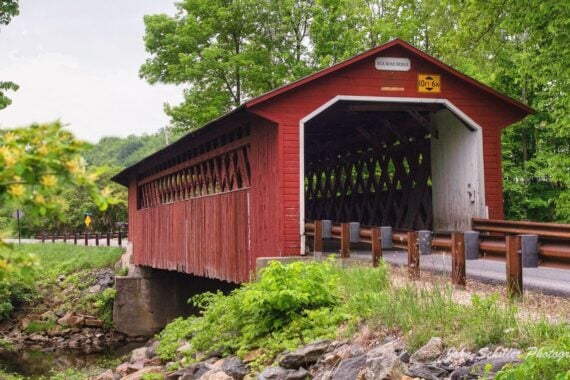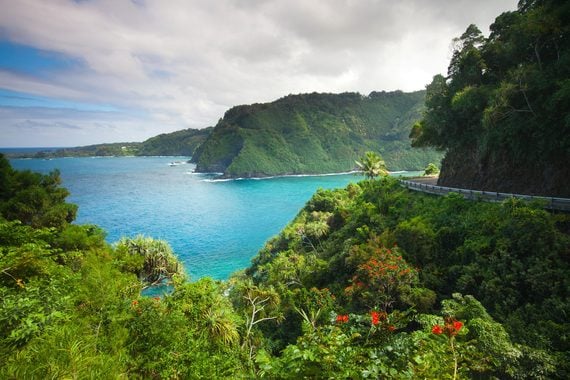
Some trips are memorable long before you reach the final stop. A mountain train, winding coastal highway, or ferry ride can turn travel time into part of the vacation itself. The National Park Service notes that many park roads were deliberately designed as experiences rather than simply ways to get from one place to another. These trips where getting there is half the reason to go prove that sometimes the road, rails, or water along the way can be just as rewarding as the destination.
Key Largo to Key West, Florida: The Overseas Highway
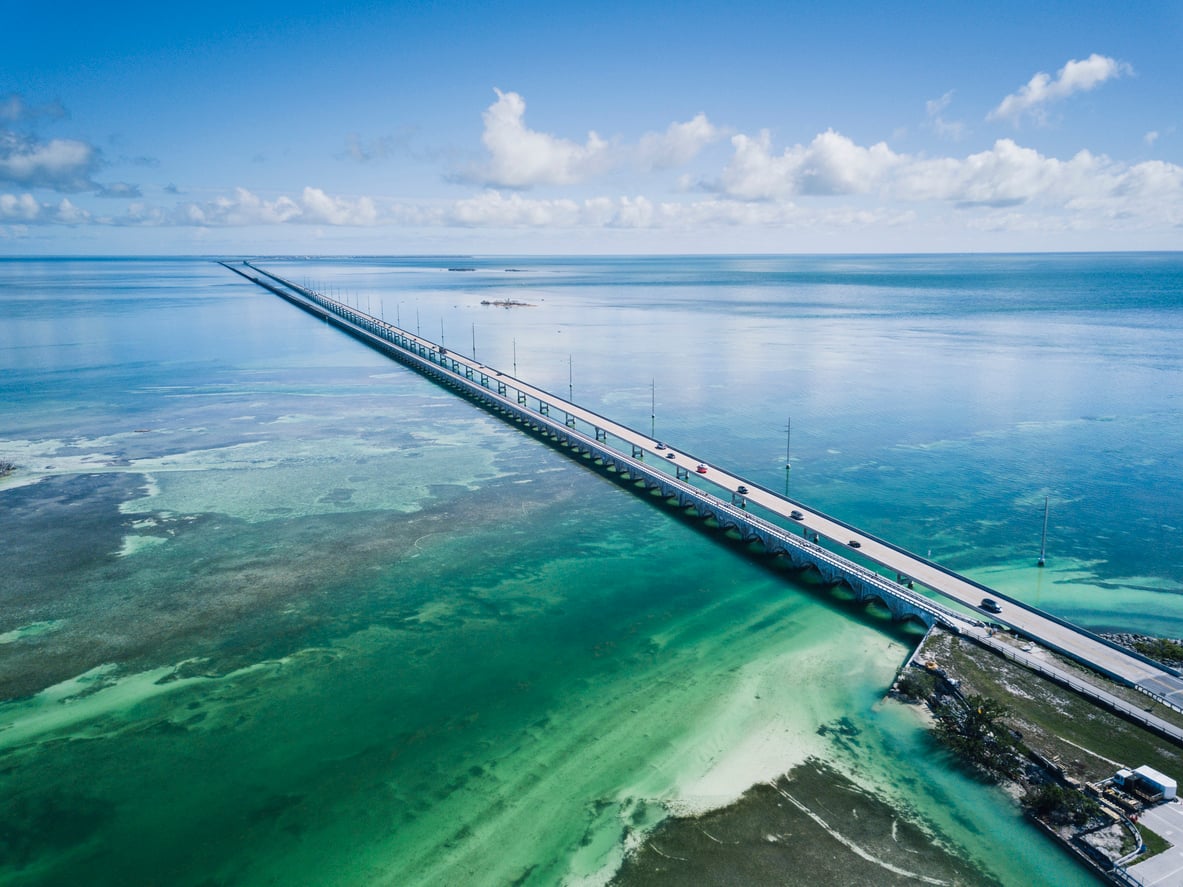
The Overseas Highway makes Key West feel like the end of an adventure rather than simply another destination. The 113-mile stretch from Key Largo to Key West crosses 42 bridges, connecting islands surrounded by the Atlantic, Florida Bay, and Gulf of Mexico. The Seven Mile Bridge provides the most famous stretch, but stopping in Islamorada, Marathon, and the Lower Keys is part of the appeal. Don’t trust the basic GPS time if you’re sightseeing; this drive deserves most of a day.
Kahului to Hana, Maui: The Road to Hana
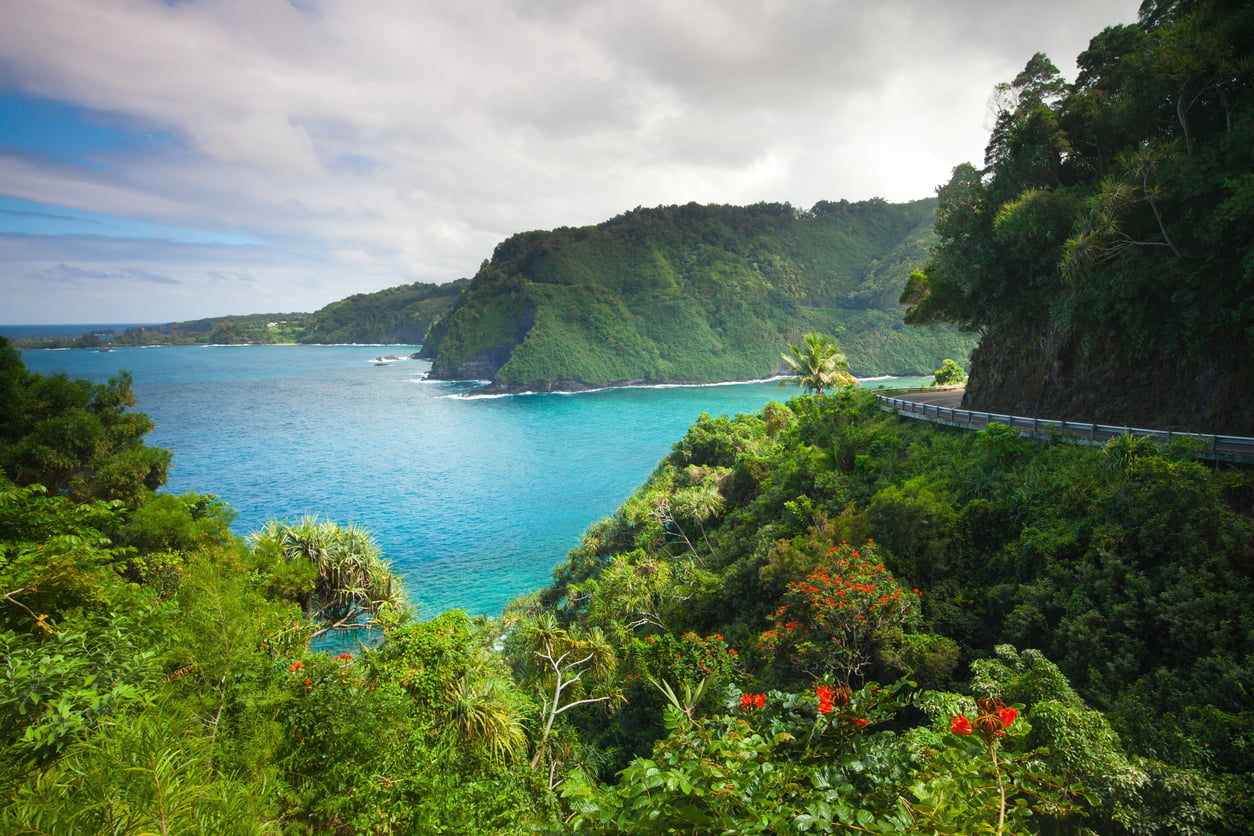
Hana sits only about 52 miles from Kahului, but nobody should approach this drive as a quick transfer. The famously winding Hana Highway passes rainforest, waterfalls, coastal scenery, gardens, and roadside stands, with dozens of bridges and hundreds of curves slowing things considerably. The stops are really the point. Visitors should also resist pulling over wherever they please: illegal parking, trespassing, and congestion have become serious concerns along the route. A permitted tour can be an easier alternative for anyone who would rather watch the scenery than drive.
Glacier National Park, Montana: Going-to-the-Sun Road
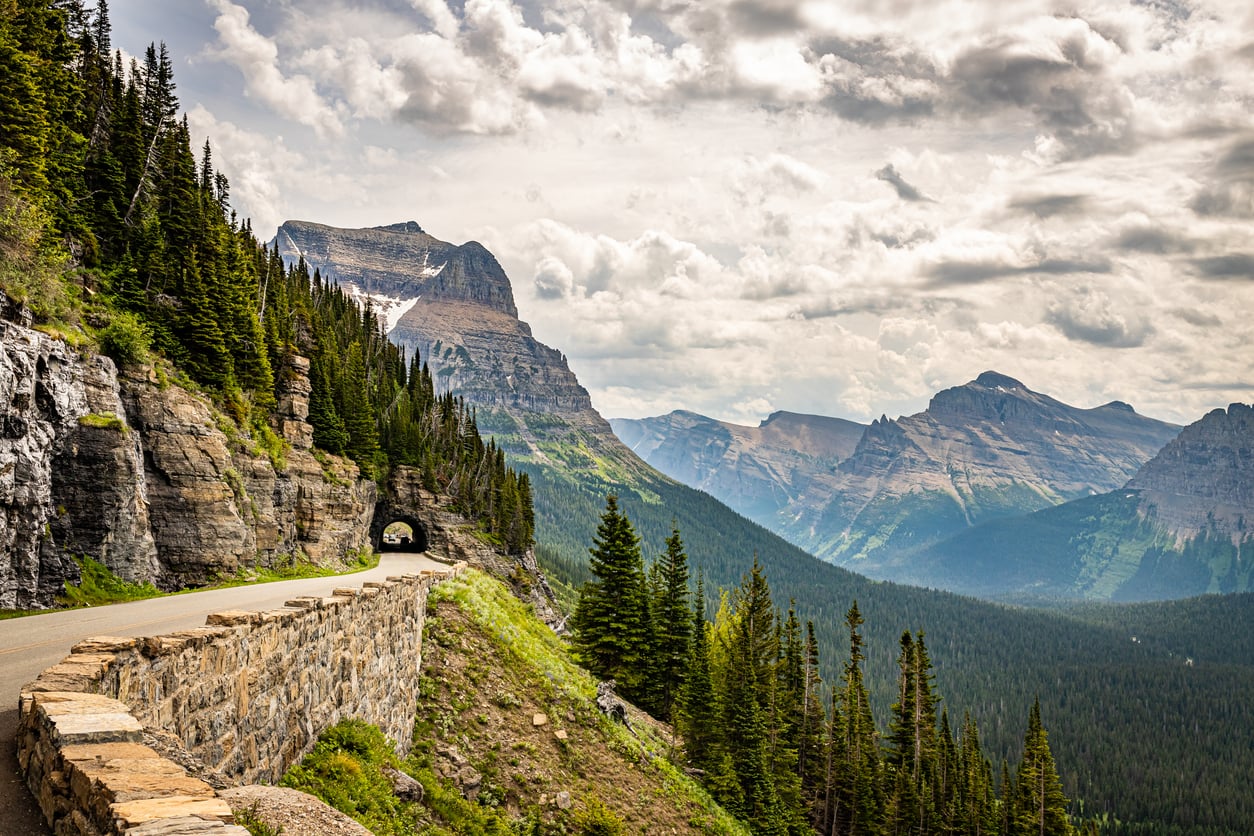
Going-to-the-Sun Road covers roughly 50 miles across Glacier National Park, but mileage doesn’t remotely describe the experience. The road climbs from forests and lakes into glacier-carved alpine country, crossing the Continental Divide at Logan Pass before descending again. Pullouts, waterfalls, trailheads, and huge mountain views make frequent stops almost inevitable. The biggest limitation is seasonality: the alpine portion can remain snowbound well into summer, and conditions can change quickly. Oversize vehicles also face restrictions on the narrowest mountain sections.
Anchorage to Seward, Alaska: Coastal Classic Train
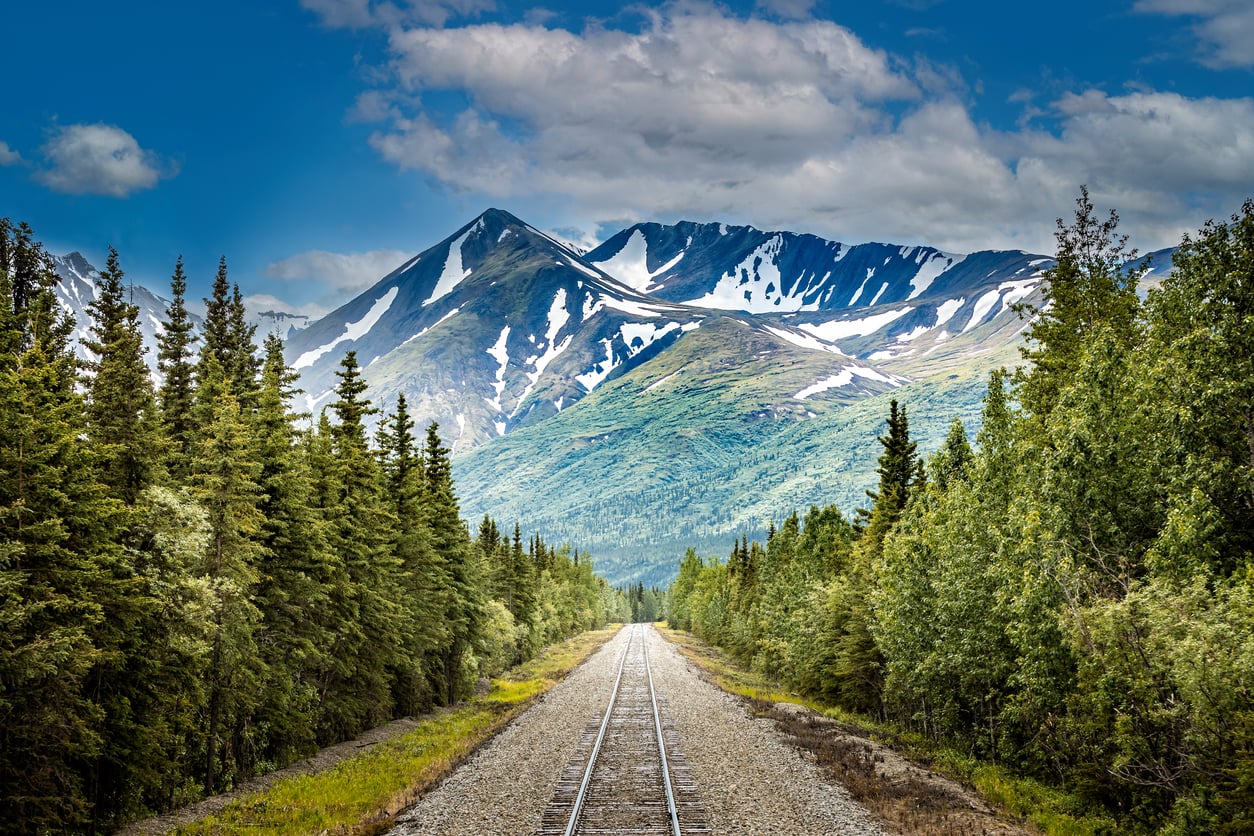
The Coastal Classic leaves Anchorage in the morning, follows Turnagain Arm, and eventually reaches stretches of wilderness where roads don’t follow. That means passengers get views of mountains, glaciers, waterfalls, and backcountry without having to concentrate on driving. During its 2026 summer season, the train leaves Anchorage at 6:45 a.m. and reaches Seward at 11:20 a.m., with the return departing at 6 p.m. That leaves several hours for exploring Seward before another long scenic ride home. The catch is obvious: it’s an all-day commitment.
Chicago to the San Francisco Bay Area: California Zephyr
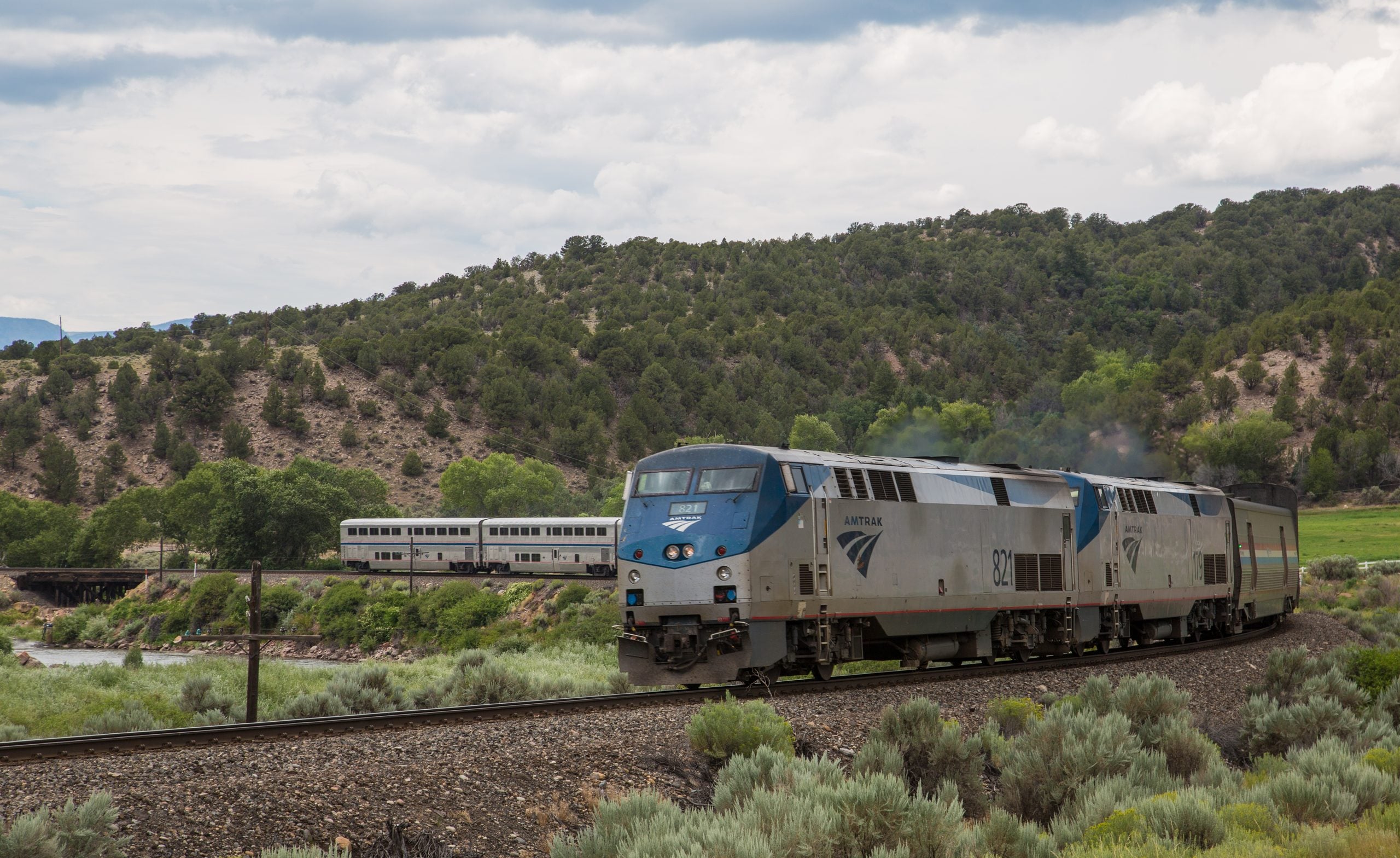
Nobody takes the California Zephyr because they’re in a hurry. The long-distance Amtrak route connects Chicago with Northern California while crossing the Rockies, Utah, Nevada, and the Sierra Nevada, turning what could be a few hours in the air into a multi-day journey. Much of the pleasure comes from simply watching America change outside the window. A room can make the experience considerably more comfortable, but it also raises the price. And because long-distance trains can run late, don’t schedule an important connection immediately after arrival.
Trending on Cheapism
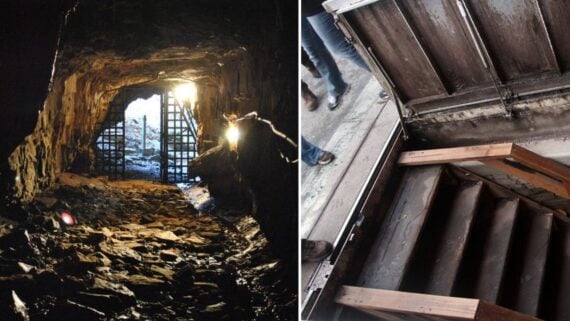
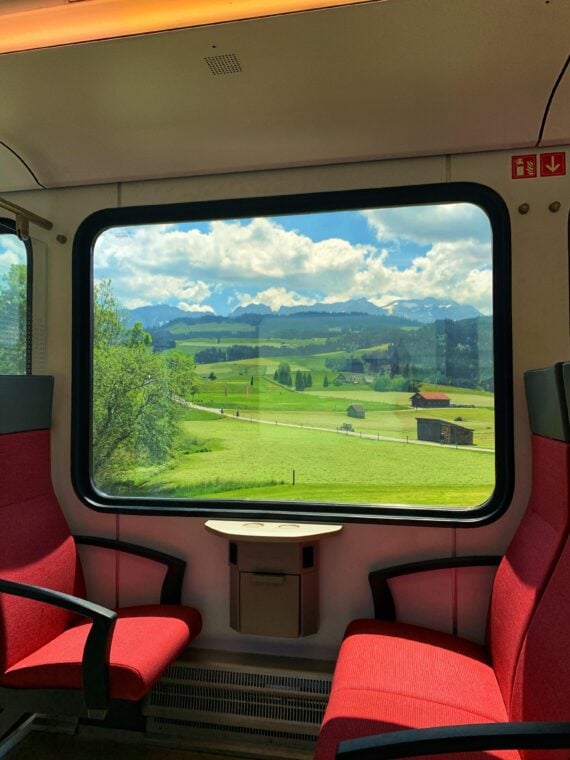
Durango to Silverton, Colorado: Durango & Silverton Narrow Gauge Railroad
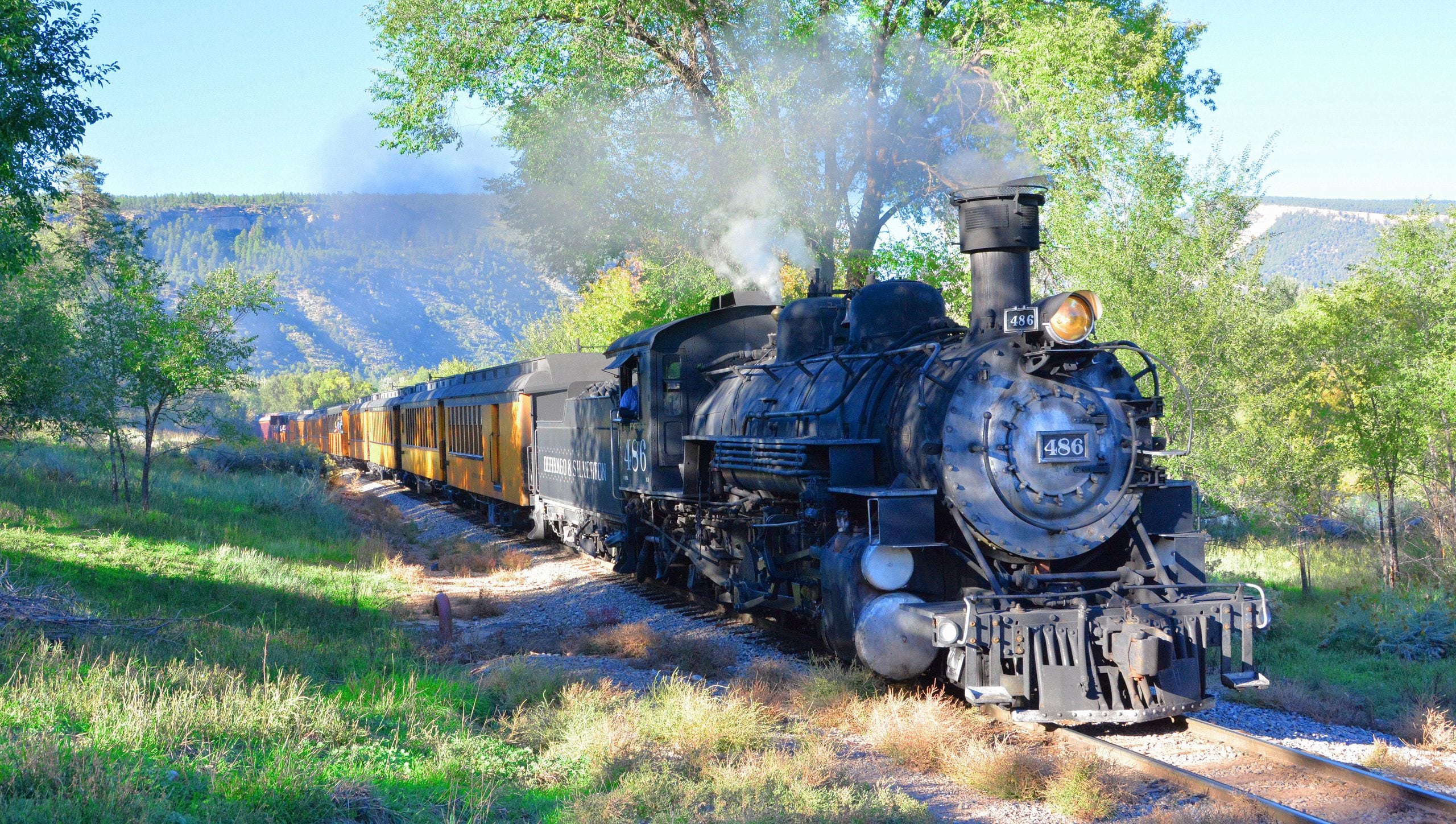
This historic railroad travels 45.4 miles each way between Durango and Silverton during its main summer season, following the Animas River into the San Juan Mountains. North of Rockwood, the tracks enter wilderness without highway access, giving passengers canyon views that drivers can’t simply pull over to see. The train takes about 3.5 hours each way, so the classic round trip occupies most of a day. That’s a long time aboard a train, but here the slow journey is precisely what people are paying to experience.
Carmel to Cambria, California: Highway 1 Through Big Sur
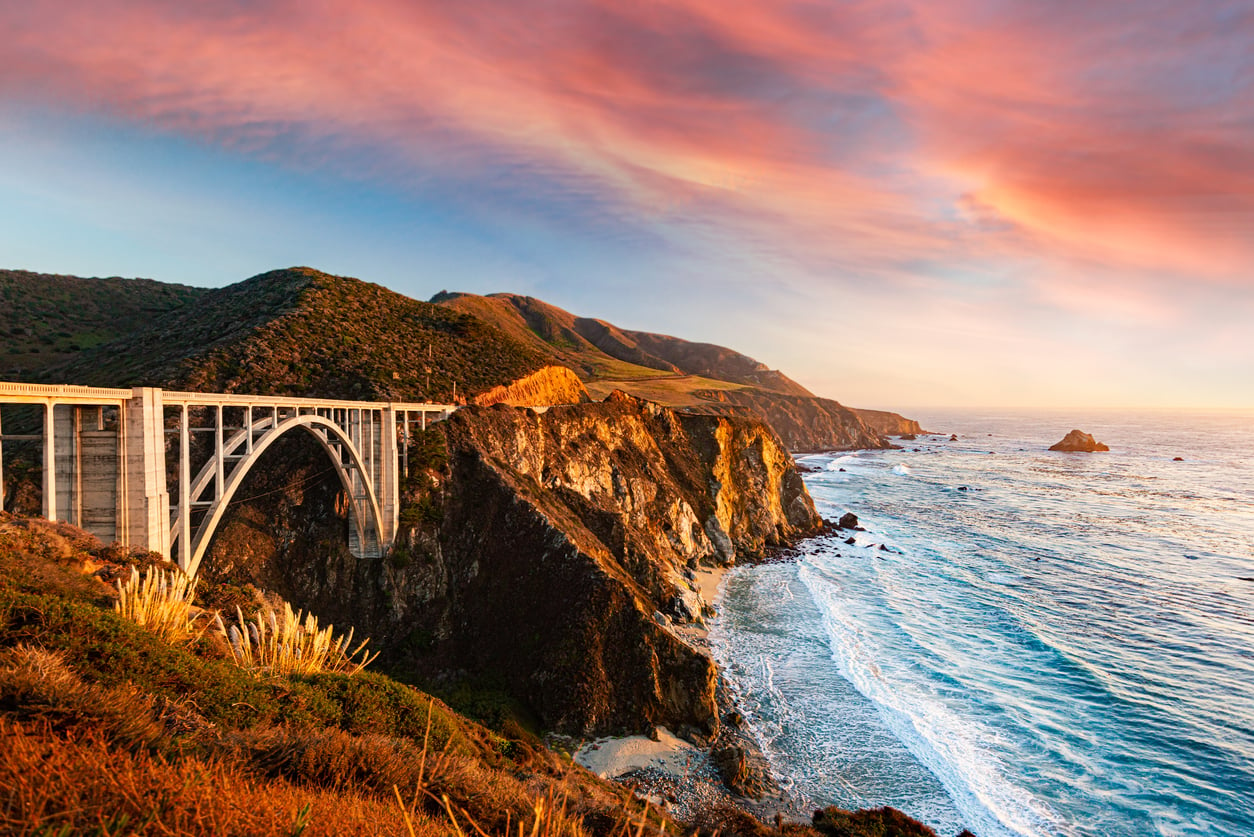
Highway 1 through Big Sur is finally a through-route again after years of landslide-related disruption, reopening between Carmel and Cambria in January 2026. That’s good news for one of America’s classic coastal drives. The highway hugs cliffs above the Pacific, passing Bixby Bridge, redwood country, beaches, rocky coves, and numerous places where you’ll want to stop. Landslides and weather remain facts of life along this coast, though, so checking road conditions before departure is still smart even now that the major closure has ended.
Red Lodge, Montana, to Yellowstone: Beartooth Highway
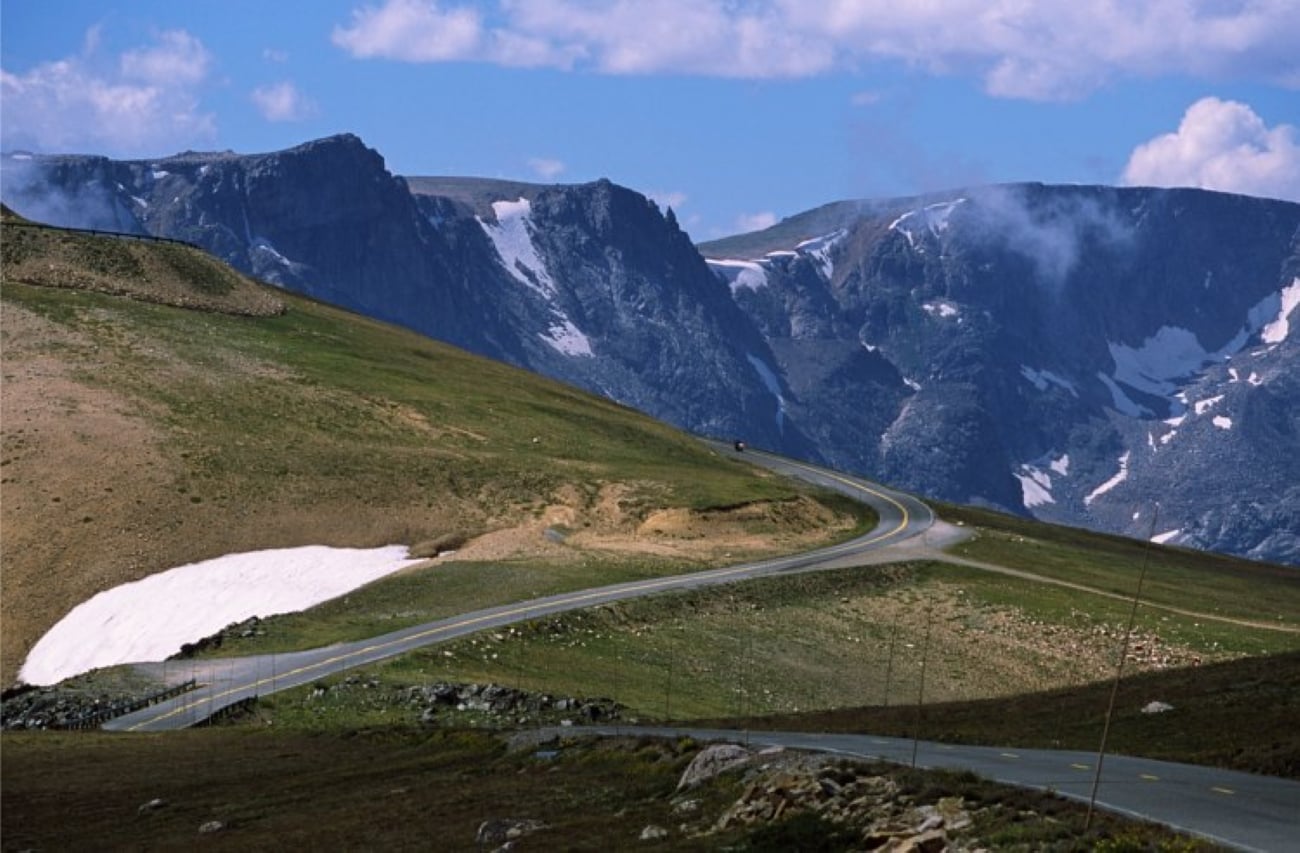
Yellowstone’s northeast entrance already feels remote, but arriving via the Beartooth Highway makes the approach considerably more dramatic. The road climbs into high Northern Rockies terrain between Montana and Wyoming, with alpine lakes, broad overlooks, switchbacks, and opportunities to spot wildlife along the way. At these elevations, winter doesn’t necessarily respect the calendar. Snow makes the highway highly seasonal, and sudden weather can affect access even when lower roads are perfectly clear. Give yourself time for pullouts rather than treating it as merely an alternative entrance to Yellowstone.
Sign up for our newsletter
Skagway, Alaska, to White Pass: White Pass & Yukon Route
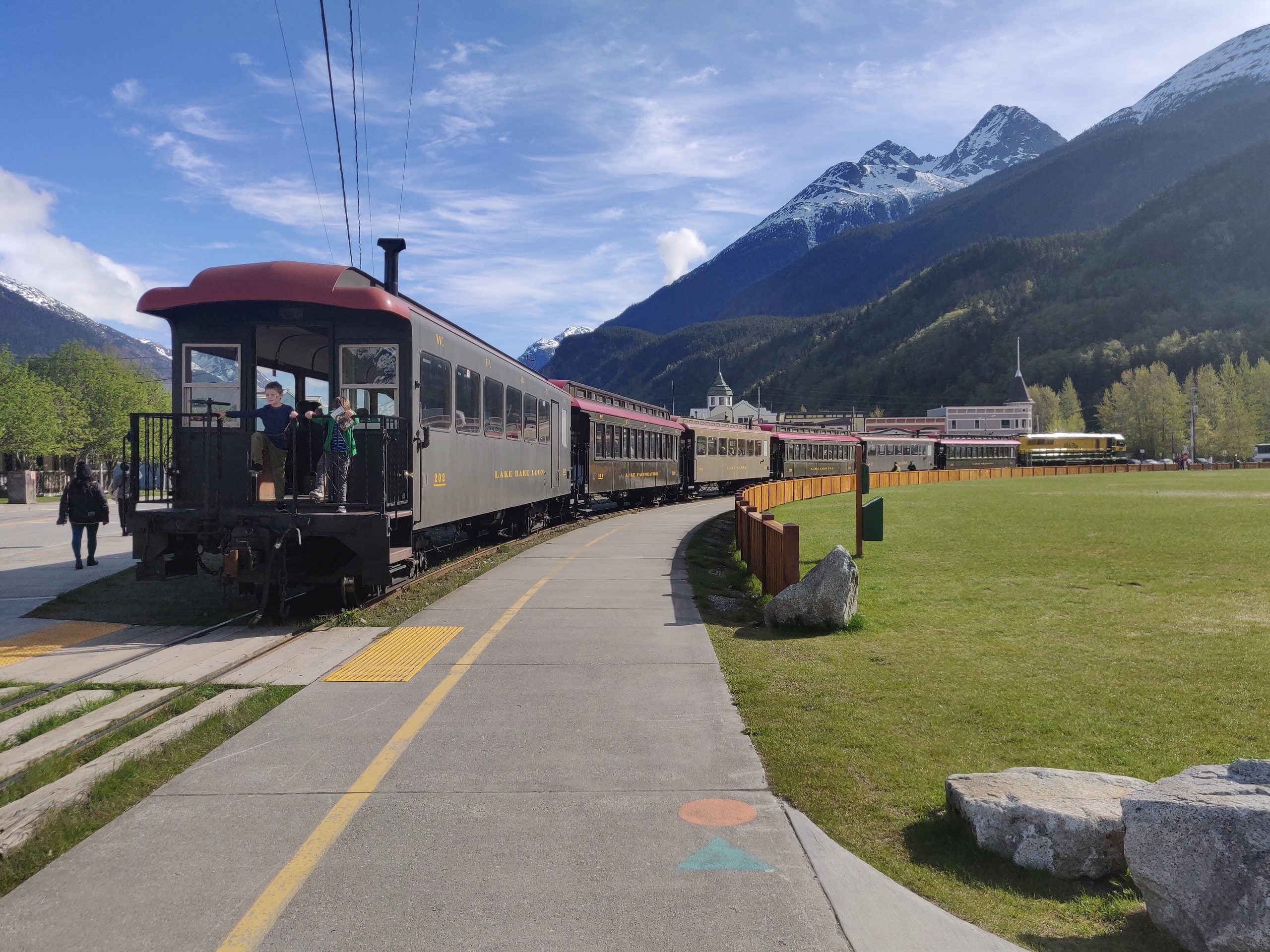
Built through country associated with the Klondike Gold Rush, this historic railway climbs nearly 3,000 feet from Skagway toward White Pass. The basic summit excursion is about 40 miles round trip and takes roughly 2.5 to 2.75 hours, passing waterfalls, steep gorges, mountains, tunnels, and old trestles. There’s barely a conventional destination at the turnaround point, which makes this one of the purest examples on the list: you board specifically for the ride. Travelers choosing longer excursions into Canada need to pay attention to passport requirements.
Anacortes to the San Juan Islands, Washington: Washington State Ferries
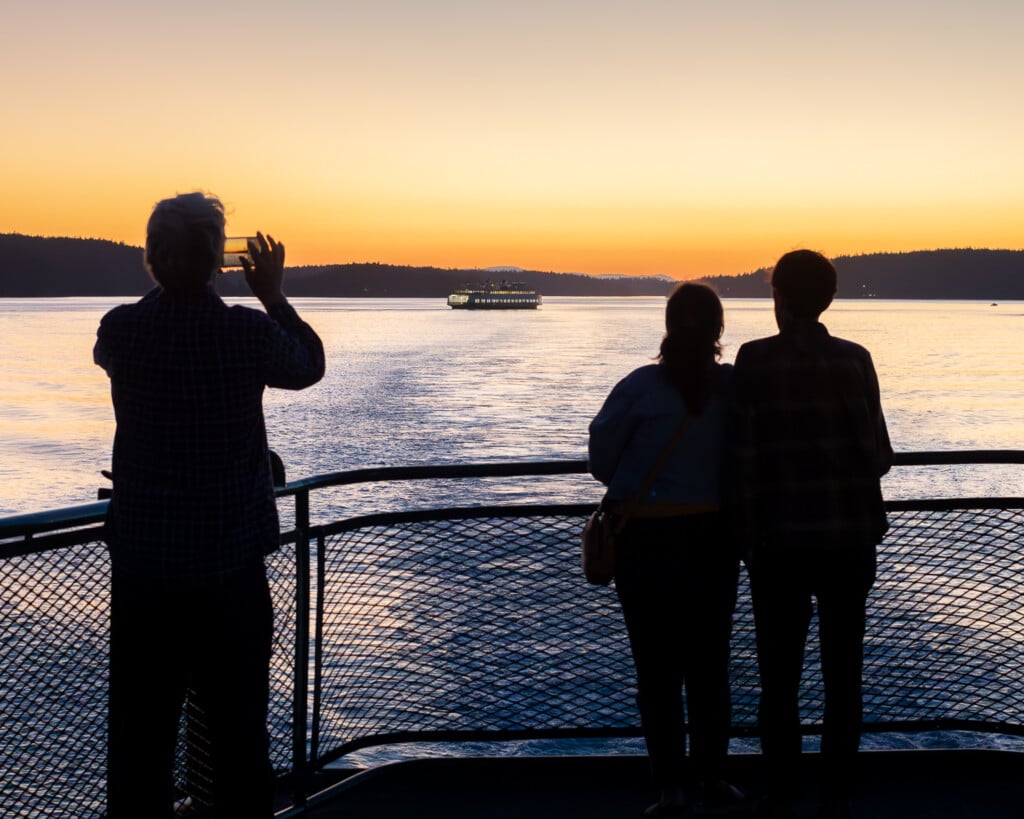
The vacation starts surprisingly early when you’re headed to Washington’s San Juan Islands. Ferries leaving Anacortes weave through forested islands and open water toward Friday Harbor, Orcas, Lopez, and Shaw, giving passengers mountain and shoreline views before they’ve even checked into their lodging. Bringing a car requires more planning: vehicle reservations are strongly recommended on the Anacortes-San Juan Islands routes, while walk-on passengers and bicycles don’t need them. Ferry disruptions happen, too, so an overly tight first-day itinerary can turn a beautiful crossing into unnecessary stress.
Asheville to Shenandoah Country: Blue Ridge Parkway
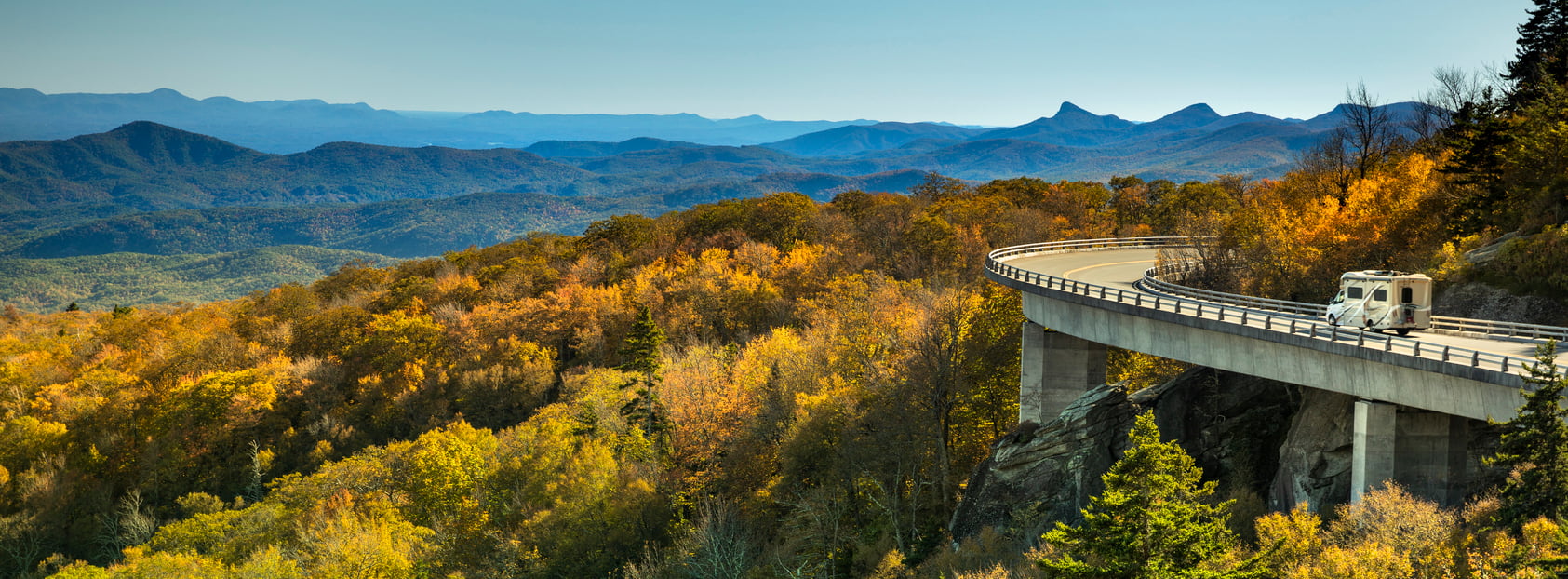
The Blue Ridge Parkway stretches 469 miles through North Carolina and Virginia, but attempting to race from one end to the other rather misses the idea. Overlooks, hiking trails, picnic areas, historic sites, and long Appalachian views repeatedly tempt travelers off the road. Pick a section around Asheville, Boone, or Virginia if you don’t have several days. Construction, weather, and maintenance can also close individual sections, making a current road check essential. The Parkway rewards people who measure a good day by stops made rather than miles covered.
Duluth to Grand Portage, Minnesota: North Shore Scenic Drive
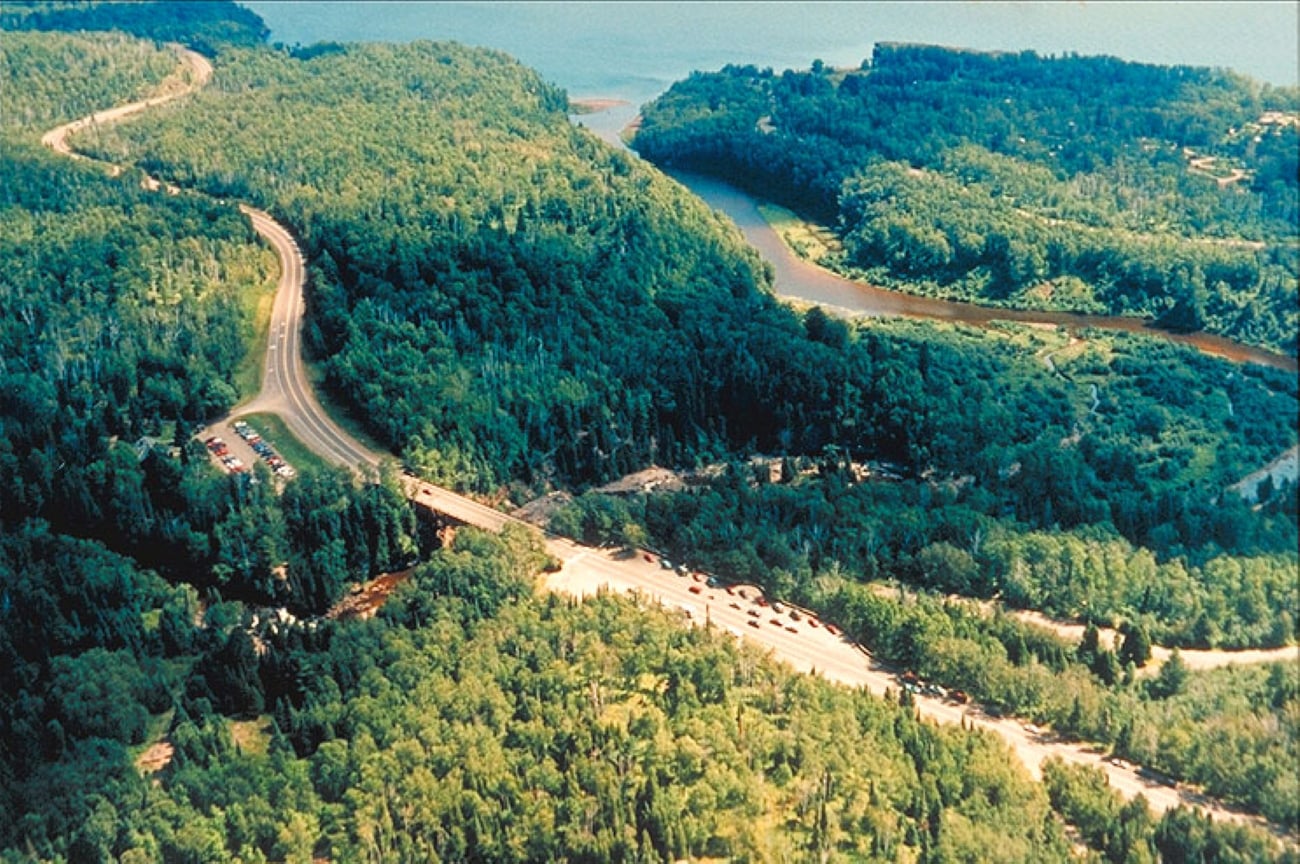
Highway 61 follows Lake Superior northeast from Duluth toward Grand Marais, Grand Portage, and the Canadian border, with state parks, waterfalls, rocky shoreline, forests, and beaches constantly competing for attention. That’s what makes the North Shore better as a wandering road trip than a straight drive. Towns such as Grand Marais make worthwhile stops, but much of the experience happens between them. Fall foliage brings particularly heavy interest, while winter adds its own beauty along with rapidly changing driving conditions beside one of the world’s largest freshwater lakes.
Williams to the Grand Canyon, Arizona: Grand Canyon Railway
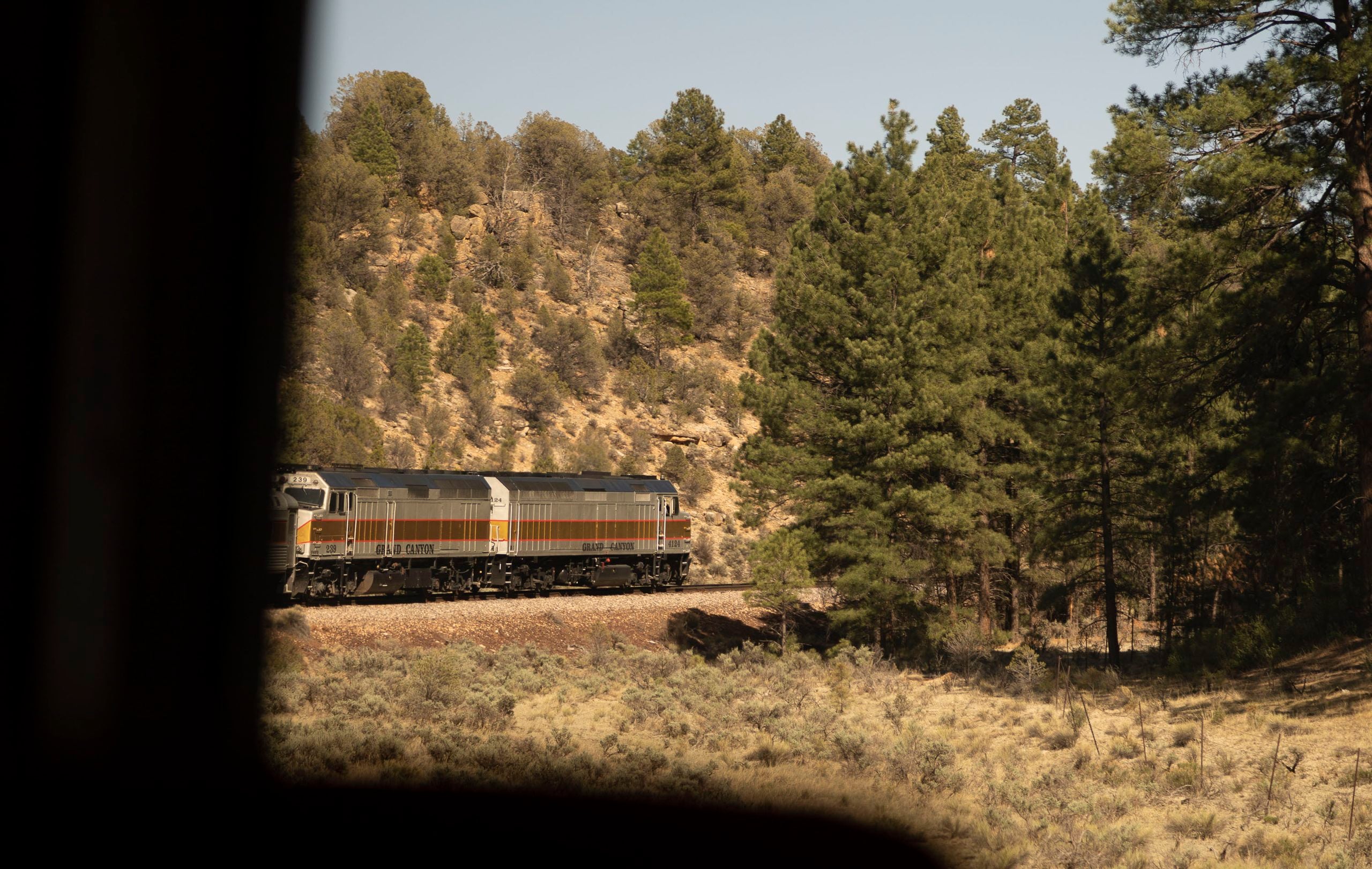
Driving to the South Rim gets the job done, but arriving aboard the Grand Canyon Railway gives the trip a dose of old-fashioned vacation nostalgia. The train runs from Williams directly to Grand Canyon Village, eliminating the need to deal with busy park traffic and hunt for parking. The trade-off is flexibility: the train’s schedule determines when you arrive and leave, so travelers wanting a very long day at the rim may prefer driving. For everyone else, watching northern Arizona roll past the window makes the approach part of the occasion.
Juneau, Ketchikan, and Skagway, Alaska: Alaska Marine Highway
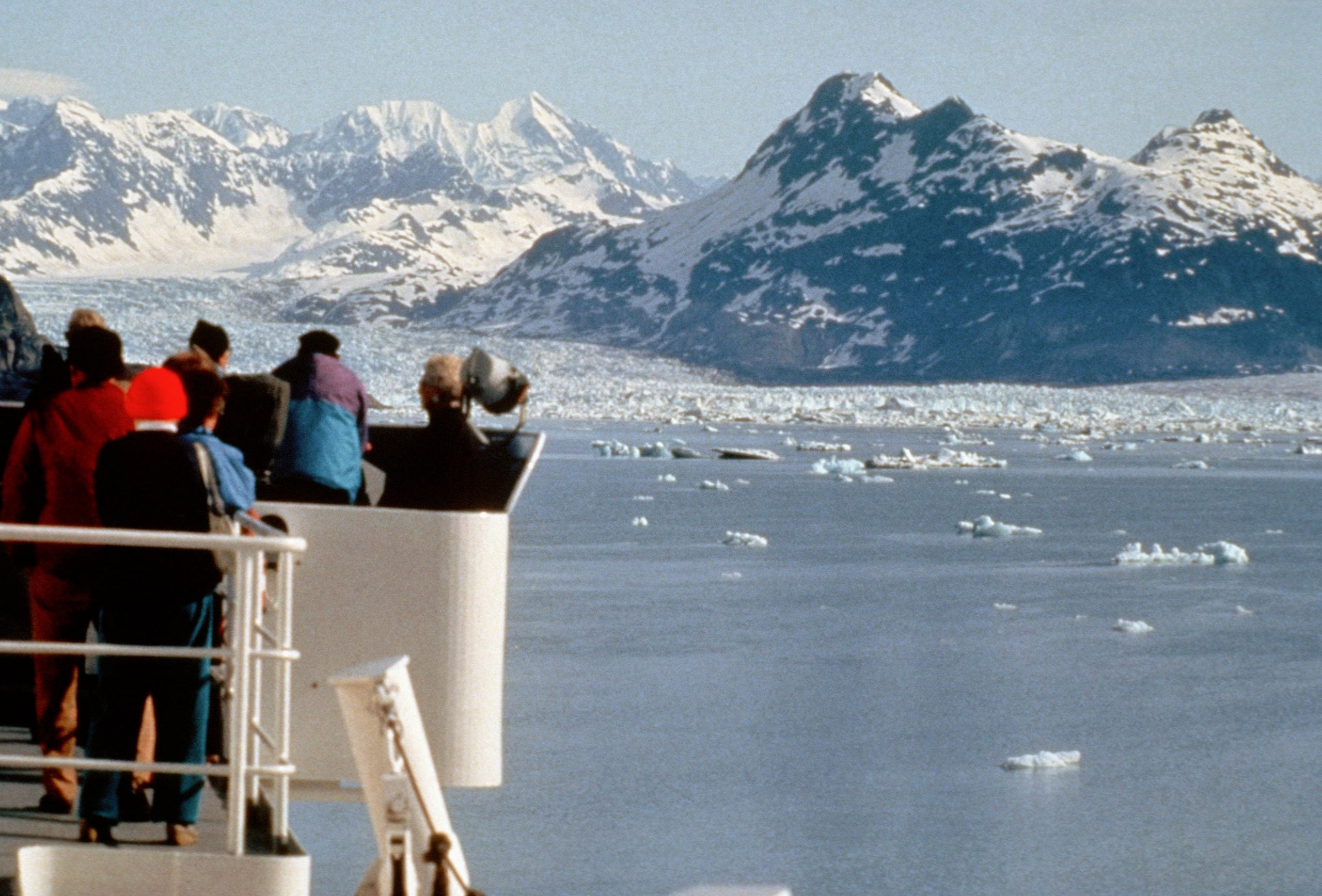
The Alaska Marine Highway is public transportation, not a conventional cruise, and that’s part of its appeal. State ferries link communities along thousands of miles of coastline, including Southeast Alaska destinations such as Ketchikan, Juneau, Haines, and Skagway. Passengers travel through the Inside Passage among islands, forested shorelines, fjords, and mountains while locals and vehicles come and go. Don’t expect cruise-ship-style entertainment or service. Schedules can change and disruptions occur, so this is better suited to travelers comfortable building flexibility into an Alaska itinerary.
Base to Summit, New Hampshire: Mount Washington Cog Railway
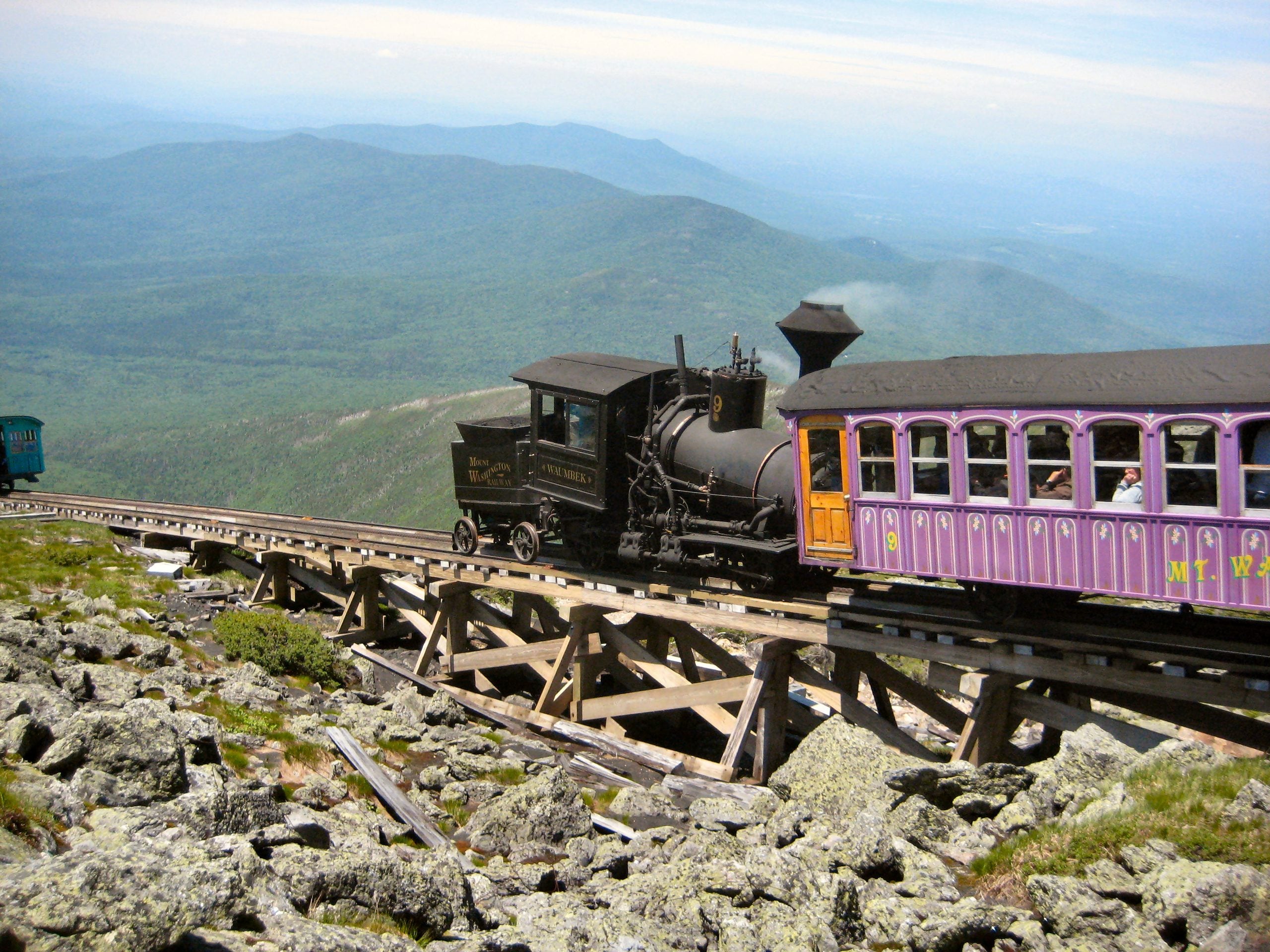
Mount Washington’s summit is impressive, but reaching it aboard the Cog Railway is what makes this excursion unlike an ordinary mountain viewpoint. The train climbs steeply from its base station toward the 6,288-foot summit, with White Mountain views opening as it gains elevation. A typical summit round trip takes just under three hours, including about an hour at the top. Weather is the wild card: conditions at the summit can be dramatically colder and windier than at the base, so warm clothing makes sense even when the parking lot feels comfortable.
Gatlinburg or Townsend, Tennessee: Cades Cove Loop Road
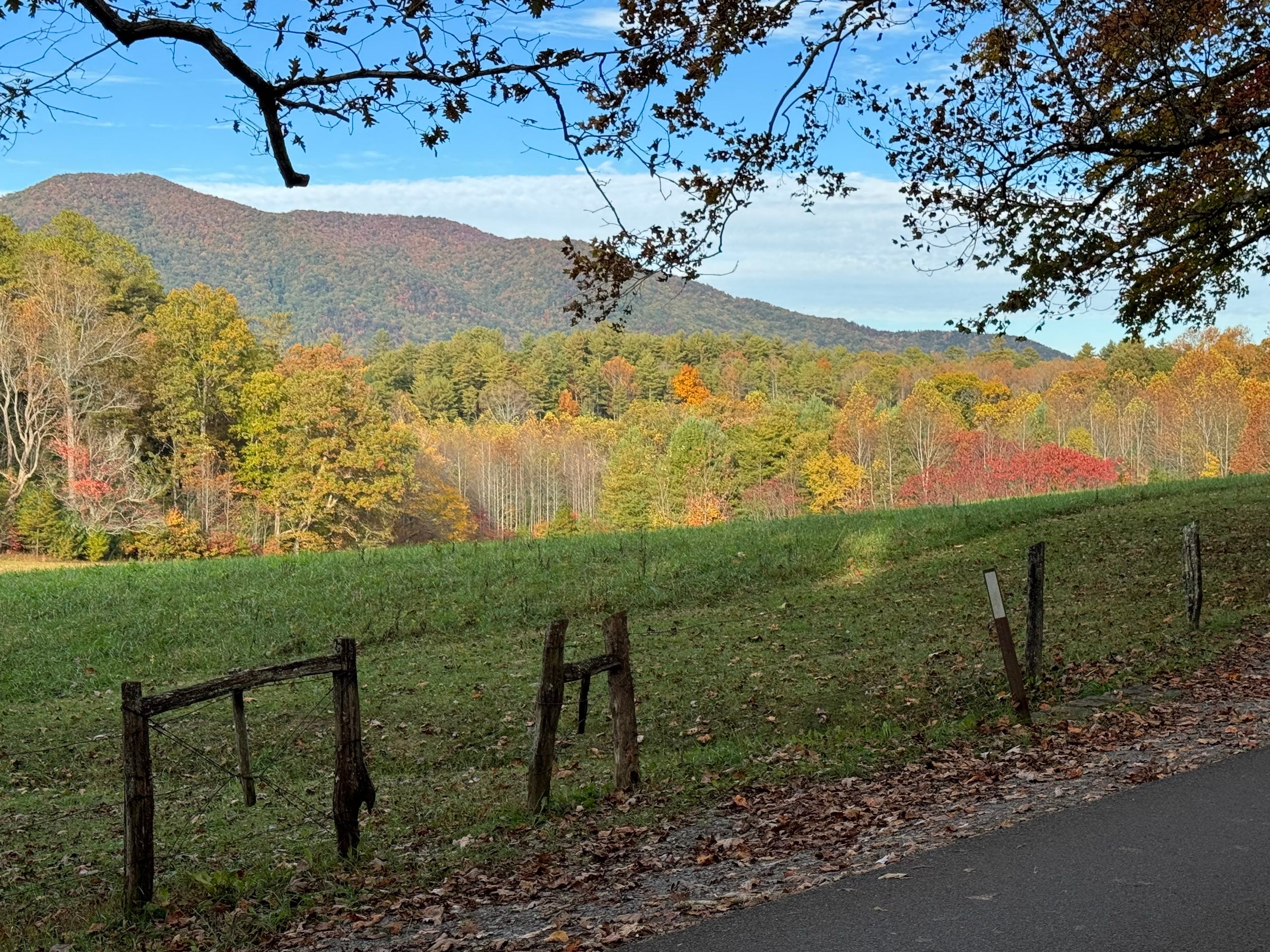
Cades Cove proves a road trip doesn’t actually need somewhere else to arrive. Its 11-mile, one-way loop circles a mountain valley containing historic cabins, churches, wildlife habitat, trails, and a working gristmill. Moving slowly and pulling over is the whole activity, which is also why traffic can become frustratingly heavy during popular periods. In 2026, Wednesdays from May 6 through September 30 are vehicle-free, giving cyclists and pedestrians the loop instead. If you’re driving, avoid approaching those 11 miles as something you can quickly squeeze between other plans.