Classic dinners in the ’90s were all about getting something warm, filling, and affordable on the table fast. For many middle-class families, that meant spaghetti, casseroles, taco nights, meatloaf, and boxed shortcuts that stretched a pound of ground beef into a full meal. As old recipe archives from Campbell’s show, many of those dependable meals are still around because they made dinner simple without making it feel skimpy.
Spaghetti With Meat Sauce
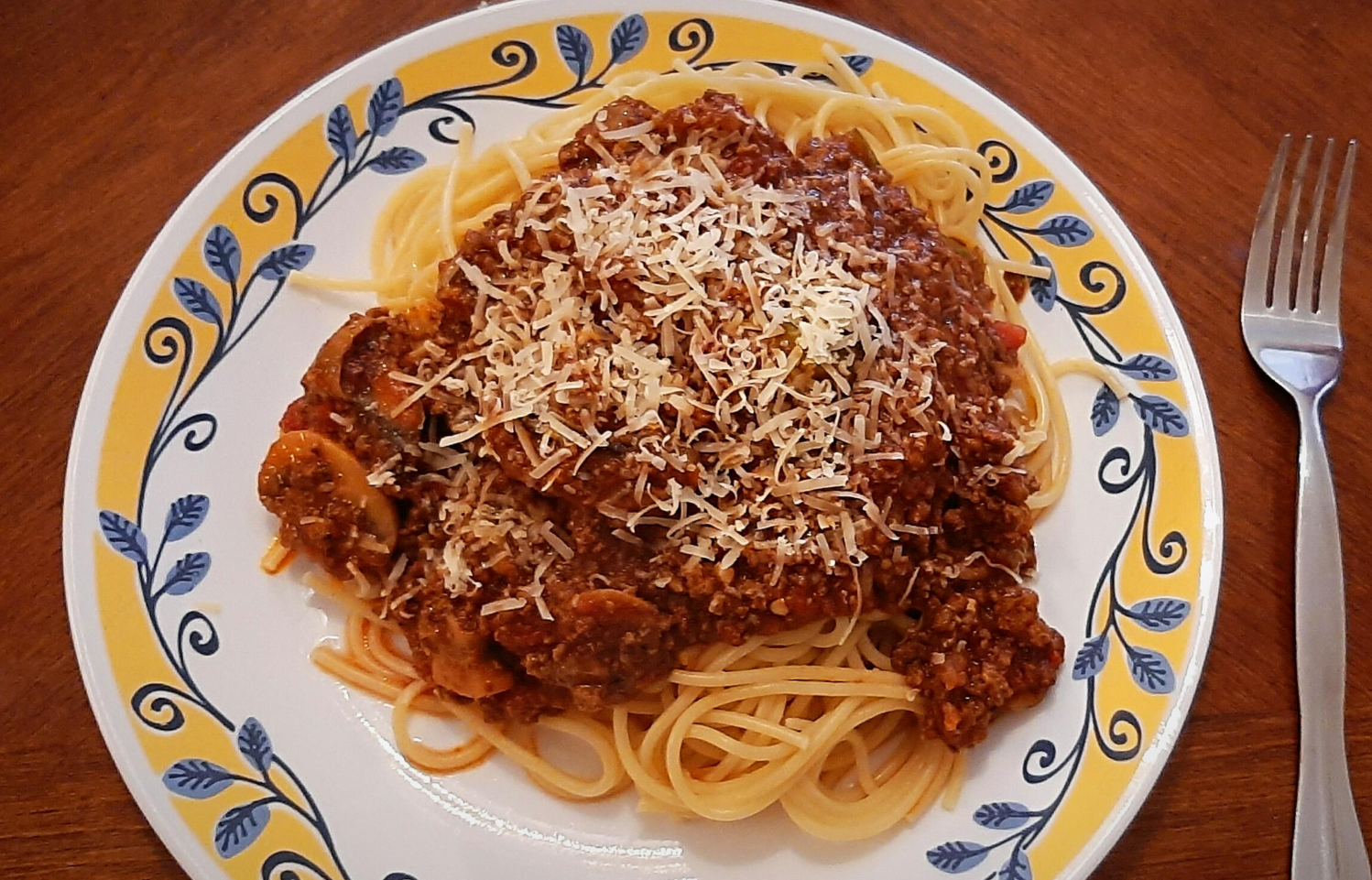
Spaghetti with meat sauce was the weeknight dinner that could rescue almost any budget. A pound of ground beef, a jar or pot of sauce, and a box of pasta could feed a whole table, especially if garlic bread and iceberg salad showed up on the side. Some moms doctored jarred sauce with onions, garlic, oregano, or a pinch of sugar and called it the family recipe. The downside was that it could feel repetitive, but leftovers were hard to beat the next day.
Meatloaf With Mashed Potatoes
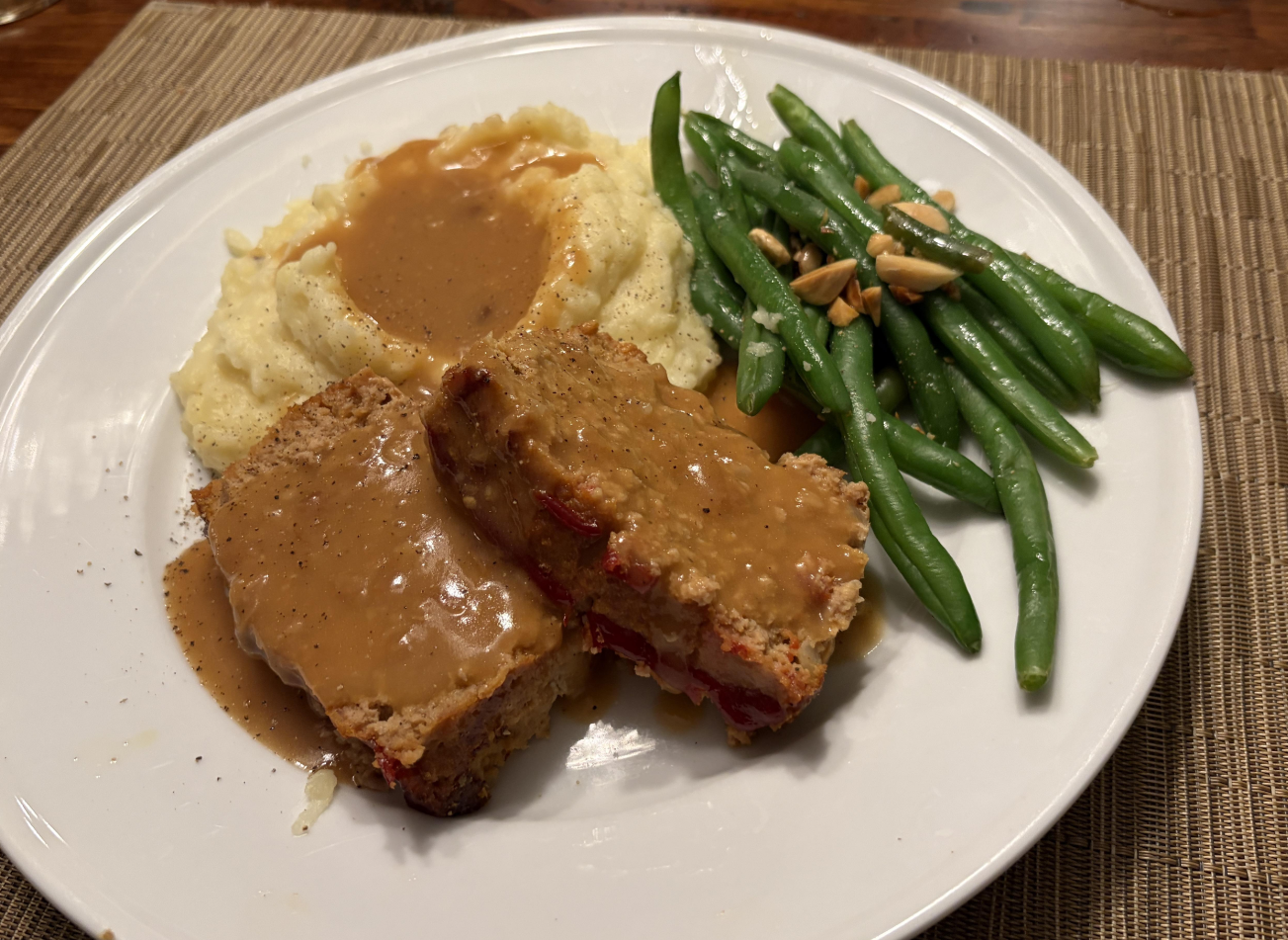
Meatloaf was one of those meals that felt old-fashioned even in the ’90s, but it worked. Breadcrumbs, eggs, onions, ketchup, and seasoning helped stretch ground beef into a full dinner, usually with mashed potatoes and green beans nearby. Every family seemed to have a version: some sweet, some oniony, some topped with ketchup, some with brown gravy. Kids were not always thrilled at the word “loaf,” but cold meatloaf sandwiches the next day had a quiet fan club of their own.
Sloppy Joes
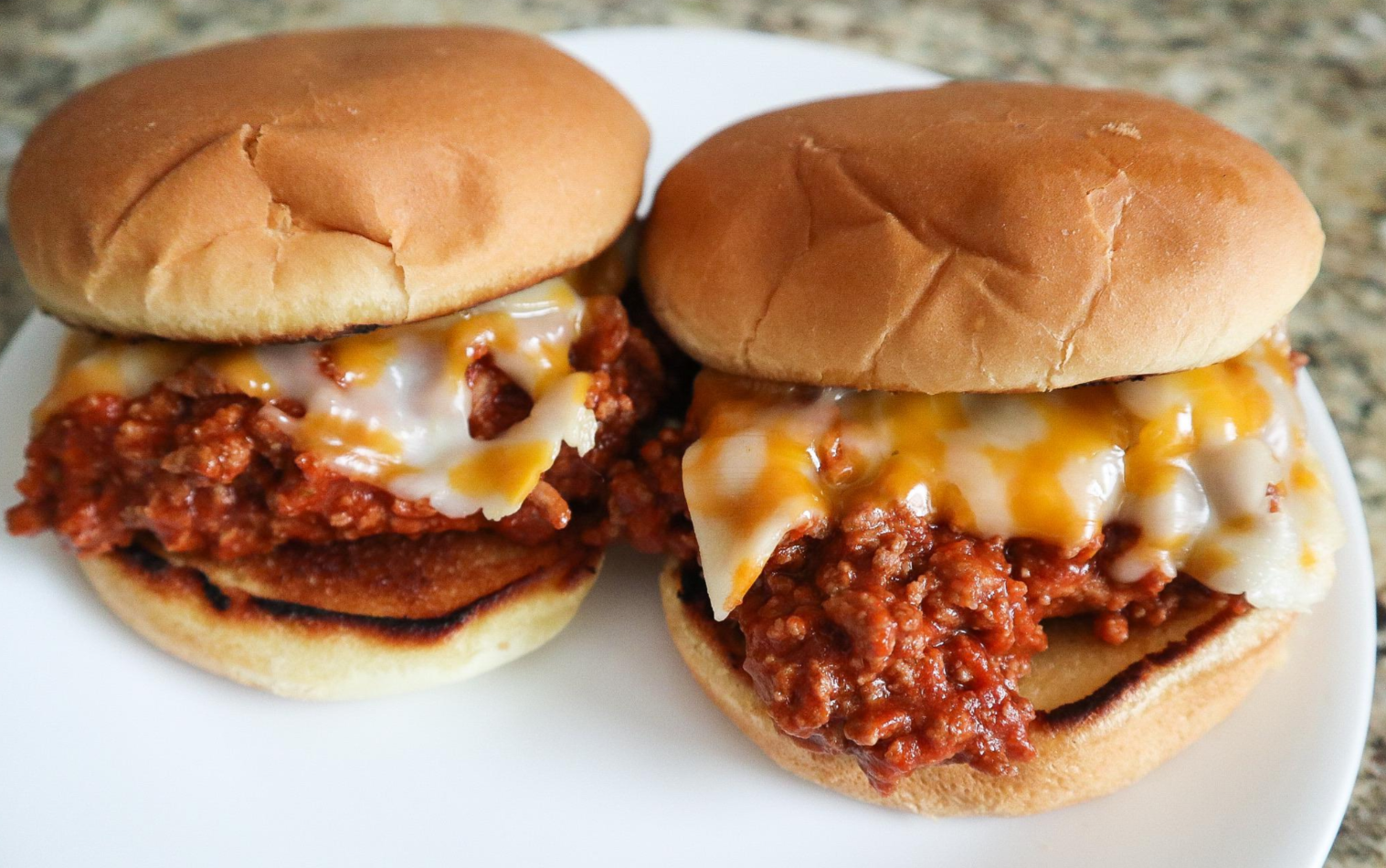
Sloppy Joes had the magic formula for a busy weeknight: ground beef, a tangy tomato-based sauce, and hamburger buns. Some families used Manwich, while others made sauce with ketchup, Worcestershire, mustard, onions, and whatever else was in the cabinet. It was cheap, fast, and kid-friendly, which made it a regular in many homes. The complaint, of course, was right there in the name. These sandwiches were messy, and the bottom bun could give up halfway through dinner.
Chicken and Rice Casserole
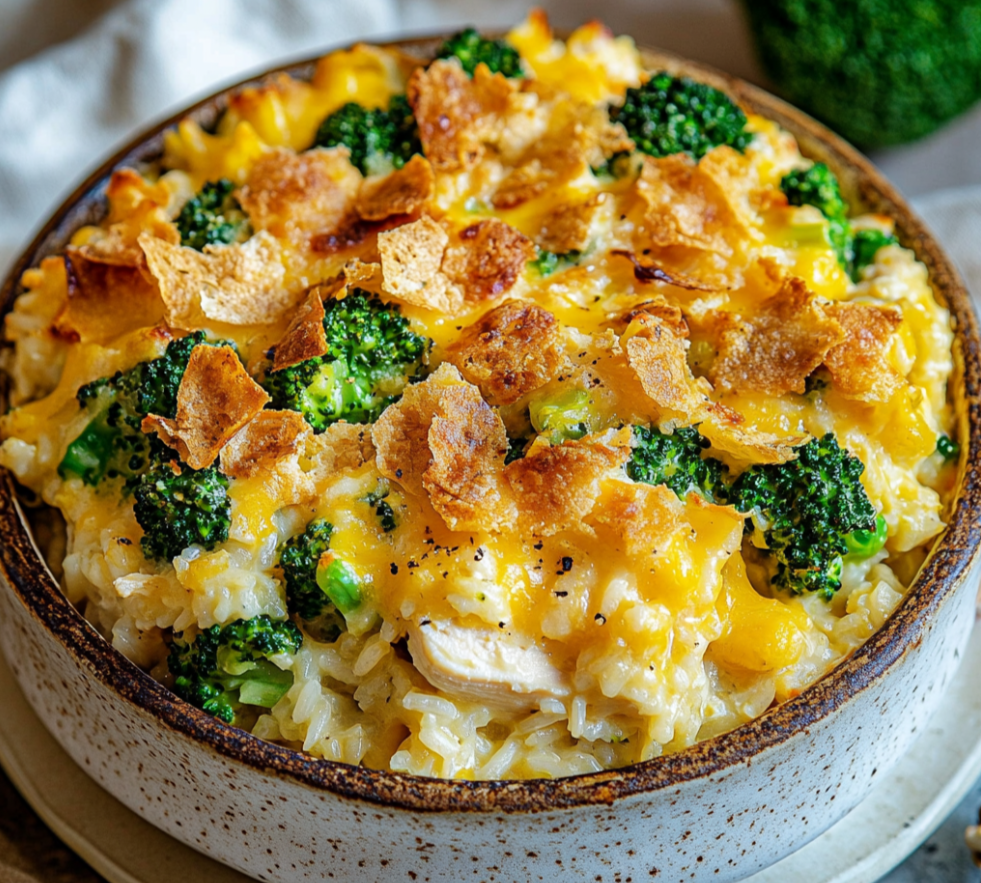
Chicken and rice casserole was peak ’90s practicality. Campbell’s-style recipes used chicken, uncooked rice, water, and condensed cream soup in one baking dish, which meant dinner could go in the oven with very little fuss. Some moms added broccoli, peas, carrots, cheddar, or crushed crackers on top. It was warm, filling, and good for stretching chicken into more servings. The downside was texture: if the rice cooked unevenly, someone at the table always found the crunchy corner.
Beef Tacos
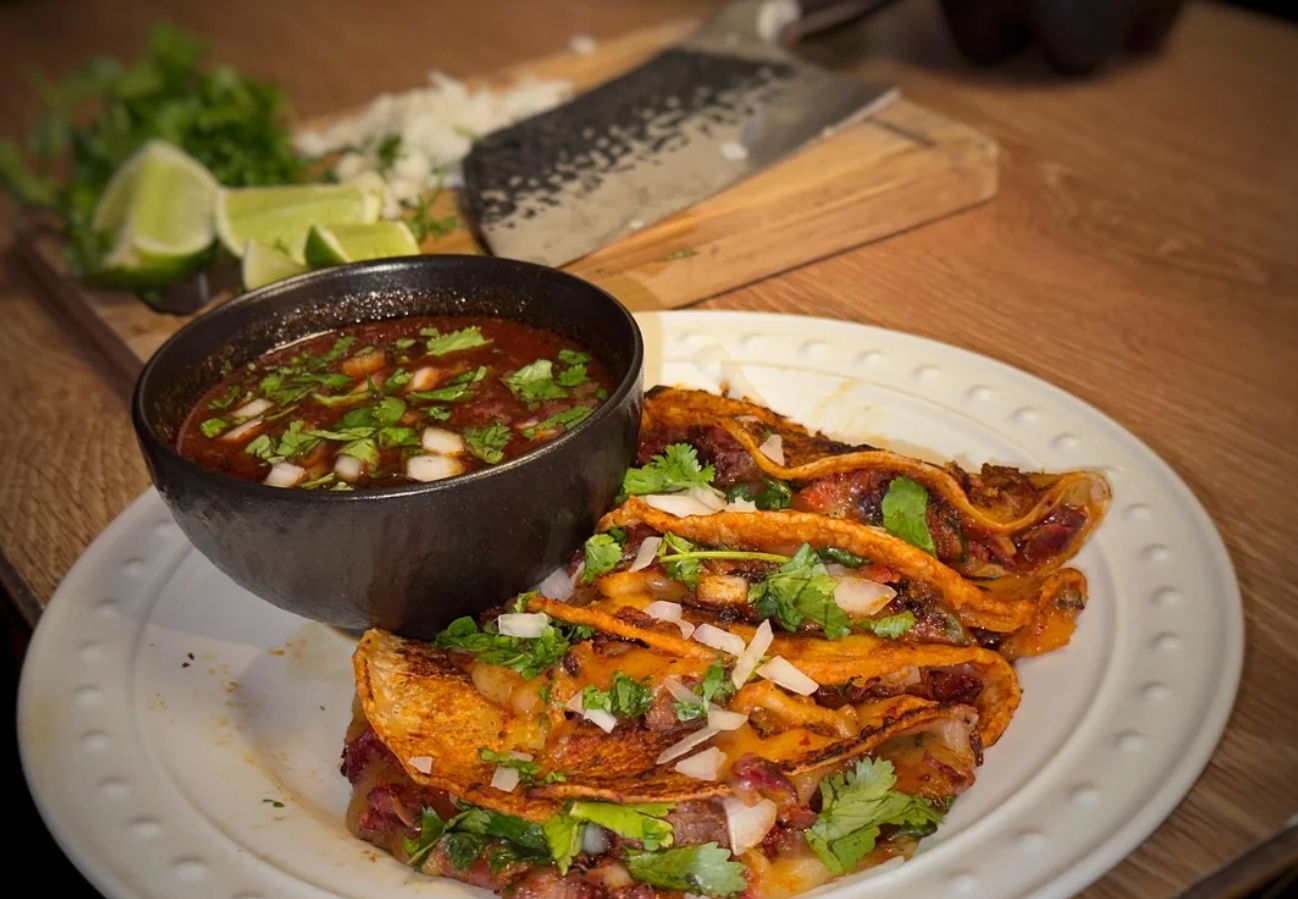
Taco night felt like a small event, even when it came from a grocery-store kit. Seasoned ground beef, crunchy shells, shredded lettuce, diced tomatoes, cheese, and sour cream made dinner feel more customizable than the usual casserole. Kids could build their own plates, and parents could turn leftovers into taco salad, nachos, or lunch the next day. The only real downside was the shell situation: one bite too hard and the whole taco cracked into a pile.
Trending on Cheapism
Tuna Noodle Casserole
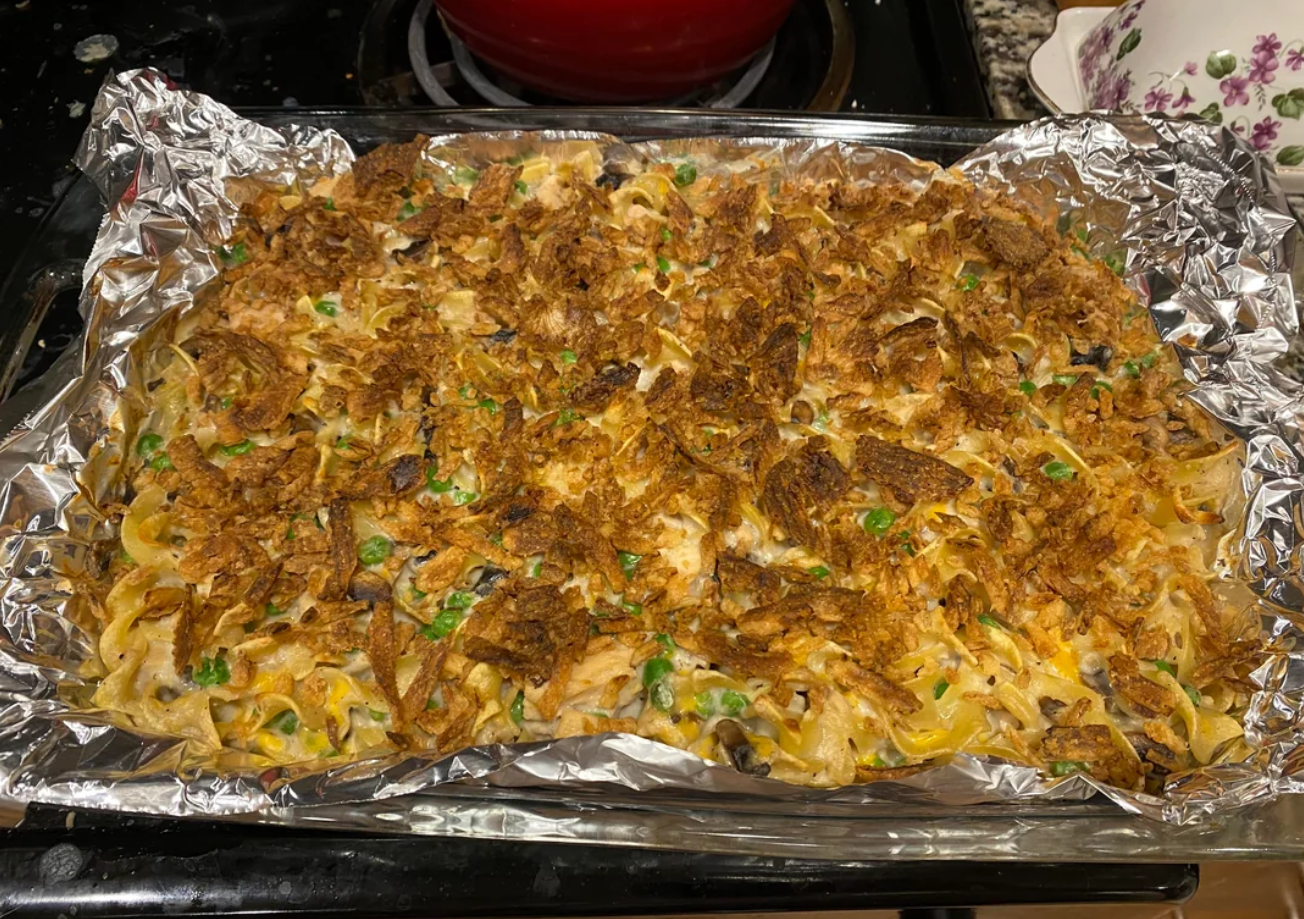
Tuna noodle casserole was not glamorous, but it was useful. Canned tuna, egg noodles, cream of mushroom soup, peas, and a breadcrumb or potato chip topping could turn pantry staples into a full meal. It was especially popular with families that wanted something filling without another pound of ground beef. The split opinion is part of the nostalgia: some people still love the creamy, salty comfort, while others remember it as the casserole they politely pushed around the plate.
Grilled Cheese and Tomato Soup
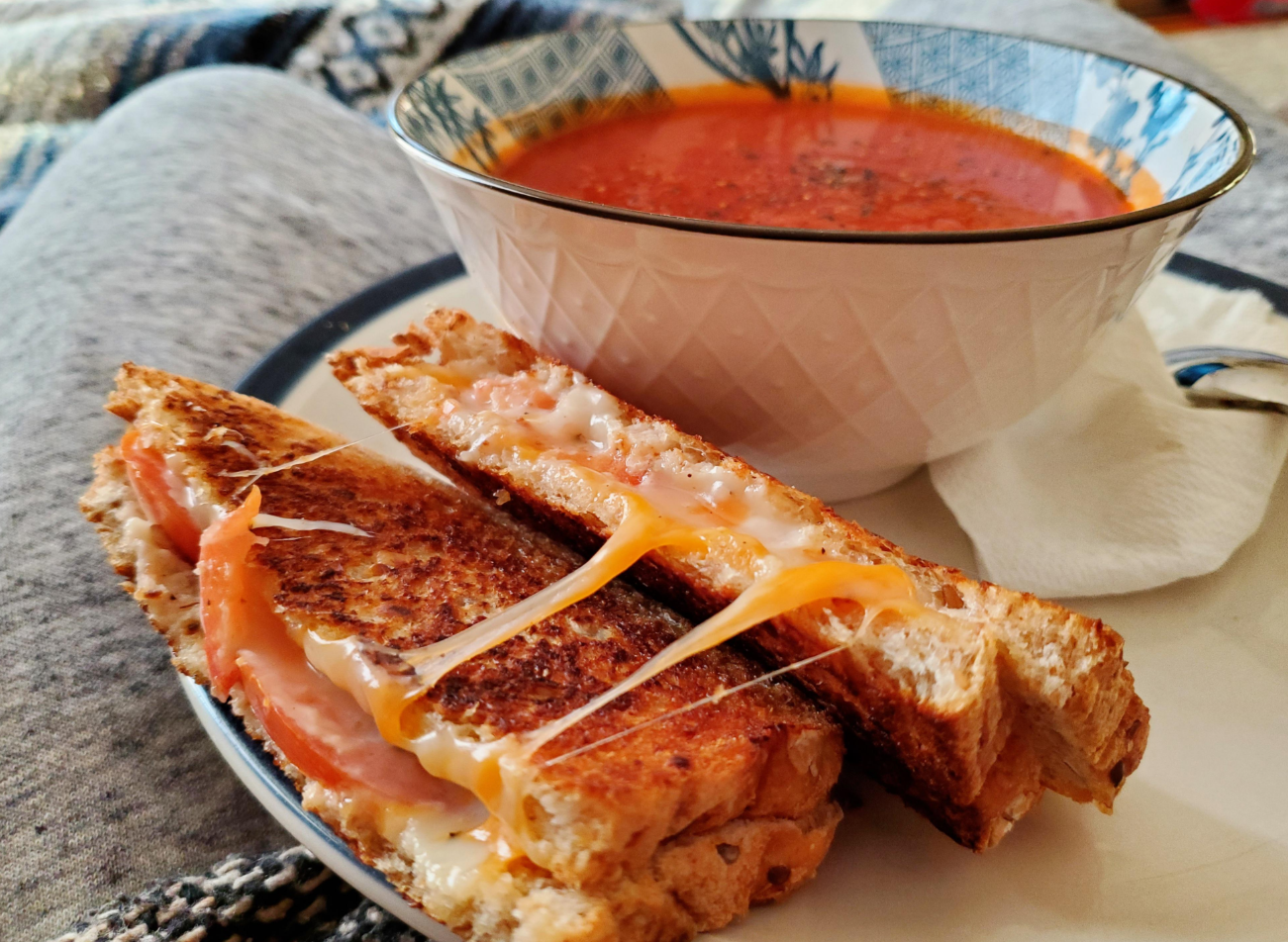
Grilled cheese and tomato soup was the dinner moms pulled out when the weather was bad, the schedule was worse, or nobody had the energy for a real production. White bread, American cheese, butter, and a can of tomato soup could feel like a treat when served hot. It was cheap, quick, and easy to clean up. The downside was that it was not the most filling dinner for growing teenagers, so seconds were almost guaranteed.
Hamburger Helper
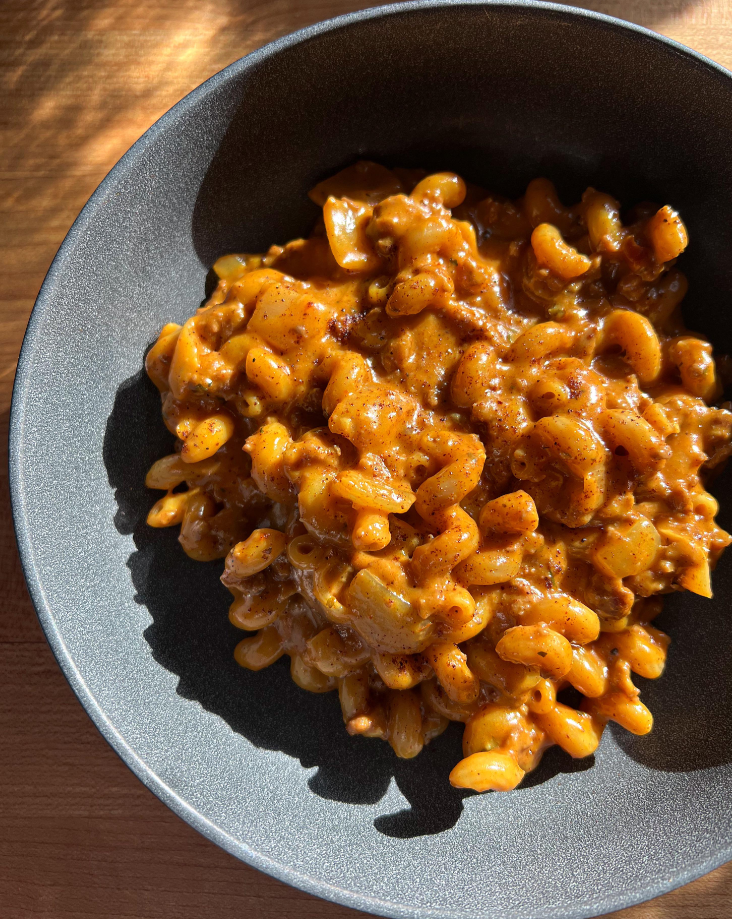
Hamburger Helper deserves a spot because it was practically designed for families trying to stretch ground beef. General Mills says the brand debuted nationally in 1971 with five flavors and was bought by more than one in four U.S. households in its first year. By the ’90s, it was still a familiar pantry shortcut. One box, one pound of beef, and dinner was done. The downside, as many adults now point out, is that some varieties could taste very salty.
Sign up for our newsletter
Shake ‘n Bake Pork Chops
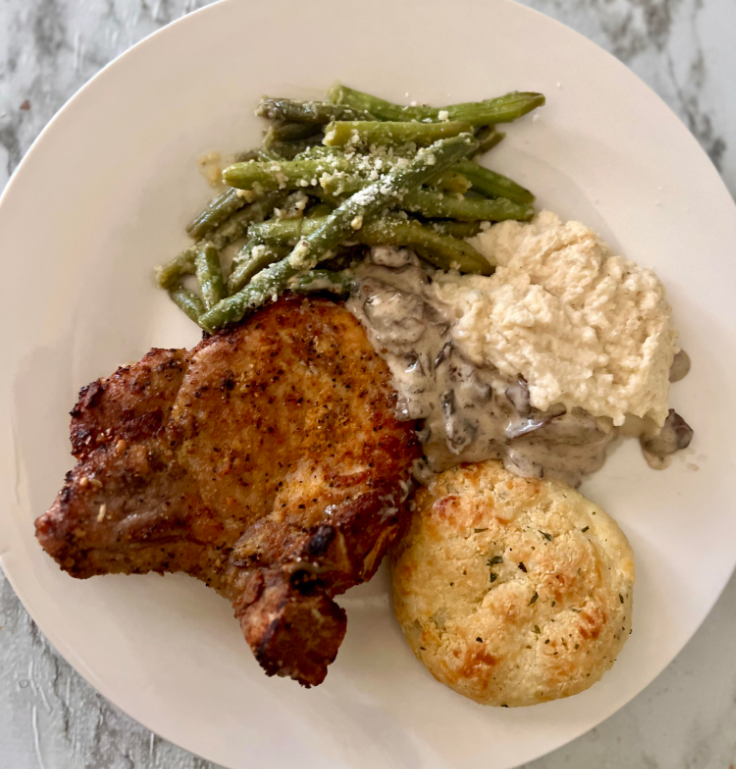
Shake ‘n Bake pork chops were for nights when moms wanted something that felt fried without the splatter, oil, and cleanup. The seasoned coating went into a bag, the pork chops got shaken around, and the oven did the rest. Add mashed potatoes, applesauce, canned corn, or green beans and dinner looked more complete than the effort suggested. The catch was that pork chops could dry out quickly, especially if they were thin, lean, or left in the oven too long.
Homemade Chili
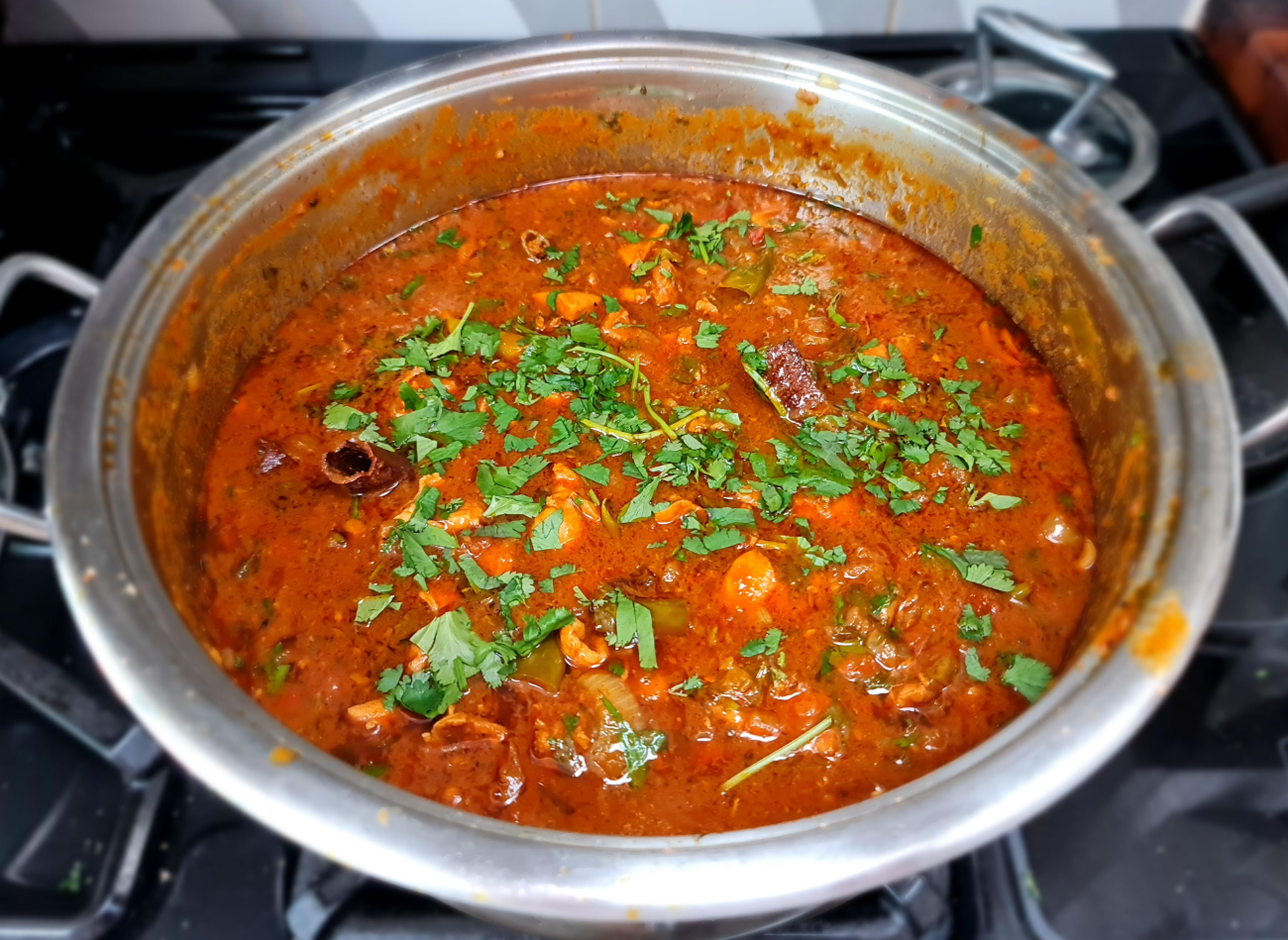
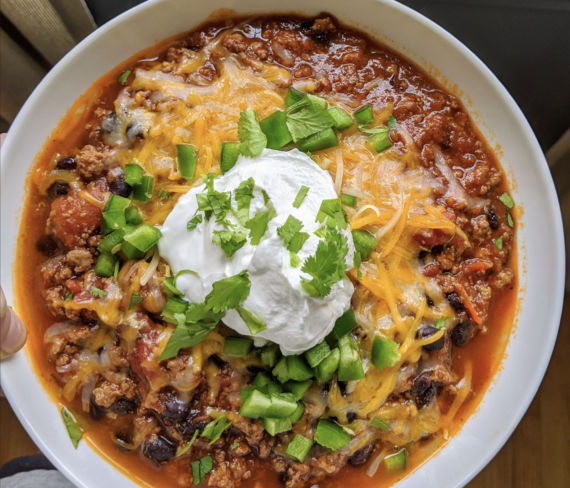
Homemade chili was one of the best stretch meals of the decade. Ground beef, beans, canned tomatoes, chili powder, onions, and maybe a bell pepper could simmer into dinner, lunch, and another dinner if the pot was big enough. Some families served it with saltines, cornbread, shredded cheese, or elbow macaroni. Leftovers became chili dogs, chili baked potatoes, or freezer containers. The only risky part was spice level, because every household had a different definition of “not too hot”.
Baked Ziti
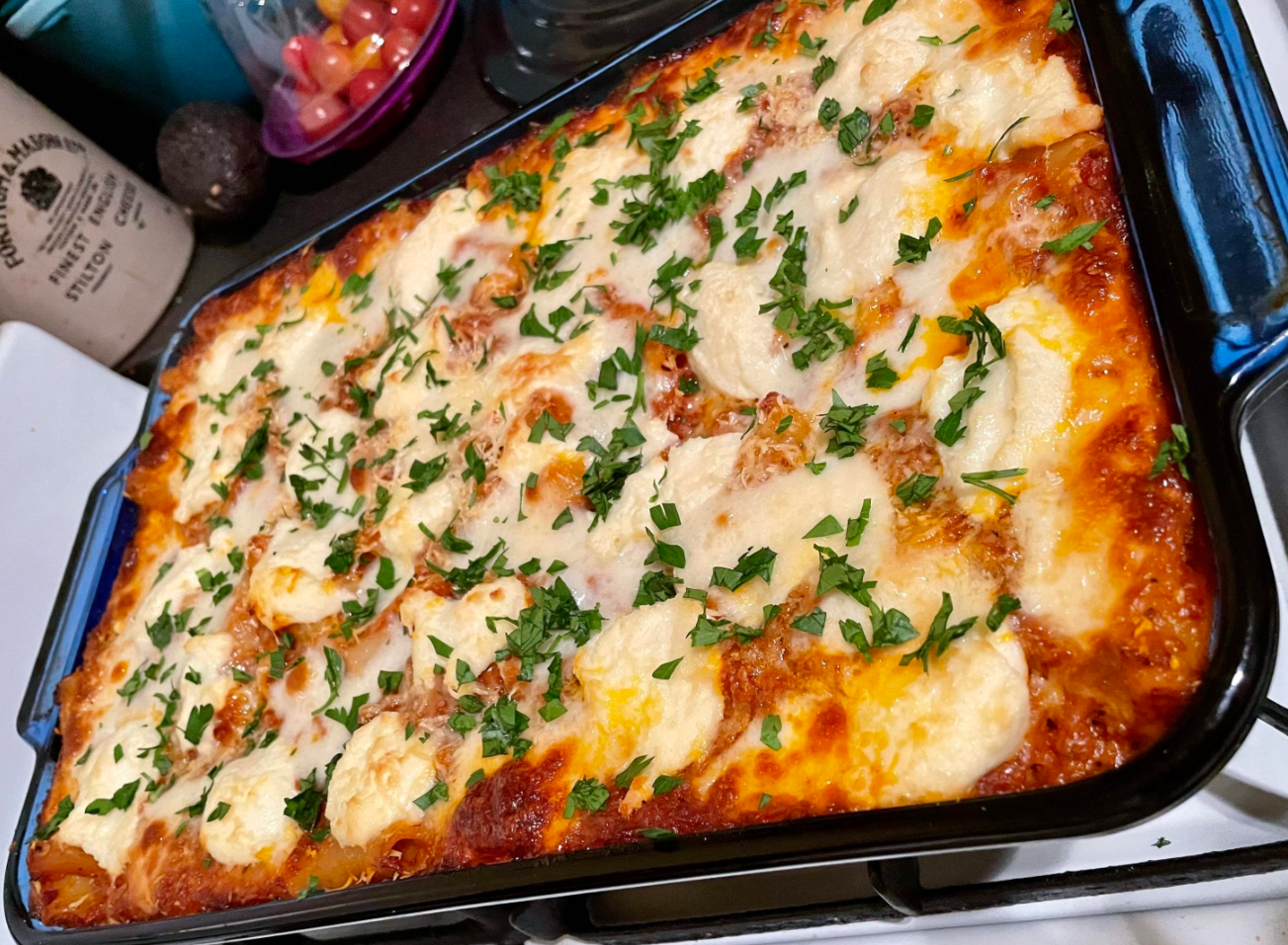
Baked ziti was the pasta casserole that made an ordinary weeknight feel a little like Sunday dinner. Ziti or penne, tomato sauce, ricotta or cottage cheese, mozzarella, and sometimes ground beef or sausage went into one big dish that could feed a crowd. It reheated well, traveled well, and made sense for potlucks, birthdays, or family visits. The downside was that it could become heavy fast, especially with garlic bread on the side.
Salisbury Steak
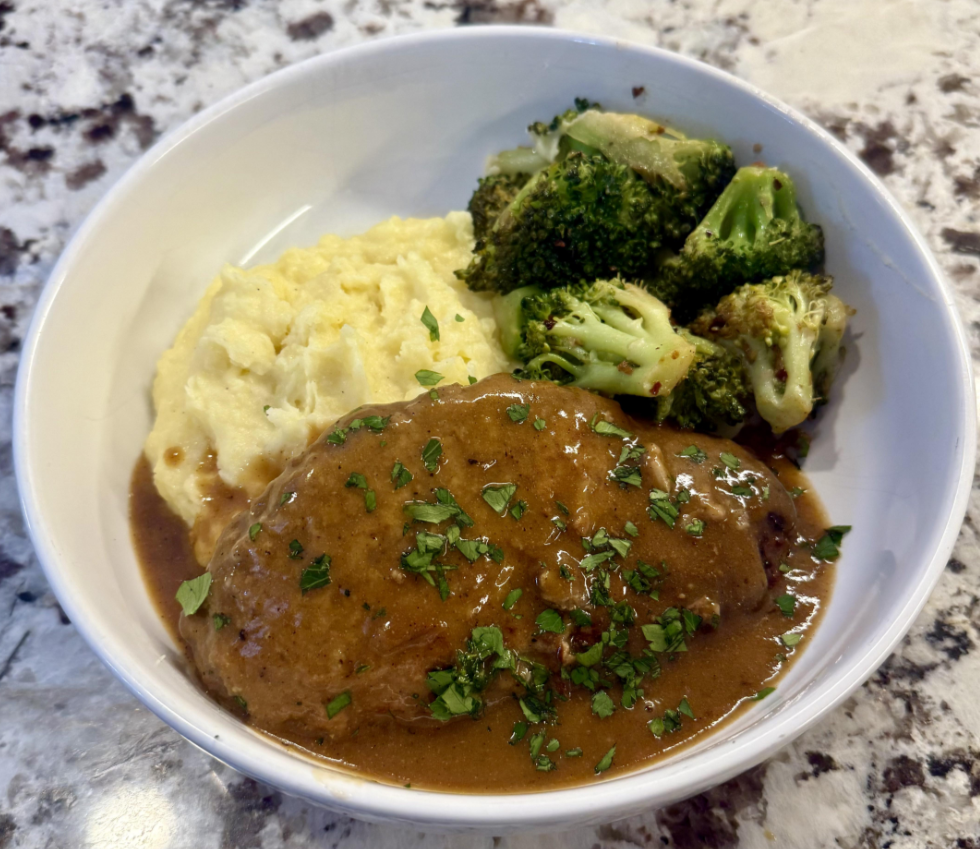
Salisbury steak sat somewhere between meatloaf, hamburger patties, and TV dinner nostalgia. The homemade version usually meant seasoned ground beef patties cooked with brown gravy, onions, and mushrooms, then served with mashed potatoes. It was hearty and cheap, and it gave a regular ground-beef dinner a little diner-style drama. Some kids only knew it from frozen trays, but homemade versions could be much better.
Breakfast for Dinner
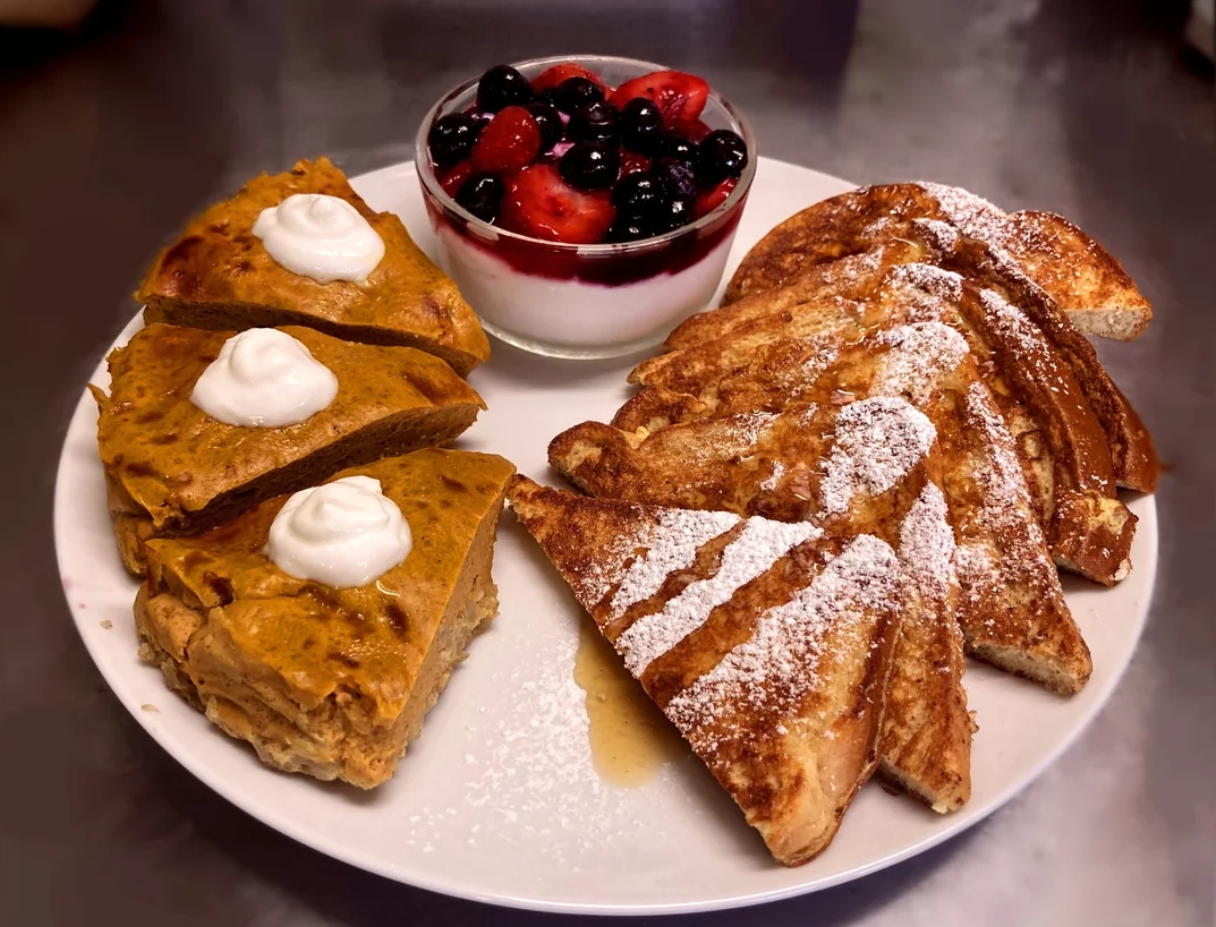
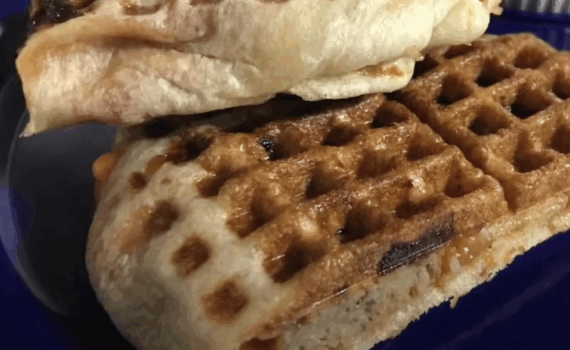
Breakfast for dinner felt like a holiday even when it was really a budget move. Pancakes, waffles, scrambled eggs, bacon, sausage, or hash browns could feed the family for less than many meat-and-potato dinners. Kids loved seeing syrup on the dinner table, and parents loved that the ingredients were usually already in the kitchen. The downside was the sugar crash if dinner leaned too heavily on pancakes and not enough on eggs or fruit.
Stuffed Bell Peppers
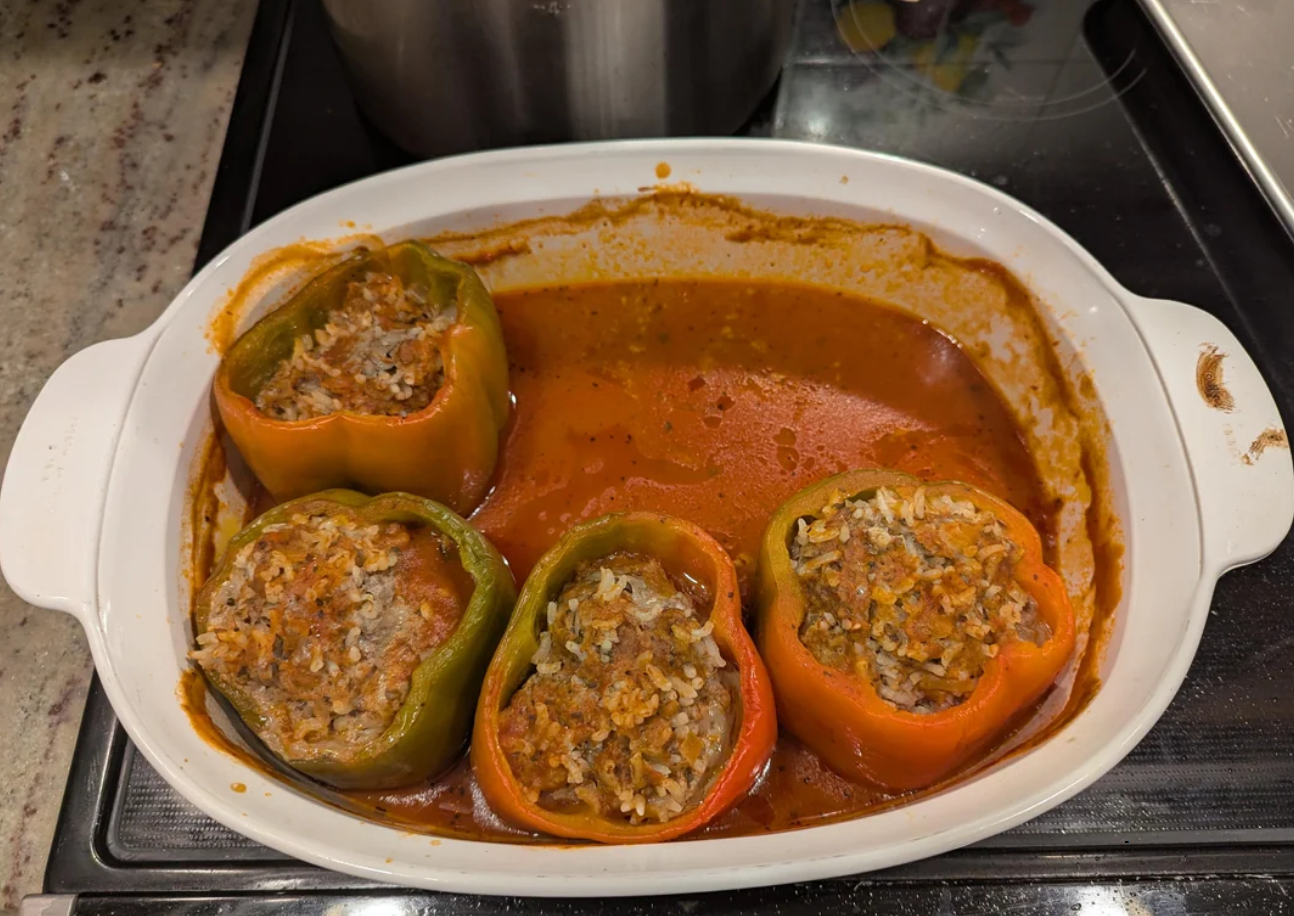
Stuffed bell peppers were thrift dressed up as a proper dinner. Rice helped stretch ground beef, tomato sauce pulled everything together, and the pepper itself made each serving look neat and intentional. Some moms used green peppers because they were cheaper, while others added cheese on top if the budget allowed. It was filling, reheated well, and snuck in vegetables without turning dinner into a lecture.
Pot Roast With Potatoes and Carrots
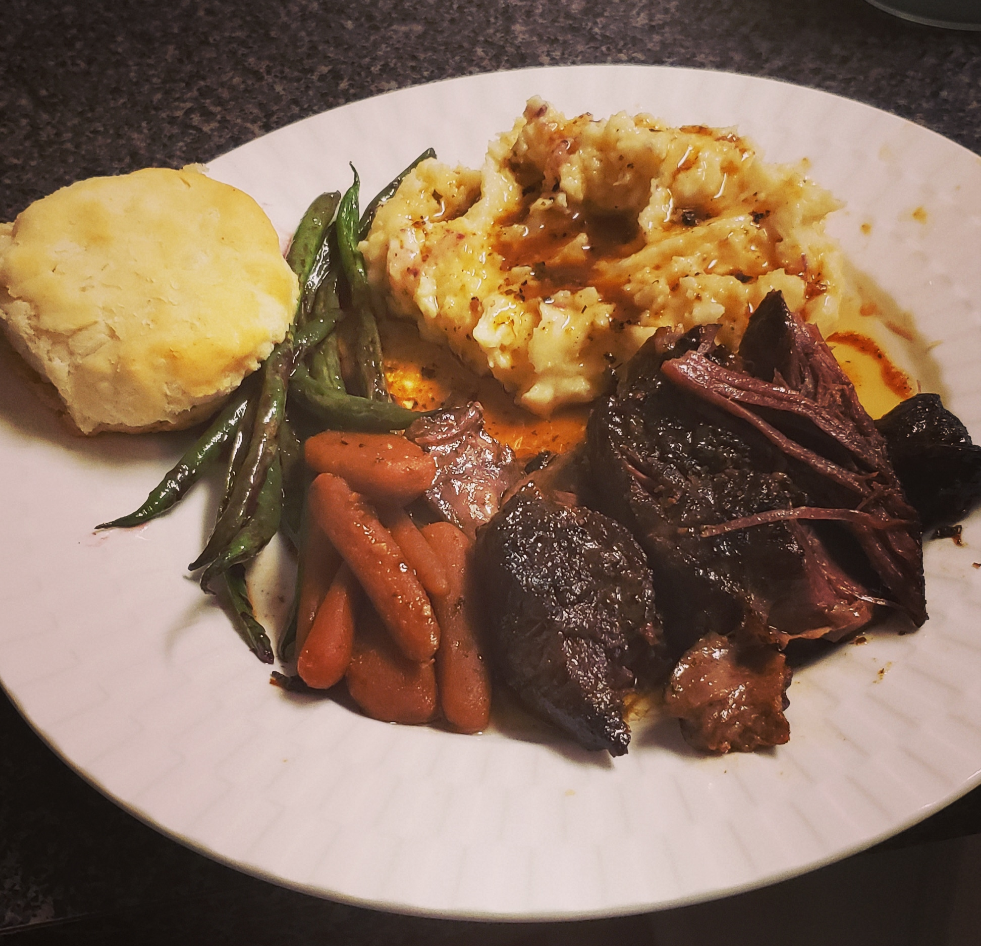
Pot roast was the dinner that made the house smell like someone had been cooking all day, because someone usually had. A tougher, less expensive cut of beef could become tender with slow cooking, and potatoes, carrots, and onions turned the pot into a full meal. It was especially common for Sunday dinner or colder months. Leftovers stretched into sandwiches, hash, soup, or another plate with gravy. The downside was time, which is why slow cookers became such a lifesaver.
Chicken Parmesan
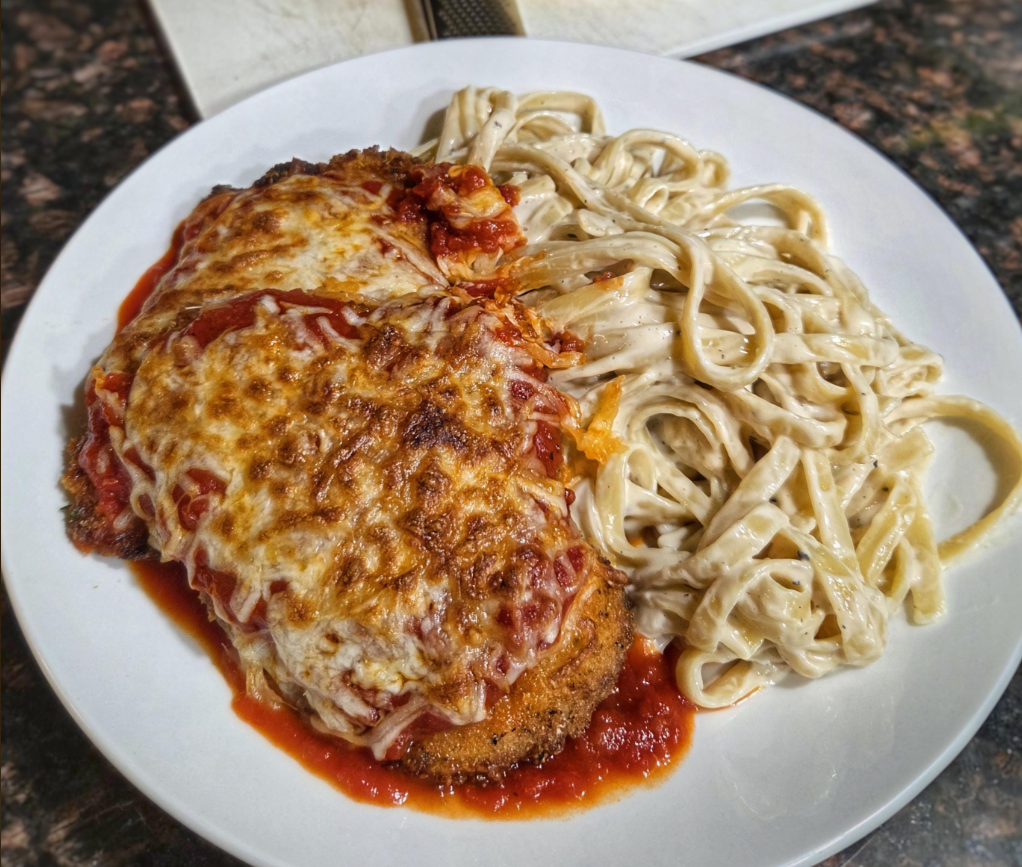
Chicken Parmesan was the at-home version of a restaurant meal. Breaded chicken, marinara sauce, mozzarella, and spaghetti made the table feel a little more special without requiring a night out. Some families used frozen breaded chicken patties to make it faster, while others breaded cutlets from scratch. Either way, it gave moms a way to turn chicken and pasta into something that felt celebratory. The downside was cleanup, especially if the chicken was pan-fried before baking.
Beef Stroganoff
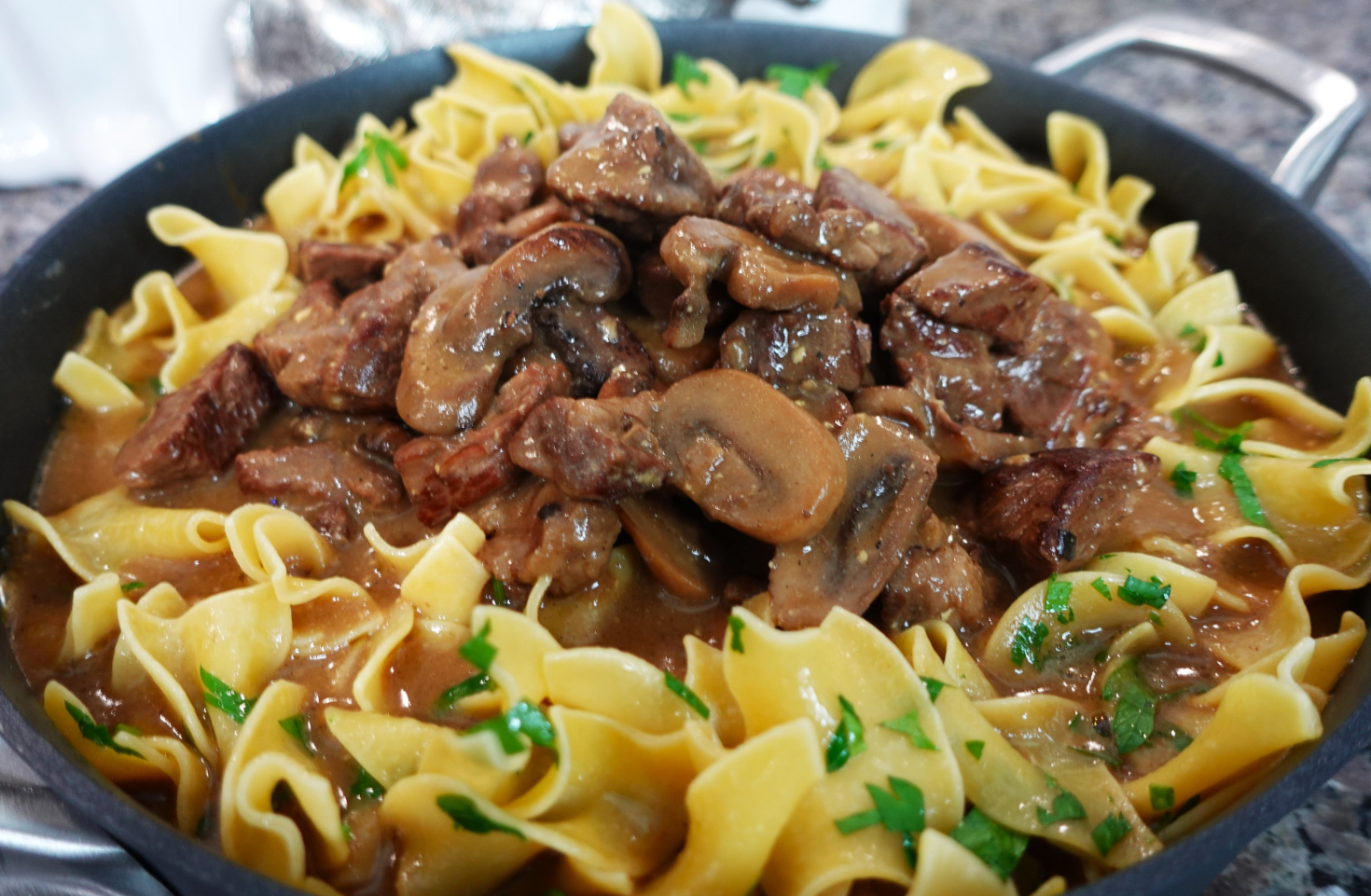
Beef stroganoff in many middle-class kitchens did not involve fancy steak. It often meant ground beef, mushrooms or cream of mushroom soup, sour cream, and egg noodles. That made it creamy, filling, and much cheaper than a restaurant-style version. Taste of Home and Betty Crocker both keep stroganoff recipes in circulation, which says plenty about its staying power. The downside was that it could be rich and beige, especially if no vegetables made it onto the plate.
Shepherd’s Pie
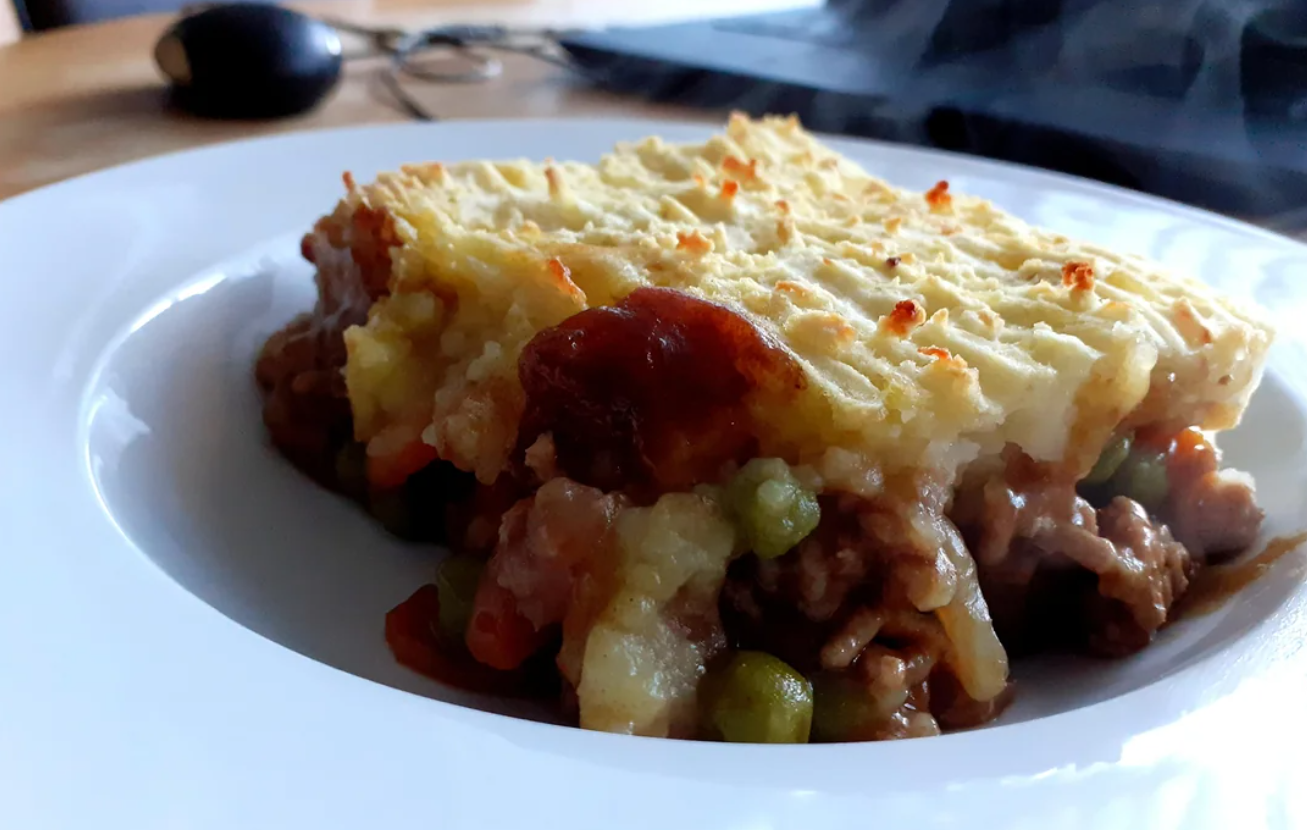
Shepherd’s pie was the answer to leftover mashed potatoes and a little ground beef. In many American homes, it was technically cottage pie because it used beef instead of lamb, but families rarely worried about the name. The point was simple: meat, vegetables, gravy, and mashed potatoes baked into one dish. It was filling, practical, and good for using up odds and ends. The downside was that some versions were bland, especially if the vegetables came straight from an unseasoned frozen mix.
BBQ Chicken With Corn on the Cob
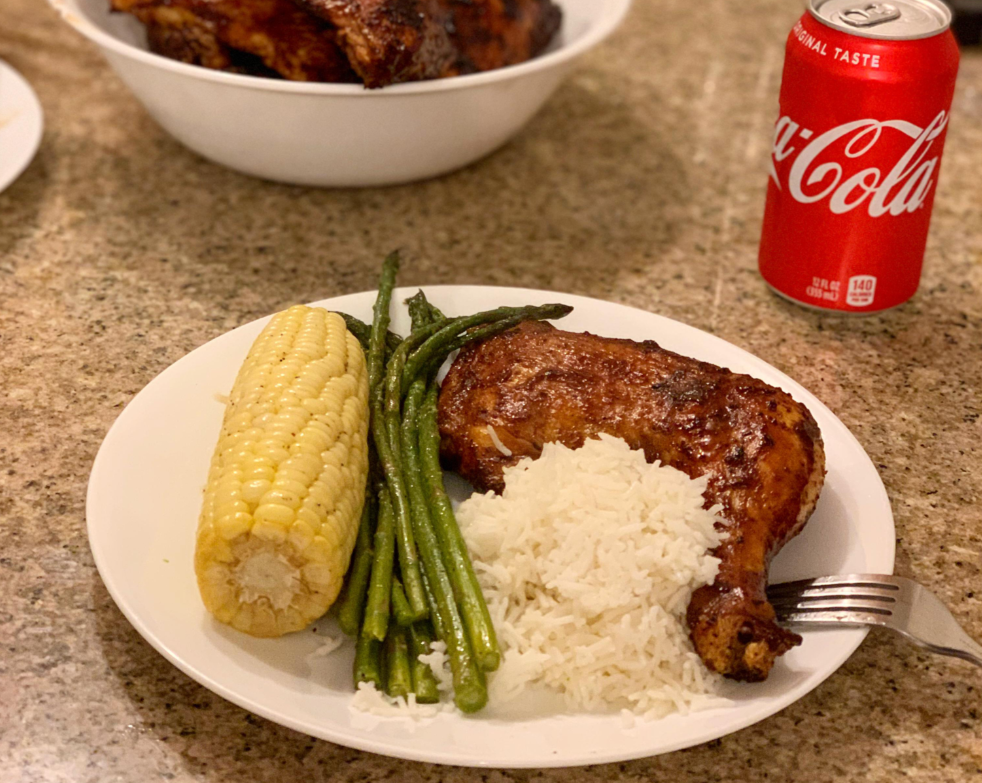
BBQ chicken with corn on the cob was summer dinner without a big restaurant bill. Chicken legs, thighs, or drumsticks were usually cheaper than boneless breasts, and bottled barbecue sauce did most of the flavor work. Add corn, potato salad, baked beans, or watermelon, and the backyard suddenly felt like a family cookout. The downside was that sauce burned easily on the grill, so there was always at least one piece with a blackened edge that someone had to claim.
Macaroni and Cheese With Hot Dogs
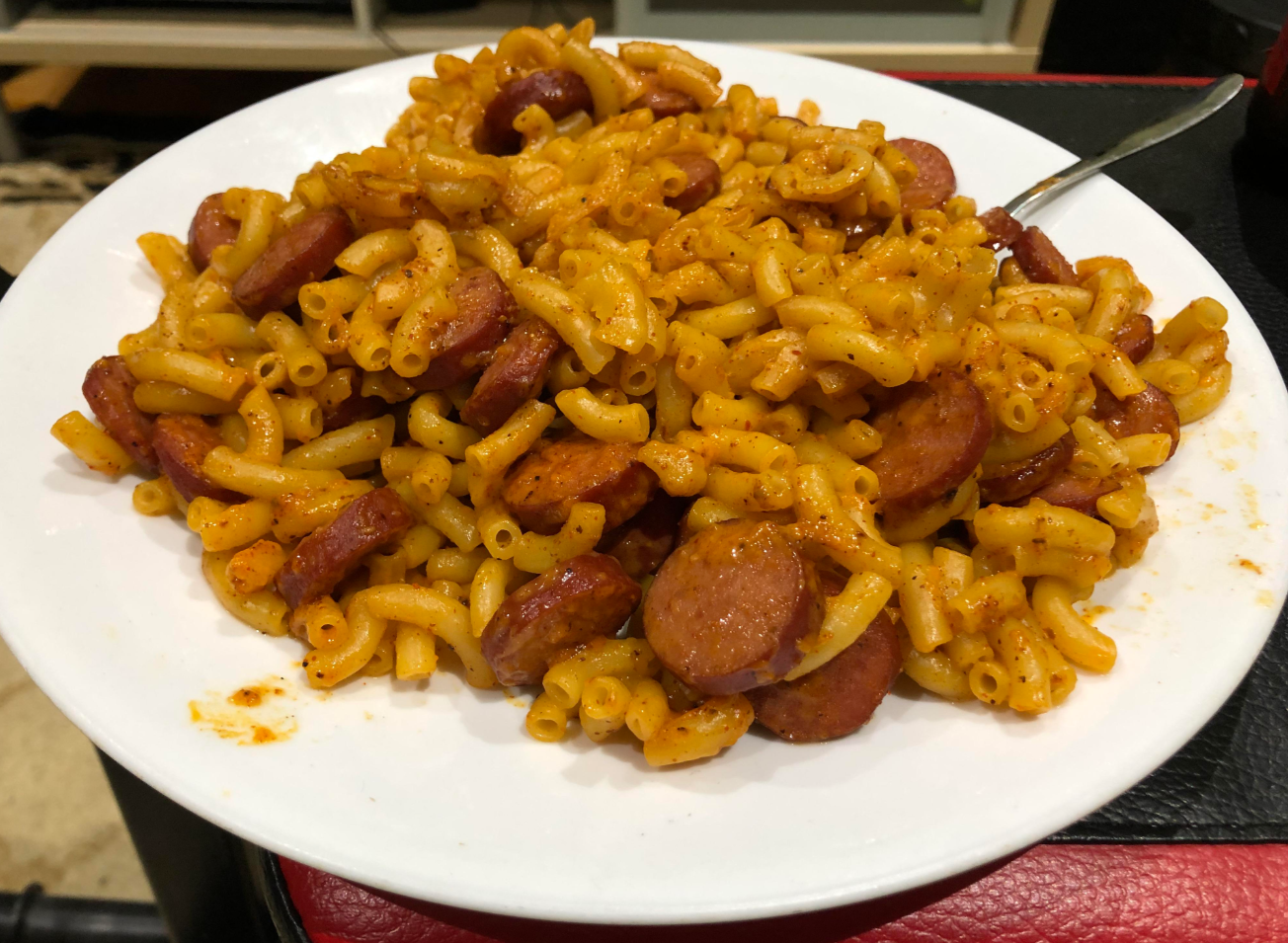
Macaroni and cheese with sliced hot dogs was the kind of dinner kids loved before they knew anything about sodium, preservatives, or food judgment. It was quick, cheap, and filling, especially when made from a blue box or a simple homemade cheese sauce. Some moms added peas or served frozen vegetables on the side to make the plate feel more balanced. The downside is obvious now, but at the time it tasted like comfort, cartoons, and not having to negotiate over dinner.