Walk into a grocery store today and you’ll find products that would have seemed downright futuristic in the 1970s. But tucked among plant-based meats, protein-packed snacks, and endless limited-edition flavors are some remarkably familiar old standbys.
From the unmistakable shape of an Oreo to the oat Os in a bowl of Cheerios, plenty of grocery staples have retained the same basic identity for more than half a century. That doesn’t necessarily mean their recipes, ingredients, or packaging have never changed. In many cases, they have. But their shape, purpose, preparation, or signature flavor remains recognizable enough that a shopper transported from 1975 probably wouldn’t need much help finding them. Here are 20 grocery products that have barely changed since the 1970s.
Tabasco Original Red Sauce
Introduced: 1868
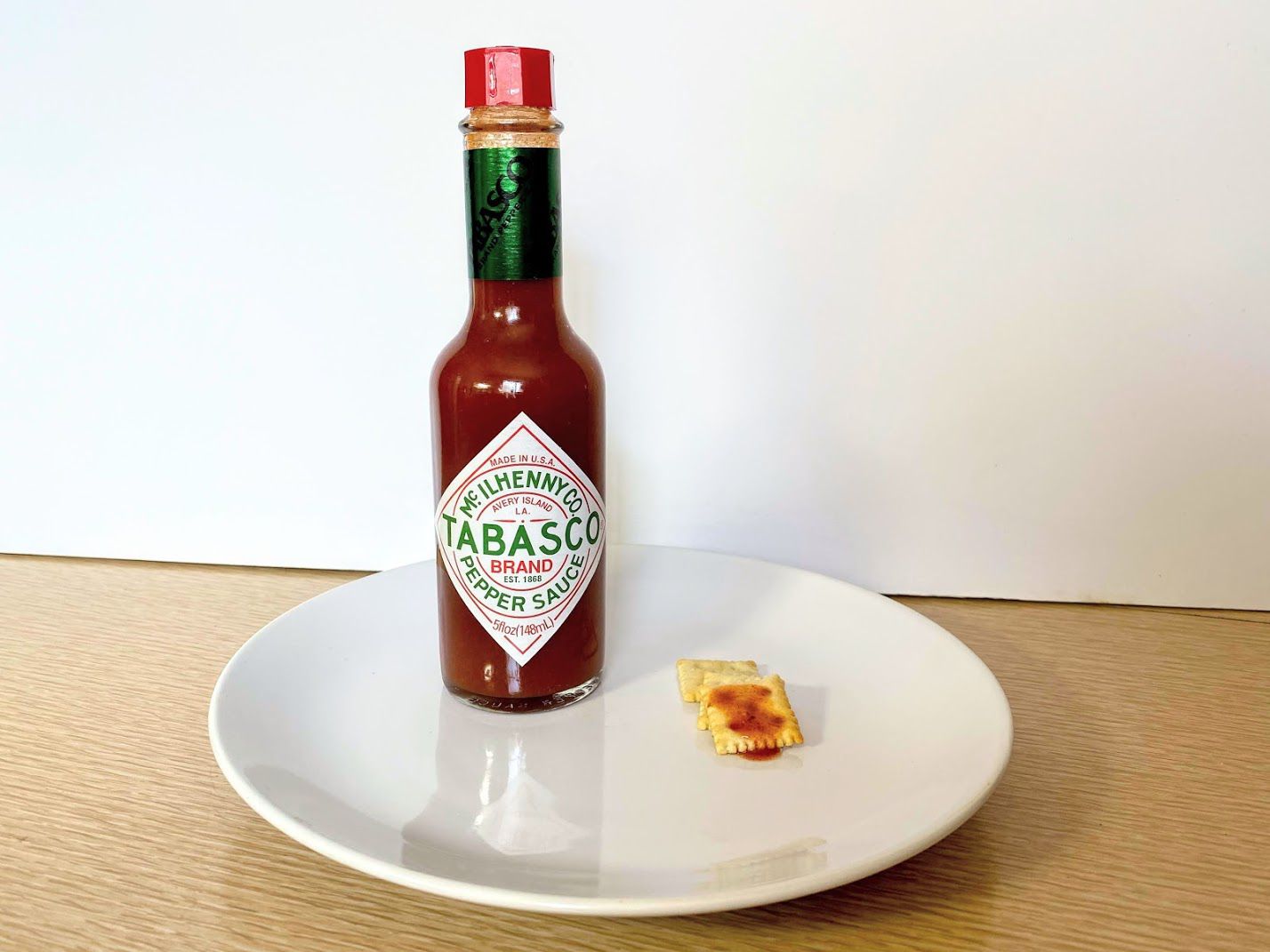
Of everything on this list, Tabasco Original Red Sauce might have the strongest claim to being genuinely unchanged. McIlhenny Company says that more than 150 years after Edmund McIlhenny first bottled his pepper sauce, its basic recipe, manufacturing process, and ingredients remain “virtually unchanged.” The ingredient list is still remarkably short: red peppers, salt, and distilled vinegar.
The peppers are mashed with salt and aged in white oak barrels for up to three years before being blended with vinegar. Even the narrow bottle is a throwback. McIlhenny originally used cologne-style bottles because the concentrated sauce was meant to be sprinkled rather than poured.
SPAM Classic
Introduced: 1937
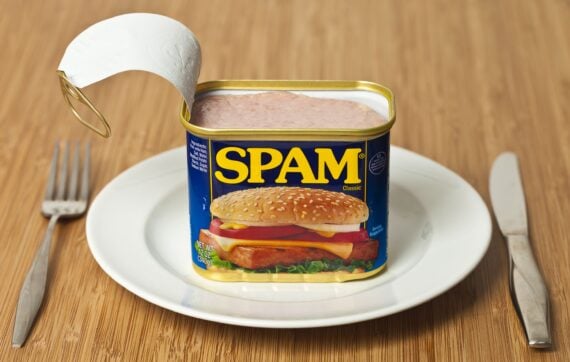
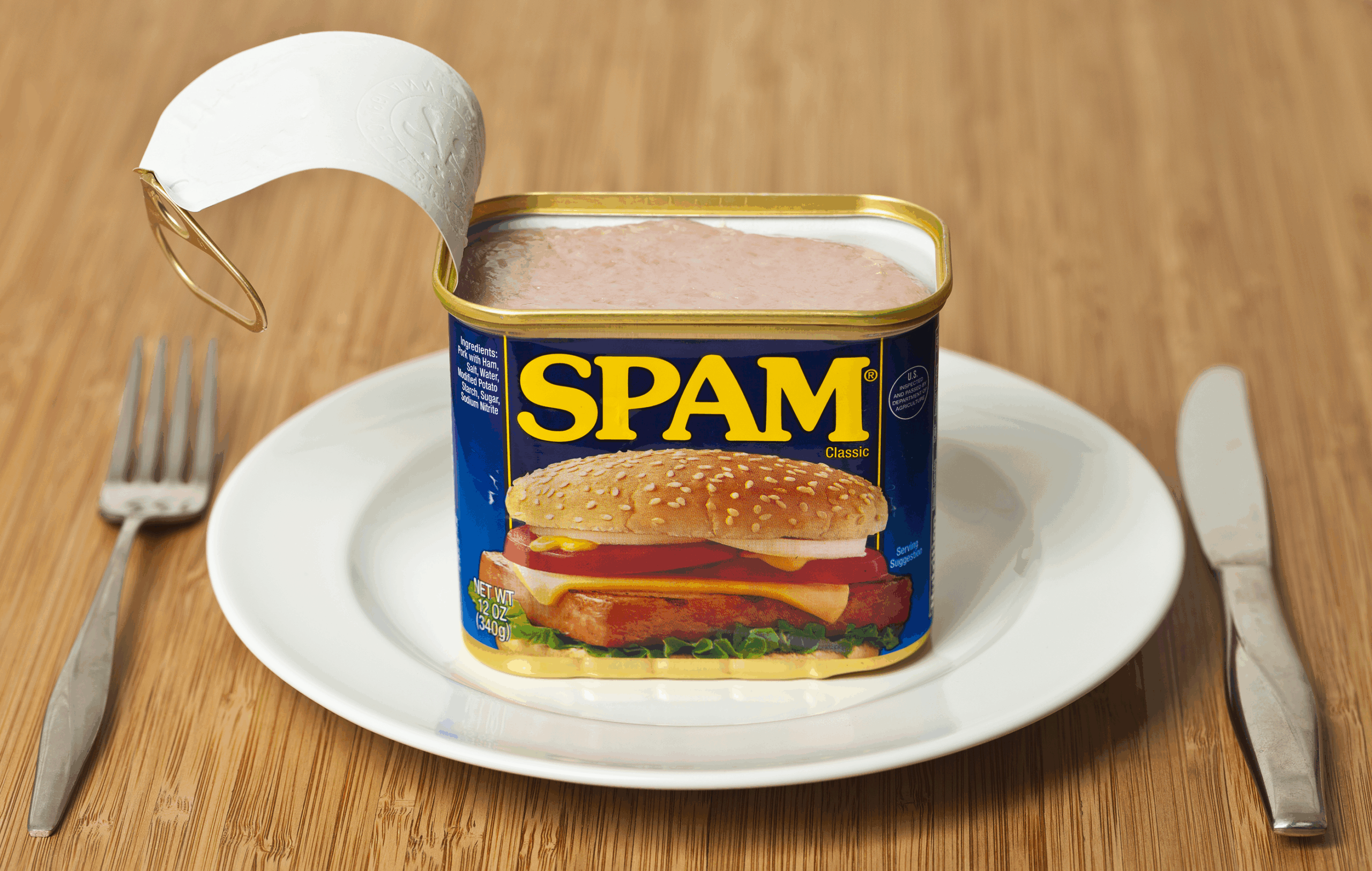
Long before supermarket shelves filled up with plant-based burgers and refrigerated meal kits, there was SPAM. Hormel introduced the canned meat in 1937, and the rectangular block of luncheon meat remains instantly recognizable today.
Its usefulness hasn’t changed much, either. SPAM can be sliced, fried, baked, diced into recipes, or eaten straight from the can. Its shelf stability helped make it particularly important during World War II, when enormous quantities were shipped overseas to feed Allied troops. Today, SPAM Classic remains the foundation of a brand that has expanded into numerous flavors, and the product has become especially embedded in the food cultures of places including Hawaii and Guam.
Quaker Old Fashioned Oats
Brand roots: 19th century
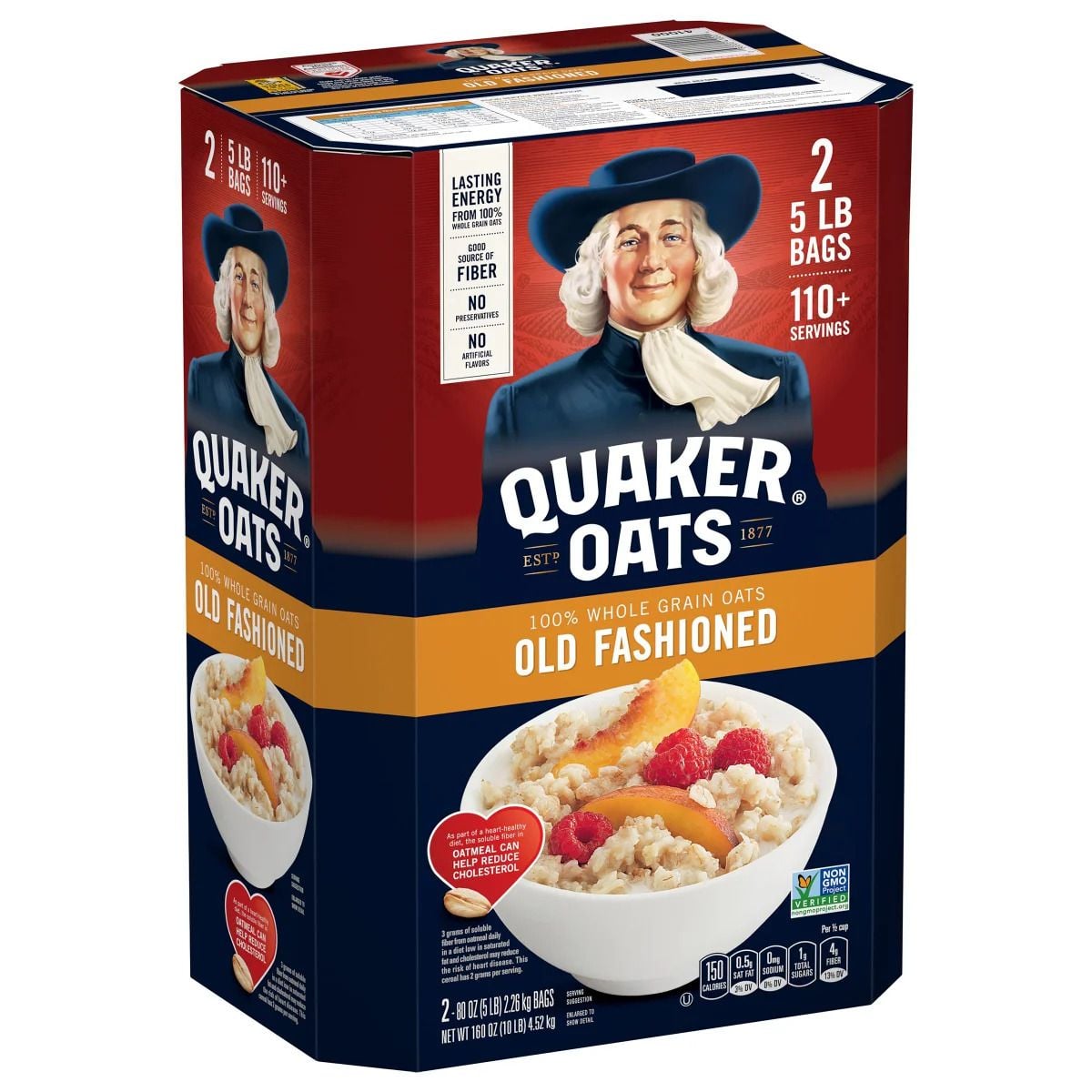
Some products don’t need much reinventing. Quaker Old Fashioned Oats are still essentially what generations of home cooks have expected: rolled oats that can be simmered into oatmeal or added to everything from cookies to meatloaf.
Quaker’s history stretches back to the 19th century, and its trademark was registered in 1877. The company’s Old Fashioned variety remains made up of flat, flaky rolled oats rather than the more heavily processed pieces used for quicker-cooking oatmeal. Even its cylindrical packaging has helped give the product an old-school grocery-store identity that has survived countless food trends.
Campbell’s Condensed Tomato Soup
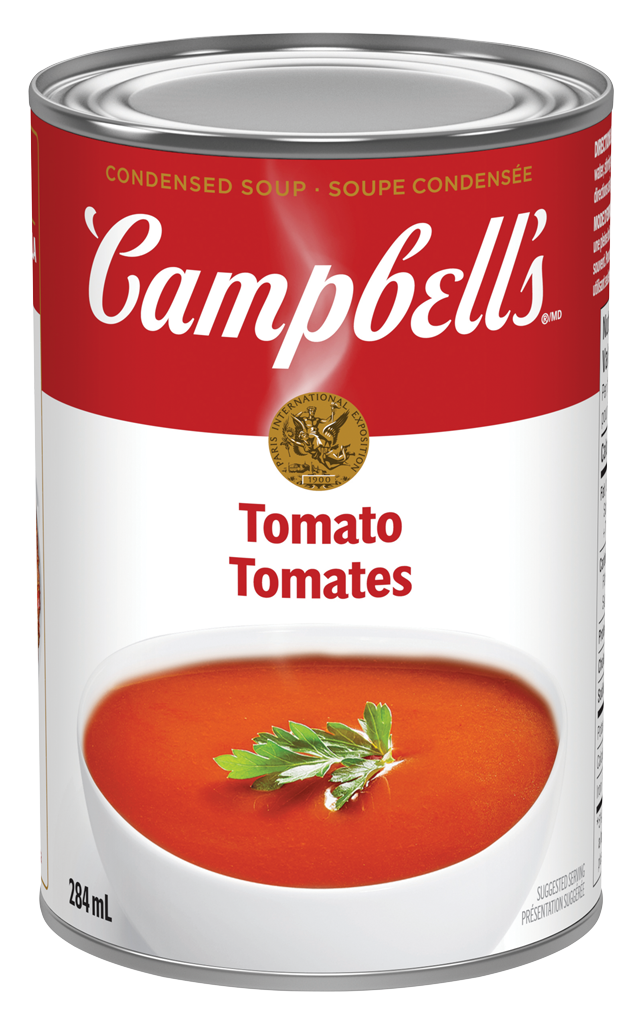
Few grocery packages scream “American pantry” quite like a red-and-white Campbell’s soup can. And although Campbell’s has introduced scores of soup varieties over the decades, Condensed Tomato Soup remains remarkably familiar.
It’s still concentrated soup that can be prepared with added liquid or incorporated directly into recipes, just as generations of home cooks have done. Its most obvious partner hasn’t changed much, either: Campbell’s still recommends pairing tomato soup with grilled cheese. The company’s iconic cans also became genuine pieces of pop culture after Andy Warhol turned them into the subject of his famous 1962 artwork.
Heinz Tomato Ketchup
Introduced: 1876
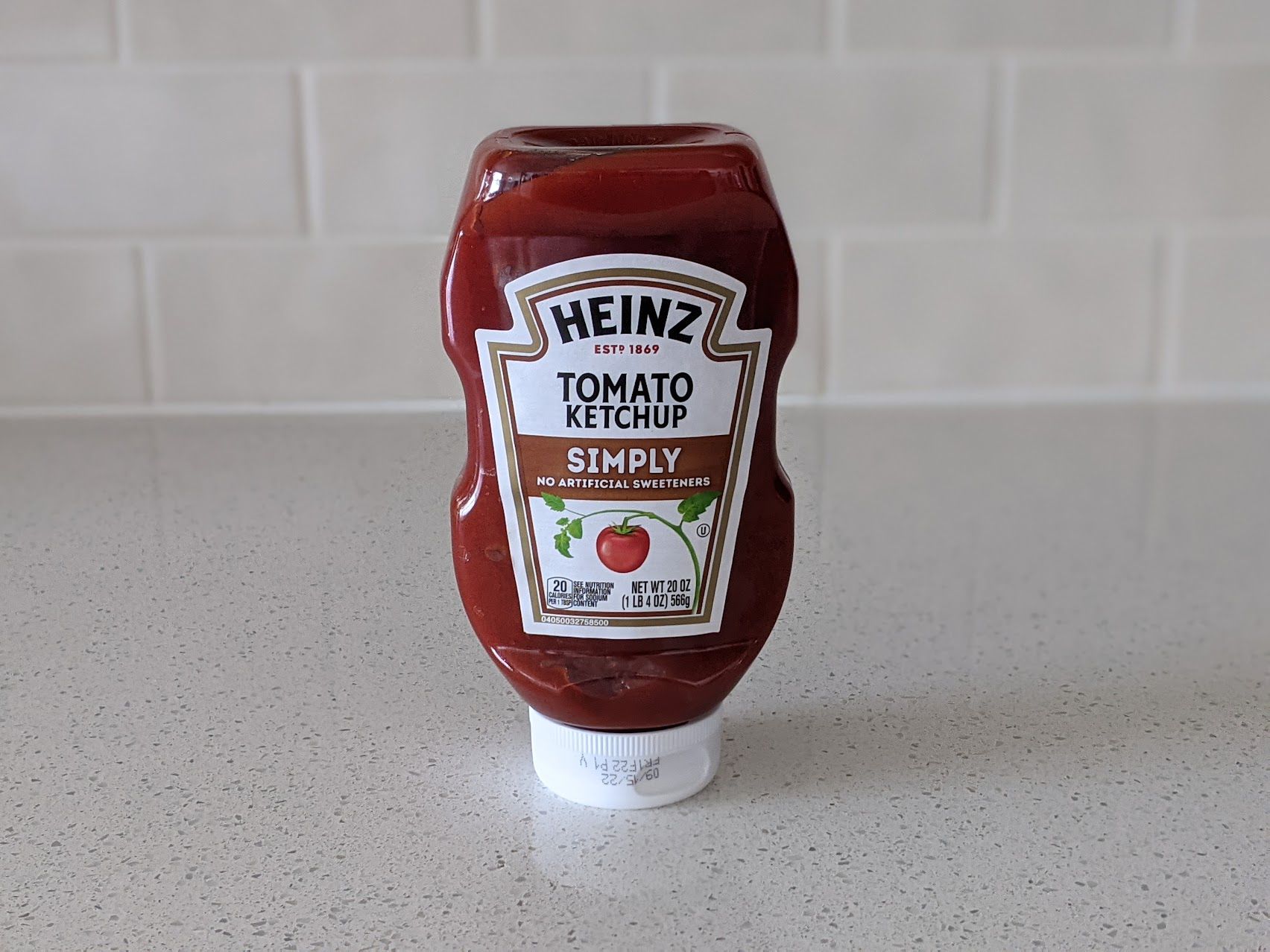
The bottle has changed considerably, but what’s inside remains one of the most recognizable condiments in America. Heinz began selling tomato ketchup in 1876, nearly a century before the decade we’re using as our benchmark.
For older shoppers, Heinz may conjure memories of waiting — and waiting — for ketchup to creep out of a glass bottle. Today’s upside-down squeeze bottles have made that particular ritual less necessary, but the bright-red condiment, keystone-shaped branding, and familiar flavor identity remain unmistakably Heinz. Even the famous “57 Varieties” slogan dates back well over a century, though 57 didn’t literally represent the number of varieties the company made.
Trending on Cheapism
Hellmann’s Real Mayonnaise
Brand roots: 1913
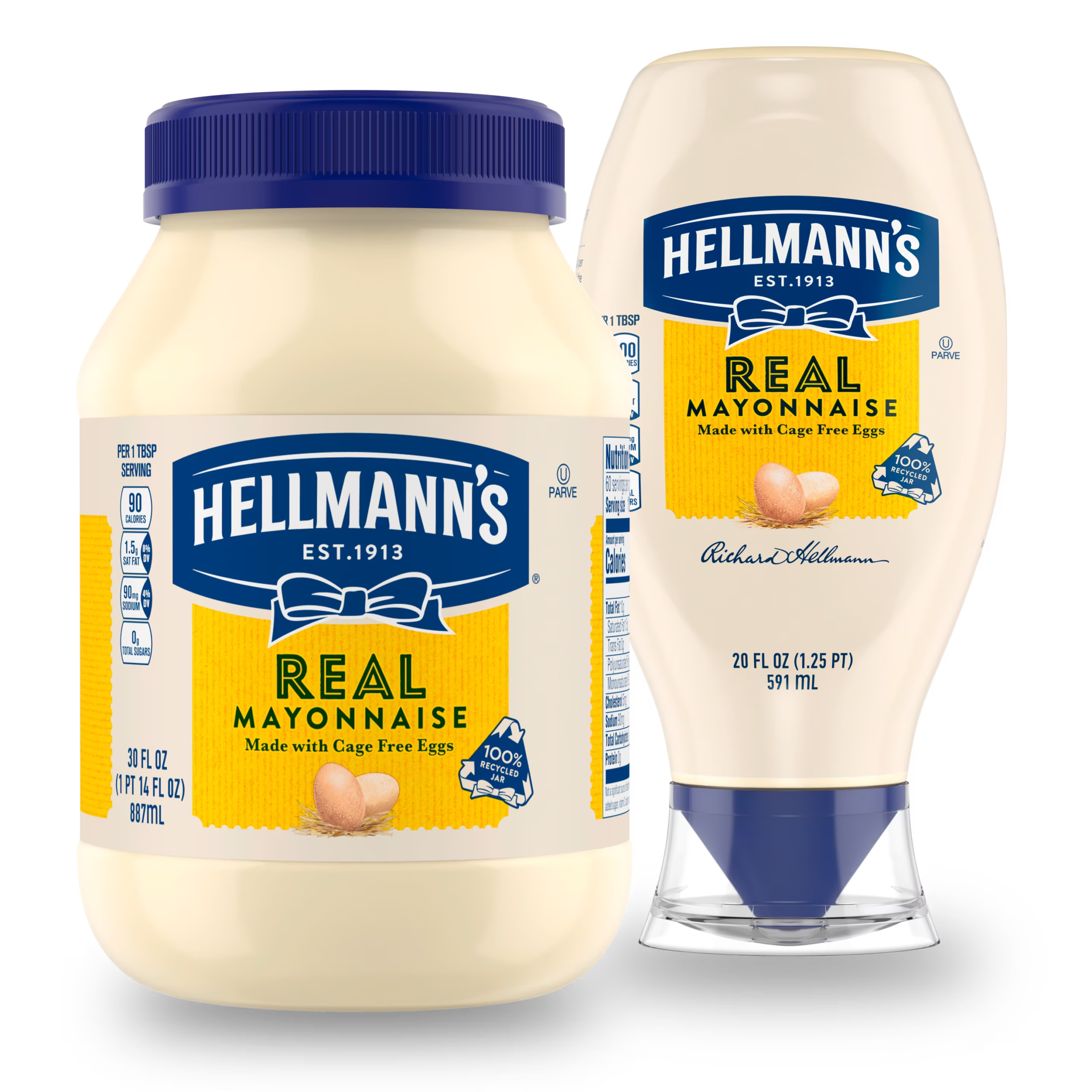
Hellmann’s traces its story to Richard and Margaret Hellmann’s New York delicatessen, which was established in 1913. Richard eventually sold mayonnaise in jars, distinguishing his preferred version by tying a blue ribbon around it. Customers liked that one so much that the ribbon eventually became part of the label.
That blue-ribbon imagery survives on Hellmann’s packaging today, while plain mayonnaise remains the product most closely associated with the name. One historical quirk also survives: Depending on where you live, essentially the same familiar mayonnaise may carry the Best Foods name rather than Hellmann’s.
Kraft Original Mac & Cheese
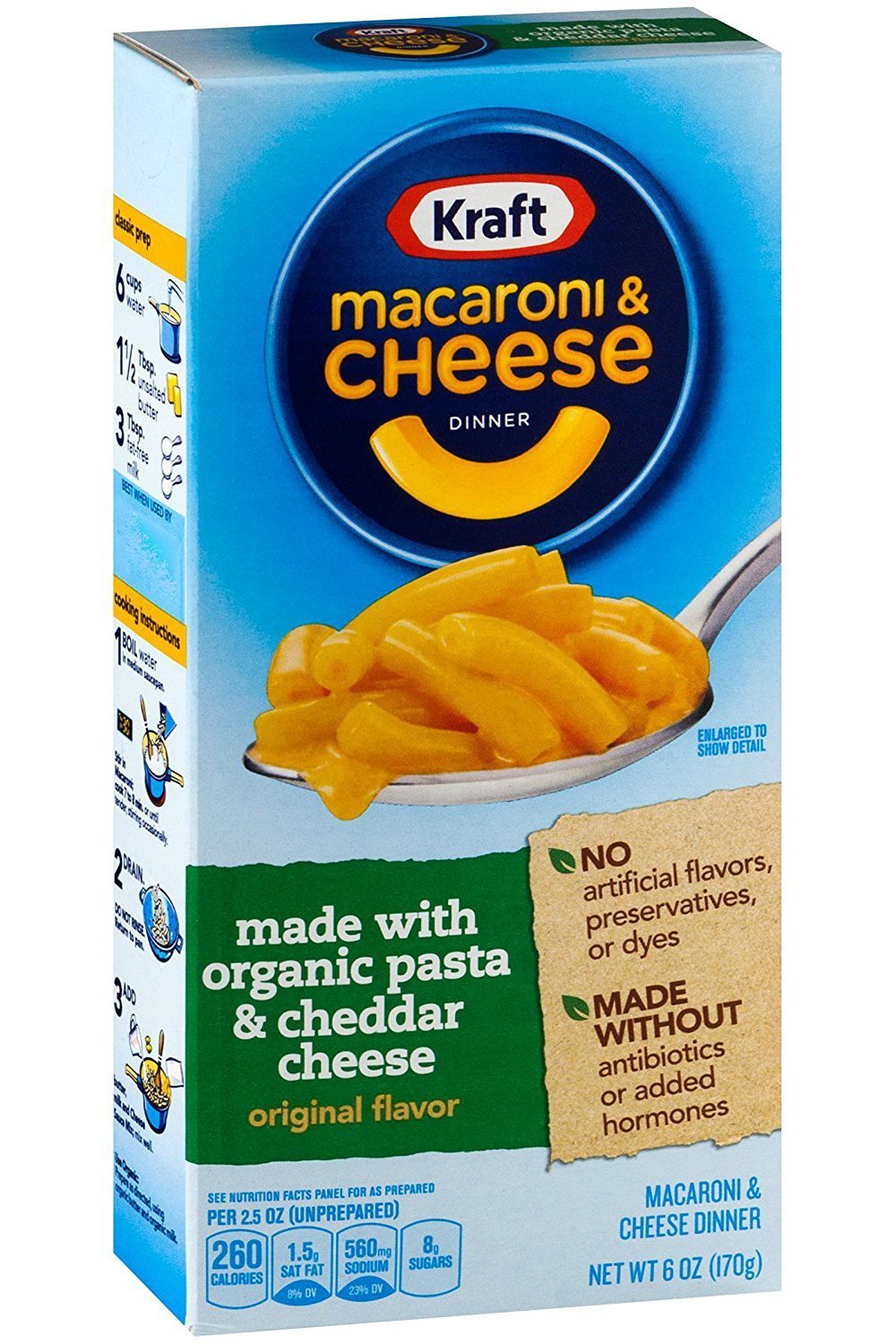
Introduced: 1937
The blue box has undergone plenty of makeovers, and Kraft has changed aspects of its ingredients over the years, so this definitely isn’t a case where “barely changed” means an identical recipe.
The basic experience, though? That’s strikingly familiar. Kraft introduced its boxed macaroni and cheese in 1937, and the classic version still gives shoppers dry macaroni and a packet of powdered cheese sauce mix to finish at home. Cups, novelty pasta shapes, deluxe versions, and countless spin-offs have joined the lineup since then, but the basic blue-box dinner would still make perfect sense to a family from the 1970s.
Bisquick Original Pancake & Baking Mix
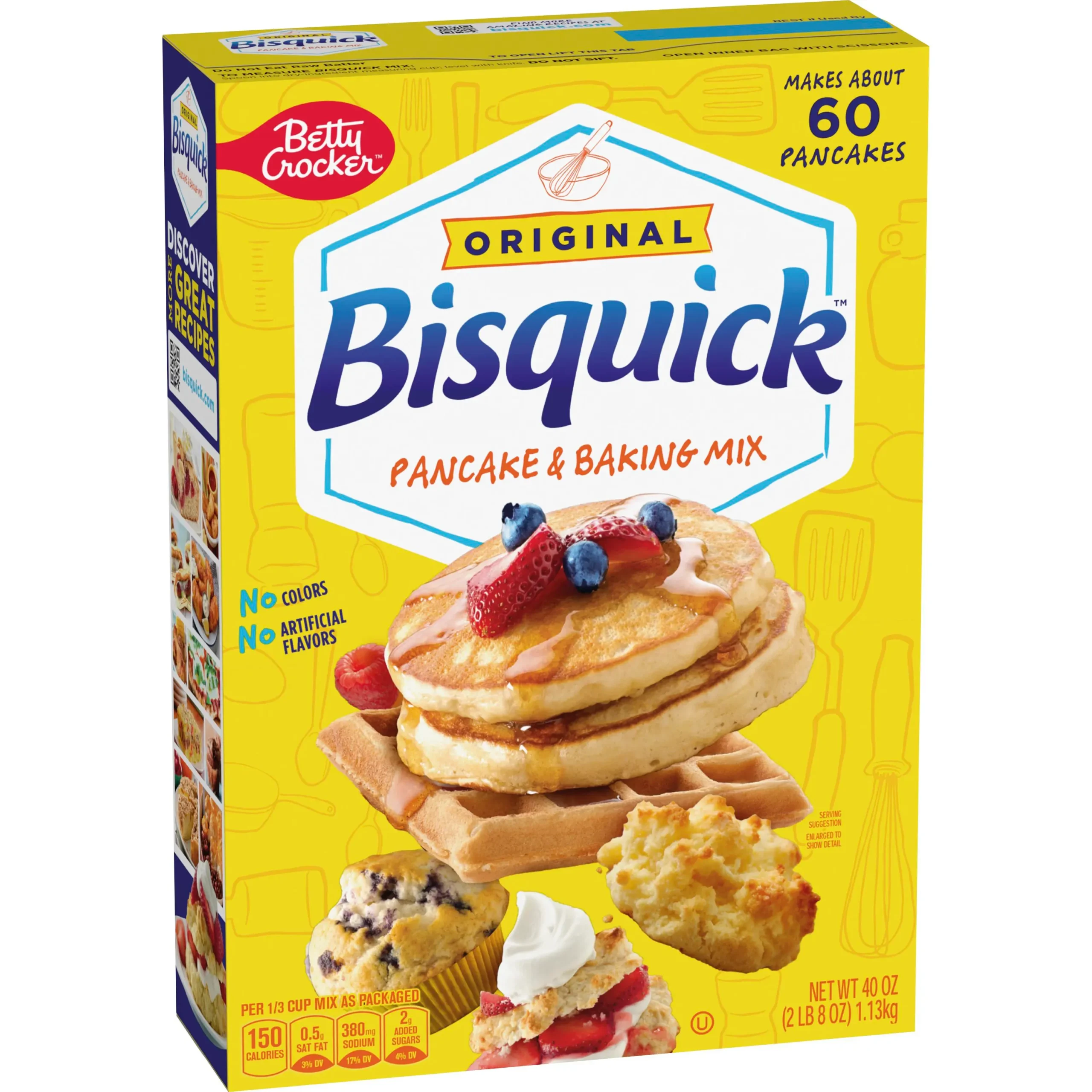
Introduced: 1931
Bisquick’s whole selling point was convenience, and nearly a century later, it still is. General Mills introduced the prepared baking mix in 1931 after a company executive reportedly encountered unusually fresh biscuits aboard a train and learned that the dining-car chef kept a premixed blend of ingredients ready to go.
The commercial product let home cooks skip some of the measuring and mixing required for homemade baked goods. Today’s yellow box still serves essentially that purpose. Bisquick can become pancakes, waffles, biscuits, dumplings, and plenty of other shortcut dishes — not all that different from the ways families were using it decades ago.
Sign up for our newsletter
Crisco All-Vegetable Shortening
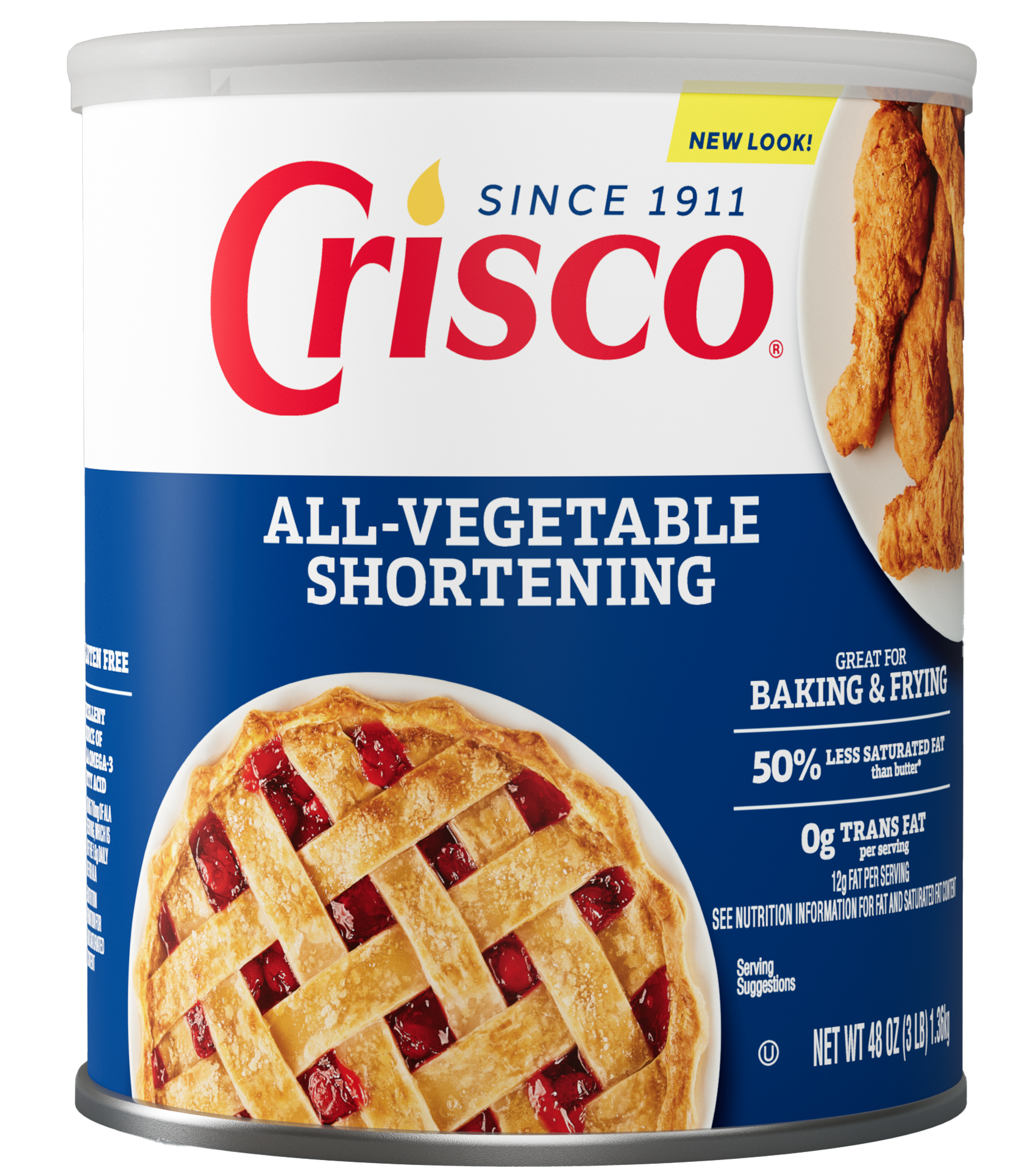
Introduced: 1911
Crisco was genuinely innovative when it arrived in 1911. According to the company, it was the first shortening made entirely from vegetable oil, giving home cooks an alternative to animal fats and butter.
More than a century later, the brand still sells the solid shortening generations of bakers have used for pie crusts, cookies, frosting, and frying. Even the blue container remains closely associated with Crisco. The formulation has evolved — particularly as food manufacturers responded to concerns and regulations involving trans fats — so don’t mistake this for an unchanged recipe. But a 1970s baker handed a modern container would have little trouble figuring out what to do with it.
Cheerios
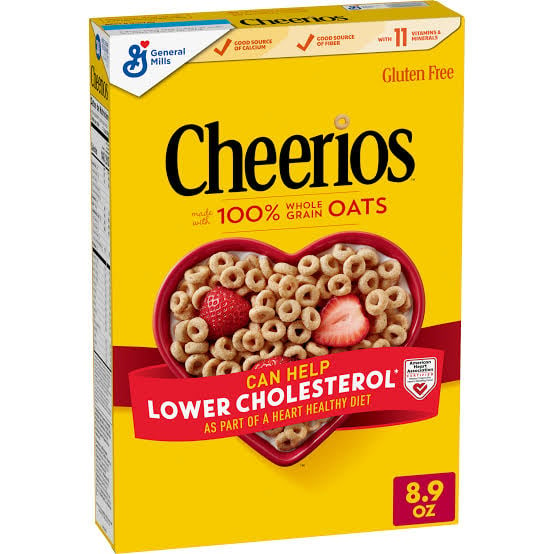
Introduced: 1941
Cheerios has spawned everything from Honey Nut Cheerios to chocolate and fruit-flavored varieties, yet the original cereal remains almost comically straightforward: little toasted oat Os.
General Mills launched the cereal as CheeriOats in 1941 before changing its name to Cheerios in 1945. That distinctive O shape remains its defining feature more than 80 years later. Packaging has evolved, nutrition claims have shifted, and the Cheerios family has gotten considerably bigger, but the yellow box of Original Cheerios still contains a cereal that a mid-century shopper would recognize at a glance.
Kellogg’s Corn Flakes
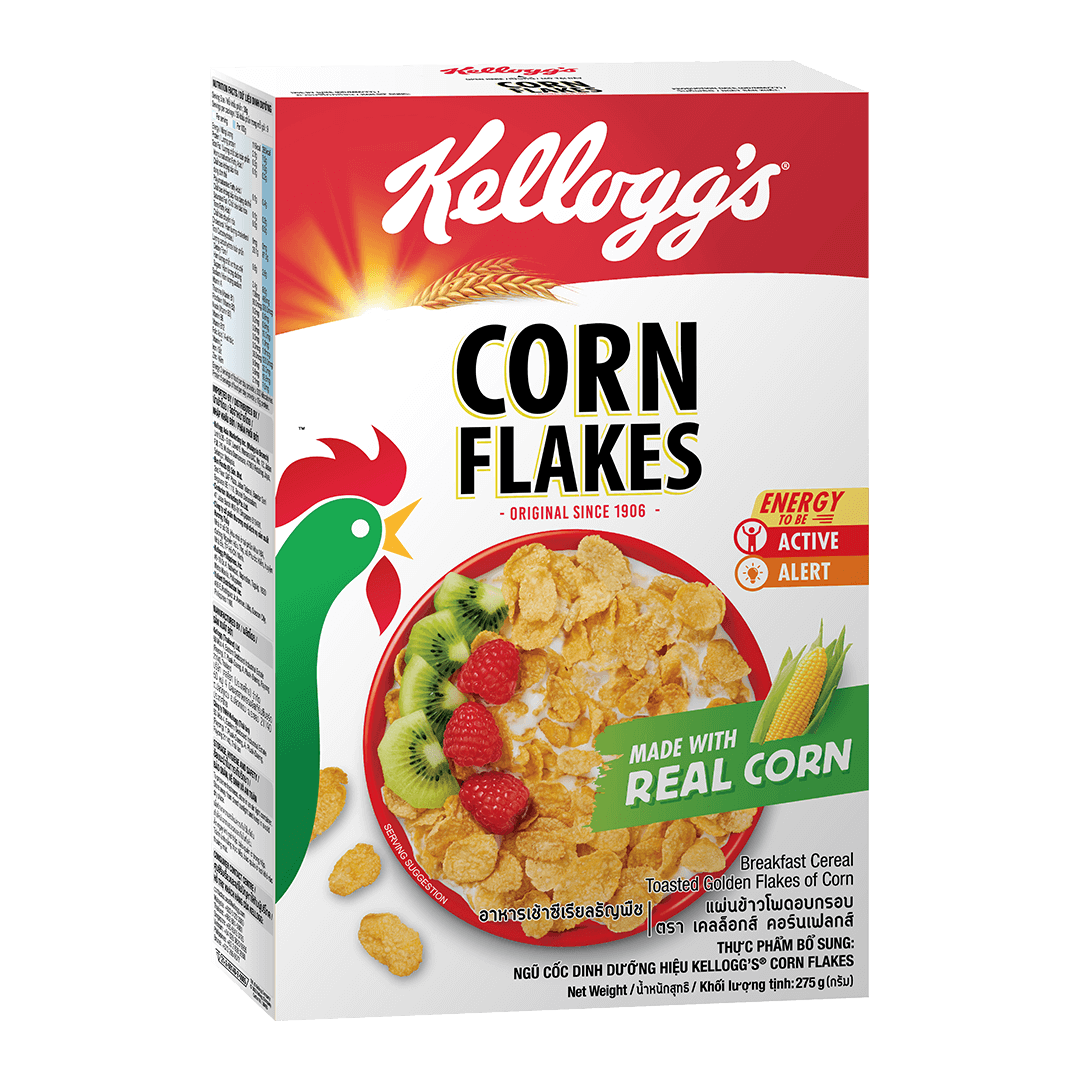
Introduced: 1906
Modern cereal aisles can look like candy stores, with cookies, marshmallows, frosting, and wild flavors competing for kids’ attention. Corn Flakes is still hanging around with a much simpler proposition.
The Kellogg’s product dates to 1906, and its basic form remains thin, toasted flakes of corn. Vitamins and minerals have been added or adjusted over the years, and packaging has naturally changed, but the cereal itself has avoided the elaborate shapes and flavor coatings found in many newer competitors. The familiar rooster on the box has also helped make Corn Flakes one of the most recognizable old-school cereals in the supermarket.
Rice Krispies
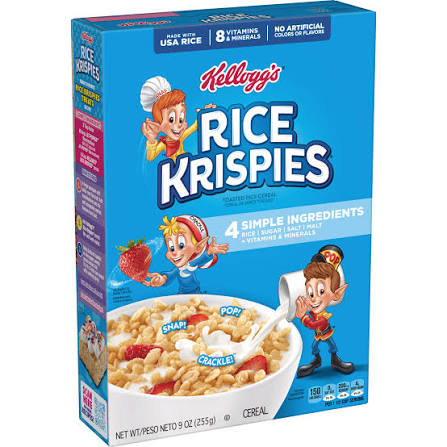
Introduced: 1928
Pour milk over a bowl of Rice Krispies and you’ll still get the same party trick generations of kids have listened for at breakfast.
Kellogg’s launched Rice Krispies in 1928, and “Snap! Crackle! Pop!” began appearing in advertising shortly afterward. Snap, Crackle, and Pop themselves followed in the 1930s. The mascots’ appearances have evolved, but the cereal remains centered on tiny pieces of crisped rice and the distinctive sounds they make after milk is added. Rice Krispies also pulled off the rare feat of becoming almost as famous as a recipe ingredient, thanks to Rice Krispies Treats.
Oreo
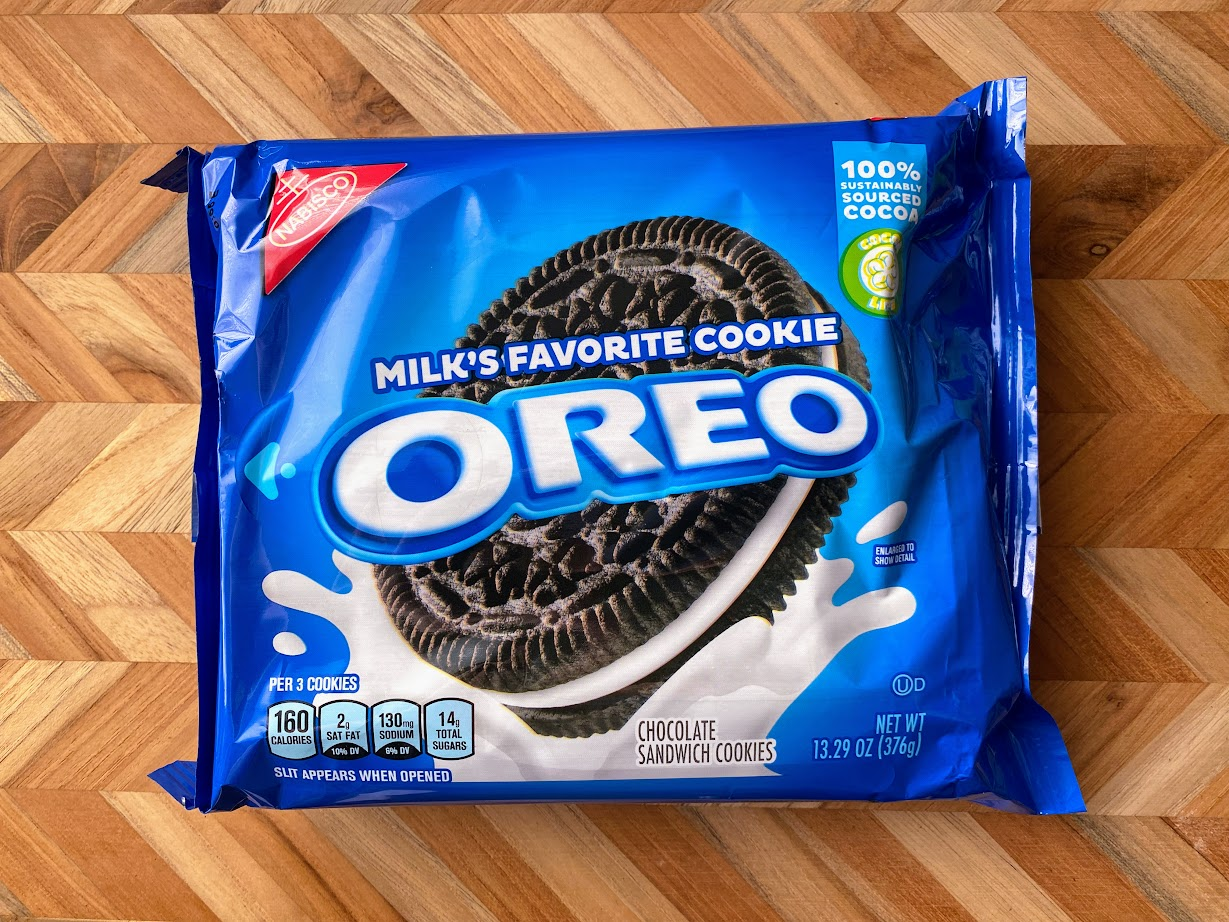
Introduced: 1912
There may be an Oreo flavor for practically every occasion these days, but the original cookie has held onto an extraordinarily recognizable design.
Oreo debuted in the United States in 1912, and its basic construction remains two embossed chocolate-flavored wafers sandwiching sweet creme. The brand has since experimented with different fillings, colors, thicknesses, flavors, and limited editions, yet the standard Oreo sitting beside them barely needs an introduction. Even the ritual surrounding it — twist it apart, eat the creme first, dunk it in milk, or simply bite into the whole thing — has become part of the product’s enduring identity.
Ritz Crackers
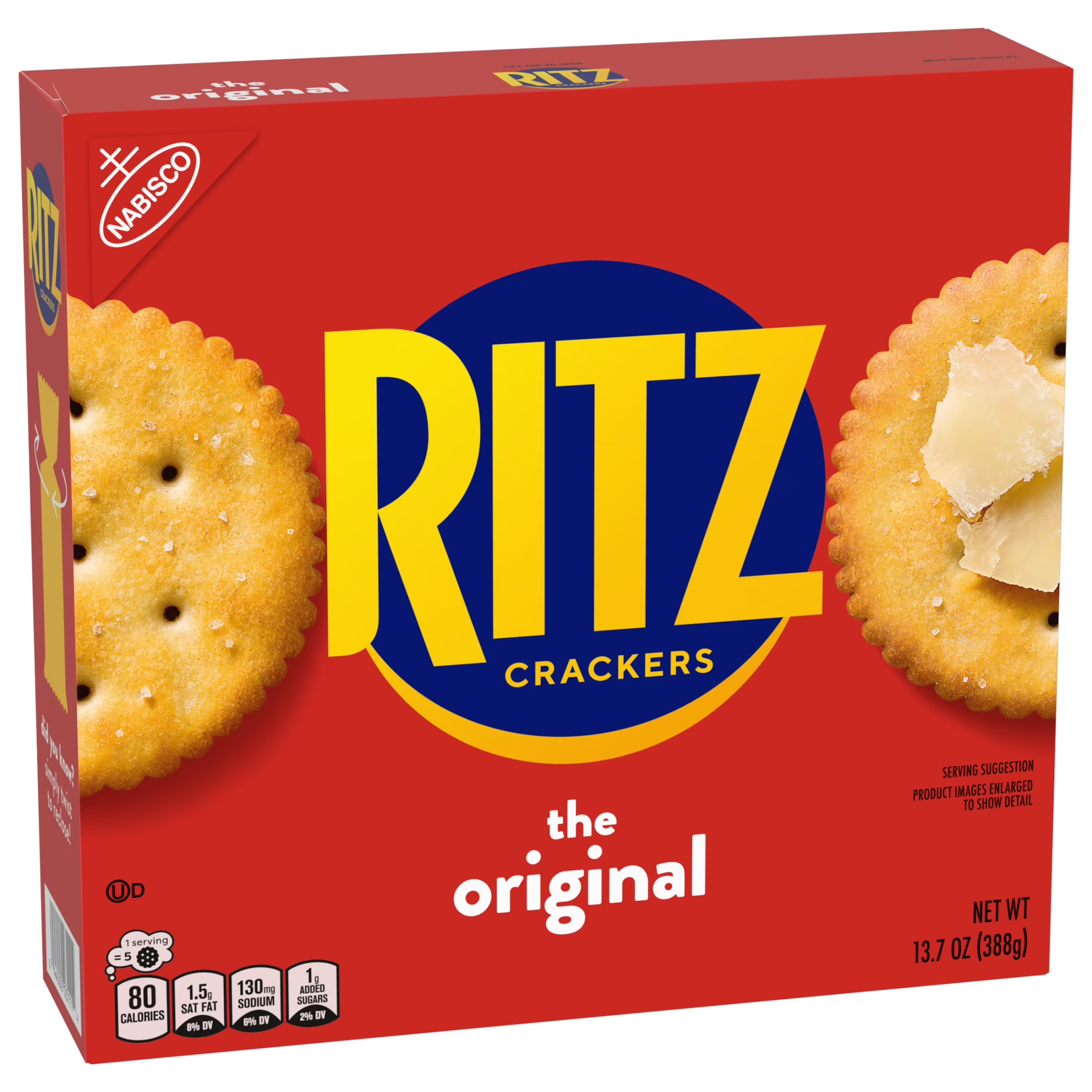
Introduced: 1934
Round? Check. Scalloped edges? Check. Buttery, flaky texture? Still there.
Ritz dates back to 1934, when the cracker debuted during the Great Depression. Its upscale-sounding name reportedly helped suggest a little affordable luxury during decidedly difficult economic times. Today, the Ritz name covers sandwich crackers, toasted chips, flavored varieties, and other snacks, but the Original cracker remains visually unmistakable. It has also held onto its dual role in the kitchen: perfectly acceptable eaten straight from the box, but equally at home crushed over a casserole or used in other recipes.
Fritos Original Corn Chips
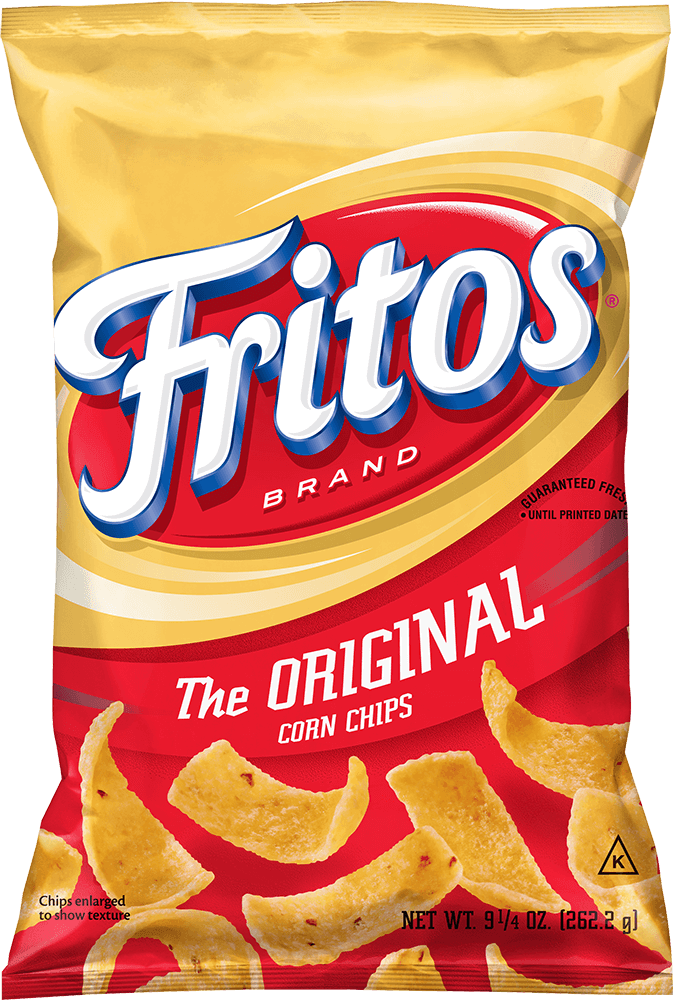
Introduced: 1932
Fritos existed for about four decades before the 1970s even began. The brand traces its origin to 1932, when Elmer Doolin purchased a corn-chip recipe and started producing chips with modified equipment in his family’s kitchen.
Today’s snack aisle contains plenty of heavily seasoned Fritos varieties, but Original remains refreshingly basic: crunchy, salty corn chips with their characteristic curled shape. Even one of the product’s signature uses is an old one. Frito pie — chips topped or combined with chili and other fixings — has been associated with the brand for generations, proving that sometimes the best use for a classic snack is an equally classic recipe.
Lay’s Classic Potato Chips
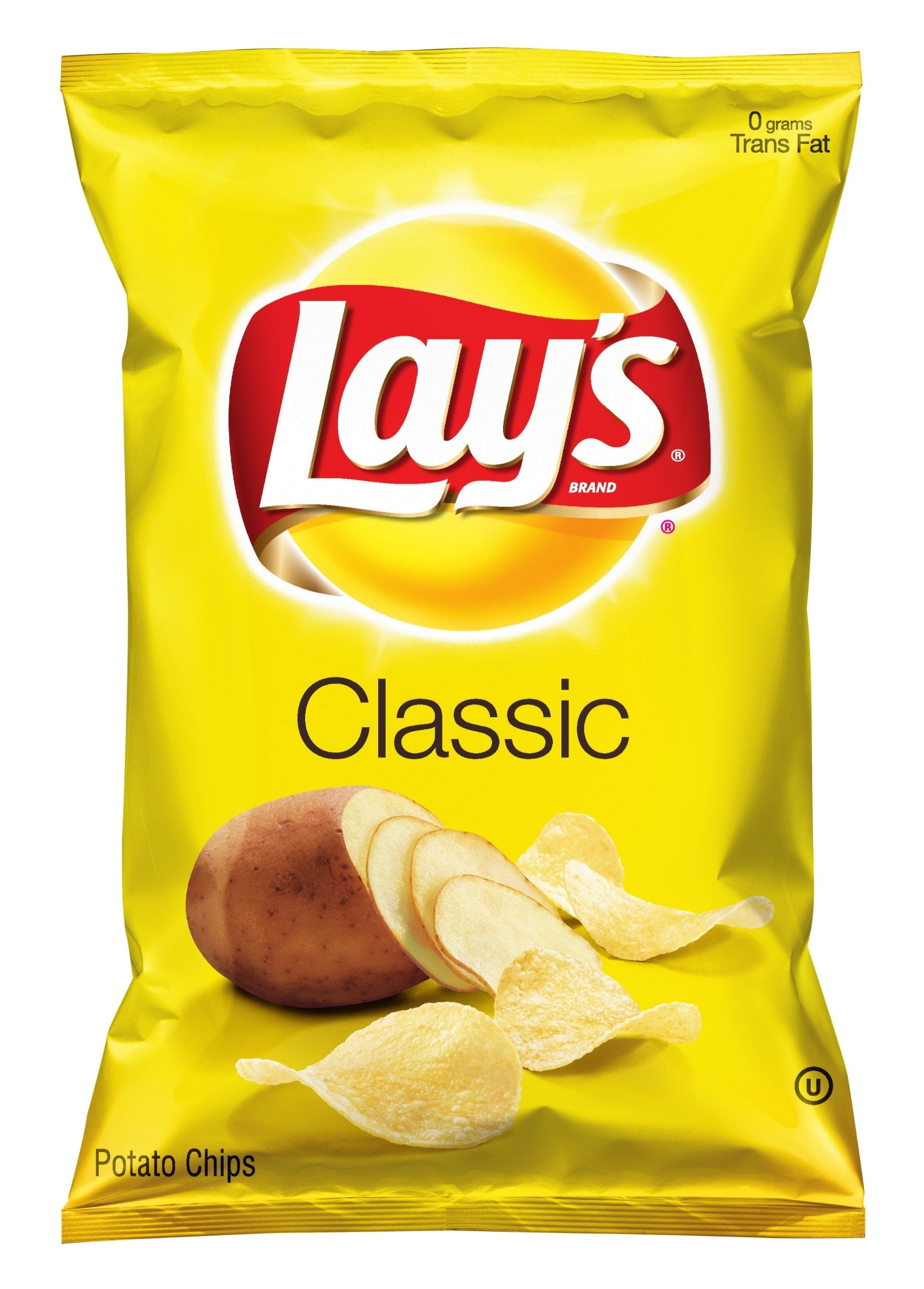
Brand roots: 1932
Walk down the chip aisle today and you might encounter flavors that shoppers a few generations ago couldn’t have imagined. Then there’s Lay’s Classic: thin potato chips with salt.
The brand’s history traces back to 1932, when Herman Lay entered the snack-food business. Lay’s eventually joined forces with the Frito Company in 1961, paving the way for Frito-Lay. The flagship chip has remained remarkably straightforward even as the flavor lineup exploded. Lay’s did unveil a significant packaging redesign in 2025, so the bag certainly hasn’t been frozen in time. But open it up and the basic idea would be completely familiar to a 1970s snacker.
Hershey’s Milk Chocolate Bar
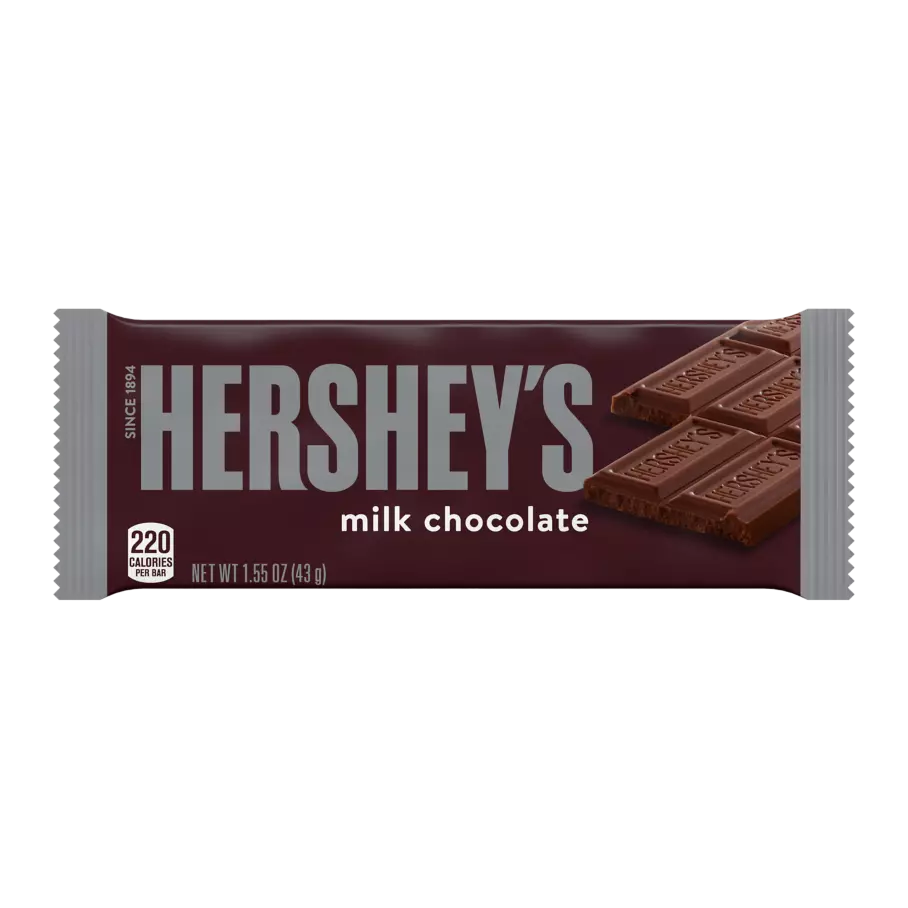
There are fancier chocolate bars, stranger chocolate bars, and certainly more expensive chocolate bars. Yet the standard Hershey’s Milk Chocolate Bar remains a candy-aisle fixture.
Its segmented rectangular shape and raised HERSHEY’S lettering make the bar particularly recognizable, while the straightforward milk-chocolate identity has remained at the heart of the Hershey brand for generations. Wrappers and manufacturing methods have evolved during the company’s long history, but the classic bar still serves much the same purpose it did decades ago: eat the squares on their own, break them up to share, or stick them onto a graham cracker with a toasted marshmallow for s’mores.
Reese’s Peanut Butter Cups
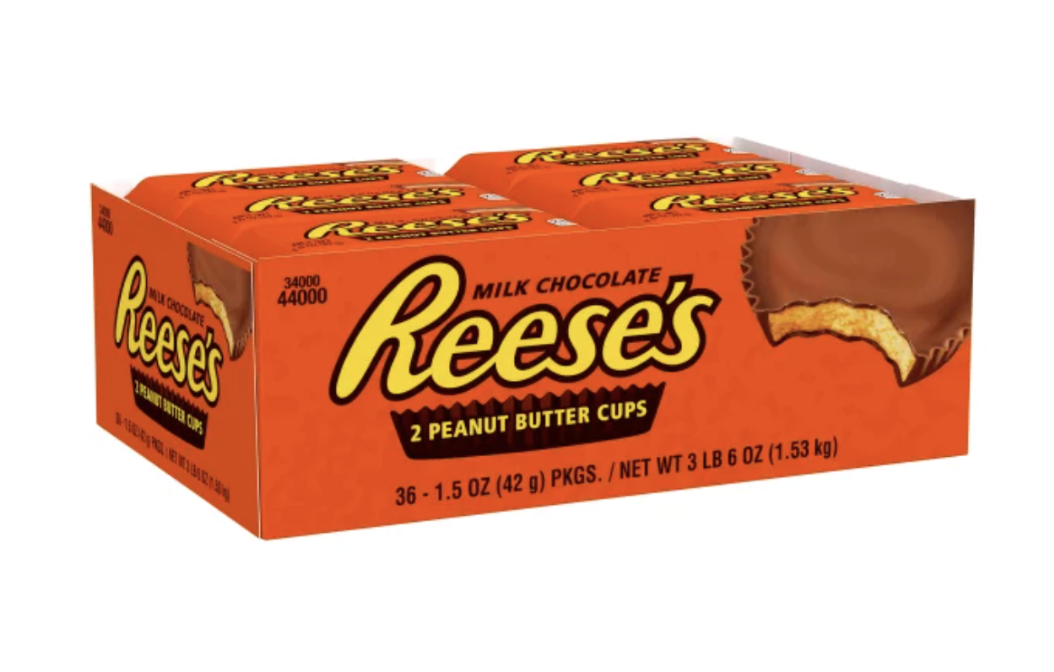
Few candies have a silhouette as recognizable as a Reese’s Peanut Butter Cup. Take away the logo and you could probably still identify the ridged chocolate cup with peanut-butter filling inside.
H.B. Reese, who had worked for Milton Hershey, built his own candy business before the Reese company was eventually acquired by Hershey. Today, the basic Milk Chocolate Peanut Butter Cup remains the centerpiece of a lineup that includes Big Cups, minis, seasonal shapes, and assorted chocolate and filling variations. Those spin-offs can get creative, but the standard cup still relies on the same basic chocolate-and-peanut-butter combination and distinctive shape that made it famous. Hersheyland
Smucker’s Strawberry Preserves
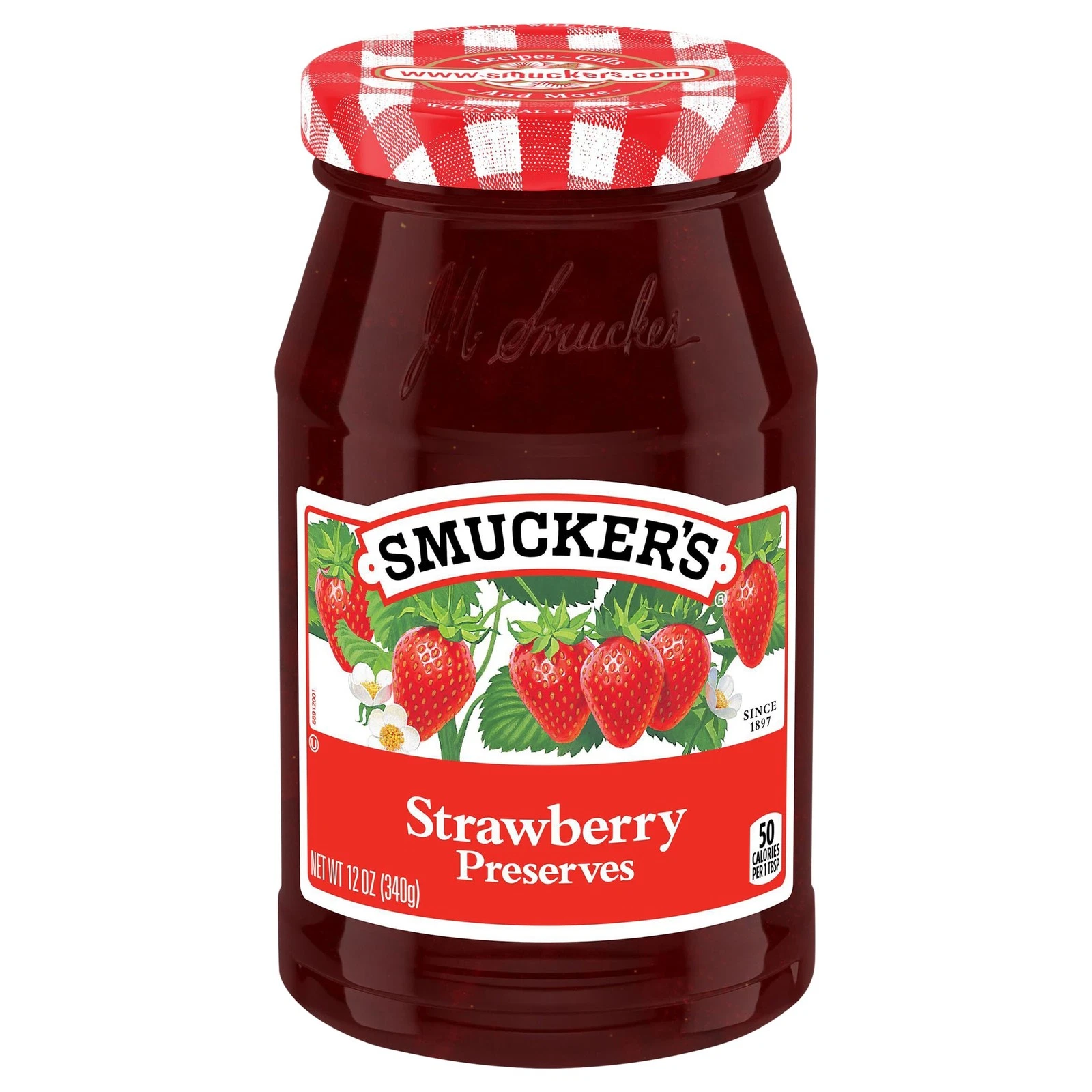
Smucker’s started with apple butter, not strawberry preserves, but fruit spreads have been part of the company’s identity for generations. The company expanded into jams, jellies, and preserves in the early 20th century.
Strawberry preserves remain about as traditional as a supermarket product gets: a sweet fruit spread with pieces of fruit that can go on toast, biscuits, or, naturally, a peanut butter sandwich. The packaging has evolved, but Smucker’s has continued leaning into a deliberately old-fashioned visual identity with fruit imagery and familiar gingham-inspired details. It’s the kind of product that could sit on a modern breakfast table without looking terribly out of place in a family photo from decades ago.
Jell-O Gelatin Dessert
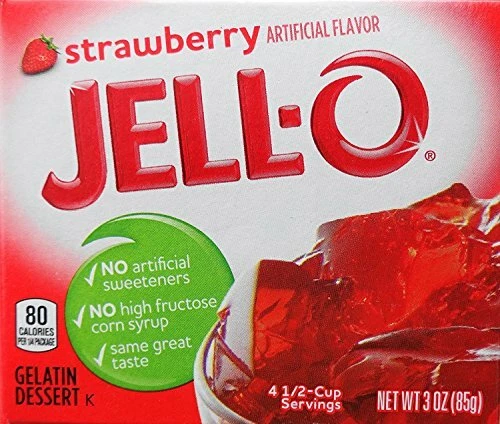
Introduced: 1897
Jell-O has changed plenty since its late-19th-century debut. What hasn’t changed much is the basic assignment: mix flavored gelatin powder with liquid, let it chill, and wait for it to wobble.
By the mid-20th century, Americans had taken that simple concept to extraordinary places, suspending fruit, vegetables, meat, and all sorts of other ingredients inside elaborate gelatin molds. Those creations aren’t nearly as ubiquitous today, but ordinary fruit-flavored Jell-O remains readily recognizable. Kraft Heinz has continued updating the line — including new formulations and products introduced in 2026 — which makes Jell-O a perfect example of what “barely changed” means here. The details evolve, while the basic grocery-store product survives.