Long before modern vacations existed, people crossed enormous distances for trade, religion, politics, and pilgrimage. Many of the oldest popular travel destinations still drawing visitors today have histories stretching back thousands of years. UNESCO World Heritage preserves records for many of these extraordinary places, from prehistoric settlements and sacred cities to ancient capitals and monumental ruins. Visiting them offers a rare chance to see just how much human history can survive in one place.
Jericho, West Bank
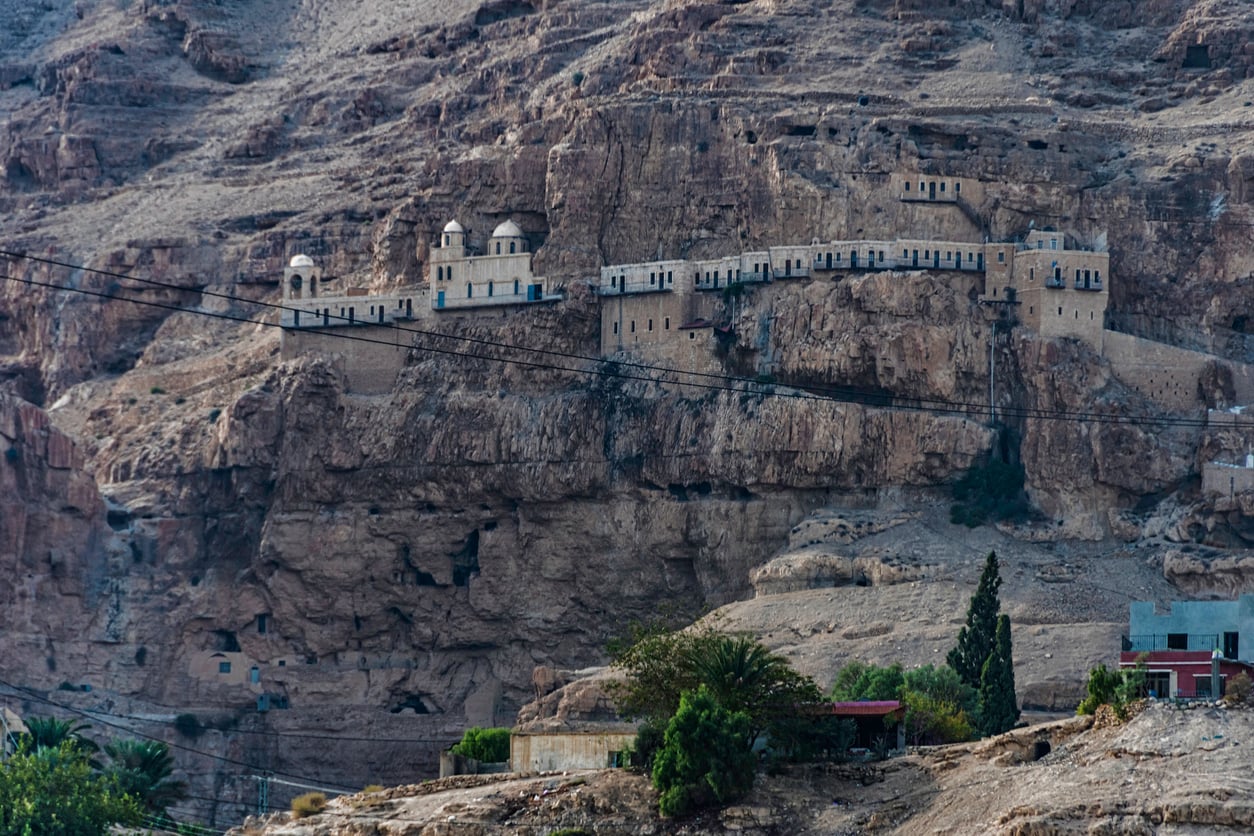
Jericho’s archaeological story reaches remarkably far into prehistory. At nearby Tell es-Sultan, UNESCO says a sizeable permanent settlement with a wall, ditch, and stone tower already existed during the ninth to eighth millennium B.C. The archaeological mound sits beside modern Jericho, so visitors are not looking at one uninterrupted ancient cityscape but layers of settlement accumulated over millennia. Current conditions in the West Bank can affect travel and access, however, so official advisories should be checked before planning a trip.
Gobekli Tepe, Turkey
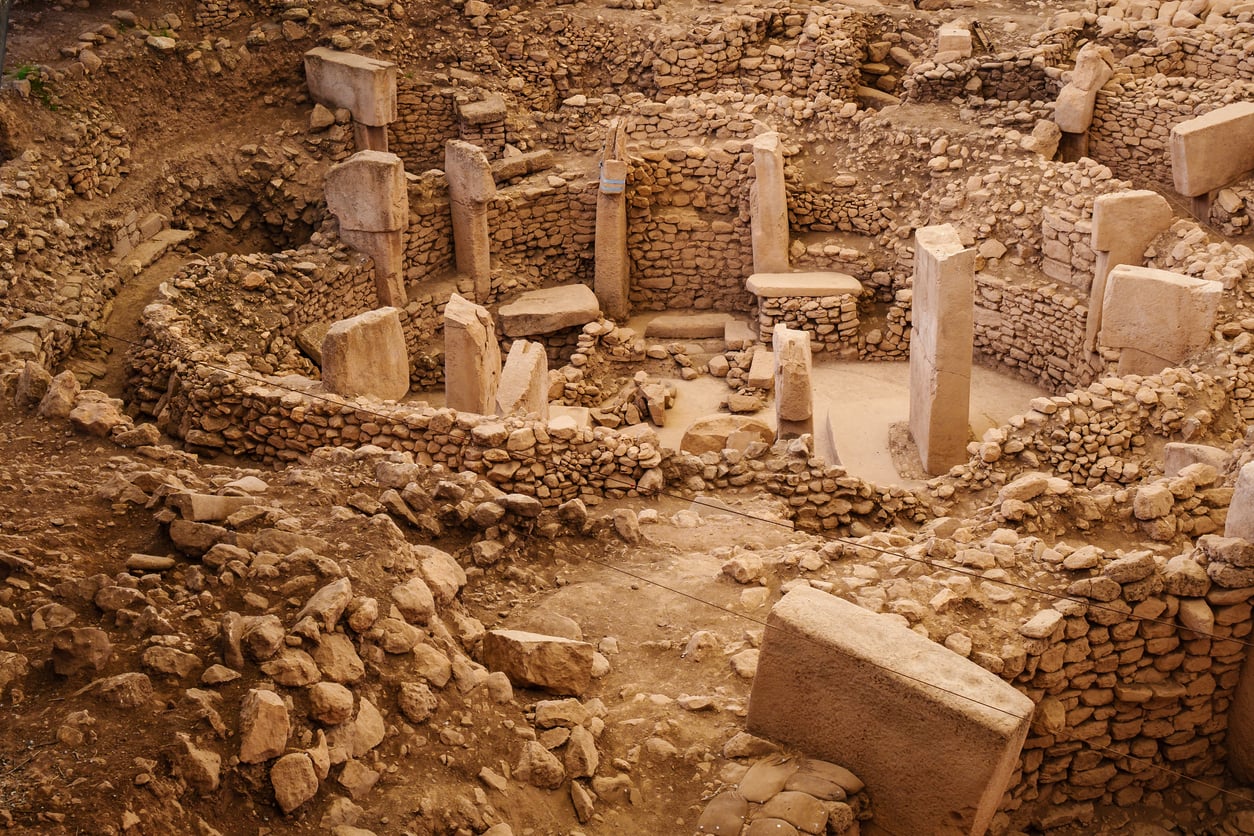
Gobekli Tepe makes even many famous ancient ruins seem relatively young. Its monumental structures were erected by hunter-gatherers between roughly 9600 and 8200 B.C., thousands of years before Stonehenge. The site near Sanliurfa is known for huge T-shaped limestone pillars, some carved with wild animals. What makes it especially fascinating is that these sophisticated structures appeared before the rise of the great urban civilizations usually associated with monumental architecture. Visitors today see protected excavation areas rather than a reconstructed prehistoric town.
Byblos, Lebanon
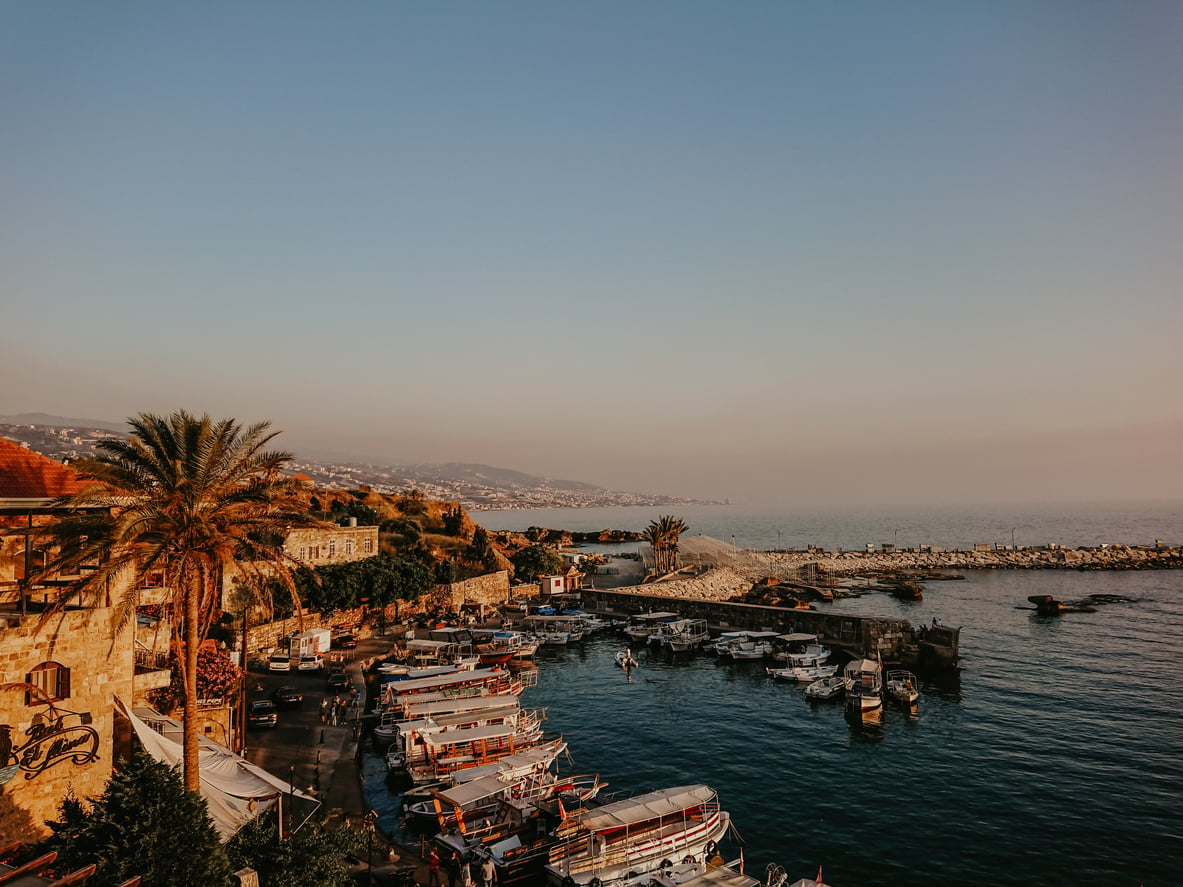
Byblos offers something archaeological ruins cannot always provide: ancient history embedded within a living coastal town. UNESCO says the site has been continuously inhabited since Neolithic times and later became closely associated with Phoenician civilization and the spread of the Phoenician alphabet. Archaeological remains, medieval fortifications, old churches, a harbor, restaurants, and modern neighborhoods sit close together. Rather than belonging to one historical period, Byblos preserves evidence of civilization after civilization occupying the same valuable Mediterranean location.
Matera, Italy
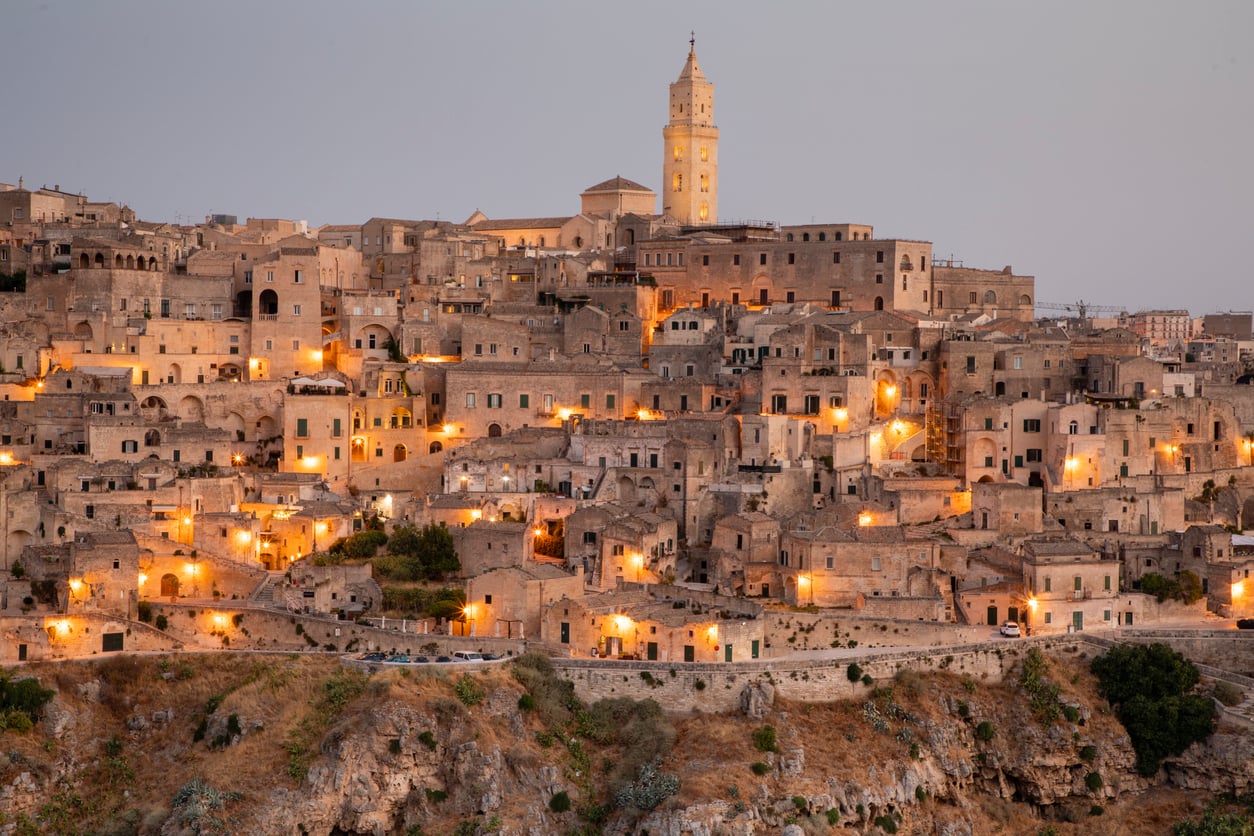
Matera’s famous Sassi districts are carved into a landscape where human occupation reaches back to prehistoric times. UNESCO says the first inhabited zone dates to the Paleolithic, while later generations transformed natural caves into houses, churches, cisterns, and interconnected neighborhoods. The Sassi were evacuated during the 1950s amid serious sanitation and poverty problems before restoration eventually brought residents, hotels, and visitors back. Today the steep stone lanes are atmospheric but can be physically demanding, something travelers with limited mobility should consider.
Giza and the Ancient Memphis Region, Egypt
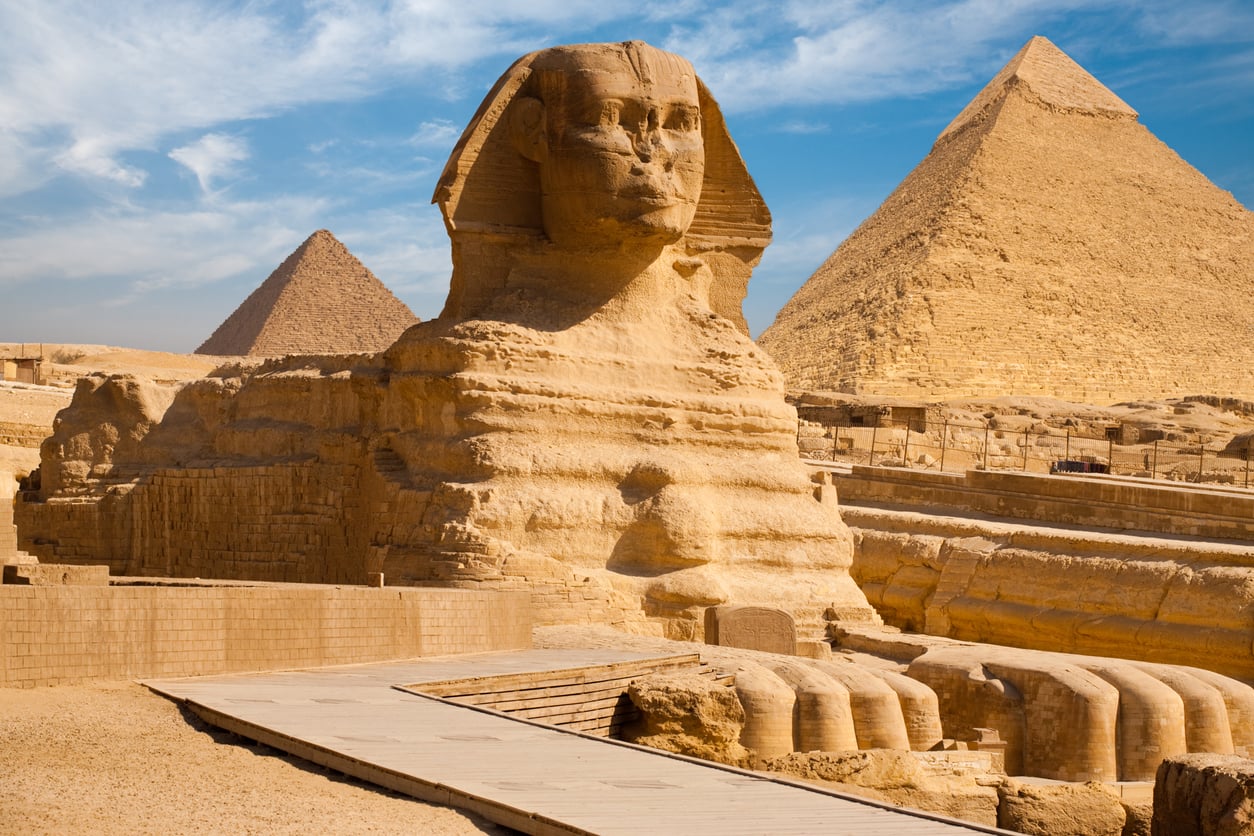
The three famous pyramids are only part of an enormous ancient landscape extending from Giza through Saqqara and Dahshur. Ancient Memphis became a major center of unified Egypt, while generations of rulers built tombs and pyramid complexes nearby. The Great Pyramid of Khufu remains especially remarkable because UNESCO identifies it as the only surviving Wonder of the Ancient World. Travelers with enough time can also visit the Step Pyramid at Saqqara and pyramids at Dahshur to see how Egyptian pyramid building developed.
Trending on Cheapism


Stonehenge and Avebury, England
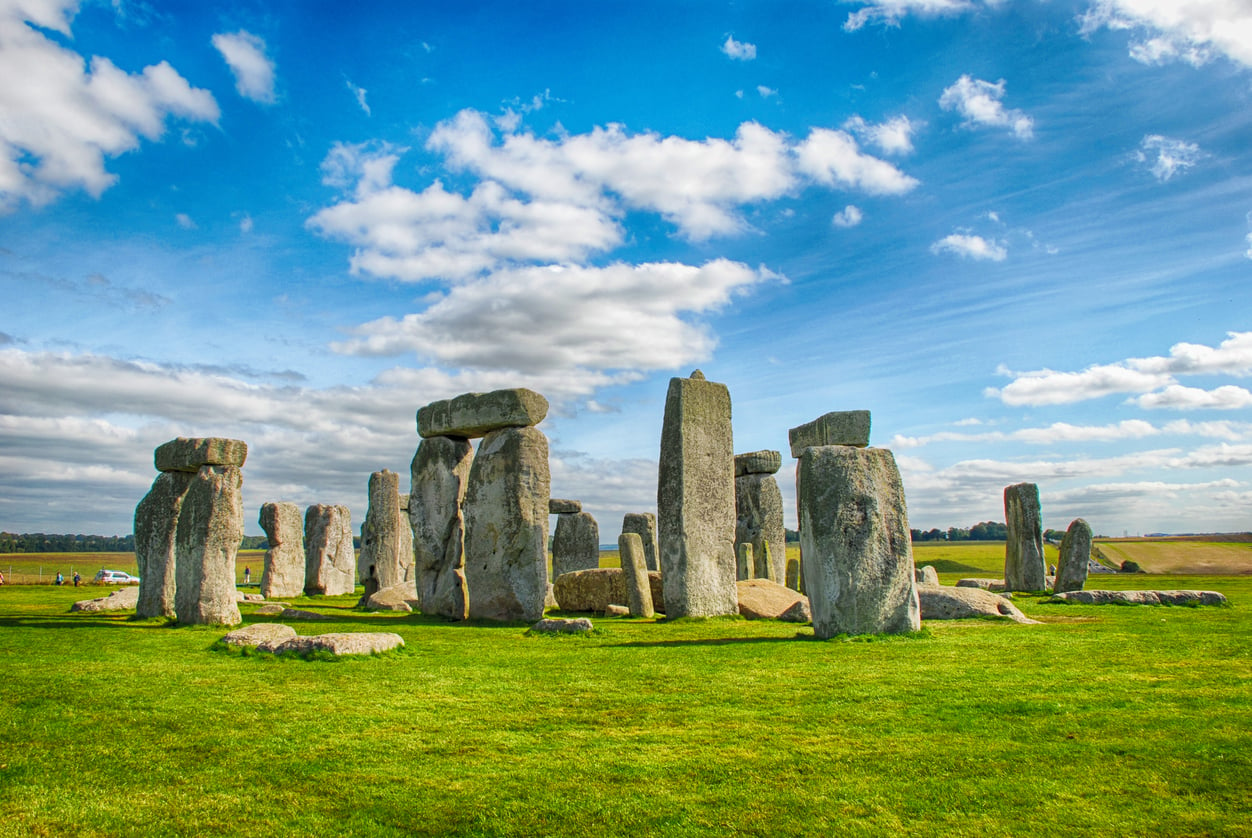
Stonehenge is Britain’s most recognizable prehistoric monument, but it belongs to a much larger ceremonial landscape. UNESCO describes Stonehenge as the world’s most architecturally sophisticated prehistoric stone circle and Avebury as the largest. Nearby are burial mounds, earthworks, avenues, and other archaeological remains. Stonehenge can divide visitors: some travelers find the history unforgettable, while others complain that admission feels expensive for a relatively short viewing experience at a distance from the stones. Avebury provides a more spread-out alternative nearby.
Luxor and Ancient Thebes, Egypt
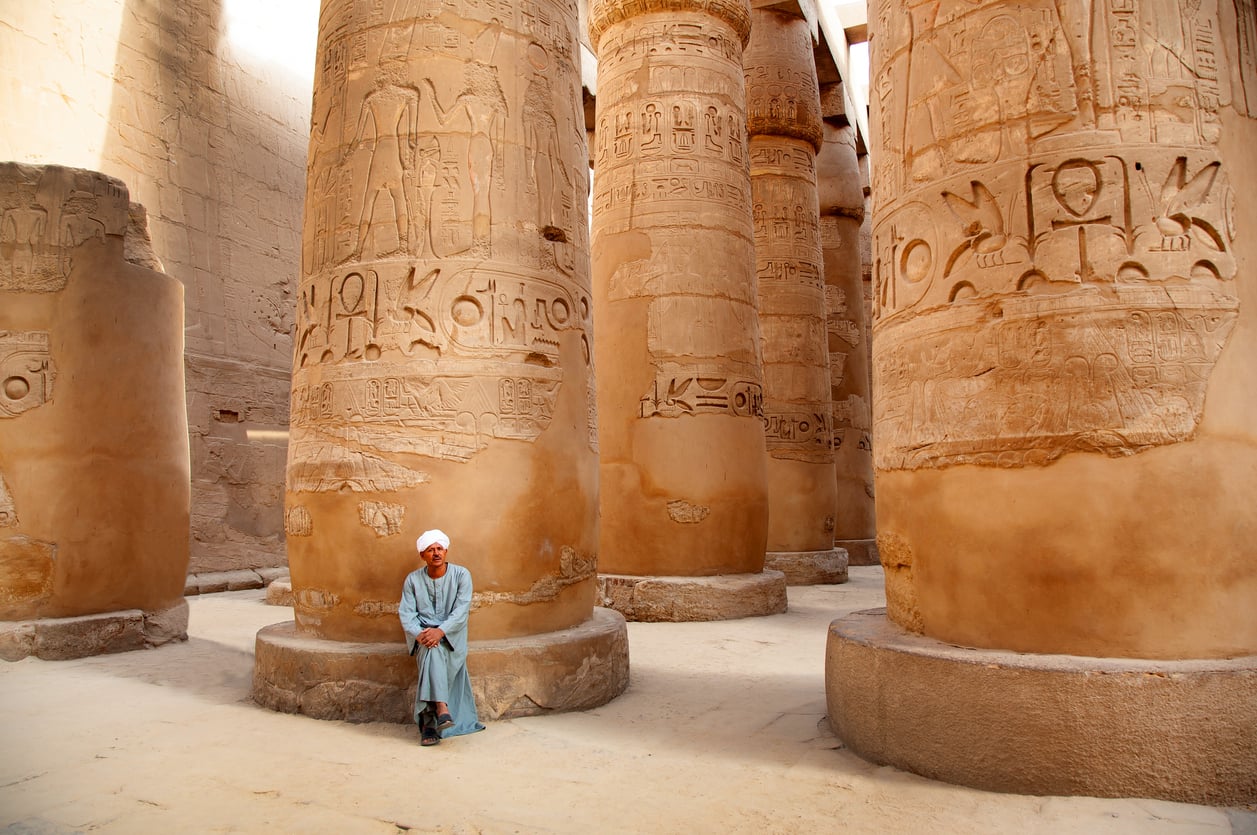
Modern Luxor occupies the landscape of ancient Thebes, once one of Egypt’s great religious and political centers. On the east bank of the Nile stand Karnak and Luxor temples; across the river are royal burial areas including the Valley of the Kings. Karnak’s enormous Hypostyle Hall alone was supported by 134 columns, according to UNESCO. The amount of history can make Luxor rewarding over several days rather than one rushed excursion, especially for travelers who want time for both the temples and tombs.
Varanasi, India
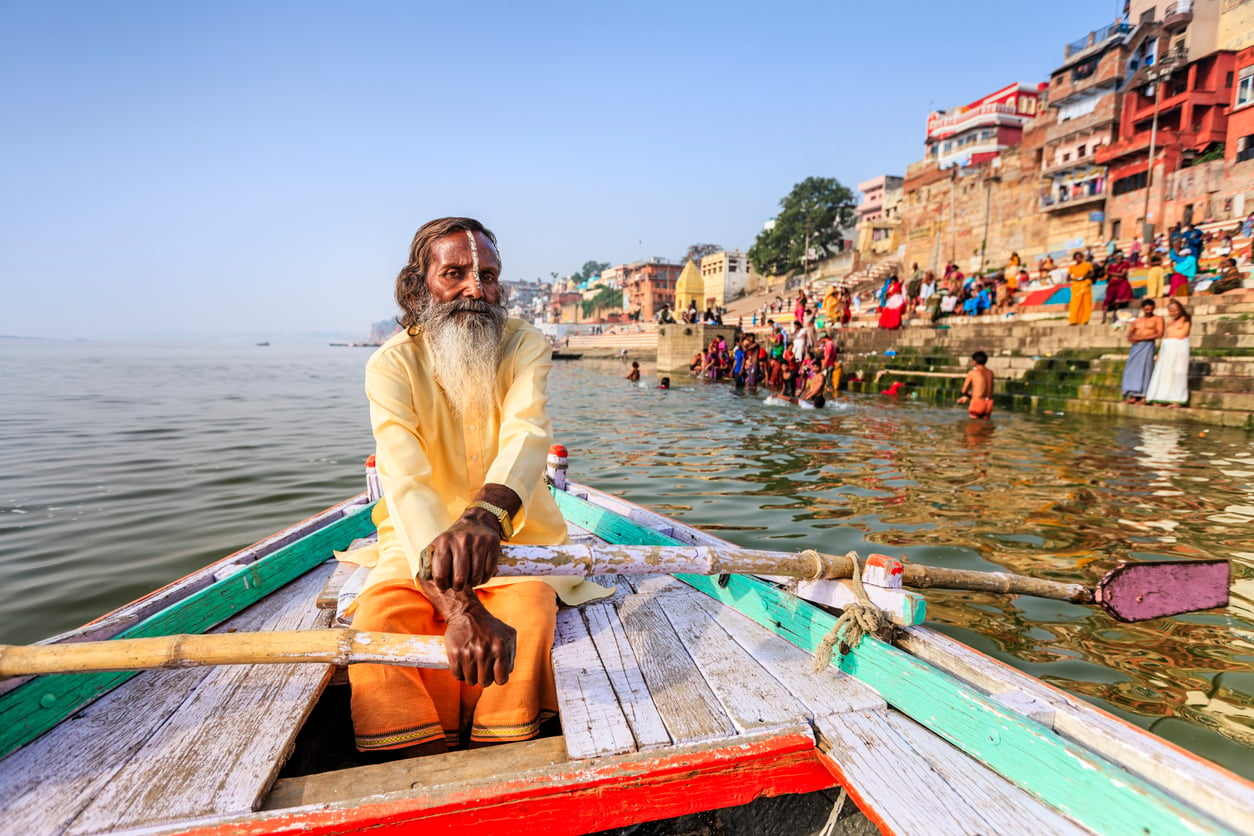
Varanasi is striking because its ancient identity remains woven into everyday religious life rather than confined to excavated ruins. India’s official tourism authority describes it as one of the world’s oldest living cities, while excavations at Rajghat reveal settlement dating to pre-Mauryan times. Along the Ganges, pilgrims bathe at the ghats, ceremonies take place daily, and cremations remain part of the sacred landscape. The city can be intense, crowded, and unfamiliar for first-time visitors, but that living continuity is precisely what distinguishes it.
Sign up for our newsletter
Athens and the Acropolis, Greece
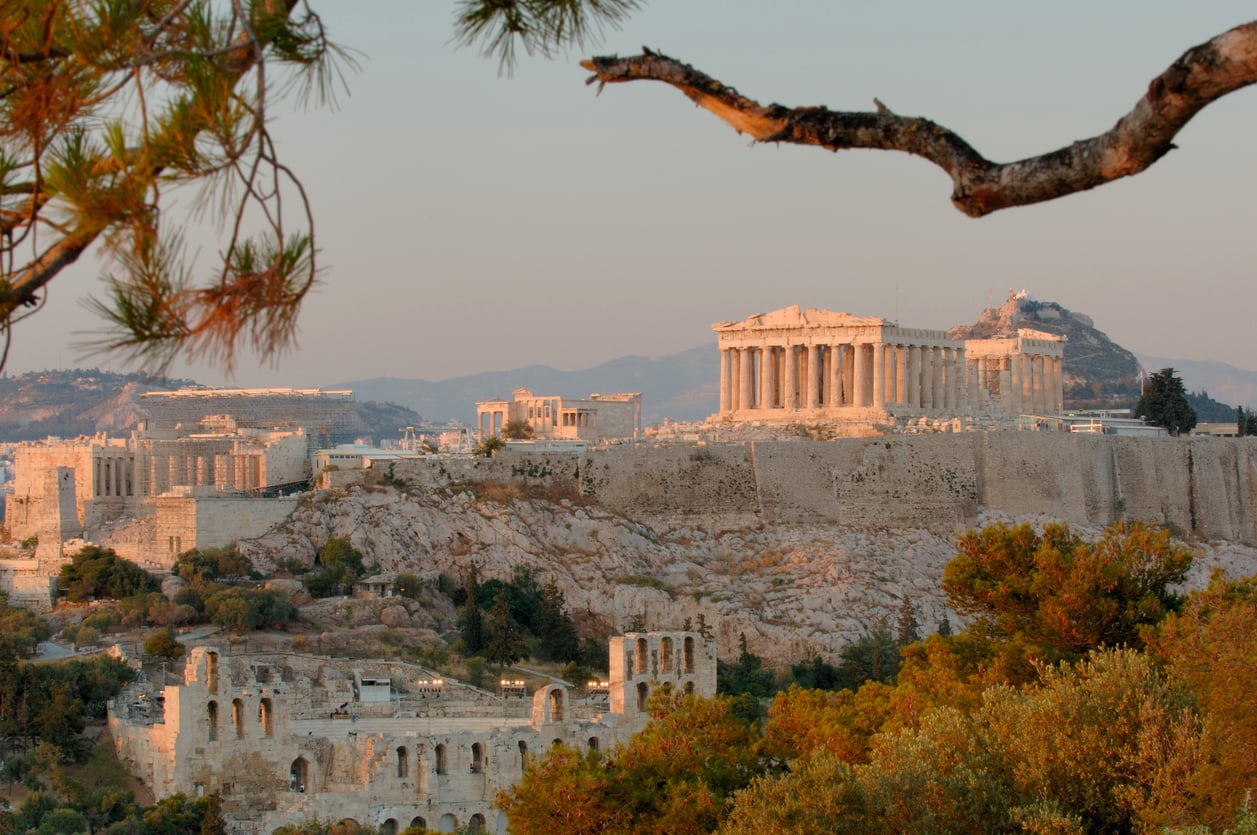
Athens had a long history before its most famous monuments appeared, but the Acropolis travelers recognize today was transformed during the fifth century B.C. Under Pericles, Athens launched the building program that produced the Parthenon, Erechtheion, Propylaia, and Temple of Athena Nike. The appeal goes beyond seeing one ancient temple: visitors can look down from the Acropolis onto a modern capital filled with additional Greek, Roman, Byzantine, and later history. Summer heat and heavy crowds make timing particularly important.
Jerusalem’s Old City
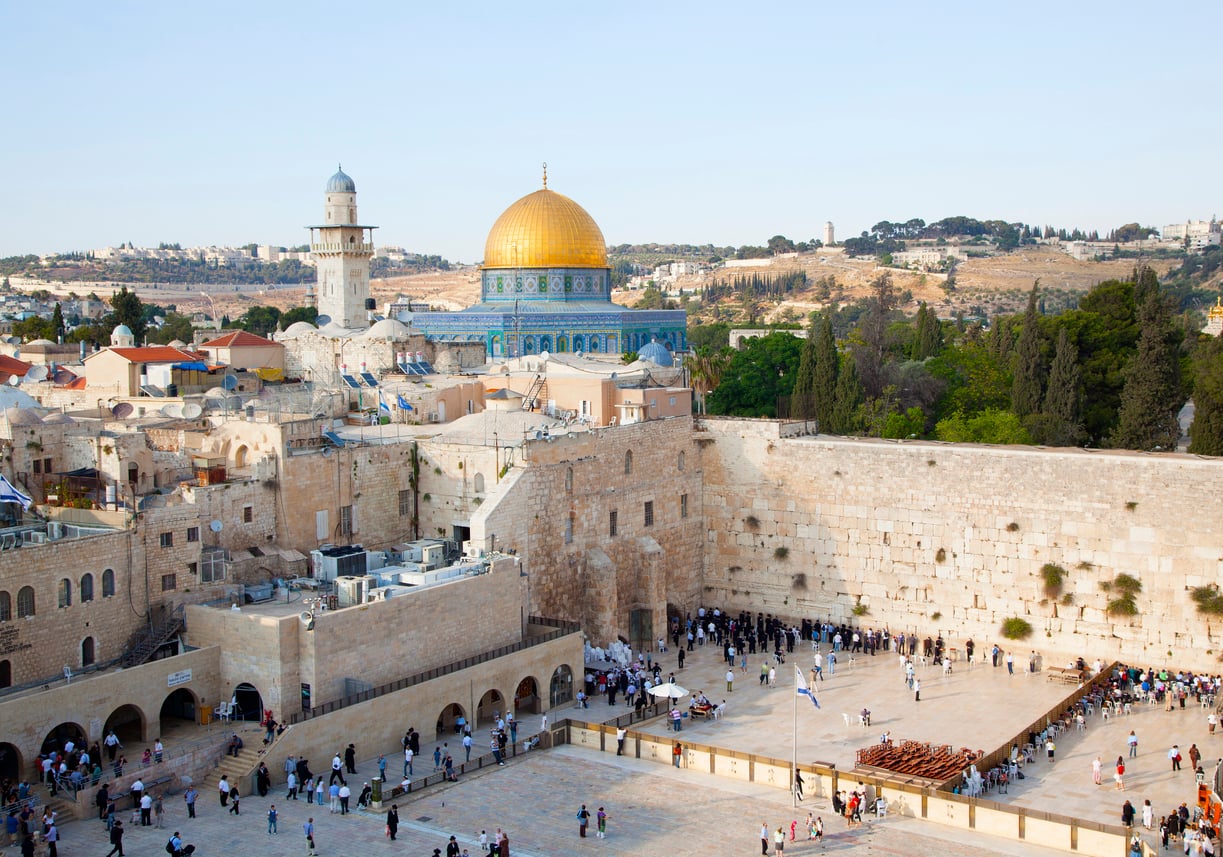
Few historic destinations concentrate so much religious importance into such a small area. Jerusalem’s Old City contains places sacred to Judaism, Christianity, and Islam, including the Western Wall, Church of the Holy Sepulchre, and Haram al-Sharif/Temple Mount. UNESCO listed the Old City in 1981 and has kept it on the List of World Heritage in Danger since 1982. Visitors should also recognize that contemporary political and security conditions can affect access, and official travel advisories remain important in 2026.
Petra, Jordan
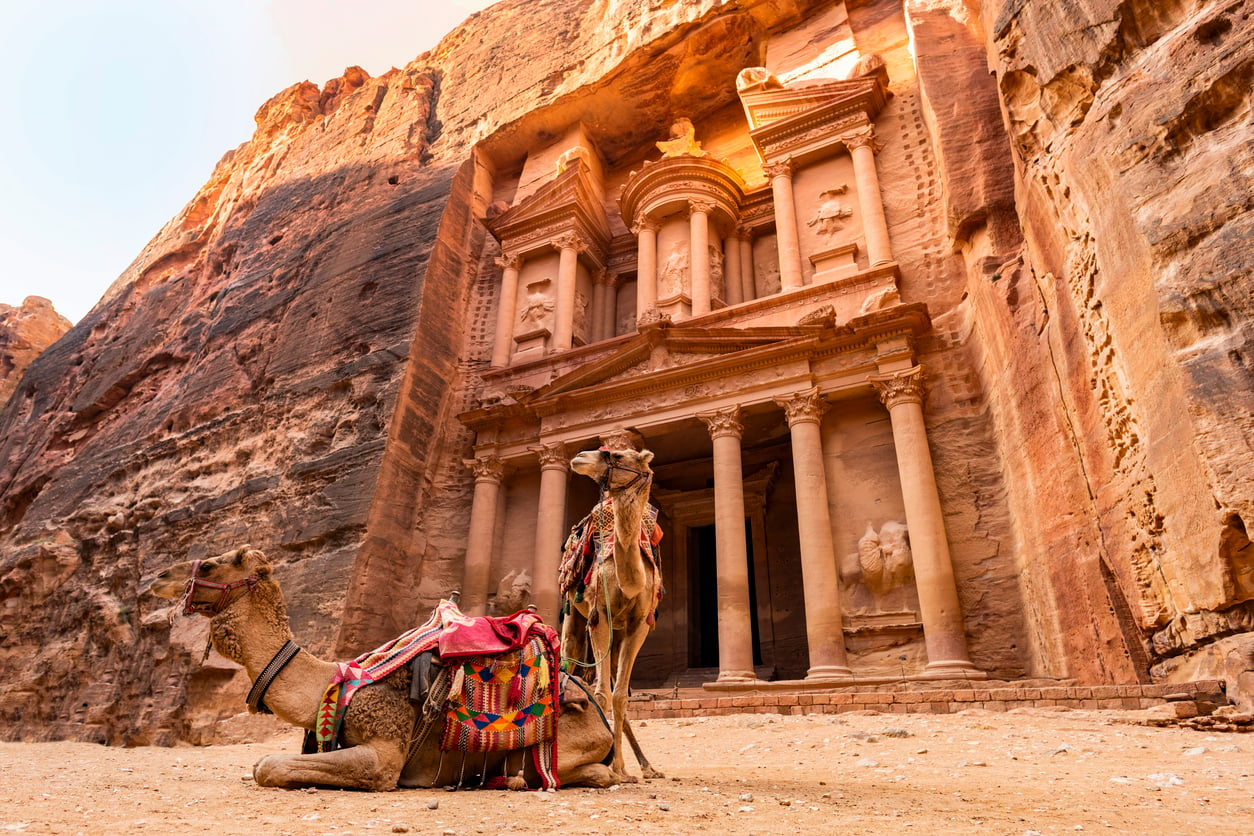
Petra was inhabited long before its most recognizable monuments appeared, but the Nabataeans transformed it into a major caravan city linking Arabia with Egypt and the eastern Mediterranean. Much of the architecture is carved directly into sandstone cliffs. The famous walk through the Siq to the Treasury is only the beginning: royal tombs, temples, trails, and the Monastery spread across a large area. Travelers frequently underestimate how much walking is involved, so comfortable shoes and enough time matter more here than a quick photo stop.
Rome, Italy
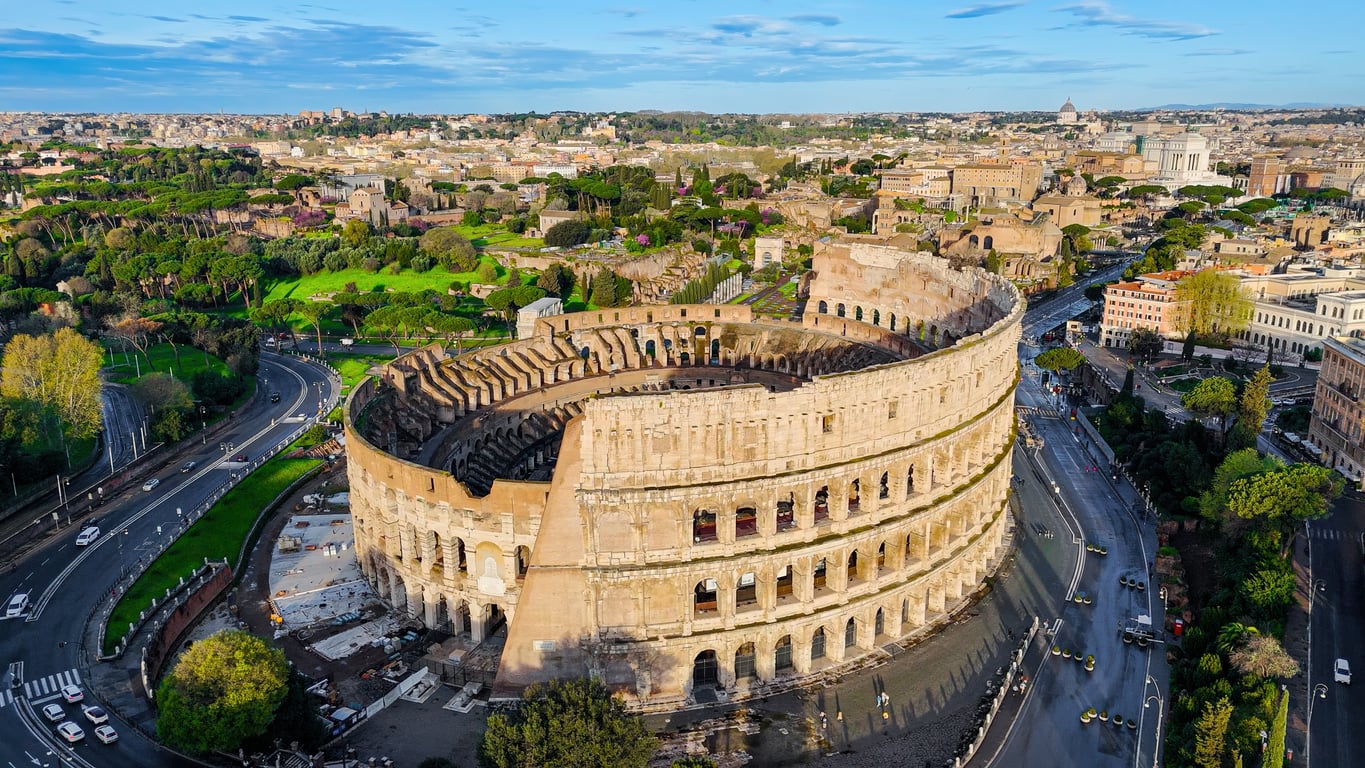
According to tradition, Rome was founded in 753 B.C., though that date belongs to legend rather than a precise archaeological birthday. What is undeniable is how many eras remain visible in the modern city. The Roman Forum, Colosseum, Pantheon, imperial monuments, churches, Renaissance palaces, and Baroque fountains sit within an urban landscape continually rebuilt for centuries. Rome also has a long history as a destination itself, drawing religious pilgrims and, later, travelers making educational journeys such as the Grand Tour.
The Great Wall, China
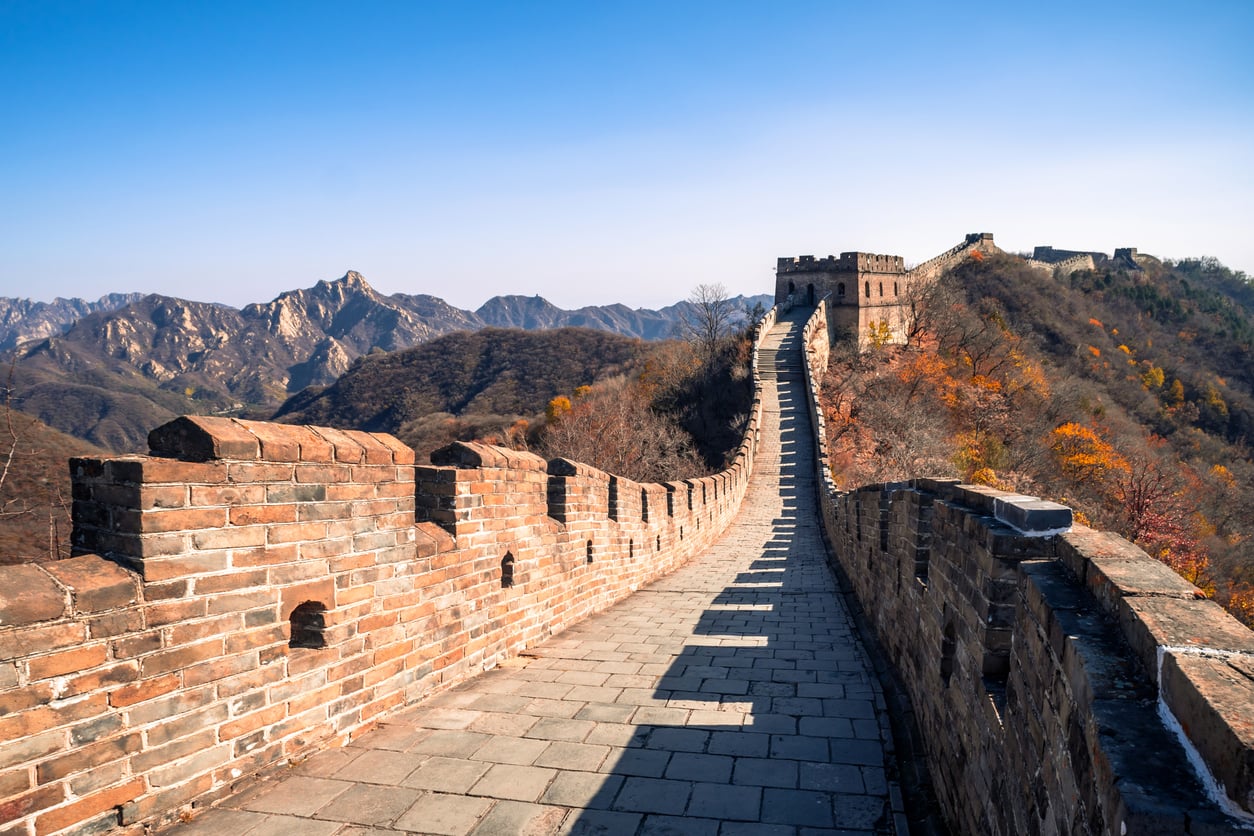
The Great Wall is not one wall built by one ruler. Fortifications were constructed, rebuilt, connected, and expanded by successive Chinese states and dynasties over many centuries. UNESCO says the overall defensive system stretches for more than 20,000 kilometers and was built from roughly the third century B.C. through the 17th century A.D. Visitors near Beijing usually see restored sections such as Badaling or Mutianyu, while remote stretches can be rougher and considerably less accessible.
Pompeii, Italy
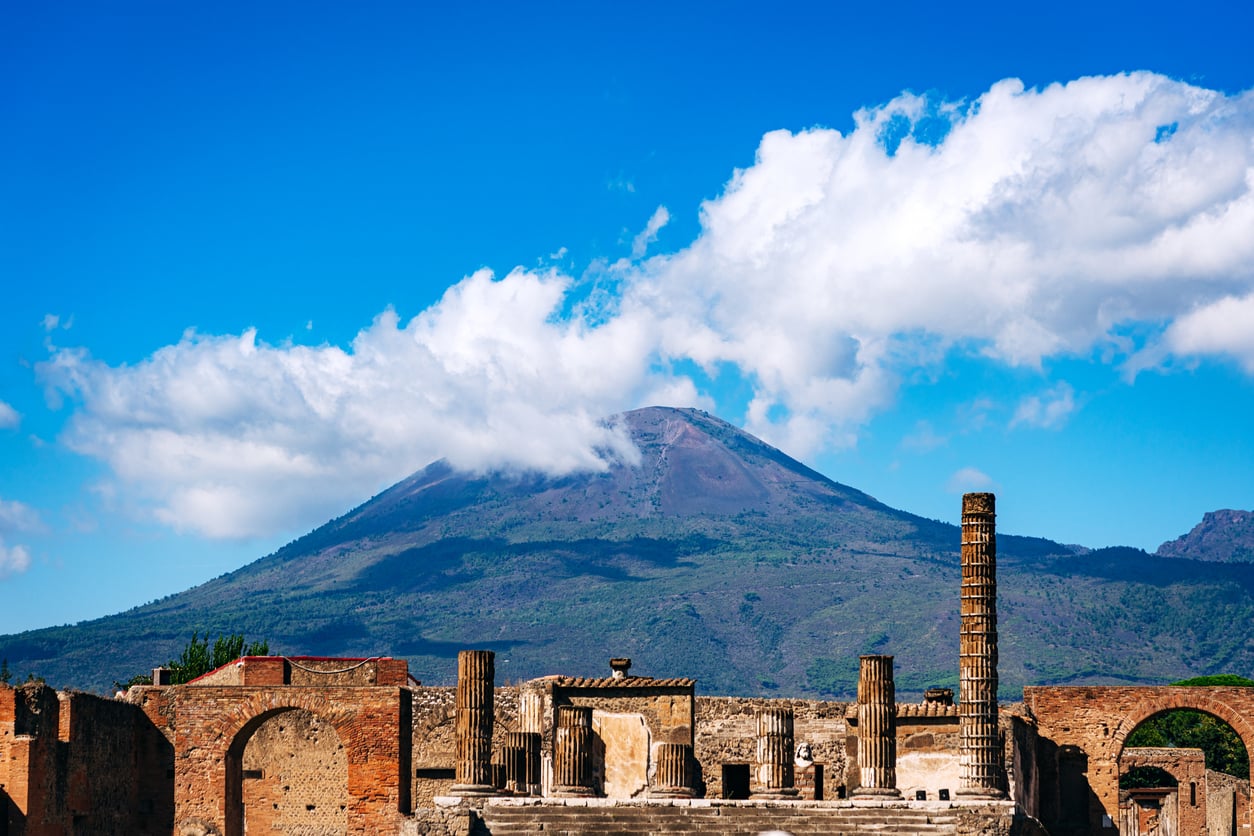
Pompeii was a thriving Roman town when Mount Vesuvius erupted in A.D. 79, burying streets, homes, shops, public buildings, and everyday objects beneath volcanic material. Excavations have been underway since the 18th century, and new discoveries continue to change what researchers know about Roman life. What makes visiting so memorable is the ordinary detail: stepping along actual streets, entering houses, and seeing places where people ate and worked. The sprawling site also involves substantial walking with limited shade.
Istanbul’s Historic Areas, Turkey
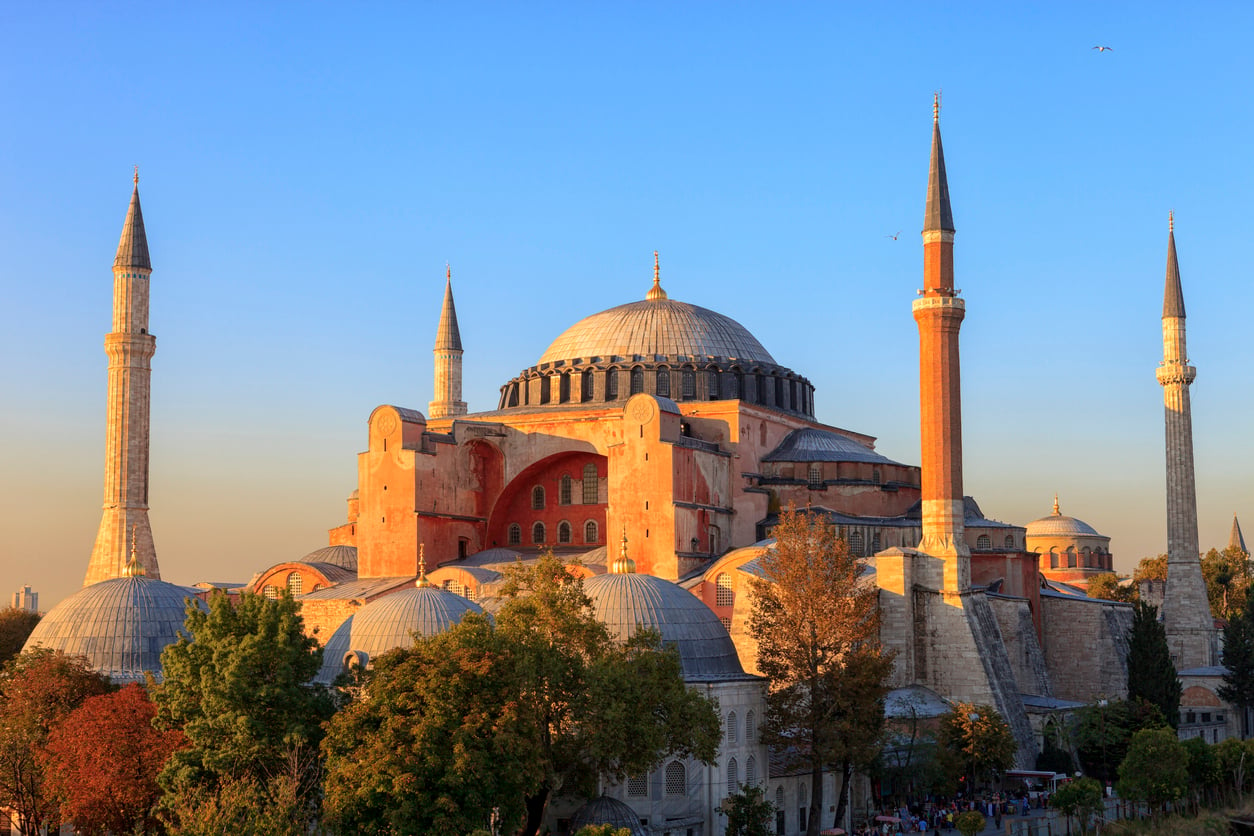
Istanbul’s position between Europe and Asia helped make it one of history’s great imperial cities. UNESCO notes that the city has been associated with major political, religious, and artistic events for more than 2,000 years. Travelers can move between remnants of the Roman and Byzantine city, the sixth-century Hagia Sophia, Ottoman mosques and palaces, historic markets, and the Bosphorus. Unlike many ancient destinations, Istanbul never feels like a museum piece: millions of people continue living and working around its historic core.
Fez, Morocco
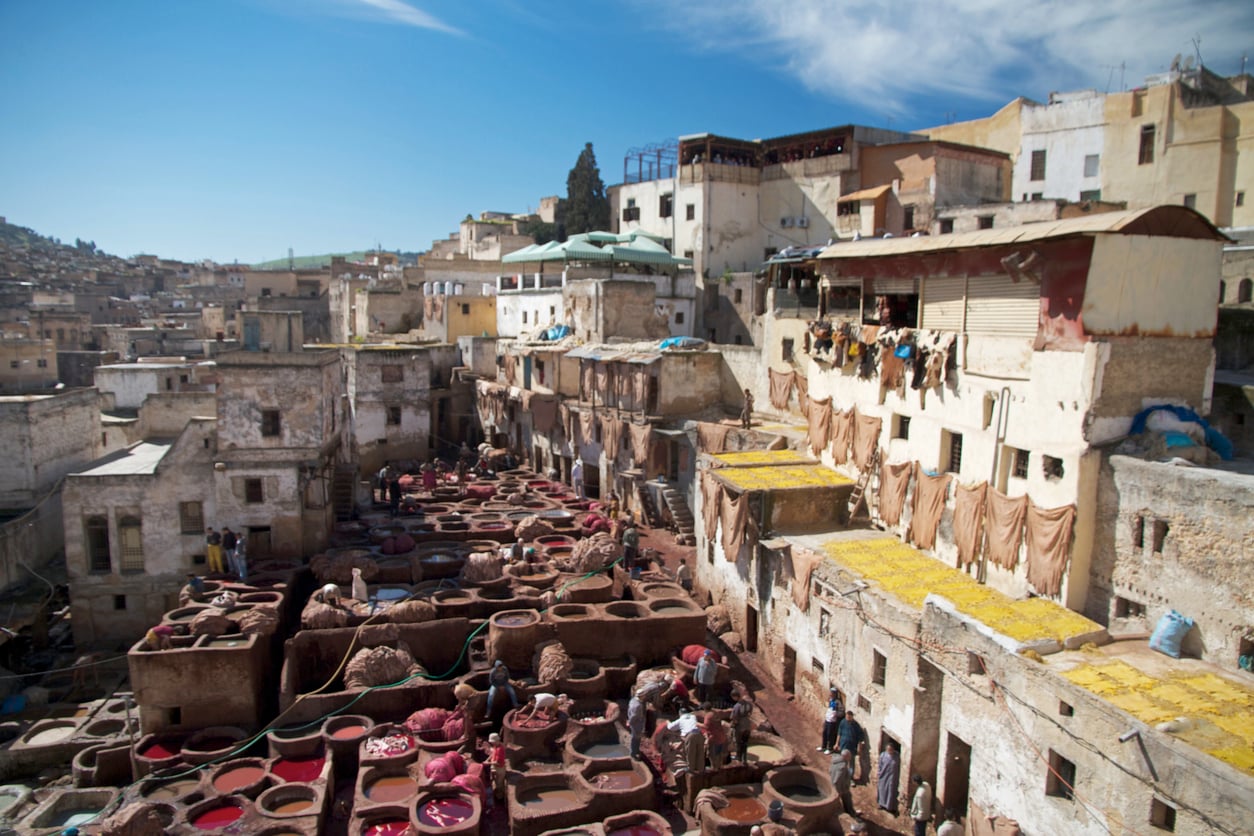
Founded in the ninth century, Fez is younger than many ancient destinations on this list but preserves one of the world’s great medieval urban environments. UNESCO says the city reached particular prominence during the Marinid period in the 13th and 14th centuries. Inside the medina, narrow lanes lead past workshops, madrasas, fountains, residences, markets, and traditional tanneries. The maze-like layout is part of the charm, though first-time visitors may find navigation difficult and may appreciate a reputable local guide.
Kyoto, Japan
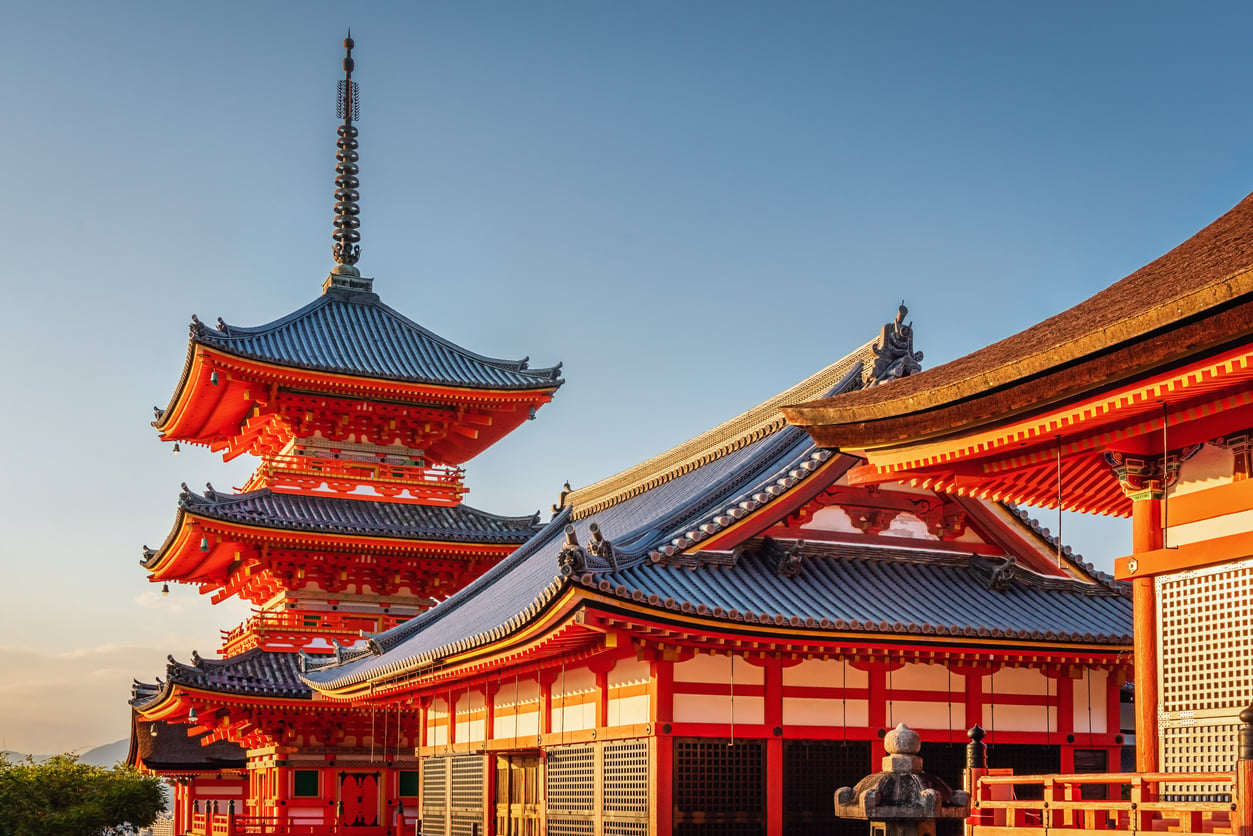
Kyoto became Japan’s imperial capital in A.D. 794 and remained the imperial center until the 19th century. UNESCO’s historic property includes temples, shrines, gardens, and architectural traditions developed over more than a millennium. Kiyomizu-dera, Kinkaku-ji, Ryoan-ji, and the city’s traditional districts remain major draws. Popularity has a downside: visitors regularly report crowded buses and heavily congested headline attractions, particularly during peak seasons. Traveling early and exploring beyond the most photographed locations can make the city noticeably easier to enjoy.
Borobudur, Indonesia
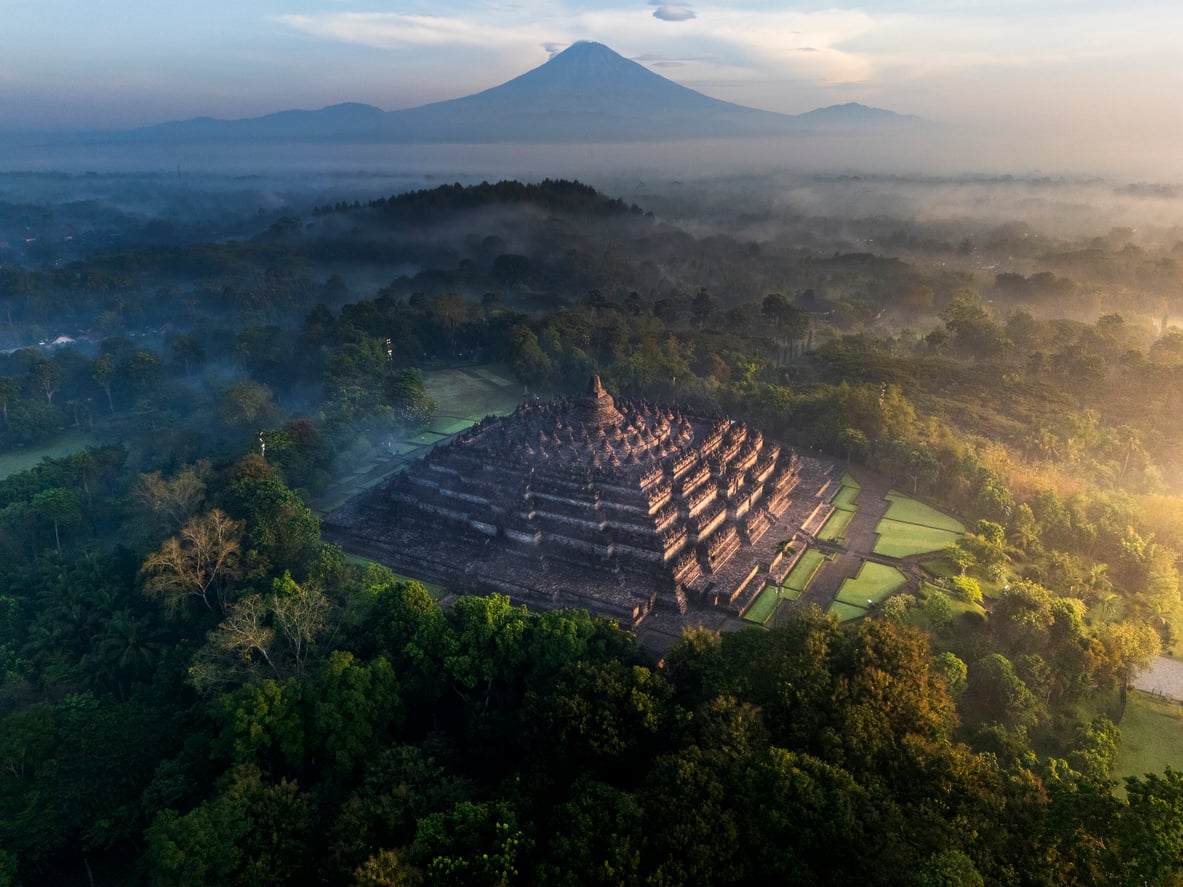
Built during the eighth and ninth centuries, Borobudur is an enormous Buddhist monument composed of terraces, relief-covered walls, circular platforms, and stupas. UNESCO notes that 72 openwork stupas surround the upper circular levels, each containing a Buddha statue. The experience has become more carefully managed for conservation. Visitors currently choose between a ticket that covers the monument’s surrounding courtyard and another that permits climbing the temple itself, so travelers should check exactly what their ticket includes before arriving.
Angkor, Cambodia
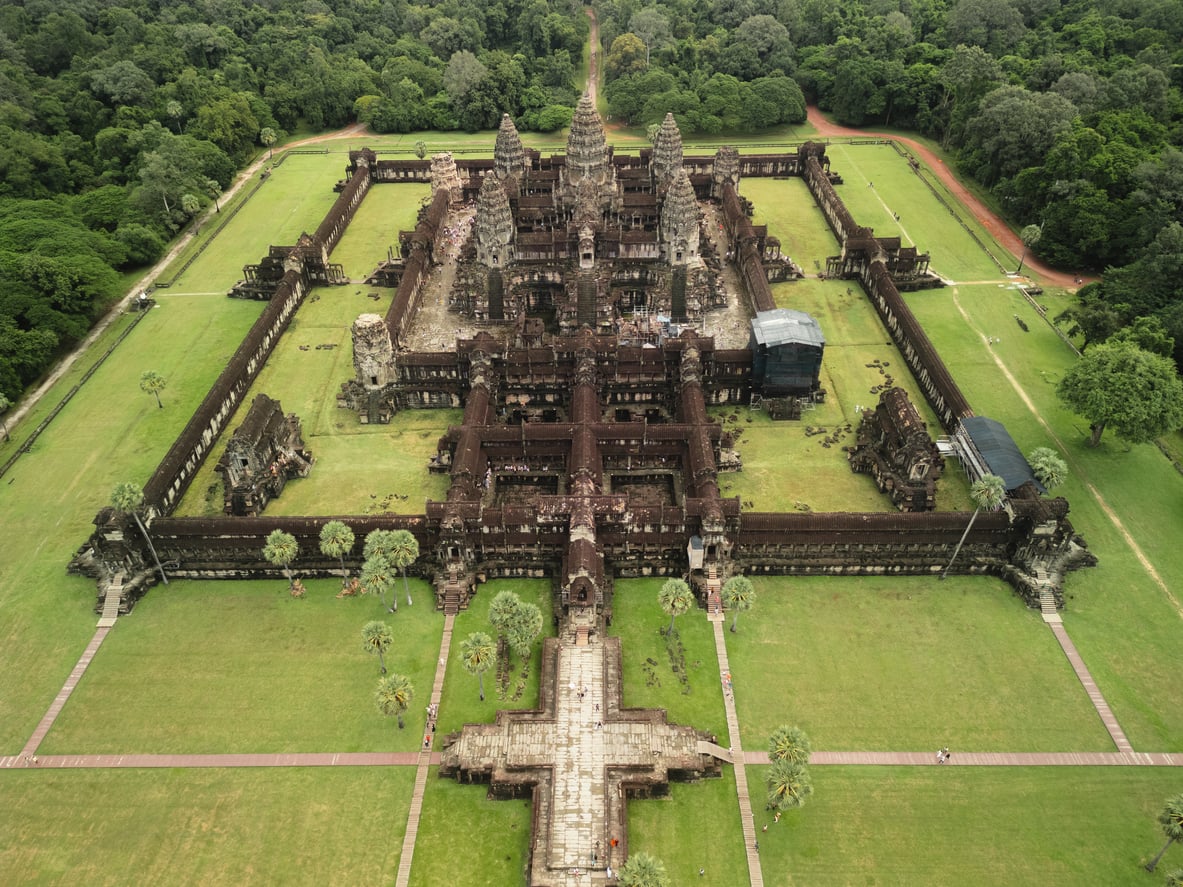
Angkor Wat may get most of the photographs, but Angkor is a vast archaeological landscape rather than a single temple. UNESCO says the park covers about 400 square kilometers and contains remains of Khmer capitals dating from the ninth through 15th centuries. Angkor Thom, the stone faces of Bayon, Ta Prohm, reservoirs, roads, and numerous lesser-known temples reward travelers who stay longer than a single sunrise visit. Heat, humidity, and sheer distance between monuments make a slower itinerary considerably more comfortable.
Cusco and Machu Picchu, Peru
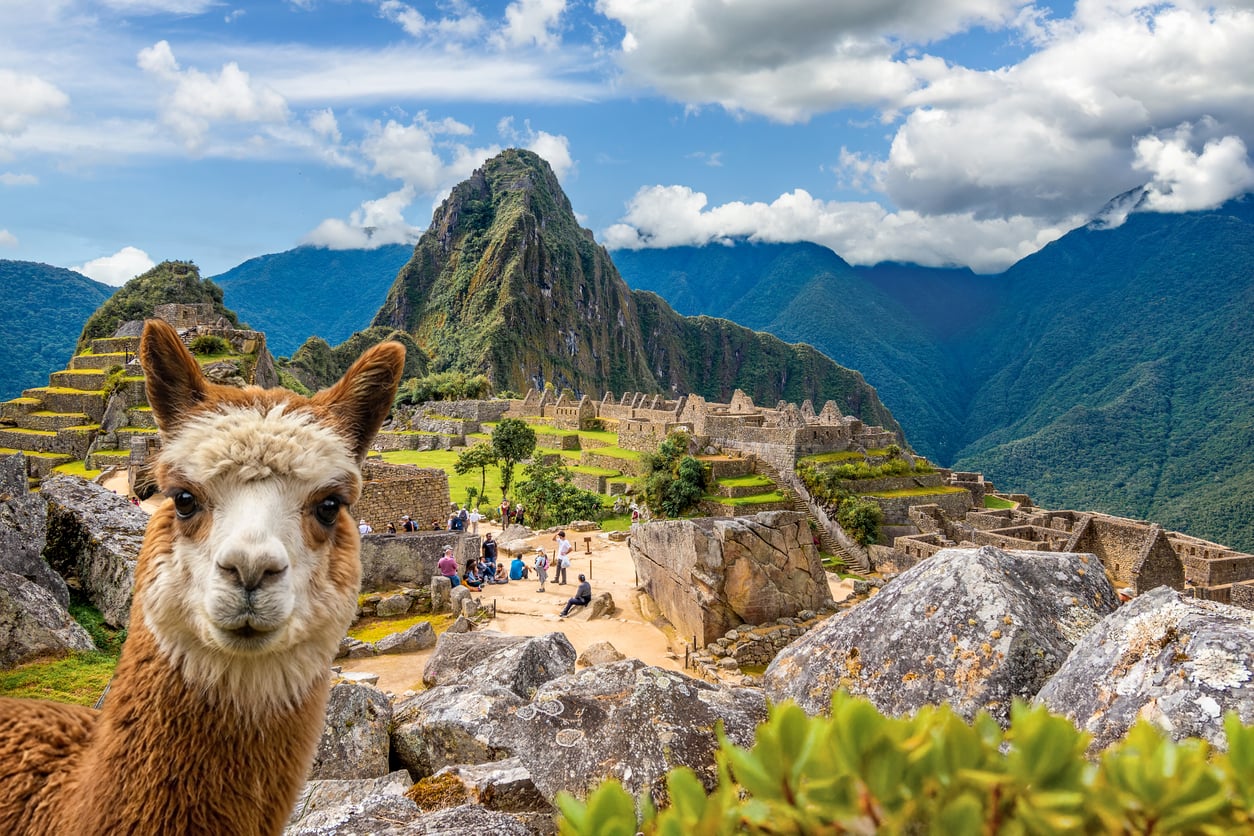
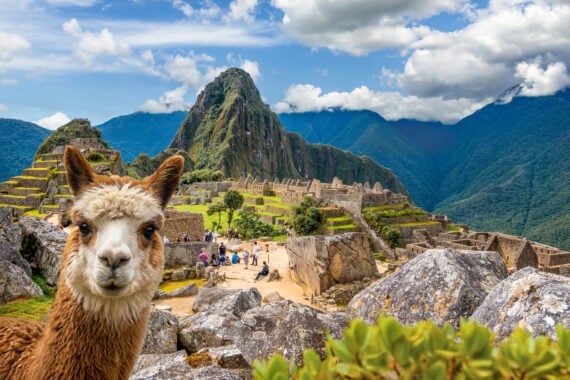
Cusco and Machu Picchu tell different parts of the Inca story. UNESCO says Cusco represents roughly 3,000 years of indigenous cultural development, with the Incas dramatically reshaping the city before Spanish colonial construction was layered over it. Machu Picchu, by contrast, is a 15th-century mountain site reached through tightly managed tourism infrastructure. Visitors must now select among designated circuits and routes, meaning the ticket chosen determines what portions of the site can be seen. Booking carefully matters.