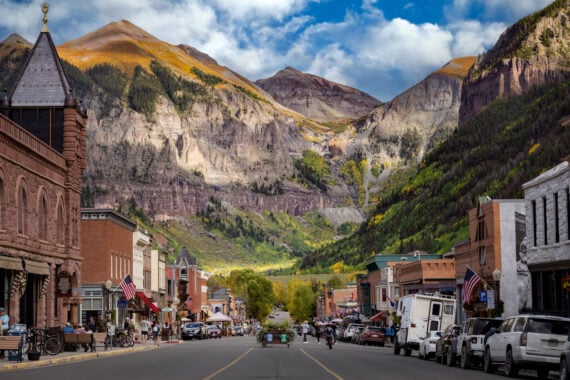
Many once-affordable travel destinations remain popular, but rising hotel rates, restaurant prices, parking charges, and attraction fees are changing who can afford to stay. The latest U.S. Travel Association forecast says higher costs are encouraging travelers to take shorter, less expensive trips closer to home. From famous beach towns to mountain resorts, these destinations are increasingly losing value-conscious visitors to nearby alternatives that offer similar experiences for less.
Key West, Florida
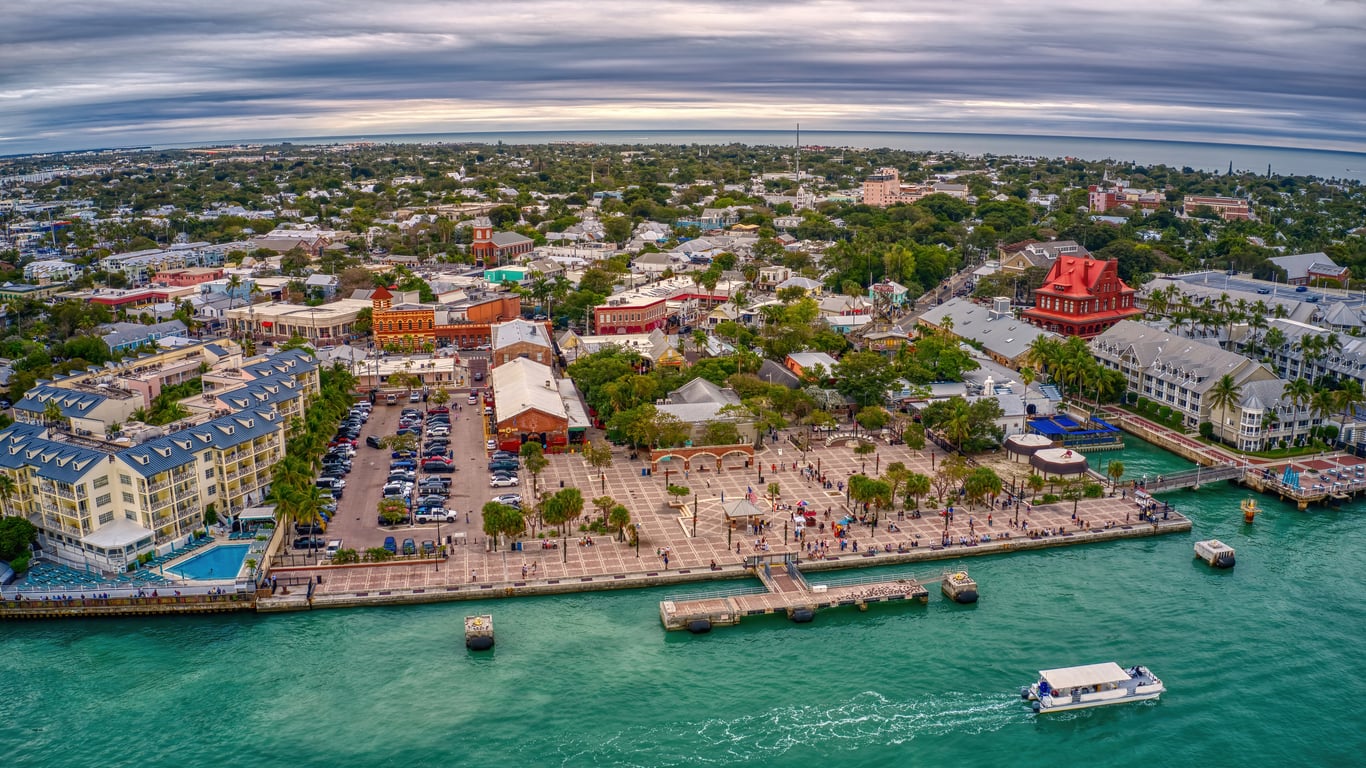
Key West still attracts cruise passengers, festival crowds, and winter visitors, but staying overnight has become a major expense. Hotels regularly charge premium rates, while parking, restaurants, drinks, and boat trips quickly increase the final bill. Many travelers now sleep in Marathon or Islamorada and visit Key West for the day. Shoulder-season dates may offer savings, but heat, storms, and reduced demand usually explain the lower prices.
Napa Valley, California
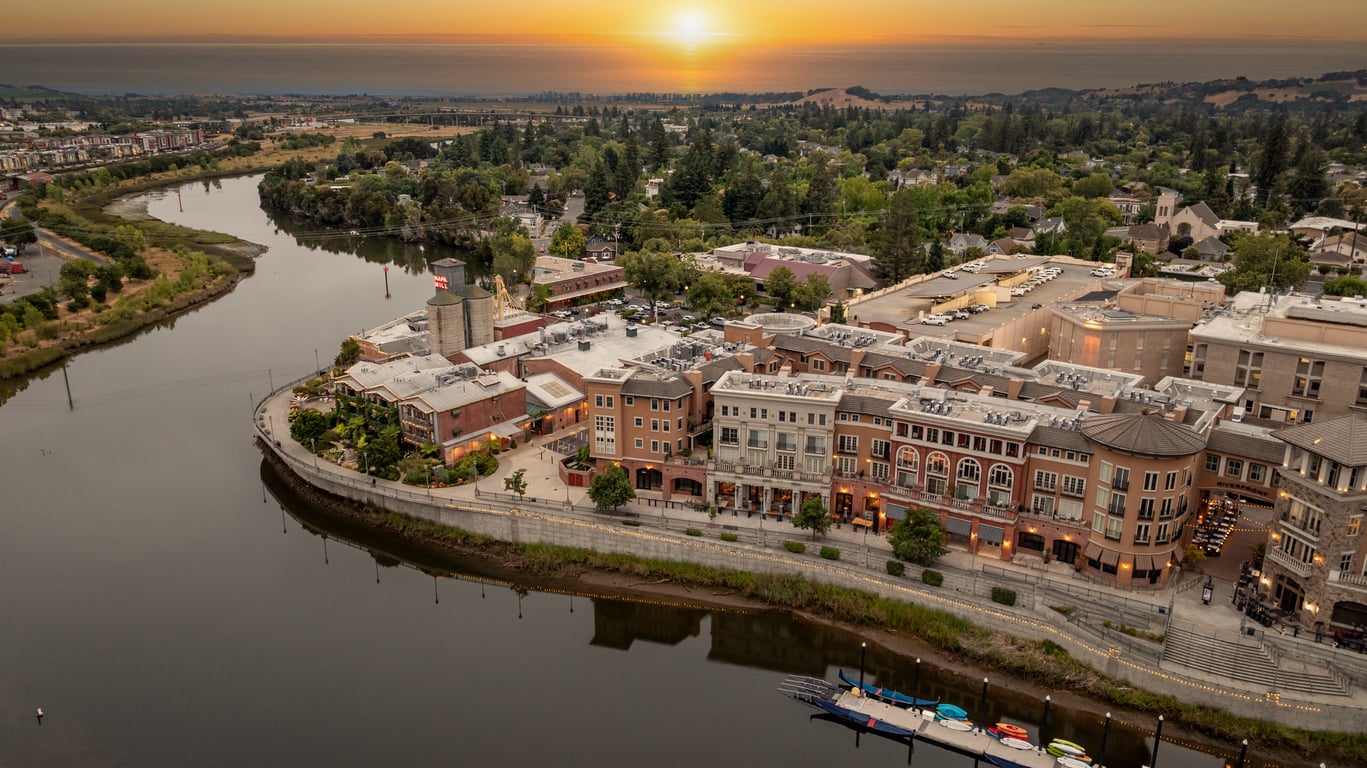
A Napa Valley trip once involved visiting several wineries and purchasing a few bottles. Today, tasting fees at many estates can cost as much as a full meal, especially when reservations, food pairings, or premium pours are included. Lodging and transportation add another layer of expense. Budget travelers increasingly consider Sonoma, Livermore, or Suisun Valley, where tasting rooms and hotels may offer similar experiences without Napa’s luxury pricing.
Aspen, Colorado
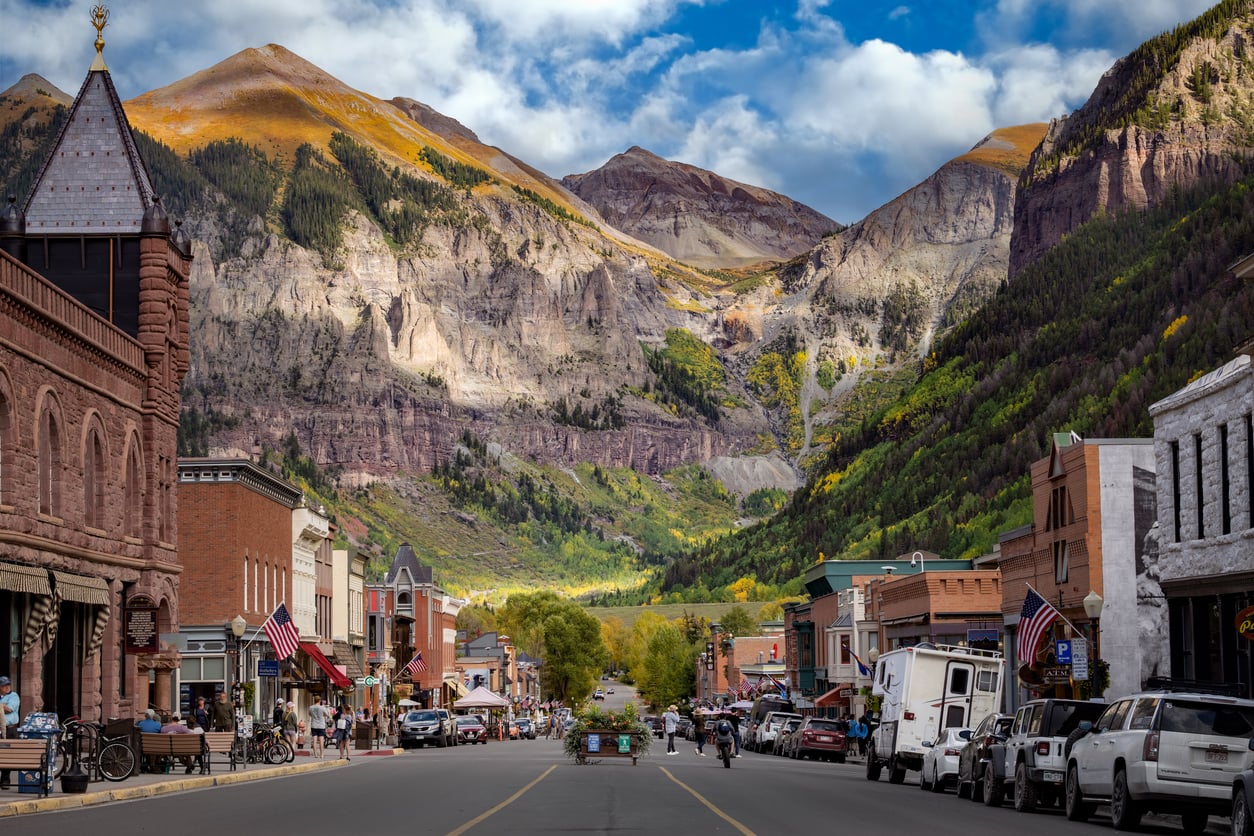
Aspen has become closely associated with luxury hotels, designer shops, expensive restaurants, and high-priced skiing. Lift tickets, equipment rentals, parking, and accommodation can make even a short winter visit difficult for middle-income families. Some travelers stay farther down the Roaring Fork Valley or choose smaller Colorado ski towns. Summer and autumn can bring lower room prices, although central Aspen rarely becomes a genuinely inexpensive destination.
Las Vegas, Nevada

Las Vegas built its reputation on cheap rooms, inexpensive buffets, and affordable entertainment, but that value is harder to find. Resort fees, paid parking, higher restaurant prices, and costly shows can turn a low advertised hotel rate into an expensive stay. Visitor numbers weakened during 2025, particularly during slower midweek periods. Bargains still exist, but travelers must compare the complete cost rather than choosing a room based only on the headline price.
Lake Tahoe, California and Nevada
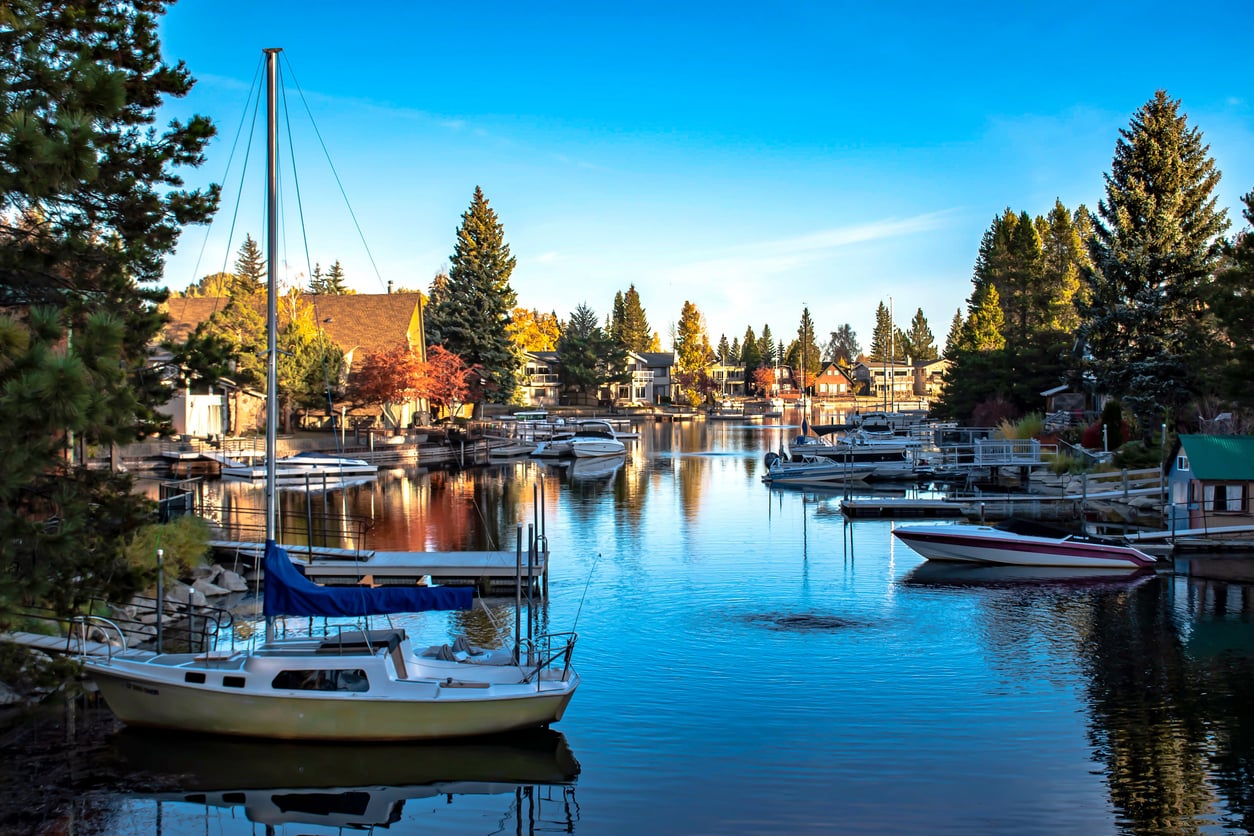
Lake Tahoe remains popular, but accommodation, parking, and recreation costs have risen around the lake. Popular beaches may charge for parking, while limited roadside spaces and tighter enforcement make spontaneous visits more difficult. Campgrounds can save money, but reservations often disappear months ahead. Travelers looking for value may choose smaller communities, use public shuttles, or visit outside holiday weekends, although wildfire smoke and changing weather can complicate shoulder-season plans.
Trending on Cheapism


Sedona, Arizona
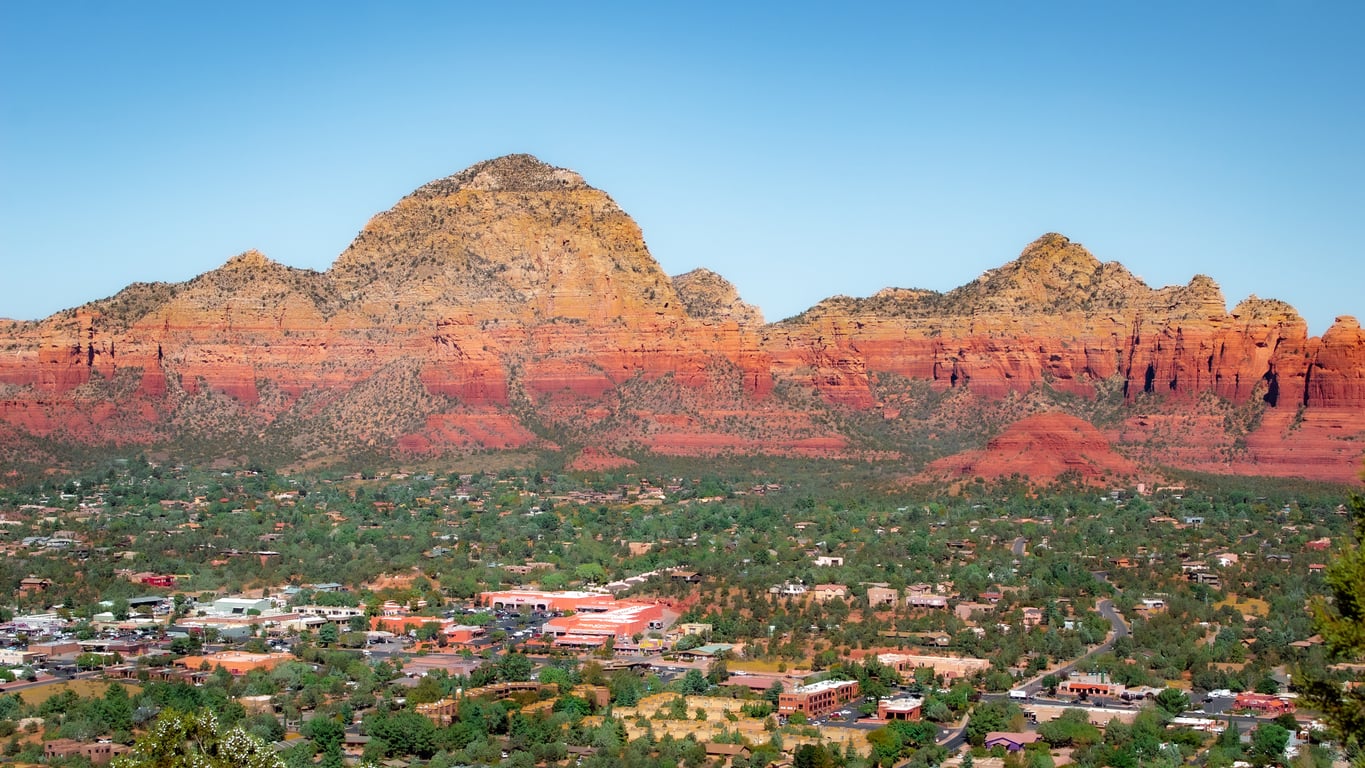
Sedona’s red-rock scenery is free, but the surrounding vacation has become increasingly expensive. Hotels, restaurants, Jeep tours, spa treatments, and guided activities often carry resort-level prices. Congested trailheads have also led to parking restrictions and shuttle systems, so visitors cannot always drive directly to their chosen hike. Staying in Cottonwood, Camp Verde, or Flagstaff can reduce lodging costs, while weekday travel usually provides better prices and lighter crowds.
Jackson Hole, Wyoming
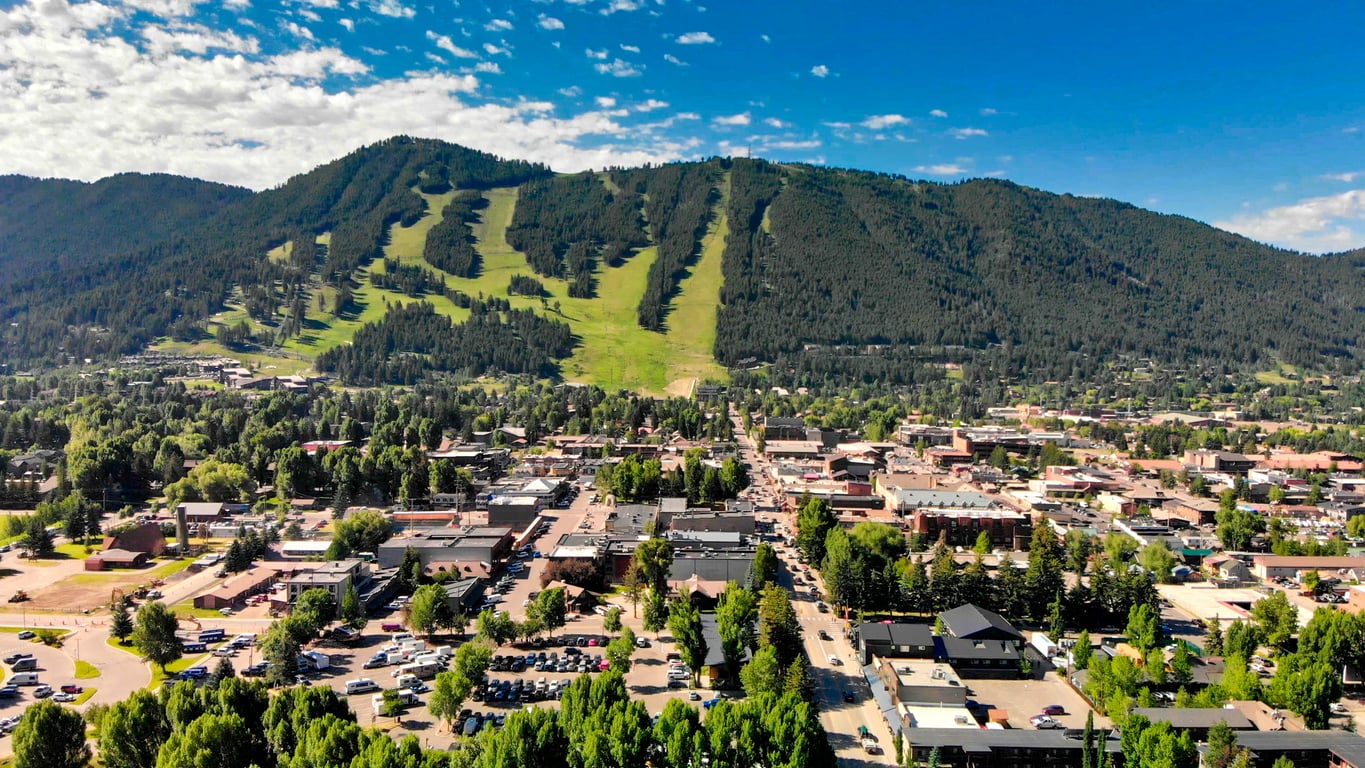
Jackson offers convenient access to Grand Teton and Yellowstone, but its luxury tourism market has pushed lodging and dining prices beyond many family budgets. Some visitors stay across the Idaho border or farther from the national parks, trading lower rates for longer drives and higher fuel costs. Campgrounds and cabins may help, but they also fill quickly. Spring and autumn can provide better value, although snow and reduced services become more likely.
Hilton Head Island, South Carolina
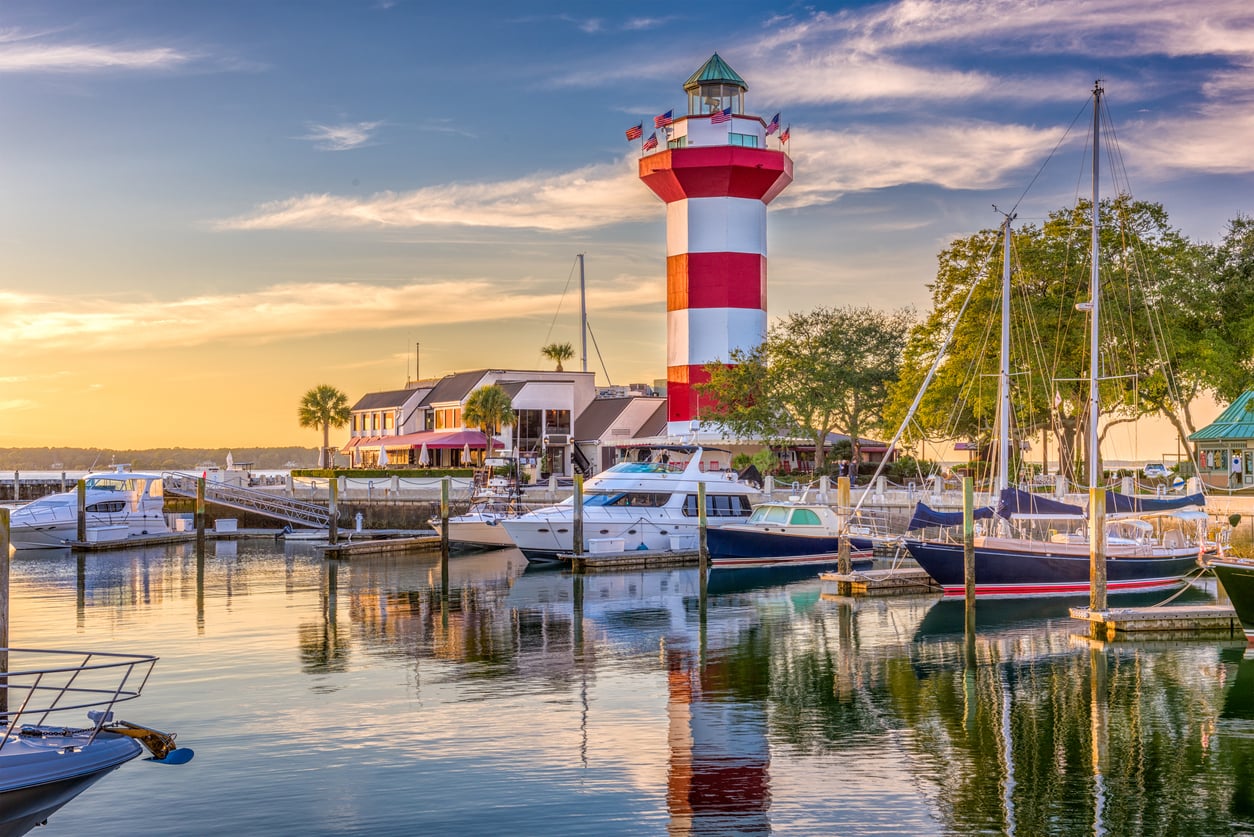
Hilton Head remains a favorite for beach trips, golf holidays, and extended-family vacations, but peak-season rental prices can be difficult to justify. Cleaning charges, taxes, bicycle rentals, golf fees, and frequent restaurant meals make the total much higher than the nightly rate suggests. Families may shorten their visits or stay in Bluffton or Beaufort. Late spring and early autumn can cost less, but heat, humidity, and storm risk are important compromises.
Sign up for our newsletter
Maui, Hawaii
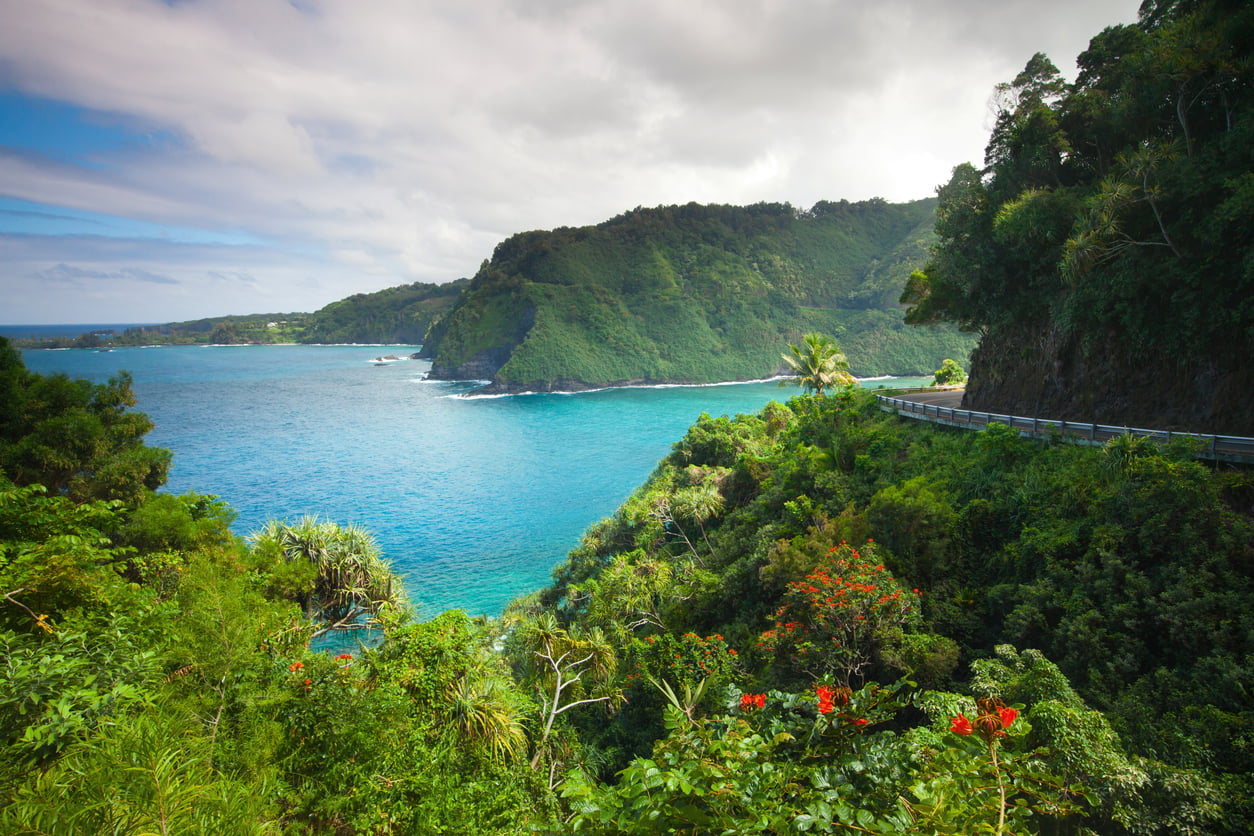
Maui continues to recover from the Lahaina wildfire and still welcomes millions of visitors, but it remains one of the country’s most expensive vacation markets. Airfare, hotels, rental cars, groceries, restaurant meals, parking, and resort charges can overwhelm an ordinary family budget. Condos with kitchens may reduce food spending, while flexible travel dates can help. Even so, many travelers postpone Maui trips or choose another island when the total price becomes difficult to manage.
Santa Barbara, California
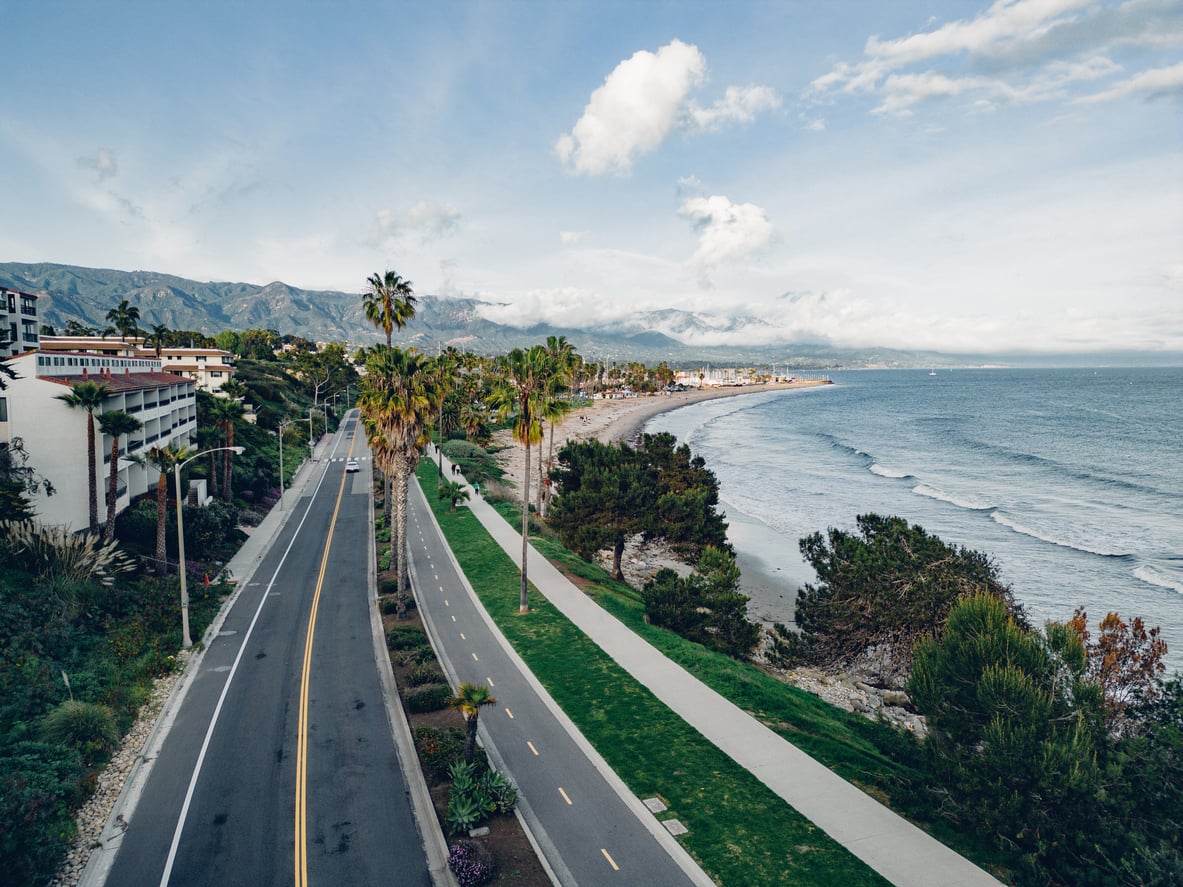
Santa Barbara still attracts strong visitor demand, but overnight prices encourage many Southern California residents to visit only for the day. Hotels often charge luxury-destination rates, particularly on weekends, while parking, wine tasting, and restaurant meals add to the cost. Ventura and Oxnard may offer more affordable rooms within driving distance. Travelers can also compare nearby inland communities, although cheaper accommodation may require additional driving and reduce the convenience of a coastal stay.
Martha’s Vineyard, Massachusetts
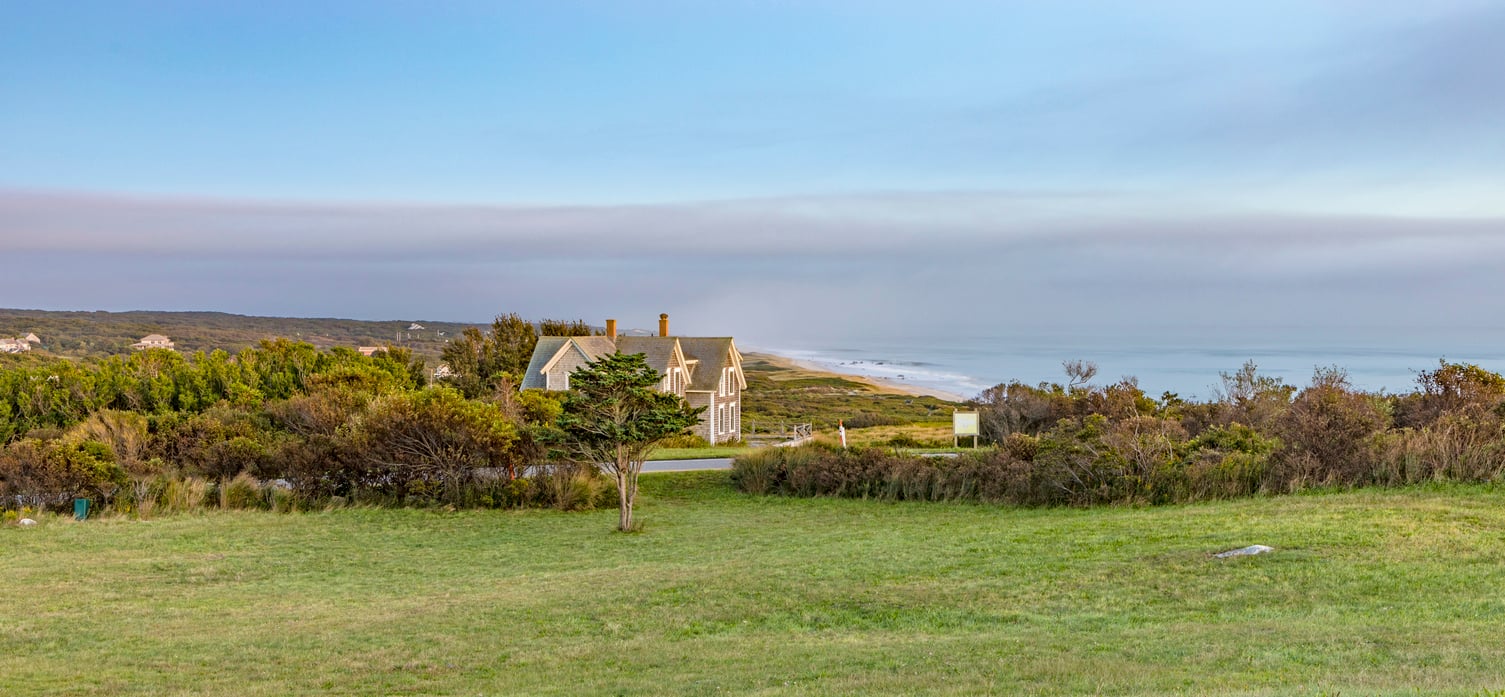
A Martha’s Vineyard trip begins with transportation costs before visitors pay for lodging, meals, or activities. Ferry fares, mainland parking, vehicle charges, and limited summer accommodation make overnight stays expensive. Many travelers now arrive in the morning, explore one or two towns, and return to Cape Cod that evening. Visiting in May, June, September, or October can lower room prices, but cooler weather and reduced ferry or business schedules may limit the experience.
Nantucket, Massachusetts
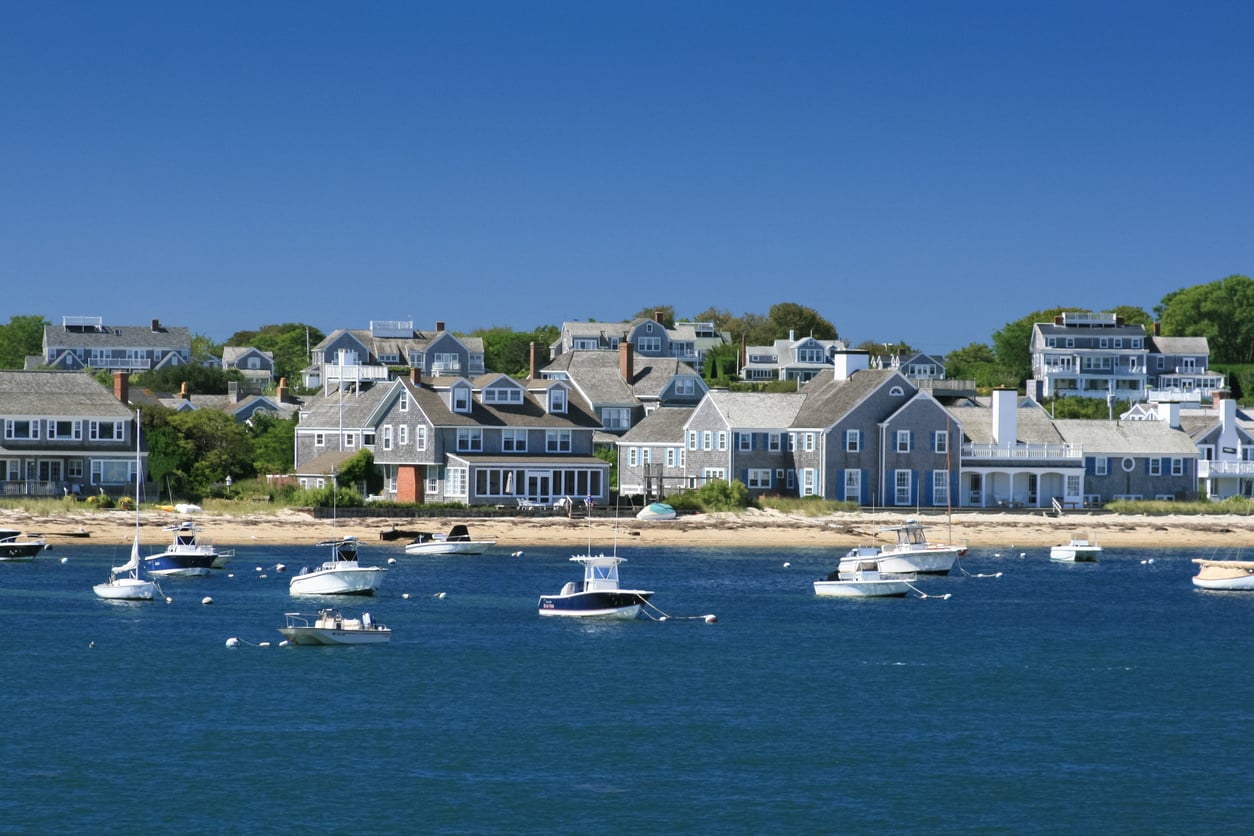
Nantucket’s small lodging supply, luxury reputation, and costly transportation make it difficult for budget travelers to stay overnight. Ferry tickets or flights must be added to high hotel and restaurant prices, while limited availability gives visitors fewer inexpensive alternatives. Many people now explore the historic center and nearby beaches during a day trip. Midweek autumn dates can offer better value, although weather disruptions and reduced services make off-season travel less predictable.
Vail, Colorado
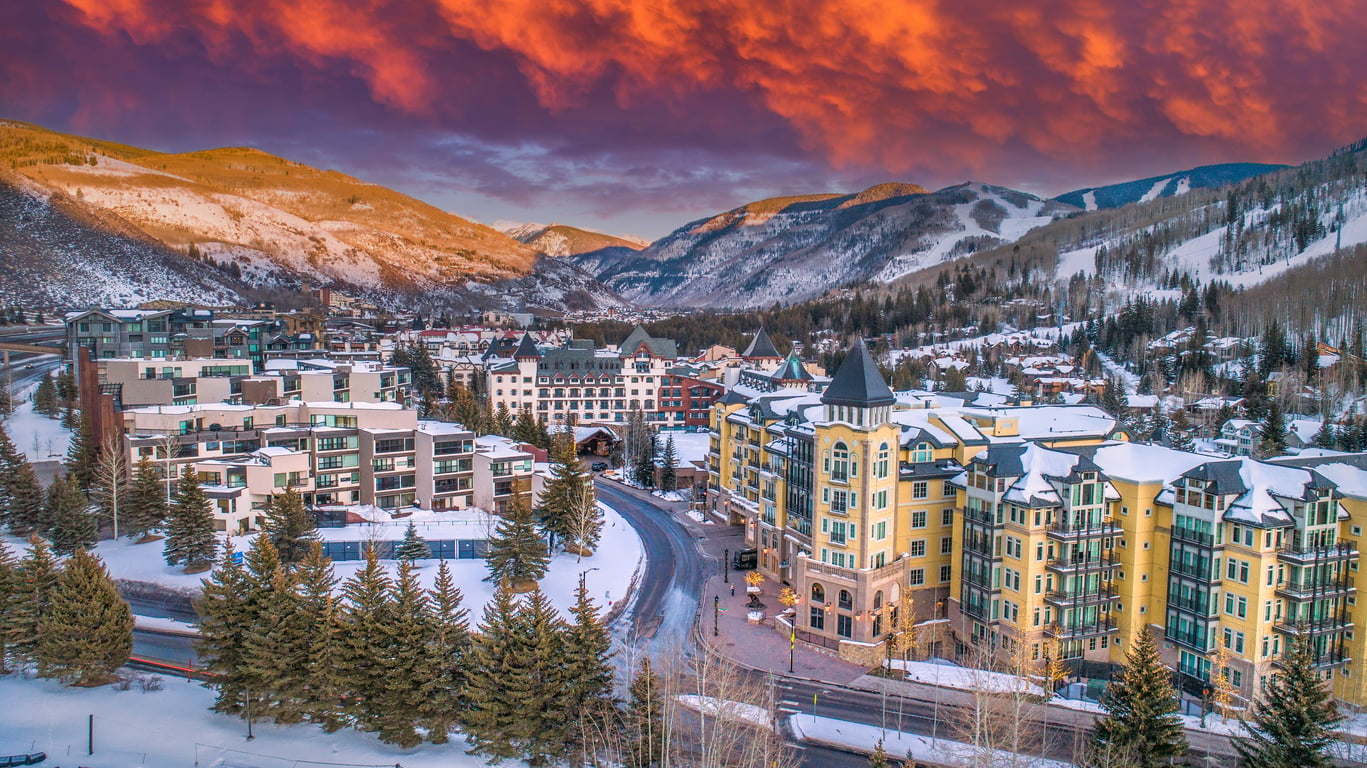
Vail demonstrates how expensive a modern ski vacation can become. Lift access, accommodation, equipment rental, parking, meals, and lessons may each cost hundreds of dollars. Advance passes can reduce the price, but they require early commitment and may offer limited flexibility. Travelers often stay in Frisco, Silverthorne, or other nearby towns, although winter traffic can be severe. Smaller independent ski areas may provide a simpler and more affordable alternative for families.
Palm Springs, California
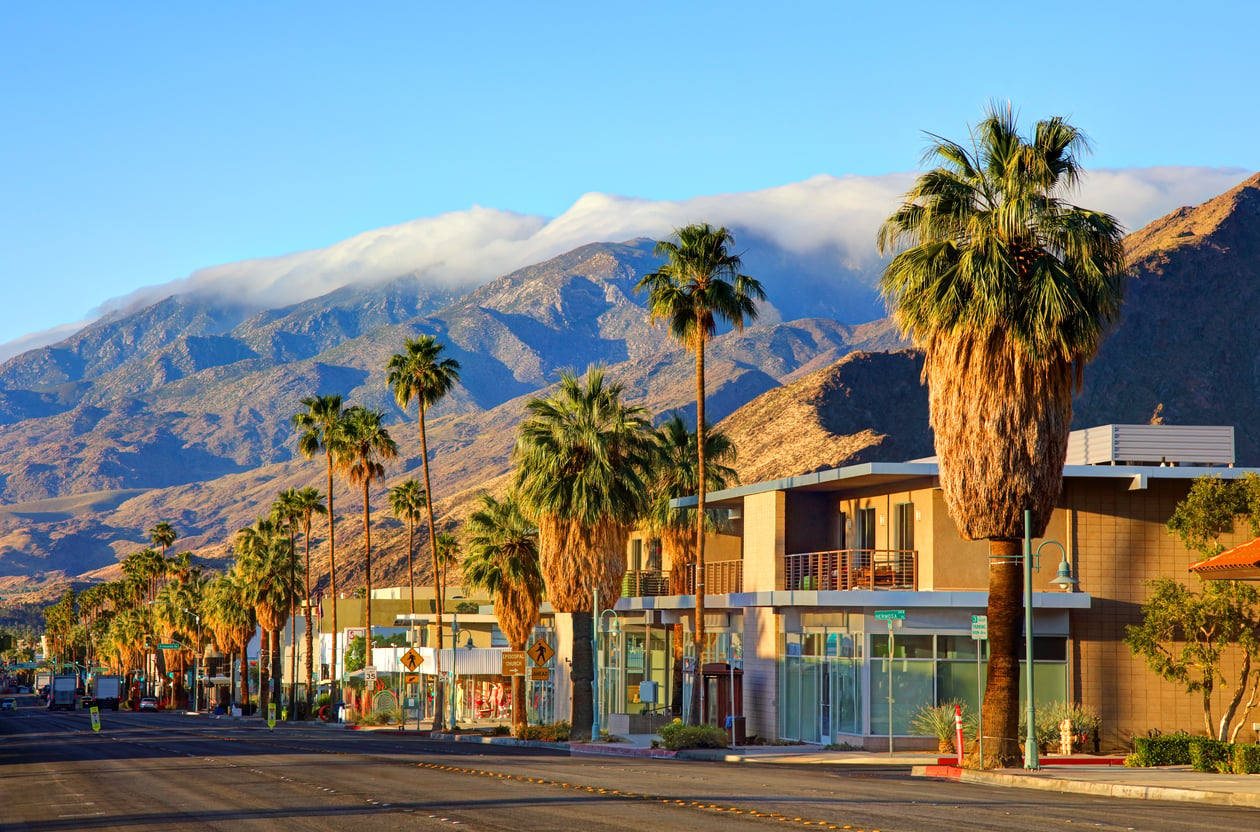
Palm Springs remains busy during winter, festivals, and major events, but popular dates often bring high hotel rates, resort fees, and expensive vacation rentals. Nearby Cathedral City, Palm Desert, and Rancho Mirage broaden the search, although they are not always cheap during peak season. Summer prices can drop sharply, but extreme temperatures limit outdoor activities. A weekday visit in late autumn or early spring may offer the best balance between affordability and comfortable weather.
Cape Cod, Massachusetts
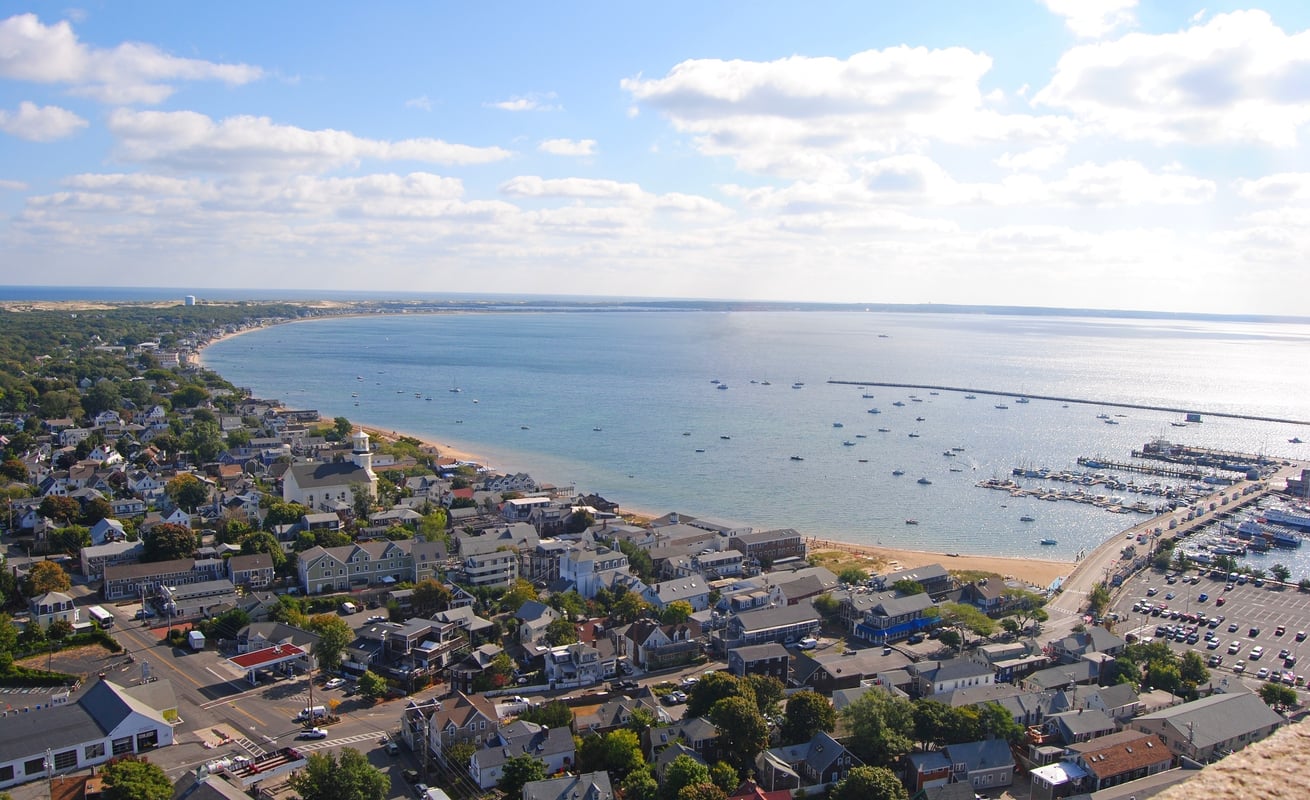
Cape Cod still draws large summer crowds, but the traditional family cottage holiday has become much more expensive. Weekly rentals near the water can require a large upfront commitment, while beach parking, seafood meals, fuel, and ferry outings increase the total. Families may stay on the Upper Cape, choose homes farther inland, or travel after Labor Day. Shoulder-season savings are possible, although cooler water and reduced restaurant hours may change the trip.
Carmel-by-the-Sea, California
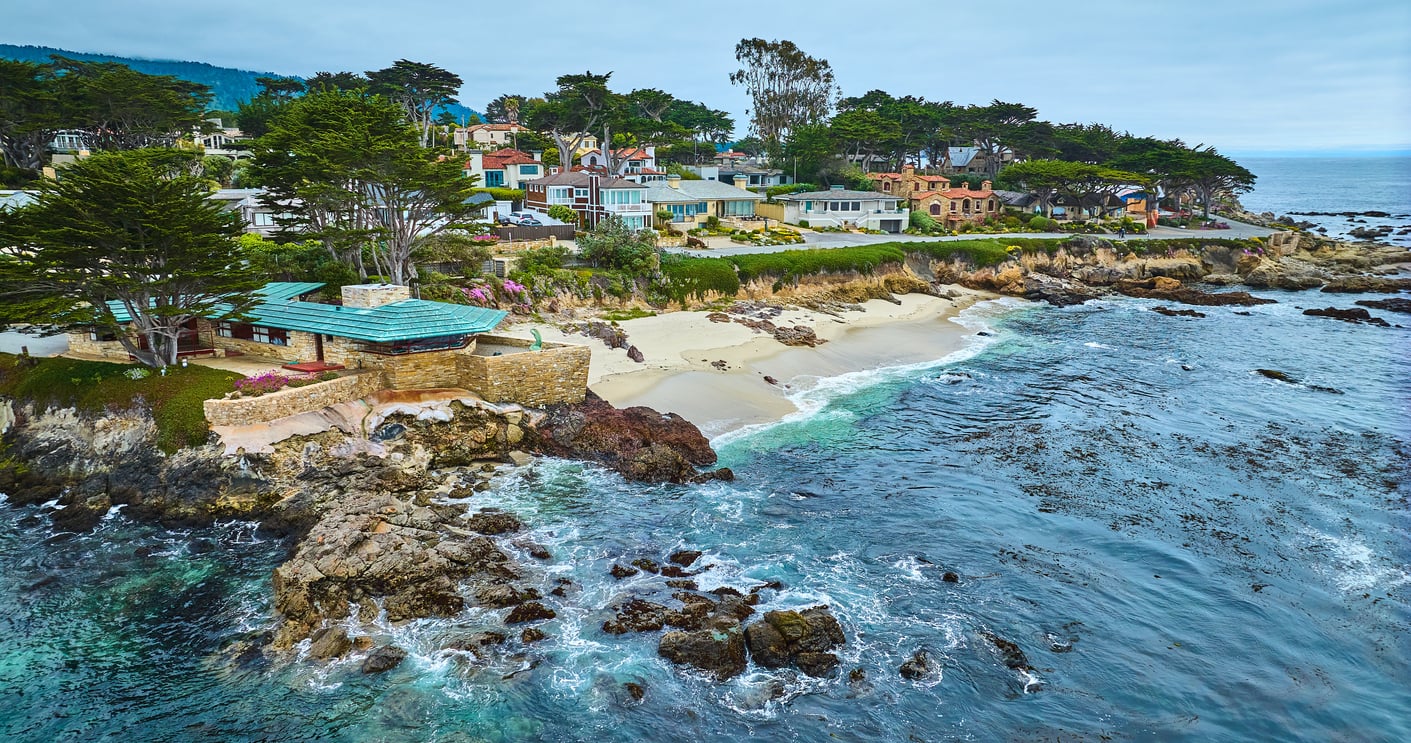
Carmel is not short of tourists, but many visitors now stop for only a few hours rather than paying for an overnight stay. Boutique hotels, upscale restaurants, limited parking, and nearby scenic attractions make the town expensive for value-conscious travelers. Monterey generally provides more accommodation choices and easier access to family attractions. Visitors should also include parking and the 17-Mile Drive entrance fee when comparing the cost of a Carmel day trip.
Destin, Florida
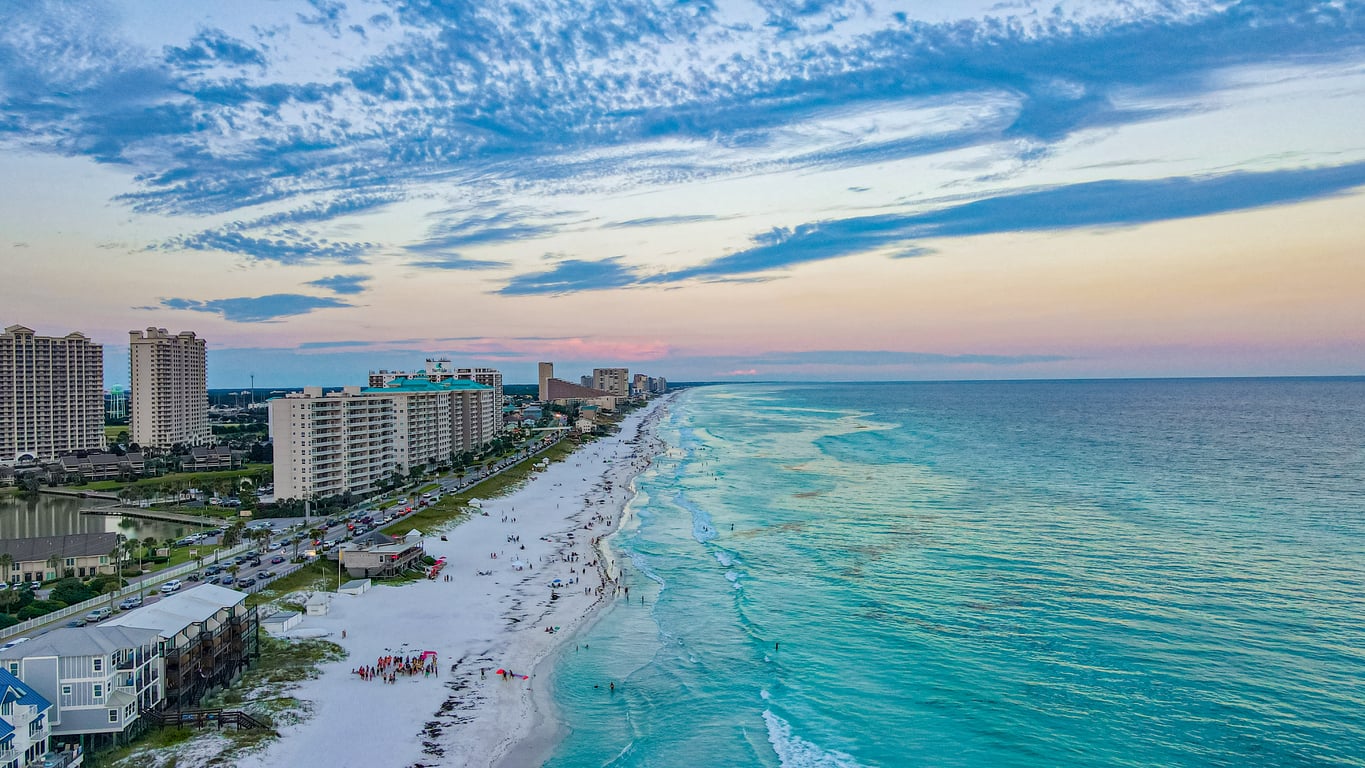
Destin’s white-sand beaches once made it a dependable Gulf Coast family value, but peak-season condo prices and added fees have changed the calculation. Cleaning charges, resort fees, beach-service costs, parking, and restaurant meals can greatly increase the advertised rental price. Families increasingly compare Fort Walton Beach, Navarre, and other nearby communities. Cheaper inland accommodation may help, but daily driving and limited beach parking can reduce the savings.
Park City, Utah
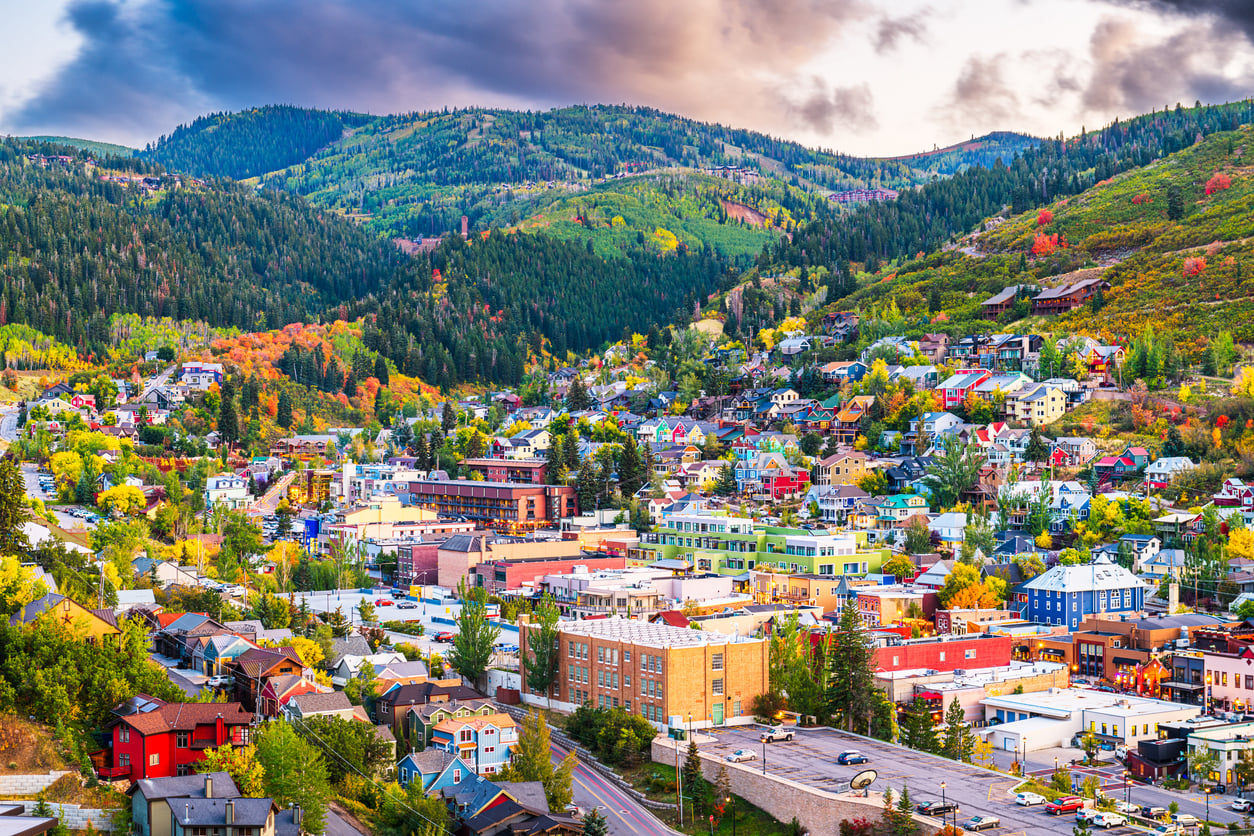
Park City combines a large ski area with luxury hotels, expensive dining, and major-event demand. Lift tickets and slopeside accommodation can make a short winter visit extremely costly, even before equipment, lessons, parking, and meals are included. Some travelers stay in Salt Lake City and commute, but snow and canyon traffic can make that plan unreliable. Spring, summer, and autumn provide lower prices, although visitors lose the full ski-resort experience.
Bar Harbor, Maine
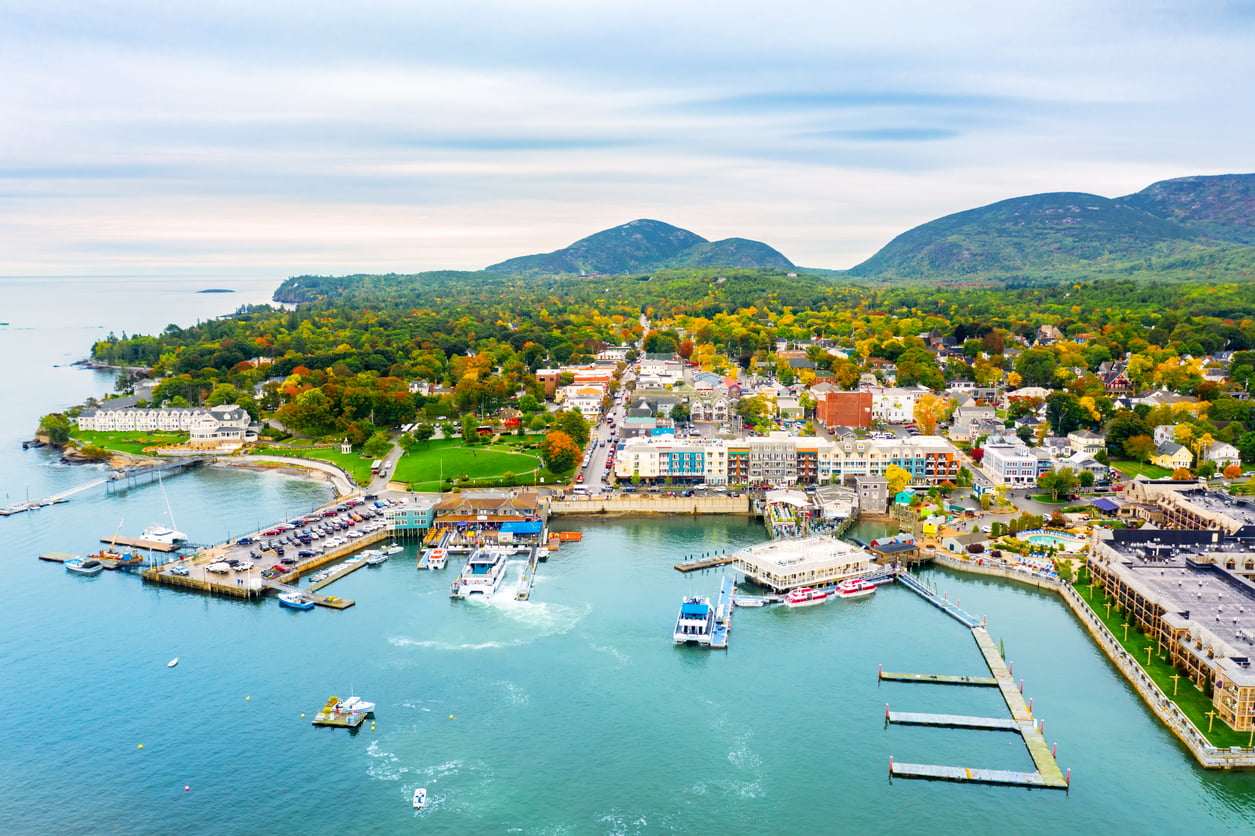
Bar Harbor’s location beside Acadia National Park creates intense demand during a short summer and autumn season. Hotels fill early, restaurant waits grow, and late-booking visitors often stay in Ellsworth or farther inland. Acadia itself remains relatively affordable, but admission, Cadillac Summit Road reservations, parking, and transportation require planning. September and early October may bring lighter crowds, though cooler weather, shorter days, and reduced business hours can limit the savings.
Provincetown, Massachusetts
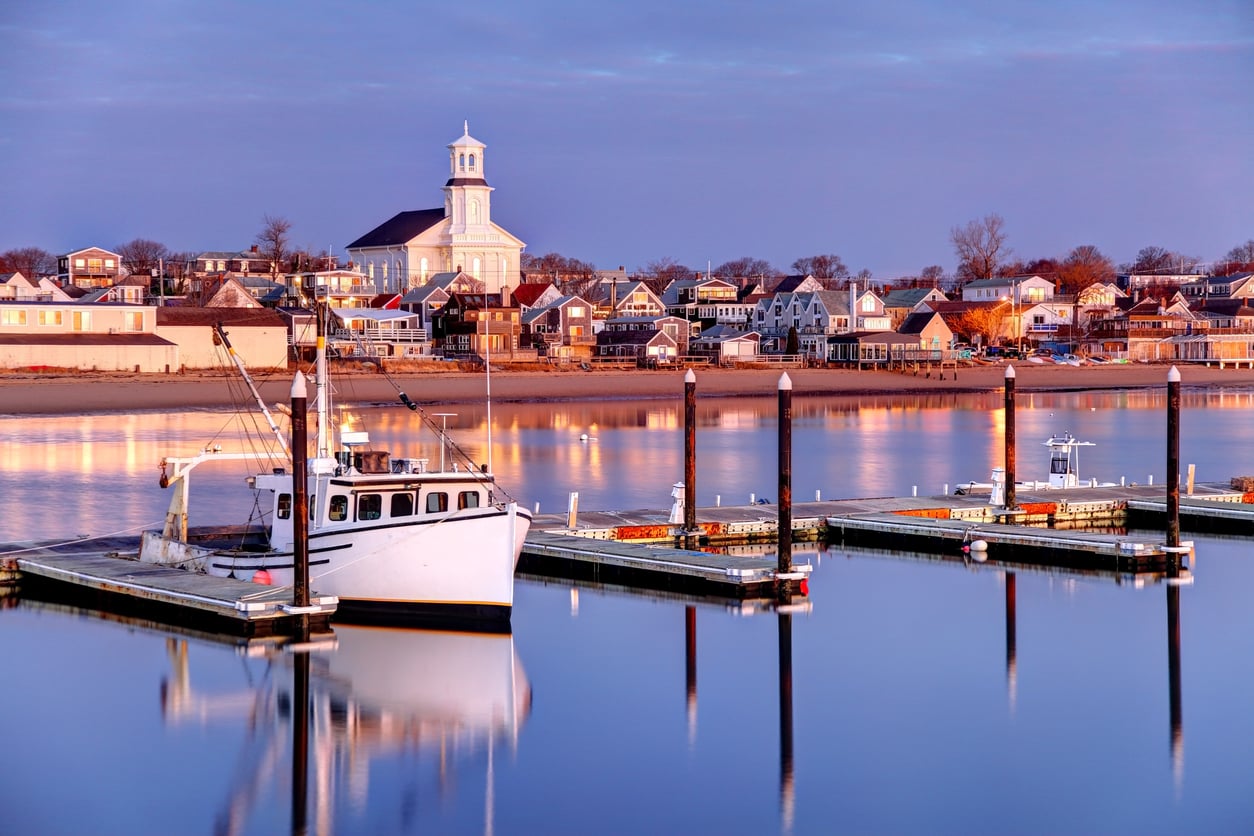
Provincetown’s limited accommodation and strong summer demand have made overnight stays increasingly expensive. Ferry fares, vacation rentals, restaurant prices, and parking can turn a short Cape Cod visit into a costly trip. Many travelers now stay in Truro, Wellfleet, or another Outer Cape community and visit Provincetown for the day. Late spring and September usually provide better value, although ferry frequency, weather, and seasonal business closures may affect the experience.