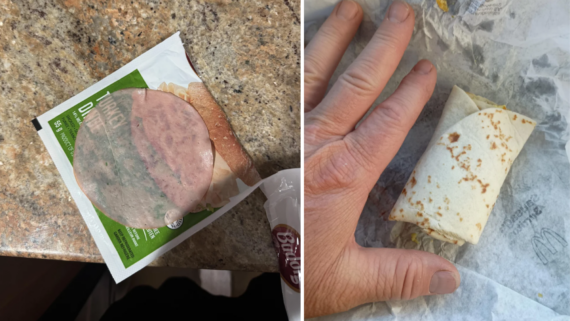
Shrinkflation is easier to spot when the old and new versions sit side by side. These photos show everyday products getting smaller, emptier, or less generous while shoppers are still paying the same, or sometimes more. From snacks and soap to frozen meals and toilet paper, the changes are hard to unsee.
Listerine Cool Mint Strips Got Noticeably Shorter
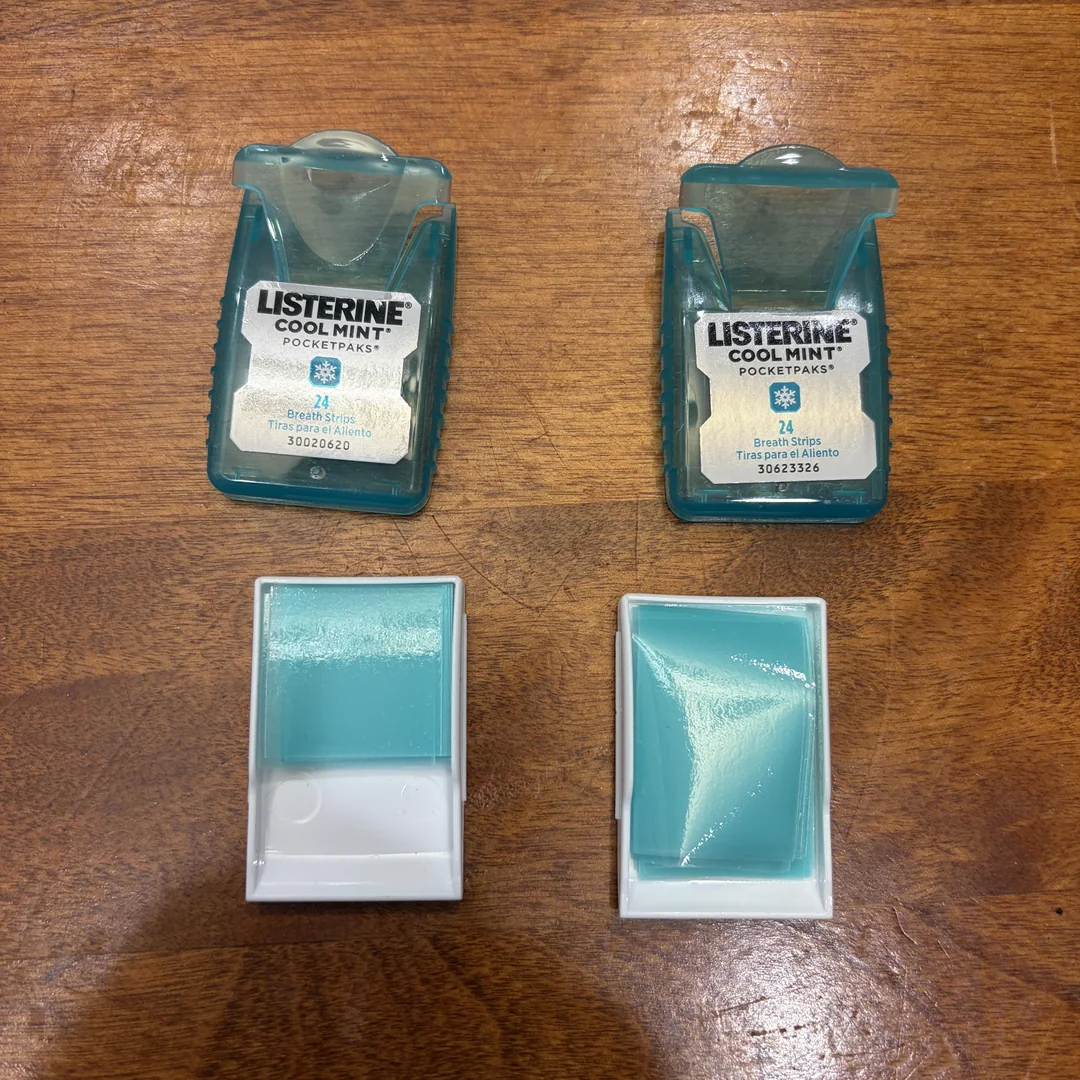
This Reddit photo compares old and new Listerine Cool Mint strips, and the difference is hard to miss. The newer strips appear much shorter, even though they are still meant to serve the same quick-breath-freshening purpose. It is the kind of tiny change shoppers may not notice until the old version is sitting right next to the new one.
The “8-Inch” Tortilla That Came Up Short
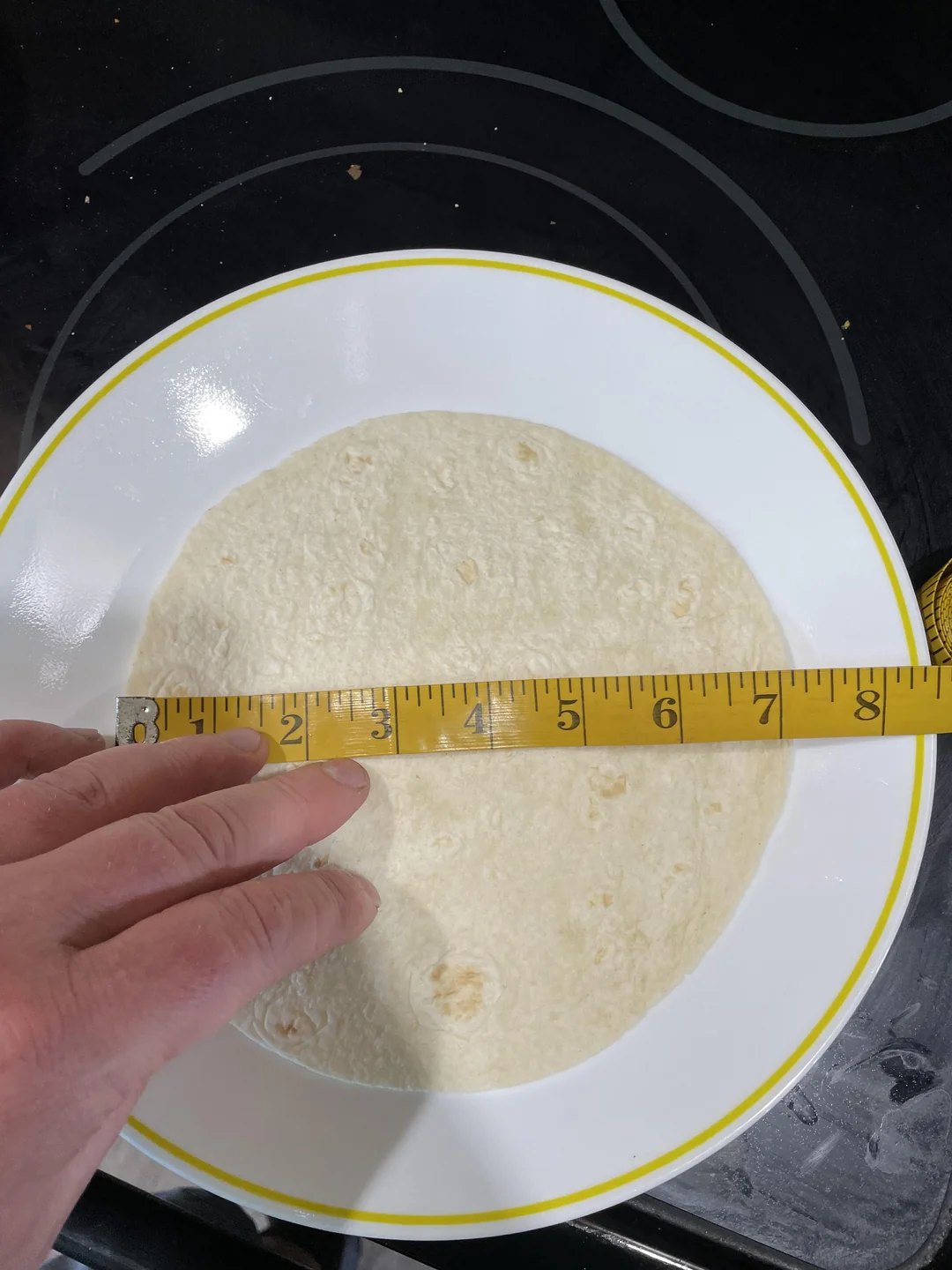
This photo works because the evidence is right there: a tortilla sold as 8 inches is being measured closer to 7 inches. That may not sound huge until you remember a smaller circle means noticeably less surface area for tacos, wraps, and burritos.
A KitKat That Looks Like It Lost the Plot
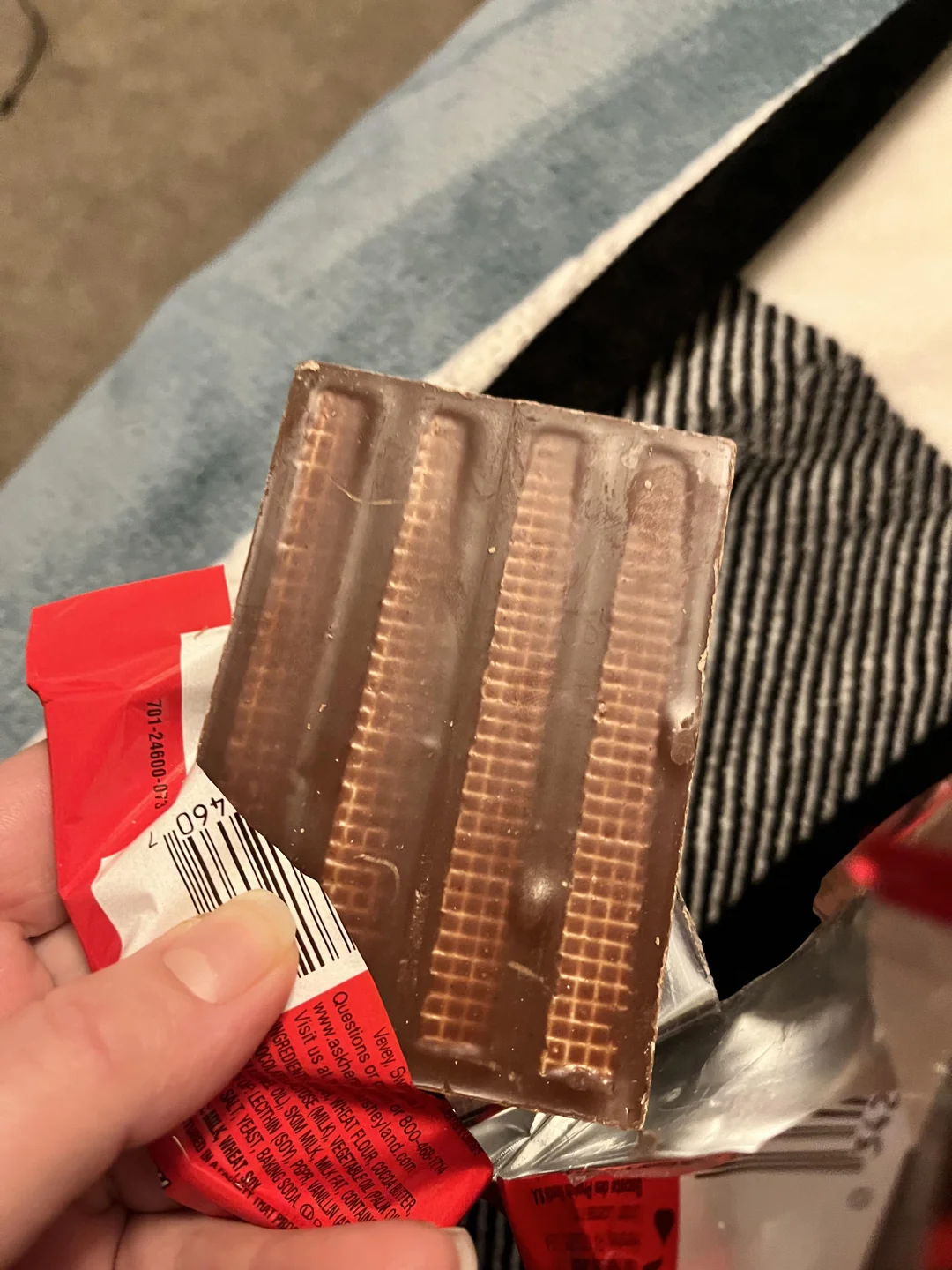
The KitKat photo captures the kind of tiny change shoppers usually notice only after opening the package. The bar still looks familiar at first glance, but the actual candy appears thinner or less substantial, which makes the wrapper feel more generous than the snack.
The Package That Suddenly Lost 100
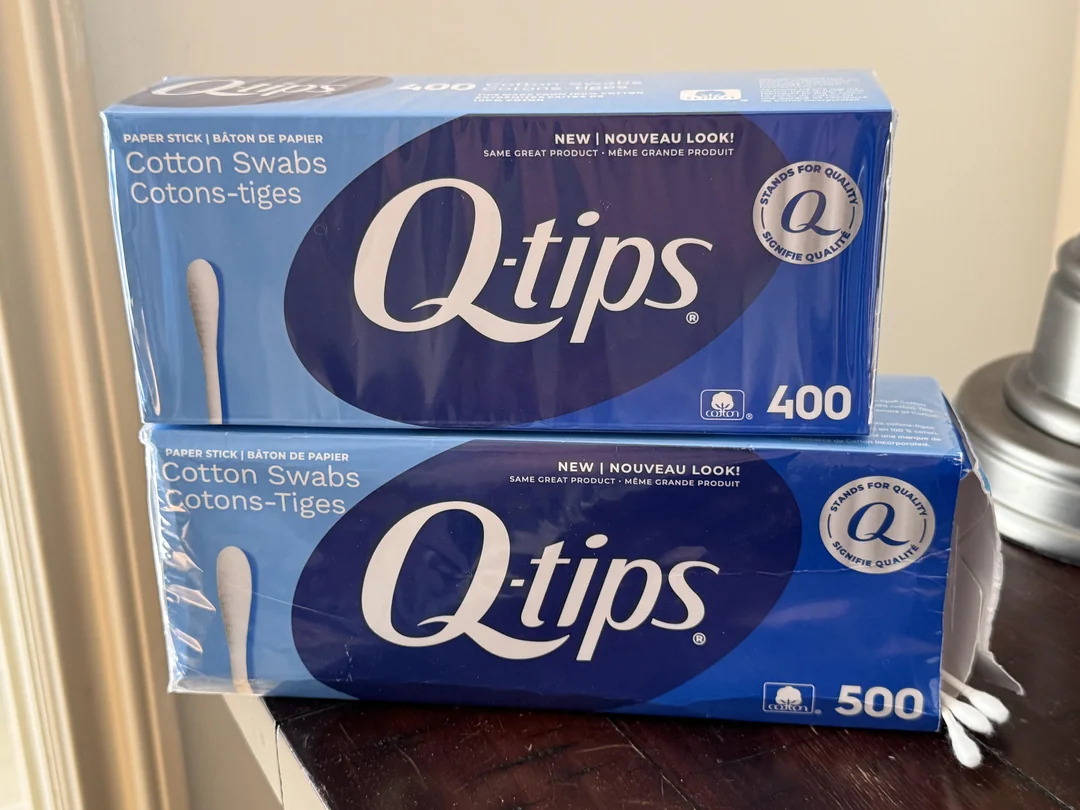
This is the kind of shrinkflation that feels almost insulting once you spot it. The package may still look familiar at first glance, but the count tells the real story: 100 fewer pieces than before. It is exactly the kind of quiet change shoppers hate, because the value has clearly been reduced.
Nature Valley Bars Hoping Nobody Notices
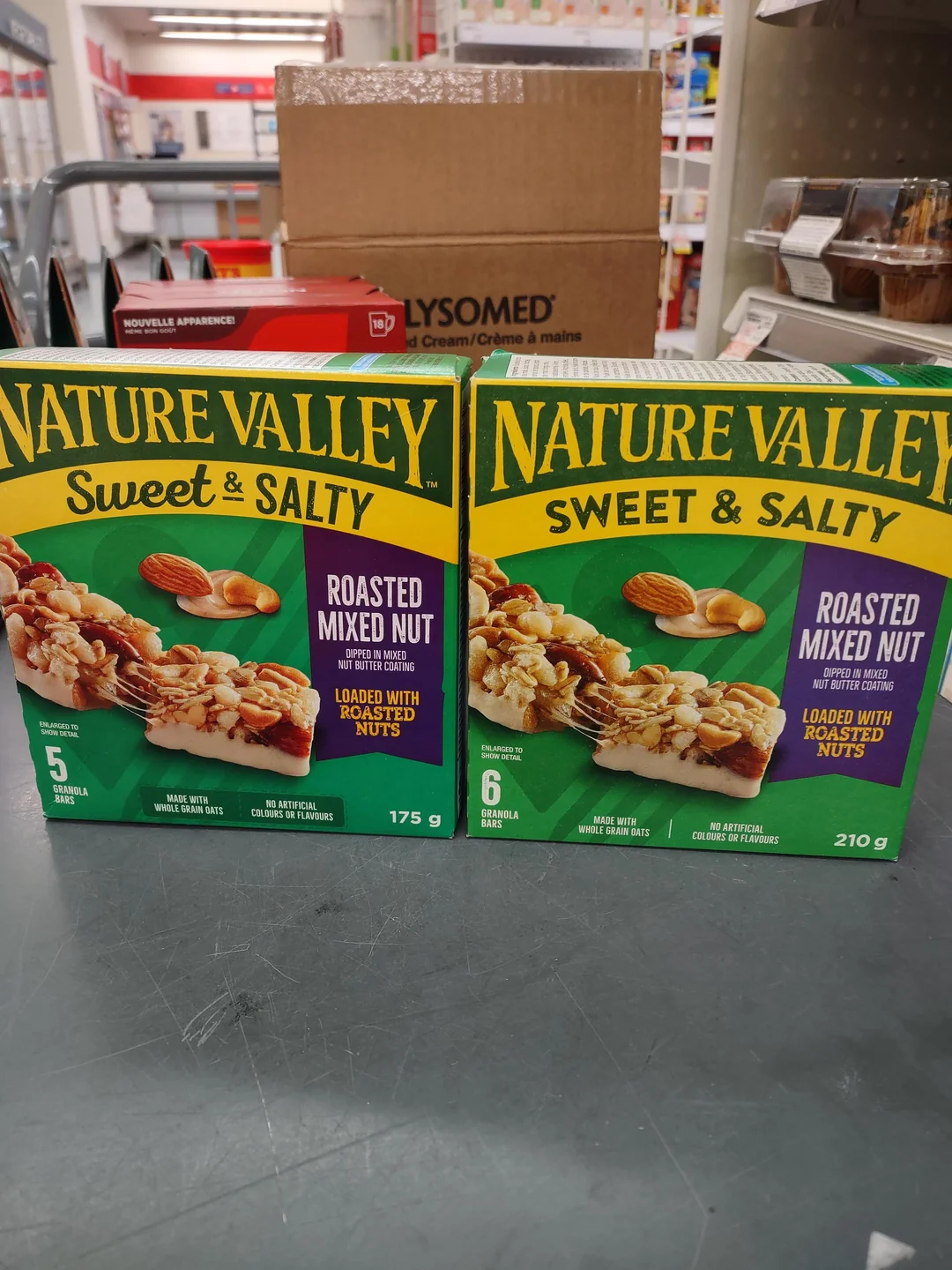
The Nature Valley photo hits a familiar nerve: granola bars are already small, so any extra trimming feels obvious. The post suggests the bars have become shorter while the packaging still gives the impression of the same reliable snack people have bought for years.
Trending on Cheapism

Where Are the Chocolates?
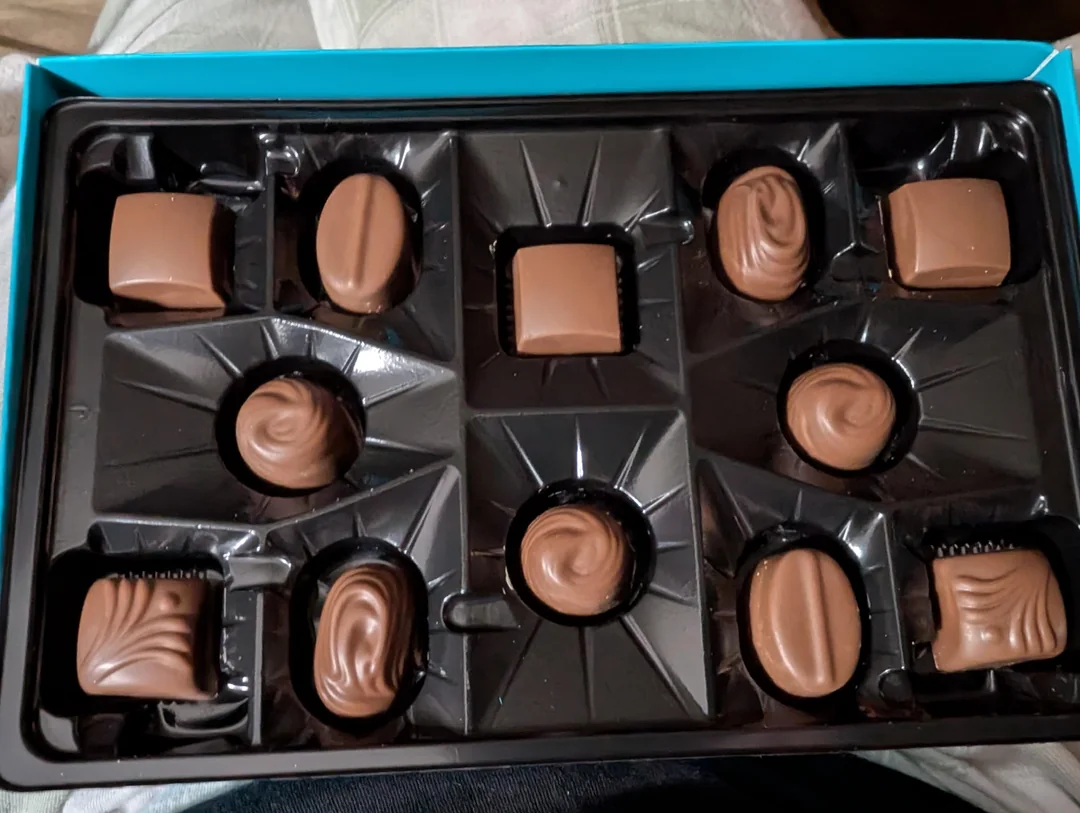
This photo has the classic empty-space problem: a box that looks like it should be full, but the chocolates inside seem oddly spaced out. It is not just about fewer sweets; it is about packaging that still tries to look like a treat.
The Suspiciously ‘New and Improved’ Version
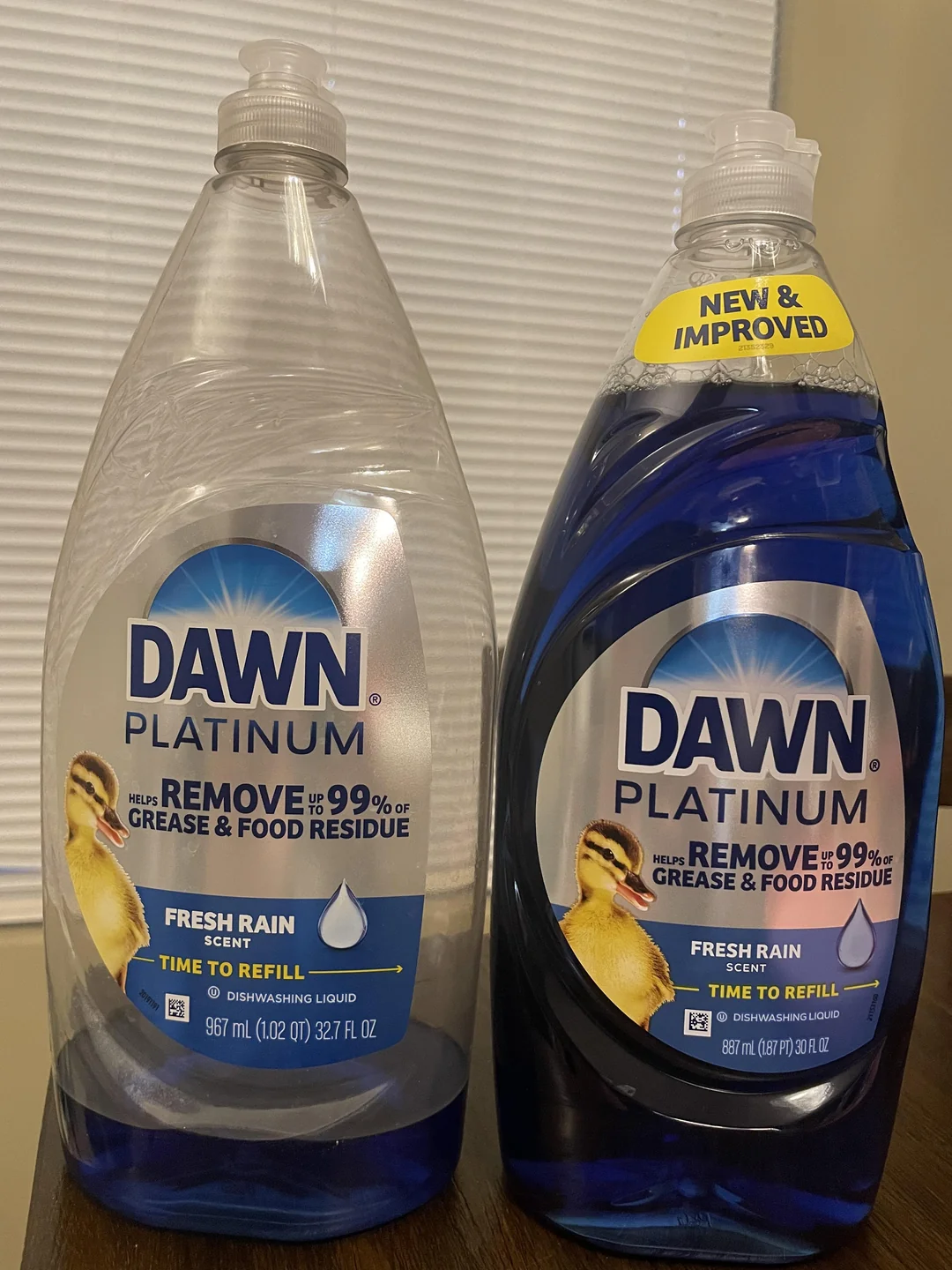
Few phrases make shoppers suspicious now like “new and improved.” In this photo, the updated product appears to come with less of what people actually bought it for. That wording can feel especially annoying when the improvement seems to benefit the company more than the customer.
Hungry-Man Losing a Slice of Turkey
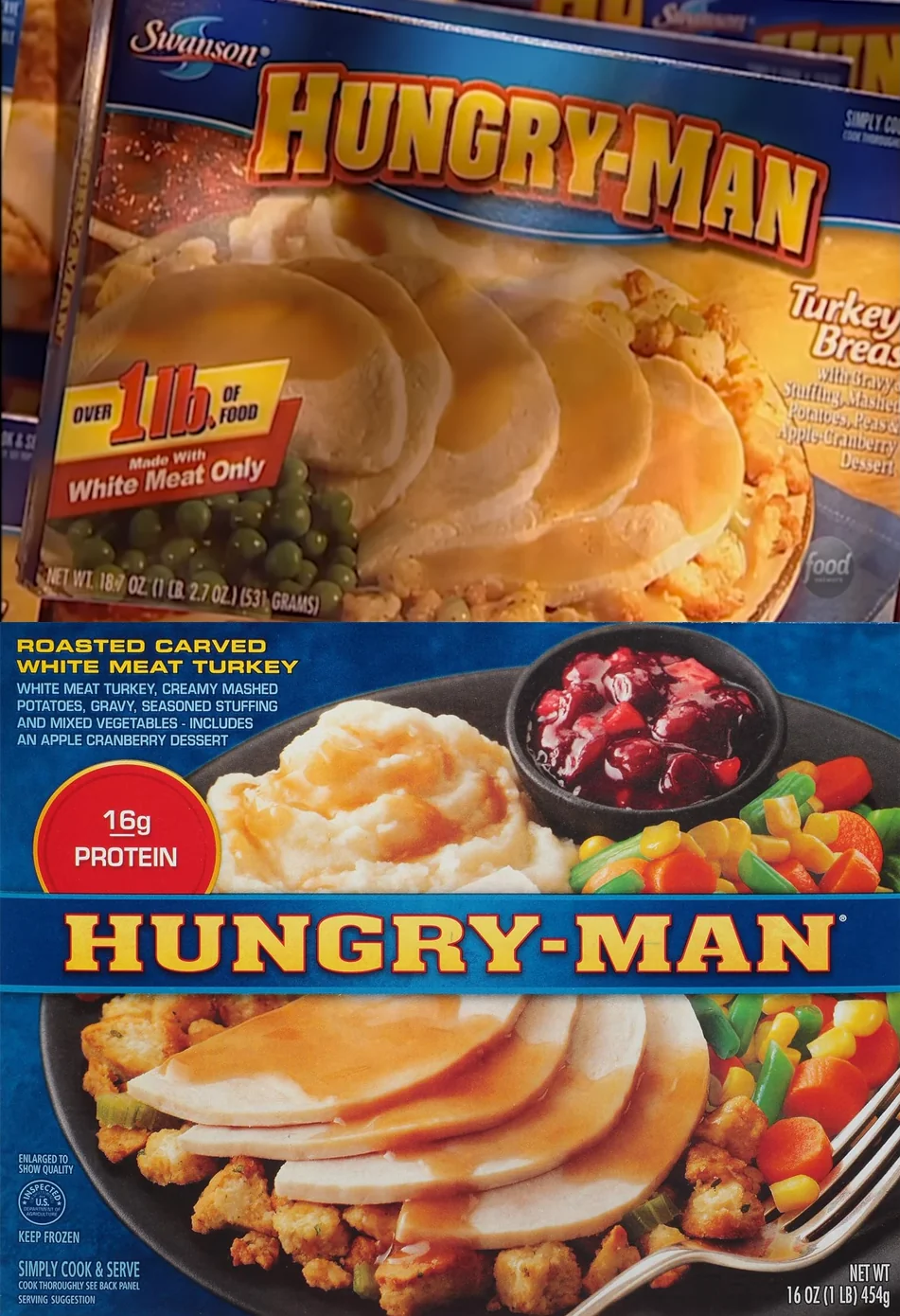
Frozen dinners are supposed to be practical, filling meals, which is why this one stings. The photo reportedly shows Hungry-Man dropping an entire slice of turkey from the meal. That is not a subtle recipe tweak; it is a visible reduction on the tray.
Sign up for our newsletter
Hot Pockets Going From Five to Four
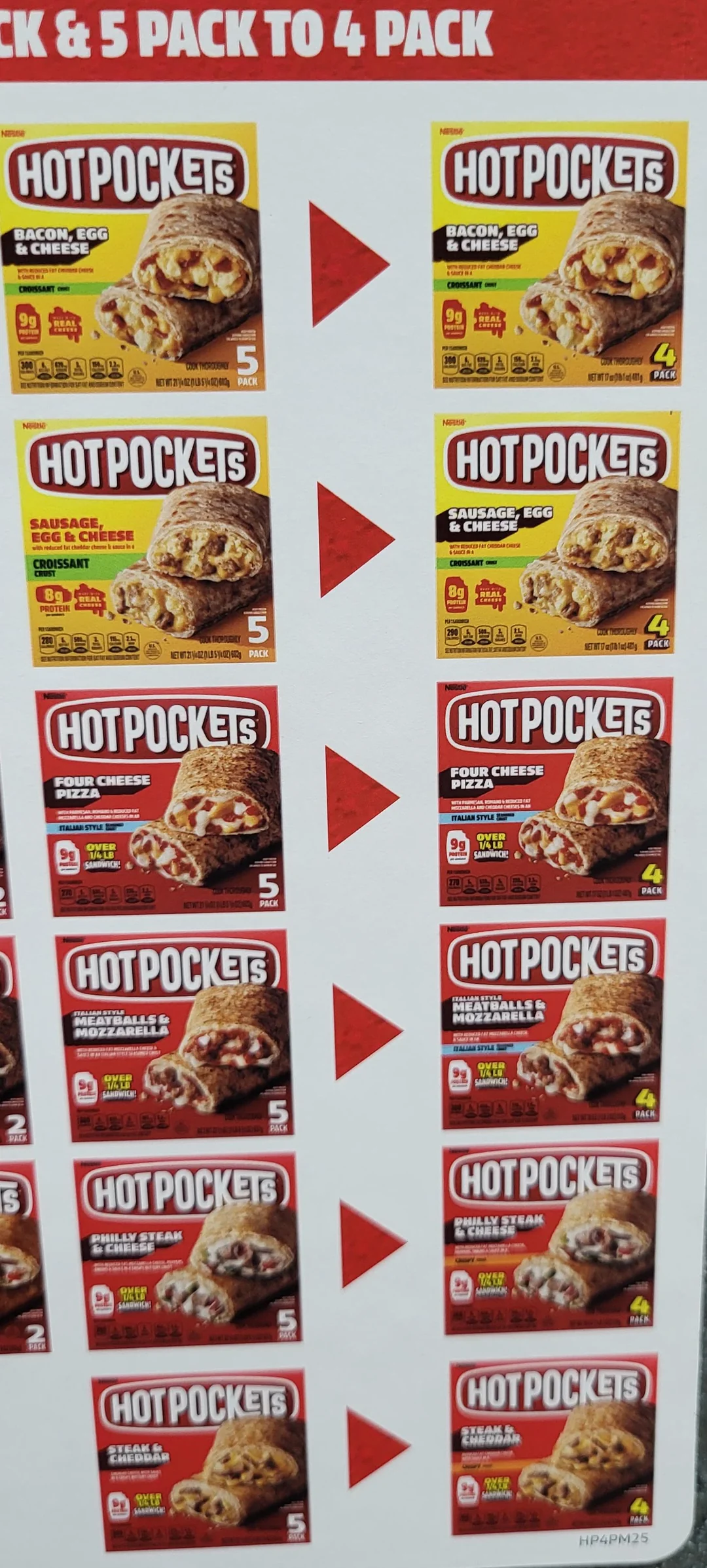
This one is easy for families to understand: a Hot Pockets pack reportedly went from five to four. The box may still feel like a multipack, but losing a whole serving changes the math fast, especially for households buying snacks for several people.
“Seeing Through the Meat”
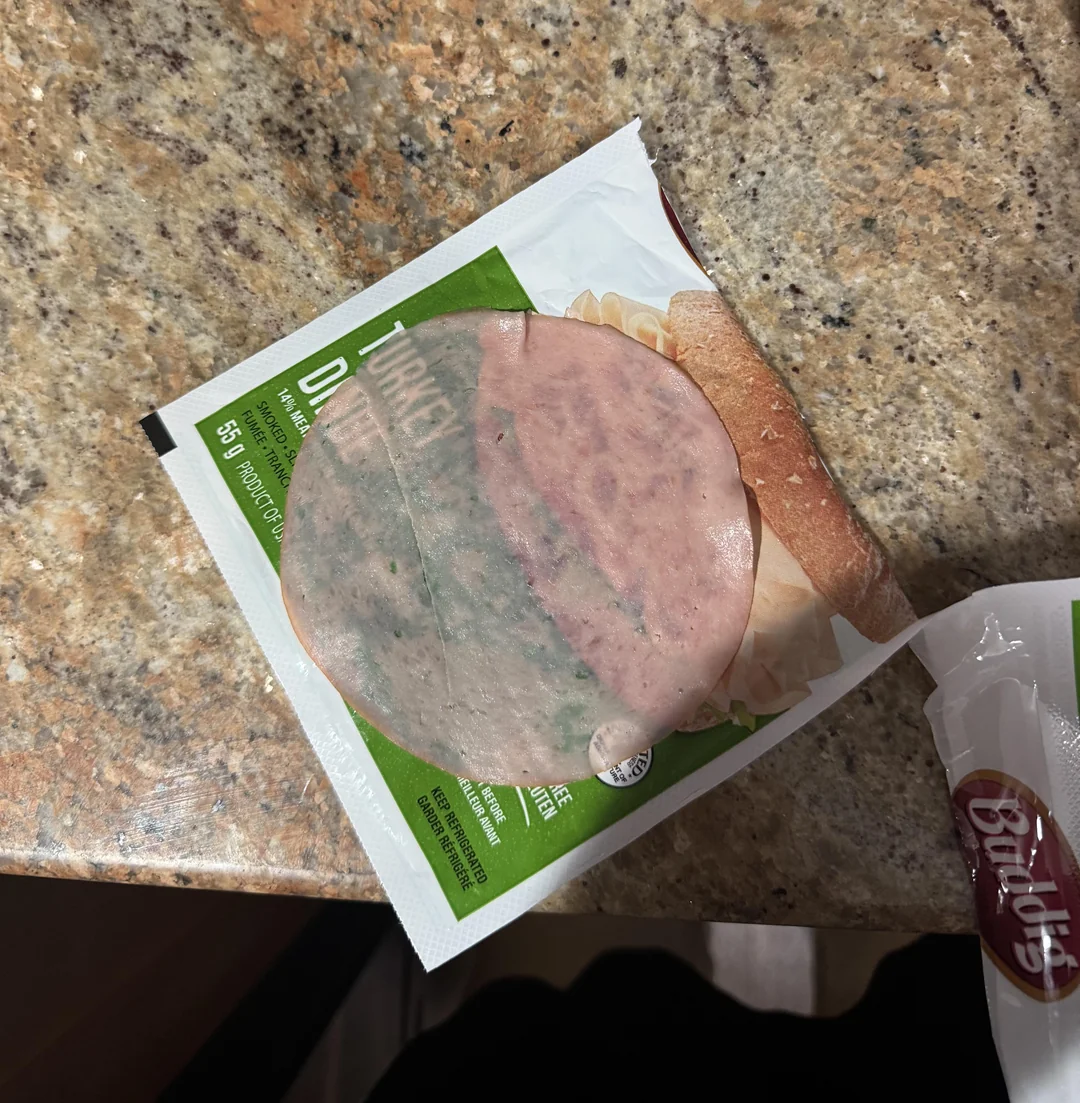
The joke in this photo is the sandwich itself. It appears so thin or underfilled that it looks more like a prop than a real meal. For anyone buying lunch on the go, a skimpy sandwich is one of the clearest forms of shrinkflation.
CeraVe’s ‘Value Size’ Looking Less Valuable
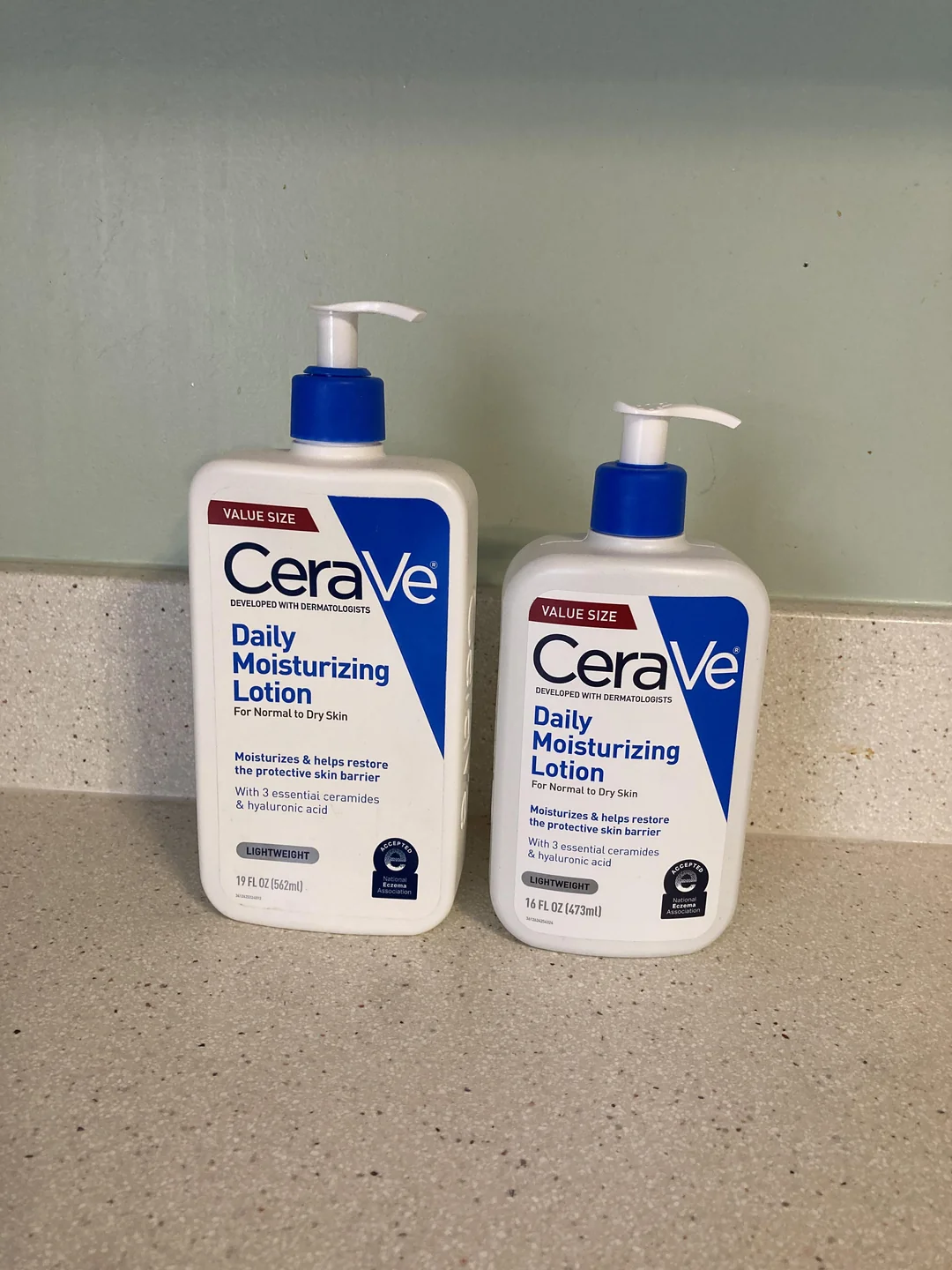
The CeraVe post is a good beauty-aisle example. A moisturizer labeled as a value size should make shoppers feel like they are getting more, not doing detective work. The package and amount have changed enough to make that label feel questionable.
The New Standard Breakfast Burrito Size
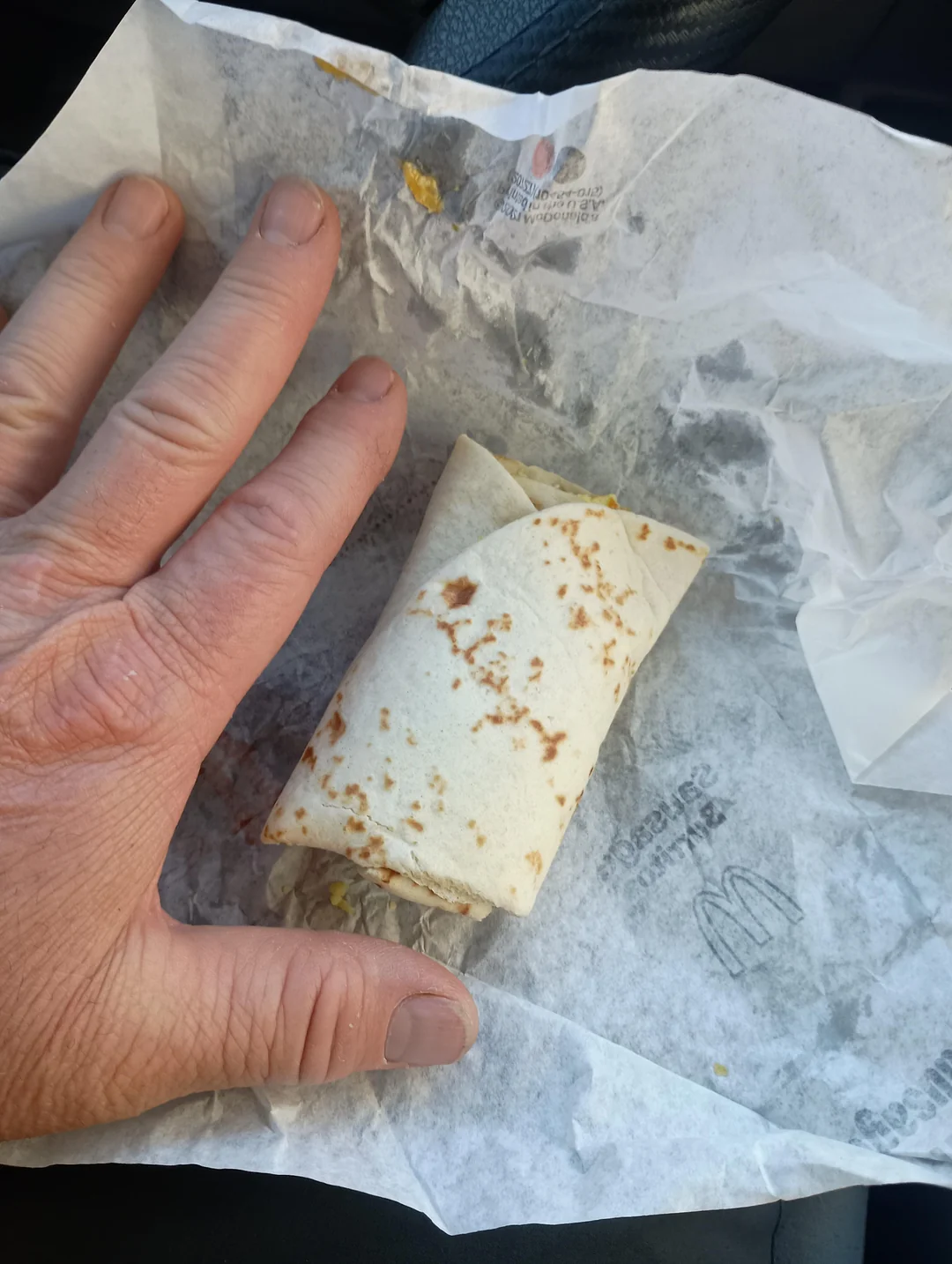
The breakfast burrito photo sums up why people are irritated with grab-and-go food. A burrito that used to feel like a meal now looks closer to a snack. When the price does not shrink with it, the smaller size feels especially insulting.
Dawn’s ‘New and Improved’ Bottle
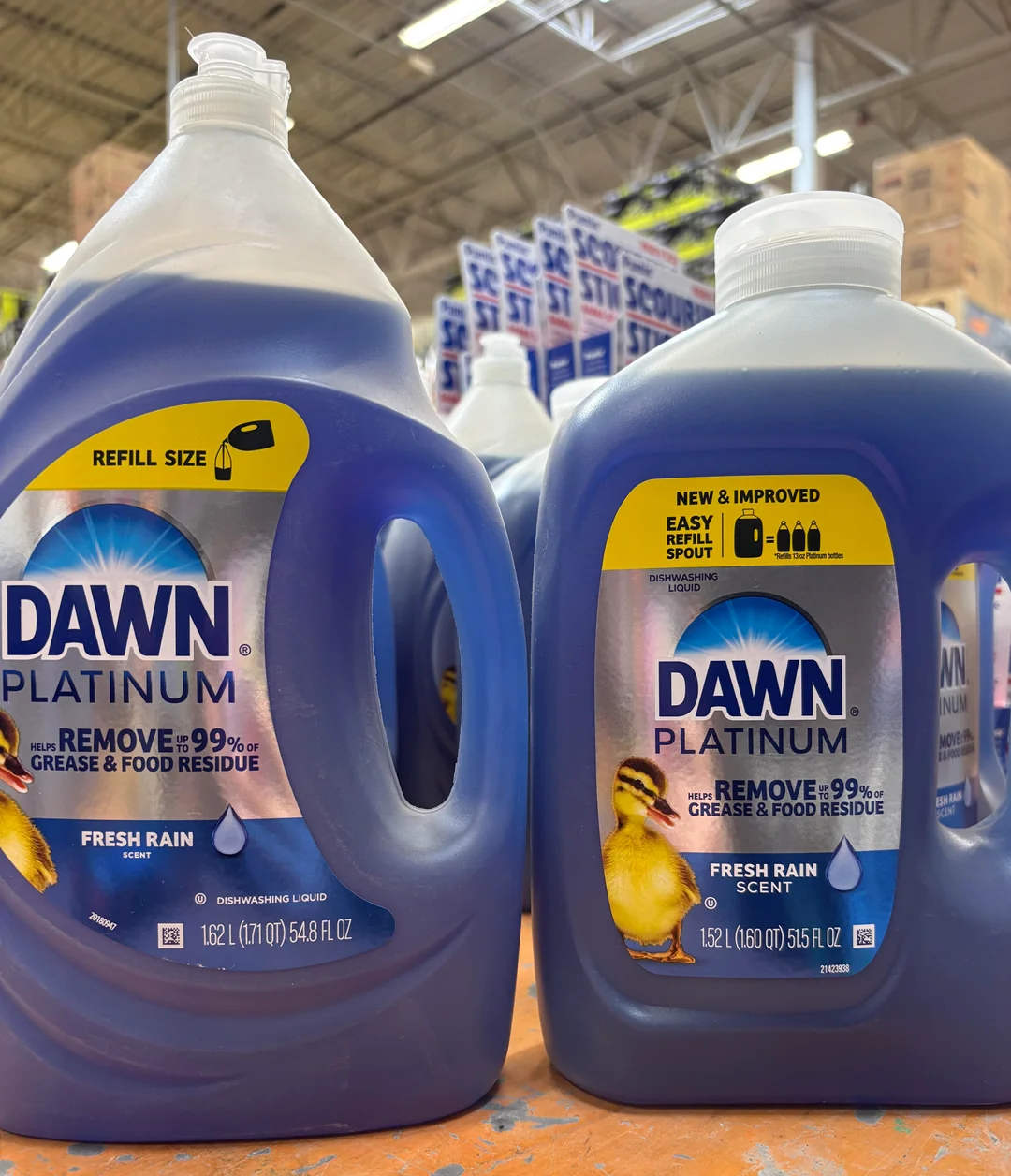
This Dawn comparison shows how bottle redesigns can hide a smaller amount. The newer bottle contains fewer fluid ounces while staying around the same price. That is shrinkflation in its cleanest form: sleeker packaging, less soap, same bill.
When the Package Shape Does the Talking
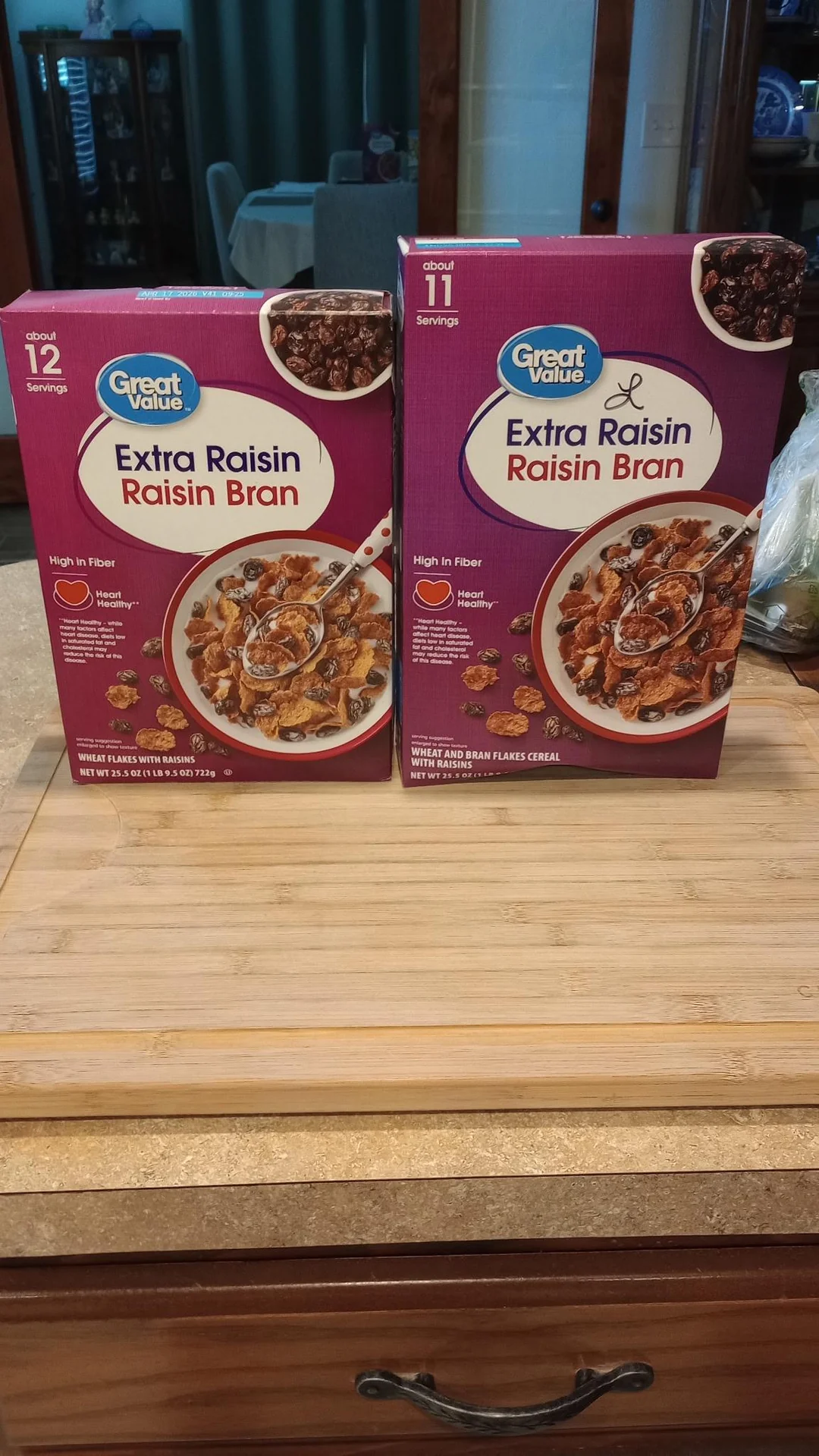
This is the packaging version of putting on a big coat and pretending you did not lose weight. The product may still take up plenty of shelf space, but the shape seems to be doing a lot of emotional support work.
Costco Ziploc Bags Down by 25
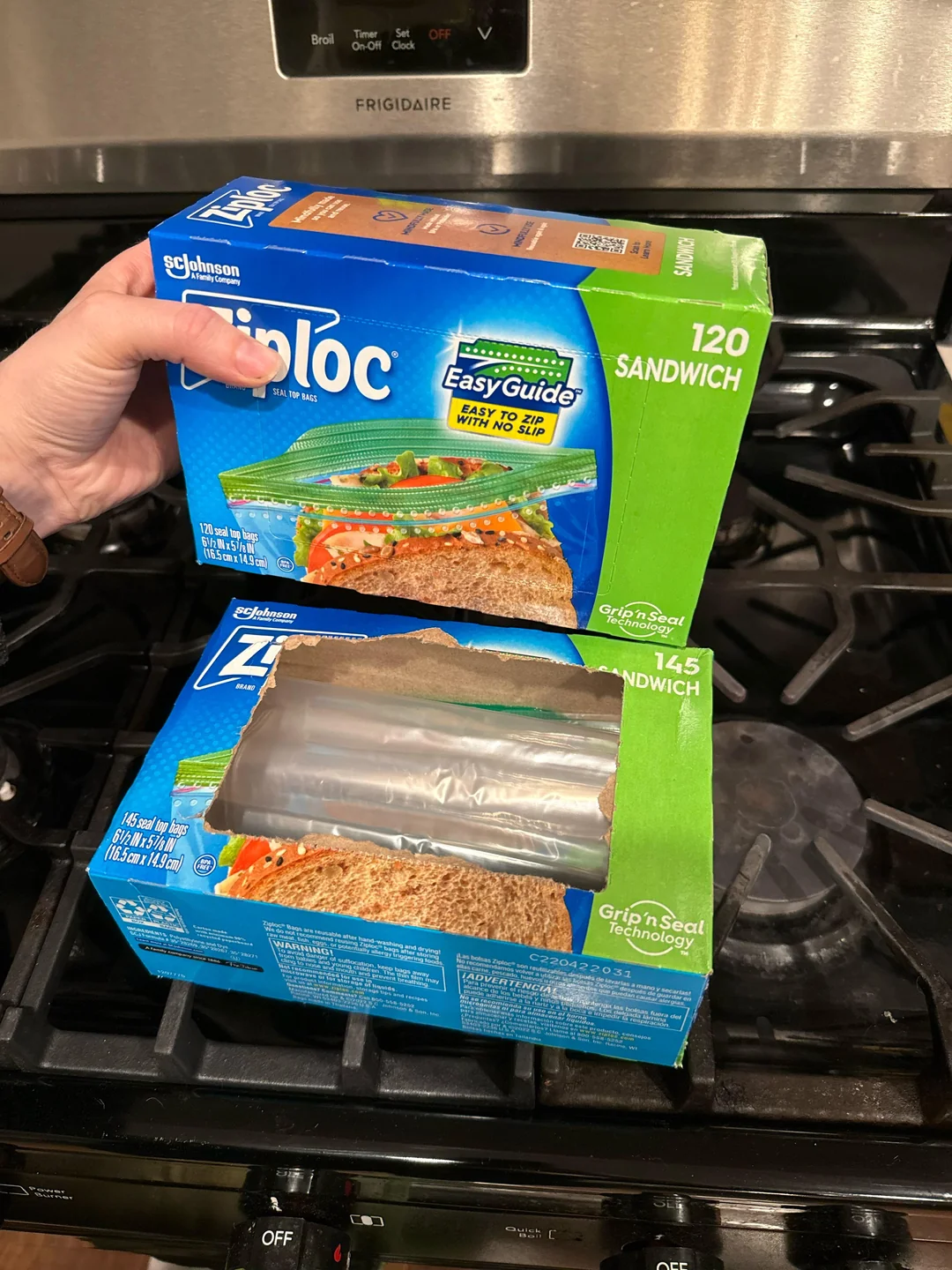
The box still looks like a warehouse-club bargain, which is what makes the smaller count easy to miss. But 25 fewer sandwich bags adds up quickly in a busy household, especially for lunches, leftovers, and snacks. It is a small change that makes the “bulk buy” feel less generous.
From $8 to $10 and Smaller, Too
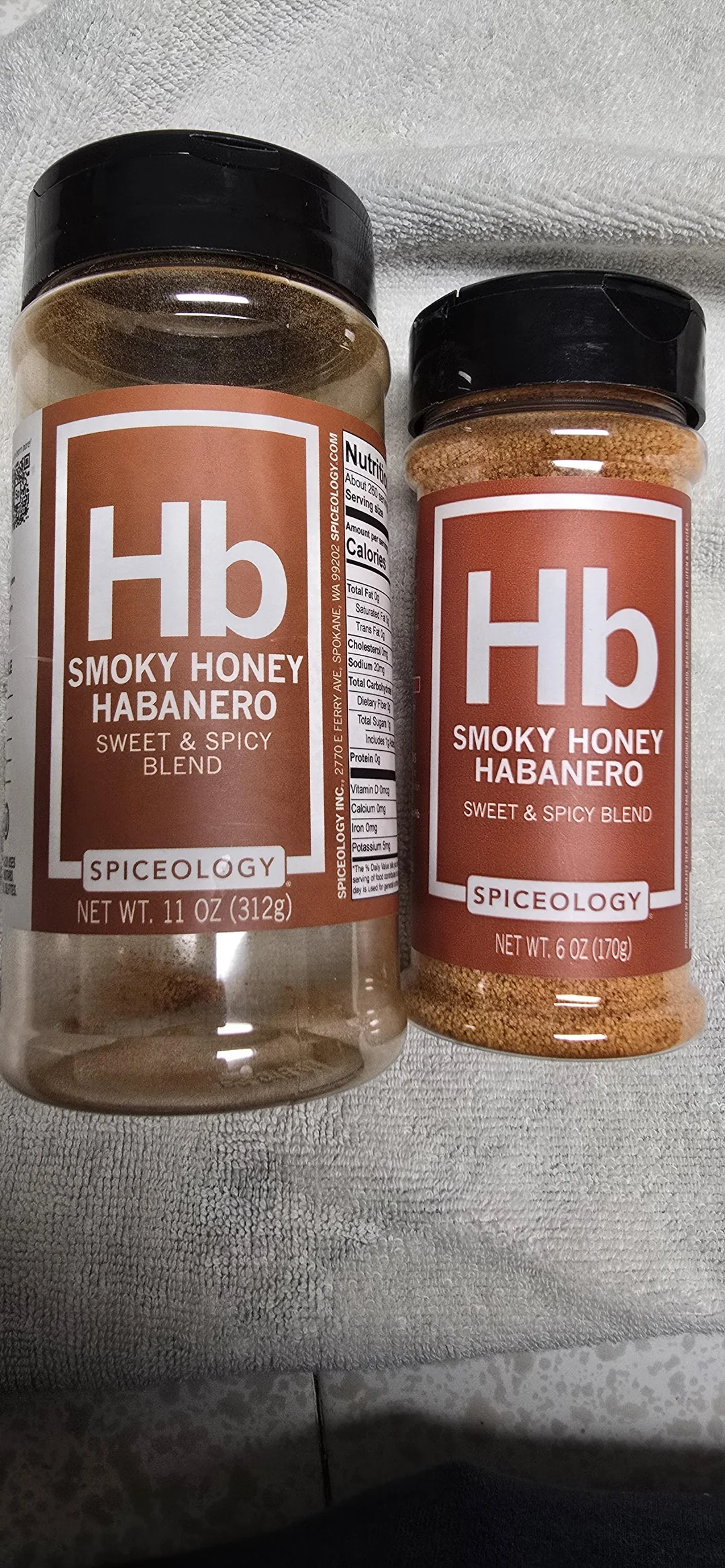
This one hits twice: the product appears to cost more while giving shoppers less. A jump from $8 to $10 would already be annoying on its own, but paired with a smaller size, it feels like the classic shrinkflation double move: less product, higher price, same frustration.
Twizzlers Hiding Shorter Candy With Extra Packaging
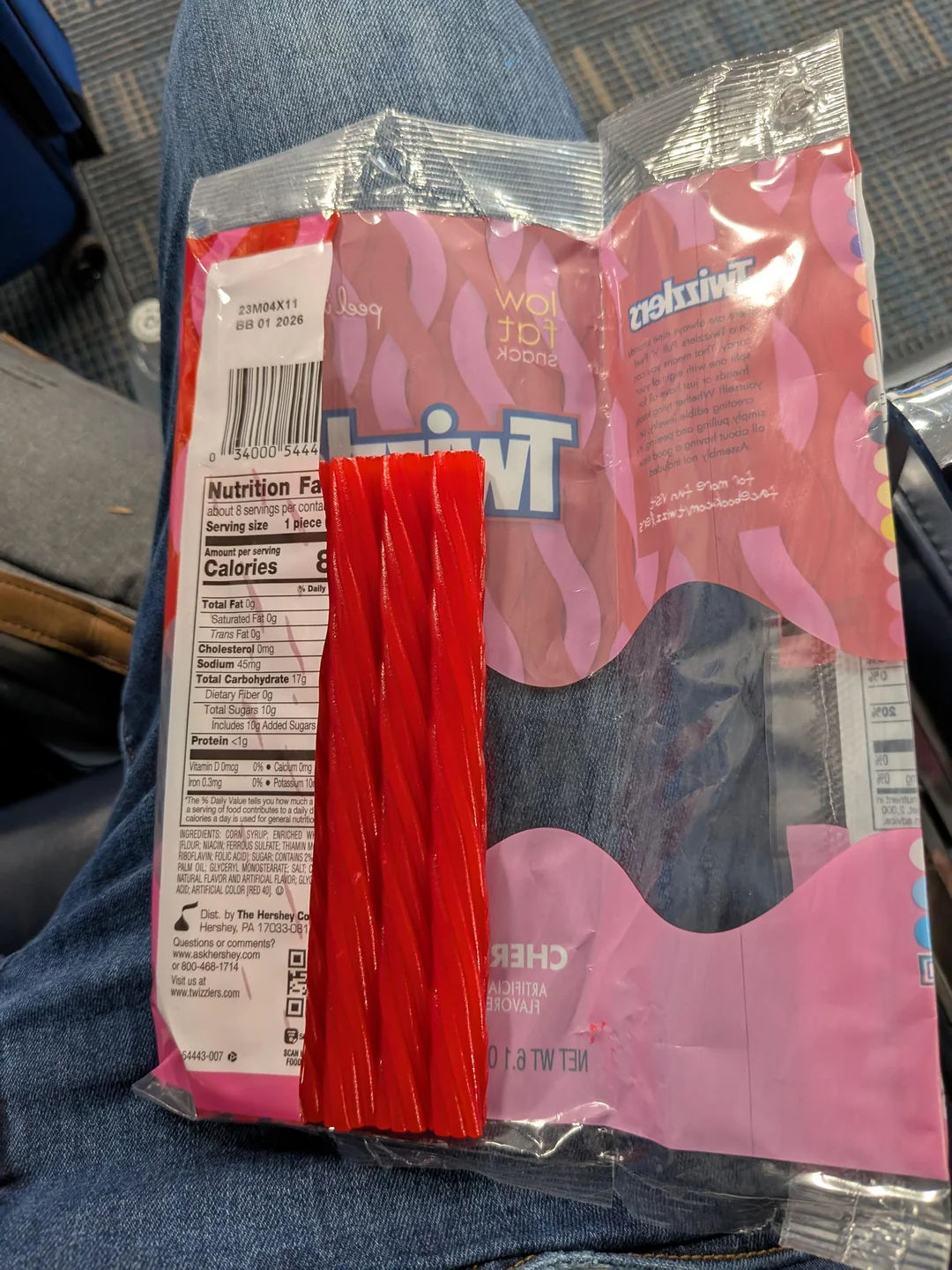
The Twizzlers photo is a smart example because the package itself appears to hide the shorter candy. That is what makes shrinkflation feel sneaky: the wrapper fills the same visual space, while the actual product inside takes up less room.
Charmin Ultra Soft Strikes Again
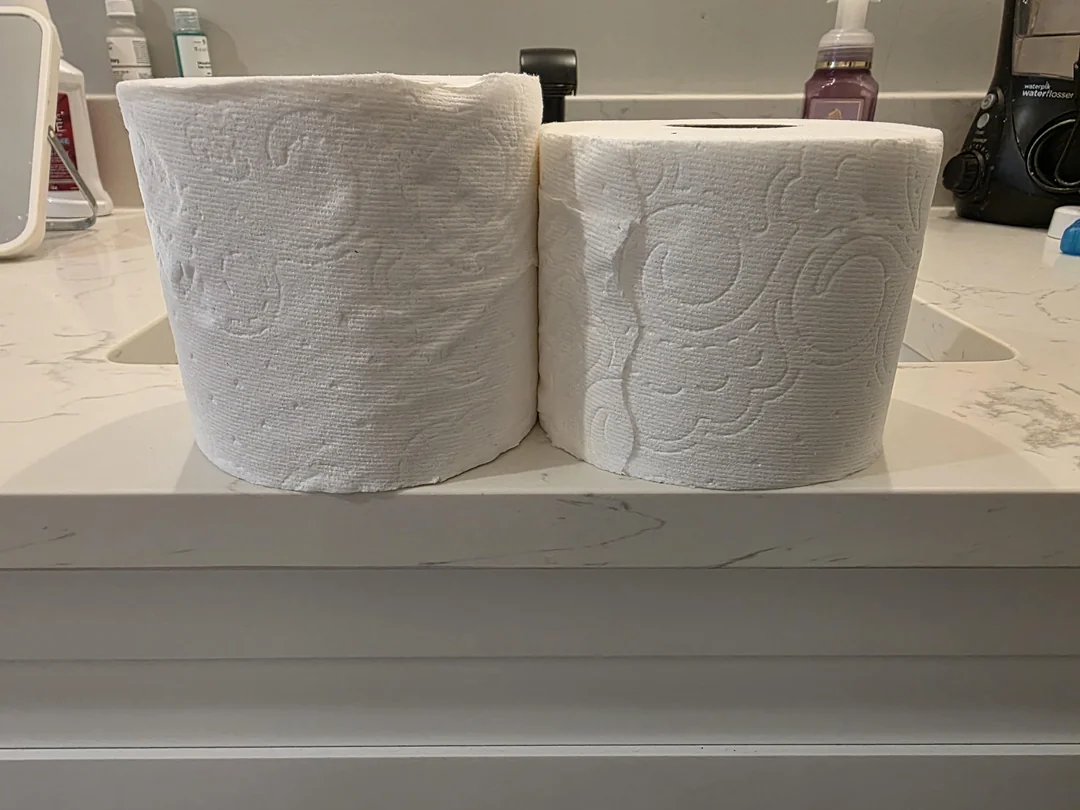
Toilet paper shrinkflation has become almost its own genre, and this Charmin photo fits right in. Rolls can keep familiar branding while sheets, roll width, or total count changes. For shoppers, it turns a basic household item into a math problem.
Now ‘Large’ Size
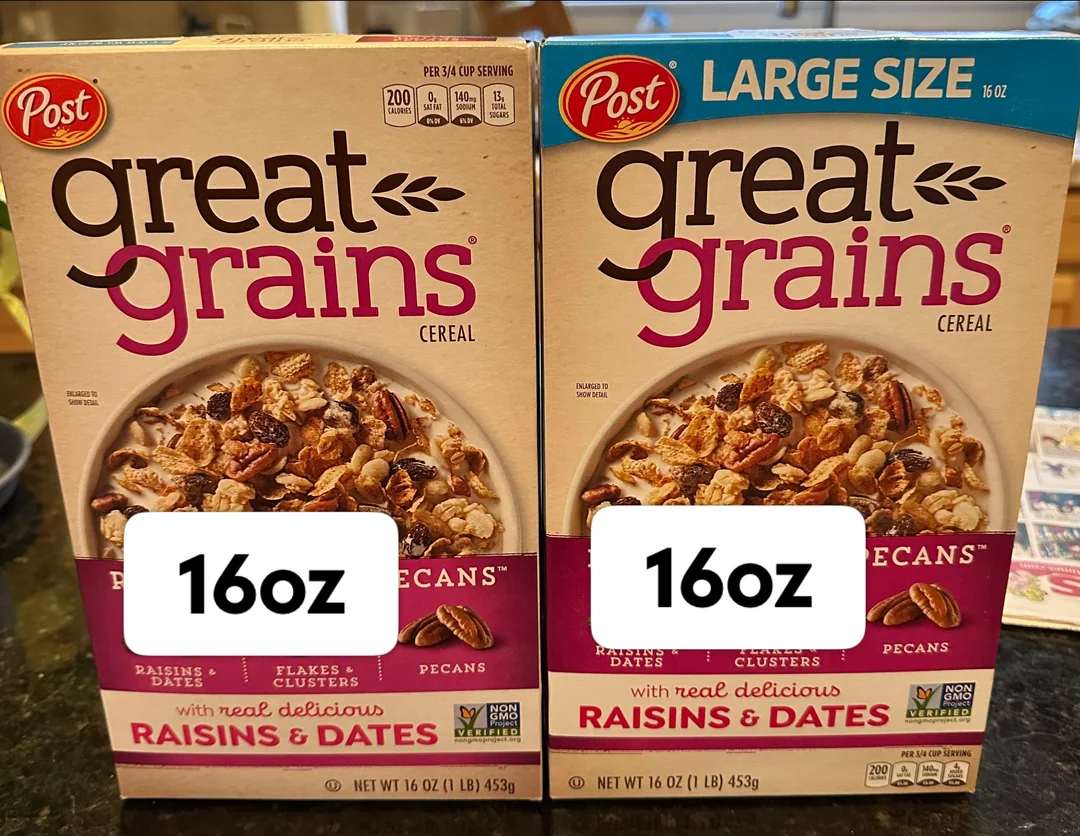
This photo plays on one of the most irritating shrinkflation tricks: calling something “large” after the old normal size has disappeared. The label sounds generous, but the picture suggests shoppers are being asked to accept a smaller new baseline.
Nature Valley Bars Hoping Nobody Notices
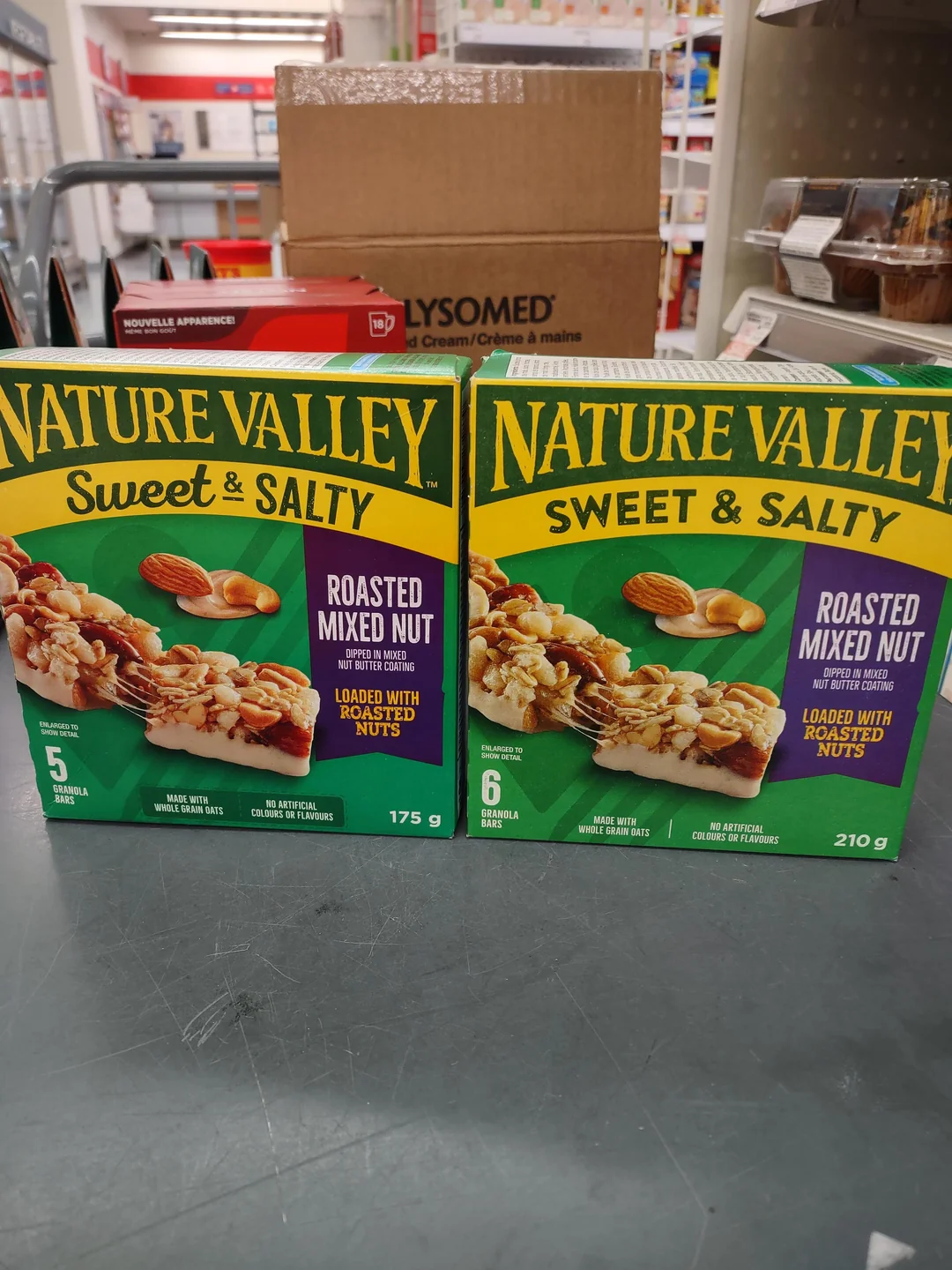
The new package on the left is doing the usual “same snack, slightly less of it” routine. Nature Valley bars have always been the kind of thing people grab quickly, not study by the gram. But once the weight drops, the familiar box starts feeling a little less reliable.