In 2026, grocery shopping still feels less like a quick errand and more like a weekly household strategy session. Federal data shows food-at-home prices were up 2.9% year over year in April, and some aisles, especially produce and drinks, rose even faster. So when shoppers describe a grocery store as “reasonable” now, they usually do not mean cheap. They mean the total feels a little less painful, the store brand is actually worth buying, the weekly deals are easy to understand, or the basics still make sense. These are the grocery stores and formats Americans keep coming back to when they are trying to stretch the cart without giving up completely.pri
Aldi
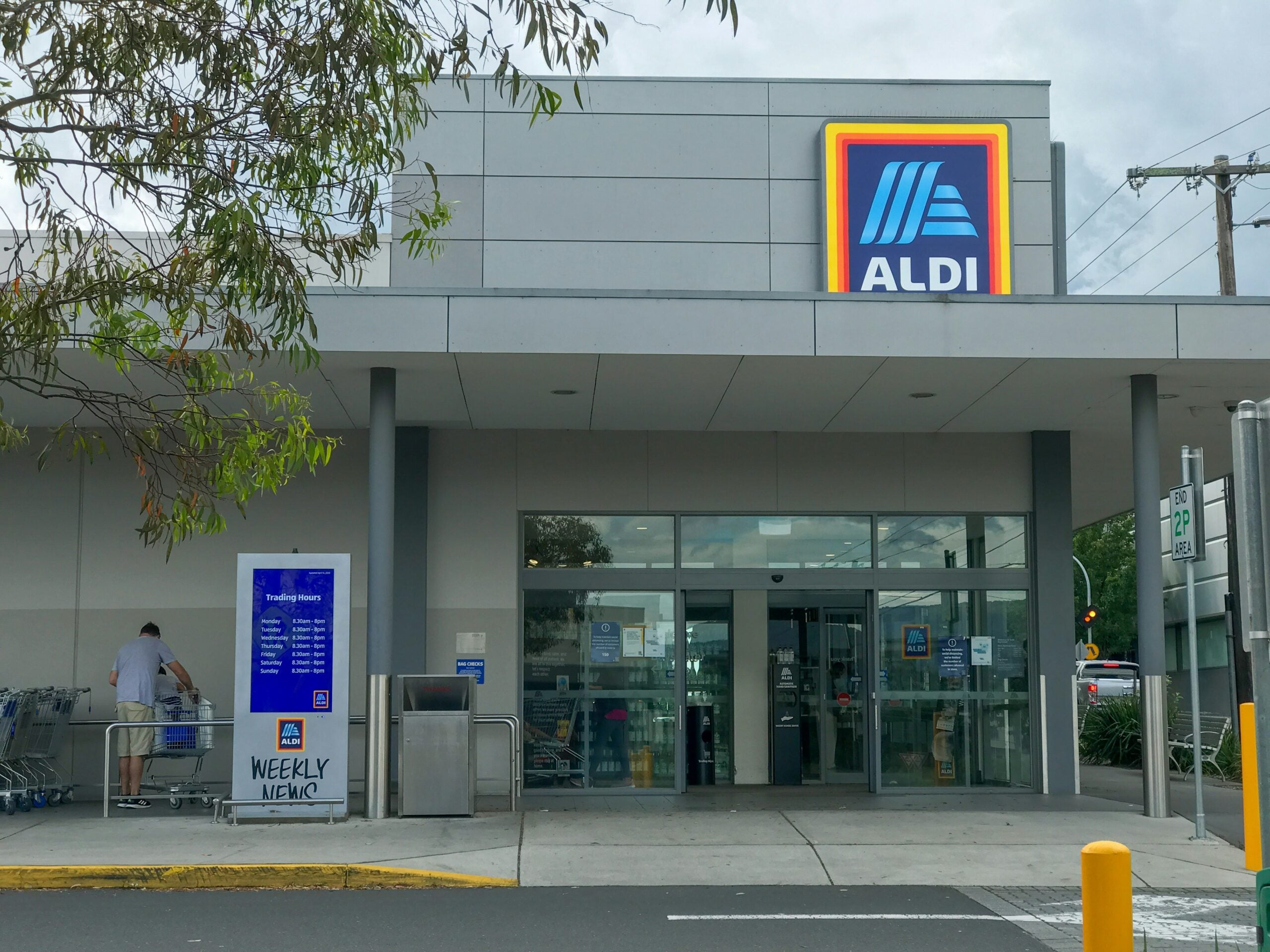
Aldi is still one of the easiest answers for shoppers who want the grocery bill to feel a little less painful. The store does not try to be everything to everyone, and that is part of the appeal. Its aisles are smaller, the choices are limited, and most of what it sells is private label, which helps keep prices down on everyday basics like bread, pasta, canned goods, dairy, snacks, and frozen foods. You probably will not find every brand on your list, and shoppers still complain that produce quality can depend a lot on the location. You also have to bag your own groceries. But for people who want a quick, low-friction grocery run, Aldi still feels refreshingly straightforward.
Costco

Costco is not “reasonable” if you walk in hungry and come out with patio chairs, vitamins, a giant cheesecake, and three pounds of cashews. But for shoppers who can stick to a list, it still makes a lot of sense. Consumer Reports’ 2026 supermarket price comparison, reported by Retail Brew, found Costco’s basket about 21% below Walmart’s baseline. Members also keep pointing to rotisserie chicken, paper goods, coffee, frozen foods, household staples, and gas as reasons the membership can earn its keep. The catch is that Costco only works if you have storage space and some self-control. Bulk buying is not a deal if half of it ends up forgotten in the pantry.
WinCo Foods
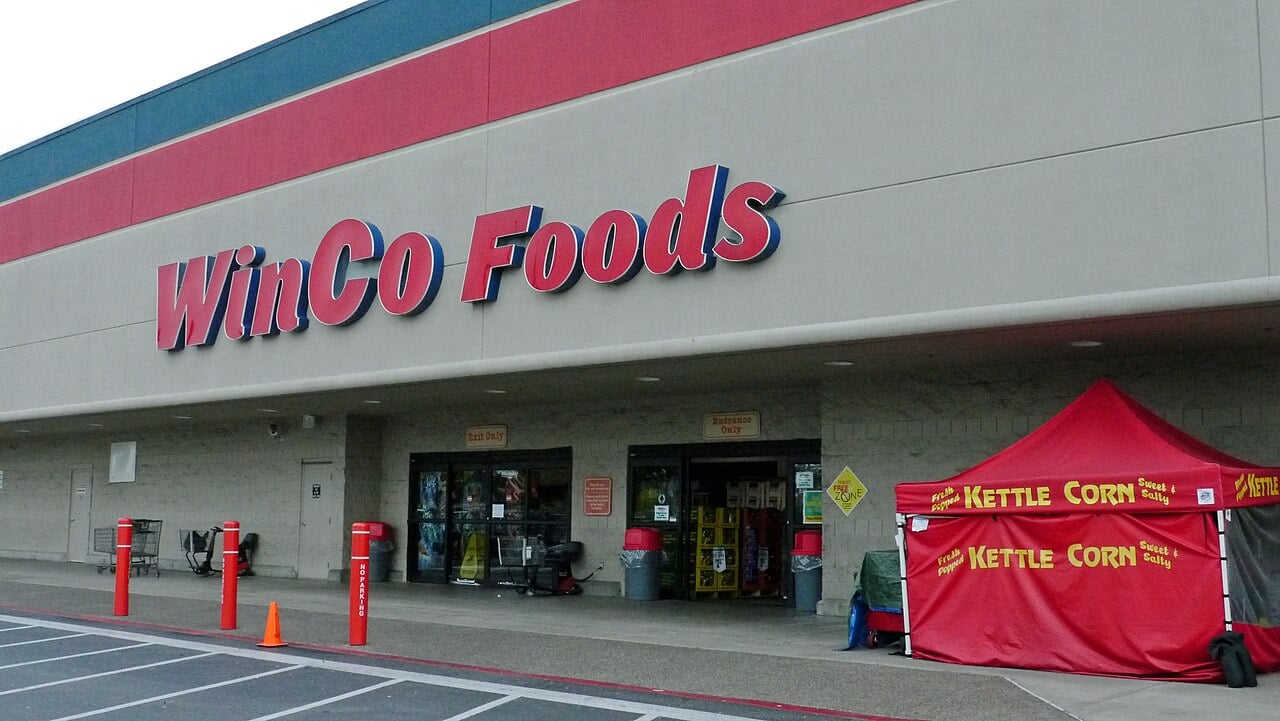
WinCo has the kind of grocery-store loyalty that spreads mostly by word of mouth. The employee-owned chain is especially loved in parts of the West and Southwest, where shoppers praise its big stores, bulk bins, no-membership model, and no-frills prices. It is not trying to feel like a boutique market, and that is part of the appeal. The stores can feel warehouse-like, and locations are limited, but loyal customers often see those trade-offs as the reason the prices stay practical. WinCo is especially useful for people who cook at home, buy pantry staples in flexible amounts, and do not need fancy lighting or curated displays to feel like they got a good deal.
Lidl
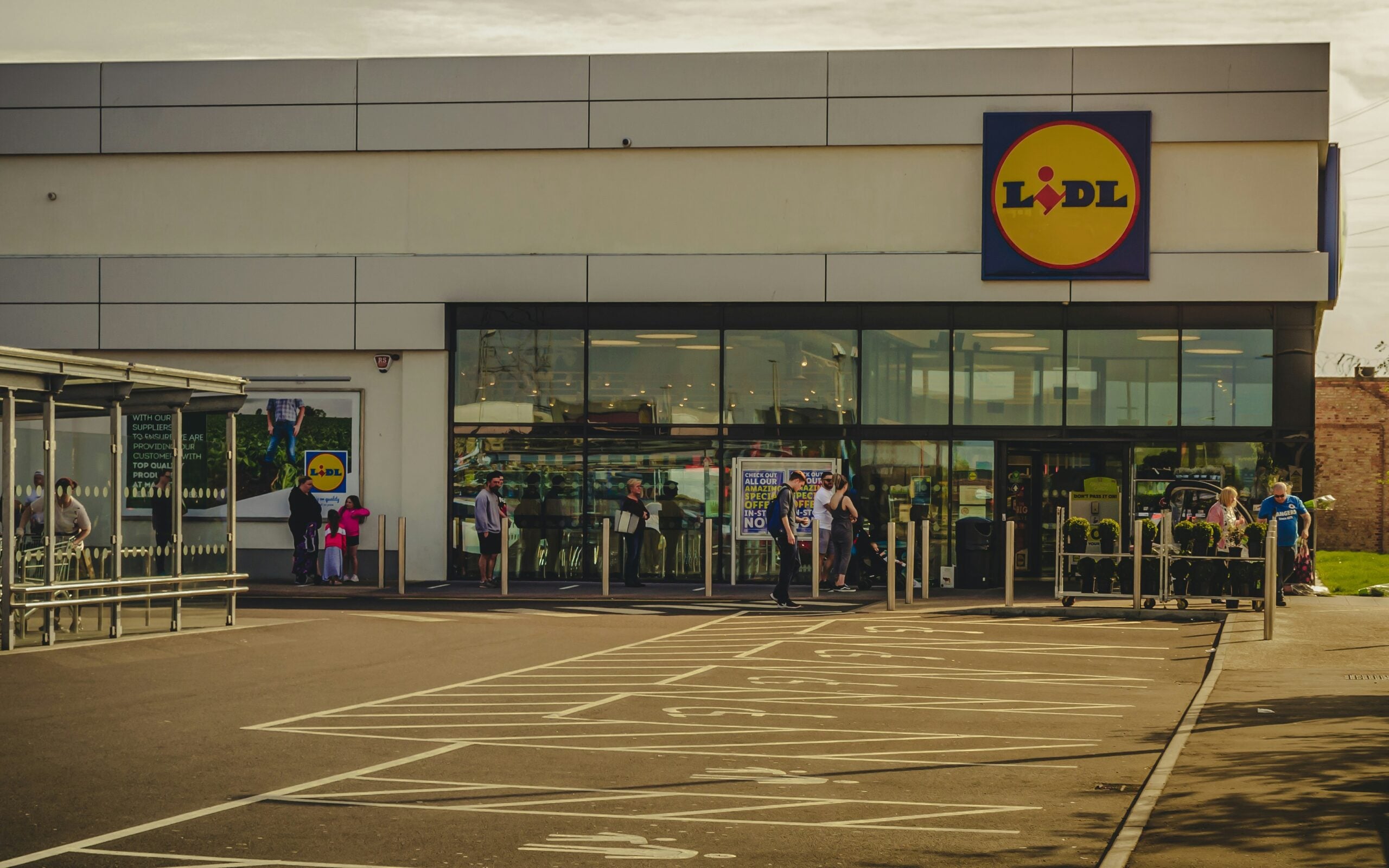
Lidl often gets grouped with Aldi, but it has its own personality. The stores still lean discount, with strong prices on produce, pantry basics, and private-label items, but the fresh bakery, rotating European-style finds, and brighter layout make the experience feel a little less bare-bones. Consumer Reports’ 2026 price comparison, summarized by Retail Brew, placed Lidl below Walmart’s baseline, which helps explain why shoppers near one keep it in the rotation. The catch is access: Lidl’s U.S. stores are still mostly concentrated on the East Coast and in the Mid-Atlantic. And yes, the middle aisle can absolutely tempt people into buying things they did not come for. But for a regular grocery basket, Lidl can make the total feel noticeably less painful.
Walmart
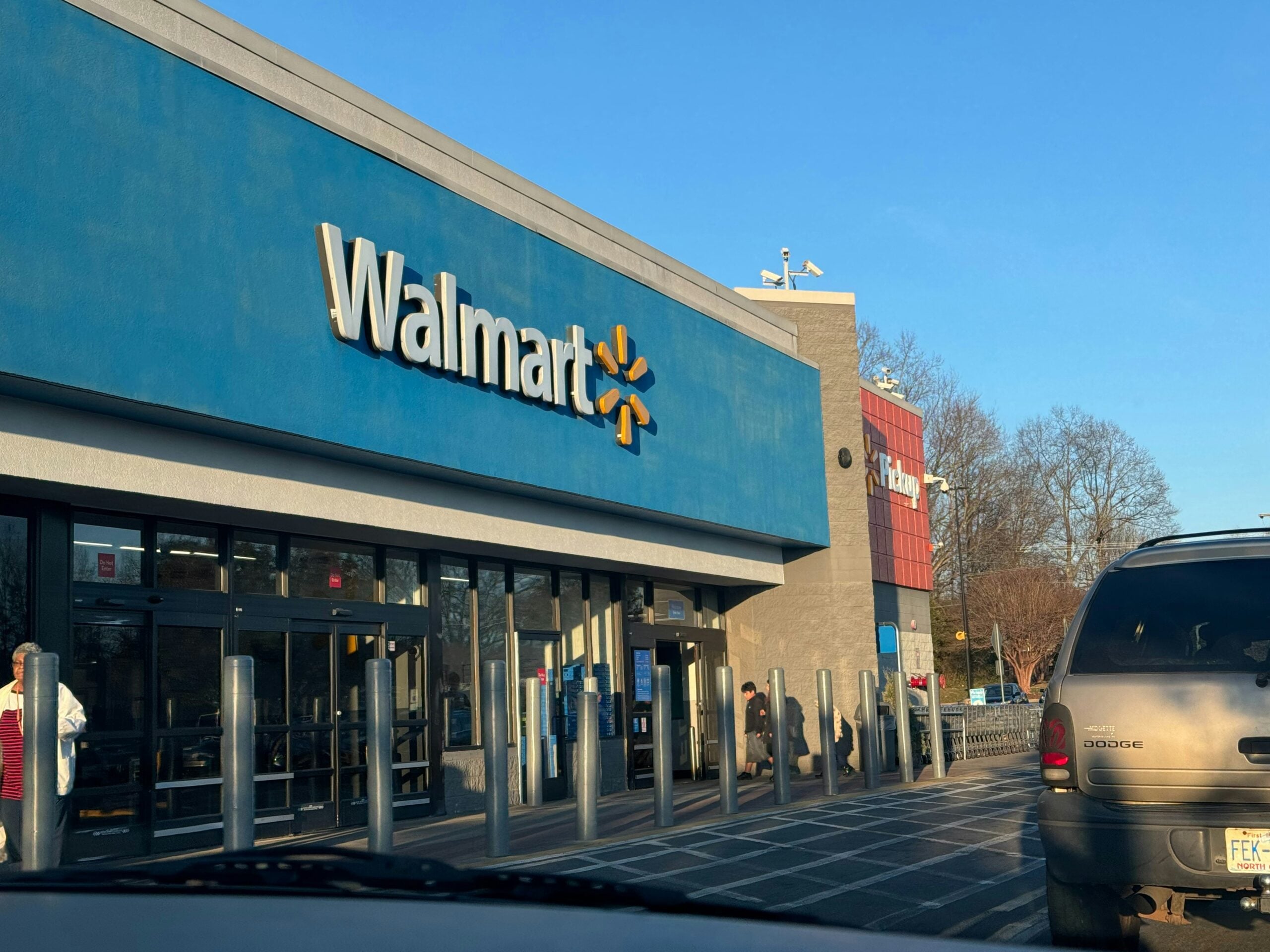
Walmart is not the grocery store people usually describe as charming. Shoppers still complain about crowded aisles, long checkout lines, and pickup substitutions that do not always make sense. But when families are trying to figure out what groceries “should” cost, Walmart is still one of the first places they check. In 2026, the company also refreshed its Great Value private label, a massive line covering thousands of grocery and household items. That matters at a time when more shoppers are reaching for store brands instead of national names. Walmart’s appeal is not nostalgia or atmosphere. It is predictability. For basics like milk, cereal, paper towels, frozen vegetables, and pantry staples, Walmart often becomes the price baseline other stores have to beat.
Trending on Cheapism


Grocery Outlet
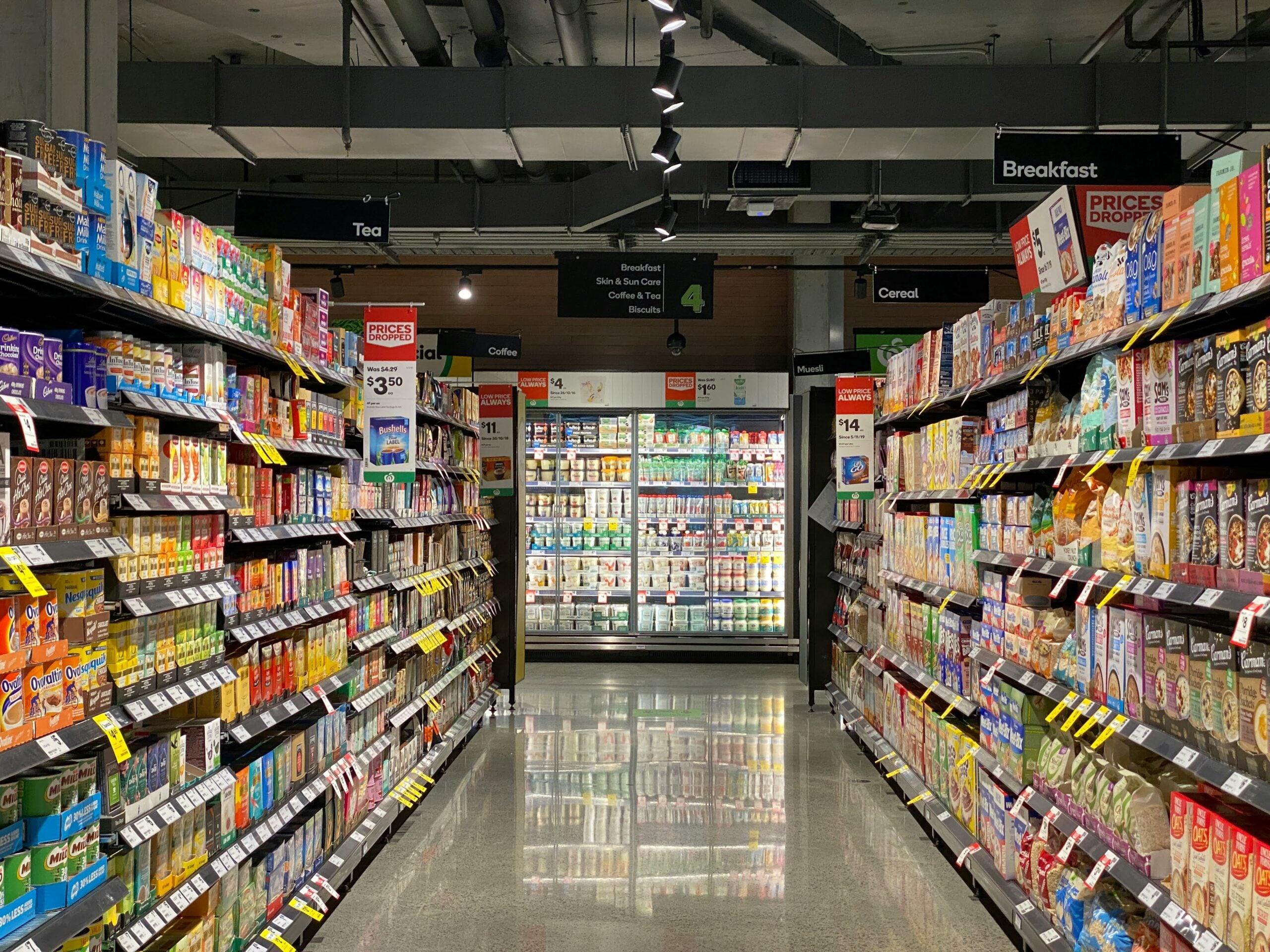
Grocery Outlet is best for shoppers who actually enjoy the hunt. The chain buys closeouts, overstock, packaging-change items, and other discounted products, which means a great find this week may be gone the next time you visit. That unpredictability is also the fun of it. Shoppers might come across name-brand cereal, frozen meals, coffee, snacks, or specialty foods at prices that make a regular supermarket look expensive. Grocery Outlet says shoppers can find name-brand items well below conventional retail prices, sometimes in the 40% to 70% range, but that does not mean every shelf is a steal. It is a strong stop for bargains, not the easiest place for a strict weekly list.
Trader Joe’s
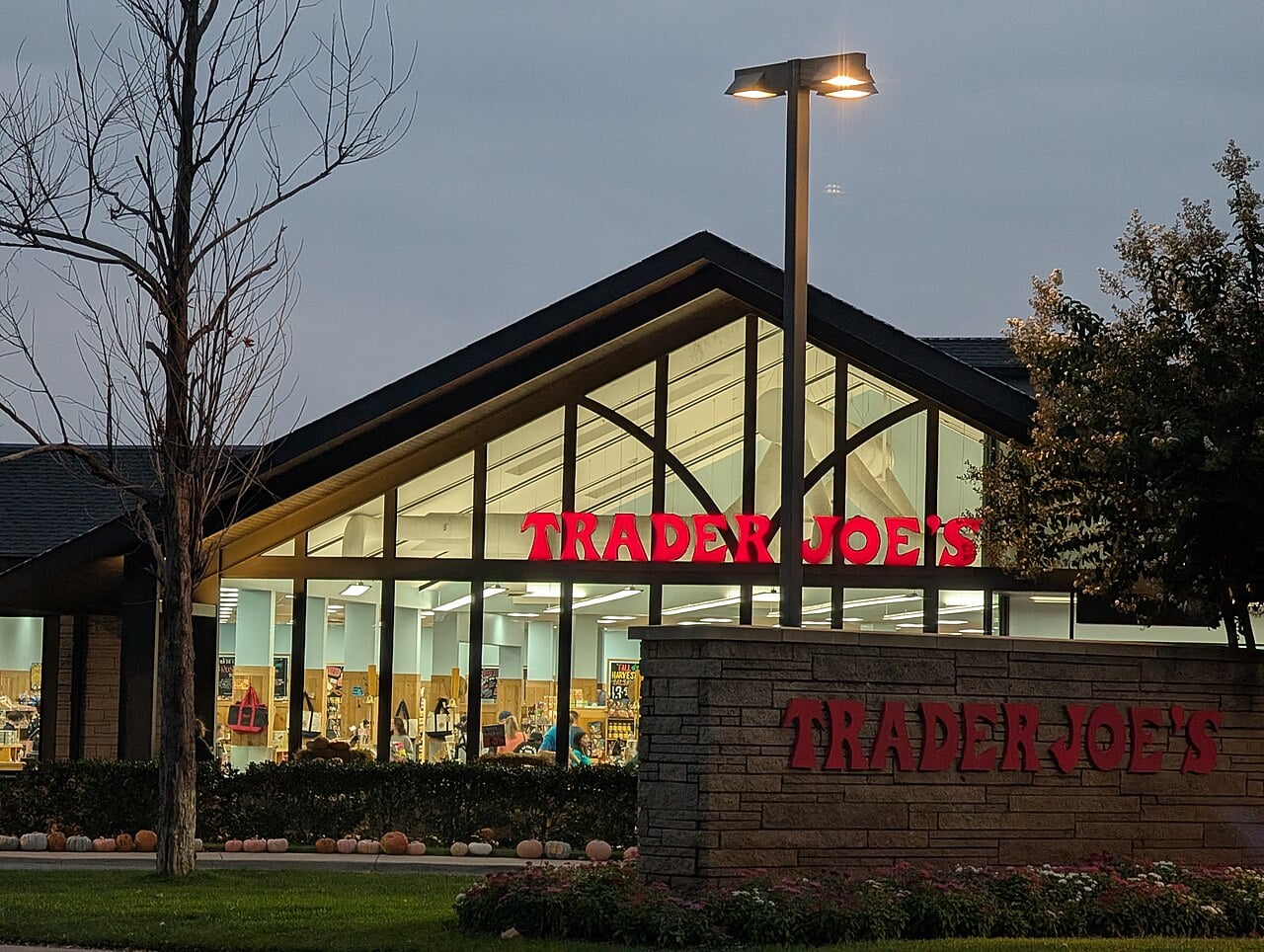
Trader Joe’s is not where most people go to buy every household staple at the absolute lowest price, and that should be said upfront. But shoppers still call it reasonable because it makes affordable little treats easy to justify: frozen dinners, snacks, sauces, cheese, flowers, coffee, and seasonal items that feel more fun than the usual supermarket run. The bill can climb fast if you treat it like a full weekly grocery shop, and some locations are crowded enough to make the parking lot feel like part of the challenge. Used carefully, though, Trader Joe’s still gives shoppers the feeling of getting something special without paying specialty-store prices.
Sam’s Club
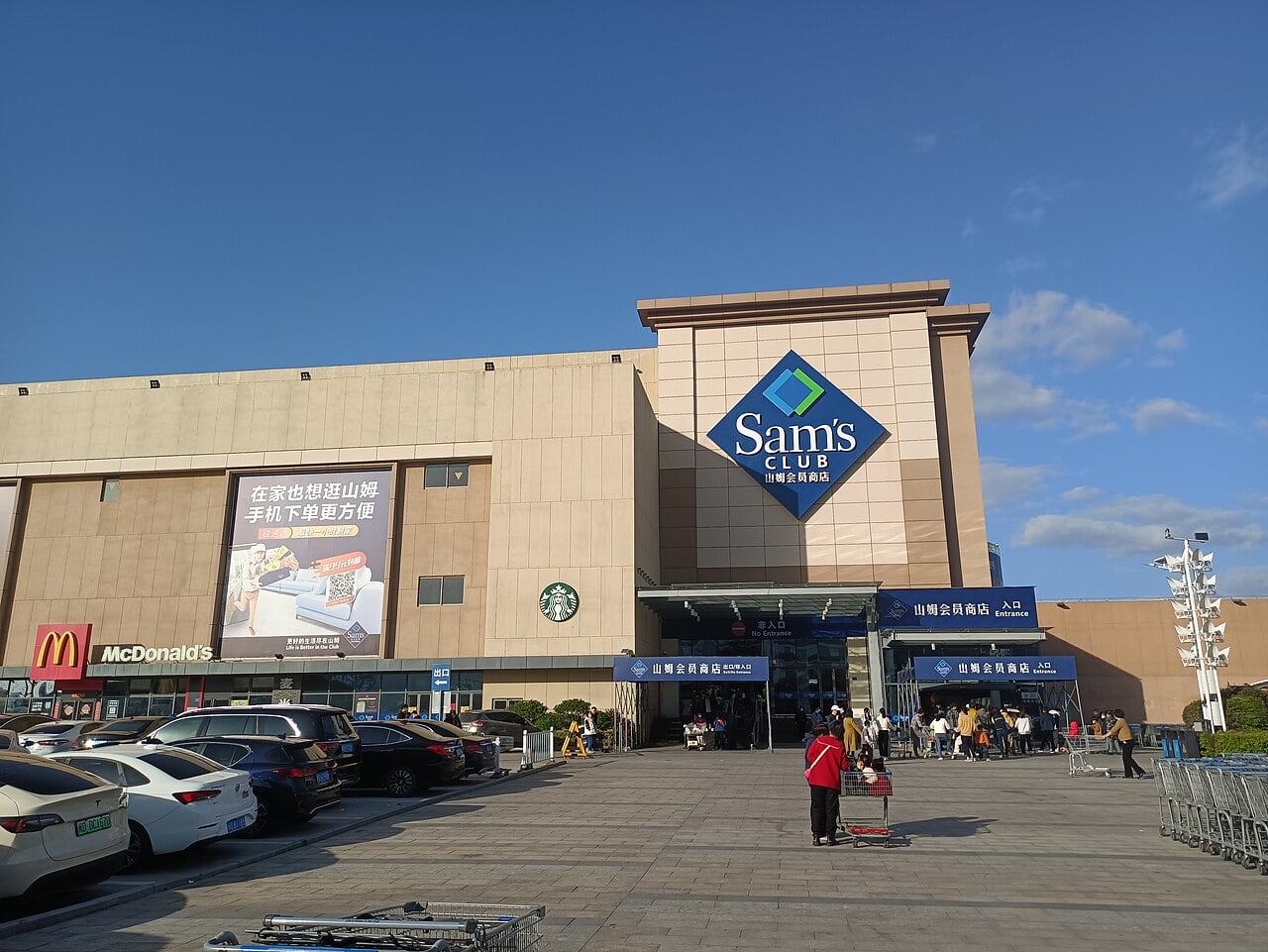
Sam’s Club has become the more practical warehouse-club choice for many Walmart-adjacent shoppers. The value pitch is familiar: bulk groceries, Member’s Mark private-label products, snacks, meat, household basics, and members-only fuel prices at many locations. Its Scan & Go feature is also a real perk for people who hate long checkout lines or want to keep an eye on the running total as they shop. The catch is the same as at any club store: the membership only makes sense if your household can actually use what you buy. For families, caregivers, meal preppers, and anyone with a big freezer, Sam’s can still feel sensible.
Sign up for our newsletter
BJ’S Wholesale Club
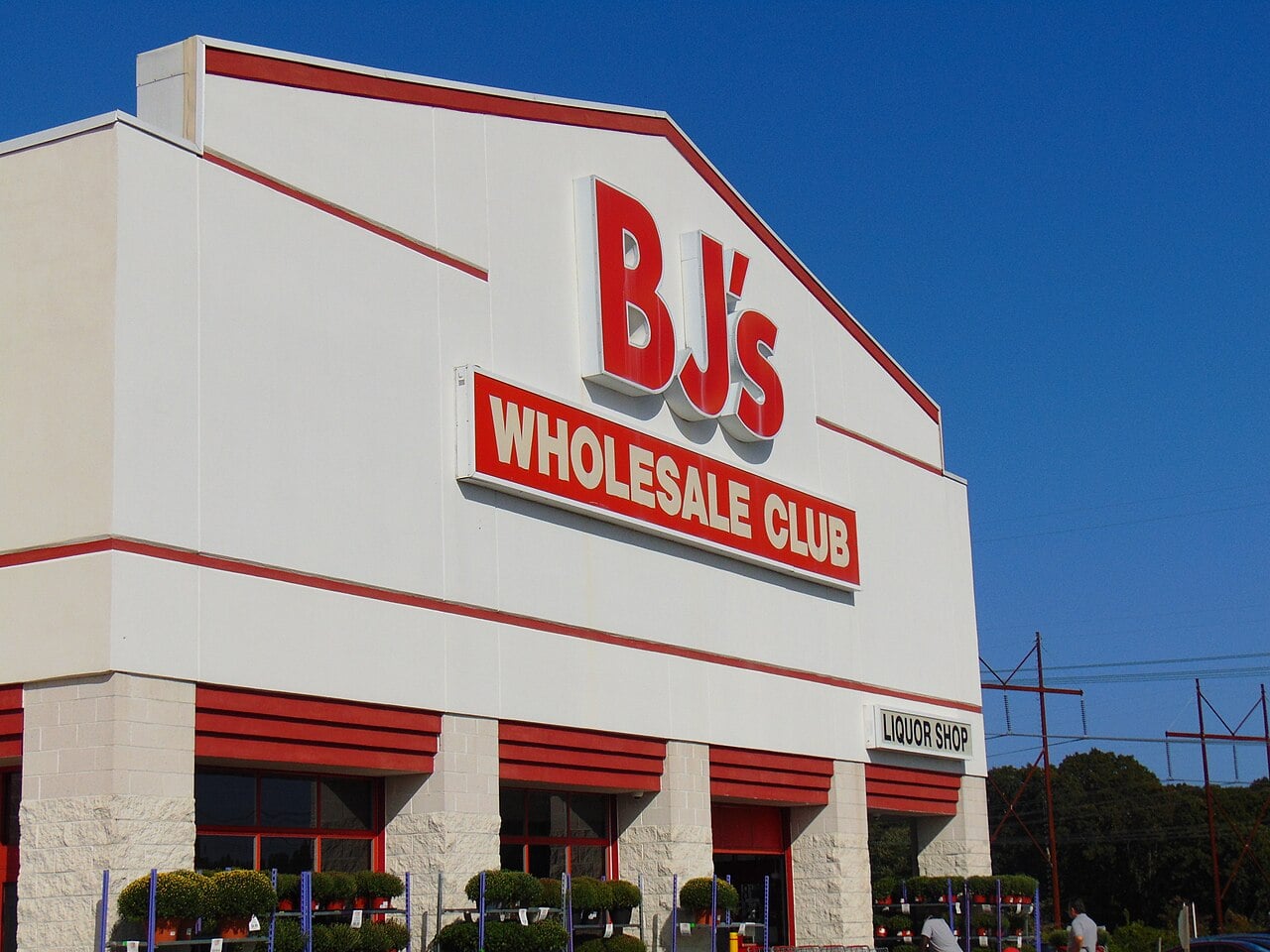
BJ’s is especially worth mentioning for East Coast shoppers who want warehouse-club savings without feeling quite as locked into giant packages. The chain leans into grocery coupons, Wellsley Farms and Berkley Jensen private-label products, and gas savings at BJ’s Gas locations. Consumer Reports’ 2026 price comparison, summarized by Retail Brew, placed BJ’s almost neck-and-neck with Costco among the least expensive stores in its basket. Shoppers still have to factor in the membership fee and compare unit prices, because not every bulk buy is automatically a bargain. But for families who like the mix of coupons, gas savings, and warehouse pricing, BJ’s can still feel like a smart middle ground.
Market Basket
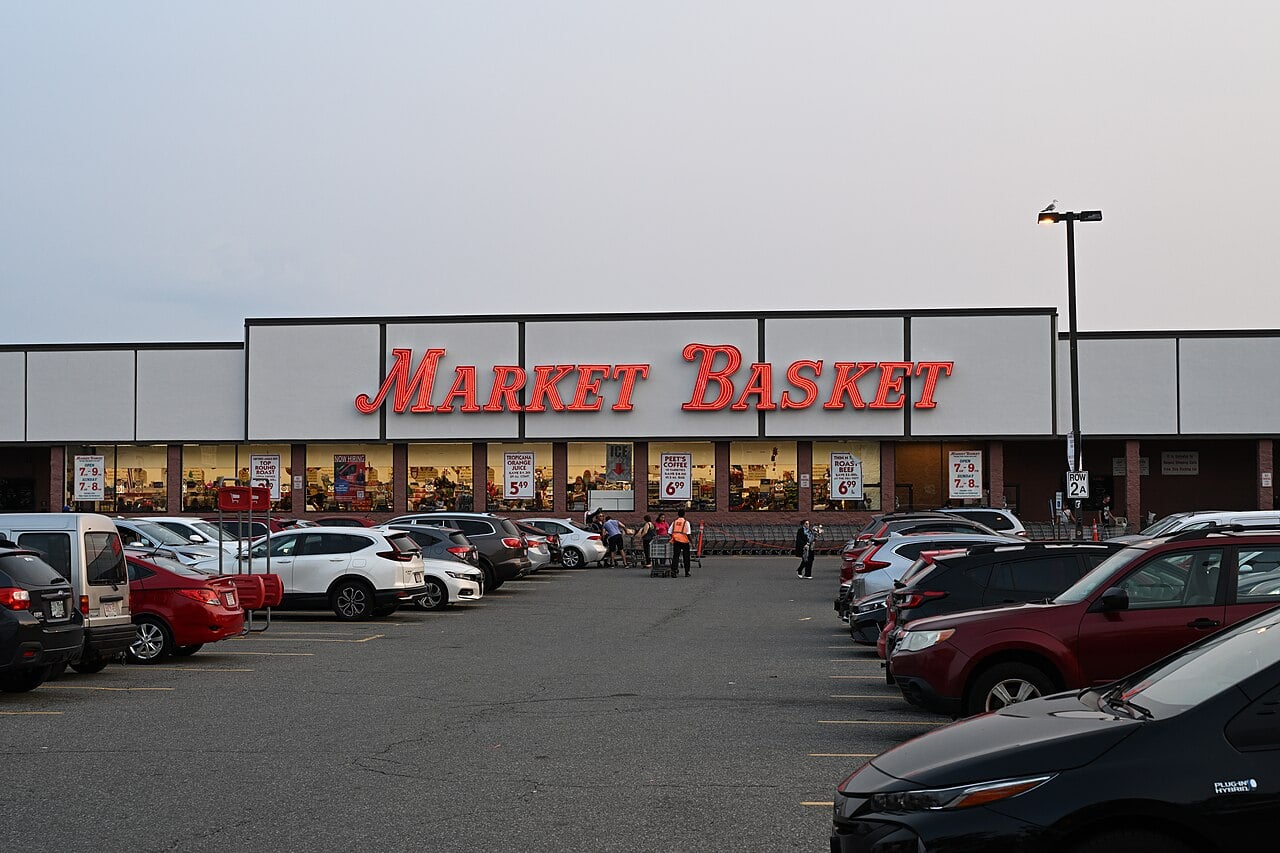
In New England, Market Basket has the kind of loyal following national chains would love to manufacture. The stores are not built around sleek design, flashy apps, or complicated loyalty-card games. They are known more for busy aisles, fast turnover, and a straightforward grocery experience that many shoppers still connect with fair prices. The chain traces its roots to Lowell, Massachusetts, in 1917 and now operates throughout New England, which also explains the biggest limitation: most Americans simply do not live near one. But where Market Basket exists, it can feel like an old-fashioned answer to modern grocery frustration.
H-E-B
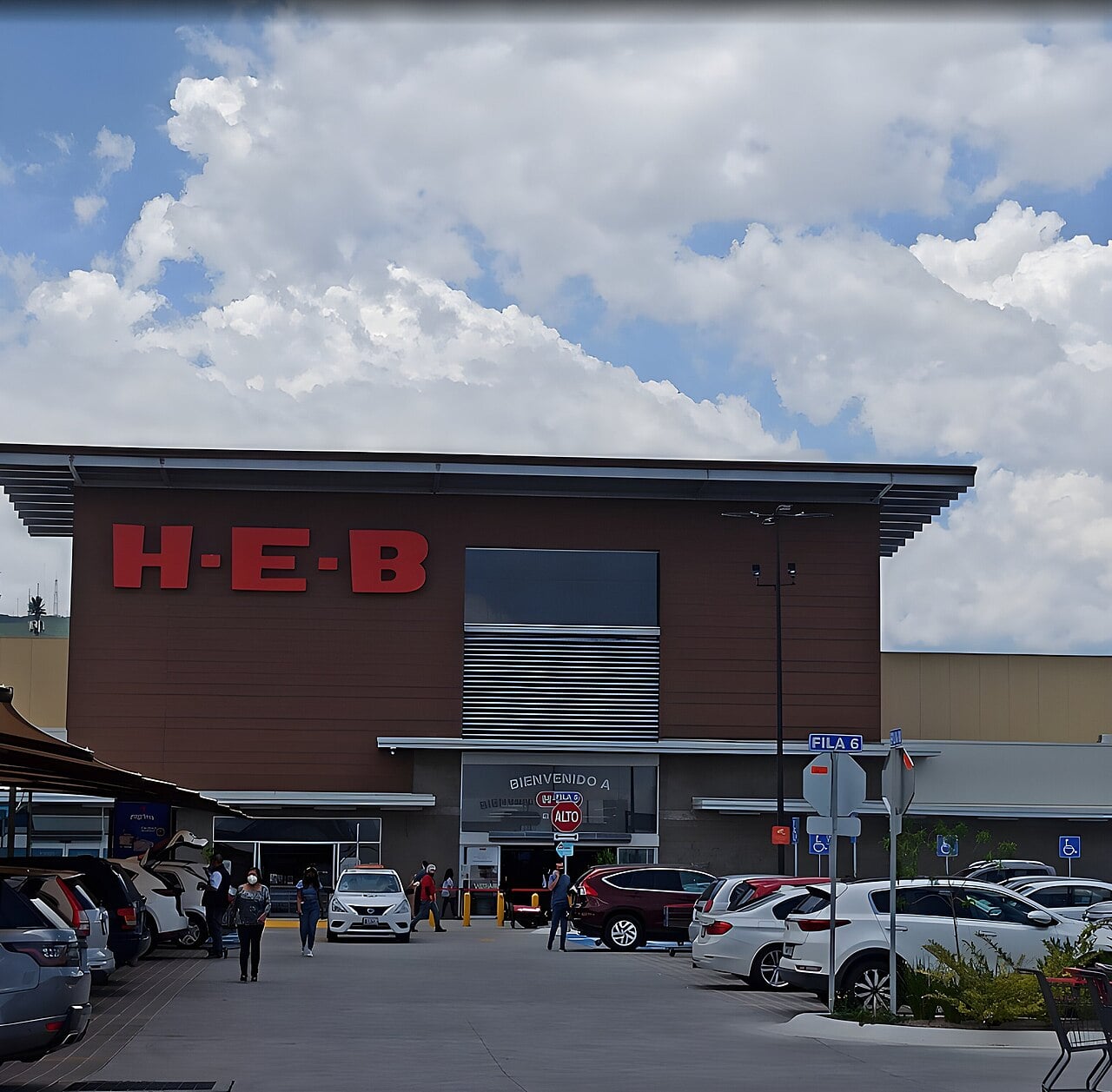
H-E-B is not the cheapest store in every price comparison, but in Texas it has earned something almost as valuable: trust. Shoppers praise its store brands, prepared foods, local products, curbside service, and the sense that the chain actually understands Texas families. Consumer Reports’ 2026 price work found H-E-B slightly below Walmart’s baseline, though nowhere near the savings shoppers might find at Costco, BJ’s, Aldi, Lidl, or WinCo. That makes H-E-B “reasonable” in a different way. It is not just about the lowest total. It is about walking out feeling like the value was visible.
Kroger
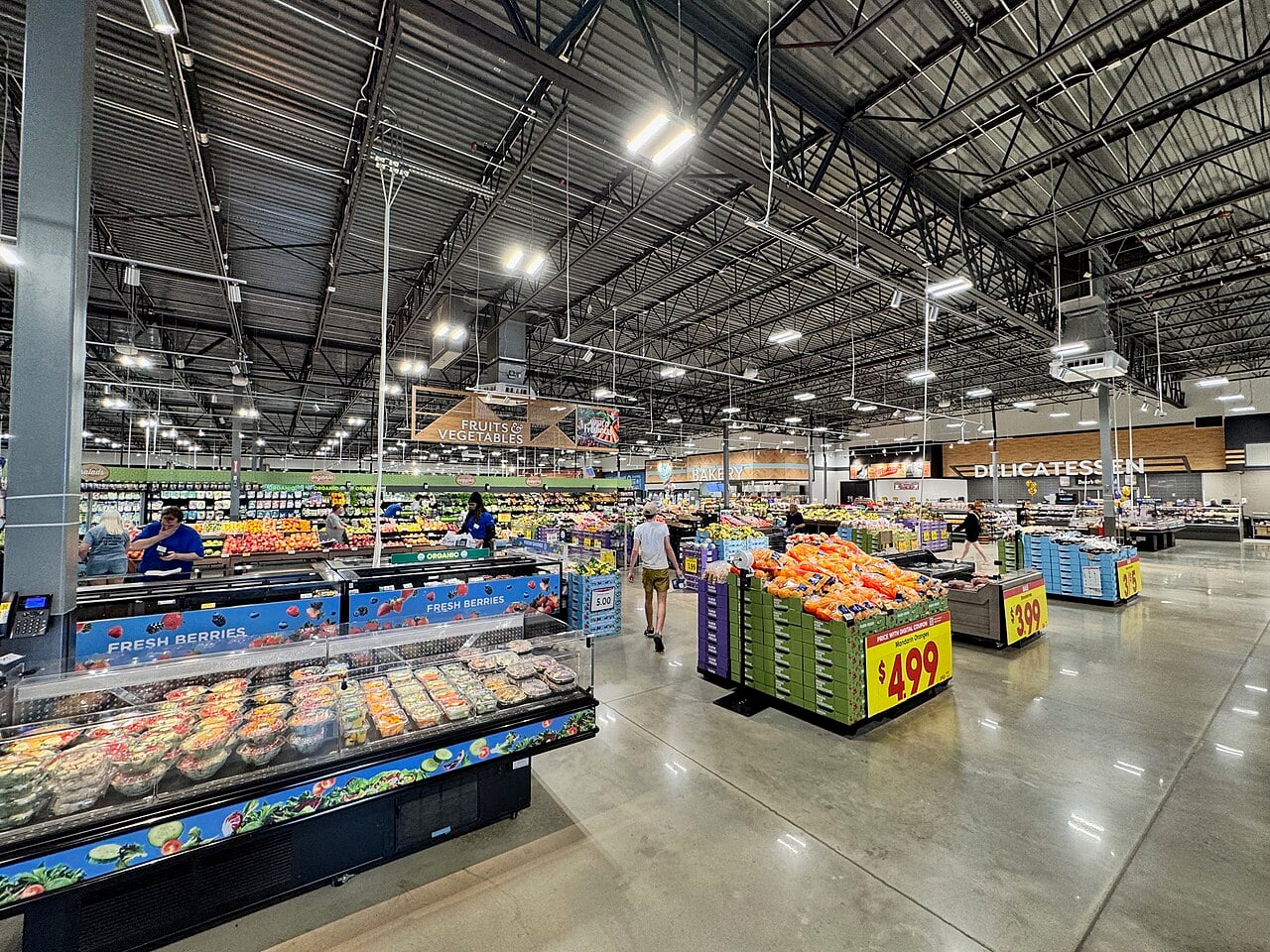
Kroger has not always been the first store people mention when they talk about rock-bottom grocery prices. But in 2026, it belongs in the conversation because the company is clearly trying to win value shoppers back. Reuters reported in May that Kroger plans to cut prices on thousands of products under new CEO Greg Foran, with Walmart, Costco, and Aldi very much in its sights. For regular shoppers, the real savings usually come from loyalty pricing, digital coupons, fuel points, and weekly sales. The downside is that Kroger can feel like homework. To get the best prices, you often need the app, the card, and a little patience.
Food Lion
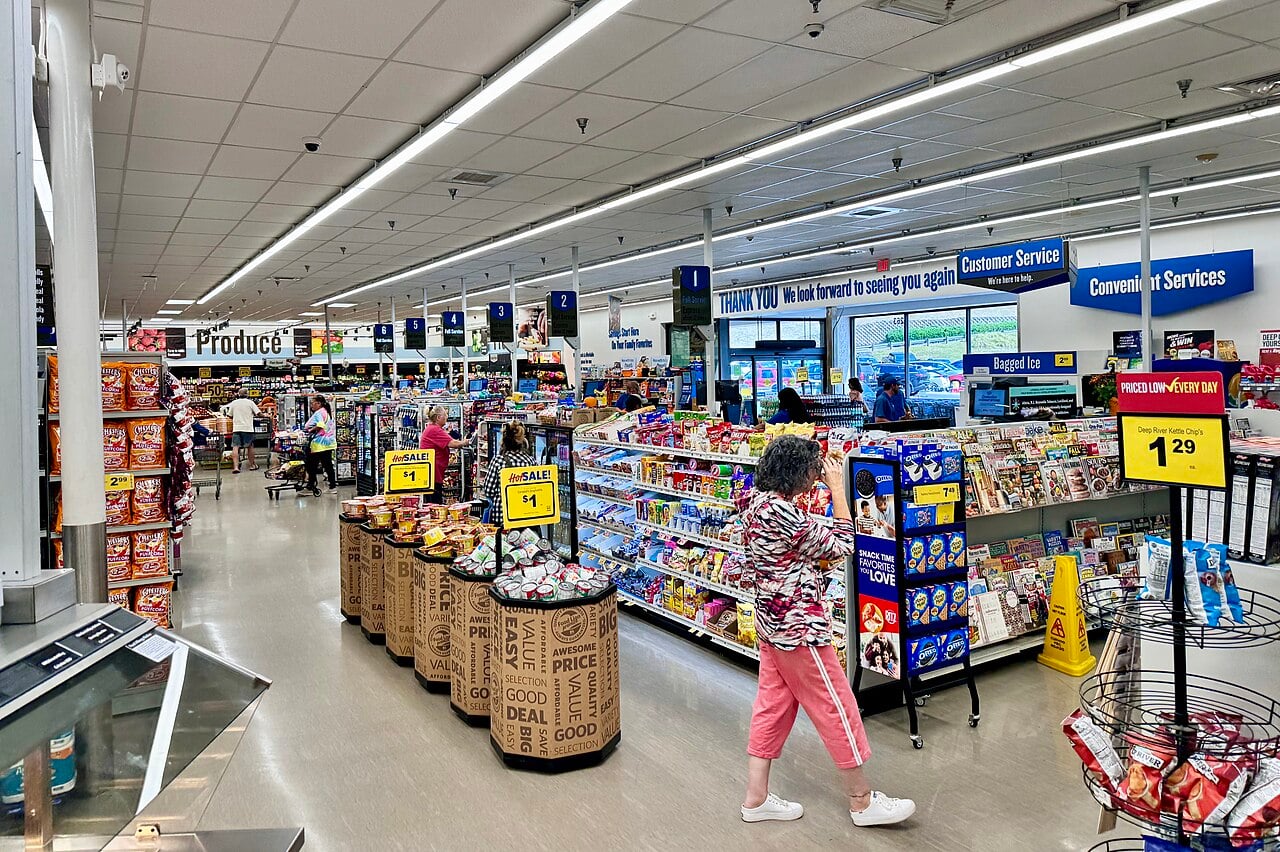
Food Lion is a good example of a regional chain that can feel reasonable when shoppers know how to use the loyalty system. Its MVP program unlocks savings at checkout, while digital coupons, Shop & Earn monthly rewards, and personalized offers can bring the total down further. Grocery Dive reported in April 2026 that Food Lion has been leaning into these tools to help customers plan, track, and manage their savings more easily. The downside is that it can feel annoying for shoppers who do not want another app or account to manage. Food Lion’s value is not always just on the shelf tag. It is in stacking simple weekly deals without having to drive all over town.
Save a Lot
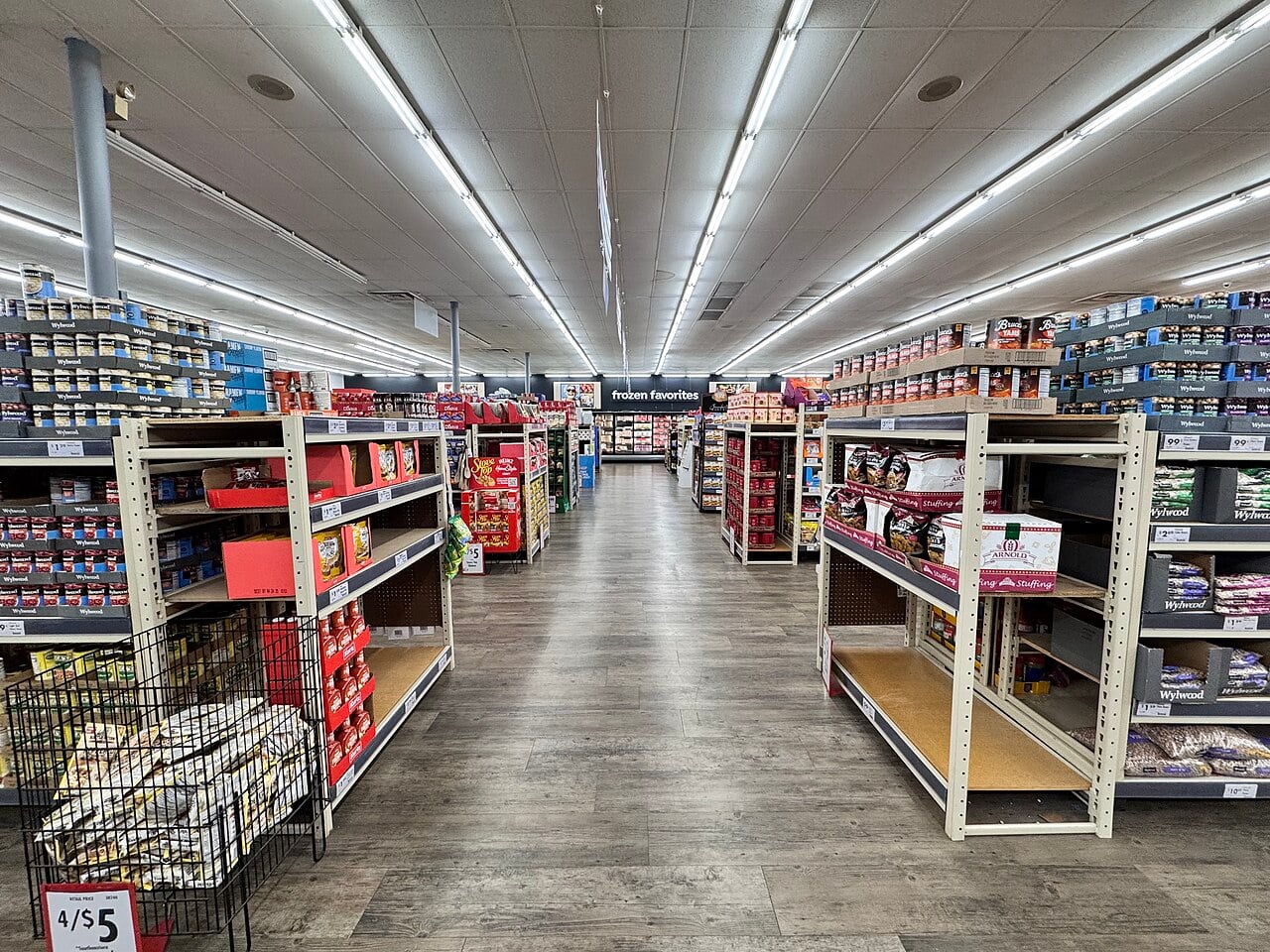
Save A Lot is built for shoppers who want the basics without wandering through a giant supermarket or paying for a polished shopping experience. The discount chain focuses on fresh food, pantry staples, freezer items, meat, and everyday household essentials, often with a strong mix of private-label products. Many stores are locally owned and operated, which can make selection and store experience vary by location. That is the trade-off: it may not have the widest assortment or the prettiest aisles, but it can be useful for dinner ingredients, canned goods, meat specials, and freezer staples. For shoppers who mainly need practical groceries, that simpler setup can still be exactly the point.
International and Ethnic Grocery Stores
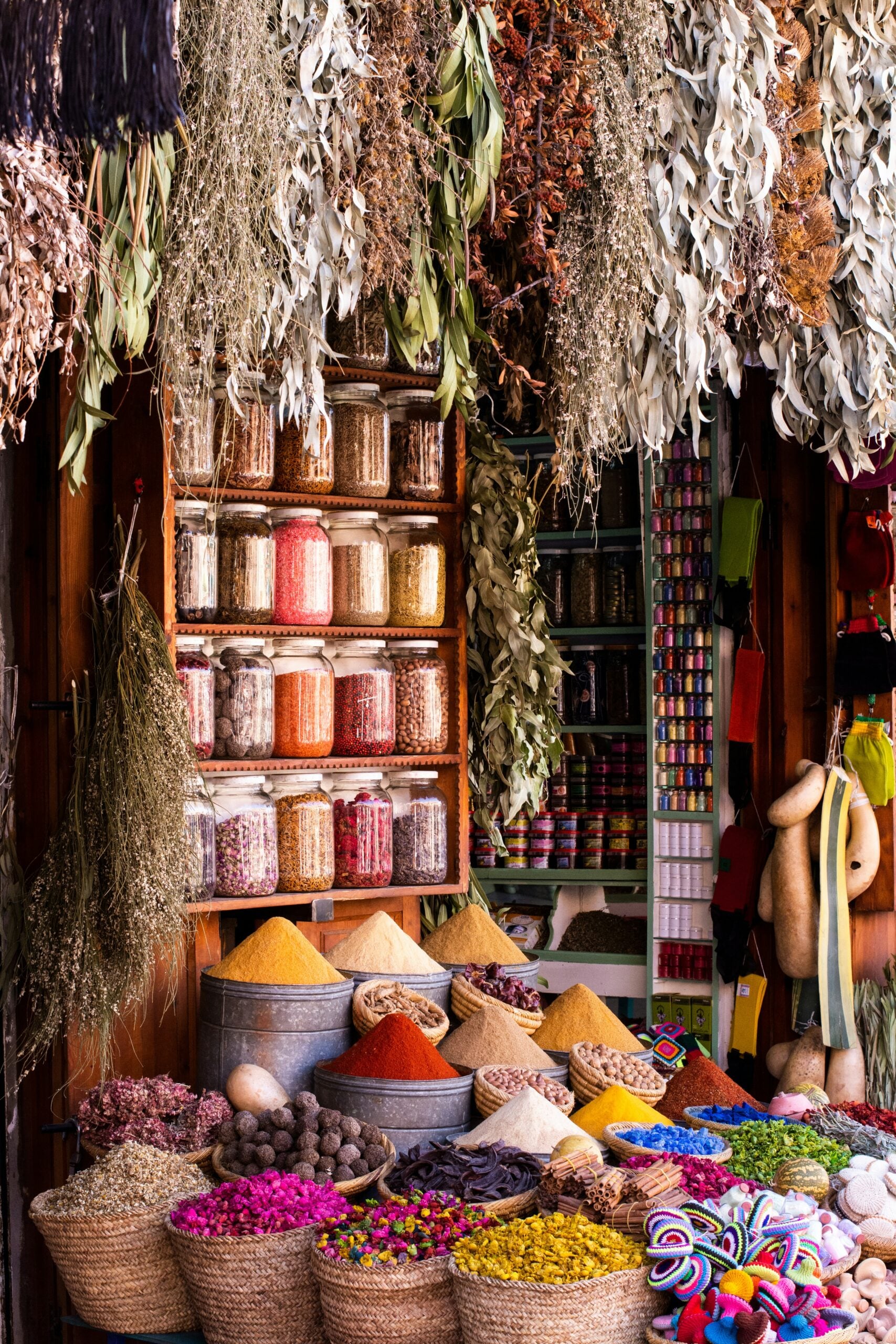
Some of the most reasonable grocery trips in America do not happen at a national chain at all. Asian, Hispanic, Middle Eastern, Indian, Balkan, African, and other international markets can be great places to buy rice, beans, lentils, spices, noodles, herbs, produce, tea, sauces, and specialty ingredients that often cost more at mainstream supermarkets. They are especially useful for shoppers who cook from scratch and know how far a big bag of rice, dried beans, or a few good spices can go. The catch is that every store is different. Some are true bargains, while others are more like specialty shops. Compare prices, but do not overlook them.
Dollar General, Dollar Tree, and Other Dollar Stores
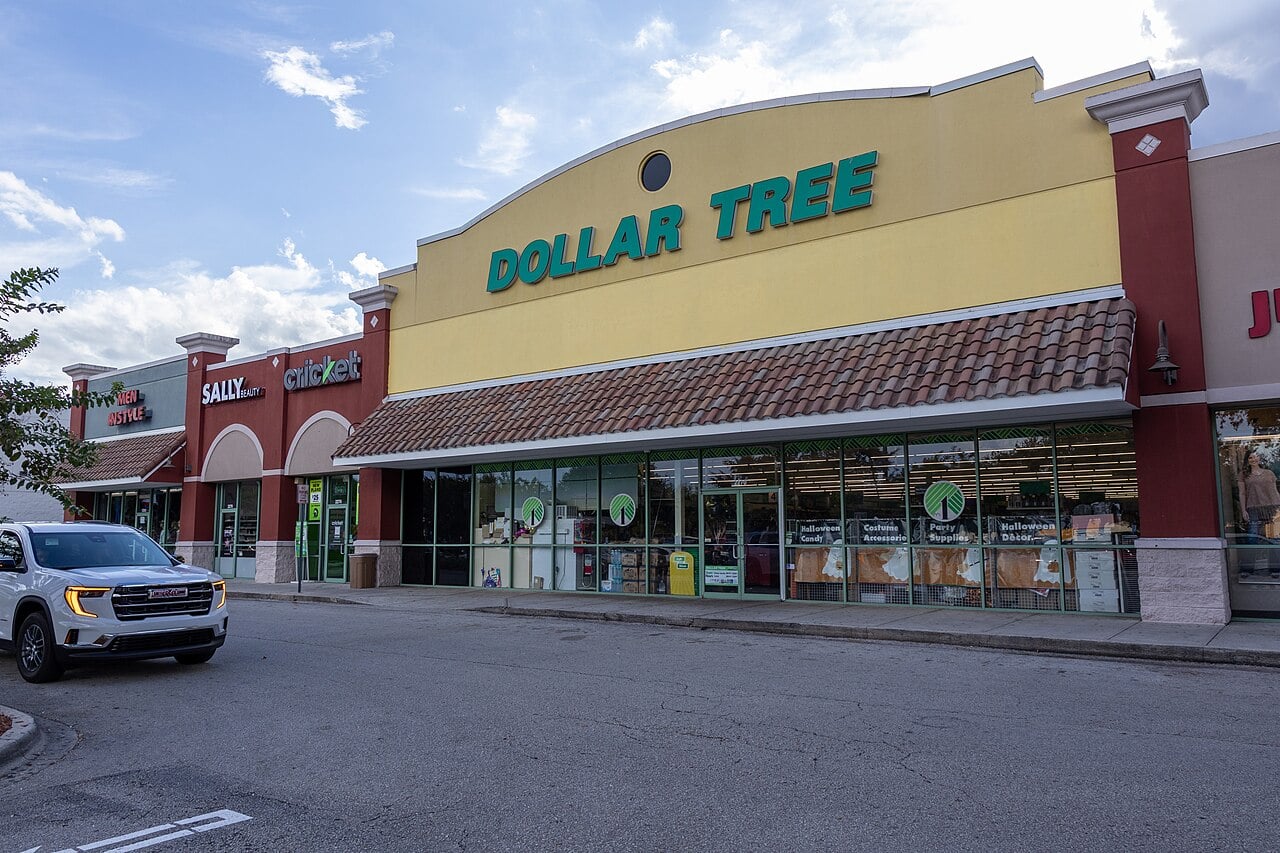
Dollar stores are not a perfect grocery solution, and they should not be treated like one. Unit prices can be tricky, fresh food is still limited in many locations, and some stores are better for pantry fill-ins than a real weekly shop. Still, they belong in this conversation because many Americans use them as emergency grocery stops, especially in rural areas or neighborhoods without a full supermarket nearby. Dollar General has added fresh produce to thousands of stores, which makes the format more useful than it used to be. For cereal, canned goods, snacks, frozen items, and last-minute basics, dollar stores can feel reasonable, as long as shoppers compare sizes and do not assume every small package is a better deal.
More from Cheapism
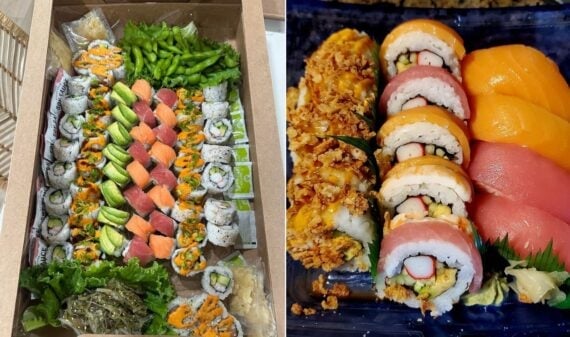
- Where to Find Affordable Grocery Store Sushi That Still Tastes Fresh — A look at the grocery chains that surprise shoppers with fresh, affordable sushi despite the category’s long-standing reputation for being risk.
- Families Are Turning Dollar Store Ingredients Into Shockingly Good Dinners To Survive 2026 — How budget-conscious families are turning dollar store ingredients into simple, filling meals as grocery prices continue to climb.
- The Grocery Store Timing Hacks People Use To Find the Best Clearance Deals — An insider’s guide to grocery store markdown schedules and the best times to score discounted food before it disappears.