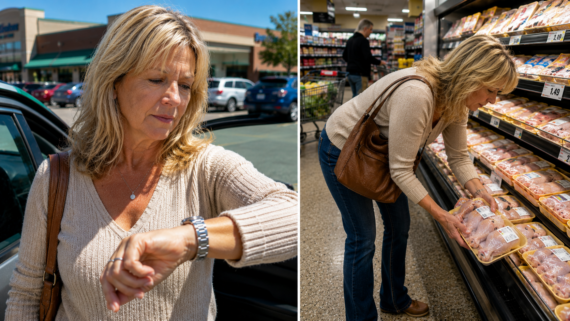
Grocery clearance shopping is not just random luck anymore. The people who consistently find the good markdowns usually know their store’s routine: when meat gets tagged, when yesterday’s bakery items move to a discount rack, and when prepared foods or bruised produce are marked down before they are tossed. The tricky part is that every store has its own rhythm, even within the same chain. In general, early shoppers may catch the first markdowns, while evening shoppers may find deeper leftovers, if anything is still there.
Ask the Store When Markdown Stickers Usually Go Out
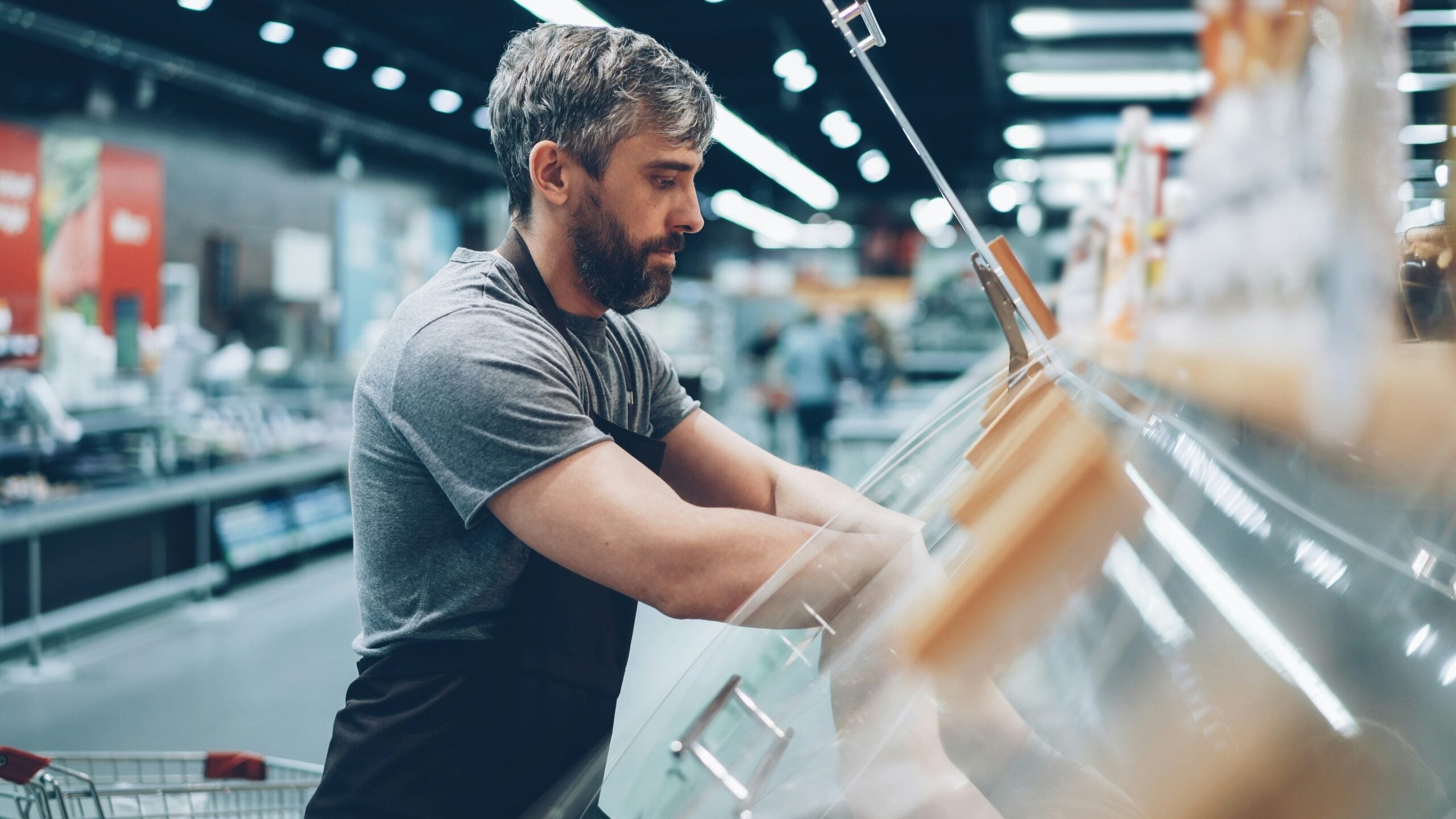
One of the easiest clearance tricks is just asking. Grocery markdowns are often based on that specific store’s routine, not a national rule posted somewhere online. One store might tag close-dated meat first thing in the morning, while another waits until inventory is checked or a department manager makes the call. Keep it casual and polite: “Do you know when the marked-down meat usually goes out?” Even without an exact time, an employee may point you toward the right case, shelf, or day to check.
Go Early for the First Round of Near-Date Markdowns
Early morning is worth testing if you are serious about clearance shopping. Many stores use the quieter first hours to check dates, rotate older items forward, and mark down food that needs to sell soon. WorkMoney points to the 6 a.m. to 9 a.m. window for fresh markdowns on things like dairy, bakery items, meat, deli salads, and leftover rotisserie chicken. That does not mean every store is stacked with deals at 7 a.m., but if you see the same department being tagged twice, you have probably found your store’s rhythm.
Check Meat First, Then Decide Dinner Around the Deal
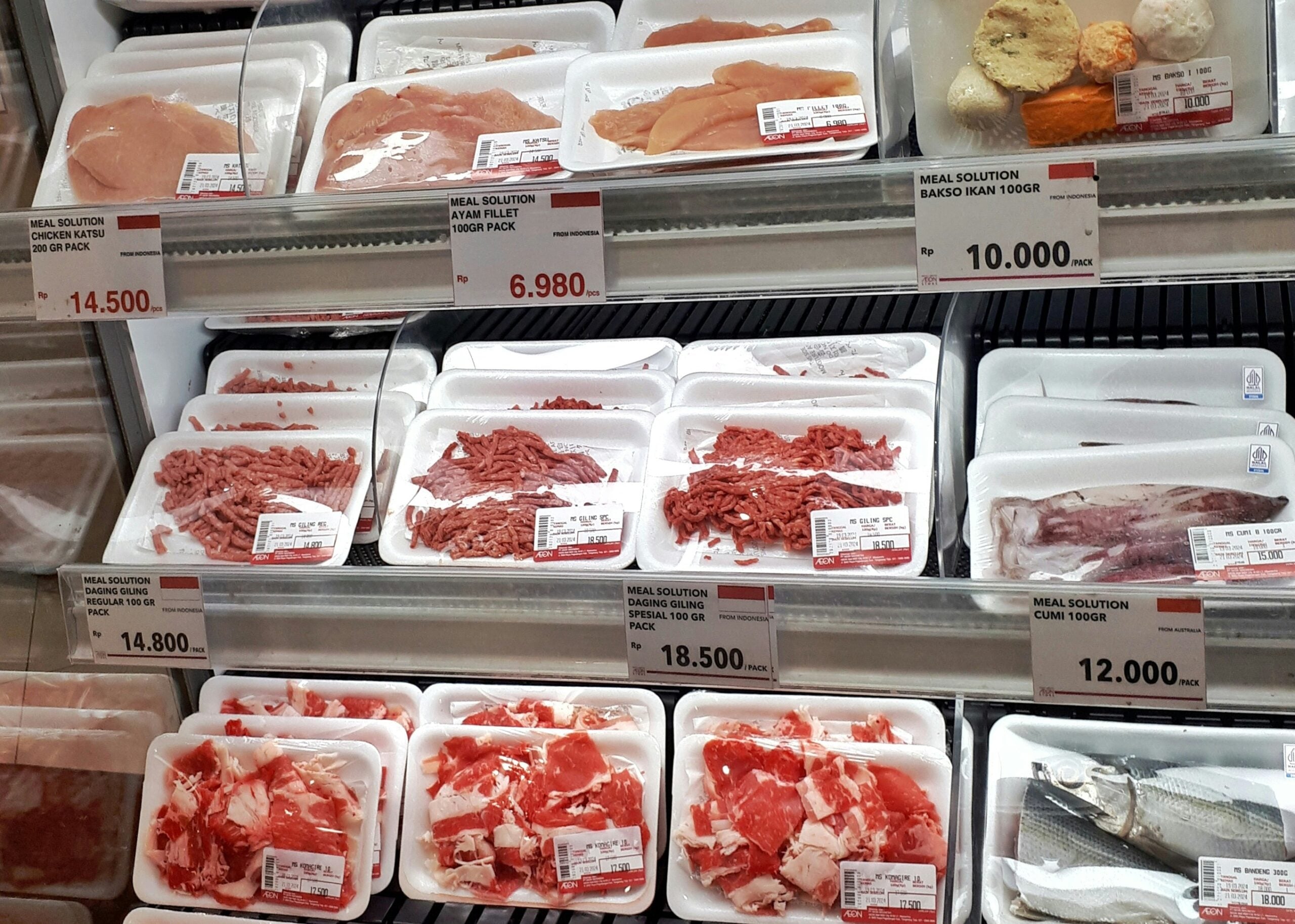
If meat is usually what blows up your grocery bill, start there before planning dinner. Many stores mark down packages that are close to their sell-by or use/freeze-by date, and the better cuts can disappear fast. Instead of shopping with one recipe in mind, check what is discounted first and build the meal around that. Just be realistic: a cheap roast is not helpful if you do not have time to cook it. For smaller households, portioning and freezing it the same day is often the real money-saver.
Try the Deli and Rotisserie Area After the Dinner Rush
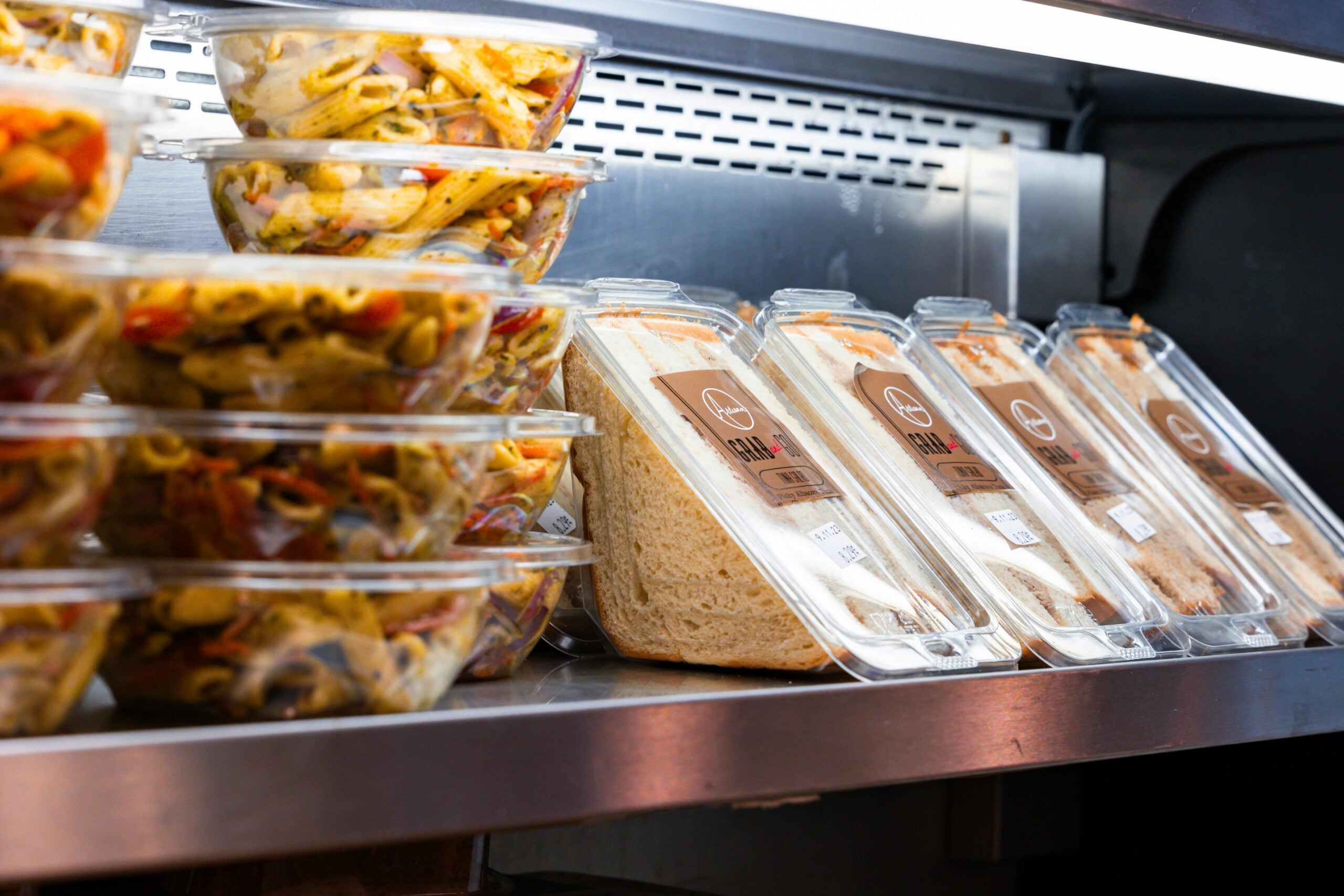
Prepared foods do not always follow the same markdown schedule as raw meat. A store may discount hot-case chicken, deli salads, sushi, sandwiches, or grab-and-go meals later in the day, especially once the lunch or dinner rush has passed. That can make late afternoon or evening a smart time to look, but it is not guaranteed. The trade-off is selection: the best meals may be gone before the stickers appear. Go in thinking “dinner tonight” or “lunch tomorrow,” not a full week of groceries.
Visit the Bakery Late, or Early the Next Morning
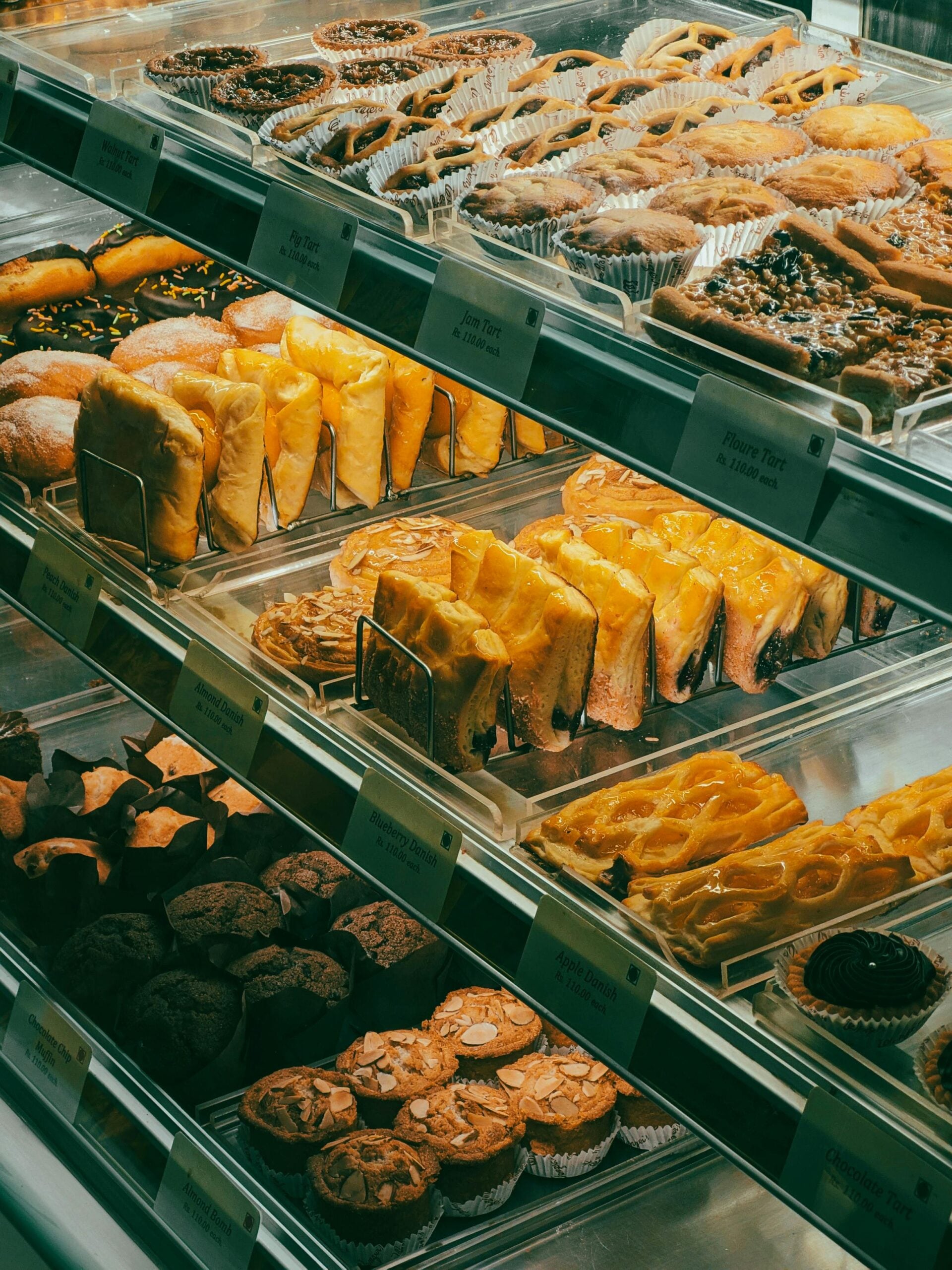
Bakery markdowns can be one of the easier clearance wins, especially if you have freezer space. Bread, rolls, bagels, and many muffins usually freeze well, so a marked-down pack can stretch beyond one day. Some stores discount bakery items near closing, while others put yesterday’s bread on a rack the next morning. Check near the bakery, front doors, or clearance area. The trick is buying useful basics first. Discounted sandwich bread helps. A box of stale doughnuts you did not need is still just clutter.
Trending on Cheapism

Shop Midweek When New Ads and Old Stock Collide
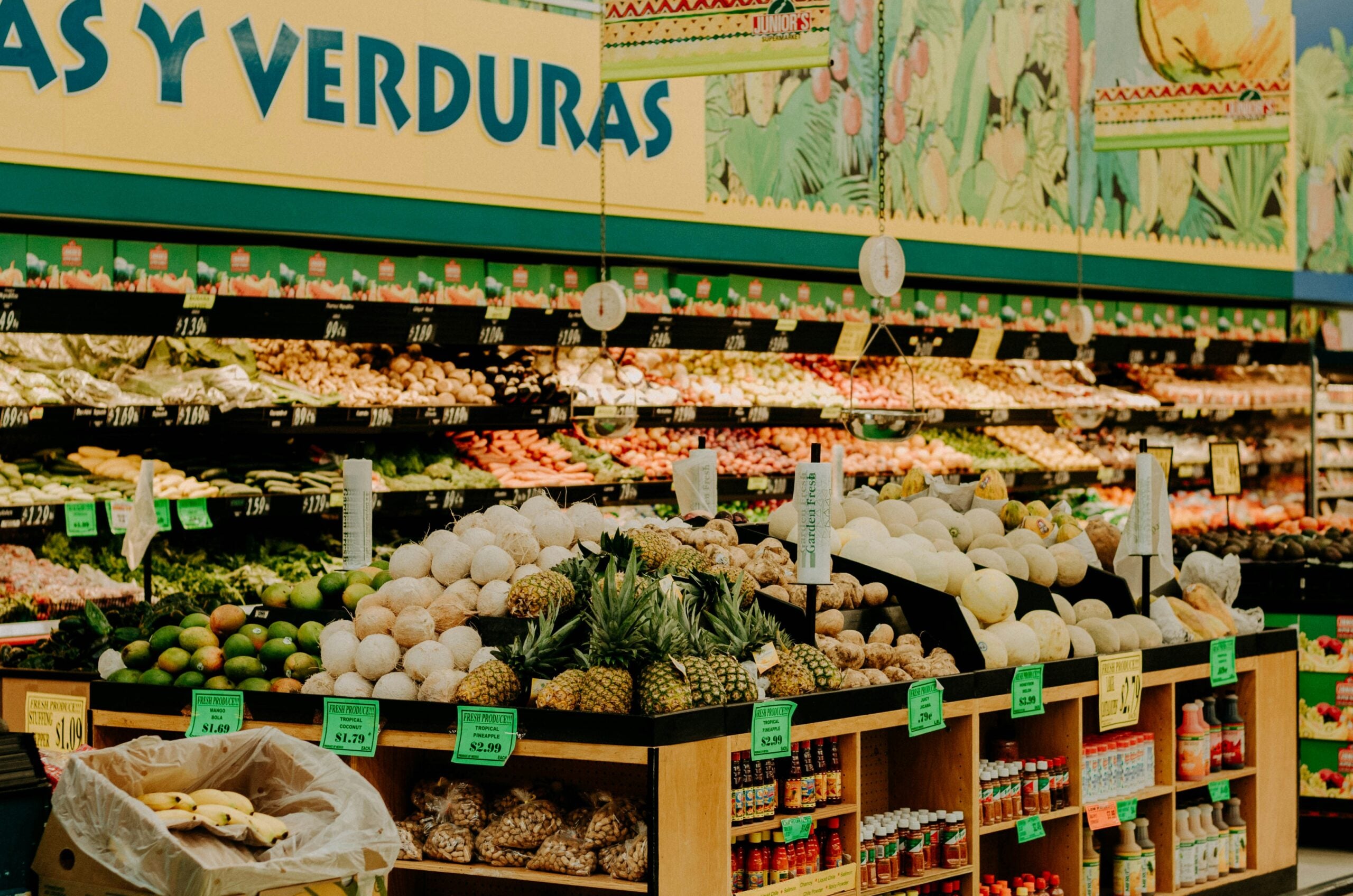
Midweek can be a smart time to look for clearance, especially at stores that refresh ads or special buys around Wednesday. ALDI’s weekly Finds typically roll over midweek, and Meijer moved its weekly ad to a Wednesday-through-Tuesday schedule in 2025. That does not mean Wednesday is magic at every grocery store. It just gives shoppers a useful window to compare the new ad, check endcaps, and look for last week’s seasonal or promotional items that may be marked down to make room.
Walk the Clearance Rack Before You Fill the Cart
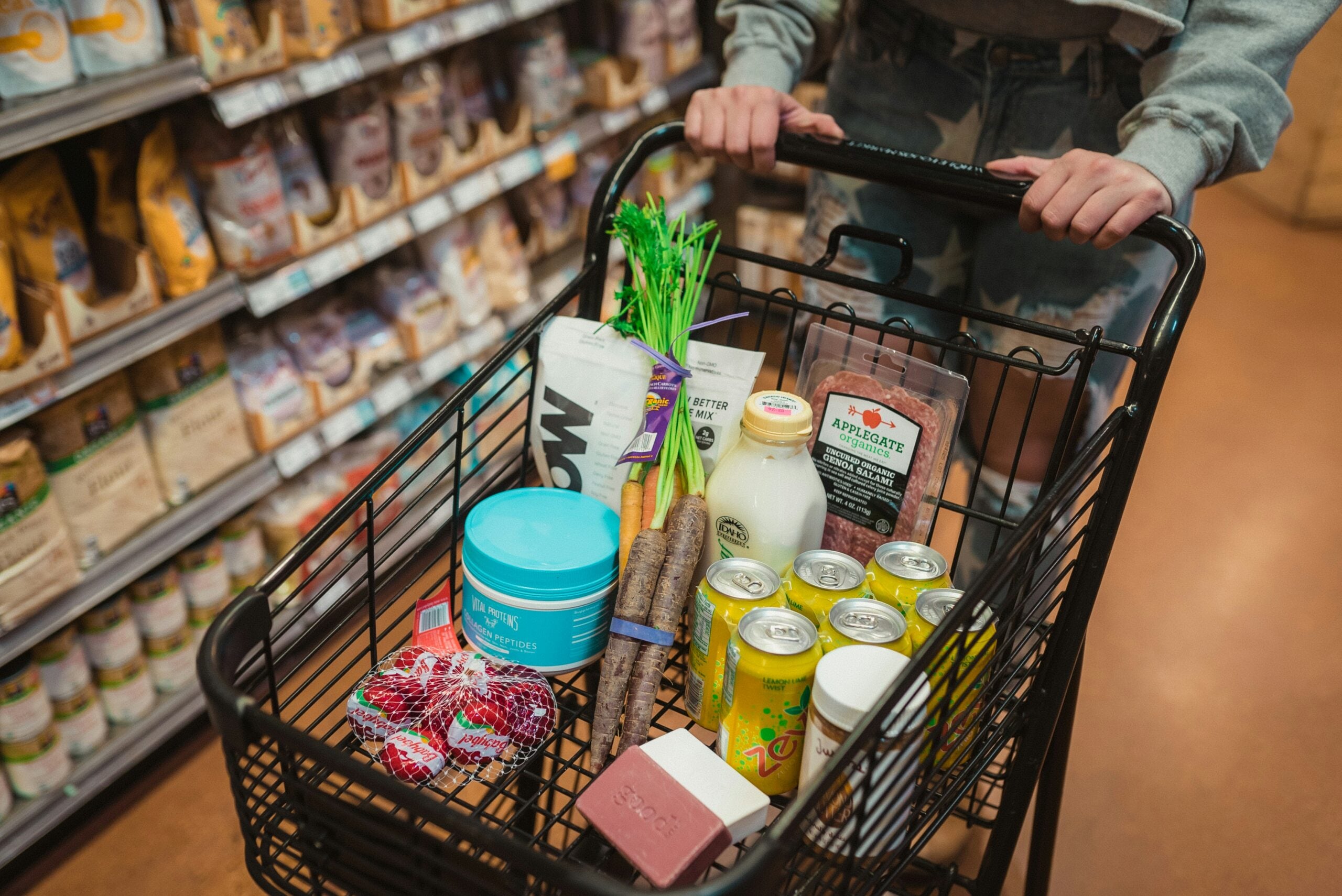
A good clearance trip starts before the regular shopping begins. Instead of filling your cart first and finding the discount rack later, flip the order. Check the bakery markdown shelf, meat case, produce clearance area, deli section, and any “manager’s special” spot first. Some stores keep discounts in one obvious place, while others tuck them into each department. The point is not to grab random bargains. It is to let a good markdown replace something you were already planning to buy.
Look for Yellow Stickers, But Read the Fine Print
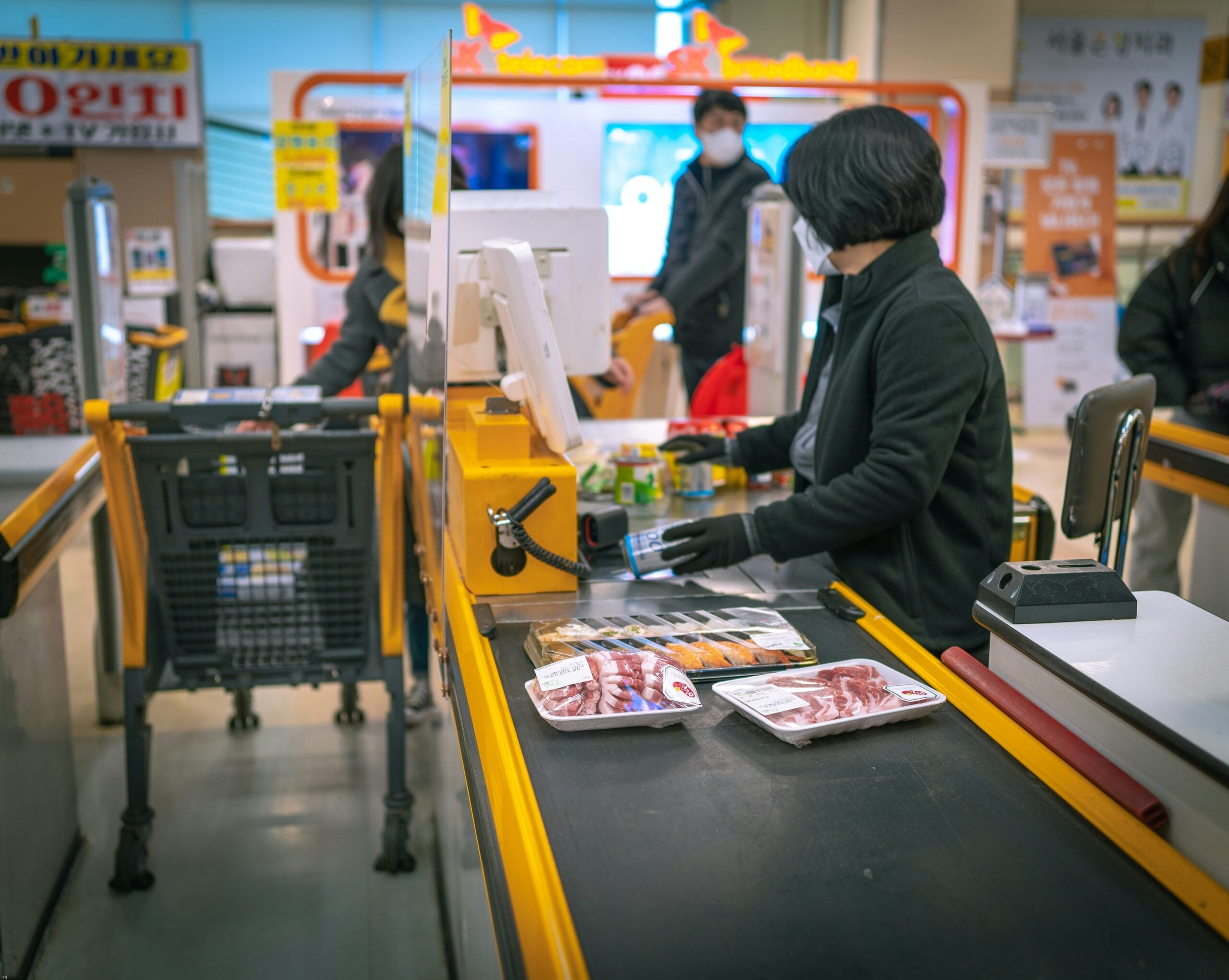
Clearance stickers are not always as simple as they look. Some show a new price, some take a percentage off at checkout, and some can confuse self-checkout scanners. KCL found yellow and red quick-sale labels at several grocers and even ran into self-checkout trouble with certain markdown stickers. So do not just toss the item in your bag and assume the deal worked. Watch the screen, check the receipt, and ask for help if the discount rings up wrong. A missed markdown is just full price in disguise.
Sign up for our newsletter
Check Produce Markdowns When You Can Use Them Fast
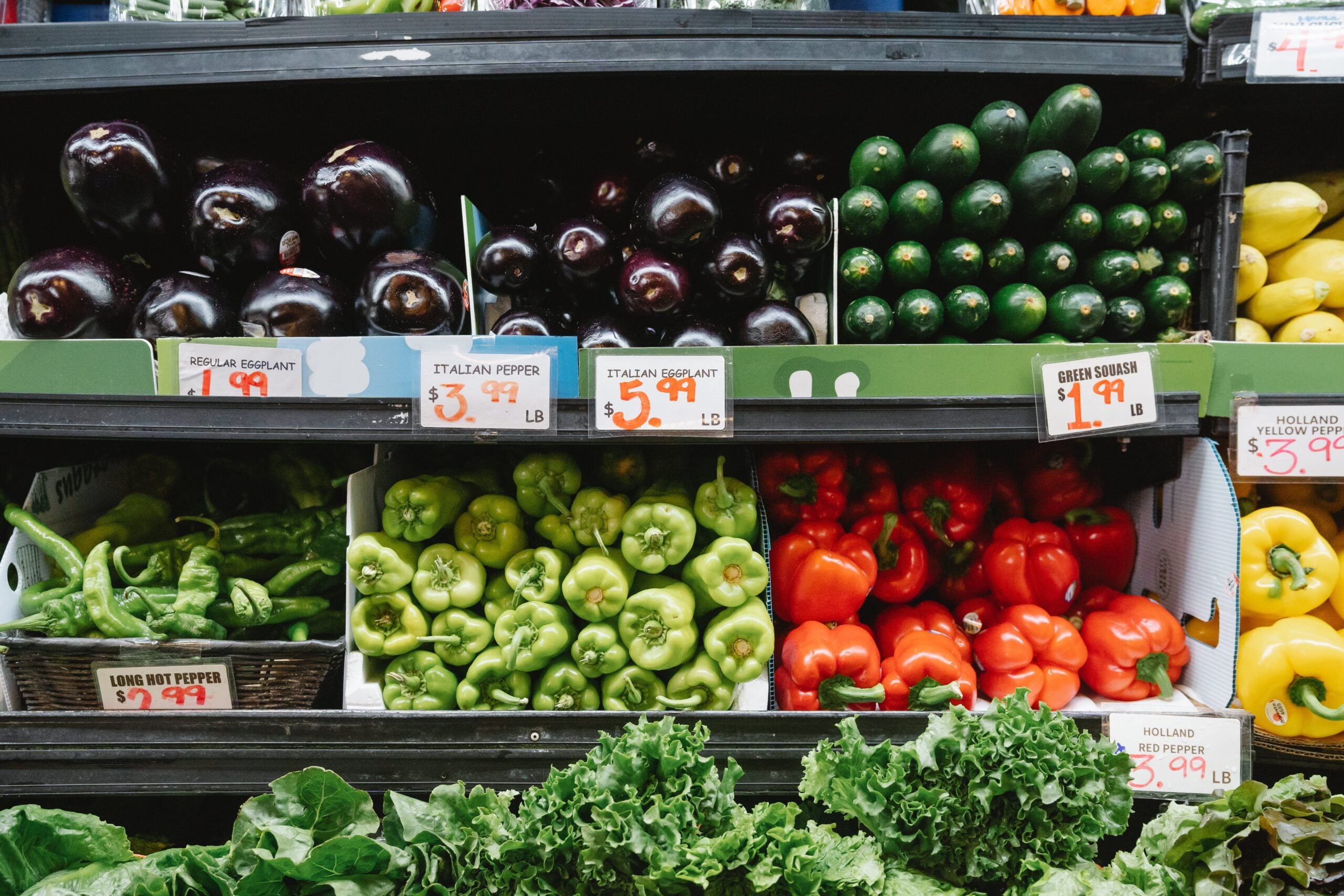
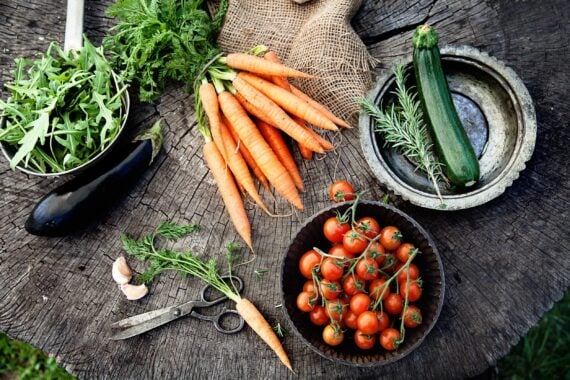
Produce markdowns work best for shoppers who can improvise. Bruised apples can become applesauce, soft tomatoes can turn into sauce, and ripe bananas are perfect for banana bread or freezer smoothie packs. But this is also where a “deal” can become food waste fast. A cheap bag of fruit is not helpful if your fridge is full or your week is packed. Check early enough that the section is not picked over, then be honest: if you cannot prep it today or tomorrow, skip it.
The Dairy Trips Around Dates, Not Just Price
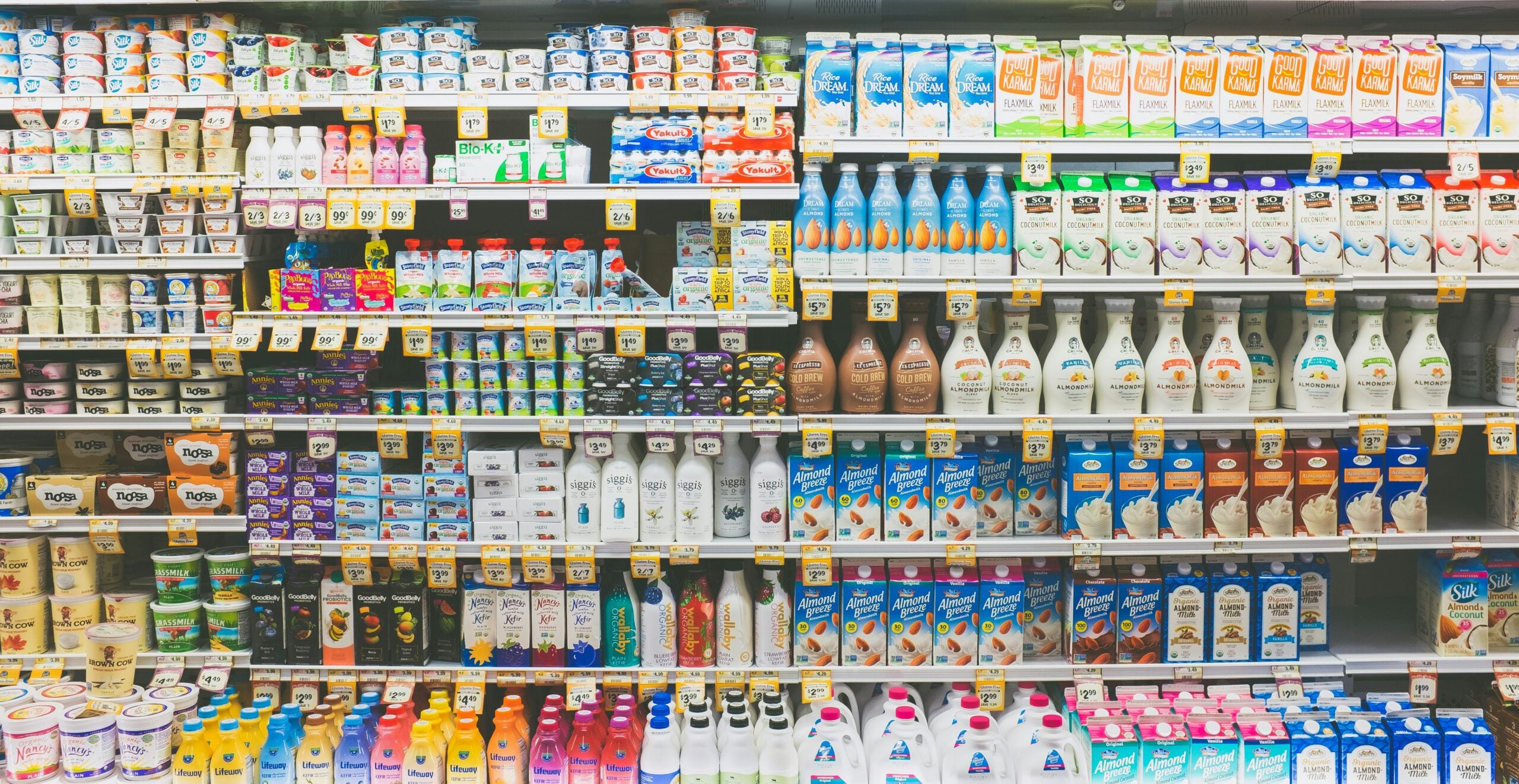
Dairy markdowns can be useful, but they are not the place to get carried away. Milk, yogurt, cottage cheese, and specialty cheeses sometimes land in the discount section, especially as dates get close. Before grabbing them, check the date, make sure the seal is intact, and think honestly about how fast your household goes through dairy. Three half-price yogurts are not a deal if two expire untouched. The best markdown is something you already buy, with enough time left to finish it normally.
Learn the Difference Between “Sell By”, “Best By”, and “Use By”
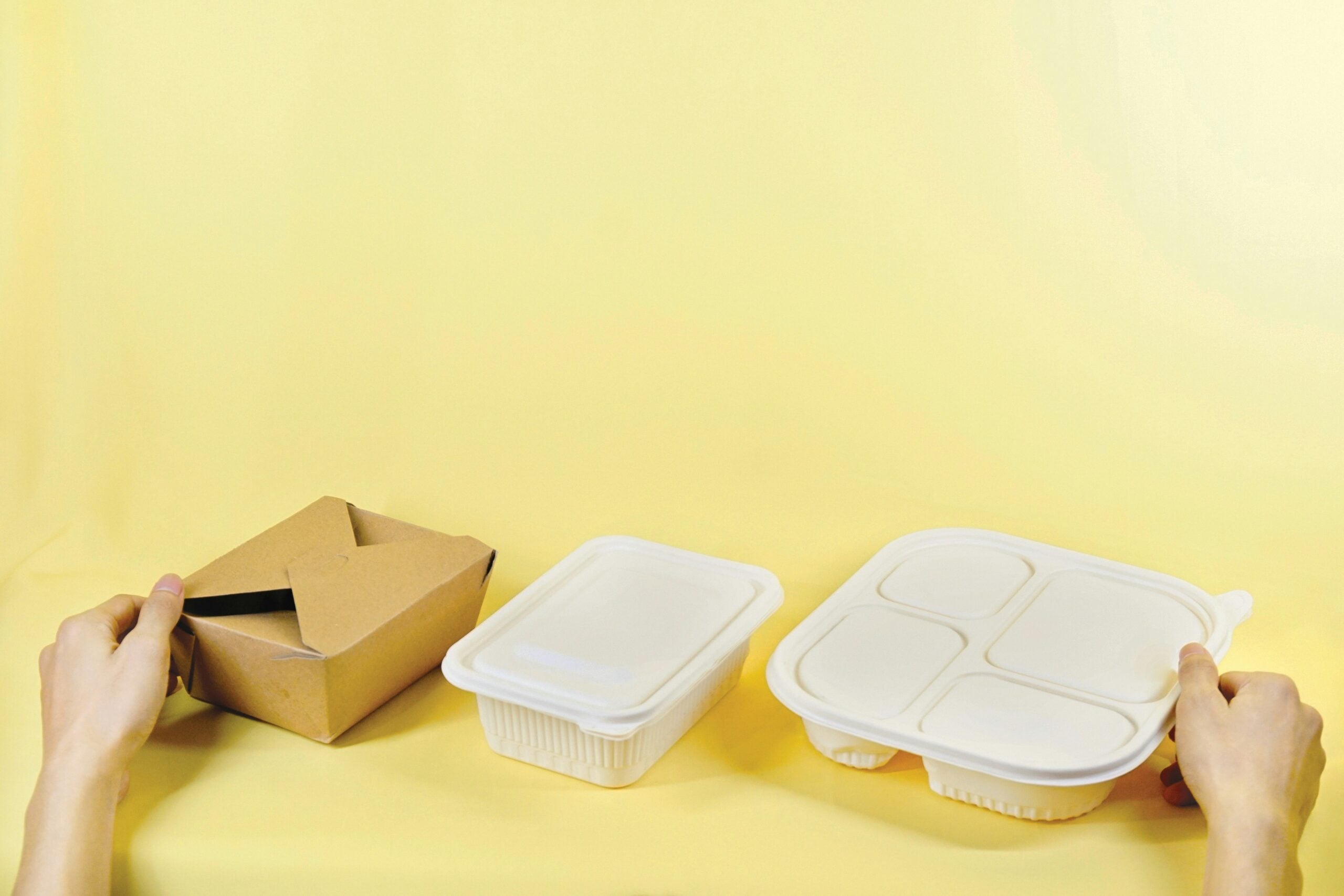
A lot of clearance food is marked down simply because the package date is getting close, so it helps to know what those labels actually mean. The USDA says “sell by” is mainly for store inventory, not a safety deadline, and federal agencies have warned that confusing date labels can make shoppers toss good food too soon. That does not mean ignoring common sense. Check the seal, smell, texture, temperature, and how the food was handled. The point is to avoid panic-buying or panic-tossing over one sticker.
Use the Freezer as Part of the Timing Hack
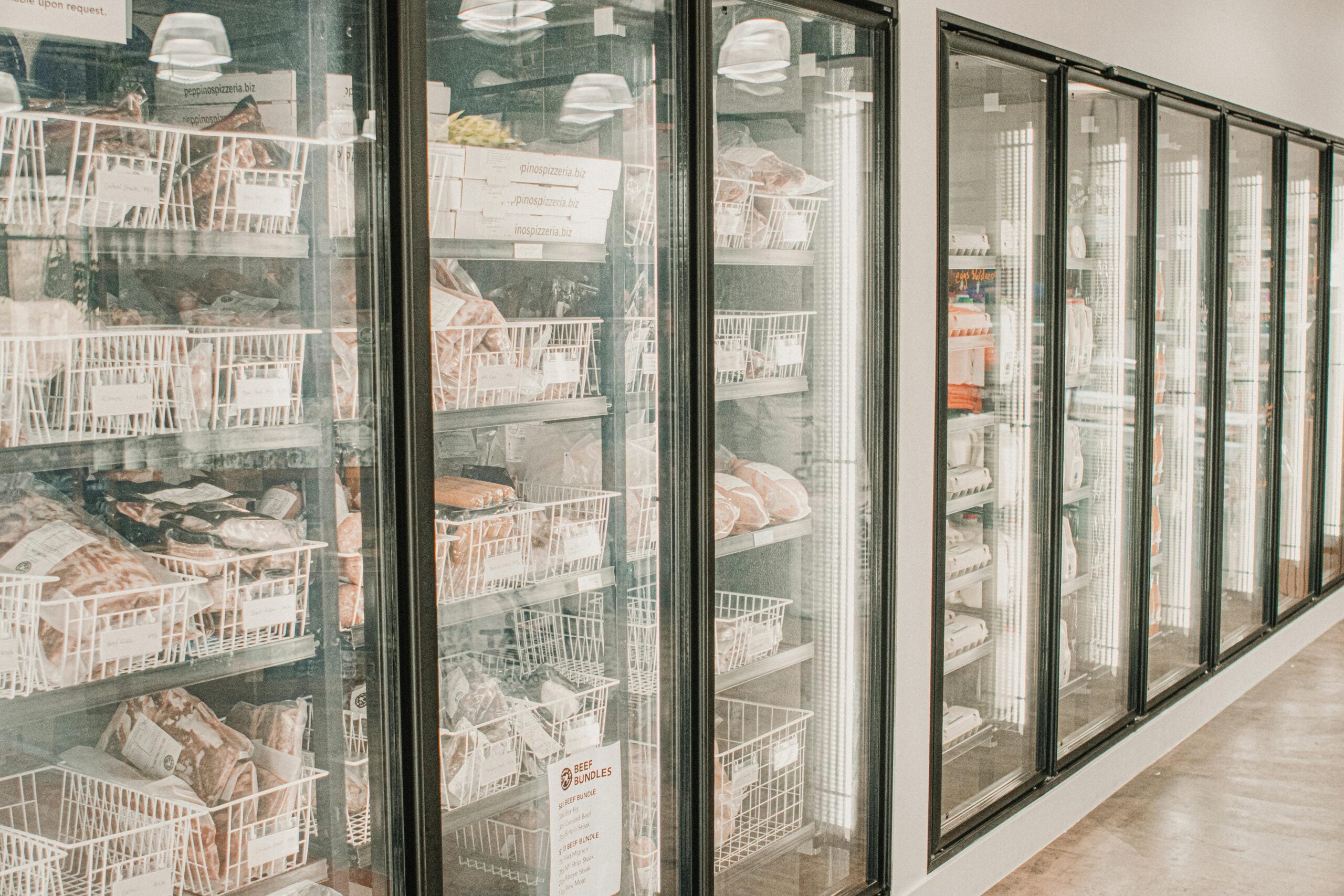
The best clearance shoppers are not just lucky; they are prepared. If you buy marked-down meat, bread, or prepared meals, have freezer bags, tape, and a marker ready at home so you can portion everything the same day. This matters even more for people cooking for one or two. A big discounted pack can be a great deal if it becomes four labeled dinners in the freezer. Without that plan, clearance shopping quickly turns into a race against spoilage.
Try Surplus-Food Apps Near Pickup Windows
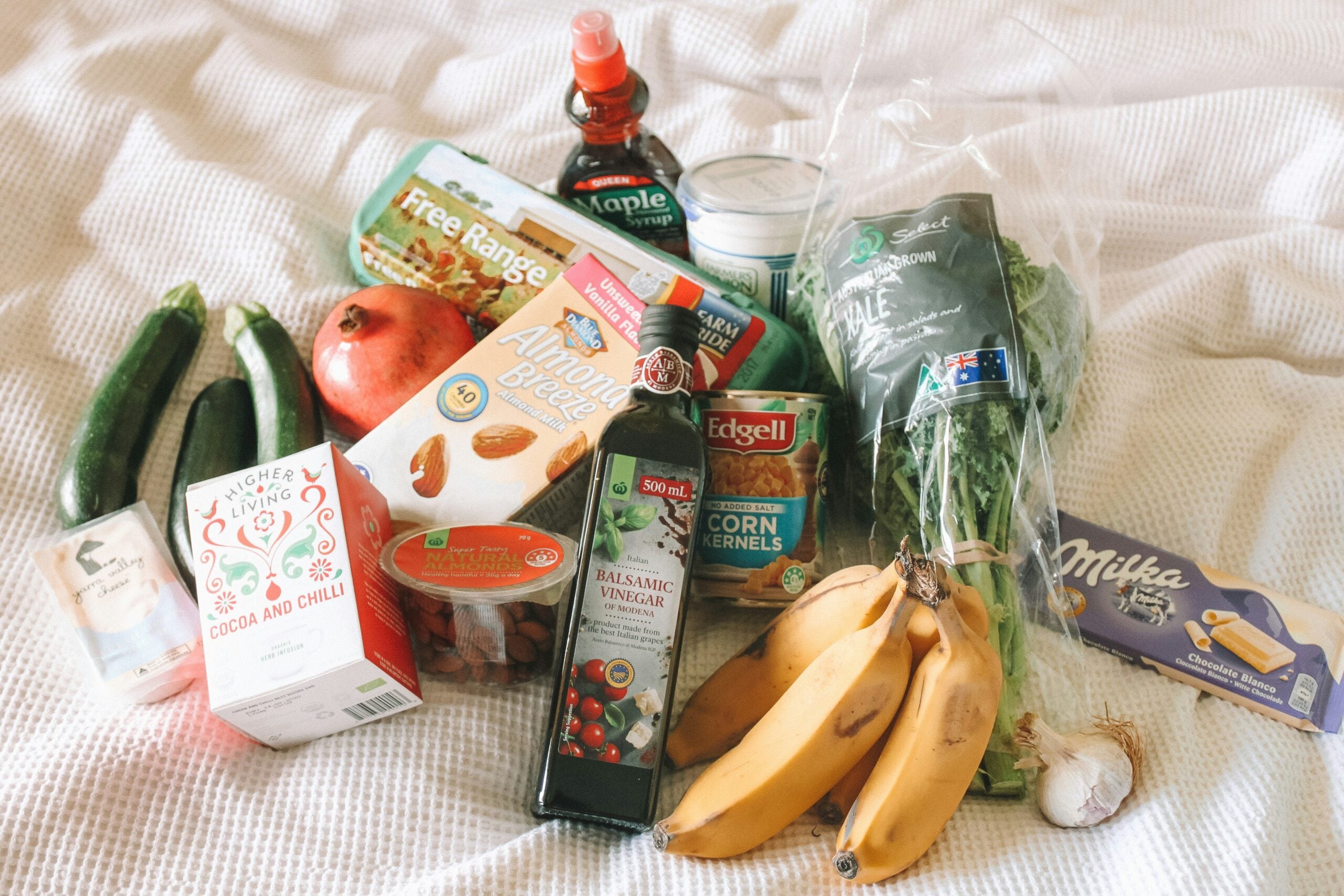
Not every clearance deal is sitting on a rack anymore. Some stores, bakeries, cafes, and restaurants now move extra food through surplus-food apps such as Too Good To Go, where shoppers can buy discounted “surprise bags” of food that would otherwise go unsold. The savings can be real, but the trade-off is control. You usually do not get to choose exactly what is inside. That makes the app useful for flexible households, but less helpful if you need specific ingredients, have allergies, or plan meals tightly.
More From Cheapism
- The Best Fast-Food Meal Deals in May That Let You Feed Everyone Without Going Broke — Fast-food chains are offering affordable family meal deals to help budget-conscious customers feed large groups more easily and cheaply.
- The Smart Way to Redeem Your Costco Executive Rewards — Costco shoppers may lose extra cash back rewards by paying with reward certificates instead of using smarter redemption strategies.
- Meal Deals, Free Fries, and More Fast-Food Offers for May — Planning ahead and using promotions can help customers save money on convenient fast-food meals and takeouts orders.