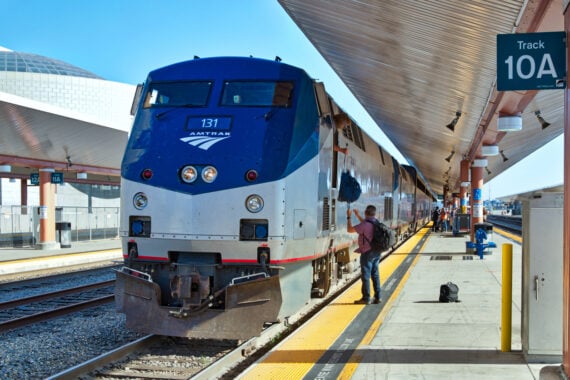
Some American towns grew almost overnight around gold mines, railroad depots, coalfields, and heavily traveled highways. Hotels opened, stores filled their shelves, and thousands of residents built lives around a single source of prosperity. When the ore ran out, trains changed routes, or interstates redirected motorists, many communities lost nearly everything that kept them alive. Several are now protected as historic sites, including places preserved by the National Park Service, while others remain remote collections of ruins and empty streets.
Bodie, California
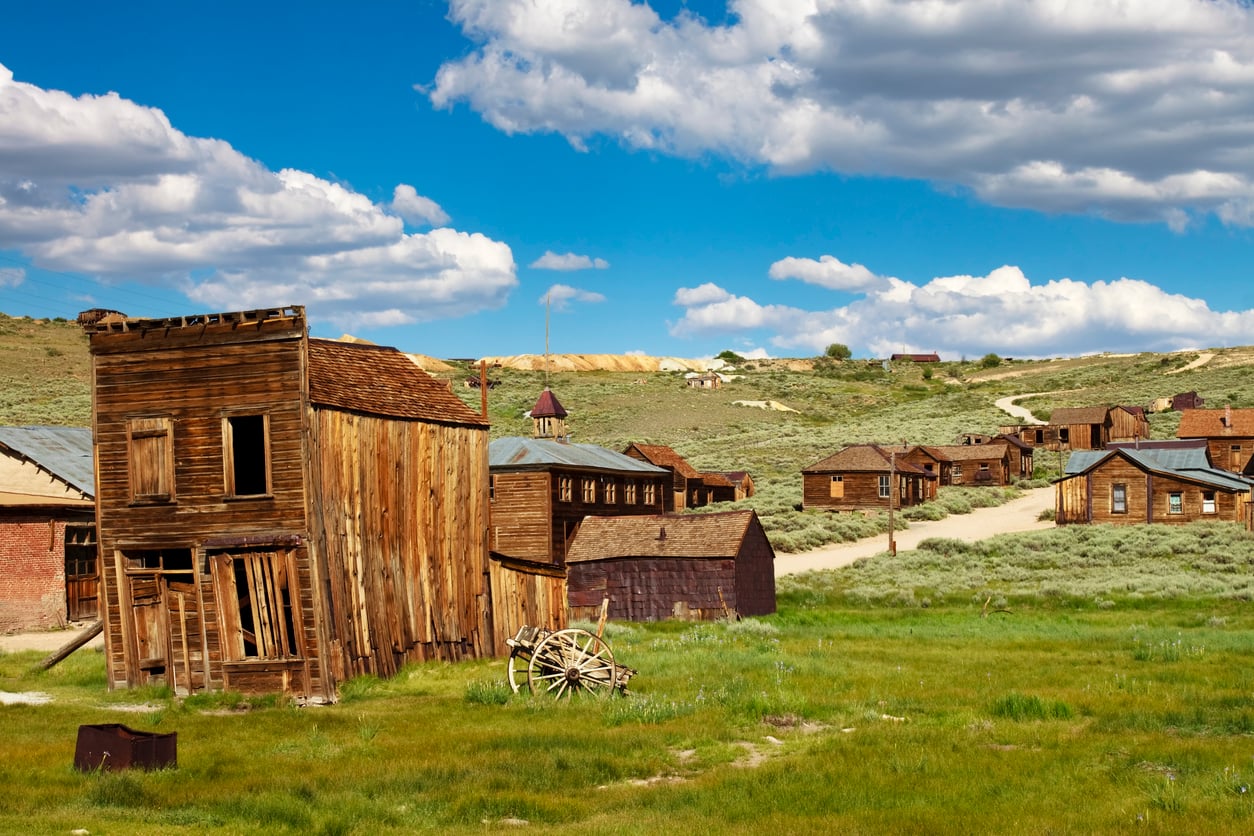
Gold transformed Bodie into a town of roughly 8,000 people, with hotels, stores, churches, gambling rooms, and dozens of saloons. Declining production and a major 1932 fire gradually emptied it. More than 100 buildings now stand inside Bodie State Historic Park in what officials call “arrested decay”, meaning they are stabilized rather than rebuilt. The setting feels authentic, but visitors should expect a rough access road, limited services, high elevation, and severe winter conditions.
Rhyolite, Nevada
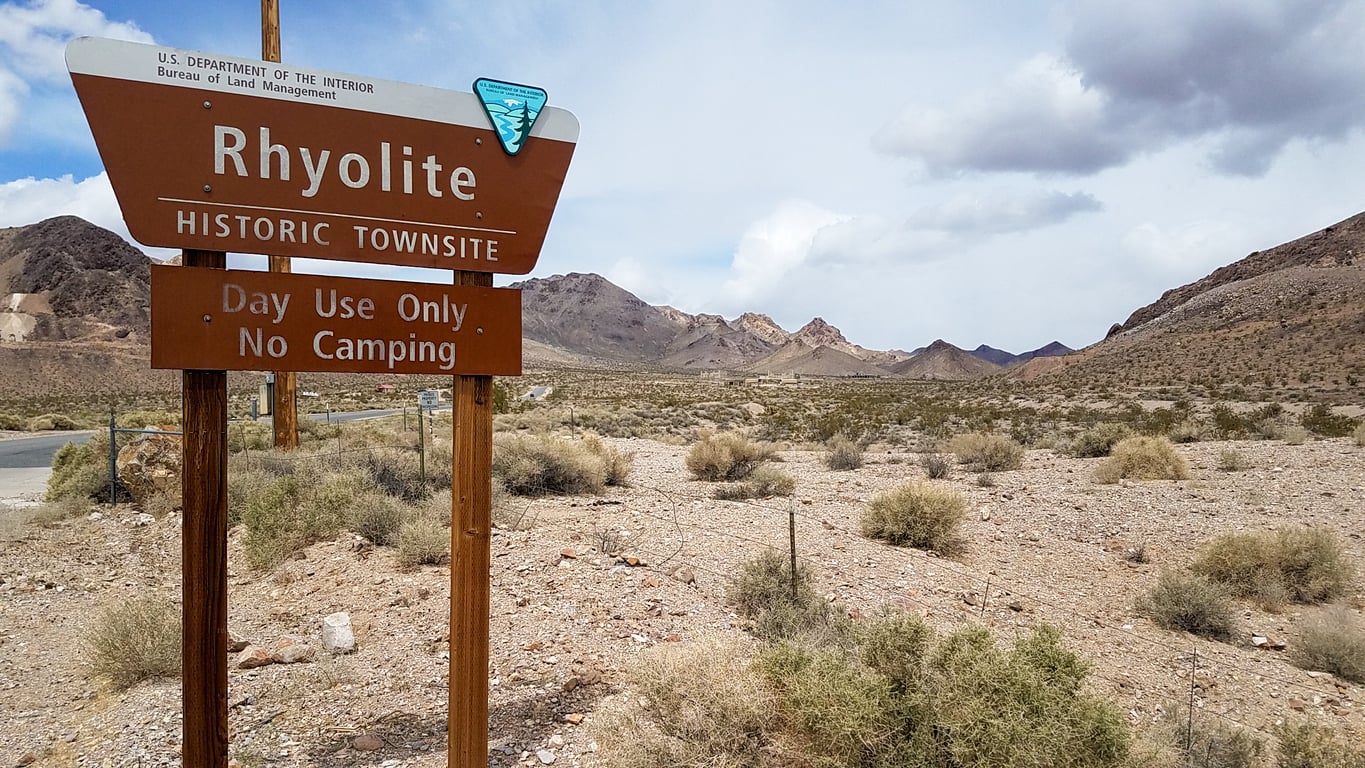
Rhyolite appeared after gold discoveries near Nevada’s Bullfrog Hills in 1904. Within a few years, it had banks, hotels, newspapers, an opera house, schools, rail service, and dozens of saloons. Population estimates vary, but several thousand people lived there during its brief peak. Weak mine results and the Panic of 1907 ended the speculation. Visitors now find the shell of the Cook Bank, a railroad depot, the Bottle House, and scattered foundations, but practically no town services.
Garnet, Montana
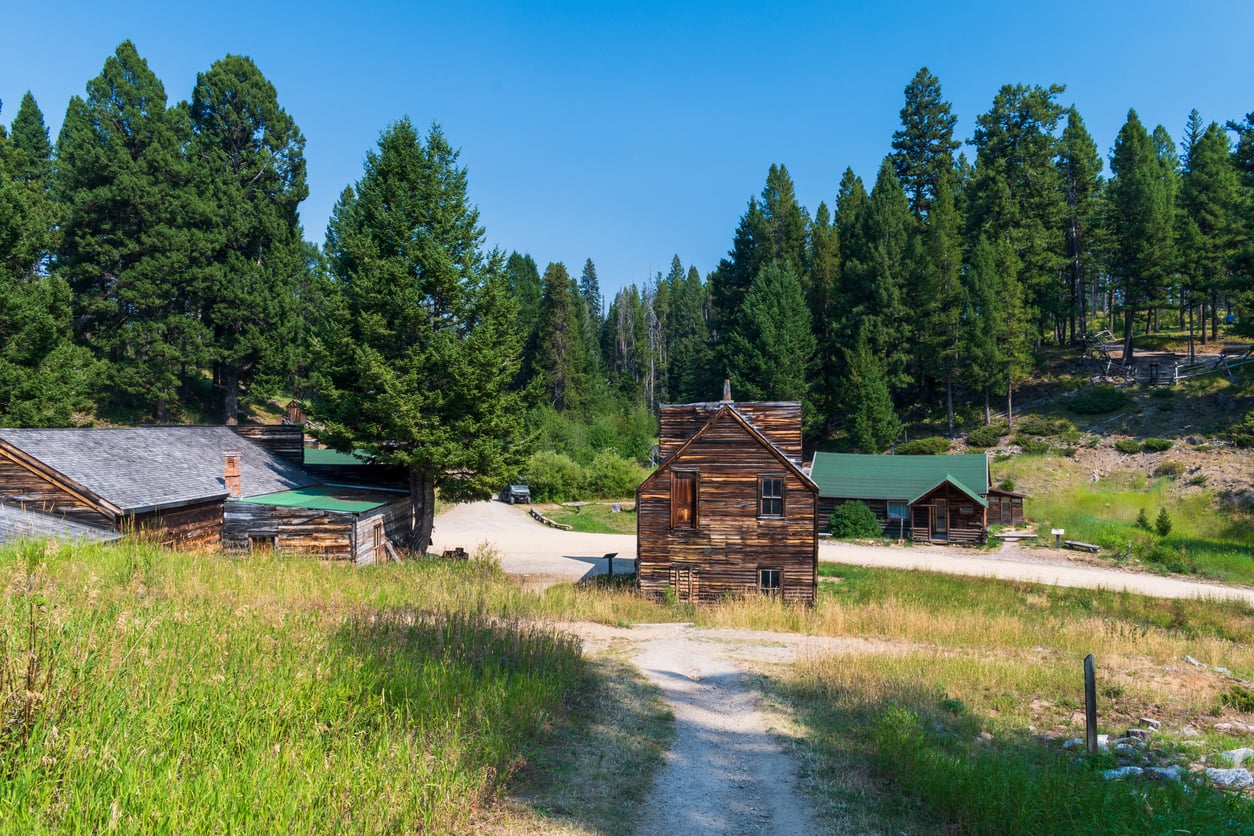
Nearly 1,000 people lived in Garnet during its late-1890s gold boom. The mountain settlement had hotels, stores, stables, a doctor, barbers, and more than a dozen saloons. Its decline began when the richest deposits became harder to work, and a 1912 fire damaged part of the business district. The Bureau of Land Management preserves about 30 surviving buildings. Garnet remains atmospheric and relatively untouched, though winter access may require skis or snowmobiles and summer roads can still be rough.
Bannack, Montana
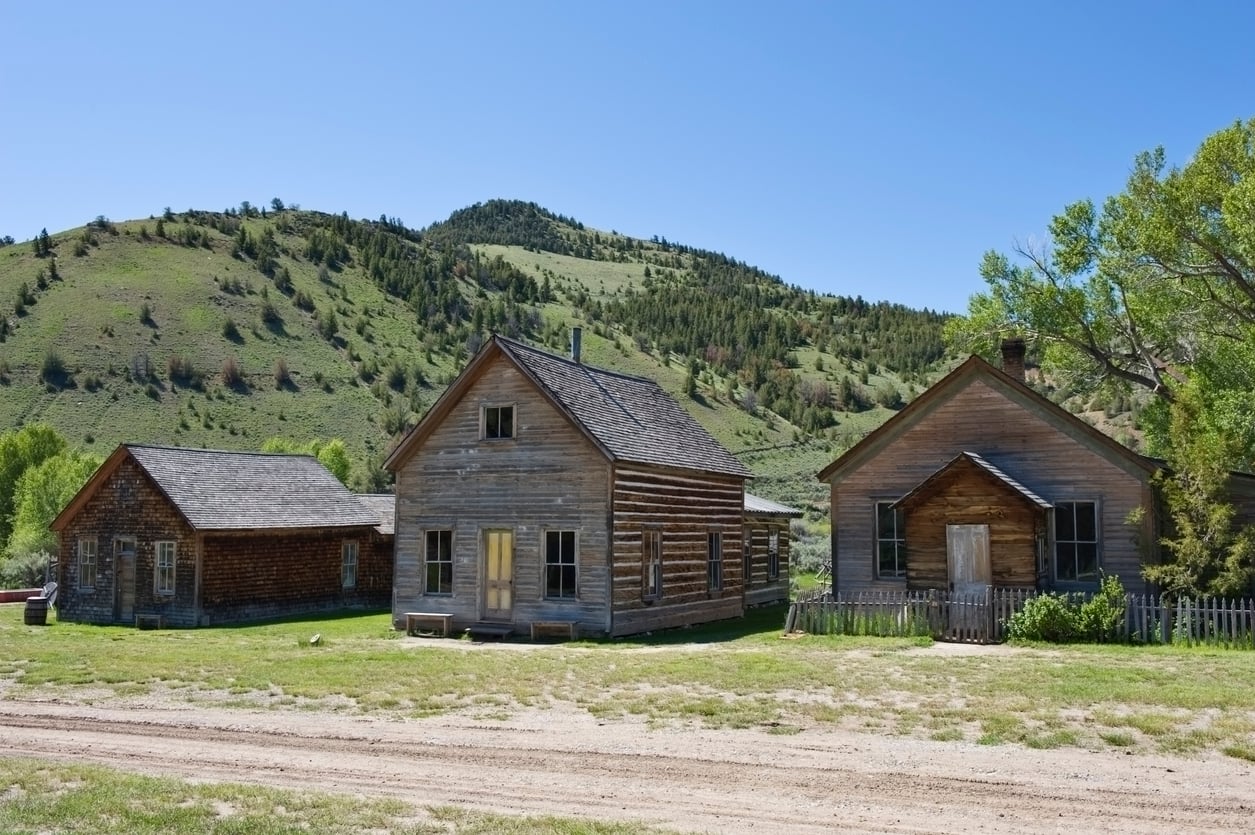
Bannack grew around Montana’s first major gold strike in 1862 and briefly served as the territorial capital. Hotels, shops, homes, a school, government offices, and mining businesses lined the settlement before political importance shifted to Virginia City. Mining continued for decades, but employment and population slowly disappeared. More than 60 historic structures remain inside Bannack State Park, and visitors may enter many of them. Special events can make the site much busier than the term “ghost town” suggests.
Kennecott, Alaska
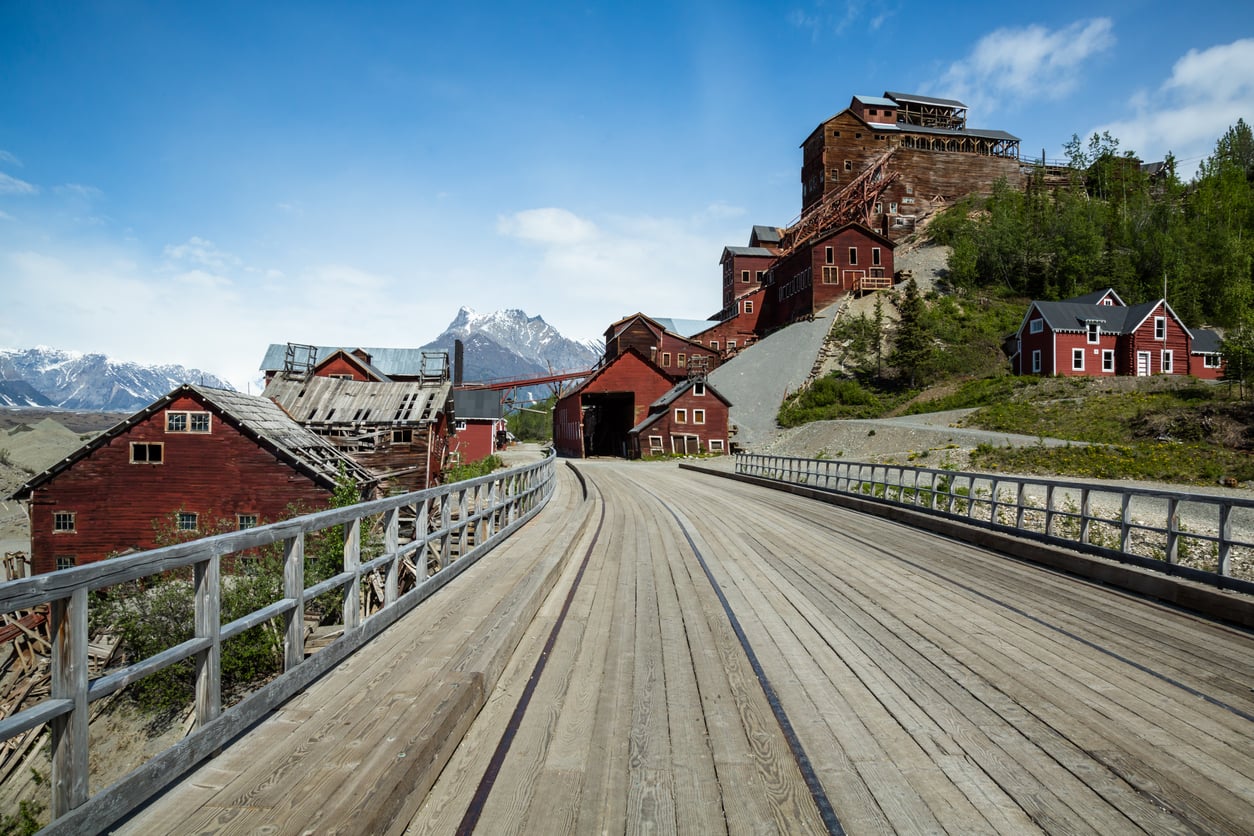
Kennecott was a sophisticated company town built around rich copper deposits in Alaska’s Wrangell Mountains. Workers had housing, medical facilities, recreation buildings, stores, workshops, and a railroad carrying ore toward the coast. The mines produced nearly $200 million worth of copper before the best deposits were exhausted. Operations ended in 1938, and workers left by train. The towering red mill buildings survive inside Wrangell-St. Elias National Park, but reaching them requires a long gravel-road journey or a small aircraft.
Trending on Cheapism


Thurmond, West Virginia
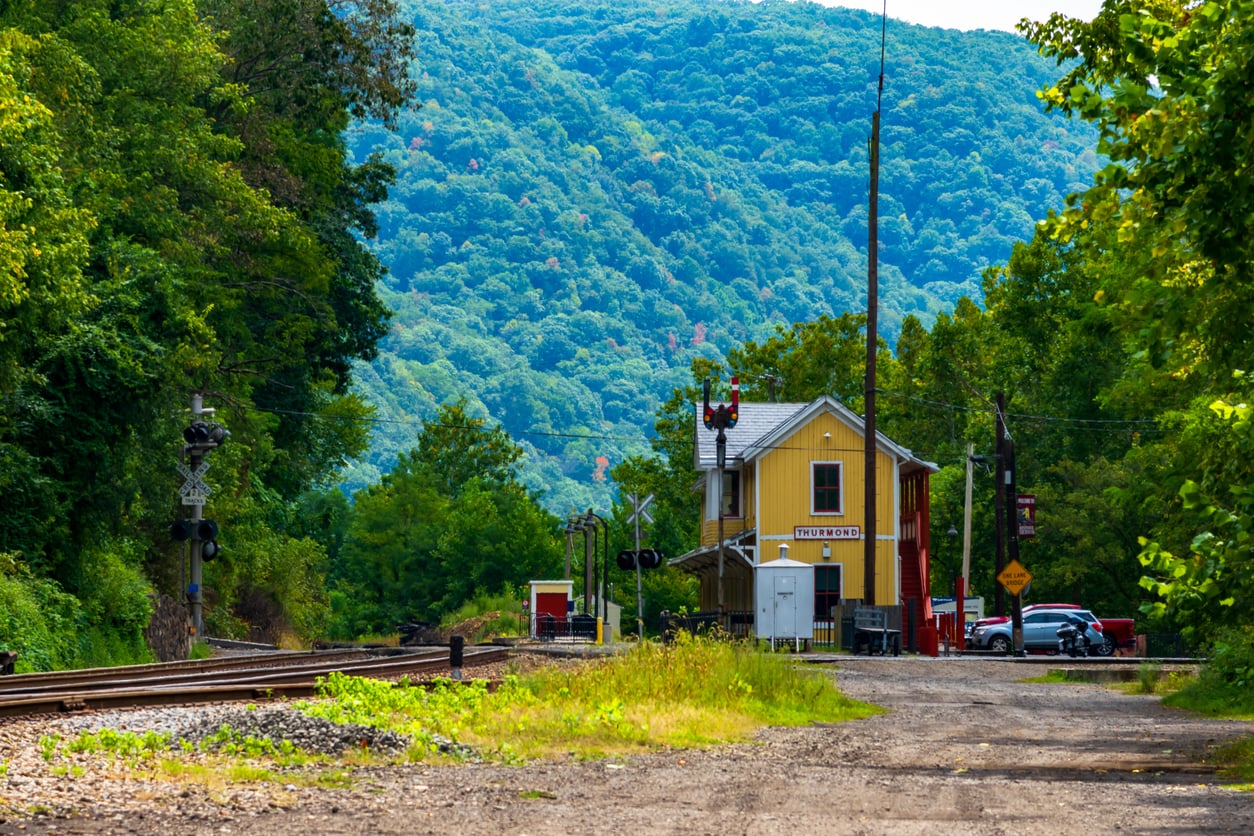
Thurmond once served as an important Chesapeake & Ohio Railway center for the New River coalfields. About 75,000 passengers passed through in 1910, supporting hotels, banks, restaurants, shops, offices, and railroad facilities. The Great Depression weakened local businesses, while diesel locomotives required fewer workers and less servicing than steam engines. Coal traffic also declined. Today, trains still pass the surviving depot and commercial buildings, but the residential population is tiny and everyday services are extremely limited.
Glenrio, Texas and New Mexico
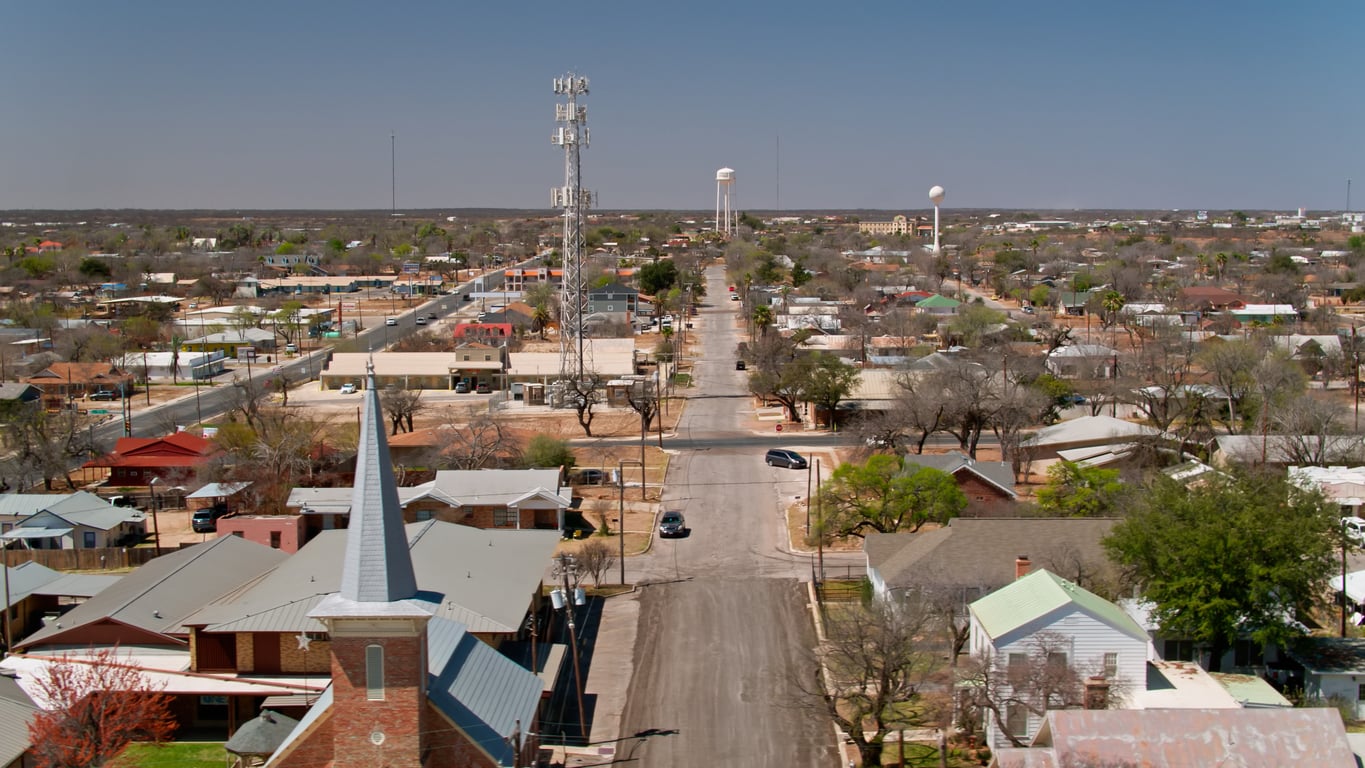
Glenrio prospered by serving Route 66 travelers crossing the Texas-New Mexico line. Motorists stopped for gasoline, meals, repairs, motel rooms, and relief from long stretches of open road. Local tax and alcohol laws even influenced which side of the border certain businesses occupied. Interstate 40 bypassed the community during the mid-1970s, removing the traffic that supported nearly everything. The old motel, diner, service stations, and highway pavement remain, but most buildings are vacant, fragile, or privately owned.
Centralia, Pennsylvania
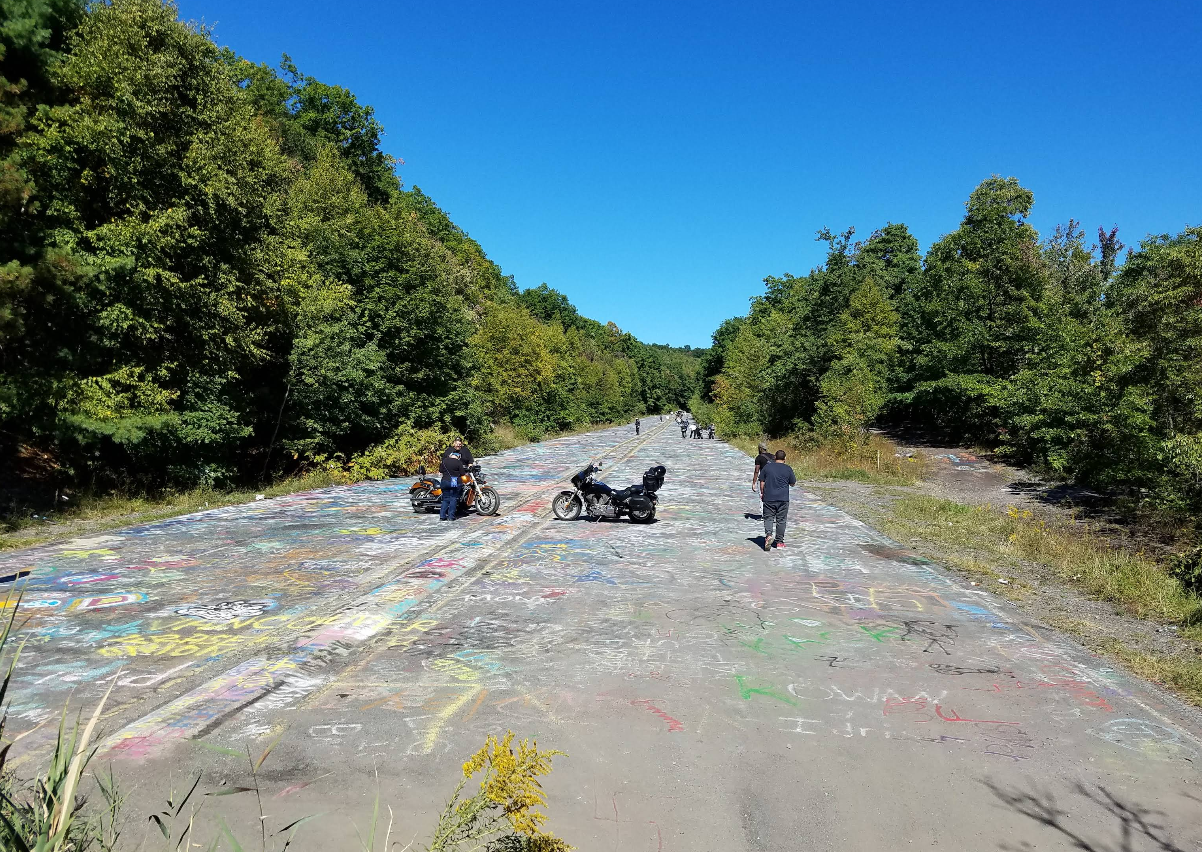
Centralia was an anthracite-coal town with more than 1,000 residents when a fire entered abandoned mine workings beneath the community in 1962. Heat, gases, and unstable ground eventually made relocation safer than preserving the borough. A government buyout removed most residents, and nearly all buildings were demolished. Only a handful of people remain. Empty streets and cemeteries still mark the town, but Centralia is not a normal attraction. Underground conditions remain dangerous, and some areas are private property.
Sign up for our newsletter
Old Cahawba, Alabama
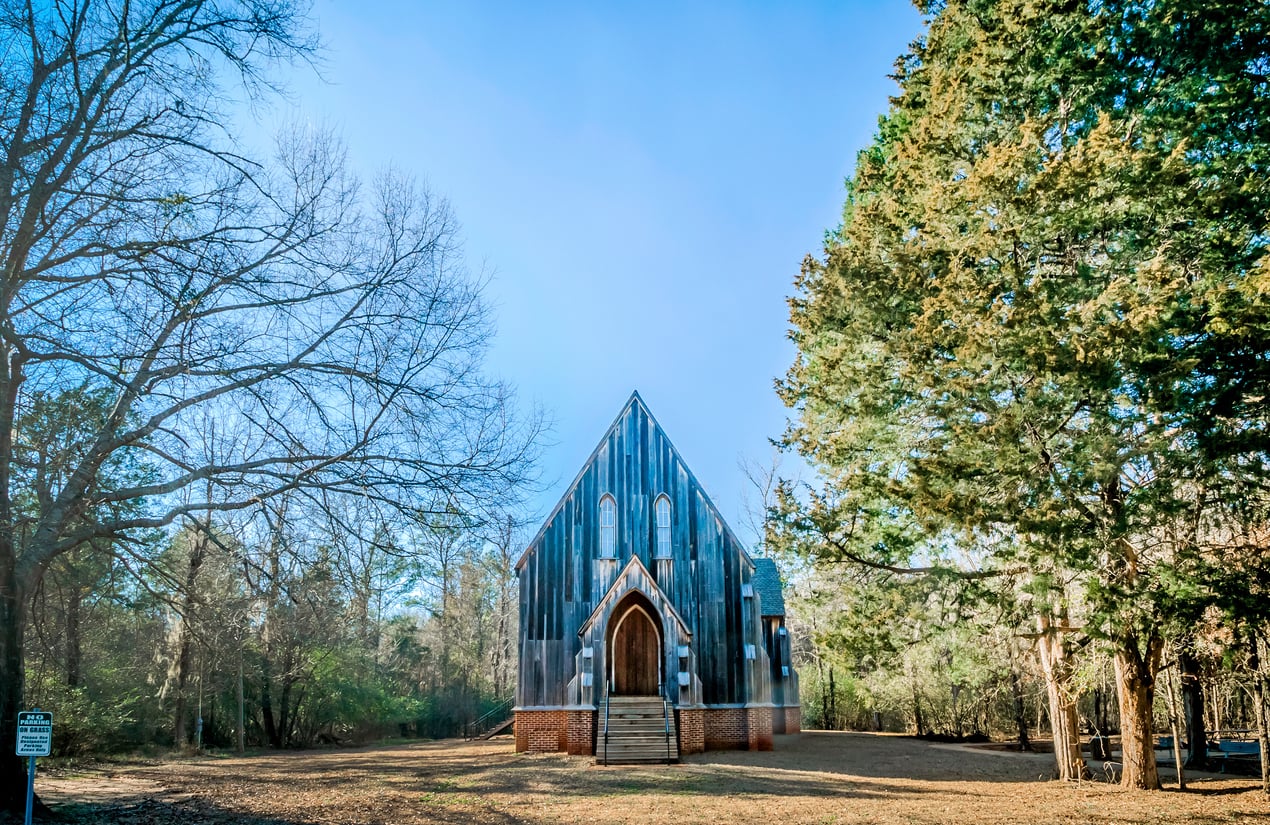
Cahawba was Alabama’s first permanent state capital and later a busy river town where the Cahaba and Alabama rivers meet. Government offices, warehouses, homes, and river commerce supported the community. The capital moved in 1826, but Cahawba survived until flooding, post-Civil War disruption, and the transfer of the county seat drained away jobs and residents. Today, Old Cahawba is an archaeological park where visitors can explore roads, ruins, cemeteries, surviving buildings, and landscapes reclaimed by woods and wetlands.
St. Elmo, Colorado
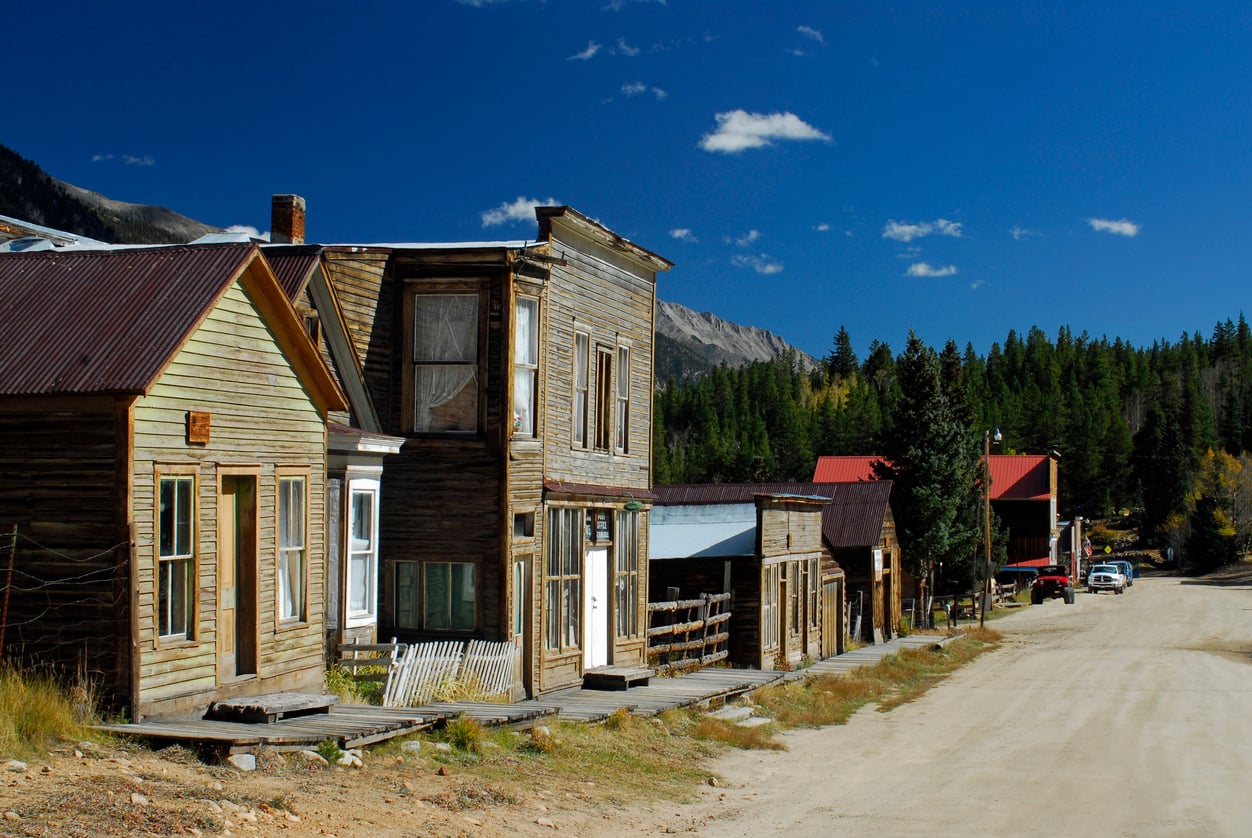
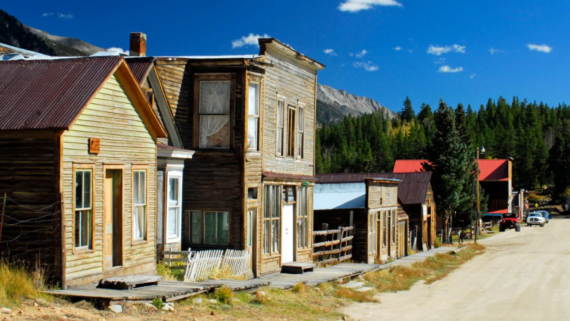
St. Elmo developed high in Colorado’s mountains around gold and silver mining. During its peak, the town had hotels, saloons, dance halls, a newspaper, school, telegraph office, and rail service. Mining weakened during the early 20th century, and the railroad stopped operating in 1922. A few private owners and seasonal occupants remain, so St. Elmo is not completely abandoned. Its wooden storefronts and summer general store make it accessible, but visitors must respect private property and expect limited services.
Frisco, Utah
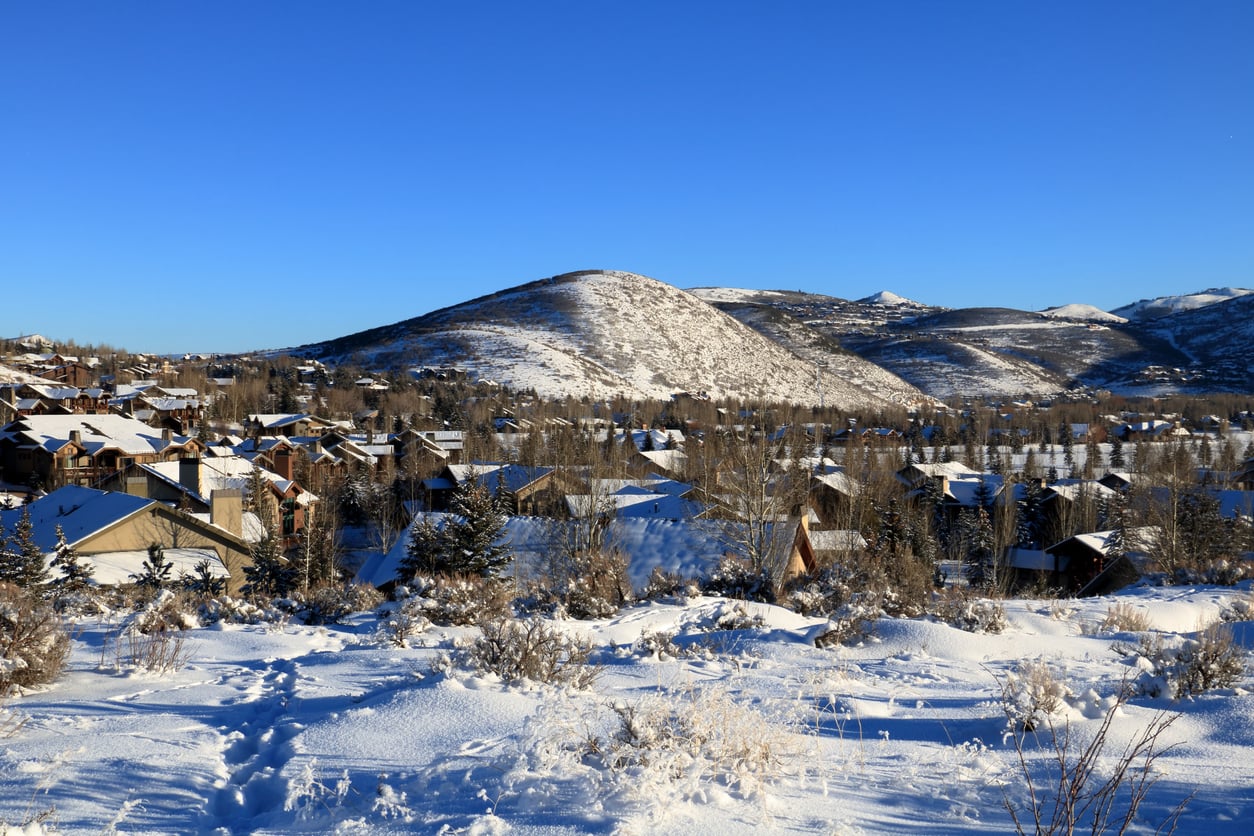
Frisco grew around the Horn Silver Mine, one of Utah’s richest mining operations. The remote settlement reportedly reached several thousand residents and contained hotels, stores, homes, railroad facilities, charcoal kilns, and more than 20 saloons. A serious mine collapse in 1885 hurt production and confidence, although mining continued afterward. Later closures gradually emptied the town. Five stone beehive kilns are the most striking survivors, accompanied by foundations, and unstable structures that visitors should never enter.
Calico, California
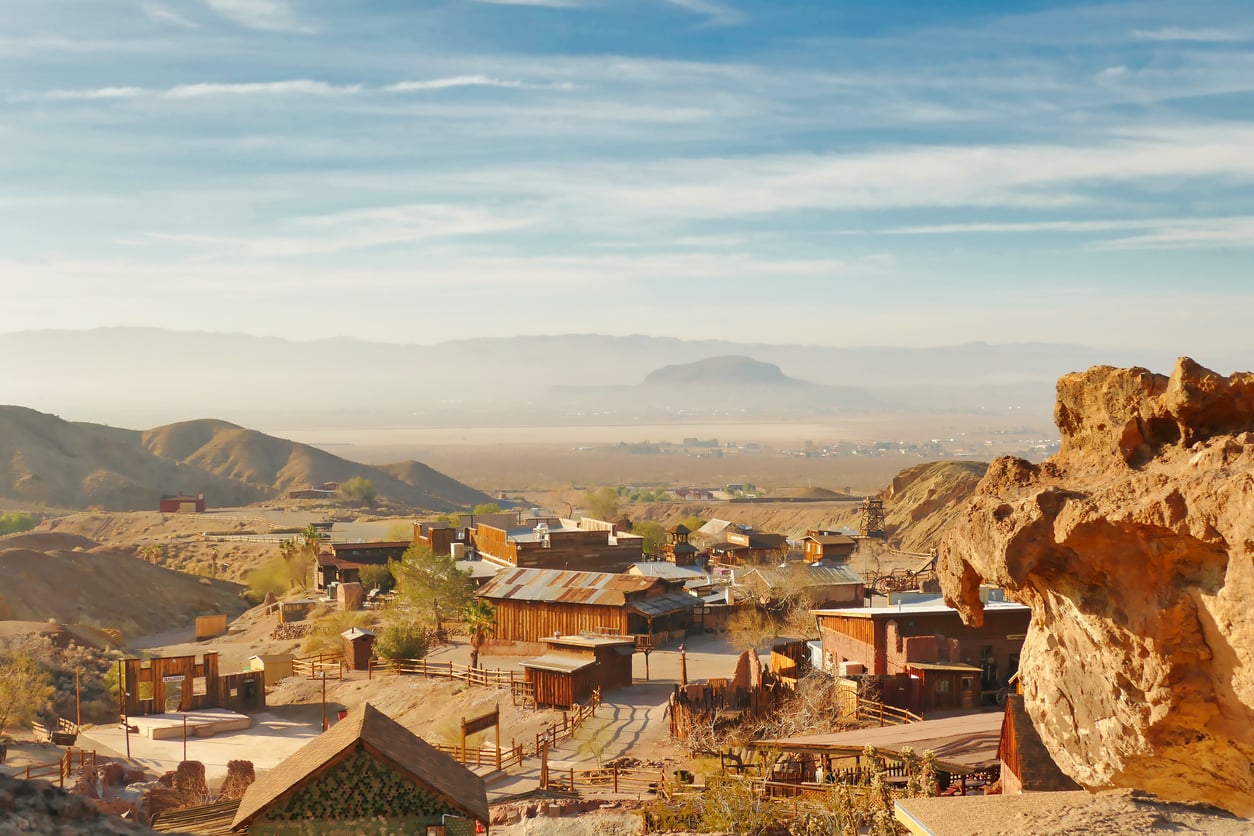
Calico boomed after silver was discovered in 1881. The surrounding district contained hundreds of mines, while the town supported hotels, stores, restaurants, bars, doctors, lawyers, and a newspaper. Falling silver prices made mining uneconomical during the 1890s, and the settlement was largely abandoned. Walter Knott restored much of Calico during the 1950s. It now operates as a San Bernardino County attraction with shops, camping, tours, restaurants, and events, so it is empty of ordinary residents but often crowded with visitors.
Animas Forks, Colorado
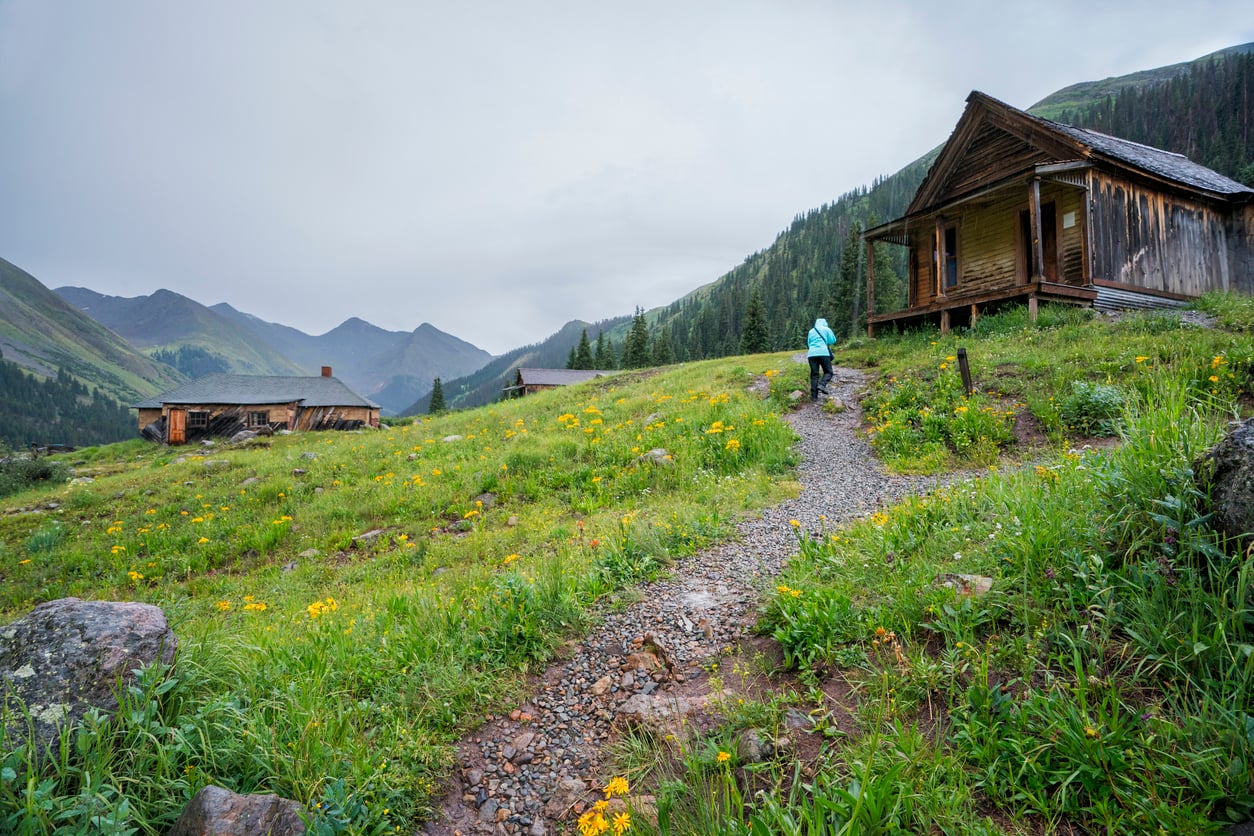
At roughly 11,200 feet, Animas Forks was one of America’s highest mining settlements. Around 450 people lived there by the early 1880s, supported by cabins, stores, a hotel, saloon, newspaper, mills, and mining offices. Winters were so harsh that many residents temporarily moved to Silverton. A railroad and new mill brought brief revivals, but the post office closed in 1915. Several stabilized buildings remain along the Alpine Loop, where access is seasonal and usually requires a suitable high-clearance vehicle.
Swansea, Arizona
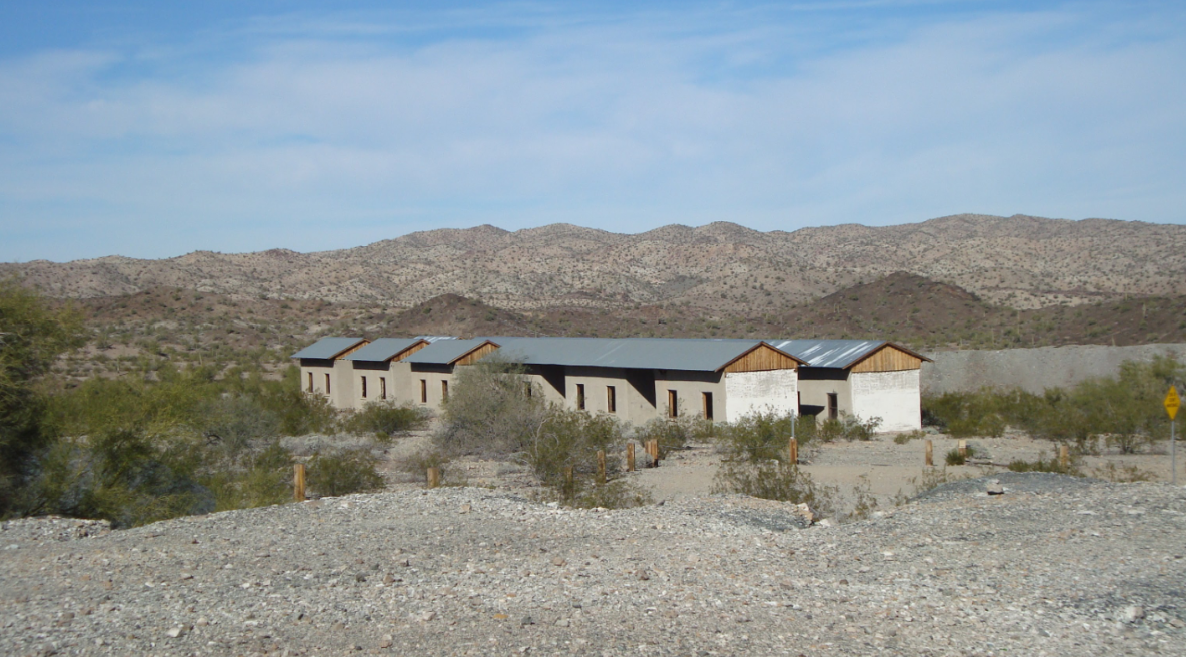
Swansea was created to mine, process, and transport copper from a remote part of western Arizona. The company town included worker housing, a railroad, stores, furnaces, water systems, and industrial buildings. Its fortunes rose and fell with copper prices, ownership changes, and the high cost of desert operations. The post office closed in 1924, and major mining ended during the 1930s. Adobe ruins, foundations, railroad remnants, and cemeteries survive, but the rough road and extreme summer heat require careful planning.
Picher, Oklahoma
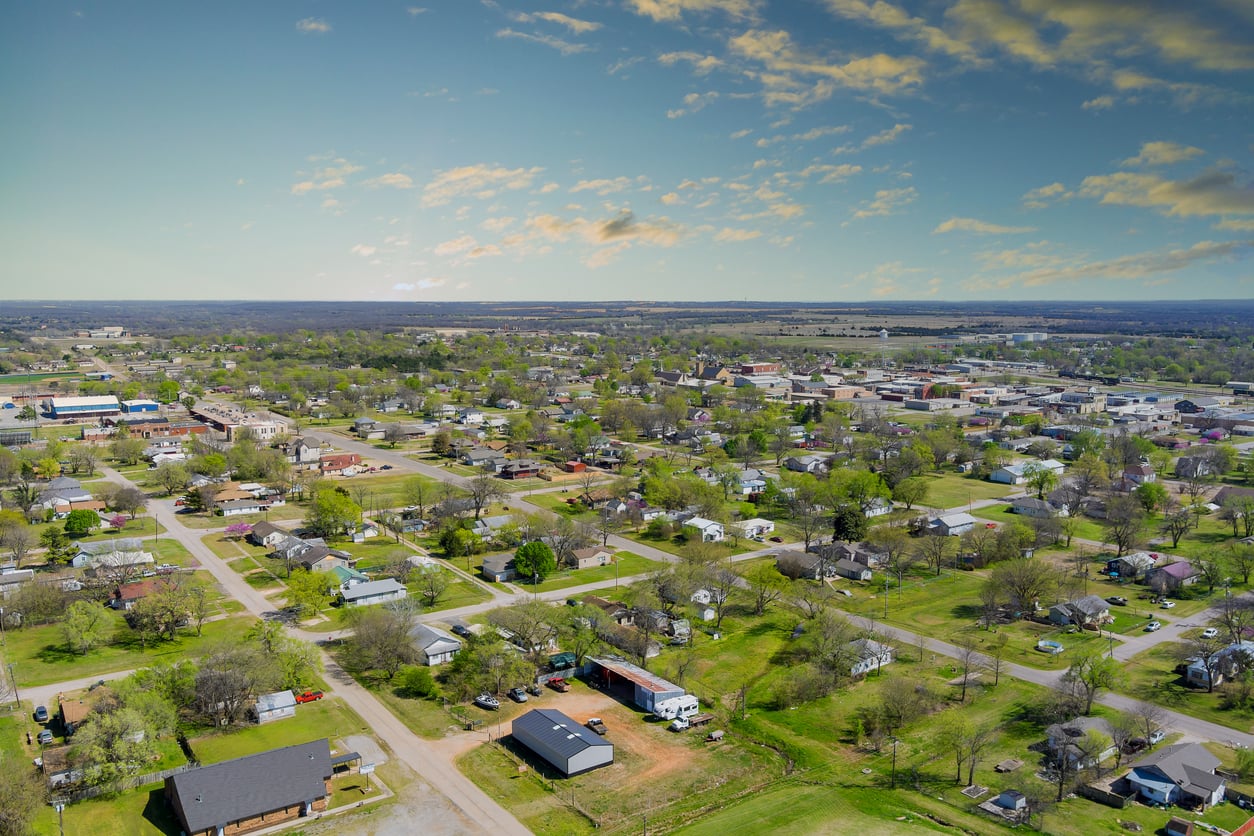
Picher was once a major center of American lead and zinc production. Mining created thousands of jobs but also left enormous piles of contaminated waste and unstable underground workings. Studies later found serious lead exposure and danger from collapsing ground. Government buyouts emptied most of the city, while a powerful 2008 tornado destroyed many remaining homes. Picher was officially dissolved in 2009. Cleanup continues, making the former town an environmental disaster site rather than a safe or conventional sightseeing destination.
Amboy, California
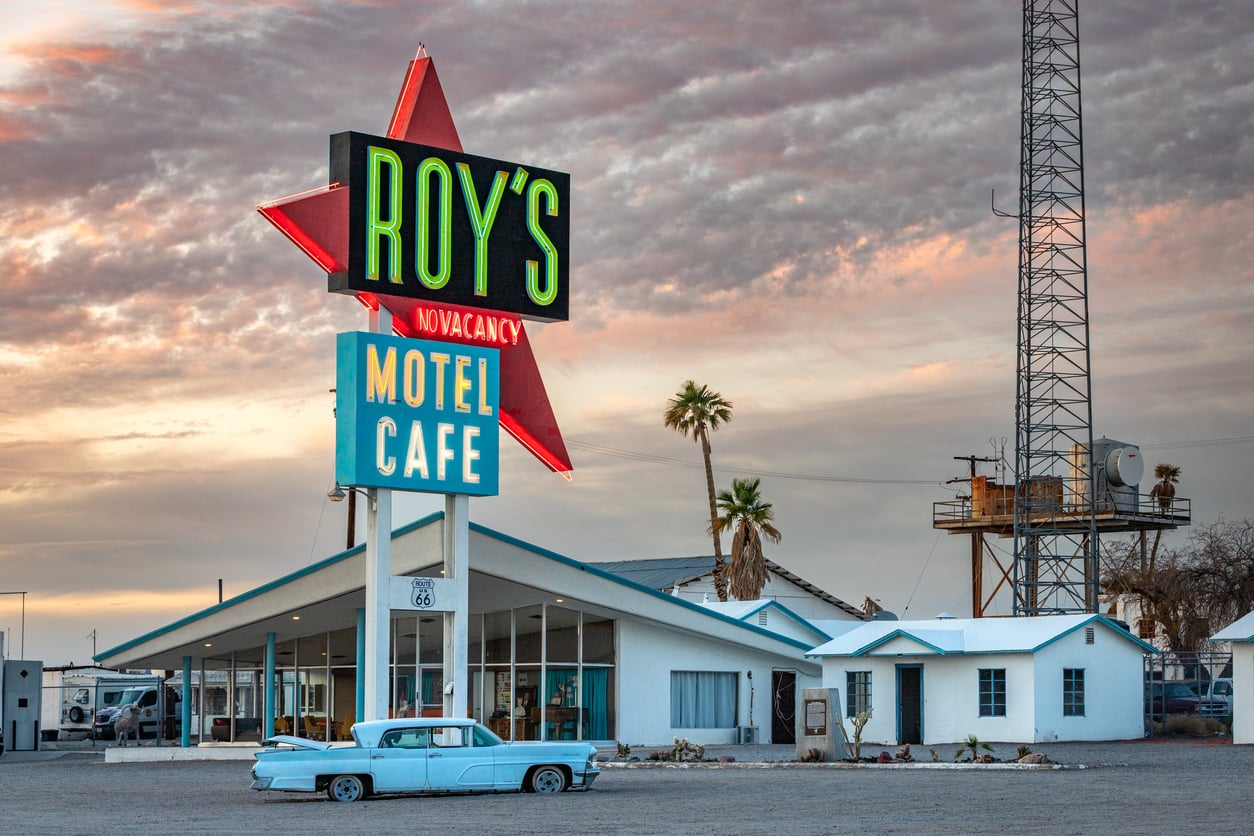
Amboy grew first as a railroad stop and later as a Route 66 service community. Roy’s Motel and Cafe offered fuel, food, repairs, and lodging to motorists crossing the Mojave Desert. Interstate 40 bypassed the town in the early 1970s, and through-traffic disappeared almost immediately. Amboy’s population dwindled to almost nothing, although Roy’s famous neon sign, gas station, motel buildings, school, church, and post office remain. The fuel stop still serves travelers, but lodging, food, and other services are very limited.