Airport experiences have changed so much that even occasional travelers can feel it now. Frequent flyers say the modern airport is faster in some ways, thanks to tools like mobile boarding passes and TSA PreCheck, but also more expensive, crowded, and self-service than it used to be. From packed lounges to pricey sandwiches and scarce overhead bin space, flying now often rewards the traveler who plans ahead, packs smart, and expects a few hassles before takeoff.
Airport Food Prices Feeling Like Restaurant Prices
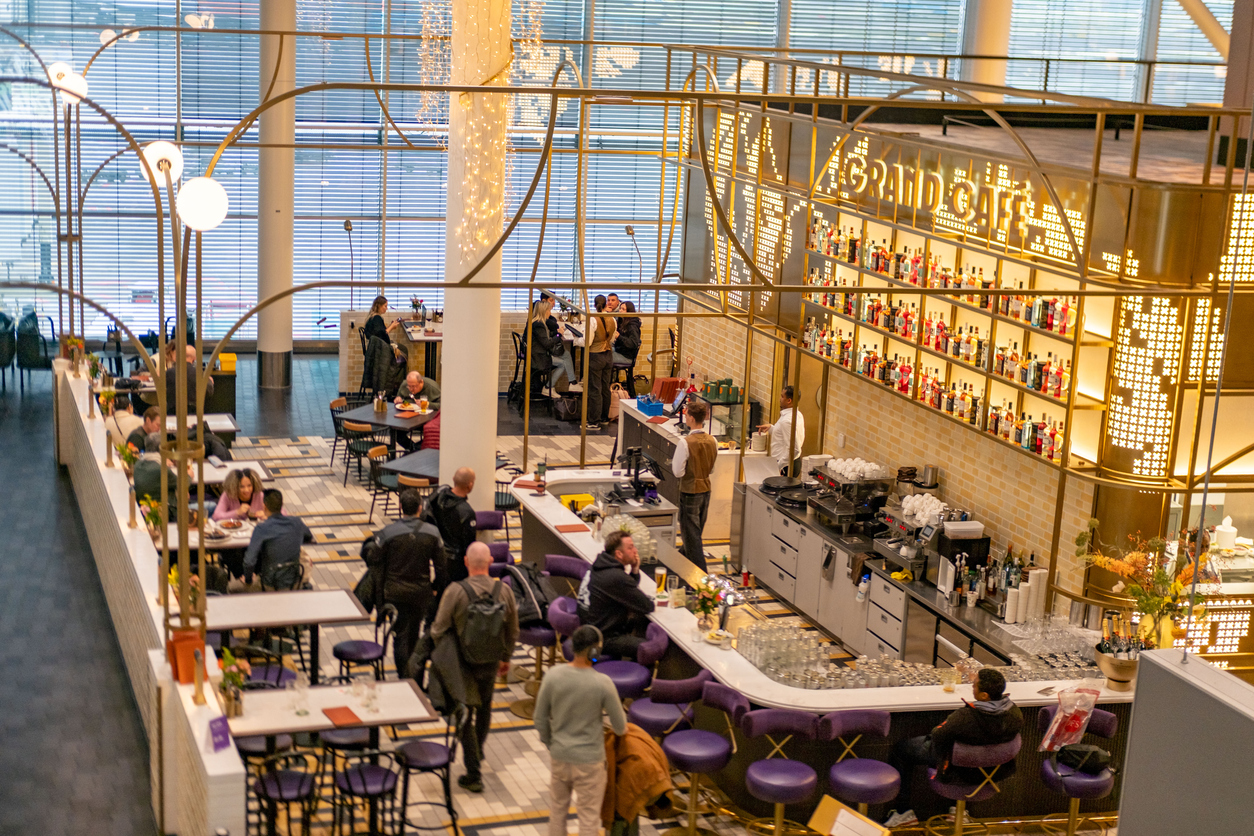
A quick airport meal can now feel like a sit-down splurge. Travelers regularly complain about burgers, sandwiches, coffee, and bottled drinks costing far more once they are past security. Part of that comes from higher airport operating costs, rent, labor, and concession rules. Groundwork Collaborative noted that many major U.S. airports allow concession surcharges of 10% to 18%, while Portland International Airport has long pushed stricter street pricing. On Reddit, user sofapude17 called Istanbul airport food “ridiculously expensive”.
Mobile Boarding Passes Becoming the Default
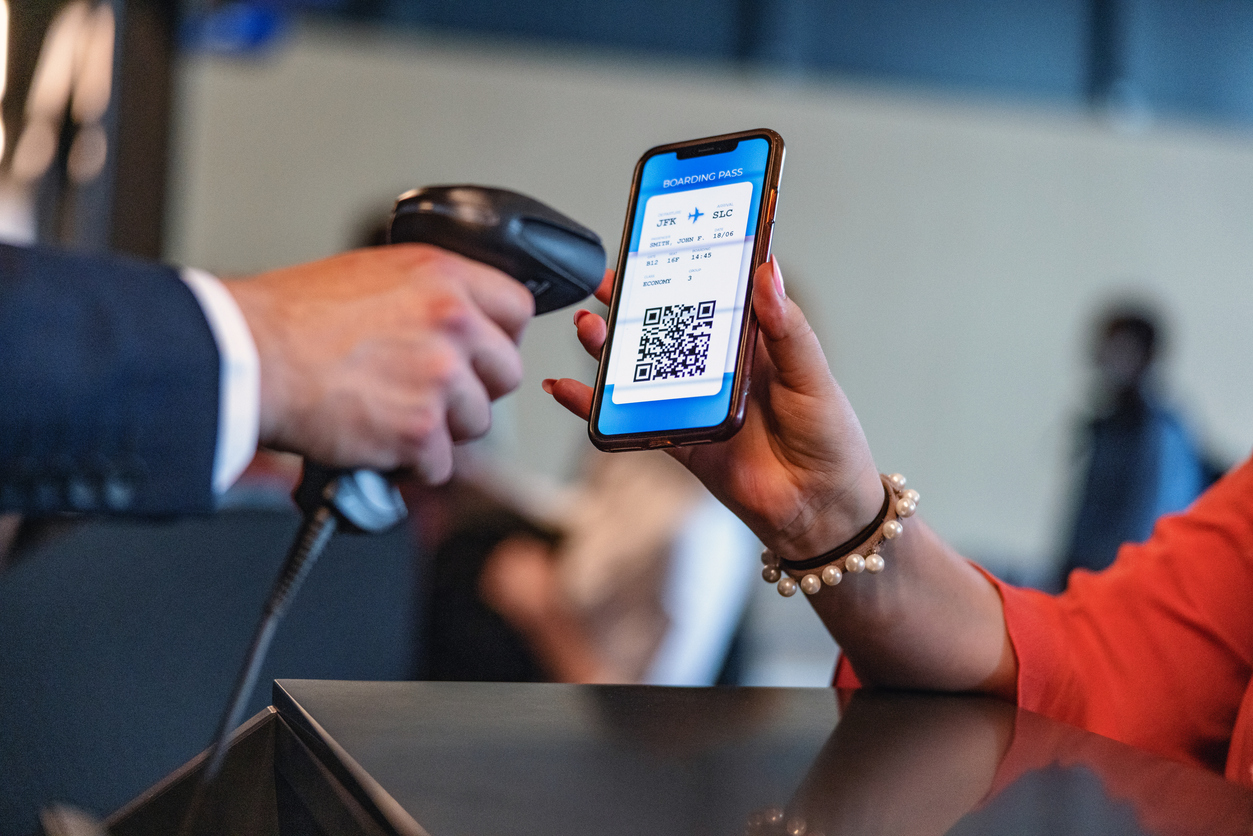
Paper boarding passes are not gone, but they are no longer the normal routine for many flyers. Frequent travelers now check in, get alerts, scan into security, and board mostly through airline apps. IATA’s 2025 Global Passenger Survey found strong interest in mobile-first travel and biometric checks, with 74% of travelers saying they would share biometric information if it helped them skip showing passports or boarding passes at checkpoints.
Lounges Feeling Less Exclusive
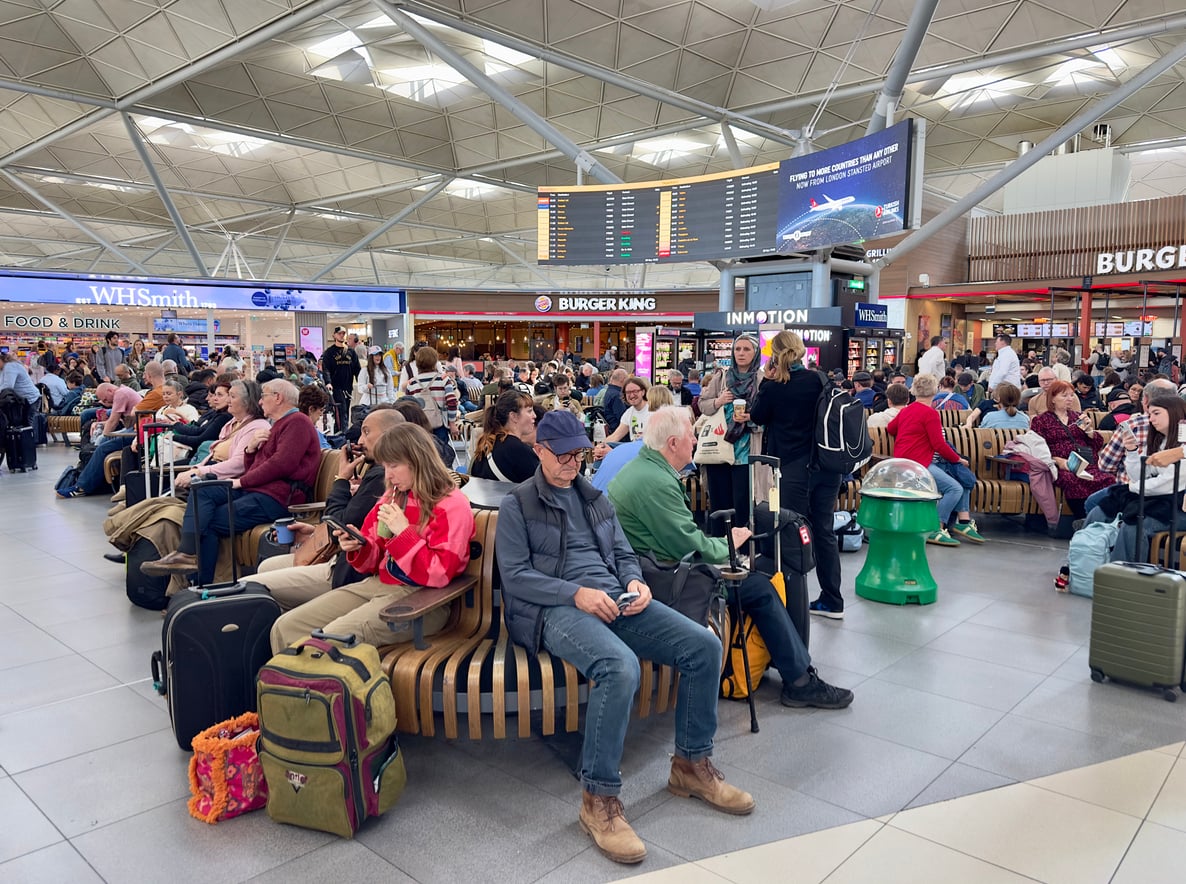
Airport lounges used to feel like a quiet reward for business travelers and high-status flyers. Now, premium credit cards, day passes, airline memberships, and partner programs have made access more common. That is good for travelers who use the food and drinks to offset airport prices, but many lounges are no longer peaceful. Reddit user Reggaeton_Historian said lounges are better than gates, but home is still more comfortable.
Boarding Groups Feeling Bigger and Messier
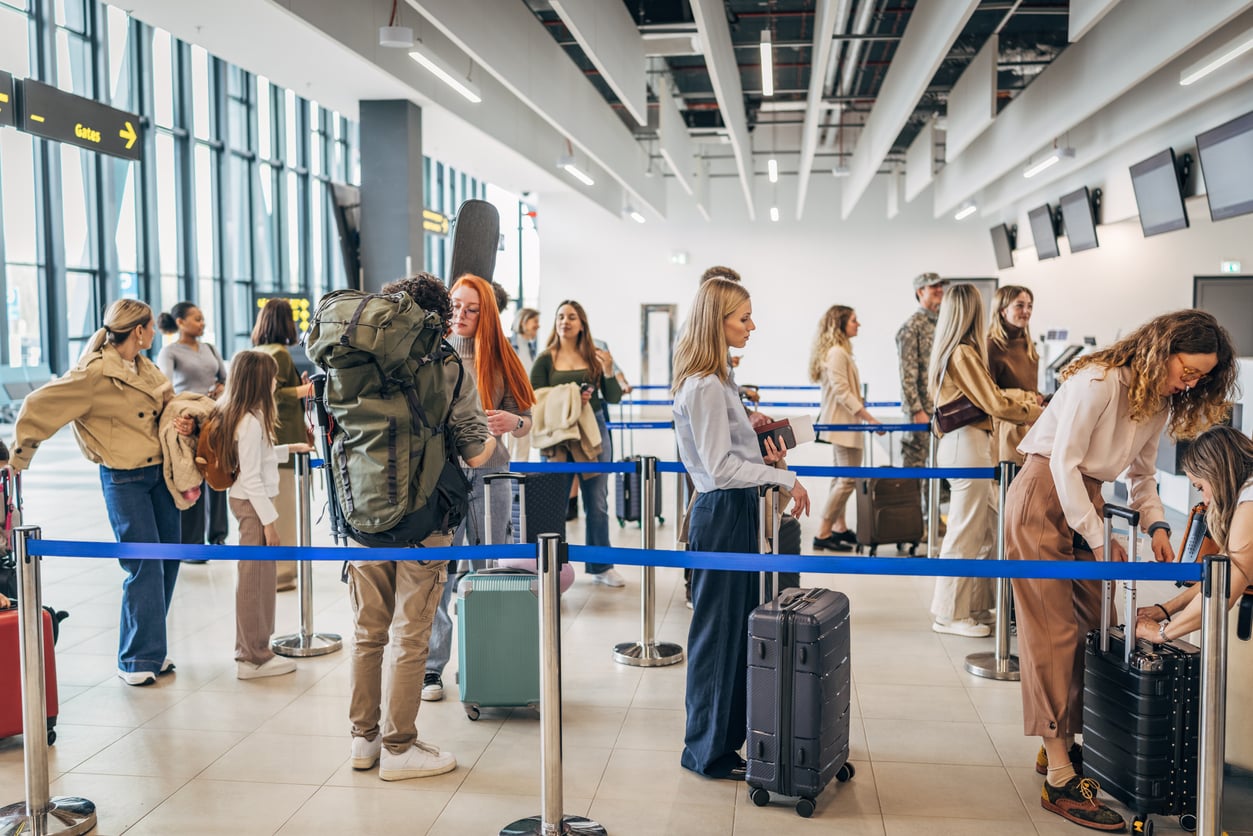
Frequent flyers often joke that “priority boarding” does not feel very priority anymore. Between first class, elite status, credit card perks, military boarding, families, extra-assistance boarding, and multiple numbered zones, the gate area can feel packed long before regular economy boards. Reddit user TerrapinTribe noted that Delta’s “Main 1” can sound early even though it is not actually one of the first groups.
Customer Service Moving Into the App
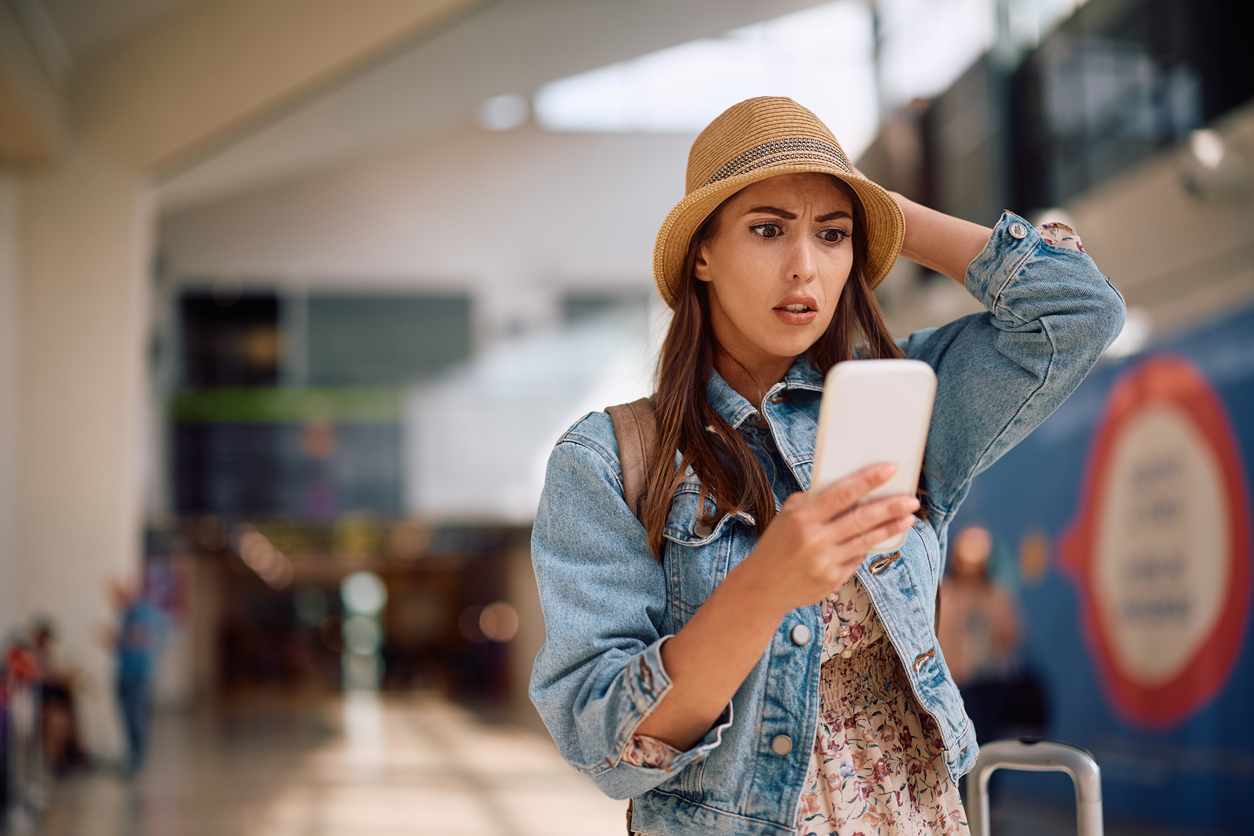
When flights go wrong, the old instinct was to run to the customer service counter. Now airlines increasingly push travelers toward apps, chats, and digital rebooking tools. American Airlines, for example, says its disruption platform can help customers rebook, track checked bags, access eligible vouchers, and view updated departures in a few taps. That is convenient when it works, but not every problem is simple.
Trending on Cheapism


Charging Outlets Becoming Prime Real Estate
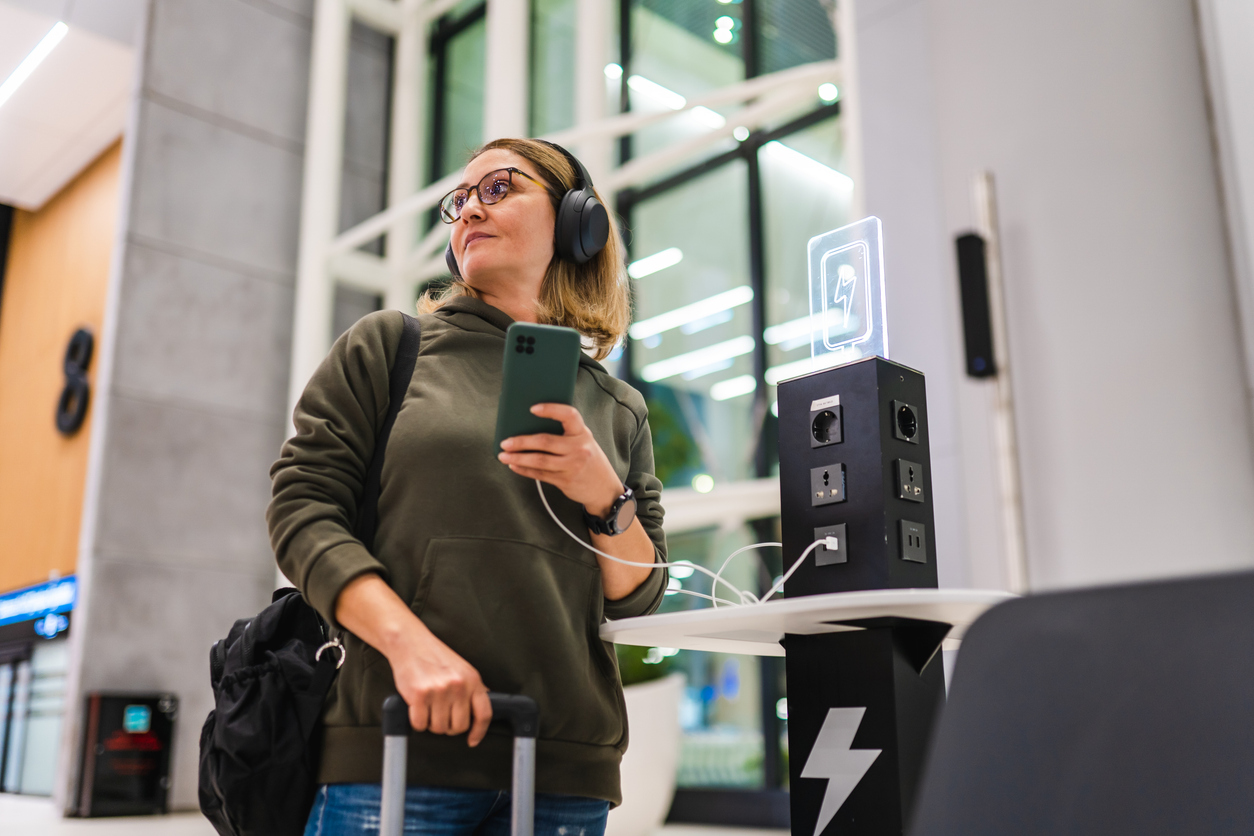
A good airport seat is no longer just about being near the gate. It is about being near power. Phones now hold boarding passes, delay alerts, rideshare apps, hotel confirmations, and payment cards, so battery anxiety has become part of flying. Reddit users regularly discuss broken outlets, slow charging, and renovated airports doing a better job. One r/travel commenter said airport charging depends heavily on whether the terminal has been updated in the last 5 to 10 years.
Self-Service Bag Drops Becoming Normal
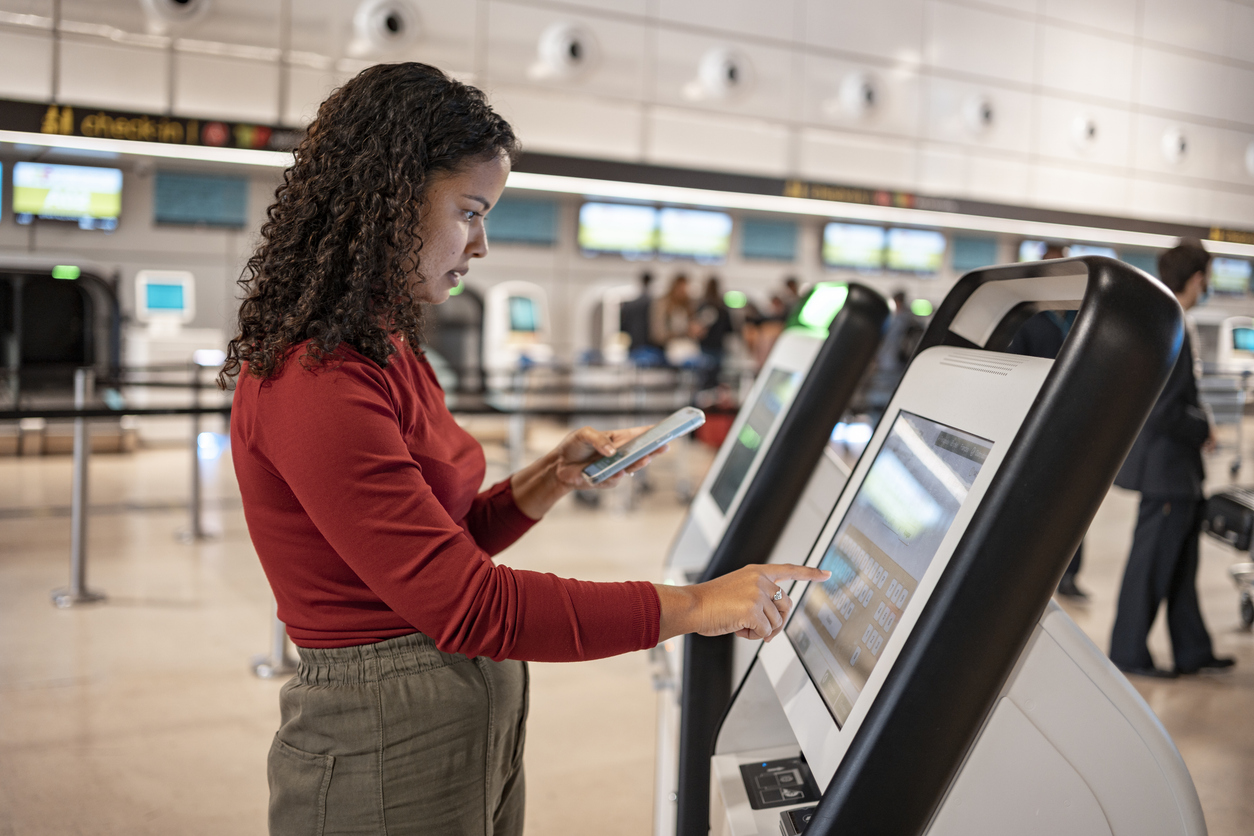
Self-service kiosks and bag drops can be a blessing for experienced travelers. Instead of waiting for a staffed counter, passengers can print tags, weigh bags, scan documents, and move luggage through with less interaction. SITA has described modern airport connectivity as supporting everything from mobile check-in to self-bag drop and biometric boarding. The catch is that these systems are only faster when passengers know what to do.
Security Moving Faster – But Not Everywhere
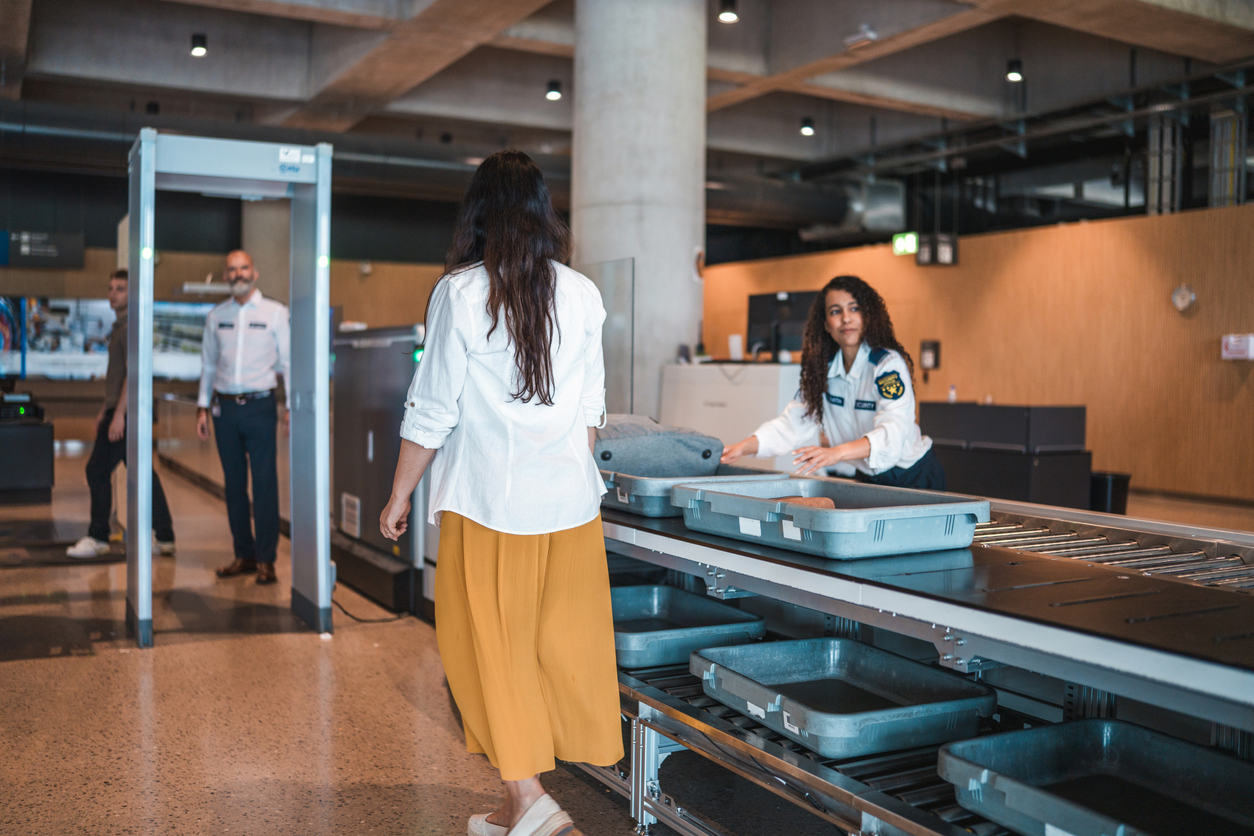
Security is one airport experience that can be much better than it used to be. TSA says PreCheck gives eligible travelers a speedier experience in dedicated lanes for five years for $85 or less. New CT scanners are also meant to improve bag screening, though TSA says the broader goal is to let passengers keep laptops and 3-1-1 liquids in bags in the future. The frustrating part is inconsistency: one airport can feel smooth, while another still feels stuck in the old days.
Sign up for our newsletter
Empty Gates Turning Into Workspaces
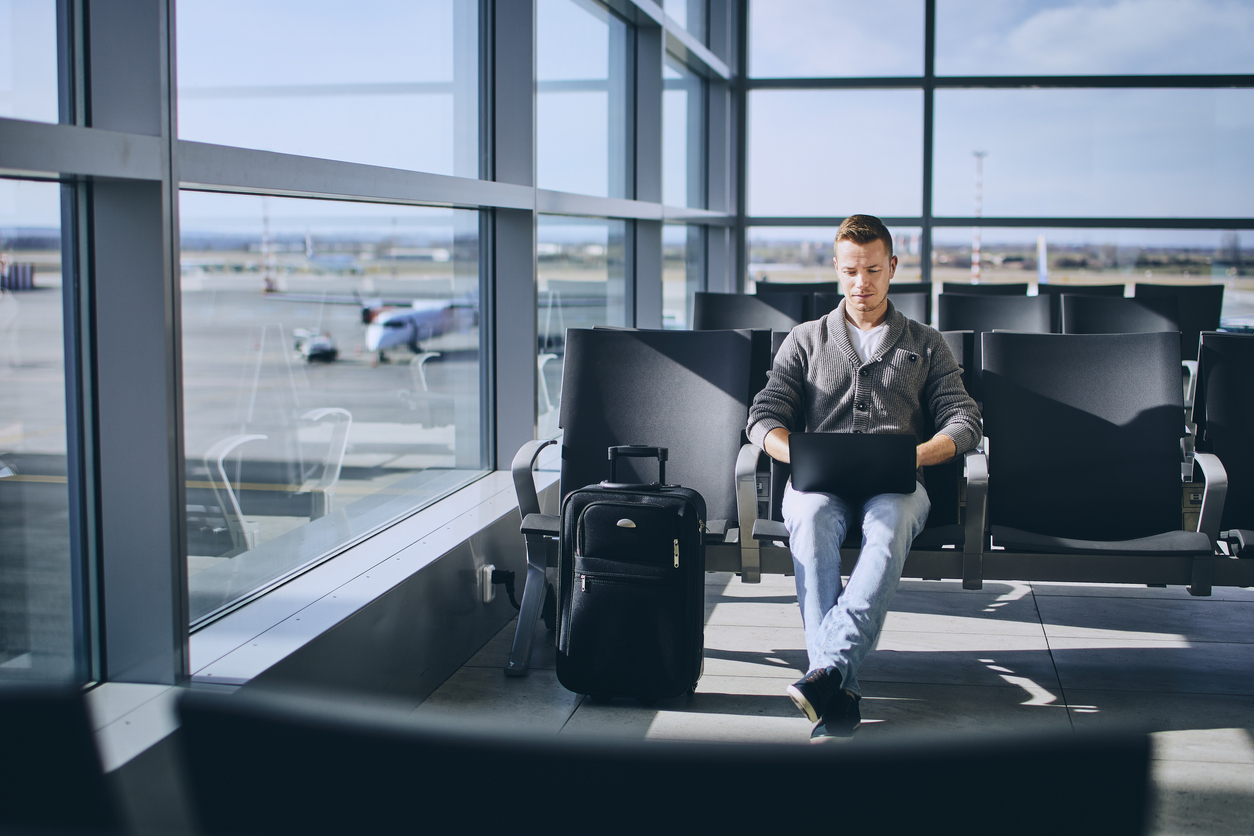
Many terminals now look like shared offices with luggage. Travelers are taking video calls, answering emails, editing documents, and hunting for quieter corners between flights. That is convenient for business travelers, but not always relaxing for everyone else. Reddit travel threads now include people asking where they can take Zoom calls during layovers, including one traveler at Frankfurt Airport looking for the cheapest quiet option.
Overhead Bin Space Becoming a Battle
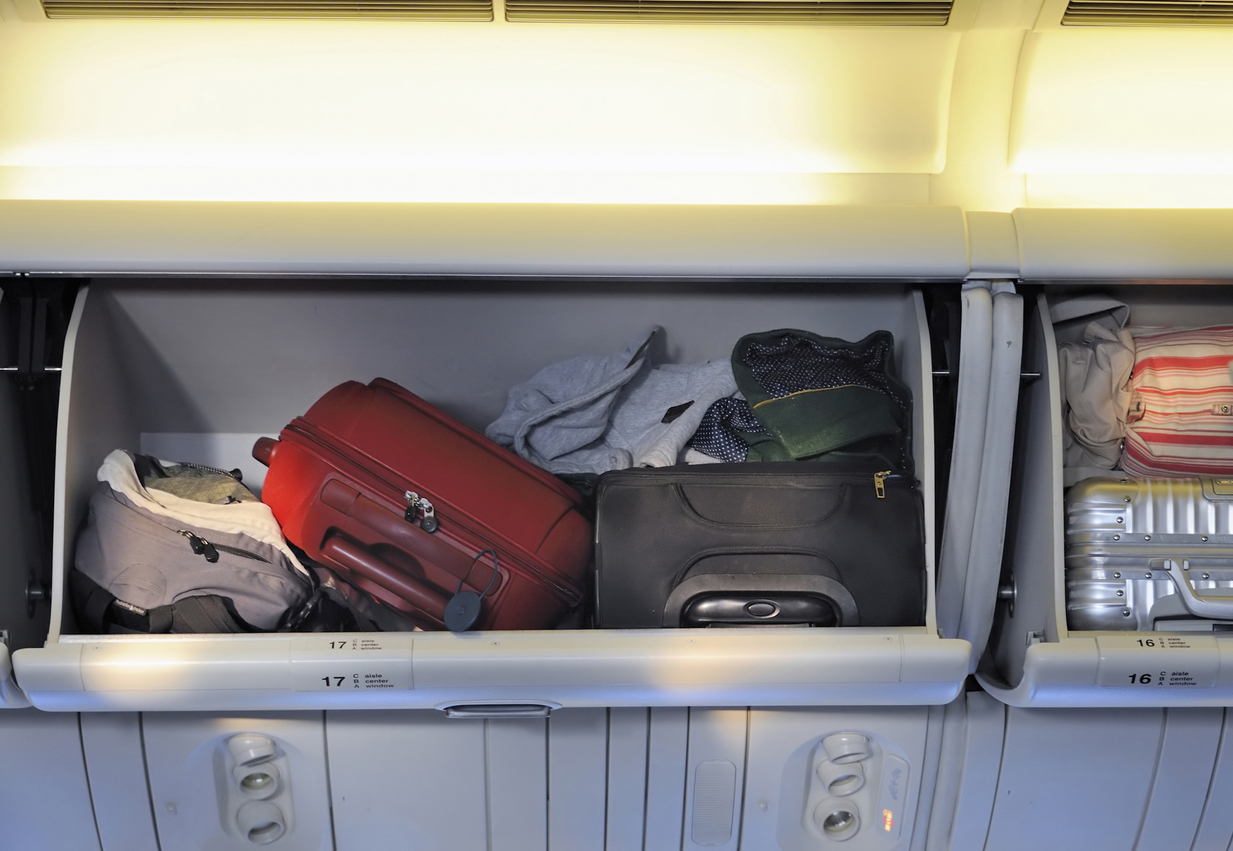
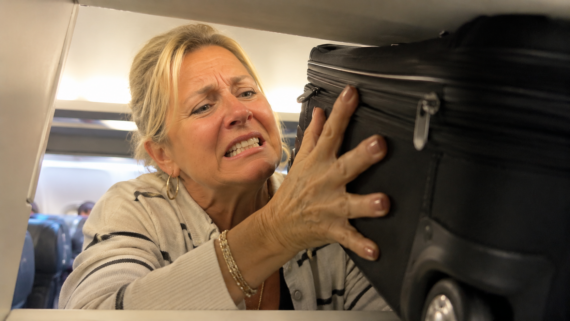
Checked bag fees have made overhead space more valuable. American Airlines says travelers can bring one carry-on and one personal item, while its current domestic first checked bag fee is $50, or $45 if paid online, on many routes. That gives passengers a clear reason to avoid checking bags when they can. In one United Reddit thread, a flyer said bags were being gate-checked while Group 2 was still boarding. For value travelers, packing smaller can save both money and stress.
Airport Wi-Fi Finally Becoming Useful
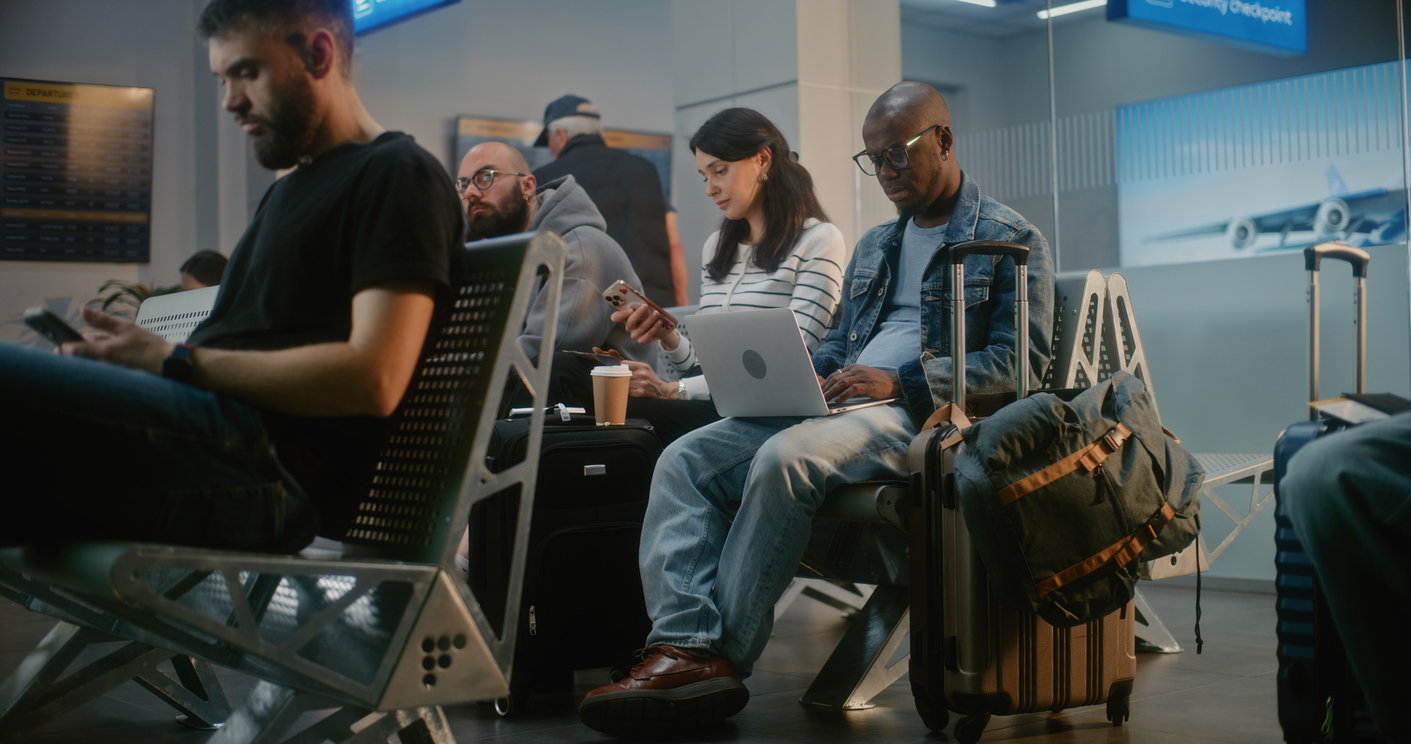
Airport Wi-Fi used to be something travelers complained about, ignored, or paid too much to use. Now, many major airports have made free Wi-Fi more usable, especially for email, messaging, maps, and light work. That is a genuine improvement for travelers who want to avoid using phone data during delays. Still, quality varies widely. Reddit users continue to compare airports with limited free sessions, slow connections, or unreliable service.
Delays Feeling Like Part of the Plan
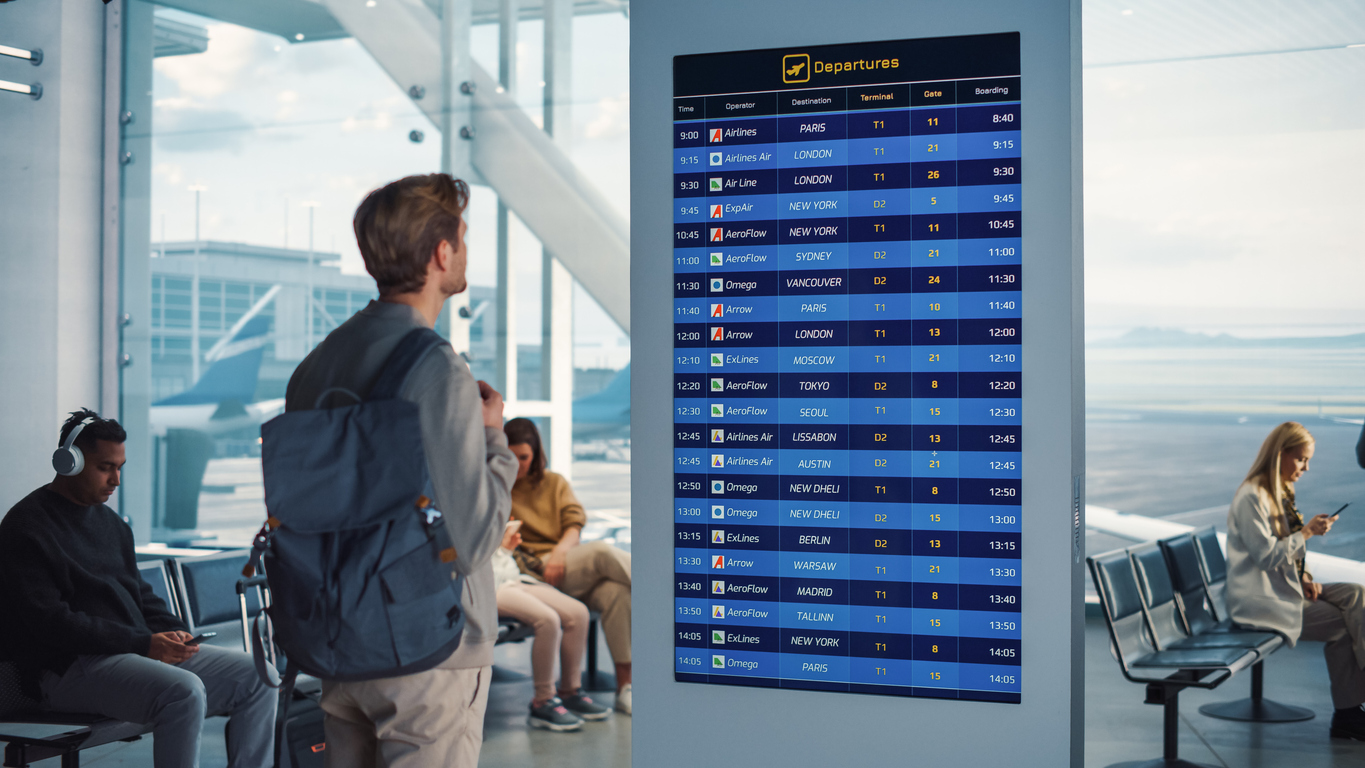
Frequent flyers do not necessarily expect disaster, but many now build delays into their planning. BTS data for May 2026 showed 77.78% of reported U.S. domestic operations were on time, with late-arriving aircraft, carrier delays, and National Aviation System delays making up large shares of delayed minutes. So no, every flight is not late. But the combination of instant app alerts, full flights, weather, staffing pressure, and tight connections can make delays feel unavoidable.