According to consumers, the products we bring into our homes have declined in quality over the last 20 years. Discussions on forums like Reddit and Facebook, and even in conversations with friends, highlight that appliances are less durable, harder to repair, and disposable compared to older versions. Here are the products people complain aren’t made like they were 20 years ago.
Refrigerators

The new refrigerators available for purchase feature Wi-Fi connectivity, touchscreens, dual evaporators, ice makers, and sophisticated electronics. However, they lack one of the most important qualities of older models: longevity. While many older models had a lifespan of 20 to 30 years, today’s models often require repairs after just a few years. Reddit user J-Lughead noted: “I think the best bet with appliances is less tech. You don’t need to watch TV or use your fridge as a tablet. The less gadgets the better.”
Sofas
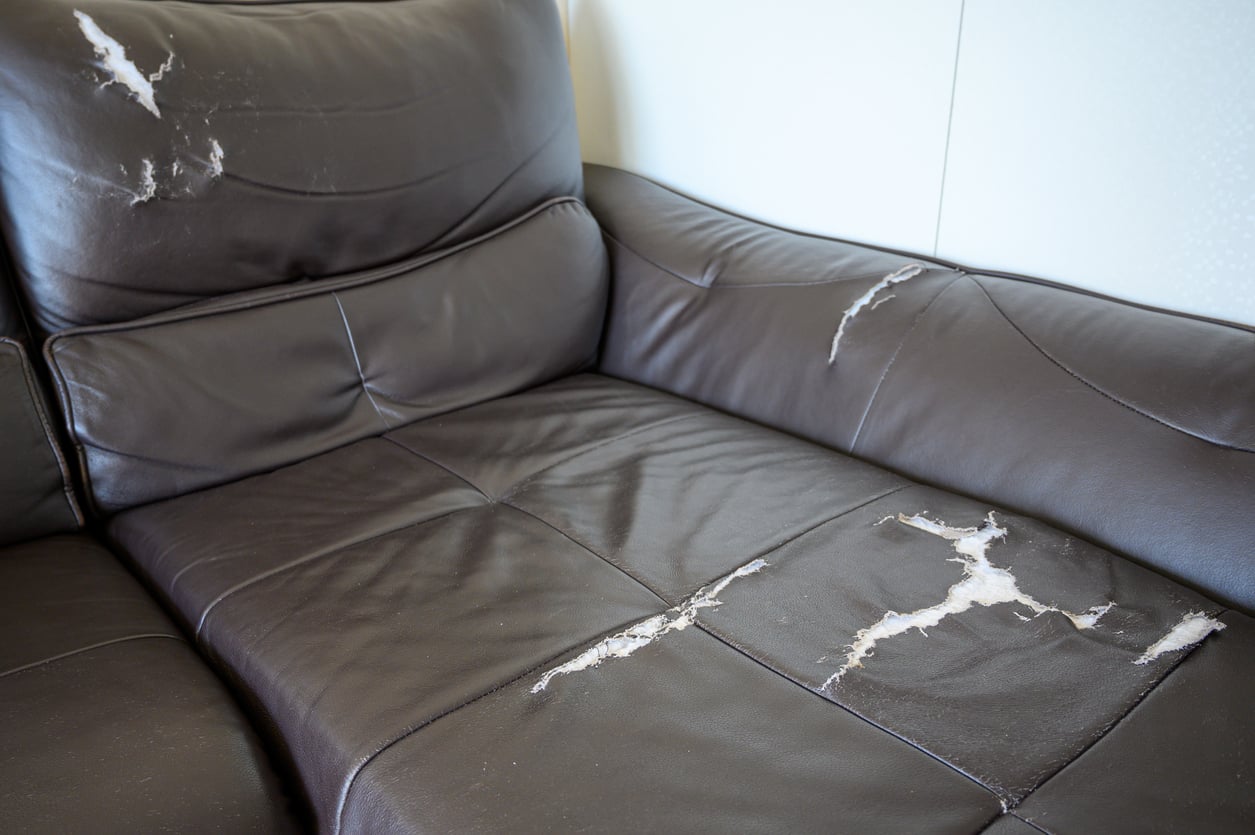
People who have bought a sofa in recent years note that it is one of the products that has undergone the most changes. Mid-priced modern sofas rely heavily on particleboard frames, stapled joints, and lower-density foam, rather than the hardwood frames that were common in the past. As a result, you experience sagging cushions and loose frames. Reddit user Mental_Turtles revealed: “Old couches are just so comforting! They are super soft and you can just curl up and go to sleep. New couches are stiff and smell like chemicals.”
Washing Machines
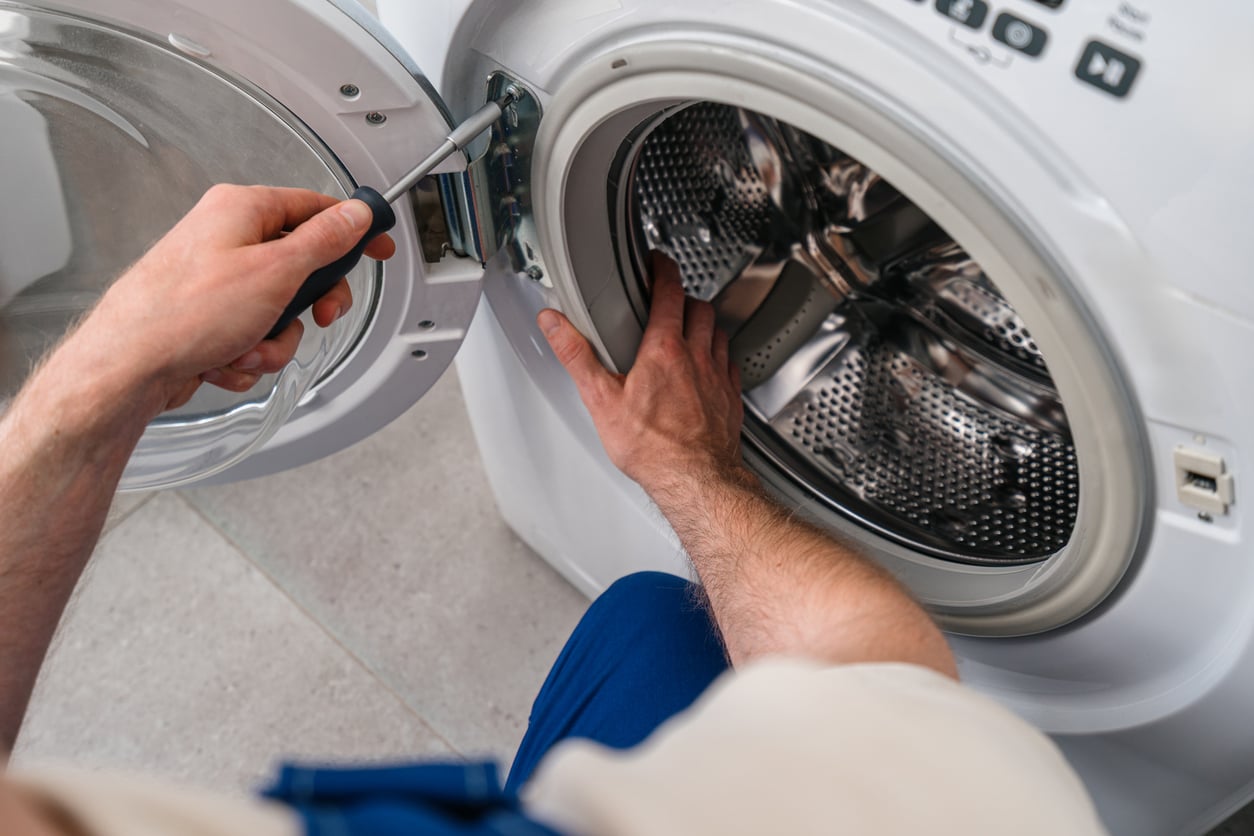
One advantage of new washing machines is that, being efficient, they use less water and electricity than earlier models. However, a point of contention is that their durability is far inferior to that of older machines; owners have to pay for electronic failures, sensor issues, and other repairs. Reddit user SnoopyisCute did not hesitate to say: “They are planned obsolescence.”
Blue Jeans
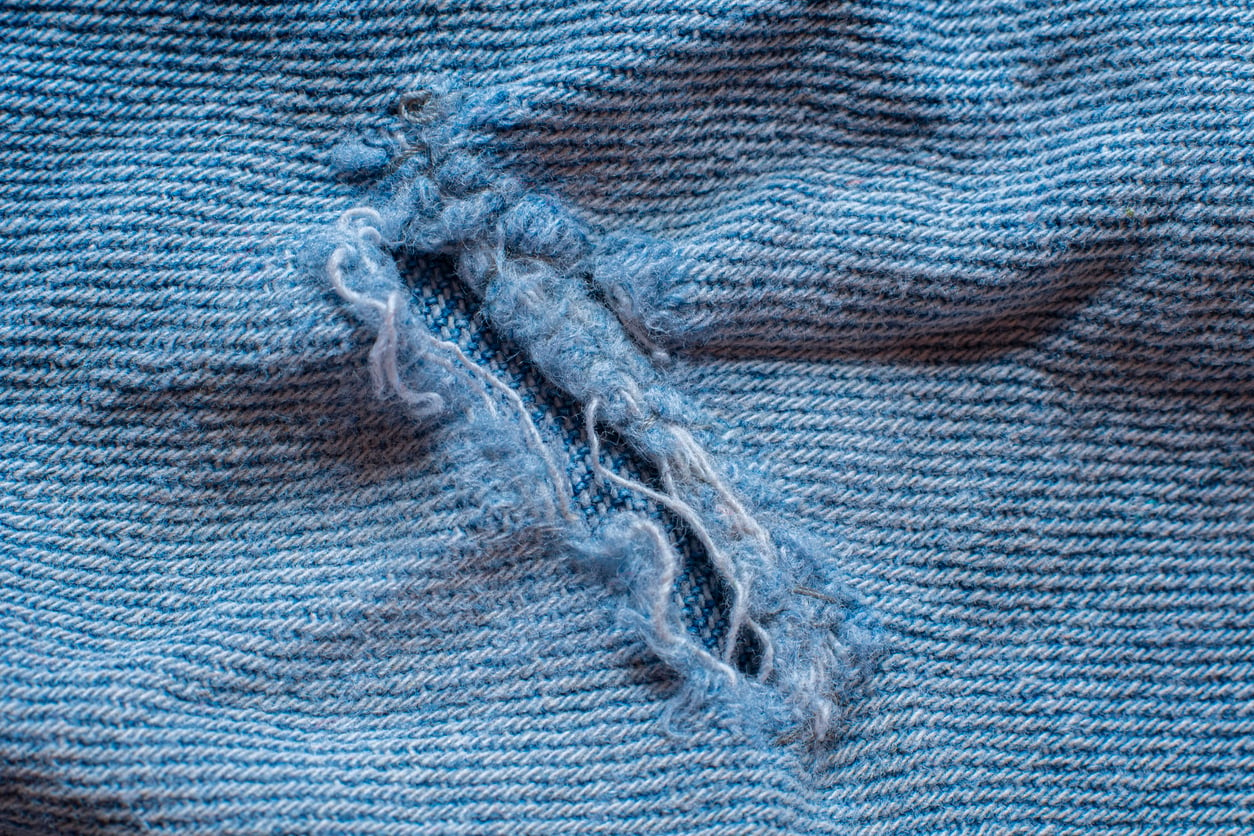
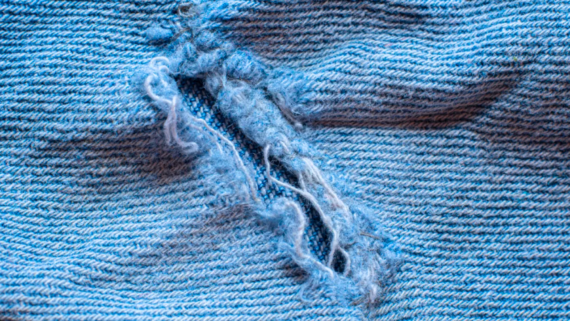
People who wouldn’t dream of leaving the house without wearing jeans note that stretch fabrics have become so commonplace that few people pay attention to the garments’ reduced durability. Customers point to thinner fabric and faster wear around the pockets and thighs, singling out well-known brands such as Levi’s, Wrangler, and Lee. Reddit user Alternet1 opined: “I’ve got a pair of 541 jeans from Levi’s a few days ago and I could instantly feel how much thinner the new jeans are as soon as I touched them. You can see how they are lowering quality.”
Coffee Makers
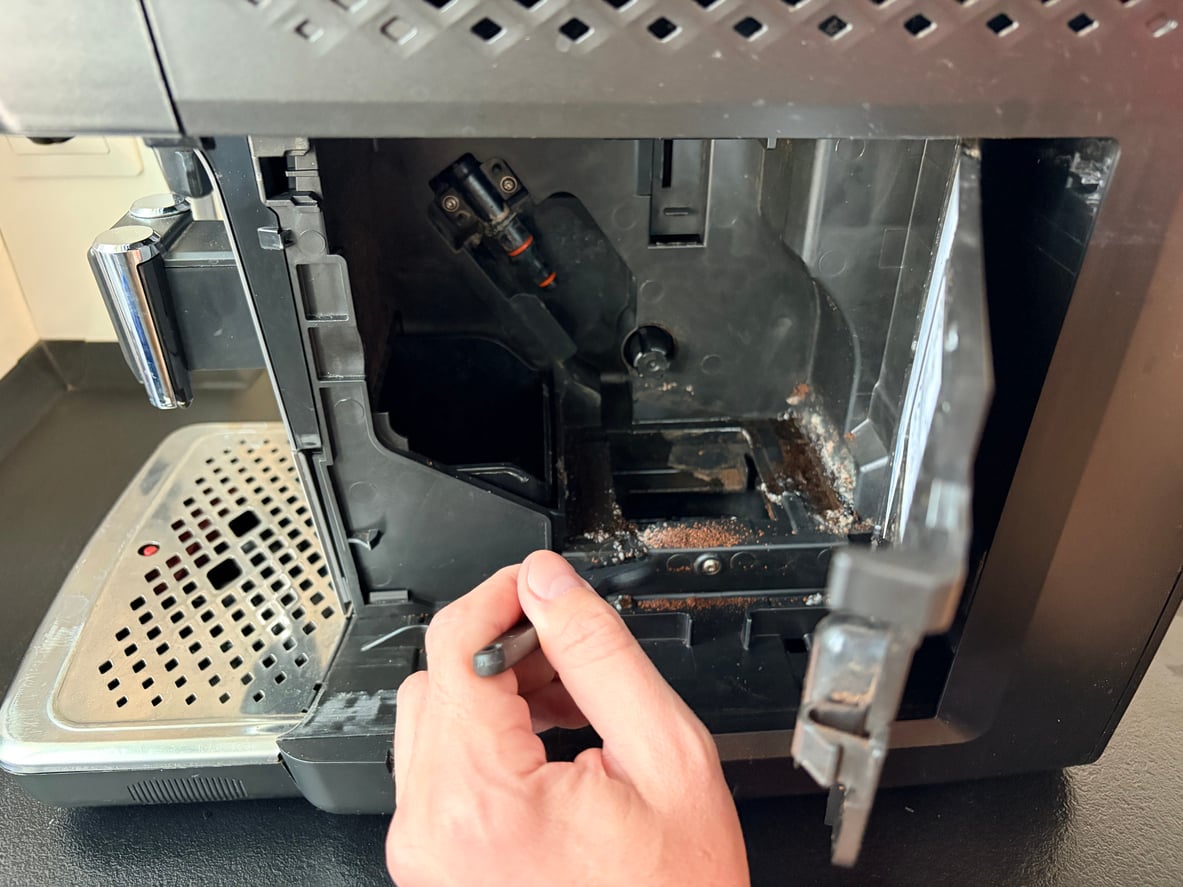
Those basic drip coffee makers lasted more than a decade on our parents’ kitchen counters, whereas today’s models barely last a few years. Of course, the new versions feature digital displays, programmable brewing and special features, but breakdowns occur when the internal components that constantly heat up wear out. Reddit user dredged_gnome commented on the taste of the new coffee makers: “Older versions were very tasty, but the new machines produce watery coffee.”
Trending on Cheapism


Mattresses
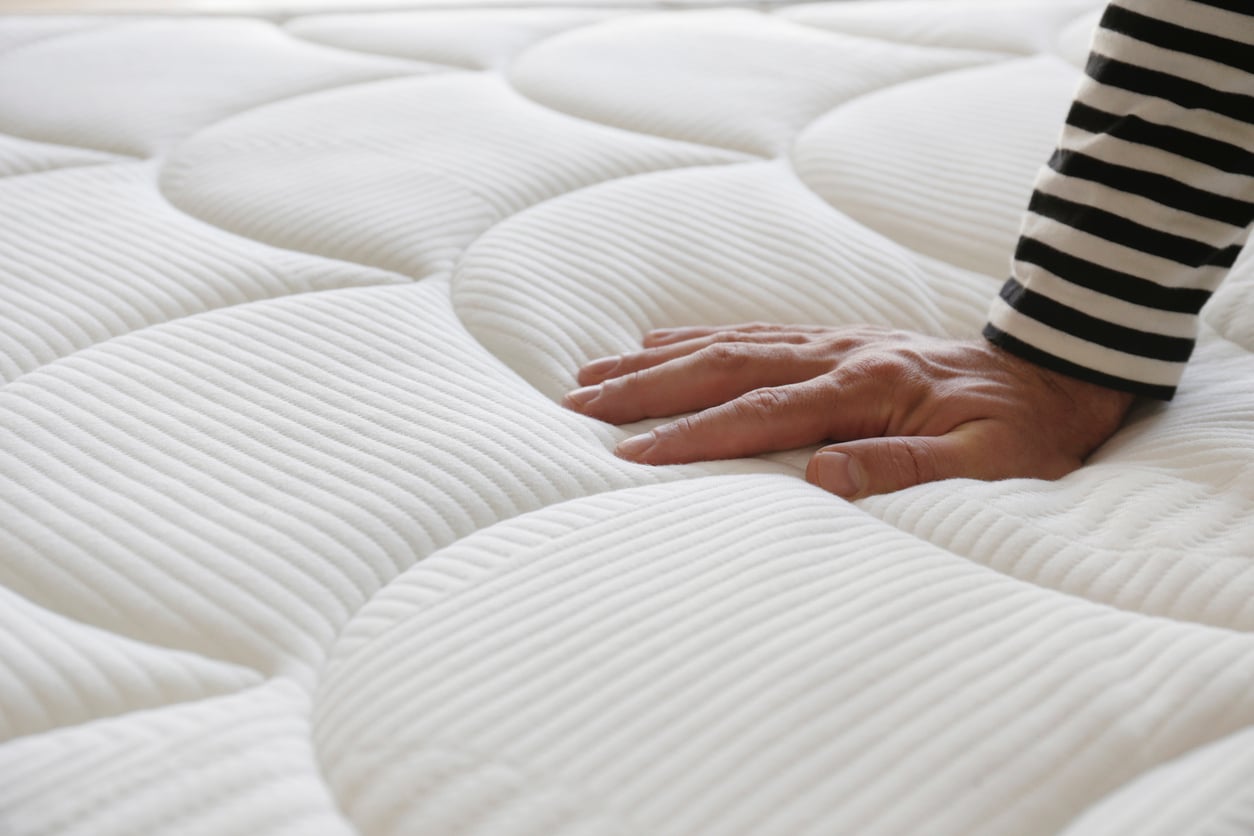
Mattresses are another product that has seen a decline in quality. Consumers point out that they begin to sag sooner than older versions, even though they cost more. Reddit user Golden-lillies21 commented: “It seems like back then mattresses used to last longer but now mattresses lose their support where they last less than 5 years.”
Lawn Mowers

Those old gas-powered lawnmowers don’t compare to today’s equipment. Newer engines generate fewer emissions, making them less polluting, but the components used to build them are far less durable. Some customers feel that metal parts have been swapped for plastic, given how short-lived they are. Reddit user Cgr86 remarked: “I have been looking to upgrade my older Honda that is about 10 years old but the quality of parts and materials is only getting cheaper and lower quality.”
Leather Boots
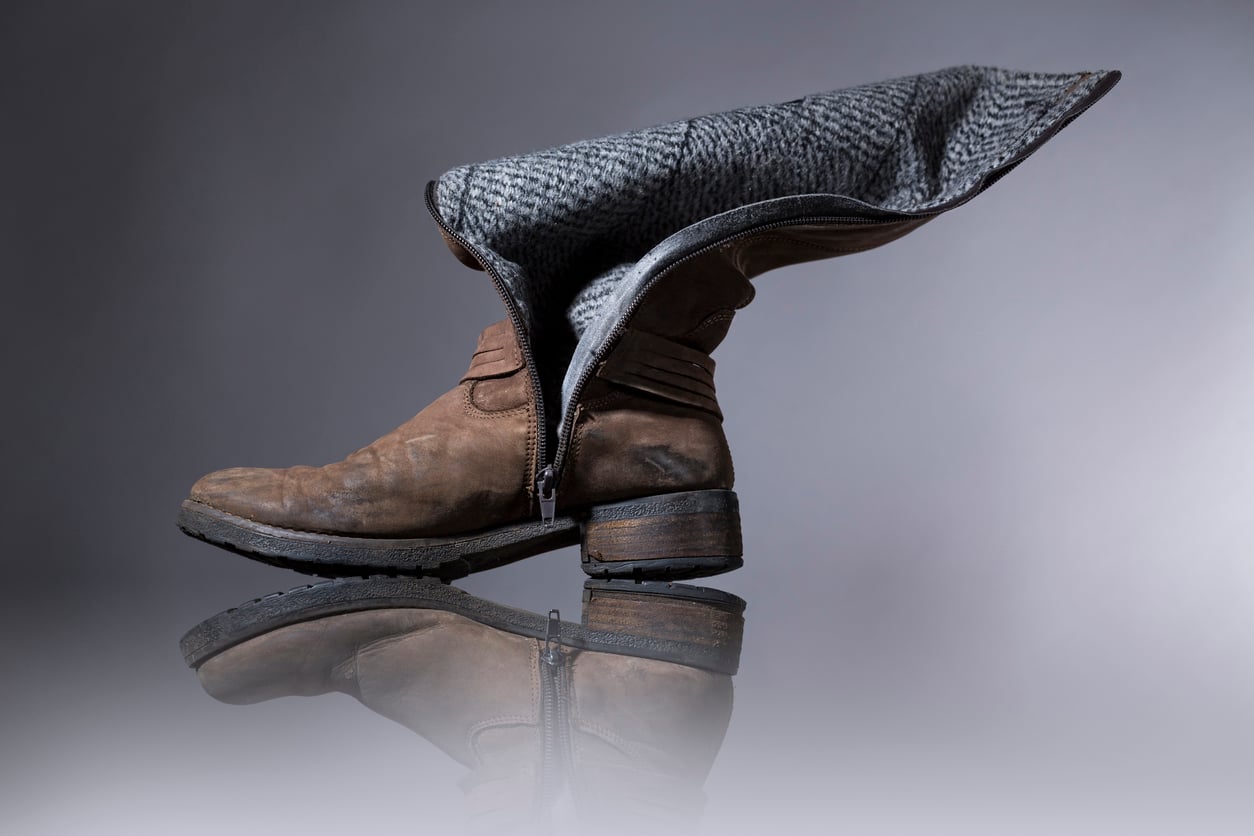
Leather boot enthusiasts point out that well-known brands have shifted to using corrected-grain leather, glued soles, and thinner materials. Older versions were designed to be resoled multiple times, whereas newer boots are viewed as disposable. Reddit user CB_700_SC revealed: “I used to buy Chippewa more than 20 years ago, I loved them and had many of them resoled. After they discontinued the line, I found them in China, but when they arrived they were made by cheaper materials, absolutely no shank nor quality.”
Sign up for our newsletter
Vacuum Cleaners
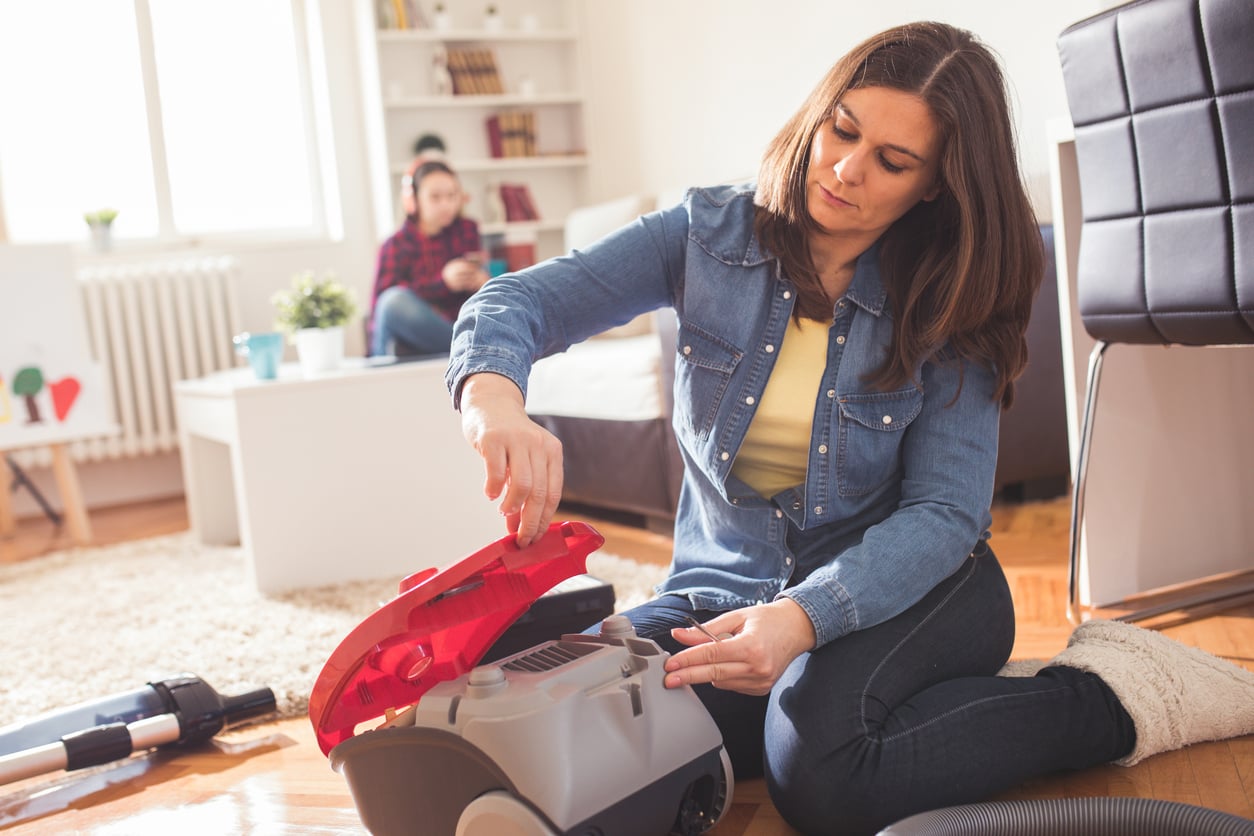
Modern vacuum cleaners have more features than older versions, but for many customers, their durability has decreased significantly. The plastic components often crack, motors fail sooner than expected, and replacement parts are hard to find. In response, many people seek out older commercial vacuums rather than new models. Reddit user ktappe observed: “I had a Shark vacuum cleaner for two years and then a small part broke. I called to purchase the piece and they told me they could not sell me the piece.”
Solid Wood Furniture
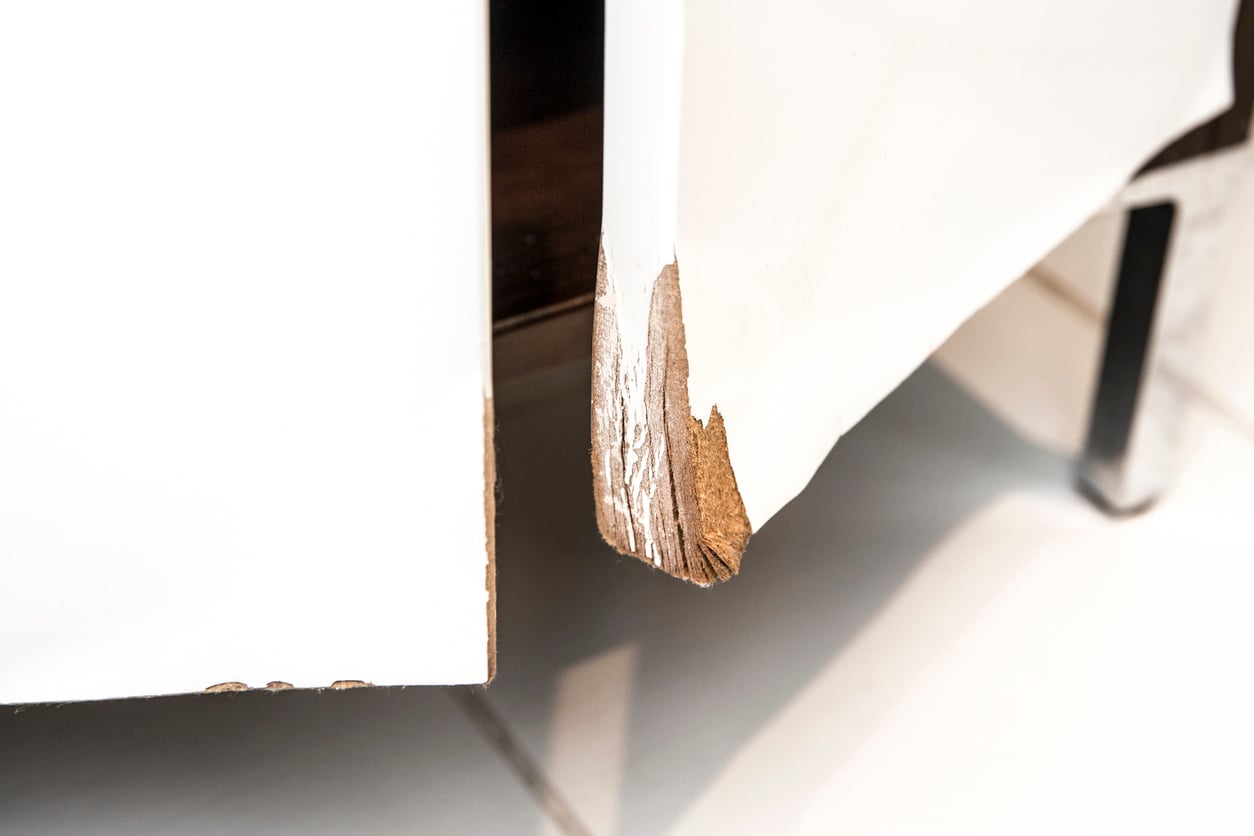
It is really difficult to find affordable solid hardwood furniture, such as dressers, bookshelves, entertainment centers, and dining tables, because nowadays everything is made from MDF, particleboard, and veneers. And those materials break much more easily than the oak, maple, or cherry wood used a few decades ago. Reddit user MauPow revealed: “They are planned obsolescence. The business prefers to sell you three tables for $200 than one for $500.”
Hand Tools
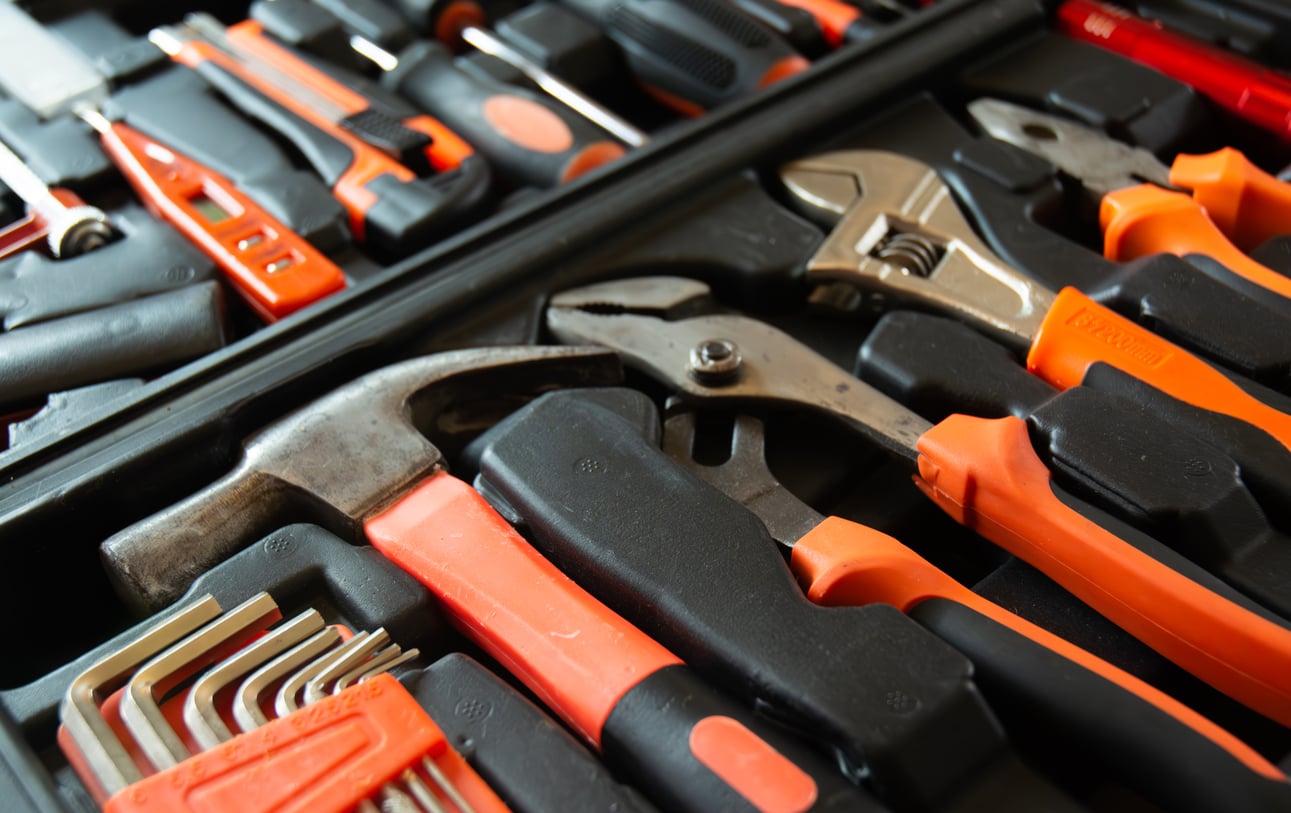
If you are someone who likes to fix up your home or repair furniture yourself, you want tools that get the job done effectively. Modern tools are certainly useful, but they fall short of the ones your father might have owned, tools built to last a lifetime. The materials used in today’s tools often seem softer, or the construction less robust. Reddit user BaneStar007 opined: “Older tools were made by craftsmen, for whom the product was the goal. Higher quality materials used for higher quality products.”
Kitchen Mixers
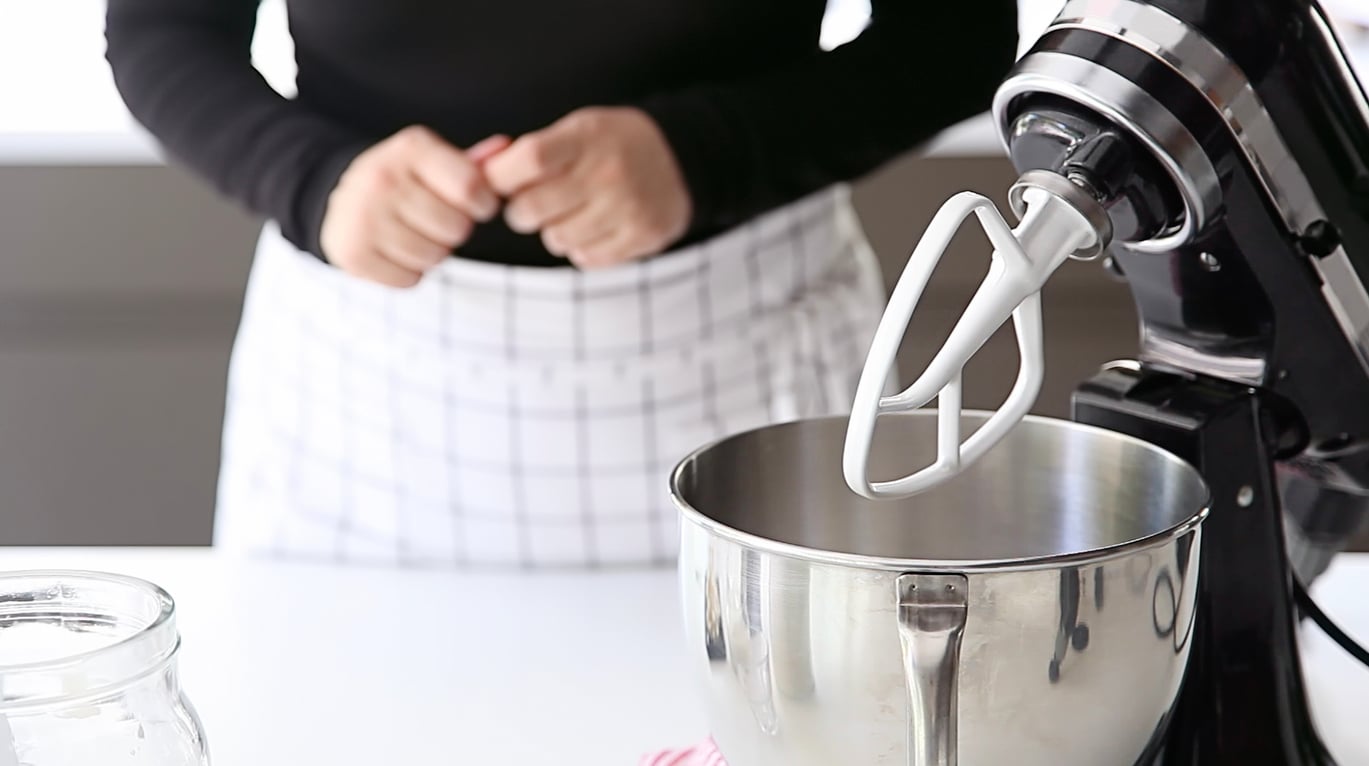
Kitchen mixers used to be the kind of appliance that, once bought, would last a lifetime. However, when manufacturers started using plastic parts and lighter internal components, the newer versions faltered. They can still handle baking tasks, but they won’t last as long as the older models. Reddit user King_Baboon stated: “We have a new KitchenAid mixer and a second one that was made in the 80’s. The older one is far better. The build quality is about the same but the motor is not. The new mixer starts to struggle mixing anything involving more than two cups of flour.”
Why So Many Consumers Believe Durability Has Declined?
It is true that not all appliances and devices have declined in quality over time. Modern versions are more energy-efficient and feature more capable electronics, thanks to components that didn’t exist a decade ago. However, a common pattern remains: They simply do not last as long as older appliances. And in an era of high prices, those modern features aren’t worth the high cost.