Home appliances are an integral part of our lives because they make things easier, but they also drive up utility bills at the end of the month. According to Energy Star and Consumer Reports heating and cooling systems are among the biggest energy consumers, though the issue often isn’t the appliance itself, but rather how much you use it or how old it is. We’ll reveal which energy-hungry appliances are costing you more money than they should!
An Old Refrigerator
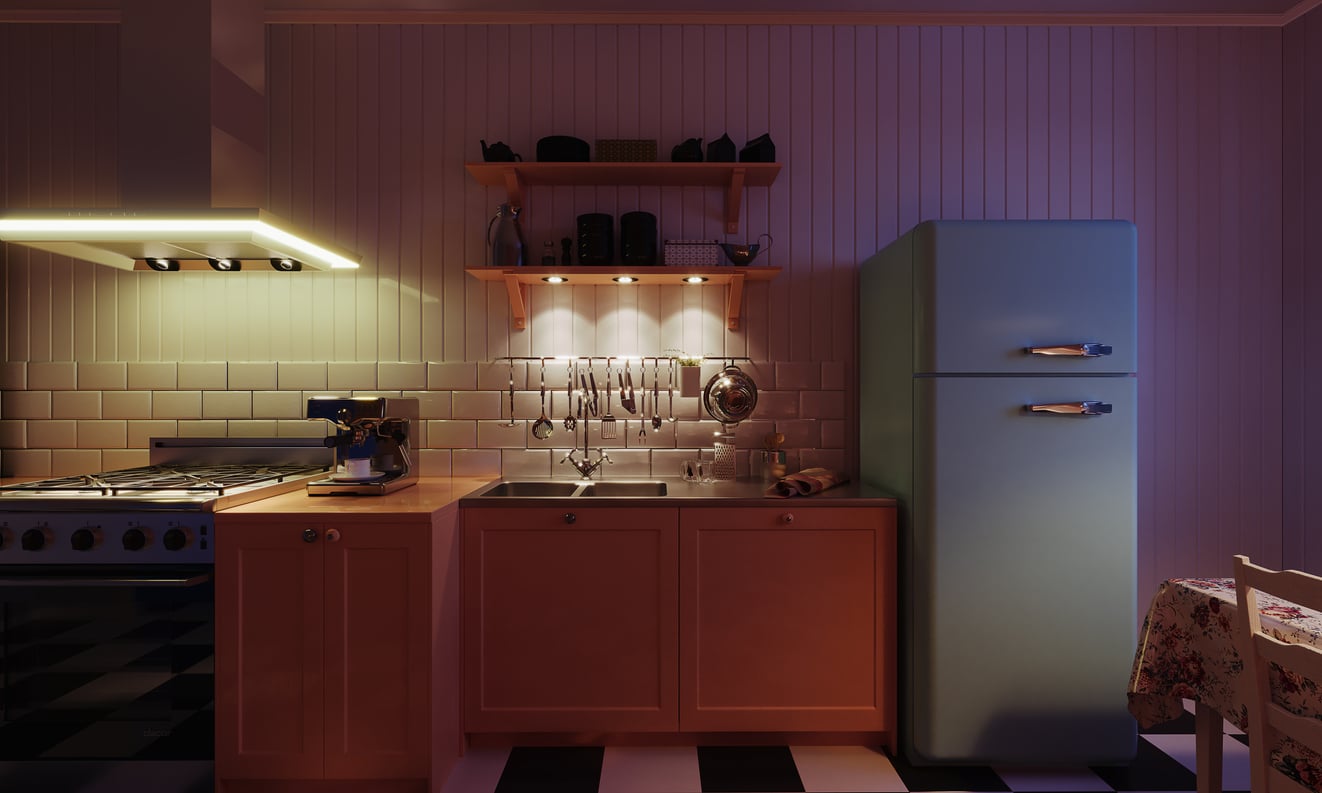
Refrigerators are never unplugged, making them one of the appliances that consume the most energy throughout the year. If your refrigerator is more than 15 years old, it may well consume more energy than modern models. The issue is that older compressors, door seals, and insulation wear out, preventing the unit from maintaining the cold temperature effectively. According to Energy Star, replacing an aging refrigerator with a certified energy-efficient model can noticeably reduce annual electricity consumption.
A Second Refrigerator In The Garage
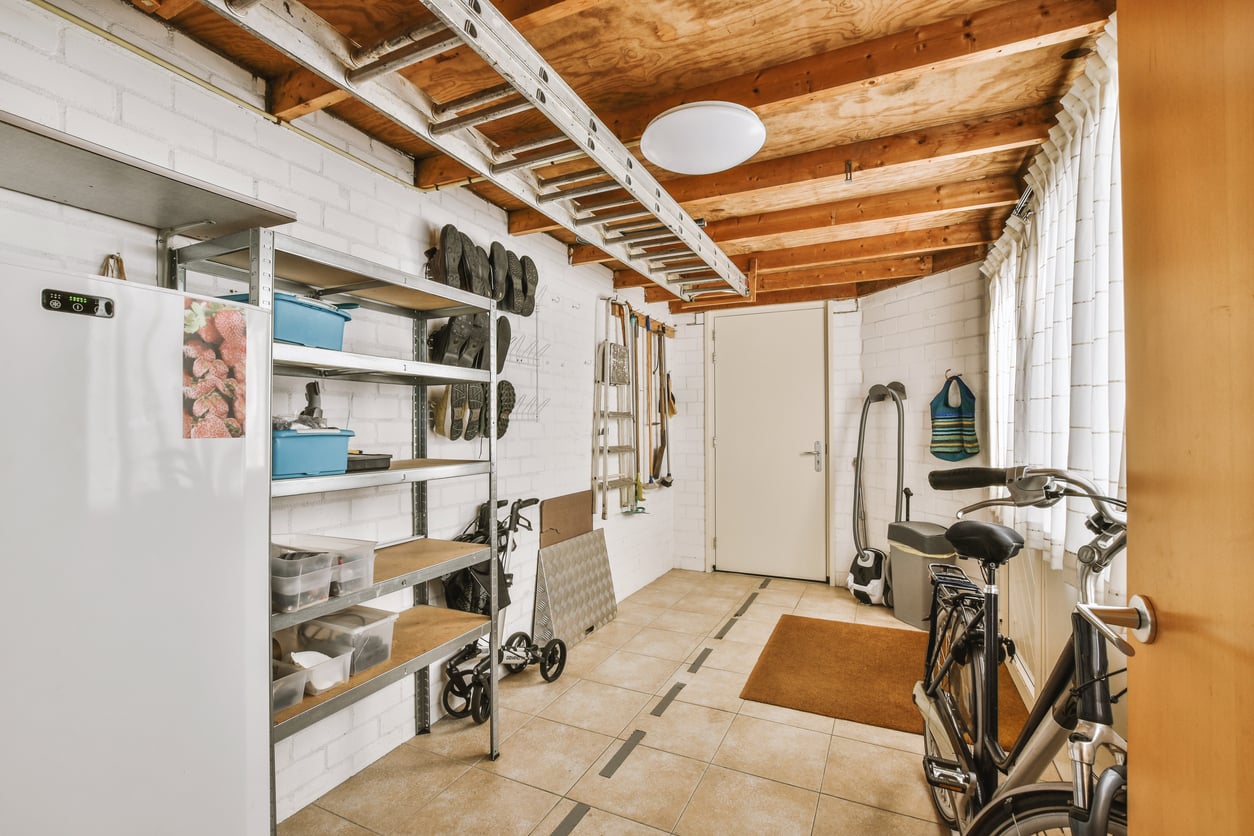
A second refrigerator in a home is used when there are too many beverages or groceries to fit in the main fridge, so the overflow is moved to this secondary unit. These refrigerators, often located in the garage, can cost more than $100 a year to run and tend to consume more energy because they are situated in areas of the house that are hotter or colder. If you need extra frozen-food storage, an Energy Star-certified freezer may be more energy-efficient than keeping an old second refrigerator running.
Electric Water Heater
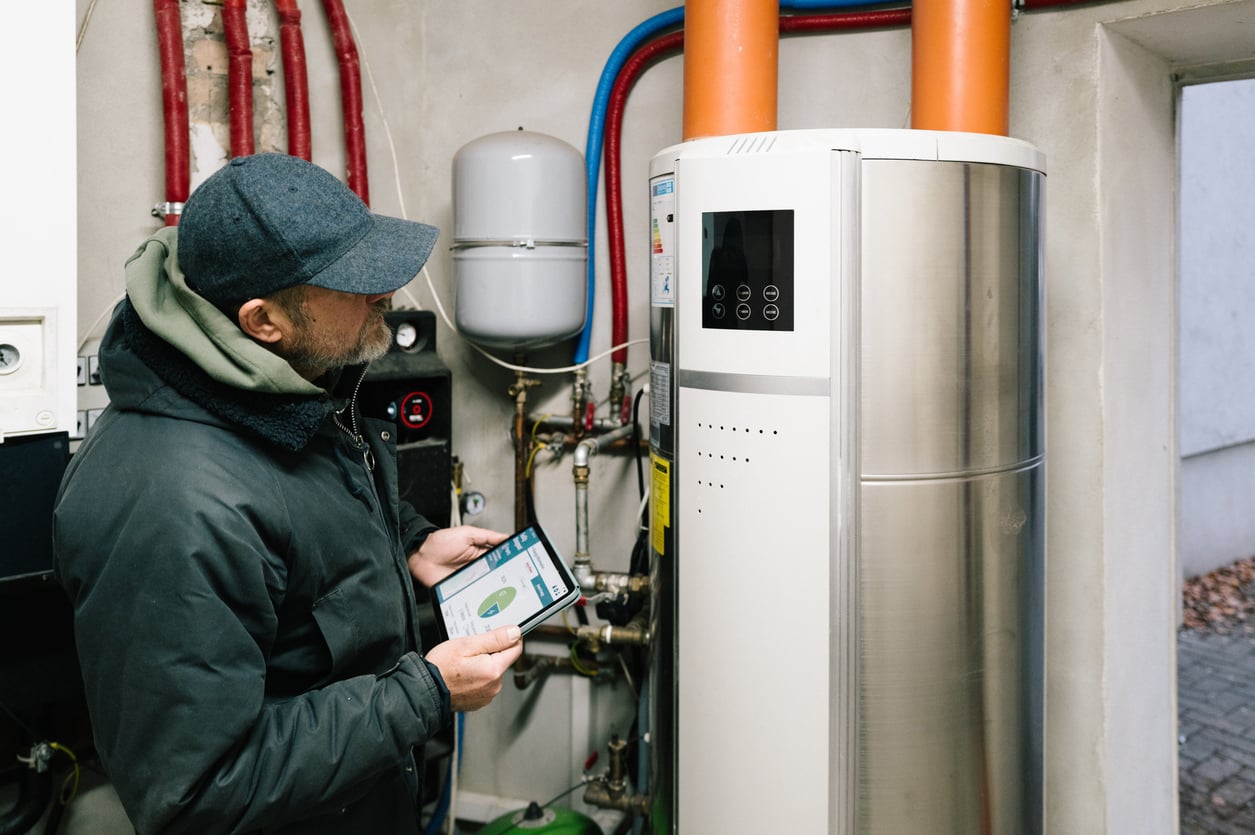
Heating water, such as when taking a shower, is one of the most energy-intensive processes in the home. Water heaters are energy-hungry appliances. While electric water heaters and gas models remain very common, the buildup of sediment inside the tank and exposure to high temperatures can cause them to deteriorate quickly. To mitigate this, you can slightly lower the thermostat setting and periodically drain the tank. Energy Star recommends inspecting the anode rod and testing the pressure relief valve on these appliances.
Clothes Dryer
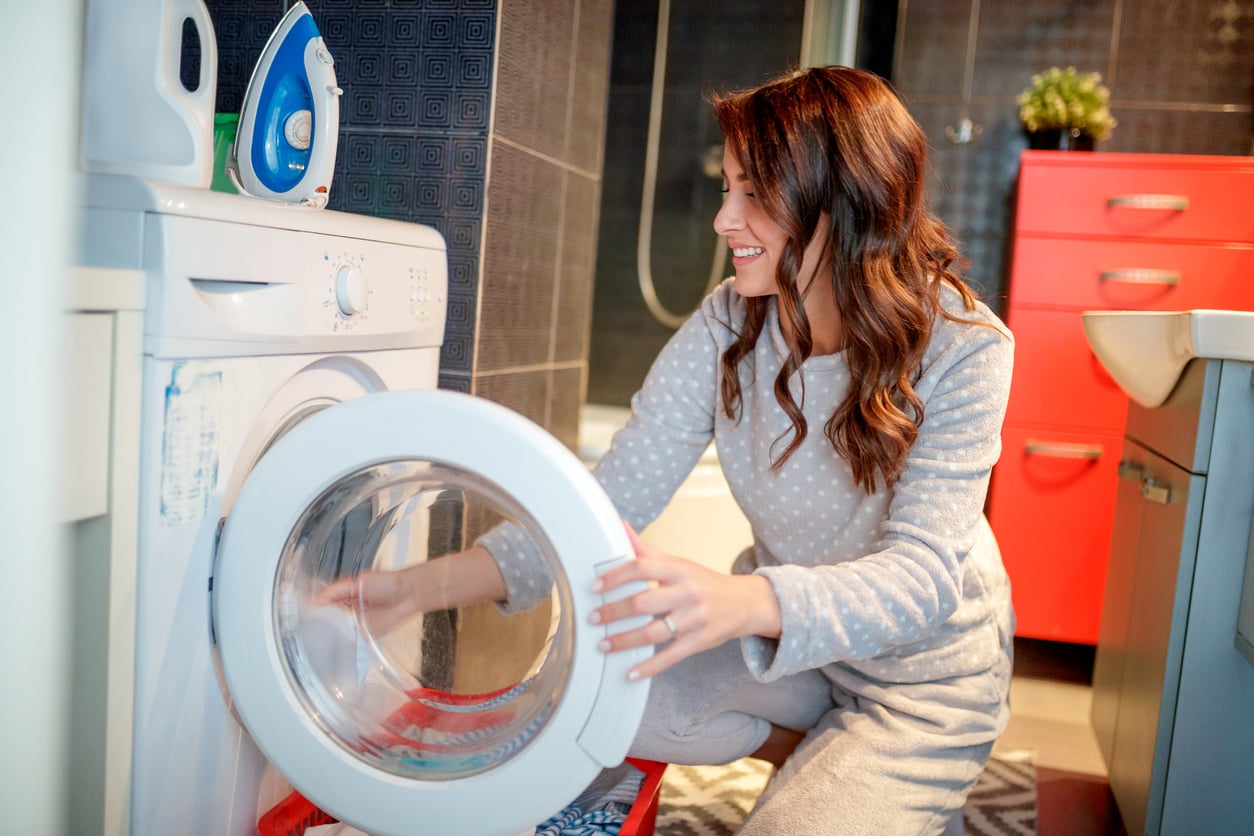
Another major energy consumer is the clothes dryer, as it requires heat to operate. Dryers are energy-hungry appliances. You should ensure that lint does not build up, avoid overfilling the drum, and steer clear of doing small loads throughout the week; it is better to run a single load with the maximum allowable amount of clothing. Energy Star suggests relying on automatic “sensor dry” settings instead of timed cycles, cleaning the lint filter after every load, and washing full loads.
Dishwasher
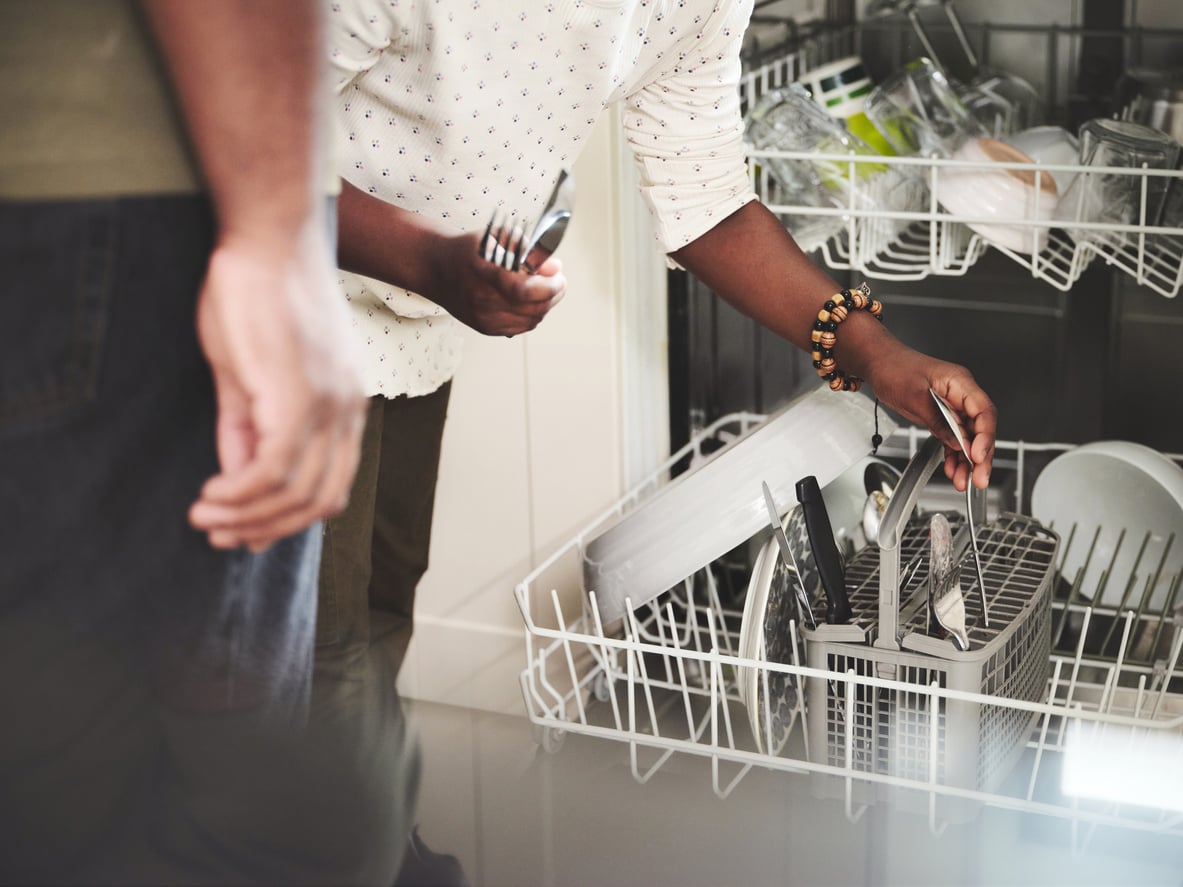
The downside of dishwashers is that running them without a full load wastes energy, as does using heated drying cycles. In fact, some people note that using an air-dry setting consumes less energy while yielding virtually the same results. Energy Star recommends always running a full load, use the Eco Mode setting to lower water temperature, and turn off the heated dry function.
Trending on Cheapism


Upright Freezer
Chest and upright freezers are great appliances for storage, but they consume too much energy. Older freezers are energy-hungry appliances when used inefficiently. The same issues that affect secondary refrigerators apply here: door seals fail, and the units are often located in isolated areas exposed to very cold or very hot temperatures. Energy Star suggests positioning the freezer away from direct sunlight and heat-emitting appliances, and at least 2 inches of clearance on the sides and 4 inches at the back to allow heat to dissipate.
Portable Spacer Heater
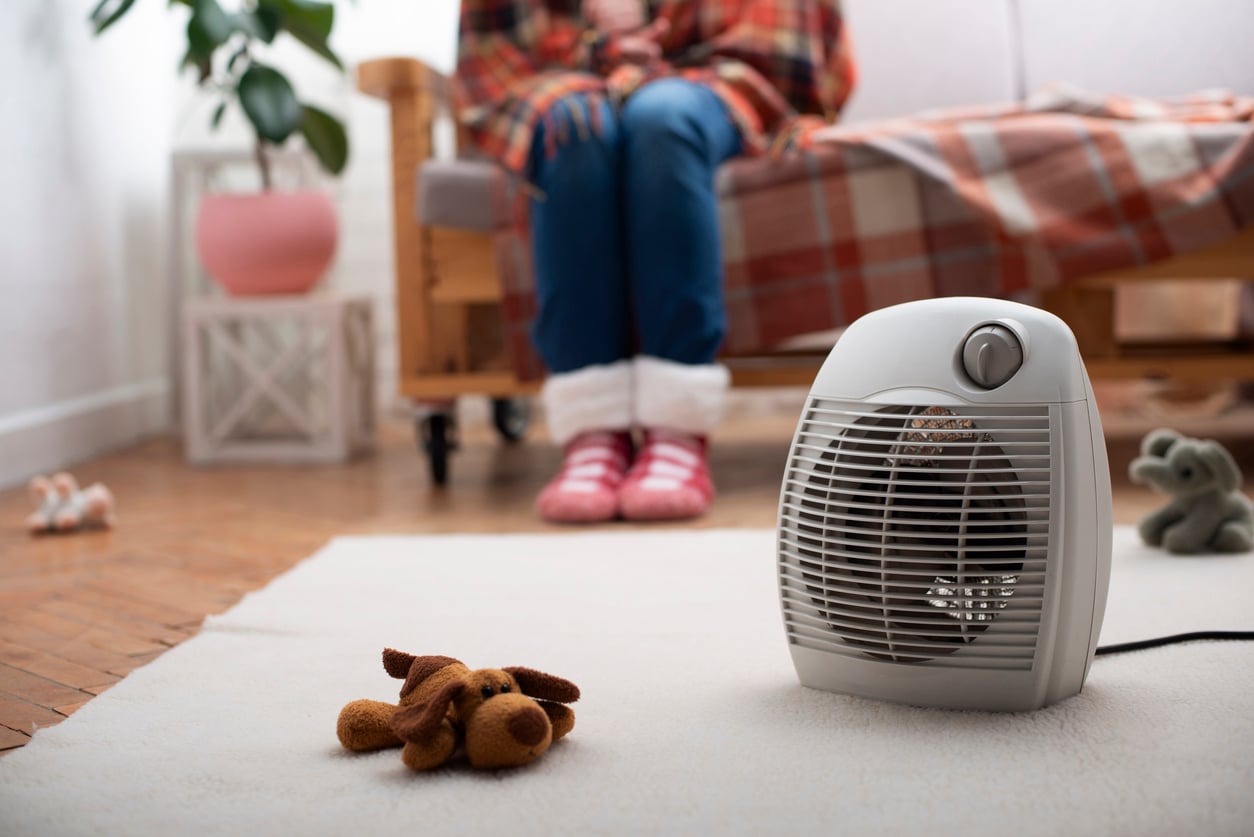
Portable space heaters are beneficial if used to heat a single room in your home; however, if used for extended periods, energy consumption will be significant, and consequently, so will your monthly bill. Most of these portable electric space heaters consume 1,500 watts at maximum power. Consumer Reports indicates that to test each of them because some are designed for whole-room heating while others are intended for spot heating.
Dehumidifier
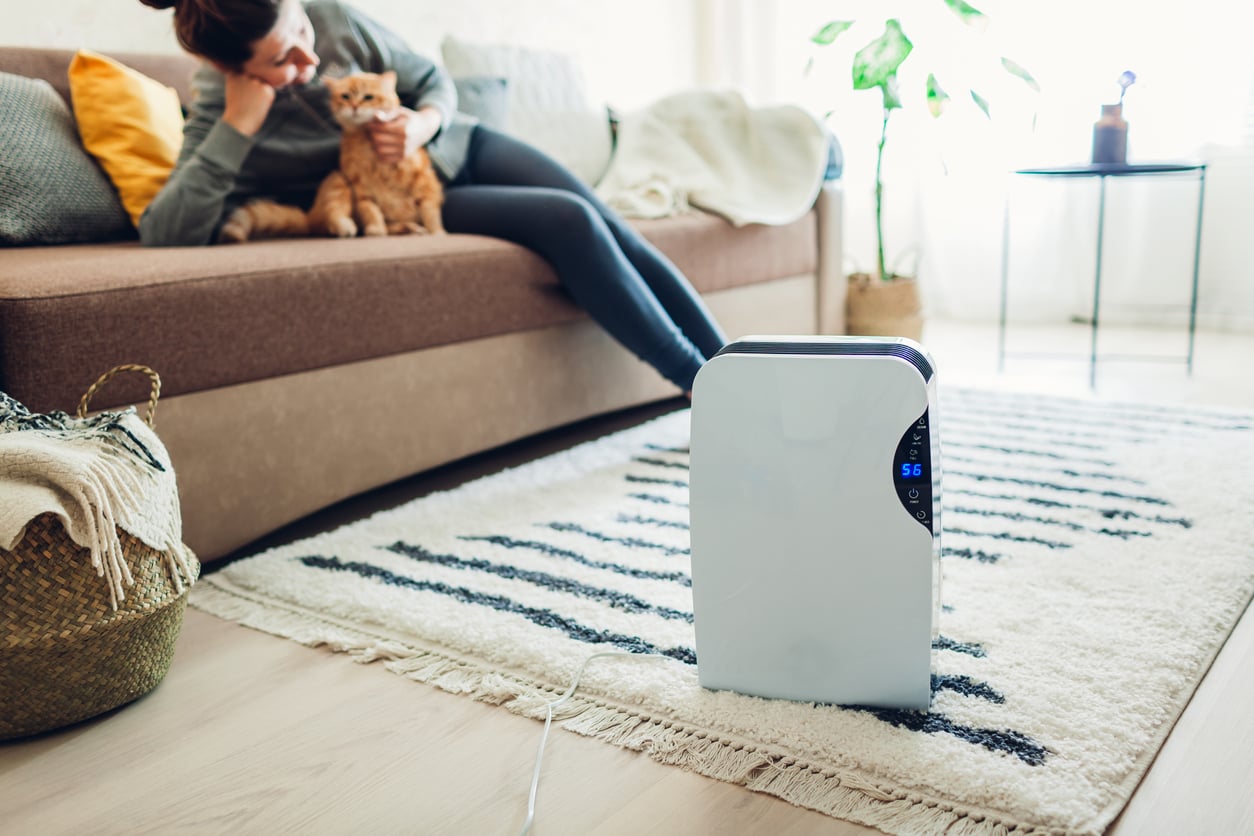
Dehumidifiers are designed to run for hours while you enjoy the comfort and reduced risk of mold in the environment where they are placed. Dehumidifiers can become energy-hungry appliances. Modern models lower electricity consumption compared to older ones by preventing them from running more than necessary. Consumer Reports noted that major energy waste in dehumidifiers occurs when oversized units short-cycle, coils freeze in cold rooms without frost sensors, or internal humidistats misread ambient moisture.
Sign up for our newsletter
Window Air Conditioner
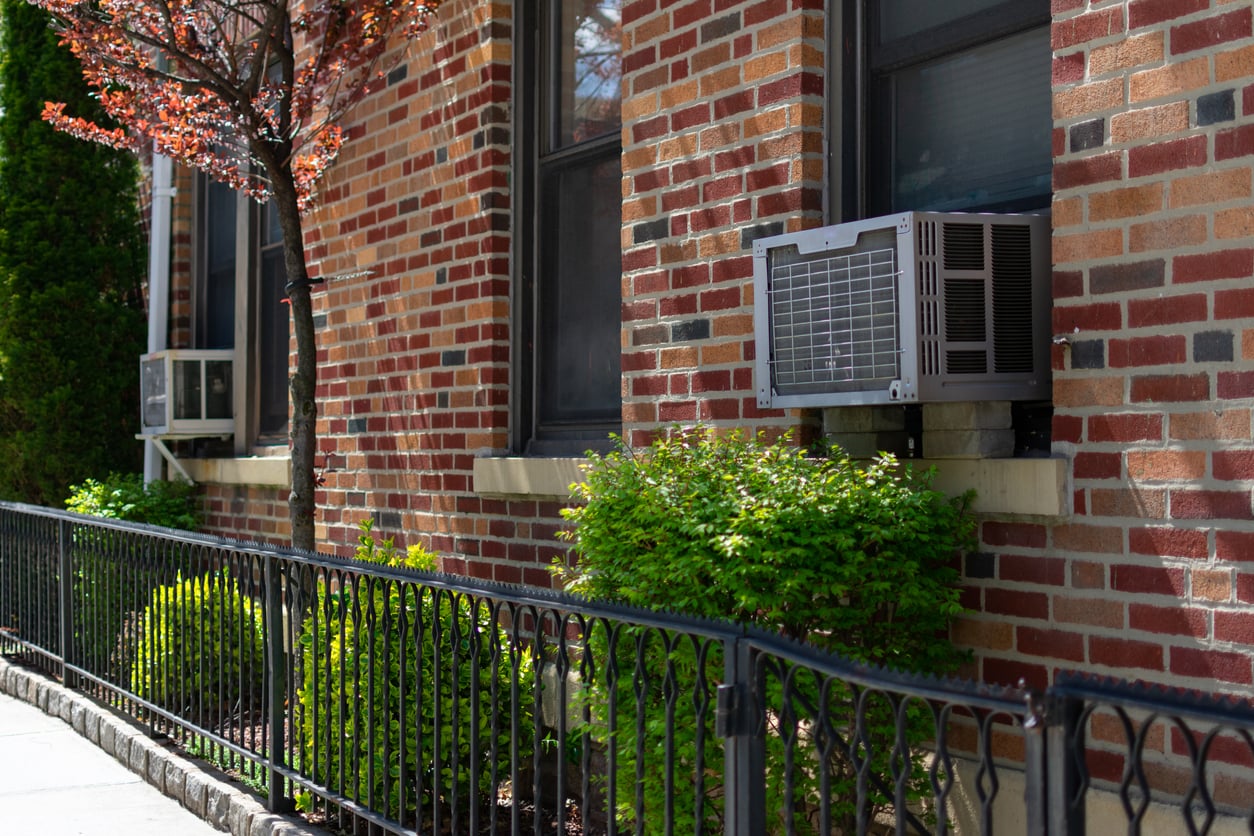
Window air conditioners are less expensive to install, which keeps sales strong. Window Acs are energy-hungry appliances during peak summer months. The downside is that if the window isn’t properly insulated, the unit will run longer than necessary, consuming more energy. Dirty filters, as well as the unit being the wrong size, are other issues. Consumer Reports notes that window ACs cost less upfront and excel for cooling individual rooms, but for whole-home cooling, a central air conditioning system or a ductless mini-split.
Ice Maker
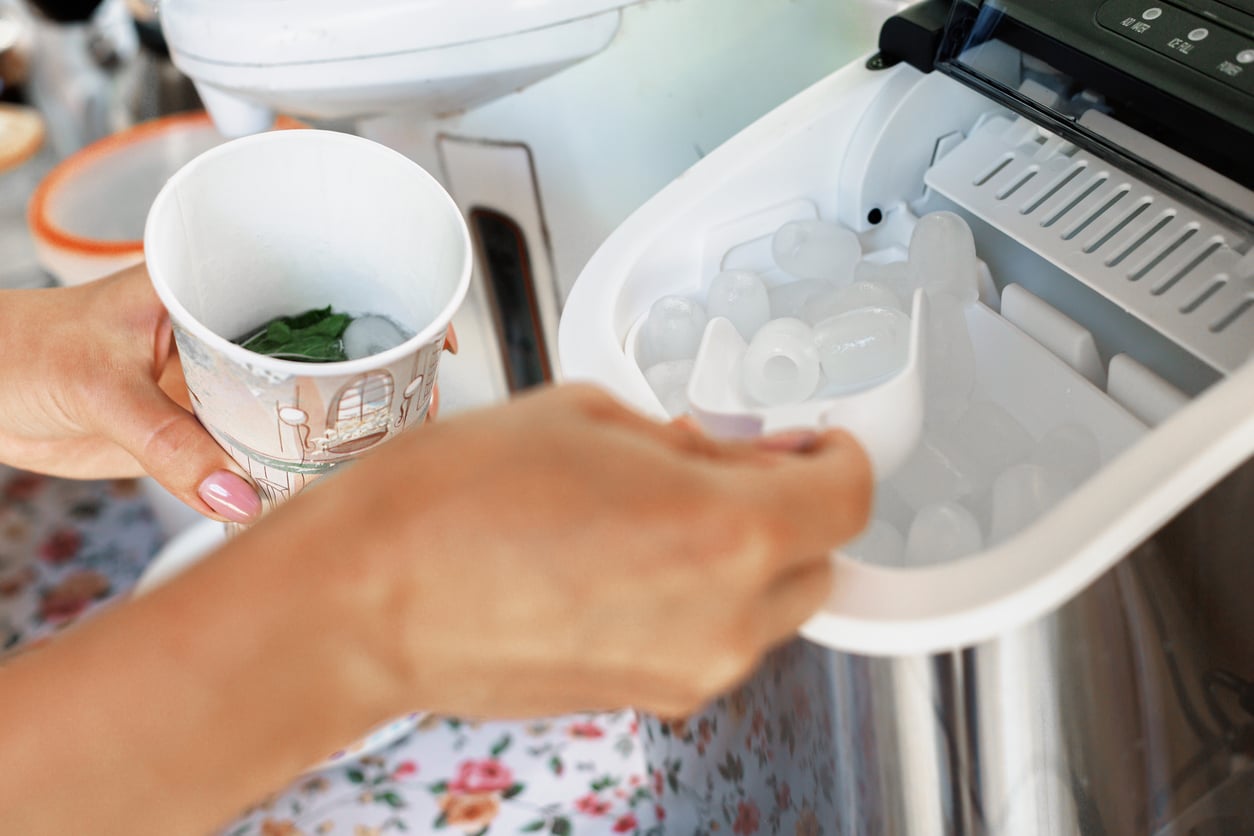
Countertop ice makers have become popular, but that is often because people do not realize how much electricity they consume. They are surprisingly energy-hungry appliances. They differ from refrigerators because they constantly freeze and circulate water throughout the day, even when there is no demand. If you own one, it is best to unplug it when it is not in use. Consumer Reports states that some models consume about 100 to 200 watts while actively freezing and produce 20 to 30 pounds of ice per day.
Beverage Or Wine Cooler
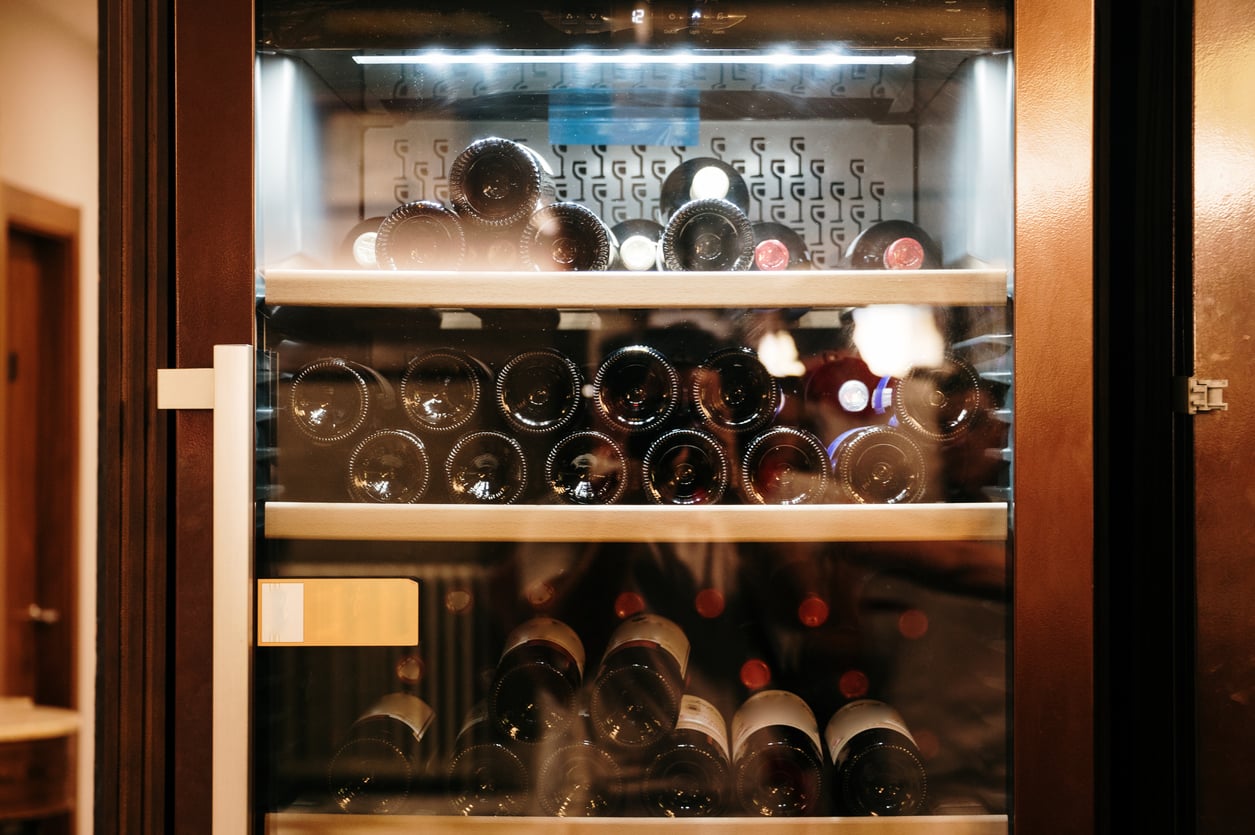
Beverage or wine coolers are functional, but you could achieve the same result simply by placing the items in your main refrigerator. These can become energy-hungry appliances. These compact appliances consume energy all day long, yet they tend to be used less frequently than a standard fridge and may often be only partially full. Energy Star noted that an average beverage cooler consumes between 70 and 150 watts while running, or roughly 100 to 200 kWh per year.
Old Window Fans and Bathroom Exhaust Fans
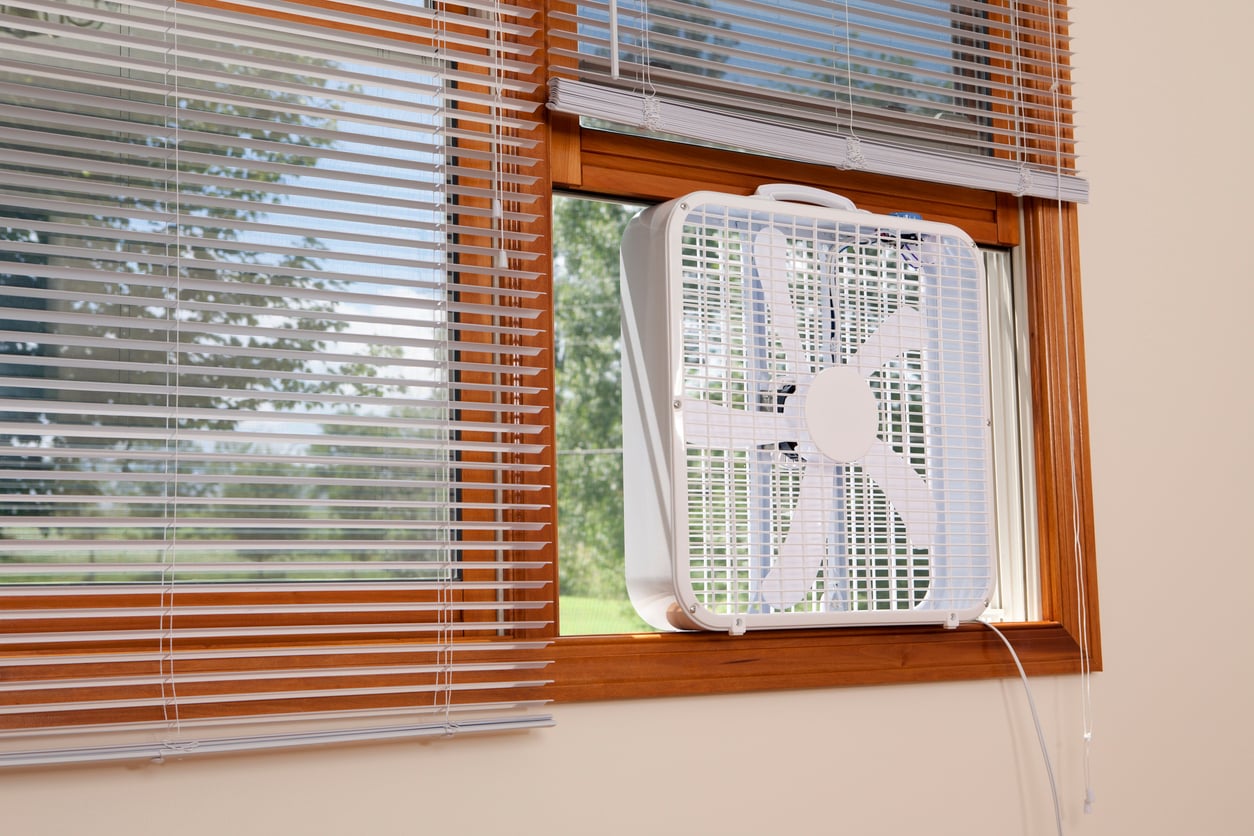
Compared to major appliances, ventilation fans do not consume as much energy; however, if they have an old motor, it could be inefficient and run longer than necessary. Older models can become energy-hungry appliances. The same applies to bathroom exhaust fans. All of this translates into higher energy consumption and a larger monthly bill. You should have them serviced to check the condition of the motor and timer. Consumer Reports recommends maximizing efficiency by placing outward-facing fans on the warmest side of your house and inward-facing fans on the cooler side to establish a cross-breeze.
Bigger Picture – Why It Matters
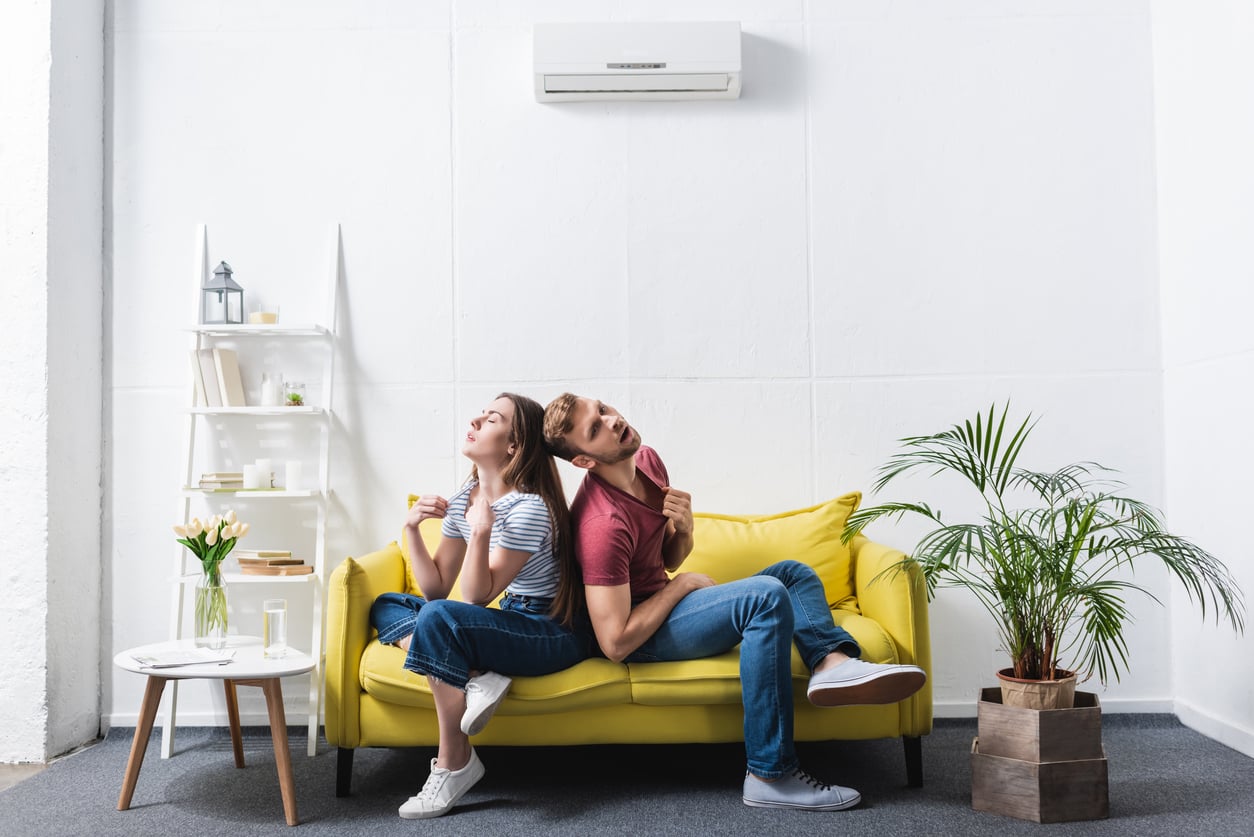
People tend to focus on the wrong things when it comes to household electricity consumption; they keep an eye on unnecessary lights being left on but overlook the appliances that consume the most power, such as the ones discussed above. Many of these are energy-hungry appliances. These appliances can become less efficient over time, but don’t necessarily need to be replaced; a maintenance service is often enough. You’ll save money and avoid headaches in the near future!