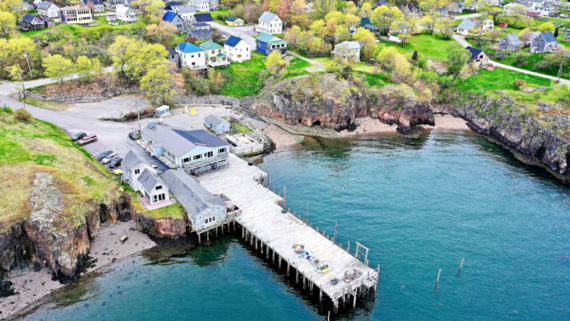
Travelers save money in some states not because everything is cheap, but because the trip is easier to build around free or low-cost experiences. Public beaches, scenic drives, state parks, campgrounds, small-town base options, and national park sites can stretch a vacation budget without making the trip feel bare-bones. As the National Park Service notes, many park sites are free to visit, which is exactly the kind of built-in value that helps travelers get more from a road trip.
Tennessee
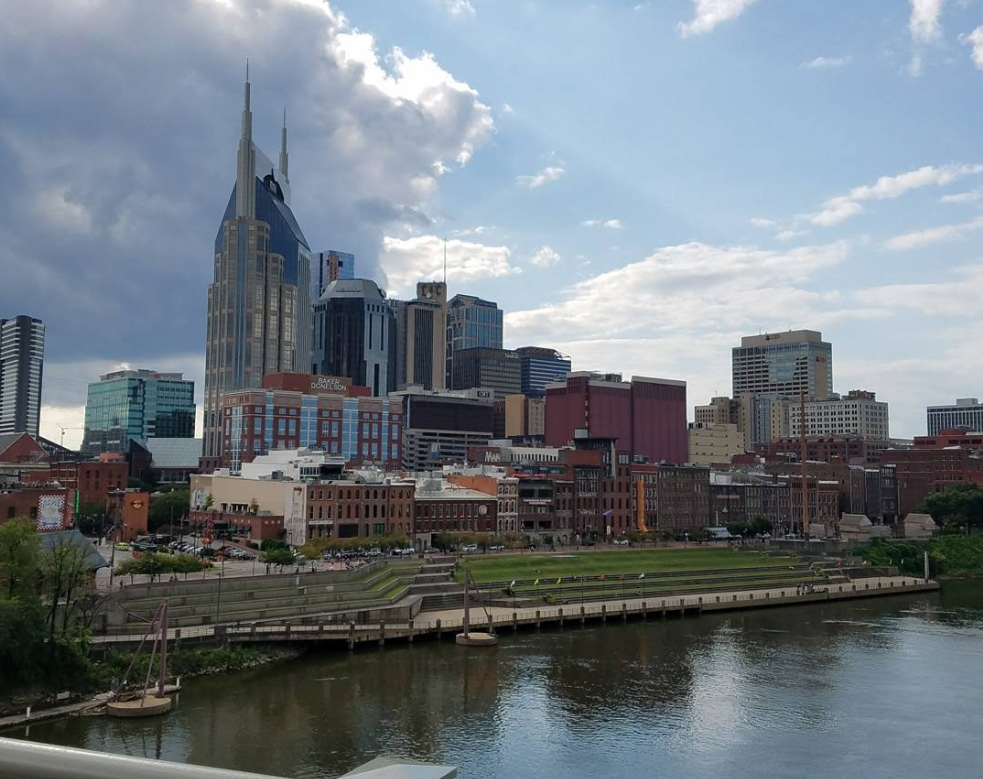
Tennessee helps travelers save because one of its biggest draws, Great Smoky Mountains National Park, still has no entrance fee, though parking tags are now required for longer stops. That makes the Smokies useful for families who want hikes, overlooks, scenic drives, and picnic days without paying for a theme park every morning. The catch is that Gatlinburg and Pigeon Forge can get expensive in peak season, so Sevierville, Townsend, cabins outside town, and weekday stays are often better value plays.
South Dakota

South Dakota is a strong road-trip value state because the Black Hills pack several major stops into one loop: Mount Rushmore, Custer State Park, Badlands National Park, scenic byways, historic towns, and wildlife drives. Travelers can spend more time on overlooks, trails, drives, and picnic stops instead of stacking up expensive tickets. The downside is distance. It works best for people who enjoy driving and do not mind long stretches between towns, especially outside the Black Hills.
Arkansas
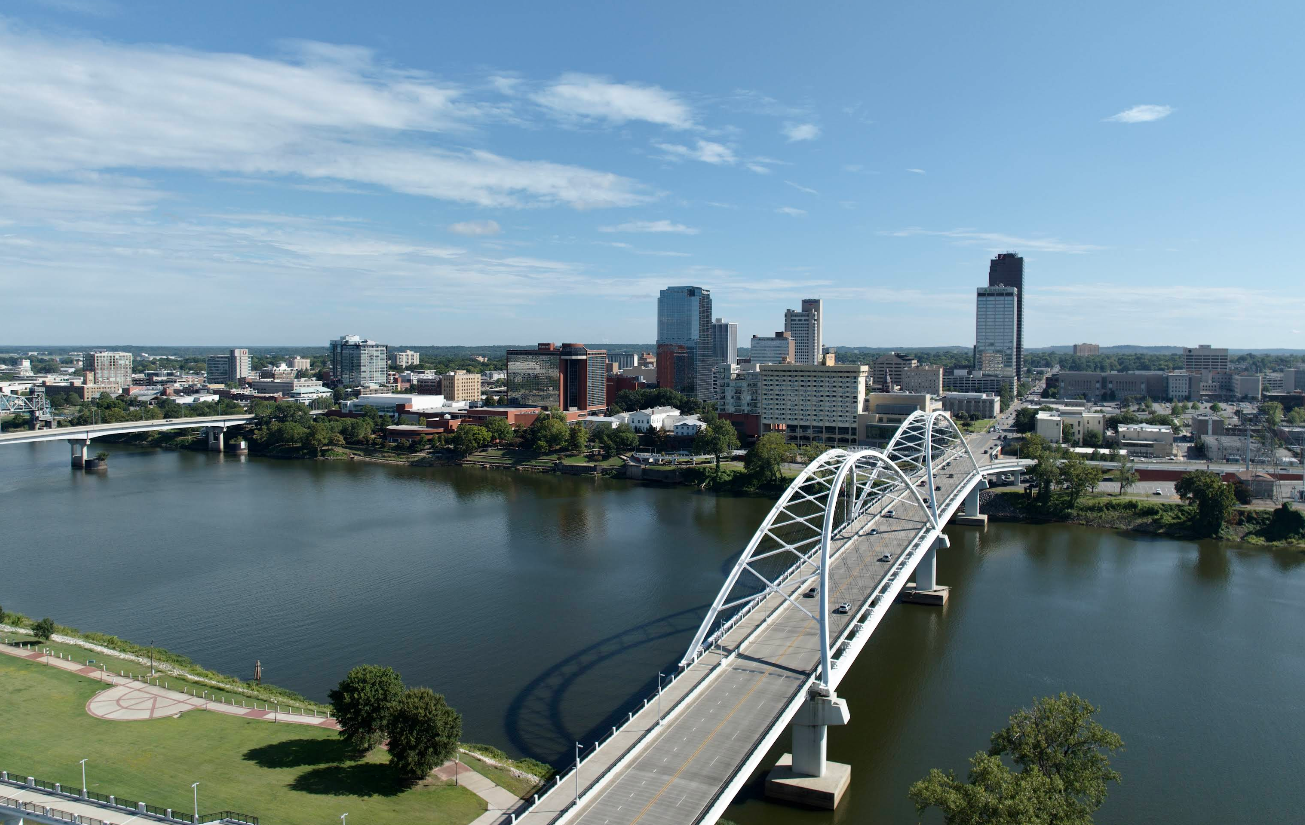
Arkansas has leaned into outdoor recreation in a way that can really help travelers save. State parks offer cabins, campsites, lake access, trails, and family-friendly facilities, while places like Hot Springs, Eureka Springs, Bentonville, and the Ozarks give visitors enough to do without resort pricing. Northwest Arkansas has also become a biking and trail destination, which helps active travelers build a lower-cost trip. The tradeoff is that some popular towns now book up quickly on weekends.
Michigan
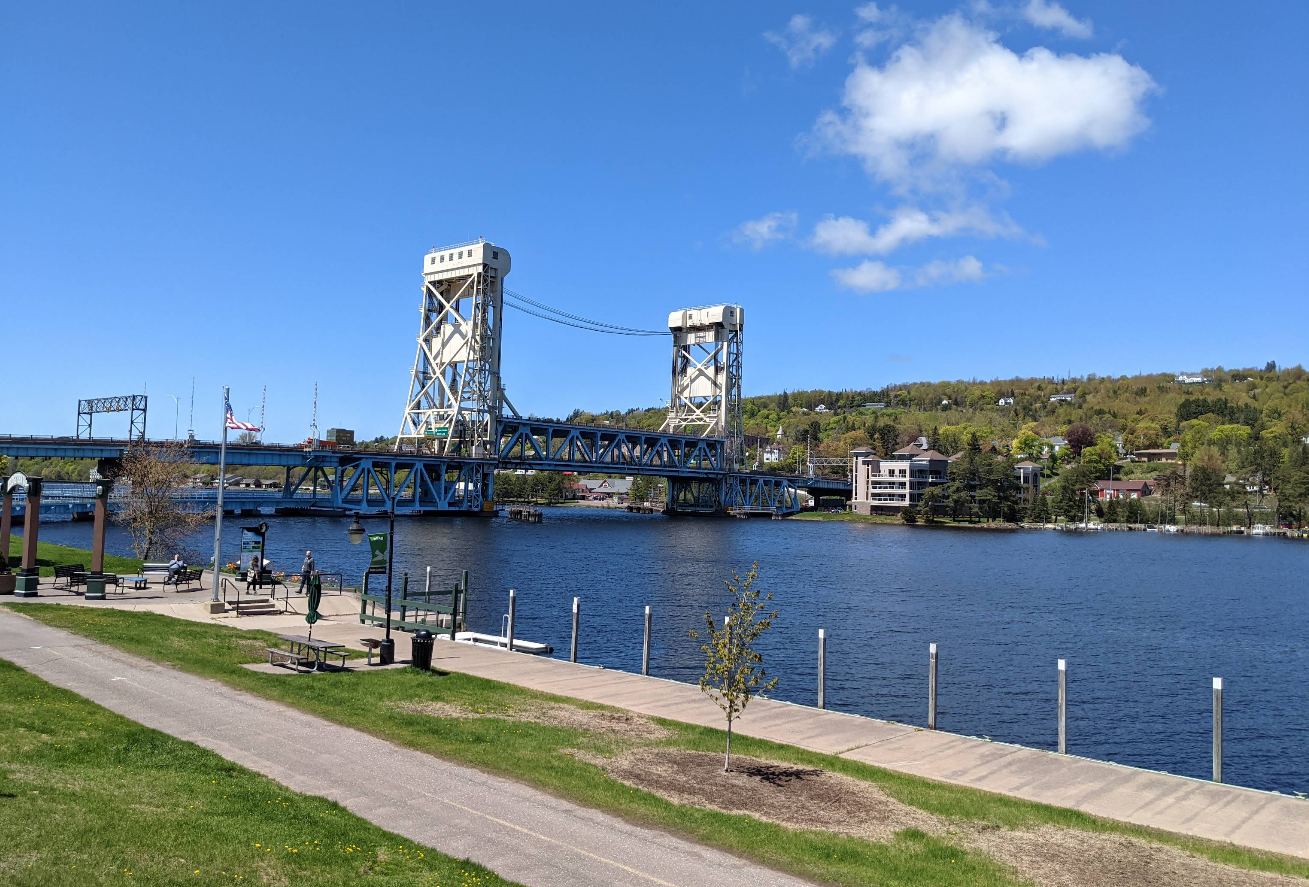
Michigan’s travel savings angle is freshwater. Instead of paying oceanfront prices, travelers can build a beach-style trip around Lake Michigan, inland lakes, public beaches, dunes, lighthouses, and state parks. Towns like Ludington, Manistee, Traverse City, Petoskey, and the Upper Peninsula give families different price points for motels, cabins, campgrounds, and vacation rentals. The warning is simple: peak summer on the most popular lakefront strips can still be pricey, so book early or look one town inland.
Wisconsin
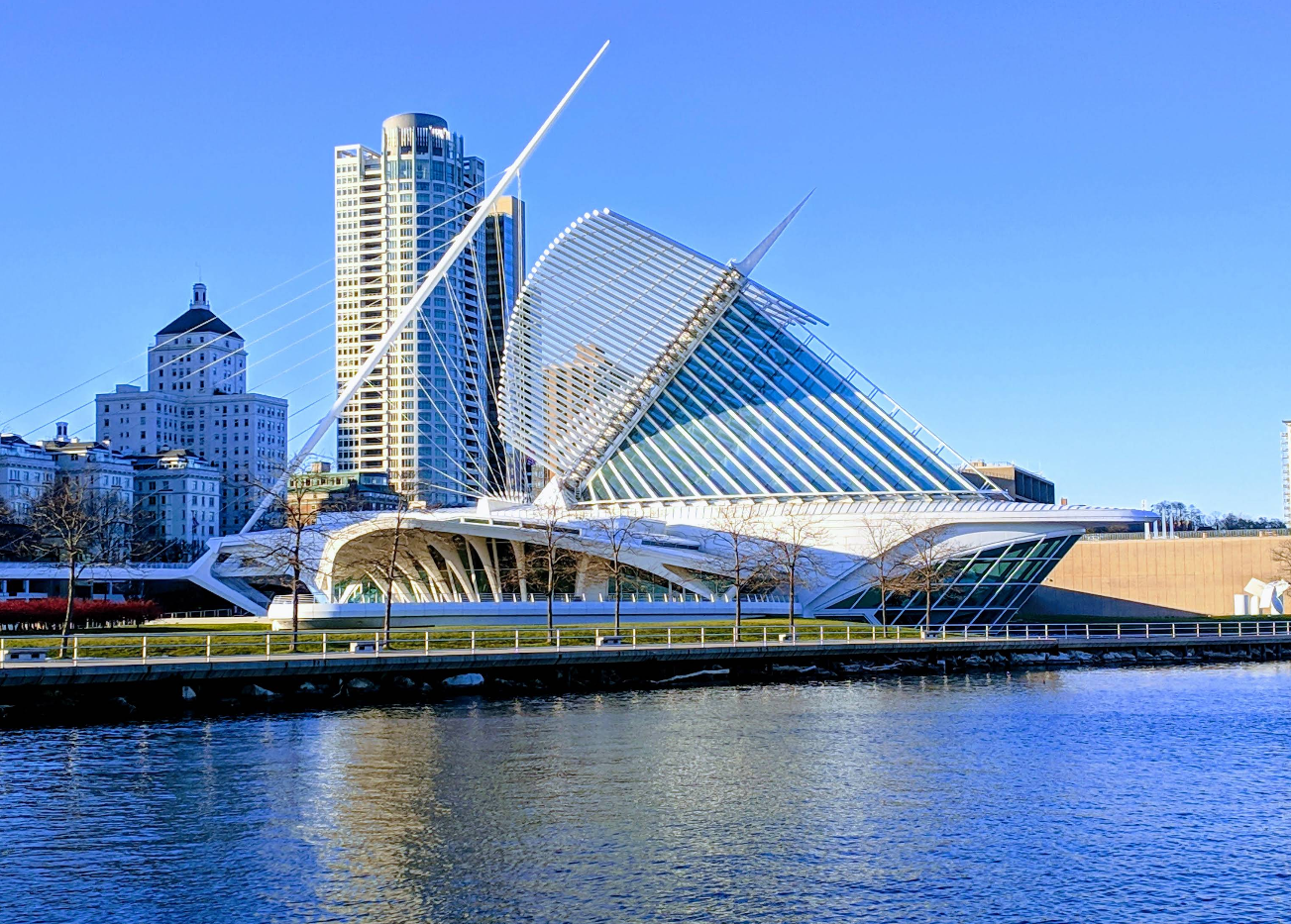
Wisconsin makes travel savings easier for Midwest families because many trips are drive-to vacations built around lakes, campgrounds, supper clubs, state parks, county parks, and small towns. Wisconsin Dells can get expensive fast, but the broader state gives travelers quieter lake towns, public beaches, cheese shops, scenic roads, and cabins that can cost less than a coastal trip. It is especially useful for families who want an old-school summer vacation without airfare. Watch for festival weekends and resort fees.
Trending on Cheapism
Missouri
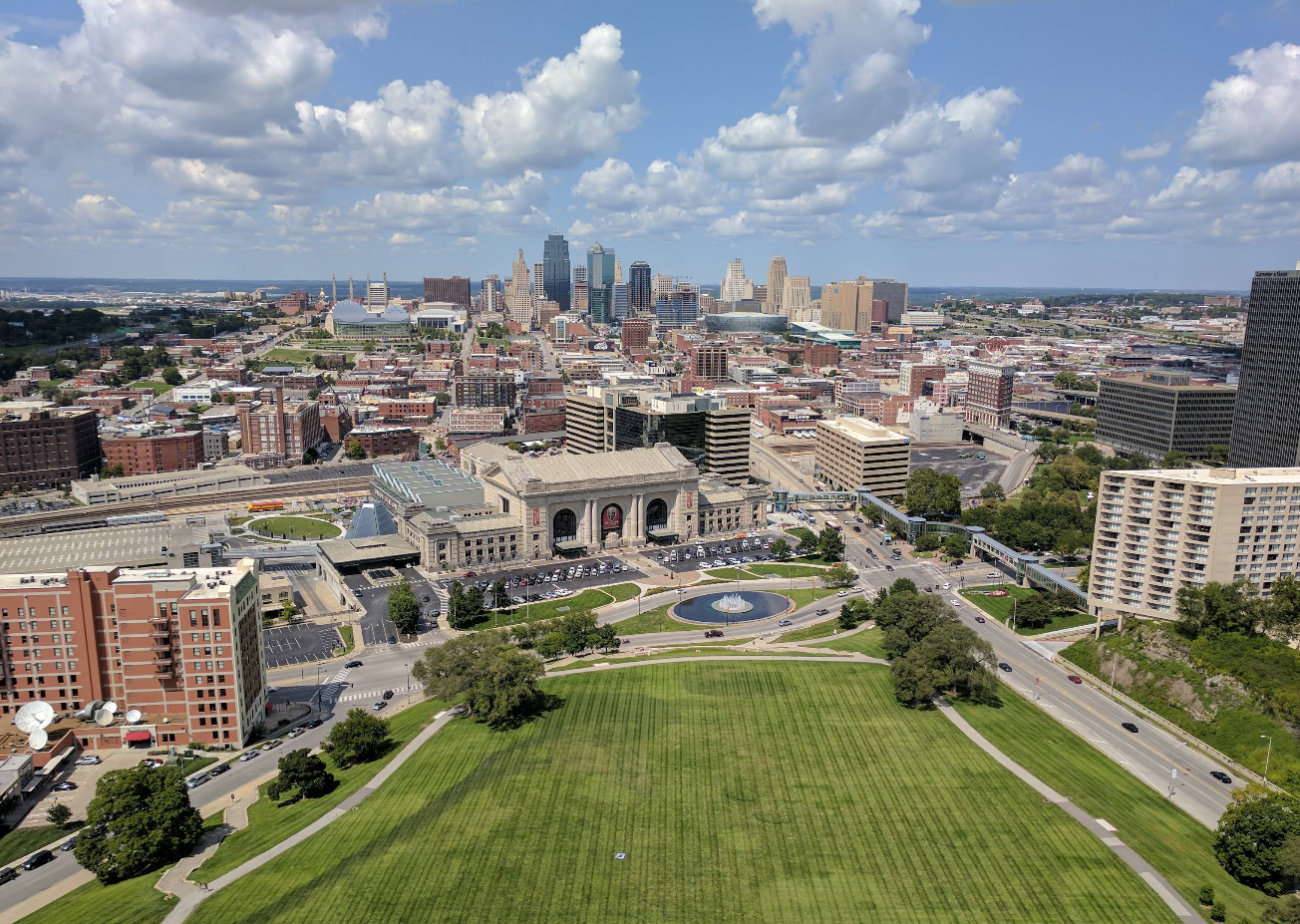
Missouri helps travelers save by offering a lot of vacation variety in the middle of the country. Branson has long served value-minded families with motels, shows, lake access, and package-style deals, while Lake of the Ozarks, state parks, caves, and river towns give visitors alternatives to pricier beach or mountain trips. St. Louis and Kansas City also have free or low-cost museums, parks, and neighborhoods. The main caution is that Branson and lake areas can spike during holidays.
Alabama
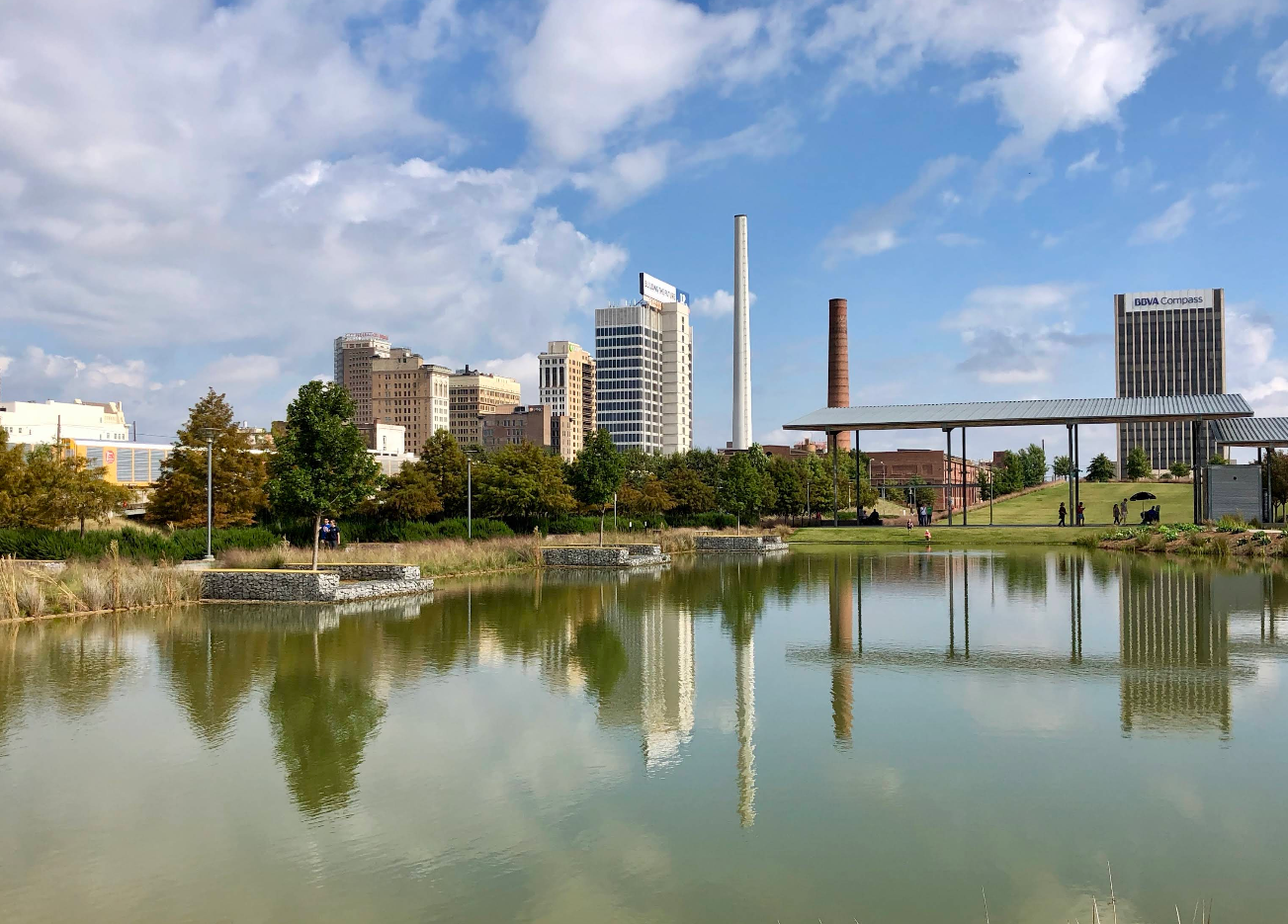
Alabama’s strongest savings play is giving travelers Gulf Coast access without automatically pushing them into the most expensive Florida beach markets. Gulf Shores and Orange Beach still have popular beaches, seafood, rentals, and family attractions, while Gulf State Park adds trails, camping, cabins, beach access, and outdoor recreation. It is not a secret bargain anymore, especially in summer, but travelers who compare dates and stay slightly off-beach can still find value. Inland Alabama adds civil rights history, music, and small-town stops.
West Virginia
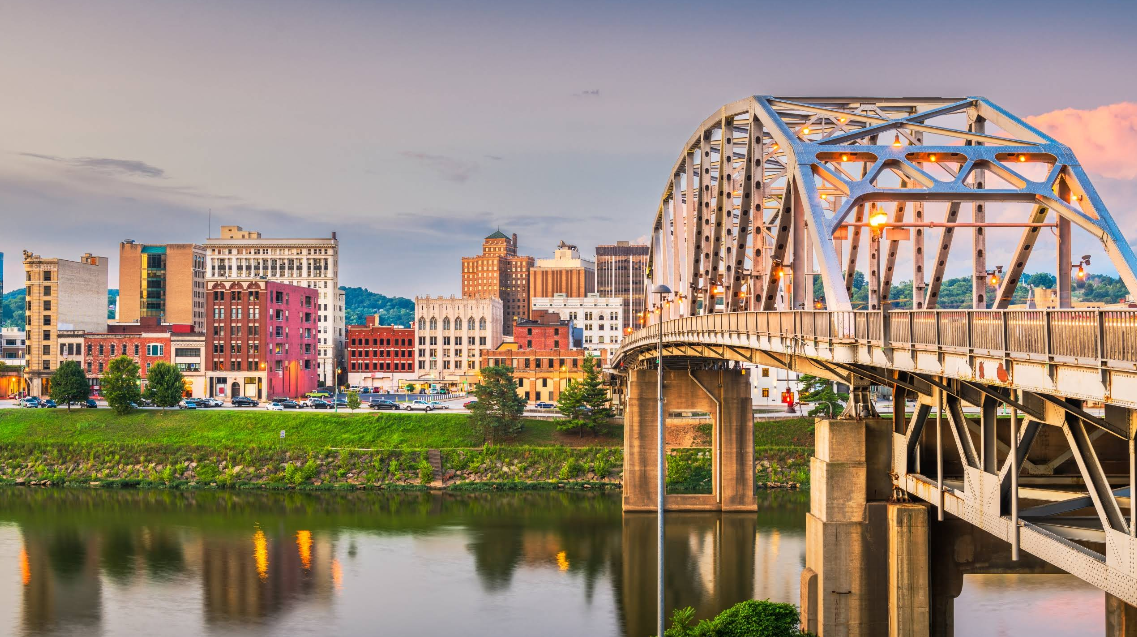
West Virginia has turned outdoor recreation into a real travel-savings advantage. New River Gorge National Park and Preserve gives visitors hiking, overlooks, scenic drives, climbing areas, and river scenery, while nearby towns like Fayetteville offer a mountain-trip feel without luxury-resort pricing. Rafting and guided adventures cost extra, but travelers can still plan several low-cost days around trails, bridges, waterfalls, and public lands. Roads can be winding, so it is better for patient road-trippers than rushed travelers.
Sign up for our newsletter
Minnesota
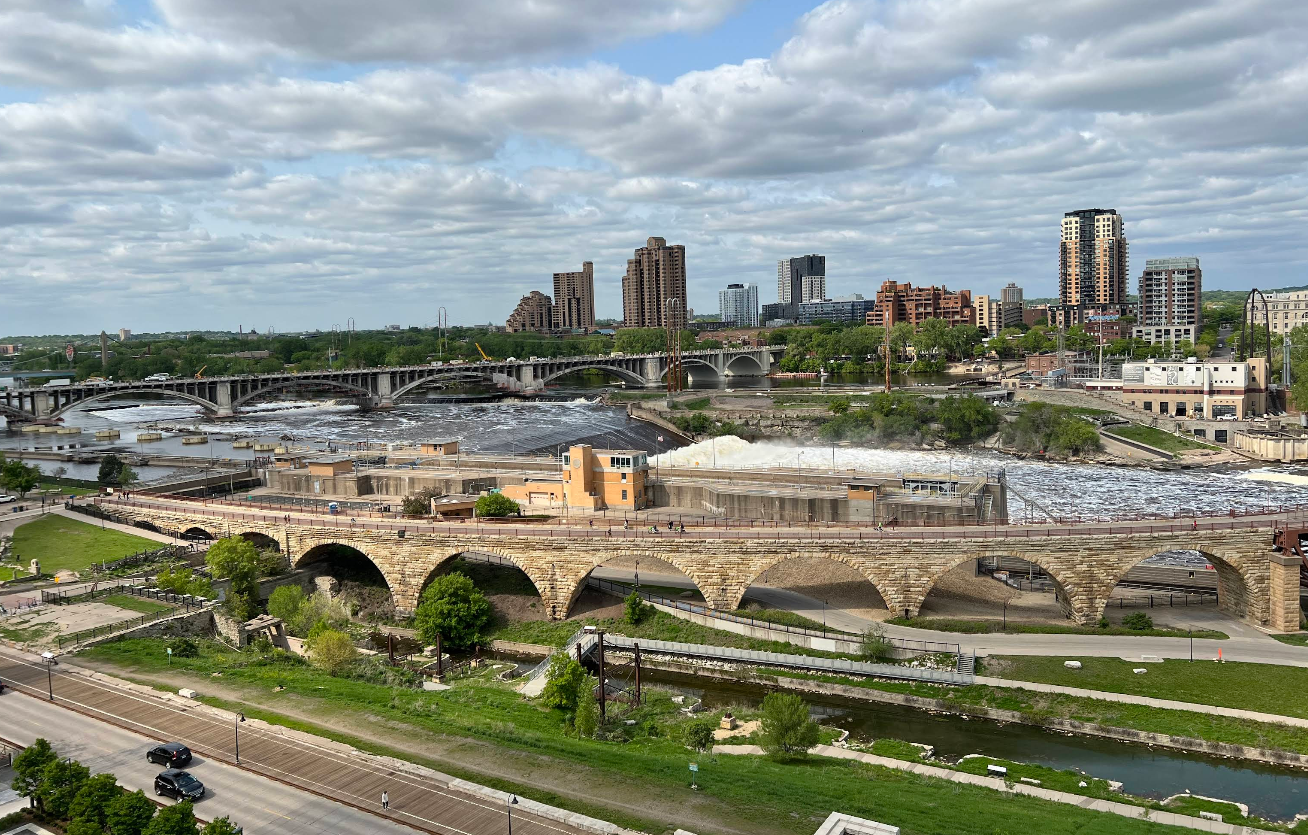
Minnesota helps travelers save through public lake access, state parks, trails, cabins, and road trips that do not depend on expensive ticketed attractions. The North Shore is the standout value route, with Lake Superior views, waterfalls, state parks, small towns, and scenic Highway 61 stops. Families can also build summer trips around fishing, biking, camping, and lake cabins. Duluth and Grand Marais can be expensive in peak season, but the state gives enough smaller towns and camp options to compare.
North Carolina
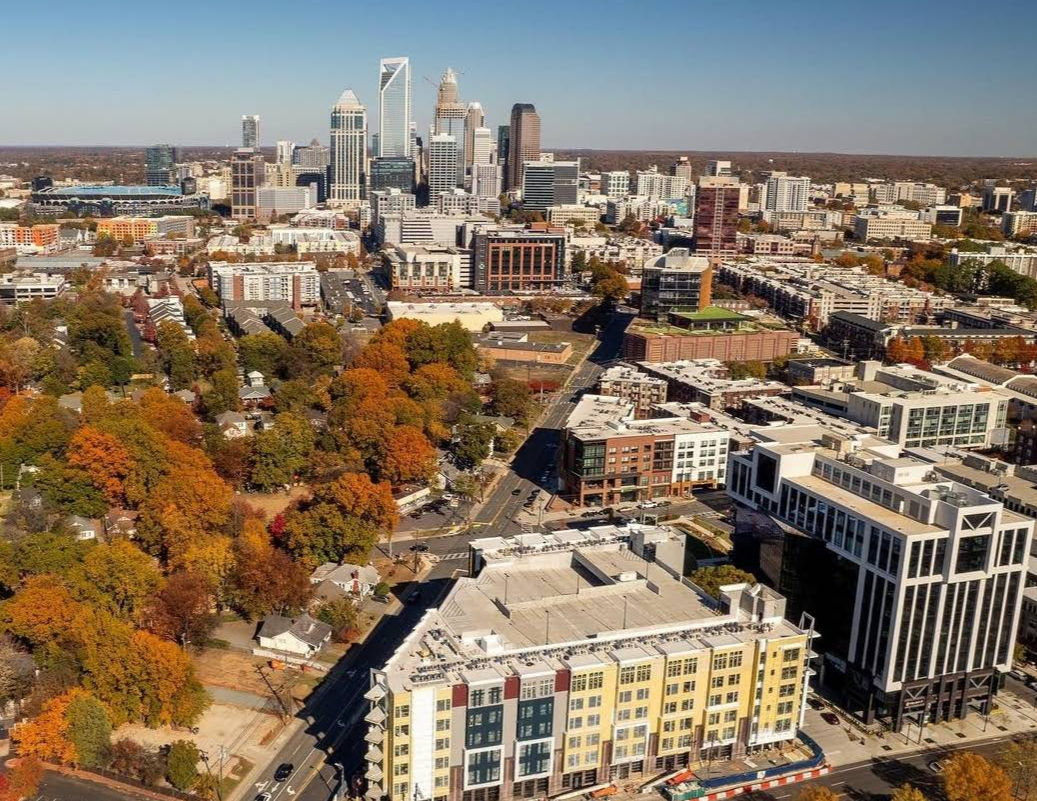
North Carolina gives travelers two classic vacation styles in one state: mountains and beaches. The Blue Ridge Parkway is one of the biggest built-in savings because it offers a long, scenic, no-admission road trip with overlooks, trails, small towns, and picnic stops. The state also has public beaches, waterfalls, state parks, and mountain towns that can be cheaper than famous western resort areas. The catch is timing. Asheville, the Outer Banks, and peak leaf season can still be expensive.
Oklahoma

Oklahoma helps travelers save mostly by keeping the basics more manageable: lodging, dining, parking, and road-trip distances are often easier on the wallet than in bigger-name vacation states. Route 66 gives visitors a ready-made itinerary with diners, neon signs, roadside stops, museums, and historic towns. Oklahoma City and Tulsa add urban attractions without the hotel shock of many larger metros. It is best for travelers who enjoy slower road trips, not people looking for a polished resort vacation.
Iowa
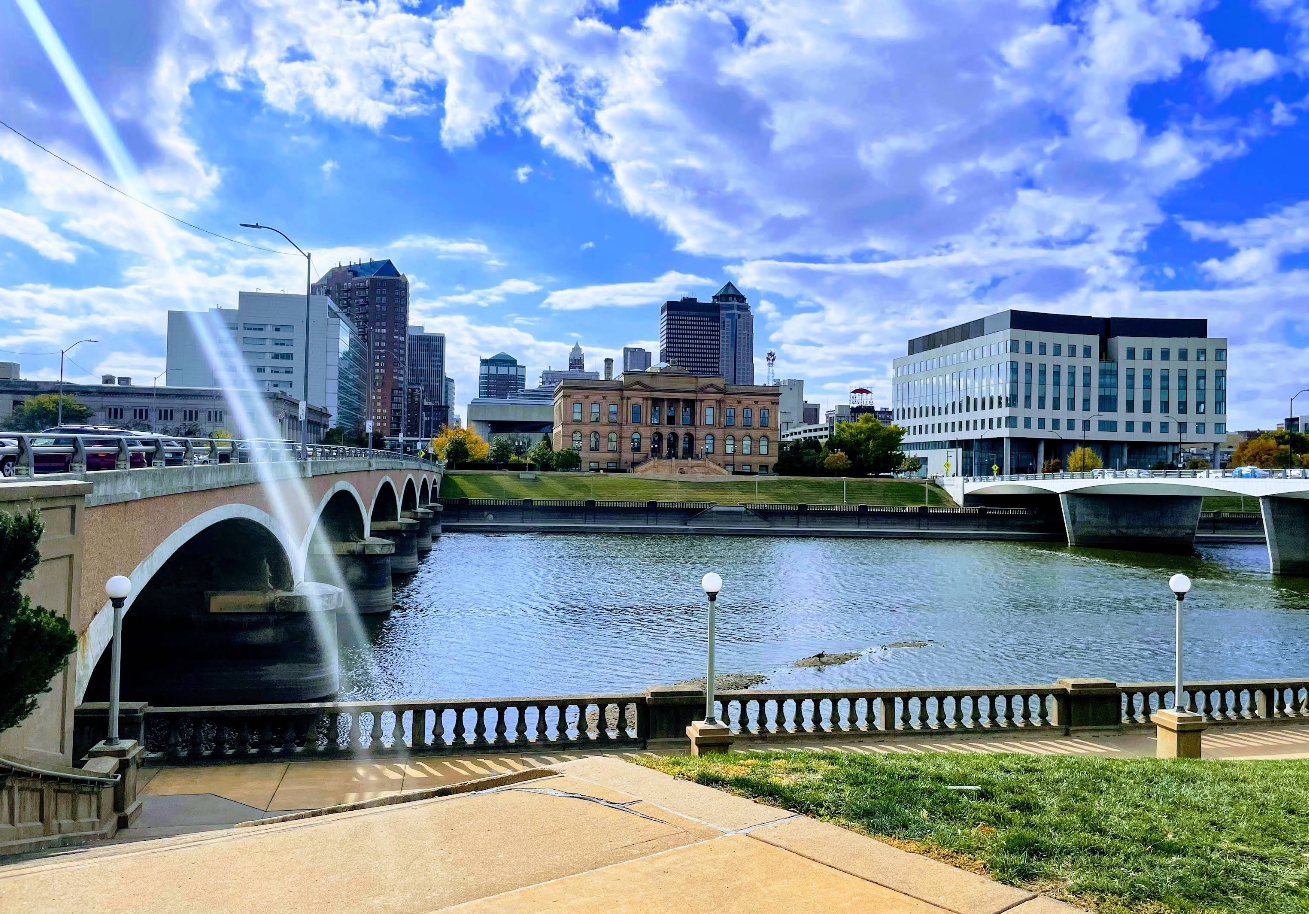
Iowa is not trying to be flashy, and that is part of its value. Travelers can build affordable weekend trips around scenic byways, river towns, small museums, state parks, farmers markets, historic downtowns, and areas like Decorah, Dubuque, the Driftless region, and the Iowa Great Lakes. Parking and dining are often more manageable than in major tourist cities. The limitation is that Iowa works best for travelers who like relaxed road trips, not nonstop attraction schedules.
Nebraska
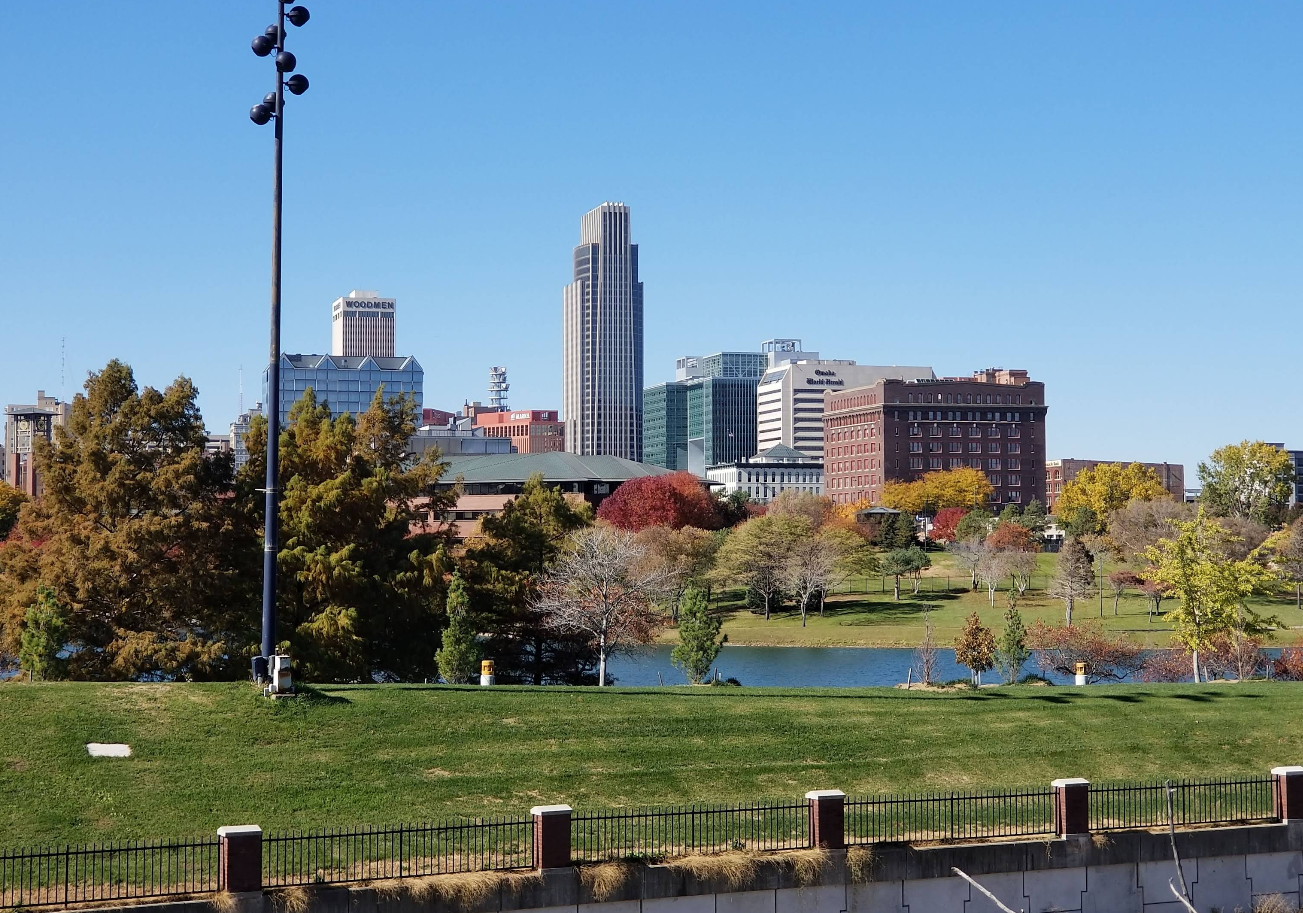
Nebraska helps travelers save by making room for slower, cheaper road trips. The state promotes scenic byways, state parks, western history, wide-open landscapes, and stops like Chimney Rock, Scotts Bluff, the Sandhills, Omaha, and Lincoln. Camping, cabins, state recreation areas, and small-town stays can keep costs down compared with resort-heavy destinations. It is not the right pick for travelers who need famous-name attractions every day, but it rewards people who like space, history, and lower-key travel.
Ohio
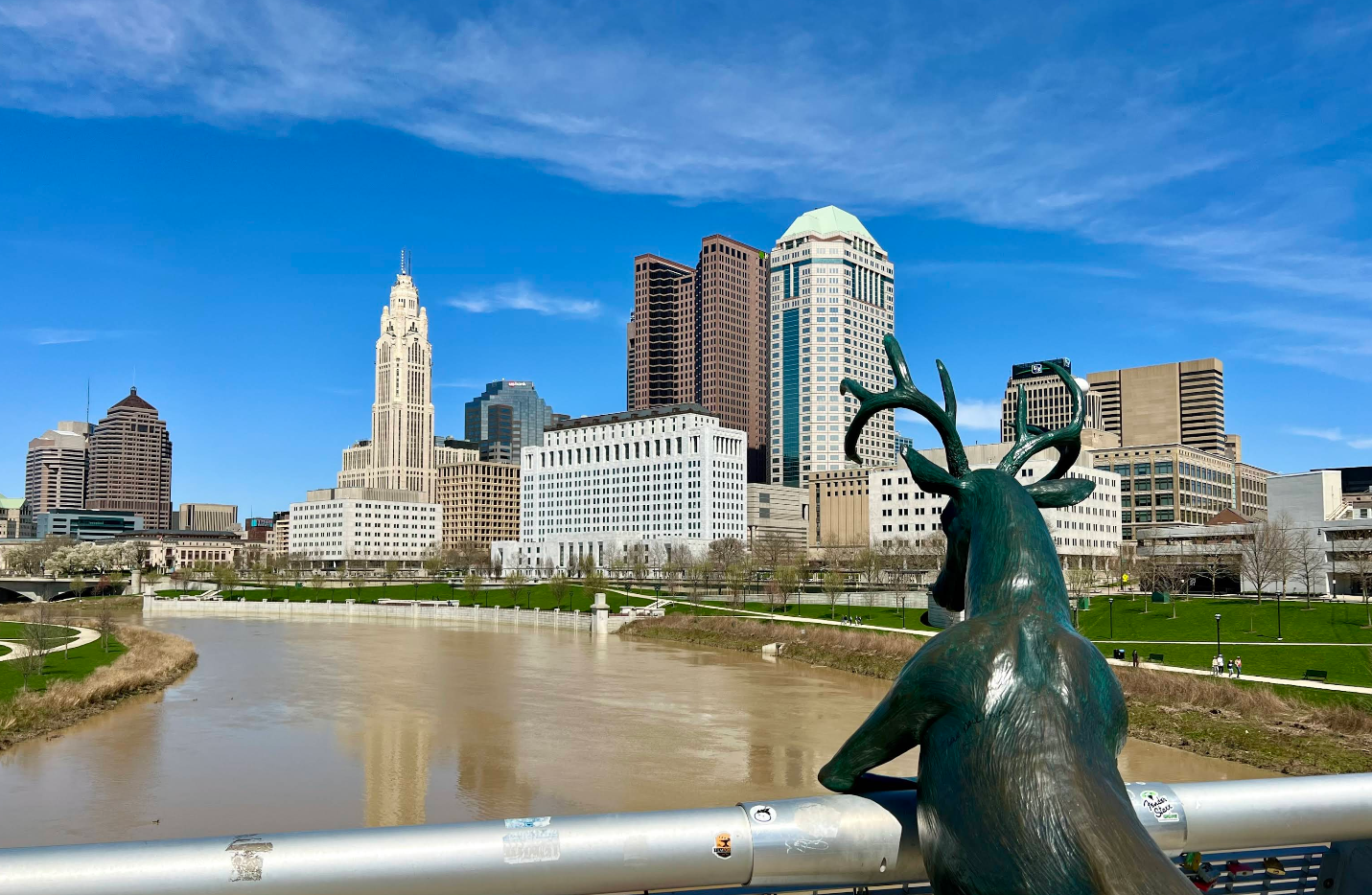
Ohio gives travelers a lot of trip types without forcing one expensive vacation model. Lake Erie towns can deliver a summer waterfront feel, state parks and caves add low-cost outdoor days, and cities like Cleveland, Columbus, and Cincinnati offer museums, markets, neighborhoods, and food without the prices of many larger metros. Cedar Point can be pricey, but families can save by staying outside the closest resort zone and mixing park days with beaches or state parks. Weather can be unpredictable.
Idaho
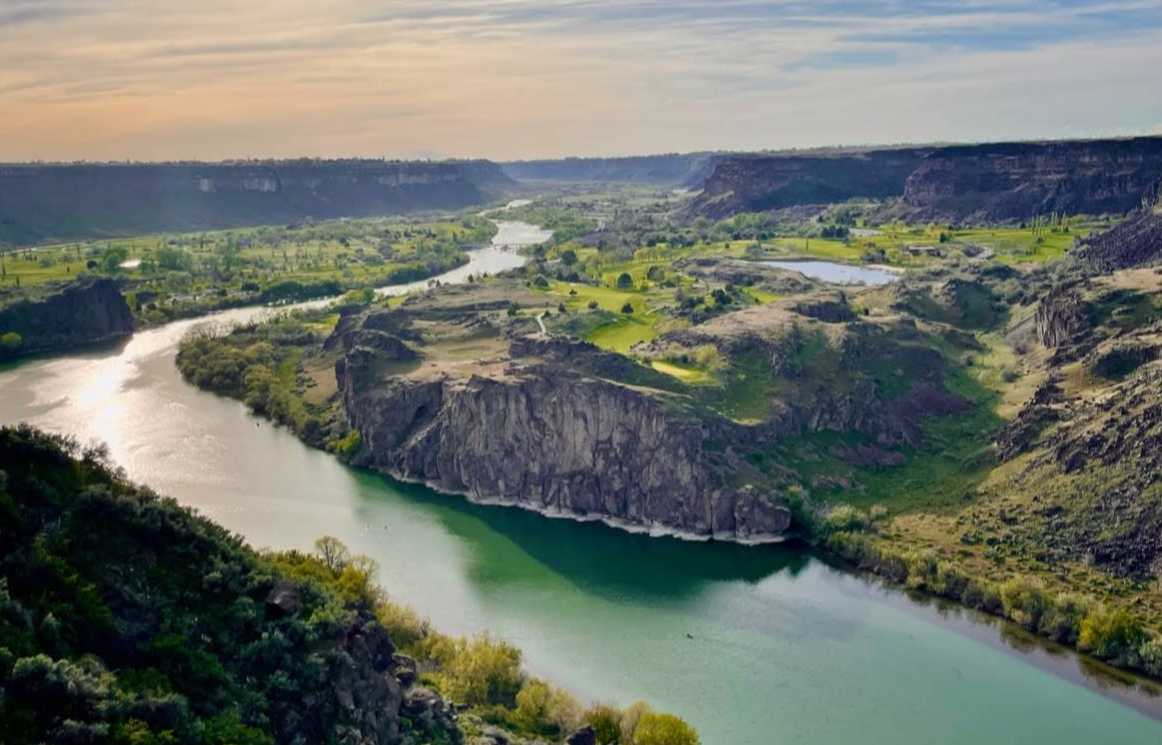
Idaho can help travelers save by offering mountain, lake, river, hot spring, and scenic byway trips without always matching the prices of the biggest-name Rocky Mountain resort towns. Places like Twin Falls, Sandpoint, McCall, Thousand Springs, and the Sawtooths give visitors big scenery with many public-land options. The value is strongest for travelers who hike, drive scenic routes, picnic, camp, or choose smaller towns. Some destinations have gotten more popular, so summer cabins and lake stays need early comparison.
New Mexico
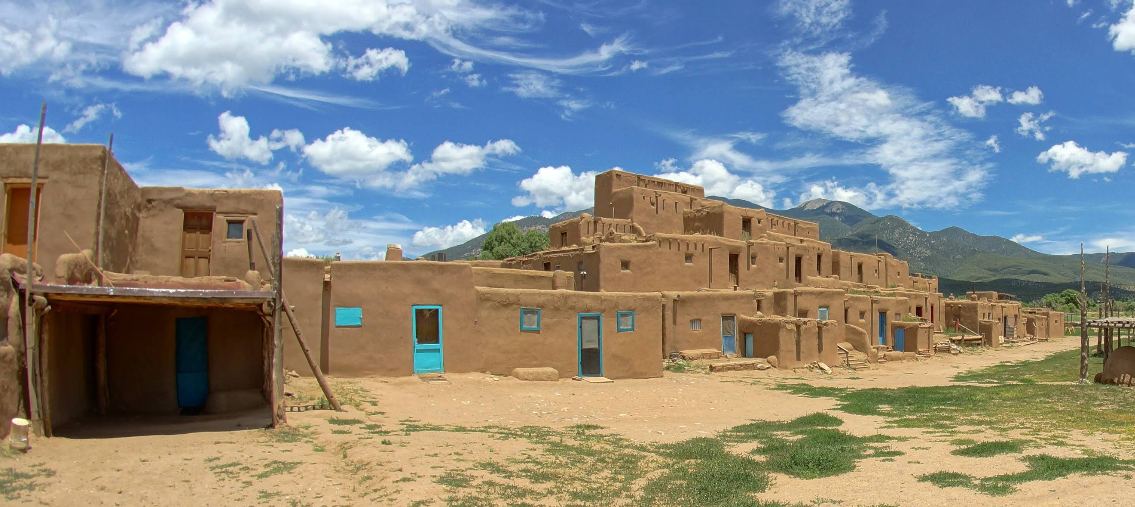
New Mexico gives travelers cultural and outdoor variety without needing a luxury itinerary. Albuquerque is often easier on the budget than Santa Fe, while national monuments, scenic drives, pueblos, markets, public art, desert landscapes, and local food make it possible to fill a trip without constant admission costs. Santa Fe can be expensive, especially near the Plaza, so value-minded travelers often stay in Albuquerque, Las Cruces, or smaller towns. The state works well for curious road-trippers who like history and scenery.
Utah
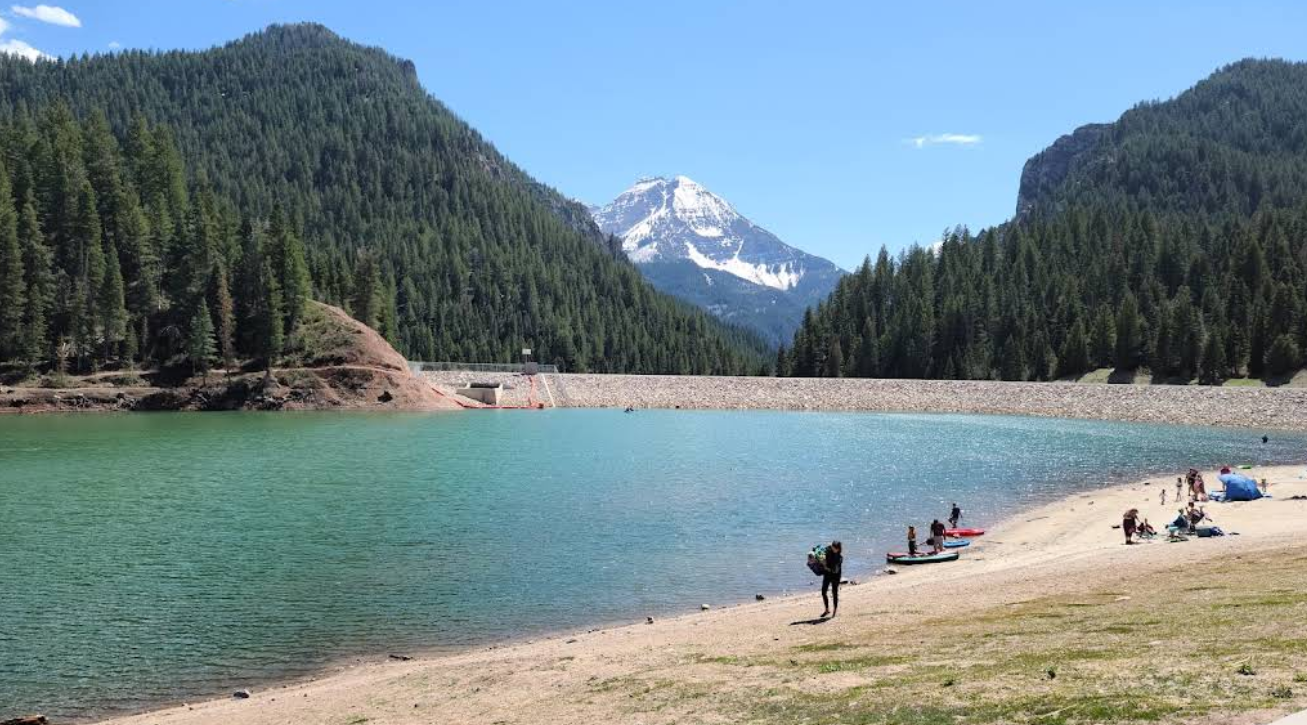
Utah is not automatically cheap, especially around Moab, Springdale, and peak national park seasons. Still, the state helps travelers save by making road-trip scenery the main attraction. Scenic byways, public lands, overlooks, state parks, national monuments, and smaller base towns like Kanab, Cedar City, Price, or Vernal can stretch a vacation budget. Camping and shoulder-season travel also matter. The smart move is not to chase only the five famous national parks, but to use Utah’s wider public-land map.
Kentucky
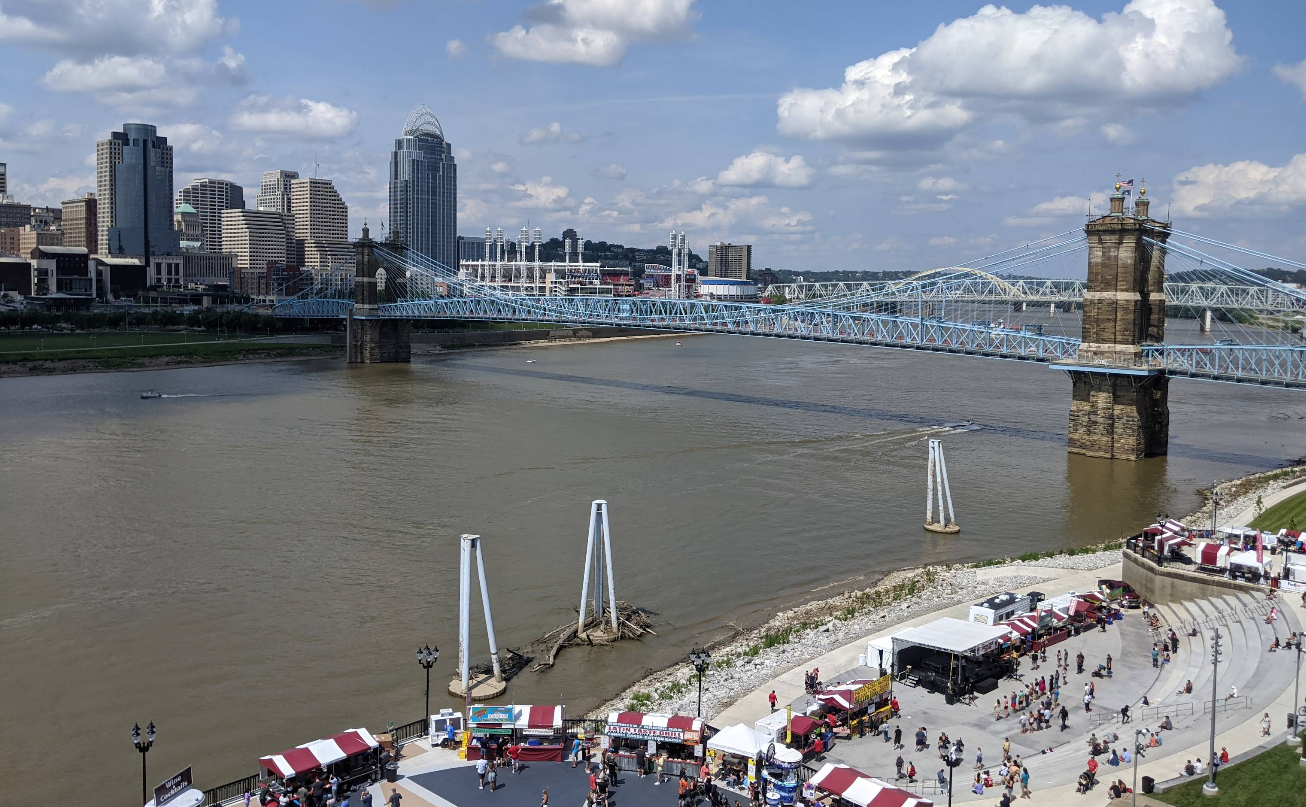
Kentucky helps travelers save by mixing caves, lakes, horse country, bourbon towns, small cities, and state resort parks without forcing visitors into one expensive resort hub. Mammoth Cave National Park is the anchor, though cave tours can require paid reservations. State resort parks add lodges, cabins, golf, trails, and lake recreation at prices that can be easier for families than private resorts. Bourbon trail visitors should compare smaller towns instead of only staying in premium hotel pockets near Louisville or Lexington.
Maine
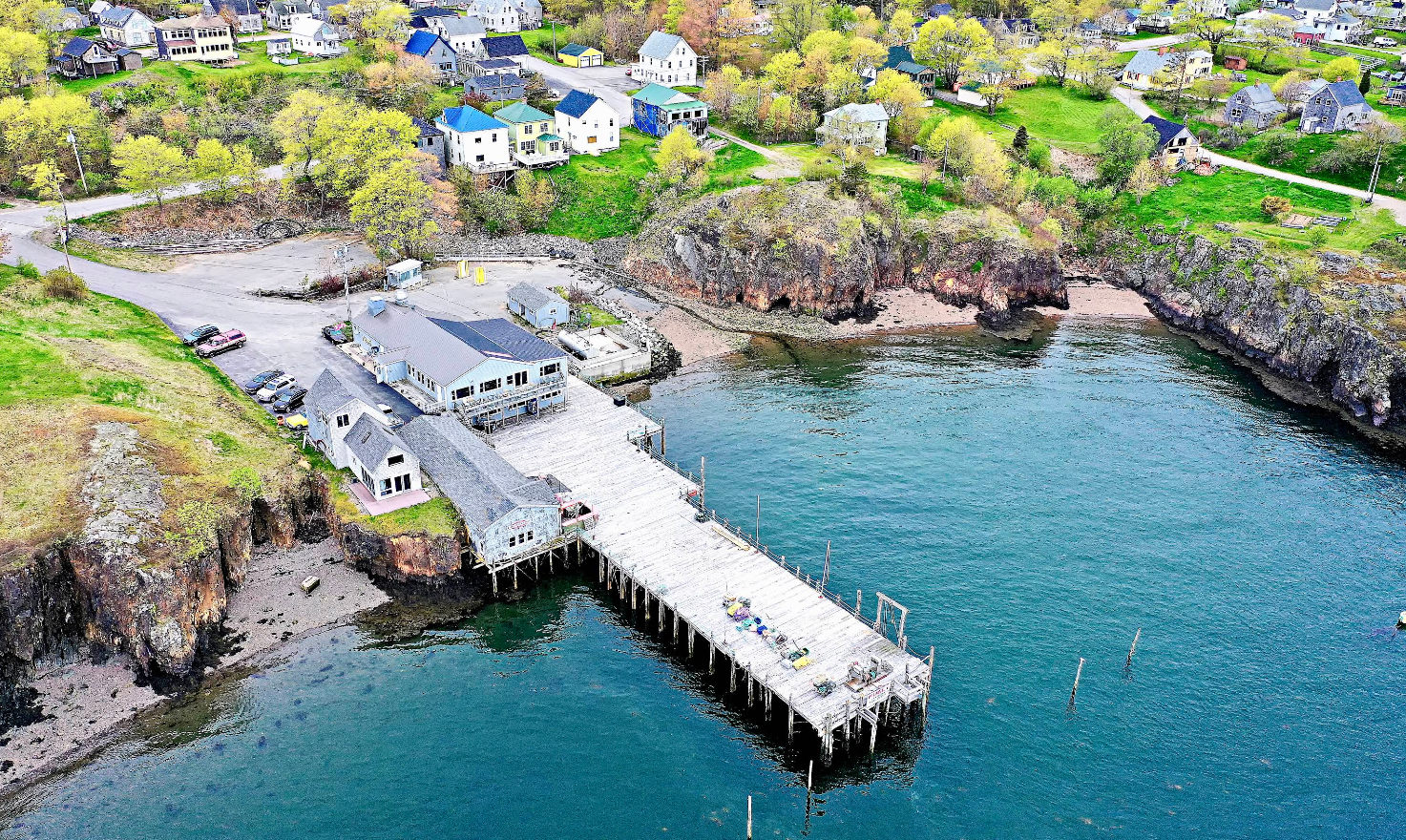
Maine can be expensive in Bar Harbor, Kennebunkport, and other famous coastal pockets, but it still gives careful travelers ways to save. Public beaches, lighthouses, state parks, scenic coastal drives, inland towns, campgrounds, and shoulder-season travel can cut costs while keeping the trip memorable. Staying in Bangor, Ellsworth, or smaller inland towns can make Acadia or the coast more manageable. The limitation is that summer demand is intense, so Maine requires planning, flexibility, and a willingness to avoid the priciest waterfront addresses.
Oregon
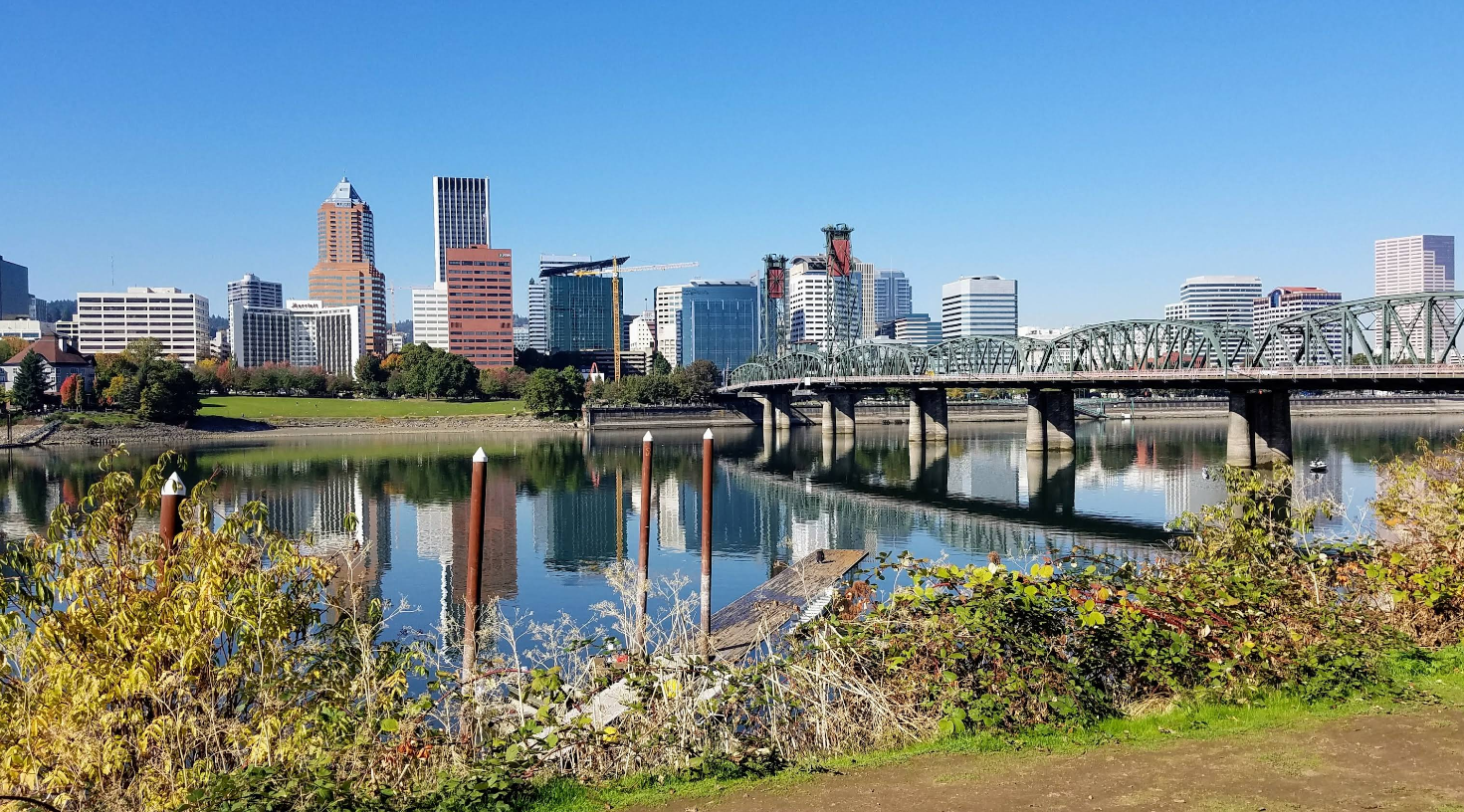
Oregon’s biggest travel-savings advantage is public access to the coast. The state’s beach-access tradition means travelers can build a coastal trip around pullouts, tide pools, public beaches, state parks, lighthouses, and small towns instead of paying resort fees just to reach the water. Waterfalls, scenic byways, campgrounds, and Columbia River Gorge drives add more low-cost options. The downside is that the coast and Portland-area weekends are not always cheap, so smaller towns and weekday stays matter.