Staying at an Airbnb can be a great way to get more space, a kitchen, and a more local feel than a hotel, but it also comes with more responsibility. Unlike hotels, every Airbnb is different, from the rules and fees to the parking, Wi-Fi, cleanliness, and host response time. Airbnb’s own guest ground rules make it clear that guests are expected to respect the home, follow house rules, and report problems properly. A little homework before booking can save travelers from surprise costs, awkward disputes, and a vacation that feels more stressful than relaxing.
Never Book Without Reading the Whole Listing
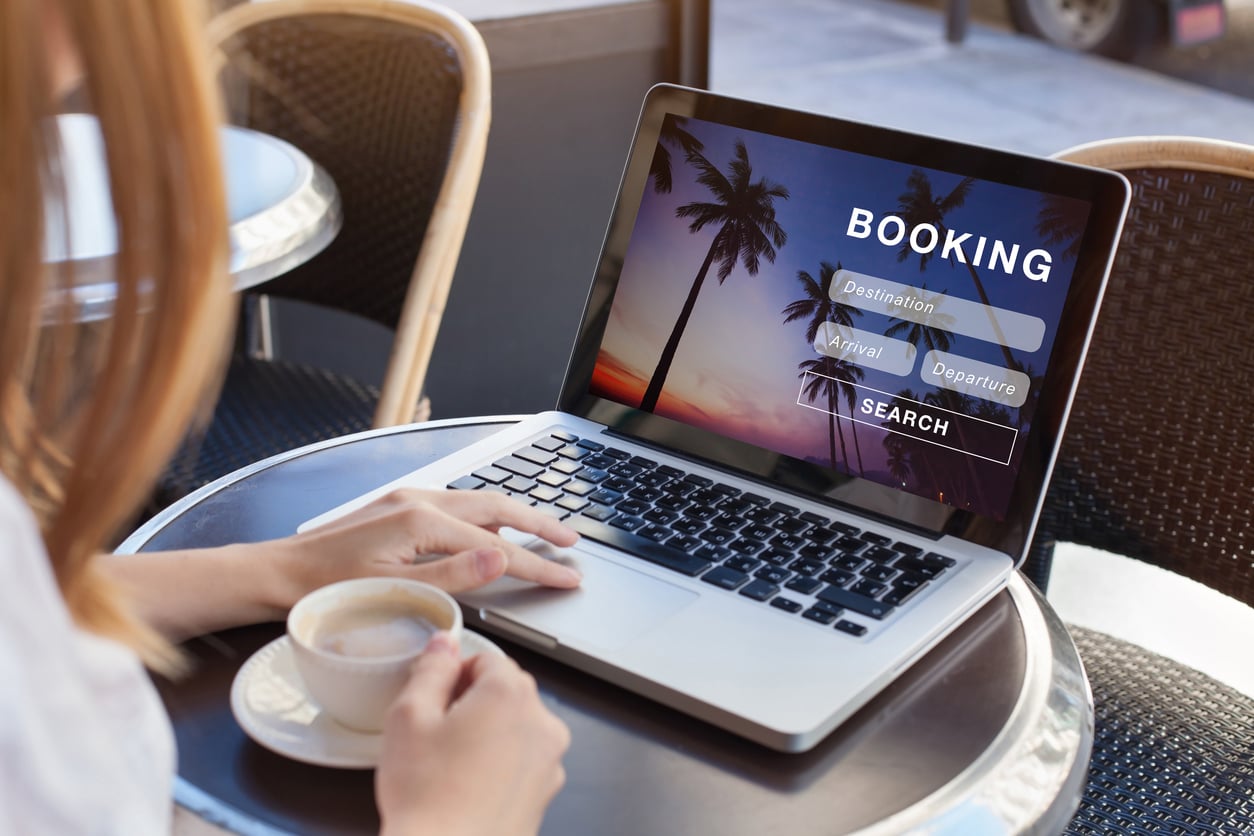
The photos may sell the place, but the listing details tell you what you are actually buying. That is where hosts disclose stairs, shared spaces, no elevator, pet rules, quiet hours, parking limits, and checkout instructions. Many Airbnb mistakes start with guests assuming the rental works like a hotel room. Read the full description, amenities, house rules, cancellation policy, and “things to know” section before paying. Five boring minutes can save you from five expensive days in the wrong place.
Never Assume the Photos Tell the Whole Story
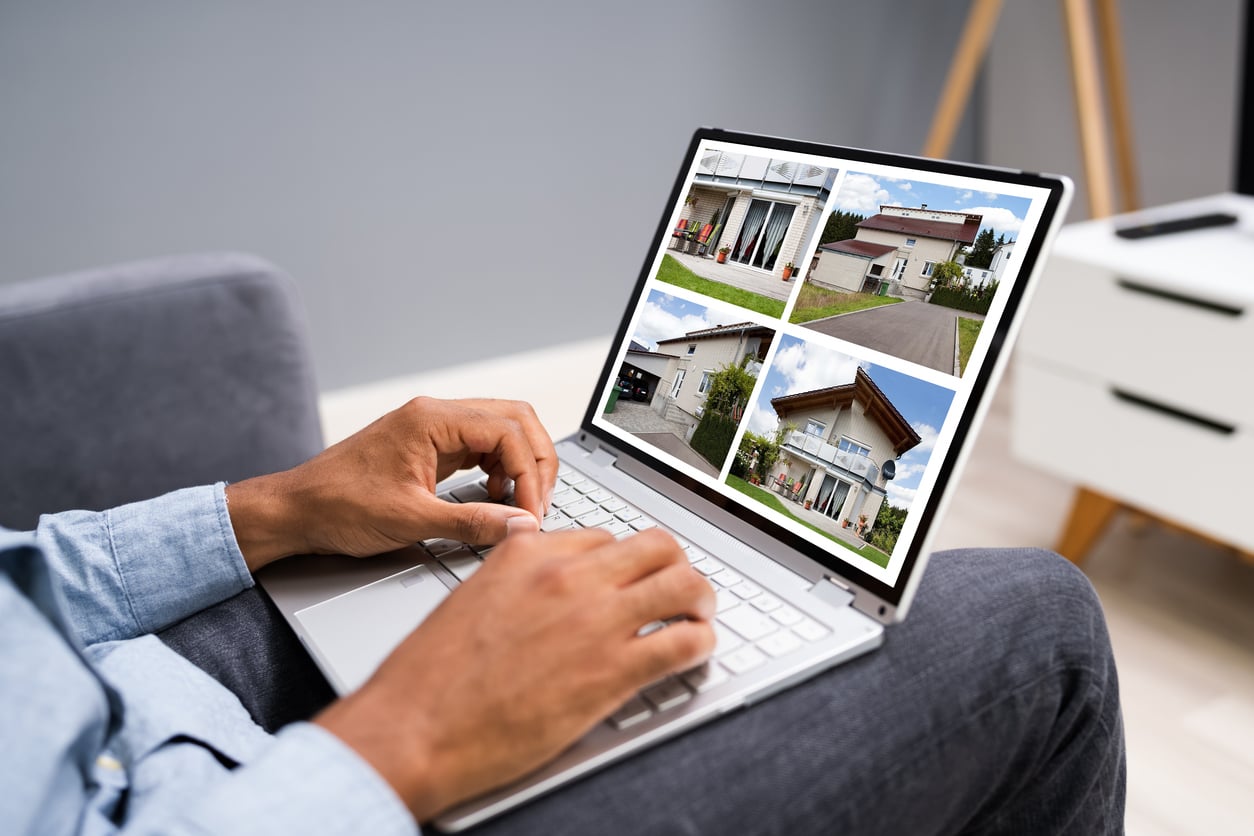
A bright living room and a tidy kitchen can hide a lot. Professional photos can make rooms look larger, brighter, and calmer than they feel in real life. Pictures also rarely show street noise, steep stairs, awkward parking, thin walls, or construction next door. Search reviews for words like “small,” “noisy,” “dark,” “dated,” “smell,” and “stairs.” Reddit travelers often complain that the real space felt much tighter or less private than the photos suggested, which is exactly the kind of surprise older travelers do not need.
Never Ignore Repeated Negative Reviews

One cranky review may not mean much. Five guests mentioning the same problem usually does. Pay special attention to repeated complaints about cleanliness, poor communication, broken appliances, weak air conditioning, uncomfortable beds, or misleading location. Recent reviews matter more than glowing comments from three years ago because ownership, management, cleaners, and neighborhood conditions can change. A 4.8 rating can still hide a problem if the same warning keeps showing up in the written reviews.
Never Assume Airbnb Is Cheaper Than a Hotel

Airbnb can be a good deal for families, longer stays, or trips where a kitchen saves money. But it is not automatically cheaper anymore. Cleaning fees, service fees, taxes, parking, and lack of breakfast can change the math quickly. This is especially true for one or two-night stays, where a single cleaning fee hits harder. Compare the total Airbnb price against a hotel that includes breakfast, parking, daily housekeeping, and easier check-in. The cheapest nightly rate is not always the cheapest trip.
Never Book a No-Review Property Without Extra Caution
A new Airbnb listing is not automatically bad. Every good rental had zero reviews once. But a no-review listing gives you fewer clues, so you need to do more homework. Look at the host’s profile, other listings, response style, cancellation policy, and whether the description feels specific or generic. Message the host with practical questions before booking. A clear, helpful answer is a good sign. Vague answers, pressure to book quickly, or off-platform contact requests should make you pause.
Trending on Cheapism
Never Pay or Communicate Outside Airbnb
This is one of the most expensive Airbnb mistakes a traveler can make. If a host asks you to pay by wire transfer, cash app, bank transfer, or direct link outside the platform, stop. Keeping payment and messages inside Airbnb gives you a record if something goes wrong. It also helps Airbnb support review what was promised. Scam warnings have become more important as criminals target travel bookings and even try to exploit trusted-looking accounts. A “special discount” is not worth losing protection.
Never Skip Researching the Neighborhood
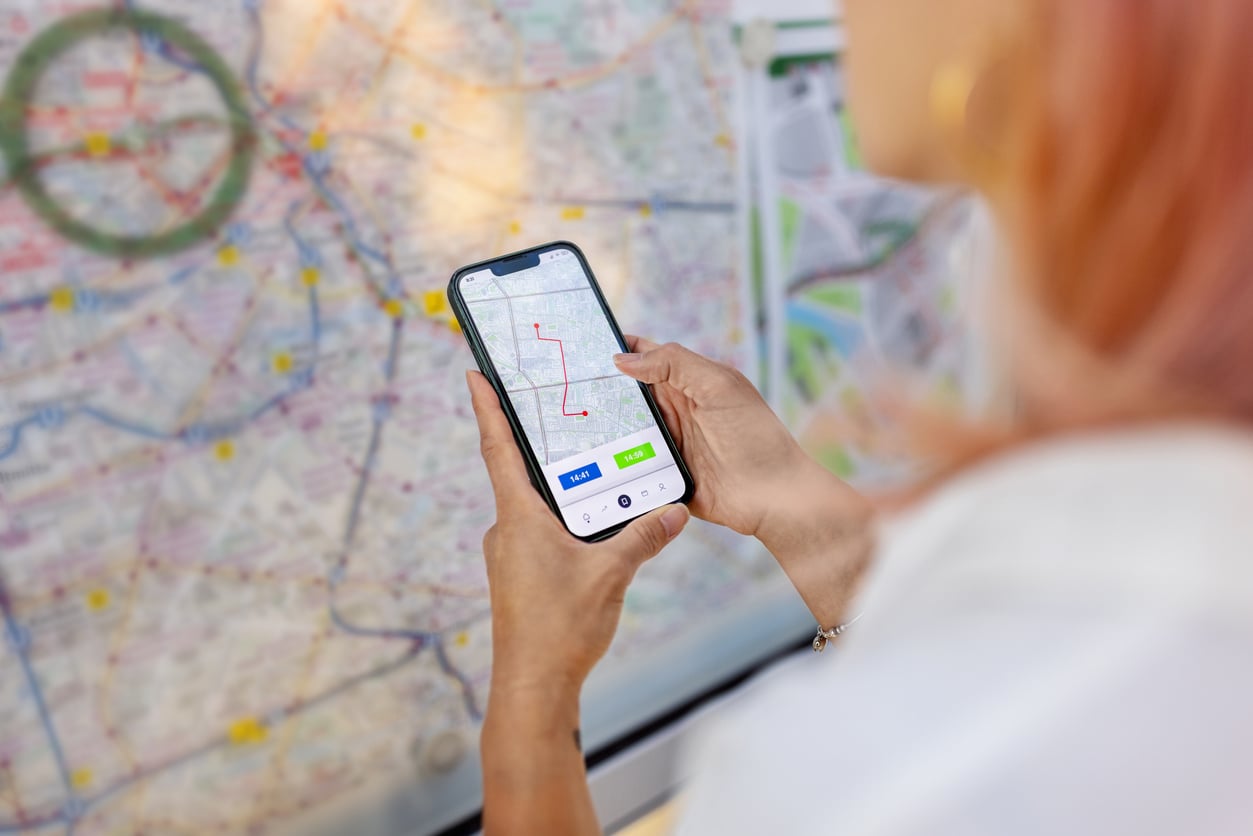
A beautiful rental can still be a bad choice if the location does not work for your trip. Check the neighborhood before booking, especially if you will not have a car. Look at distance to restaurants, grocery stores, public transportation, hospitals, beaches, attractions, and parking. Google Street View can reveal hills, busy roads, empty commercial blocks, or long walks that the listing does not emphasize. Reviews often give the most honest location clues, including noise, and safety concerns.
Never Bring Extra Guests Without Permission
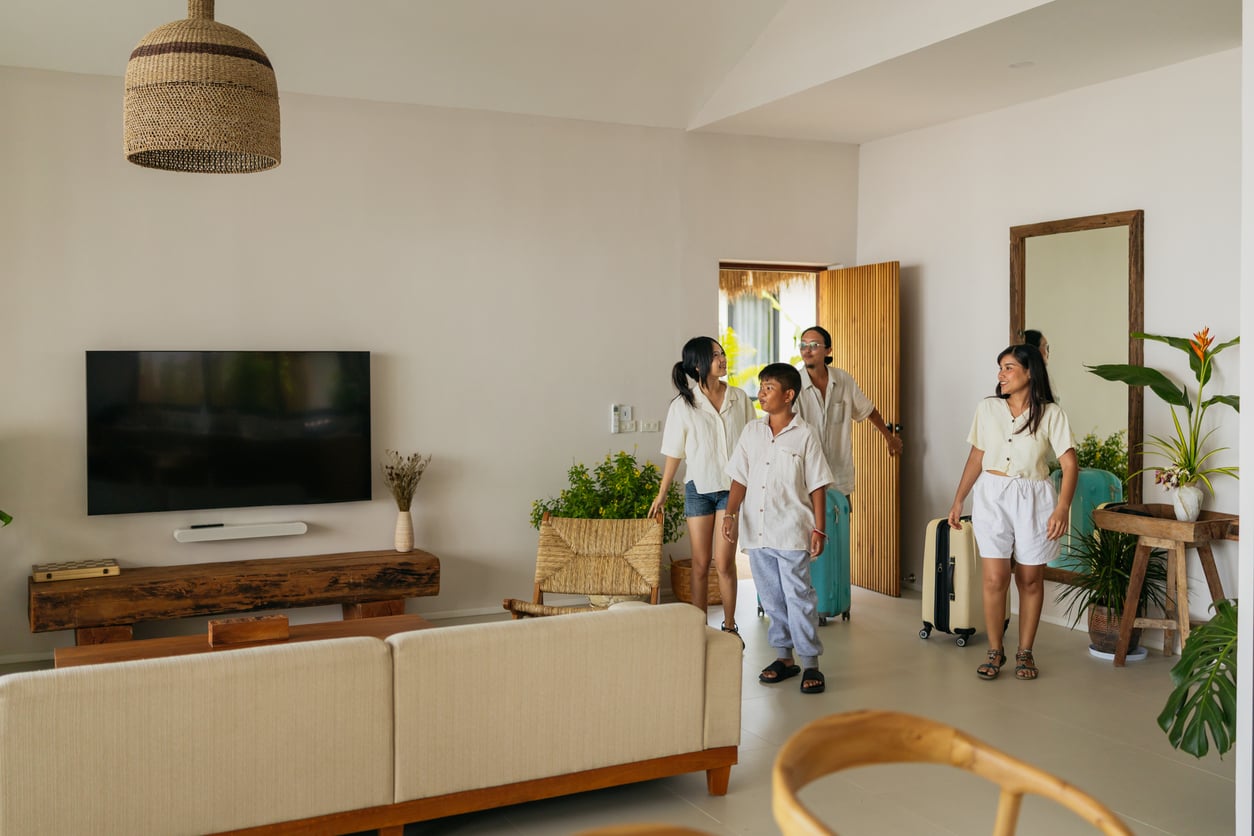
Do not assume one extra person will not matter. Occupancy limits can be tied to insurance, local rules, fire codes, septic systems, parking, and building regulations. Airbnb’s guest ground rules also expect guests to respect approved guest counts and house rules. Some hosts use exterior cameras, doorbell cameras, smart locks, or noise monitors allowed under Airbnb policy, so unauthorized guests are often noticed. If plans change, message the host before arrival and get written approval inside Airbnb.
Sign up for our newsletter
Never Throw a Party
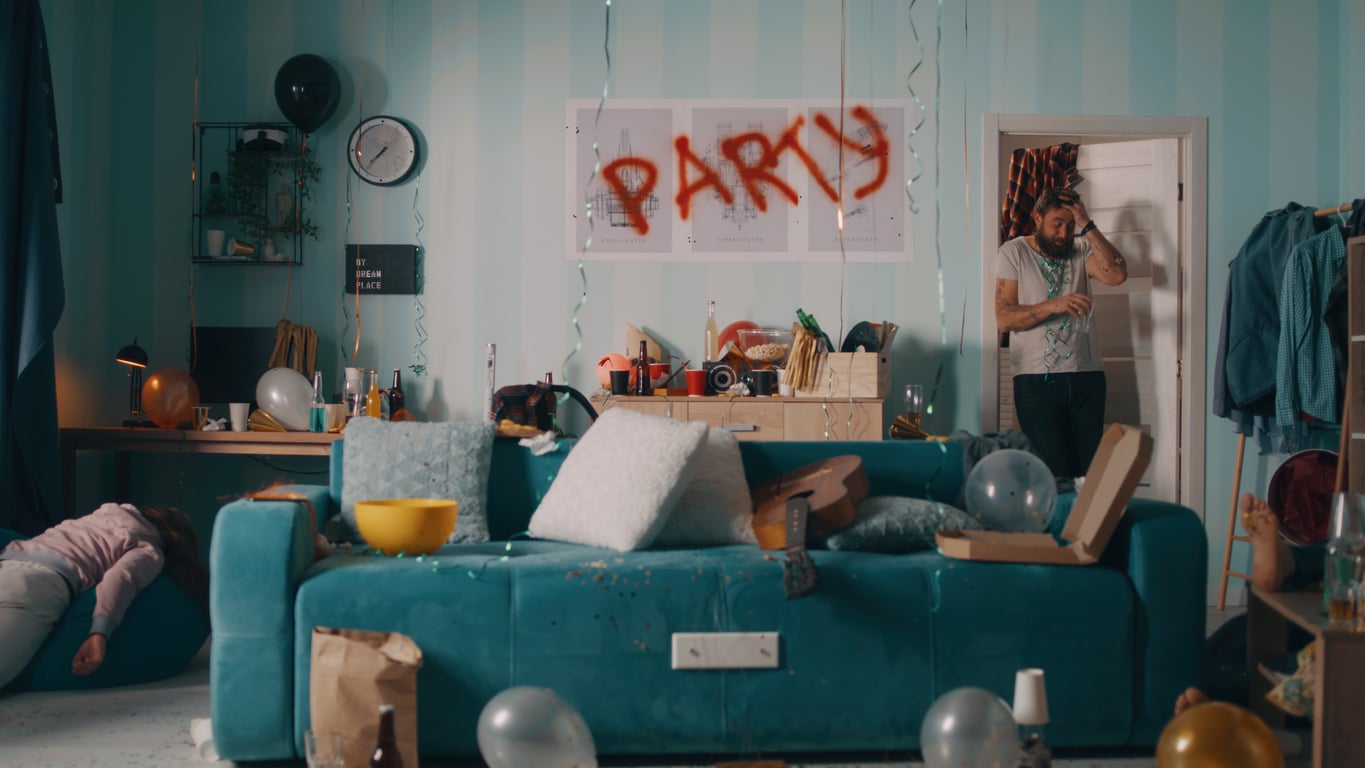
Airbnb is very clear on this: open-invite parties, disruptive gatherings, and community disturbances are not allowed. The company has also used anti-party screening around busy travel weekends. For guests, the risk is not just an angry host. A party can lead to removal from the property, extra charges for damage, bad reviews, account consequences, and neighbor or police involvement. If you are booking for a family reunion or small gathering, confirm the rules in writing before you book.
Never Wait Until Checkout to Report a Problem
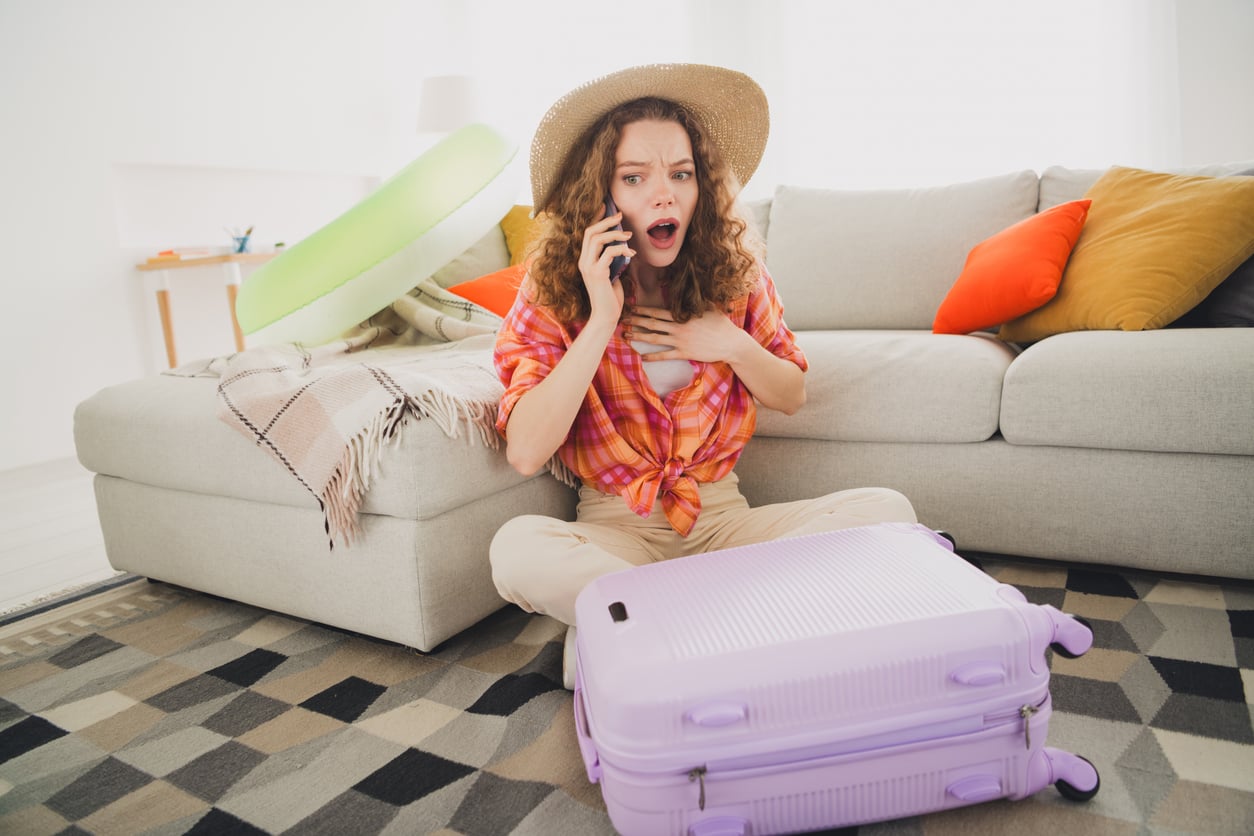
If the place is dirty, unsafe, missing a promised amenity, or significantly different from the listing, report it quickly. Airbnb’s rebooking and refund policy says guests generally need to contact Airbnb or the host within 72 hours after discovering a travel issue. Do not wait until the last morning and then ask for a refund. Message the host through Airbnb, include photos or video, and give them a chance to fix it. Fast, polite documentation works better than a long complaint after the trip is over.
Never Forget Arrival Photos
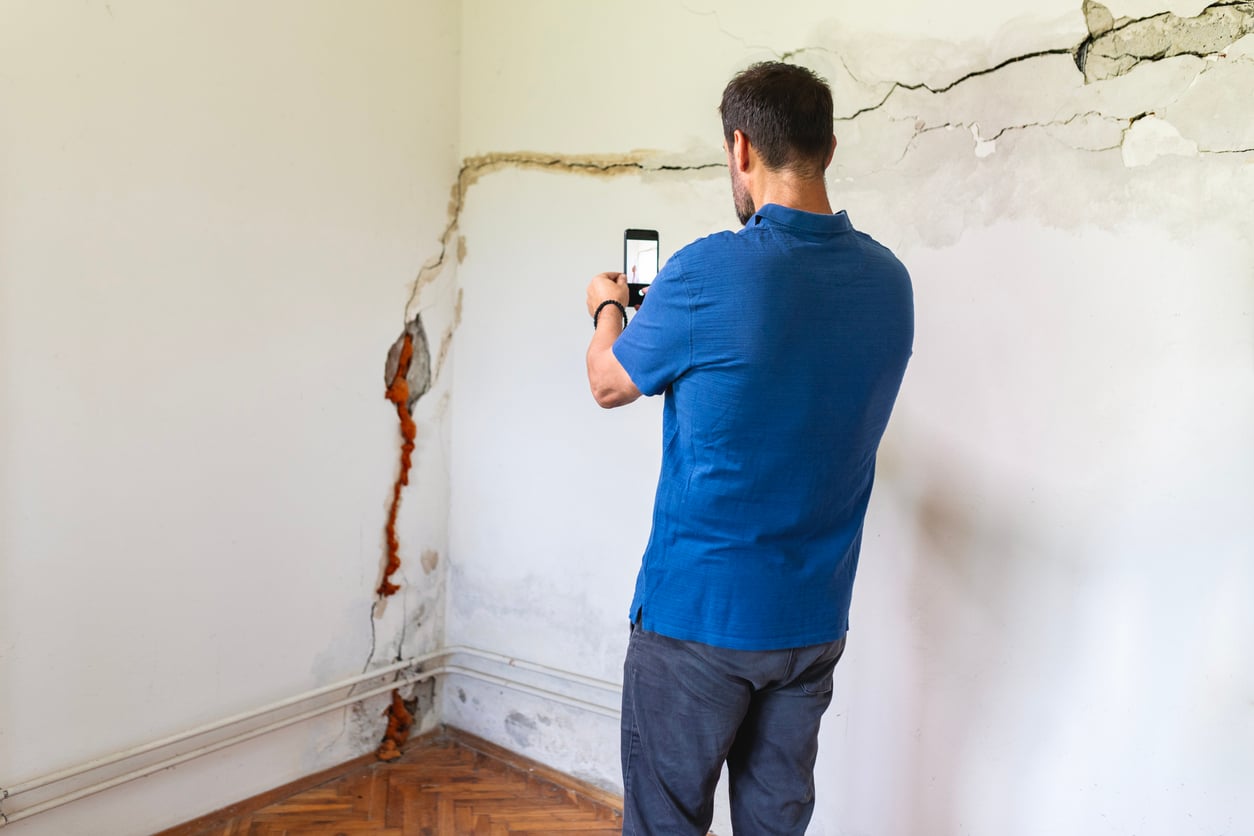
Before you unpack, take quick photos or video of the rental. Focus on existing damage, stains, broken furniture, dirty areas, missing items, and anything that could later be blamed on you. It feels a little fussy, but it can protect you if there is a damage claim or refund dispute. Many experienced Airbnb users also take checkout photos to show how they left the place. You may never need the evidence, but if you do, timestamps and Airbnb messages matter.
Never Assume Parking Will Be Easy
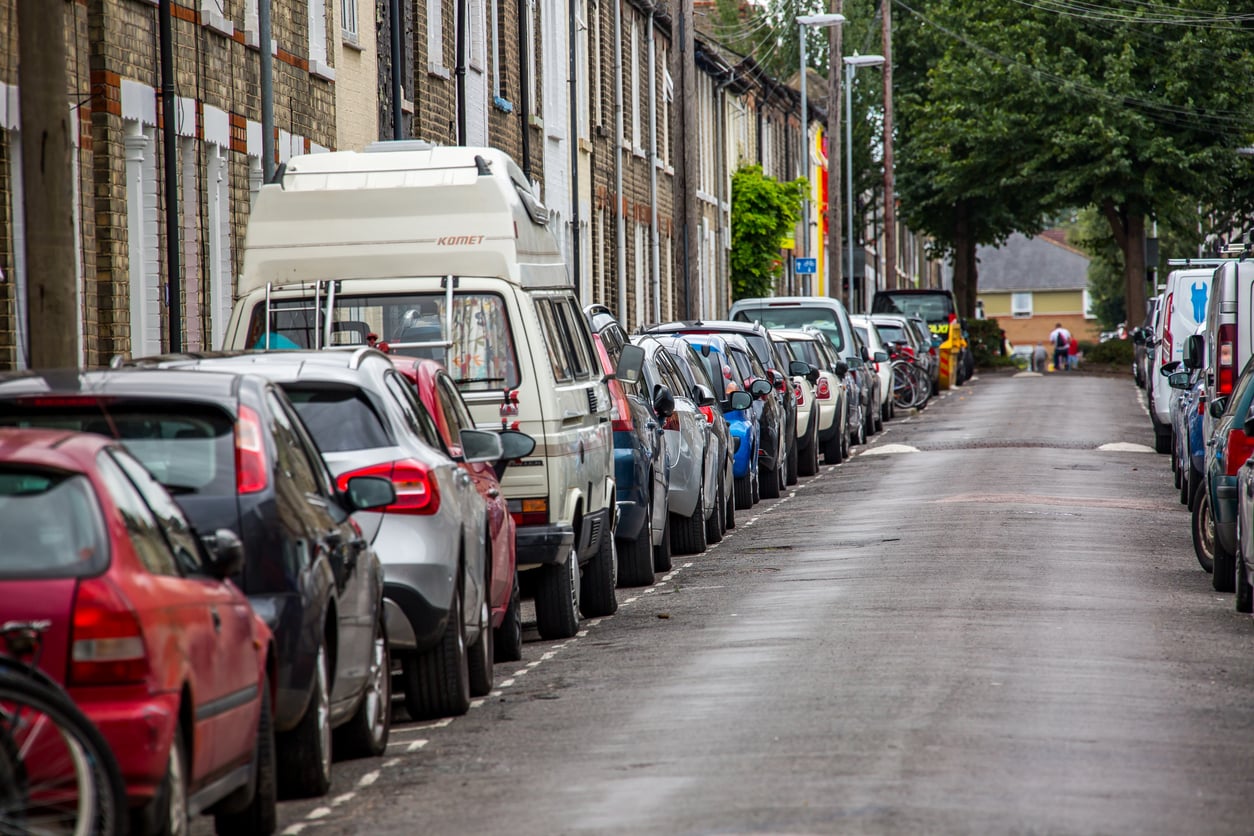
Parking is one of those dull details that can ruin a trip fast. “Street parking available” might mean circling for 30 minutes, reading confusing signs, paying meters, or walking several blocks with luggage. In older cities, beach towns, and downtown areas, parking can be limited, expensive, or restricted by permit. Ask the host exactly where you park, whether it is free, whether the space fits your vehicle, and what happens if the spot is occupied. For older travelers, this is comfort and safety, not just convenience.
Never Ignore Checkout Instructions

Checkout rules vary widely. Some hosts only ask guests to lock up and take out trash. Others ask for dishes, towels, thermostat settings, keys, or trash bins. Airbnb has said cleaning fees are meant for standard cleaning between reservations, and hosts should not use them as an excuse for excessive guest chores. Still, guests are expected to follow reasonable house rules. Read checkout instructions the night before, not ten minutes before leaving for the airport. It can prevent stress and a bad guest review.
Never Expect Hotel-Level Service

An Airbnb can feel homier than a hotel, but it usually does not come with a front desk, daily housekeeping, luggage storage, room service, or instant maintenance. If the toilet clogs at midnight or the Wi-Fi drops during a work call, the response depends on the host and local help. That does not mean guests should accept bad conditions. It means expectations should match the booking. If you need elevators, daily cleaning, on-site staff, or guaranteed amenities, a hotel may be the better value.
Never Leave Valuables Sitting Out
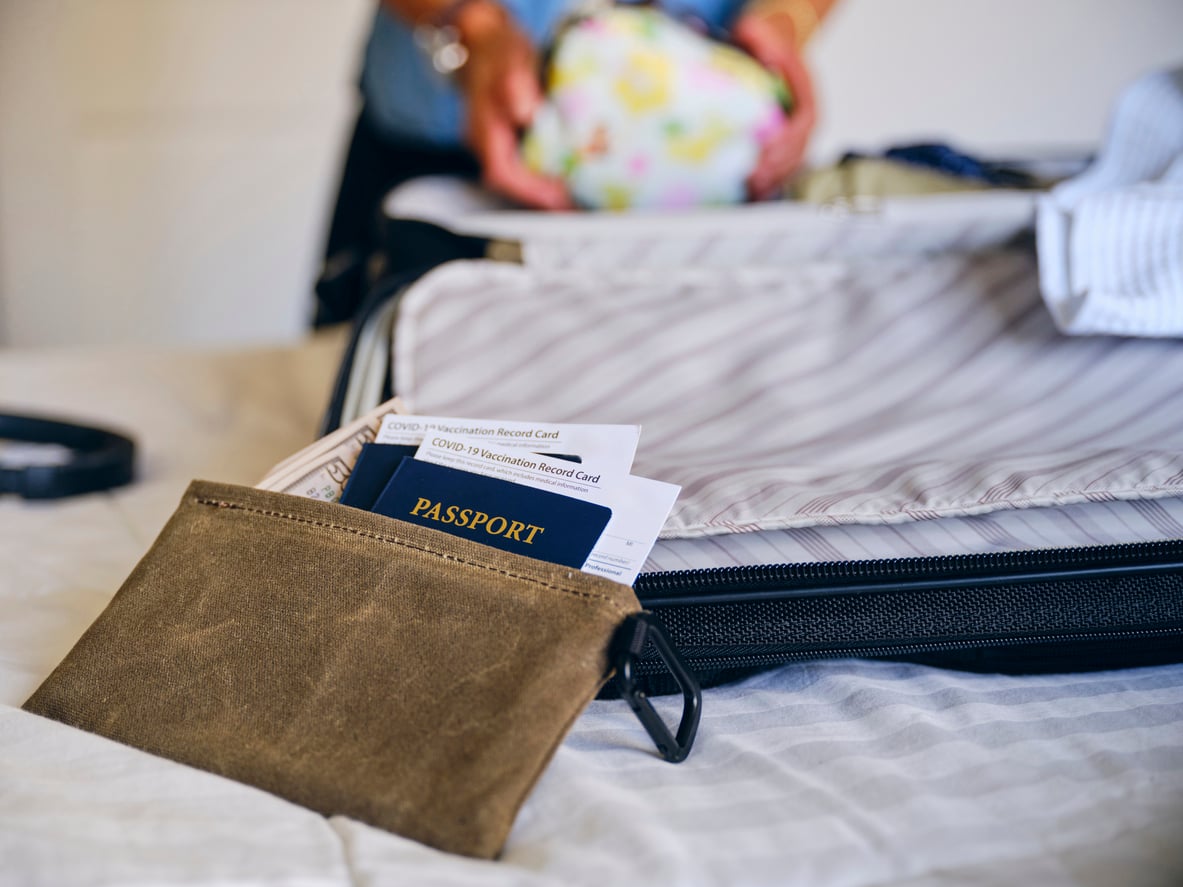
Most Airbnb stays are uneventful, but you are still staying in an unfamiliar property. Do not leave passports, cash, jewelry, medicines, or electronics scattered around when cleaners, maintenance workers, co-guests, or property managers may have access. Use luggage locks, a portable safe, or a locked interior room when possible. Check door and window locks when you arrive, especially in ground-floor units. This is not about paranoia. It is the same common-sense travel habit you would use in a hotel or rental car.
Never Assume the Wi-Fi Will Be Strong

Reliable internet is not guaranteed, especially in rural cabins, beach towns, mountain areas, older buildings, or international rentals. If you need Wi-Fi for work, medical calls, banking, streaming, or staying in touch with family, ask the host for the speed before booking. Better yet, ask whether the speed is recent and whether cell service works inside the property. Reviews are often the best place to find the truth. A charming cottage loses its charm quickly when you cannot send an email or use maps.
Never Assume a Host Cannot Cancel
Host cancellations are not the norm, but they do happen. Airbnb says guests are eligible for a full refund if a host cancels before check-in and may get rebooking help depending on availability. The problem is that “availability” can be thin during holidays, weddings, graduations, ski weekends, and major events. If the trip is important, book a highly reviewed host, keep an eye on messages, and know your backup options. A refund does not always replace a well-located rental at the same price.
Never Book Only Because It Looks Instagram-Worthy
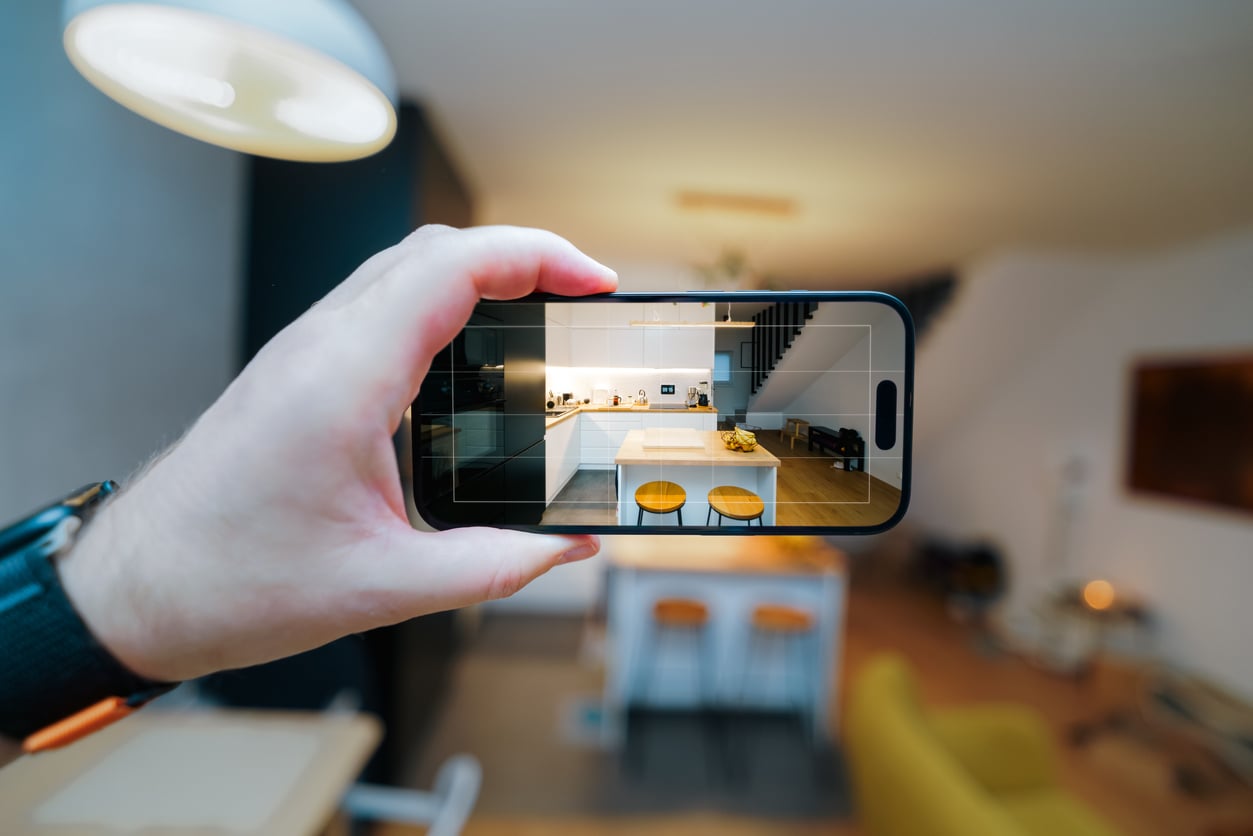
A clawfoot tub, neon sign, treehouse bedroom, or all-white kitchen can make a listing look special. But pretty does not always mean practical. Look past the design and ask boring questions: Is the bed comfortable? Is there a real sofa? Are there handrails? Is the bathroom upstairs? Is the kitchen usable? Is the heating or cooling reliable? Older travelers especially should not trade comfort for a photo. A beautiful rental with bad sleep, weak lighting, and awkward stairs is not a bargain.
Never Ignore Privacy and Camera Disclosures
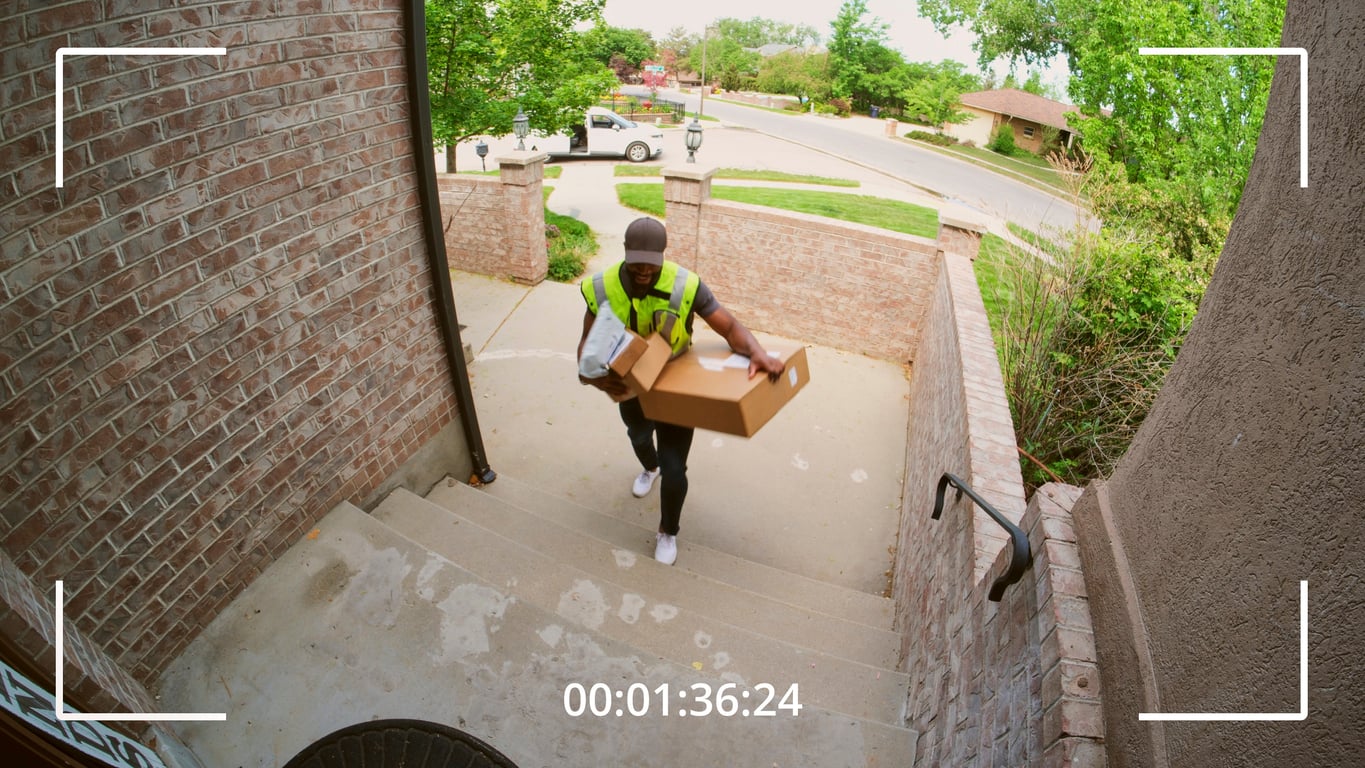
Airbnb banned indoor security cameras in homes worldwide, even if they are turned off. Hidden cameras have long been prohibited. Hosts may still use certain exterior cameras, doorbell cameras, smart devices, and noise decibel monitors if they follow Airbnb’s rules and disclose them properly. Before booking, check the listing for security devices and think about your comfort level. Outdoor cameras may be reasonable at an entrance, but they should not point into private spaces. Report anything undisclosed or suspicious through Airbnb.
Never Leave a Vague or Emotional Review

Reviews help the next guest avoid the same Airbnb mistakes. Keep yours factual, specific, and useful. Instead of “terrible place”, write what happened: “The listing said free parking, but only paid street parking was available”, or “The bedroom had no window covering facing the street”. Airbnb reviews for homes are time-limited and published after both parties submit or after the review window ends, so write carefully before sending. Fair reviews protect future travelers without turning into a rant.